Ornamental peppers thrive both outdoors and indoors. In fact, they can be grown indoors as a perennial—on a windowsill, they can live for several years, delighting with their attractive appearance and delicious harvest.
How to grow perennial ornamental peppers at home
There are several ways to do this:
- If you have your own plot of land, you can dig up the bush in late summer or early fall. Do this carefully, transferring it, along with the root ball, to a pot. This will transform the pepper into a houseplant. After repotting, it will take on a more decorative appearance. With proper care, it will last for several years, not just one season.
- You can take a cutting from an existing plant and try to root it. However, keep in mind that this method is quite difficult, as peppers root poorly.
- Peppers can be grown from seeds. The best time to sow is late February, mid-July, or early September. These are considered optimal times for planting indoor peppers.
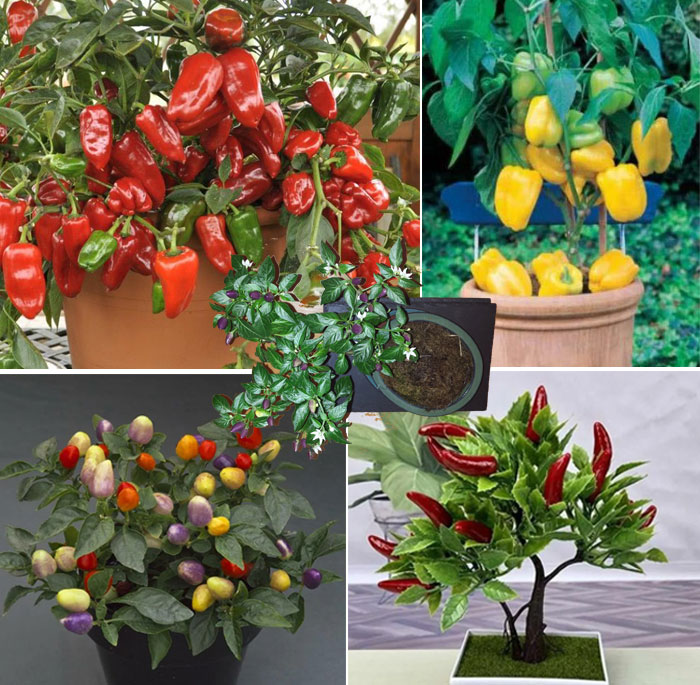
Both sweet and ornamental peppers can be grown indoors. The key is to choose varieties that form small, compact bushes (no more than 50-60 cm) and are early maturing.
You can choose a variety in the article: Ornamental peppers: sweet, hot, indoor, outdoor, care, photos, reviews.
Features of planting indoor ornamental peppers
Basic rules:
- To plant indoor peppers, you need to choose a universal soil or one specialized for seedlings.
- The seeds are sown in a pre-moistened substrate to a depth of 1.5 cm.
- Choose small containers for sowing. Plant 2-3 seeds at a time to be on the safe side in case one doesn't sprout. If all of them sprout, keep only the strongest seedling and discard the rest.
- After sowing, cover the containers with glass or plastic wrap. Transfer to a warm place with a temperature of +25…+28 °C.
If all instructions are followed, the first shoots will appear in 1-2 weeks. After this, the glass and plastic wrap are completely removed. The pots with the plants are moved to the brightest spot indoors.
Caring for ornamental pepper seedlings
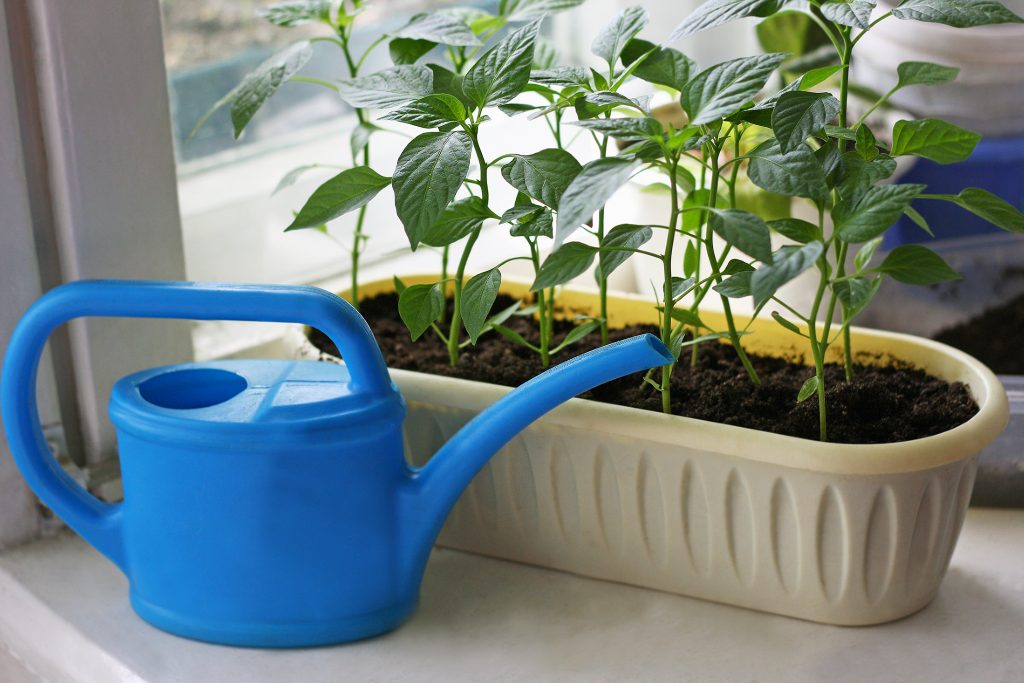
Water exclusively with settled, room-temperature water. Peppers are rehydrated as the top layer of soil dries out.
The first feeding is done when the plant has 3-4 true leaves. Fertilizers are applied every 10 days. Alternate root and foliar feeding. You can use fertilizers for flowers or vegetables.
At one month of age, the seedlings are transplanted into larger containers using the transshipment method, along with the root ball. This method reduces stress on the plants and allows them to establish themselves more quickly in their new location. They are transplanted into permanent pots at three months of age. The container size will depend on the size of the plant, which is typical for the variety being grown:
- the plant is no more than 15 cm, a 1 l pot is suitable for it;
- it reaches half a meter, you need to choose a 3 liter container;
- It is planned to plant several specimens at once; 3-5 plants of the stated small size can be planted in a three-liter pot;
- If the bushes are large enough, a 5 liter container will be suitable for 3-5 pieces.
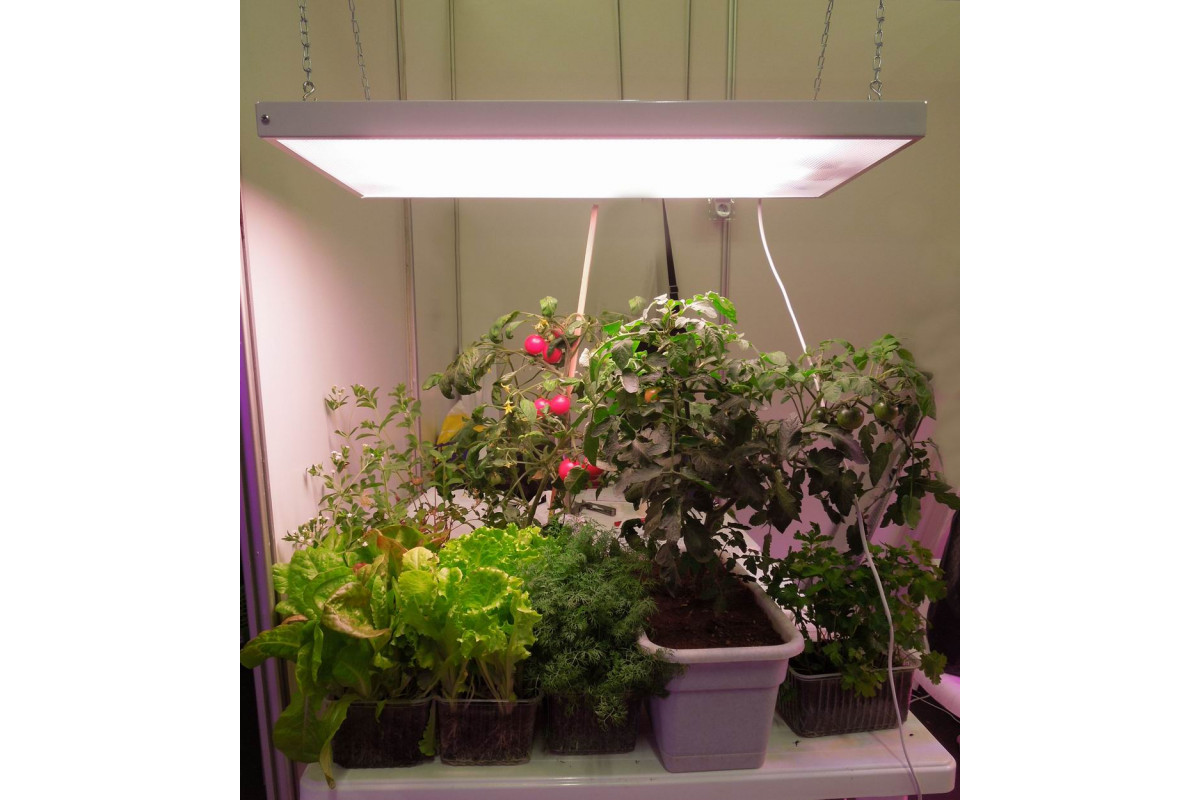
Please note! Plants require 12 hours of daylight. If seedlings emerge during a shorter period of the year, artificial lighting will be required. This can be achieved using phytolamps or LED bulbs.
Further care of adult perennial ornamental peppers
When flowers appear on plants, they will need help to ensure proper fruit set. This involves cross-pollination with your fingers or a soft brush—pollen from one bud is transferred to another. Shaking the pots can also help, which will cause pollen to fly from one flower to the next. If this isn't done, the buds may fall off after a while without producing a fruit. If you grow both sweet and bitter varieties indoors, this will prevent cross-pollination.
Important! Sweet and hot pepper varieties should be kept separate. Otherwise, the plants will cross-pollinate, causing the fruit to lose their distinctive flavor, taking on that of their neighbors.
Watering should be done so that the root ball is completely saturated, and excess moisture drains through the drainage holes into a tray, from which it is then discarded. In summer, watering frequency increases.
Peppers also need to be sprayed daily, but not in direct sunlight. Otherwise, the plant will get burned.
If possible, during warmer months, it's recommended to take the peppers out to the balcony, loggia, terrace, or garden—in other words, into the fresh air.
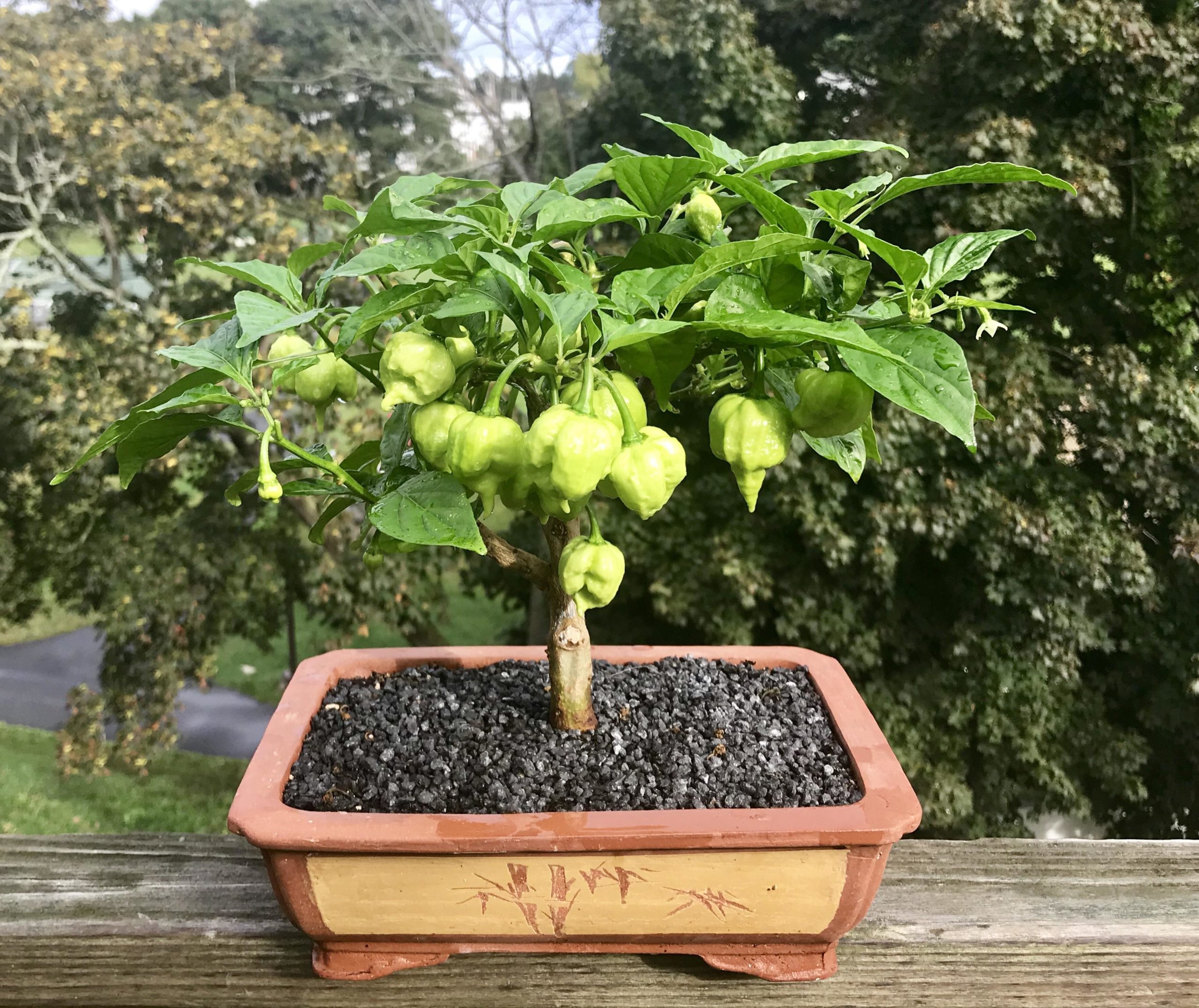
If the temperature begins to approach 15°C, the peppers should be brought back into a warmer environment. This temperature regime negatively impacts plant growth and development.
When the bushes produce abundant fruit, it looks attractive. However, harvesting should be done within a controlled manner, harvesting fully ripened fruits. Peppers can also be harvested at the technical maturity stage (not yet fully ripe).
Pruning depends on the variety chosen. Not all varieties require it. If the bushes are less than 20 cm tall, shaping is unnecessary. On taller specimens, two skeletal stems are left. As they grow, at each subsequent branching, the strongest shoot is left, and the weaker ones are pinched back to bear one fruit.
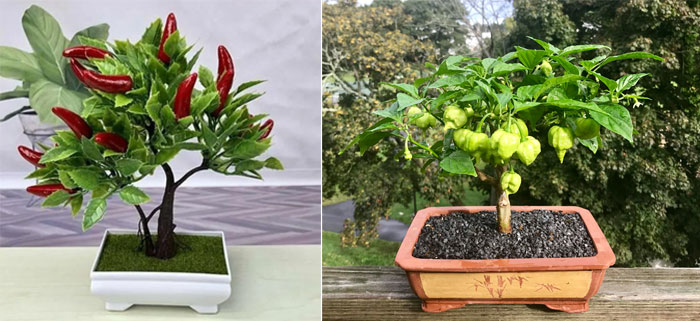
In the fall, it's important to prune unsightly branches that spoil the appearance of a mature perennial pepper plant. For example, branches that grow haphazardly, stick out in the wrong direction, etc. Peppers can even be grown using the bonsai technique. Keep in mind that stumps left after pruning can quickly sprout new shoots.
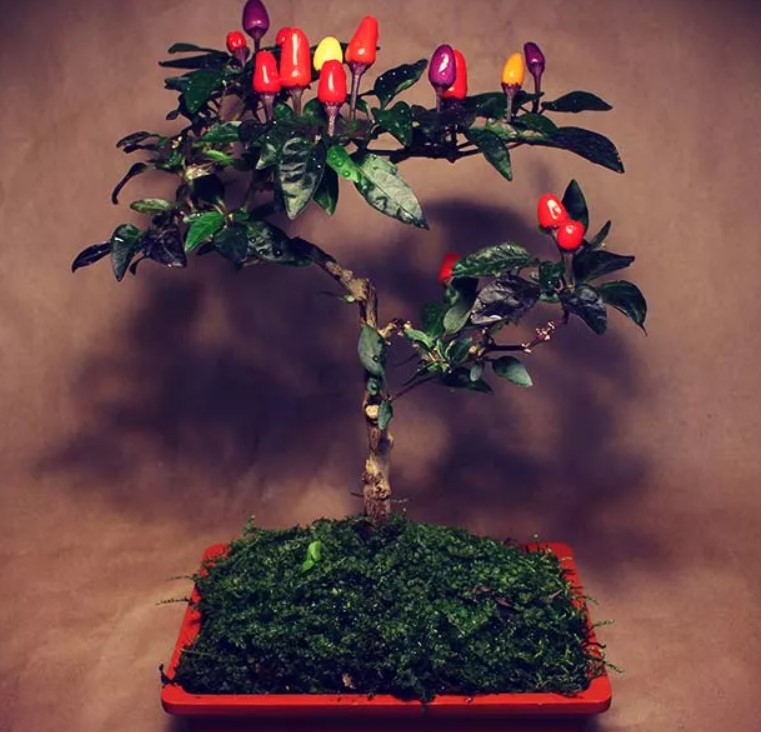
Some pepper varieties can produce year-round even without supplemental artificial lighting. However, the yield will be less abundant in winter. Other varieties produce in winter only with supplemental lighting. As with seedlings, they require at least 12 hours of daylight.
It's important to determine in advance whether a winter harvest is necessary, and then decide on the appropriate lighting. If the plants require supplemental lighting, they should be placed on a bright windowsill. This can be provided using a standard table lamp with energy-saving LED bulbs (they won't burn the plants). Turn it on after it gets dark outside for a period of time that provides a total of 12 hours of daylight.
If you decide not to provide supplemental lighting but want to harvest in early spring, trim the top of the plant and place the pot in a cool, bright location. The temperature should be no higher than 15°C to 18°C. Under these conditions, the plant will enter dormancy. In mid-February, begin gradually waking it up by watering it more thoroughly and frequently (before this, water no more than once every 10 days). When the plant begins to awaken, begin feeding it.
With supplemental lighting, fertilizer application continues year-round, with a frequency of once every 10 days.
Caring for ornamental peppers is quite simple. If you follow all the above guidelines, you can grow them as perennials. The plant will delight you with its beauty and fruit year-round.
Tips for growing pepper bonsai from Top.tomathouse.com
If you decide to make a bonsai from a perennial pepper, you should pay attention to the following recommendations:
- At the beginning of the growth of ornamental pepper, it is better not to touch it and let it grow as it wants.
- During growth, continue to apply nitrogen fertilizer. This will help the pepper plant develop a thick trunk by the end of the first season.
- Using wire for shaping slows down the development of peppers, so it should not be used.
- It is worth bending the branches after they have thickened, changing the trunk by tilting it where needed and tying it.
- There is no need to try to shape the bonsai during the first season.