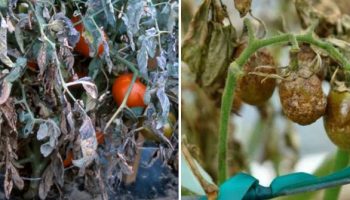
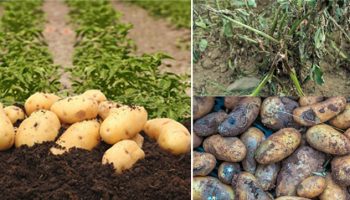
Anthracnose is a disease caused by the fungi Gloeosporium, Kabatiella, and Colletotrichum. This disease can affect vegetable crops, berry bushes, and fruit trees. Typical symptoms most often appear on plants with weakened immune systems. Both obvious damage (wounds, cracks) and signs of wilting are serious causes for concern.
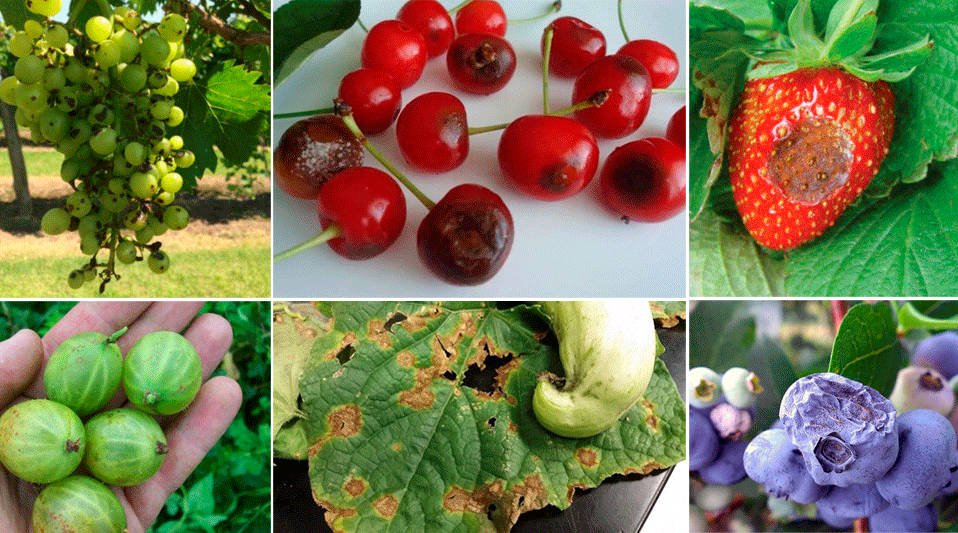
The situation is complicated by the fact that it's impossible to prevent spores from entering a garden plot. They are carried by water, wind, and insects. Excessive soil and air moisture are a trigger. The risk of disease increases due to high acidity, sudden temperature changes, and mineral deficiencies, particularly phosphorus and potassium. Also, be careful of the proximity of diseased plants.
Signs of anthracnose
Plants affected by this disease exhibit characteristic symptoms. Reddish-brown spots form on leaves, shoots, and branches, surrounded by yellow, brown, or dark purple margins.
Over time, they grow, covering an ever-increasing area. If the weather is too hot, the vegetative parts of the plant become covered with cracks. The affected part's nutrition is disrupted, causing the plant to wither. Due to increased humidity, the stems become brittle.
Content
- 1 Signs of anthracnose
- 2 Symptoms on various vegetables and control measures
- 3 Symptoms and treatment of anthracnose on shrubs and trees
- 4 Anthracnose on garden flowers
- 5 Anthracnose infestation of indoor plants
- 6 Preventive measures to combat anthracnose
- 7 Top.tomathouse.com informs: a list of anthracnose treatments and their features
Symptoms on various vegetables and control measures
When choosing a treatment method, it is important to take into account the characteristics of the vegetable crop.
On cucumbers
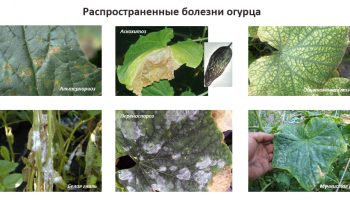
Signs of fungal disease can appear on cucumbers as early as the seedling stage. The first spots appear near the root collar. These sunken marks eventually develop into ulcers. Without prompt intervention, the seedlings fall to the ground. The leaf blades of mature cucumbers become covered with brown or yellow spots, which soon develop into holes. The fungus then spreads to the stems, shoots, and fruits.
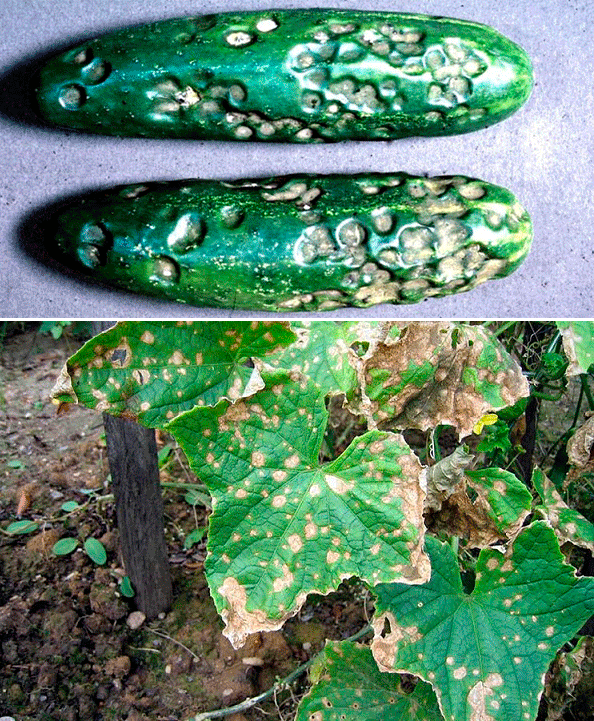
If you notice characteristic spots on your plant, treat it with Abiga-Peak or Bordeaux mixture. Apply the solution under the roots. Spray the greenery with Polyram and Copper Oxychloride. Several treatments may be required to achieve maximum results. Prepare the treatment according to the instructions included with the product.
On tomatoes
Anthracnose only affects mature tomatoes. First, the upper leaves wilt, then black spots appear on the mature fruits.
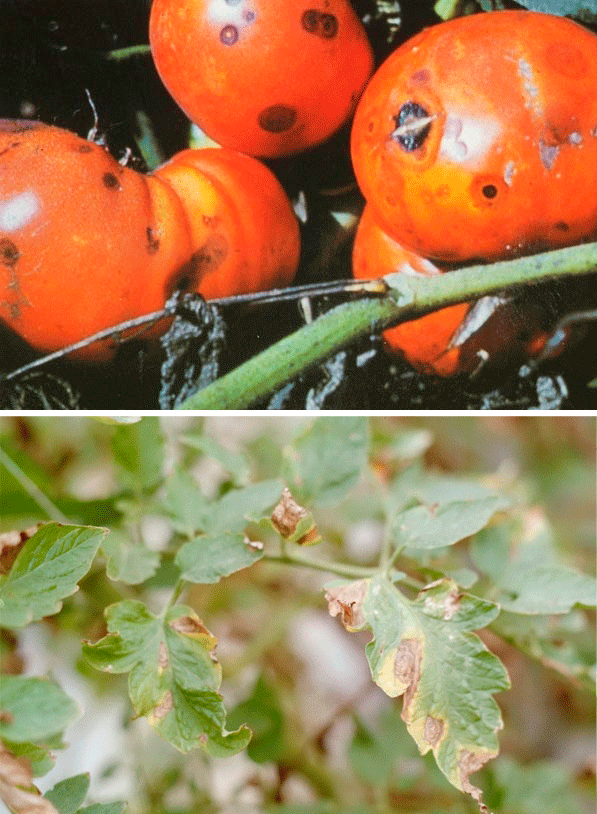
Tomatoes with characteristic dents are softening. In this case, the grower will need Poliram, Kumulus-DF, colloidal sulfur, and Thiovit Jet.
On potatoes
Blurry spots can be seen on potato stems and tubers. To prevent infection, the seed is treated with fungicides.
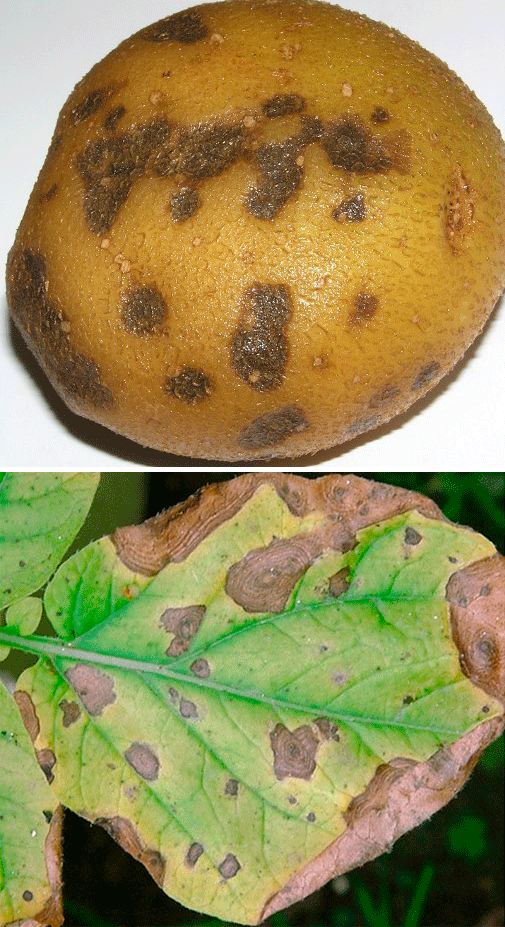
Mandatory agricultural practices include timely weeding and clearing of fields after harvest. The final step is digging the soil. However, loosening should be avoided.
On zucchini
Zucchini suffers no less than other crops. In this case, saving the plant is virtually impossible, as the entire above-ground part is affected within a short period of time.
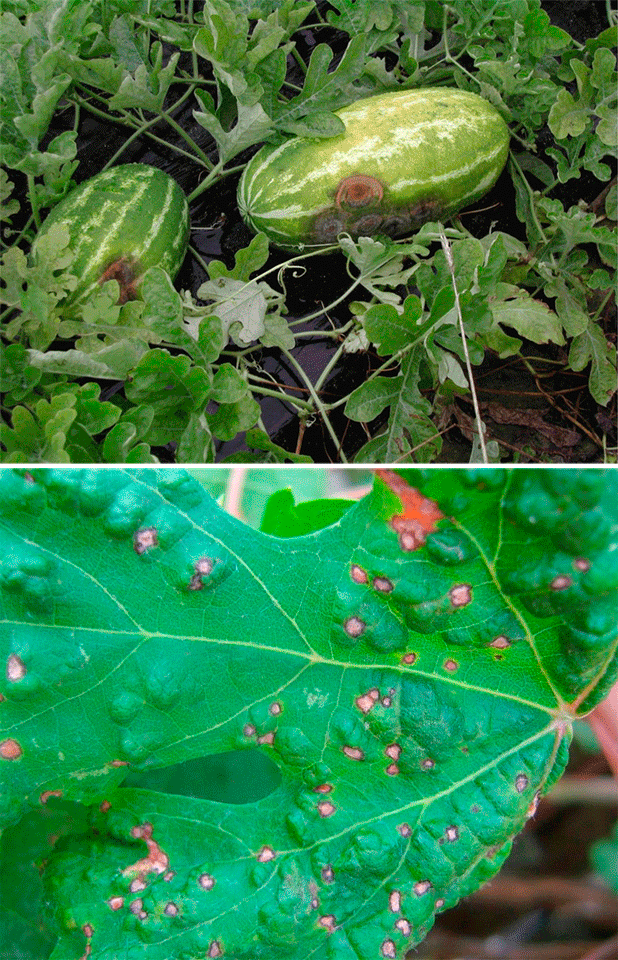 If you don't spray the vegetable with colloidal sulfur solution or Bordeaux mixture in time, affected shoots, fruits, and leaves must be removed beforehand.
Symptoms and treatment of anthracnose on shrubs and trees
Vegetable crops aren't the only ones susceptible to this disease. Signs can be seen on currants, cherries, gooseberries, raspberries, and grapes. The sunken spots first appear on the leaves and shoots that are lower down.
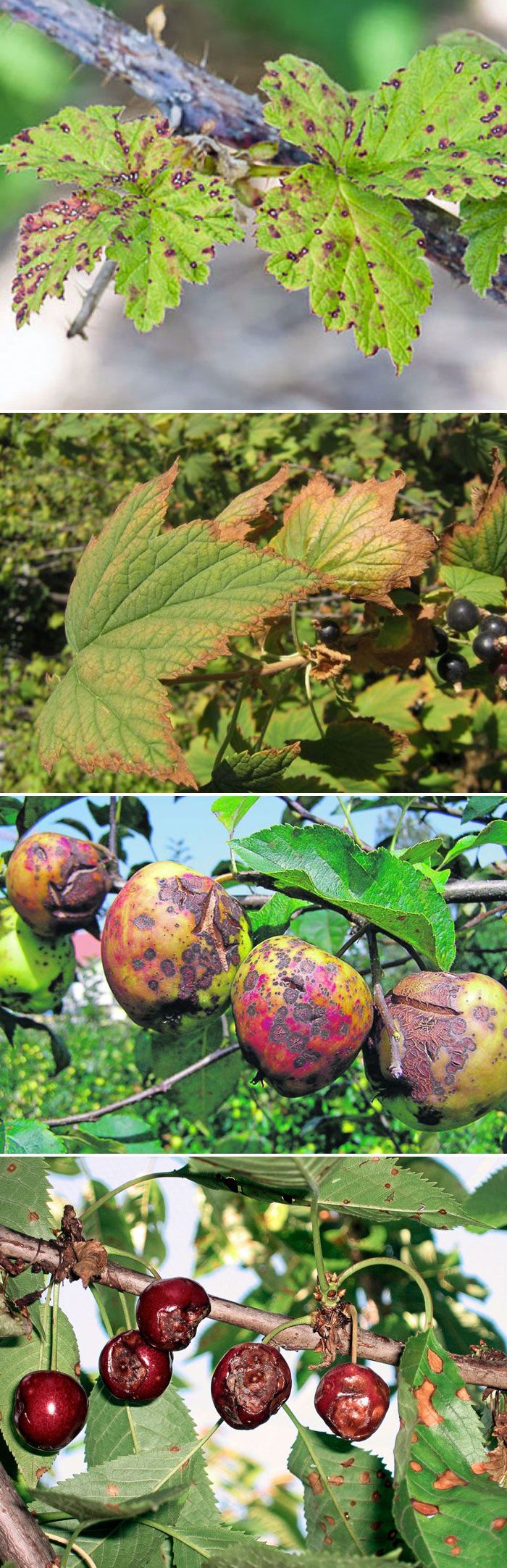
This is caused by the proximity of the plant's vegetative parts to waterlogged soil. The berries become covered with whitish ulcers.
The color of the spots can vary. For example, on currants they are brown, on raspberries they are gray-blue, and on cherries they are dark pink. Regardless of color, their borders quickly expand. Afterwards, the leaf blades curl, dry out, and fall off. The same happens to the fruit.
Treatment with special compounds should be carried out before berries and fruits appear.
If the flowering period has already ended, it is recommended to use safer solutions. These include products such as DNOC and Nitrafen. After harvesting, the bushes can be sprayed with Kumulus-DF and Thiovit Jet.
Potassium sulfate is used to fertilize fruit trees. Apple tree bark is coated with lime. Experienced gardeners often replace it with special compounds. This procedure should be carried out in the spring or fall. With proper care of fruit trees and berry bushes, the risk of anthracnose is minimal.
Anthracnose on garden flowers
Roses are most often affected by this disease. The variety and cultivar are irrelevant. In its early stages, anthracnose is often confused with black spot. Later, the spots become brighter in color and blurry in shape. Holes then appear within them. The same can happen to hostas, lupines, flax, and other ornamental plants.
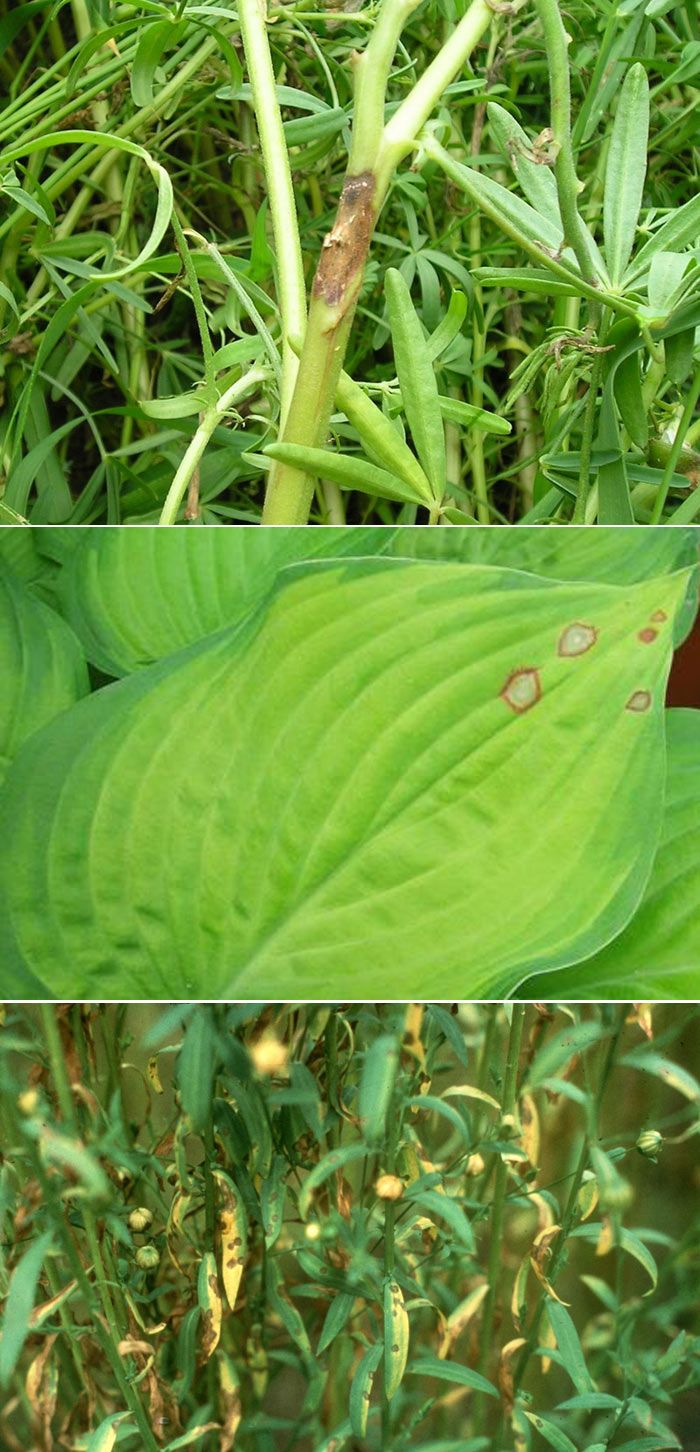
Crops grown in garden plots (strawberries, wild strawberries) are not immune to anthracnose. The only difference is the conditions required for the fungal infection to develop.
Flowers that require moist soil and high temperatures are the most vulnerable. The number of infected plants increases once the temperature reaches 20°C.
To avoid such problems, it's best to choose plants that are resistant to anthracnose. Among these, the spathiphyllum stands out. This flower is often called "women's happiness." Positive reviews from gardeners on specialized forums attest to its resistance to this disease.
Particular attention should be paid to cyclamens, anthuriums, violets, and clivias. When infected, the foliage of the latter resembles bright green fabric pierced by pellets. Bulbous garden plants affected by the disease have leaf blades with yellow, brown, and reddish-brown streaks along the edges.
Anthracnose infestation of indoor plants
Ficus trees and palms are especially popular among homeowners. If specialist recommendations are not followed, the leaves may become covered with dark brown, ash-gray, or brown spots. These spots are the first sign that the foliage will soon dry out and fall off. Damaged parts will have to be removed; restoring their original appearance is impossible. A diseased ficus should be separated from other houseplants. Water it sparingly, and the same applies to misting.
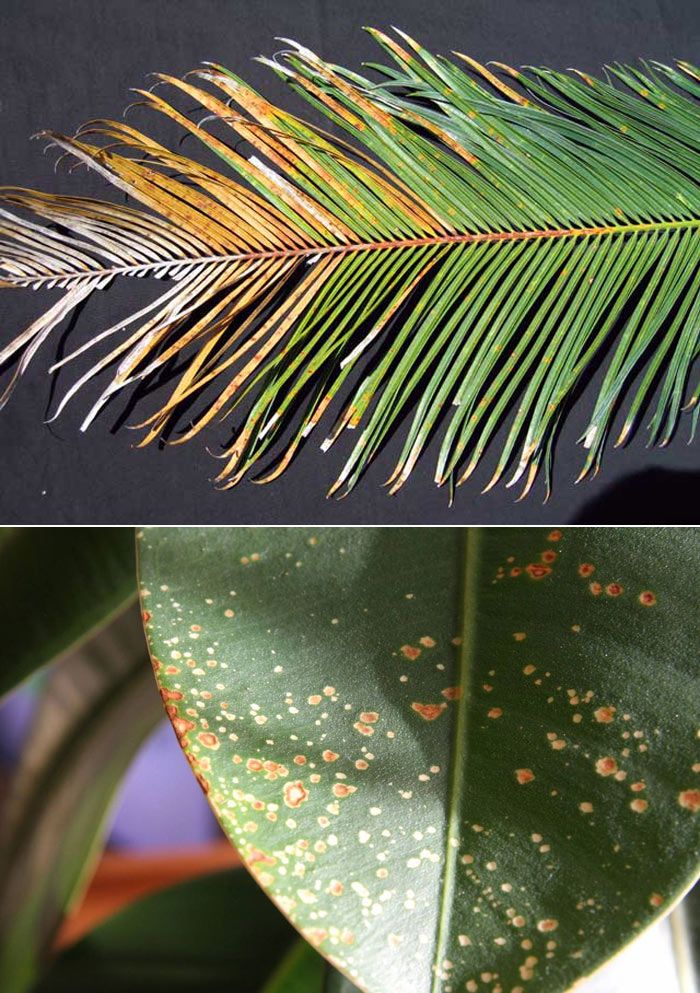
The color of orchid spots is determined by varietal differences. Common characteristics include:
- clear contours of depressed areas;
- loose growths that appear near the base of leaf blades.
The scars left by anthracnose on delicate leaves resemble burns. Orchids recover poorly from this infectious disease. The sooner action is taken, the better the outcome. To achieve maximum effectiveness, many use specialized products.
In the case of calla lilies, the appearance of dents bordered by wide red rims is a serious cause for concern. A pink liquid containing spores forms within the fruiting bodies. When these spores rupture, the infected "sap" spills onto healthy flowers. Brown spots subsequently appear on them as well.
Cacti are not immune to this disease. If dampness cannot be eliminated, anthracnose is unlikely to be avoided. Bright brown dents appear on the plant's surface. If these are discovered, the affected areas should be excised immediately. This procedure is performed using sterile instruments. Further infection can be prevented with crushed charcoal.
Preventive measures to combat anthracnose
Prevention is better than cure. Prevention should begin during the preparatory stage. Anthracnose pathogens can be found on garden tools and seeding material. To reduce the risk of infection, disinfection is necessary.
When favorable conditions arise, fungi quickly become active. Weakened plants are the first to become infected. Therefore, the goal of preventative measures is to protect them. To ensure the health of all plants, it is necessary to practice crop rotation and regularly clean up the garden area.
Another important point is treating the crops with special preparations. Before planting, the seeds must be soaked in growth-promoting compounds. These include Immunocytophyte, Zircon, and Epin.
After the season, garden tools should be thoroughly washed and dried. Store tools in a clean, dry place, wrapped in oiled paper. Rubbing alcohol should be used during cleaning to prevent the spread of fungus.
Planted plants may weaken due to:
- overwatering;
- transplants;
- mechanical damage;
- genetic predisposition;
- infertile substrate.
Therefore, to minimize the risk, it is necessary to adhere to the planned agricultural practices. Rubbing the leaves with abrasive materials is strictly prohibited. This can cause scratches and cracks. Damage to the protective layer can trigger infection.
When purchasing seed material, you should choose varieties that are resistant to fungal diseases.
The soil must be disinfected without fail, as infection can enter the greenhouse from outside. Untreated soil may contain fungus, which remains viable for up to 5 years.
Top.tomathouse.com informs: a list of anthracnose treatments and their features
To combat this disease, antifungal agents are required. These include fungicides.
Their range is quite extensive. Treatment is not recommended before rain, as the effectiveness of the products used will be minimal.
| The drug, photo and cost | Peculiarities |
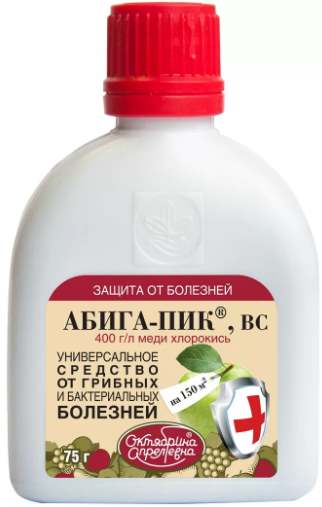
| Abiga Peak
85 rubles for 75 g |
Contains copper and has a broad spectrum of action. It is phytotoxic, so please strictly follow the instructions when using. |
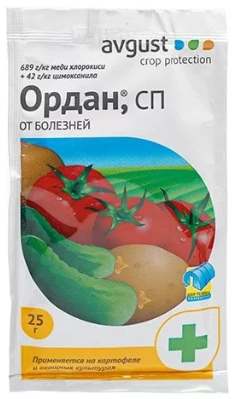
| Ordan
50 rubles for 25 g |
They are classified as contact-systemic, moderately hazardous fungicides. They are used to combat diseases caused by fungi. In addition to anthracnose, the list includes late blight and early blight. |
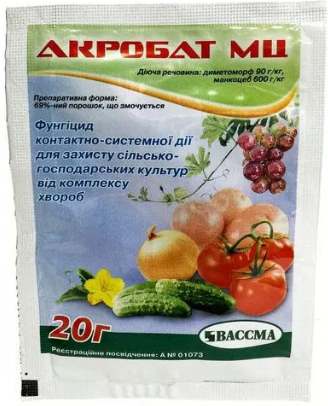
| Acrobat Mc
150-200 rubles per 100 g |
It has a local-systemic effect and is toxic. |
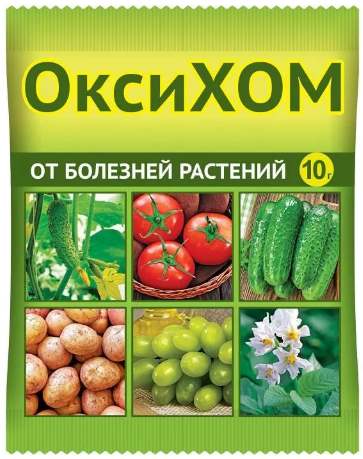
| Oxychom
70 rubles for 10 g |
Toxic, used to treat fungal diseases. |
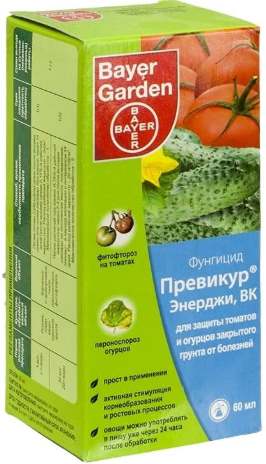
| Previkur
500 rubles for 60 ml; powder can be purchased cheaper (60 rubles for 10 g) |
A systemic fungicide with additional benefits including rapid restoration of growth activity. It has protective properties. It causes irritation when in contact with mucous membranes and skin. |
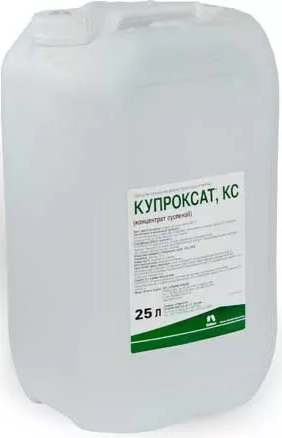
| Cuproxate
9-10 thousand rubles. for 10 l |
Contains copper and has powerful healing properties. It is considered one of the most popular. |
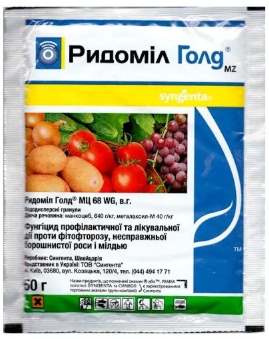
| Ridomil Gold
21 rubles for 5 g |
It has a wide spectrum of action. |
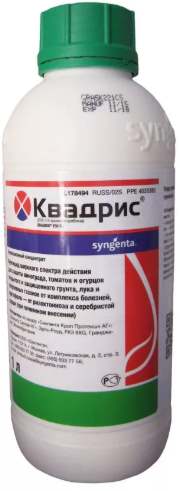
| Quadris
400 rubles for 60 ml |
It is used to prevent and treat the occurrence of many fungal pathologies. |
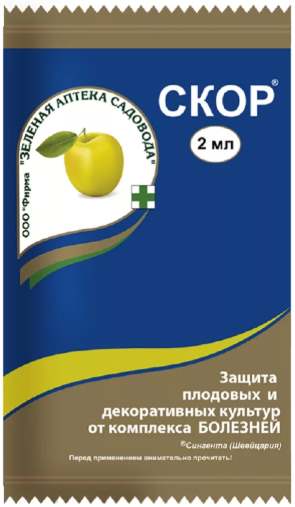
| Skor
60 rubles for 2 ml |
Used to treat and prevent late blight, scab, and many other diseases. If the manufacturer's recommendations are not followed, it may cause harm. |
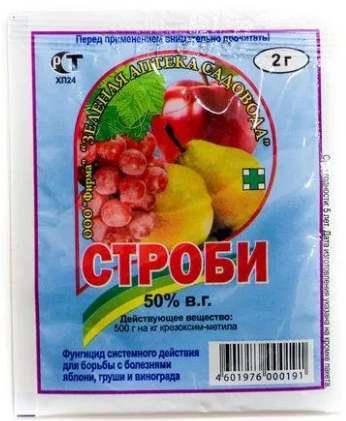
| Strobe
50 rubles for 2 g |
Characterized by resistance to precipitation, moderately hazardous. |
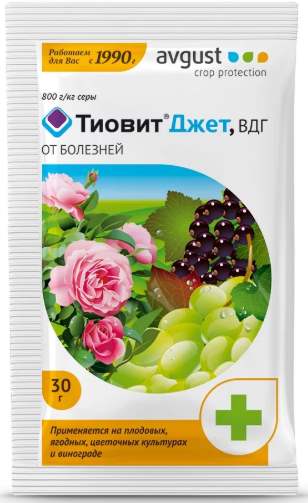
| Thiovit Jet
25 rubles for 30 g |
They are classified as acaricides and contact fungicides. |
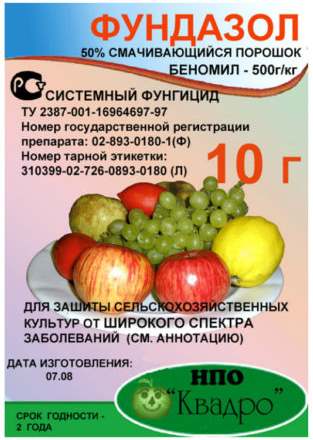
| Fundazol
40 rubles for 10 g |
It is used as a seed dressing. With frequent use, pests develop resistance. |
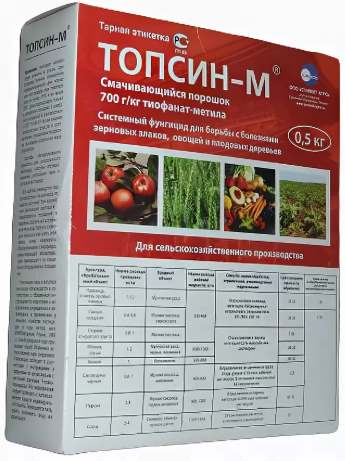
| Topsin-M
66 rubles for 10 g |
It is used to treat soil and greenery. It has a therapeutic and preventative effect and is characterized by a high level of safety. |
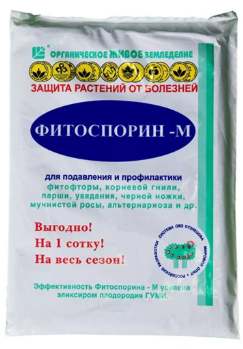
| Fitosporin-M
60 rubles for 200 g |
It has low toxicity and contact effects. It is dangerous for bees and plants. |
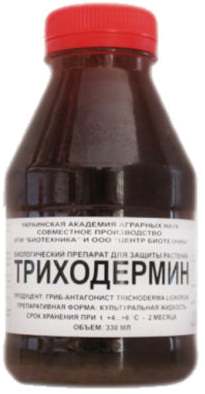
| Trichodermin
50 rubles for 30 g |
A biological fungicide used to improve soil health. It is harmless to birds, people, fish, and bees. It does not accumulate in the soil. |
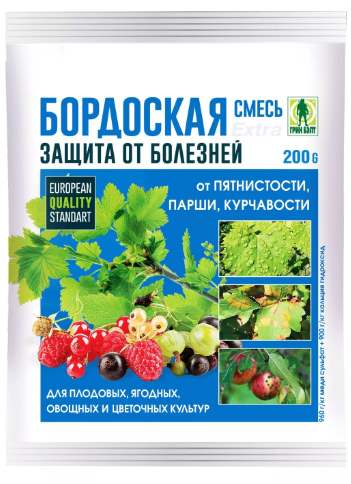
| Bordeaux mixture
100 rubles for 200 g |
A product with a complex effect. It is used to protect fruit, berry, vegetable, melon, and flower crops. |
Many medications are classified into a separate category. The determining factor is their hazard class. This information is provided on the packaging.
If a product is highly phytotoxic, it should be used with extreme caution. In any case, gloves and respirators should be worn.
It is strictly forbidden to violate the application instructions and dosage. Otherwise, the likelihood of the affected plants recovering will be significantly reduced.