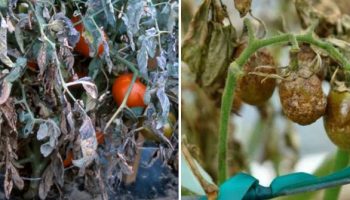
Cabbage is a cold-resistant crop. However, it is quite sensitive; improper cultivation practices and neglect of disease and pest prevention can lead to the death of the entire crop.
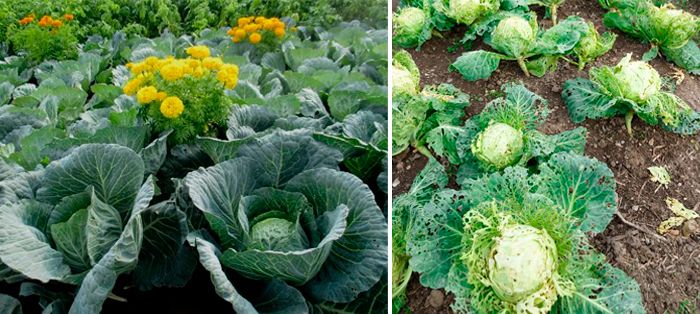
Possible causes of cabbage wilting
Plants thrive best when temperatures do not exceed 20°C. Seedlings may wilt due to unfavorable conditions.
These include:
- lack of light;
- dry air;
- lack of minerals;
- waterlogged soil;
- infectious pathologies;
- high pH level;
- improper care.
After germination, the boxes should be moved to a cool room. Seedlings are particularly vulnerable during the first 10 days after planting in open ground. This is due to damage to the roots that occurs during transportation. Yellowing of the foliage is usually caused by adaptation. To strengthen the seedlings, growth stimulants such as Immunocytophyte, EPIN, and Heteroauxin are used.
Fungal diseases of cabbage and their control
Fungi often cause entire crop losses. Cruciferous plants and their varieties are often affected. Control measures are selected after the pathogen is identified. To achieve a powerful therapeutic or preventative effect, experts recommend a combination of traditional, agricultural, and chemical methods.
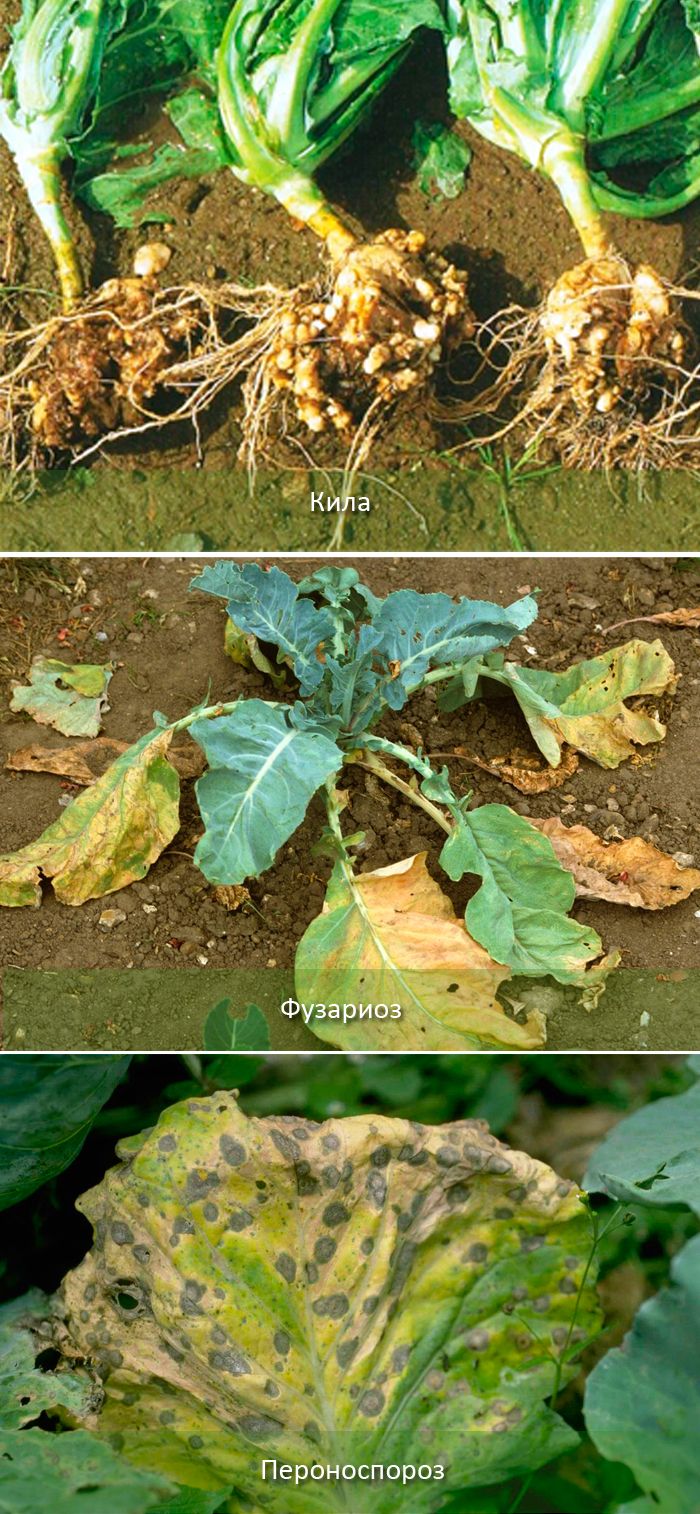
The list of diseases is quite extensive and includes:
- Clubroot. Young plants are at risk. The Plasmodiophora fungus can be transmitted to seedlings during ventilation and watering. Insects are the vectors of the infection. Characteristic symptoms include growths on various parts of the root system, wilting, and slow growth. Infected seedlings cannot be cured, so they are destroyed. Empty planting holes are sprinkled with lime for disinfection. It is important to note that the disease only affects plants from the Cruciferae family. Therefore, the soil can be used for planting other crops.
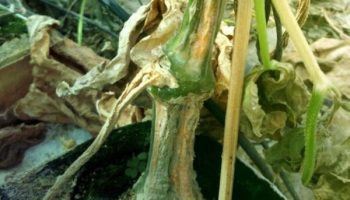
- Fusarium wilt. In this case, the imperfect fungus Fusarium oxysporum f. sp. conglutinans causes wilting. After it penetrates the vascular system, the leaves begin to turn yellow. The veins, however, remain the same rich color as before. The resulting heads are not large or regularly shaped. Affected plants are sprayed with fungicides (Topsin-M, Benomyl, Tecto).
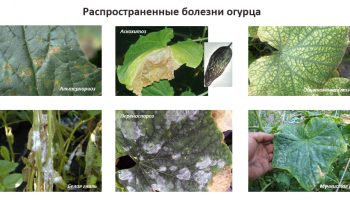
- Downy mildew. This disease is often called false powdery mildew. The fungus Peronospora brassicae Guum affects all varieties of cruciferous plants. Infection of cabbage is indicated by poor seedling development, the appearance of a whitish coating and yellow spots on the leaves, and the drying out of affected plant parts. Downy mildew progresses with high humidity. Cabbage diseases are treated with products such as Ridomil Gold, Bordeaux mixture solution, and Phytophthora. Each product comes with instructions for use.
To prevent fungal diseases, it's important to practice crop rotation, disinfect the soil, and remove weeds promptly. Particular attention should be paid to the quality of the seed and soil moisture.
Viral diseases of cabbage: description and treatment
They are much less common than fungal diseases. Viruses are characterized by rapid pathogenicity. Once introduced into a garden plot via soil, seeds, water, insects, and dirty tools, they quickly attack crops. Failure to take preventative measures can result in the loss of an entire cabbage harvest. Cauliflower diseases are virtually impossible to cure. Insecticides are useless in this case.
The mosaic virus is the most common. This "family" includes numerous species. The disease can harm many ornamental and edible crops. For example, Mosaic caulivirus infects cauliflower. The virus only manifests itself 3-4 weeks after planting the seedlings in the ground. Characteristic signs include leaf necrosis and a dark green border along the veins.
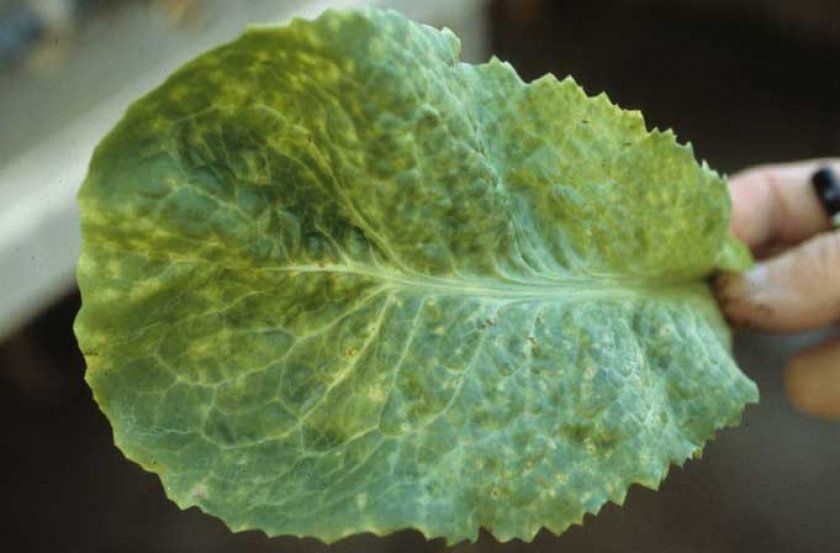
Turnip mosaic virus is the pathogen that causes ringspot. Light green spots form on the underside of cabbage leaves, which later merge and darken. The cabbage head does not have time to form, as the affected leaves simply fall off.
The risk of infection increases due to the following factors:
- negative impact of parasites;
- sowing infected seeds;
- Direct contact of cabbage seedlings with virus carriers, which can be either insects or weeds;
- mechanical damage.
Plants infected with viral and fungal infections will have to be destroyed.
This is the only way to stop the spread of the disease.
Treatment of the remaining ones should begin immediately after identifying the disease that has affected the cabbage.
Cabbage pests
They are especially dangerous for young plants. The parasites damage tissue integrity and infect seedlings with fungal and viral diseases. To ensure a healthy harvest, regular preventative treatments are necessary, and if any alarming symptoms appear, prompt treatment is required.
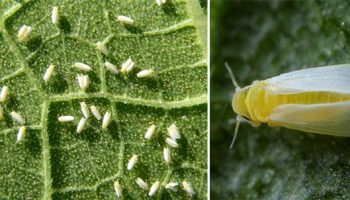
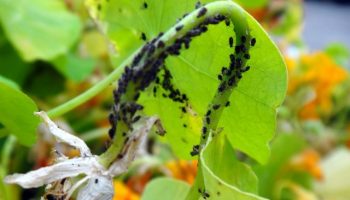
Cabbage aphids are small insects with a silvery-white hue. These pests feed on sap and prefer to inhabit young plants. Their colonies can be found on the underside of leaves. Their activity results in:
- depletion and slowing of growth of seedlings;
- discoloration and curling of leaf blades.
Without timely treatment, the seedlings will die. Cabbage foliage can be removed with insecticides, such as Karate, Karbofos, and Iskra. Experienced gardeners repel the pests with infusions made from onion peels and garlic, as well as strong odors. Another effective measure is good neighborhoods. To prevent aphids, plant tomatoes and carrots near cabbage.
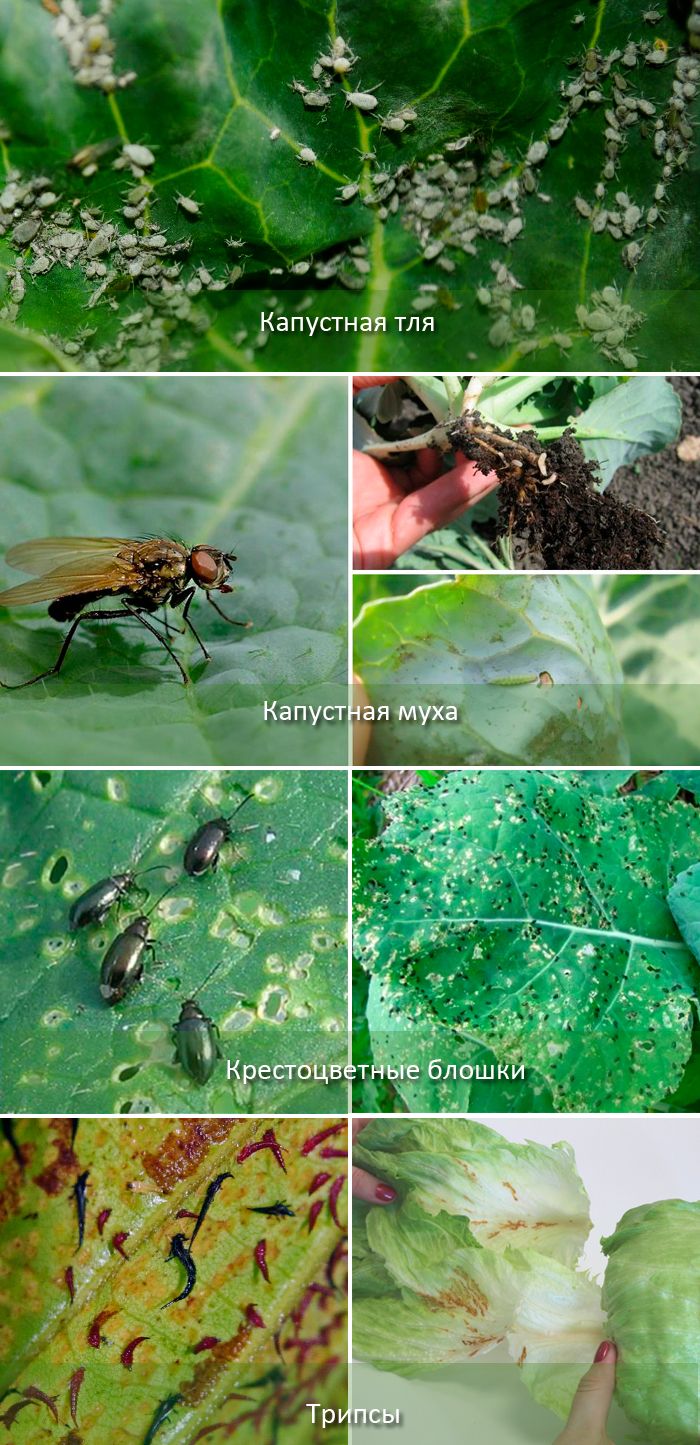
Both cauliflower and cabbage can be affected by cabbage flies. These pests resemble insects that often fly into homes during the warmer months. The parasite becomes active in late May. Young larvae, hatched from eggs laid in the soil, eagerly feed on the roots of cruciferous plants. This causes the plant to wilt, and the lower leaves lose their natural color and turn gray. For medicinal purposes, plants can be sprayed with a solution of Thiophos and Chlorophos. A mixture of tobacco and lime, sand, and naphthalene can be used to repel pests.
Cabbage seedlings (kohlrabi, Brussels sprouts, broccoli, and white cabbage) are also a target for cruciferous flea beetles. These elongated black beetles live in the soil and feed on young cruciferous seedlings. These pests can be controlled with a soap solution and wood ash. Insecticides such as Aktara and Karbofos are recommended.
Thrips are indicated by slower plant growth and yellowing foliage. In this case, the plantings and soil are treated with biological pesticides such as Antonem-F and Nemabakt. The most effective folk remedy is dusting the seedlings with a mixture of tobacco dust and wood ash.
The list of mandatory preventive measures includes:
- timely removal of weeds;
- loosening the soil;
- Planting suitable neighbors. It's best to plant Apanteles, Trichogramma, and marigolds near cabbage;
- Using natural enemies. In this case, these are Anthocorys and Orius.
Gardeners who plant cabbage annually should be wary of cabbage bugs. They are distinguished by their bright coloring and small size. To get rid of these pests, plants are treated with Actellic, celandine (in powder form), and dust.
Resistant varieties of white cabbage
Resistance to pests, fungal, and viral diseases is a factor to consider when purchasing seed. Climate, soil composition, and seed characteristics are also important factors to consider. Among the early-ripening varieties are the following:
- Tobia;
- Cossack;
- June;
- Rinda.
The list of the most stable late varieties includes Mara, Agressor, Kolobok, Amager and Valentina.
Seedlings require attention and constant care. Disease-resistant cabbage is the key to a bountiful autumn harvest. Knowing how to treat cabbage for the diseases listed above can save damaged plants and prevent infection in healthy ones.