Tomatoes are a unique plant. The diversity of varieties makes gardening a joy. There are varieties with vertical branches and vines, with yellow, brown, and red fruits, large and compact. Undoubtedly, a tomato empire could one day be created. However, it's important to remember that late blight poses a particular threat to the agricultural industry, private farming, and gardening. Tomatoes can become infected in the summer, whether grown outdoors, in greenhouses, or even in heated buildings in winter. It most often appears in August or after rainfall.
Content
Symptoms of late blight on tomatoes
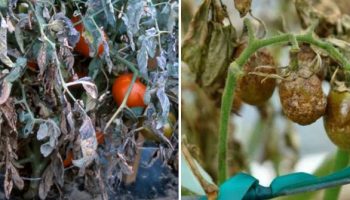
The disease begins in the above-ground portions of tomatoes. The color of the lower or upper branches changes, depending on how the infection occurred. Fungal spores can be carried by the wind into the garden, or they can germinate after remaining in the soil for a long time.
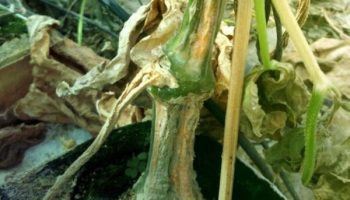
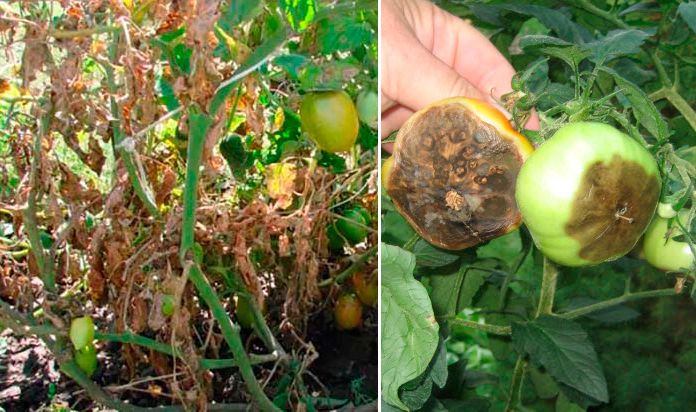
Brown spots on the stems indicate that they have attached themselves to the plant's cells, absorbing its sap. Soon, all branches are infected. Irregular yellow spots appear on the leaves. They become deformed, dry out at the damaged areas, and curl up.
If the fruits have already formed by this time, they also develop damaged, rotten areas of black, brown, or yellow color. Unripe tomatoes stop growing.
Biological characteristics of late blight
The causative agent of late blight on tomatoes is a fungus belonging to the genus Phytophthora. More specifically, it is an oomycete—a mycelial organism very similar in structure to fungi, but with a number of differences. Oomycetes are believed to have appeared on Earth before fungi, and theoretically, they could be classified as a distinct group.
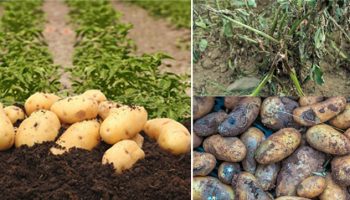
This microorganism is called Phytophthora infestans. It can infect tomatoes, potatoes, eggplants, and sweet and hot peppers. It originated in Mexico and gradually spread throughout the world. Cases of late blight are now regularly recorded in various countries, all over the world. Other varieties are dangerous to grain crops and grasses, and they also significantly damage the agricultural industry. Phytophthora infestans is dangerous because of its rapid spread and its resistance to adverse environmental factors.
Spores can remain in the soil for several years, withstanding frost, heat, and drought. They can infest compost, rotten logs, and not just garden crops. They can also contaminate garden tools. As soon as environmental conditions change and become favorable again, plants become infected.
The main differences from simple mushrooms:
- cell membranes are not covered with chitin, as in the case of fungi, but with cellulose - that is, they are less resistant to mechanical damage;
- the vultures are not separated by partitions and are a simpler substructure in structure;
- the population cannot develop outside the host cells.
This makes them appear more vulnerable at first glance. In fact, the opposite is true. If tomatoes harvested in August and stored in a cellar for a couple of days were infected, the entire harvest stored could soon become covered in rot spots. The same applies to potatoes. They can remain undetected in the tubers of this crop for a long time.
Favorable environmental conditions for the development of late blight infestan are:
rains that last for several days in a row;
- dampness;
- windy weather;
- cold snap.
In this case, it's important to inspect your plants. Of course, the disease doesn't make its presence felt every season. But you'll certainly have to fight it one day. This is inevitable if your plot grows crops whose sap this fungus enjoys. All nightshade plants, which are very popular and in-demand in gardening, are at risk.
How to combat late blight on tomatoes
Experts recommend prioritizing prevention and trying to prevent infection. This is beneficial in many ways:
- the cost of the drugs is low;
- they are stored for an average of 2-3 years, which means they can be used the next season;
- they are universal, they protect against many diseases, not only against late blight;
- effective - the chances of success increase many times over.
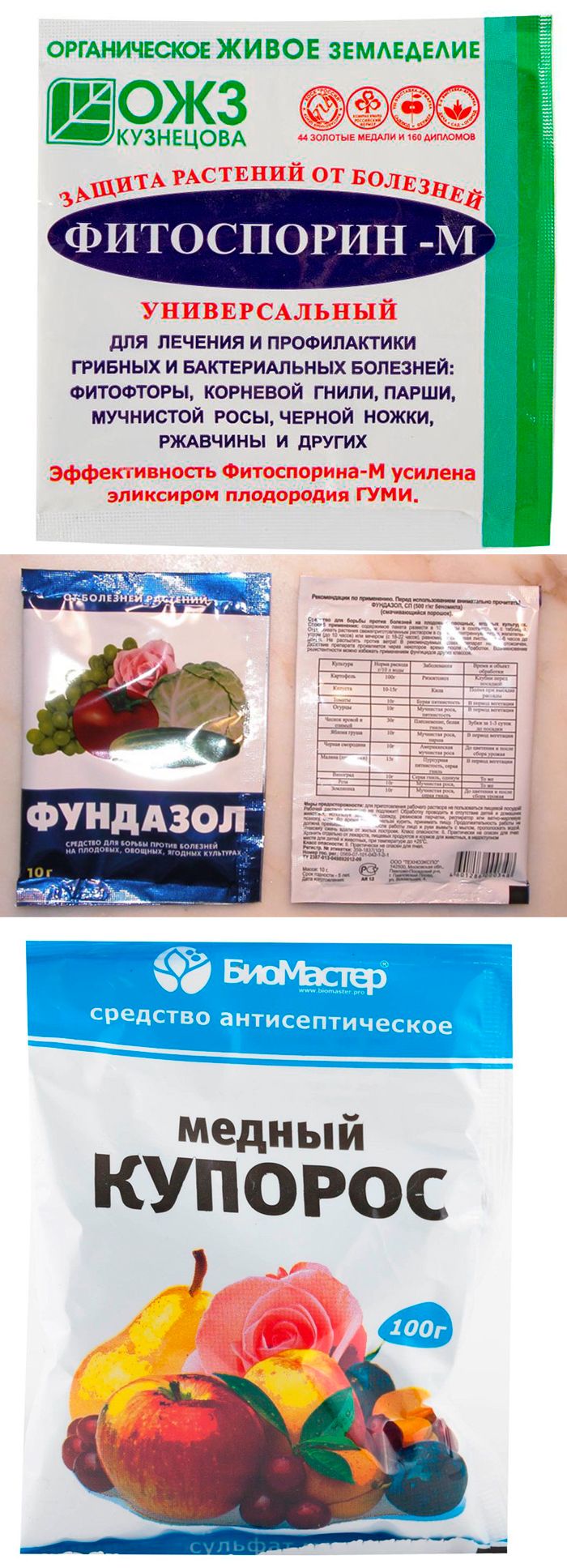
Most of them are biofungicides, safe for health. Popular ones include Fitosporin, Fundazol, and similar products with different properties.
There are excellent folk remedies. Green manure is a helpful method. This applies to open ground. To prevent infestation in a greenhouse, maintain temperature control and use preventative treatments with the same products.
Fitosporin
The biofungicide Fitosporin is designed for the prevention and treatment of various fungal and bacterial plant diseases, particularly late blight of tomatoes. It contains Bacillus subtilis, a natural enemy of these parasitic species. It inhibits their spread and improves the soil in the garden.
It can be used to protect tomatoes from the very first day, when sprouting from seeds indoors, during transplanting into open ground, and during spore infection. It can be applied to the space between rows, the soil around the roots of tomatoes, garden tools, and dry tops left for compost. The risk of the fungus recurring within a month or the following season is minimized. After spraying, a film forms on the leaves and branches, protecting the plant. It is advisable to repeat the treatment a week later.
Regular watering of the beds with the solution is acceptable, once a month. There's no need to spray the foliage as often. Only if the weather worsens is it worth taking precautions.
Fitosporin is convenient to use because it is available as a concentrated solution, powder, or paste. This product has a medium hazard level (class 4).
Fundazol
Fundazol has a similar effect, but its composition is different. The main active ingredient is benomyl. It targets fungal spores, inhibiting their cell division and reproduction. When used prophylactically, it reduces the likelihood of fungal penetration into plant tissue. In other words, it strengthens the plant's immune system. Unlike Fitosporin, it helps combat mites and aphids. However, it is not effective against bacterial diseases. It is classified as a low-hazard product (hazard class 3).
Copper sulfate
Copper sulfate is a versatile and inexpensive remedy. Its main active ingredient is copper sulfate. It is an antimicrobial and antifungal agent. Experience has shown that it is very effective against late blight.
The advantage of copper sulfate is its wide range of applications:
- It is needed for caring for other crops, not just tomatoes.
- Helps quickly get rid of late blight that has settled on plants and spores found in the soil.
- An environment is created that is not suitable for their survival.
- Belongs to low-hazard substances (class 3).
Copper is partly a fertilizer for tomatoes due to its copper content. Copper deficiency leads to disruption of vital cellular functions. Ovaries and fruits fail to form, and foliage turns brown. Copper sulfate improves growth, regeneration, and photosynthesis. This is immediately noticeable. It is found in the lowest concentrations in peat soil. Its use as a fertilizer is especially beneficial in this case.
In addition to chemicals and biofungicides, there are other ways to protect tomato plantations from late blight. Green manure crops also produce good results.
Green manure for the prevention of late blight
Green manures enrich the soil with nitrogen by absorbing it from the air. Other crops would deplete the soil, but these will enrich it. They don't replace fertilizers. Fertilizing is still recommended. Green manures prevent the conversion of nutrients into forms unavailable to plants.
They improve air circulation thanks to their developed root system. They actively grow green biomass, which is rich in nutrients. This provides reliable protection against late blight spores. White mustard, oilseed radish, rapeseed, and phacelia are used in particular.
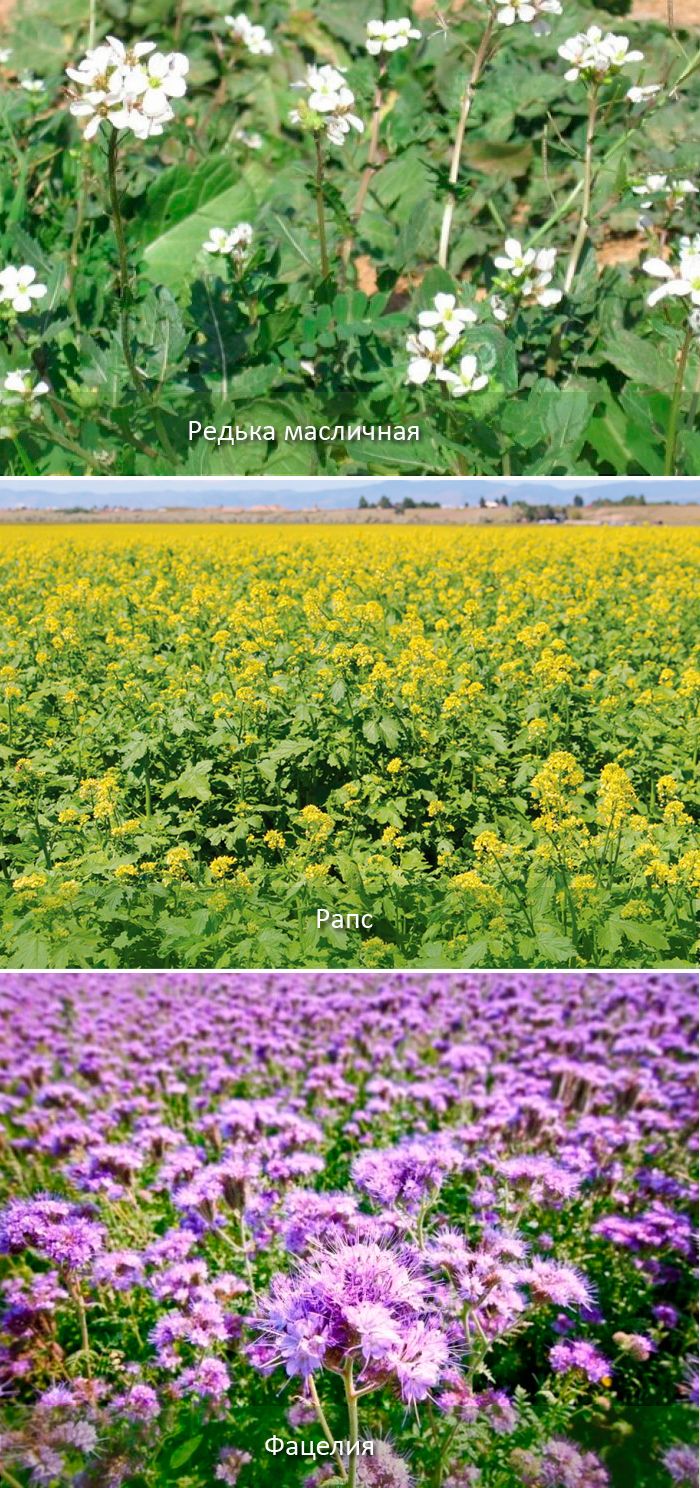
Oilseed radish
The root system of the oilseed radish functions in a unique way. The soil accumulates substances that attract the Pseudomonas bacteria. These bacteria are ubiquitous in the soil. They have a disinfecting effect and inhibit the growth of fungi. A symbiotic relationship is formed with the radish. Tomatoes will be reliably protected all season long if this variety is grown nearby. The risk of infection is significantly reduced. The foliage accumulates numerous essential oils with disinfectant properties. All this makes it an excellent green fertilizer.
White mustard
Mustard emits a scent that repels Colorado potato beetles. It also synthesizes phytoncides, strengthening the tomato plant's immune system. Its roots accumulate elements needed to suppress spore activity.
Phacelia
Phacelia inhibits soil acidification, which is generally beneficial. Fertility increases because nutrients are converted into an easily digestible form. This flower has proven itself as an excellent biofertilizer and is widely used in the US and European countries. In Russia, the most popular variety is Phacelia tanacetifolia. All its subspecies offer excellent protection against late blight spores. Experts recommend combining biofertilizers, green manure, and mulching.
Rape
Another useful plant used as green manure is rapeseed. It also exhibits antifungal properties. Its leaves and stems, like those of oilseed radish, accumulate essential oils.
Phytophthora-resistant varieties
There are tomato varieties naturally resistant to late blight. It's easy to choose the perfect one for your greenhouse or garden beds. Among them are giant varieties with massive branches, as well as miniature, compact ones. The fruit's shape can be fantastically beautiful or very practical. They'll bring a change of pace if you already have a favorite variety. They'll be a wind of change, offering a break from stereotypes.
These include:
- Tomato "V Tenku" (Top Ten). A low-growing hybrid with exotic yellow fruits and an early ripening period. It's used in salads and canning and has an excellent flavor.
- Grape. A mid-season variety with small red tomatoes, the bush grows up to 2 m tall. The clusters are striking, reminiscent of an ear of corn.
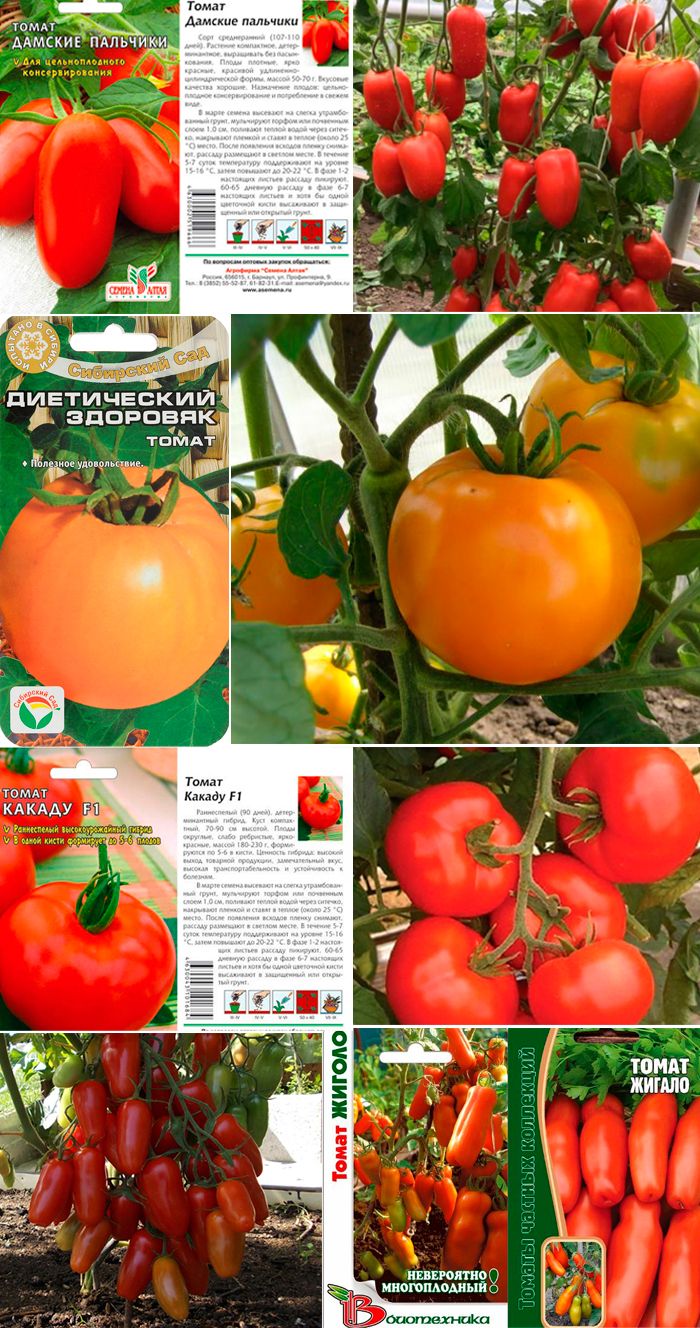
- Ladyfingers. A very popular variety. The tomatoes resemble berries. The bush is low-growing. It's considered an easy-to-grow variety.
- A healthy, dietary specimen. An original variety with large orange fruits and branches up to 1.5 m tall. High-yielding, early-ripening.
- Gigalo. Bush height up to 0.5 m. Fruit color is red.
- Asvon. A miniature bush. It doesn't need staking. It grows no more than 45 cm in height. The fruits are small, red, and ripen 95-100 days after planting.
- Compact Kakadu variety with large red fruits and early harvest time.
- Leningradsky Skorospelnyy (Leningrad early ripening) variety. Fruiting occurs 85-100 days after planting. Small, red, and juicy tomatoes.
Many other varieties are highly resistant to late blight. By choosing one of them, you can forget about this problem. However, if potatoes or another crop attractive to this pathogen grows nearby, problems will still occur. A tomato plantation will survive, but a potato plantation will not.
It's important to carry out preventative spraying in a timely manner. Cut infected leaves, tubers, and rhizomes must be burned, and the compost treated with copper sulfate or similar products. It's advisable to grow companion plants nearby, such as green manure. A food supply is essential for the country and every family. Tomatoes are a staple in the human diet. These measures will prevent losses and unnecessary expenses.