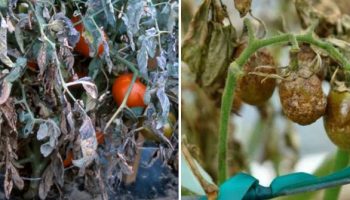
Even parsley and dill can be affected by this common plant disease, fusarium wilt. Fungal spores attach to the surface of ears of corn, leaves, and flower petals. Houseplants can also become infected, although this is less common. Spores are spread by the wind, and can therefore fly into an open window at any time.
Fusarium family of fungi
This fungus requires plant sap to reproduce. Gradually, the life force becomes limited to only one of the symbiotically linked species. Fusarium is caused by Fusarium. More precisely, it's one of its many species, all of which exist in nature. They all belong to the same family and have a similar structure and life cycle. This allows for treatment of plants without preliminary laboratory diagnosis. Knowing the main symptoms, you can purchase a treatment that will help. It doesn't matter whether it's parsley, violets, zucchini, cucumbers, cherries, gladioli, or lawn grass. Cabbage, broccoli, and even sunflowers can also be affected.
Members of this family belong to the class of imperfect fungi, the genus Mold. One of its characteristics is asexual reproduction, which explains the rapid population growth. The fungus can infect a field in a matter of months, not just a single garden bed.
Most fusariums produce spores, which ensure their survival. They can remain in the soil for years and are resistant to significant temperature fluctuations. The owner will leave the bed for a few years to recover, and as soon as they plant something, they will see mycelium growing on the shoots. Treatment should be initiated at the first sign of this.
It poses a danger to the life and health of humans and animals
The fungus sometimes attacks roots, other times stems and foliage. It also penetrates grains and root vegetables. During its life cycle, it produces toxins that accumulate in plant cells—mycotoxins, vomitoxin, zearalenone, and others. If a person eats food contaminated with these toxins, a dangerous condition called fusarium toxicosis (acute alimentary mycotoxicosis) develops.
The first cases were recorded and studied in 1932. The threat still exists today.
Fusariums are a common species of imperfect fungi. They are found throughout the world. Some species parasitize insects. Mycotoxins are not the cause of the problem. Also, if a person has a weakened immune system or wounds or cuts, the spores can cause dermatitis. When treating plants, wear gloves and a respirator mask.
Symptoms of fusarium
Wilting stems and foliage of potatoes, pumpkins, grapes, and the poor condition of indoor plants are the first signs of trouble. It's easy to overlook this. Wilting foliage can be caused by cold weather, unsuitable soil, changes in the irrigation system, or even the use of a different type of water or fertilizer.
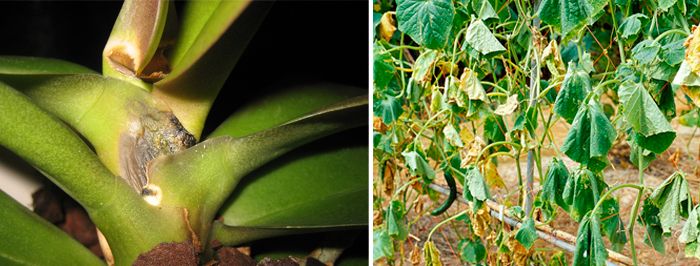
Impairment of basic vital functions
The condition of infected orchids, tomatoes, and zucchini soon improves. The immune system begins to fight the parasitic fungus. A few more days pass, and the symptoms reappear, with increased severity. The spores have now penetrated the cells and are beginning to absorb cytoplasmic fluid. The following is disrupted:
- tissue regeneration;
- moisture exchange;
- mineral metabolism;
- photosynthesis.
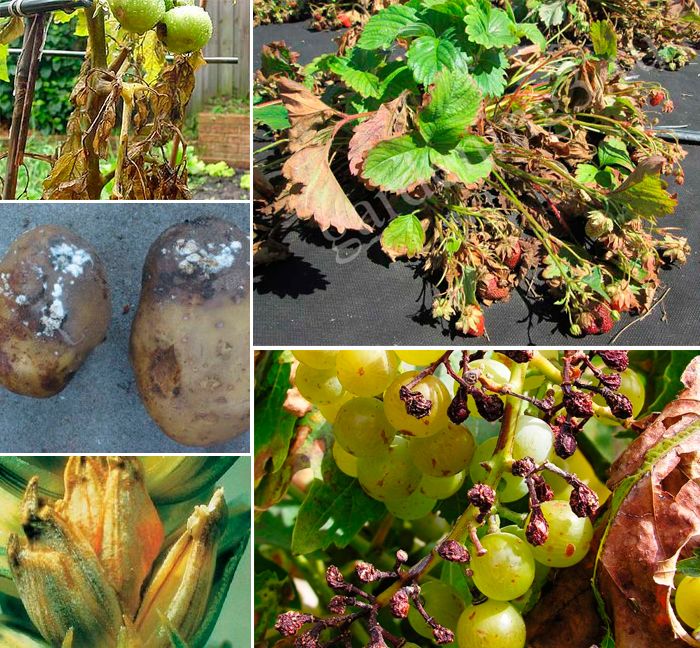
In addition, harmful substances begin to accumulate in the plant. These can be found in strawberries, sorrel leaves, cherries, potatoes, and plums. The fungus population increases. A white, pink, lilac, or brown mycelial coating appears (the color depends on the Fusarium species).
At the site of spore penetration, spots with irregular pigmentation may appear. These signs are the primary diagnostic criteria for the disease. The immune system is unable to cope. There is no natural defense. The plant cannot produce an antidote, substances toxic to the fungus. Cells similar to human macrophages were not synthesized. Phytoncides, which alter the properties of the air around the seedling, also failed to help. Conifers, such as thuja, pine, and spruce, are also susceptible to fusarium wilt, although they synthesize phytoncides in much greater quantities than other species.
Signs of disease in trees, shrubs, grasses, and houseplants
Signs of Fusarium wilt in onions include rotting bulbs and wilting of the above-ground parts. Since onions grow relatively quickly, there is a noticeable difference in the size of healthy plants and those infected with the fungus. The tips of the onions turn yellow, and many of them dry out.
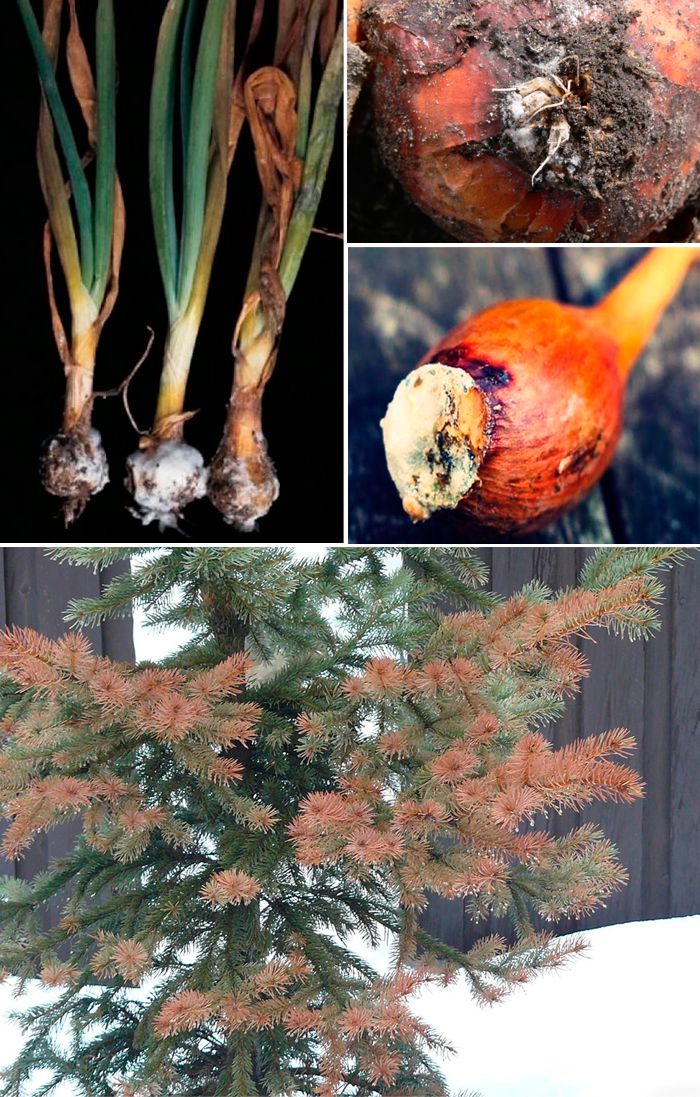
Trees and shrubs are showing signs of wilting branches, and brown spots are visible within them: irregular dark circles, dots, or blotches. This is a fungal population. If you have a microscope, you'll be able to see the "enemy" visiting your garden.
The seeds of grain crops—wheat, buckwheat, and rice—are shrinking, and their leaves are withering. The ears of barley, millet, and oats are transformed into a whimsical canvas on an artist's easel, a kind of graffiti. It's as if someone sprayed them with paint.
Irregular spots with altered pigmentation appear on the leaves of houseplants. They are most often yellow. The stems become thinner. In some places, rotten areas appear.
Treatment of fusarium in garden plants
Most of the medications used to treat fusarium wilt in cucumbers, carrots, and strawberries can also be used preventatively. Bad weather, dampness, cloudy days, and cold temperatures are favorable conditions for the microorganism. Spores can damage the plant and begin spreading through the bloodstream if:
- his immunity is initially weakened by improper watering and nutrition;
- if branches or leaves were damaged;
- when preventive spraying was not carried out.
It is important to follow the rules for caring for seedlings and mature plants.
Universal drugs
The fungicide Alirin-B protects against a wide variety of fungal infections, including this disease. This biological product is harmless to plants, humans, and animals. It is suitable for both garden and indoor crops. Watering the soil before planting seedlings, sowing seeds, and spraying before flowering are the keys to success. Many other fungicides have proven effective. Their versatility allows for cost-effective plant protection against common diseases.
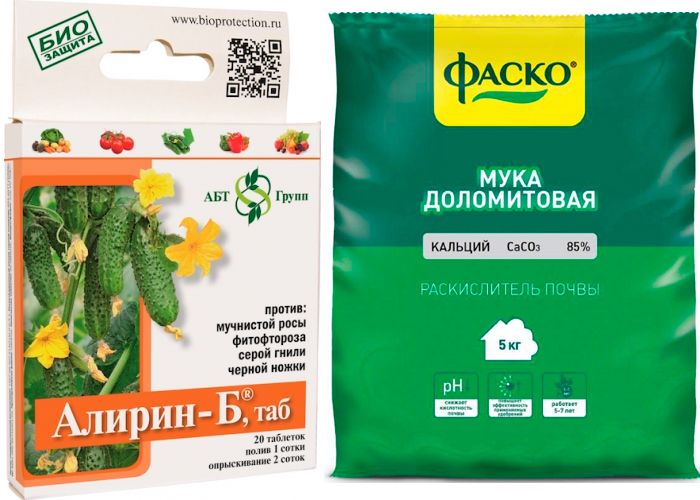
Chalk and dolomite flour are also used to neutralize spores in the soil. This creates unfavorable conditions. These treatments should be used after the problem has been resolved to avoid having to treat vegetables, flowers, trees, and lawn grass again next year.
What to do if you notice signs of fusarium
If infected plants are detected, it is necessary to:
- cut off damaged parts;
- burn them;
- treat the cut areas with a solution of potassium permanganate, ash or sulfur;
- Annual plants and those that are severely damaged can be uprooted and burned.
You should not eat fruits that may have accumulated toxins produced by the fungus or that may contain its spores.
Even if they look good, there are no guarantees. The goal of fusarium treatment is to save those crops that can produce a harvest next year. Completely overhauling your garden, vegetable patch, and growing list of varieties is not a pleasant prospect; it's a very real threat.
Treatment of fusarium wilt in indoor plants
A houseplant infested with fusarium should first be removed from the pot. Clean any remaining soil from the roots. Then rinse in room-temperature water. Any affected lids, leaves, and bulbs should be cut off and discarded. Rinse the plant again and sprinkle the cut areas with activated charcoal. Then repot.
Old soil needs to be frozen and baked. This is the best way to get rid of the pathogen. It is resistant to frost and heat, but will die if exposed to extreme cold and high temperatures for long periods. Treating with a fungicide is an additional measure, a safeguard against accidents. New soil after replanting should also be treated with a fungicide to protect the root system. Additionally, the above-ground portions should be sprayed.
Time will tell whether the flower will survive. It's best to germinate cuttings or new seedlings and move the plant to another room, ensuring optimal conditions in the new location. Seedlings can also be moved to prevent the fusarium from infecting neighboring plants.
The use of fusariums in pharmaceuticals
Fusarium mushrooms cause a lot of harm and damage. They also have benefits. They are used in medicine. For example, the Fusarium sambucinum mushroom is used to produce capsules that boost the human immune system.
Strains of this fungus, biomass and liquid, are used in cosmetology.
High protein levels and a variety of biologically active substances are the main advantages.
The substance is also added to animal feed and is present in some plant growth stimulants.
Its positive qualities shouldn't be misleading, however. This mushroom from the Fusarium family is an exception to the rule.