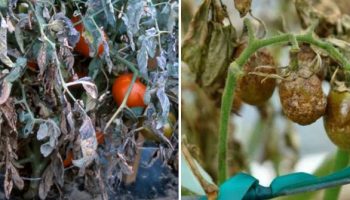
Fusarium wilt is a disease that affects both cultivated and wild plants. Garlic is no exception. The disease is caused by imperfect fungi of the genus Fusarium. Their activity is determined by chemical and climatic conditions.
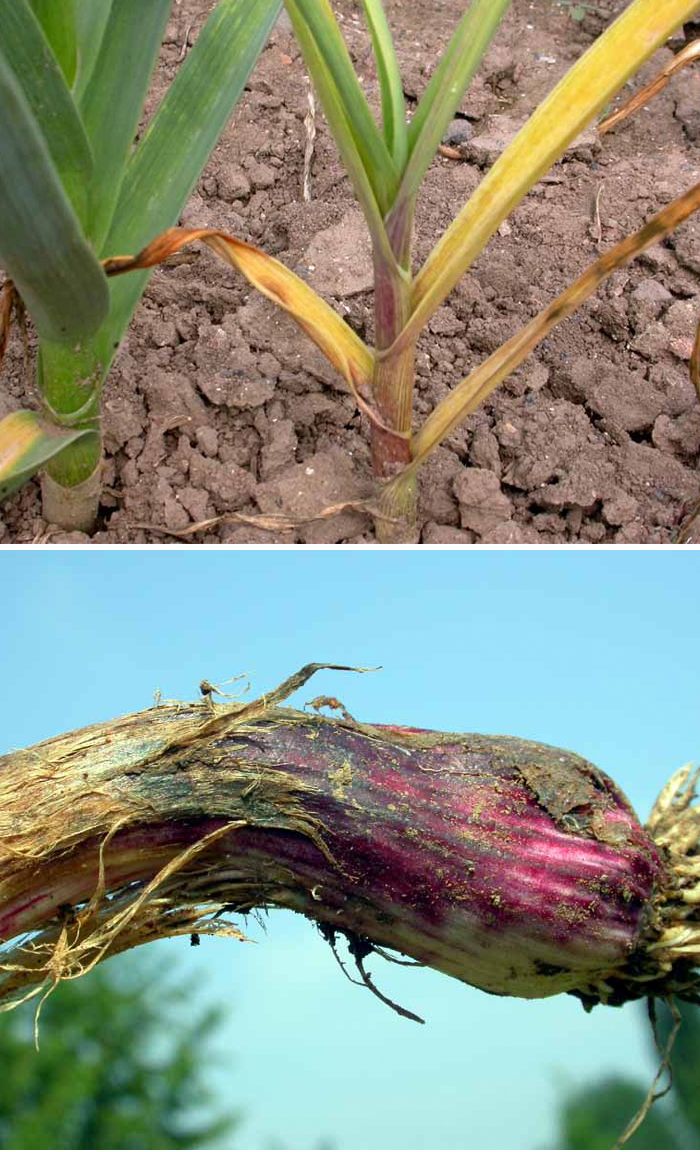
The nature of the disease fusarium
The pathogen enters the plant's vascular system through wounds on root shoots, leaves, and stems. The infection enters the garden through water, soil, and seed. This garlic disease is often called bottom rot.
Bulbous plants die due to intoxication and disruption of all vital functions. The disease becomes more active during the warmer months. The greatest losses occur in August. During storage, bulbs most often suffer damage from chemical burns, pests, and agricultural equipment.
Transmission routes and causes of garlic infection with fusarium
Fusarium is transmitted through spores and the vegetative parts of infected plants. The pathogen is resistant to sudden temperature changes, surviving frosts in the soil and bulbs.
Factors that increase the risk of infection include:
- poor quality seed material;
- abuse of nitrogen fertilizers;
- high air humidity;
- planting garlic in beds located in lowlands;
- drying out of the root system;
- use of equipment and inventory that has not been disinfected;
- improper watering;
- dense plantings;
- abundance of insects;
- stagnation of liquid in the soil;
- high air temperature (more than +28 °C).
Fusarium initially attacks the base of the garlic bulb. Subsequently, the affected area expands as the disease invades healthy tissue. Infection can occur both during storage and during the growing season.
Clinical picture
The development of garlic fusarium is indicated by the appearance of the following symptoms:
- brown stripes on green feathers;
- a pink-violet or pinkish coating in the axils of the leaves, on the stem and roots;
- white spots at the base of the bulb;
- softening garlic cloves;
- wilting of the peduncle;
- whitish coating between the scales;
- rotting and death of roots.
The harvest will be lost even if just a few infected cloves are left in the garden. The same will happen if storage conditions are not met. High temperatures and excessive humidity in the room where the gardener intends to store the harvested garlic are a serious cause for concern. Mummified heads are unsuitable for planting or preparing culinary masterpieces.
Measures to combat fusarium wilt of garlic
Before planting, seeds should be treated with fungicides. Products such as Quadris and Fundazol are highly effective.
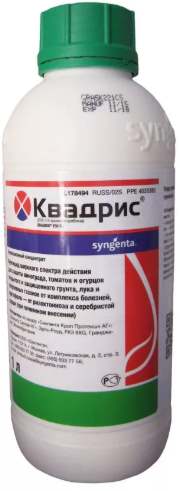

The pickling process should not last more than 30 minutes. The next step is drying the bulbs.
Fungal infections are difficult to treat, so affected plants are destroyed. Diseased bulbs must be isolated from healthy ones. This reduces the risk of spreading the infection.
In the early stages, the disease can still be stopped. Various treatments are used, including:
- Fitosporin-M;
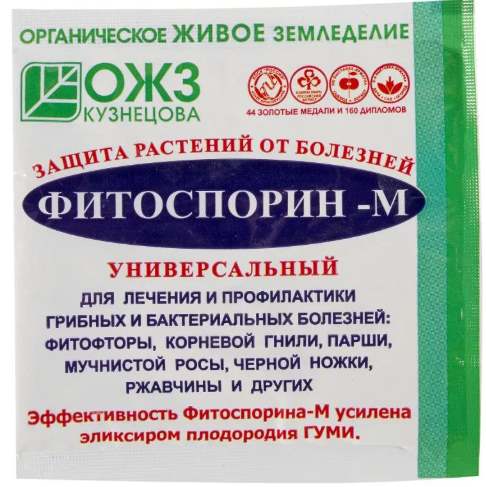
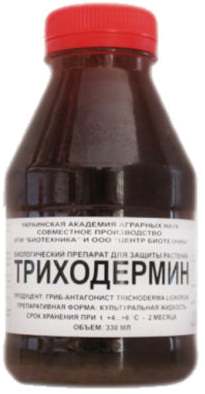
- Trichodermin;
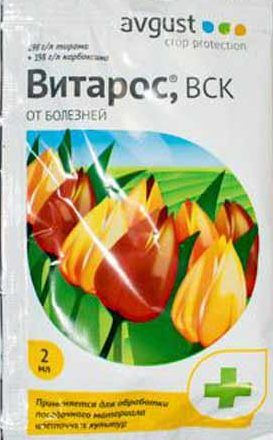
- Vitaros;
- Baktofit.
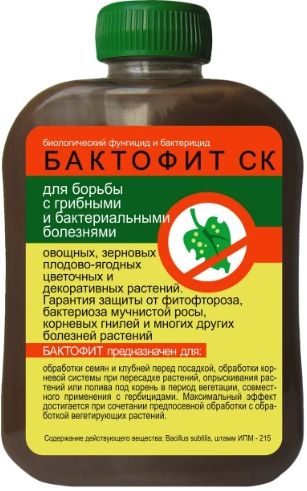
Each medication comes with instructions for use.
To achieve maximum results, the gardener must strictly follow the manufacturer's recommendations.
Biological preparations are safe for plants and animals.
The soil is watered with a weak solution of potassium permanganate and enriched with dolomite flour or chalk. The latter two components are used to enrich the soil with calcium. A boric acid solution is often used to treat uninfected garlic cloves.
Prevention of fusarium
Fusarium wilt of garlic is easier to prevent than to cure. The list of preventative measures is quite extensive.
- Particular attention should be paid to the quality of the seed material. Cloves showing signs of damage should not be planted or used for composting.
- A bed made for this crop should not be placed near other plants from the same family. This will reduce the risk of fungal infections.
- Garlic soil shouldn't be too acidic. If the pH is high, add dolomite flour, slaked lime, or limestone. Monitoring fertilizer dosage is also essential. Experienced gardeners recommend using fertilizer complexes that contain all the necessary components.
Folk remedies are also used for preventative purposes. Medicinal solutions can be prepared using baking soda and whey. Alternative treatments can be used in conjunction with chemical fungicides.
To prevent the disease it is necessary:
- Maintain crop rotation. Plants belonging to the bulbous family should not be planted in the same place for several years in a row;
- Regularly add organic fertilizer to the soil. This will positively impact the garlic's immune system, making it resistant to fusarium.
- treat the bulbs before planting with disinfectants, for example, Maxim, Fitosporin, potassium permanganate or copper oxychloride;
- Apply fungicides to the soil two weeks before sowing and apply EM preparations. The latter accelerate humus formation, which is essential for the proper nutrition of cultivated and ornamental crops and their protection from pathogens.
- remove weeds in a timely manner;
- Spray garlic with Bioreid, Mikosan, and Biosporin. Biofungicides will eliminate the pathogens that cause fusarium wilt. Combining these products with chemicals is strictly prohibited.
- After harvesting, remove all organic waste from the area;
- Ensure optimal storage conditions (air humidity from 75 to 80%, temperature no higher than +1°C). Garlic should be stored only after drying.
Fusarium wilt is a disease of warm climates. Its pathogens are most active in regions characterized by moderately cold winters and hot summers. Crop losses in these regions can reach 70-80%. Infection most often occurs in the soil. Control measures for this fungal disease affecting various crops will only achieve the desired results if the instructions are strictly followed.