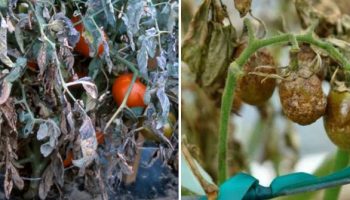
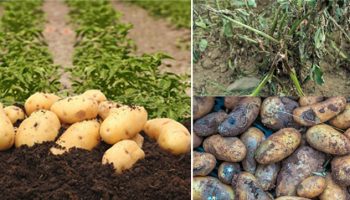
Fusarium wilt of potatoes is a very dangerous disease of vegetable crops, most commonly potatoes. It is also known as dry rot or fusarium wilt. The disease is caused by contamination of the soil and fruit by a fungus of the Fusarium oxysporum family, which multiplies very quickly, spreads through the soil, and is quite difficult to eradicate.
Causes of Fusarium wilt of potatoes
The first to become infected are fruits damaged during digging and transportation, as well as those damaged by pests. The infection then spreads to literally every object and equipment that comes into contact with the ground: clothing, shoes, gardening tools, damaged root vegetables, tops, etc.
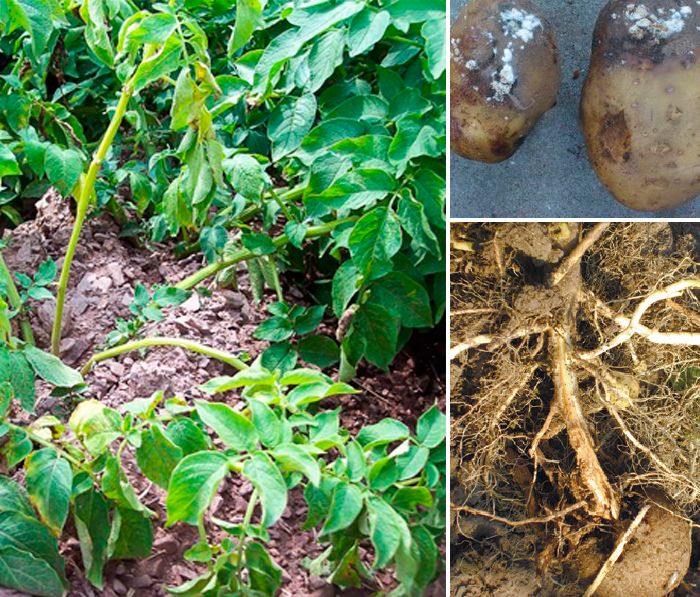
The peak of disease activity occurs just during the tuber formation period, which means farmers risk losing a significant portion of their potato crop. Tubers affected by fusarium wilt are distinguished from healthy tubers by visible sunken spots darker in color than the skin—this is rot.
Fusarium wilt of potatoes is most often found in the south of Russia, in the Astrakhan and Volgograd regions, in Ukraine and in some regions of the North Caucasus, but other parts of the country may also be affected by the disease.
The main causes of the disease:
- Too high soil moisture caused by prolonged rains, cold damp weather.
- Planting infected potatoes (all fruits must be carefully checked after wintering).
- Neglect of preliminary treatment of the area before planting potatoes.
- A large number of pests, insects and rodents, which are carriers of infection.
- Lack of fertilizer, mineral and organic fertilizers in the soil, especially if crops are grown on infertile land.
- Regularly planting potatoes on the same plot of land. All crops require crop rotation.
- Improper storage of potatoes in the cellar.
Symptoms
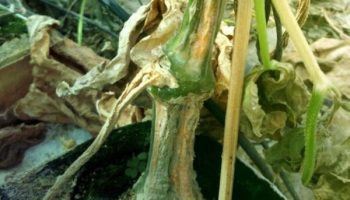
Fusarium wilt isn't immediately visible. The first signs of potato disease can be noticed no earlier than a month after infection. An attentive gardener will notice symptoms such as: dull and curled leaves (in cases of widespread infestation, leaves may turn yellow and fall off); blackening and rotting of the stem tips, especially in high soil and air humidity; and rotten potatoes when dug up.
Prevention
To avoid wasting additional time, effort, and money on saving and treating crops, it is necessary to take some preventative measures in a timely manner:
- Garden tools, shoes and clothing that have come into contact with contaminated fruits and soil must be thoroughly treated with chlorine water.
- Diseased root crops and tops must be disposed of, preferably by fire. The clod of soil dug up with the tubers should also be removed from the plot. Storing infected fruit in a basement or crawlspace can lead to contamination of neighboring crops.
- Select varieties for planting that are resistant to fungal infections and pests
- It is advisable to carry out crop rotation on the site annually, that is, if possible, change the plantings
Treatment of potato fusarium wilt and methods of treatment
Today's market offers a vast selection of potato treatments for rot, fungus, and pests. Some products offer a broad spectrum of action, protecting the fruit from virtually all threats, while others target specific diseases. These can be divided into chemical and biological.
Chemical control measures
A group of products developed on the basis of chemicals that have a negative effect on fusarium fungus.
One such product is the new Colfugo Super. It is used during active disease outbreaks, suppressing the formation of new fungi. It is harmless to animals and insects and is suitable for all nightshade plants.
Titus weed killer also combats fungal infections. It's applied to the soil before planting to disinfect it.
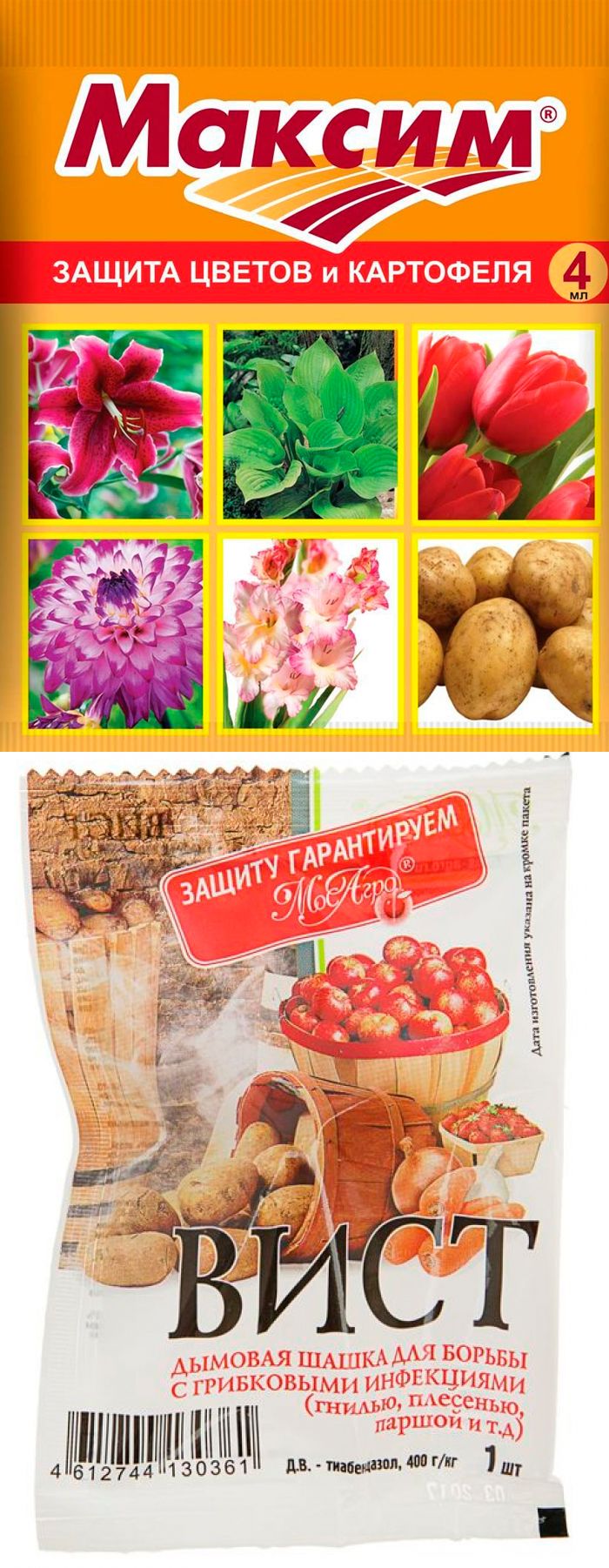
A solution containing the Maxim preparation, into which potato tubers are immersed before planting, is well suited for treatment.
Another method of crop disinfection is the Vist smoke bomb. It is applied directly in storage after the potatoes have been stored for the winter. It is a completely harmless and reliable protector of the crop during storage.
Biological methods
Biological products are those used to treat fruits before planting. This group includes the well-known Integral, Baktofit, and Fitosporin.
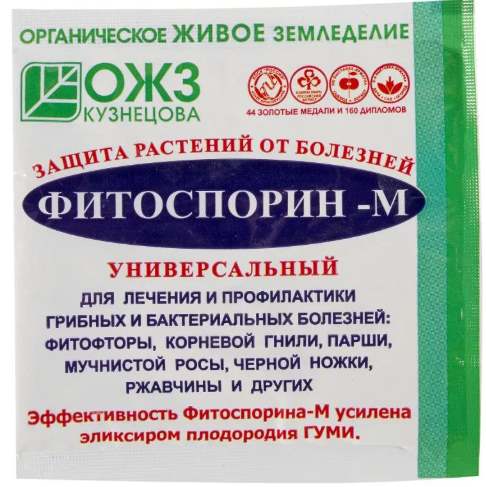
They have proven themselves among farmers as true professionals. They are sold mainly as a powder or suspension that must be diluted with water. The proportions depend on the application method: watering the soil before sowing, spraying the tubers during planting, or spraying the tops.
Fusarium is a disease that affects not only potatoes, but also other cultivated and wild plants, so soil cultivation must be approached with the utmost responsibility to avoid crop loss.