Strawberries are a popular garden crop. The berries are eaten raw and used in desserts. Each variety has its own distinctive characteristics. Key characteristics include ripening time, sugar content, and resistance to infectious diseases.
Fusarium wilt, or gray mold, is an infectious disease that affects many strawberry varieties. The quality of the planting material is crucial. Ignoring preventative measures before sowing can lead to infection of healthy plants and the soil. If you are unsure whether the seeds have passed sanitary inspection, they will need to be disinfected at home. Prevention is better than cure. Ignoring the characteristic symptoms can lead to the loss of the entire strawberry crop.
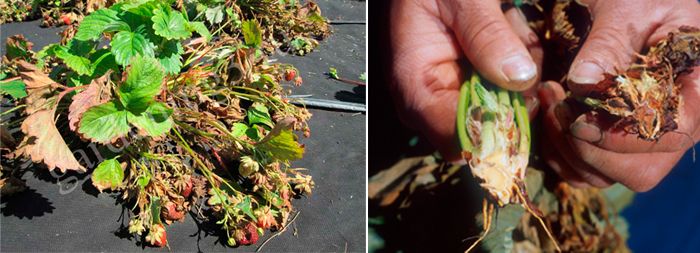
Causes and symptoms of fusarium wilt in strawberries
The fungus Fusarium oxysporum, the cause of fusarium wilt, is activated during hot weather. Failure to treat the problem can result in significant crop losses. Particular attention should be paid to areas with highly acidic, excessively wet, or unsuitable soil composition.
It is strictly forbidden to plant strawberries in lowlands.
Factors that provoke focal fusarium include:
- irregular watering;
- use of fertilizers containing chlorine;
- dense plantings.
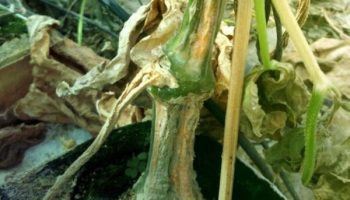
Fusarium wilt affects the entire plant. Symptoms first appear in the lower part of the plant, then affect the upper foliage.
It should be noted that the parasitic fungus, while in the soil, remains viable for many years.
Fusarium wilt of strawberries is characterized by the following symptoms:
- brown spots on leaves;
- green mass necrosis;
- change in the shade of tendrils and shoots;
- white coating;
- lack of ripe berries;
- drying out and darkening of the root system.
In the final stage of fusarium wilt, the bush collapses and the berries spoil. The bushes die 1.5 months after the first symptoms appear. Laboratory testing is performed to determine the pathogen. This method is considered the most accurate.
Preventive measures
To prevent the occurrence of Fusarium wilt, it is necessary:
- purchase only healthy seed material;
- select varieties based on climate and soil characteristics;
- Maintain crop rotation. Strawberry planting locations should be changed every 6-7 years;
- fumigate the soil before sowing garden crops;
- Loosen and water the strawberries regularly;
- apply fertilizers and remove weeds in a timely manner;
- fight pests.
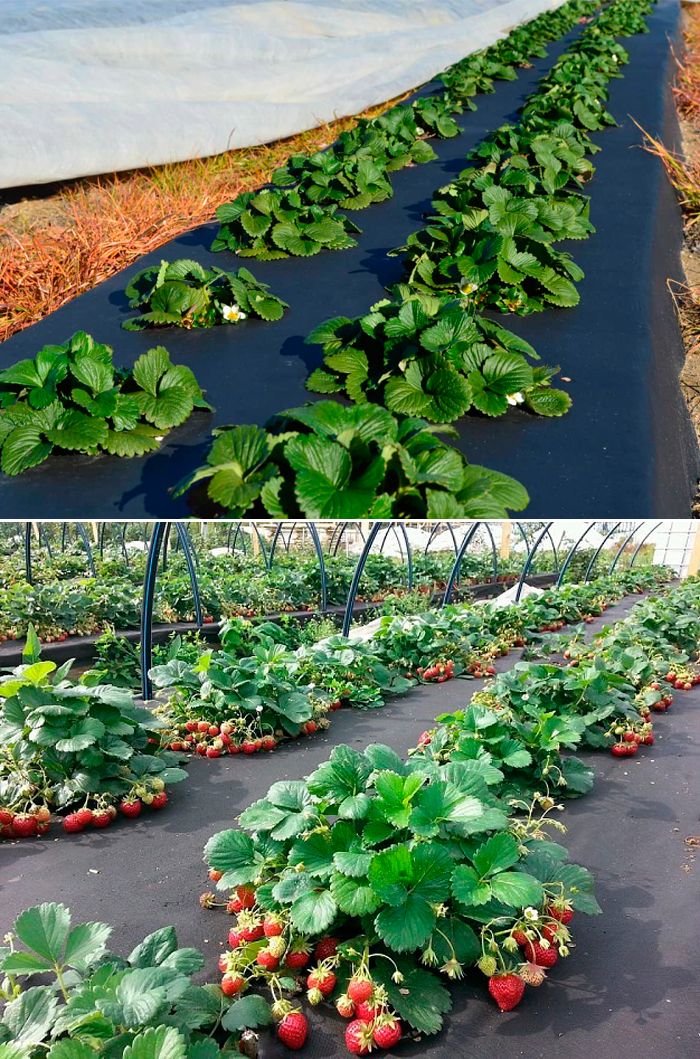
The risk of fusarium wilt is reduced by applying potassium oxide and lime. Experienced gardeners cover their plantings with vinyl film. It should be opaque.
Purchasing imported hybrid varieties can be quite expensive. If this isn't possible, gardeners disinfect the roots of purchased plants. The following products are used for this purpose:
- Agat-25 K;
- Fitosporin-M;
- Potassium humate;
- Baktofit;
- Maxim.
Soils with high acidity must be alkalized. This method helps eliminate fungi. If fusarium or gray mold has previously been detected in the selected area, planting strawberries there without pre-treatment is strictly prohibited.
Healthy bushes are sprayed with fungicides as a preventative measure. These are chemicals that have a detrimental effect on fungal mycelium and spores. These include Topsin-M, Fitocide, Fundazol, Mikosan-V, Trichoderma Veride, Benefit, Benorad, Winner, and Sporobacterin. Wood ash, potassium permanganate solution, and sulfur can be used instead.
Treatment methods
Fusarium can spread to gardens through contaminated seeds, soil left on shoe soles, tools, and machinery. The fungus attacks fruit trees, grains, and melons. Potatoes, tomatoes, and bulbous flowers, which can infect strawberries, are also affected.
The disease is treated with biological preparations. They are used in the early stages of fusarium.
Products such as Humata-K, Trichodermin, Fitosporin-M, Gliokladin, and Agat 23K are particularly popular among gardeners. In cases of widespread infestation, crops are sprayed with chemical compounds. The most effective products include Benorad, Fundazol, and Horus.
After the harvest, the soil is treated with Nitrafen. The medicinal solution is prepared according to the instructions for use included with the product.
Do not combine biological and chemical treatments. This will reduce the effectiveness of each medication and negatively impact the health of the plants. After chemical treatment, fruits should not be eaten for several weeks.
Gardeners shouldn't forget about traditional methods. They are safe for both people and plants. The list of medicinal compounds is quite extensive. Most commonly used are a weak solution of potassium permanganate and a milk-iodine mixture. When spraying plants, gardeners must follow the correct procedure. Otherwise, there will be no positive results.
The soil in which strawberries grow can be fertilized with yeast and potassium humate.
The latter increases the crop's resistance to infection, particularly fungi and parasites. If fusarium wilt has become advanced, affected strawberry and wild strawberry plants must be destroyed. No plant debris should be left in the area.
Resistant strawberry varieties
This category includes the following varieties of strawberries:
- Arosa;
- Yamaska;
- Bohemia;
- Alice;
- Gorella;
- Florence;
- Judibel;
- Flamenco.
The list can be expanded to include varieties such as Capri, Tristar, Christine, Totem, Redgauntlet, Talisman, and Sonata. These varieties won't require treatment for fusarium wilt, as they are relatively rarely affected.
Fusarium wilt is a serious disease that is quite difficult to treat. The success of treatment depends on the stage at which it is initiated. Every gardener should know how to treat strawberries. Only then will the fight against the infection achieve the desired results.