Growing strawberries isn't difficult if you follow proper agricultural practices. A crucial point when preparing a bed is to consider what was previously grown in the ground. There are certain crops that will cause strawberries to bear fruit poorly, and you'll definitely not get a satisfying harvest. On the other hand, there are certain plants that will encourage vigorous berry growth.
Considering that strawberries need to be replanted every 3-4 years, gardeners have the opportunity to think through a plan for their placement on the plot.
Content
- 1 The best predecessors for strawberries when planting in autumn are green manure crops.
- 2 Good predecessors or what to plant strawberries after in the fall
- 3 Harmful precursors
- 4 What can be planted next to strawberries and what shouldn't be
- 5 Crop rotation rules
- 6 The right place to plant strawberries
- 7 Answers to frequently asked questions
The best predecessors for strawberries when planting in autumn are green manure crops.
Experienced gardeners leave a reserve bed in their plot and prepare it for the upcoming strawberry planting a year in advance. This time is sufficient to enrich it with essential nutrients. If the plot size doesn't allow for such reserve "airfields," then a part of the plot previously occupied by favorable predecessors can be chosen as the strawberry planting site.
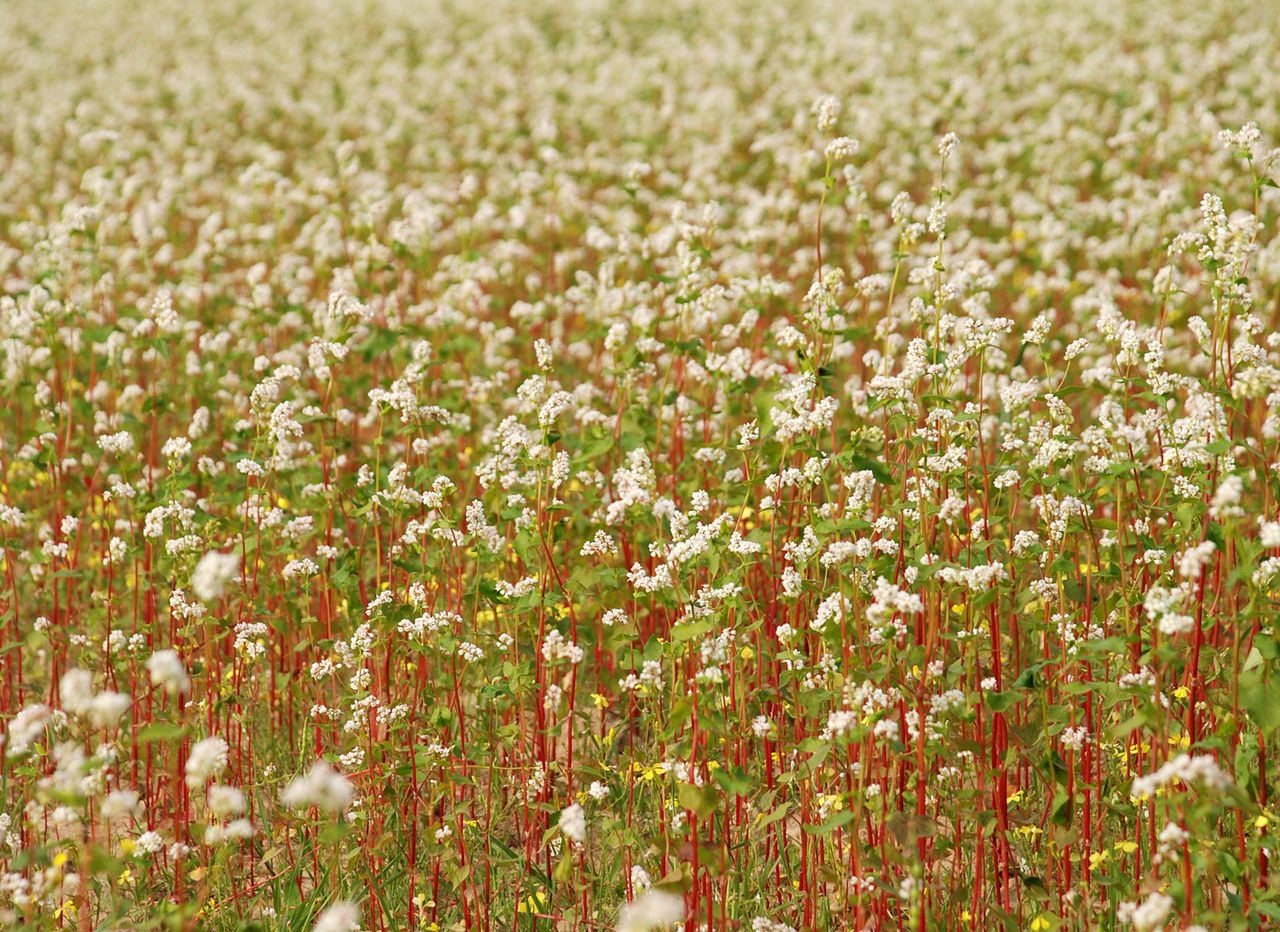
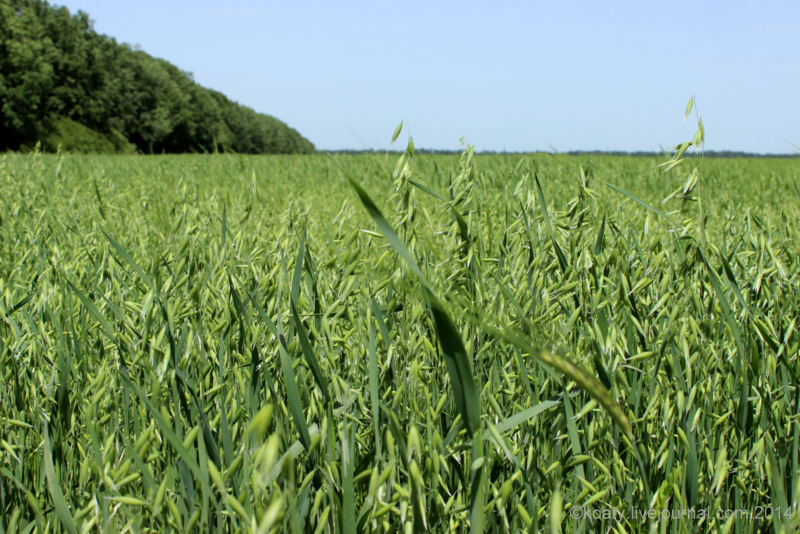
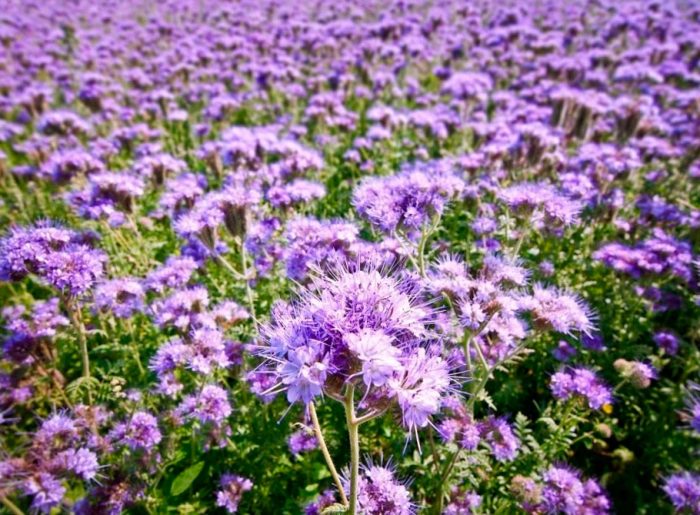
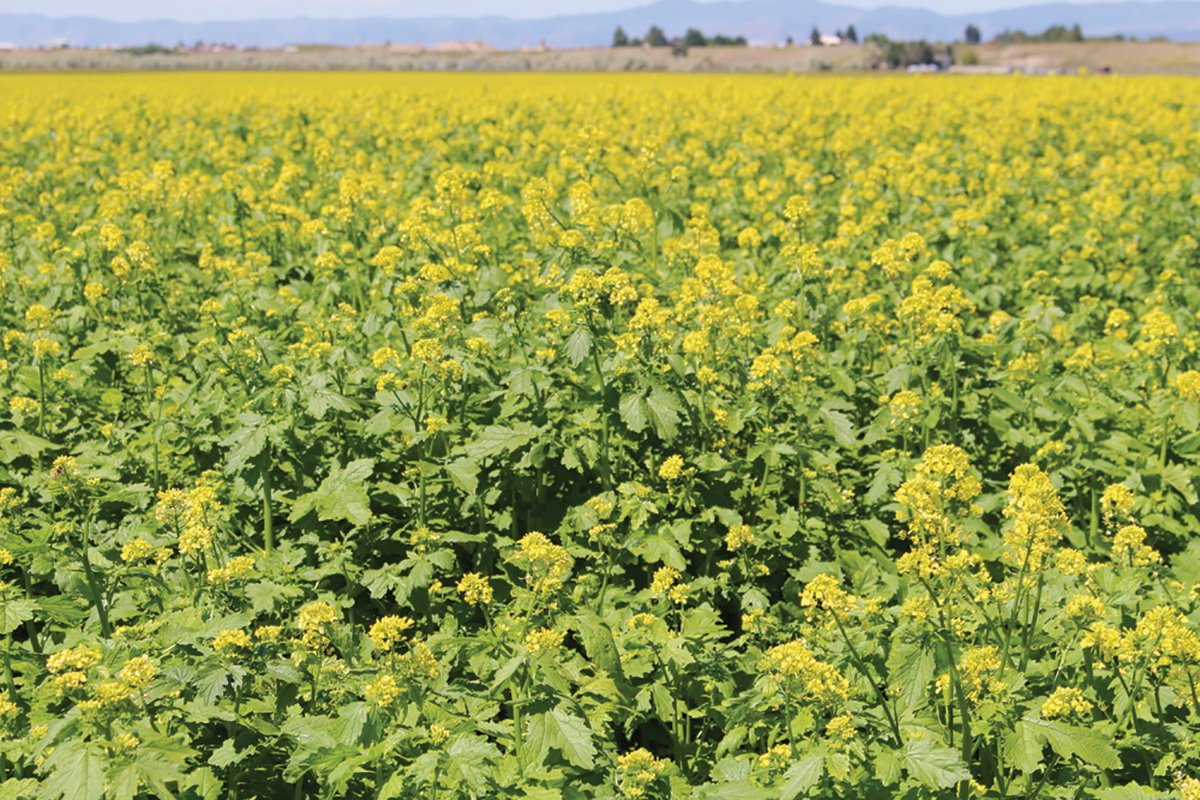
As with many other crops, green manures are the most favorable predecessors for strawberries when planted in the fall. They perform many useful functions:
- Prevents weed growth.
- They stimulate the development of beneficial microorganisms.
- They have a beneficial effect on the soil structure, improving it.
- They leave behind useful organic matter, which saturates the soil with easily digestible macro- and microelements.
- Increases the concentration of humus in the garden bed.
- Reduces the population of harmful insects and reduces the amount of unnecessary bacteria in the soil.
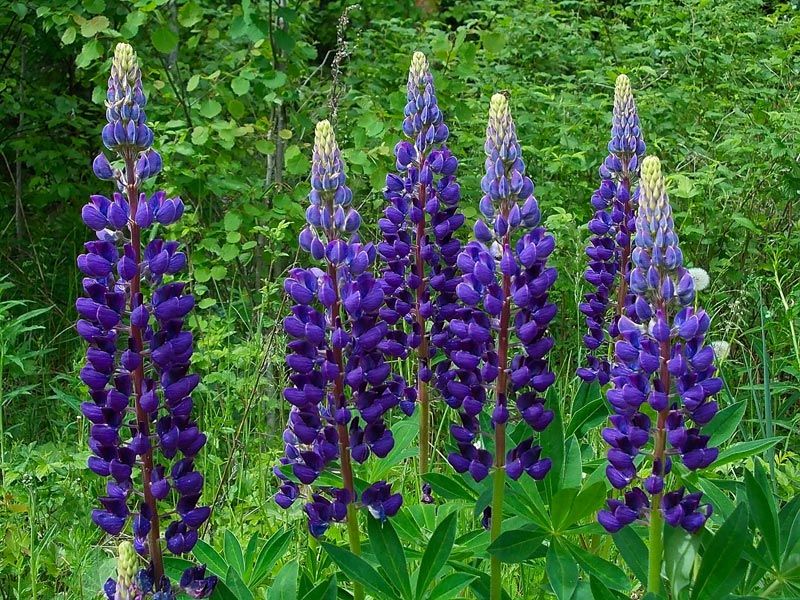
The following plants are best suited as green manure for a strawberry bed:
- Lupines.
- Buckwheat.
- Oats.
- Phacelia.
- Mustard.
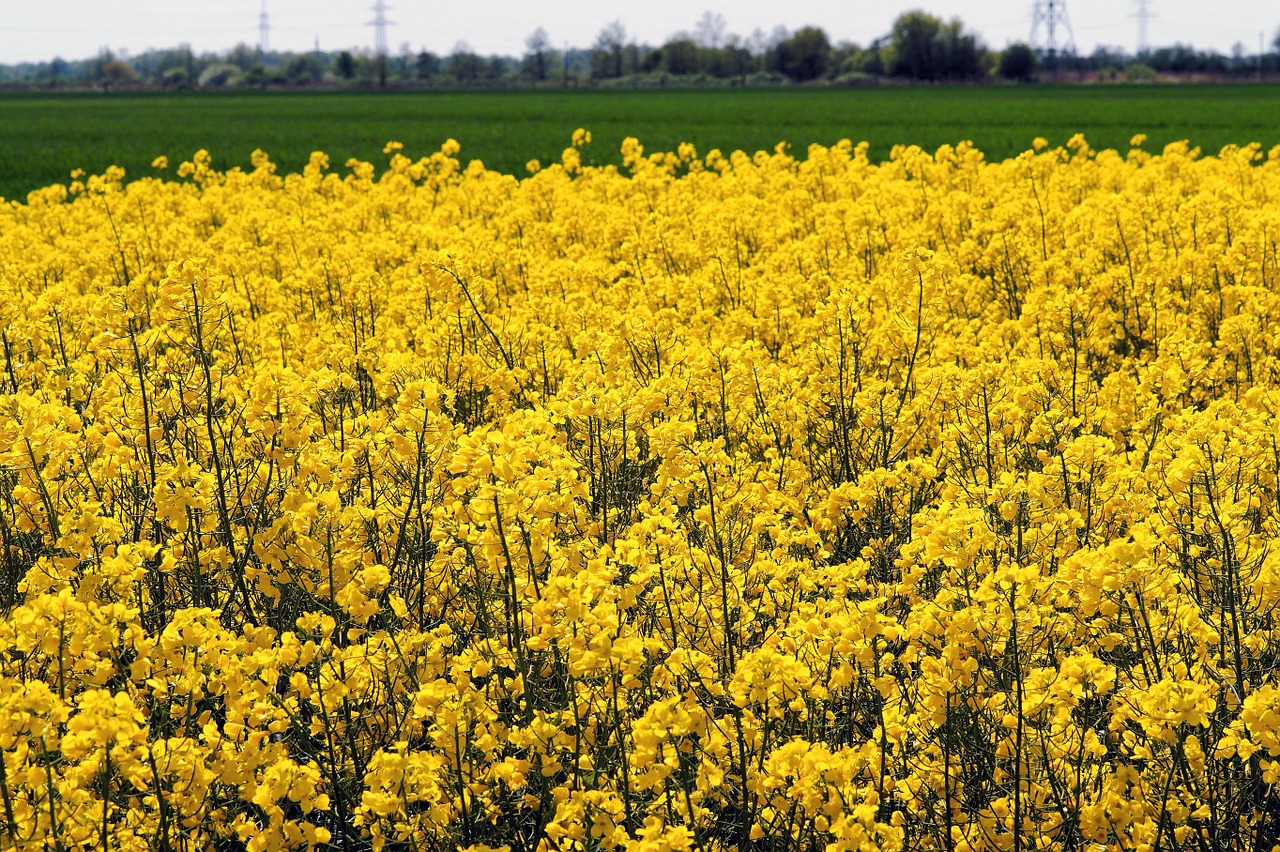
- Rape.
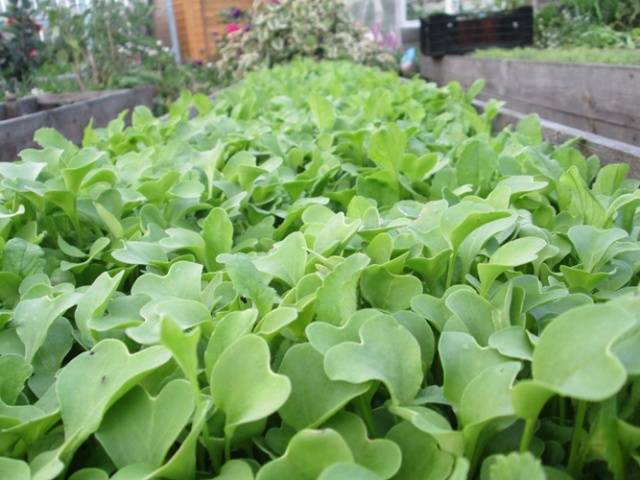
- Oilseed radish.
They can be mown several times in a single season, and the remains left in the garden bed. Once rotted and incorporated into the soil, they become a breeding ground for the garden's most important helpers—earthworms and beneficial bacteria.
After plant residues decompose, they transform into humus, which enriches the soil with beneficial micronutrients. Green manure crops can be selected depending on the specific macronutrients your soil is lacking. For example, legumes provide nitrogen, mustard and rapeseed increase phosphorus levels, and buckwheat enriches the bed with potassium.
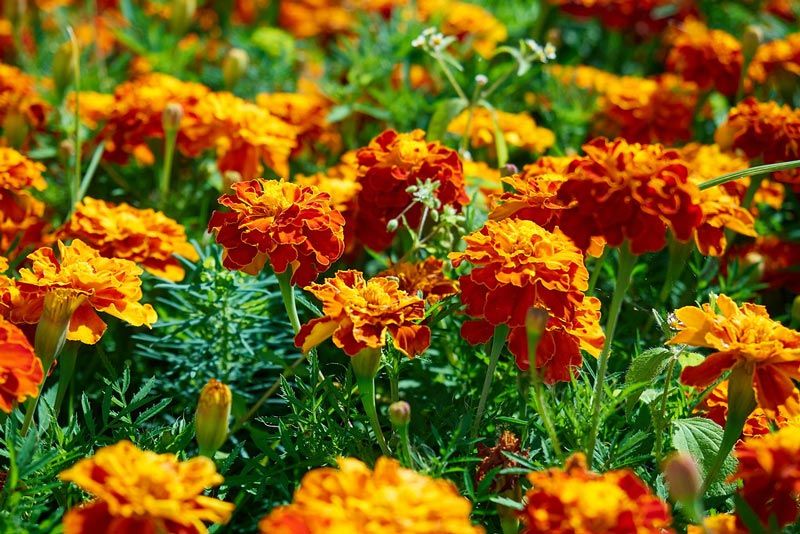
Important! Green manure helps prevent the development of many diseases: rapeseed and mustard act as natural disinfectants, oats protect strawberries from nematodes, and marigolds and calendula help destroy verticillium wilt.
You can achieve greater results by planting green manure in the garden bed in the spring. You can alternate planting several varieties throughout the season; they take about a month to mature. After that, you can mow them, dig the soil, and plant the next batch.
If you weren't able to do this in the spring, in warmer regions you can sow green manure after the potato harvest. They'll have time to sprout before the cold weather sets in, giving you time to mow them down.
If you want to quickly renew the soil in your garden bed, then at the end of the season, you should remove the old strawberry bushes and sow mustard, vetch, or any other quick-ripening green manure into the soil.
Important! If time is short, sowing a bed with green manure for 30-40 days will help slightly enrich the soil. A more pronounced effect will require more time, but it's still better than nothing.
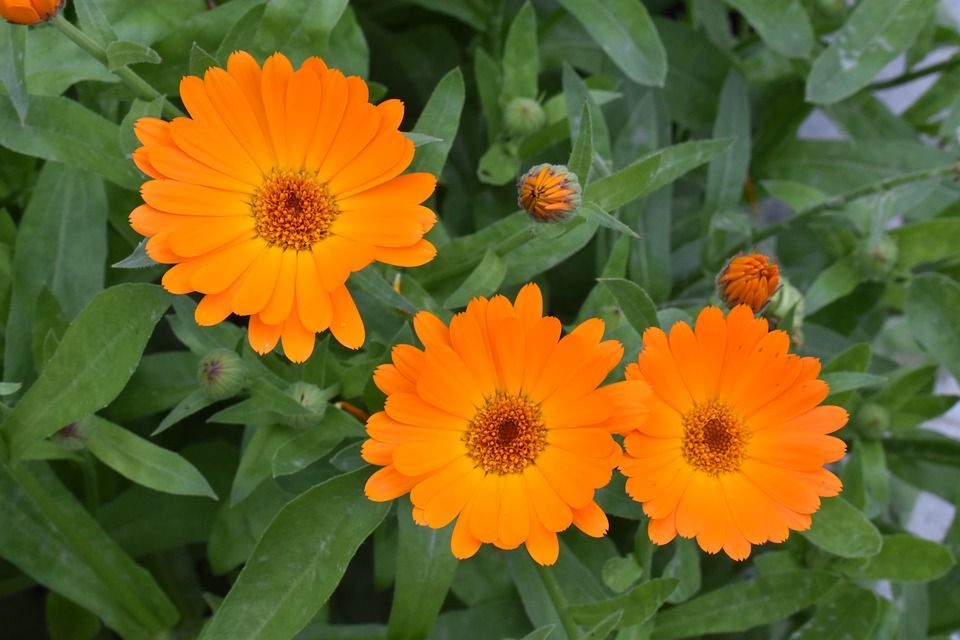
The table below shows the most common green manures for strawberries:
| Green manure | Benefit |
| Rape | Increases the concentration of organic matter and phosphorus in the soil. |
| White mustard | Suppresses the activity of late blight pathogens and promotes humus formation. |
| Lupine roots and vetch |
They enrich the soil with nitrogen. |
| Buckwheat | Saturates the soil with easily digestible macroelements: nitrogen, phosphorus and potassium. |
| Phacelia |
Neutralizes increased soil acidity. |
| Marigold | They destroy nematodes. |
| Oats | |
| Calendula |
Good predecessors or what to plant strawberries after in the fall
Now let's talk about predecessors that are not as good as green manure, but will definitely not harm garden strawberries.
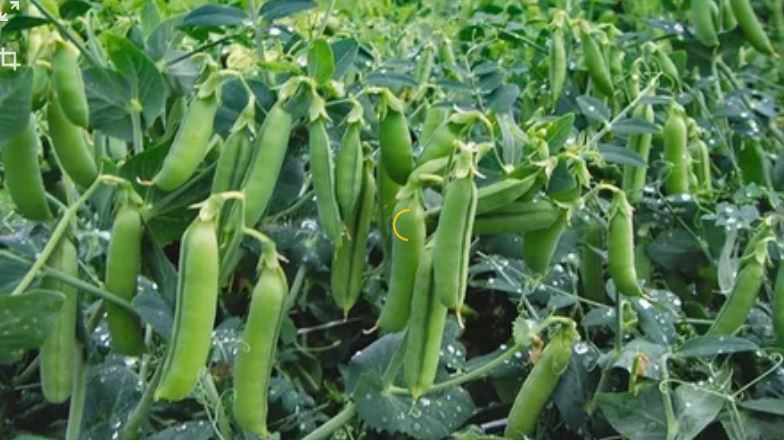
Legumes
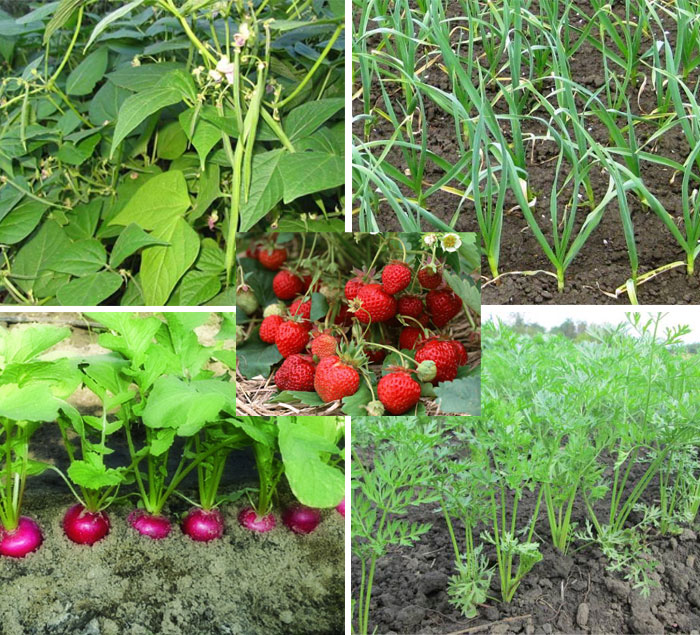
If you still have plenty of time before planting strawberries, you can plant regular beans or peas in the garden. If time is tight, consider planting asparagus beans. They will not only ripen but also provide the opportunity to sow green manure after the harvest.
Green
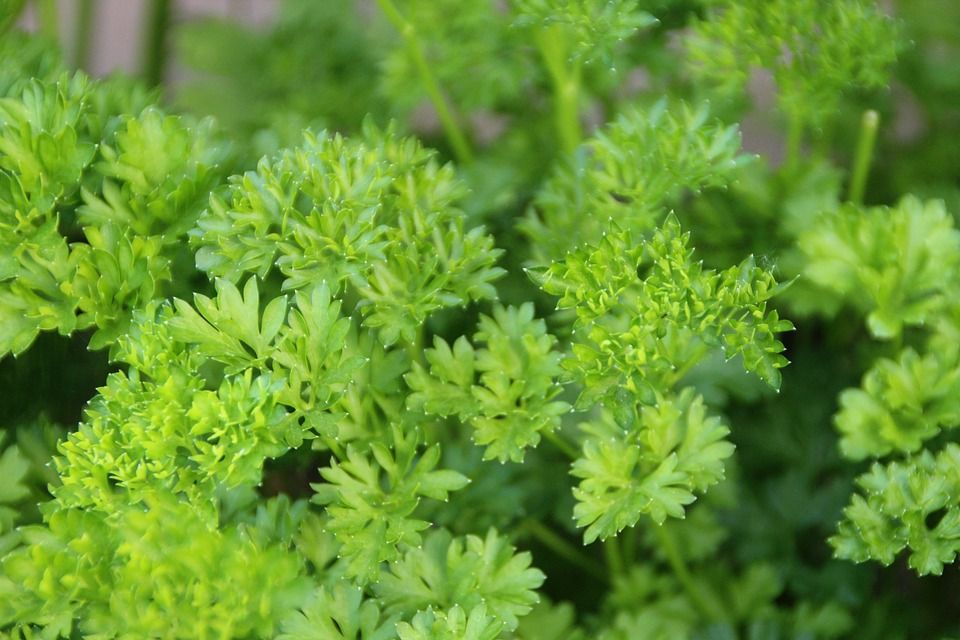
Greens germinate very quickly and work well in tight spaces. Garden strawberries grow best after celery or parsley.
Onions and garlic
Carrots, beets, cucumbers, and zucchini grow best after onions and garlic. However, these precursors are also favorable for strawberries. These crops share no common diseases, nor are they susceptible to the insects that feed on them with equal relish. However, planting strawberries in the fall after onions and garlic is still not recommended, as the soil will be depleted and will require some time to recover.
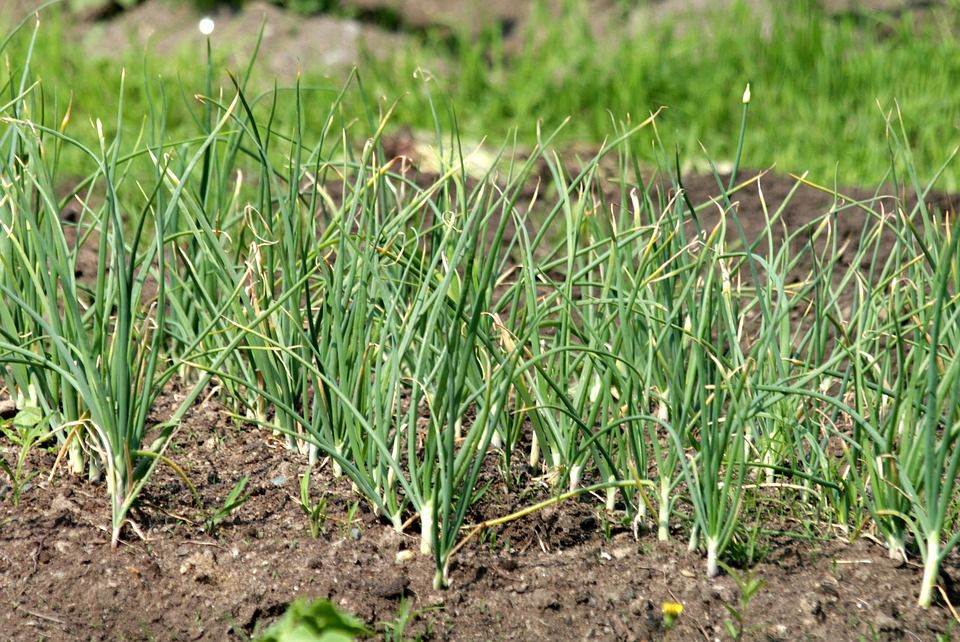
This maneuver is only feasible in southern regions, where onions and garlic ripen early, and the soil will have time to settle before the fall berry planting. Furthermore, it will even be possible to grow green manure. Gardeners will be able to mow them down, and in early fall, they can begin planting strawberries. They will have rooted well and adapted before the first frost. For regions with short summers, it's best to skip this work and leave it for spring, sowing green manure in the winter.
Carrots, radishes and horseradish
Radishes, carrots, and radishes require exactly the same growing conditions as strawberries. Therefore, you can safely plant berries in the garden after them. There are no common diseases or pests between these crops. The only thing to keep in mind is that carrots significantly deplete the soil, so fertilizing is necessary afterward.
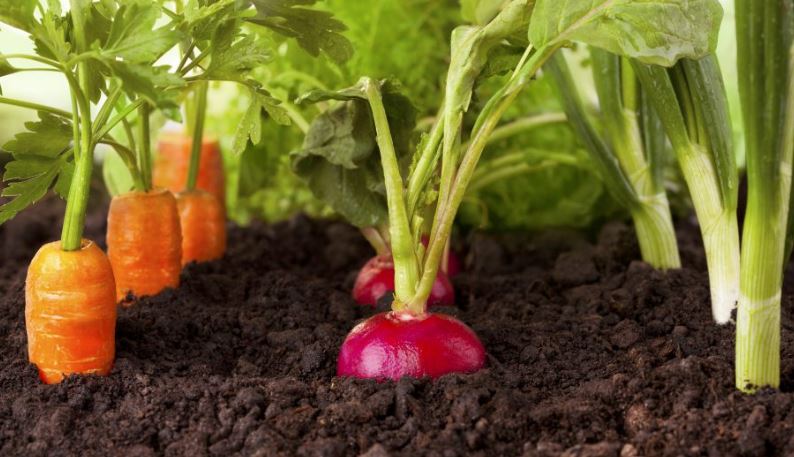
Tip: To enrich the soil with nitrogen, some gardeners plant legumes alongside carrots, taking advantage of their mutual compatibility.
Harmful precursors
Not all plants are suitable as predecessors for strawberries. The table below lists crops that are not recommended for planting strawberries in the garden.
| Bad predecessors | Cause |
| Peppers, potatoes, tomatoes, eggplants and other members of the nightshade family |
The proximity is dangerous because the crops share common diseases and pests, particularly late blight and wireworm. |
| Cabbage | Depletes the soil, taking nitrogen, phosphorus and potassium from it, as well as moisture. |
| Pumpkin | Sucks out useful macro- and microelements. |
| Zucchini and cucumbers | They share common diseases and pests with strawberries. They are most often attacked by slugs and gray mold. |
| Jerusalem artichoke and sunflower |
They severely deplete the soil, making it unsuitable for strawberries. It's best to sow green manure in the area where they grow. |
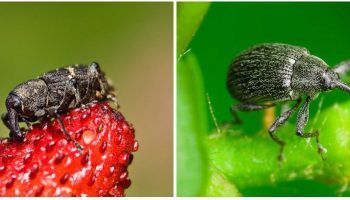
| Raspberry | Raspberries are perhaps the most undesirable predecessor to strawberries. Their roots and shoots grow so extensively that it's practically impossible to completely eradicate them all at once. But that's not the problem; it's the common pest—the raspberry-strawberry weevil. The insect feeds equally on both berries, so even planting these crops next to each other is not recommended. |
| Fennel |
Some sources even suggest that strawberries should be planted after fennel. This is not true. In fact, this is strictly prohibited. This is because this plant has allelopathic properties. As it develops, it releases substances into the soil that inhibit the growth of other crops. Strawberries in such a bed will not be able to grow and will die. |
| Flowers from the buttercup family |
They contain many substances that inhibit the normal development of other plants. |
If you've been unable to find the right spot for strawberry planting and have no choice but to plant the berries in place of one of the crops listed above, it's important to prepare the soil well. Fertilize the bed with appropriate fertilizer. If time permits, you can sow fast-growing green manure crops, such as phacelia, vetch, or mustard. Thanks to the efforts of plant breeders, strawberry varieties have been developed that are resistant to various diseases, so they can grow quite well after most undesirable predecessors.
But in any case, it is necessary to additionally treat the soil in the following ways:
- pour with a disinfectant solution;
- plant with green manure or apply appropriate fertilizers;
- Use mulch to prevent excessive moisture evaporation and protect from temperature fluctuations.
After four years have passed, the soil needs to be allowed to rest for 5 or 6 years.
What can be planted next to strawberries and what shouldn't be
In addition to favorable predecessors, the berry also has favorable neighbors that not only protect against pests, but also improve the taste of the fruit.
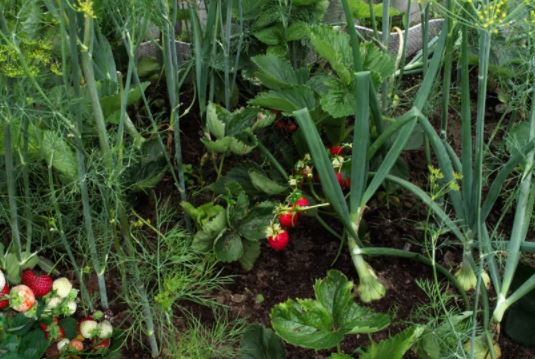
Here are some secrets of such a neighborhood:
- Strawberries get along well with spinach and lettuce if you plant these plants in a checkerboard pattern in the bed.
- Parsley placed nearby will repel slugs and snails.
- To prevent late blight, plant garlic between the bushes.
- Onions and garlic disinfect the soil, preventing nematode activity. This combination benefits both crops, as the garlic bulb grows larger than usual.
- Legumes improve the structure of the soil, make it looser, and also enrich it with nitrogen.
- Low-growing marigolds planted among strawberries repel nematodes.
Neighborhood can not only bring benefits, but also cause irreparable harm to strawberries:
- Avoid planting fennel near berries. As noted above, fennel suppresses bush growth and often causes plant death.
- You can't plant strawberries next to horseradish.
- Garden and wild berry varieties should not be planted next to each other.
Among other plants that do not bring cultural value to the site and do not produce fruit, the following are good neighbors for strawberries:
- Spruce trees, pines.
- Spireas.
- Ferns.
- Irises.
But you shouldn't plant strawberries next to a birch tree.
If garden strawberries are to be planted in less-than-ideal soil, green manures can help. Planted simultaneously, they not only improve the soil quality but also provide favorable shade. After ripening, the stems are cut and left on top of the bed to act as mulch.
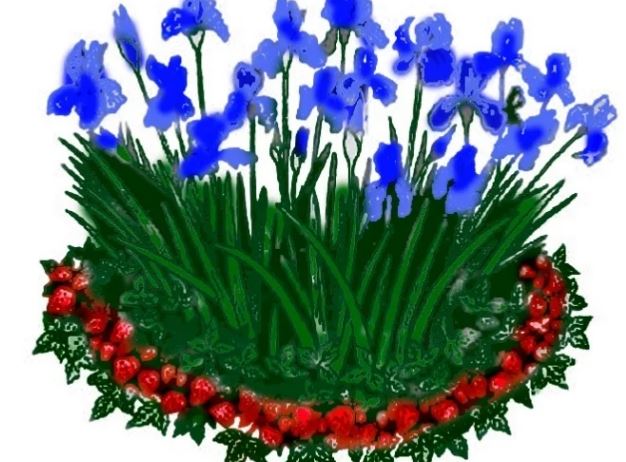
Strawberries aren't particularly demanding crops; they'll grow and bear fruit well if basic farming practices are followed. These vary by region and climate.
Crop rotation rules
To obtain a good harvest, it is important not only to properly prepare the soil, but also to adhere to the basic rules of crop rotation.
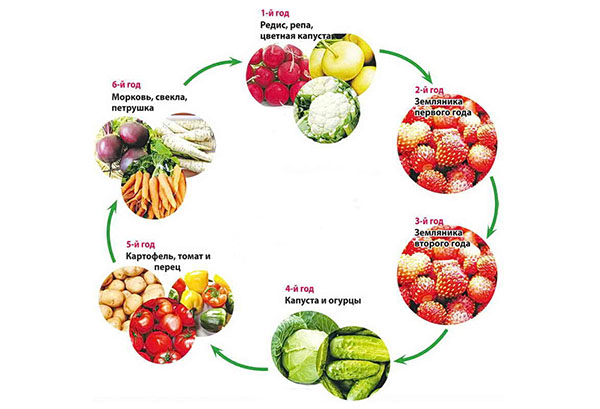
If you grow a crop in the same place for a long time, you shouldn't expect a good harvest for several reasons.
- Every plant releases toxic substances during the growing process, which tend to accumulate in the soil and reduce the quality of the harvest.
- Harmful bacteria begin to accumulate in the soil, and pests specific to specific plants begin to multiply.
- Plants suck out the same nutrients year after year, which significantly reduces the nutritional value of the soil.
When planting plants, it is important to follow several rules for their better growth and development:
- One type of crop should not be planted in the same soil for several years.
- The more often plants change their location on the site, the better it will be for the soil and for them.
- When preparing the soil, it is necessary to take into account what nutrients the predecessors were fed with.
- If space allows, it is better to allocate a separate bed for green manure, where it will be grown for use as mulch.
The right place to plant strawberries
Finding the right location for growing strawberries is fairly simple. A southwest-facing garden site is ideal. The berries thrive in loamy, black soil, and sandy soils. They ripen fastest in a well-lit, draft-free bed.
Strawberries planted in the shade or in lowlands produce small, sour-tasting fruits.
The soil becomes almost completely depleted within four years of strawberry cultivation. Furthermore, during this time, a large number of pests characteristic of the crop proliferate. Therefore, after this period, it's necessary to prepare a new site and replant the old bed with green manure or favorable pre-crop crops.
Maintaining a smart neighborhood is not difficult at all if you know the above-mentioned subtleties of planting garden crops on your plot. This will help you grow a bountiful and delicious strawberry harvest. Carefully chosen neighbors will not only improve the soil quality but also increase the yield.
Answers to frequently asked questions
Is it possible to plant strawberries after potatoes in the fall? Answer: No. The soil may contain Colorado potato beetle or wireworm larvae. Furthermore, as we've already mentioned, garden strawberries and nightshades share not only the same pests but also diseases, particularly late blight.
Is it possible to plant garlic after strawberries in the fall? Answer: no. Winter garlic There is no need to plant immediately after strawberries, the soil needs time to recover.