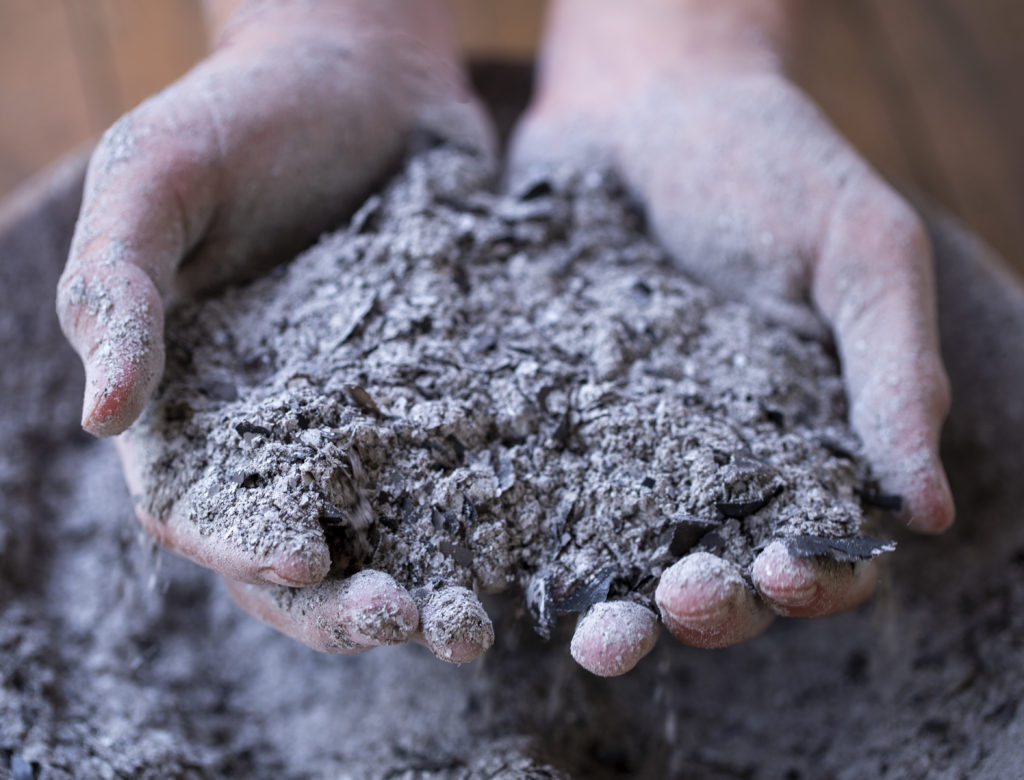
Ash is produced in large quantities when burning wood or plants. It contains many nutrients essential for strawberries (garden strawberries). The use of ash for strawberries at different stages of the plant's growth cycle has its own specifics.
Benefits of ash for strawberries
This natural fertilizer contains iron, phosphorus and magnesium.
In addition, our portal http://top.tomathouse.com reminds you that ash as a fertilizer has a whole range of beneficial properties for plants:
- the soil pH increases (alkalinization is observed);
- the absorption of nutrients by the roots improves, enzyme systems are activated, the quality of the harvest improves, namely the size of the fruits increases, they become more delicious;
- during the flowering period the number of flowers increases;
- resistance to infectious diseases and low temperatures increases;
- the water balance is normalized.
Read the article: Ash as a fertilizer, a detailed description of the composition and methods of application.
When to use ash for strawberries
To achieve a beneficial effect on the plant, ash must be used with caution:
- It is not recommended to apply mineral fertilizers containing nitrogen together with ash, as this leads to the formation of ammonia, which in high concentrations is poorly tolerated by strawberries.
- Fertilizing with wood ash is recommended for high soil acidity (low pH values) – strawberries prefer neutral soils, the pH of which is in the range of 5.5-8.0.
Special kits sold in gardening stores can help you determine the condition of your soil. Additionally:
- Nettle, alfalfa, field bindweed, clover, wheatgrass or burdock will indicate low acidity in the area.
- Poppy grass, horse sorrel, chickweed, sedge, creeping buttercup, field horsetail, oak speedwell, mint and plantain love acidic soils.
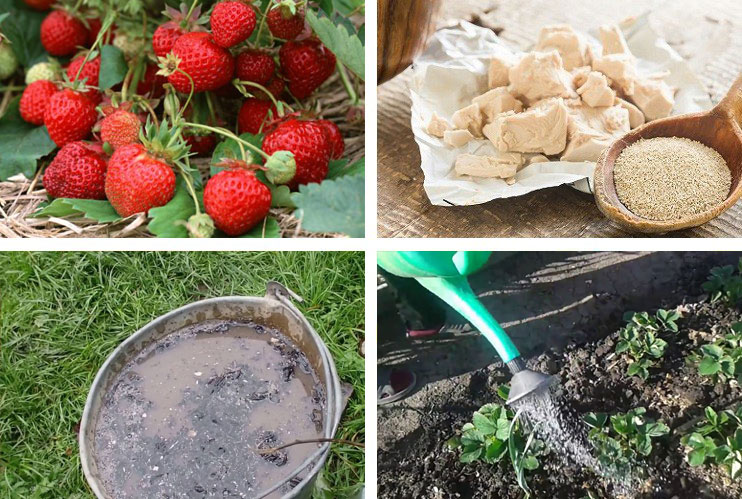
Interesting! Ash fertilizer is often used in combination with yeast. I use yeast during flowering, fruiting, and once after harvest. During fermentation, potassium and calcium are absorbed, resulting in extremely low levels of these nutrients in the soil, and ash is precisely what replenishes them.
When to apply ash to strawberries
The value of wood ash for strawberries varies depending on the growing season.
Spring feeding
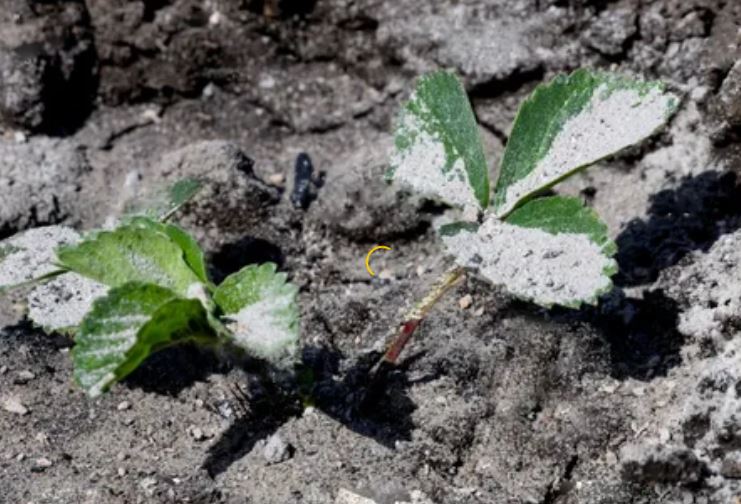
In early spring, plants require special care. Dry and damaged foliage is removed. Nitrogen-containing fertilizers, as well as compost or manure, are added to the soil. During this time of year, strawberries are treated with ash as a preventative measure against pests.
Incidentally, strawberries can be fed with urea in the spring. Measure out 10 liters of water, add 3 heaping tablespoons of carbamide (urea), and stir until the granules are completely dissolved. Pour 500 ml of this solution under each strawberry plant.
Fertilizing during flowering
During the flowering and bud formation period, ash is used as a source of nitrogen and potassium.
Fertilizing strawberries with ash during fruiting
Fertilizing strawberries with ash during fruiting is an excellent way to prevent nitrate accumulation in the berries, as ash is a natural fertilizer. Wood ash is the preferred fertilizer because it contains a lot of potassium. In July and August, two applications are usually limited to one during the berry harvest and one after the fruiting period.
Read about it, How to care for strawberries in summer.
Autumn feeding
In the fall, the plant requires special pre-winter preparation. Excess tendrils and damaged foliage are removed, preventative insecticide treatment is applied, and additional soil is added to the underside of the bushes. To help the strawberries survive the winter, they should be fertilized.
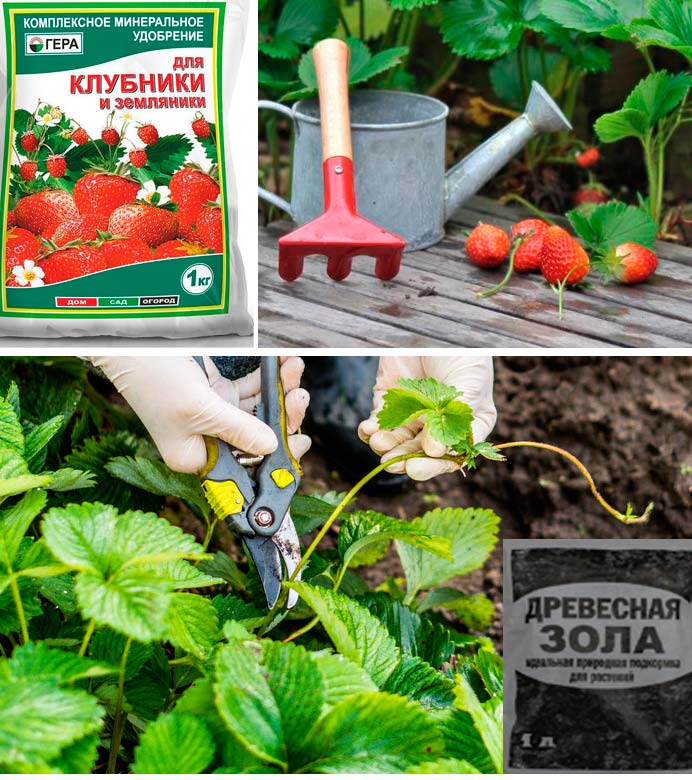
Ash and mineral fertilizers can be applied in dry or liquid form (preferably before mid-September). After 2-3 days, plants are mulched to protect them from low temperatures. Spruce debris, sawdust, or crushed peat can be used.
How to apply ash to strawberries
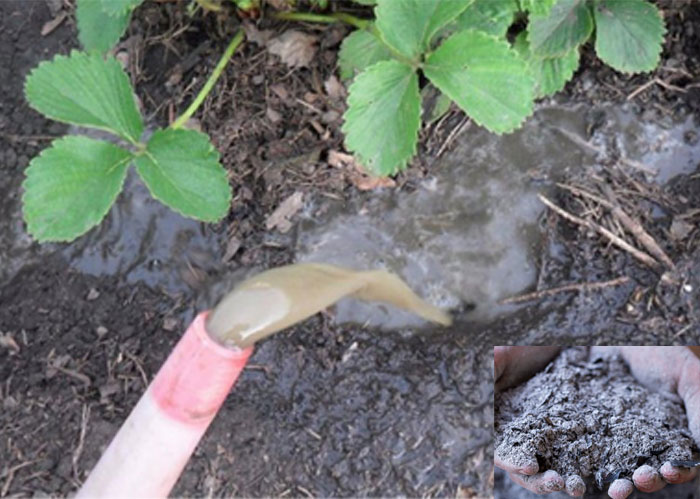
The simplest folk remedy is to sprinkle ash over the surface of the bed after watering or rain, then water again. You can also sprinkle ash on the strawberries themselves, as many gardeners do to protect the bushes from harmful insects.
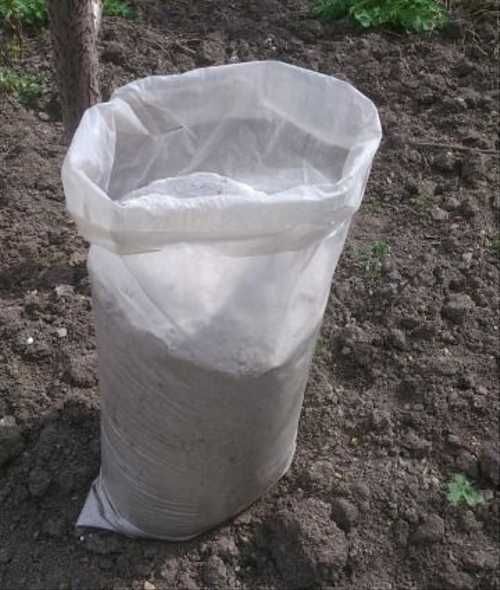
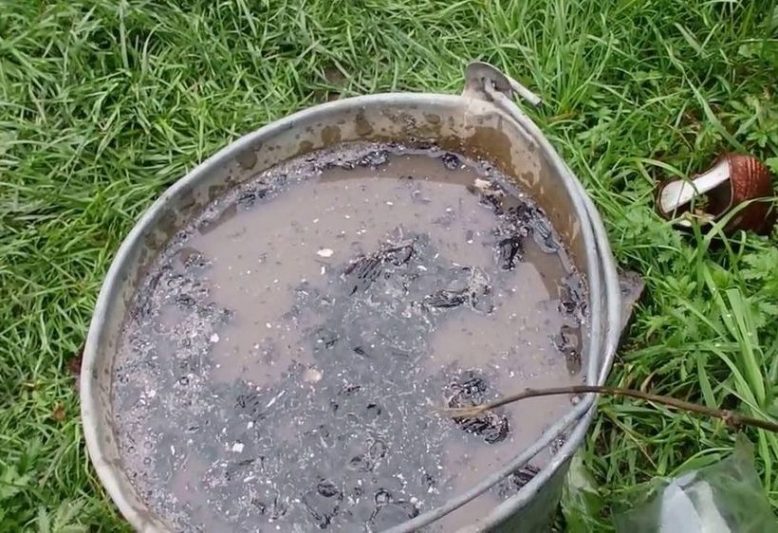
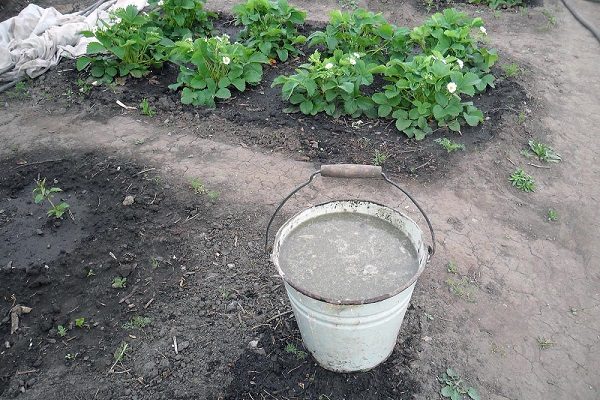
The second method is to treat the soil with a solution: 200 g of ash is dissolved in a bucket of water. The main thing is to water the plants correctly: 1 liter of the solution is used per 1 m2 soil.
Combination of ash with other substances
Every gardener and vegetable grower should know that wood ash can be used as a component of nutrient mixtures; these are the golden rules.
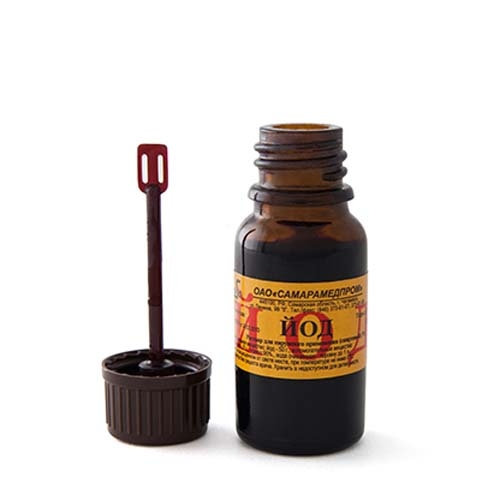
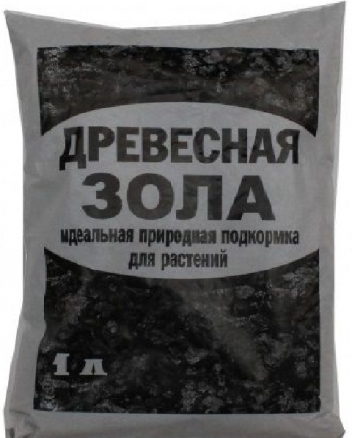
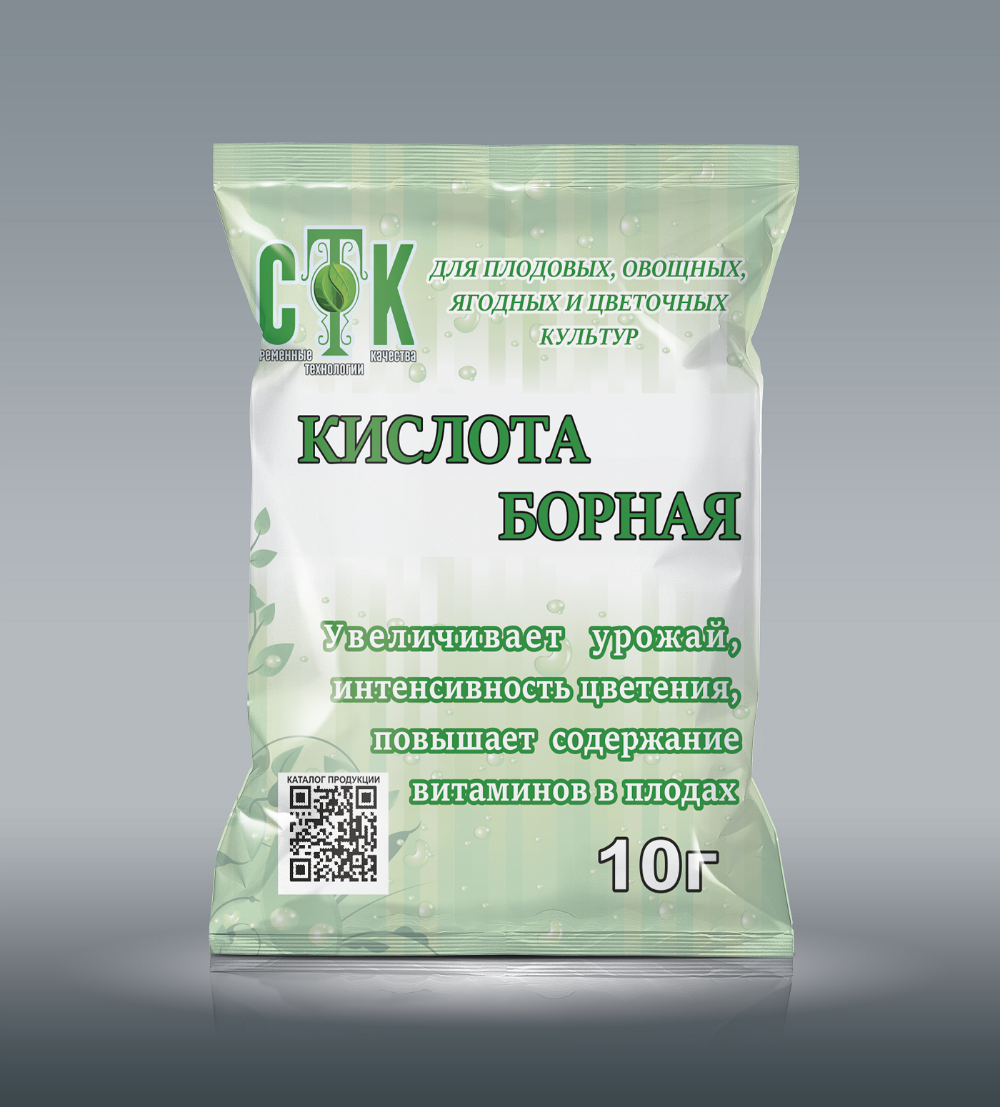
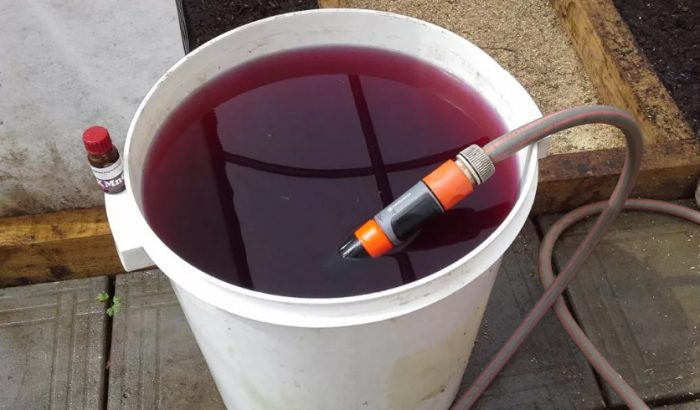
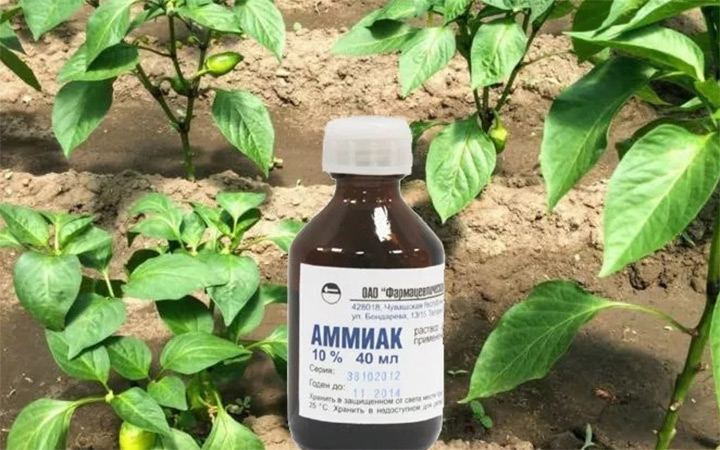
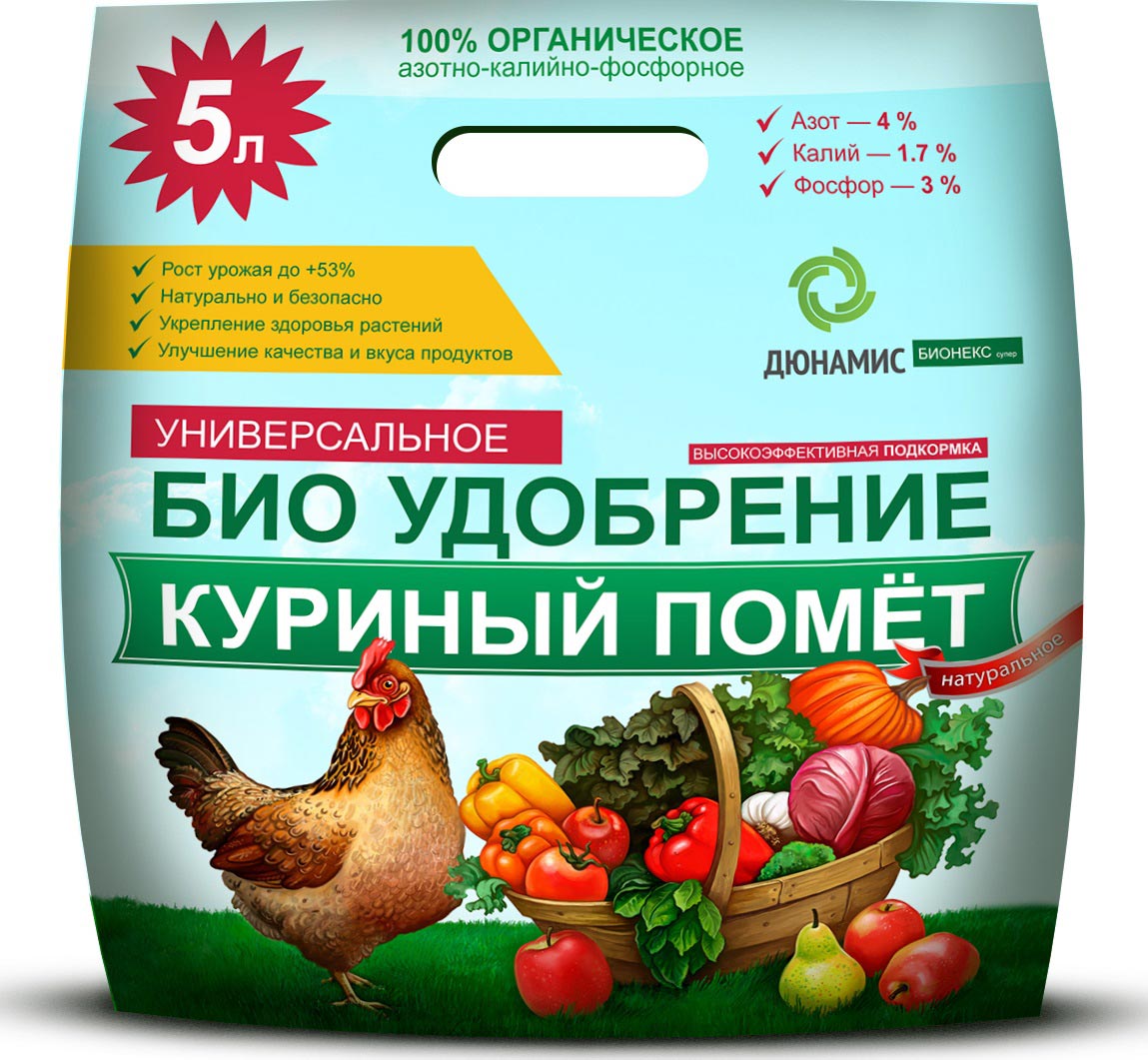
The preparation of these recipes is quite simple: 200 g of ash is dissolved in 10 liters of water, then other substances compatible with ash are added to the mixture in various proportions:
- 10 drops of iodine alcohol solution and 5 g of boric acid (the composition is recommended for use during the period of bud ripening);
- 2 g of potassium permanganate and boric acid (potassium permanganate is used for disinfection);
- 30 ml of 10% ammonia solution (used during flowering and fruiting);
- 1 liter of chicken manure infusion* (300 ml of the composition is used for each plant).
* To obtain an infusion, dissolve 500 ml of dry manure in 10 liters of water and leave for 10 days.