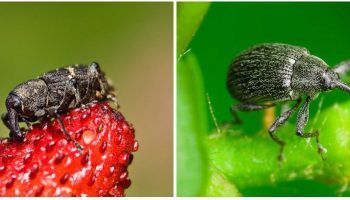
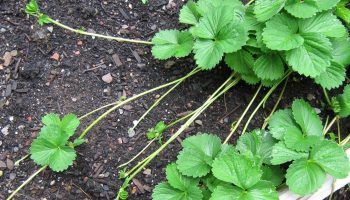
Strawberries delight us with their harvest, but when they're in full bloom, it's not just about picking the berries. It's a big misconception that they don't require any care.
Watering
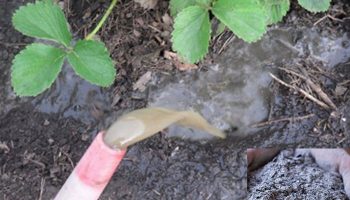
During this time, strawberries require twice as much moisture to ripen their berries. It's best to water in the evening, when the water in the barrel has warmed up. Cold water should never be used. The soil should be saturated to a depth of approximately 20 cm.
If you are experiencing heavy rainfall, you should protect your strawberries from excessive humidity to prevent them from rotting.
Weeding and loosening
Of course, weeding and loosening the soil are important tasks. Otherwise, weeds will rob the strawberries of the nutrients they need to produce fruit.
Processing
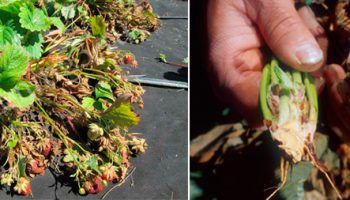
If you notice spots on the leaves, your strawberries are diseased. However, treatment with pesticides is prohibited during fruiting, so simply remove infected and dried leaves and pick off rotten berries to prevent them from infecting new ones. To ensure a longer harvest, regularly prune spent flower heads and runners.
Don't wait for the entire crop to ripen; harvest it gradually. Otherwise, overripe berries will begin to soften, and the strawberries may become infected with fungus.
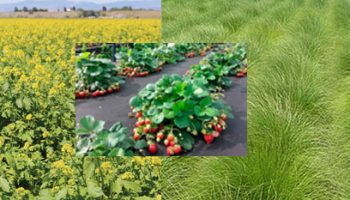
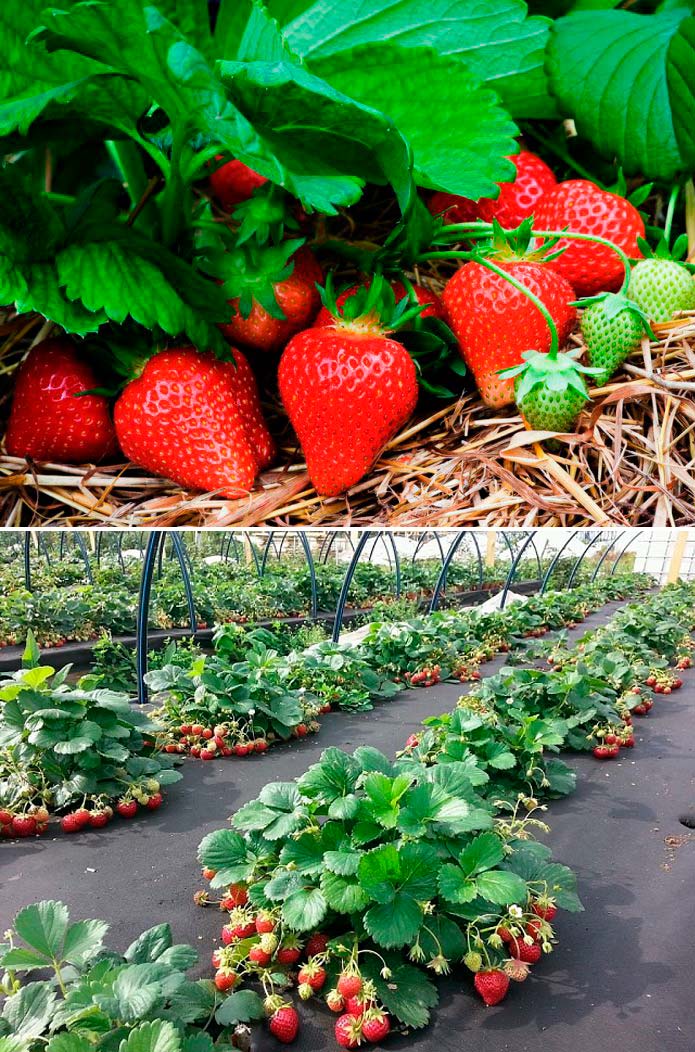
Mulch the soil around it with straw or plant it in black plastic initially.
Top dressing
During fruiting, strawberries need nutrition. Otherwise, the berries become smaller or fail to form at all. A mullein infusion, grass extract, or commercial strawberry and wild strawberry fertilizer are good options for feeding during this period.
In the first case, cow manure, diluted two-thirds with water, should be left to soak for about a week. Then dilute the concentrate 1:10. The herbal infusion is made not from freshly cut grass, but from compost. It is diluted in the same way as mullein. If using commercial organic fertilizers, make sure they contain potassium, which is very important during this period. Prepare the solution according to the instructions.
If your strawberries are growing on plastic, water carefully under each plant, avoiding the leaves and berries. If there's no plastic, water between the rows.
After fruiting
Once strawberries have yielded all their berries, they deserve even more care. This is especially important if you want a good harvest next year.
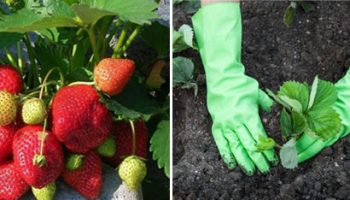
Be sure to remove all weeds again and loosen the soil. Trim the runners and remove old, dried leaves. If you want to plant new plants, you can leave a few, but only as many as you want. Be sure to remove any excess, as they weaken the mother plant. Young bushes that will root on the runners can be pruned and replanted; this is best done in late July or August so they have time to establish themselves before the frost.
After fruiting has finished, hill up the strawberries thoroughly, but don't overdo it. Remove any diseased plants. Feed the remaining ones, using specialized strawberry fertilizers and infusions.
Stop watering as autumn approaches, and don't forget to mulch the soil. If you do everything right, you'll have a harvest next year, too.