Gardeners around the world have been using ash as a fertilizer for their plants for decades. Its beneficial properties were studied in the 19th century. In this article, we'll tell you everything you need to know about ash: how to obtain it, why it's so good, which plants it's suitable for, and how to apply it correctly.
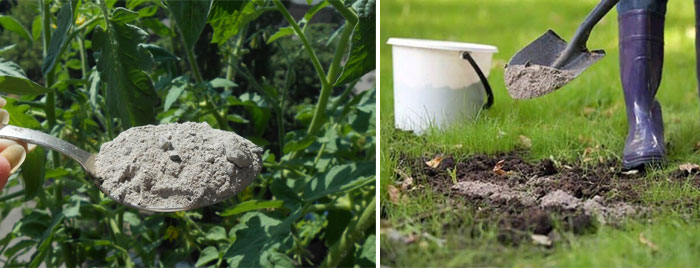
Ash has gained its popularity due to its availability, ease of production, and simplicity of use. Add to this its rich composition of beneficial microelements. Why is ash so beneficial for fertilizing?
- promotes alkalization of acidic soil;
- helps speed up the adaptation of seedlings in the soil;
- activates the growth of plantings;
- has a preventative and therapeutic effect in the fight against pests and diseases;
- improves the condition of the root system.
Content
- 1 How to calculate the amount of ash
- 2 Composition and benefits of ash for plants (table)
- 3 Types of ash: types and substance content (table)
- 4 When can and cannot ash be used?
- 5 On what soils is ash used and on what soils is it prohibited?
- 6 How to tell if plants need ash
- 7 In what form is ash used as fertilizer?
- 8 Multicomponent fertilizers with ash
- 9 Using ash in the garden
- 10 Using ash in the garden
- 11 Using ash for flowers and houseplants
- 12 Proper storage of ash fertilizers
- 13 What can replace ash?
- 14 Can cigarette ash be used as fertilizer for plants?
- 15 How to use stove ash
- 16 Can citrus fruits be fertilized with ash?
How to calculate the amount of ash
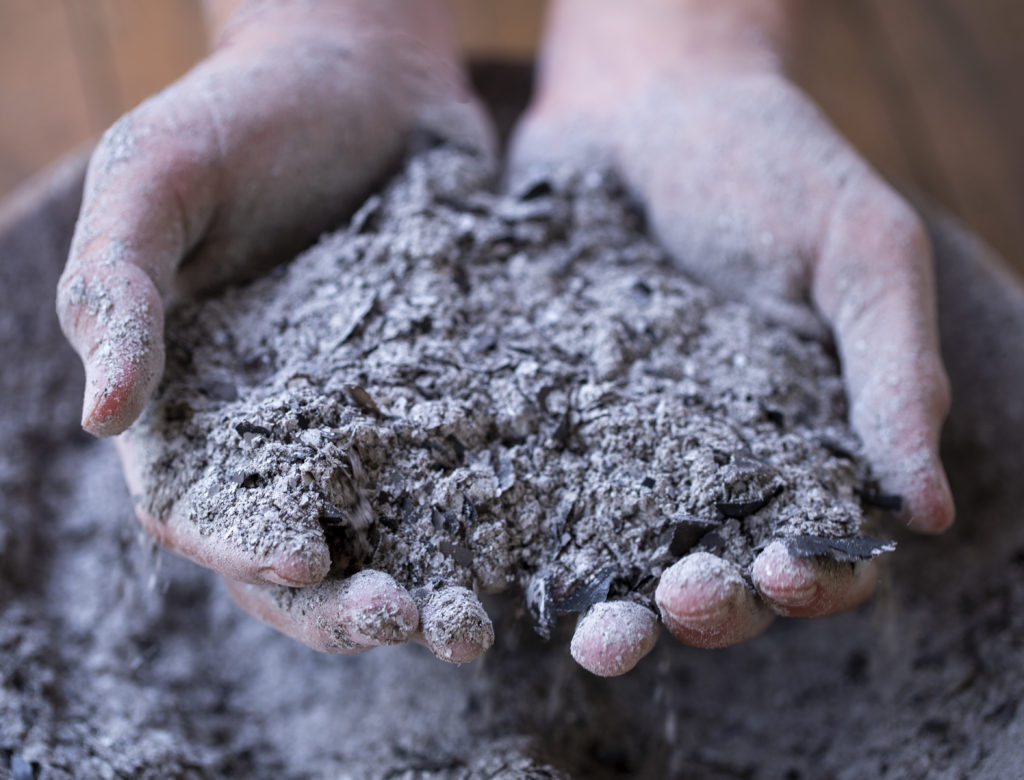
To help you better understand the volumes, we've provided you with a guide on measuring the amount of ash:
| 3 g | 1 teaspoon |
| 7 g | 1 tablespoon |
| 10 g | 1 matchbox |
| 100 g | 1 mug |
| 500 g | 1 liter container |
Composition and benefits of ash for plants (table)
In the table below we have provided the composition of wood ash as a fertilizer:
| Component | % (percent) | Action |
| CaCO₃ (calcium carbonate) | 17 | Activates vegetation and flowering, promoting normal fruit development. It accelerates metabolic processes and improves the absorption of beneficial micronutrients. |
| CaSiO₃ (calcium silicate) | 16.5 | Nourishes the roots, especially those of bulbous plants, and helps them better absorb vitamins from the soil. |
| CaSO4 (calcium sulfate) | 14 | Improves soil quality by stimulating the production of beneficial enzymes. Increases plant resistance to adverse conditions and diseases. |
| CaCl2(calcium chloride) | 12 | |
| K3PO4(potassium orthophosphate) | 13 | Increases plant resilience and resistance to temperature fluctuations. Prevents ammonia formation in leaves. Regulates water balance. |
| MgCO3(magnesium carbonate) | 4 |
They promote the formation of cellulose and starch by activating the process of carbohydrate synthesis. They regulate water balance, improve the passage of moisture to the roots and stems, and activate the formation of useful enzymes in the soil for the growth and development of garden crops. |
| MgSiO3(magnesium silicate) | 4 | |
| MgSO4(magnesium sulfate) | 4 | |
| NaPO4 (sodium orthophosphate) | 15 | |
| NaCl (sodium chloride) | 0.5 |
Types of ash: types and substance content (table)
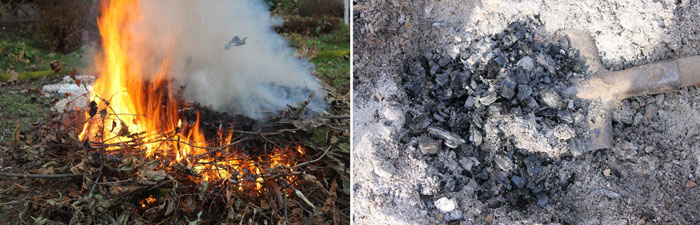
Not all ash is suitable for use. If you plan to burn the trash you collected in the spring, which includes paper or old boards mixed in with branches and leaves, the resulting ash will be completely useless, if not downright harmful to your plants.
But even when burning organic matter, the resulting ash varies in chemical composition depending on what was burned. Calcium-rich ash results from the combustion of softwood; hardwood also contains calcium, but in lower concentrations. Old wood, however, contains much less potassium than young wood. A fair amount of potassium remains after the combustion of buckwheat stalks, sunflower stems, and grass rhizomes.
Ash is primarily a potassium fertilizer, which is the largest component. Secondarily and thirdly, it contains phosphorus and calcium. Below, we present the average concentrations of the main mineral elements found in ash of various origins:
| Plant species | Potassium, % | Phosphorus, % | Calcium, % |
| Sunflower stalks | 35 | 18 | From 18 to 20 |
| Buckwheat (straw) | 30 | 3 | 17 |
| Rye (straw) | 12 | 5 | 9 |
| Wheat (straw) | From 11 to 18 | From 4 to 9 | From to 7 |
| Potato tops | From 20 | Less than 8 | Less than 32 |
| Birch | Less than 11 | 5 | From 35 to 40 |
| Spruce | 3 | 3 | 24 |
| Pine | 11 | About 5 | From 30 to 40 |
| Peat | From 0.5 to 4.8 | From 1.2 to 7 | From 15 to 26 |
| Dung | From 10 to 12 | From 4 to 6 | From 7 to 9 |
When can and cannot ash be used?
Ash is a multifunctional product, but even it needs to be used wisely, based on the needs of your soil and plants.
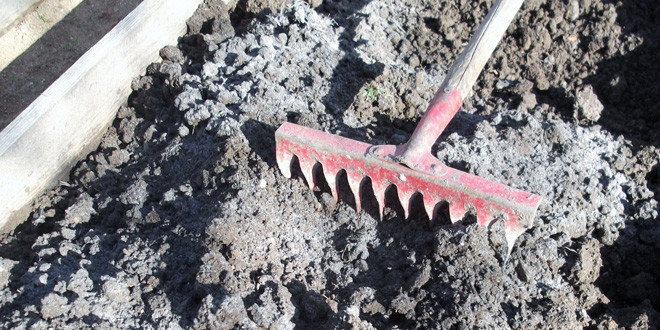
To alkalize the soil, it is added to highly acidic soil during plowing in the fall or spring. When applying root fertilizer, dry ash added to the garden bed must be diluted with water.
It is strongly not recommended to apply ammonia, nitrogen and phosphate fertilizers simultaneously with ash.
Ash can be used to treat crops both in open ground and in greenhouses in several ways:
| Type of fertilizer | Components | Directions for use |
| Ash infusion (extract) for seeds | 6 tbsp ash, 2 l water. | The ash is poured into water and left to steep for a week, shaking occasionally. The resulting infusion should be strained and diluted with three times the volume of water. |
| Low-ash solution | 2 tablespoons of ash, 1 cup of water, 25 g of garden green soap (if you don’t have it, you can use regular laundry soap) | Dissolve the ash in water, then add grated soap. For better dissolution, you can soak it in a small amount of warm water first. Spray the plantings with the solution to prevent and control garden pests. |
| Powder | 1.5 kg | Experienced gardeners sprinkle potato tubers with ash before planting them. The ash powder is spread a short distance from the roots of the plant to prevent caterpillars and slugs from getting through. It also helps combat various forms of rot. |
It is strictly not recommended to add ash to the soil in the following cases:
- if crops that prefer acidic soil grow on it (cranberries, blueberries, azaleas, hydrangeas and others);
- the soil on the site contains a significant amount of alkali;
- less than a month ago, nitrogen-containing fertilizer (manure, droppings, urea, saltpeter) was applied.
On what soils is ash used and on what soils is it prohibited?
Ash will be an ideal fertilizer for the following types of soil:
- Soil with low calcium content.
- Soil with a high level of acidity (pH less than 5.5), since the use of ash increases the acidity level.
Ash can increase the acidity of the soil so much that plants' ability to absorb nutrients is reduced and the plants will wither and die.
How to tell if plants need ash
The main components of ash are several types of magnesium salts, potassium compounds, and calcium. These are naturally present in almost every type of soil, but their concentrations may not be sufficient for normal growth and development of garden crops. So how can you tell if your soil is deficient in these elements?
| Signs of deficiency | |
| TO | Leaves curl and lose color, flowers and ovaries wither, dark spots appear on the fruits, and plant growth slows. |
| Ca, Mg | Deformation of leaves, drying of their edges, loss of aroma in blooming roses |
| Signs of excess | |
| TO | The leaves lose their bright color, fall off, and the flesh of the fruit becomes covered with brown spots. |
| Ca | Leaves fall off, young shoots die, chlorosis appears. |
| Mg | Plant roots die off, resulting in impaired nutrient absorption. |
In what form is ash used as fertilizer?
Ash is a truly unique fertilizer. Without any material costs or investment, we obtain an excellent fertilizer with a balanced nutritional composition.
Liquid fertilizer
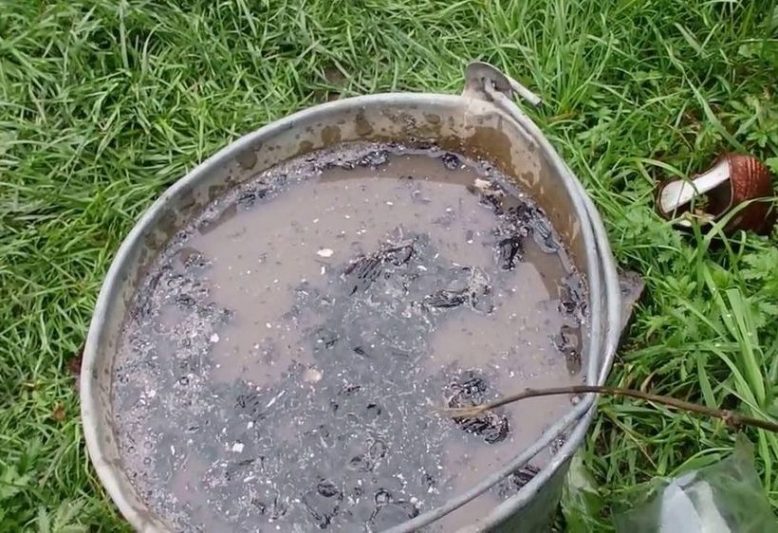
There are several ways to prepare an ash infusion for plant feeding:
- 150 g of ash, 10 liters of water. Pour the water over the dry powder and let it steep for 24 hours, stirring occasionally. Strain the resulting solution.
- 150 g of ash, 2 cups of boiling water. Brew the ash with boiling water, cover with a lid, and let it steep for 24 hours. Before use, dilute the mixture with three volumes of water. This mixture can be used to feed perennial berry and fruit plants, annuals, and ornamental flowers.
Dry fertilizer
Dry ash is used in the following cases:
- The land is being prepared for future plantings.
- Fertility needs to be increased.
- Preventive treatment of crops against pests and diseases is planned.
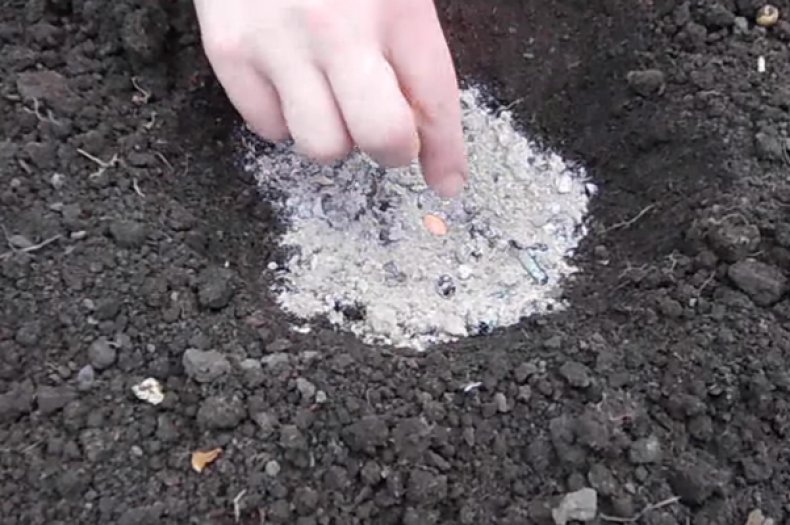
When preparing a bed for planting, dry ash mixed with soil is added to the hole at a rate of 100-200 g per 1 square meter of area.
Large-sized ash is ideal for dusting your lawn in the fall or early spring.
Dry ash can replace light liming; it slightly neutralizes the soil's pH. Ash left over from burning peat is the best alkalizer.
Ash fertilizer against pests
Ash is ideal for controlling small invertebrates. Snails and slugs, when walking through ash, experience severe irritation to their mucous membranes, resulting in dehydration. This leads to the death of the insects. Therefore, gardeners recommend sprinkling ash in a circle around the bush. However, this remedy should only be used in slightly alkaline soil; otherwise, excess calcium will build up in the soil, especially after heavy watering or rain.
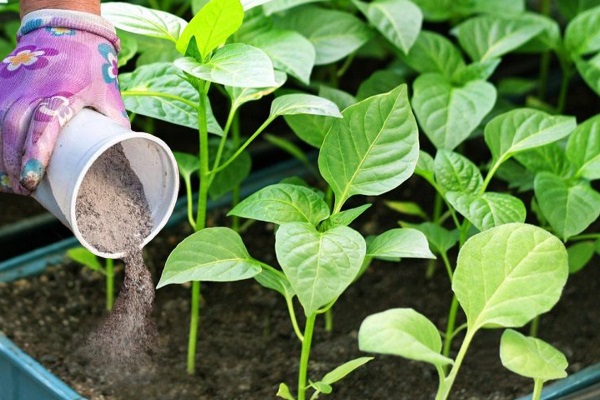
Dry ash is used to dust plants. For potato tubers, a two-liter container of ash per 40 kg of seed is sufficient. This will help combat stick insects and Colorado potato beetles, as such plantings will be less attractive to them. Young cabbage and onion seedlings are dusted at a rate of 1 tbsp per square meter.
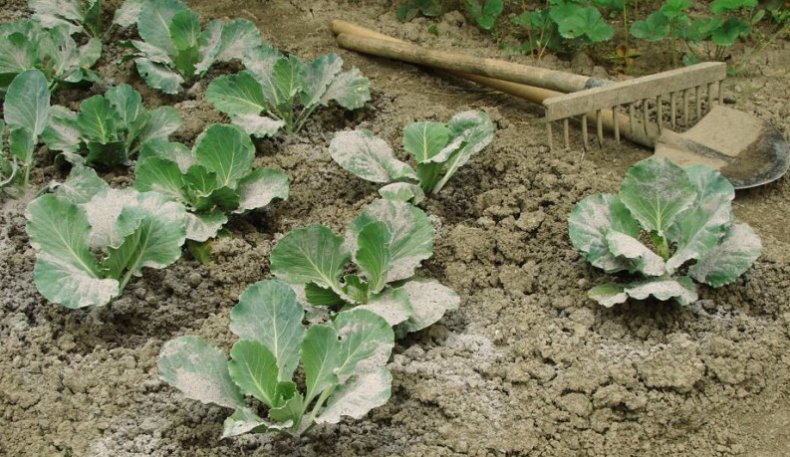
Ash is an effective ant repellent. Simply sprinkle a cup of ash onto the area where ants are concentrated.
Ash can protect some cruciferous plants (radishes, carrots, green onions, cabbage) from attacks by various flies and cabbage whites. However, cabbage will require additional treatment with an ash solution to control caterpillars.
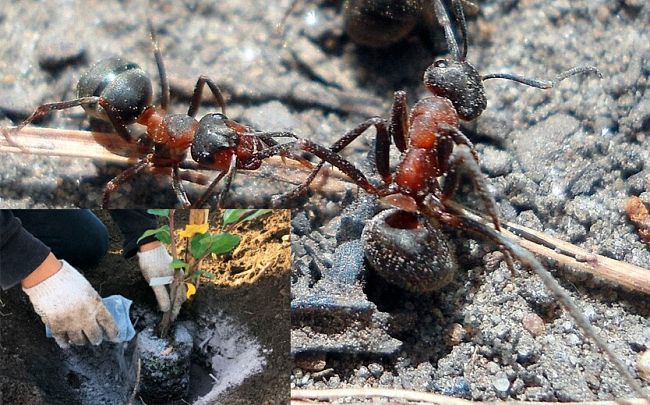
To protect berry and fruit crops from various pests, you can use the following recipe: For every liter of water used, add 100 grams of sifted ash. Add water to the ash and boil for 30 minutes. Cool, let the solution settle, and dilute with liquid to make a total of 10 liters of substrate. You can then add 40 grams of finely grated laundry soap for better dissolution. Apply the mixture either in the evening after sunset or on cloudy, windless days.
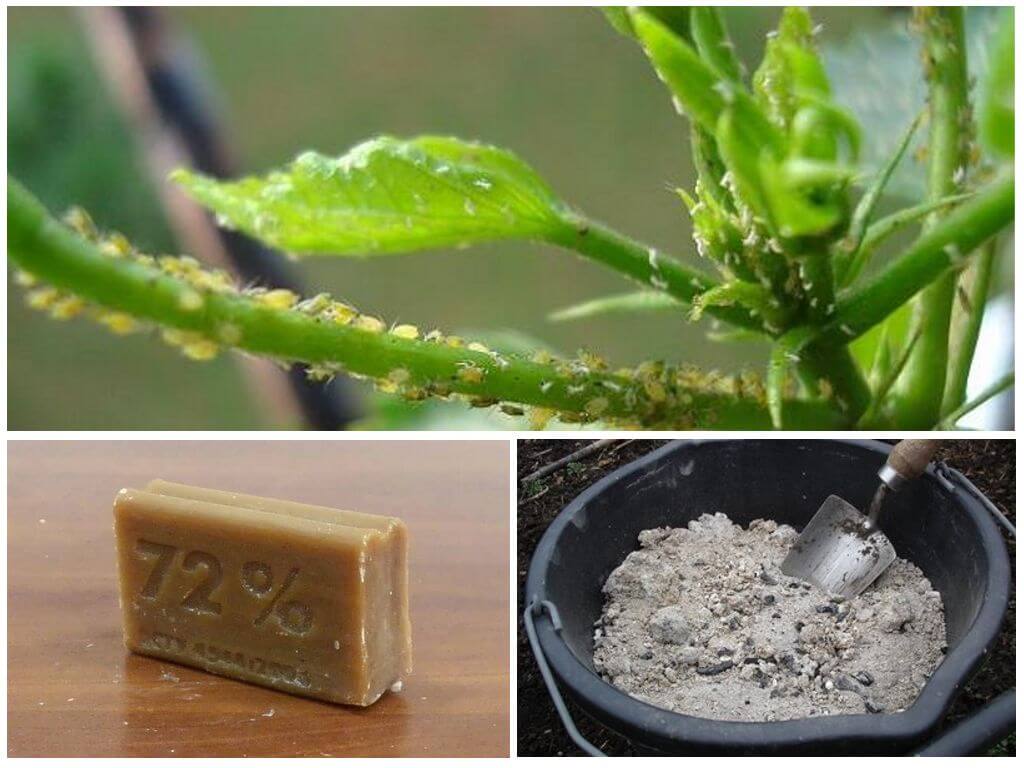
Another composition will help in the fight against aphids:
- 1 glass of sifted ash,
- a bucket of water (10 – 12 l),
- a tablespoon of grated laundry soap,
- 2 heaped tablespoons of urea.
All ingredients are mixed together and left to infuse for 48 hours, stirring occasionally. The resulting solution is sprayed on the leaves of the plantings.
Ash for diseases
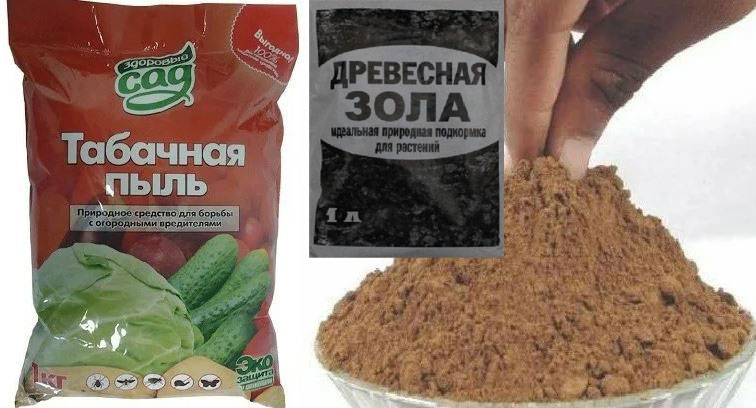
Ash is commonly used to fertilize plants affected by fungal diseases (powdery mildew, acid mildew, blackleg). It is effective for radishes, turnips, rutabagas, and cabbage. However, in addition to ash, experienced gardeners recommend adding tobacco dust in a 1:1 ratio. You can begin fertilizing plants when they have two full-fledged leaves.
A substrate made from ash and soap has shown good efficiency:
- Two three-liter jars of sifted ash are poured with 10 liters of hot water and left to infuse for at least 48 hours.
- For greater effectiveness, water is replaced with a decoction of tansy, yarrow or tomato tops.
- The prepared solution is filtered, after which 40 g of pre-grated laundry soap is added to it.
- The resulting mass is thoroughly mixed and placed in a sprayer.
Treatment by spraying can be carried out every two weeks.
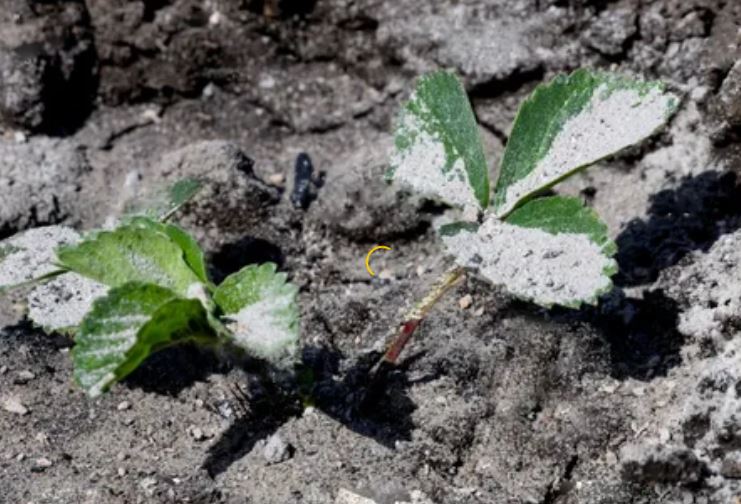
To protect berries from gray mold, you can dust strawberries, Victoria berries, or strawberries with dry ash at a rate of 2 tablespoons per bush.
For compost preparation
Many gardeners don't even realize that ash is an excellent composting agent. It activates the decomposition of organic compounds, so it's a good idea to sprinkle a small amount of ash on each new layer of compost to increase its nutritional value.
Tip! When preparing an ash solution, adding vinegar is often recommended. This is because vinegar, being an acid, helps convert poorly water-soluble calcium into a form that is easily absorbed by plants. If you add ash, especially ash that has been exposed to air, to acidified water, bubbles will appear: the slaked lime is converted into calcium acetate, water, and carbon dioxide. The resulting calcium compound is better absorbed by plants. When using fresh ash, you may not see any bubbles at all, but the longer it has been stored, the more vigorous the reaction will be. Add 9% vinegar, approximately 200 ml per 10 liters of water and 1 cup of ash.
Multicomponent fertilizers with ash
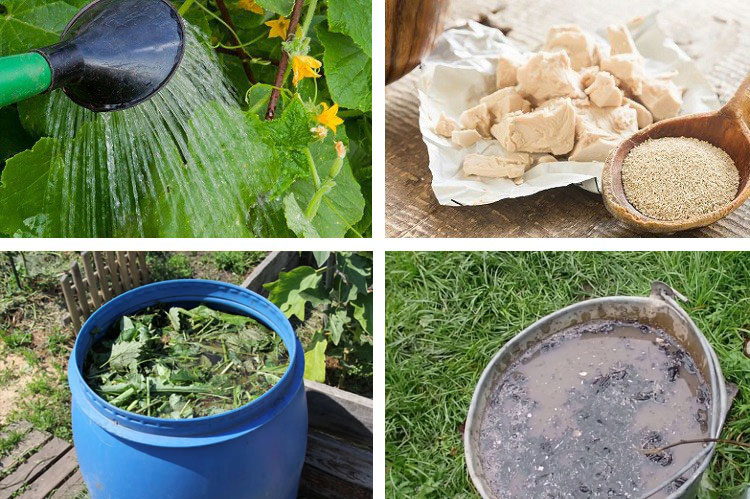
Ash can be successfully combined with other substances and used to feed various plants in your garden:
- Ash and saltIt's well suited for fertilizing plants during the fruit ripening stage (July and August). To prepare it, mix a cup of ash with 1 tablespoon of salt and dissolve in 10 liters of warm water. Let the resulting substrate sit for at least an hour, then pour 0.5 liters of the solution under each plant. Spraying it on plants is strictly not recommended.
- Ash with iodine and boric acidThis solution can be used as a root and foliar fertilizer at the beginning of fruit set, in late June, and in the following months. This fertilizer improves fruit quality and increases the plant's resistance to disease. Boil 1 kg of ash in 10 liters of water, then add 30 drops of iodine and 1 teaspoon of boric acid.
- Ash and yeastThis fertilizer is prepared in two stages. First, you need to make a mash of 10 grams of yeast, a couple of tablespoons of granulated sugar, and three liters of water. The ingredients are mixed, and the substrate is then placed in a warm place for several days, depending on the temperature at which the mixture will ferment. Once the vigorous solution has fermented, add a glass of ash and top up the volume to 10 liters. Each plant is given a half-liter glass of this intoxicating cocktail at the root. This fertilizer is effective for fertilizing seedlings in the spring (April, May), as well as for the growth of young plants until the end of June.
- Ash and grassMany weeds, commonly found in any garden, make an ideal complement to an ash solution (nettles, burdock, etc.). Place them in a container, add twice as much warm water, and let it steep for a week, stirring occasionally. Add 300 g of ash to the resulting herbal infusion. This type of fertilizer is used for root feeding at a rate of 600 ml per plant.
Using ash in the garden
Many garden crops (lettuce, carrots, pears, etc.) do not tolerate chlorine in fertilizers, so ash is an ideal fertilizer for them. However, plants that thrive in slightly acidic soils (cranberries, blueberries, rowan, junipers, etc.) will not respond well to ash application.
Digging the soil in autumn and spring, mixed with ash, will help get rid of some annoying weeds (couch grass, chickweed, horsetail, etc.), as they do not like alkaline soil.
90% of the vegetables grown in the average Russian garden require this type of fertilizer, including in Moscow, the Urals, and Siberia.
General rules for fertilizing with ash in the garden
- It's recommended to dig over the beds where dill and onions will be planted next spring, adding ash at a rate of 1 cup per square meter. This will not only improve soil aeration but also prevent root rot.
- Potatoes are one of the most popular garden crops. To increase yields, dig up the planting site in the spring along with ash, adding a cup of ash per square meter of field. Another option is to sprinkle ash directly into the dug hole, but only in small amounts, no more than 2 tablespoons. It's important to remember that pure ash should never be used; it must be mixed with the soil. After hilling up the potatoes, you can dig a cup of ash under the plant for better growth.
- For zucchini, squash, and cucumbers, you can add 1 cup of ash when preparing the bed and digging the soil, or pour 1 tablespoon of ash into the hole, mixing it with the soil first.
- For cabbage, dig up the soil in the future bed with ash (1 cup per square meter). This same fertilizing method is suitable for various salad greens, radishes, and peas. Twice as much ash is needed for the soil where peppers, eggplants, or tomatoes will be planted. When planting them in the ground, you can also add a handful of ash to the holes.
- You can also water garlic beds with an ash solution (1 liter of ash per bucket of water, leave for two hours) at a rate of 5 liters of infusion per 1 sq.m.
Contraindicated components for fertilizers with ash are any nitrogen mineral fertilizers: ammonium nitrate, ammophos, ammonium sulfate.
Feeding seedlings with ash
Seedlings can be fed with ash fertilizer only when the plant has two fully developed leaves. Otherwise, the substances contained in the ash can have a detrimental effect on crop growth.
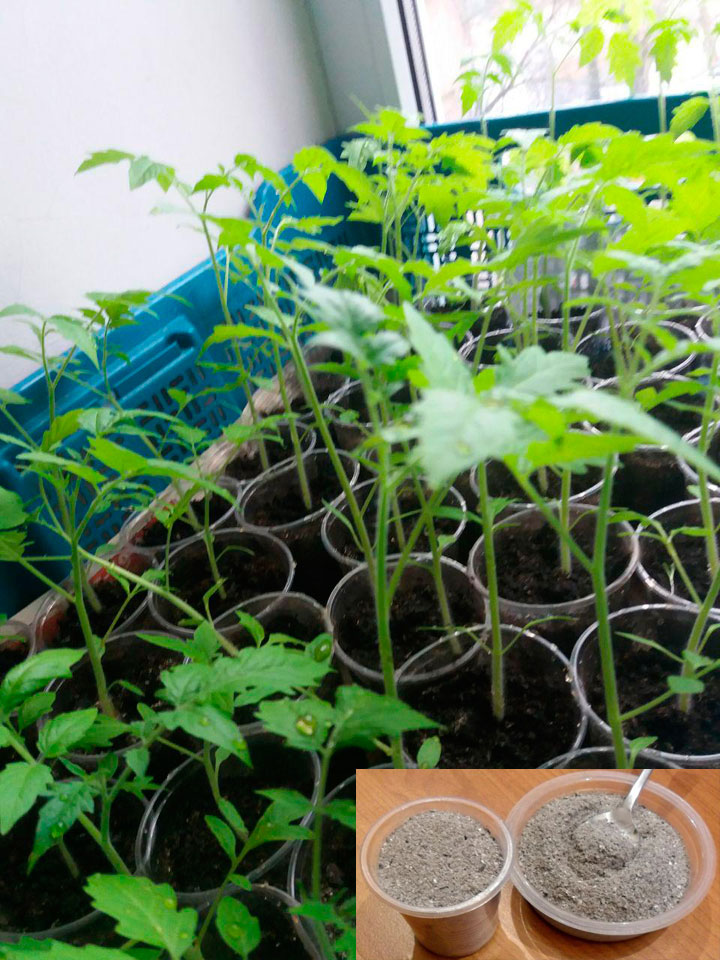
By observing all the necessary proportions, you can prepare an excellent solution that is suitable for disinfecting material used for sowing:
- It is recommended to soak the seeds for 3-6 hours in a strained ash solution (20 g of ash per 1 liter of water) and let it sit for a day or two under a lid. Suitable for tomatoes, peppers, cucumbers, and eggplants.
- If the plant is propagated by tubers and bulbs, then this material is treated with a solution of the same concentration, but the dosage is increased threefold due to the increased volume.
Cucumbers
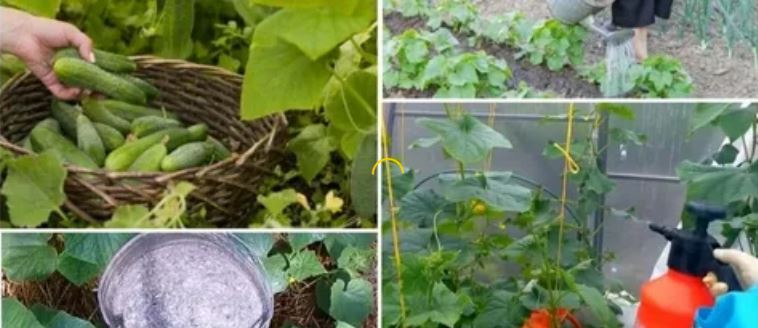
Ash for feeding cucumbers can be used in different ways:
- When preparing the bed: each square meter is dug up and 1 cup of ash is added.
- Before planting seeds: add 1-2 tablespoons of ash mixed with sand to each hole.
- Feeding seeds after planting: the beds are dusted with ash, after which they are watered.
- Bush treatment: Prepare a solution of 1 liter of water and 3 tablespoons of ash. Let it steep for 24 hours, then strain. Use the solution for watering at a rate of 0.5 liters per bush.
- Pest control: dusting plantings helps combat rot.
Tomatoes and peppers
When preparing holes for planting tomatoes and various pepper varieties, add 1 tablespoon of ash to each hole, dusting it with soil. If the ash falls on the plant roots in its original form, it will inevitably cause severe chemical burns, leading to the death of the plants.
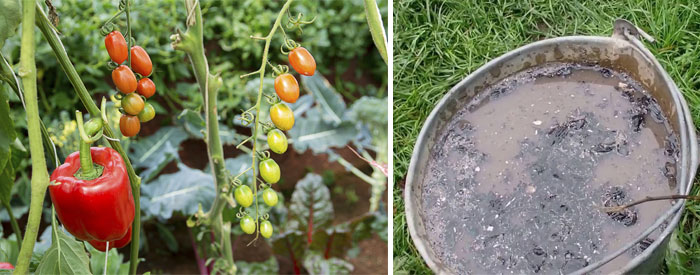
When digging the soil for tomatoes and peppers, you can add ash (1-3 tablespoons per square meter). Repeat ash application during the growing season by sprinkling the soil with ash, keeping a distance from the roots. After completing the application, water the bed. Another option is to immediately water the soil with the ash solution, avoiding direct contact with the plants.
Cabbage
Ash is not only an excellent fertilizer for cabbage, but also a powerful aid in fighting fungus and aphids. To do this, add 1 cup of ash to every square meter of soil when digging, and add another handful of ash to the hole just before planting, mixing it in with the soil.
Cow manure is also an excellent fertilizer for cabbage plants. Prepare the fertilizer as follows: dilute 2 liters of cow manure and ash in 10 liters of water. After 1.5 liters of the resulting infusion, dilute it in another 10 liters of water. This fertilizer is then used to water the cabbage.
Helpful! Ammonia is an excellent fertilizer for cabbage during its early stages of growth, as it needs nitrogen for growth and pest control. Incidentally, ammonia deacidifies the soil, and cabbage doesn't like acidic soil at all. Apply the fertilizer once every 14 days. Here's how to prepare the fertilizer: dilute 2 tablespoons of 10% alcohol in 10 liters of water. For best results, add 1 tablespoon of liquid tar soap. Water the cabbage leaves with this solution in the evening or when the weather is cloudy and the soil is damp.
Carrots and beets
Carrots and beets, like many other vegetables used in salads in our kitchen, can be easily grown with a single application of ash to the soil before planting (1 tbsp. per 1 sq.m.).
Zucchini
Fertilizing zucchini depends on the soil type. For normal soil, it's enough to apply 1 cup of ash per square meter before digging the bed. Add 1 tablespoon of ash per hole. If the soil is low in nutrients, additional fertilizing will be necessary during the flowering period, at a rate of 1 cup of ash per square meter.
Potato
Potatoes require less ash. This root crop, when exposed to excess amounts of certain microelements found in ash, becomes susceptible to certain root diseases (rhizoctonia, scab).
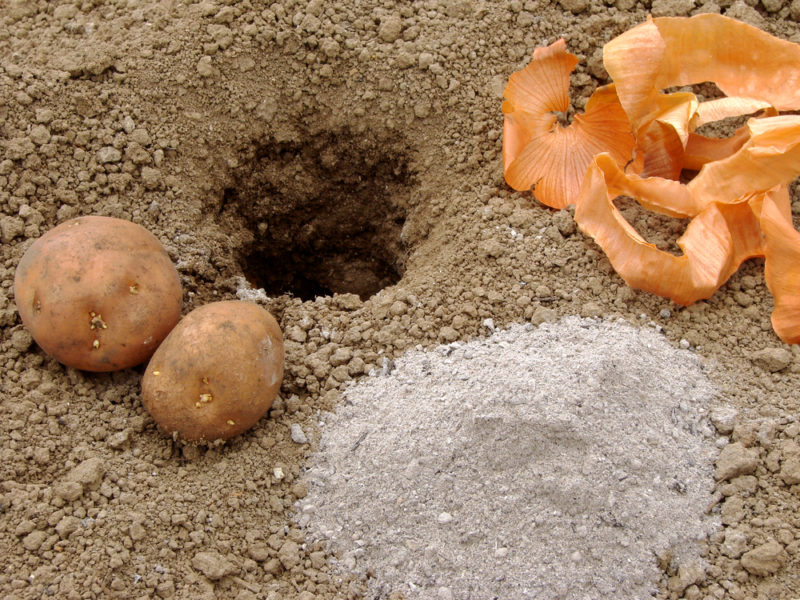
Before planting, sprinkle no more than 2 tablespoons of ash into the prepared hole. Mix it with the soil to prevent burning the seedlings. To prepare the field, sprinkle 200 grams of ash per square meter of soil and dig it in. Once the growing season begins, the potatoes can be fertilized with 1-2 tablespoons of ash during the first hilling. For the second hilling, apply 100 grams of ash per plant.
Using ash in the garden
Ash can be used to fertilize garden trees and shrubs at your dacha.
- Before planting young seedlings in the soil, 1-2 kg of ash mixed with soil can be added to each hole; the same amount of ash is added before digging the soil.
- Grape plantings can be fertilized up to four times per season (May, July, August, and September). Ash solution treatments are applied in the evening, diluting the concentrate at a ratio of 1:5.
- Ash is an excellent fertilizer for blackcurrants. Apply 3 cups of it under each bush and immediately incorporate it into the soil.
Ash is excellent for feeding cherries, sour cherries, apple trees, pears, and plums.
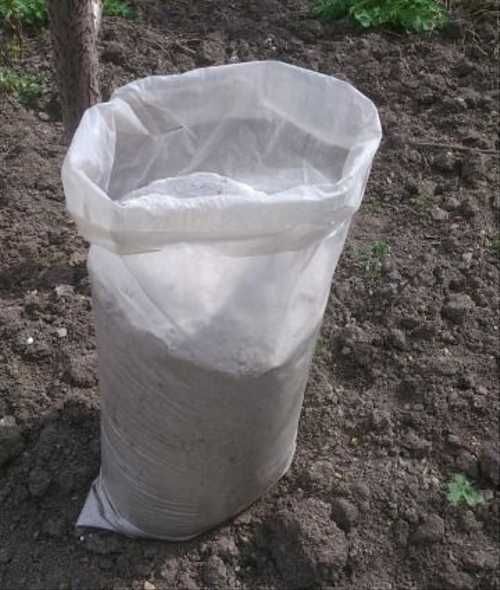
If you plan to plant strawberries in your garden, in the fall, dig in ash at a rate of 1 tablespoon per square meter near the planting site. In the spring, before mulching the soil between the rows of berries, you can sprinkle a small amount of ash before watering. This can be repeated when the first berries appear. Before the strawberries bloom, it is recommended to feed them with an ash solution, to which it is recommended to add 2 grams each of potassium permanganate and boric acid, diluted in a large bucket of warm water. Spraying should be done early in the morning or evening.
Using ash for flowers and houseplants
Ash is often used to feed houseplants. To do this, dissolve 3 tablespoons of ash in 1 liter of water and let the infusion sit for a week, stirring occasionally. Before use, strain and dilute with water in a ratio of 1:3. For a liter pot, you'll need 100 ml.
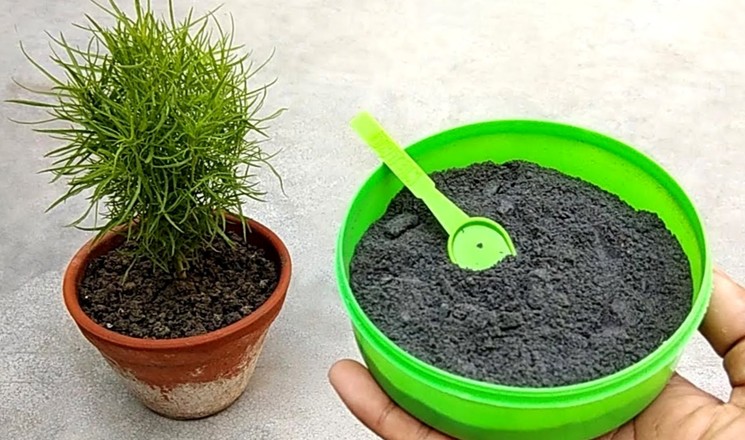
If your houseplants are attacked by aphids or flea beetles, dusting the leaves with ash or spraying with the solution prepared according to the recipe above will help. The only addition is a few drops of liquid soap. After treatment, protect the flowers from direct sunlight for about a week.
Garden flowers also benefit from ash treatment. Roses will be especially grateful. They can be watered with an ash solution, diluting 100 grams of ash in 10 liters of water. To prepare a spray solution for the same volume of ash, use twice as much liquid.
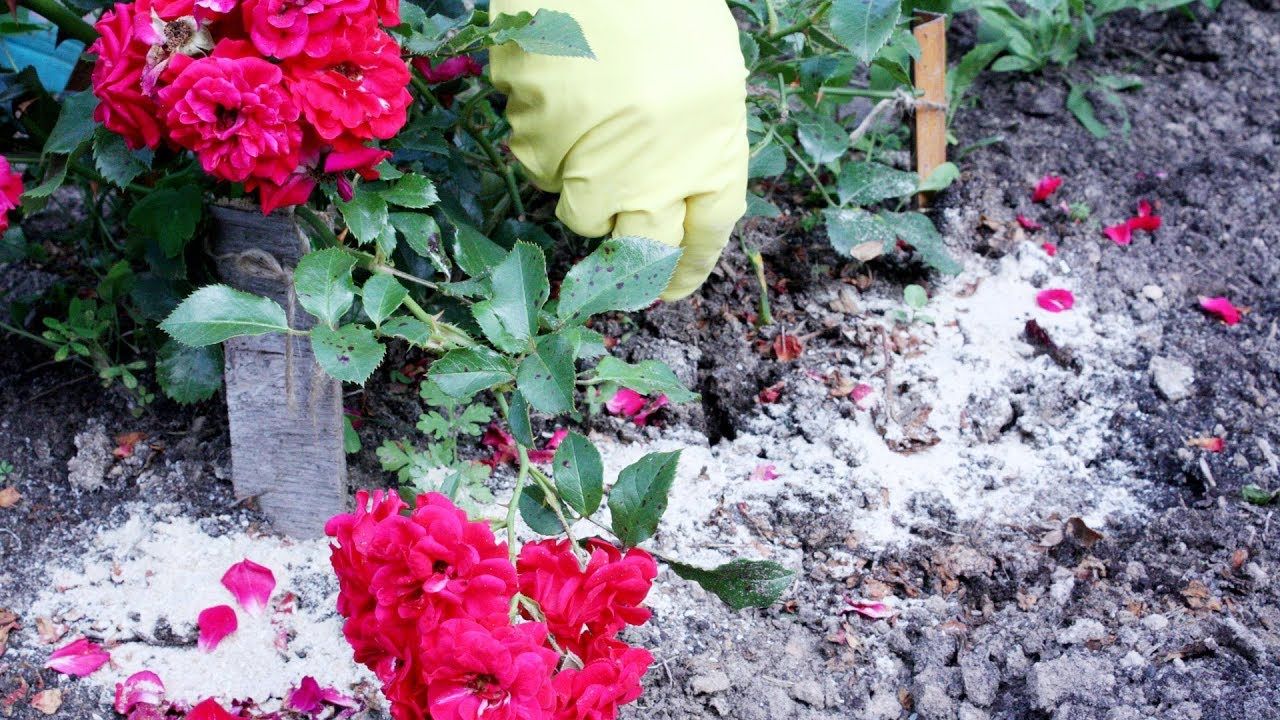
To feed lilies, clematis, peonies, and gladioli, you can prepare an ash solution, just like for indoor plants. For 1 square meter of planting, 300 ml of substrate is sufficient. Before planting, you can add 10 grams of ash to each hole, mixing it with the soil first.
The following fertilizer is suitable for orchids. Place 3 tablespoons of ash in a 1-liter jar, add 1 liter of boiling water, and stir. Close the jar with a lid, wrap it in several layers of newspaper, and let it steep for two days. Then strain the infusion twice through cheesecloth. It should not be used as is; it must be diluted before use: for root feeding, dilute 100 ml of the infusion per 1 liter of water; for foliar feeding, dilute 10 ml of the infusion per 250 ml of water.
Ash is also a suitable fertilizer for petunias. During flowering, petunias can be fed with a mixture of double superphosphate and ash: 500 g of ash is sifted through a fine sieve, poured into 10 liters of water, and left to infuse for several days under a lid. Then, add 30 g of double superphosphate to the ash infusion and stir. Water the petunias with this infusion at a rate of one liter per plant.
Proper storage of ash fertilizers
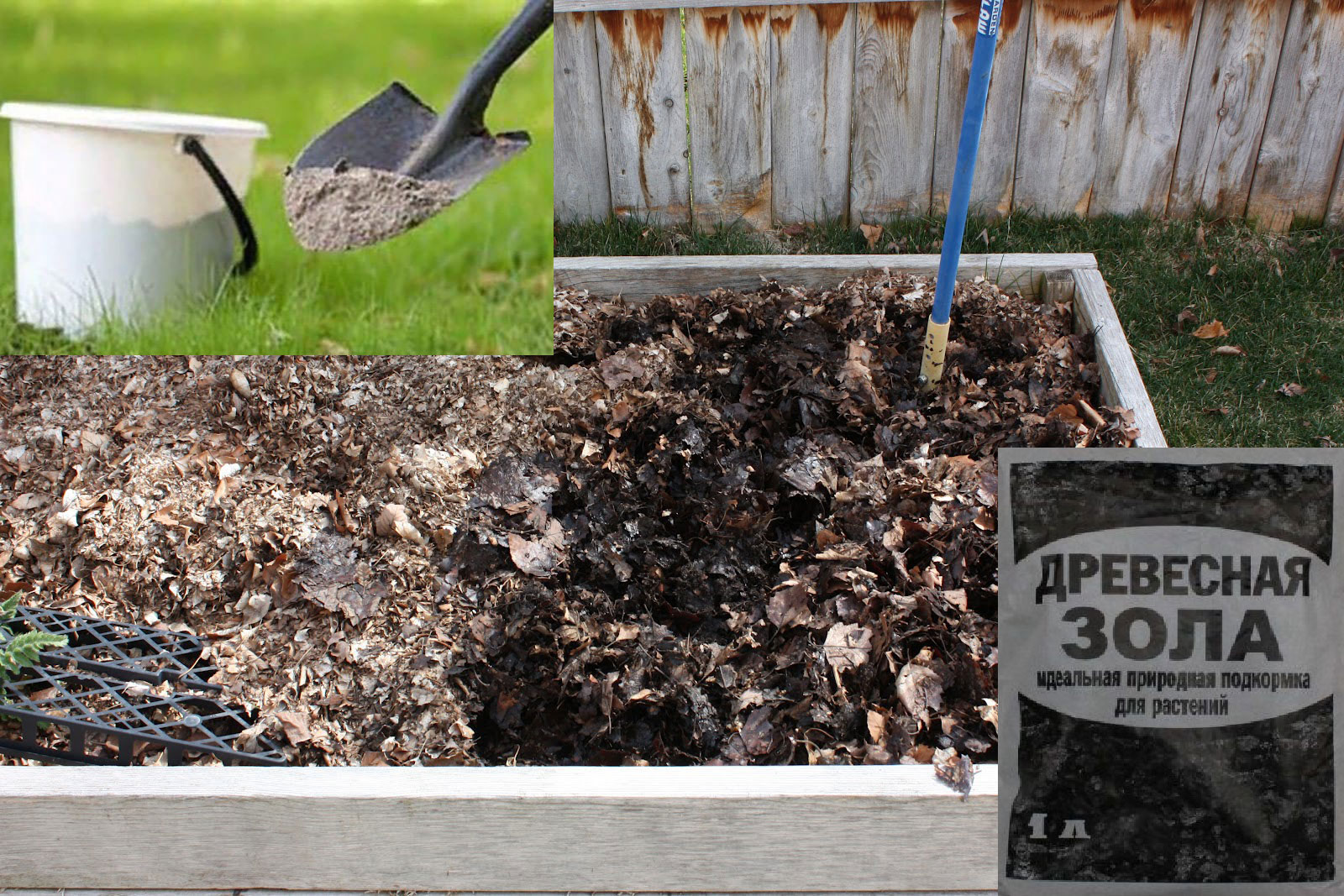
Ash should be scooped out of the stove with a large scoop and placed in a non-cracked container to prevent excess moisture from penetrating. Gardeners recommend building the fire either on a sheet of iron or in a fireproof metal container. This method will make collecting ash the most convenient. Best of all, place a metal mesh in the firebox to collect all organic matter before lighting it. After the fire has finished, large debris will easily separate from the fine ash.
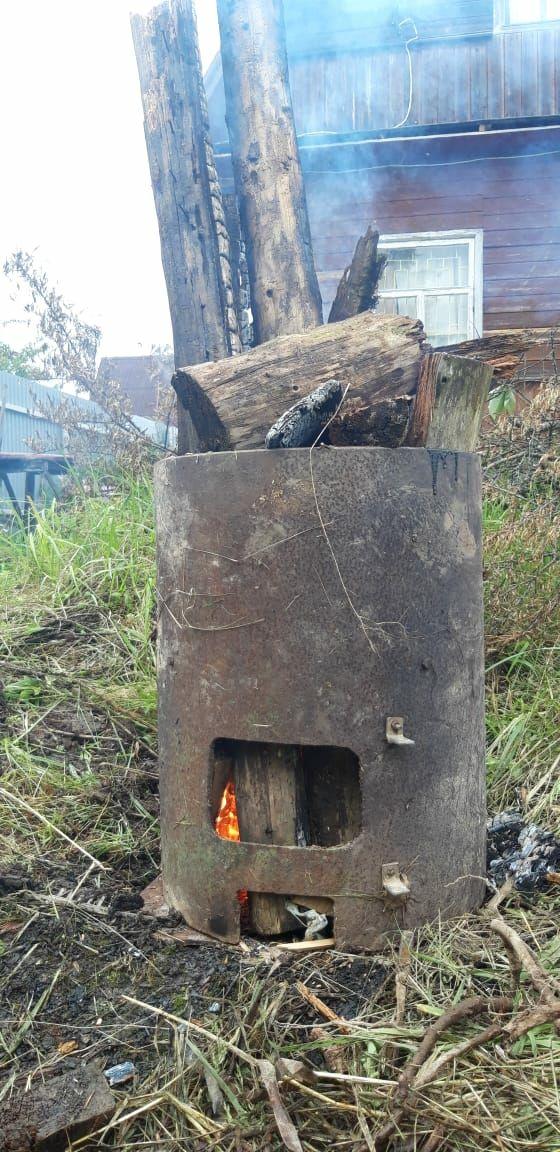
Don't delay collecting the ashes. The longer they are exposed to air, the more nutritional value they will lose due to moisture. Collected ashes should be stored in an airtight container to prevent them from becoming damp. A cool, dark place is recommended for long-term storage.
Ash obtained from burning the following objects is absolutely not suitable for feeding:
- Plastic, newspapers and magazines, polyethylene, rubber, and other household waste. Such ash will not only not help plants, but will easily kill them.
- Organic matter collected along major highways and industrial sites. Such ash will likely contain elevated levels of lead.
- Wooden slabs, furniture made of wood or chipboard. Ash will inevitably contain traces of varnish, paint, and glue that may have been used to bond the pieces together.
Under suitable conditions, ash can be stored for anywhere from 6 months to several years. The key is to avoid exposure to moisture, otherwise some of its beneficial properties will be lost. Potassium is the first to evaporate due to moisture.
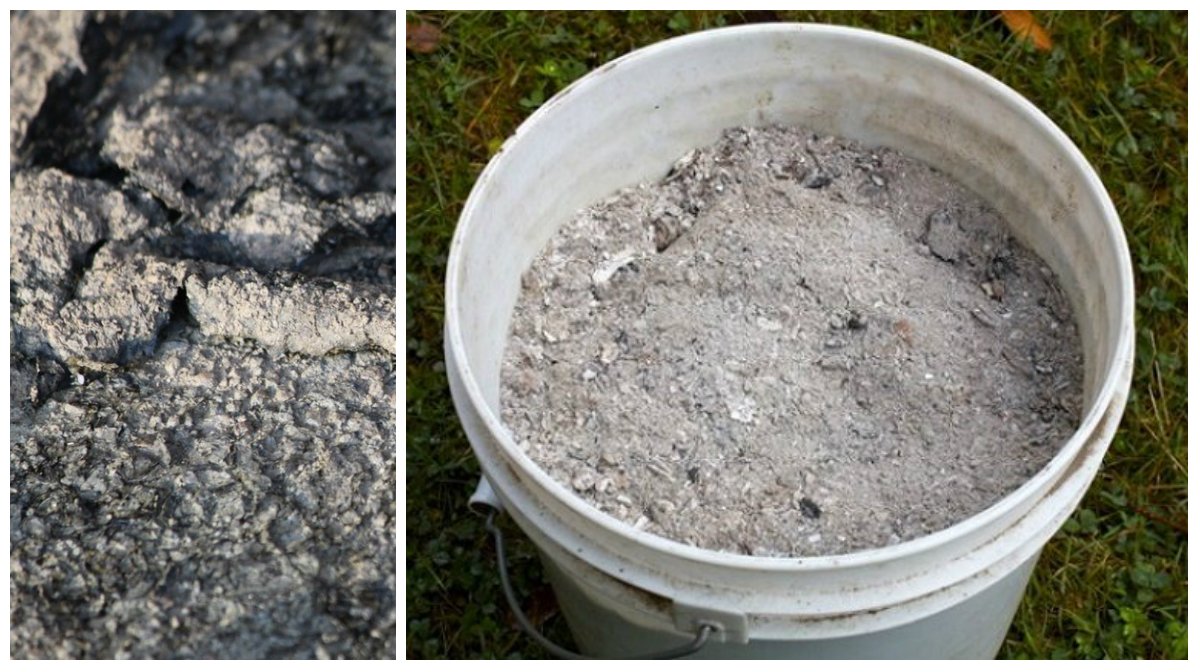
Ash from fuel briquettes can generally be used like regular ash to deoxidize soil for vegetable planting. However, be sure to check the ingredients, as unscrupulous manufacturers sometimes use glue to prevent the product from disintegrating. In this case, it should not be used. Ash from briquettes should not be used as fertilizer.
What can replace ash?
Ash helps normalize soil acidity. However, if your soil is highly acidic and ash is unavailable, other fertilizers, such as lime or dolomite flour, can be used. To dilute them, follow these proportions:
| Name | Moderately acidic soil | Acidic soil |
| Dolomite flour | 400 g per 1 sq.m. | 500 g per 1 sq.m. |
| Slaked lime | 300 g per 1 sq.m. | 500 g per 1 sq.m. |
Can cigarette ash be used as fertilizer for plants?
Cigarette ash is sometimes used to feed houseplants. It's either added to the soil when repotting or sprinkled on top before watering. 5-10 grams of ash is sufficient for one plant.
How to use stove ash
If you've been burning exclusively wood in your stove, without adding paper or any household waste, simply sift it through a medium sieve before use. Almost any residue left over from burning branches, grass tops, and leaves will make a good fertilizer.
Can citrus fruits be fertilized with ash?
It's possible, and sometimes even necessary. Especially if the citrus plant is growing in your orchard in an unusual climate. Ash will help it adapt better and increase its vitality.
Did you know? Estonia has begun using granulated oil shale ash as a fertilizer. The ability to granulate oil shale ash for fertilizer has been sought for decades. A test batch of granules was produced in Germany, but a fertilizer plant is planned to open in Ida-Virumaa, Estonia, by the end of 2021.