Amberboa is a unique plant for garden design! 🌿 It can be grown in flowerbeds or used to create hedges. It's low-maintenance, but prefers moist soil and adequate light.
Content
Brief characteristics of amberboa in the table
| Characteristic | Description |
|---|---|
| Family | Asteraceae 🌼 |
| Spreading | Amberboa grows primarily in Mediterranean regions. But today, it can be found almost everywhere as a decorative element. |
| Appearance | The plant is a herbaceous annual or biennial, ranging in height from 20 to 80 cm. Its appearance resembles an aster. 🌱 |
| Stem | The stem is straight, usually not very branched, which gives it a more harmonious appearance. |
| Leaves | Leaves can be either petiolate or sessile, with varying shapes and margins, from smooth to serrated. The leaf surface may be covered with short hairs or remain smooth. 🍃 |
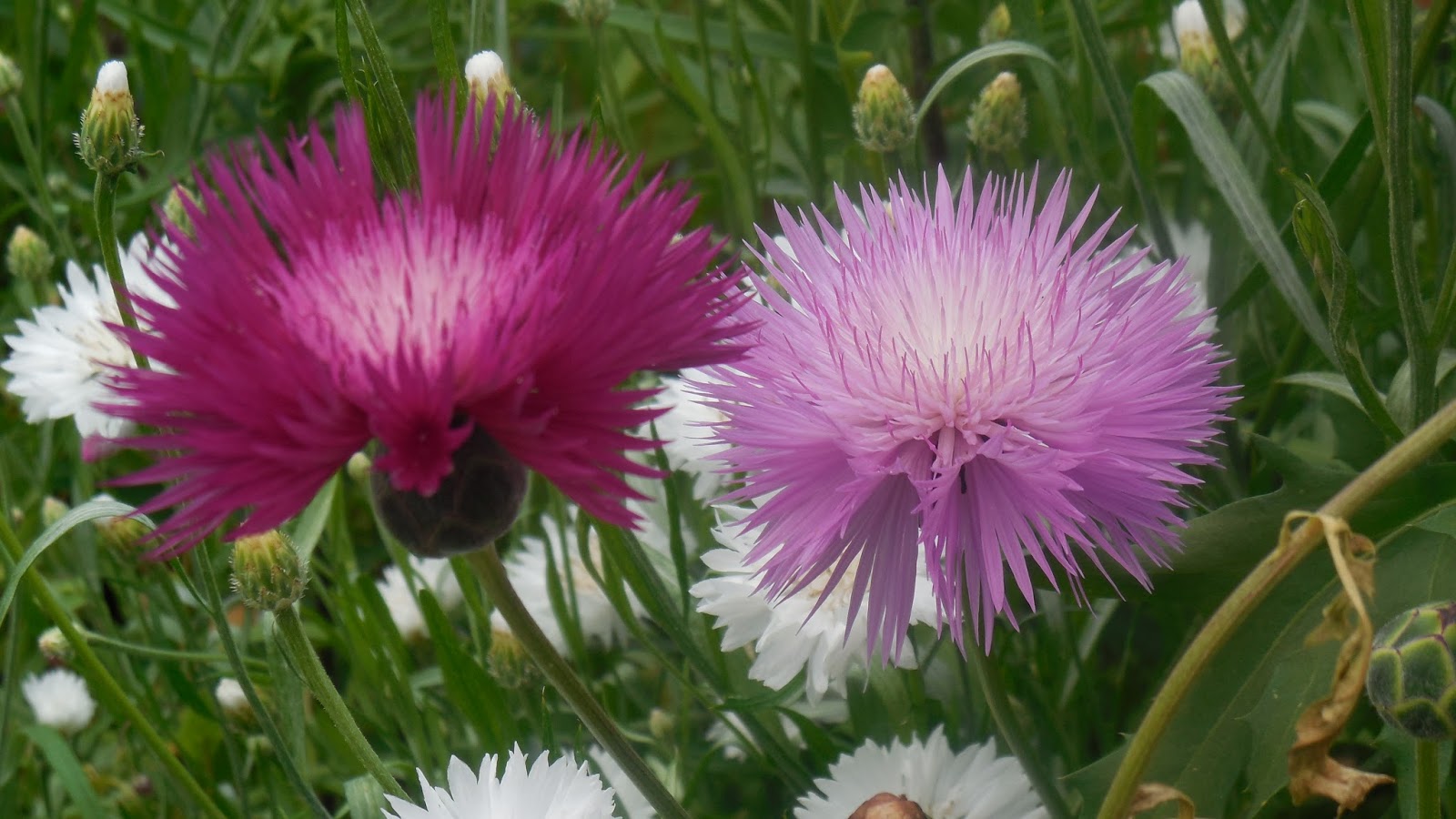
| Flowers | Amberboa flowers are collected in inflorescences that form solitary heads. They come in a variety of shades, from yellow and white to purple and blue, and have a pleasant fragrance. 🌸 |
| Flowering time | Amberboa blooms from June to September, delighting with its colors throughout the summer. 🌞 |
| Fruit | The fruits are small, tufted seeds. They remain viable for up to three years and can be used for plant propagation. 🌱 |
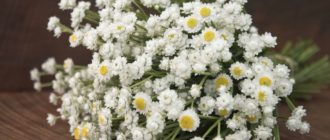
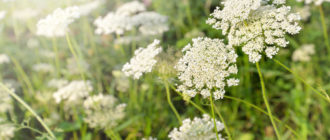
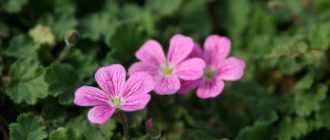
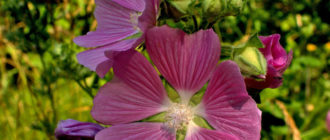
Amberboa photo gallery
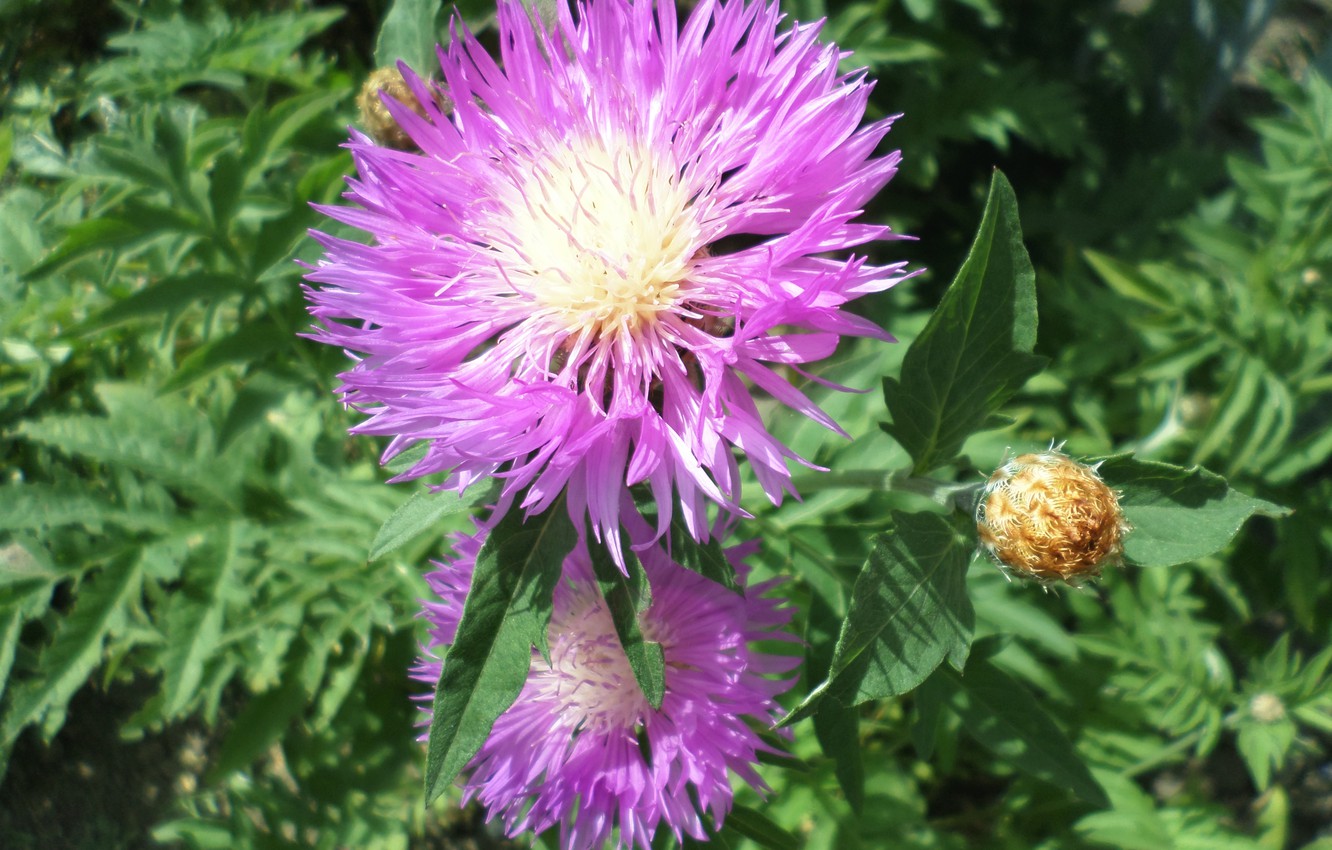
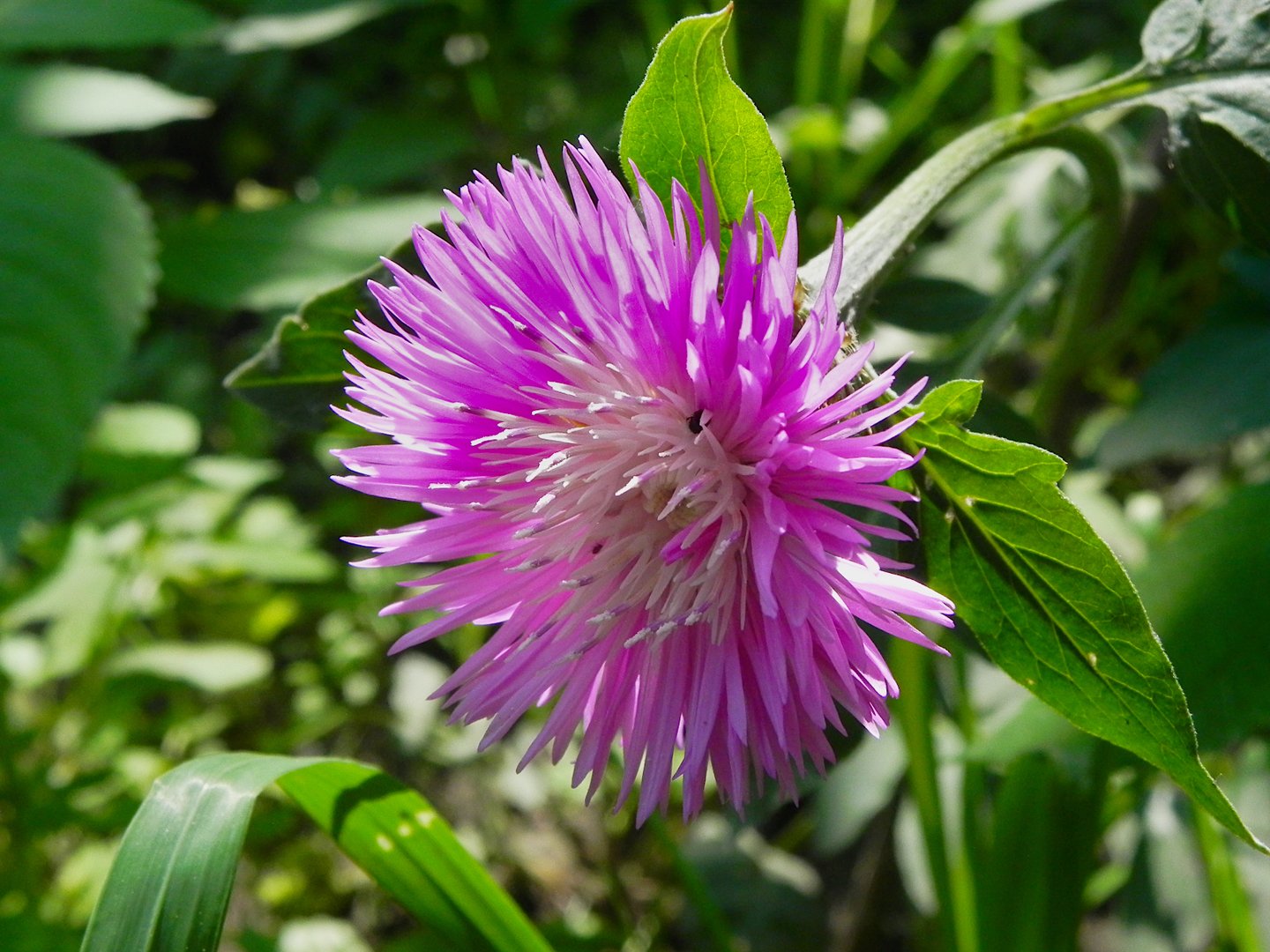
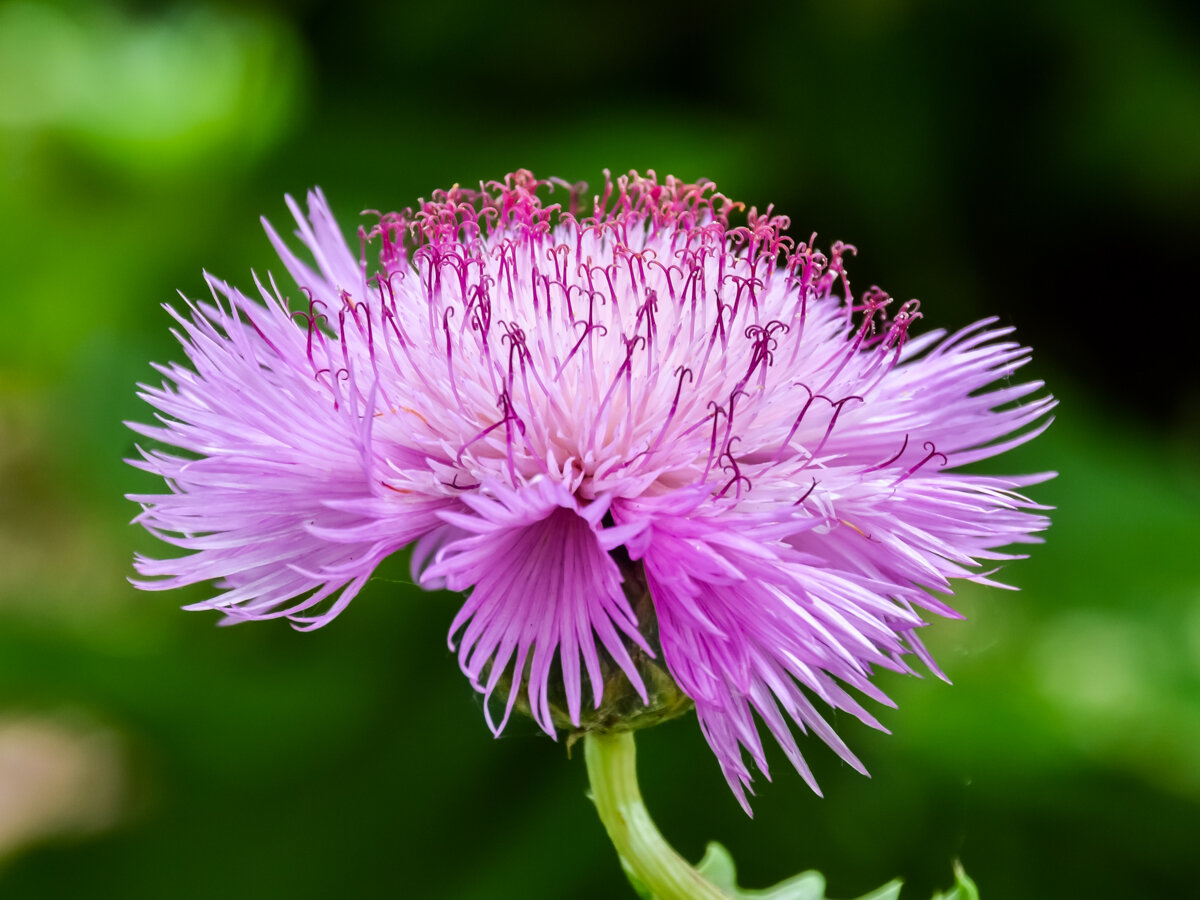
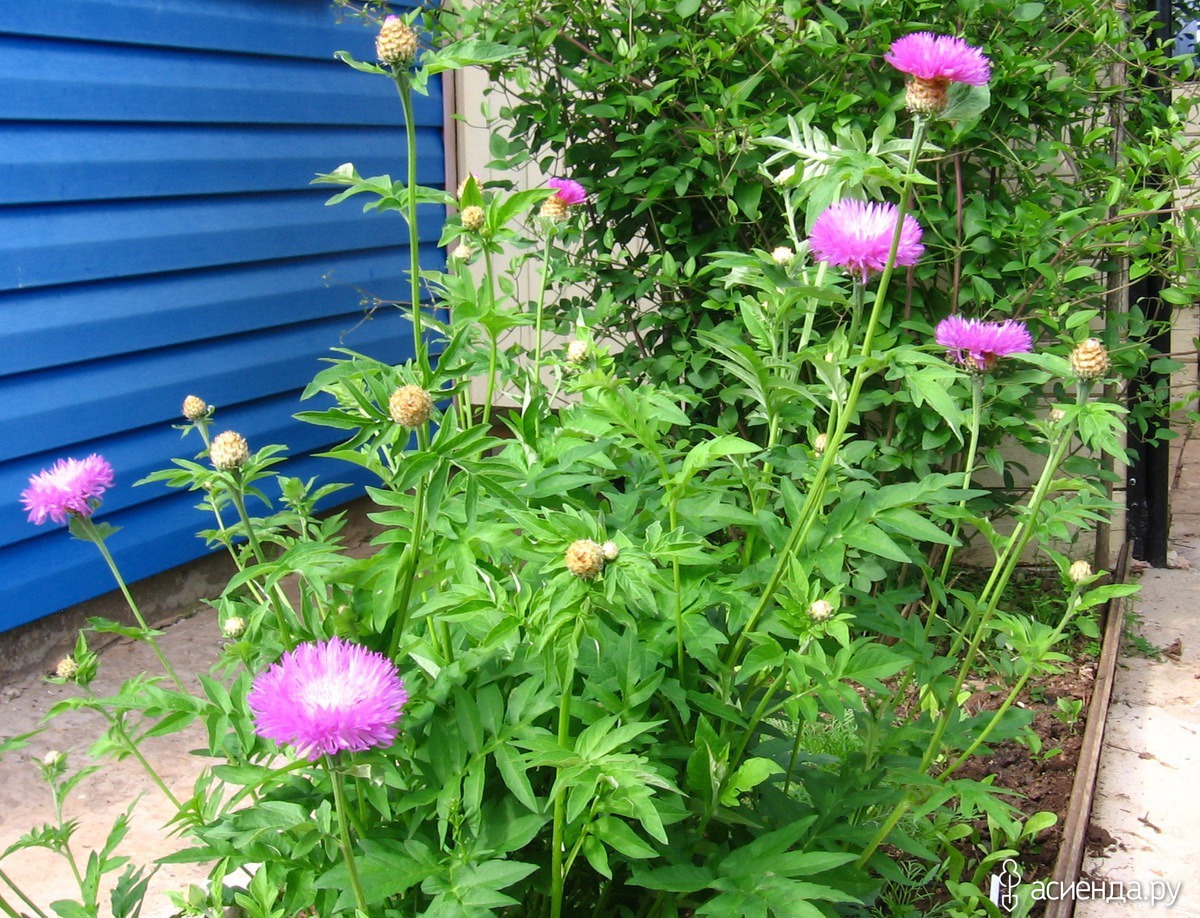
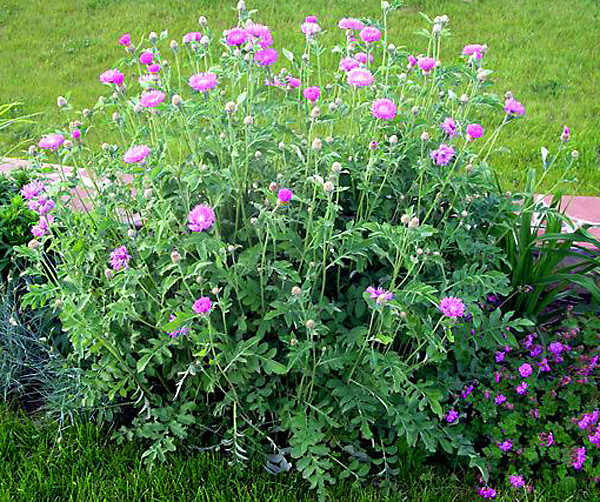
Description of Amberboa
Amberboa is a genus of herbaceous plants in the Asteraceae family. 🌿 The name "Amberboa" has an interesting origin: one theory links it to the Turkish word "ambeiboi," while another links it to the Arabic "ambar" (amber), referring to the pleasant aroma of its flowers.
A mature plant can reach up to 80 cm in height, depending on the species. Its stem is erect, sparsely branched, covered with short hairs or glabrous. The lower leaves are oblong, with a serrated margin, while the upper leaves are pinnately divided or pinnately lobed. 🌱 In many species, the leaf blades are covered with short, fine, curly hairs.
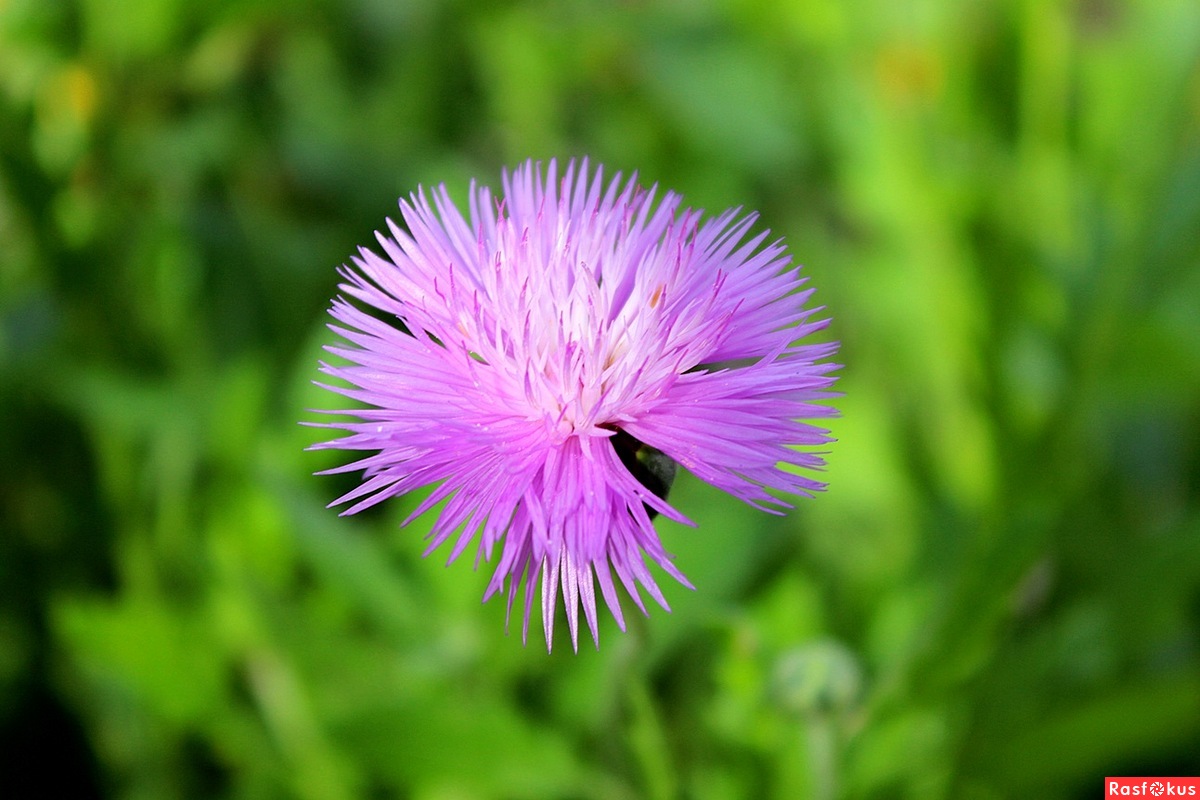
The flowering period usually begins in June and lasts until September or October, depending on the climate. The flowers are small, collected in large inflorescences reminiscent of asters. 🌸 The variety of colors, from pink to purple, gives this plant a special charm. After flowering, the fruit—an achene with a tuft—forms.
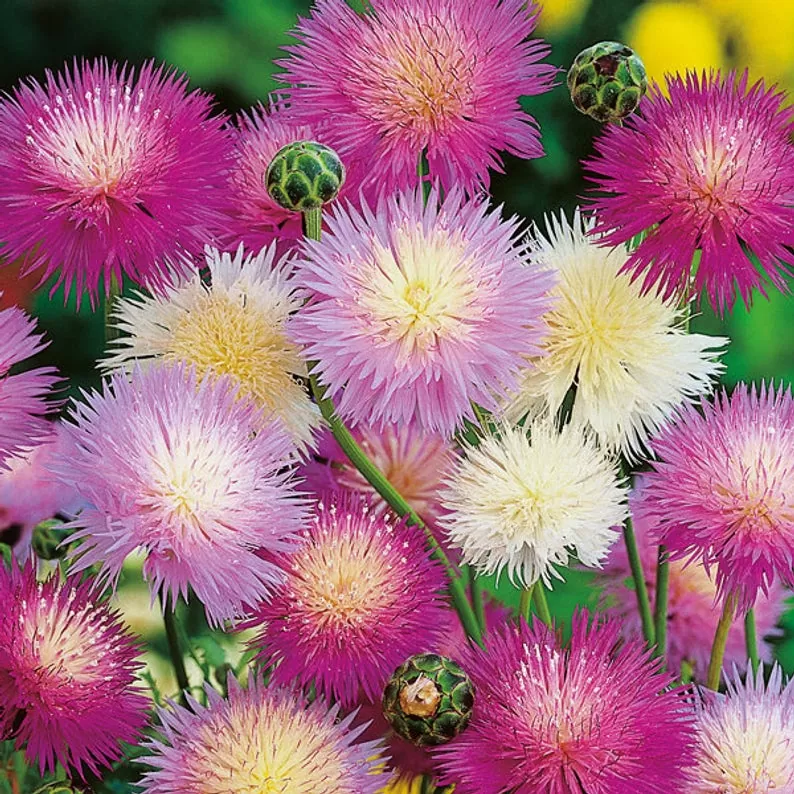
Amberboa Growing and Care Chart
| Characteristic | Description |
|---|---|
| Location | Prefers open, sunny locations where it receives enough light for active growth. |
| Soil | Neutral, well-drained soil with high nutrient content ensures healthy plant growth. |
| Watering, humidity | Requires regular watering, especially during periods of intense heat. The soil should be kept constantly moist, but not waterlogged. The air should be moderately humid. |
| Top dressing | Fertilizers should be applied only during the period of active growth to provide the plant with the necessary nutrients. |
| Trimming | It is recommended to remove faded inflorescences to stimulate further flowering. |
| Winter hardiness | Generally resistant to light frosts, but recommended for growing as an annual in the temperate zone. |
| Features of cultivation | Requires regular watering, loosening of the soil, and moderate tillage. Planting in wind-free areas is recommended. |
| Reproduction | Propagation is by seed. Seeds should be sown in peat pots or containers in spring or fall. After germination, the seedlings are transplanted into the ground in their permanent location after the last frost. |
| Diseases and pests | One of the main dangers is fusarium wilt, a fungal disease of roots and stems. To avoid it, preventative measures should be taken, such as using high-quality seeds, regular ventilation, and moderate watering. In case of fusarium infection, treatment of plants with fungicides such as copper sulfate or triadimenol is recommended. |
Types and varieties of amberboa
Today, there are nine species of Amberboa, native to the Mediterranean and North Africa. 🌍 However, only a few, distinguished by their unique characteristics and beauty, are used in ornamental gardening. 🌿
Common Amberboa, or Sweet Amberboa (Amberboa amberboi)
It can be an annual or biennial, reaching a height of 20 to 60 cm. 🌱 It is most often used as an annual. Its stems can be straight, simple, or branched, covered with curly hairs. The leaves can be either curly-haired or nearly glabrous. The basal leaves are usually entire, but sometimes have serrated edges and long petioles. The middle and upper stem leaves are often pinnately lobed or pinnately divided, sessile or subsessile. The plant's flower heads reach 5 cm in diameter, borne singly at the tips of the stem and its branches. The flowers are fragrant and yellow. The marginal florets are distinguished by enlarged corollas up to 15 mm long. The involucres are broadly ovate and have a thin fibrous covering. Amberboa vulgare blooms in June-July and has been cultivated since 1683.
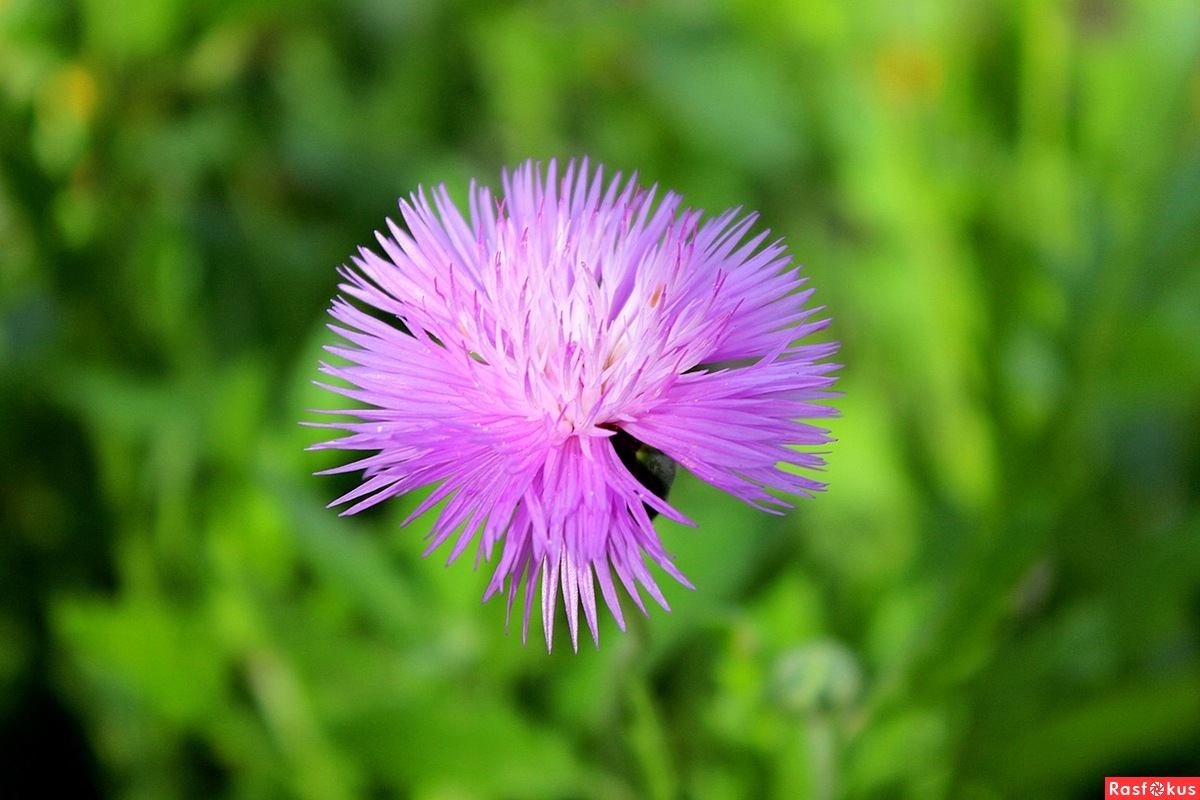
Musk amberboa (Amberboa moschata)
A herbaceous annual or biennial plant, about 60 cm tall. 🌿 In Russia, it is sometimes known as nutmeg or musk cornflower. Its stems are straight or sparsely branched, often simple and erect. The tubular flowers can be yellow, white, violet, purple, or blue, collected in inflorescences that are solitary heads. 🌼 Amberboa muskella blooms from June to October and does not require special soil conditions, but prefers neutral and well-drained soils. It is also drought-tolerant.
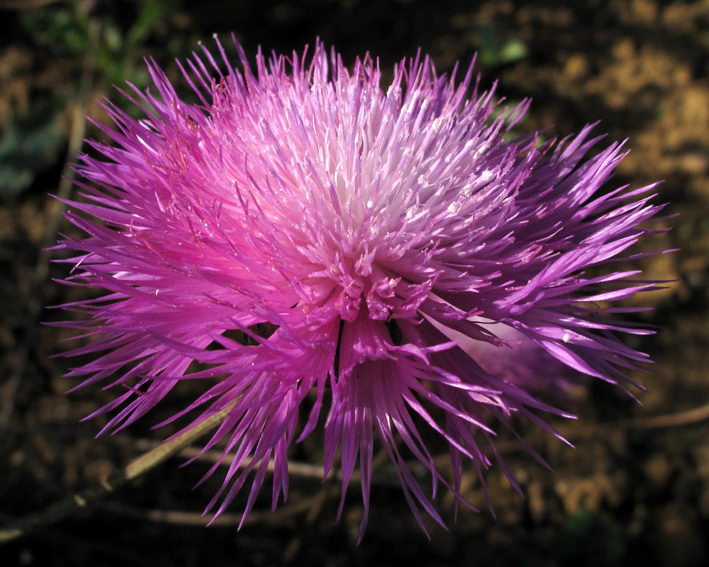
This fast-growing plant forms thickets and becomes very decorative during the flowering period, but in August, wilted inflorescences can spoil its appearance.
| Variety | Description |
|---|---|
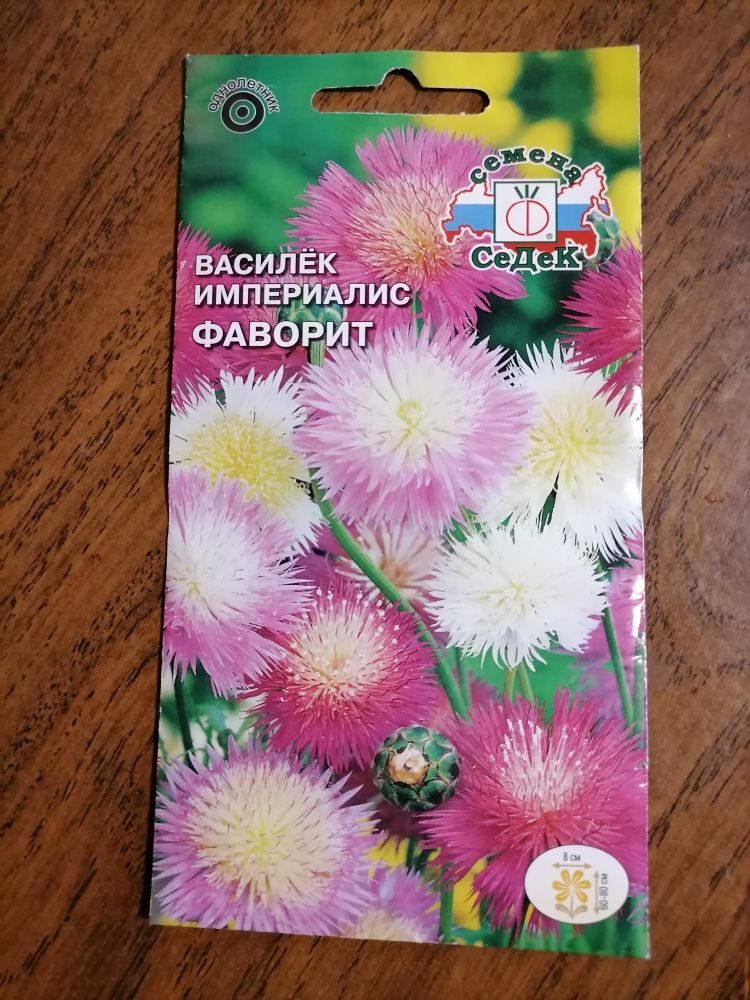
| Imperialis
|
A hybrid form with a variety of flower colors. Height up to 80 cm. Inflorescence diameter 8 cm. Deeply dissected corolla edges. Cultivated in 1629. |
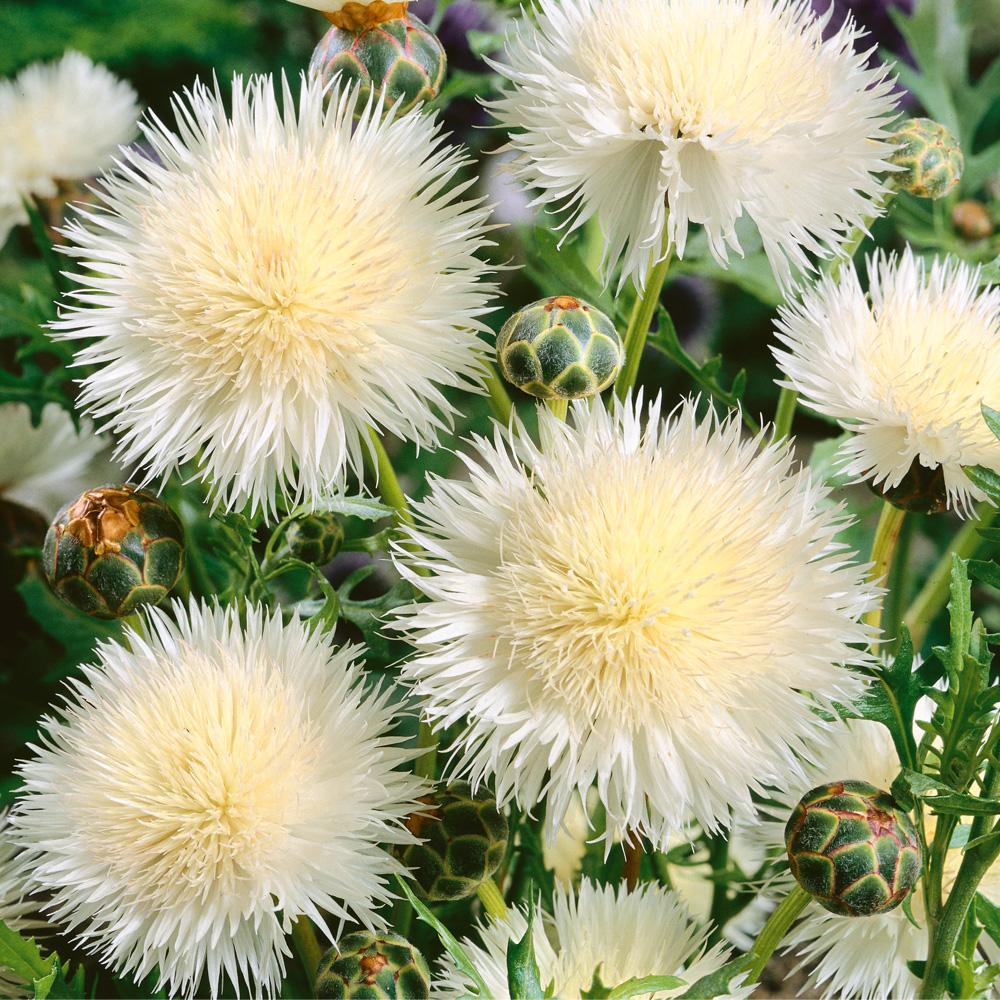
| Bride
|
Large snow-white flowers. |
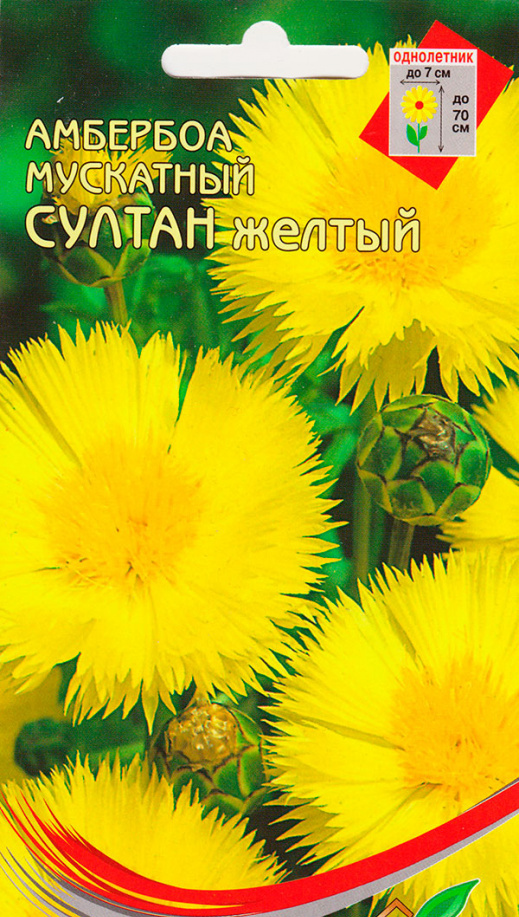
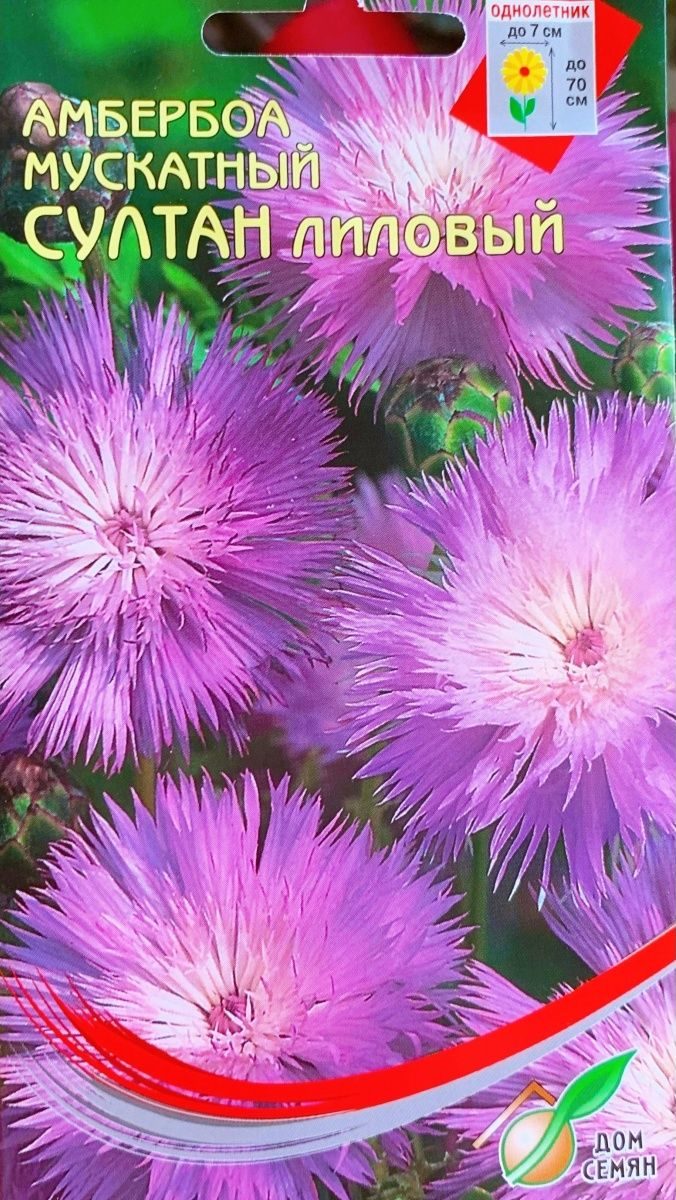
| Sultan Yellow
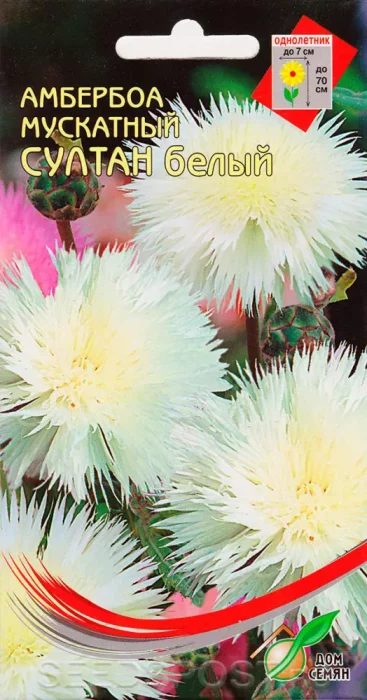
Sultan White
Sultan Lilac
|
An upright, branched annual plant up to 70 cm tall. The inflorescences are single heads up to 7 cm in diameter, with more than 15 fragrant flowers per plant. It loves the sun and is fairly cold-hardy. It blooms profusely from June to October. It is used for borders, flower beds, mixed borders, and cut flowers. It is recommended to sow the seeds in mid-spring in a warmed bed or in containers on a windowsill. It is important to maintain moderate soil moisture and expose the seedlings to sun to harden off.
Flowers are white, yellow, purple. |
Amberboa Muricata
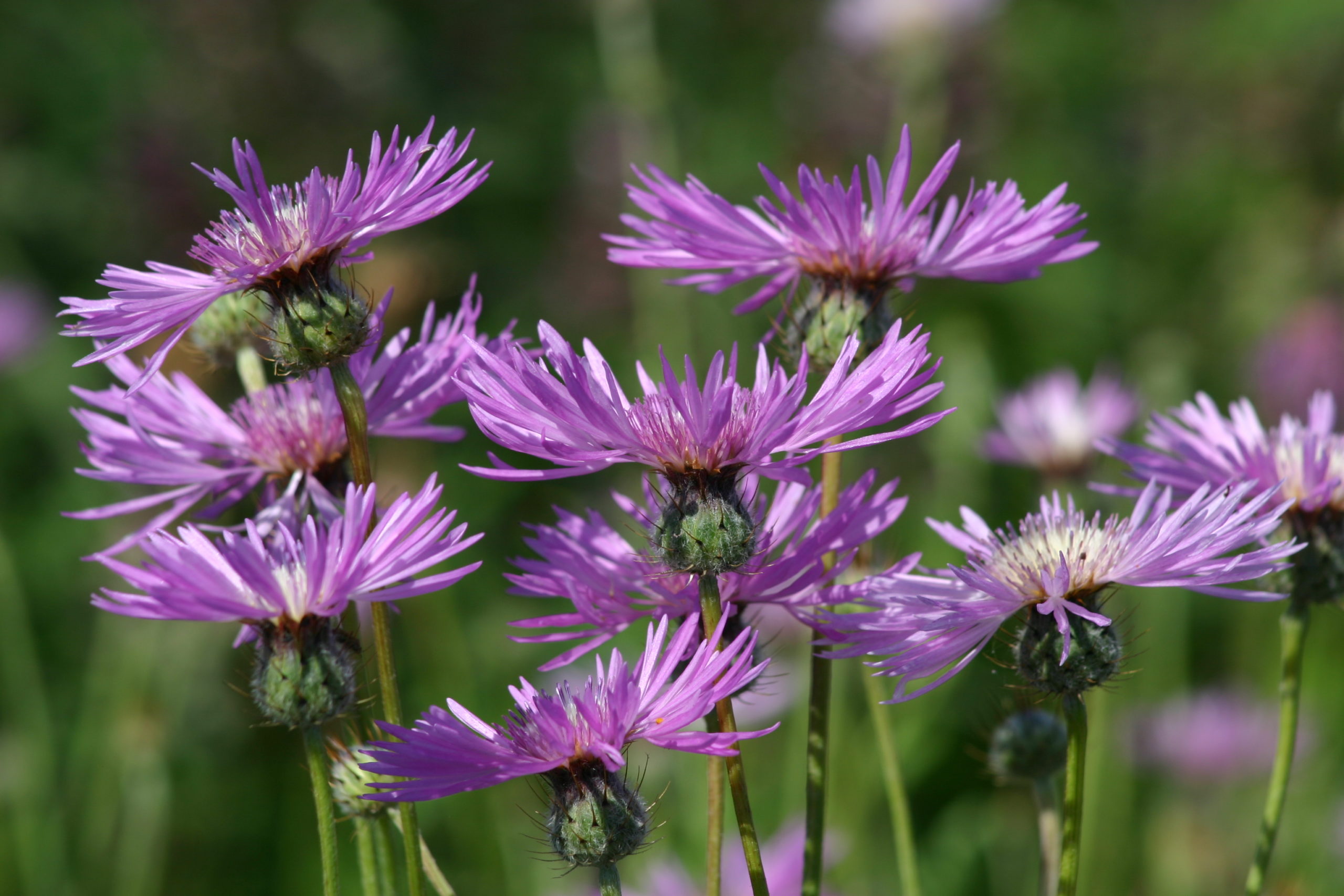
It grows in Morocco and Spain. 🌍 This plant reaches a height of 50 to 60 cm. The tubular flowers are purple-pink, with wide tubes along the edges, forming a beautiful inflorescence. 🌺🌿 The inflorescence looks graceful and is located on a strong, long peduncle. The flowers have a delicate and distinctive fragrance. Amberboa brevis blooms profusely from June to October. 🌸🌼 The seeds remain viable for 3-4 years, making this plant reliable and long-lived. 🌱🌟
Amberboa moschata
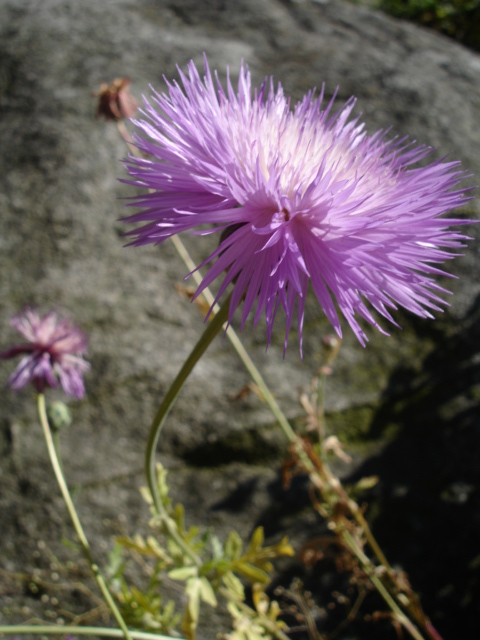
An annual plant, 2 to 15 cm tall. It can sometimes be stemless. 🌱 Its leaves form a rosette; they are oblong, sometimes with sparse long teeth along the edges or narrow lobes. 🍃 The flower head is usually solitary, located in the center of the rosette of leaves on a peduncle. 💮 The ligulate florets are pink, and the disc florets are yellow. 🌸🌼
Sowing amberboa
When sowing amberboa, it's important to consider its sensitivity to transplanting. 💧 Seeds are preferable, as the plant does not tolerate transplanting well. Seeds retain their viability for 2-3 years. 🌱 For indoor sowing, it is recommended to use peat pots or similar containers in April. 🏡 Mass planting is not recommended to avoid problems with transplanting young plants. 🚫 In May, after the threat of frost has passed, you can sow seeds directly into the flowerbed. It is recommended to plant in nests of 2-4 seeds, spaced 25-30 cm apart. 🌿 This promotes the formation of lush bushes without mutual interference in growth. 🌼 The first shoots usually appear 1-2 weeks after planting. 🌱🌼
Planting and caring for amberboa
Planting and caring for amberboa requires specific knowledge and skills to successfully grow this beautiful plant. In this section, we'll cover the key steps of planting and caring for amberboa, from soil preparation and site selection to watering, fertilizing, and disease and pest control. By following our recommendations, you can create favorable conditions for healthy and beautiful amberboa growth in your garden or plot.
Location
When choosing a location for planting amberboas, it's preferable to choose well-lit areas. ☀️ Sunlight and warmth are known to enhance the fragrance of these flowers. 🌸🌿
Priming
To successfully grow amberboa, it's important to choose neutral or alkaline soil. 🌱 In acidic soil, the plant becomes vulnerable to fungal diseases and may die. 🍃🚫
Landing
When planting young amberboa plants, it's important to transplant them with the root ball in their permanent location. 🌱 Be very careful to minimize root damage when transplanting. 🌿 When planting, leave a gap of about 25-30 centimeters between plants. 💧 After planting, generous watering is recommended, and after a few days, apply a complex mineral fertilizer to stimulate growth and development. 🌼🚿
Watering
Amberboa should be watered as the top layer of soil dries out. 💧 Water thoroughly to moisten the soil to a depth of at least 20 cm. 🌱 It is not recommended to water more than 3 times a week to avoid excess moisture and root rot. 🚱🌼
Top dressing
Mineral fertilizers are recommended for fertilizing amberboa. 🌱 Fertilizers should be applied to the soil before planting and then every two weeks throughout the growing season. 🌼🌿
Trimming
To extend the flowering period of amberboa, pruning is recommended. ✂️ Faded plants should be cut back to a height of about 10 cm. After this, the amberboa will begin to form new shoots, which will eventually produce new flowers. 🌸 After pruning, it is important to apply mineral fertilizer to provide the plant with the necessary nutrients for active growth and flowering. 🌿💧
Diseases and pests of amberboa
Amberboa is generally pest-resistant. 👍 However, one common disease it can encounter is fusarium wilt, a fungal disease of the plant's roots and stems. 🍄 To prevent this disease, it is important to use only high-quality seeds and maintain optimal soil moisture levels. 💧🌱