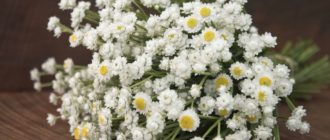
Ammi are plants that, while not particularly elegant in appearance, can significantly enhance your garden or flowerbed. 🌿 They're ideal for creating three-dimensional arrangements and concealing unsightly corners. Furthermore, ammi are often used medicinally for their beneficial properties.
Content
- 1 The Ammi Plant: From Forgotten Weed to Rediscovery
- 2 Brief characteristics of ammi in the table
- 3 Ammi's photo gallery
- 4 Description of ammi
- 5 Ammi Growing and Care Chart
- 6 Types of ammi
- 7 Features of sowing and planting ammi
- 8 Rules for caring for ammi
- 9 Potential problems when growing ammi
- 10 Application of ammi
The Ammi Plant: From Forgotten Weed to Rediscovery
Ancient people knew about the ammi plant 🌱, which even appears in biblical texts. But for a long time, it was simply considered a weed due to its ability to grow almost anywhere, regardless of conditions.
One legend tells of the goddess Isis, who saw her son Horus lifeless and dying. Inconsolable with despair, she shed tears, and where her tears fell, beautiful ammi flowers grew. 🌸 In her desperate hope for her son's recovery, Isis used these flowers for healing.
Her intuition prompted her to use the flowers to prepare an infusion. 🌿 With its help, she was able to restore her son to life and health. This event paved the way for the widespread use of ammi in medicine and healing practices.
The legend of Horus's son's salvation quickly spread, and ammi became prized for its healing properties. It was used to treat various ailments, and no longer considered a common weed, it gained new respect and recognition.
Brief characteristics of ammi in the table
| Characteristic | Description |
|---|---|
| Family | Umbelliferae (Apiaceae) |
| Spreading | Ammi grows on dry slopes, in sandy belts and salt marshes of the Mediterranean and North Africa. |
| Appearance | The plant is a herbaceous annual with a stem height of up to 120 cm. |
| Stem | The stems of the ammi are erect and heavily branched, forming dense bushes. |
| Leaves | The leaves are petiolate, twice or thrice pinnate with linear lobes and dissected leaflets at the ends. |
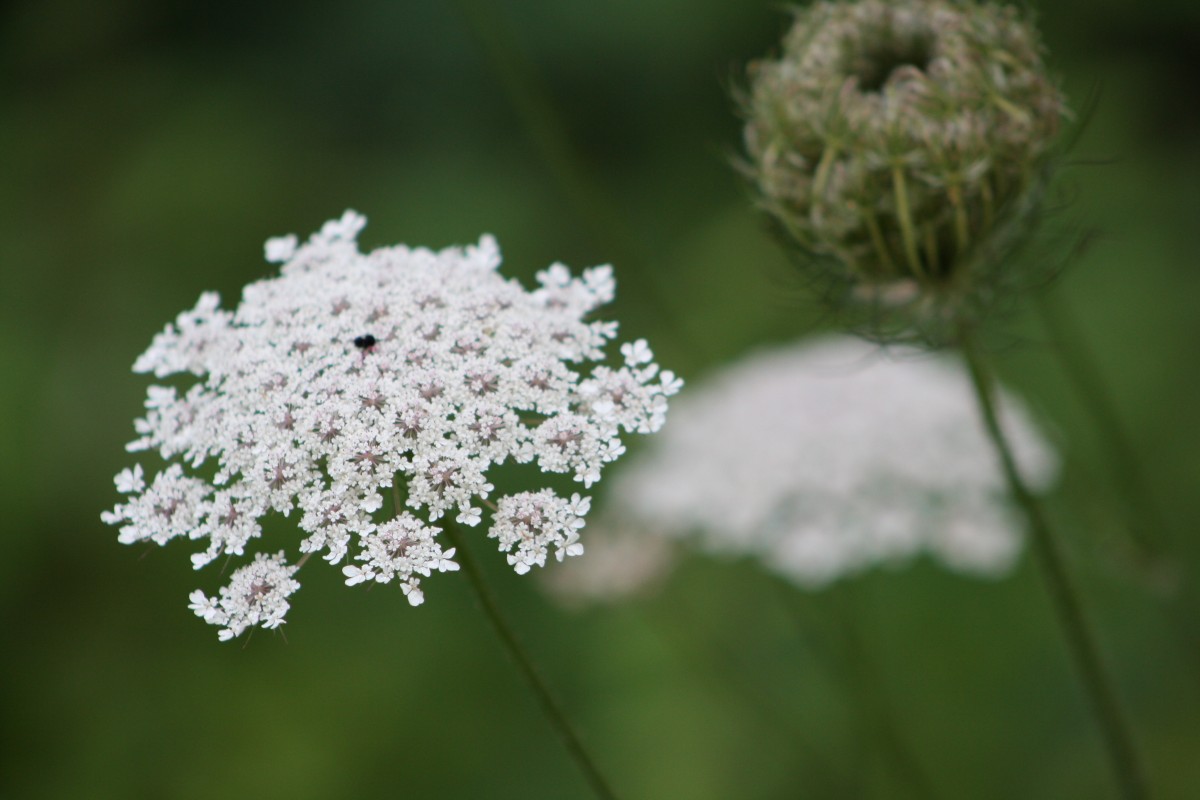
| Flowers | The flowers are collected in spherical umbrella-shaped inflorescences of white or yellowish hue. |
| Flowering time | Ammi blooms in July and August, delighting the eye with its flowers for up to 40 days. |
| Fruit | After flowering, fruits appear in the form of pendulous berries, splitting into two parts, with 5 protrusions on each. |
Ammi's photo gallery
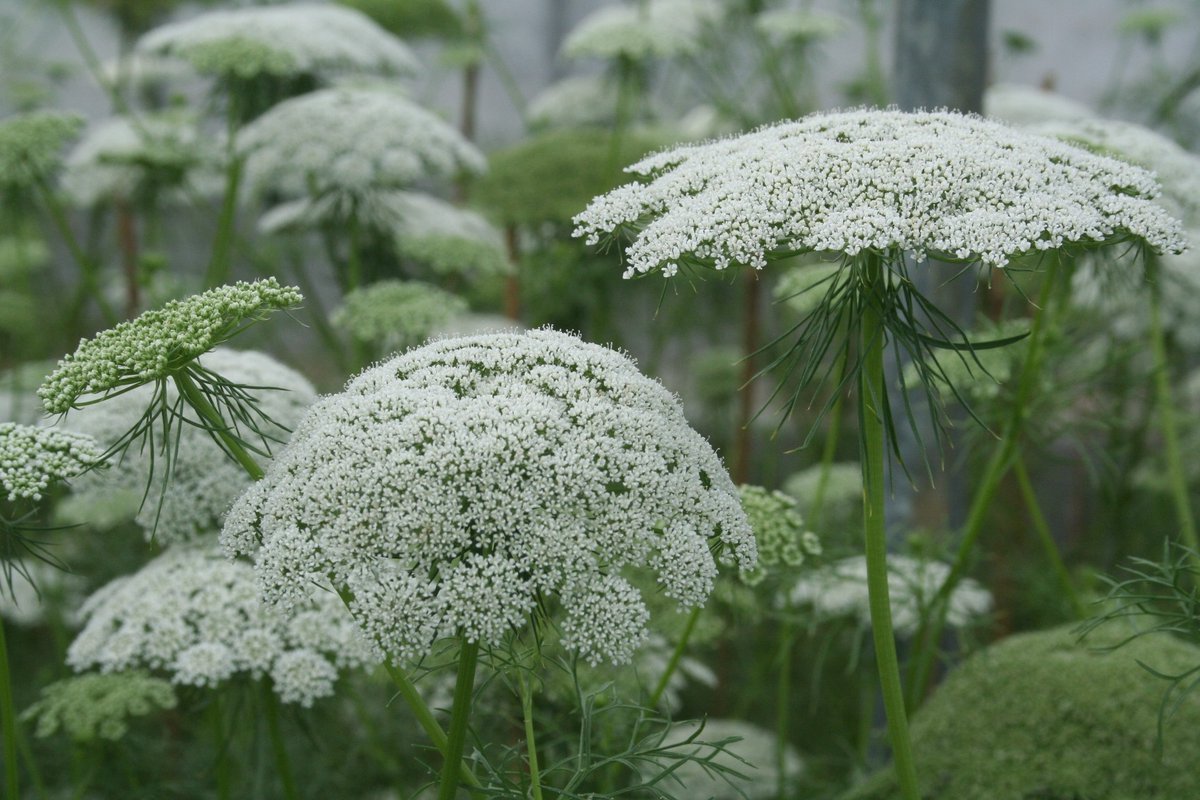
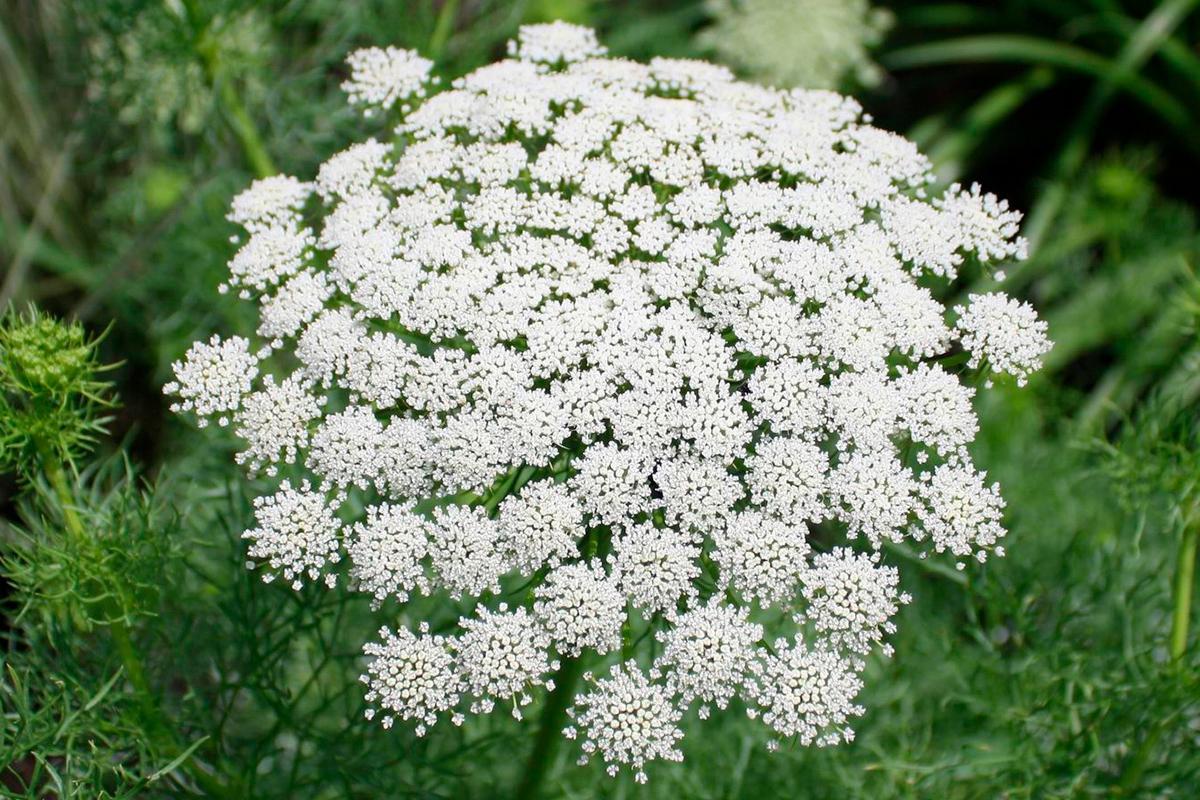
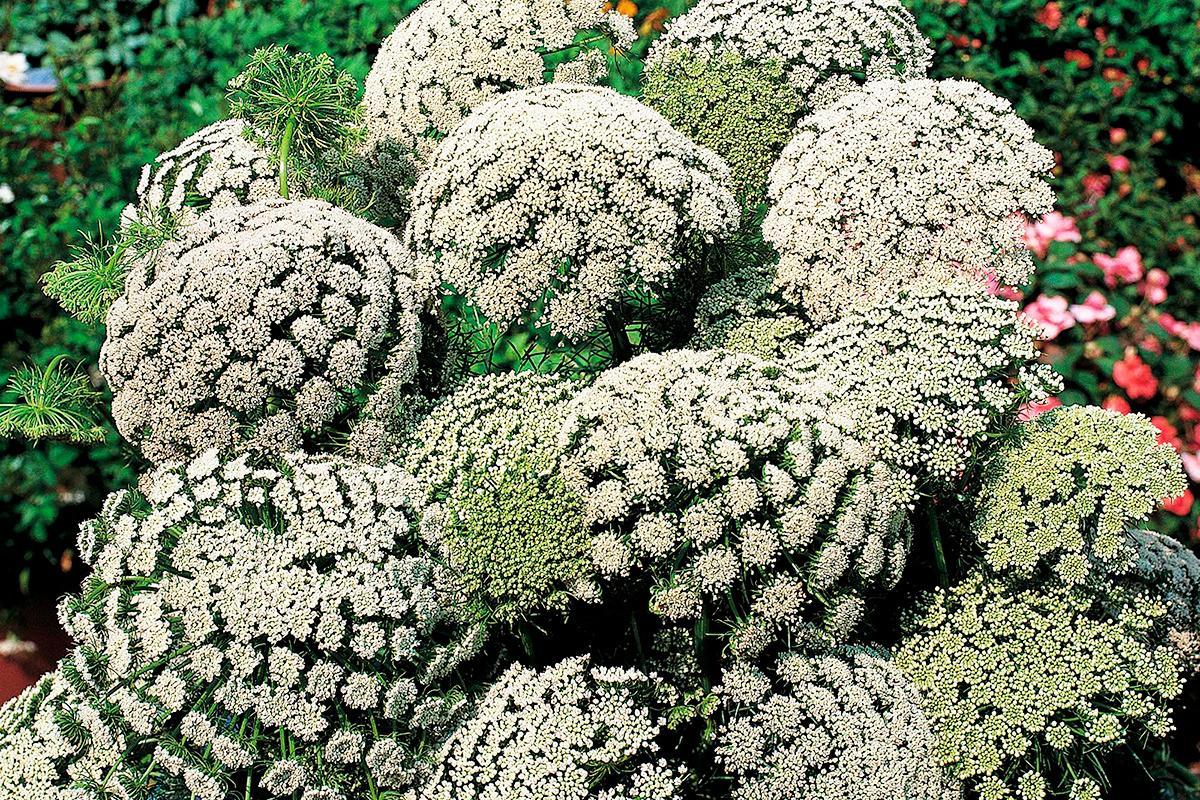
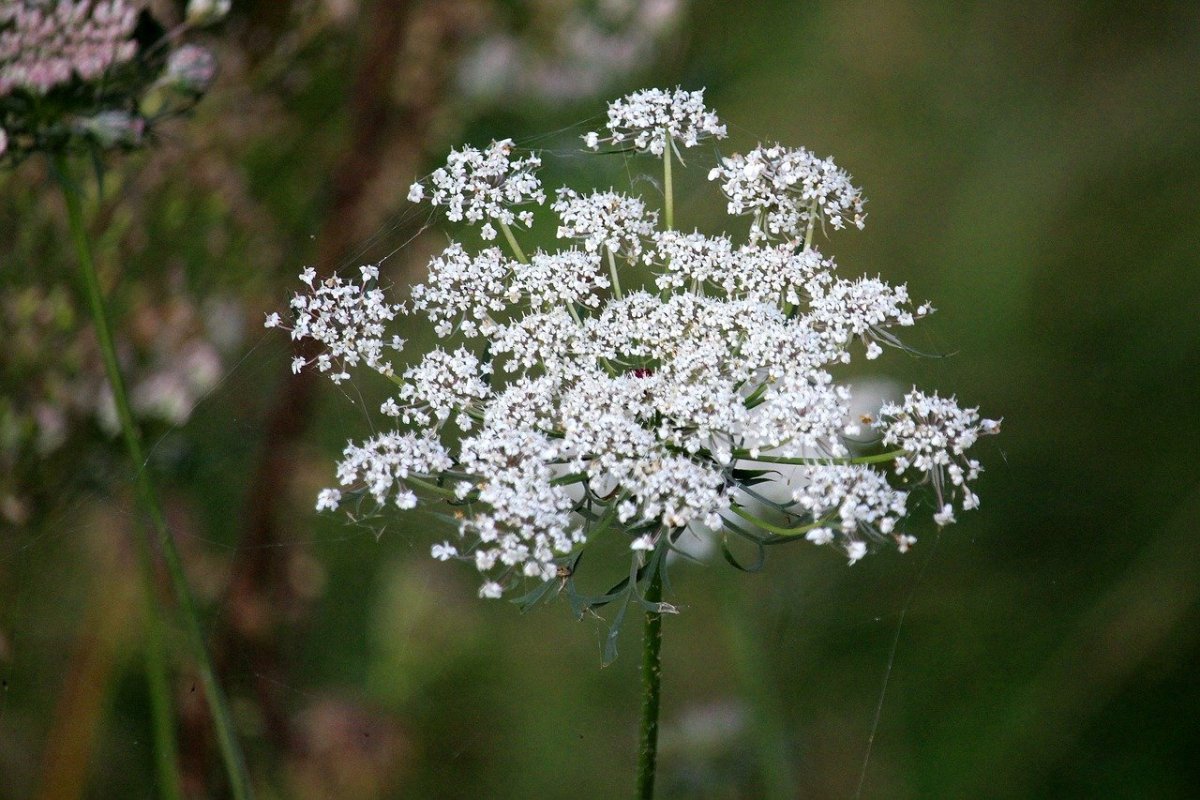
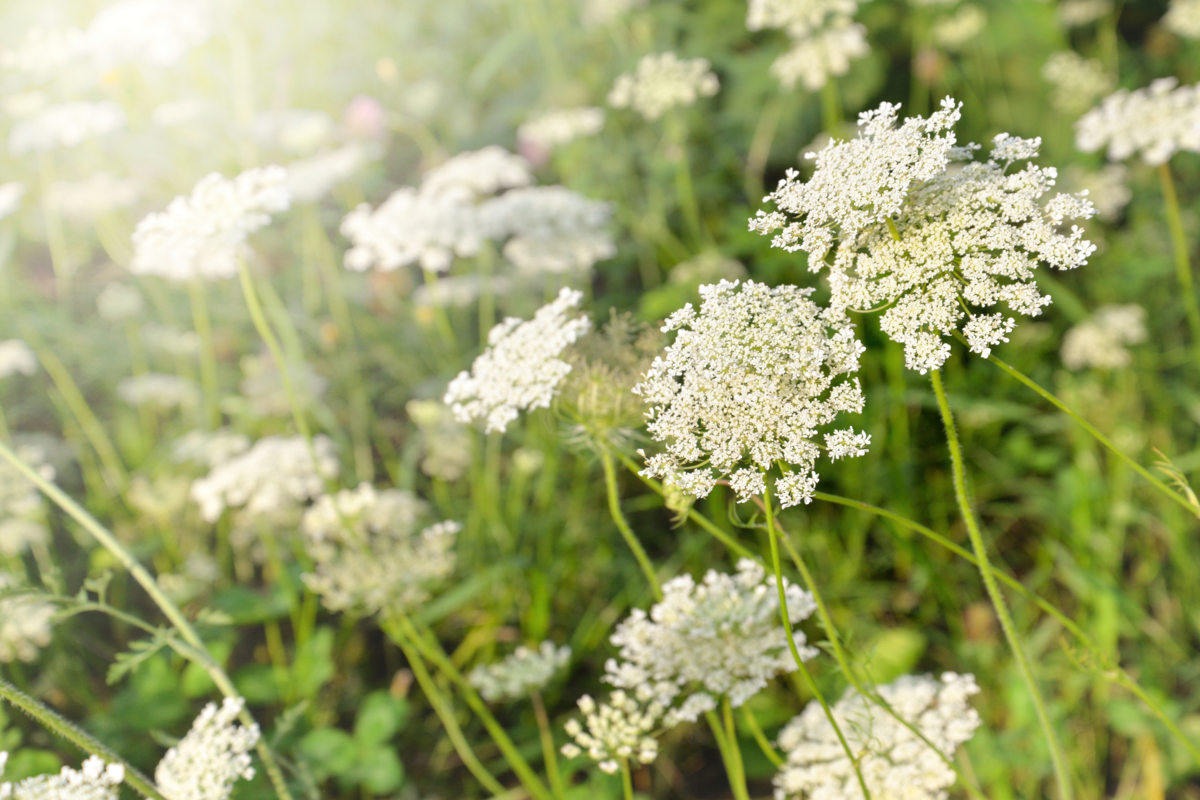
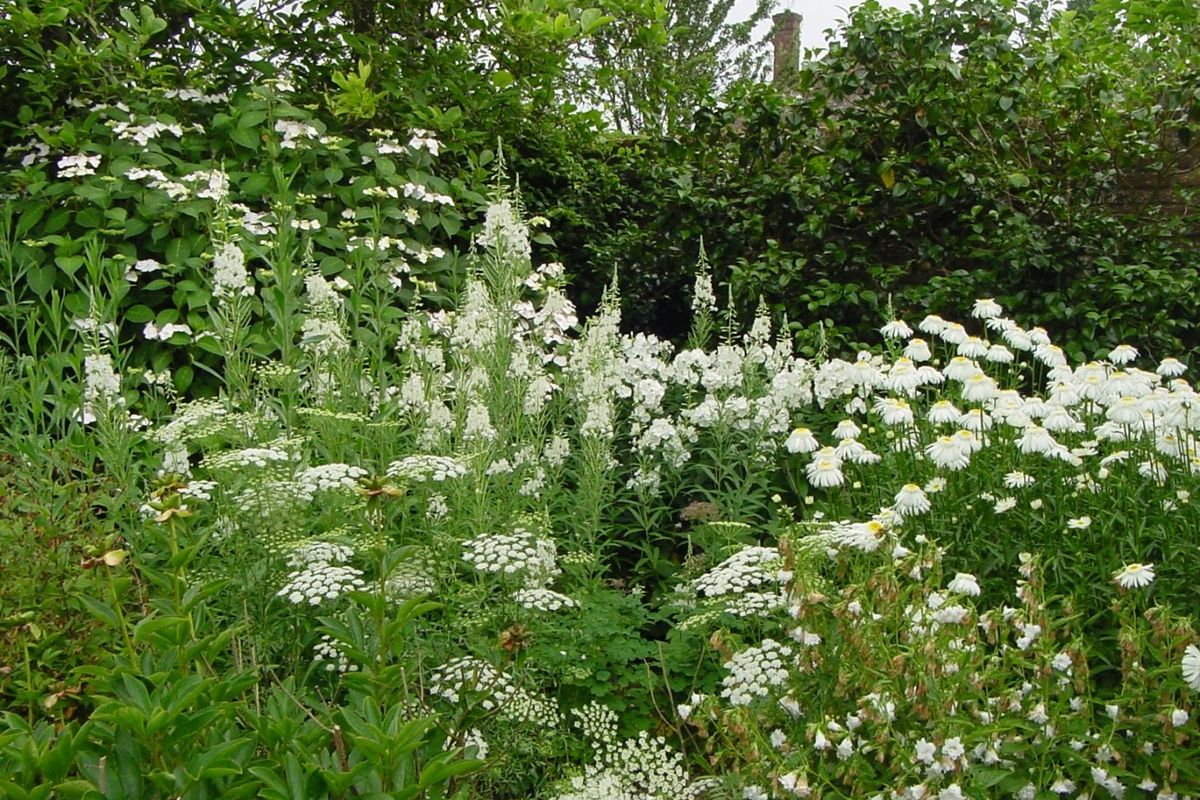
Description of ammi
🌿 Ammi is a small genus of biennial herbaceous plants in the Apiaceae family. This genus includes six species native to both the Mediterranean coast and northern Africa.
Ammi's stems are straight and branched, with roots that penetrate deep into the soil. The lower leaves are long, while the upper leaves have short petioles and sharp teeth along the edges.
Ammi blooms from midsummer to autumn. Small white flowers with five tiny petals form large, complex umbels. The flowers' distinctive scent attracts insects, including bees, making the plant important for pollination. 🌼 Honey extracted from the flowers is aromatic and slightly reddish in color.
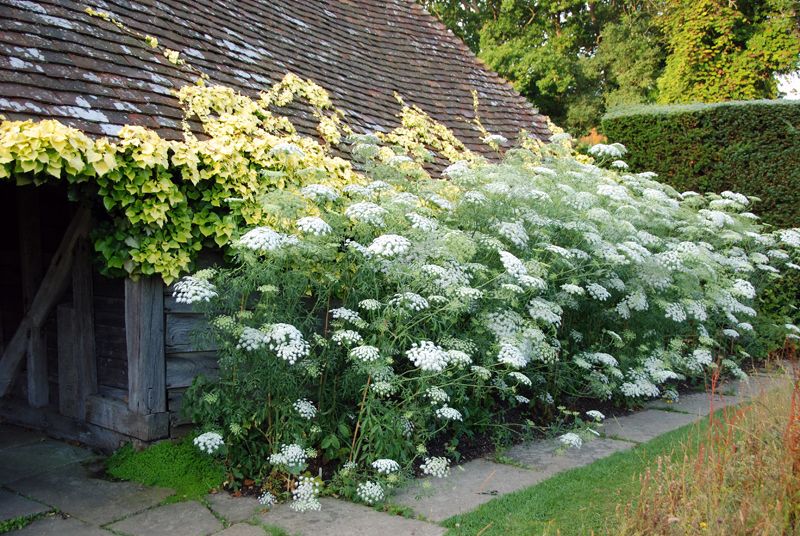
After flowering, fruits appear on the plant - laterally compressed drooping fruits, which, when ripe, split into two parts.
Ammi Growing and Care Chart
| Characteristic | Description |
|---|---|
| Location | Ammi prefers a west or south facing position and needs several hours of direct sunlight. |
| Light and temperature | Ammi prefers sunny locations and warm climates. Grow it in open, well-lit areas. |
| Soil | Loose, fertile soil with good drainage is recommended. |
| Watering | Water regularly but moderately, avoiding overwatering. Water after the top layer of soil has dried out. |
| Fertilizers | Feed the ammi with organic and mineral fertilizers twice a season. |
| Trimming | Remove faded flowers to encourage further blooms. |
| Pest control | Monitor your plant for pests and control them promptly. |
| Reproduction | Ammi is propagated from seeds. Sow them in the ground in spring or fall. |
| Support | Stake tall stems to prevent them from sagging under the weight of the flowers. |
Types of ammi
🌿 The two most well-known species of the genus Ammi are Ammi majus and Ammi visnaga. These species attract attention with their beautiful flowers and beneficial properties.
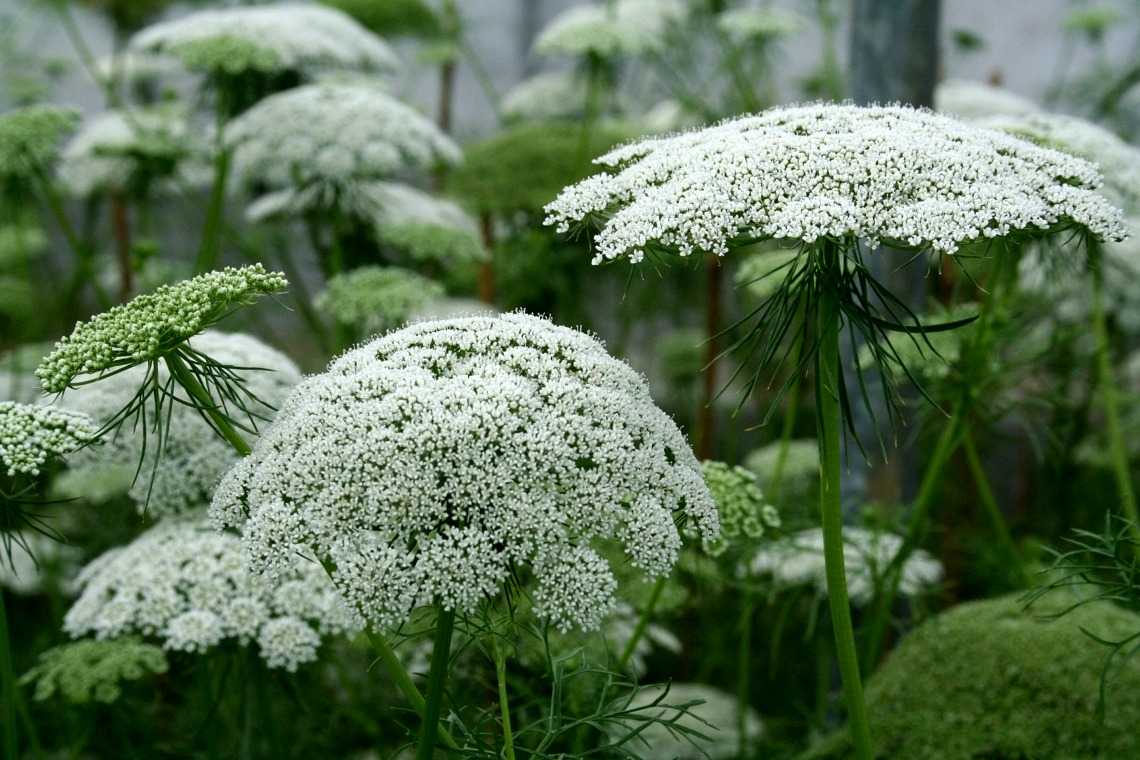
Ammi majus
This is a large annual plant that can reach a height of 100 to 150 centimeters. Its snow-white, lacy inflorescences begin to bloom in late July and continue to bloom until the end of September. The diameter of the compound umbels usually does not exceed 20 centimeters.
This type of ammi is known for its drought and frost resistance, making it ideal for growing in open, sunny areas.
Ammi visnaga
This biennial plant grows up to 1 meter in height. In ancient times, despite being considered a weed, it was actively used in folk medicine.
In appearance, Ammi dentifrice resembles an oversized dill. It has a lush bouquet of finely pinnate leaves on sturdy, hollow stems. Flowering begins with the arrival of warm weather, and the umbels of inflorescences reach a diameter of about 7 centimeters.
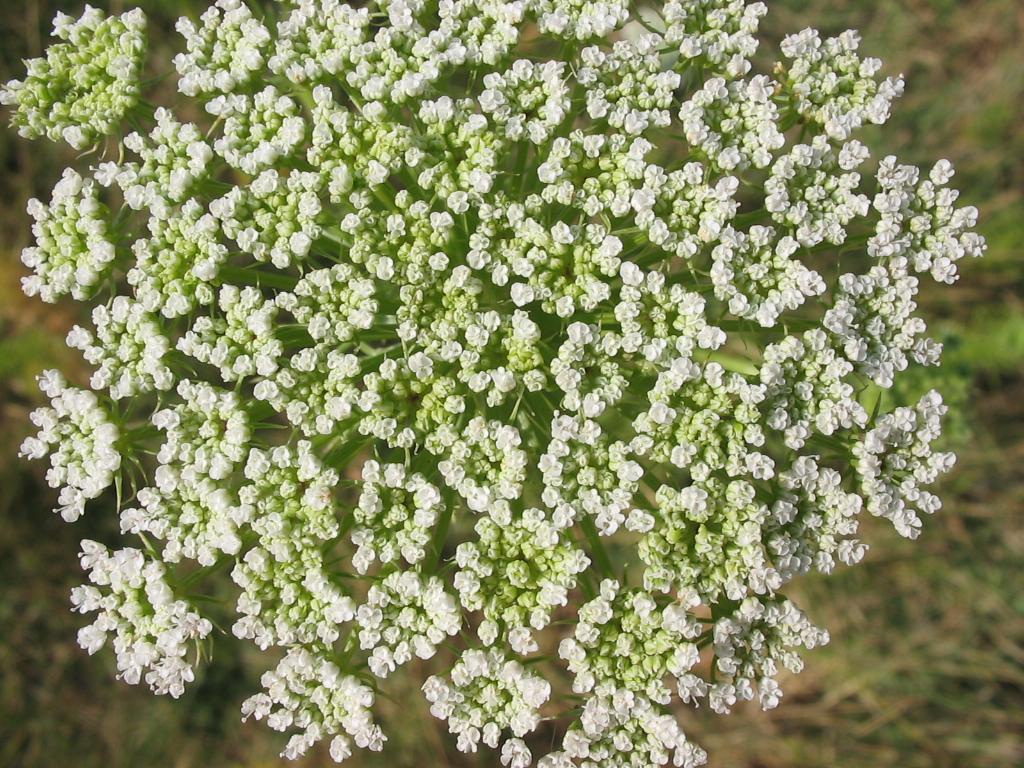
The numerous flowers have an unpleasant odor, but their white-green coloring gradually takes on golden hues. The flowers open from July to August.
After flowering, Ammi dentifrice forms beautiful decorative fruits, so it is not recommended to remove the umbels.
Features of sowing and planting ammi
🌱 Growing Ammi from seeds is common practice. Seeds remain viable for 3-4 years, so it's important to keep this in mind when purchasing them.
In regions with mild winters, it is recommended to sow seeds in the fall, and in colder areas, in the spring. The optimal soil temperature for germination is 6-8°C. Sprouts usually appear 1.5-2 weeks after sowing.
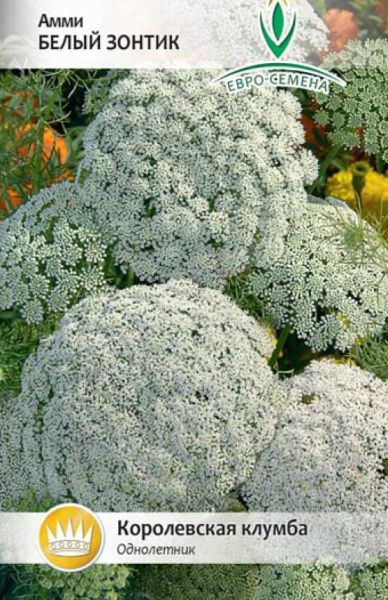
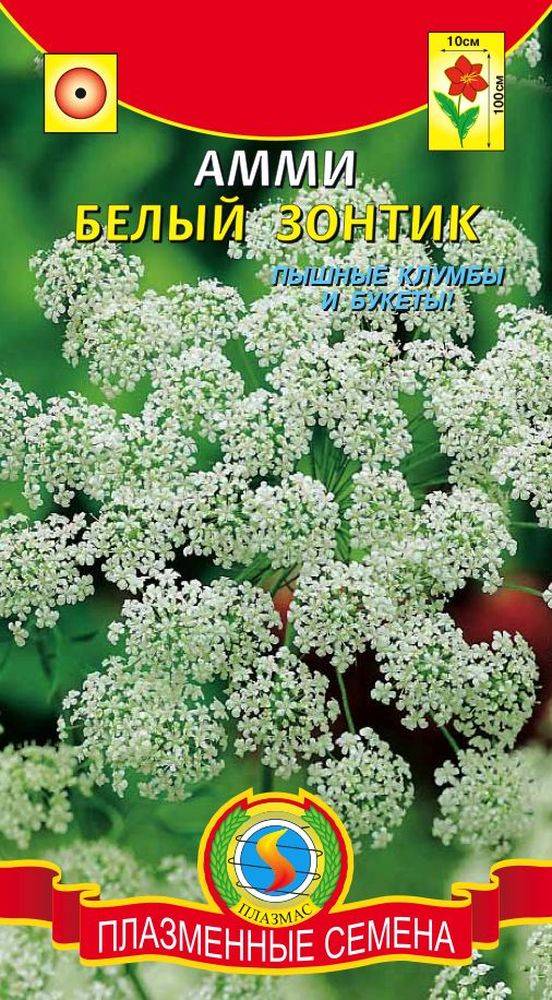
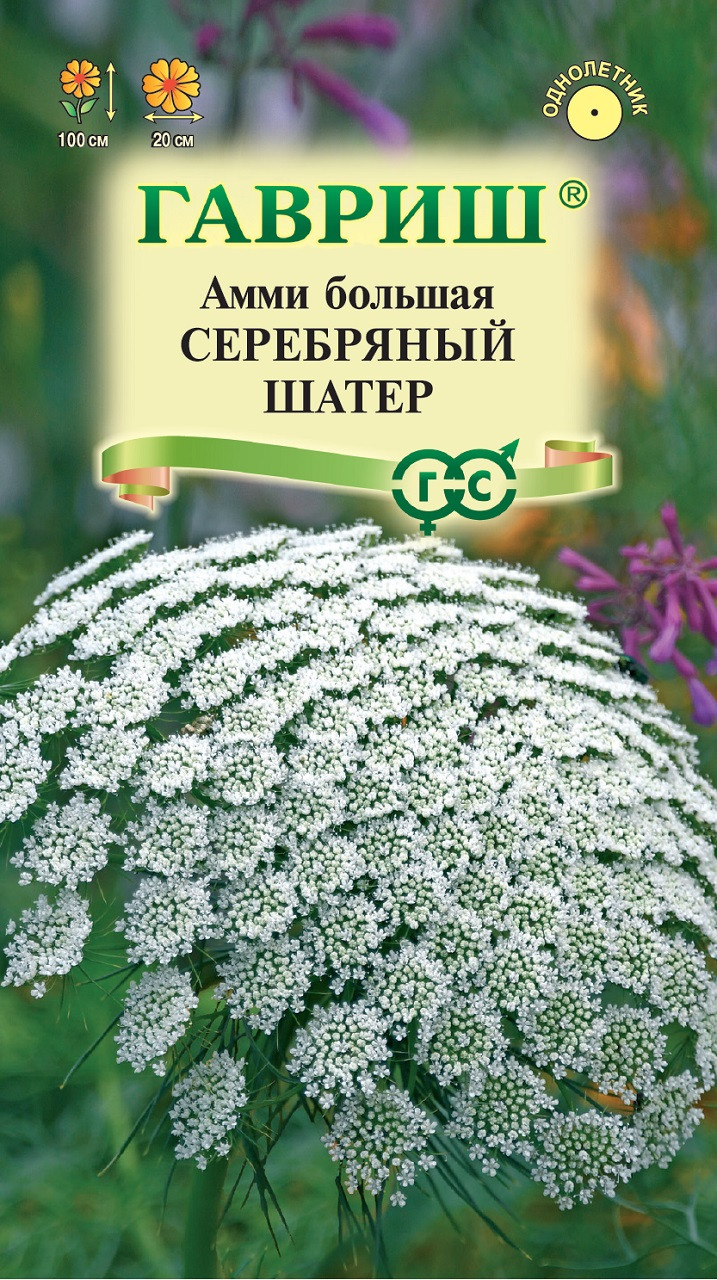
To speed up flowering, it is recommended to stratify the seeds before sowing. They are planted 2 cm deep in a nutrient-rich substrate and covered with glass or plastic until germination. The seedlings require bright light, but the nighttime air temperature should not exceed 12-15°C to prevent excessive stretching of the shoots.
Once the seedlings reach the desired height, they can be transplanted to their permanent location at the end of May. Transplanting should be done carefully to avoid damaging the plants' fragile root system.
Rules for caring for ammi
Proper care of Ammi is key to ensuring the health and beauty of this plant. A member of the Apiaceae family, Ammi is an attractive herbaceous annual honey plant widely used in landscaping, flower beds, and bouquets due to its umbrella-shaped inflorescences and unique fragrance. In this guide, we'll cover the basics of Ammi care, including site selection, soil preparation, watering, fertilizing, and propagation methods. By following these recommendations, you can create favorable conditions for Ammi to grow and thrive in your garden or flower bed.
Location
🌱 Selecting a location is key when growing ammi. It should be brightly lit and spacious. Insufficient light can affect flowering and fruiting.
🌞 A western or southern exposure is the best choice. Some species require direct sunlight, while others can grow in partial shade. It's important that the plants have enough space to develop.
🌿 Tall plants with lateral shoots need space. If they don't have enough space, their inflorescences may become smaller and lose their decorative appeal. A lack of space also makes plants more vulnerable to disease and pest attacks.
Priming
🌱 To successfully grow umbellifers, it's important to select the right soil. The soil should be fertile and well-drained. Although umbellifers can grow in poor soil, for maximum decorative effect, they require loose, nutritious substrates with low acidity.
💧 Excessive soil moisture can lead to rotting and plant death, so avoid low-lying areas with high groundwater levels. Also, avoid fields infested with dodder, as they can be a source of infection for ammi.
Watering
💧 Regular but moderate watering is key when growing ammi. It's important to avoid overwatering the soil. Irrigate only after the top layer of soil has dried out.
🌱 During the early growing season and in hot weather, watering is recommended 2-3 times a week. However, during flowering, the frequency of watering is reduced.
🌼 Watering should be accompanied by loosening the space between rows and weeding to provide plants with access to air and reduce competition for nutrients.
Top dressing
🌱 Before planting ammi, it is recommended to add organic fertilizer to the soil to provide the plants with the necessary nutrients. To maintain healthy growth and development of ammi plants, it is recommended to fertilize them with complex mineral fertilizers twice a year.
🌼 It is important to remember that the umbrellas do not need to be removed after flowering, as they can additionally decorate your garden or flower bed.
Potential problems when growing ammi
🌱 When planting ammi seeds in low-lying areas, it's important to monitor watering: excess moisture can be harmful and even lead to plant death. Water only after the soil has dried out.
💧 Insufficient lighting can significantly impact flowering, making it less vibrant and abundant. High humidity can also negatively impact flowering and the overall health of plants.
🌿 If ammi don't have enough space to grow, they can become weak and smaller. Therefore, it's important to provide them with enough space to fully develop and thrive.
Application of ammi
Although ammi is considered an ancient plant, its widespread use has only recently become relevant. Modern gardeners and florists have discovered its amazing qualities and diverse uses, which has drawn attention to this plant. 🌸
In the landscape
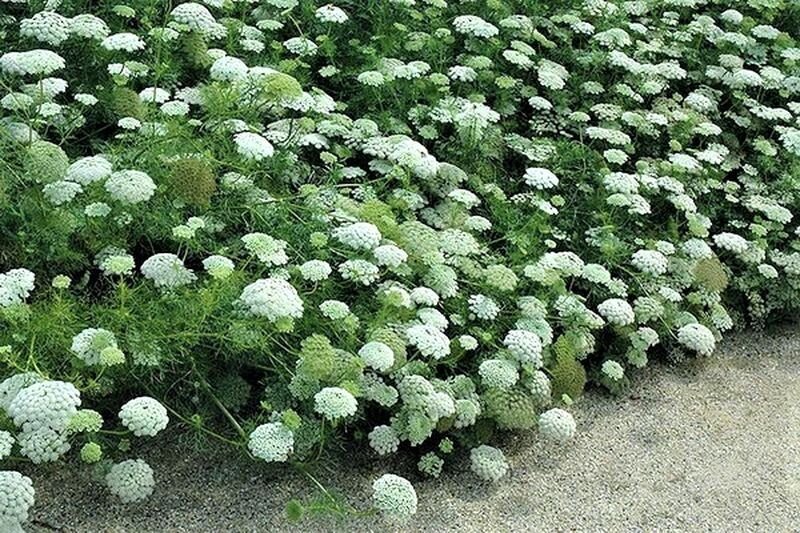
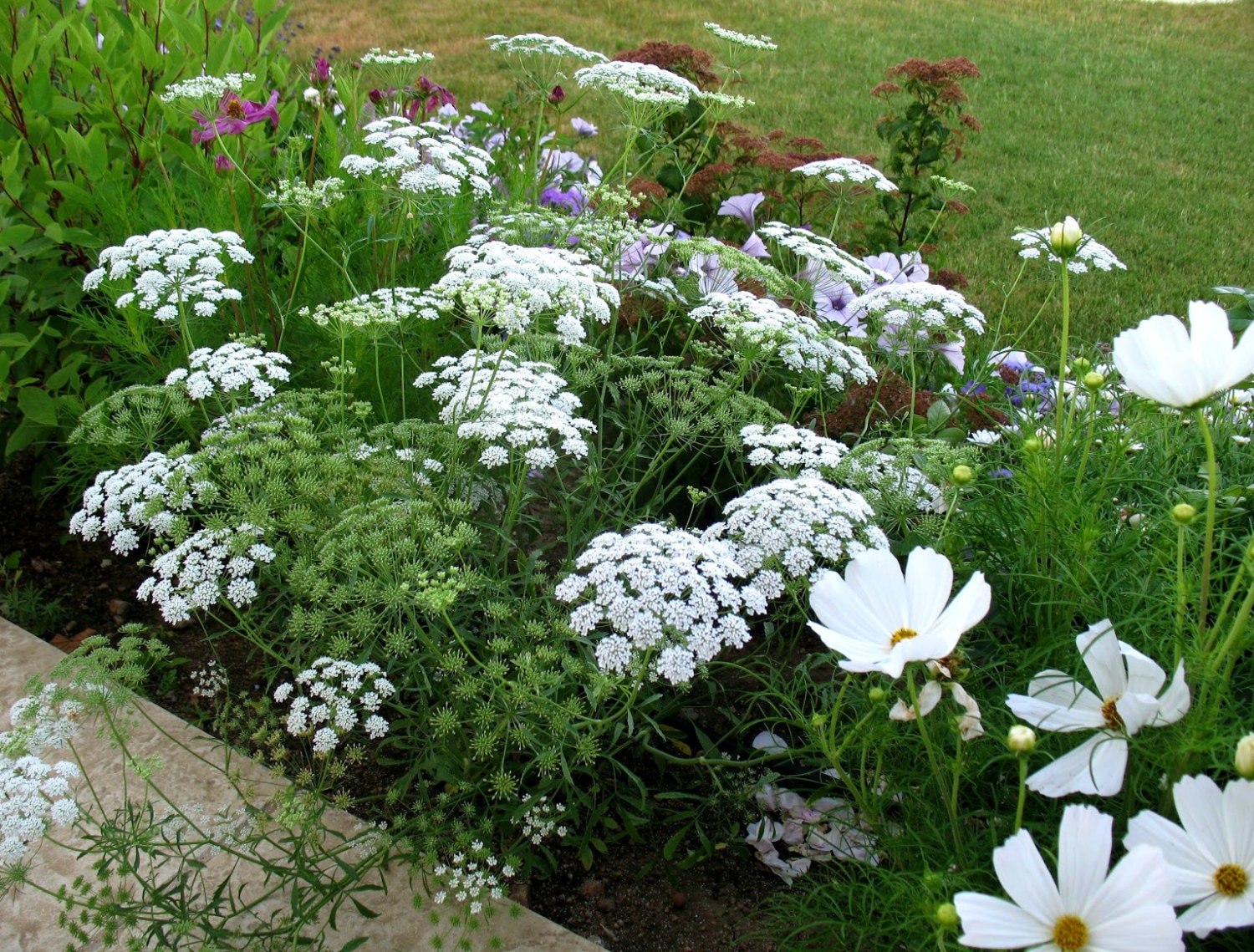
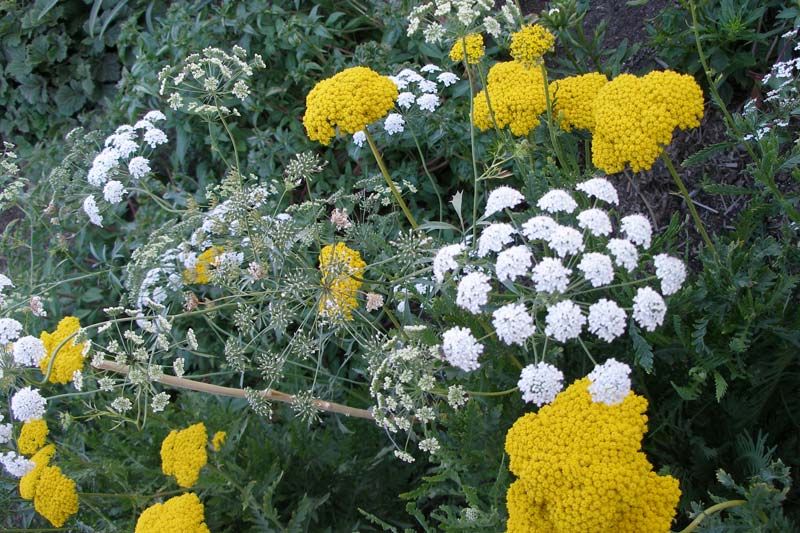
In natural flowerbeds, ammi plays a key role, adding its own unique touch. Its impressive height, reaching approximately 1 meter (+/- 20 cm), allows it to be used as a background or midground plant. This plant pairs perfectly with a variety of species, including aruncus, hempseed, eryngium, echinops, achillea, grasses, and many others, creating natural and harmonious compositions. 🌾
In floristry
The popularity of naturalistic bouquets has brought forgotten landscape plants back into fashion. Ammi, with its unique umbel-shaped blooms, lends a relaxed charm and completeness to bouquets. The snow-white color of ammi blends perfectly with any bouquet color scheme, lending it a special grandeur and style. 🌾🌸
Like a honey plant
Even though they're small, ammi flowers emit a strong and pleasant scent that attracts numerous bees. Planting ammi in your garden can not only decorate it with flowers but also attract these important pollinators. It's wise to plant ammi among both flowers and vegetables, thus maintaining a balanced ecosystem. 🌸🐝
In medicine
Ammi is a veritable treasure trove of beneficial properties. Decoctions and infusions made from its seeds and grass are not only a relief for skin conditions like leukoderma, baldness, and other issues, but also a pleasant way to relax. The leaves and seeds of this plant add a unique aroma and flavor to dishes. However, if you take the decoctions internally, it's best to consult a specialist first to avoid any unwanted side effects. 🌱🍲