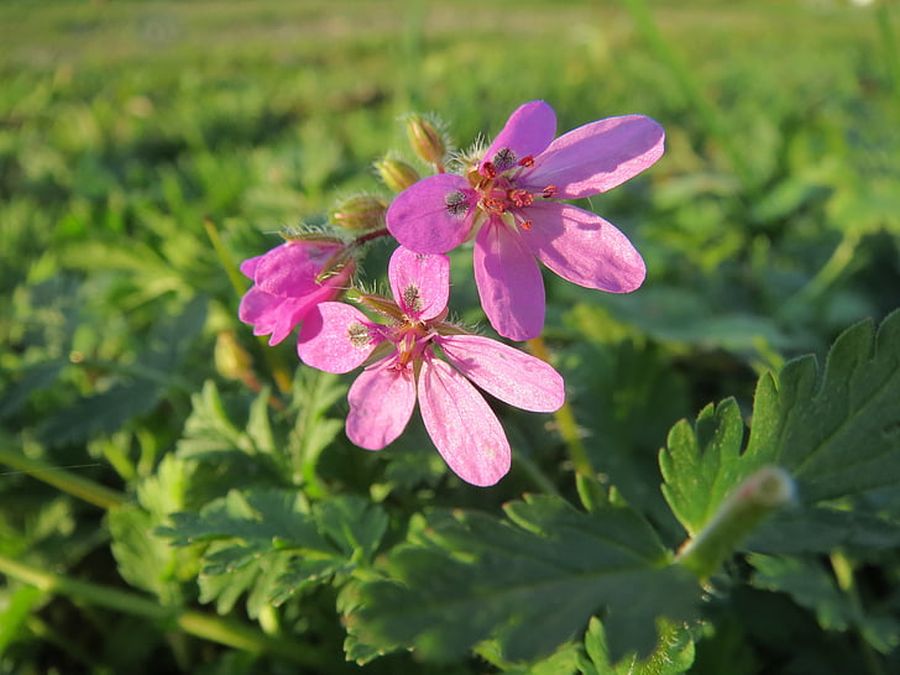
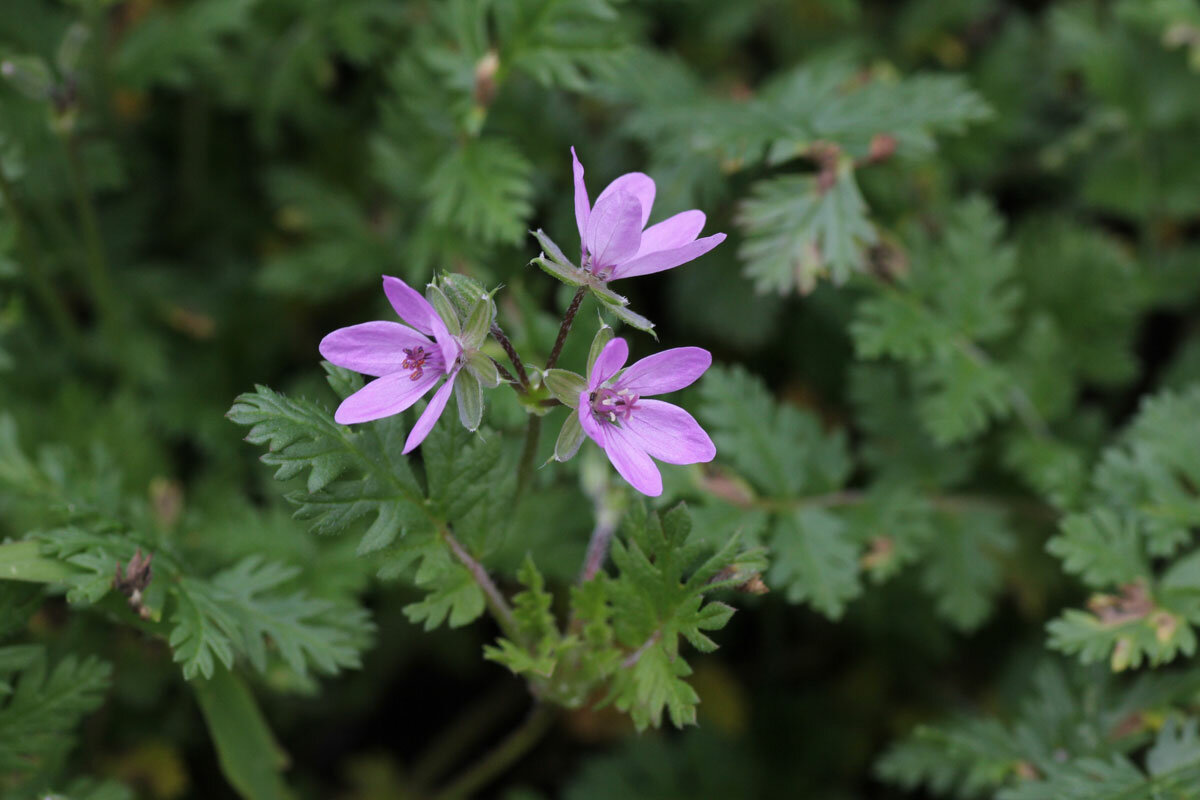
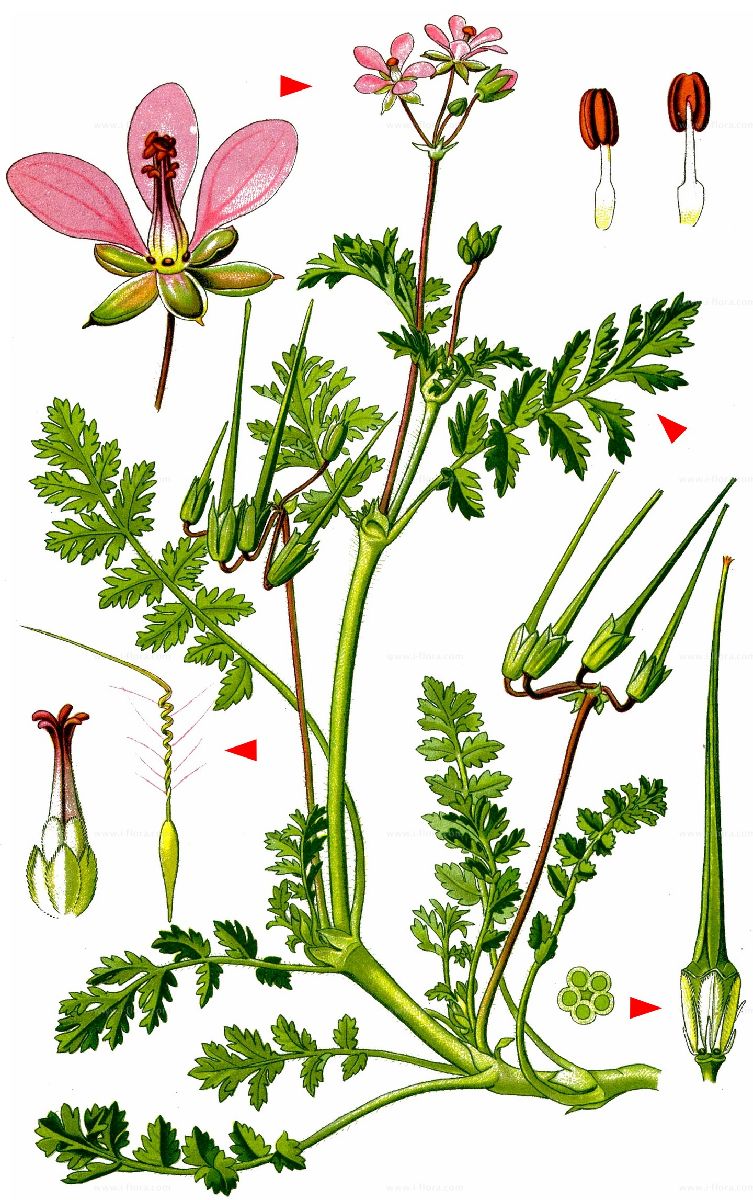
The common stork's trumpet, also known as the rake or hemlock crane's trumpet (Latin: Erodium cicutarium), belongs to a genus of herbaceous plants from the Geranium family.
🌿 Stork's lilies aren't luxurious, but they can add interest to your garden. 🌱 Some species of this plant are very beautiful and decorative. 🌼 Their miniature flowers are perfect for decorating rock gardens. 🏡 They've long been popular in Europe, but they're still under-recognized here. 🌸 It's time to change that and give them some attention!
Content
- 1 Brief characteristics of the stork's tongue in the table
- 2 Photo gallery of the stork
- 3 Description of the Stork's Tooth
- 4 Table for raising and caring for the stork
- 5 Types and varieties of stork's tongue
- 5.1 Reichard's Stork's Whisker (Erodium reichardii)
- 5.2 Corsican stork's tongue (Erodium corsicum)
- 5.3 Golden Stork's Nest (Erodium chrysanthum)
- 5.4 Tatarian stork (Erodium tataricum)
- 5.5 Rocky Stork's Grass (Erodium cheilanthifolium)
- 5.6 Manescavi's Stork's Wren (Erodium manescavi)
- 5.7 Ferruginous stork (Erodium glandulosum)
- 5.8 Variable Stork's Whisker (Erodium x variabile)
- 6 Features of sowing and planting stork's tongue
- 7 Caring for a Stork's Nest
- 8 Reproduction of the Stork's Toad
- 9 Potential problems when growing stork's tongue (table)
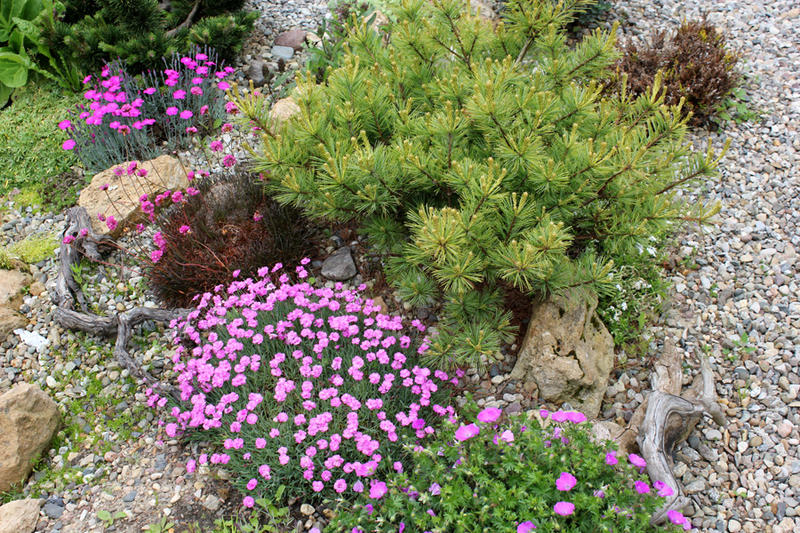
- 10 Using stork's tongue in the landscape
Brief characteristics of the stork's tongue in the table
| Characteristic | Stork |
|---|---|
| Family, Genus | Geraniums, Stork's genus |
| Spreading | They are distributed throughout the temperate zones of the Old World, and are also widely found in South Africa and Australia 🌍 |
| Appearance | Perennials, annuals, subshrubs or herbaceous plants 10-60 cm tall 🌱 |
| Stem | Erect or branched, sometimes forked-branched, rough to the touch due to stiff hairs 🌱 |
| Inflorescences | Umbrella-shaped and few-flowered curls, flowers can be pinkish or lilac 🌸 |
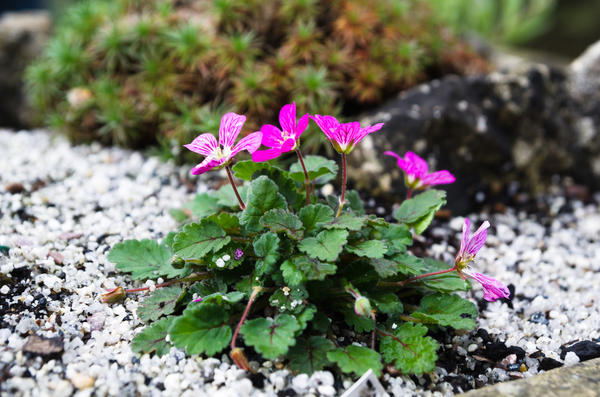
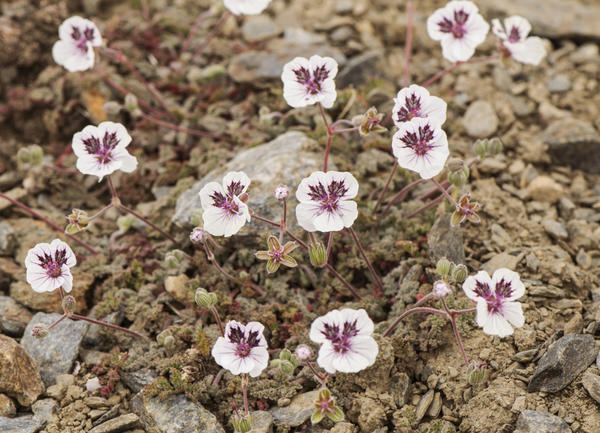
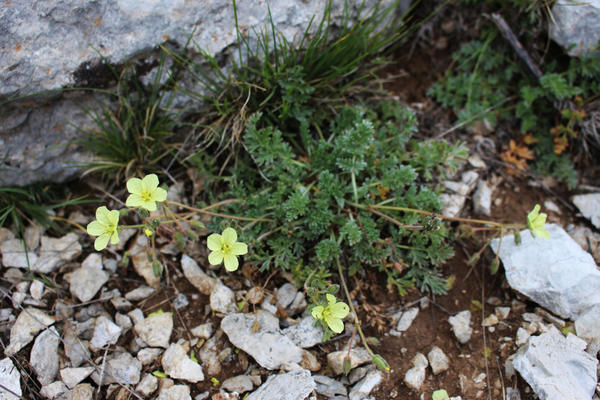
Photo gallery of the stork
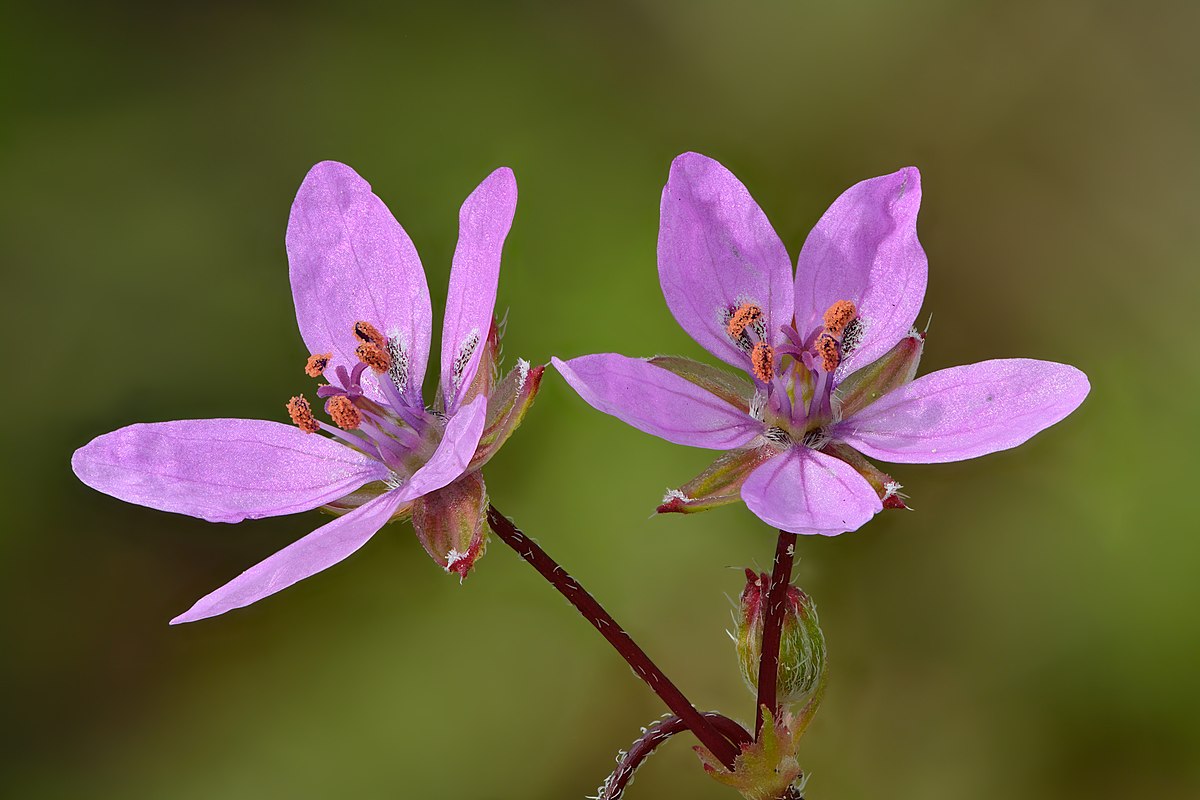
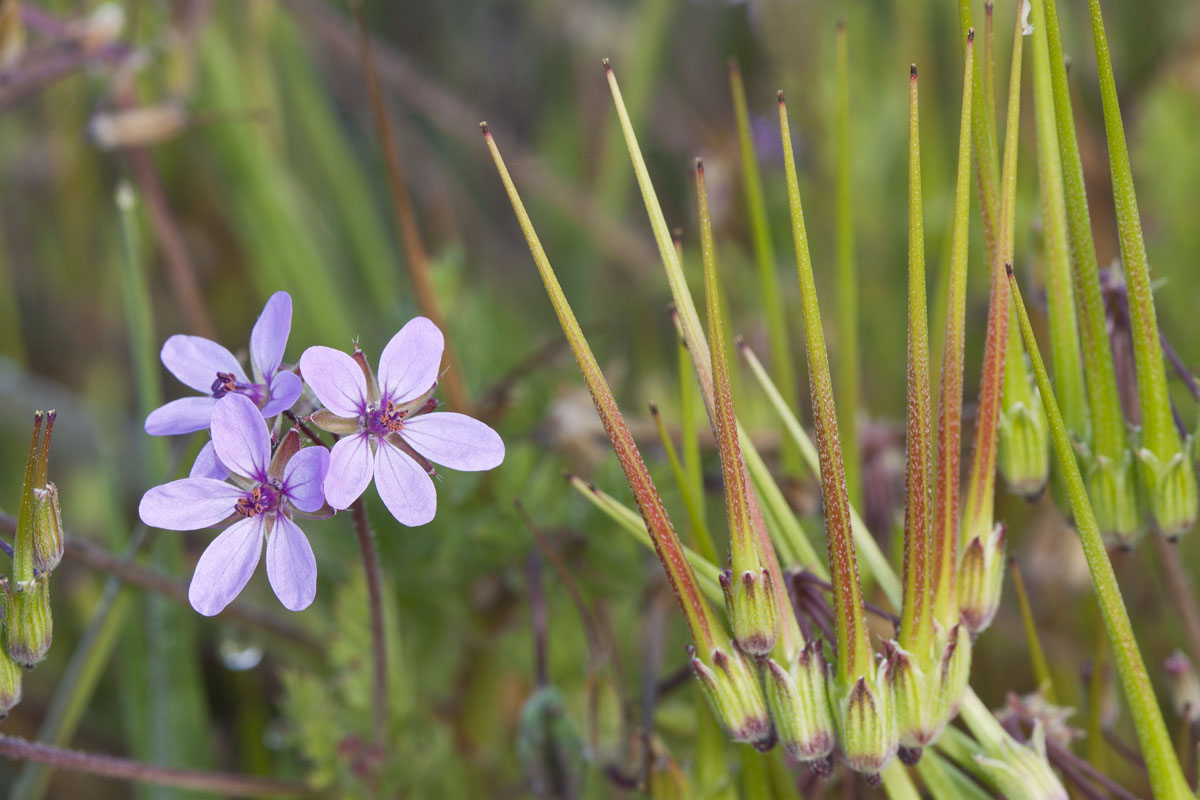
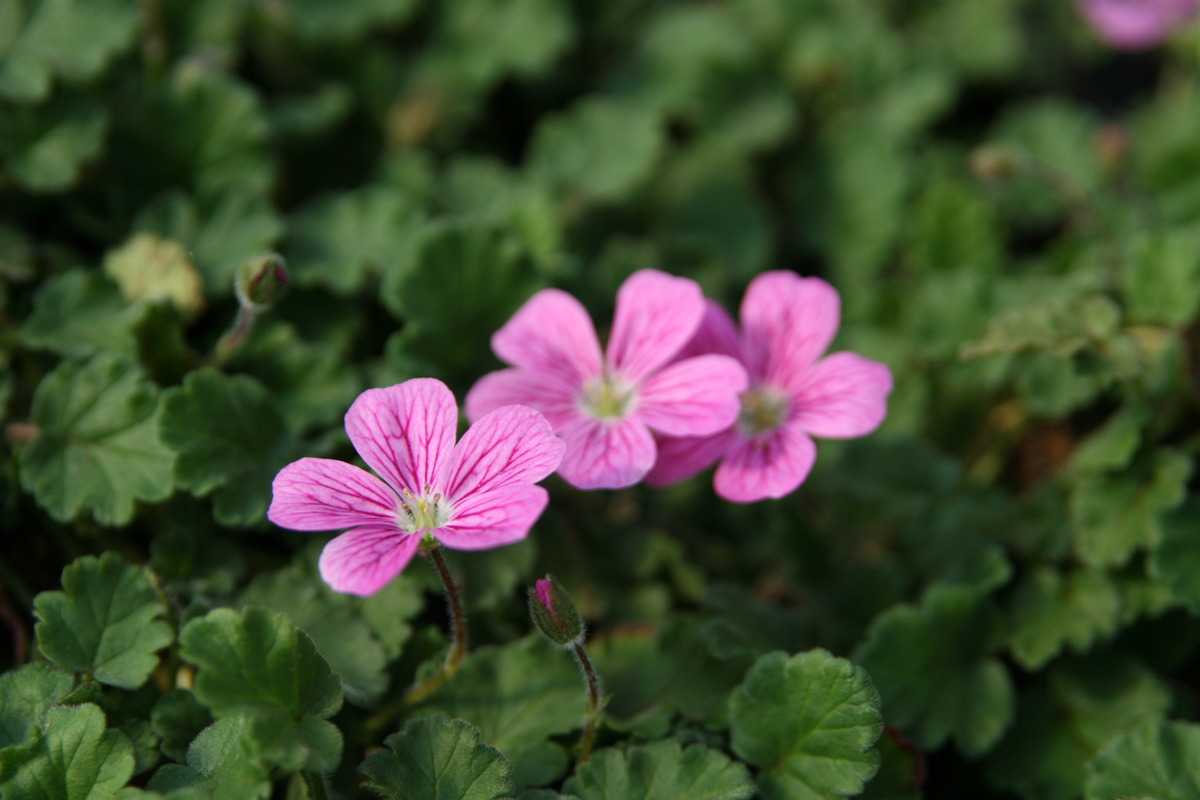
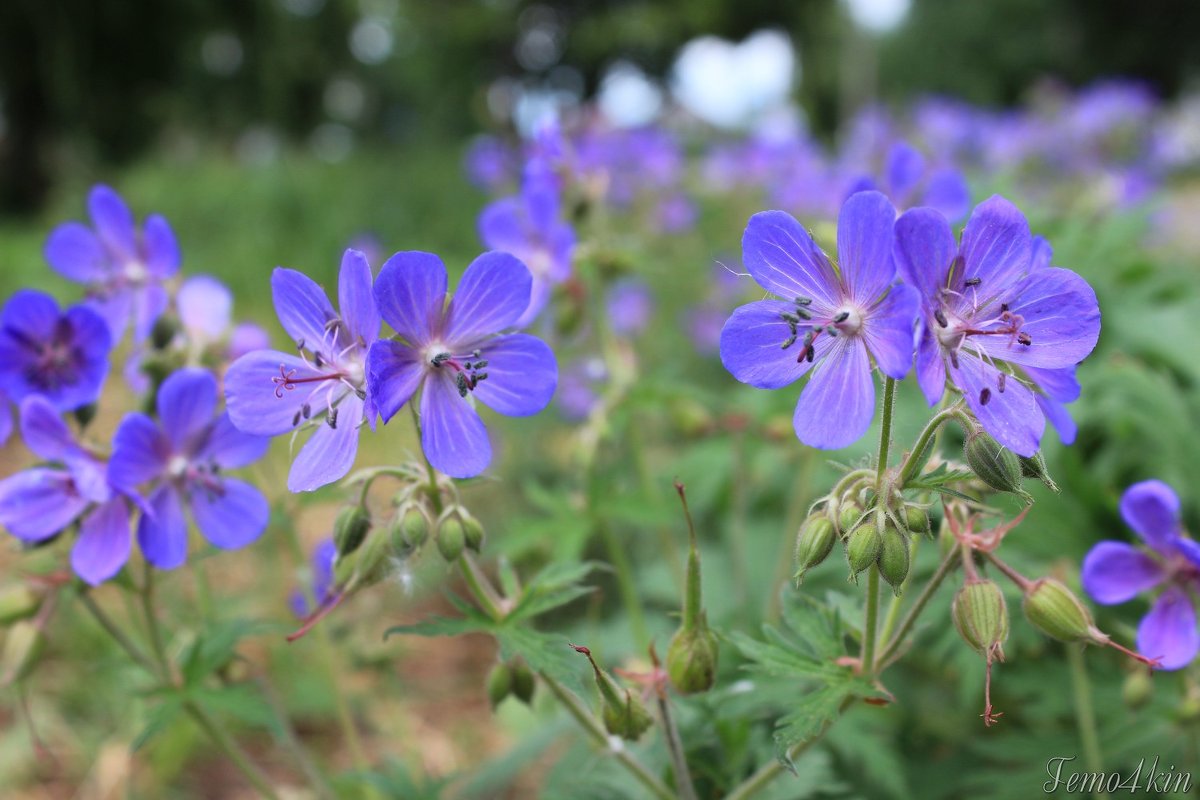
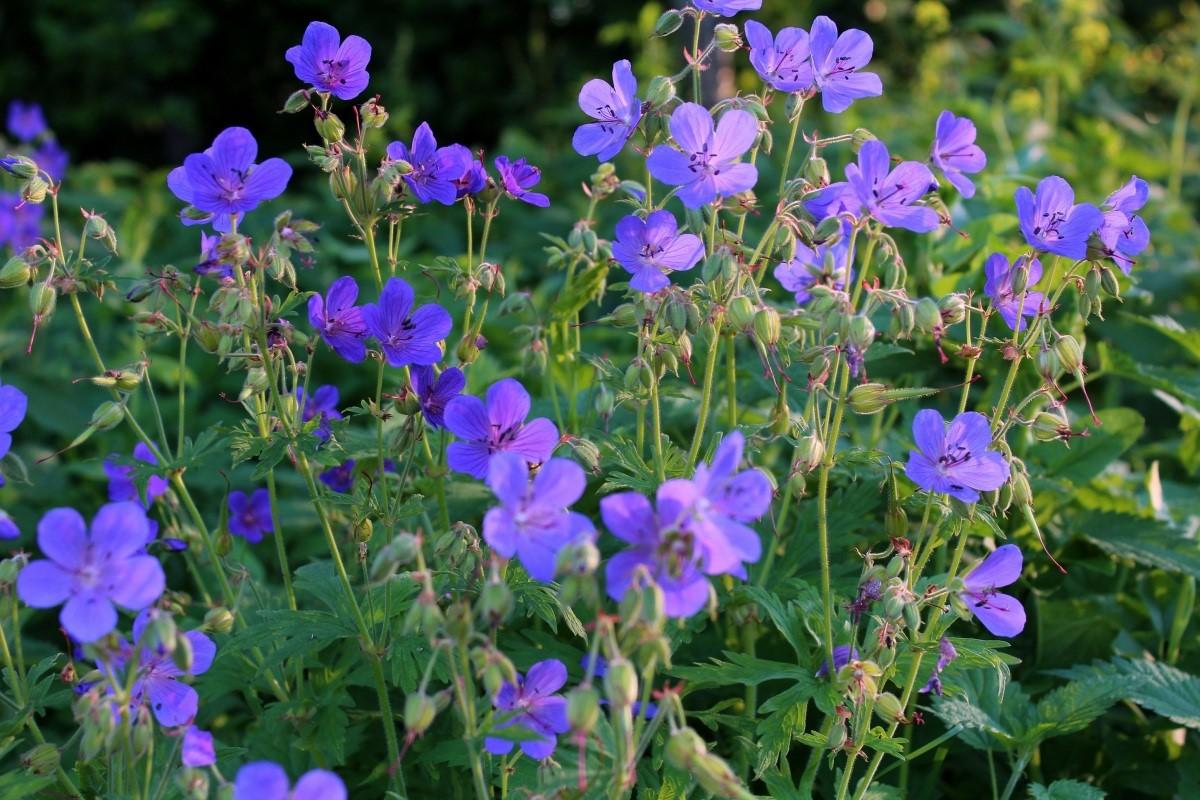
Description of the Stork's Tooth
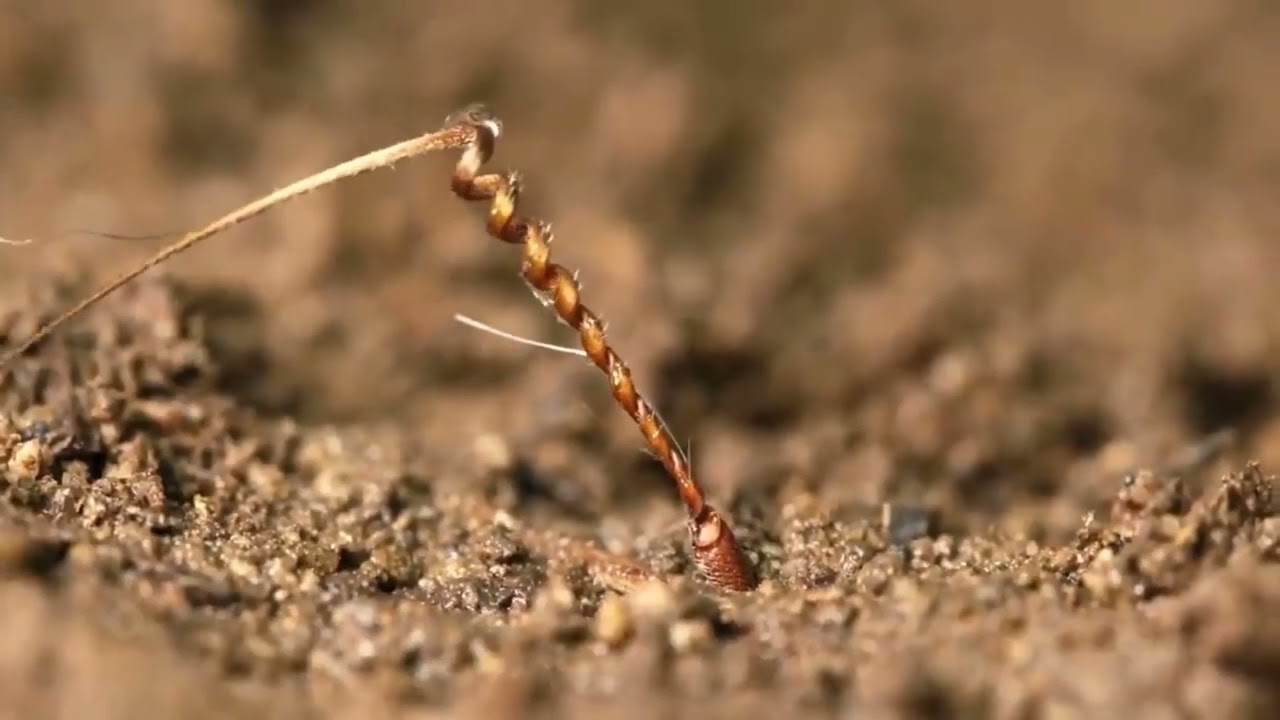
The genus Erodium, also known as Erodium, is a member of the Geraniaceae family and comprises approximately 60 species of herbaceous plants. They grow primarily in the limestone mountains of Europe and Central Asia, as well as in other regions of the world. The genus name comes from the ancient Greek word "erodios," meaning "crane," reflecting the shape of the fruit, which resembles the beak of a crane or stork.
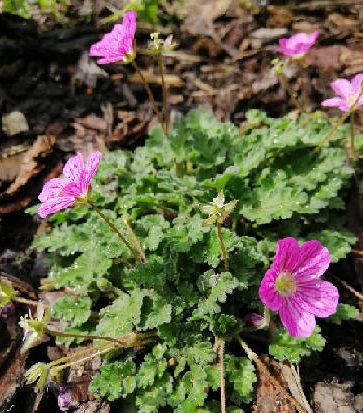
Stork's rhododendron leaves can be opposite or alternate, lobed or pinnately dissected. Their root system is also varied, including fibrous or taproots. In summer, these plants delight with their colorful flowers, located in the leaf axils or gathered in terminal umbels. Flower color can vary from pink to purple, and sometimes even yellow or white.
Stork's tongue leaves are also used in folk medicine to treat colds, skin conditions, and to stop internal bleeding. 🩺 Dried plants are also believed to have "magical" properties, protecting travelers from road accidents and family quarrels.
Table for raising and caring for the stork
| Characteristic | Description |
|---|---|
| Location | Prefers a western or southern exposure, but can also survive in shady areas with insufficient light. 🌞 |
| Soil | Best growth is achieved in sandy soils that provide good drainage and airiness of the root system. 🏜️ |
| Watering, humidity | Mature plants don't require frequent watering, but young shoots need additional moisture. The plant is not sensitive to air humidity. 💧 |
| Top dressing | During the period of active growth, it is recommended to carry out 1-2 additional feedings with complex mineral fertilizers to ensure sufficient nutrition. 🌱 |
| Drought resistance | Adapted to arid conditions and easily tolerates dry soil, thanks to which it can withstand drought and heat. ☀️ |
| Frost resistance | Average frost hardiness, but some varieties may require protection during severe frosts. Hardiness zone 6 (-23°C to -18°C). ❄️ |
| Reproduction | Propagation is possible by seeds, division of the bush, or cuttings, which makes the propagation process convenient and effective. 🌱 |
| Diseases and pests | They are virtually immune to diseases and pests, making them an excellent choice for gardens without the need for pest control. 🚫🦠 |
Types and varieties of stork's tongue
Of the 80 species of stork's lilies, only a few have become popular as ornamental plants. 🌿 But all of them are amazingly beautiful. 💐 Their flowers are as attractive as the dense foliage. 🌸 They are attractive not only for their small flowers, but also for their strength and durability. 💪 Properly planted, stork's lilies can become a unique decoration for rock gardens for many years. 🌱
Reichard's Stork's Whisker (Erodium reichardii)
| Characteristic | Meaning |
|---|---|
| Name | Reichard's Stork's Whisker (Erodium reichardii) |
| Origin | Mallorca, Corsica |
| Winter hardiness | Zones 8-9 (according to USDA) |
| Appearance | A dense cushion of grey-green leaves with a beautiful vein pattern |
| Leaf cushion size | The diameter is just over 20 cm |
| Height of peduncles | Up to 15 cm |
| Flowers | White or light pink with reddish-purple veins on the petals |
| Bloom | June-July |
| Varieties | Alba (white), Roseum (light pink), etc. |
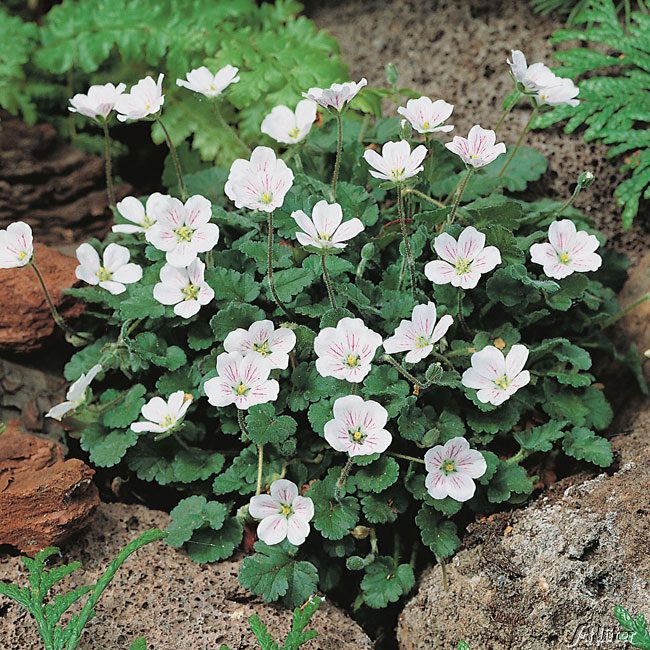
Erodium reichardii, also known as Reichard's Stork's Grass, is one of the most popular species due to its exquisite appearance. 🌸 Native to the regions of Mallorca and Corsica, this species is very winter-hardy and thrives in USDA zones 8-9. 🌿 The leaves form a dense cushion with a gray-green tint, have strong petioles, and a beautiful vein pattern. 💚 The leaf cushion diameter can reach more than 20 cm. 🍃 The flower stalks of this plant are short, only up to 15 cm, with single flowers that seem to rest on a cushion of leaves. 💮 The flowers are white or light pink with reddish-purple veins on the petals. 🌷 This miniature plant blooms in June and July. 🌼 There are several varieties with different flower shades, such as the white 'Alba', the light pink 'Roseum', and others. 🌟
Corsican stork's tongue (Erodium corsicum)
| Characteristic | Meaning |
|---|---|
| Name | Corsican stork's tongue (Erodium corsicum) |
| Origin | Sea cliffs of Corsica and Sardinia |
| Winter hardiness | USDA Zones 8-9a |
| Appearance | Compact form, dense cushion of beautiful, velvety-grey leaves |
| Leaf cushion size | Diameter about 20 cm |
| Height of peduncles | Up to 15 cm |
| Flowers | Bright flowers with wide petals painted in watercolor shades of white and pink |
| Bloom | Flowering in June-July |
| Peculiarities | Expressive cherry veins on the petals, contrast with the dark leaves |
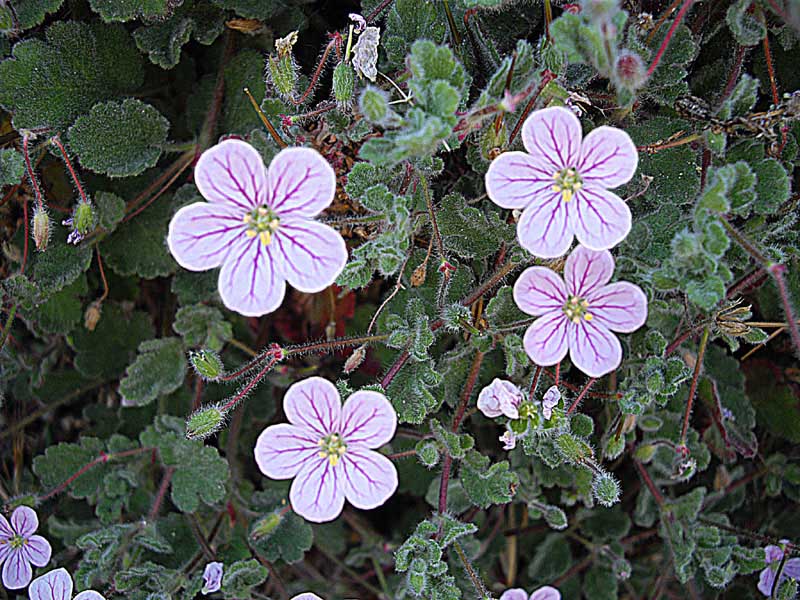
Corsican Stork's Grass (Erodium corsicum) is a beautiful plant that grows on the rocky coasts of Corsica and Sardinia 🌄. Its winter hardiness (USDA zones 8-9a) makes it adaptable to a variety of climates 🌿. Its compact form and dense foliage make it an eye-catching shrub 👀. The Corsican Stork's Grass flowers, although small, are eye-catching with their vibrant colors 🌸. They are painted in shades of white and pink, decorated with expressive cherry veins 🍒. This plant creates a unique visual effect, reminiscent of diamonds against a dark background 💎.
Golden Stork's Nest (Erodium chrysanthum)
| Characteristic | Meaning |
|---|---|
| Name | Golden Stork's Nest (Erodium chrysanthum) |
| Origin | Greece |
| Winter hardiness | Zones 6-8 (USDA) |
| Appearance | A slow-growing species with pinnate leaves that appear curly and dense. |
| Flowers | Female: yellowish with dark veins and purple pistils, Male: creamy with white veins and pink anthers |
| Size of peduncles | Up to 15 cm, collected in bunches of several pieces |
| Peculiarities | They resemble daffodils, the only dioecious species among the ornamental storks' flowers. |
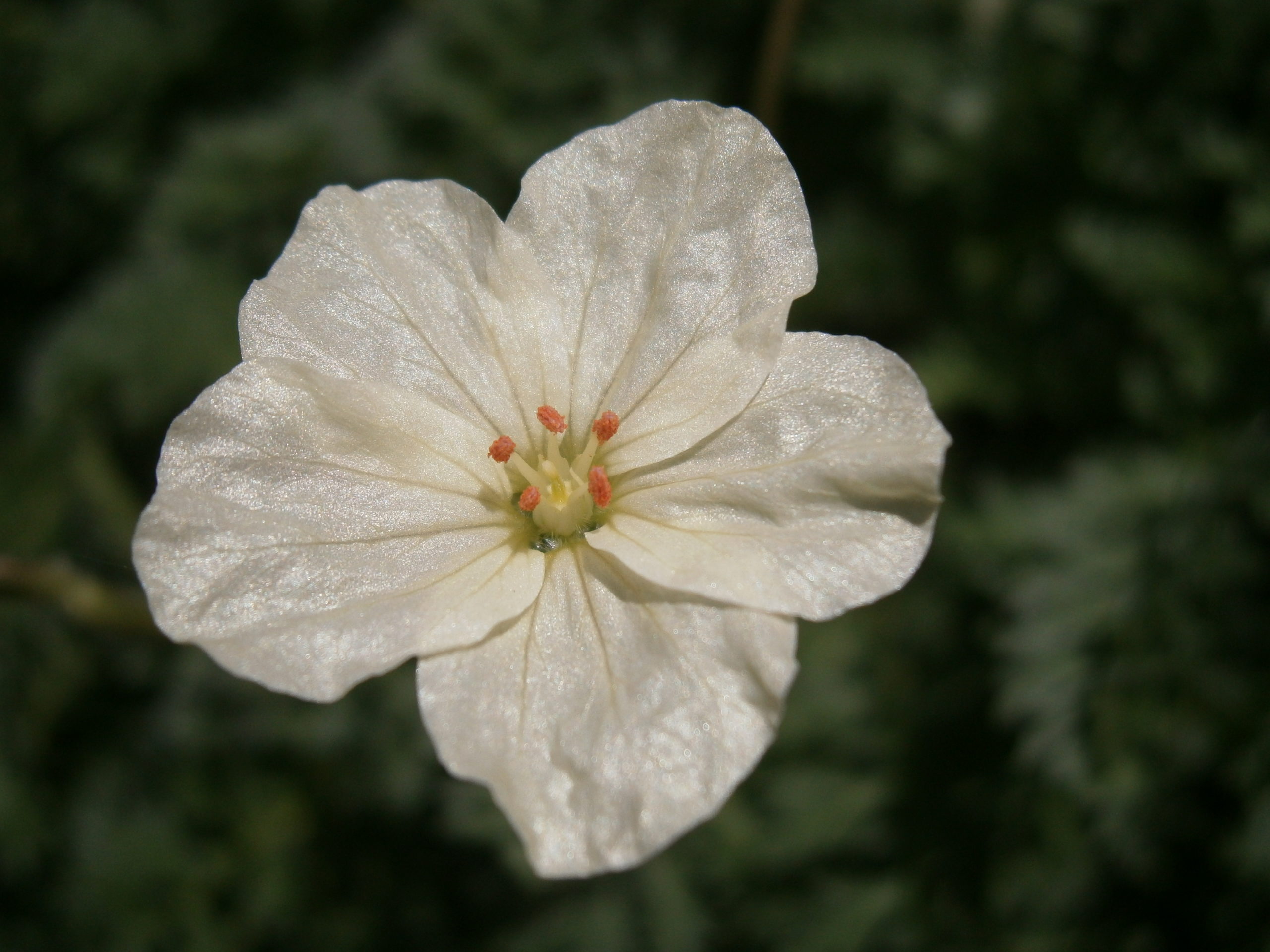
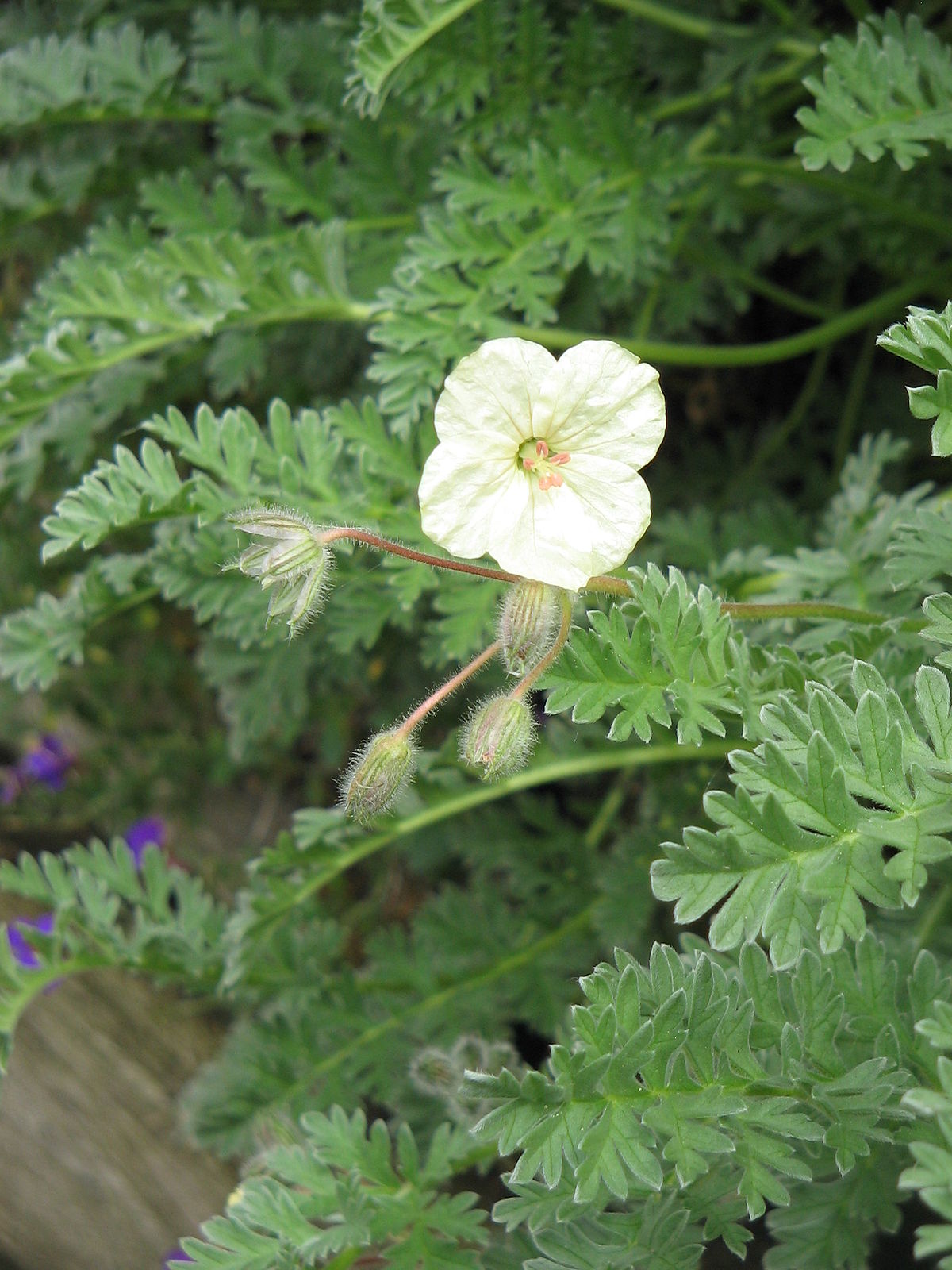
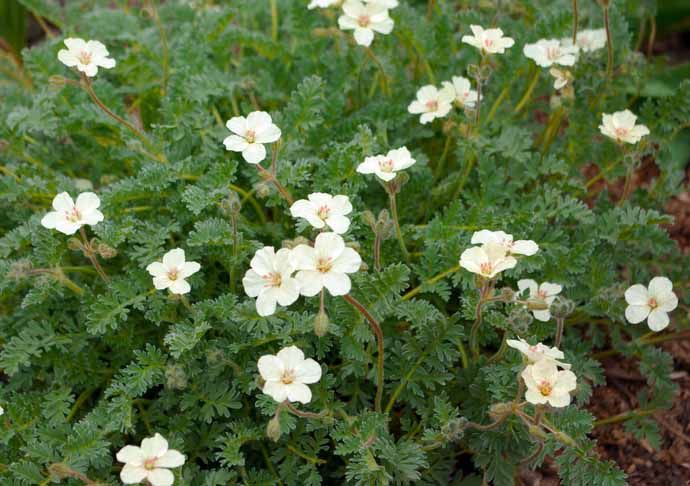
Golden Stork's Grass (Erodium chrysanthum) originates from picturesque Greece 🇬🇷. This species is winter-hardy, suitable for USDA zones 6-8 ❄️. Its flowers resemble daffodils, creating an impression of brightness and freshness 🌼. This is the only ornamental stork's grass with different colors for male and female specimens, which gives the plant a special appeal 💐. The pinnate leaves with narrow lobes have a unique appearance, reminiscent of pine needles, but with a delicate silvery trim 🌿. Despite its modest height of up to 15 cm, the flower stalks form clusters of flowers, making the plant even more attractive 🌱.
Tatarian stork (Erodium tataricum)
| Characteristic | Meaning |
|---|---|
| Name | Tatarian stork (Erodium tataricum) |
| Appearance | Very beautiful bright green leaves on long petioles, distinguished by their lanceolate-oblong shape and double pinnate cross-section with beautifully serrated lobes. |
| Size of peduncles | Up to 20 cm |
| Flowers | Umbels of 3-5 flowers with short, pointed sepals and asymmetrical, obovate, purple petals up to 1.5 cm long. |
| Peculiarities | Flower stalks rise above a lush cushion of leaves, creating a spectacular combination of a lacy plant with interesting flowers. |
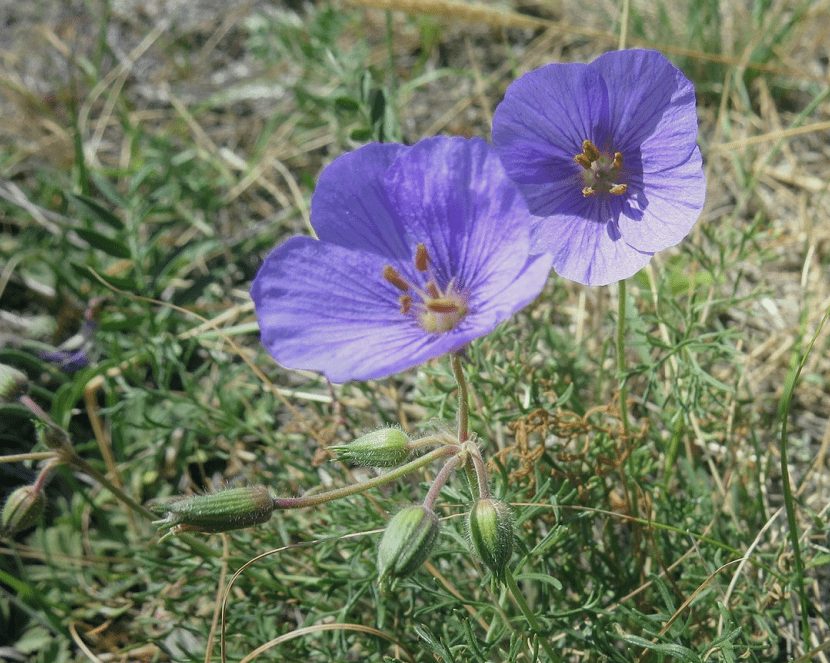
This species boasts bright green leaves that grow on long petioles 🌿. They are lanceolate in shape, double-pinnate in section, and beautifully serrated along the edges 🍃. Their pattern appears lace-like, adding sophistication and elegance to the plant 👗. Flower stalks up to 20 cm tall rise above the lush leaf cushion, at the tops of which umbels of 3-5 flowers bloom 🌼. The flowers are adorned with short, pointed sepals and asymmetrical, obovate petals up to 1.5 cm long, colored purple 💜.
Rocky Stork's Grass (Erodium cheilanthifolium)
| Characteristic | Meaning |
|---|---|
| Name | Rocky Stork's Grass (Erodium cheilanthifolium) |
| Origin | Spain, North Africa |
| Winter hardiness | Zones 6-9 (USDA) |
| Appearance | Creates hard cushions of pinnately dissected greyish leaves that are distinguished by their density. |
| Flowering period | From mid-summer to September |
| Flowers | The three lower white petals are decorated with pink-cherry veins, and the two upper ones are brighter, with a spot of purple-black color. |
| Popular varieties | Grey-green variety 'White Pearls' with delicate veins. |
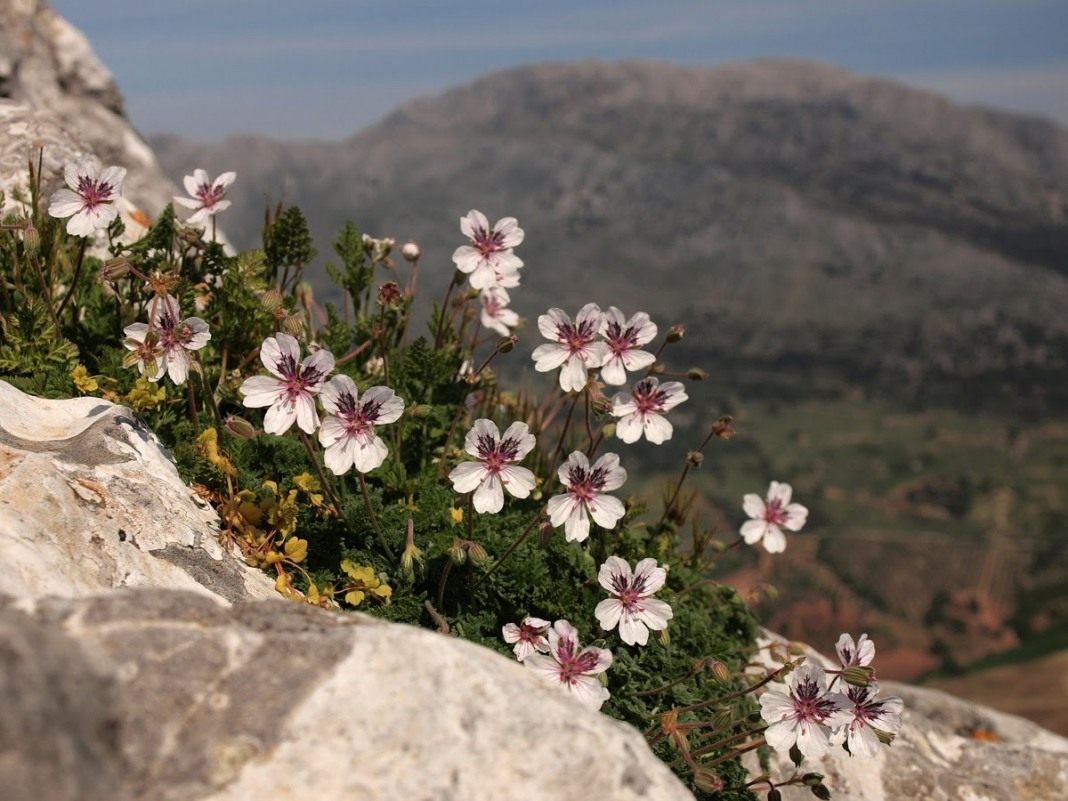
Stork's trumpet (Erodium cheilanthifolium) is native to Spain and North Africa 🌍. This species is highly winter-hardy and can thrive in USDA zones 6 through 9 🌱. The plant forms compact cushions of dense, pinnately dissected, grayish leaves, unlike other species in this genus 🍃. Unlike other Stork's trumpet, it forms particularly dense cushions, which give the plant its distinctive appearance 🌿. Flowering occurs from midsummer to September, when very graceful flowers 🌸 appear. These flowers are adorned with a unique coloring: the three lower petals are white with pink-cherry veins, and the two upper petals have spots with a purple-black tint 🎨. In addition to the basic type, there is a popular variety called "White Pearls", which has gray-green leaves with delicate veins 🌿.
Manescavi's Stork's Wren (Erodium manescavi)
| Characteristic | Meaning |
|---|---|
| Name | Manescavi's Stork's Wren (Erodium manescavi) |
| Origin | Pyrenees |
| Winter hardiness | USDA Zones 5-9 |
| Bush size | Height 40-50 cm, diameter more than 60 cm |
| Leaves | Oval-lanceolate, basal, with dense pubescence, divided into lobes (up to 12 pieces) |
| Flowers | They are borne on tall stems in loose clusters of 5-9. The petals are narrow, asymmetrical, lilac-purple, and up to 2 cm long. |
| Flower characteristics | On the two upper petals, in addition to dark veins, there are brightly variegated spots. |
| Flowering period | July-August, sometimes continues until September |
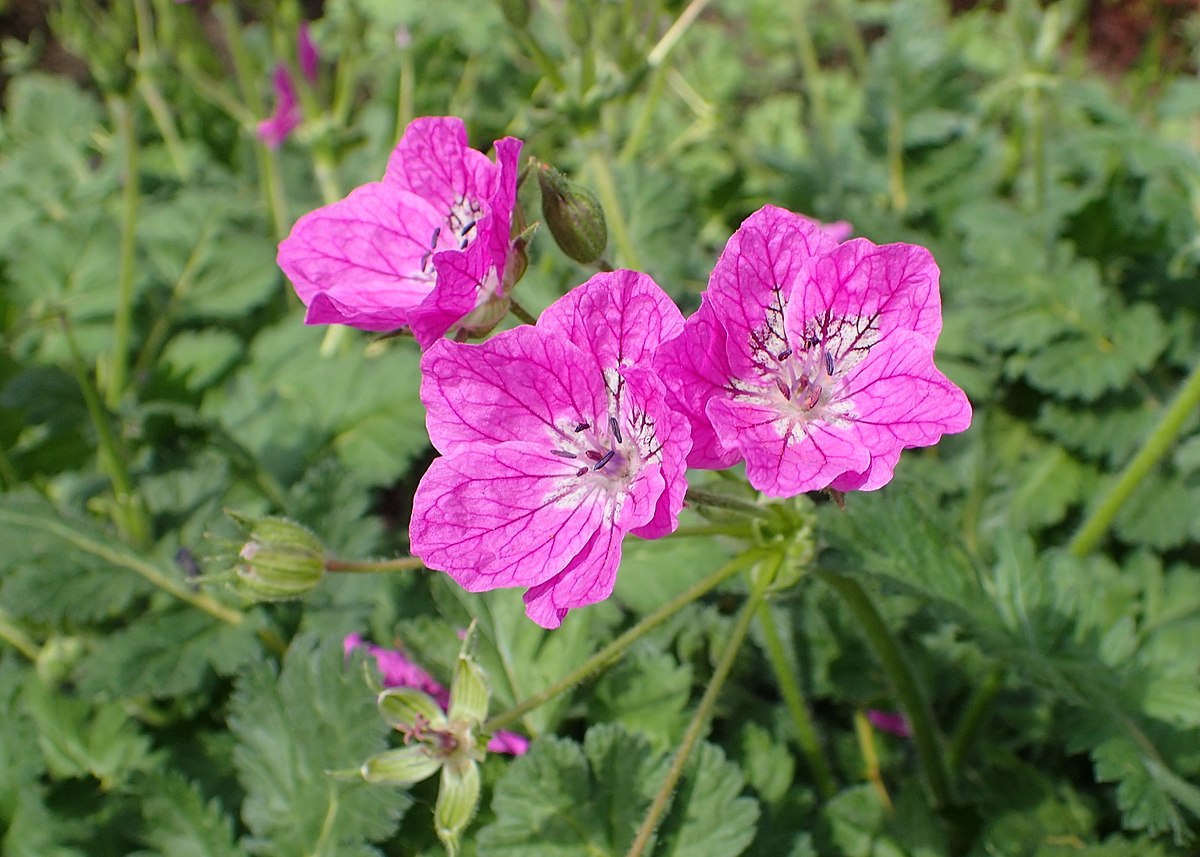
Erodium manescavi (Stork's fern) is native to the Pyrenees 🏔️. This species is highly winter-hardy and can grow in USDA zones 5 through 9 🌱. Bushes of this Pyrenean species reach a height of 40-50 cm and a diameter of over 60 cm, making them much more vigorous and impressive 🌿. The leaves of Erodium manescavi are oval-lanceolate and form a dense pubescence, dividing into up to 12 lobes 💚. Flowers are borne on tall peduncles, forming loose inflorescences of 5-9 flowers 🌸. The plant's petals are narrow and asymmetrical, reaching a length of up to 2 cm 🌷. Their coloring is lilac-purple, with pronounced dark veins and variegated spots on the two upper petals 🎨. Flowering occurs in July and August, sometimes continuing until September 🌼.
Ferruginous stork (Erodium glandulosum)
| Characteristic | Meaning |
|---|---|
| Name | Ferruginous stork (Erodium glandulosum) |
| Origin | Pyrenees, Northern Spain |
| Winter hardiness | USDA Zones 5-9 |
| Bush size | Height 10-20 cm, width up to 20 cm |
| Leaves | Oval-oblong, twice pinnately incised, silvery, 4-10 cm long |
| Flowers | Saucer-shaped, lilac-pink with reddish-purple spots on the two upper petals, up to 2.5 cm in diameter. Flowers are collected in umbels of 5. |
| Flowering period | Summer |
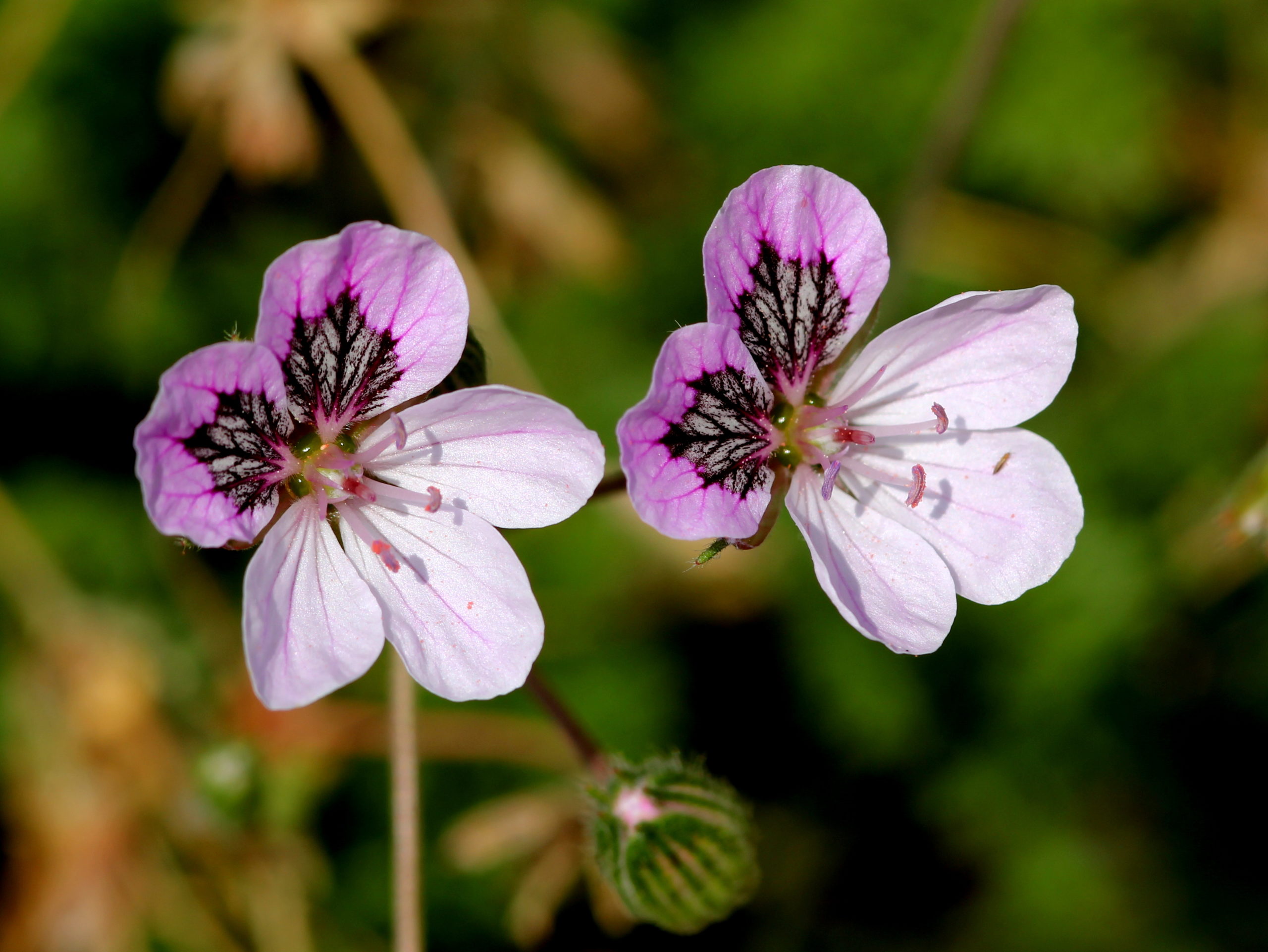
Stork's Grass (Erodium glandulosum) is native to the Pyrenees in Northern Spain 🏔️. This species is highly winter-hardy and can grow in USDA zones 5 through 9 🌱. Bushes of this compact perennial reach a height of 10 to 20 cm and a width of up to 20 cm, making it an excellent choice for garden compositions 🌿. Stork's Grass leaves are oval-oblong, silvery in color, with a twice-pinnate cross-section, from 4 to 10 cm long 💚. Saucer-shaped flowers with a lilac-pink color and reddish-purple spots on the two upper petals, up to 2.5 cm in diameter 🌸. They are collected in umbels of 5 and bloom in summer, giving the garden a unique charm 🌼.
Variable Stork's Whisker (Erodium x variabile)
| Characteristic | Meaning |
|---|---|
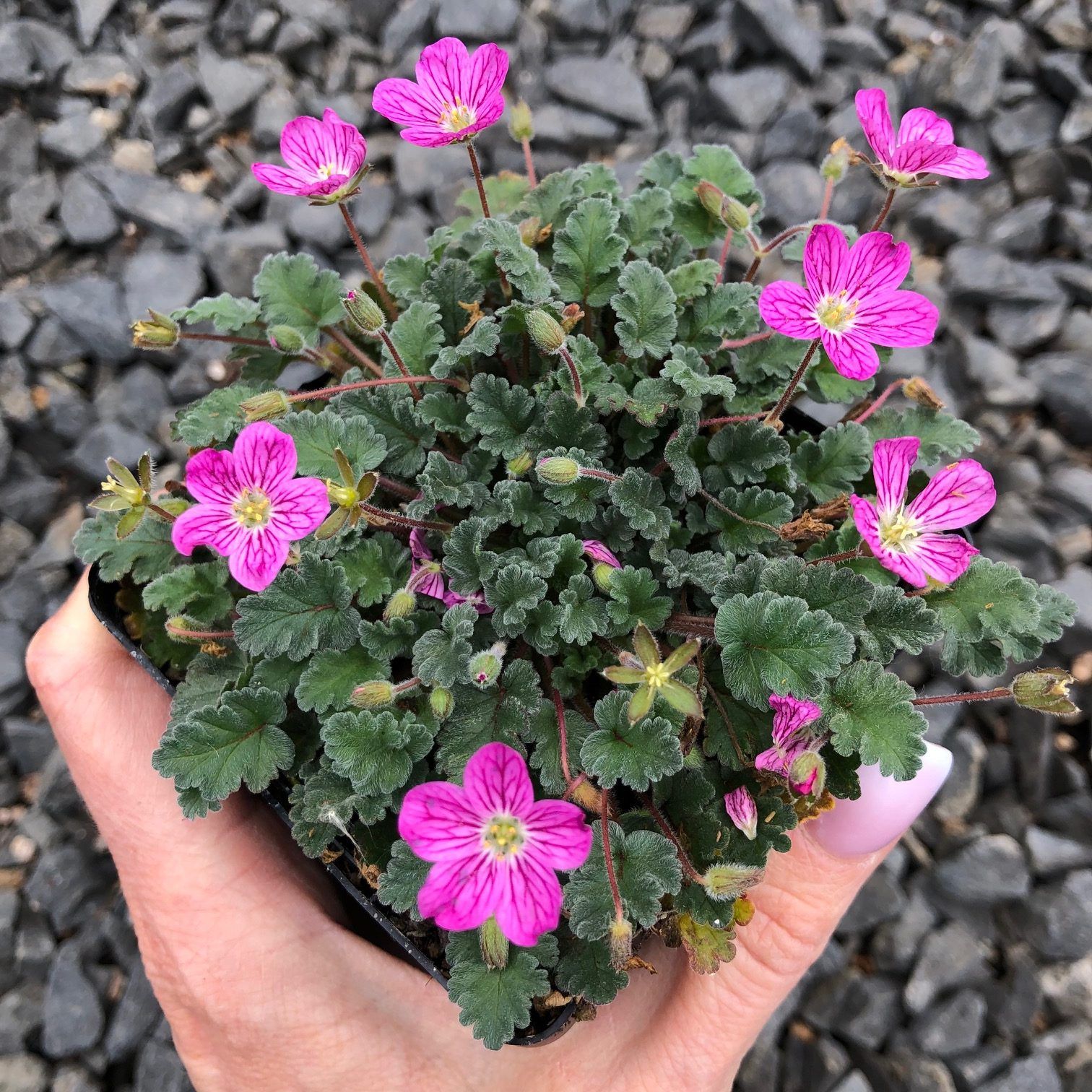
| Name | Variable Stork's Whisker (Erodium x variabile) |
| Origin | A hybrid between Corsican and Reichard |
| Winter hardiness | USDA Zones 5-9 |
| Bush size | Height up to 12 cm, width up to 30 cm |
| Leaves | Oval, serrated, medium green, up to 2 cm long, cordate at the base |
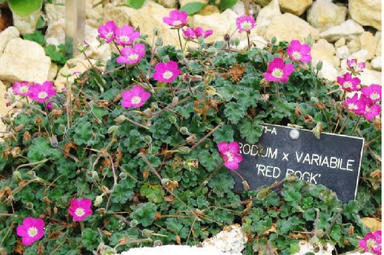
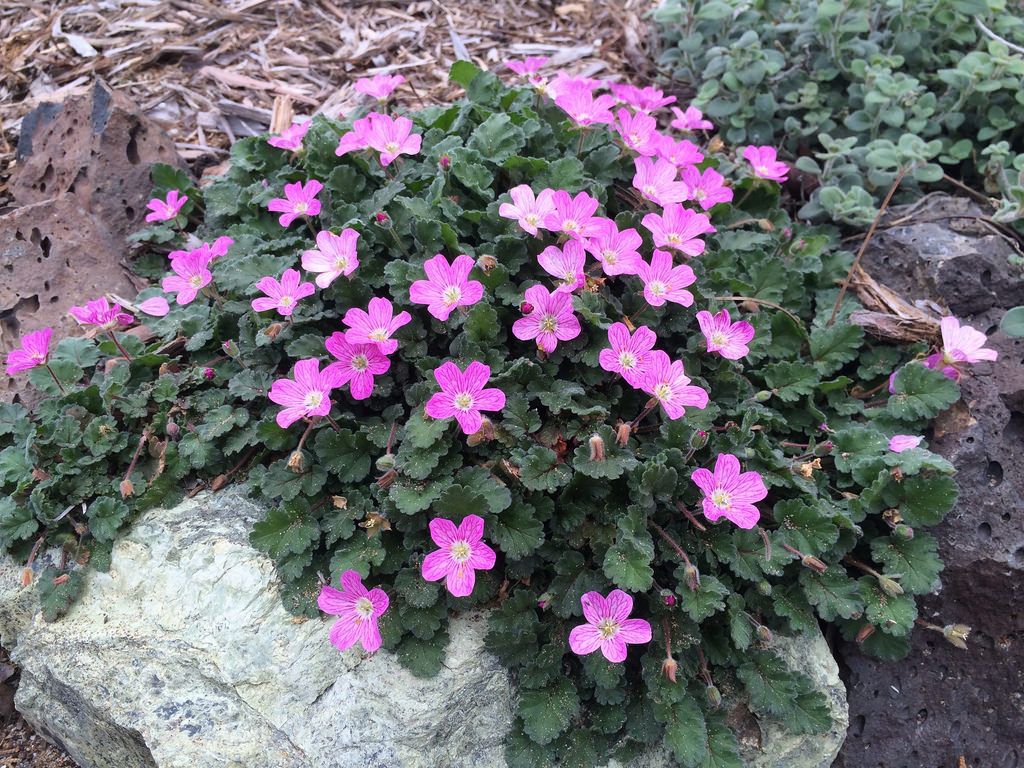
| Flowers | In summer, single flowers bloom, which can be either single or double. They are dark red with maroon veins and only 1 cm in diameter. |
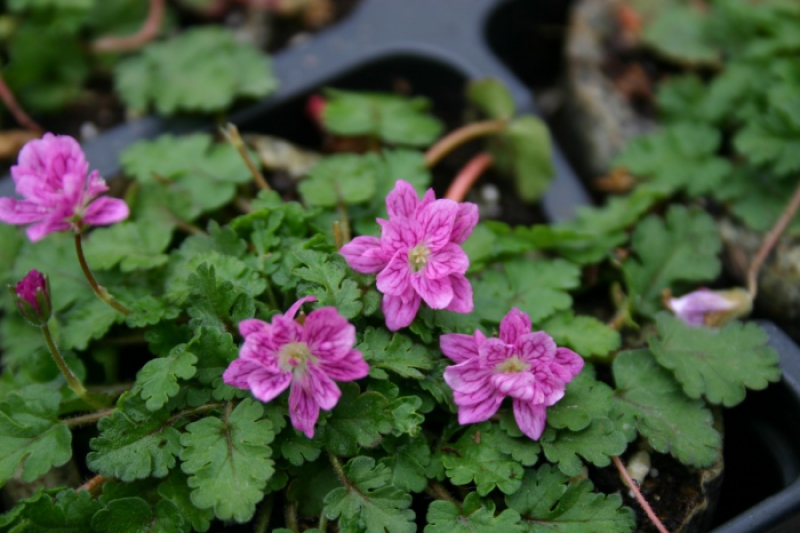
Ornamental varieties:
| Variety | Description |
|---|---|
| Ken Aslet | Prostrate. Flowers are dark pink. |
| Flore Pleno
|
The leaves are narrowly oval, serrated, and dark to gray-green. The flowers are dark pink with darker veins, double, and bloom from spring to fall. |
| Roseum
|
Up to 8 cm in height. Flowers are dark pink with darker veins. |
| Red Rock
|
Prostrate. Flowers are dark pink. |
| Bishop's Form
|
15 cm high and up to 60 cm wide. The flowers are pink and bloom from spring to autumn. |
Features of sowing and planting stork's tongue
Stork's tongues 🌱 are often propagated from seeds. Germination rates may not be ideal, so it's best to buy fresh seeds from the current year.
For seeds to germinate, scarification—the process of breaking down their protective shell—is necessary. You can simply rub them lightly with sandpaper or mix them with coarse sand.
After preparation, the seeds are placed on the soil surface and covered with a thin layer of soil, approximately 1 centimeter thick. They are then covered with glass or plastic and placed in a warm place at a temperature of approximately 20°C, with regular ventilation.
Once the sprouts emerge, provide them with bright light but protect them from direct sunlight. The soil should be carefully loosened and gradually moistened. Pricking out is done immediately after one true leaf appears.
Caring for a Stork's Nest
Stork's caps are amazing plants that can enhance any garden or interior. In this guide, we'll cover the basics of caring for them.
Location
Choosing a location for the stork's tongue is easy, as it's easy to grow. It thrives in a well-lit area, although it can also grow in partial shade.
Priming
When choosing soil for stork's cacti, it's important to ensure it's well-drained. The soil should be garden grade with good drainage, regardless of its fertility. Reichard's and Corsican stork's cacti thrive in calcium-rich soil, while Maneskavi's cacti thrive in poor soil and won't survive in fertile soil. Other species can be grown in nutritious soil. All stork's cacti prefer soils with a slightly calcareous reaction.
Watering
Young stork's caps require regular but moderate watering. It's important to avoid stagnant water, so it's recommended to provide a good drainage layer in the planting container. In open ground, mature plants usually don't require additional watering.
Top dressing
Fertilizing stork's nests is not mandatory, but it is recommended. Organic fertilizers should be applied before planting and in early spring, while complex mineral fertilizers are applied in the summer.
Trimming
Pruning of stork's caps is carried out after the bud has faded, which helps to preserve their decorative appearance.
Wintering
The winter hardiness of Stork's ferns varies depending on the species. For example, the Reichard's fern is generally hardy and requires no additional winter protection. The golden fern can also survive the winter without issue if grown in well-drained soil. However, the Maneskawi fern requires shelter to protect it from low temperatures. For this plant, it is recommended to create an air shelter using dry soil, leaves, and non-woven materials. The Corsican fern and the helianthus fern may also require air shelter or growing in a greenhouse or containers to protect it from frost and dampness.
Reproduction of the Stork's Toad
Reproduction among storks is generally quite straightforward, with the exception of the golden stork. The latter's reproduction process is quite complex, which, in part, explains its rarity.
Propagation by seeds
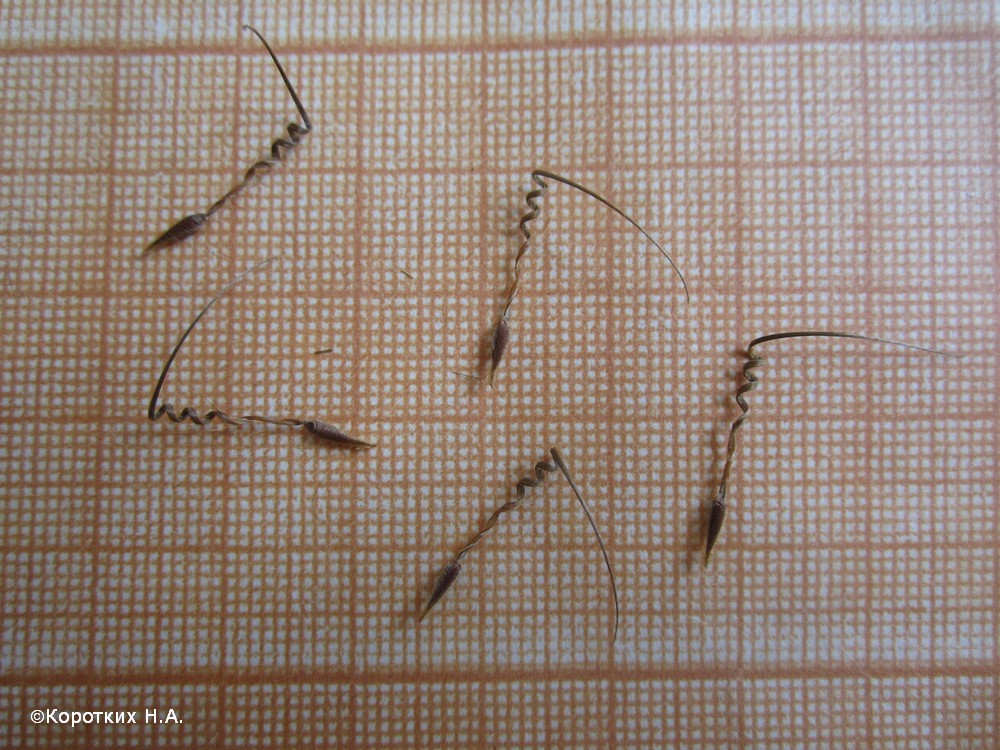
There are several ways to propagate stork's cap by seed: they can be sown immediately after harvesting or in spring in beds with loose, well-drained soil. 🌱 The sowing depth should not exceed 2 cm to ensure optimal germination conditions. 💧 You can also grow seedlings from seeds, placing them in a bright spot on a sandy-soil mixture. 🌱 For successful growth, stork's cap requires temperatures between 10 and 16 degrees Celsius. 🌡️ Keep in mind that many stork's cap species have the ability to self-seed, so it's not surprising if they appear on their own. 🌿
Propagation by dividing the bush
A simple way to propagate stork's tongue is to divide the bush in the spring 🌱. Despite their taproots, dense cushions contain dozens of plants. Carefully dividing them, leaving two or three large pieces, can provide better growing conditions 💪. Divided bushes easily establish themselves in a new location and grow quickly 🌿.
Propagation by cuttings
Stork's cap can be propagated by cuttings. 🌱 In the spring, young shoots are cut off, leaving 7-8 cm from the top. 🌿 The cuttings are placed in a mixture of sand and peat or sand and garden soil after treatment with a growth stimulant. 💧 By maintaining stable humidity, the cuttings will root in about a month. 🌱
Potential problems when growing stork's tongue (table)
| Problem | Description |
|---|---|
| Slow growth and poor flowering 🌱🌼 | Most often caused by insufficient lighting, so it is important to provide the plant with sufficient light. |
| Over-hydration 💧 | It leads to premature death of the plant, so watering should be done only after the top layer of soil has dried out. |
| Limited pot capacity 🏺 | Stork's tongue requires a spacious pot or container so that the roots can develop freely and receive enough nutrition. |
| Removing faded flowers 🥀 | Regularly removing faded flowers will help prolong the flowering period and stimulate the formation of new buds. |
| Negative reaction to transplant 🏞️ | The plant is sensitive to transplanting, so it should be done in early spring or late fall to minimize stress. |