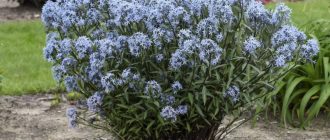
According to flowering plant experts, rose bushes in central Russia can bloom for 25-30 years, and in Volgograd, there have even been cases of roses blooming for 40 years.
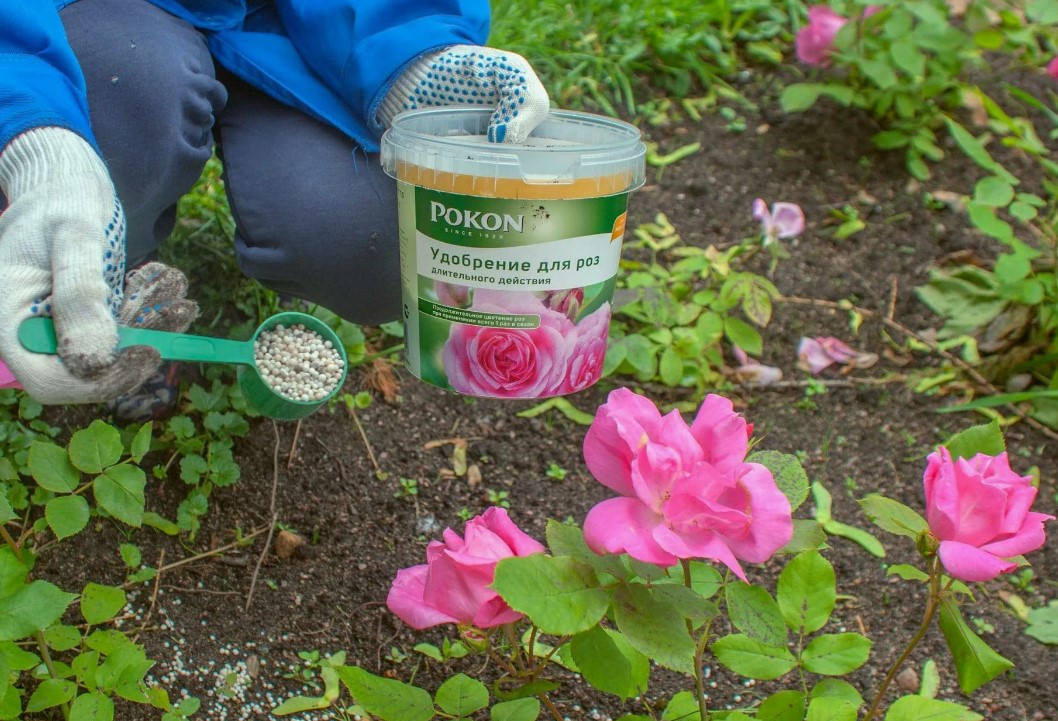
Plants obtain nourishment for their shoots and buds from the soil. No matter how fertile the soil, its nutrient reserves become depleted over time. If the loss of humus and minerals isn't replenished, rose bushes will begin to wither, their cold tolerance will decrease, and the flowers will become smaller and pale. When the soil's nutrients become very low, flowering may cease altogether.
Content
- 1 General rules for fertilizing roses
- 2 Types of fertilizers for roses
- 3 Folk fertilizers for roses
- 4 Rose fertilizing times in the table: growth phase and fertilization rules
- 5 Rules for applying fertilizer to roses
- 6 Fertilizing roses when planting
- 7 The first feeding of roses in spring
- 8 Summer fertilizing of roses
- 9 Autumn fertilizing of roses
- 10 Peculiarities of fertilizing different types of roses
- 11 How to fertilize an indoor rose
General rules for fertilizing roses
It is recommended to feed roses throughout the entire growing season; a dormant period is only arranged during the winter.
The general rules for feeding roses are as follows:
- In spring, before the buds form, nitrogen-containing fertilizers are applied.
- In summer, fertilizers are added three times, once every month.
- In the fall, potassium and phosphorus are added to the soil, which increase the frost resistance of the roots.
Types of fertilizers for roses
You can use different types of fertilizers to feed roses.
Organic fertilizer for roses
Many gardeners prefer to use exclusively organic fertilizers, considering them the safest and most beneficial.
Organic fertilizers include:
- Manure. Contains a high amount of nitrogen, so it's used as a spring fertilizer and promotes vegetative growth. Shoots become stronger and more vigorous, giving the plant more energy to form buds. It's important not to overdo it, so the plant doesn't devote all its energy to growing leaves and stems. Place manure in a bucket, fill the rest with water, and let it steep for a week. Before watering, dilute the infusion 1:1.
- Chicken manure. It differs from manure in that it contains less organic matter and more salts, so its concentration should be lower. To prepare the fertilizer, fill half a bucket with chicken manure, pour water on top, and let it sit for a week. Before use, dilute it 1:10.
- Herbal infusion. The convenience of this fertilizer lies in the fact that it produces virtually no unpleasant odor during preparation. Almost any weeds present in the garden are suitable for this preparation. The herbs are pre-chopped and placed in a barrel. A tablespoon of washing soda is added, and the mixture is poured with water. The infusion is left to ferment for several days, then strained and used for foliar feeding.
- Vermicompost. You can choose between liquid or granular fertilizer. It's used to strengthen plant immunity and promote plant growth.
Mineral fertilizers for roses
Mineral fertilizers can be an excellent source of nutrition for roses; they don't wash out of the soil for a long time, making them quite cost-effective. Gardeners have a wide selection:
- Superphosphate. Can be used at various stages of plant development; contains a high amount of phosphorus.
- Ammophos is another phosphorus fertilizer, but with added nitrogen. It is applied in early summer.
- Potassium chloride is used exclusively in the fall to fertilize the soil in which roses will grow the following season.
- Ammonium nitrate is a nitrogen fertilizer used as a top dressing only at the beginning of the season. It dissolves well in water and is easy to use.
- Urea is one of the favorite fertilizers for roses, which is applied in early spring.
- Monopotassium phosphate is a potassium-phosphorus fertilizer that helps extend the flowering period of the bush. It dilutes easily with water and is absorbed very quickly.
- Calcium nitrate – contains a high amount of calcium, which stimulates the growth of green shoots and leaves. It is used in the summer.
Industrial fertilizers for roses
The most convenient way to feed roses is to use ready-made commercial fertilizers. They have a balanced composition, are easy to use, and don't require long preparation.
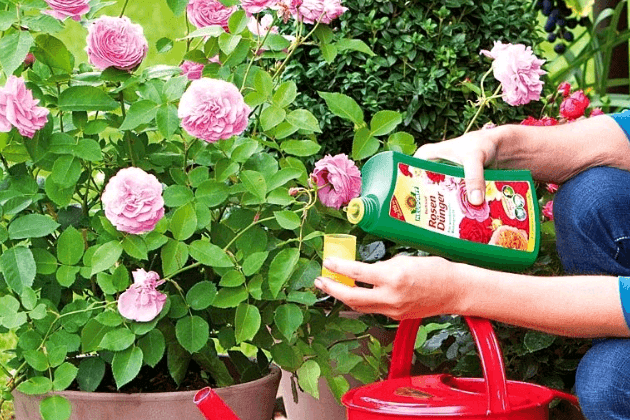
Florists have a wide choice today, but the following remain the most popular:
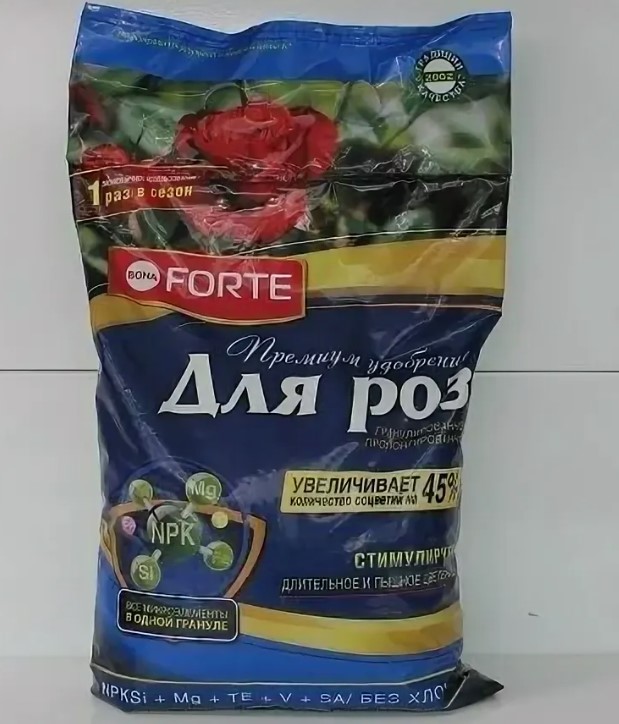
- Bona Forte – used all season, stimulates the appearance of new buds and promotes active flowering.
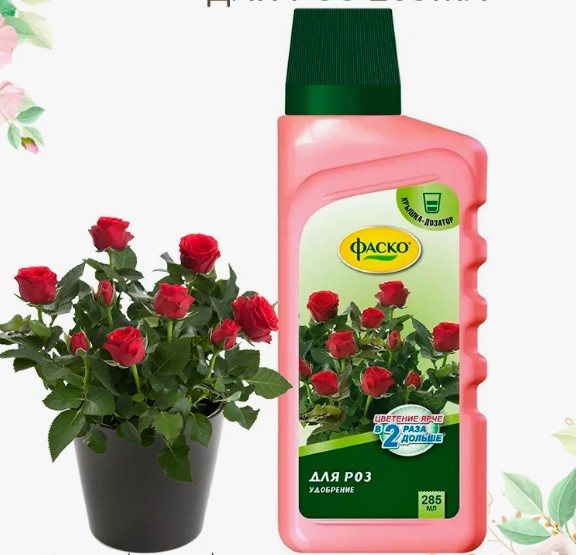
- Fasco – added to the soil after loosening, contains a lot of useful substances that roses need for normal growth and development.
- Agricola is a balanced, universal-spectrum fertilizer. It's added to the soil in the fall to strengthen roots before winter, and in the spring to promote abundant flowering.
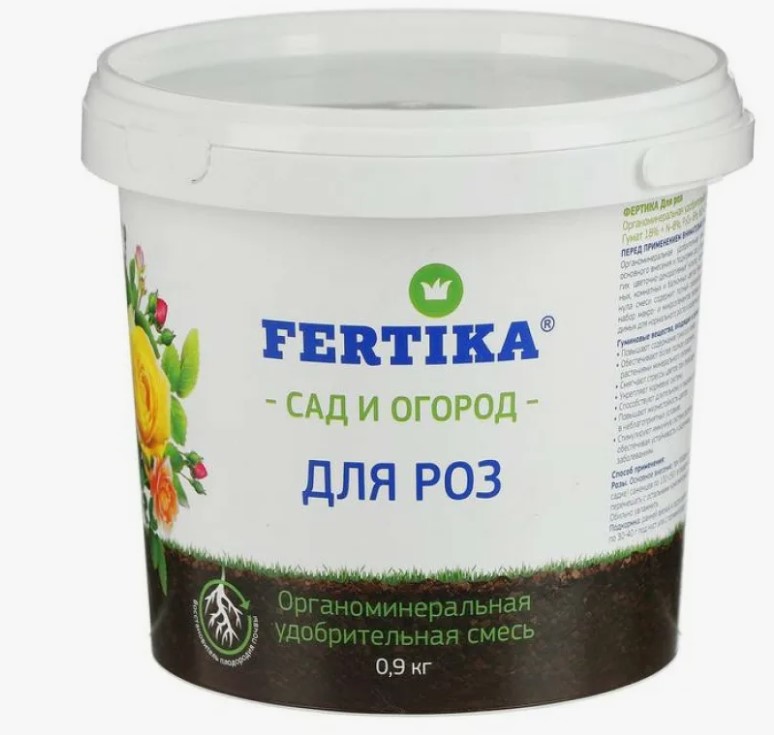
- Fertika is used as a spring fertilizer. According to the instructions, a solution is prepared from the granules and then poured onto the soil under the roses.
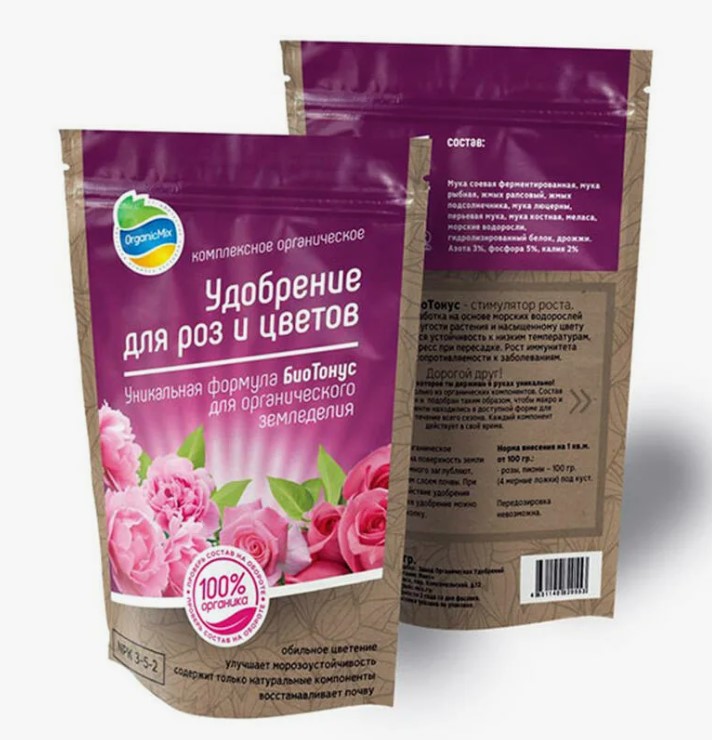
- Organic Mix is another universal fertilizer that can be used from spring to fall. The granules are scattered over the surface of the garden bed, providing balanced nutrition to the plant for 45 days.

Folk fertilizers for roses
Rose fertilizers can be made from readily available ingredients; they are harmless to plants and contain a wealth of beneficial nutrients. This makes them very popular among gardeners.
Yeast fertilizer for roses
Yeast supplements help support plant immunity, increase their resistance to fungal diseases, and stimulate growth and flowering.
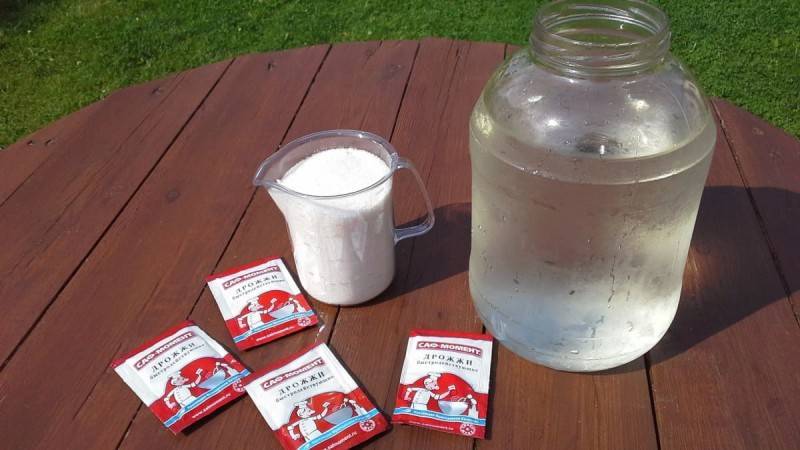
There are two main ways to prepare yeast feed:
- Sugar yeast. Dissolve 100 g of fresh yeast in 1 liter of warm water, then add 2 teaspoons of granulated sugar (candied jam can be substituted). Mix thoroughly and place in a warm place until fermentation begins. After this, dilute the solution by half with water and use for watering. Do not store it, as it spoils quickly.
- Green. Prepare a fertilizer from any weed and yeast. The greens are chopped and placed in a barrel. Add water and leave to ferment for three weeks. Next, strain the infusion and add 200 g of fresh yeast. The fertilizer is left to infuse for another seven days. One liter of the prepared infusion is diluted 1:10 and used to water roses.
Ash fertilizer for roses
Ash left over from burning organic matter is widely used in gardening. Dry ash can be spread over the surface of garden beds to prevent slug infestations. To enrich the soil with beneficial micronutrients, it is added to the bed during tillage, which is done once every three weeks.
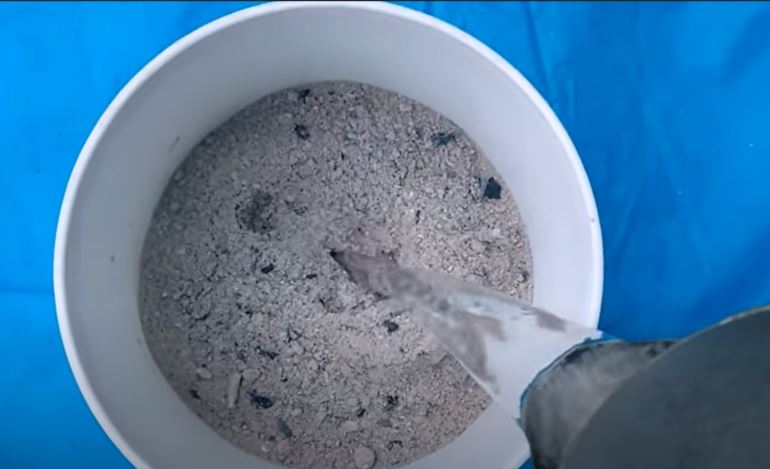
If desired, you can add a glass of sifted ash to the green yeast solution, the recipe for which is given above.
Remember that ash alkalizes the soil, so it is not recommended to use it without control.
Castor oil for roses
Castor oil is excellent for foliar feeding of roses. Make a simple emulsion of 1 liter of water and a teaspoon of oil. Mix thoroughly, pour into a spray bottle, and spray the leaves and stems of the bush. Any remaining solution can be poured into the soil.
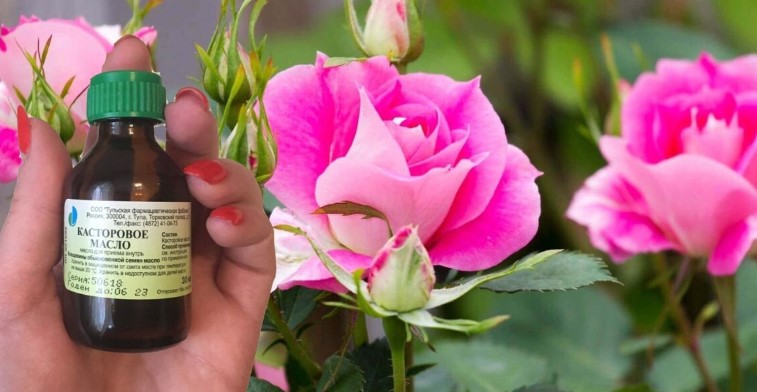
Feeding frequency: once every 2 weeks.
Banana peels for fertilizing roses
Bananas contain a large amount of potassium, which plays an important role in the process of bud formation and flowering, as well as in strengthening the plant's immunity.
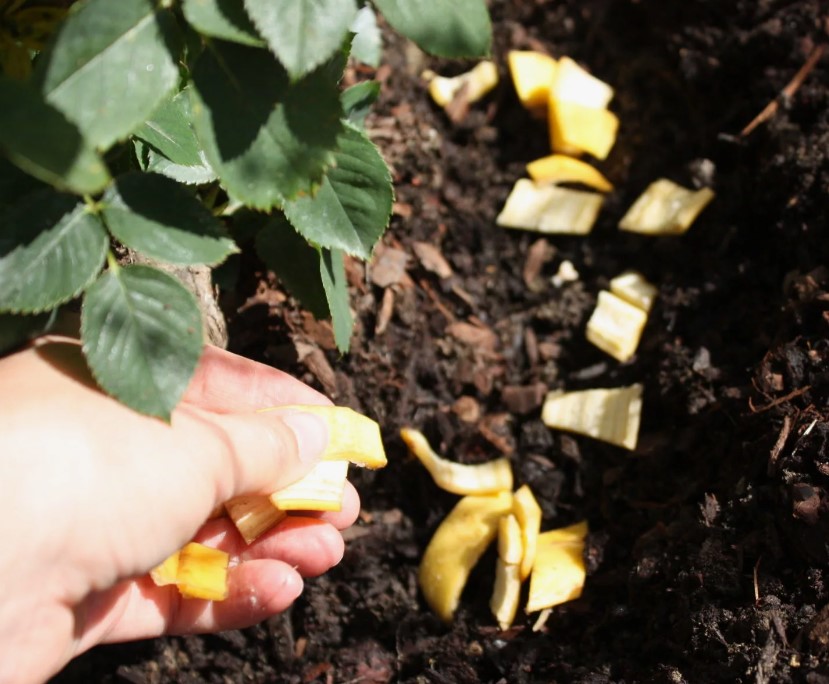
Banana peels can be simply dug under a bush; as they rot, they will begin to release beneficial substances. Before doing this, the peels should be washed and the white longitudinal fibers removed from the surface.
If desired, you can make granular fertilizer from banana peels. To do this, chop them very finely and dry them in a slightly open oven. Once ready, you can lightly grind the resulting granules to help them absorb into the soil. For a rose bush, 1 tablespoon of this fertilizer every 2-3 weeks is sufficient.
Onion peels for roses
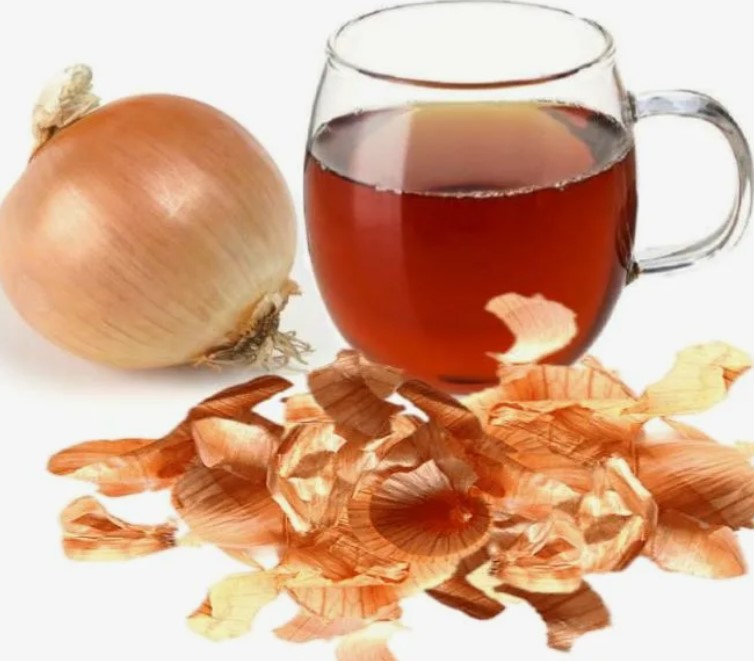
Onion peels contain a wealth of vitamins and phytoncides, which help roses grow and bloom better. However, onion peels are most often used as a disease and pest preventative. There are two ways to prepare the fertilizer:
- Infusion. Pour two cups of onion peels into two liters of warm water and leave in a dark place for 24 hours. For spraying, dilute with water 1:5. Storing the solution for longer than 24 hours is not recommended.
- Decoction. Pour 250 g of onion peels with water, place on the stove, and bring to a boil. Then, let it simmer for 4 hours, covered, and use it in a 1:1 dilution to water or spray sick bushes.
Treating leaves with onion peel-based solutions helps combat powdery mildew, aphids, and spider mites. Apply once a week for a month.
Many gardeners use onion peels as mulch before wintering their plants. They provide additional protection for the plants during the winter, and when the snow melts in the spring, they enrich the soil with beneficial microelements.
Eggshells for roses
Eggshells are a natural source of calcium, which is essential for the normal growth and development of flowering plants. Furthermore, eggshells help reduce soil acidity and improve its structure, facilitating the absorption of nutrients.
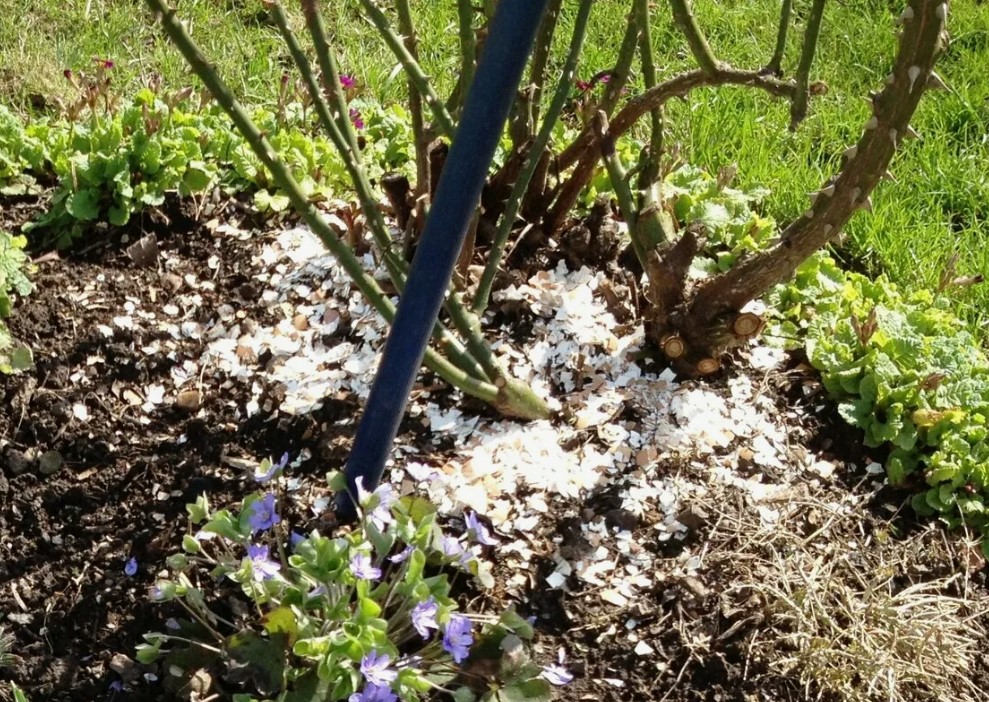
Before use, the shells are thoroughly washed, then dried and ground into powder. It's best to add them to the soil in the fall and spring.
You can make an infusion using eggshells. To do this, pour a liter of boiling water over a cup of eggshells and let them steep for at least a week. Then strain the resulting infusion and use it to water your roses.
Rose fertilizing times in the table: growth phase and fertilization rules

| Calendar period | Bush development phase | Fertilizer and rules for its application |
| April, first ten days of May, provided the temperature is not below +10 degrees | Swelling of the buds |
Complex mineral fertilizers for roses (Kemira, Agricola, Fertika, etc.) are diluted and added according to the instructions. Nitrogen-containing fertilizers, such as ammonium nitrate, are added to the soil in combination with loosening. A humus ridge up to 10 cm high is also formed around the bush. |
| 7 days after the first feeding | The emergence of leaves from buds | Add 3 liters of fermented and pre-diluted infusion of grass or manure under each bush. |
| The second half of May, the first ten days of June | The period of shoot growth, the initial stage of budding |
Dissolve 1 tablespoon each of Agricola, Ideal, and potassium sulfate in 10 liters of water. Use 4-5 liters of the prepared fertilizer per bush. It is permissible to replace watering with fermented infusion of manure or herbs at the rate of 3-4 liters per bush. |
| June | Period of bud opening | Dissolve 2 tablespoons of nitrophoska, 1 tablespoon each of potassium sulfate and Agricola in 10 liters of water. Water with 3-4 liters per plant. |
| Second half of June, July | Peak of flowering | No need to add fertilizers |
| Last ten days of July, beginning of August | Calm after flowering | The first feeding is repeated. The humus can be replaced with garden compost. |
| September | After re-flowering | Fertilize the soil by adding 3-40 g of superphosphate and 15-20 g of potassium salt per 1 sq.m. Potassium salt can be replaced with wood ash (1 glass per 1 sq.m.). |
During the budding period, which occurs in the second half of summer, roses can be sprayed with an ash infusion according to the recipe above, or with a potassium-phosphorus solution. To prepare it, add 100 g of double superphosphate to 1 liter of hot water, stir, and let it steep for 3-4 hours. Next, dilute the resulting concentrate in 10 liters of water and add 20 g of potassium nitrate. This fertilizer is used for foliar feeding of roses; only the fresh solution should be used.
Rules for applying fertilizer to roses
When working with any type of fertilizer, there are certain rules that must be followed to not only achieve results, but also to avoid ruining the roses.
- It's important to dilute all mineral fertilizers strictly according to the instructions provided. Any deviation from the specified proportions can be critical to the plantings.
- Don't add liquid fertilizer to cold soil; it won't do any good. Wait until the soil warms up to 10 degrees Celsius.
- It is unacceptable to use manure in its pure form, it will burn the roots and the roses may die.
- Be sure to alternate organic fertilizers with mineral fertilizers, and root fertilizers with foliar fertilizers.
- Do not use ash as fertilizer indiscriminately – it alkalizes the soil.
There are a number of features of using organic fertilizers that must be taken into account when caring for roses:
- Rotted manure is used as mulch, pouring it in the spring in the form of a 6-8 cm high border around the bush at a distance of 15-20 cm from the shoots.
- In the spring, the soil is mulched with garden compost, then a shovelful of it is added under the bush in the summer after the first flowering has completed.
- Green fertilizer from grasses can replace liquid manure fertilizers.
Fertilizing roses when planting
Before planting roses, some fertilizers can be applied either to each hole or to the entire flowerbed, but this will require a much higher fertilizer consumption, which is not always advisable.
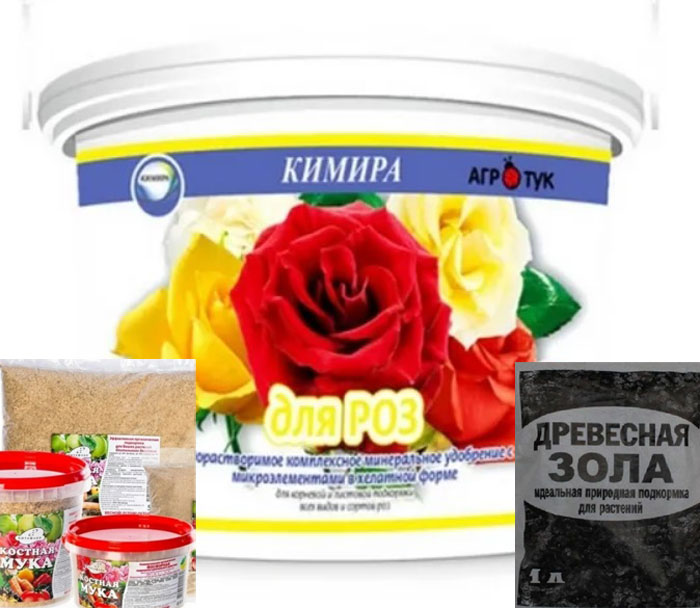
Young seedlings require nitrogen for vigorous growth, so add high-nitrogen fertilizer to the soil before planting. Wood ash can also be mixed into the soil—it will create an optimal acidic environment and subsequently protect the plants from fungus.
Phosphorus-based organic fertilizers are ideal for this period. For 1 square meter, prepare a fertilizer mixture of 30 g of ash, 1.5 kg of humus, and 1 tablespoon of superphosphate. Mix the ingredients and dig into the soil.
To maintain the desired humidity level, you can add a little sand to the bottom of the hole; a handful of bone or dolomite meal will serve as excellent nutrition.
To stimulate growth, you can add one crushed tablet of Heteroauxin to the hole, and to protect the root system from putrefactive bacteria, 2-3 tablets of Gliocladin.
The first feeding of roses in spring
The first feeding of roses in spring should be carried out no earlier than the moment when warm weather sets in and the soil warms up to +10 degrees.
First, you need to prune the roses, removing damaged, weak, and unproductive shoots. This will help the bush gain strength and produce new basal shoots faster. To support their growth during this period, roses need nitrogen-rich fertilizers, which promote the growth of foliage.
For spring feeding, you can use three types of fertilizers:
- Urea (contains 46% nitrogen).
- Ammonium nitrate (34% nitrogen).
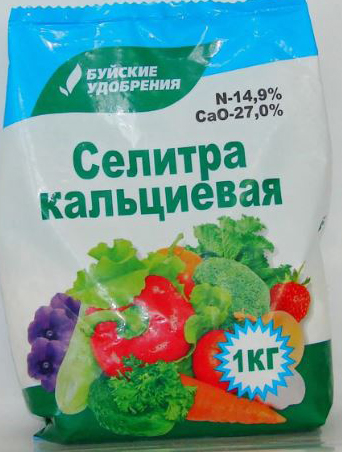
- Calcium nitrate (11.6% nitrogen).
The latter option is preferable for acidic soils, because calcium nitrate does not acidify the soil.
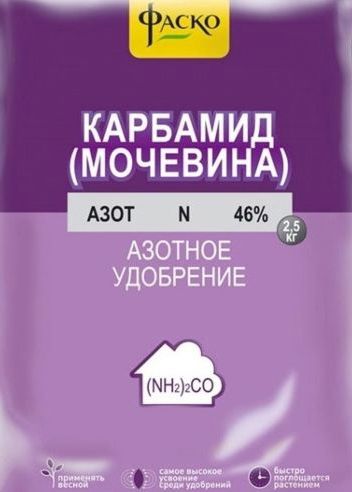
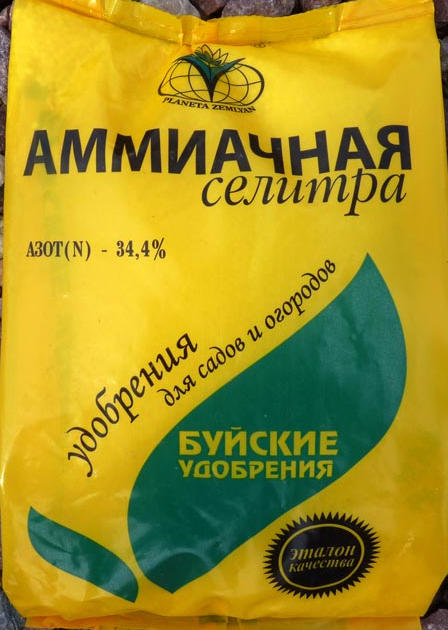
Urea and ammonium nitrate are used as a solution of 1 tablespoon per 10 liters of water. After a week, wood ash should be added to the soil to prevent soil acidification.
Calcium nitrate does not need to be pre-dissolved; it can be scattered around the bush in the root zone, and then watered or left in this form until rain.
At the same time as the first feeding, prepare an infusion of yellow dandelions. Place the plants in a barrel, cover with water, and let them ferment for two weeks, stirring occasionally. Once the green fertilizer is ready, dilute it 1:10 and water the root zone. For spraying the bush, make the solution 1:20.
Fertilizer can be made from more than just dandelions; nettles, before they have even produced their seed clusters, are also excellent for this purpose. This type of fertilizer is recommended after application of mineral fertilizers.
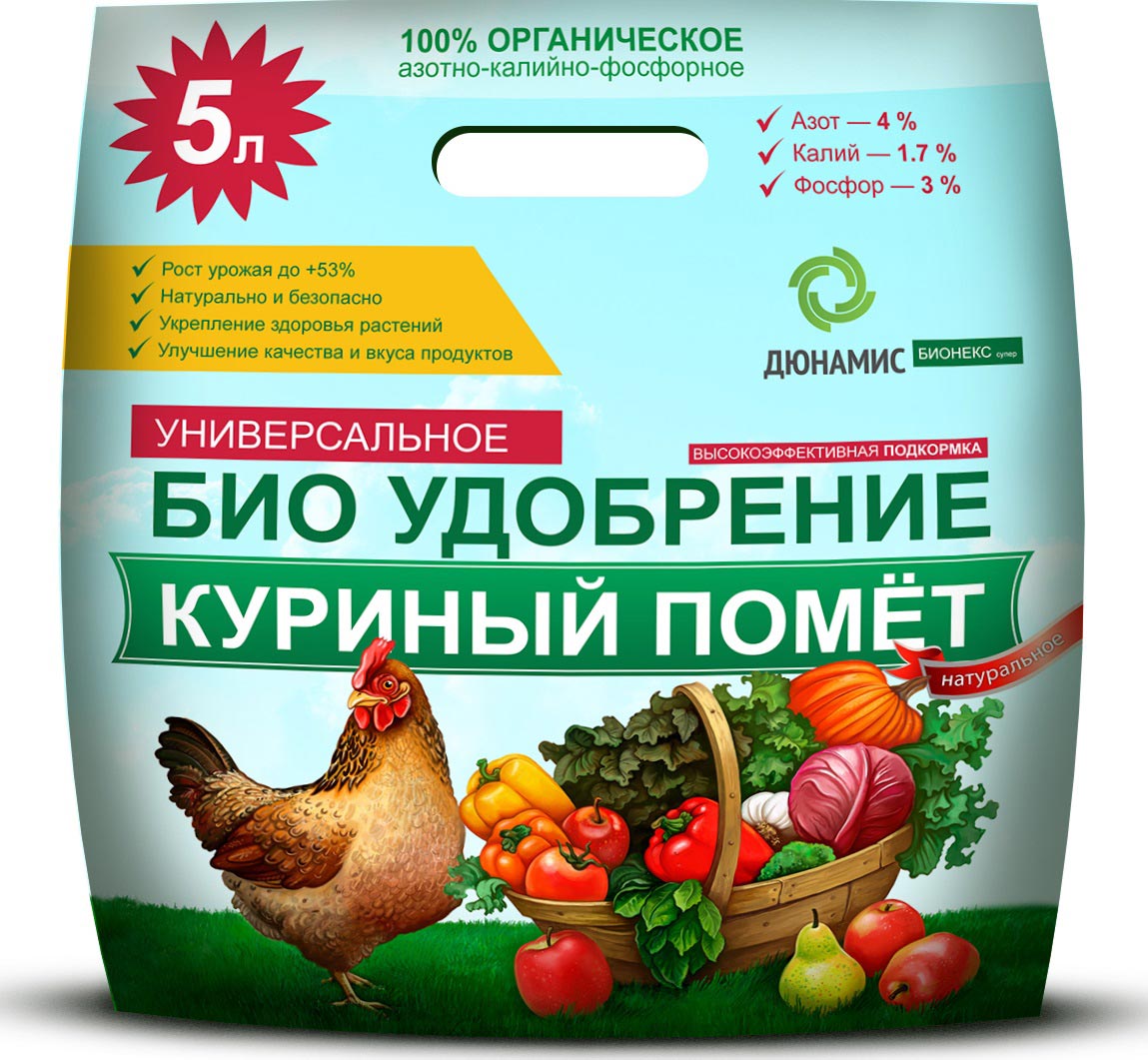
In the spring, you can use dried chicken manure as a fertilizer. Place it in a bucket of water at a ratio of 1:3 and let it ferment for 2 days, covered. Stir the contents periodically to speed up the absorption of the beneficial mixture. The resulting product is highly concentrated and should never be used in its pure form. For root feeding, dilute it at a ratio of 1:20, and for foliar application, dilute it at a ratio of 1:40 (250 ml per 10 liters of water).
Fertilizing roses with a layer of rotted manure mulch produces excellent results. Horse manure is especially valuable, as it's more beneficial and nutritious. This mulch not only promotes rapid growth and lush blooms, but also protects the roots from weather fluctuations.
Summer fertilizing of roses
Summer fertilizers should be applied only during the period of bud formation; they cannot be used during flowering.
During this period, humates, monopotassium phosphate, and wood ash will be most beneficial for roses. All of these can be supplemented with micronutrients, such as Lignohumate.
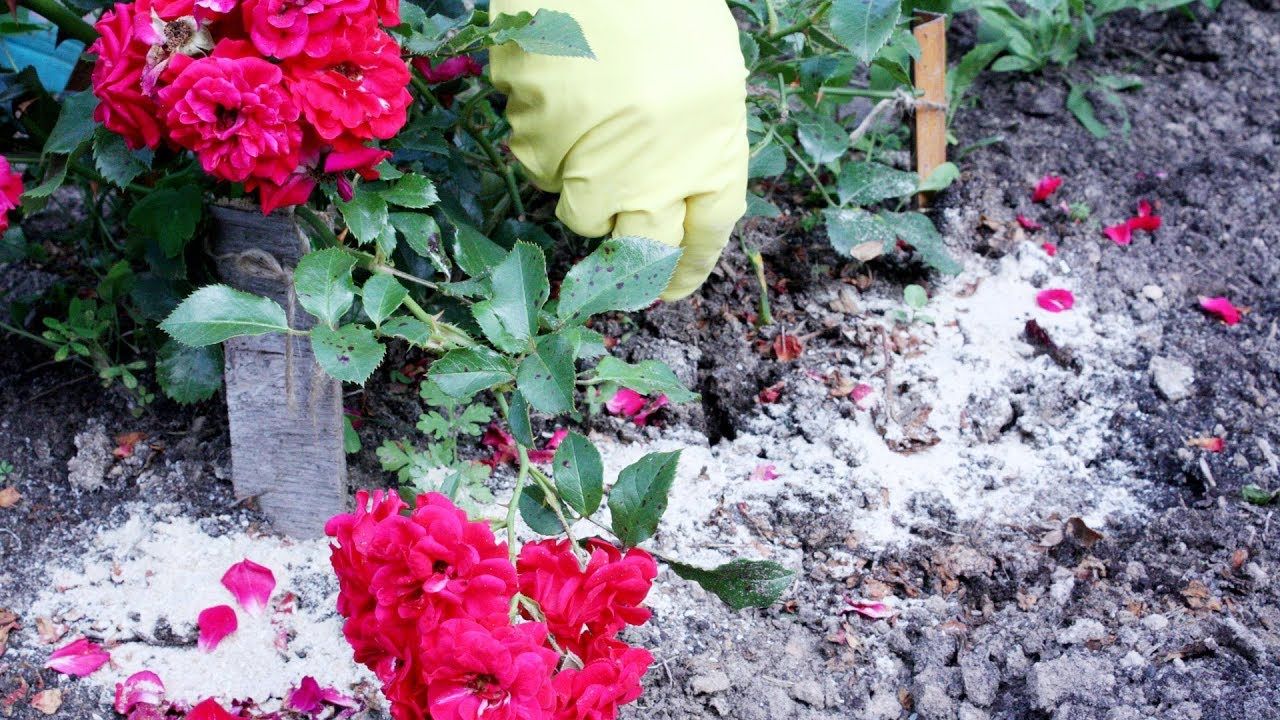
After re-flowering in the summer, apply a complex fertilizer with a reduced nitrogen content, as indicated on the product label. It is strongly recommended not to add mullein infusion, chicken manure, or green manure to the soil. Emphasis is placed on phosphorus and potassium fertilizers, such as monopotassium phosphate or potassium permanganate.
When buds are formed
During the period of bud formation, roses will respond gratefully to foliar feeding with a urea solution, which is diluted in a ratio of 1:5 and used for spraying the bush.
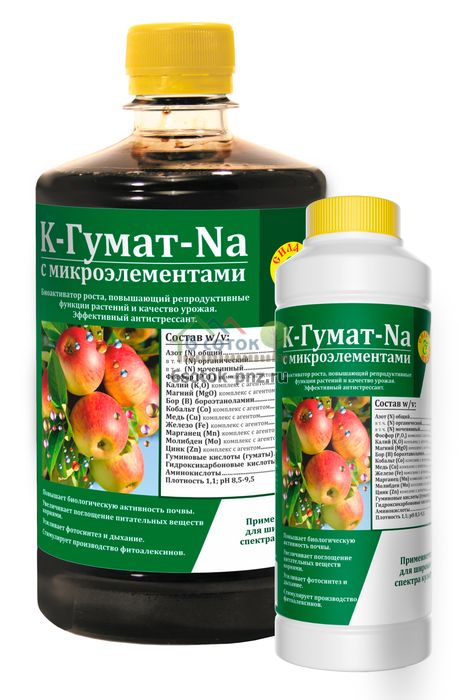
Among natural fertilizers, "Sodium Humate" is worth mentioning; it accelerates shoot growth and simultaneously gives buds the strength for lush flowering.
Good results are achieved using potassium sulfate and superphosphate. To prepare the fertilizer, take 1 teaspoon of each and dilute it in 10 liters of water.
After flowering
After flowering, the bush begins a dormant period. During this time, it's not recommended to actively use nitrogen fertilizers. It's sufficient to support the roses with natural fertilizers. There are several proven recipes:
- Castor oil. Dissolve 1 teaspoon of castor oil in 1 liter of warm water, mix thoroughly, and use for watering.
- Milk. Mix a liter of water with 200 ml of milk. First, water the bush with the milk mixture, then with plain water.
- Potassium-magnesium. Dissolve 1 teaspoon of magnesium sulfate and 2 teaspoons of potassium sulfate in 10 liters of water, stir until completely dissolved, and then water.
- Based on bird droppings. Mix 500 ml of bird droppings with 2 teaspoons of nitrophoska and dilute in 10 liters of water.
If the bush appears tired and drooping, it's a good idea to feed it with a complex fertilizer. Without this support, don't expect it to bloom again.
Autumn fertilizing of roses
Autumn fertilization of roses is carried out twice, unless we are talking about fertilizing the soil before planting the bush.
First
This is typically done in the first ten days of September, when the weather is still warm enough to use liquid fertilizers. During this period, nitrogen-containing fertilizers are strictly prohibited, to prevent the bushes from sprouting shoots and growing.
There are two options for liquid root feeding that can be used.
Option 1:
- 1.5 tablespoons of superphosphate
- 1 tbsp potassium monophosphate.
Option 2:
- 1.5 tablespoons of superphosphate.
- 2 teaspoons of potassium sulfate.
Water at a rate of 4 liters per bush. This fertilizer will strengthen the roses' immunity and allow them to survive the winter without significant losses.
Second
The second feeding eliminates the use of liquid fertilizers, as the soil has already cooled sufficiently; cold water won't be beneficial for the roots, even if it contains nutrients. During this period, it's best to use dry fertilizers or foliar feeding.
Place a third of a bucket of humus around the perimeter of the root zone around the rose, and mulch it on top with peat or humus.
Some gardeners spray their bushes with a hot solution of ash or superphosphate. To prepare the solution, take 10 liters of water at 65 degrees Celsius and add either 2.5 tablespoons of superphosphate or 300 grams of wood ash.
Peculiarities of fertilizing different types of roses
When fertilizing roses, it is important to take into account their individual characteristics depending on the variety.
- Climbing roses love organic fertilizers. In spring and summer, they can be fed with herbal infusions and manure, and in autumn, wood ash-based fertilizers are ideal.
- Semi-climbing rose varieties are characterized by an abundance of leaves and shoots, which often makes it more difficult for them to survive the winter. To maximally strengthen the immunity of these flowers, it is necessary to use universal nutritional products, especially before the onset of winter.
- Groundcover roses are prone to fungal diseases. To reduce the risk, it is recommended to maintain them with urea solutions. This should be done in the spring; during other periods, both chemical and organic fertilizers can be used.
- Grandiflora roses are sensitive to changes in soil acidity; they grow and bloom well only in slightly acidic soil. Before planting, it is recommended to add manure and ash to the flowerbed, and then periodically apply these fertilizers to support the plant's immunity.
How to fertilize an indoor rose
Roses are more fussy indoors. If the original soil used for planting was specialized and rich in nutrients, the flowers can survive for a long time without additional fertilizer. But in the confined space of a pot, the soil has no other source of nutrition than the fertilizer applied.
Typically, the first fertilizer application can be made 4-6 months after purchase. This should be done between March and October.

Banana peels dug into the soil are ideal for this purpose, as they will nourish the roots with potassium. You can make an infusion by steeping one peel in a glass of water until foam appears. Before infusing, rinse the peel and remove any white fibers. Water the plant 1-2 times a month.
During bud formation, it's beneficial to use potassium-phosphorus fertilizers. Dissolve 4 g of ammophos and 2 g of monophosphate in 1 liter of water, and water at a rate of 100-150 ml per plant.
Faded flower buds should be cut off, and in the fall, after flowering ends, the bush should be completely pruned to encourage new growth. After this, it's a good idea to apply nitrogen-rich fertilizer.
Some gardeners prefer to use complex fertilizers for flowering indoor roses. Directions for use are provided on the packaging, and the formula is perfectly balanced for each growth stage.