🌿 In the world of luxury and sophistication, there's nothing more magnificent than the acanthus! This plant is simply mesmerizing with its grandeur and beauty. 💐 Its amazing blooms transform an ordinary garden into a true paradise for the eyes. 🏡
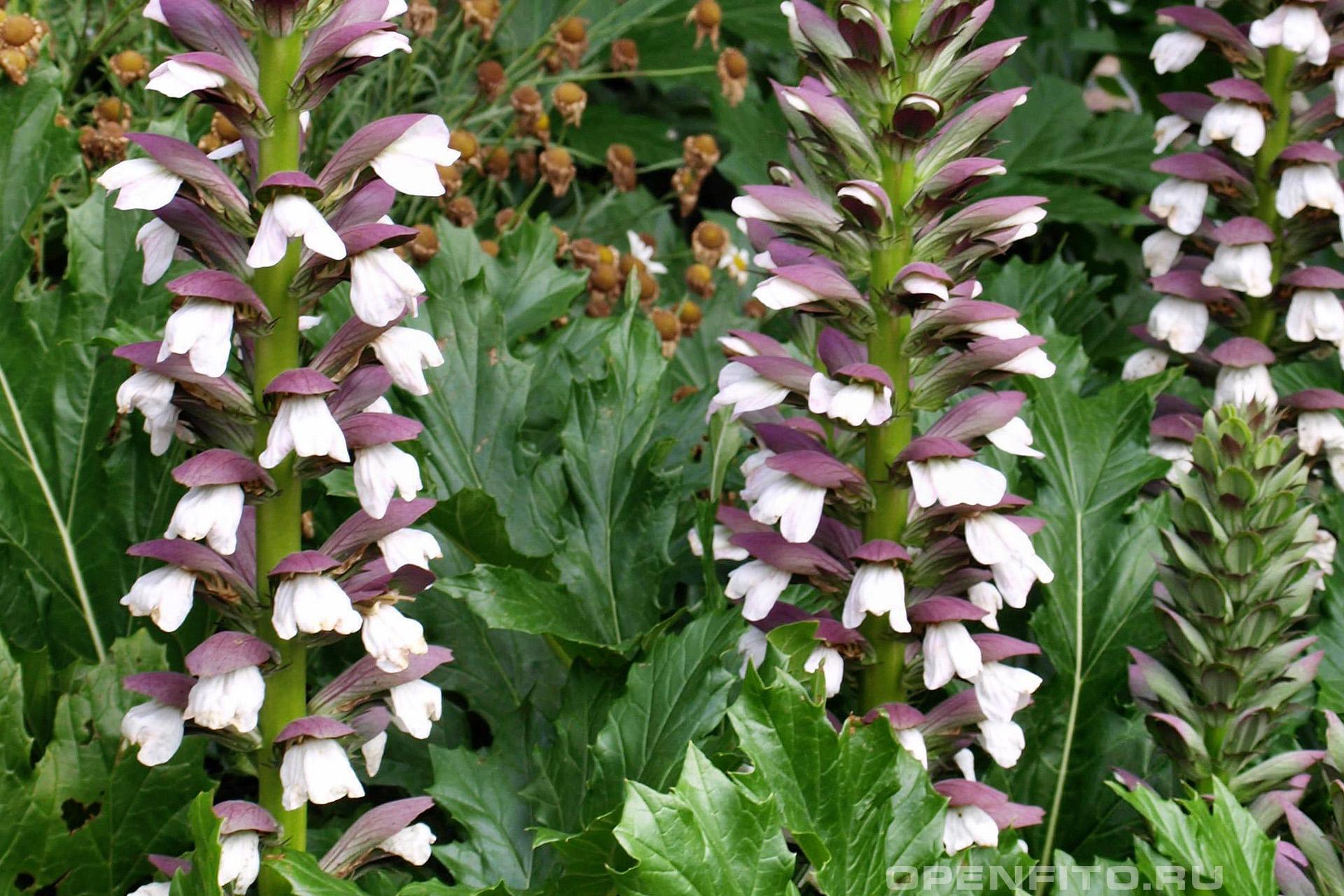
Content
Brief characteristics of acanthus in the table
| Characteristic | Description |
|---|---|
| Family | Acanthaceae is a family of plants distinguished by beautiful flowers 🌸 and interesting leaf shapes that give the garden a special flavor. |
| Spreading | Acanthus grows in various parts of the world, from southern Europe to Central Asia, preferring warm climates and well-lit areas. |
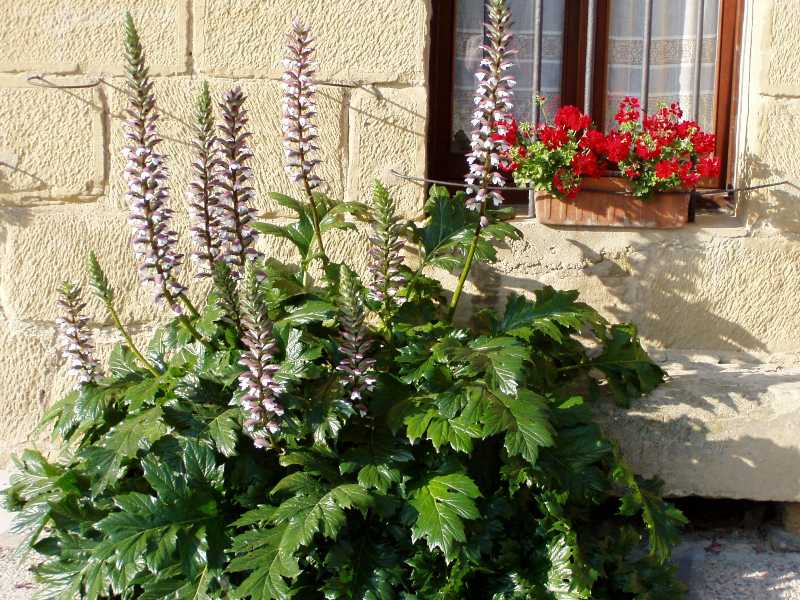
| Appearance | These perennial plants are dense bushes with straight stems reaching a height of 40 to 200 cm, topped with racemes of white or purple flowers. |
| Use in design | Acanthus looks great both in single plantings and in compositions with other plants, giving the garden elegance and charm. |
Acanthus Photo Gallery
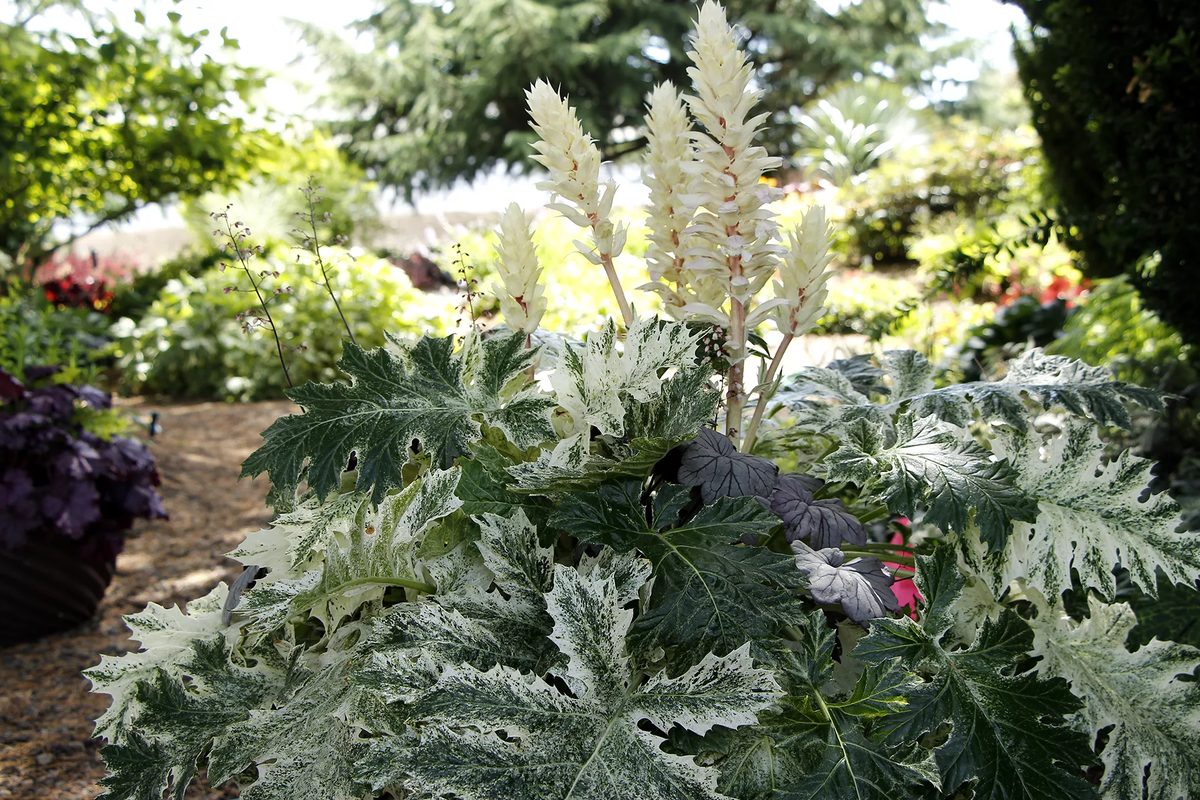
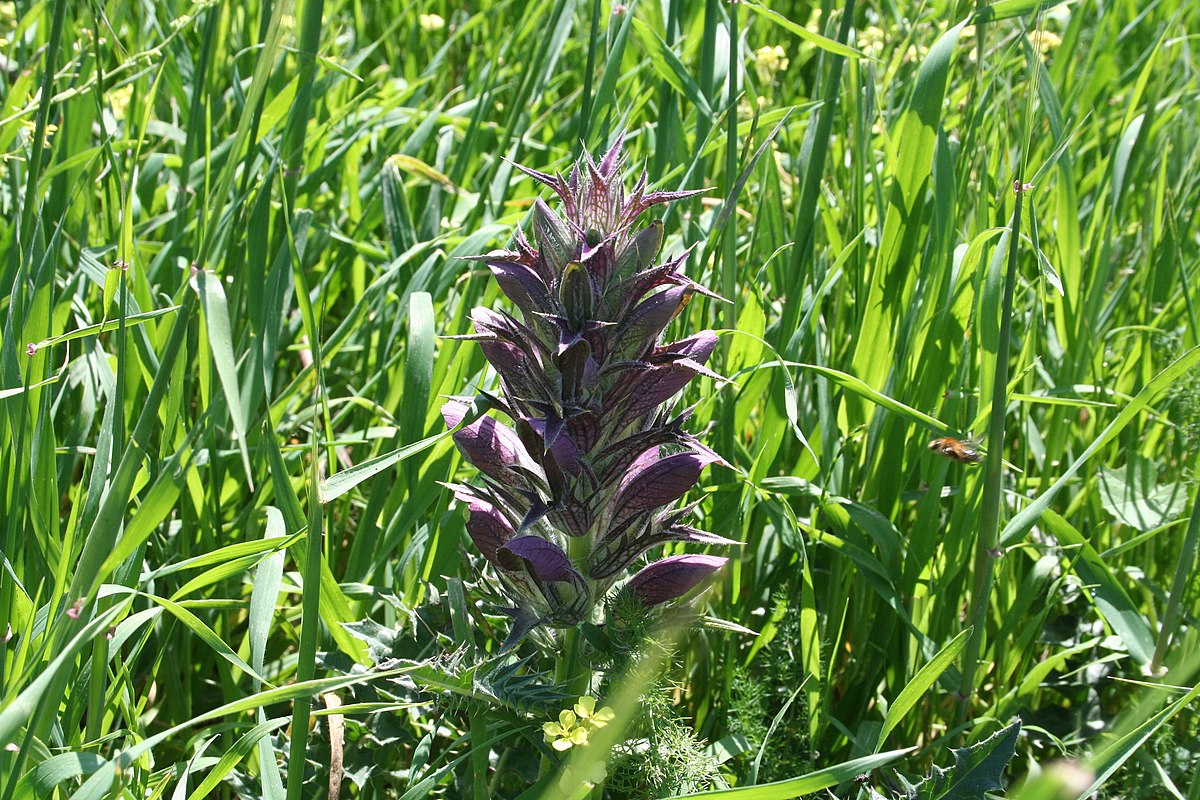
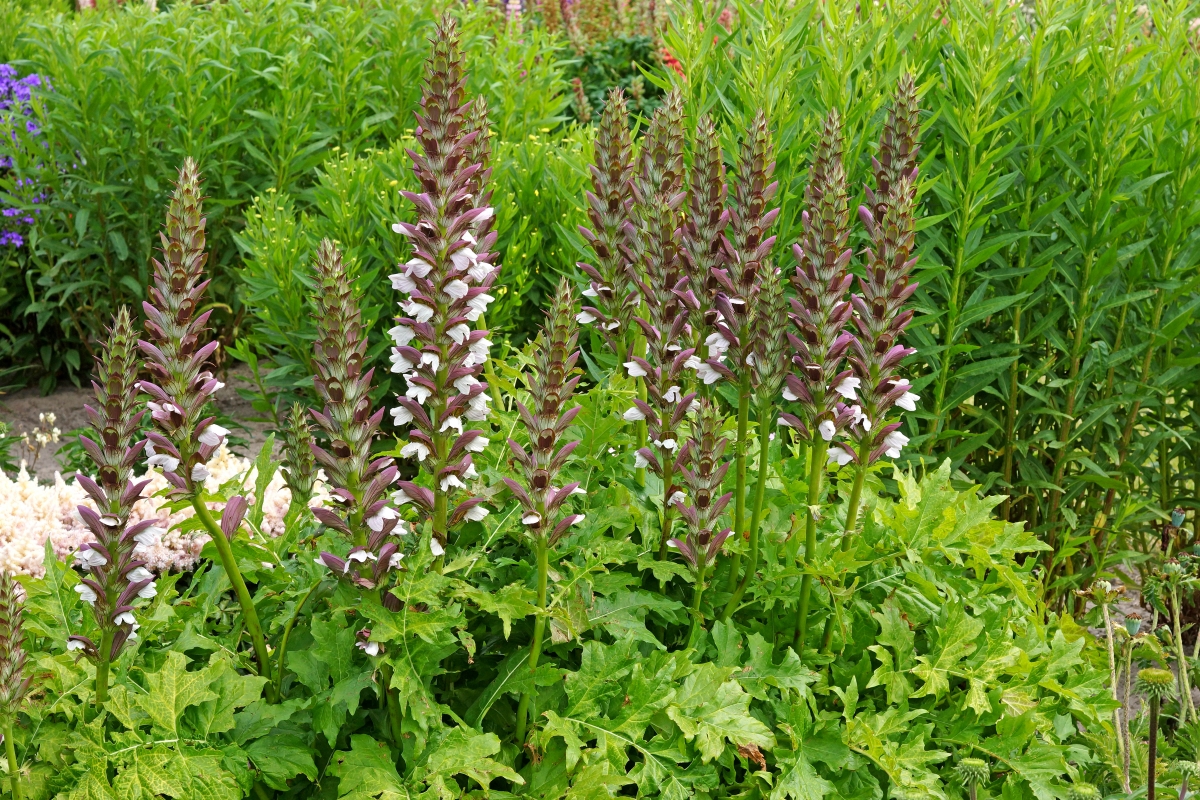
Description of acanthus
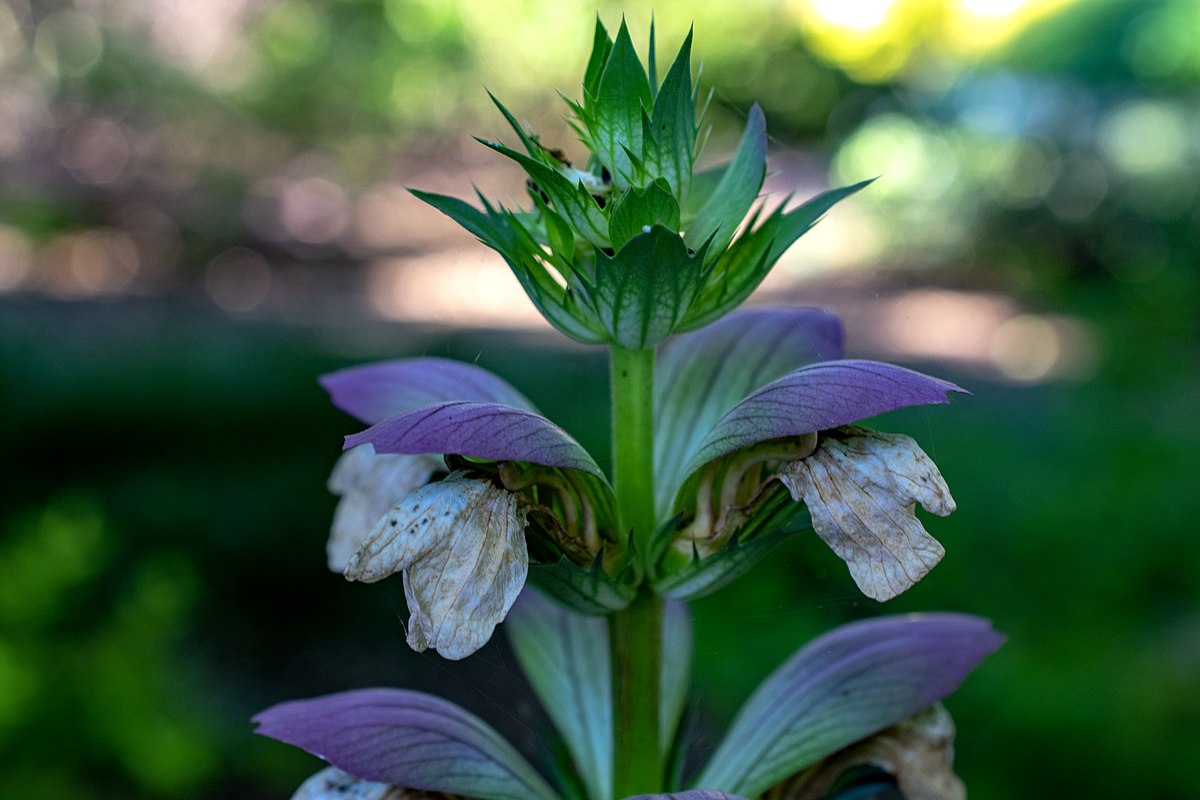
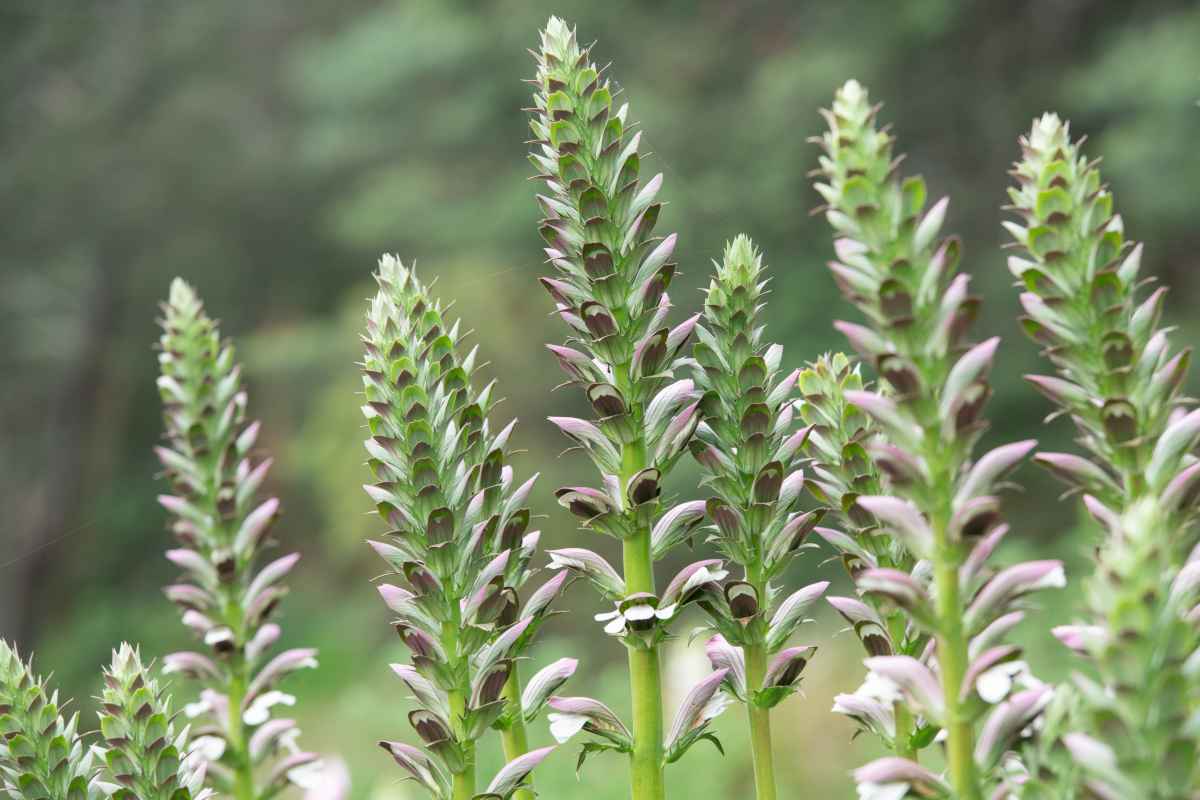
Acanthus, also known as acanthus or "bear's paw," is a magnificent perennial herbaceous plant. 🌿 Its striking, serrated leaf blades and tall flower spikes make it truly unique. 💮 The flowers can be white, pink, red, or purple, with vibrantly colored spiny bracts. 🌸 And its blooms delight the eye for a long time, depending on the variety and climate.
Acanthus is ideal for both open ground and container planting. 🏡 It holds up well after cutting and is perfect for creating dried bouquets. 💐 After flowering, acanthus produces pods that can disperse seeds over a considerable distance. 🌱
An acanthus bush can grow in one place for about 10 years, and most varieties are frost-resistant. ❄️ This plant looks magnificent both individually and in groups, adding sophistication and beauty to any garden or park. 🌳 Special varieties of acanthus with sharp, prickly leaves have inspired architectural decor and ornamentation called "Acanthus." 🏛️
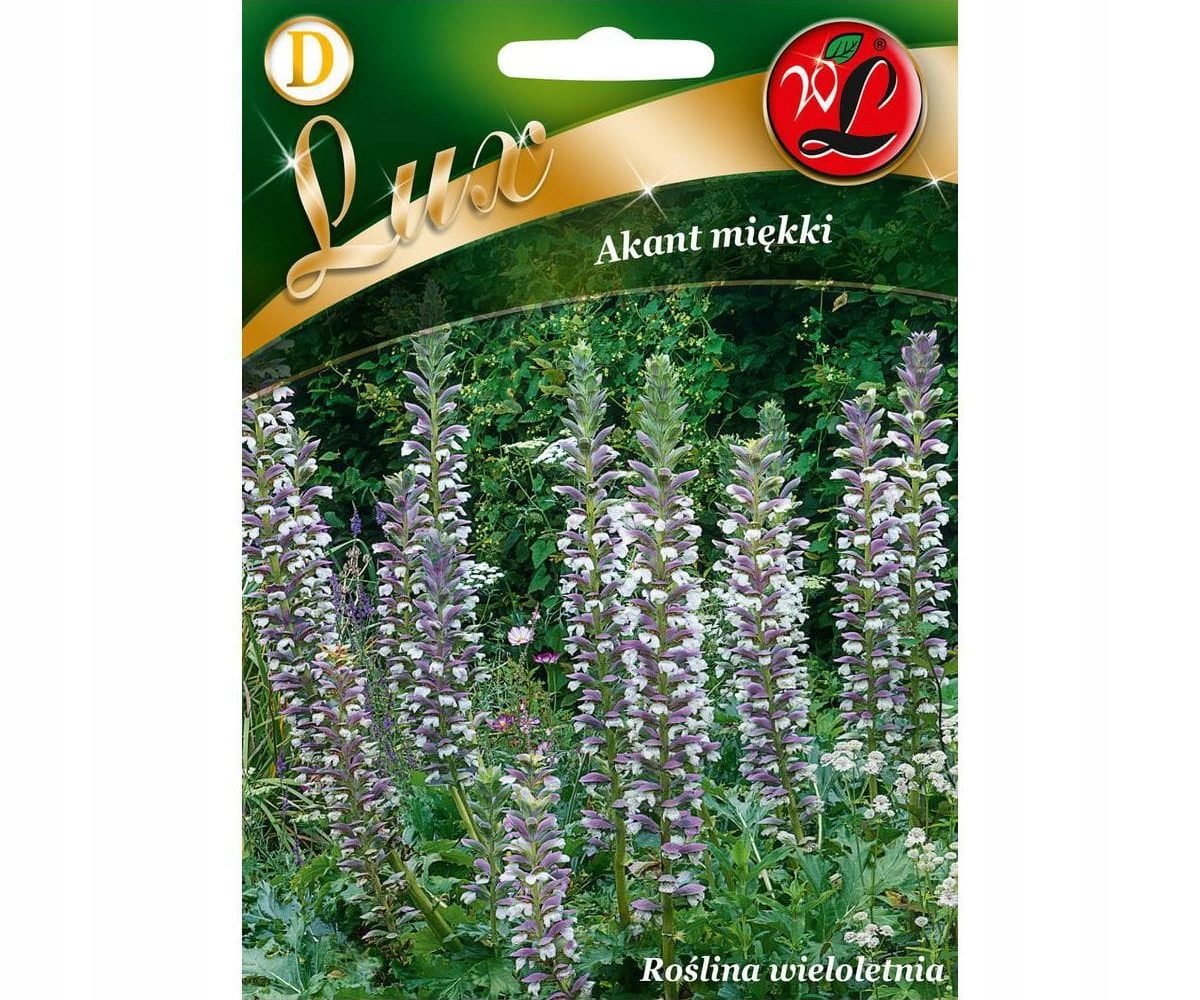
Acanthus Growing and Care Chart
| Characteristic | Description |
|---|---|
| Location | Prefers sunny, open areas where it receives enough light for growth and flowering. |
| Soil | Requires well-drained soils rich in humus, with a neutral or slightly acidic reaction. |
| Watering, humidity | Watering is moderate, carried out as needed, avoiding over-moistening of the soil. |
| Top dressing | It is recommended to regularly apply complex fertilizers for garden plants once a month. |
| Drought resistance | Able to tolerate short periods of drought. |
| Frost resistance | Some acanthus species are frost-hardy, but young seedlings are recommended to be protected for the first few years. Mature plants tolerate frost well, but still require shelter during harsh, snowless winters. |
| Reproduction | Acanthus can be propagated by seeds, cuttings or division of the bush, depending on preferences and conditions. |
| Diseases and pests | It is often affected by powdery mildew, so regular careful monitoring and preventative measures are required. |
Types and varieties of acanthus
Acanthus comes in a wide variety of species, many of which are used in gardening, and some are even grown as houseplants. 🌿 Heat-loving species such as Acanthus obtusifolia and Acanthus annuus are particularly popular in greenhouses. 🏡
Acanthus mollis
Acanthus mollis, or black locust (Acanthus mollis), is a plant with a short stem, reaching 70 cm in height, but in its natural habitat it can grow up to 150 cm. 🌿 Its large leaf blades, 30-60 cm long and 7-15 cm wide, form a lush, dark-green rosette. 🍃 The leaves have an unusual shape: coarsely serrated, with a shiny surface, and, what is especially noteworthy for this species, are spineless.
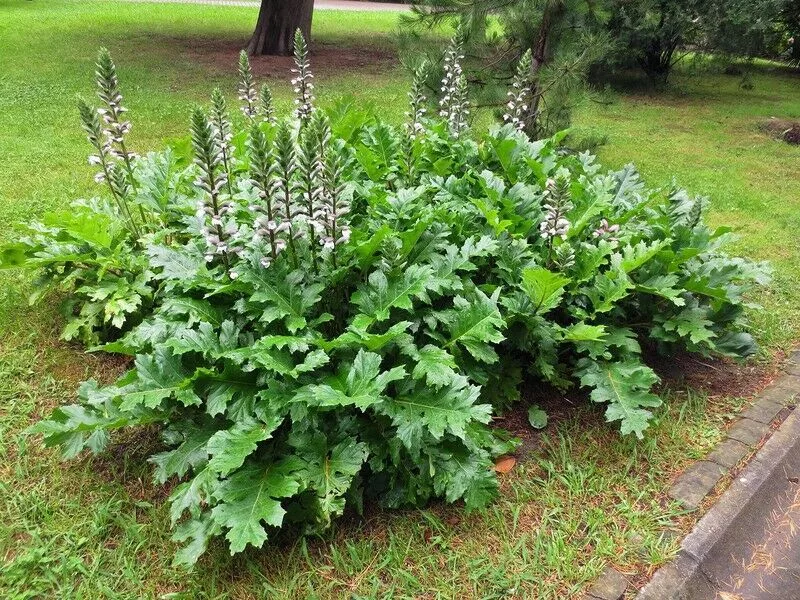
The stem is erect, with a long spike-like inflorescence 20-40 cm tall at its apex. 🌸 The flowers of the soft acanthus are about 5 cm in diameter, white with purple veins, and the bracts are dark purple or pink and ovoid. 🌷 This species of acanthus is often used in landscape design due to its sculptural leaves and beautiful inflorescences.
There are several popular varieties of acanthus mollis, each with its own characteristics and attractive features. 🌿
| Variety | Description |
|---|---|
| Tasmanian Angel
|
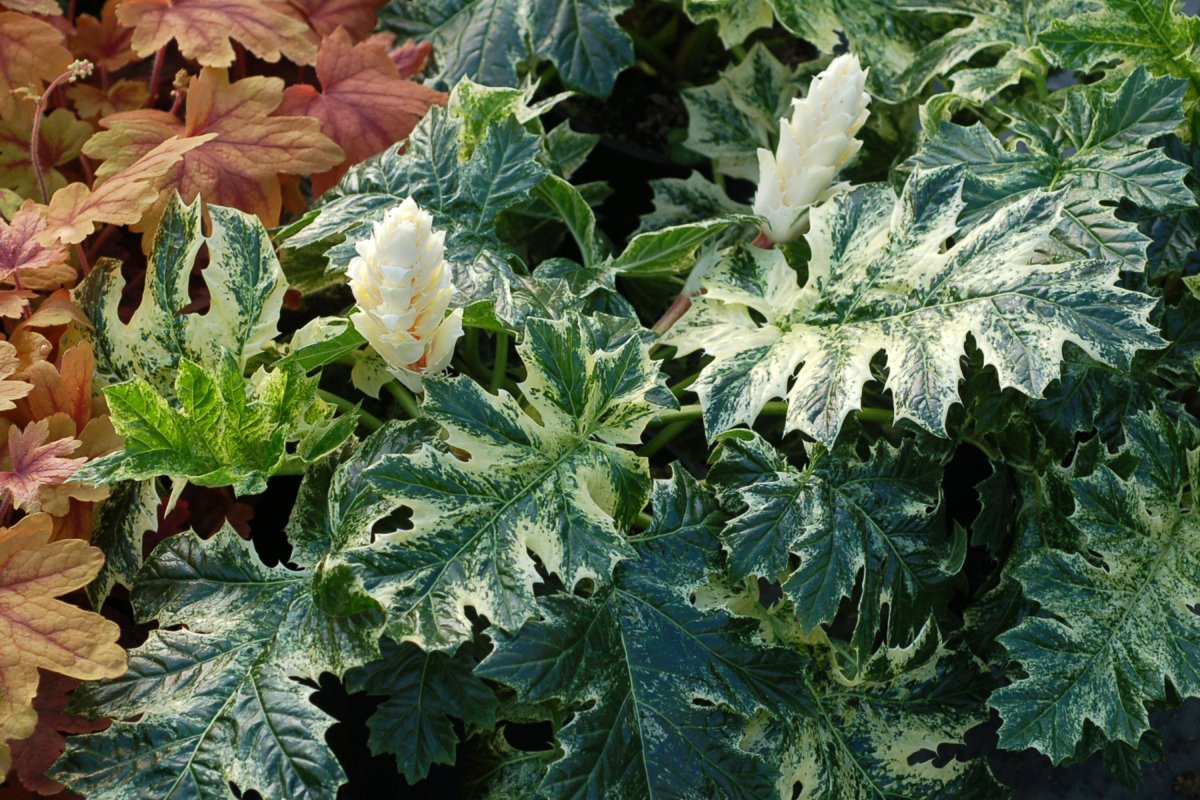
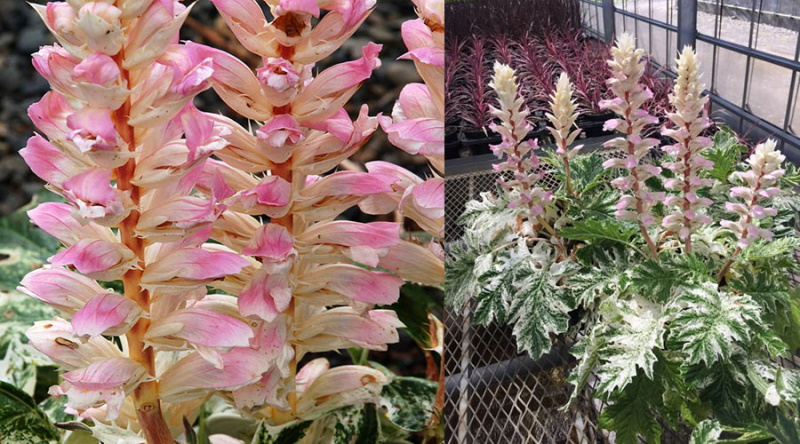
'Tasmanian Angel' is a shrub that can reach a height of 50 to 70 cm. Its leaves are large (30-60 cm long, 5-15 cm wide), decorated with white margins and spots. It blooms with whitish buds with purple veins, forming paniculate inflorescences. It is frost-hardy, but young bushes should be covered for the winter. |
| Whitewater
|
'White Water' is a cultivar with large, variegated leaves that can reach up to 90 cm in length. The bush grows to 90-120 cm in height and about 90 cm in width. The inflorescences are creamy pink, or occasionally white. It prefers shady, well-drained areas and is planted under trees. |
| Mornings Candle
|
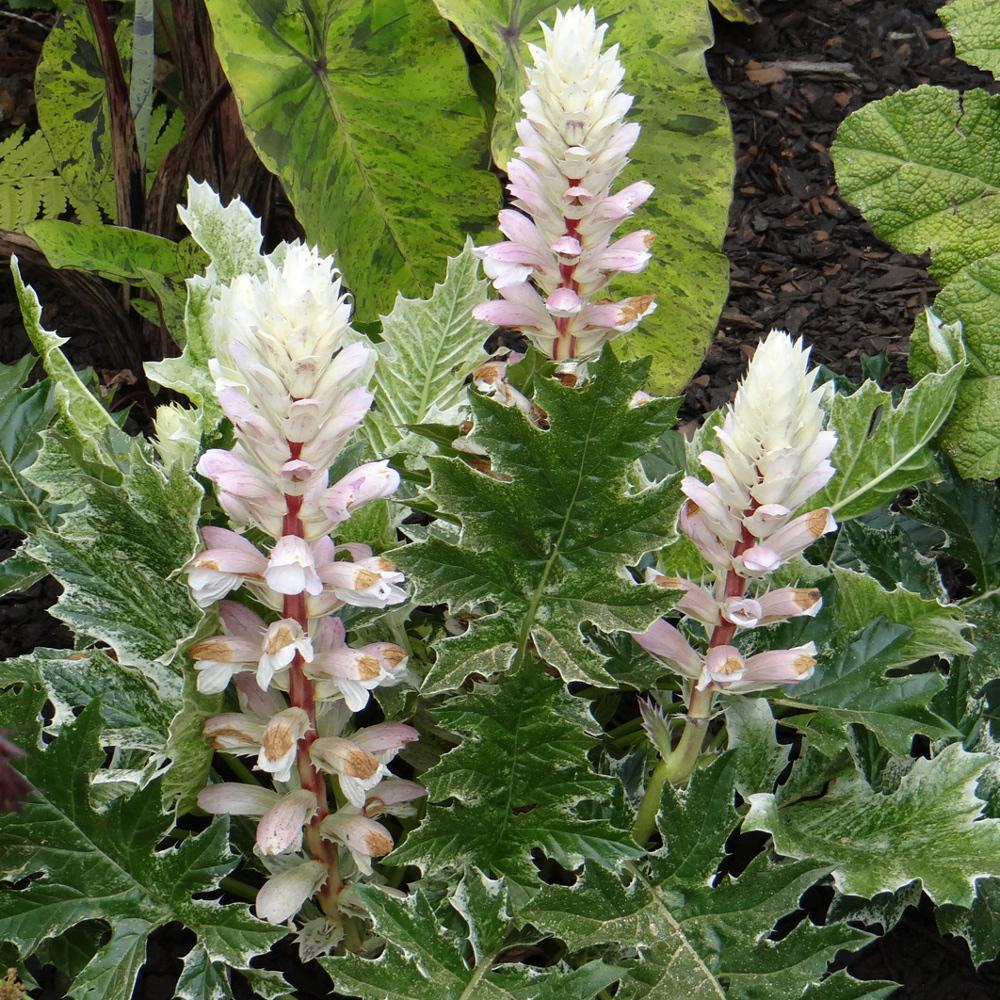
'Morning Candle' is a variety with white, spike-shaped inflorescences and purple bracts. The leaves are large, glossy, lobed, and lightly spineed. Suitable for container growing and cut flowers, but requires winter protection. |
Acanthus spinosus
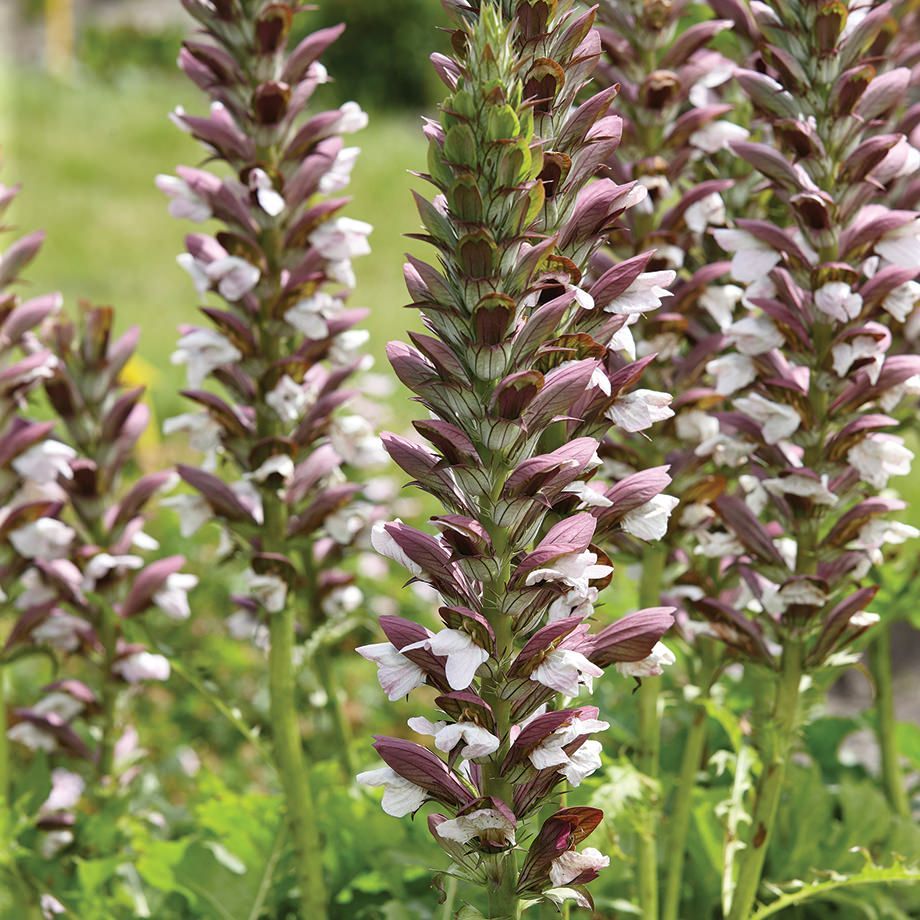
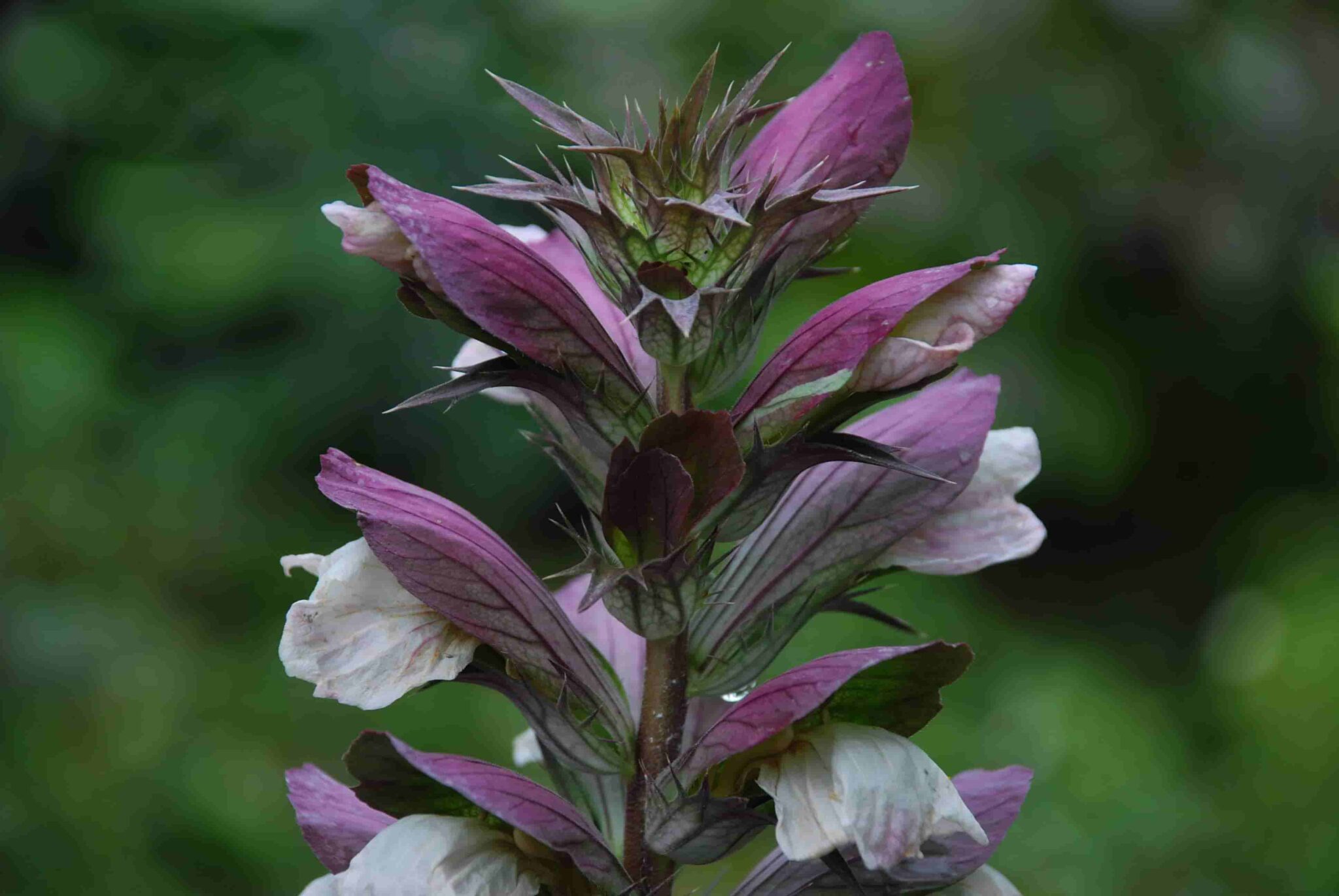
The spiny acanthus (Acanthus spinosus) is a beautiful ornamental plant often used for landscaping gardens. 🌿 In its natural habitat, this flower is found in Mediterranean countries, where it can reach heights of 80 to 150 cm. 🏡 One of the characteristic features of the spiny acanthus is its flowering: the upper petals are purple, and the lower ones are white. 🌸
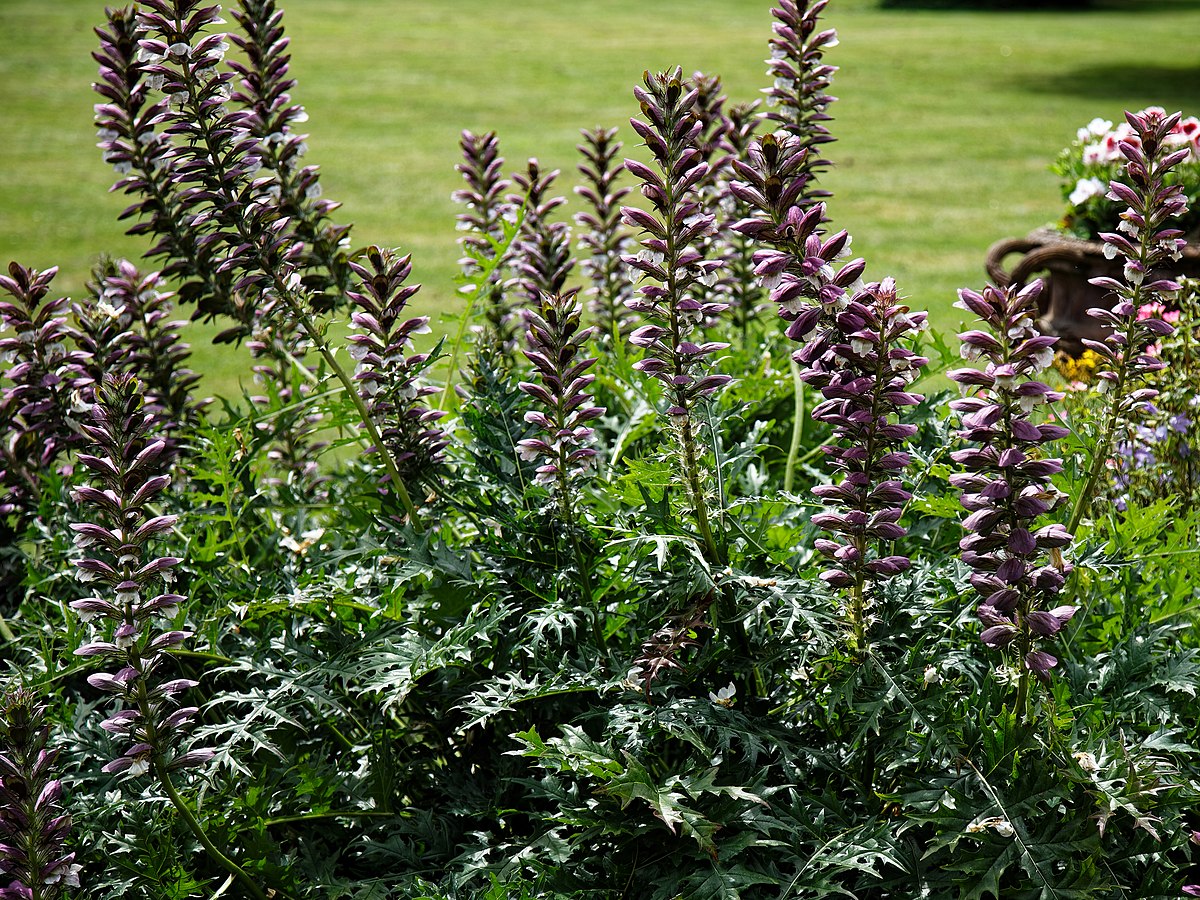
The leaves and stipules of this plant are covered with thistle-like spines. 💫 Flowering occurs in mid- to late summer, when numerous light pinkish-purple and white buds appear on the plant. 🌷 Acanthus spinosus is also distinguished by its large size and winter hardiness. ❄️ Its leaf blades can reach up to 90 cm in length and are serrated with long spines on the edges. 🍃
Hungarian acanthus, Balkan acanthus (Acanthus hungaricus)
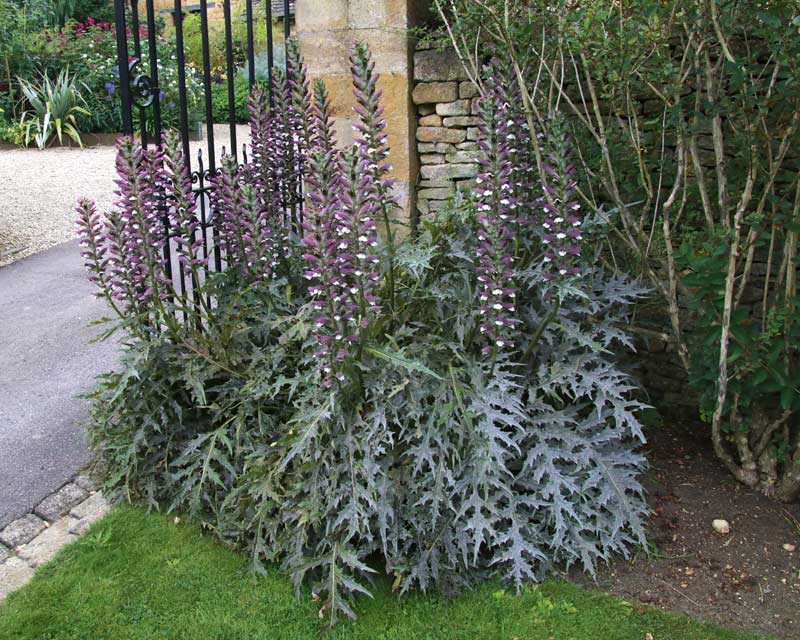
Hungarian acanthus, or Balkan acanthus (Acanthus hungaricus), is the most frost-hardy of all acanthus species, but blooms later than others. ❄️ Its leaf blades have deep notches and lobes that gradually narrow toward the base. 🌿 The leaves have a matte green hue and can reach up to 60 cm in length, while they are spineless. 🍃 The buds of Hungarian acanthus are white-pink, and the bracts are purple. 🌸
Mountain acanthus (Acanthus montanus)
Mountain acanthus (Acanthus montanus) is often grown in greenhouses or as a potted plant. 🌿 This evergreen perennial can reach a height of 1.5 to 2 meters. 🏡 The plant's leaves are glossy and smooth to the touch, colored dark green and decorated with spiny dissections along the edges. 🍃 The leaf blades range from 20 to 30 cm in length and from 6 to 10 cm in width.
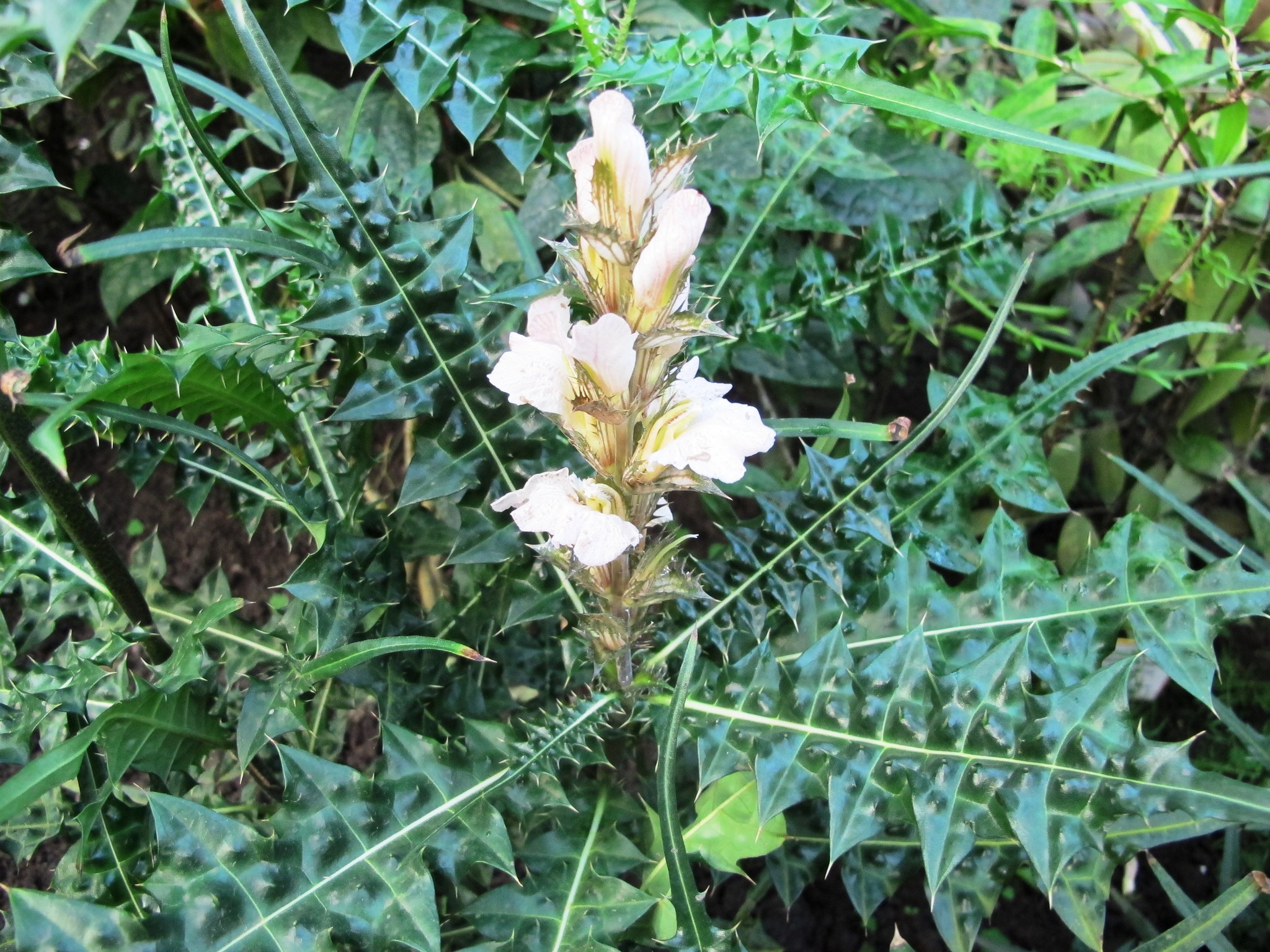
Long inflorescences are formed from large white-purple buds growing in the axils of the bracts. 💐 Acanthus angiospermifolia prefers bright, warm locations for growth, but requires light shade in hot weather. 🌞
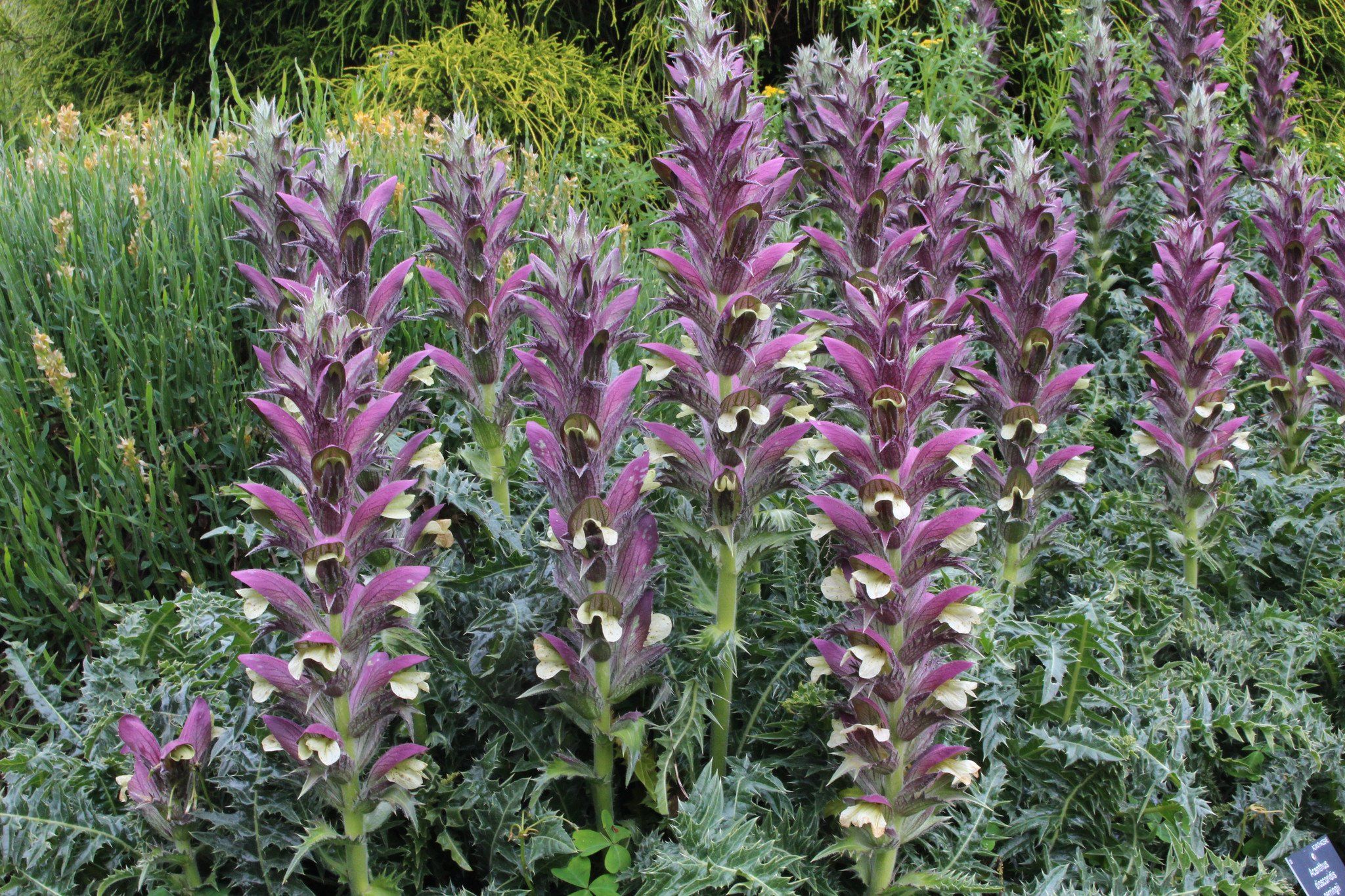
Acanthus dioscoridis
An extremely rare species. 🌿 It was discovered relatively recently in Yerevan. 💮 It is characterized by its purple color and long inflorescences. 🌸
Planting and caring for acanthus
Acanthus is a magnificent plant that adds sophistication and beauty to any garden landscape. However, to ensure it thrives and delights with its colorful blooms, proper care is essential. Caring for acanthus involves a number of important steps, from choosing the right planting location and preparing the soil to pruning and protecting it for the winter. In this guide, we'll cover the essential aspects of acanthus care so you can enjoy its beauty and sophistication in your garden or allotment. 🌿🌸
Location
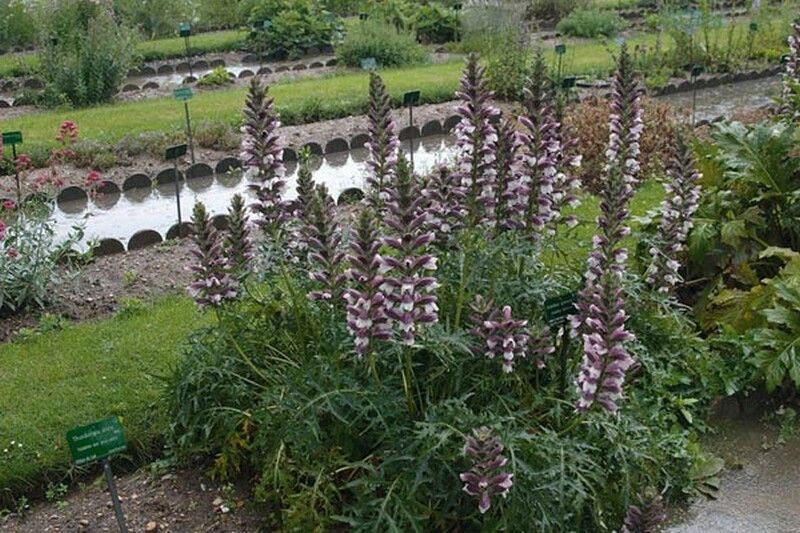
It's important to choose the right planting location for acanthus, taking its preferences into account. 🌿 The plant thrives in a well-lit area protected from drafts. 💡 Also, consider the acanthus's need for limited root space, as it can grow extensively. 🌱 Ensuring sufficient space around the bush is also important, as acanthus can become quite large as it grows. 🏡
Priming
To successfully grow acanthus, you need suitable soil. It should be light, well-drained, and neutral in pH. 🌱 You can prepare a suitable soil mixture yourself by mixing the following ingredients:
- 1 part humus;
- 1 part peat;
- 1 part turf soil;
- 0.5 parts sand.
It is also important to ensure good drainage for the plant to avoid excess moisture retention, which can lead to the death of the acanthus. 💧🌿
Landing
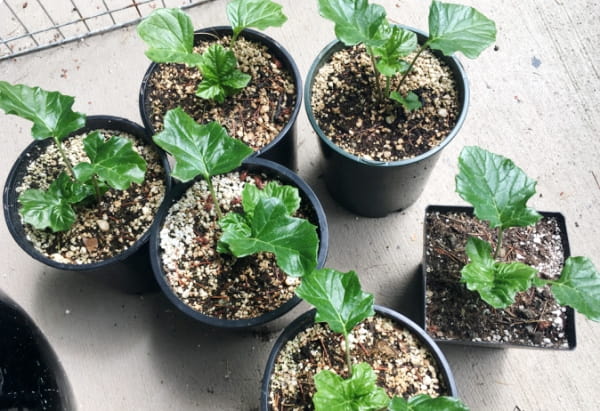
To plant acanthus in a permanent location outdoors, choose the end of May, when the risk of further frost has passed, as the plant's root system is very fragile. 🌱 Fill the prepared holes with drainage, then add a layer of prepared soil, and place the acanthus bush on top. Then cover with soil and moisten. 💧🏡
Acanthus is a heat-loving plant, so many gardeners prefer to grow it in tubs so they can bring it indoors for the winter and protect it from adverse weather conditions. 🌿🌞
Watering
Acanthus requires abundant and regular watering. 🌧️ During winter, the water should be warm. 💧 It's important to ensure that the soil around the plant doesn't remain dry for long periods. 🌱 Acanthus can tolerate short-term drought, but regular watering will help it stay healthy and beautiful. 🌿🌞
Top dressing
Acanthus should be fertilized approximately every two weeks, starting in March and ending in September. 🌱 For this purpose, use complex mineral fertilizers, which will provide the plant with the necessary nutrients for healthy growth and development. 🌿🌼
Trimming
To stimulate vigorous green growth, acanthus bushes can be pruned. 🌿 This should be done after the plant has flowered to avoid disrupting bud formation for the following year. 🌸 Pruning will help maintain the bush's neat, compact shape and promote more vigorous growth. 🌱
Wintering
Young acanthus bushes require winter protection with spruce branches or agrofibre. ❄️ If the plant freezes, its next bloom may be less abundant. 🌸 Mature acanthus plants usually survive the winter well and do not require protection. 🌿
Acanthus spreads quickly and can occupy large areas, even on land where other plants are already growing. 💪 To limit its growth, you can use staking, such as boards or pieces of slate, dug into the soil around the plant. 🚫 This will help prevent the acanthus from spreading beyond the designated area. 🌳
Reproduction of acanthus
Acanthus can be propagated in a variety of ways, including by seed, division, and cuttings. Each of these methods has its own characteristics and requires specific skills for successful application. In this guide, we'll cover the process of propagating acanthus by cuttings, which is an effective and quick way to obtain new plants. By following these simple steps, you can easily increase the number of acanthus plants in your garden and enjoy their beauty and elegance. 🌿🌸
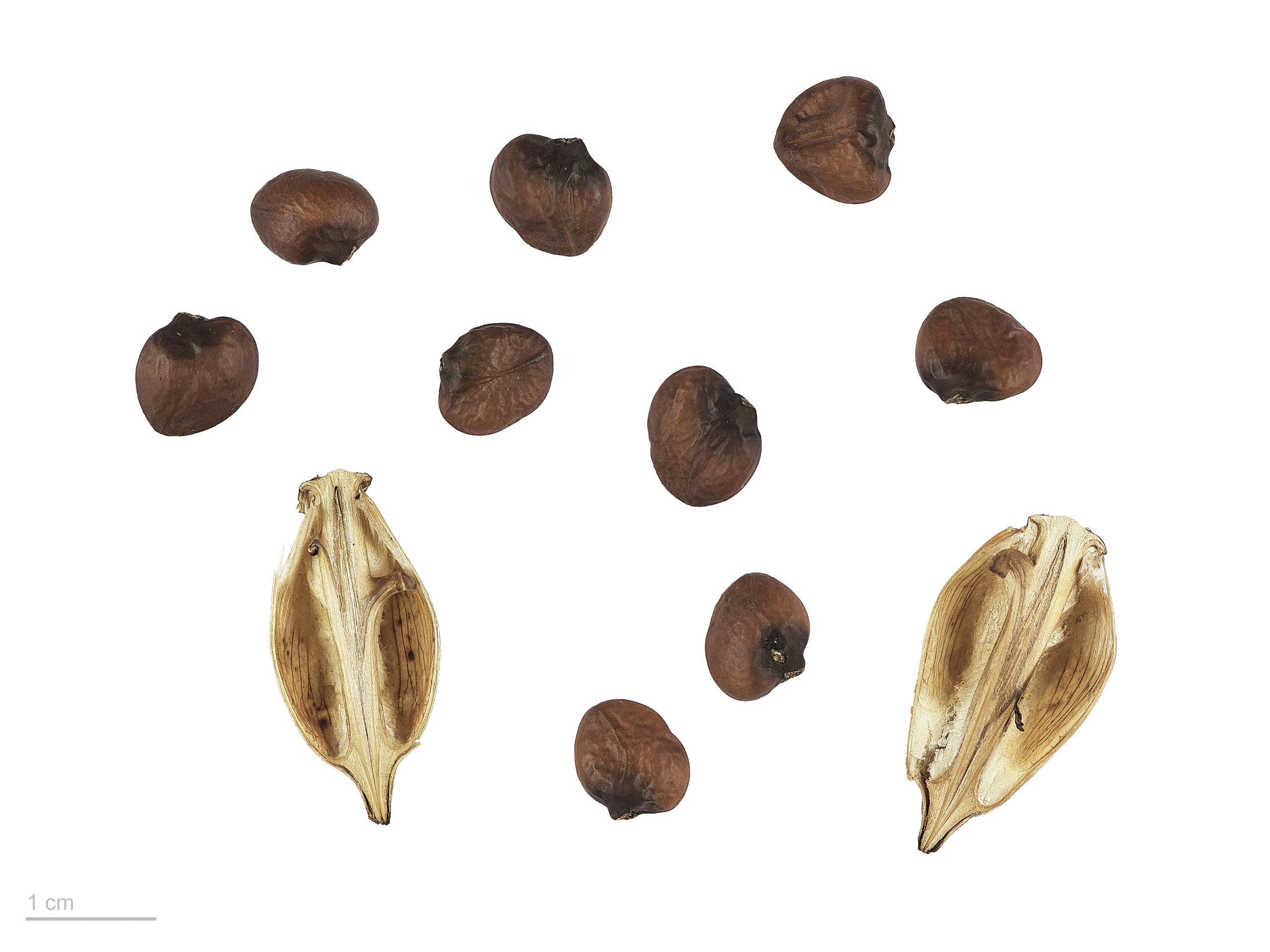
Propagation by seeds
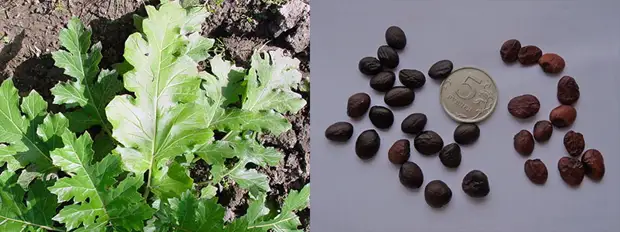
Propagating acanthus by seed is possible if you have fresh seeds. First, you need to scarify the seeds, removing the hard seed coat. Afterward, soak the seeds in water for 2-3 days; you can add a growth stimulant if desired. It's important to maintain a warm temperature during this process. 🌱
Then, sow the seeds in a container with loose soil, cover with plastic wrap, and place in a dark place for a week. As soon as sprouts appear, move the container into the light and gradually remove the cover. Water moderately. 🌧️ As the seedlings grow, they should be pricked out and then planted outdoors in late May or early June, when the threat of night frost has passed. It is recommended to leave a distance of about 60-80 cm between the plants. 🌿
It's also possible to sow acanthus seeds directly into open ground in spring. In this case, regular moisture and weeding are essential. 🌸
Propagation by dividing the bush
Acanthus propagation by division can be done in the spring, when the leaves begin to actively grow, or in the fall. To do this, dig up the plant, divide it into several sections, ensuring that each section has roots and a growing point, and then plant each section in a separate location for further growth. However, keep in mind that the plant may be unwell for some time after this procedure, so ensure it receives adequate moisture and protection.
Propagation by cuttings
To propagate acanthus by cuttings, follow these steps:
- Cut the cuttings to a length of about 15-20 cm, with the lower cut made just below the bud to stimulate root growth.
- Remove all but the top leaves to reduce water evaporation and promote root development.
- Plant the cuttings in well-moistened sand and cover, ensuring a temperature of about 20-25°C.
Acanthus cuttings usually root quickly, and after 2-3 weeks the plants can be transplanted into open ground. 🌱
Acanthus diseases and pests, possible problems in the table
| Problem | Description |
|---|---|
| Powdery mildew | If the humidity is excessive, a whitish powdery mildew may appear on the leaves. Affected parts should be removed, and the plant treated with fungicides. |
| Snails and slugs | High humidity can lead to snails or slugs appearing, which can cause damage to the plant. These should be collected mechanically and watering should be adjusted. |
| Falling leaves | At low temperatures below +16°C, acanthus may begin to shed its leaves. |
| Overwatering | Excessive watering can cause wilting and wilting of green mass. |
| Sunburn | Overheating and strong sun exposure can cause brown and white spots to form on the leaves. |
| Lack of moisture | Lack of moisture can also be dangerous for the plant, so moderate watering should be provided. |
| Pruning non-frost-resistant species | For non-frost-hardy acanthus species, it is recommended to prune and cover them in winter to prevent damage from cold. |