Hydrangea is a beautiful flowering plant that even a beginner can grow. It's low-maintenance, but to ensure long-lasting, lush blooms, even hydrangeas require periodic fertilizing.
Sometimes plant leaves begin to turn yellow and become translucent, which is often due to a lack of nitrogen in the soil. Furthermore, vegetative matter often suffers from chlorosis due to iron deficiency. These and many other problems can be successfully resolved with the use of appropriate fertilizers.

Content
- 1 What fertilizers are used to feed hydrangeas?
- 2 Fertilizing Guidelines for Hydrangeas
- 3 How to determine the timing of hydrangea fertilization
- 4 What to do before fertilizing hydrangeas
- 5 Timing of the first hydrangea feeding in spring
- 6 How to feed hydrangeas in spring
- 7 Timing and fertilizers for the second feeding of hydrangea during budding
- 8 Timing and fertilizers for the third feeding of hydrangea during flowering
- 9 Timing and fertilizers for the final feeding, preparing hydrangeas for winter
- 10 Fertilizers for acidifying the soil and changing the color of hydrangeas
What fertilizers are used to feed hydrangeas?
Even in the most fertile soil, the amount of nutrients decreases over time, so the question of fertilization arises. There are many different types of fertilizers available. Many are sold in specialty stores and contain a balanced combination of micro- and macronutrients. The price of such products can be quite high, so many gardeners prefer organic fertilizers and folk remedies.
Minerals and organics for hydrangea
Mineral and organic fertilizers can be added to the planting hole when planting hydrangeas to ensure they bloom beautifully throughout the season without the need for additional fertilizer. They can also be added to the soil in the spring, and used for watering and spraying the plants from the beginning of growth until the end of flowering.
Below is a list of the most basic fertilizers that hydrangea needs:
- Nitrogen. Use only in the spring after the snow melts. It stimulates the growth of vegetative mass; using nitrogen in the summer will result in lush foliage and may prevent flowering altogether. Urea (15 g per 10 liters of water) and ammonium nitrate (30 g per 10 liters of water) are good mineral fertilizers. Chicken manure can be used to enrich the soil with nitrogen. A concentrate is prepared by diluting the manure with water at a ratio of 1:20. The resulting solution is diluted again at a ratio of 1:3. Cow manure, which is less concentrated, can be diluted at a ratio of 1:10. Mulching the flowerbed with peat, humus, or compost produces good results.
- Potassium-phosphorus fertilizers. These are used for watering plants during bud formation to promote more lush blooms. The most common are superphosphate (20 g per 10 l of water), double superphosphate (10 g per 10 l of water), and potassium sulfate (20 g per 10 l of water). Potassium sulfate is sometimes replaced with potassium magnesium sulfate, which contains magnesium, essential for plants.
- Complex mineral fertilizers. Used to strengthen plant immunity. In spring, nitroammophoska (16%) is suitable; it is diluted at a rate of 25 g per 10 liters and applied at a rate of 5 liters per plant. After flowering or in autumn, diammophoska (26%) is used; it has a lower nitrogen content but higher phosphorus and potassium levels. The fertilizer is diluted at a rate of 20 g per bucket of water. During this period, it is also useful to use humates as an additional source of micronutrients.
Ready-made fertilizers for hydrangeas
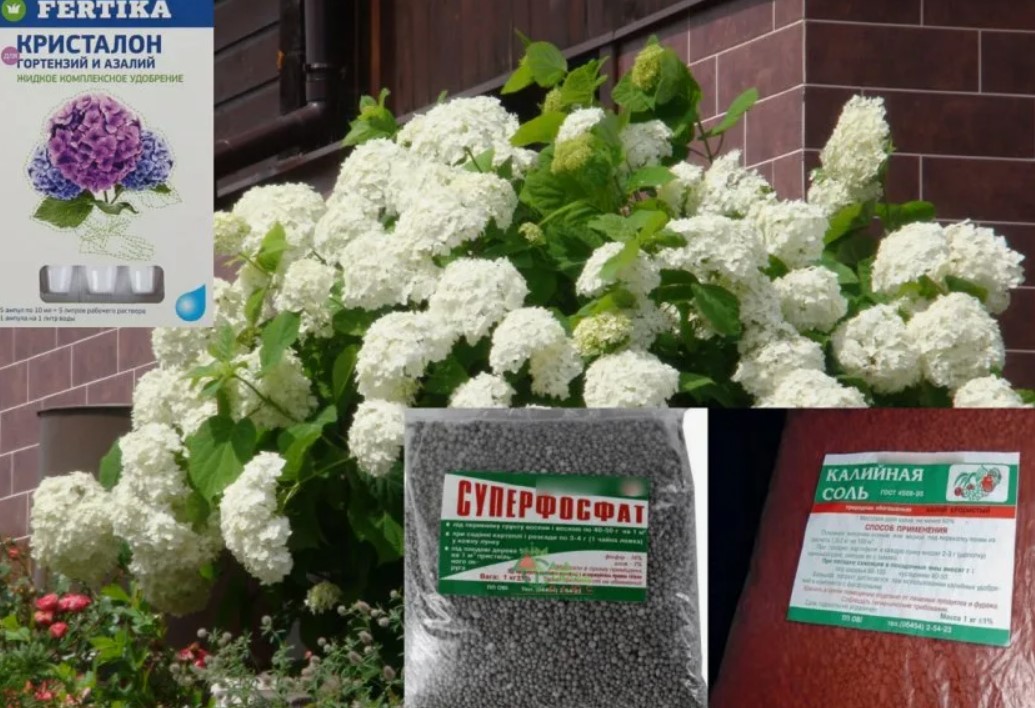
Ready-made fertilizers have an undeniable advantage: their composition is already perfectly balanced for flowering plants. Furthermore, there's no need to wait for the fertilizer to be ready, mix the ingredients, or adjust the proportions; simply dilute the fertilizer according to the instructions. However, the cost of such a mixture will be several times higher than that of a homemade one.
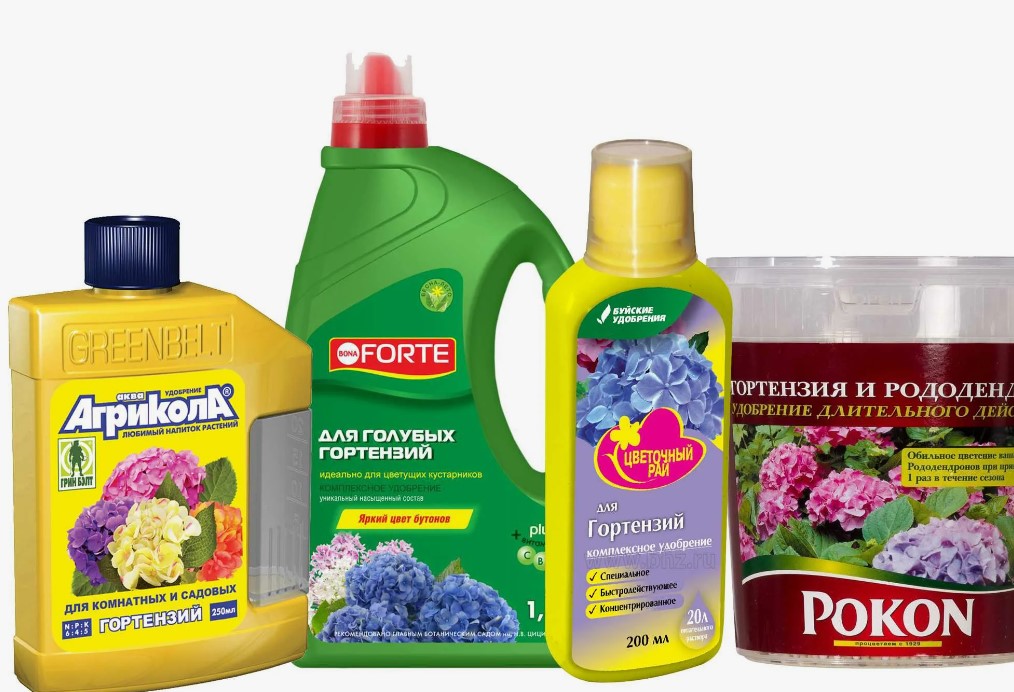
The most common and effective ready-made fertilizers include:
- Agricola for flowering plants – promotes intensive growth, budding and lush flowering of hydrangeas, does not contain chlorine.
- Kristalon Flower is a granulated fertilizer that promotes the formation of large inflorescences and significantly prolongs the flowering process, without chlorine.
- Bona Forte is specially designed for flowering plants that prefer acidic soil. This granular fertilizer has a prolonged action; a single application lasts the entire season.
- Aquirin (Buiskie Fertilizers) is a water-soluble powder used for watering hydrangeas during the summer. It enriches the soil and improves its composition, promoting intense budding and prolonged flowering.
It is important to keep in mind that some formulations may change the color of hydrangeas to blue after use.
Folk remedies for hydrangea
Many gardeners avoid adding chemicals to the soil and prefer folk remedies. We offer several proven, popular fertilizer recipes for hydrangeas.
- Yeast infusion. Used for flower feeding in June and July. To prepare, dissolve 10 grams of dry yeast and 3-4 tablespoons of granulated sugar (candied jam can be substituted) in a liter of warm water. Stir the infusion until foam appears, indicating the yeast has begun to actively grow. Bring the mixture to a volume of 10 liters and water the hydrangea with it every two weeks.
- Bread infusion. Strengthens the root system, stimulates plant growth, and increases the number of buds. Apply after the leaves emerge in spring until the blooming season. To prepare, add 500 g of dried rye bread and soak it in warm water. After it swells, grind it into a paste, add a little water if necessary, and let it ferment for 2-3 days. Afterward, strain the infusion, dilute it 1:2, and use it to water hydrangeas.
- Kefir solution. Suitable for both root and foliar fertilization of hydrangeas. This fertilizer promotes more lush blooms and is also an excellent preventative against many common diseases. To prepare, dilute 1 liter of 2.5% fat kefir with 10 liters of water. This mixture is ideal for watering. For spraying, the kefir concentration should be slightly lower – 1:12.
Fertilizing Guidelines for Hydrangeas
When fertilizing hydrangeas, experienced gardeners follow these rules:
- The first fertilizers can be applied to the soil only after the snow has completely melted and the ground has warmed to 4-6 degrees Celsius. At this point, plant roots are already able to absorb nutrients from the soil; any liquid fertilizer applied earlier can cause root freezing and rot.
- Granular fertilizers are always combined with loosening and subsequent watering of the soil.
- Before applying liquid fertilizer, the soil under the hydrangeas should be thoroughly watered so that the fertilizer does not burn the roots.
- Foliar feeding should be done in the evening or on a cloudy day, otherwise sunburn will remain on the leaves. Spray dosages are halved compared to those used for root feeding.
- All fertilizers must be diluted in strict accordance with the instructions, otherwise the beneficial fertilizer will turn into a deadly poison for flowers.
- If the soil is not initially slightly acidic, it needs to be additionally acidified.
How to determine the timing of hydrangea fertilization
As mentioned above, hydrangeas should not be fertilized until the soil has warmed to at least 4°C (39°F). All other fertilizing times are determined not by calendar dates, but by the phenological stages of hydrangea development. The flower undergoes several of these:
- The beginning of the bush's growing season.
- Active growth of shoots.
- Formation of buds.
- Flowering and lignification of young shoots.
- Stopping the growth of shoots.
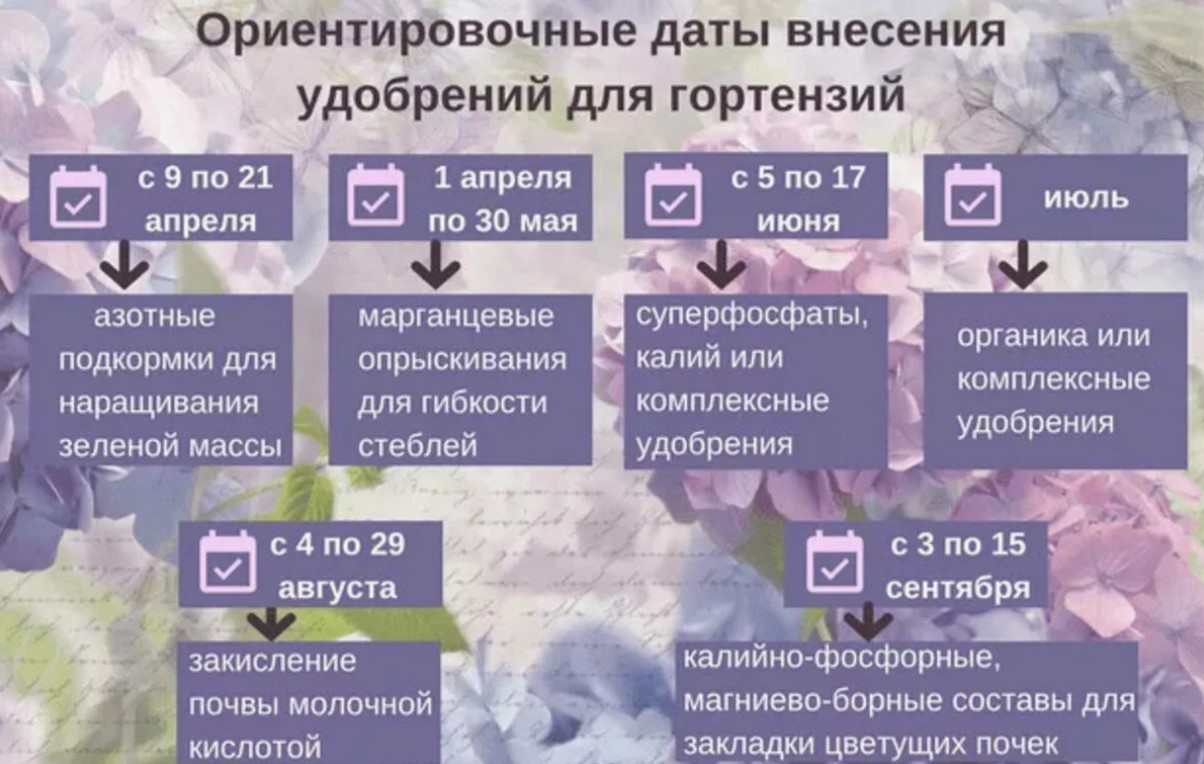
Each phase is extremely important for normal growth and active flowering of hydrangea, but at each stage the plant requires a certain set of nutrients.
What to do before fertilizing hydrangeas
Before fertilizing any type of hydrangea, pruning is essential. This can be done before the buds begin to emerge from the trunk. Once the buds begin to swell or green leaf tips appear, the hydrangea should no longer be pruned.
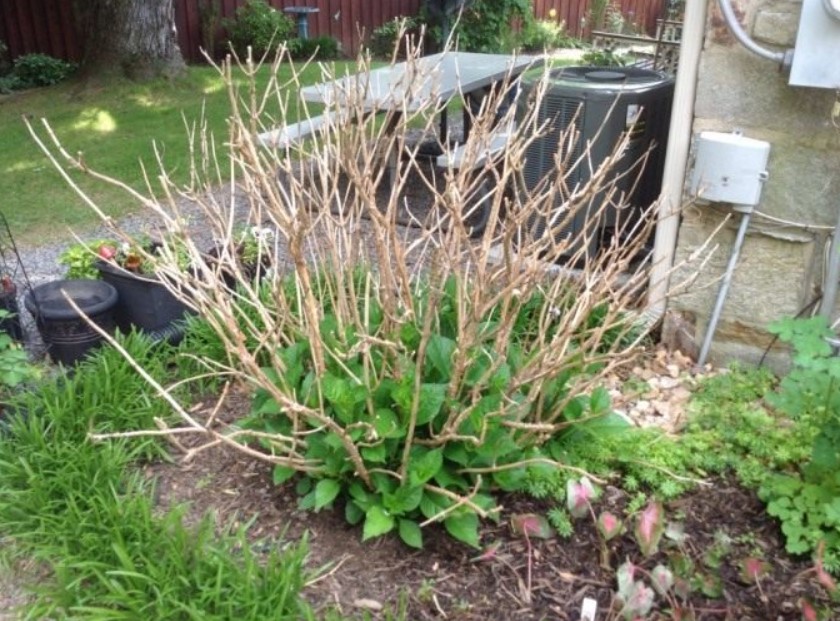
You should begin feeding hydrangeas only after the first leaves begin to unfold; this process indicates the awakening of the root system and its readiness to absorb nutrients from the soil.
Timing of the first hydrangea feeding in spring
The first hydrangea feeding should be done no earlier than when the soil warms to 4-6 degrees Celsius and buds begin to swell or green leaves begin to appear on the bushes. This typically occurs in late April to early May.
How to feed hydrangeas in spring
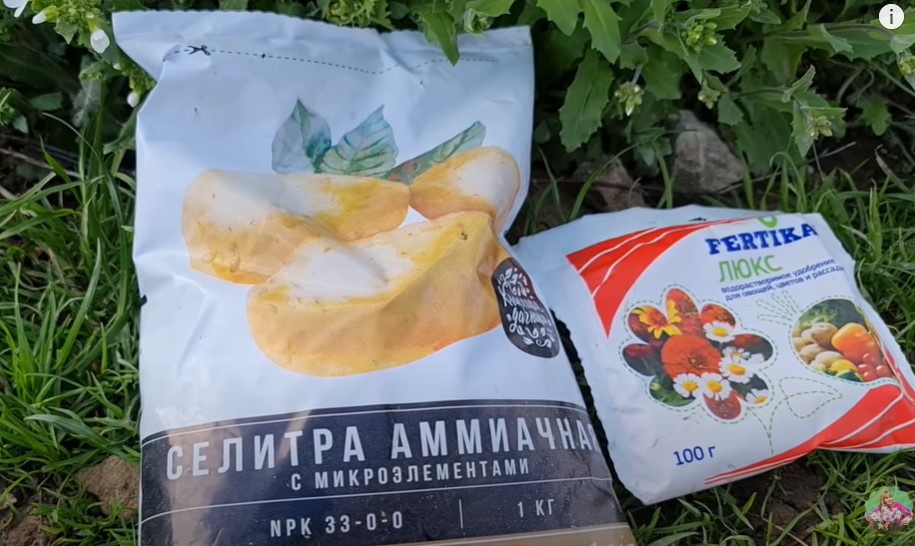
During this period, it's a good idea to use nitrogen fertilizers to stimulate the growth of vegetative mass. It's crucial not to overdo it with nitrogen, otherwise the bush will begin to produce shoots intensively, leaving no energy for buds and flowers. Ammonium sulfate, which contains sulfur in addition to nitrogen, is best suited at this stage. Ammonium nitrate or calcium nitrate are also suitable. Fertika's ammonium nitrate with microelements produces very good results.
But it’s better to wait with urea until the soil warms up to +15 degrees; this fertilizer takes a long time to dissolve and is quite prolonged.
If you delayed the first feeding, no problem. During the budding period, hydrangeas can be treated with nitroammophoska (16%). Dissolve 25 g of the product in 10 liters of water.
Some gardeners feed hydrangeas with superphosphate and potassium sulfate in the spring, but it is better to leave this feeding until the budding process begins.
Timing and fertilizers for the second feeding of hydrangea during budding
Once the hydrangea's leaves have fully opened, the plant enters the next phase—budding. This is a good time to apply foliar feeding. You can use a universal nutrient solution: 8 g ammonium sulfate, 5 g magnesium sulfate, and 3 g potassium sulfate, diluted in 5 liters of water and used to spray the bushes. After two weeks, you can water the bush with a weak, pale pink solution of potassium permanganate.
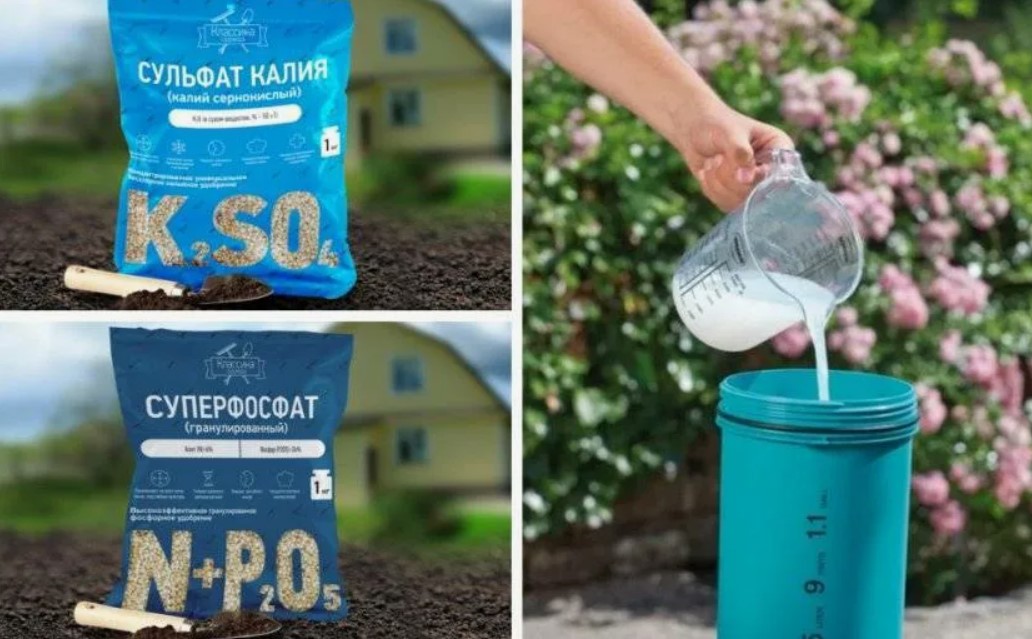
Spraying should be done either early in the morning or in the evening on a windless day. Spraying during the day can cause sunburn on the leaves.
Timing and fertilizers for the third feeding of hydrangea during flowering
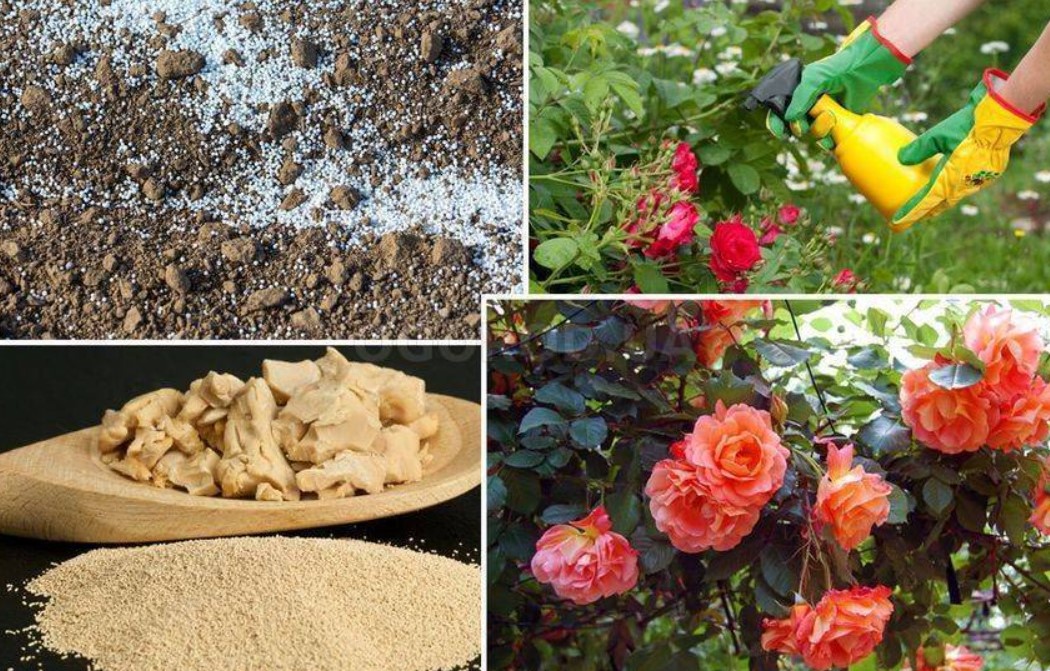
Hydrangeas require phosphorus and potassium for lush and long-lasting blooms. Nitrogen-containing fertilizers are not recommended during this time to avoid stimulating vegetative activity.
For root feeding, use the following universal solution:
- 30 g superphosphate.
- 30 g potassium sulfate.
- 20 g of ammonium nitrate.
- 10 liters of water.
- Optional: 20 g zinc chelate.
Mix all ingredients together and dilute with water. Water the bushes with the solution once per summer, but no later than mid-August. To promote lignification of the shoots after this feeding, it's helpful to water the bush with a weak solution of potassium permanganate, which is especially important for tree-like hydrangea varieties.
Timing and fertilizers for the final feeding, preparing hydrangeas for winter
In late August and early September, hydrangea shoots stop growing, and the plant devotes its energy to accumulating nutrients for winter. At this stage, nitrogen should not be used; potassium-phosphorus fertilizers are suitable. To prepare a solution, dilute 30 g of monopotassium phosphate or superphosphate and 20 g of potassium sulfate in 10 liters of water. Water the bush with the resulting solution around the trunk. After the moisture has been absorbed, it is useful to mulch the flowerbed surface. This will be the final feeding before winter.
Fertilizers for acidifying the soil and changing the color of hydrangeas
Hydrangeas prefer moderately acidic soil, while specimens with blue flowers and broad leaves prefer more acidic soil with a pH of 4-4.5. To acidify the soil, add peat to the hole before planting, and regularly add additional acid throughout the season. Citric acid, a 9% solution of malic acid, or acetic acid can be used for this purpose.
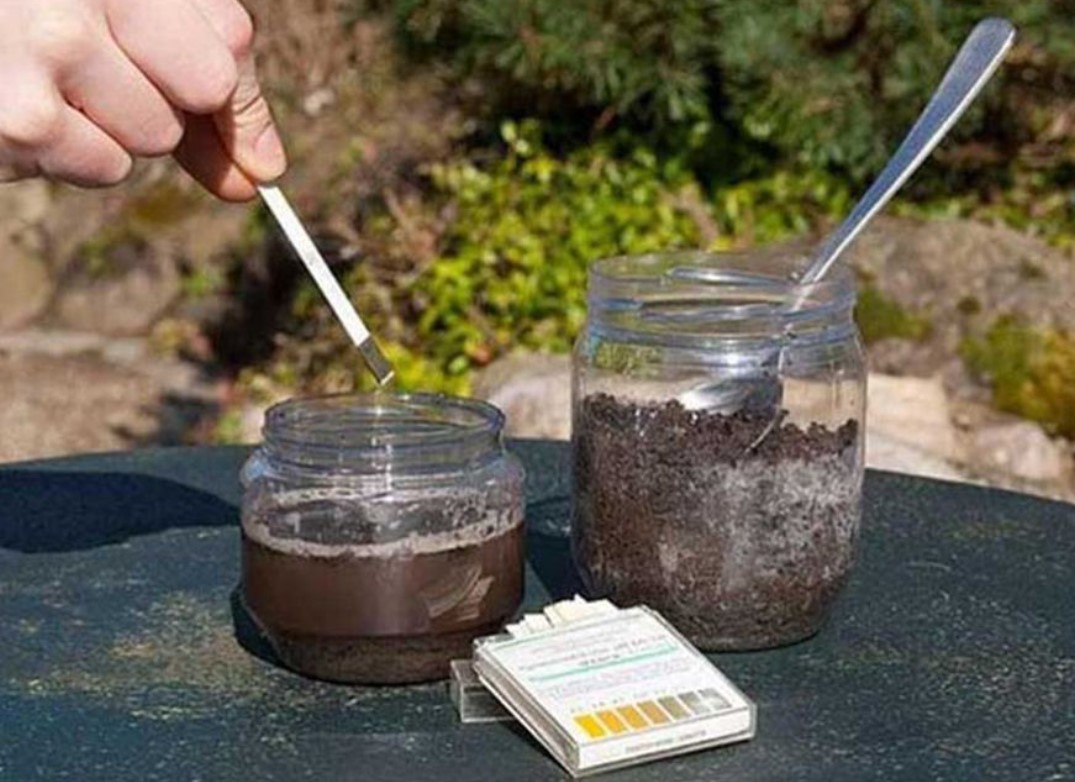
The recipe for making citric acid fertilizer is very simple: dilute 2 tablespoons of citric acid in 10 liters of water and pour into the tree trunk circle. The application rate for each plant is approximately 15-20 liters. It is recommended to apply this fertilizer once a month.
9% vinegar is used in the amount of 100 ml per bucket of water; it is useful to add 20 g of ferrous sulfate or iron chelate to such a solution.
Hydrangea growers know that the flower's color changes depending on the soil's acidity. If the soil pH remains between 6 and 62, the blooms will be crimson or pinkish. In acidic soil, hydrangeas will appear blue or light blue.