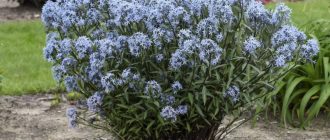
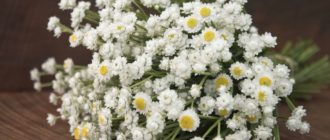
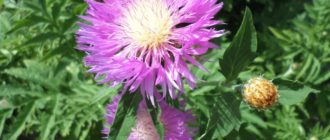
Adenophora, a genus of plants in the Campanulaceae family, has over 60 species. Interestingly, its name comes from the Greek word meaning "iron-bearer." This term refers to the numerous glands on the ovary. They seem to adorn the stems and leaves, lending the plant a special charm. Some gardeners prefer to call it "Bellflower" because of the unique shape of its flowers, which resemble small drums.
Content
- 1 Brief characteristics of adenophora in the table
- 2 Aglaomorpha photo gallery
- 3 Description of adenophore
- 4 Adenophora Growing and Care Chart
- 5 Types of adenophora
- 6 Features of sowing and planting adenophora
- 7 Caring for Adenophora
- 8 Care tips
- 9 Reproduction of Adenophora
- 10 Diseases and pests of adenophora, possible problems
- 11 Using Adenophora in the landscape
Brief characteristics of adenophora in the table
| Characteristic | Description |
|---|---|
| Family, Genus | Bellflowers, Bells 🌼 |
| Spreading | They grow in various parts of Eurasia, and are especially widespread in East Asia. |
| Appearance | The plants have erect stems, reaching heights of 50 to 150 cm. The leaves are arranged alternately or whorled. The flowers are collected in racemose or paniculate inflorescences and resemble bells. 🌱🔔 |
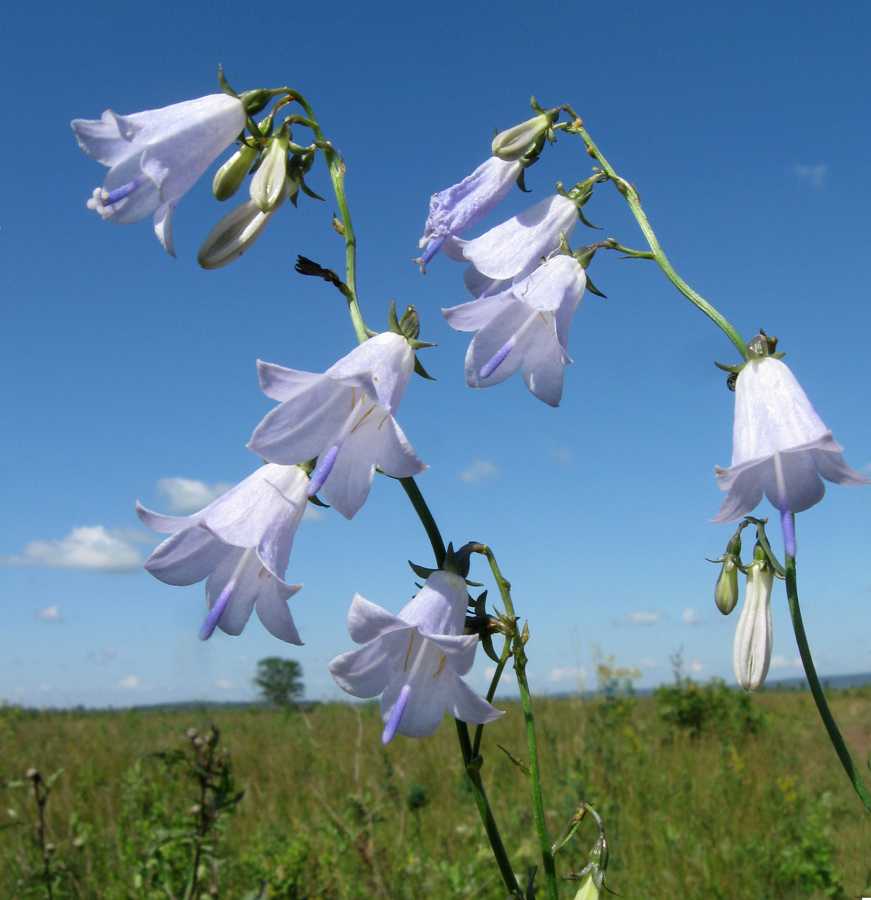
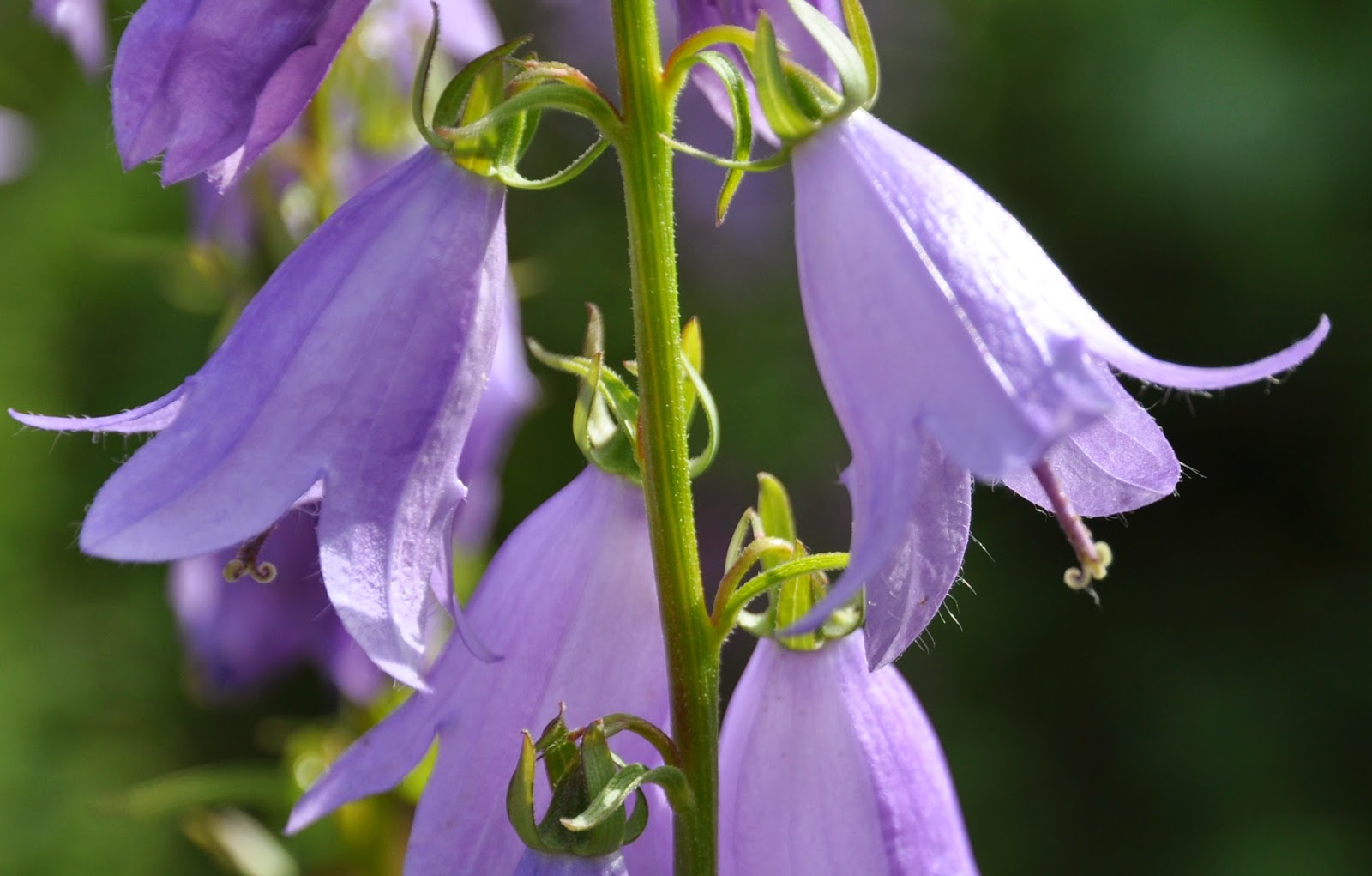
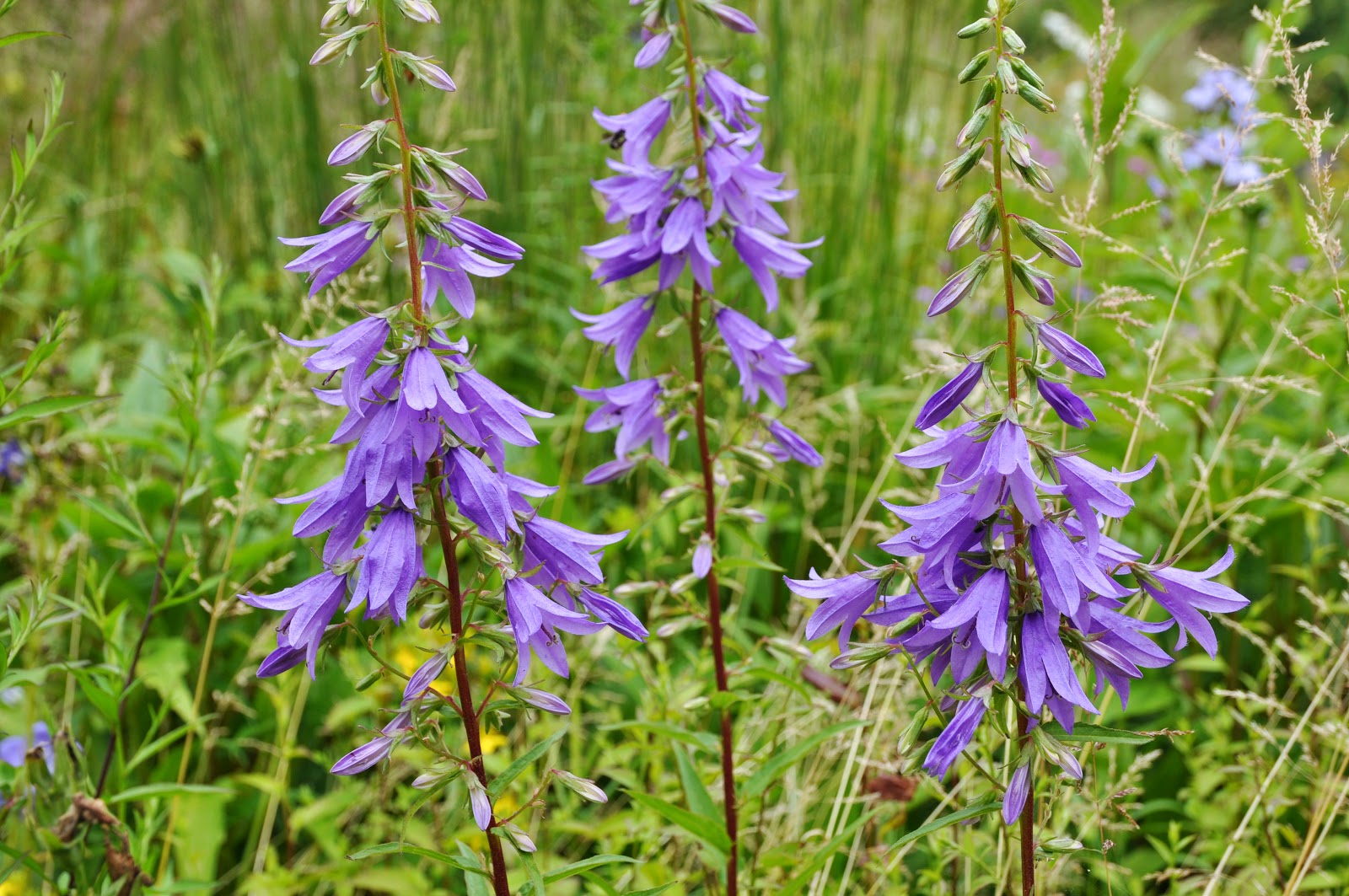
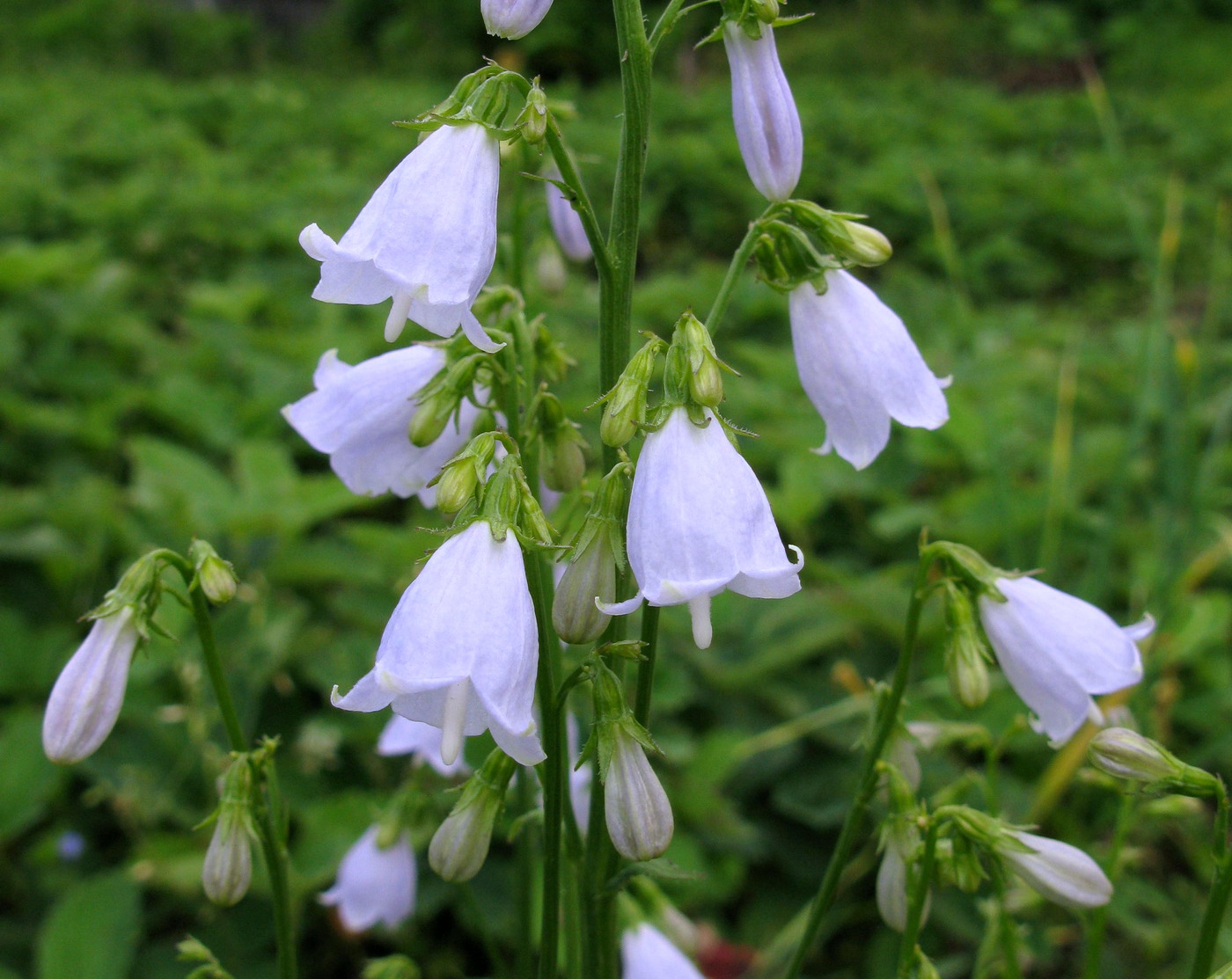
Aglaomorpha photo gallery
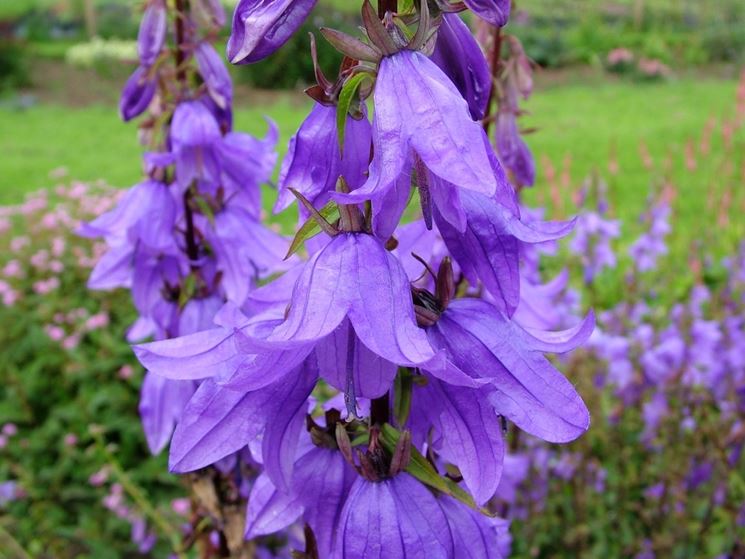
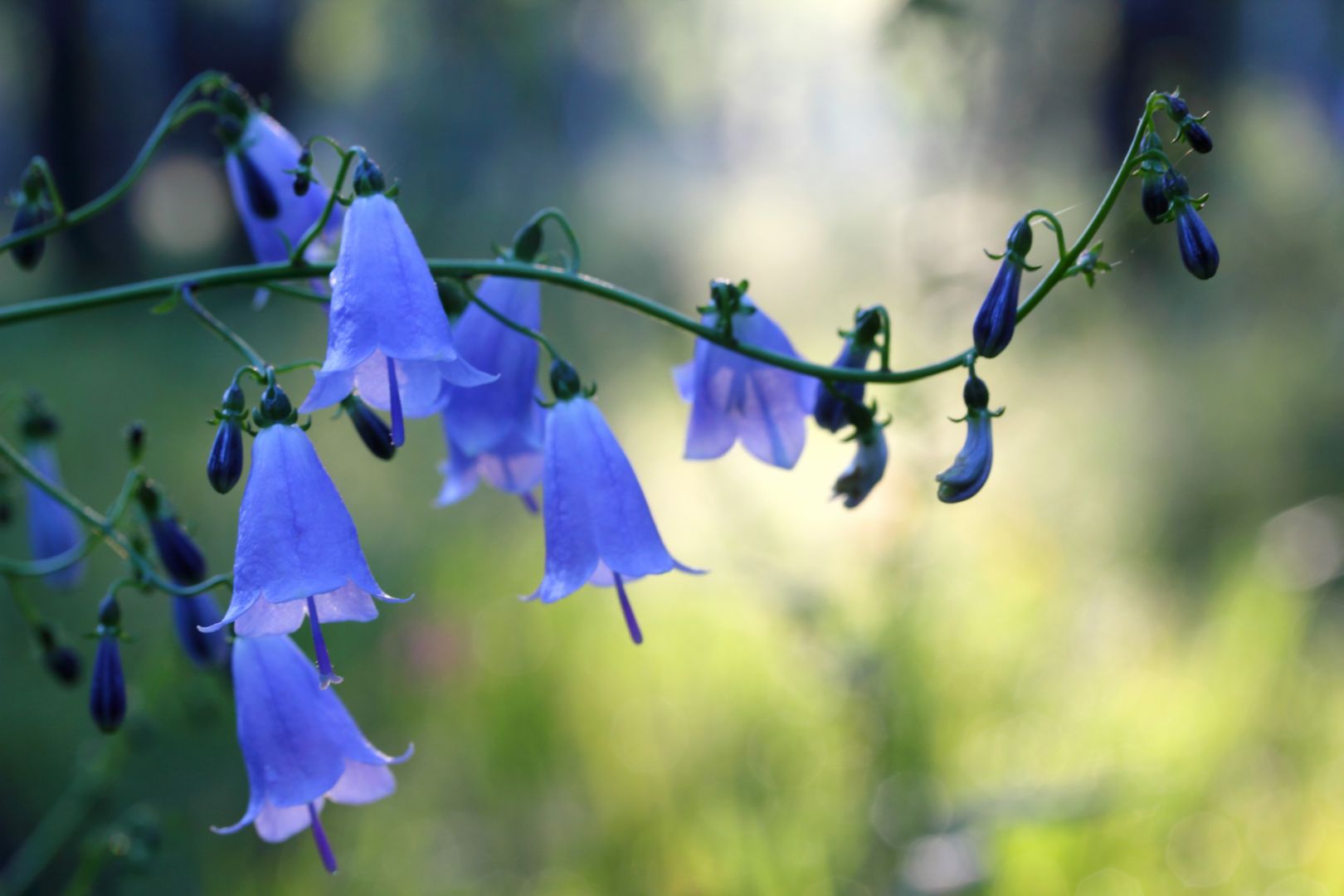
Description of adenophore
🌿 Adenophora are unique plants native to Europe, Siberia, the Far East, and East Asia. They can be found in steppes, meadows, and clearings in coniferous and deciduous forests.
🌱 It has a powerful root system, and the stems are erect and branched. The leaves are cordate with a petiole at the base, and on the shoot they can be either sessile or alternately arranged.
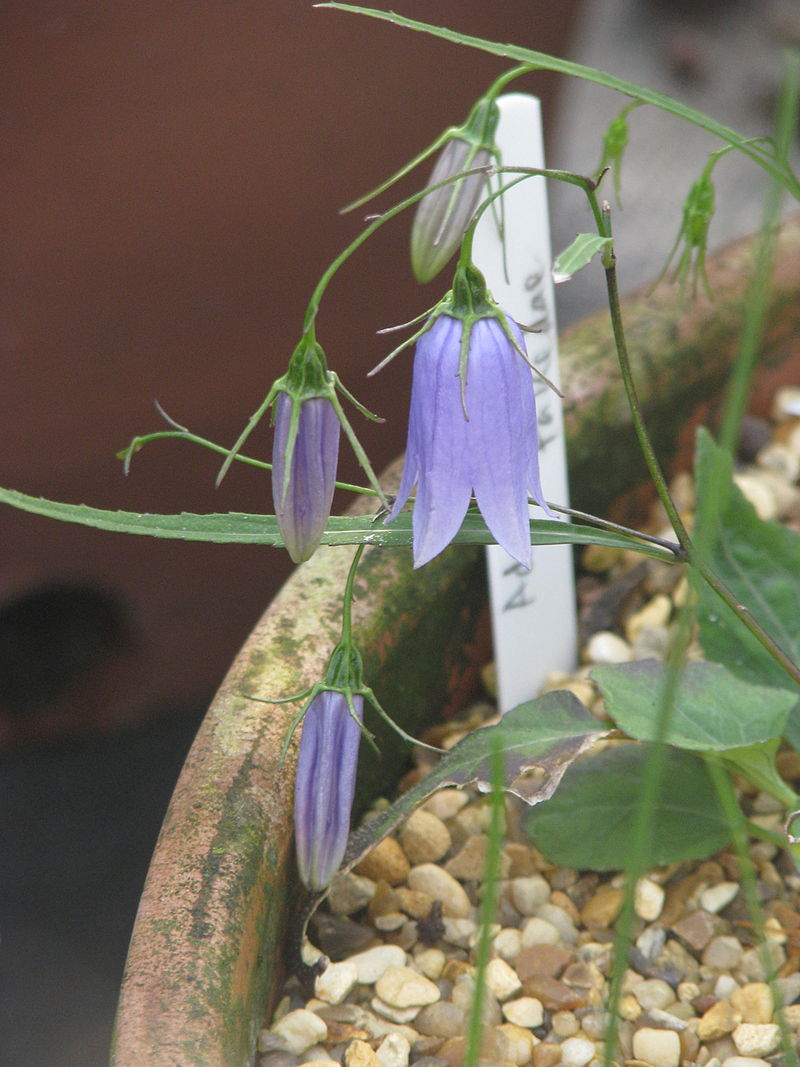
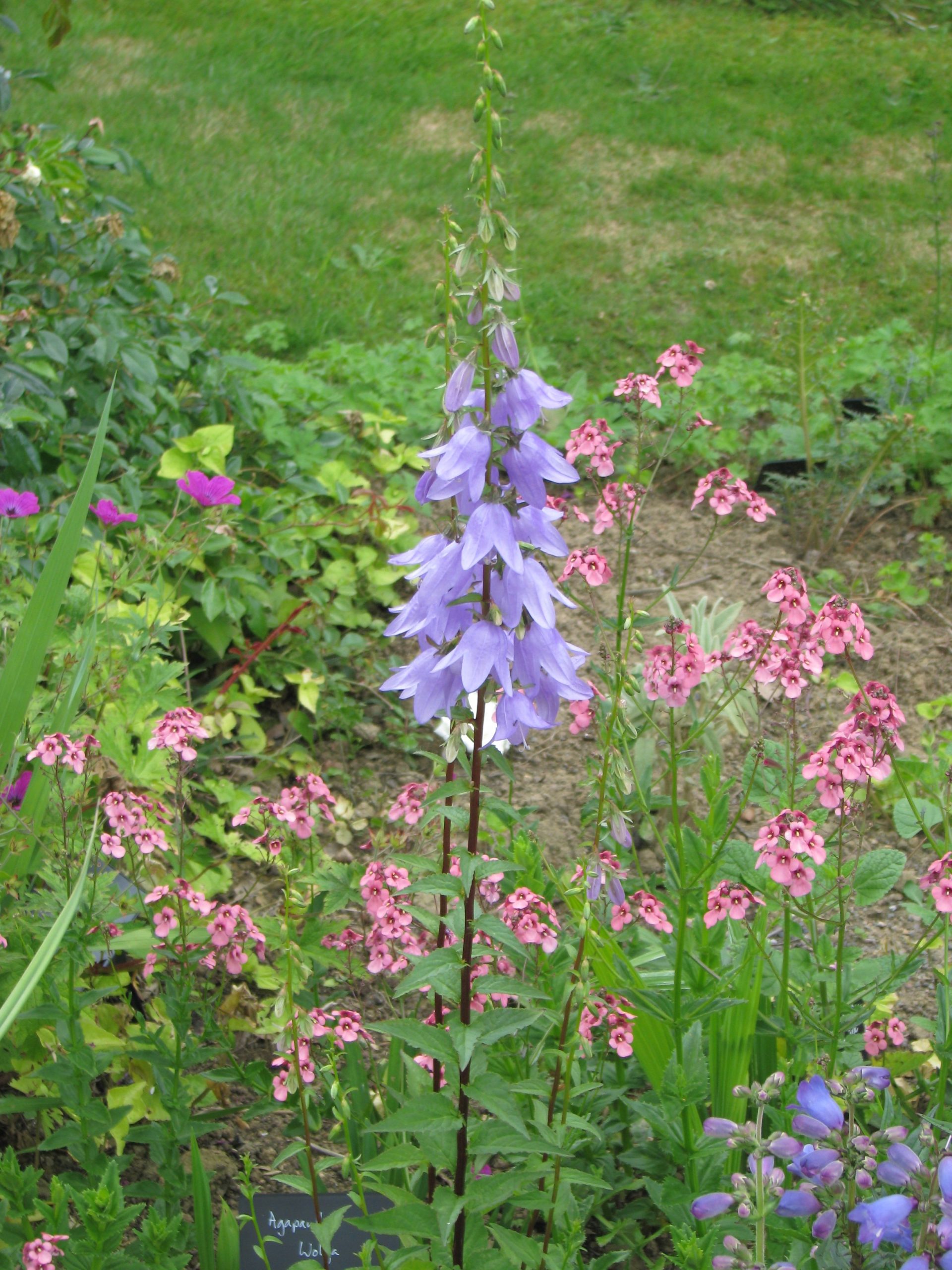
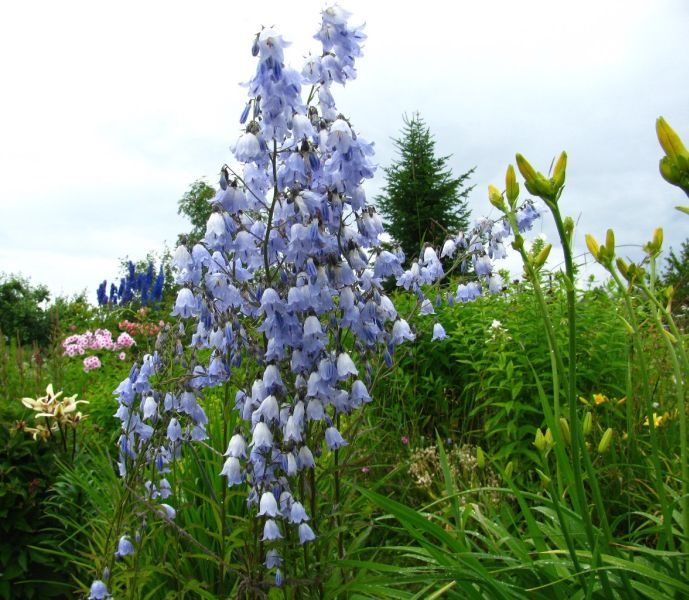
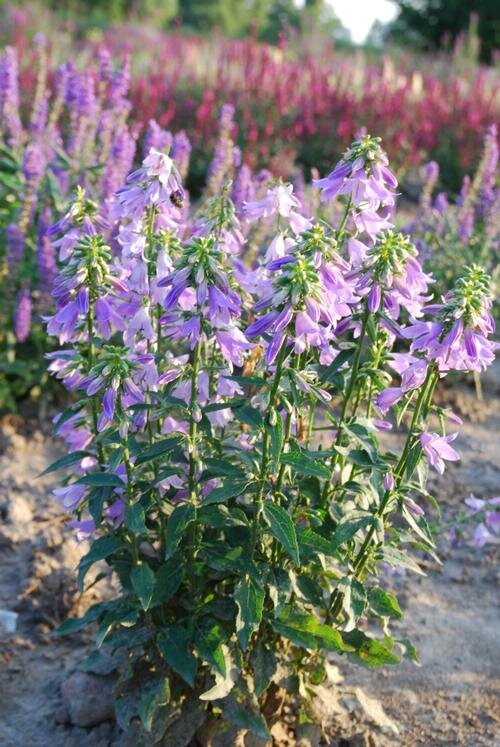
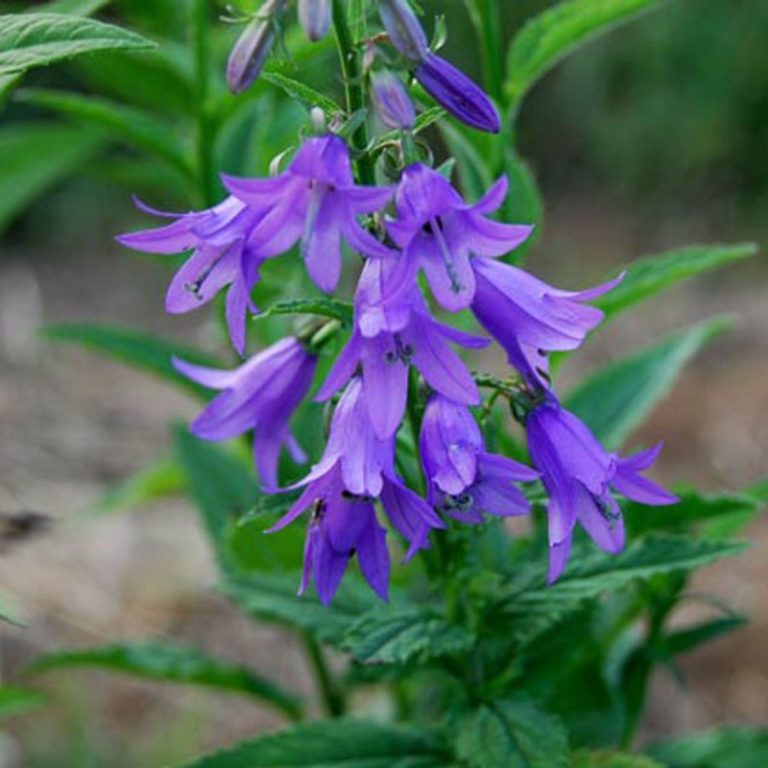
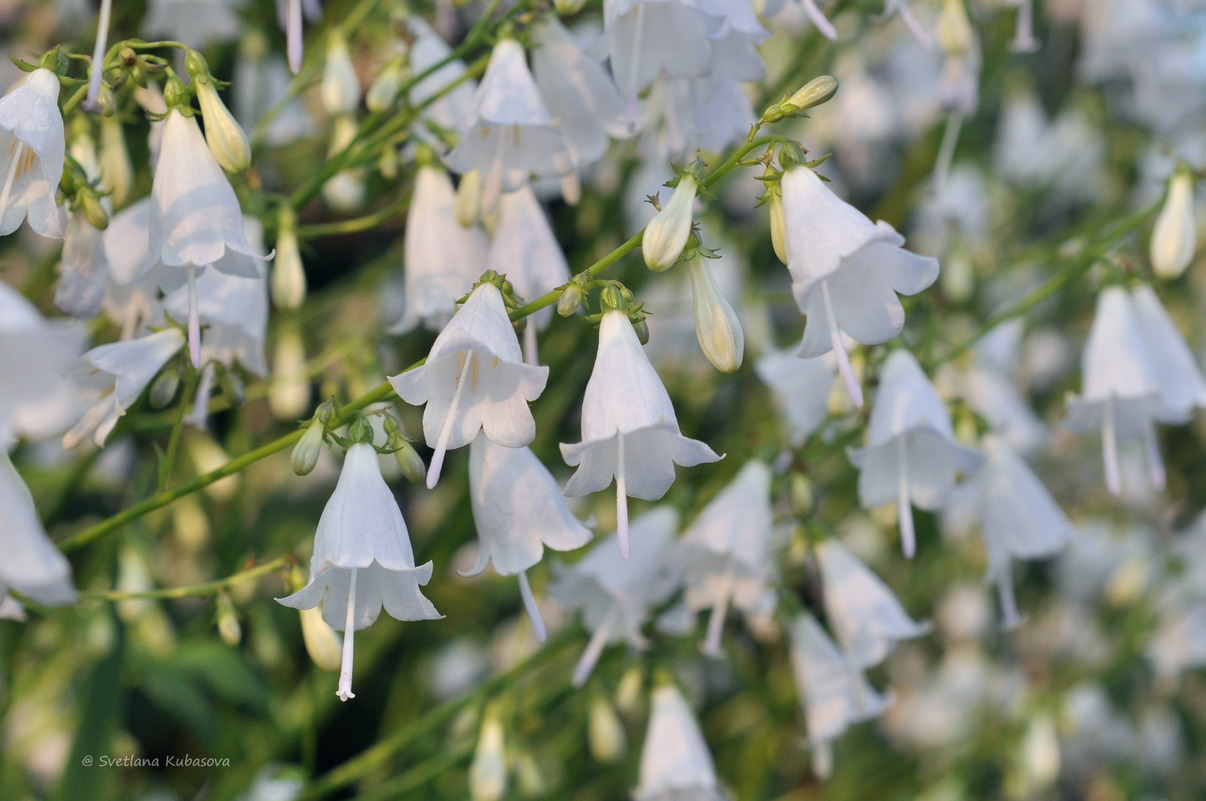
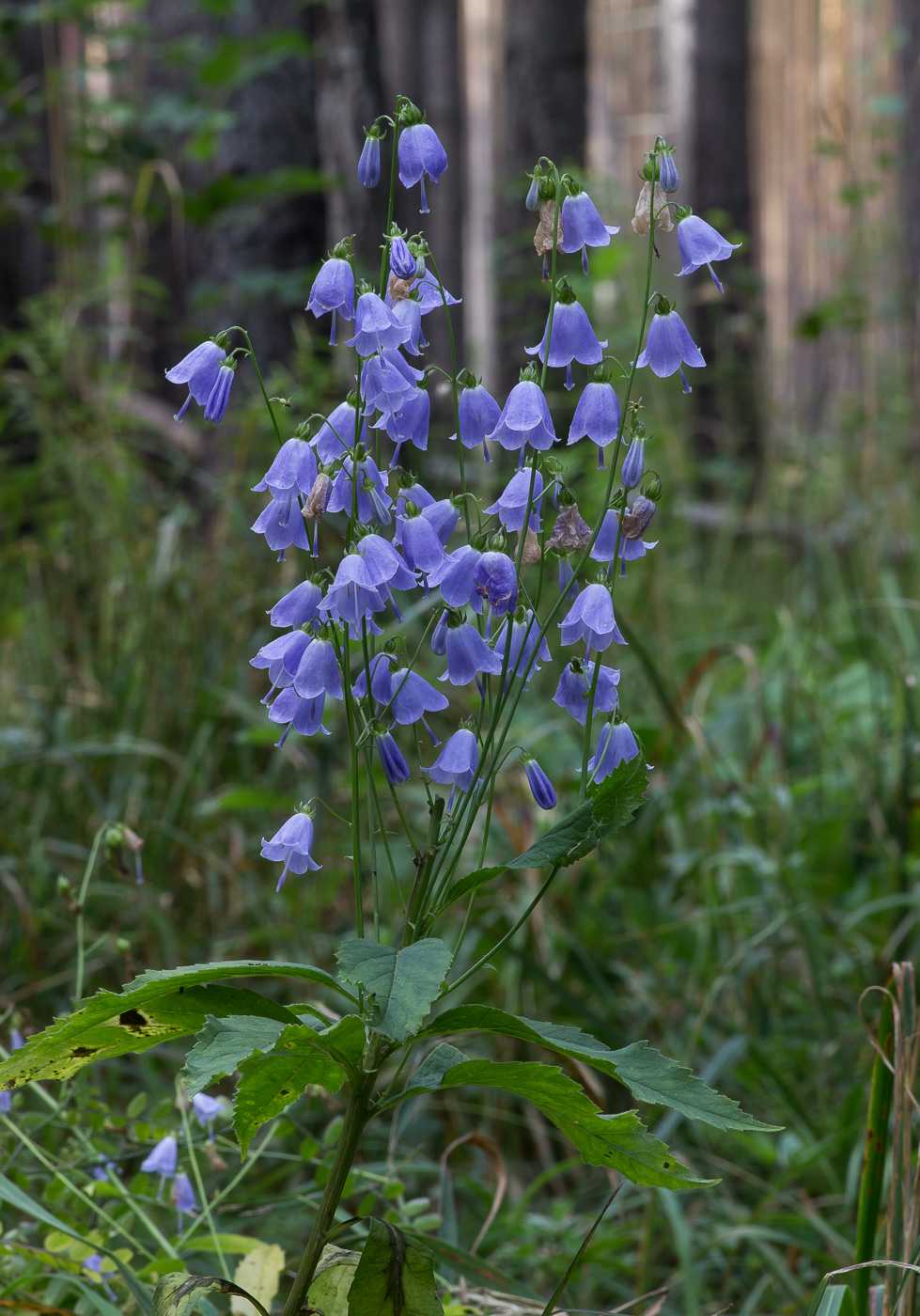
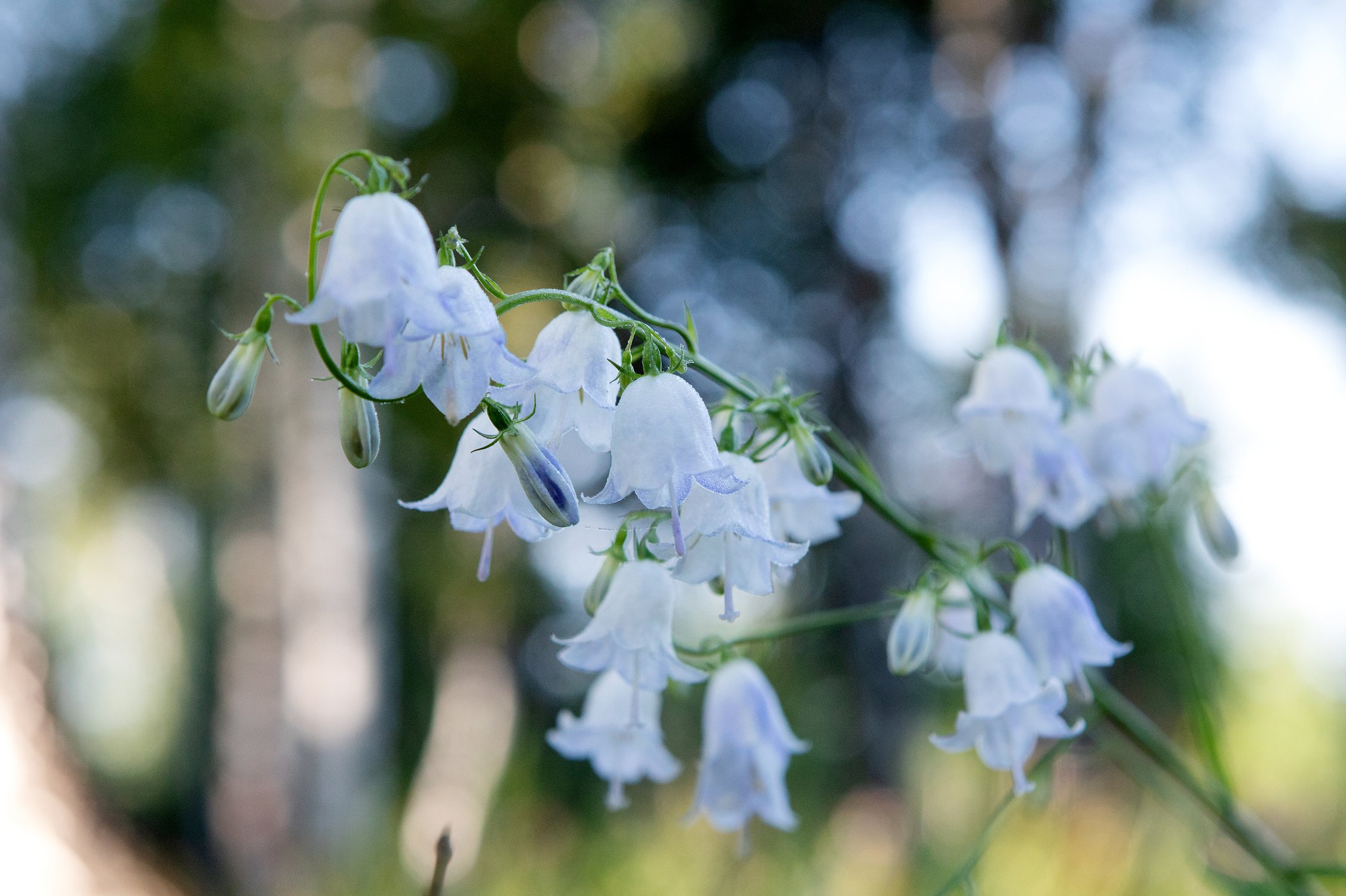
🌼 In summer, the Adenophora delights the eye with flowers in a variety of shades: blue, light blue, purple, or white. The flowers are gathered in inflorescences resembling brushes or a snowstorm. They are so numerous that they sometimes obscure the stem and leaves.
🌸 After flowering, seed pods form, opening at the bottom. The fruits contain flattened seeds.
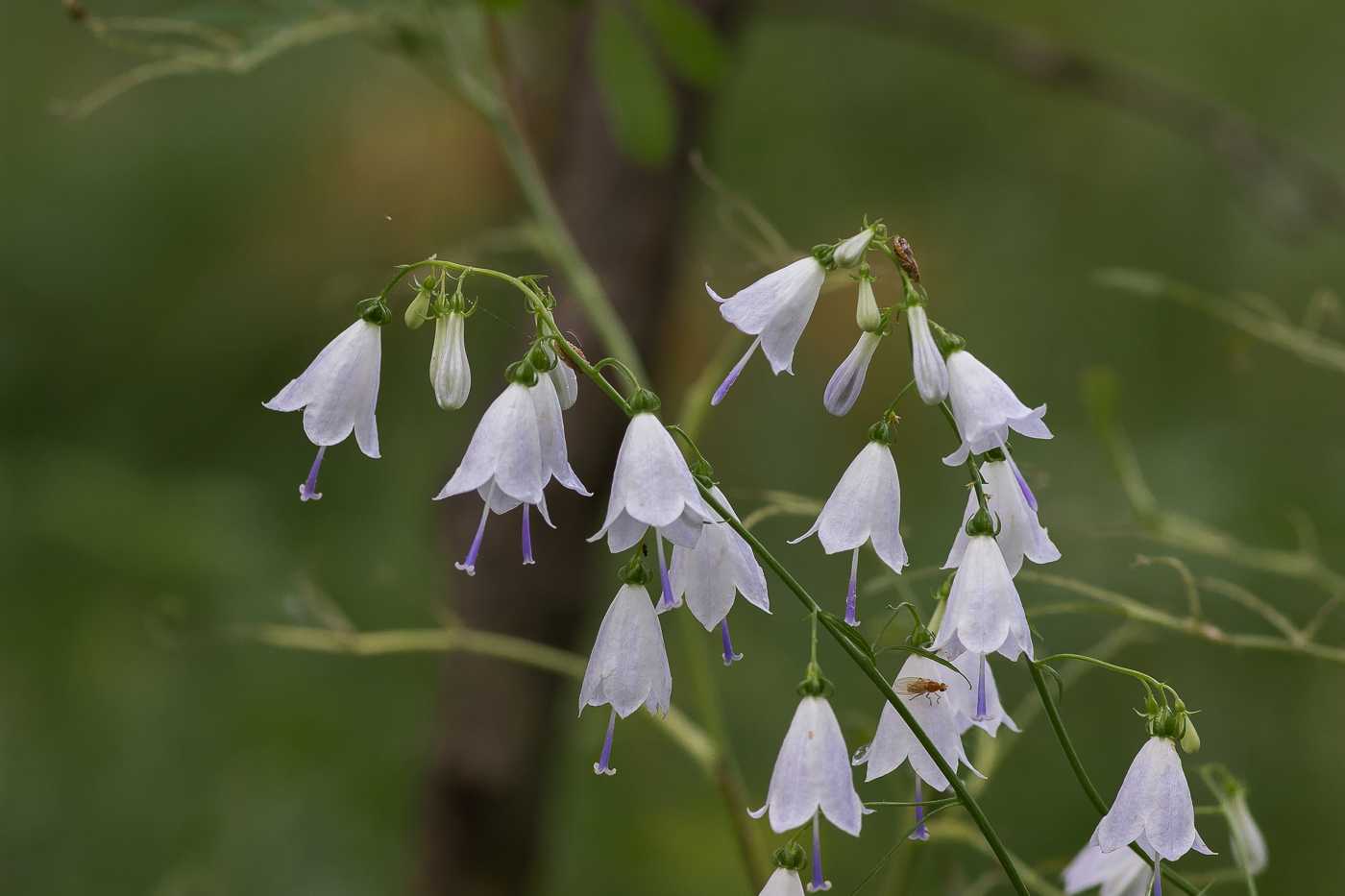
💊 Besides their beauty, adenophora also possesses medicinal properties. Their roots are used medicinally to treat lung diseases, improve digestion, and strengthen the immune system.
Adenophora Growing and Care Chart
| Characteristic | Description |
|---|---|
| Location | Prefers a western or southern exposure with the possibility of receiving several hours of sunlight. 🌞 |
| Soil | Thrives best in loamy, neutral soil with good drainage. 🌱 |
| Watering, humidity | Generous watering 2-3 times a week is recommended. Adenophora is not fussy about humidity. 💧 |
| Top dressing | The plant should be fed only during the period of active growth, at least during the dormant period. 🌿 |
| Attitude to heat | Frost-resistant, does not require additional shelter during the winter period. ❄️ |
| Features of cultivation | It does not tolerate transplantation well and takes a long time to recover after it. |
| Reproduction | Propagated by seeds and basal cuttings. |
| Diseases and pests | Often attacked by aphids and various rots. 🦟 |
Types of adenophora
There are several main types of adenophora for cultivation: lily-leaved bellflower, three-pointed bellflower, three-leaved bellflower, and broadleaf bellflower. 🌱
Adenophora liliifolia
Adenophora tricuspidata
🌿 This is a plant that is found naturally in the Sayan Mountains, the Far East and China.
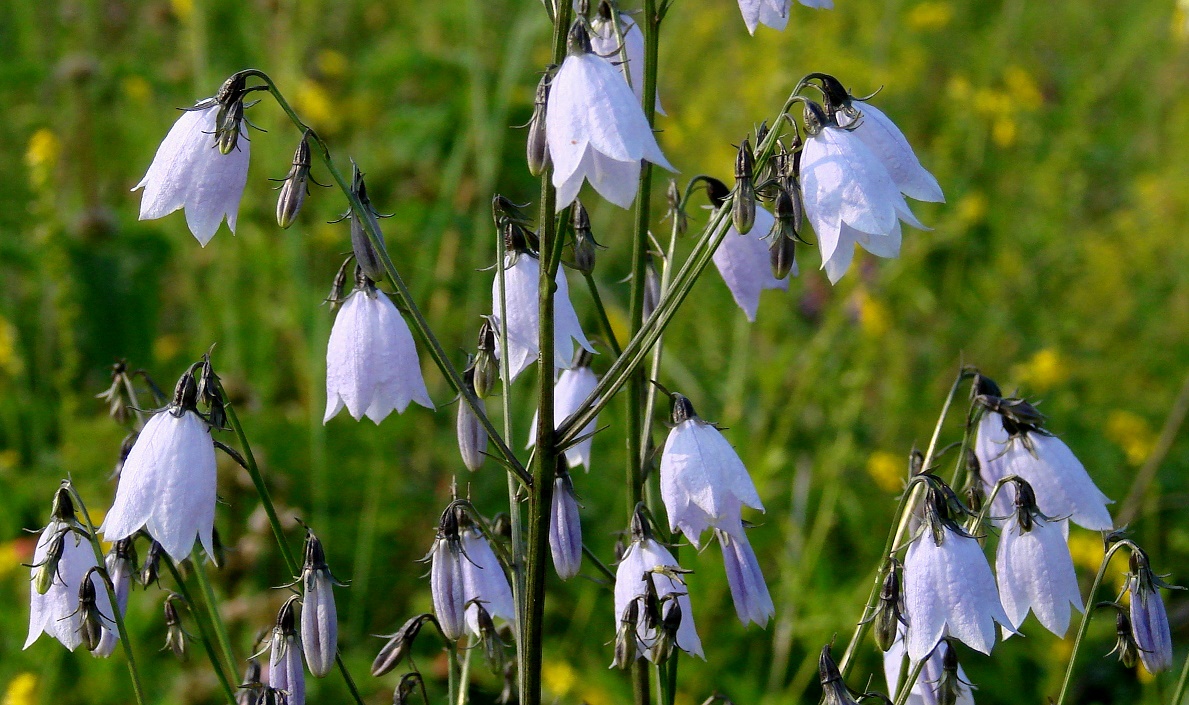
Its stems reach heights from 24-35 to 100-150 cm, straight, sometimes with branches at the top. They can be bare or covered with stiff white hairs, along with the leaves. The leaves are located at the base and along the stem, vary in width and shape, pale underneath, sessile, oval or oval-lanceolate.
The flowers are collected in a branched, paniculate inflorescence, drooping and reaching a length of 1 to 2 (2.5) cm. The calyx is glabrous, ovate, with teeth, acute and serrate, 1.5-2 times longer than the tube and significantly shorter than the corolla. The corolla is blue, bell-shaped.
🌼 Introduced into cultivation in 1817.
Adenophora triphylla
🌿 This interesting plant is widely distributed across East Asian islands such as Sakhalin, the Kuril Islands, and various parts of Japan, including Hokkaido and Honshu. It is often found in mixed-grass meadows, especially along the coast.
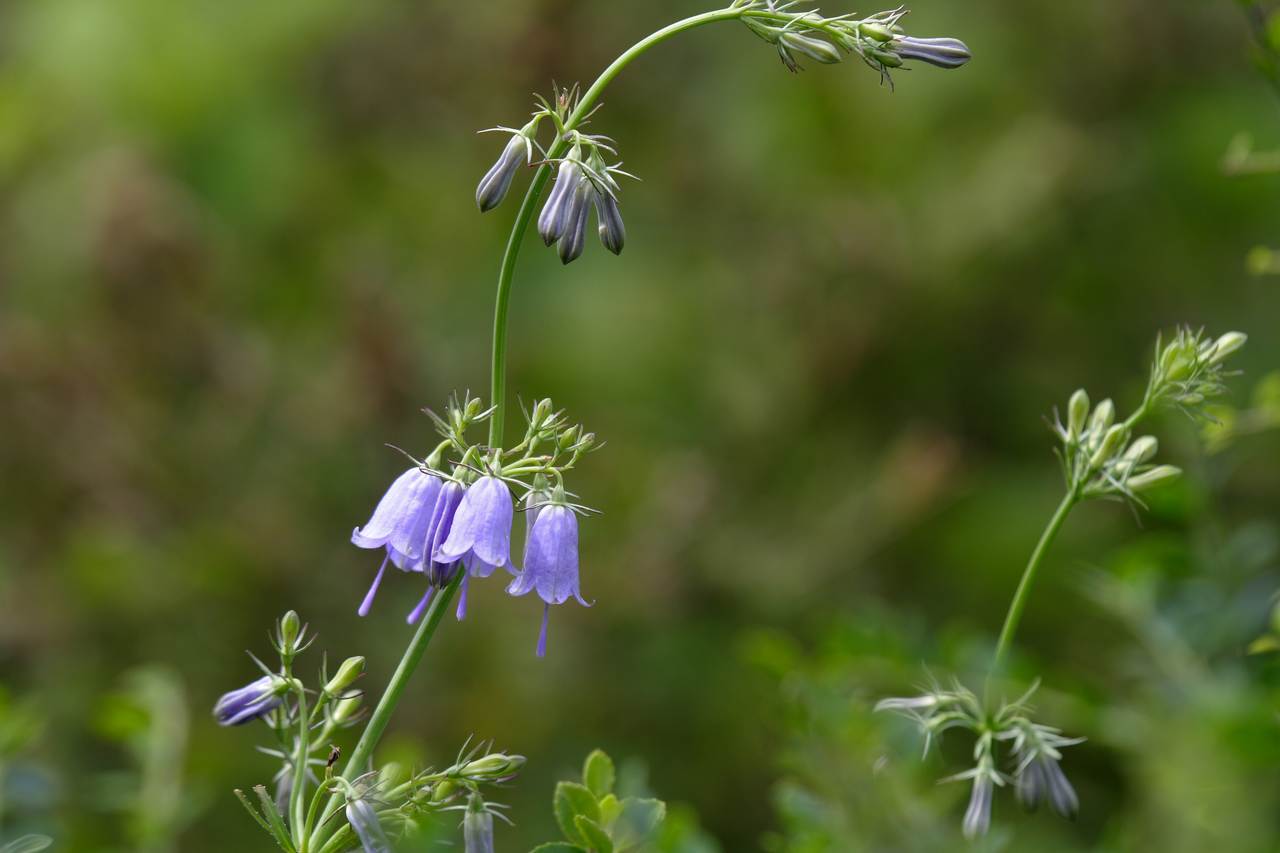
This perennial plant grows 40-100 cm in height and has lanceolate-oblong leaves that are densely clustered in whorls. The attractive blue flowers form dense inflorescences of 10-15 flowers. These flowers can be bell-shaped or funnel-shaped, with a diameter of about 1.5-2 cm.
🌸 It blooms in July and August, delighting with its graceful appearance and pleasant aroma. After flowering, the seeds ripen in September, marking an important stage in its development.
🌼 A decoction of this plant's roots has long been used in traditional medicine. It can help improve digestion, reduce fever in tuberculosis, and relieve coughs and colic. Due to its medicinal properties and attractive appearance, Adenophora trifoliate is often used to landscaping parks and other open spaces.
Adenophora latifolia
🌿 This plant is widespread in the central and southern parts of European Russia, as well as in the south of Western Siberia and Central Europe.
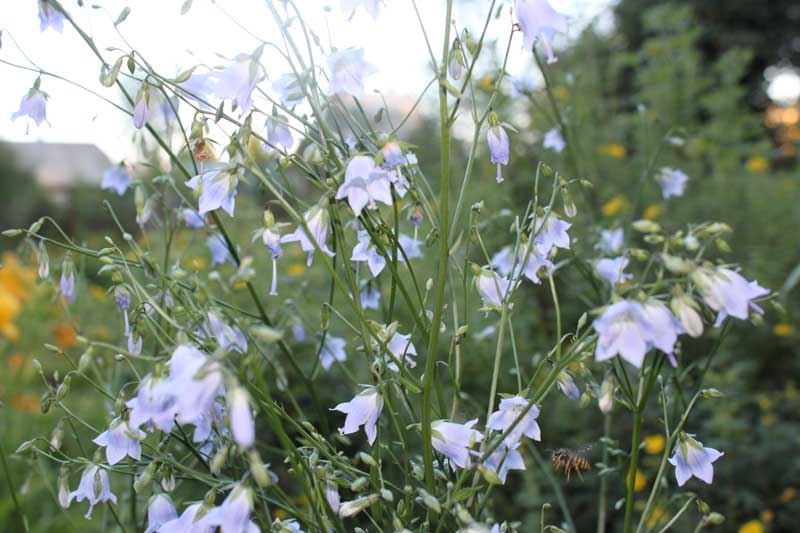
🌱 The plant can reach up to 100 cm in height. The leaves are whorled: the basal leaves are rounded and prone to early death, while the stem leaves are ovate or lanceolate-oblong.
🌸 The drooping, bell-shaped flowers, colored blue, reach up to 2.5 cm in size. They bloom in July and August, bringing unique beauty to the surrounding nature.
🌼 This plant has been used in culture since 1784, which testifies to its long history of cultivation and human appreciation of its decorative and other useful properties.
Features of sowing and planting adenophora
🌱 For sowing adenophora, seeds are most often used. In February, it is recommended to sow the seeds in containers filled with nutritious soil. It is important to remember not to bury the seeds or cover them with soil.

❄️ Sowing can also be done before winter. In this case, the seeds are lightly covered with soil in containers and left outdoors to overwinter.
🌞 After sowing, the container with the seeds should be placed in a cool place for a month, such as the vegetable drawer in the refrigerator. After this period, move the container to a well-lit area and maintain a temperature of approximately 18–20°C.
🌿 Pricking out seedlings is not recommended to avoid damaging the fragile root system. When transplanting into open ground, carefully transfer the seedlings.
🌳 After transplanting into the ground, care for the adenophora is carried out according to general gardening rules, including regular watering and fertilizing, which are necessary to ensure its health and good growth.
Caring for Adenophora
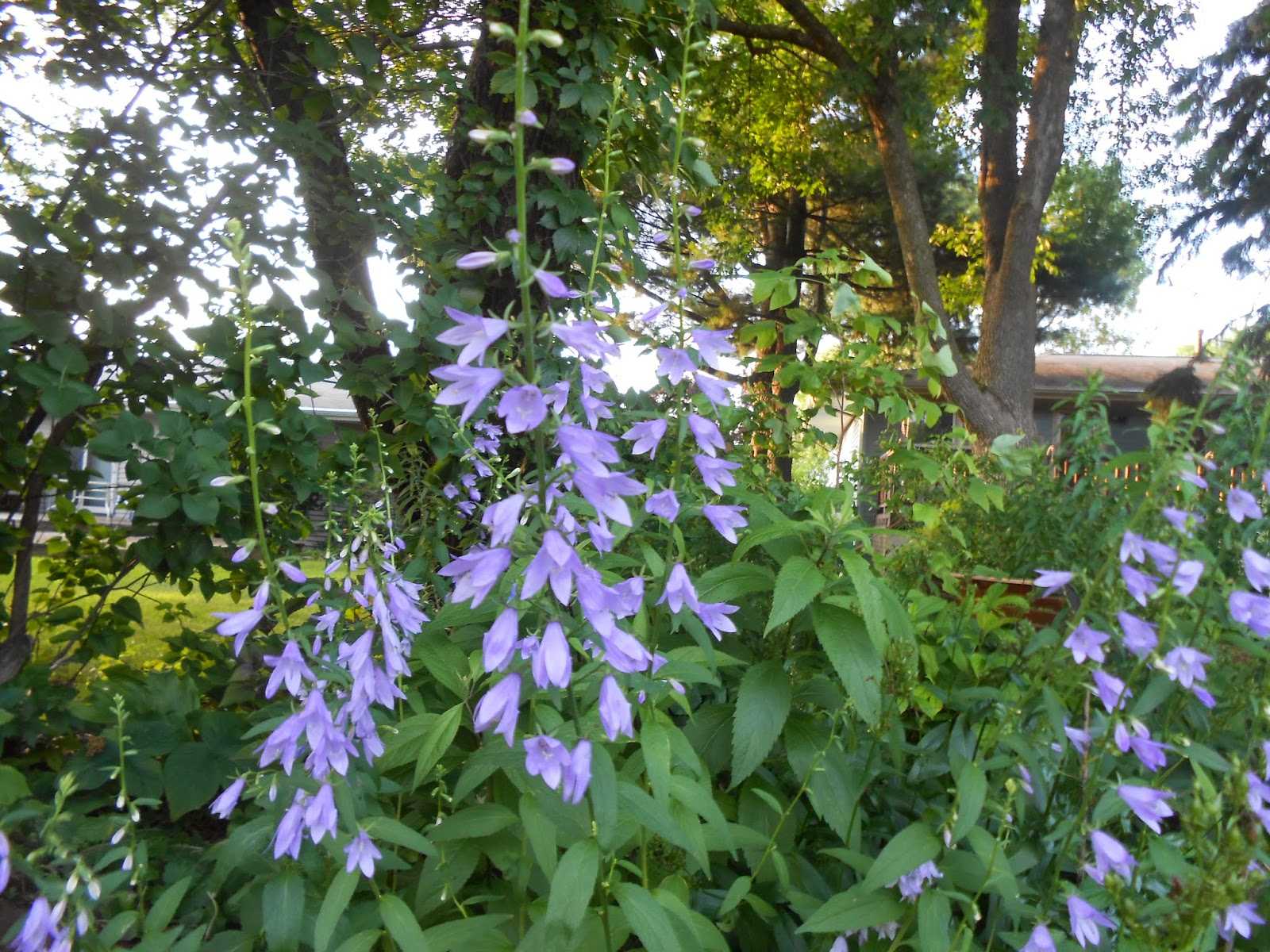
🌿 Adenophora, being a wild plant, usually does not require much care from the gardener.
Location
🌿 It's recommended to plant bellflower in sunny areas, especially if you're aiming for abundant blooms. However, it's worth noting that the plant is generally shade-tolerant and can thrive in secluded, shady spots.
🌱 In such conditions, adenophora may not bloom as profusely as in sunny areas, but it will still be healthy and resistant to decay. The choice of planting location is up to the gardener, taking into account their preferences and the specific site conditions.
Priming
🌿 The type of soil doesn't really matter. It can be loam, sandy loam, or clay soil. The main requirement is that the soil be neutral in pH and not too wet.
💧 It's important to avoid overwatering the soil, as Adenophora does not tolerate waterlogging well. Excess moisture can lead to rapid root rot, which can negatively impact the plant's health.

Watering
🌿 Watering your adenophora should depend on environmental conditions. Consider the weather and soil dryness.
💧 The plant should be watered only when the top layer of soil begins to dry out. On cool summer days, watering about three times a week is usually sufficient, while during hot periods, daily watering is recommended, especially in the evening.
🌞 During rainy periods, additional watering is not required, as the plant receives sufficient moisture from precipitation.
Top dressing
🌿 Adenophora does not require fertilization, however, it will respond to feeding with more abundant flowering.
💡 A good fertilizer option is mineral fertilizers, which can be applied after the snow melts and before buds begin to form. This will help provide the plant with the necessary nutrients for active growth and development.
🚫 It is better to avoid organic fertilizers, as they can stimulate the development of fungal diseases in adenophora.

Care tips
🌿 Important tips for caring for adenophora:
- Regularly loosen the soil under shrubs and weed. This will help ensure the plants have access to air and nutrients.
- Consider using mulch under your plants. Mulch will protect the roots from overheating and help retain moisture in the soil.
- Remove yellowed and dry leaves from the bushes to prevent them from robbing the plant of nutrients. You can do this by hand or with clean scissors.
- During the winter, bellflowers can survive without cover. It's important to stop watering well before the onset of cold weather to avoid excess moisture, which can lead to root rot.
- In cold regions, shrubs can be mulched for additional protection from low temperatures.
Reproduction of Adenophora
🌿 Three popular methods are widely used: seeds, division of the bush, and basal cuttings.
🌱 It is important to remember that propagation should be carried out before the beginning of the growing season to ensure optimal conditions for the rooting and growth of new plants.
Propagation by seeds
🌱 Stratification, a labor-intensive method often used to propagate Adenophora by seed, mimics the natural conditions necessary for seed germination.
🌿 Stratification involves keeping seeds at a specific temperature for a long time. This process accelerates seed germination and increases the germination rate.
💡 Stratification helps seeds adapt to the environment and prepare for growth. Flowering of adenophora grown from seed usually occurs in the second or third year after sowing.
🌸 Although the stratification method requires time and effort, it often results in more successful seed propagation and high seed germination rates.
Propagation by dividing the bush
🌿 When propagating adenophora by dividing the bush, it is important to be very careful, since the plant's root system is quite fragile.
🌱 When dividing a bush, ensure that each resulting section retains viable buds. It's best to divide the bush into sections of approximately equal size to ensure even development of each section.
💧 The divided bushes should be immediately planted in their permanent location and watered generously. This will help the plants adapt to the new conditions and take root more quickly.
🌸 It should be remembered that well-done division of the bush promotes successful propagation of adenophora and ensures healthy growth of new plants.
Propagation by cuttings
🌱 Propagation of adenophora by cuttings is one of the most gentle methods.
🌿 When the plant produces basal cuttings, they can be carefully separated from the main plant and planted in soil with a root ball. This process is usually carried out in the spring, at the beginning of the plant's active growth period.
💧 Bushes propagated by cuttings need to be rooted in moist soil, providing them with suitable conditions for growth and development.
🌸 With proper care, new bushes can begin to bloom within a year after propagation by cuttings, which makes this method attractive and effective for propagating adenophora.
Diseases and pests of adenophora, possible problems
| Type of problem | Description |
|---|---|
| Aphids | Aphid infestations can be a nuisance. Use any insecticide. Inspect the leaves regularly to spot any pests. |
| Root rot | Improper watering can lead to root rot. Be careful not to overwater the soil. |
| Lack of flowers | Young plants naturally lack flowers. Flowering begins only in the third year, sometimes in the second. |
| Risk in division | Although propagation by division is possible, it can be dangerous for inexperienced gardeners. Damage to the root can lead to death. |
| Stem support | If Adenophora is grown in partial shade, provide support for the stem. |
Using Adenophora in the landscape
🌳 When using adenophora in landscape design, it is important to consider that this plant may not suit every design style of the site.
🏡 For example, a bell might look out of place in a classic or modern garden. However, it will find its place in landscape or rustic styles.
🌿 It's best to place the adenophora near wildflowers such as chamomile, wormwood, and yarrow. This will create a natural and harmonious appearance.
🏔 The plant looks especially attractive in alpine gardens. Its natural tones blend well with greenery and rock colors, creating a pleasing appearance.
🌸 It's important to keep in mind that after flowering, adenophora may look unattractive. To conceal the faded bushes, you can plant hostas, heucheras, and ferns nearby, which will add beauty and variety to the landscape design.