Acroclinium, also known as Helipterum, is a plant belonging to the Asteraceae (Compositae) family. Its distinguishing features include a long flowering period, vibrant flowers, and easy care. If you want to learn how to properly plant Helipterum and care for it in your garden, this article is for you.
Content
- 1 Brief characteristics of Helipterum in the table
- 2 Photo gallery of helipterum
- 3 Description of Helipterum (Acroclinum)
- 4 Helipterum Growing and Care Chart
- 5 Types and varieties of Helipterum
- 6 Sowing Helipterum for seedlings
- 7 Sowing and planting helipterum in open ground
- 8 Caring for Helipterum
- 9 Diseases and pests of Helipterum
- 10 Use of Helipterum in landscape and floristry
Brief characteristics of Helipterum in the table
| Features of Helipterum | Description |
|---|---|
| Spreading | It grows mainly in tropical and subtropical zones such as southern Africa, Australia and Tasmania. |
| Appearance | Reminiscent of a daisy or small aster, it can be herbaceous, a shrub, or a subshrub. Sizes range from 30 cm in height to 15 cm in crown diameter. |
| Flowers and inflorescences | It blooms with white, silver, red, purple, yellow, and pink flowers. Flowers can be solitary or clustered in clusters. |
| Leaves | The leaves are dark brown-green. They are arranged in a lanceolate line and covered with hairs. |
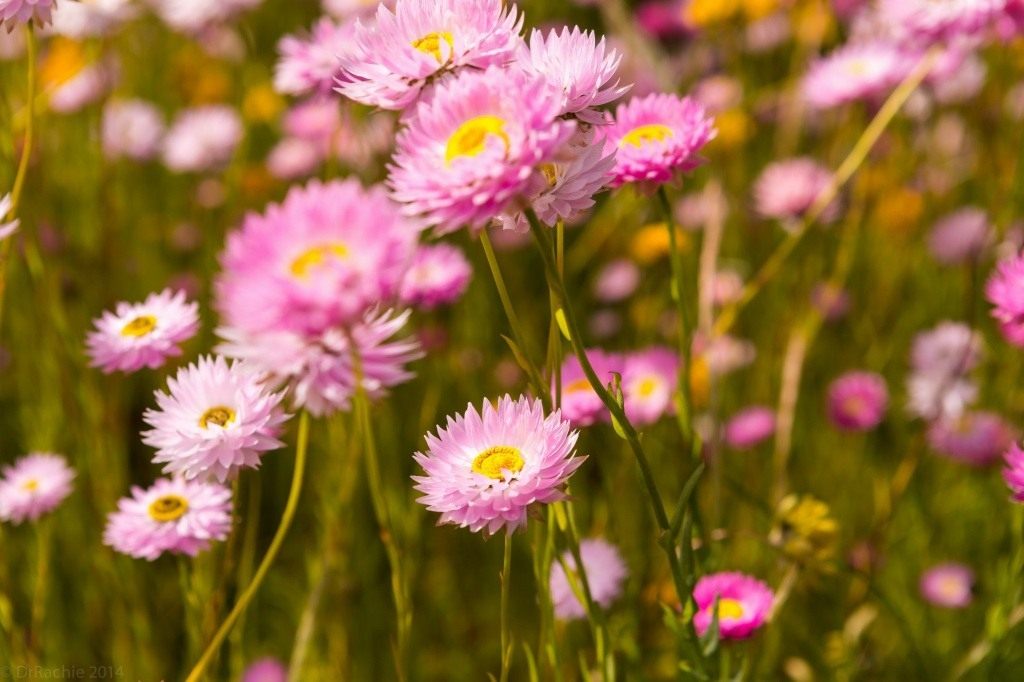
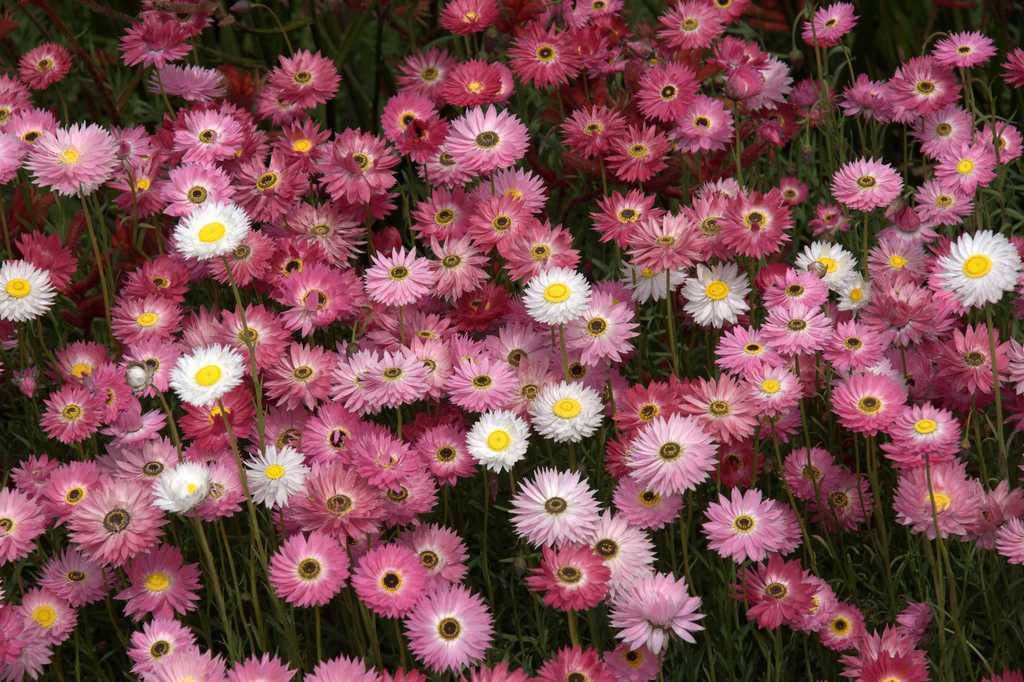
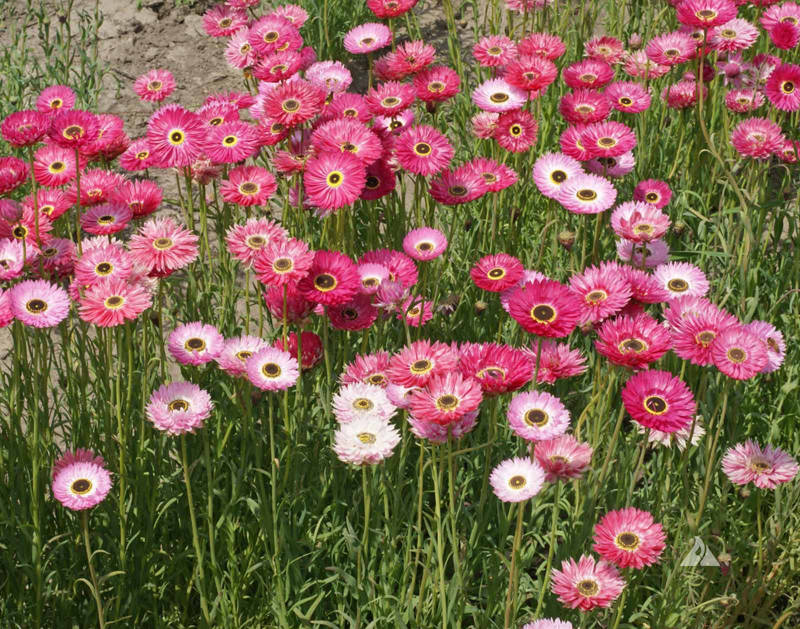
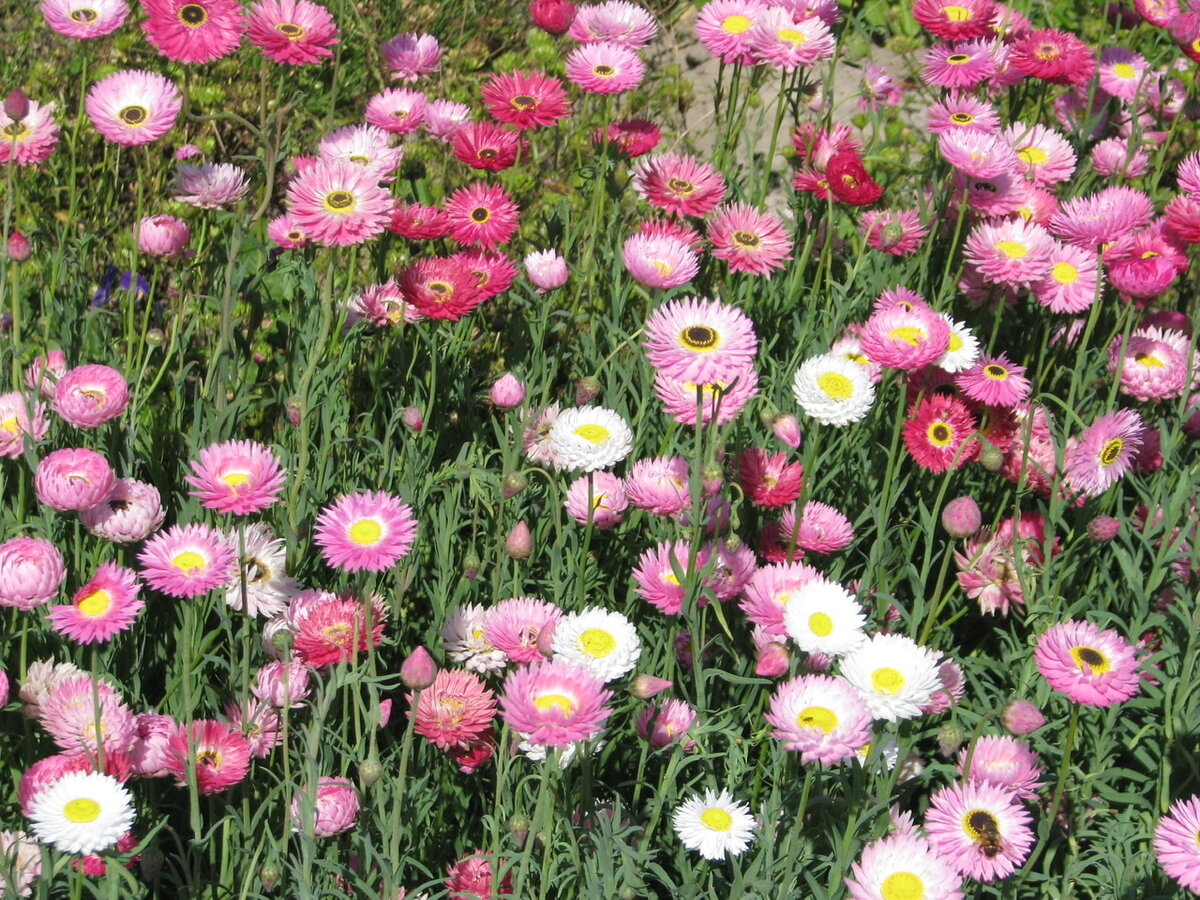
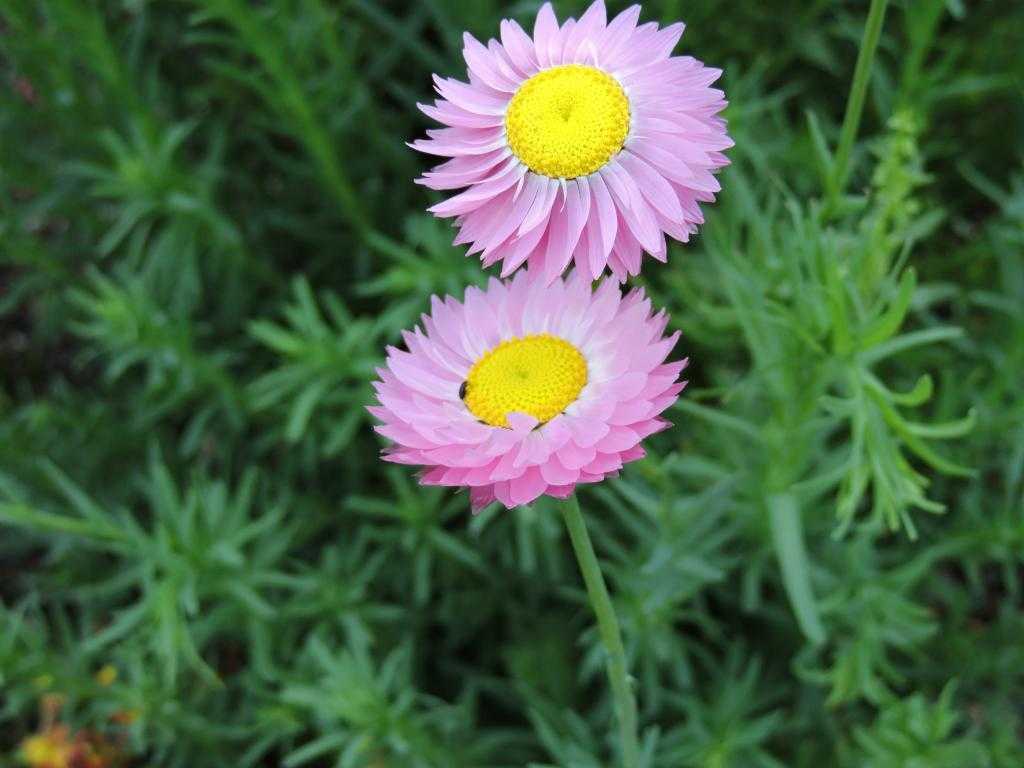
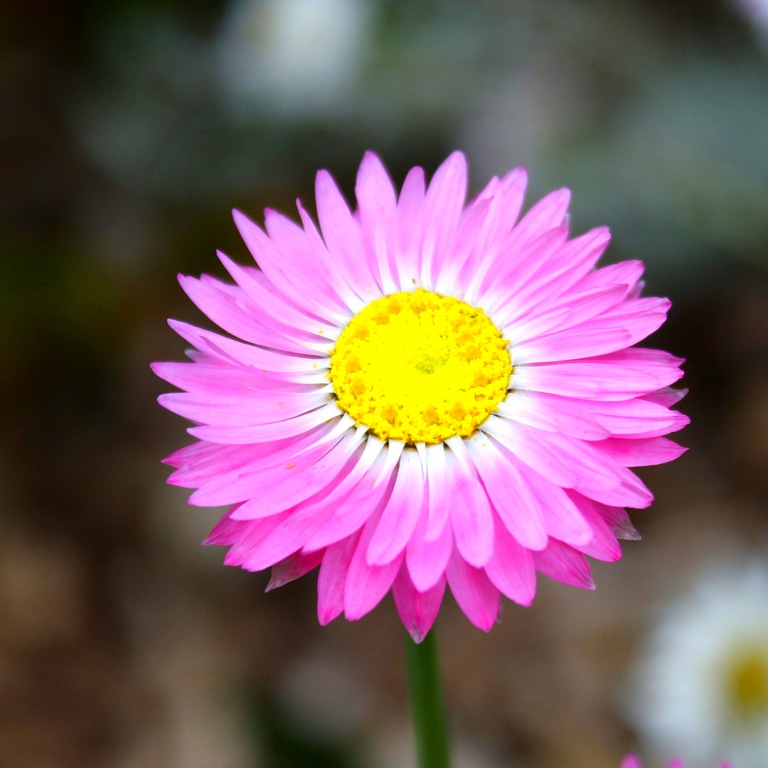
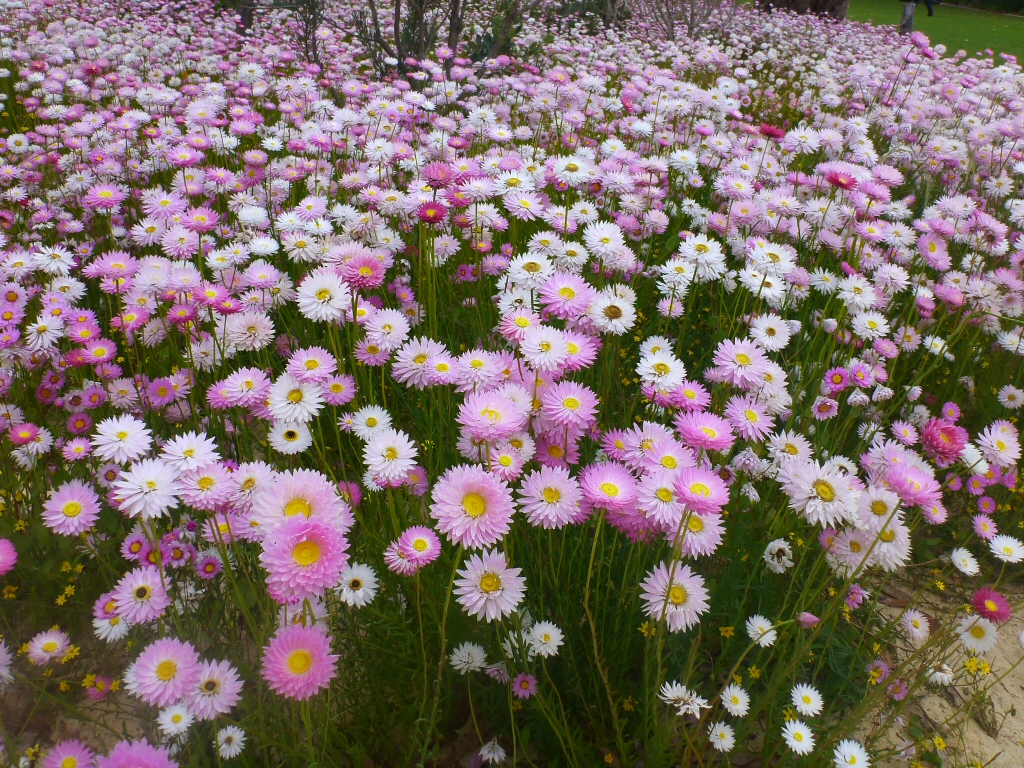
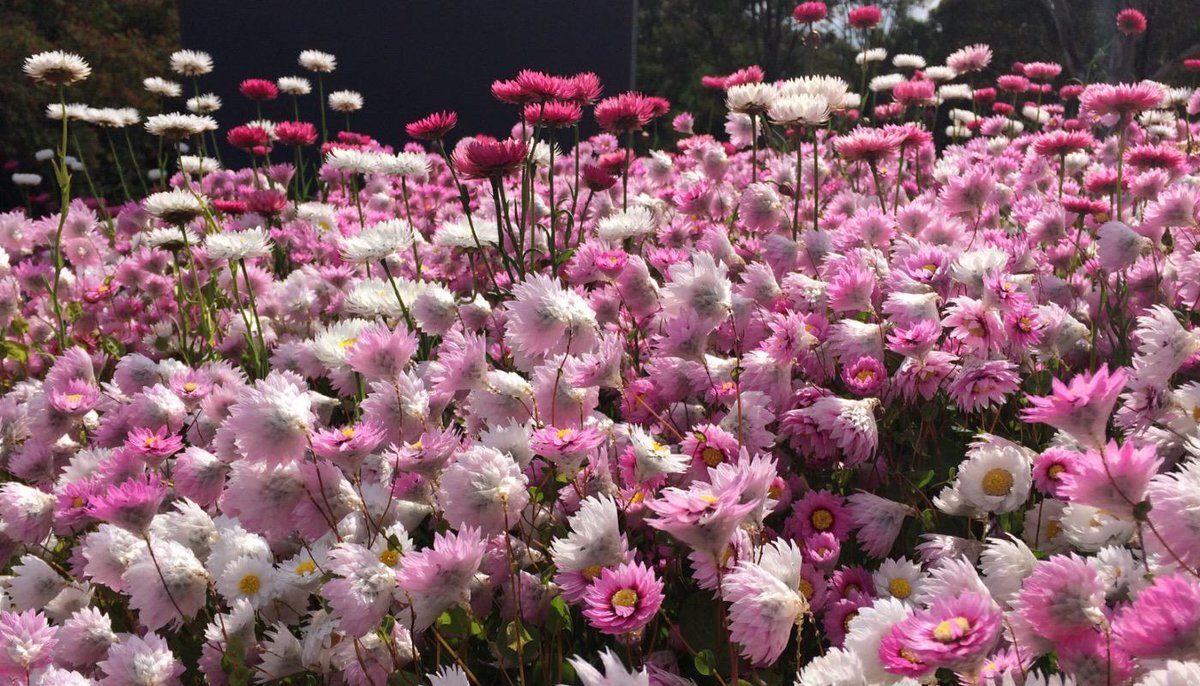
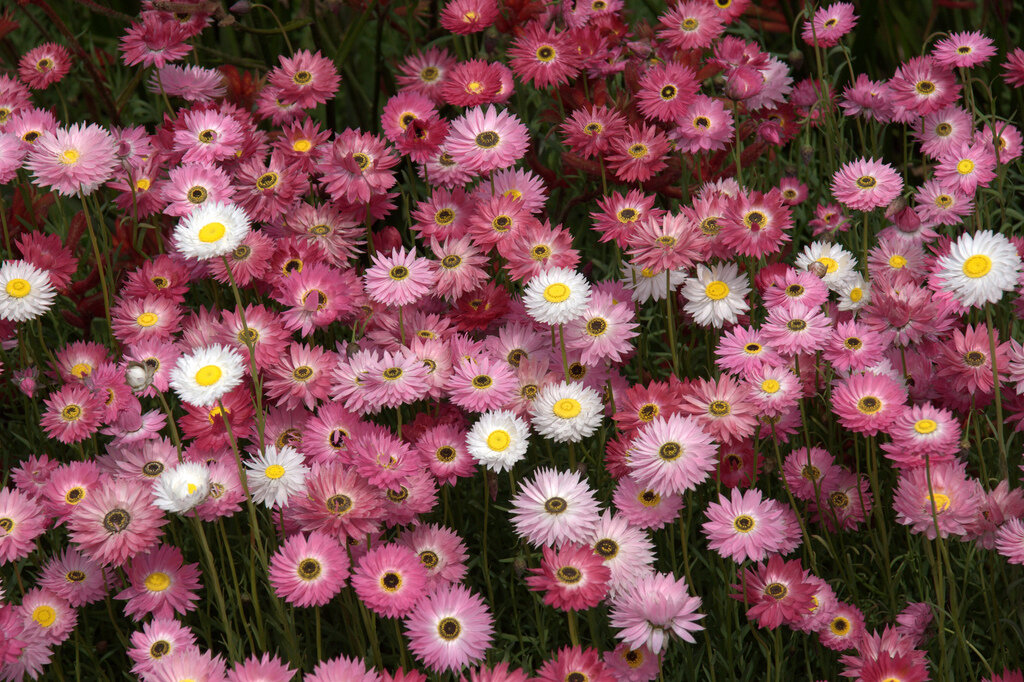
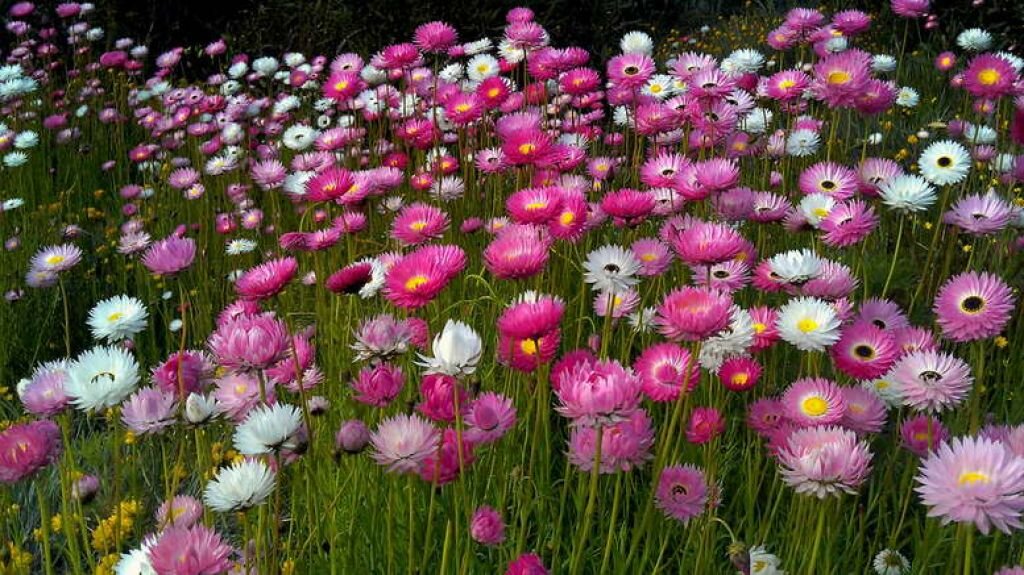
Photo gallery of helipterum
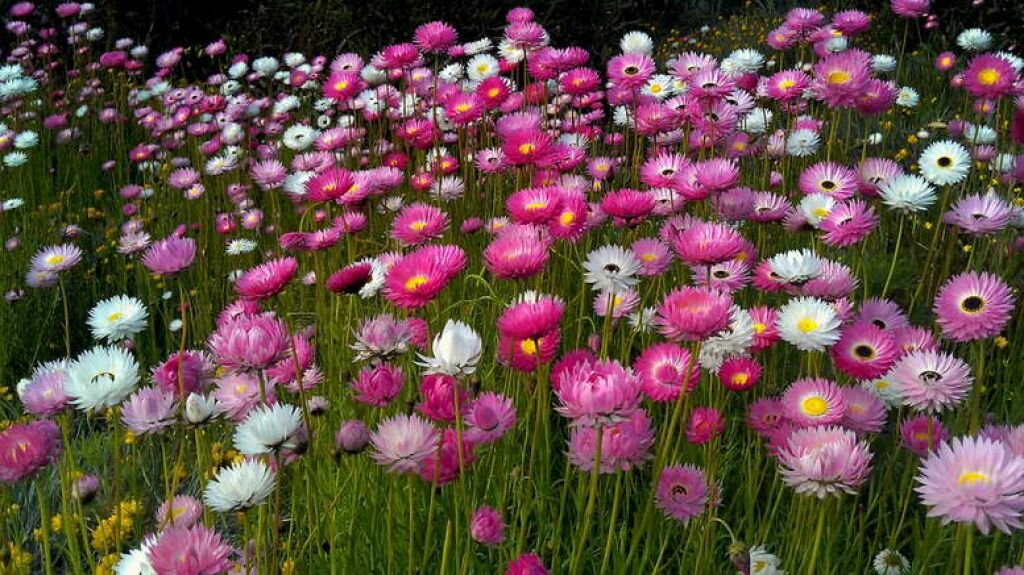
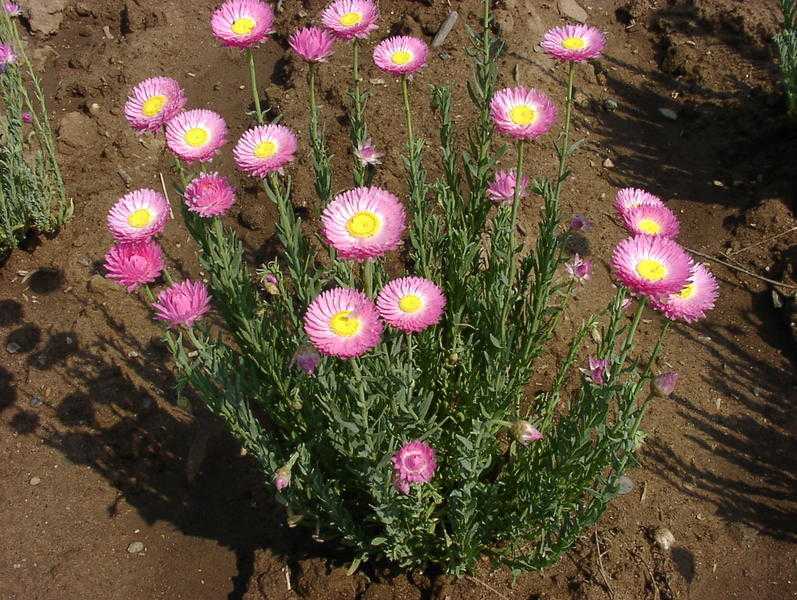
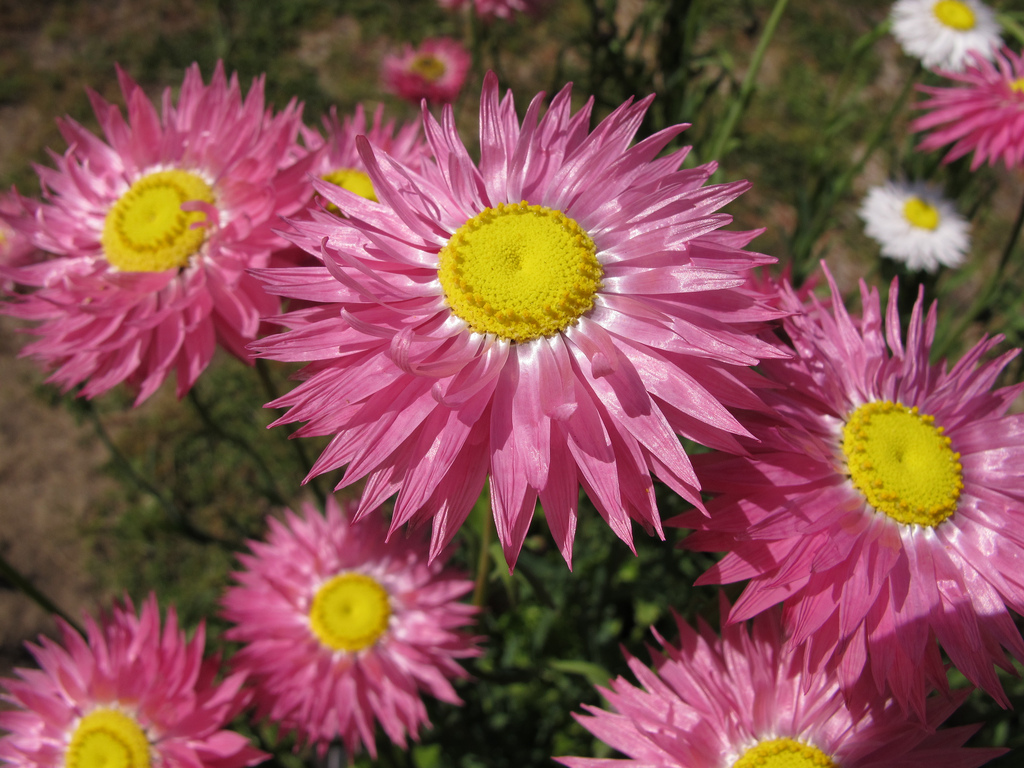
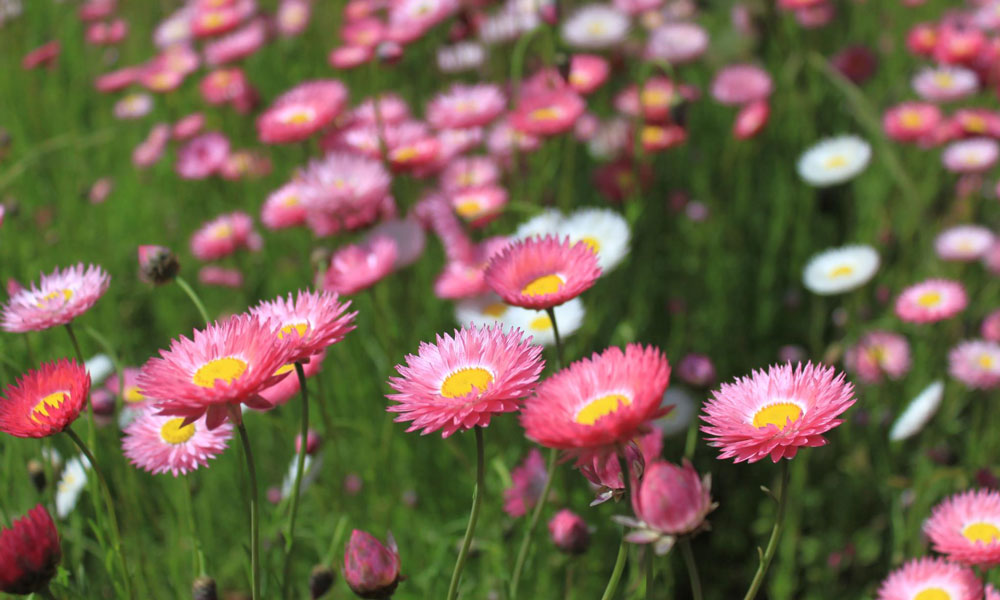
Description of Helipterum (Acroclinum)
Acroclinium, also known as helipterum, gets its second name from the Greek words "helios," meaning "sun," and "pteron," meaning "wing." The origin of this name is still unknown, but it may refer to the shape of the pappus or leaflets, which resemble insect wings. This plant is very diverse, and some varieties actually resemble insect wings.
Acroclinums can be annual or perennial herbaceous plants. The genus contains up to 250 species. 🌱🌿
The main attraction of the acroclinium is its flowers, collected in baskets, which can be individual or gathered in inflorescences. 🌸💐 When the flowers bloom, the baskets turn toward the sun to maximize the light. Each basket contains numerous small flowers. 💫
The petals of the baskets are vibrantly colored and petal-shaped. They can be silver, white, yellow, pink, or purple. 🌺🌈
When the fruits ripen, small seeds with a ribbed surface and a feather-like tuft form. Acroclinium blooms in early summer and continues until frost, typically lasting about 30–40 days. 🌻❄️ Seeds remain viable for 2–3 years.
Helipterum Growing and Care Chart
| Parameter | Description |
|---|---|
| Illumination | The plant prefers open areas with full sun. This allows it to receive sufficient light for proper growth and development. |
| Priming | Any dry, loose substrate is suitable, but avoid excessive moisture. This is important to avoid harming the plant and ensure healthy growth. |
| Humidity indicators | Stagnant moisture is harmful. Therefore, watering should be moderate. Good drainage is recommended to remove excess moisture from the soil. |
| Reproduction | Propagation can be done by seed or using seedlings, depending on the gardener's preference. |
| The period of sowing seedlings | Mid-April is recommended. |
| Period of planting in open ground | It's best to sow seeds directly into open ground in early May. Seedlings can also be planted in late spring. Wait until the weather is consistently warm and there's no risk of frost. |
| Landing plan | Space the plants 15–20 cm apart. This provides sufficient space for growth and development. |
| Top dressing | Once a month or two before flowering, you should fertilize with complex fertilizers. |
| Special requirements | The plant is easy to care for, but requires regular weeding and mulching. This helps maintain optimal moisture and protect the roots from overheating. |
| Flowering time | Flowering usually occurs in July-August. |
| Place of application | Suitable for flowerbeds, garden beds, rock gardens, borders or mixborders. |
| USDA zone | The plant prefers climate zones 4–6, indicating its adaptation to cool and temperate regions. |
Types and varieties of Helipterum
There are various species and varieties of Helipterum, differing both in appearance and characteristics. 🌼
Although most known representatives of Acroclinium have a herbaceous form, there are also species that look like shrubs or subshrubs. 🌿🌳
Currently, flower growers grow only 6 species.
Did you know? Helipterum is a dried flower. Its buds can be cut and dried, then used to create floral arrangements.
Acroclinium roseum
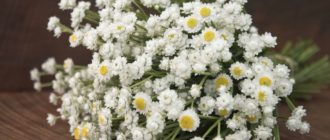
One popular species is the Helipterum roseum, also known as the Acroclinium roseum. This flower grows for only one season and reaches a height of 40-50 cm. 🌸
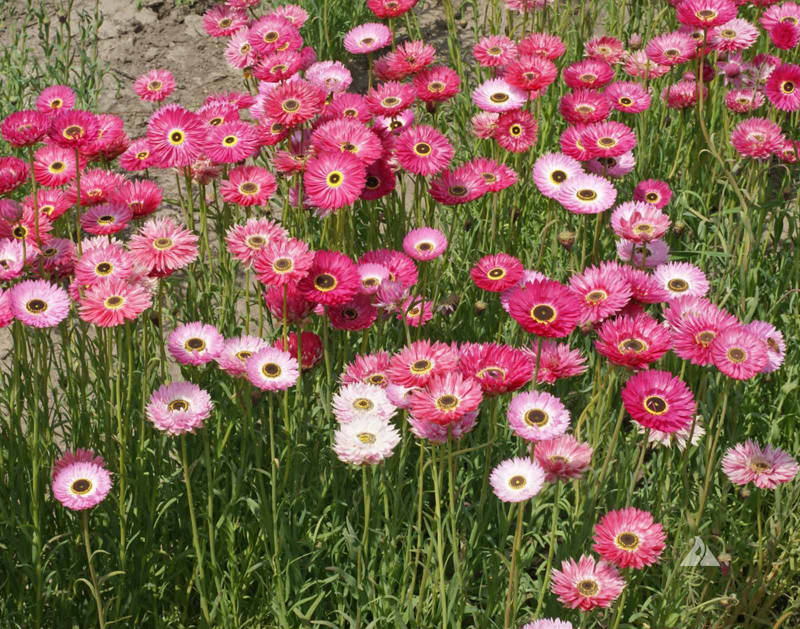
It has large flowers with hemispherical-shaped flower heads up to 4 cm in diameter. Small yellowish flowers are located in the center of the head, surrounded by several layers of scales. 🌻
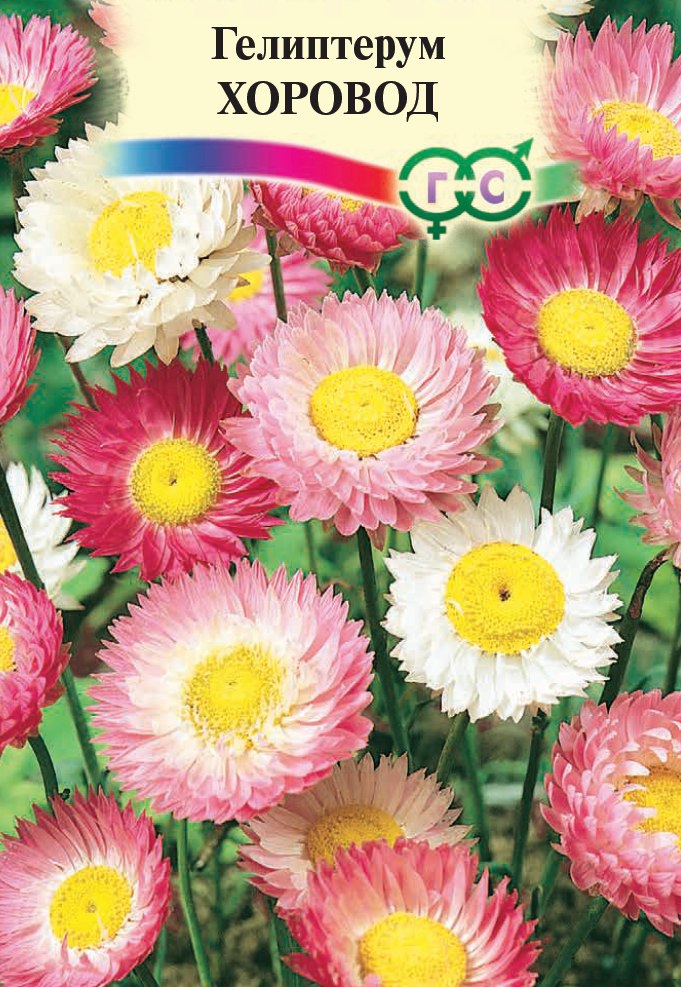
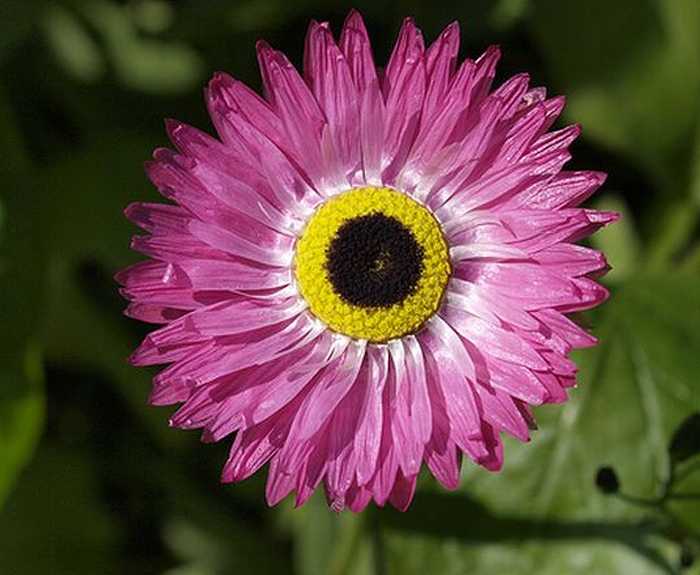
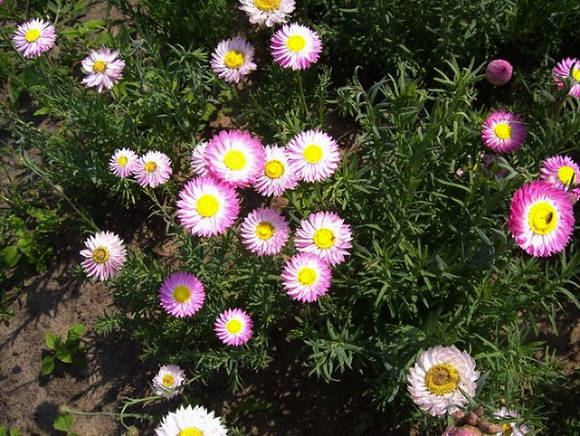
Flowers can be pink, crimson, or white, and some varieties have black central flowers. Helipterum roseum blooms from early summer until fall. 🌺🍃
| Name of the variety | Description |
|---|---|
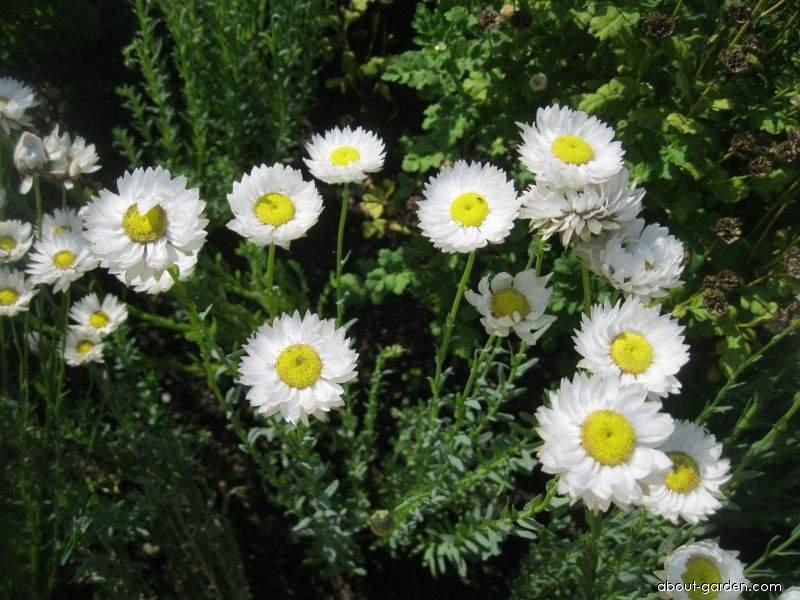
| Album
|
This variety is distinguished by its completely white petals and bright yellow center. |
| Red Bonny | The flowers have a bright pink-red hue with a brown center, which makes them especially attractive and unique. |
| Round dance
|
Characterized by a variety of petal colors and a nearly black center, this variety attracts attention with its uniqueness and sophistication. |
| Goliath
|
A variety with large inflorescences, up to 6 cm in diameter, and a wide range of colors—from dark pink to cherry and coral. Lush and colorful blooms. |
Humboldt acroclinum (Acroclinium humboldtiana)
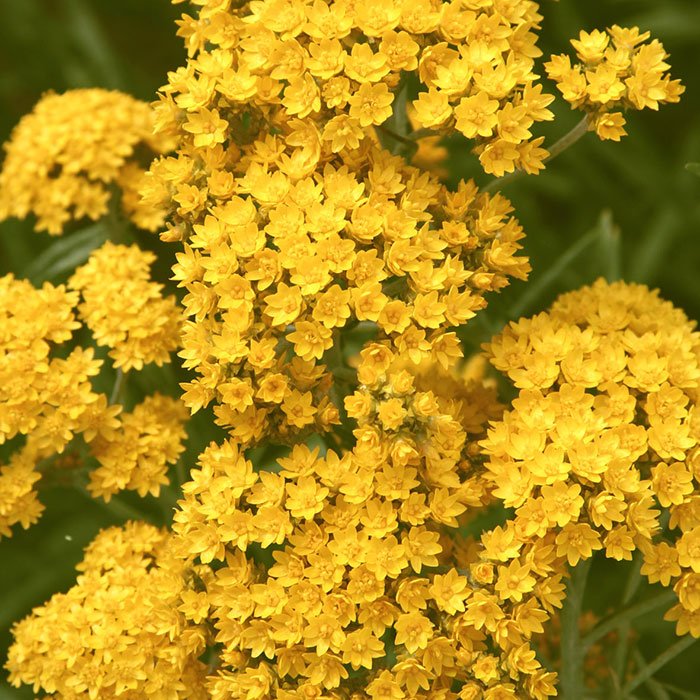
Acroclinium humboldtianum, also known as Helipterum humboldtianum or Helipterum sanfordii, has a stem that grows 30 to 40 cm tall. Its small yellow flowers are collected in shield-shaped inflorescences, 5-6 cm in diameter. This species is distinguished by the fact that its inflorescence more closely resembles yarrow. Even after the plant dries, its flowers can retain their brightness and resist fading in the sun for several years. 🌼
Acroclinium manglesii
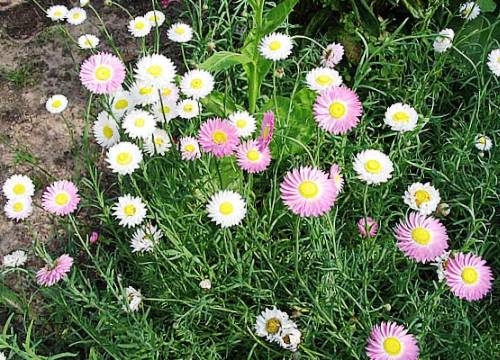
Acroclinum manglesii, also known as Rhodanthe or Helipterum manglesii, is an annual plant with erect stems, 35-60 cm tall. The leaves are gray-green and oval. The flowerhead is composed of small yellow flowers, and the inflorescences are crowned by elongated stems. The flowerhead reaches 3 cm in diameter, and the elongated bracts are soft pink or white. Flowering continues throughout the summer until September. There are varieties with carmine leaves or spots on the pink petals. This plant is suitable for dried flower arrangements and for growing in the garden, for example, in rock gardens or borders.
| Variety | Description |
|---|---|
| Atrosanguinea | Large corollas with burgundy-colored petals |
| Masulata | Pink petals with spots of a darker shade |
Acroclinium corymbiflorum
Acroclinium corymbiflorum, also known as Helipterum corymbiflorum, is very similar to Mangles, but its flowers are more airy. 🌿💨
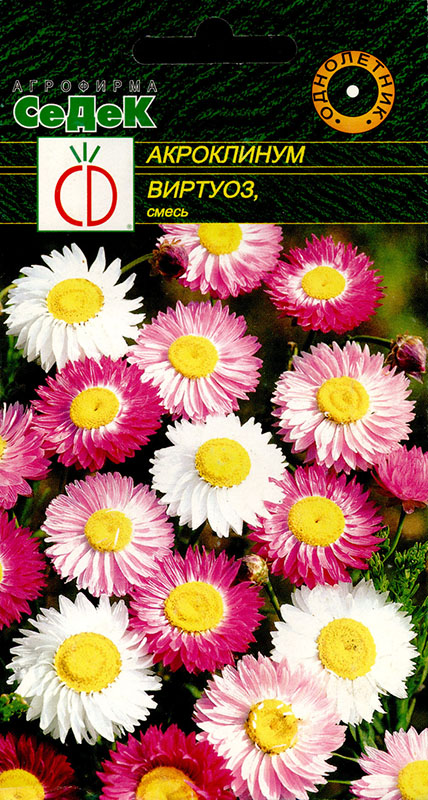
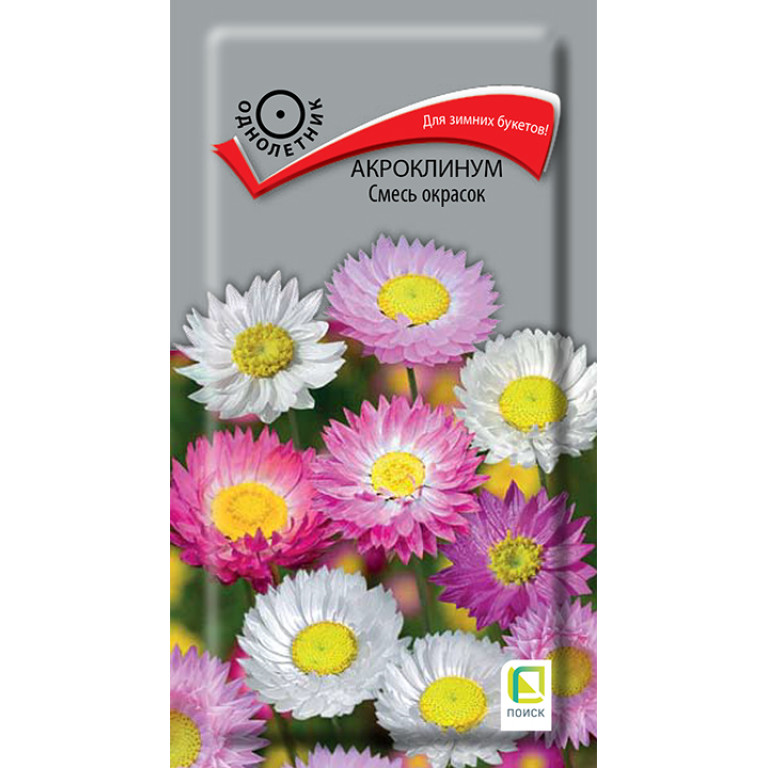
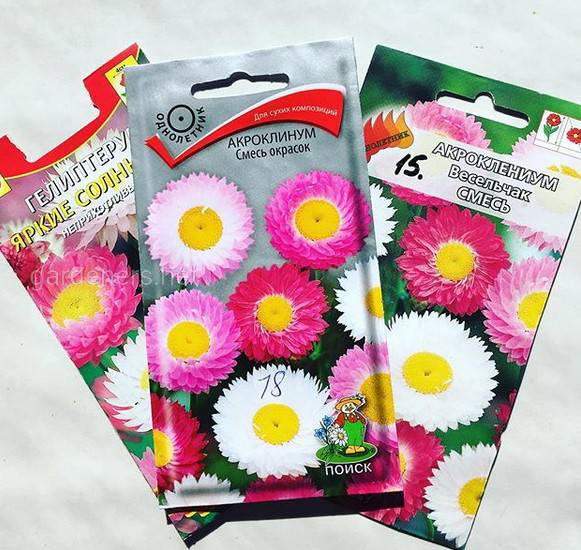
Various Acroclinium seeds:
Sowing Helipterum for seedlings
The best time to plant helipterum seeds for seedlings is mid-April. The soil doesn't require any special preparation. You can use a special substrate for flower seedlings, which is available at gardening stores. When planting, don't bury the seeds too deeply. Simply cover them with a thin layer of soil. 🌱🏡
After sowing, it's important to water the seedlings thoroughly and cover the pots with plastic wrap. This will help create favorable conditions for seed germination. 🌱 Remove any accumulated liquid every day and open the pots for 10-15 minutes to aerate the soil. 💧 Regular misting is also important to prevent the top layer from drying out. 🌿 If you follow these rules and create comfortable conditions, the seeds will begin to germinate in two weeks, or maybe sooner. 🌱 After this, you can remove the plastic wrap and continue misting to maintain optimal humidity. 💦
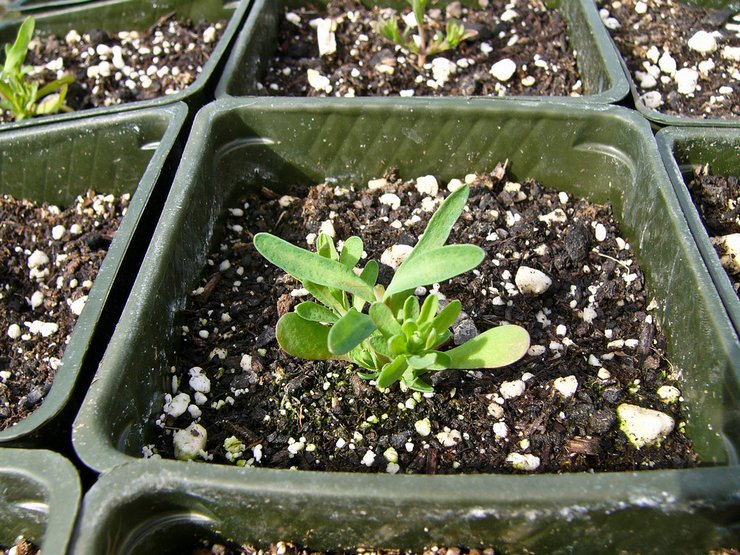
Once the seedlings have a couple of true leaves, they should be transplanted into small peat pots. 🌱 In mid-May, prepare a planting site in the flowerbed and transfer the seedlings there. 🏡 It's important to remember that the older the seedlings, the more difficult and time-consuming it will be for them to adapt after transplanting due to their fragile root system. 🌿 If the top of the plant breaks off during the process, don't throw it away, as if the dried flowers take root, they will become bushier and more beautiful. 🌸
Sowing and planting helipterum in open ground
The best time to sow helipterum seeds is early May. Before planting, it's important to choose a suitable location for your plant. Make sure it's a sunny spot in your garden, as helipterum requires ample sunlight for healthy growth and vibrant blooms. Keep in mind that helipterum doesn't tolerate alkaline or overly fertile soil, so it's best not to add fertilizer before planting—it could be harmful to your plant.
Once you've chosen a suitable location, prepare the soil by making shallow furrows that are easy to place the seeds in. Then, carefully cover them with a thin layer of substrate, about 0.5 cm thick. If the weather is too dry, it's recommended to cover the plantings with a special material such as lutrosil or spunbond. If such material is not available, regular newspaper sheets will also work. 🌱🌞
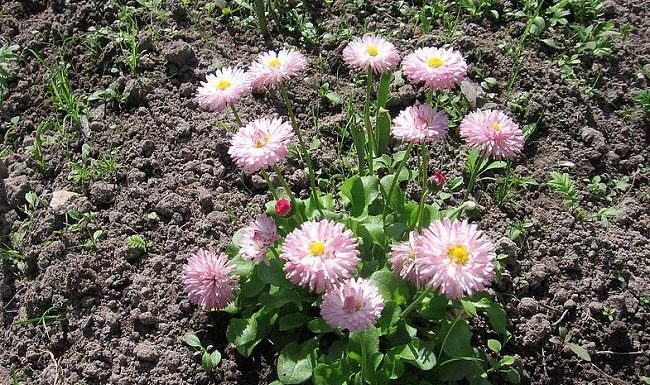
After a week, you'll see the first young plants. If they're planted too close together, separate them, leaving only those 15-20 cm apart. You can transplant the separated plants to another location. To help them establish better, water the soil before transplanting and carefully dig them out with a small trowel or fork. After transplanting, water the established plants thoroughly and cover them with a shelter for a short time.
Late May is the ideal time to transplant helipterum outdoors. By this time, the soil has already warmed up, and you don't have to worry about frost. To ensure bushy, beautiful growth, leave 20-30 cm between plants. After planting, remember to water thoroughly and pinch out the top shoots to promote healthy growth. 🌱💧🌿
Caring for Helipterum
Caring for helipterum is not difficult, as this plant is unpretentious. 🌼
Watering
This plant should be watered moderately to avoid excess moisture, which can lead to root rot. 💧 The flower should be watered once a week, and less frequently during rainy season, about twice a month. 🌧️ Neglecting watering can cause the flowers to shrink. 🌺 After each watering, it is important to gently loosen the soil to ensure oxygen reaches the roots. ☁️🌱
Top dressing
💡 For feeding dried flowers, it is recommended to use fertilizer once a month. Florists recommend using complete mineral complexes, but before flowering begins. At the beginning of the growing season, nitrogen-based fertilizers are preferred, applied every 10 days. Organic fertilizers are not recommended. It is important to maintain a balance to avoid overfeeding the plant, which will lead to excessive foliage growth and insufficient flowering.
Trimming
When caring for this plant, the most important thing is to remove faded flowers from the bush. If they are left on the shoots, the blooms will quickly weaken, and new buds will not appear because all the energy will be spent on seed maturation. To avoid this, regularly trim old flowers. Ideally, this should be done once a week or even more frequently—every 3-4 days.
Care tips
Acroclinum doesn't require much care, but it's still recommended to remove weeds several times during the summer and loosen the soil before watering. This will help maintain its health and promote better growth. Covering the soil with mulch will prevent weed growth and retain moisture. Materials such as peat, compost, straw, grass, sawdust, or bark are ideal as mulch. They also help maintain looseness of the soil, which is beneficial for the plant's roots. After planting the helipterum in its permanent location, it's recommended to mulch the area and replenish the mulch periodically to maintain optimal growing conditions.
Diseases and pests of Helipterum
| Diseases and pests of Helipterum | Description | Methods of control and prevention |
|---|---|---|
| Fungal diseases | Excessive soil moisture can allow fungi such as Verticillium to develop, which can cause the plant to wilt and die. | Control the watering regime, avoiding excessive moisture. Choose well-drained soils. Treat plants against fungal diseases if necessary. |
| Nematodes | If stems become miniature or black spots appear on the leaves, this may indicate a nematode infestation. | Planting calendula next to helipterum. — Maintain optimal soil moisture and moderate watering.
Periodic treatment of soil and plants against nematodes. |
| Moth caterpillars | Caterpillars may feed on the leaves of the Helipterum, causing holes to appear on the leaves. | Using insecticides to protect plants from caterpillars. Careful inspection of plants and manual removal of caterpillars. Attracting predators that feed on caterpillars, such as birds and insects. |
Prevention
- Maintain healthy plants by preventing overwatering and drying out.
- Remove weeds regularly and keep the soil clean.
- Conduct preventive treatment of plants.
Use of Helipterum in landscape and floristry
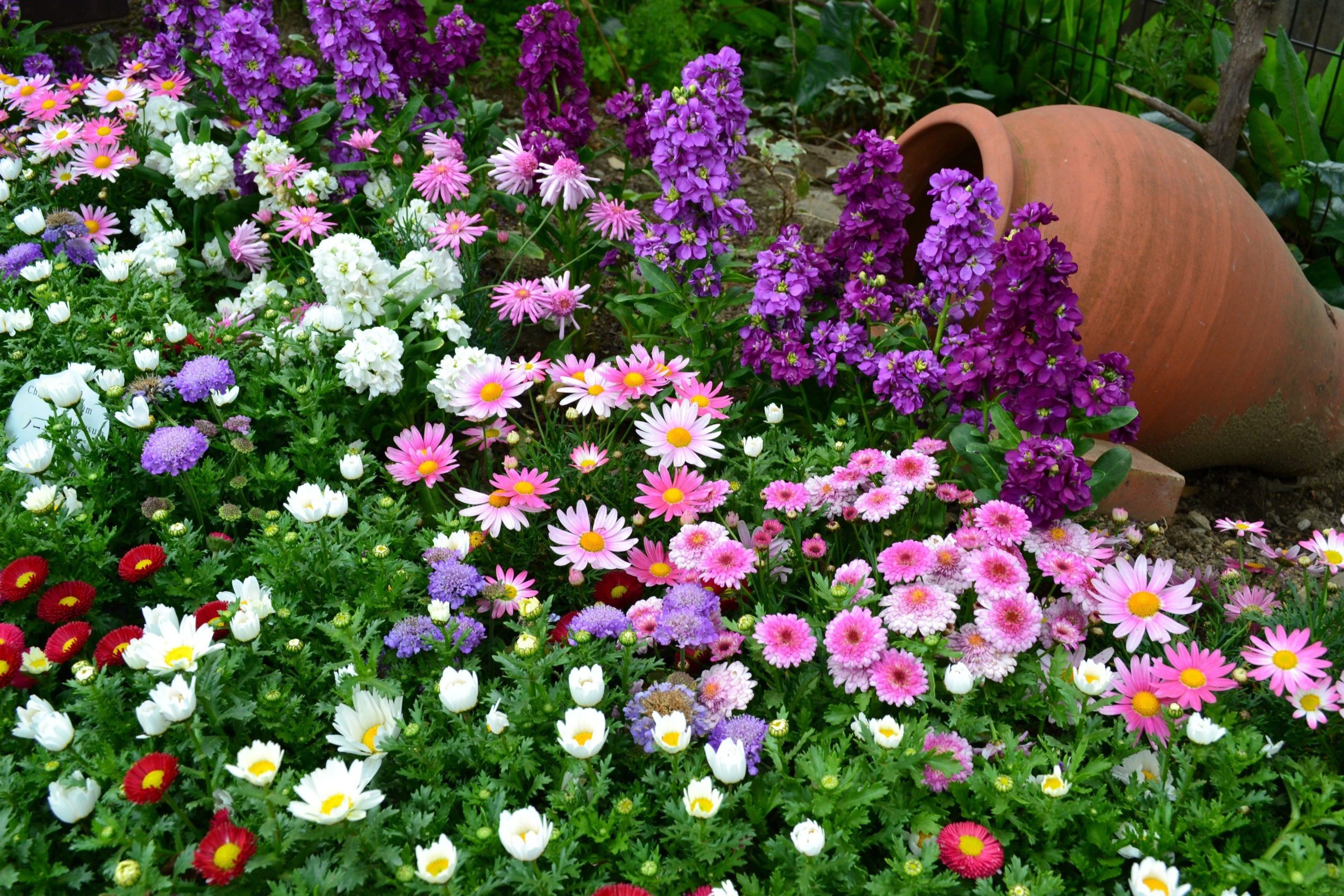
Helipterum is a stunning plant that can transform your garden into a veritable paradise of color and fragrance! Imagine how magnificent your garden will look adorned with these beautiful flowers. Helipterum is ideal for both pots and flowerbeds. Place it along a fence or garden border to create an incredible atmosphere of comfort and beauty. And what wonderful bouquets and arrangements you can create with it! 🌸🌿
Cutting and drying flowers
Want to preserve the beauty of your helipterum for months to come? Then it's time to learn how to properly cut and dry its flowers. It's important to cut the flowers a few days after they open—this will preserve their vibrant, fresh color. Then hang the flowers by the stems, upside down, in a dry, warm, well-ventilated place. Keep an eye on the drying process—the flowers will take about a month, but the results are worth it! 🌾🌼