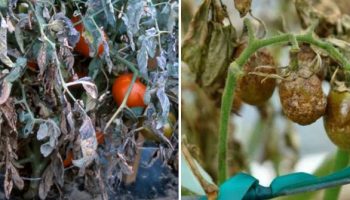
Fusarium wilt is a dangerous disease that requires immediate treatment. If left untreated, the tomato crop will be completely lost.
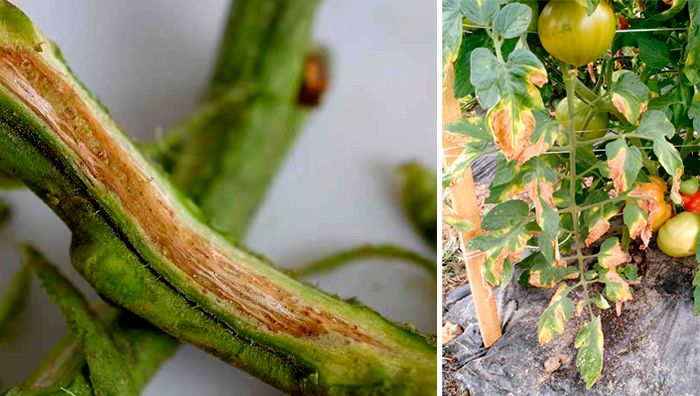
Symptoms and causes of fusarium wilt in tomatoes
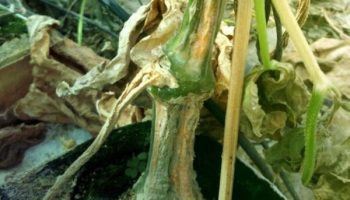
An infected plant can be identified by several signs, including drying, curling, and leaf drop. The bush begins to rot from the bottom, and large branches are affected after the small roots. The plant wilts and dies.
Vegetable crop can be caused by the following factors:
- planting density;
- excessive moisture;
- lack of light;
- infected seed material;
- Incorrect dosage of nitrogen fertilizers.
The fungus enters the plant through wounds and cracks. The sooner treatment begins, the better the chances of recovery. It's important to note that fusarium wilt of tomatoes cannot be cured. This incurable disease can only be managed.
Diagnosing the disease is easy: just make a cut on the plant stem. If the tomatoes are infected with fusarium, brown and yellow veins will be visible on the cut surface.
Preventive measures
Prevention is always better than cure. Fusarium wilt of tomatoes is no exception to this rule. Preventative measures include:
- Maintain crop rotation. If your garden plot is small, the soil in the bed will need to be replenished annually. This vegetable crop should not be planted after potatoes, strawberries, chrysanthemums, phlox, or other plants from the Solanaceae family.
- Disinfection of seed material. Seeds should be treated with fungicides and benzimidazoles, such as Benazol and Fundazol. The room where the seedlings are kept should be maintained at an optimal temperature (no higher than 25°C).
- Soil cultivation. After harvesting, the area should be cleared of all debris and dug over. In the spring, the soil should be irrigated with a solution of copper sulfate or potassium permanganate (potassium permanganate). Fusarium can be prevented by using limestone, dolomite flour, wood ash, and sulfur;
- Strengthening the immune system of tomatoes. This can be achieved with Trichodermin. To enhance the effect of this product, experts recommend using Effekton liquid fertilizer.
Gardeners mustn't forget about proper watering and microclimate. The latter applies to tomatoes grown in a greenhouse. Humidity in a protective shelter should not exceed 60%. Particular attention should be paid to the characteristics of tomatoes. Early-ripening varieties are less susceptible to infection than other varieties. They are more resistant to sudden temperature fluctuations. When choosing tomatoes for planting, it's important to consider the planting location, the regional climate, and the soil conditions.
Fusarium-resistant tomato varieties
In the middle zone, gardeners prefer the following varieties:
- Bobcat;
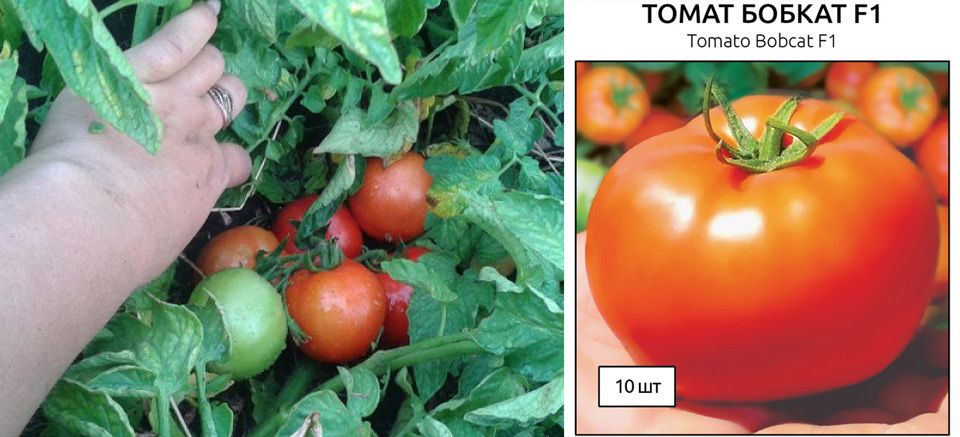
- The Little Prince;
- Cameo;
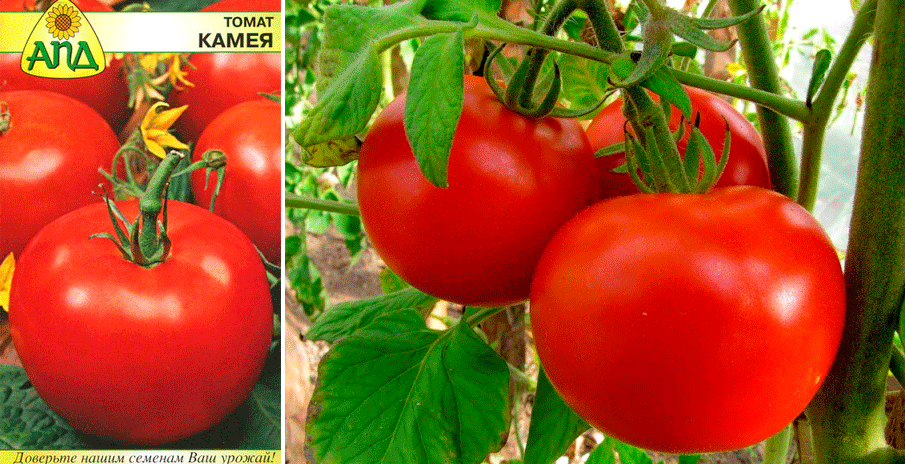
- Otradny;
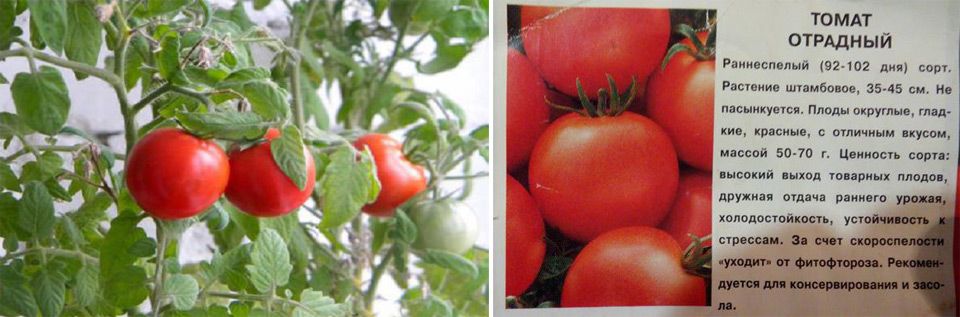
- Solar fighter;
- Lights of Moscow;
- White filling 241;
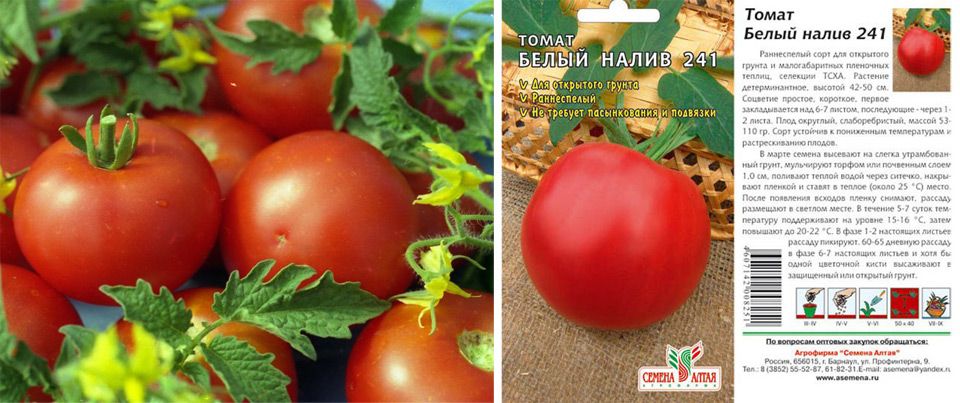
- Carrot.
The list can be supplemented with such varieties as Gnome, Tsar Peter, Budenovka, Dubrava, De Barao.
Anti-fusarium drugs
It's important to note that at the onset of the disease, characteristic signs on the bush are absent. Obvious changes become noticeable after damage to the internal structure of the plant occurs during flowering and fruiting. Tomatoes are treated with biological agents and chemicals, particularly fungicides.
Biological
Products in this category are most often used for preventative purposes. They contain no chemical components. They are harmless to plants and completely safe for humans. An additional benefit of biological formulations is their beneficial effect on the soil.
Tomatoes are treated with Previkur, Trichodermin, Fitosporin, Pseudobacterin-2, Trichocin, Planriz, Alirin-B, Gamair and Baktofit.
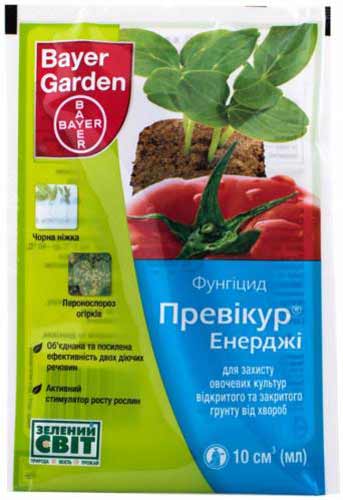
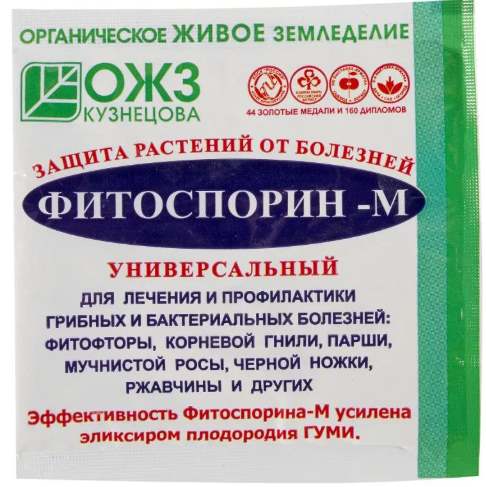
To achieve maximum effectiveness, spraying should be carried out if:
- air temperature not lower than +18 °C;
- Humidity varies from 65 to 70%.
When preparing a spray and water solution, follow a fairly simple formula: 10 g of the solution per 10 liters of liquid. The application rate is 500 ml per 1 m².
Chemicals
These are more effective and should be applied several weeks before tomato harvest. The following products are particularly popular among gardeners:
- Vectra;
- Falcon;
- Fundazol;
- Previcur;
- Strekar;
- Benazole.
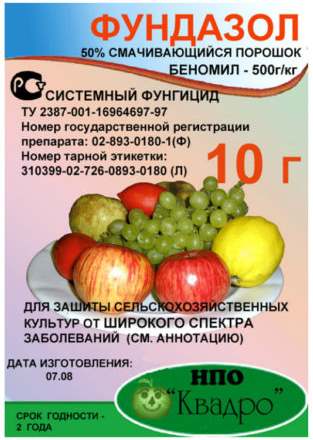
Abiga-Peak, Hom, and Bordeaux mixture are contact-active. They won't be effective in combating fungal infections unless they penetrate deep into the infected cells.
When using chemicals, gardeners should be mindful of certain restrictions. For example, eating treated fruit is strictly prohibited.
The plants are sprayed with a fine mist sprayer. Tomato bushes are treated on both sides.
Folk remedies
They won't help if Fusarium wilt of tomatoes has been progressing for a long time. In the later stages, any treatment will be ineffective. You can slow down the disease with:
- Wood ash. It is used to dust bushes and prepare a medicinal infusion. To make the latter, a gardener will need 10 liters of water and 1 cup of ash. Each bush should receive at least 500 ml of the mixture. Tomatoes are treated during flowering and fruiting;
- Garlic infusion. The recipe is quite simple. Crushed garlic (you'll only need one head) is poured into a liter of liquid. The mixture is then left undisturbed for 24 hours. Then, dilute it with 10 liters of clean water. Spray weekly.
- Serum. It's often used for prevention. The solution is prepared from a liter of the dairy product, 20 drops of iodine, and 10 liters of water. Tomatoes should be sprayed daily, preferably in the evening.
Eliminating the symptoms of fusarium is difficult. If folk remedies fail, chemical compounds will have to be used. Despite their toxicity, they are powerful.
If a gardener follows manufacturer recommendations and safety precautions when treating bushes, the risk of negative consequences will be minimal.