Hydrangea is rightfully called the queen of the garden; every self-respecting gardener must have at least one bush. It's a shame when a magnificent garden flower becomes unsightly, its leaves become spotted, yellow, and dull. Few inflorescences are formed. The cause of such metamorphosis is physiological or infectious chlorosis, which disrupts chlorophyll synthesis. When I encountered this problem, I began searching for ways to treat the flower.
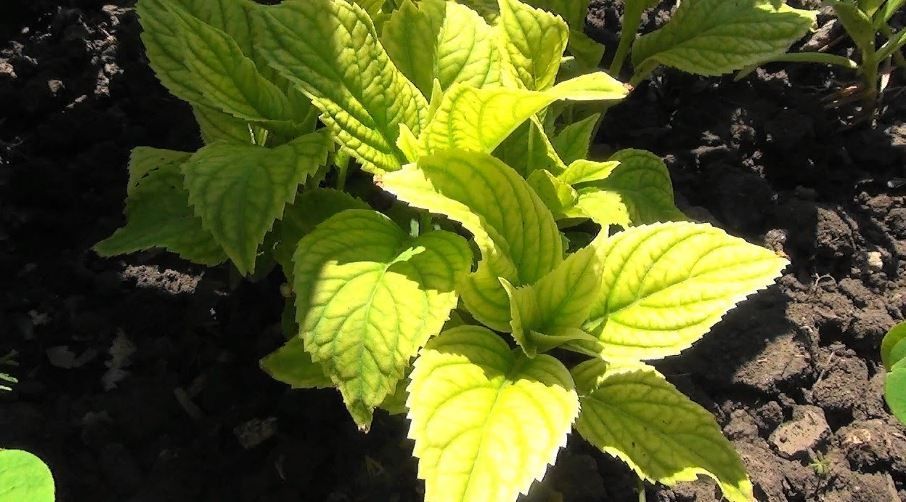
Symptoms and causes of hydrangea chlorosis
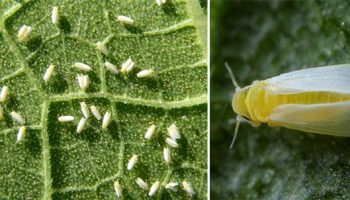
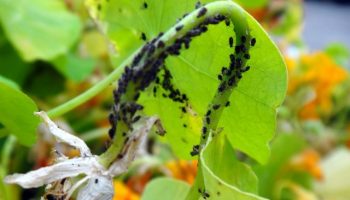
The infectious type of disease is caused by viruses. They enter the leaves from sucking insects such as aphids and thrips. They then enter the root system via the watercourse. They are transmitted during propagation of hydrangea bushes by division, cuttings, and layering. Incidentally, untreated garden tools can be a source of infection.
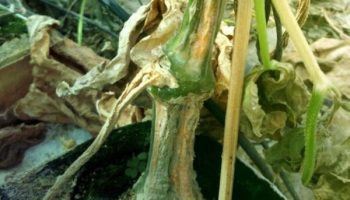
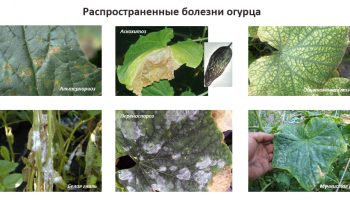
Infected shoots immediately develop yellow spots that darken over time. Leaves become brittle and curl. Young leaves grow small. When digging up the plant, damage to the root system can be seen. Unfortunately, it's not always possible to cure such shoots.
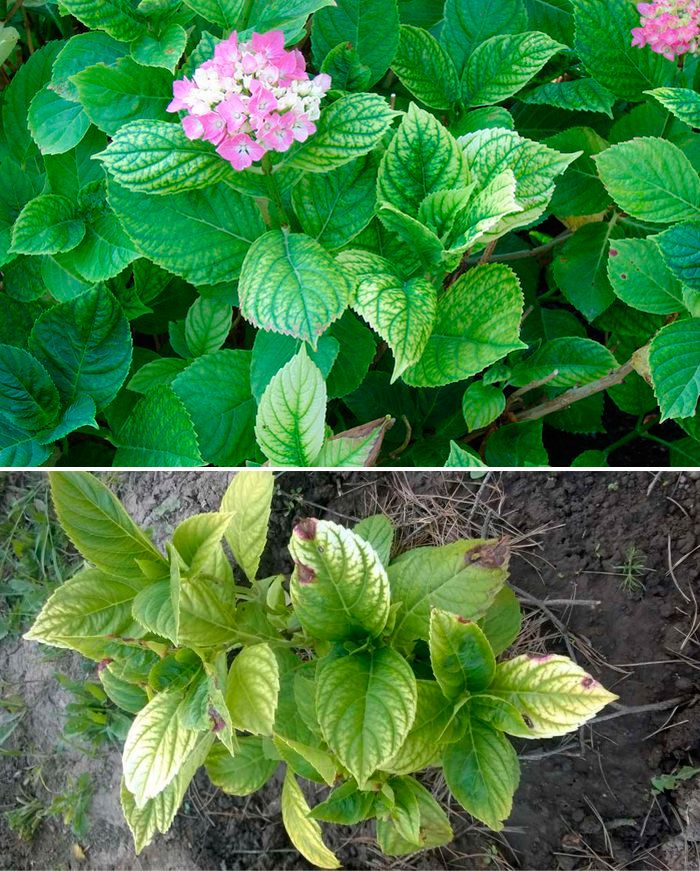
Non-infectious iron deficiency chlorosis in hydrangeas can occur throughout the season. Its occurrence is associated with adverse weather conditions. My plant became ill after prolonged heavy rains. The drainage channel became clogged, and the bushes ended up in water up to their necks. Leaves turn yellow due to a lack of micronutrients and insufficient acidity.
Hydrangeas don't like alkaline conditions. They develop carbonate chlorosis.
Methods for treating chlorosis in hydrangea
Control methods depend on the form of the disease. When brown spots are no longer visible, I feed the flowers. After my hydrangeas became infected, I water them with iron chelate—an acidified solution of ferrous sulfate—two or three times a season as a preventative measure. My neighbor applies a complete hydrangea fertilizer; she thinks it's better. We have fertile soil in our garden, so I prefer iron. The fertilizer is sprayed on the leaves.
Infectious chlorosis is futile to treat. Affected hydrangeas are burned. The soil is disinfected with disinfectant solutions and additionally doused with boiling water.
A whole range of preparations have been developed for non-infectious purposes, since greenhouse crops, fruit trees, and berry bushes are susceptible to chlorosis.
What can be used:
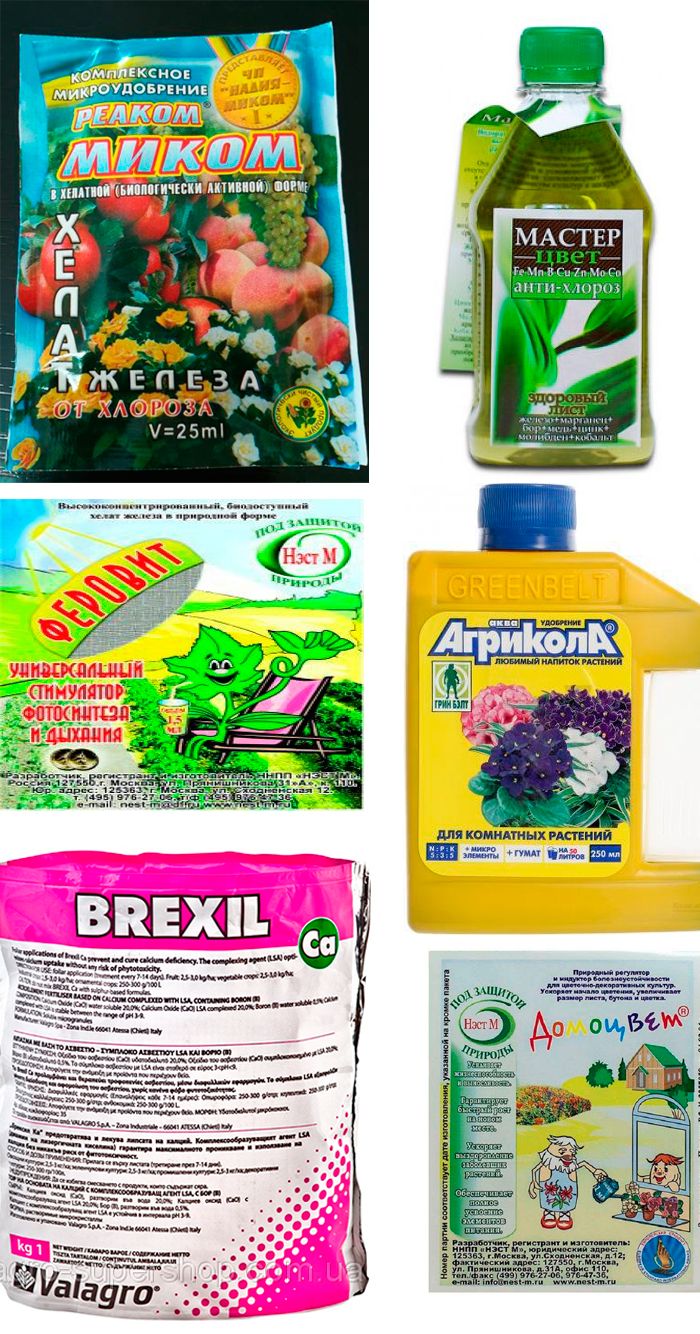
- Mikom-reakom is used for root and foliar feeding;
- In addition to chelates, Ferovit contains a growth stimulator;
- Nest M is similar to Ferovit, but may differ in concentration, the recommended one is 5%;
- Agricola for indoor plants is a micronutrient fertilizer that contains all the components necessary for hydrangea;
- Antichlorosis-Mister Color is a universal product with a self-explanatory name;
- Brexil is produced with calcium and magnesium, the composition is indicated on the label.
- Valagro improves plant cellular metabolism and chlorophyll production;
- Orton is used for spraying at the initial stages of symptoms.
When purchasing any product, it's important to read the instructions. Applying chelated iron "by eye" is dangerous, as it can over-acidify the soil.
Folk remedies prepared at home
I make my own iron chelate at home. I try to use up freshly prepared iron sulfate preparations within two weeks, while the characteristic coloring persists.
I'll share recipes given to me by experienced gardeners who grow rare, stunningly beautiful varieties.
Working solution for spraying, you will need:
- citric acid 4 g (1/2 dessert spoon);
- ferrous sulfate – 2.5 g (1/2 teaspoon);
- warm water 1 liter.
When the ingredients are mixed, the result is an orange-colored solution. I use it for foliar feeding of the bushes every 10 days.
Concentrate for watering, you need to take for a bucket of water:
- 100 g of iron sulfate;
- 200 g of ascorbic acid (pure, glucose-free, should be purchased at the pharmacy).
For foliar treatment, I quadruple the water volume. For watering, I use a liter of solution per bucket of settled water. Incidentally, when you water the flowers with a warm solution, they recover faster.
If you need to quickly restore the decorative effect, it is better to use sprinkling, then the solution will reach the leaves and under the roots.
Another tip: keep the homemade chelate in a cool, dark place for 24 hours before use.
Resistant varieties of hydrangea
Some highly ornamental hydrangea varieties are not prone to chlorosis. These are typically those that are not fussy about soil composition.
A list of flowers recommended by gardeners for growing in central Russia:
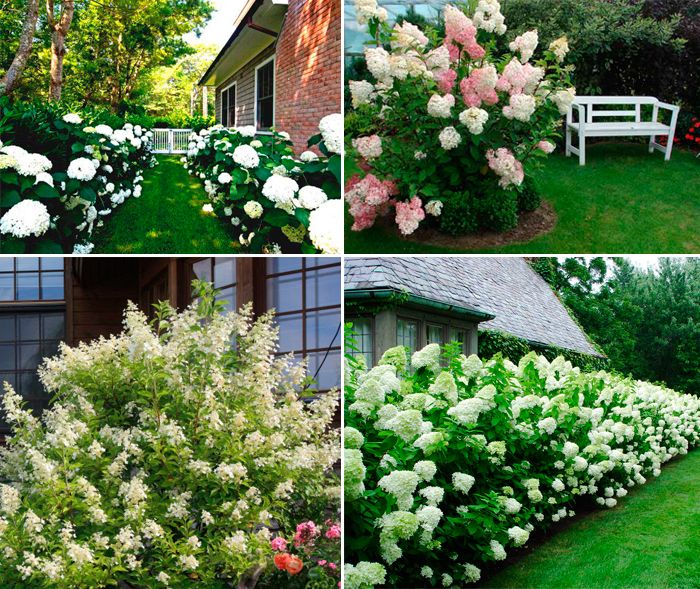
- A large-leaved tree-like variety of Annabelle with white spherical inflorescences up to 1.2 meters high;
- Paniculate: Kyushu with white flowers, lanceolate leaves, grows in any soil except sandy; Vanilla fraise with white-pink pyramidal inflorescences forms a crown up to 2 m in diameter, the height of the bush is 1.5 m;
- The Dutch variety Lime Light, with pale green petals and shaggy caps, is resistant to temperature contrasts and changes the intensity of its color depending on the fertilizer.
Hydrangeas will delight you if you apply iron-rich fertilizers on time. The bushes bloom for two months and are suitable for borders and individual plantings.