
I've been growing raspberries for 30 years, and I've been able to achieve consistent yields. For those just starting out, I'd like to share some tips on why leaves turn yellow at the height of the season. Chlorosis is an insidious condition, and it's difficult to immediately determine the cause. Treatments vary.
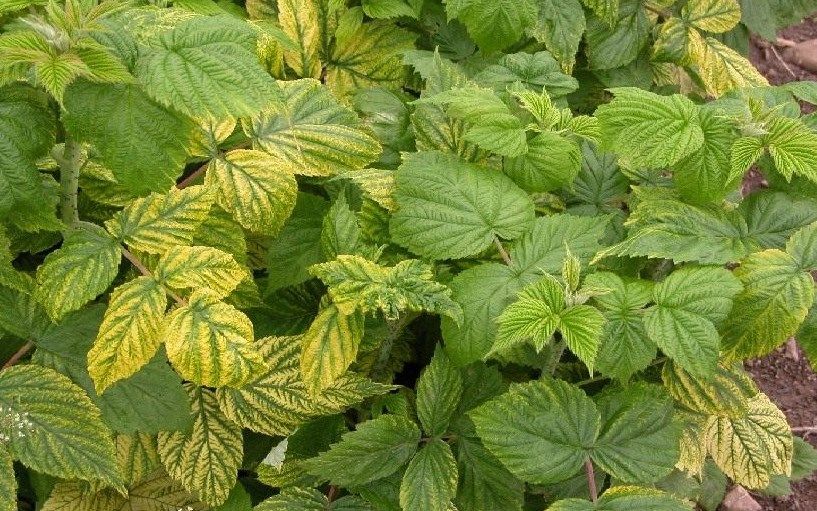
Treatment depends on the severity of the lesion. Pigmentation in the leaf blades is caused by a lack of chlorophyll. The cause can be viral or physiological, with the plant reporting a deficiency of macronutrients, primarily iron.
The disease always appears unexpectedly. It's not related to weather fluctuations. Incidentally, if you give your plants an icy blast during the height of a hot day, the leaves will turn pale, but they'll return to normal in about three days under the sun. It's worse if the vein pattern is clearly visible on the leaves. The dense tissues turn yellow first. If the leaves of berry plants suddenly start to turn pale or yellow, this indicates raspberry chlorosis.
There are widespread and isolated cases of raspberry chlorosis. Yellowing of leaves is a clear, but not the only, symptom of raspberry chlorosis. They become smaller, and shoot growth is impaired. When the disease peaks during budding, disaster strikes. There will be no harvest. The buds will be stunted and crooked. They will quickly begin to dry out. They will have no sugar content, only acidity.
The danger of raspberry chlorosis
Recognizing chlorosis early isn't difficult, but determining the cause isn't always easy for gardeners. Non-infectious chlorosis is easy to treat, but infectious chlorosis is difficult to combat. I admit, if harvest is at least two weeks away, I'll apply preventative antiviral treatments at the first sign of yellowing, just in case. I try to use mechanical treatments when the berries are ripe. Doing nothing is dangerous.
An infection that disrupts chlorophyll synthesis isn't afraid of frost. If left untreated, the disease will recur in the spring, and then goodbye, berries!
The pathogens are carried by insects. The virus enters the bush through the leaves and penetrates the roots. The plant begins to wither before our eyes. I discard such bushes immediately to prevent infecting neighboring raspberry patches. I fertilize the soil with potassium permanganate. If I don't, the entire plantation will die within a couple of years.
Types of raspberry chlorosis: causes and symptoms
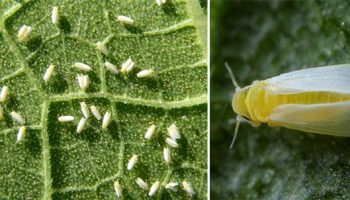
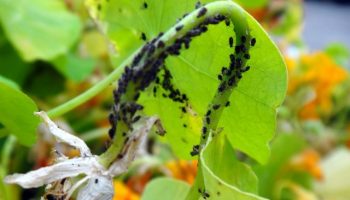
The virus typically appears sporadically, typically on the outermost raspberry bushes. Large, mature leaves are affected, and traces of aphids or thrips can be seen on them. The viruses coexist with these insects, developing within them and being shed in their excrement.
Aphids are carried by black earth ants, they must be destroyed!
Thrips spread on their own. An effective preventative measure is to spray Bordeaux mixture on the green cone. If the sucking "guests" do arrive, emergency measures are required.
How does chlorosis manifest itself? It can be:
- yellow veins and mesh on leaves;
- yellowed spots drying from the edges;
- the tips of the spotted leaves curl into a tube.
Depending on the raspberry plant's immunity, symptoms may be severe or mild. Sweet, heat-loving varieties are more susceptible to pathogens, while regional varieties are more resistant.
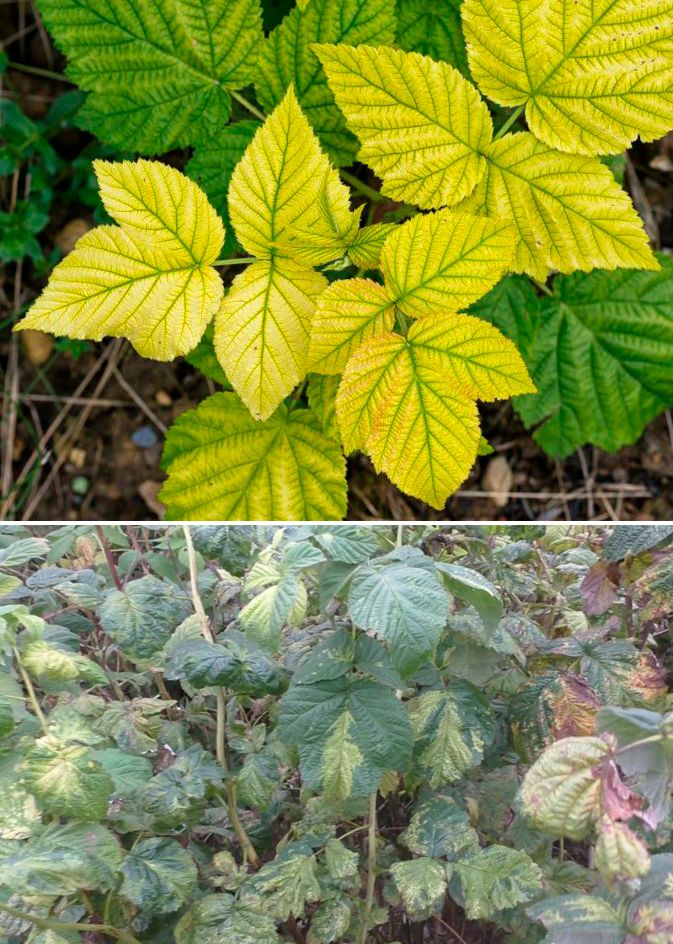
Physiological chlorosis can occur due to an excess of acidifiers in the soil, for example, after liming or adding ash. When raspberries are flooded, although they are a moisture-loving crop grown on river banks and do not like stagnant water, the roots stop absorbing nutrients due to excess mineral salts.
Non-infectious lesions manifest themselves in different ways, depending on the deficiency of a particular macro or microelement:
- yellowing, drying out at the edges, and then dying off of leaves occurs due to a lack of nitrogen;
- from young greenery, the leaves look paler than the rest: the bushes lack iron;
- poor growth of young shoots and the appearance of yellow spots all over the leaf indicate a magnesium deficiency;
- when old leaves are affected, in the petiole area and gradually turn yellow to the tip - a lack of boron;
- If only adult leaves between the veins are discolored, there is a manganese deficiency.
Treatment of different types of raspberry chlorosis
Physiological forms are eliminated by foliar feeding with ferrous sulfate. I dilute it as directed on the packet, then double the amount of water. I apply the solution with a spray bottle or a broom. For better adhesion, I add liquid laundry soap to the sulfate, up to 100 ml per bucket. If I have green soap, I add twice as much.
An old method is to plant rusty nails or other metal objects around the roots. I haven't tried it myself, but my neighbors say it helps. If copper sulfate isn't available, other chelates—iron-containing substances—are used. Three to four applications, spaced three days apart, and you're good to go. The raspberries are back to life.
If nitrogen deficiency is present, spraying with a solution of 1 tablespoon of urea per 10 liters of water will help. However, this should be done a month before the berries ripen.
Foliar feeding with boron is always a good idea, 2-3 times per season; it increases fruit production and sugar content. To do this, dissolve 10 g of boric acid in 10 liters of hot water.
Manganese is replenished with manganese chelate, magnesium with magnesium sulfate.
For prevention, it is necessary to feed the raspberries with complex fertilizer in early spring and autumn.
The fight against the viral form lasts for months. If the infection is mild, the first step is to remove the affected leaves. Agronomists recommend supplementing the affected raspberry bushes with potassium, which boosts the plant's immunity. If the infection is severe, the affected bushes are burned. The remaining bushes are treated with special agents.
Preparations against chlorosis:
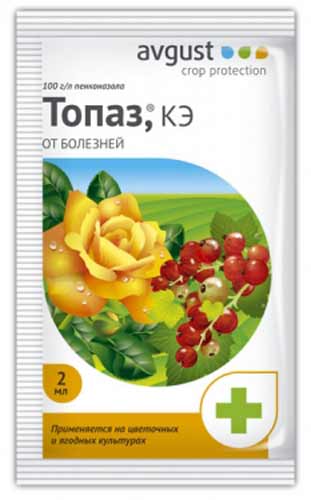
- Topaz in a concentration of 0.05% (must be diluted according to the instructions), carry out the treatment during the budding period or after picking the berries, the drug is toxic;
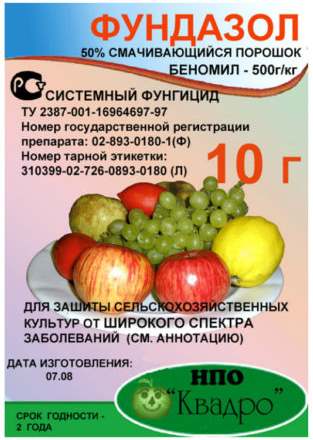
- Fundazol 0.1% is sprayed on raspberries from early spring until the flower stalks bloom; in autumn the product is not as effective.
Many crops are susceptible to chlorosis, so treatment of berry bushes should not be delayed.
Chlorosis-resistant raspberry varieties
I will list the zoned varieties that grow on our site and are quite resistant:
- Kolkhoznitsa - large raspberry berries distinguished by their sugar content;
- Progress is a remontant variety that continues to produce a harvest until late autumn;
- The hussar is the most unpretentious species;
- Yellow giant - raspberries have never gotten sick, neither mine nor my neighbors;
- Kuzmin's news: if it grows in a dry place, it won't get sick;
- Giant – bushes are not affected by aphids, thrips, berries are sweet.
With proper care and spring prevention, chlorosis can be a thing of the past. But if yellowing does occur, the plants need immediate treatment.
Hello. How can I contact the author? I'm growing raspberries and would like some advice.