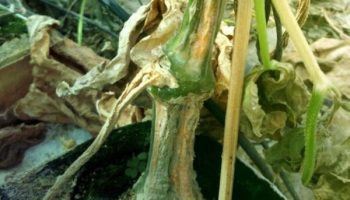
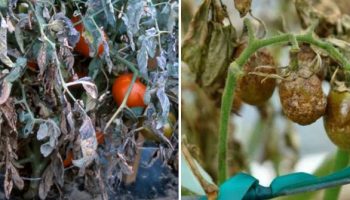
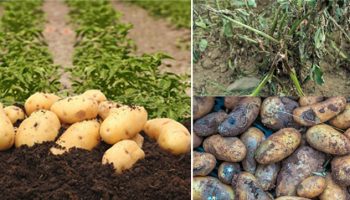
Chlorosis is a disease characterized by a sharp decline in photosynthesis. Due to insufficient chlorophyll, leaves turn yellow and fall off. Affected bushes suffer from root death and top shrinkage. Distinctive symptoms also include small leaves.
Curling edges of young plant blades, deformation, and bud drop indicate the need for urgent treatment. Failure to take timely measures will likely result in the plant being saved. The type of chlorosis can be determined in specialized laboratories. This method is most often used by owners of large farms, while ordinary gardeners rely on external symptoms.
Content
Causes of plant chlorosis
The list of factors that can trigger the disease is quite extensive. Chlorosis can be infectious or non-infectious (functional). The latter is caused by:
- unfavorable climate;
- mistakes made in cultivating crops;
- poor drainage;
- lack of free space;
- negative impact of sulfur dioxide;
- too dense planting;
- mineral deficiency in the soil.
Insufficient amounts of protein, iron, nitrogen, and magnesium are often the result of highly acidic soil. Plants planted in such soil are unable to absorb minerals. It's important to note that the disease can be inherited. This trait is exploited in the development of new variegated varieties.
You can tell which substance is causing chlorosis by the plant's appearance:
- nitrogen – slow growth, lignification of stems, paleness of plates;
- phosphorus – thinning of shoots, crushing of foliage, change in color and shape of the edge;
- potassium - “burnt” edges of leaves, black-brown stripes inside the fruits;
- calcium – necrosis of the upper plates, blossom end rot on fruits;
- copper – shedding of underdeveloped inflorescences, crushing of young foliage, weakening of stems;
- pine forest – a large number of lateral shoots;
- magnesium - old leaves are covered with greenish-yellow spots, which later turn brown;
- sulfur - both the veins and the interveinal space suffer;
- zinc - specks of different shades on the surface of the leaf.
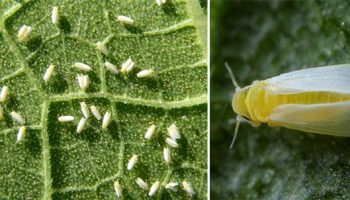
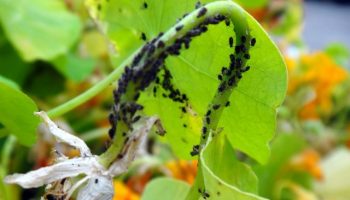
Infectious chlorosis can be caused by viruses, fungi, and bacteria. Infection occurs through insects.
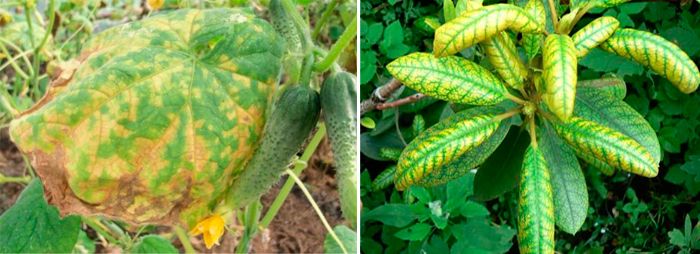
The main distinguishing features of a non-infectious disease from an infectious one are that the veins on the leaves remain green when they turn yellow.
Chlorosis in the garden
This disease is often confused with scab due to similar symptoms. Crops susceptible to chlorosis include vegetables such as tomatoes and cucumbers. A gardener who practices preventative measures can significantly reduce the risk of chlorosis.
Chlorosis of tomatoes
Tomatoes are more susceptible to non-infectious chlorosis than many other crops. Overwatering causes water stagnation in the root zone, which triggers rot. Mineral deficiencies are corrected with specialized fertilizers and preparations.
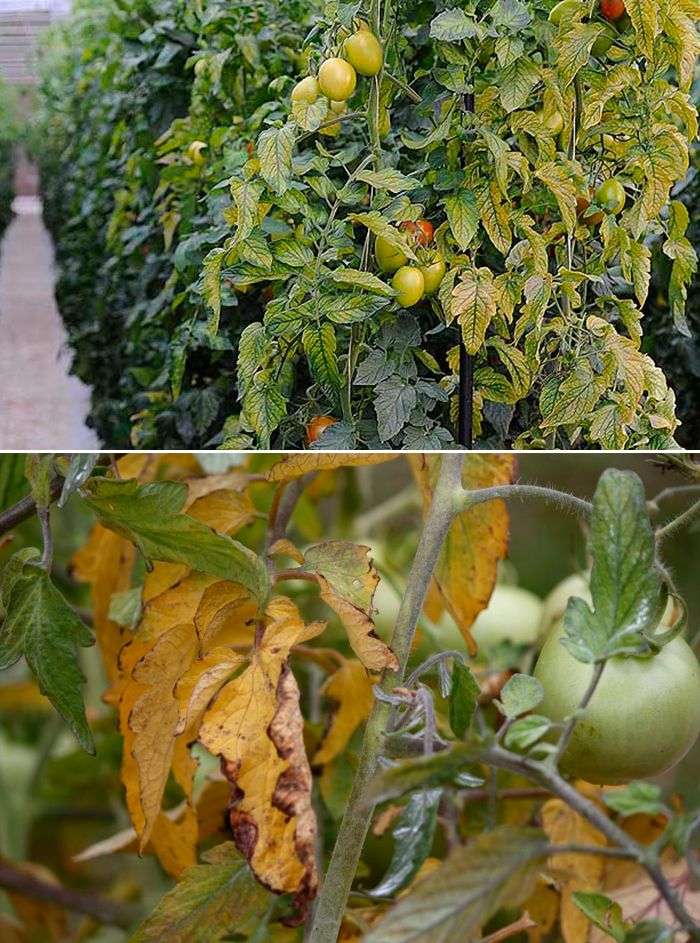
Bushes affected by the virus are removed, and the soil is immediately treated. A solution of magnesium permanganate (potassium permanganate) or a fungicide can be used for this. Otherwise, nearby plants will become infected.
Chlorosis of cucumbers
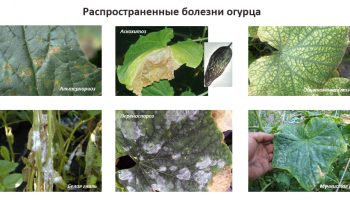
Changes in the shape of leaf blades and yellowing of veins are symptoms indicative of many diseases. This may explain the difficulties that can arise during treatment.
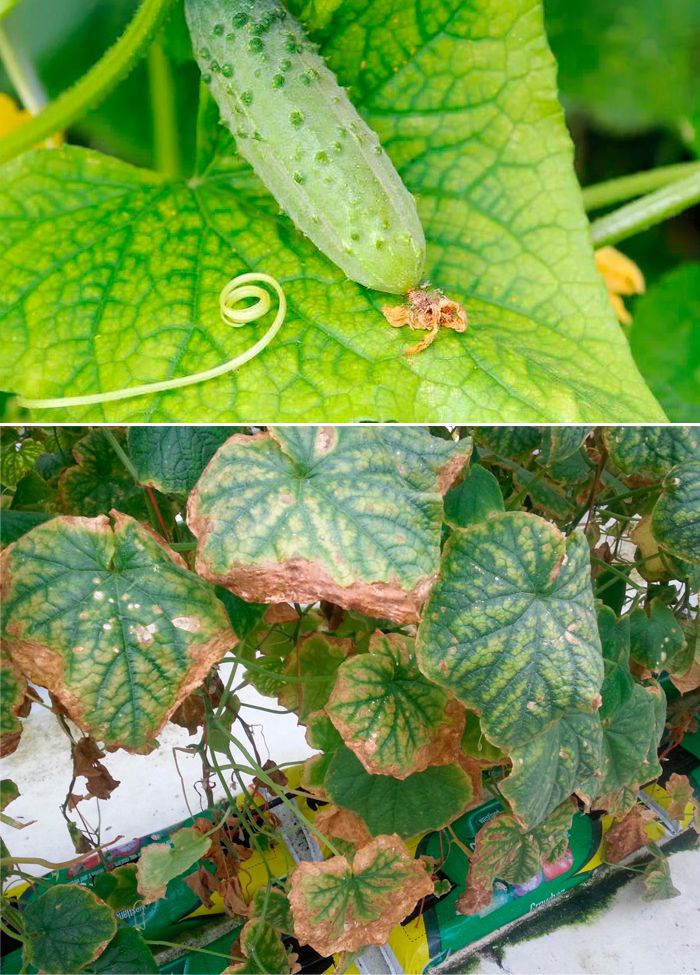
In any case, cucumber chlorosis is easier to prevent than to cure. To do this, two weeks before planting, add compost to the prepared soil. It contains all the necessary nutrients.
Chlorosis of fruit bushes
Gardeners often refer to this disease as "pale chlorosis." Infected bushes (currants, raspberries, gooseberries, etc.) grow slowly and bear fruit poorly. Yellow mosaic (infectious chlorosis) is caused by a nematode. By taking timely preventative measures, gardeners can protect themselves from most potential problems.
Grape chlorosis
The development of the disease is indicated by the appearance of spots located between the veins on the leaves. Their color varies from cream to lemon. Older leaves are covered, while new ones turn a bright yellow. The fruits are small in size.
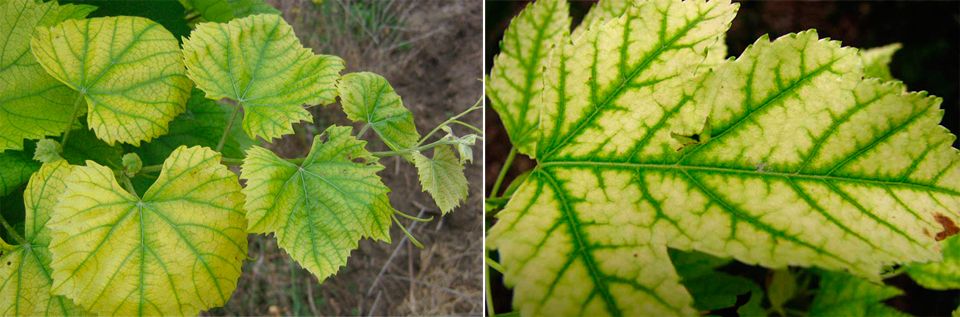
Chlorosis negatively impacts frost resistance. Symptoms become more pronounced in spring and late summer. To detect this disease, discolored grape leaves are coated with iron chelate.
A positive test result is indicated by a rich green pattern appearing on the plate within 24 hours. Grape varieties known to be resistant to chlorosis include Muscat, Limberger, Cabernet, Pinot Noir, Saint Laurent, Elebing, Riesling, Pinot Meunier, and Trollinger.
Raspberry chlorosis
This shrub can also be affected by functional and infectious chlorosis. The first sign of the disease is the appearance of pale yellow spots, which over time grow and merge. Following the leaves, the stems and young shoots are affected.
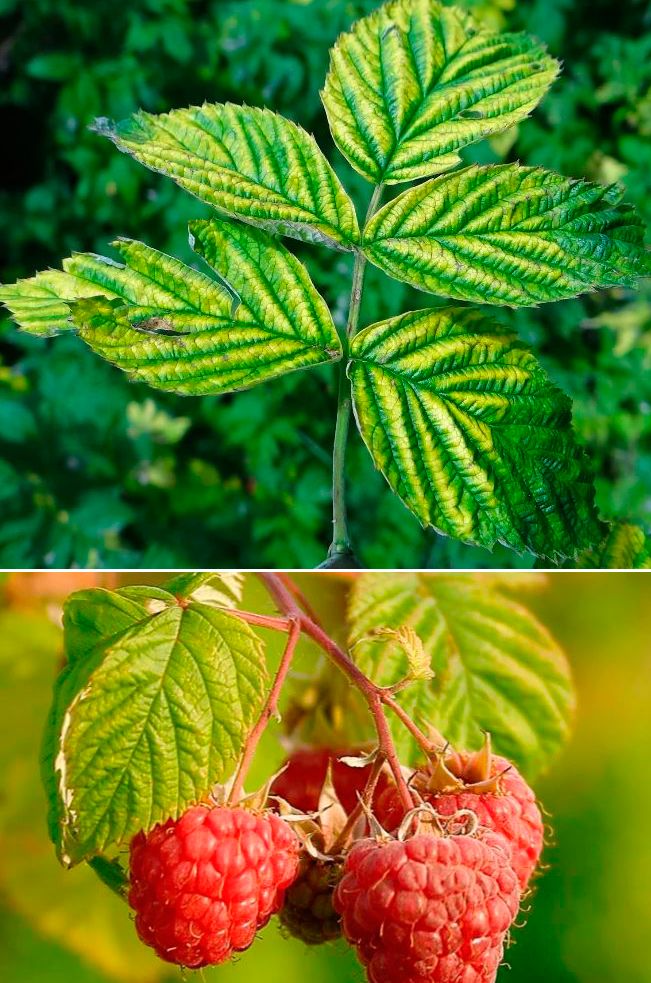
To avoid such problems, you need to:
- use only healthy seedlings for planting;
- regularly loosen the space between rows and remove weeds;
- treat the bushes with solutions that prevent the appearance of sucking insects;
- water raspberries with water warmed in the sun;
- Add nitrogen-containing fertilizers, forest litter, peat, humus or compost to the soil.
Strawberry chlorosis
The causes of the disease in this plant are the same as in raspberries: mineral deficiency, infectious contamination, increased soil acidity.
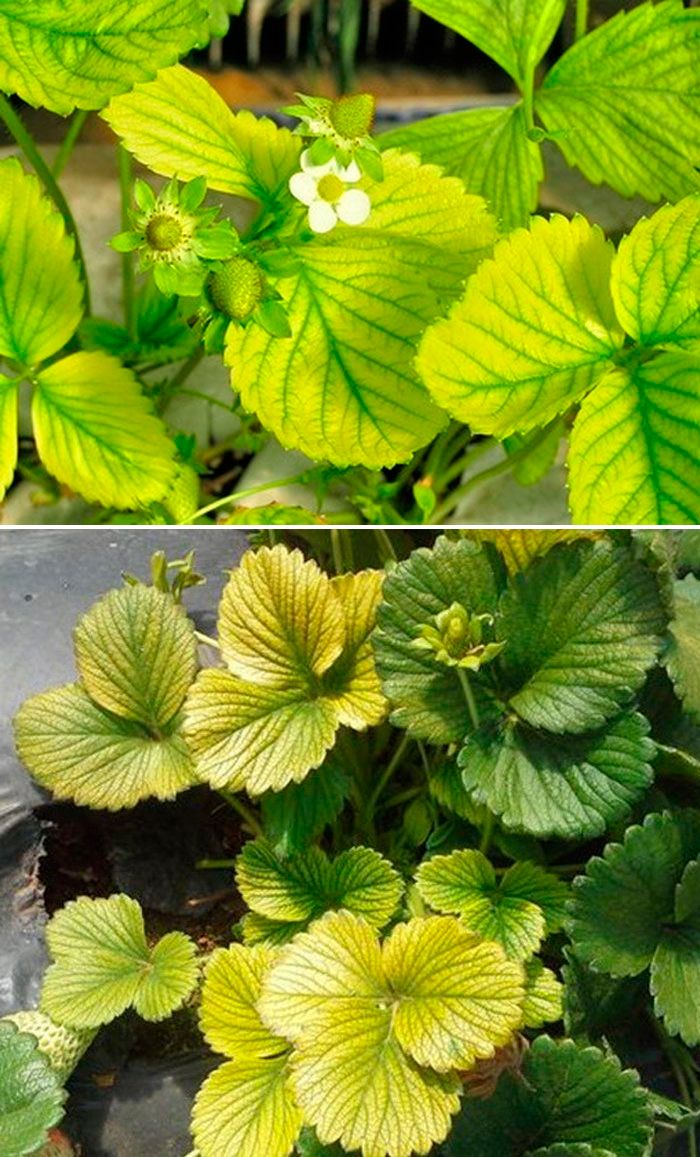
Viral chlorosis, in addition to leaf discolouration, also causes short internodes. In this case, the disease cannot be cured. The only solution is to destroy the affected strawberries and immediately treat the soil. Non-infectious chlorosis is treated with specialized preparations.
Chlorosis of fruit trees
The development of chlorosis is indicated by the appearance of pigmentation on the leaves. Pale yellow spots appear on their surface. It's important to note that the color of the veins does not change. Left untreated, the foliage gradually curls and dies.
Chlorosis of apple and pear trees
Apple and pear trees suffering from iron deficiency are sprayed with medicinal solutions. They are also injected with ferrous sulfate. A hole drilled in the trunk for this purpose is then sealed with cement.
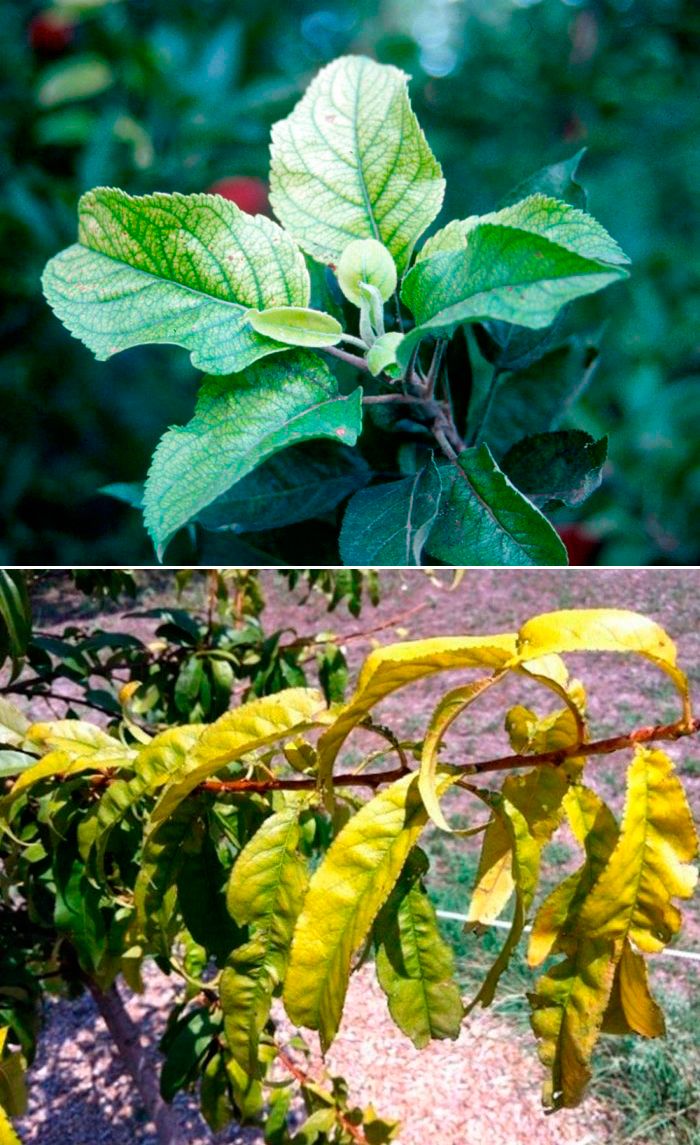
If nitrogen levels are insufficient, lower foliage begins to discolor. In this situation, gardeners recommend using organic fertilizers containing nitrogen. Potassium deficiency manifests itself as yellowing of leaves on young shoots.
Necrotic edges and dark spots on the leaf blade indicate a sulfur and oxygen deficiency in the root system. Therefore, the gardener will need dolomite flour and wood ash. The longer non-infectious chlorosis progresses, the more difficult it is to identify its cause.
The viral form of the disease manifests itself in two forms: mosaic and chlorotic ringspot. The former affects stems, fruits, and leaves, producing distinct spots and stripes. Symptoms can also include delayed fruiting and reduced yields. Ringspot manifests itself as spotty yellowing of foliage, stunted growth, and shortened shoots. Affected trees are susceptible to temperature fluctuations.
Chlorosis of flowers
There are no crops resistant to chlorosis, so this disease can appear anywhere. This applies to both garden and houseplants. Particular attention should be paid to clerodendrums, azaleas, gardenias, ficus, hibiscus, phlox, and abutilons.
Chlorosis of hydrangeas
Flowers most often suffer from iron deficiency. Due to improper metabolism, plant foliage fades, curls, and falls off. The most effective treatment is timely prevention.
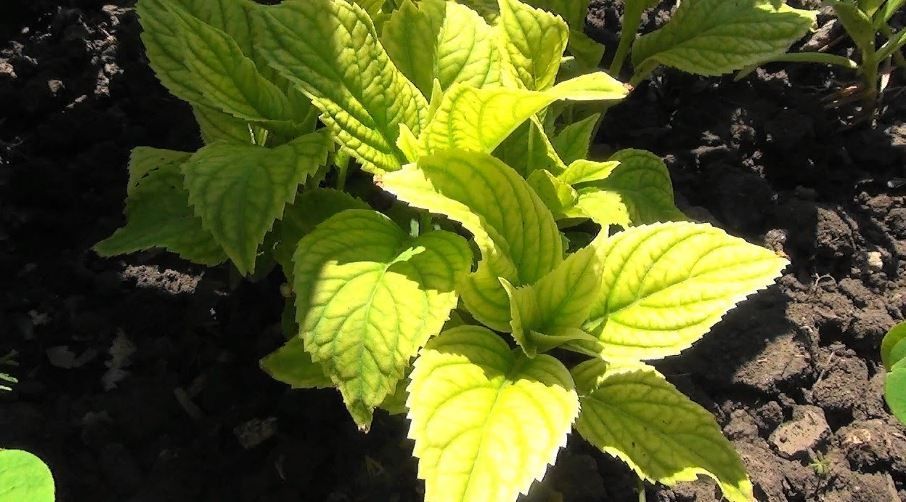
Products containing iron are used for spraying or applied to the roots.
Chlorosis of roses
Signs of infection are the same: yellowing and streaks that stand out against a dull background with their rich color. Factors that can trigger the disease include:
- insufficient iron;
- abuse of chemical fertilizers last season.
Weakened plants are usually the ones most susceptible to disease. Roses with well-developed root systems and more favorable locations are unlikely to be affected.
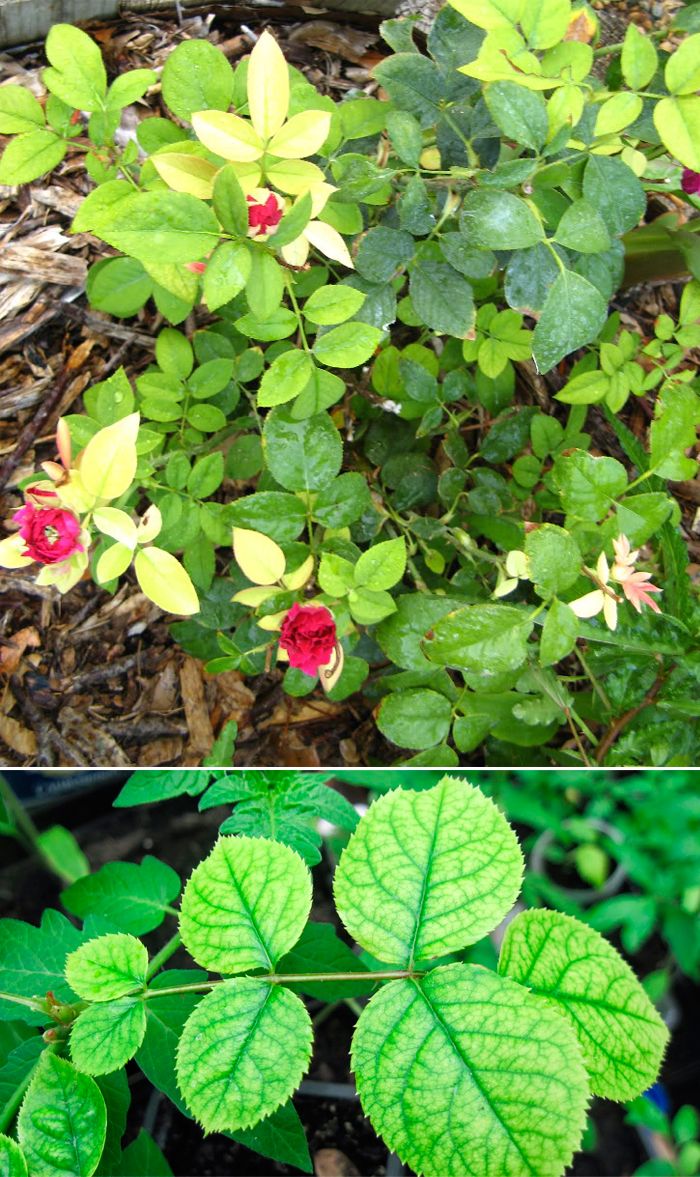
Affected bushes should not be overwatered, pruned, or fed with nitrogen fertilizers until they recover. Treatment begins before the growing season. The prepared soil should be supplemented with the minerals that are causing the plant's condition, as well as humus. The latter can be replaced with mullein.
Treatment of chlorosis with medications and folk remedies
To prevent the appearance of chlorosis, you need to:
- feed plants with mineral and organic fertilizers;
- destroy pests that carry infection in a timely manner;
- mulch the spaces between rows;
- acidify soil containing large amounts of carbonates.
Treatments are selected based on the data obtained during plant examination. The causes and treatment of the disease are invariably interconnected.
| Essential element | Medicine/Folk remedy |
| Iron | Ferovit Ferrilene Iron chelate |
| Magnesium | Magnesium sulfate Dolomite flour |
| Sulfur | Potassium sulfate Potassium magnesium sulfate |
| Zinc | Zinc oxide Zinc sulfate |
| Calcium | Slaked lime Eggshell |
With infectious chlorosis, treatment will be a waste of time. The battle for a plant infected with a virus or fungus is lost. It will have to be disposed of anyway.
A universal solution to the problem is to destroy the affected plants, spray the remaining ones with anti-chlorosis products, and use complex fertilizers to boost the plant's immunity. Possible options include fertilizers such as Uniflor Micro, Reasil, and Kemire Lux.