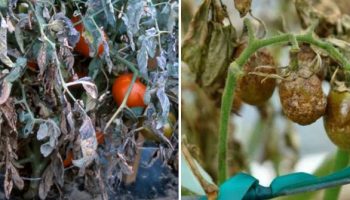
The plants that scale insects feed on are quite diverse. Signs of damage include stunted growth and an unhealthy appearance. Plants can be treated with folk remedies and chemicals.
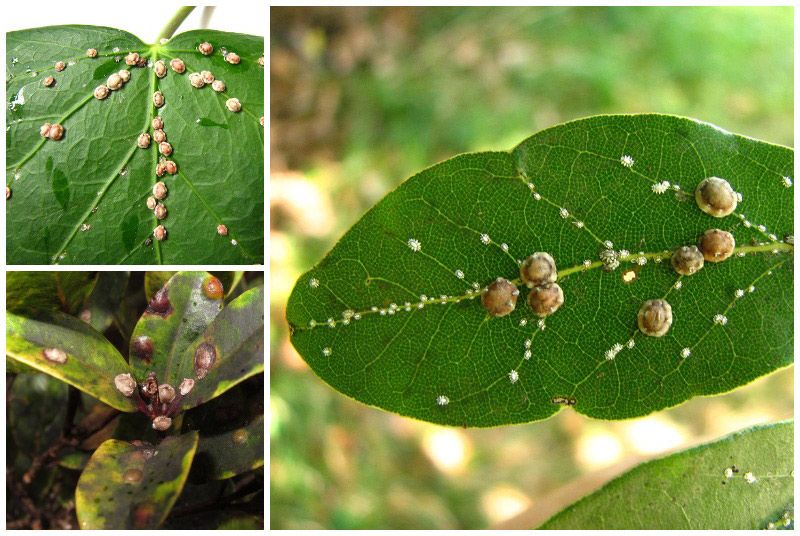
False scale insects or coccids (Coccidae)
This is a harmful insect that is very difficult to eradicate. It gets its name from the waxy shell covering its body. It belongs to the order Hemiptera, along with the family Scale insects. They share similar characteristics: they belong to the same class—parasites—and have a similar appearance. They feed on plant sap containing nutrients. Their body shape is rounded. Females lack legs and wings, so they are sedentary. They are small insects. Scale insects are larger than coccids.
The families differ in their shield. In the false scale insect, or pincushion insect, this is a skin covering that dies off after molting. It is more convex than in its relative. By rising above the body, it keeps it and the eggs warm. It can be removed by picking it with something. This is impossible in the scale insect, as the shield is firmly attached to the body. They secrete a sticky fluid called honeydew, which is a source of fungus that can damage the plant.
These species are an example of sexual dimorphism. Individuals vary considerably. Males are smaller than females, more agile, and have wings. Their life cycle is short—just a few days. They are of no interest for study. Their presence is not required for reproduction. The purpose of their existence is to migrate long distances.
In poor conditions, there will be more males, which will help them find a new place to breed.
Types of false scale insects
There are several most common types.
|
View |
Description |
Affected plants |
| Soft | Length: 4-5 mm. Body shape: egg-shaped, sometimes asymmetrical. Color: yellowish-green to brown. Pattern: longitudinal and 2 transverse stripes. Fecundity: up to 600 eggs. Larvae overwinter in open ground. Per year: 6-7 generations in a greenhouse, 3-4 in a garden. They spoil the appearance of the plant, causing the trunk to bend and the leaves to dry out. | Indoor: orchids, citrus and palm trees, calla lilies, ficus. |
| Acacia | The female's coloration varies depending on her age: young females are light brown with an oval body; adults are reddish-brown and rounded-oval. One fold is located lengthwise and two are located crosswise. Male: long, thin body, 3 pairs of eyes, whiskers and legs - yellow, everything else reddish-brown. The larvae vary in shape: oval - female, oblong - male. They lay 500-1500 eggs. The female dies after laying the eggs. 1 generation grows up. |
Fruit trees: peach, plum, acacia, cherry, apple. Berry trees: currant, gooseberry. Forest and ornamental deciduous trees. Grapes. |
| Spruce | Males are rare. Females have a round brown or chestnut-colored shield. Fecundity: 3,000 eggs. They secrete a substance that attracts ants, bees, and wasps. | Coniferous forests: natural and cultivated. Particularly dangerous for young plants—those under 10 years old. |
| Thuya | Spherical shape. Yellow-brown color. Relatively large insect (up to 3 mm). Larvae overwinter under the bark. | Thuja, spruce. |
| Hawthorn or two-tuberculate | Body shape: hemispherical or wide oval. It has four shiny tubercles, two of which are more noticeable. There are seven to eight transverse ribs on the side. Color: light gray to brown. Fertility: up to 1,100 eggs. They secrete sticky excrement on which sooty mold grows.
The male is inconspicuous. |
Plants of the Rosaceae family: apple tree, medlar, quince, hazel, apricot, blackthorn, cherry plum. |
| Hemispherical or plum-shaped | The female has a dark brown scutellum. The male is matte red.
The eggs are yellowish-pink. They lay up to 1,200 eggs. The second generation of larvae emerges in late summer and overwinters in the soil. |
Flower and ornamental crops. |
| Japanese wax | The body surface is covered with a thick layer of wax. It has 8 gills. Color: cherry red. Fecundity: up to 2,500 eggs. | Citrus and other subtropical crops. |
External signs of plant damage by scale insects
The coccid feeds on nutrient-rich sap, depleting the plant. Consequently, growth slows, and flower buds form rarely or completely. A sticky coating is clearly visible on the leaves, which then turns black. This discoloration is caused by the growth of sooty mold, which has been created in favorable conditions.
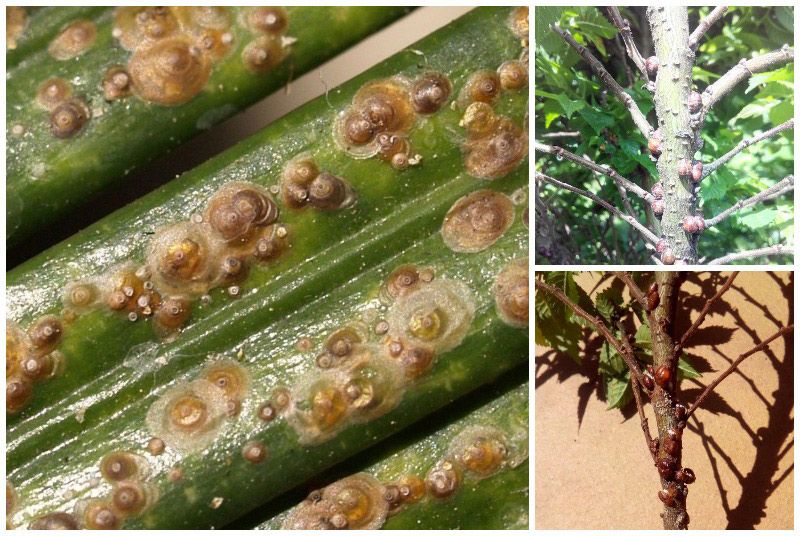
In a favorable climate, the false scale insect reproduces constantly.
Measures to combat false scale insects
Fighting this parasite is difficult, but possible. There are several methods.
Mechanical
This involves removing pests naturally. They can be removed with a soft toothbrush or cotton swab, a damp sponge, or a cloth. For delicate leaves, a gentler option is recommended to avoid damaging them. For indoor plants, this method is quite effective. Scrape them off with a knife from trees. For larger plants, try washing them off with a high-pressure jet of water.
Folk remedies
An effective treatment method for small infested areas and low pest populations.
|
Ingredients |
Preparation of the solution |
Application |
| Denatured alcohol, soap. | 10 ml and 15 g per 1 liter of water. | Test on 1 leaf first. Then apply to the entire plant. Thin leaves may be burned. |
| Garlic (onion). | 5 medium chopped cloves (1 medium onion) per 250 ml. Infuse in the dark for several hours. | They spray. |
| Pepper. | 50 g per 0.5 l. Boil, filter, and let stand for 24 hours. | |
| Pepper tincture, soap. | 10 g of tincture and 5 g of soap per 1 liter of water. |
Chemicals
If simple methods fail, chemical treatments are used. Sometimes multiple treatments are necessary. Two treatments are usually sufficient, but sometimes up to four may be required, spaced 1.5-2 weeks apart. This is necessary to completely eradicate all pests. The plant itself and its immediate surroundings are treated. It's advisable to replace the soil to eliminate eggs and larvae, which are not visible.
Effective drugs:
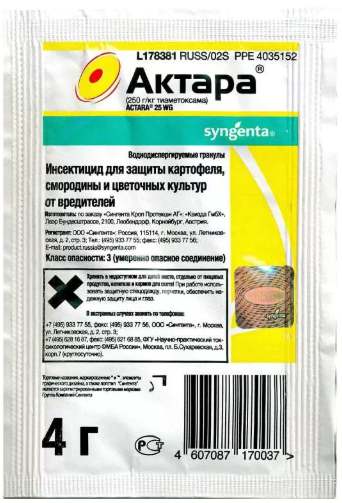
- Aktara: intestinal and contact action. Water and spray according to instructions. Apply during the growing season as needed.
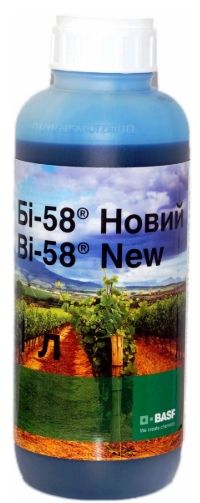
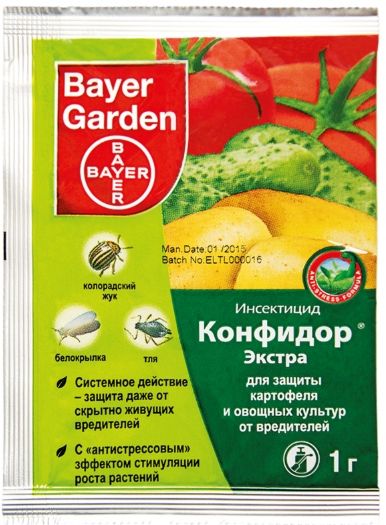
- BI-58, Confidor. These have both contact and systemic effects. They are distributed evenly throughout the plant and penetrate the pest, poisoning its intestinal tract. They are dangerous for bees and fish and can be toxic to humans (if they come into contact with mucous membranes).
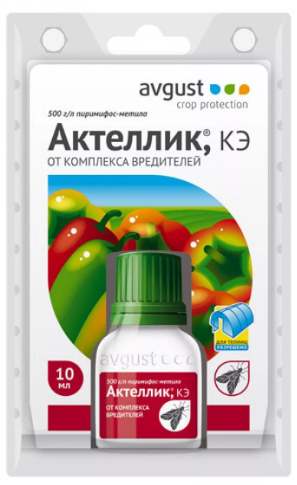
- Actellic: a non-systemic product. It is sprayed. Not recommended for use in residential areas. Toxic.
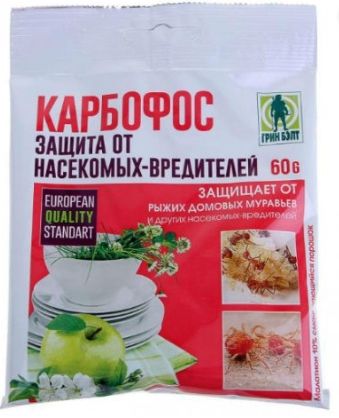
- Karbofos. An organophosphorus preparation. It causes nervous stimulation, thus poisoning the insect's entire body.
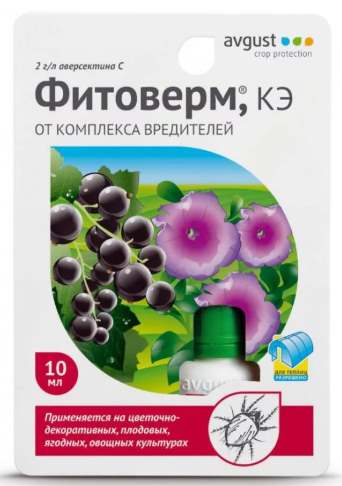
- Arrivo, Calypso, Fitoverm. They have contact and intestinal action.
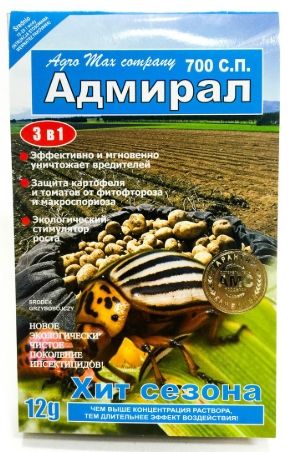
- Admiral: a hormonal insecticide. Use a solution of 6 ml per 10 liters.
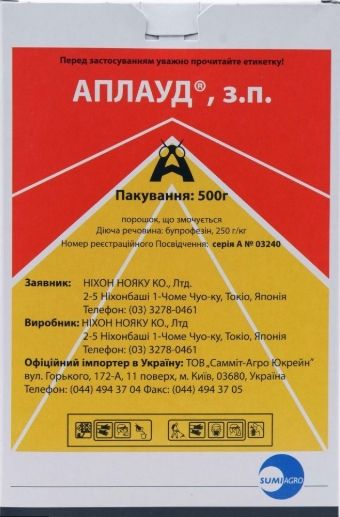
- Aplaud: a chitin synthesis inhibitor. Spray at a dilution rate of 10 g per 10 l.
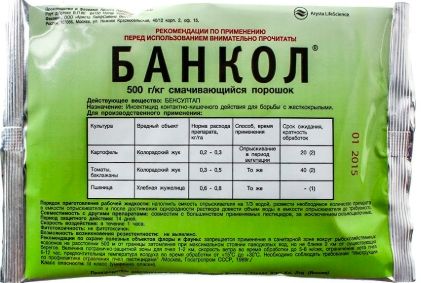
- Bankol. Apply at a rate of 0.5-0.7 g per 1 liter.
Top.tomathouse.com recommends: preventative measures to prevent scale insect infestations
To prevent plants from being attacked by pests, it is necessary to follow a number of preventative measures:
- Inspect regularly and thoroughly, preferably with a magnifying glass.
- Water in a timely manner.
- Spray.
- Provide access to fresh air for indoor plants.
- Apply fertilizer to improve resistance.
- Remove damaged branches, dried leaves, and dead bark.
- Do not plant too densely to avoid crowding.
- Place in a well-lit area.