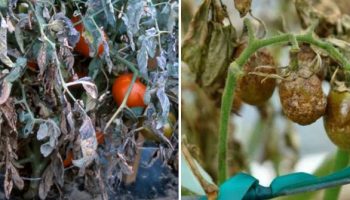
Powdery mildew, also known as powdery mildew or powdery mildew, is a fungal disease caused by ectoparasitic fungi of the order Erysiphyceae. This disease affects many plants, all with similar symptoms, but different causes.
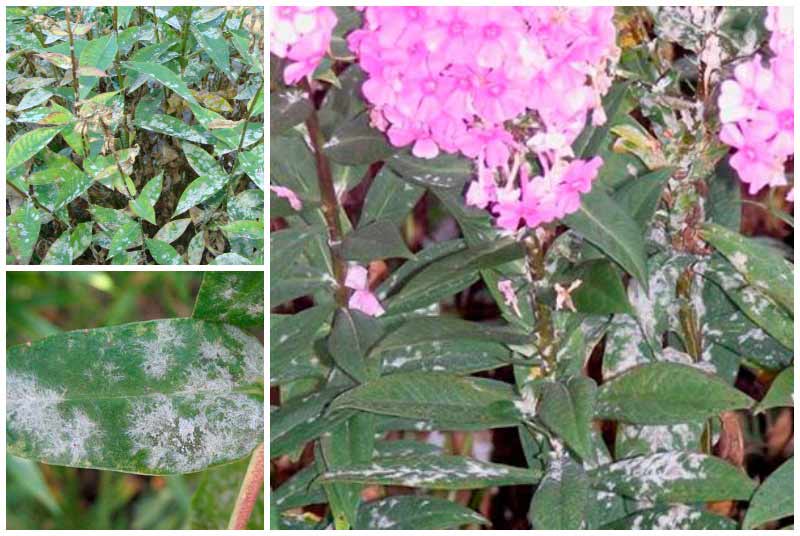
Features of powdery mildew on phlox
The first symptoms will only become clearly visible in July. Initially, small white spots appear on the lower leaves, which quickly grow, turning into a powdery coating. This subsequently thickens and takes on a brownish tint. The leaf then dries up. The coating gradually spreads to the upper branches and inflorescences.
Newly formed leaves, which have not yet had time to acquire a protective layer, are most susceptible to infection.
Temperatures between 18 and 20°C and high humidity are favorable conditions for the disease's development. Excessive nitrogen in the soil, improper watering, and temperature fluctuations also contribute.
Preventing powdery mildew on phlox
To avoid infection, you need to take a number of steps:
- add fertilizer to the area where flowers grow several times during growth and flowering;
- Sprinkle every 14 days with a 1% solution of Bordeaux mixture;
- thin out (dense planting promotes the development of fungi);
- remove fallen leaves and weeds in a timely manner;
- treat with a product that contains microelements;
- sprinkle the ground around the flower with wood ash;
- dig up the soil and add nutrients in the fall;
- add nitrogen-containing elements moderately;
- cover with humus or peat after the 15th of April.
Methods for treating phlox from powdery mildew
If the plant is infected, it should first be inspected, then the affected parts should be cut off or torn off and discarded, or, best of all, burned. You can initially treat the phlox with folk remedies, but if the infection recurs after 14 days, reapply the specialized treatments.
Fungicidal preparations against powdery mildew
These specialized products are indispensable in the fight against ash beetles, as they help quickly stop the destructive process. The dosage and application instructions are detailed in the product's instructions. What they all share is the frequency of spraying—at least four times, at weekly intervals.
The following are considered the most effective: Fundazol, Topaz, Chistotsvet, Topsin, and others. When using them, follow the instructions in the leaflet and adhere strictly to avoid causing harm.
Top.tomathouse.com recommends: folk remedies for powdery mildew on phlox
The table presents the most common and effective techniques that will help get rid of parasites.
| Name | Preparation | Usage |
| Milk whey | 100 g of whey is dissolved in 1 liter of water. | Spray at least 3 times every 72 hours. |
| Ash tincture | Mix 150 g of wood ash with 1 liter of boiling water and let it steep for 48 hours. Then add 4 g of pre-crushed laundry soap, and strain out the excess. | Spray 3 times daily, or every other day. |
| Soap-copper solution | 200 g of soap, 25 g of copper sulfate are mixed with 10 liters of water. | Treatment is done once a week. |
| Soda-soap solution | Dissolve 25 g of washing soda and 25 g of laundry soap in 5 liters of hot water. Grate the soap. | Spray not only the plant itself, but also the soil in which it grows, 2 times every 7 days. |