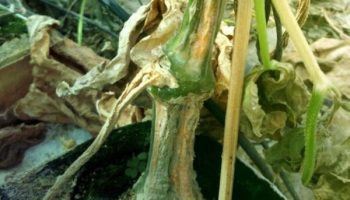
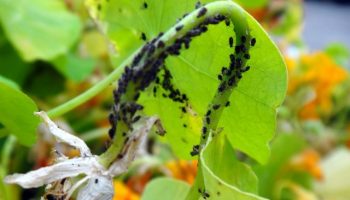
Powdery mildew is an infectious disease caused by fungi. Its symptoms can be seen not only on flowers but also on grain crops, fruit trees, and berry bushes.
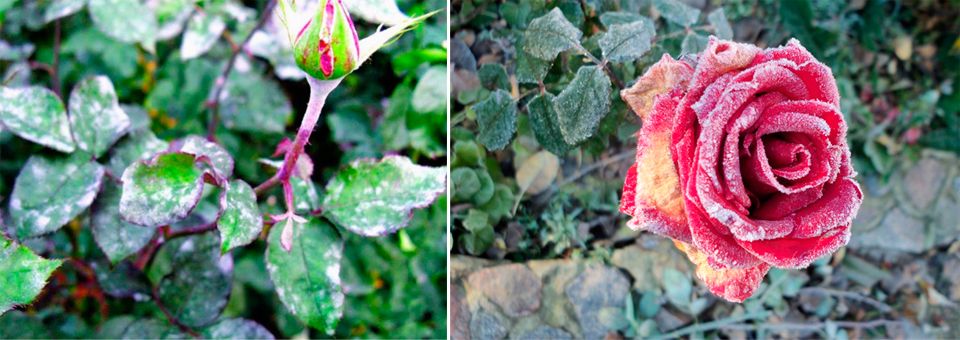
The spores of this pathogen are long-lived, and can remain dormant in the soil for decades.
Activation occurs when favorable conditions for reproduction occur.
There are several types of fungi. Powdery mildew on roses is caused by Sphaeroteca pannosa. It is triggered by heat, high humidity, and excessive nitrogen in the soil. Dense rose bushes are most often infected. Therefore, a musty odor around the plant can be an indirect sign of the disease.
How to identify powdery mildew and why it is dangerous
The first to become infected are the stems, petioles, and young shoots located below the rest. A white coating forms on these shoots, revealing mycelium. After the spores mature, water droplets appear on the mycelium. If left untreated, the lesions spread to the entire plant.
As a result, their appearance becomes unattractive, and the roses' fragrance deteriorates. This can be attributed to a lack of nutrients.
Leaves affected by powdery mildew suffer necrosis and turn yellow due to a lack of photosynthesis. Flowers stop blooming, and buds become much smaller.
A plant in the final stages of this disease has a bare stem, with only a felty coating visible on its surface. Due to this structure and the specific features of the coating, the rose fails to thrive. The resulting cracks become a haven for rot pathogens. Such a bush is unlikely to survive the winter.
The disease has several names. Besides the generally accepted one, there are also popular names such as "bel," "ash-pet," and "muchka." The obvious symptoms make diagnosis much easier.
Pathogens can be transferred from a diseased plant to a healthy one by insects, wind or pests.
The peak of fungal activity begins in June.
Causes of powdery mildew and general principles for controlling it on indoor roses
There are quite a few factors that can trigger disease in plants grown at home:
- contact of healthy roses with diseased ones;
- rains that fall too frequently;
- sudden change in temperature;
- high air humidity;
- excess nitrogen and lack of minerals in the soil and other errors in agricultural practices.
To treat the disease, contact and systemic fungicides are required. The most effective include Fundazol, Amistar Extra, Topaz, Vitaros, Acrobat MC, Skor, and Previkur.
Their effect can be supplemented with sprays prepared according to traditional recipes. Before treatment, remove all damaged shoots, leaves, and buds.
Treatment of powdery mildew with folk remedies
The sooner the disease is detected, the better. Gentle treatments will be effective if the fungus hasn't yet had time to penetrate the internal tissues. This main step should be preceded by proper preparation, including removing affected flower stalks and leaves (they are characterized by a sickly appearance and yellow color).
If the disease has been progressing for a long time, pruning should be drastic. Don't begrudge the removed parts of the plant.
Mycelial colonies located in the soil are removed by removing the top layer of soil (if the rose is growing in a pot).
When spraying, the medicinal solution should cover the entire plant. Experienced gardeners recommend completely immersing the bushes. This is the only way to achieve maximum effect. A single treatment is usually insufficient; the duration of the treatment is determined based on the composition of the medication.
It's important to note that folk remedies can slow the disease, but they can't eliminate it completely. Special treatments are often necessary.
The treatment should be carried out in dry weather, preferably away from strong winds and heat. Preparing the mixture for future use is not recommended. Only apply as much as you need at one time.
| Recipe | Application |
| Mix liquid soap (5 g), soda ash (25 g) and hot water (5 l). | Roses are sprayed 3 times, at least a week should pass between sessions. |
| Dissolve liquid soap (1/2 tsp) and baking soda (1 tbsp) in water (4 l). | The treatment is carried out three times, with an interval of 7 days. |
| The solution is made from water and potassium permanganate. For every 10 liters of liquid, use 2.5 g of potassium permanganate. | The interval between sprayings is 5 days. |
| The medicine will require 10 liters of water and 1 liter of serum. | The course lasts 9 days, spraying is done every 3 days. |
| A decoction is prepared from water and fresh horsetail (in a 10:1 ratio). It is then steeped for 24 hours, then brought to a boil again. It should remain on the stove for several hours. After this, the liquid is separated from the solids. The solids are diluted with water. Use one part decoction for 5 parts water. | Preventive treatment is carried out in summer and spring. |
| The medicine is made from copper sulfate (5 g) and hot water (250 ml). This mixture is slowly poured into a container filled with a soap solution (5 liters of water, 50 g of soap). | In accordance with the general rules. |
| 2 tablespoons of mustard powder are diluted in 10 liters of water. | Suitable for spraying and watering. |
| Mix ash (1 kg) and warm water (10 l). Let the solution steep for 7 days, stirring constantly. Pour liquid soap into the strained mixture. | Daily processing is allowed. |
| Take finely chopped garlic (25 g) and water (1 l). Mix, let steep for 24 hours, and strain. | The frequency of spraying depends on the condition of the indoor plants. |
| Add 1 liter of whey and 10 drops of iodine to the water. | Only 2 sessions are required, 7 days apart. |
| You'll need 10 liters of water and 3 liters of fresh manure. Let this mixture sit for 3 days, then pour the resulting liquid into a separate container. Add water (in a 1:10 ratio, respectively). | In accordance with the general rules. |
Treatment of powdery mildew with fungicides
If folk remedies haven't yielded the desired results and the rose garden's condition is continually deteriorating, you'll need to resort to specialized treatments. These are designed to stop the negative processes and completely eliminate the causative agent. Additional benefits include a restorative effect.
Fungicides can be biological and chemical.
The former are considered safer. Many use them as growth promoters. Unfortunately, they are not highly effective against advanced disease. Products in this category are most often used for preventative purposes.
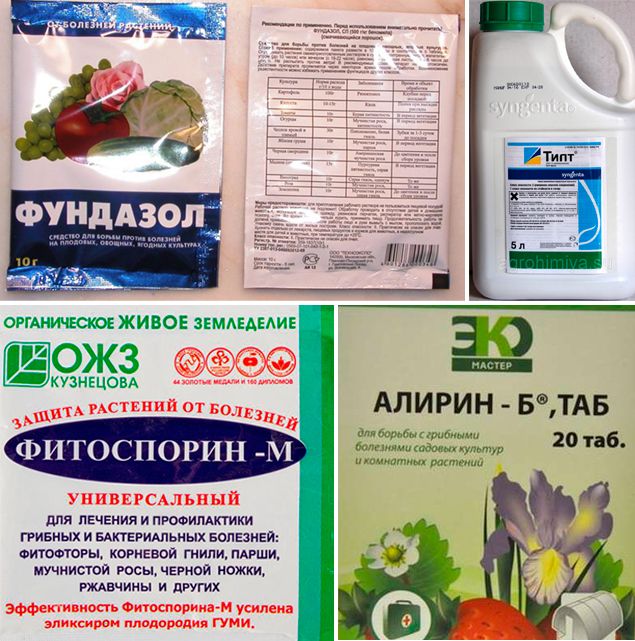
Chemical fungicides can be harmful to both humans and the environment. They should not be overused. The advantages of these products include their rapid and powerful therapeutic action.
| Product, cost | Preparation | Application |
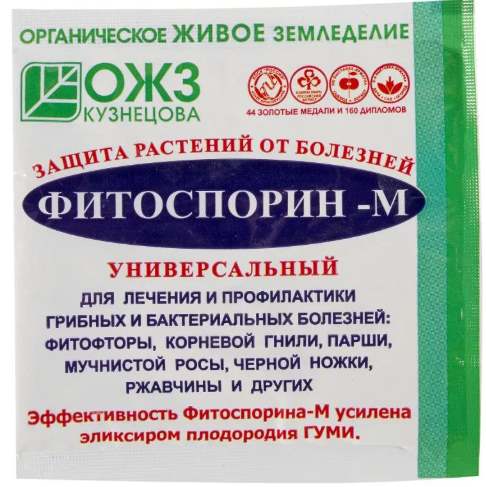
| Fitosporin-M
60 rubles for 200 g. |
Powder: mix 1 part of the preparation with 2 parts of settled water. Leave the resulting mixture undisturbed for 3 hours. Paste: the mixture is prepared in advance. The proportions are the same, but the shelf life is significantly longer. To ensure hold, liquid soap (1 teaspoon) is added to the solution. |
It is used for treatment and prevention. The frequency of treatment depends on the weather. In rainy summers, it should be done once a week. |
| Alirin B
80 rubles for 20 tablets. |
You will need 1 ml of liquid soap, 2 fungicide tablets, and 10 liters of liquid soap. The first ingredient can be added as desired. To accelerate development, the mixture can be supplemented with a growth stimulator (Zircon, Epin). If the solution is to be used preventatively, the indicated dosages are halved. | The drug is used to prevent and treat the disease. |
| Fundazol
40 rubles for 10 g. |
This systemic fungicide is available in powder form. Use 10 g of the product per 10 liters of water. | Spray three times. |
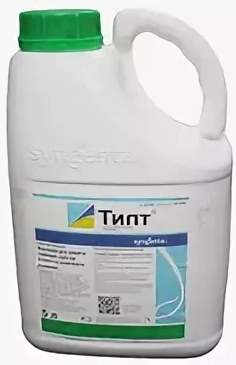
| Tilt KE
300 rubles for 100 ml. |
For 1 liter of liquid, take 0.4 ml of concentrated emulsion. | The therapeutic effect lasts for two weeks. Treatment is carried out when the air temperature is below 30°C. |


With prolonged use of the same drug, pathogenic microorganisms develop tolerance.
Top.tomathouse.com recommends: measures to prevent the disease
Powdery mildew is better prevented than cured. To reduce the risk of infestation on rose bushes, follow these steps:
- remove damaged parts of the plant in a timely manner;
- weed the rose garden regularly;
- when planting, observe crop rotation;
- carefully select seed material;
- Feed garden crops, following the recommendations of specialists and taking into account the initial condition of the soil;
- choose rose varieties that are resistant to powdery mildew;
- disinfect instruments.
Prevention doesn't take much time. To ensure your rose garden remains a beautiful addition to your garden throughout the warm season, you need to strictly follow the planned agricultural practices. Otherwise, powdery mildew, its downy variety, and pests like aphids are inevitable.