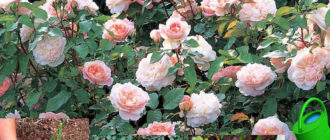
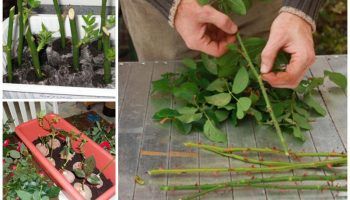
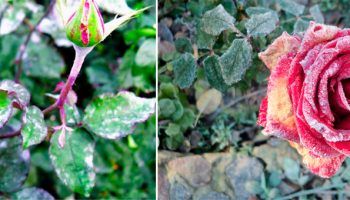
Leaf color changes and leaf drop are a normal response of plants to changes in day length, decreased temperatures, etc. But if leaves are falling on a garden rose in the summer, at the height of the season, when nothing seems to be wrong, take a closer look at your plants. An insidious disease may be developing. Sometimes spots, stripes, and veins may appear on the leaf blades—this is also a rather alarming symptom.
Why might roses lose leaves? There are many reasons, but the most common are:
- Violation of care rules.
- Nutritional deficiencies.
- Impact of pests and diseases.
In this article, we'll discuss each of these in detail and tell you how to deal with the situation.
Content
- 1 Unfavorable conditions as a cause of leaf fall in roses and their elimination
- 2 Nutritional deficiencies as a cause of rose leaf drop
- 3 Rose diseases as causes of leaf fall and methods of their treatment and prevention
- 4 Pests as a cause of leaf loss in roses and methods of dealing with them
- 5 The most disease and pest resistant rose varieties
- 6 Features of caring for indoor roses
- 7 Tips and recommendations from Top.tomathouse.com
Unfavorable conditions as a cause of leaf fall in roses and their elimination
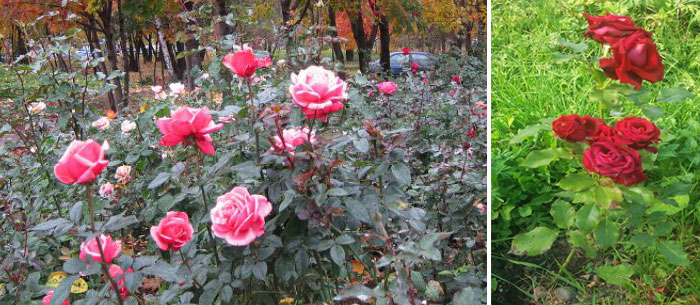
Most often, rose leaves begin to turn yellow and fall off under unfavorable growing conditions.
These include:
- Poor lightingThis is especially common in roses grown in greenhouses or secluded areas of the garden. Identifying the disease is quite simple: the parts of the plant that receive the least sunlight turn yellow. All other parts appear healthy. The shoots of these roses are thin and elongated, with few leaves, and the flowers themselves are not as vibrant as they should be.
- Excess moisture in the soilOverwatering or continuous rainfall can be detrimental to a rose garden. If your flowers are planted in a low-lying area without proper drainage, don't expect them to bloom well. Excessive moisture can cause the lower leaves to turn yellow and fall off first, while the shoots themselves grow slowly and look unhealthy.
Note! Avoid watering roses with cold tap water. Firstly, low temperatures can stress the plant and slow growth. Secondly, it increases the risk of fungal diseases. It's best to use rainwater that's been warmed by the sun.
- Dry soilIf a plant experiences a lack of moisture, its leaf tips begin to dry out. If the deficiency persists, the entire leaf blade turns yellow and falls off. Flowers also suffer—they stop growing, wilt, and then fall off.
- Temperature fluctuationsWhen there is a sharp change in day and night temperatures, a significant portion of the leaves fall off.
Resuscitation of roses after exposure to unfavorable conditions
When unfavorable conditions are the cause of rose leaf drop, the only way to remedy the situation is to normalize the situation. Dry plants should be watered, while overwatered ones should be left without water for a while. If frost threatens, roses should be covered at night. Poor lighting can only be corrected by replanting the flowers in a new, more suitable location.
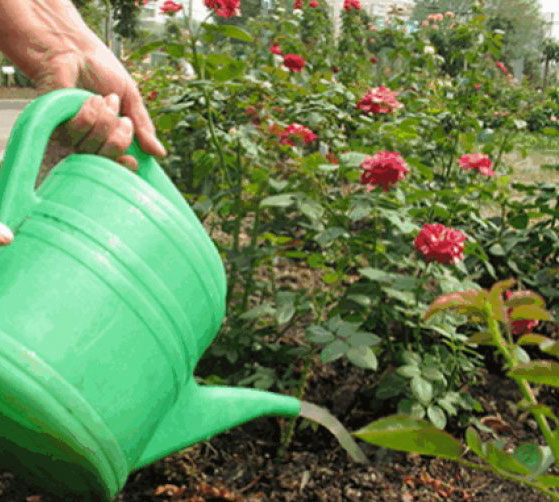
In any case, even after correcting any care deficiencies, the bush will experience stress, which can have serious consequences. To soften the blow, a series of restorative procedures are necessary:
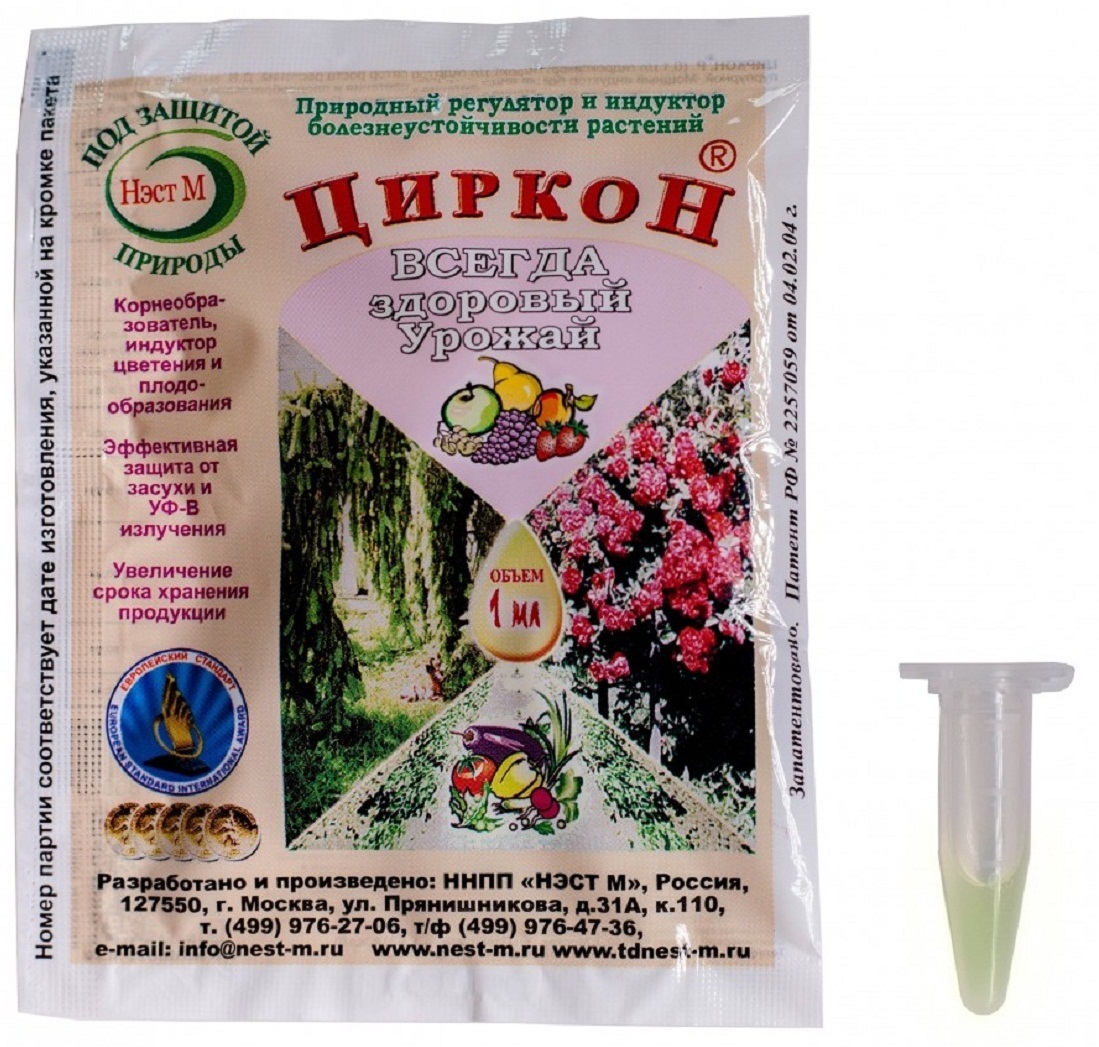
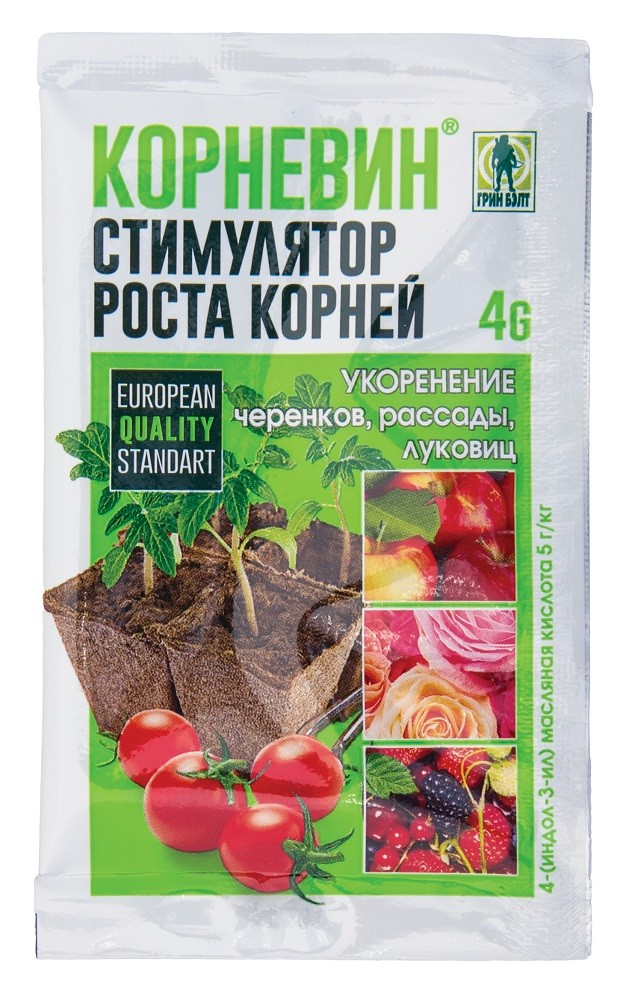
- Water the bushes with Zircon, diluting one ampoule in 10 liters of water. You can also add 1 g of Kornevin or an ampoule of Cytovit. Each planting will require 1.5-2 liters of solution. Before watering, the roses should be watered with plain water without additives.
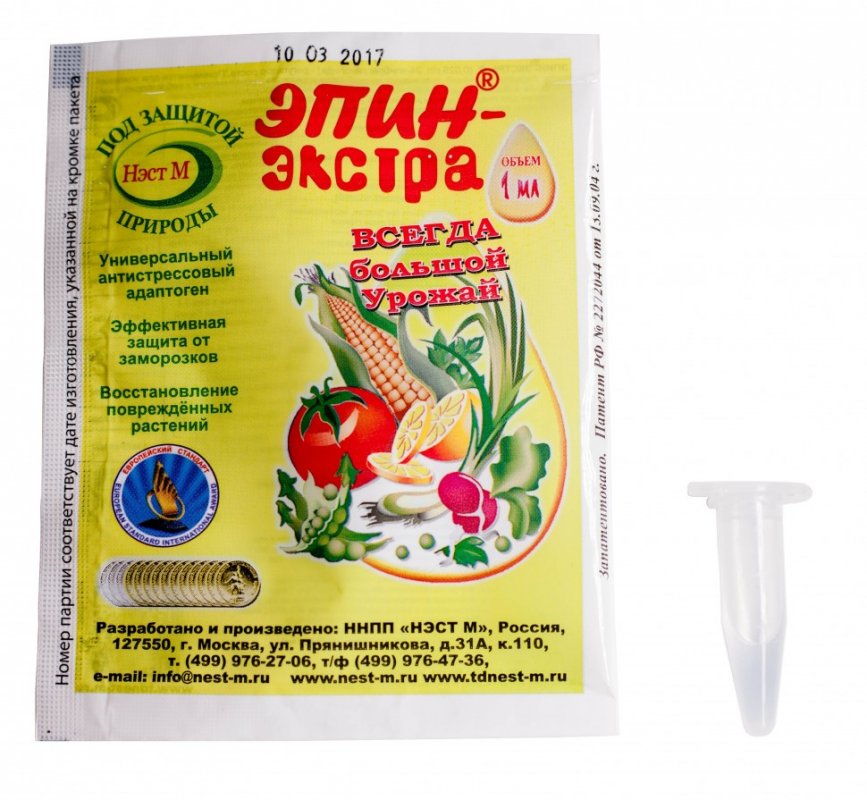
- After three days, you need to dilute 10 drops of Epin in 1 liter of water and carry out another watering.
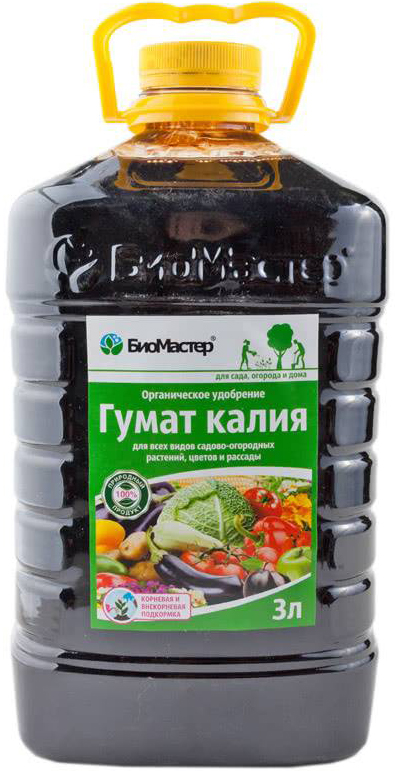
- After another 2 weeks, you can treat the plantings with potassium humate.
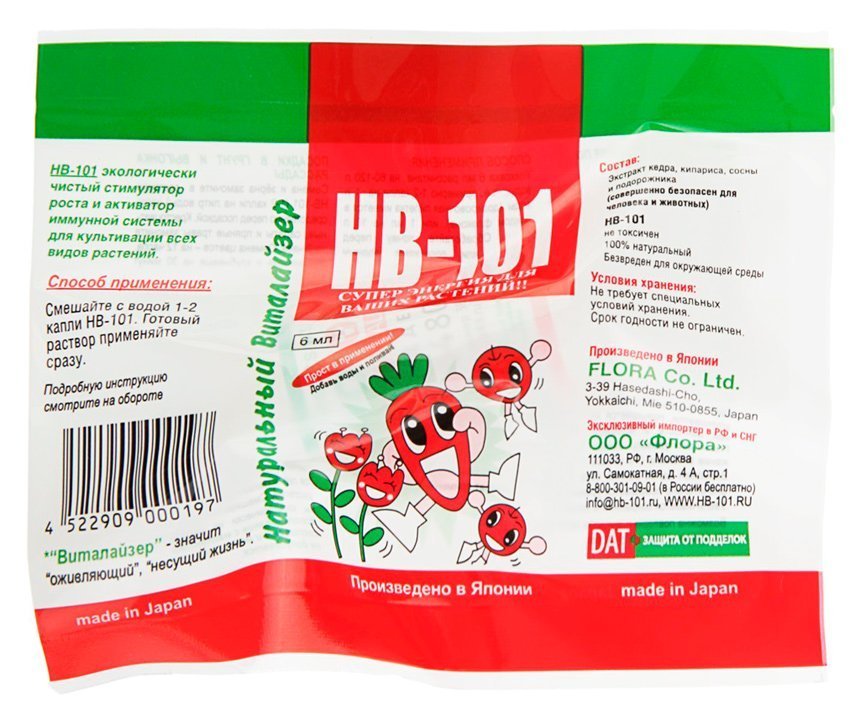
Tips from experienced gardeners! When roses slow down and their foliage turns yellow, it's recommended to spray the vegetative mass with a solution of succinic acid at a rate of 1 tablet per 1 liter of water. Succinic acid can be replaced with HB-101 at a rate of 1 drop per 1 liter. For greater effectiveness, alternate these treatments with vitamin B2 (one ampoule dissolved in 200 ml of water). Spray once every 7 days.
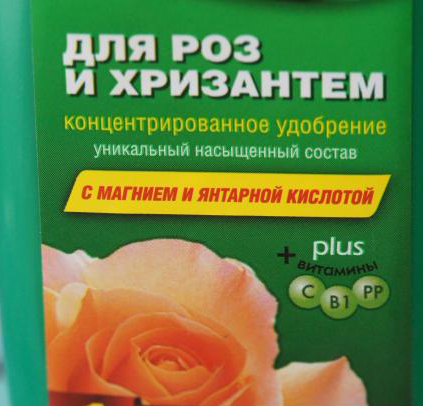
If overwatering or drought has damaged the roots, roses will need a phosphorus fertilizer. This will help the root system recover more quickly and produce new shoots.
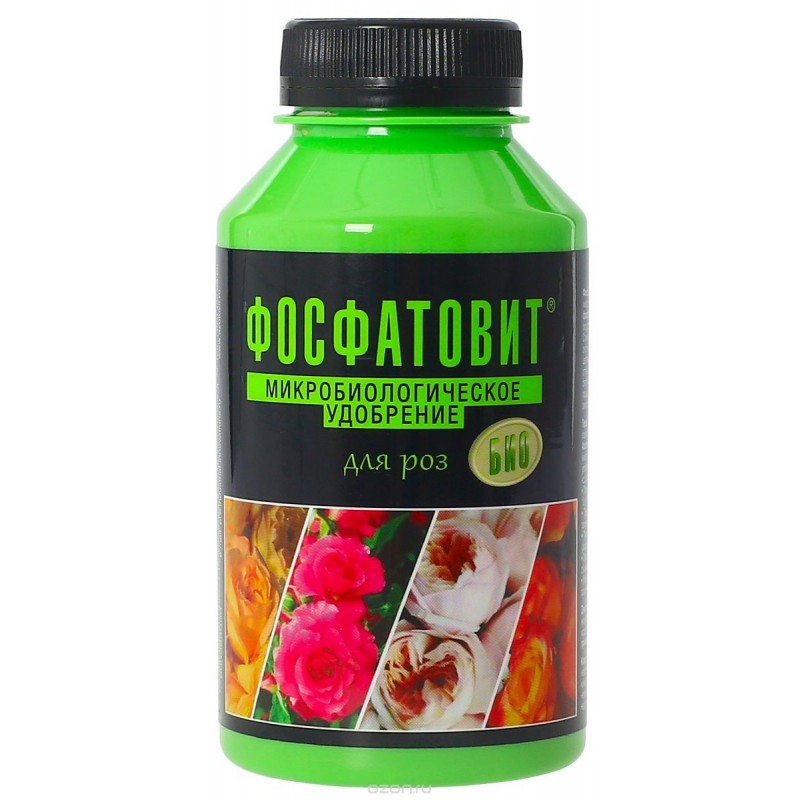
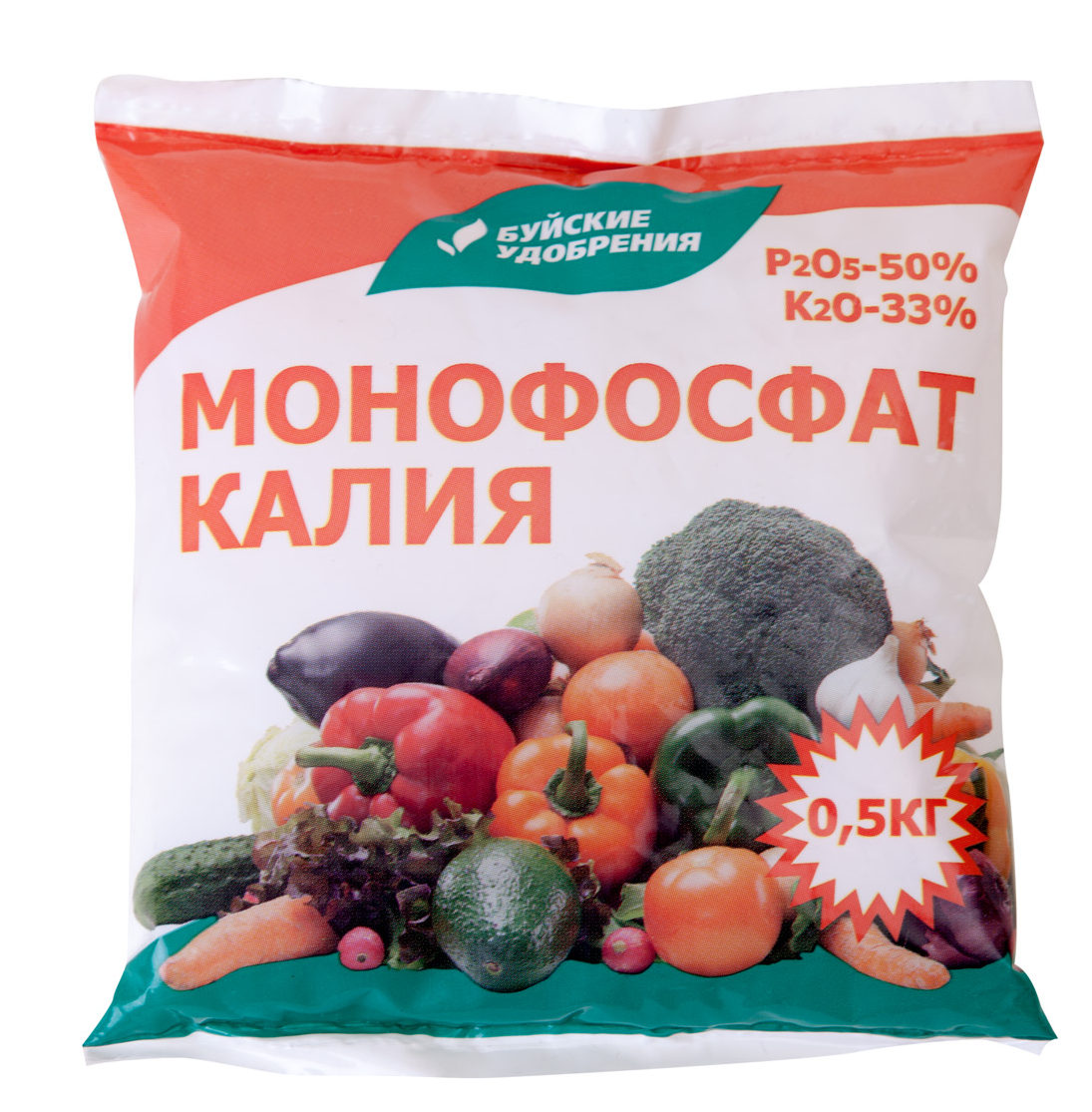
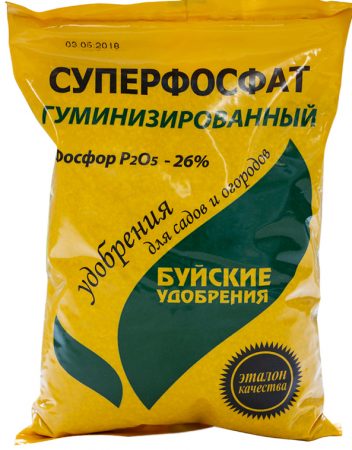
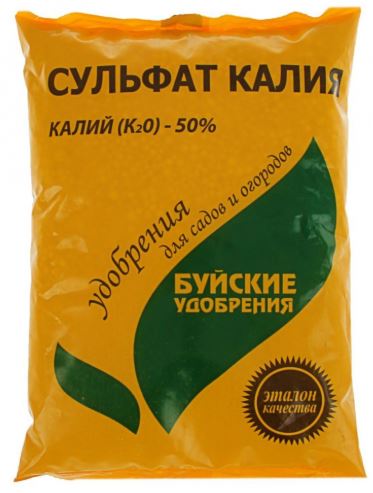
If these problems don't exist, feeding the flowers with potassium will be sufficient; it will help strengthen their immune system. To do this, dissolve 15 g of superphosphate or 10 g of sulfate in 10 liters of water. These components can be combined in a single fertilizer as monopotassium phosphate. You'll need 10 g per 10 liters of water.
To prevent rose foliage from turning yellow and falling off, it's essential to provide the plants with the right conditions. These conditions are fundamental for most crops:
- Plant flowers in well-lit areas. For abundant blooms, they need at least 5-6 hours of daily sunlight.
- Carefully prepare the soil for planting, especially if it's dense and clayey. For low-lying beds, ensure water drainage and good drainage. It's a good idea to create an artificial mound and, if necessary, add sand to the soil.
- Ensure optimal watering. It is recommended to water roses once every seven days, using a bucket of water (10 liters) for each planting. If this is not possible, mulching with freshly cut grass or peat will help retain moisture in the bed. If the weather is hot, you can increase the frequency of watering to twice a week. The water should not be cold.
Nutritional deficiencies as a cause of rose leaf drop
Yellowing and leaf drop are sometimes caused by nutrient deficiencies in the soil. Roses require both micro- and macronutrients for normal growth and abundant blooms. We'll discuss each in more detail in the table.
| Macro- or microelement | What do the leaves look like? | Signs of deficiency | Treatment |
| Nitrogen | 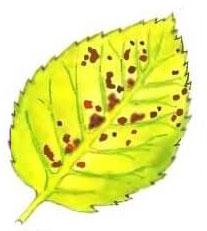 |
Leaves grow small, especially compared to healthy plants. The color becomes pale, and reddish spots sometimes appear. Foliage falls off, and stems become thin and deformed. | Fertilizing with urea or ammonium nitrate will help. Complex superphosphate can also be used. |
| Potassium | 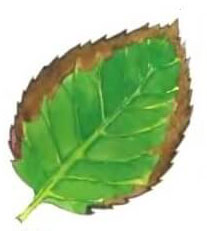 |
Young leaves take on a reddish tint and mature to green with dried edges. Buds become small. Potassium deficiency is typical for sandy soil. | Top dressing with superphosphate, potassium sulfate, potassium humate or potassium magnesium sulfate. |
| Phosphorus | 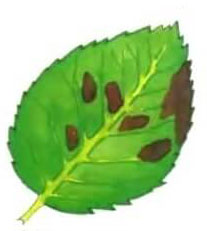 |
The leaf blades become smaller, and the undersides turn from green to reddish-purple. The leaves fall off quickly. The trunk and shoots are thin and weak. | Complex fertilizers such as superphosphate and potassium sulfate will help to save the situation. |
| Calcium | 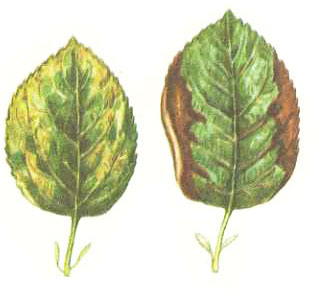 |
The leaves grow small, become covered with yellowish spots, and the edges curl downward. The tops of the stems dry out. | The situation will be corrected by adding calcium nitrate at a rate of 15 g per 10 liters of water. |
| Magnesium | 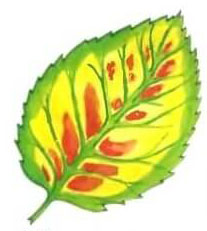 |
Most often, magnesium deficiency affects mature leaves: tissue necrosis begins at the central vein, the middle of the leaf turns pale, and leaf fall occurs. | Magnesium sulfate will help. |
| Iron | 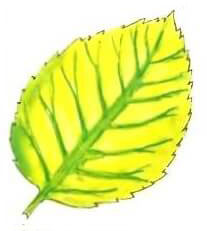 |
Iron deficiency first appears in young leaves: they turn yellow, and the edges dry out. Flower buds become smaller. This phenomenon is typical for sandy soil. | It's necessary to reduce the lime concentration in the soil. Ferovit or ferrous sulfate can help replenish the deficiency. |
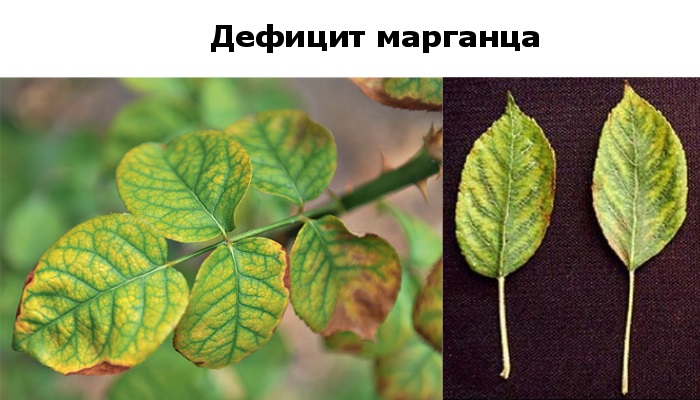
| Manganese | 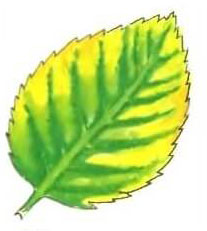 |
It is noticeable on mature leaf blades, where yellow stripes appear between the veins. | It's necessary to reduce the lime concentration in the garden bed. MultiTonic and manganese sulfate are effective. |
Nitrogen
Nitrogen deficiency can be recognized by the leaves: they begin to turn pale, lose their elasticity, and then turn yellow and fall off. Shoot growth slows.
Typically, such problems arise in areas that are not well prepared for the new season; the soil initially contains too little nitrogen.
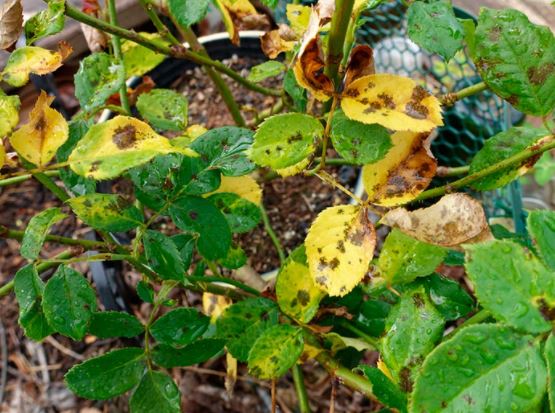
In this case, it is necessary to add nitrogen-containing fertilizers.
Important! Before treatment, the bushes must be watered with clean water.


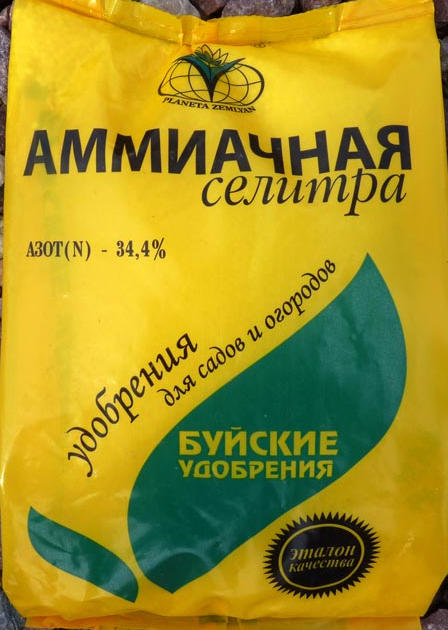
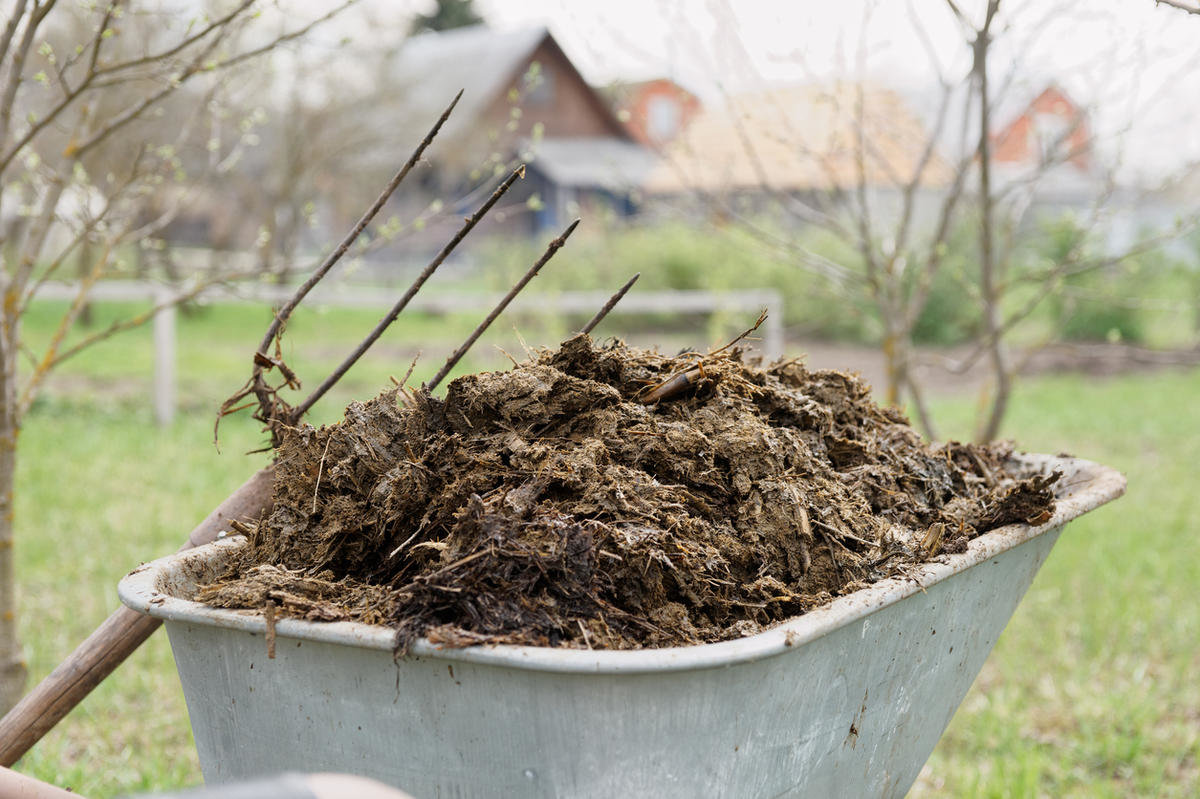
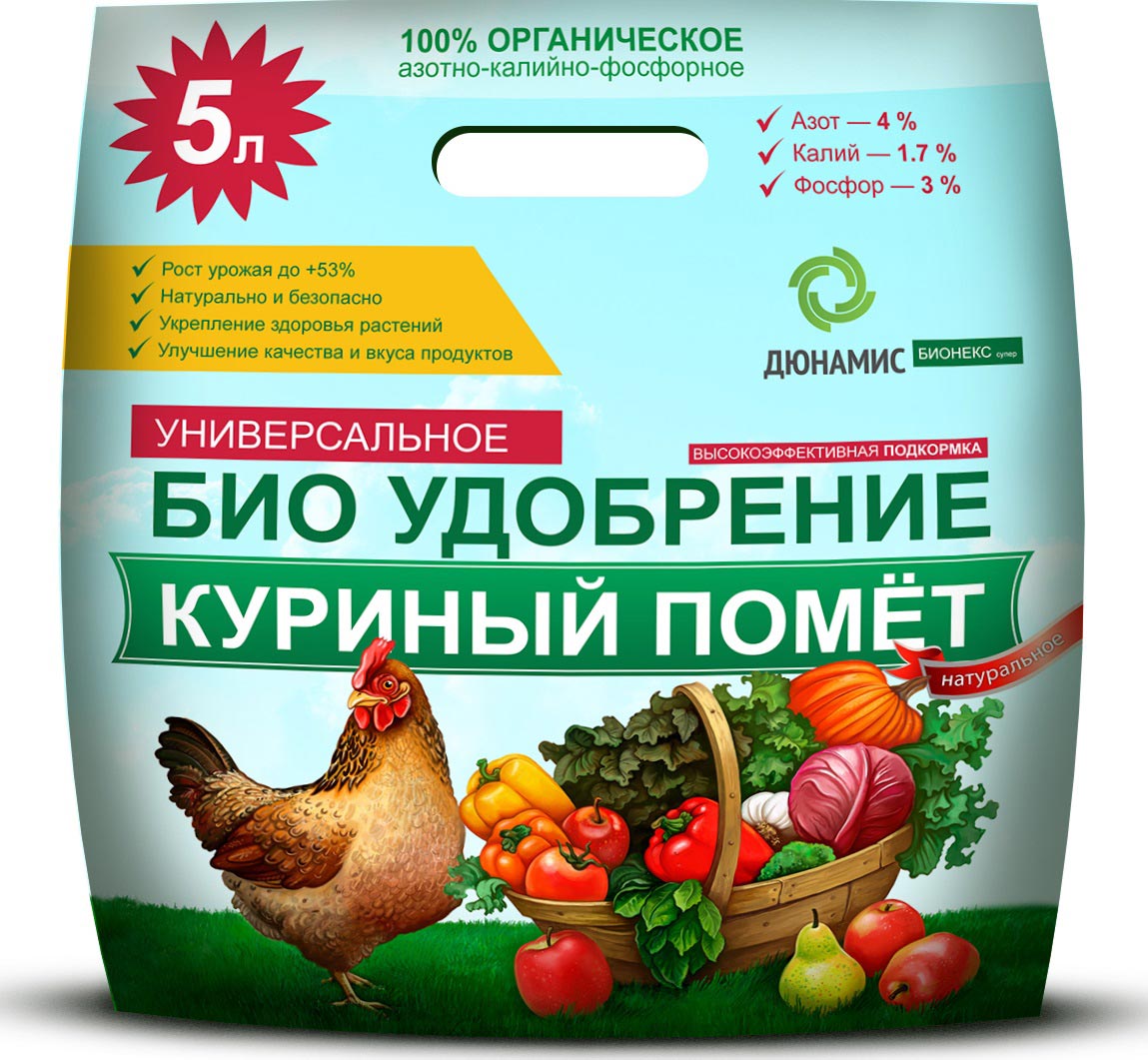
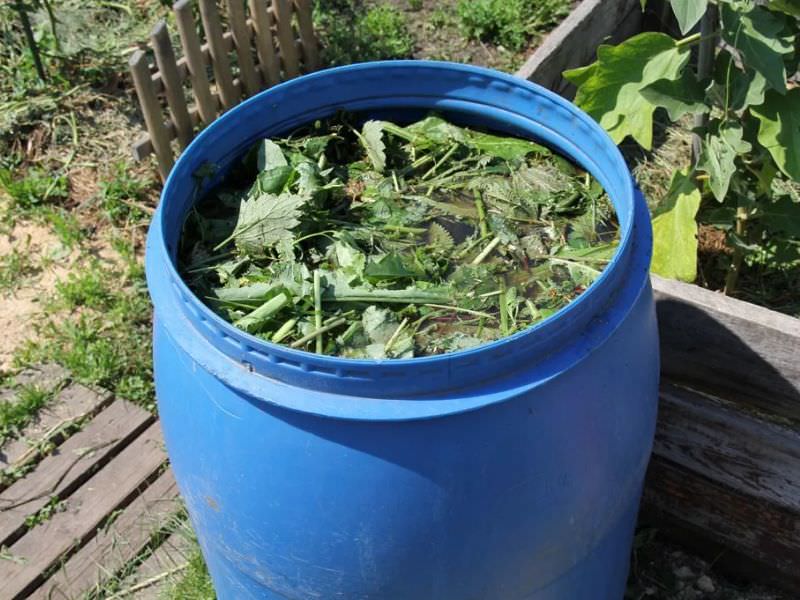
There are several types of nitrogen fertilizers. Let's look at the most popular ones:
- UreaDilute at a rate of two tablespoons per 10 liters of water.
- Ammonium nitrate or potassium nitrateUsed for root feeding. Prepared with 2 tablespoons of the solution and 10 liters of water. Each plant requires 2-3 liters of solution.
- ManureAdd 1 kg of cow manure to 10 liters of water and let it sit for about 7 days. Then, dilute the concentrate 1:10 and use it for watering (2 liters per rose).
- LitterThe preparation principle is the same as for cow manure, only the concentrate is diluted in a larger amount of water in a ratio of 1:20.
- Herbal infusionAny freshly cut weeds can be used to prepare this solution. Place it in a bucket about 3/4 full and add water. Let the solution steep for another 7 days. After this, add 1 liter of concentrate to 10 liters of water.
Potassium
Signs of potassium deficiency include deformation of the lower leaves—they begin to turn yellow and dry out at the edges, while remaining green in the center. Young leaves usually take on a reddish tint.
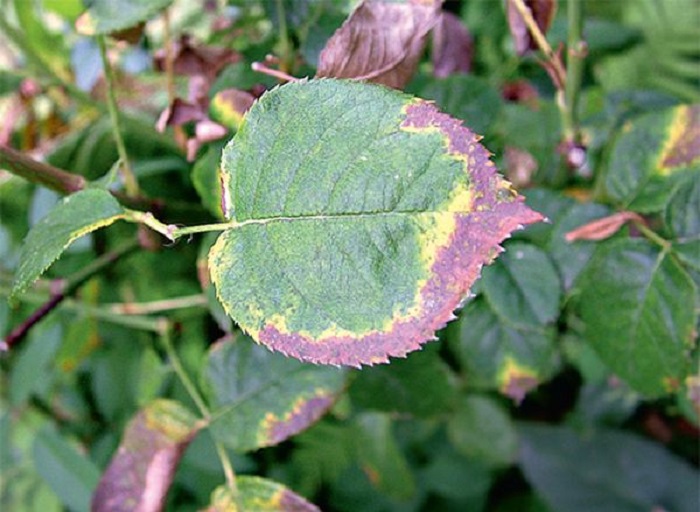
If you notice these symptoms in your roses, you will need to immediately apply the necessary fertilizers:
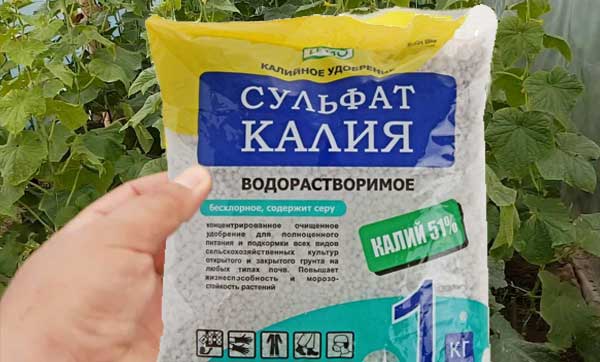
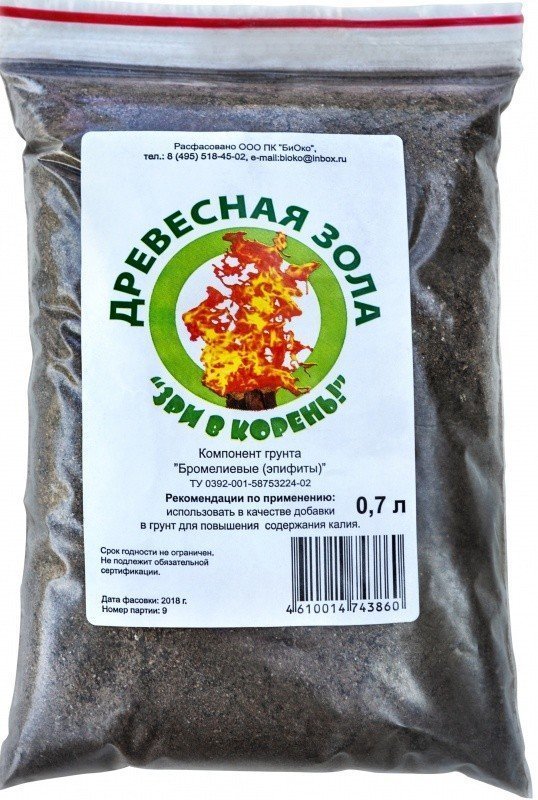
- Wood ashThis remedy is the simplest and most common method among gardeners to replenish potassium deficiency. It is applied to the tree trunk circle in a quantity of 2-3 handfuls, followed by light loosening of the soil.
- Potassium sulfateYou can water the plant with a solution of 10 liters of water and 2 tablespoons of the substance, or sprinkle the product around the perimeter of the tree trunk circle in the amount of 2 tablespoons.
- Potassium nitrateThis fertilizer contains nitrogen and potassium, essential for roses. To prepare the solution, you'll need 2 tablespoons of the product per 10 liters of water, or you can add the same amount dry to the trunk circle.
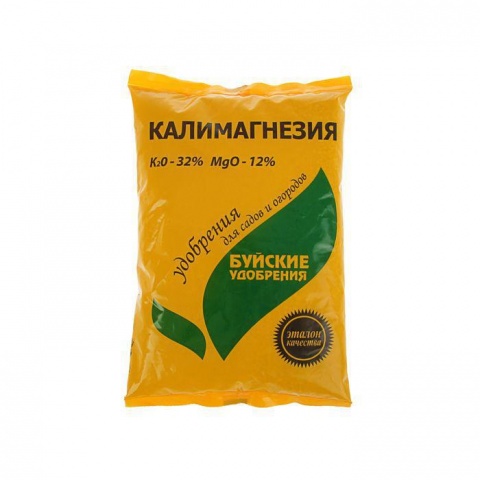
- Potassium magnesium sulfateReplenishes magnesium and potassium deficiencies. Apply in exactly the same manner as potassium nitrate.
- Potassium humate.
Phosphorus
As soon as the upper leaves on the roses begin to shrink and the lower ones acquire a reddish tint, it is time to think about adding fertilizer.
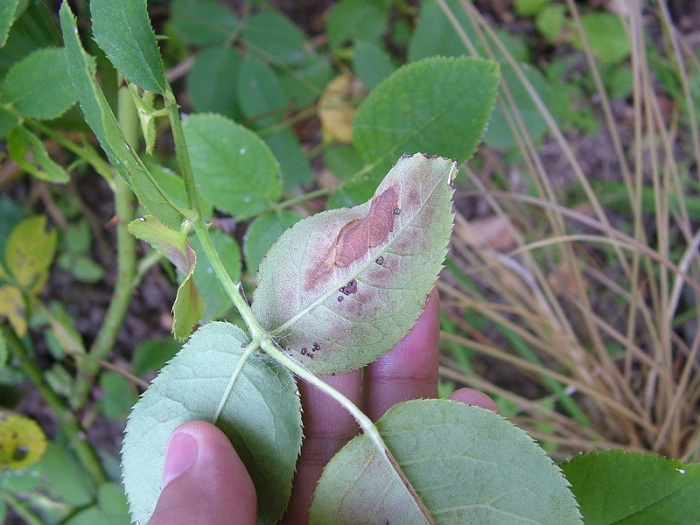
These signs indicate a phosphorus deficiency. Fertilizing with superphosphate will help correct the situation.
Magnesium
Magnesium deficiency can be easily recognized by the yellowing of the central part of the leaf, while the edges remain green, and red spots appear scattered across the surface.
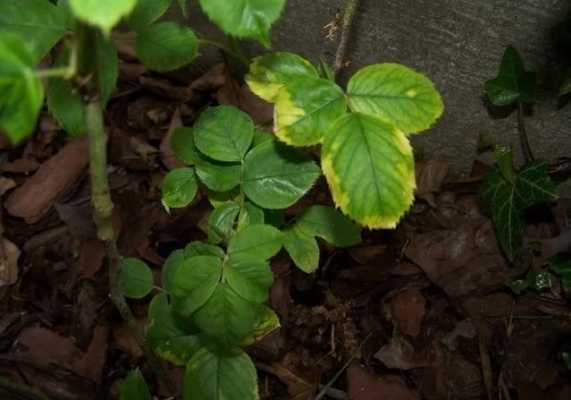

To eliminate the cause, you can use magnesium sulfate, which is diluted in the amount of 2 tablespoons per 10 liters of water.
Iron
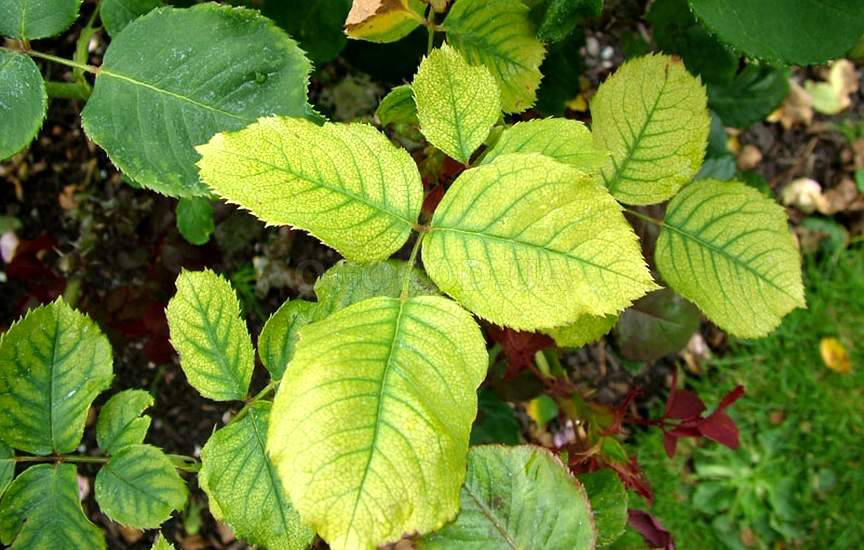
Iron deficiency causes the leaves to turn yellow, but all the veins remain green. This can lead to chlorosis, which most often affects the upper leaves. Spraying with a Ferovit solution at a rate of 1 ampoule per 5 parts water will help replenish this deficiency.
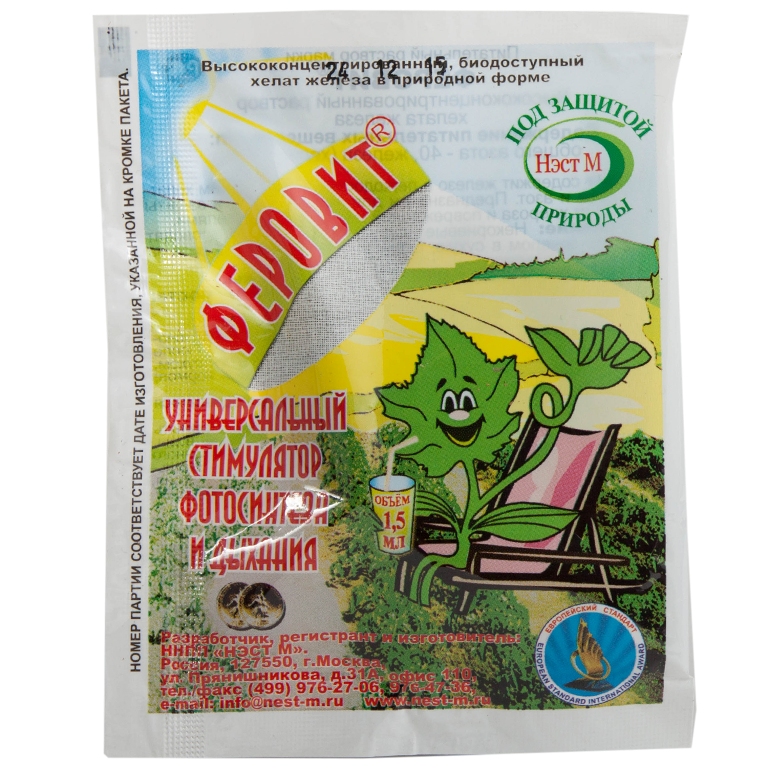

By the way! Ferovit is sometimes replaced with ferrous sulfate, which also has an antimicrobial effect.
Manganese
Old leaves are the first to suffer from magnesium deficiency. They begin to turn yellow from the edges toward the center, while the veins remain green.

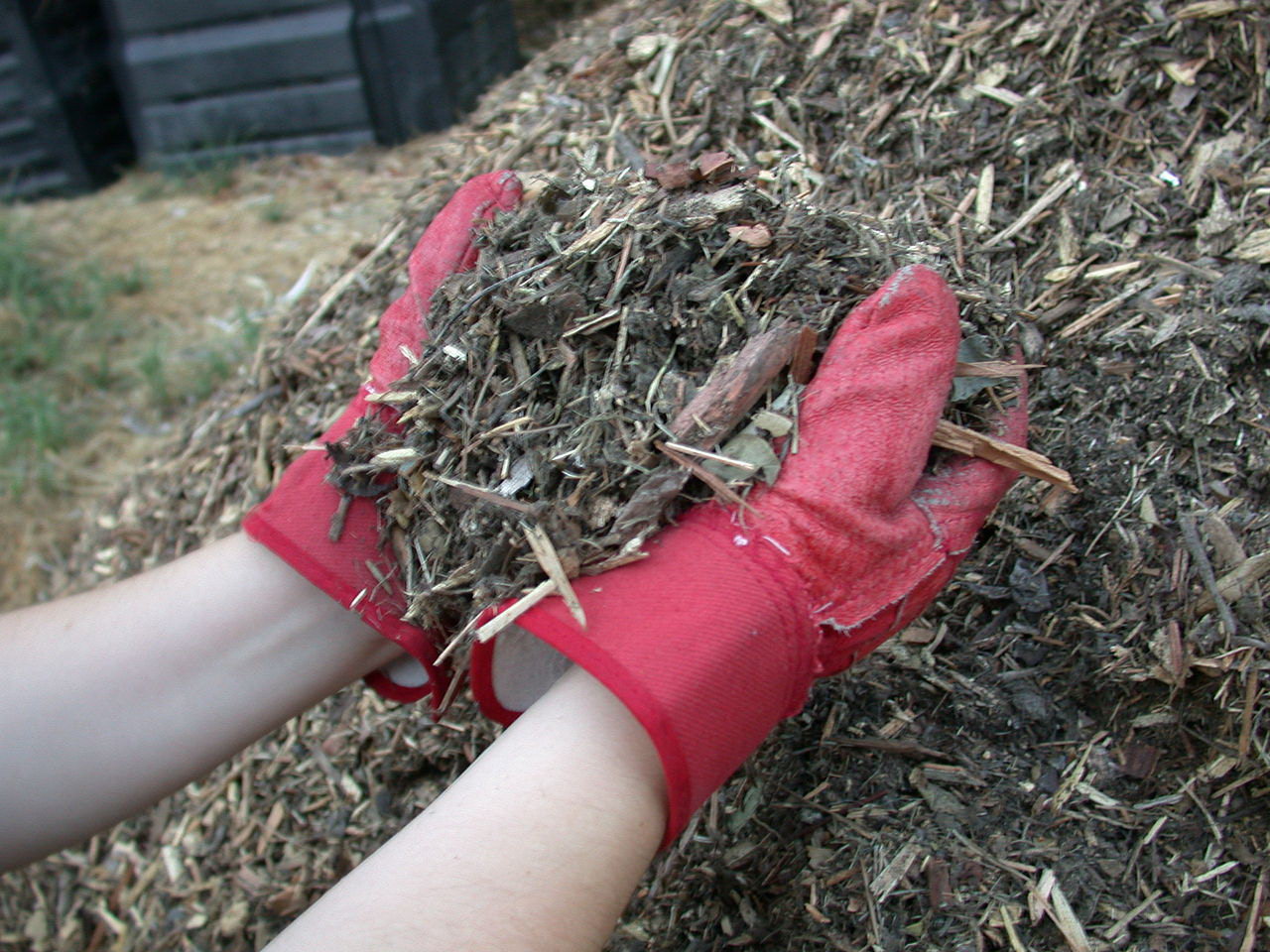
You can feed roses with a solution of manganese sulfate. You'll need 2 tablespoons per 10 liters of water.
Important! Low concentrations of manganese and iron are most often found in acidic soils with a pH of 7 or higher. Therefore, before beginning cultivation, it is necessary to reduce soil acidity by mulching (with peat or pine needles).

Prevention of elemental deficiencies
Soils that are balanced in composition are very rare.
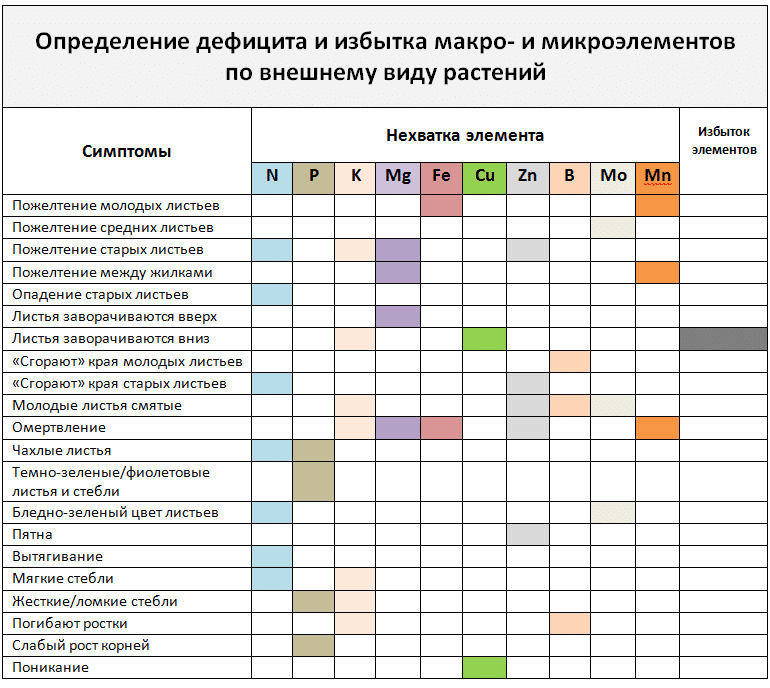
Garden beds usually require additional fertilizing to ensure the roses thrive. Nutrient concentrations are affected by various factors:
- Sandy and light soils don't have the ability to retain nitrogen. If the weather is cool, the potassium concentration also decreases, making it difficult for plants to absorb.
- Heavy and peaty soils are typically low in potassium. Its absorption is also inhibited by the high levels of magnesium and calcium.
- Peat soil and soil with low acidity do not contain enough calcium.
- Alkaline soil contains very little manganese and iron.
Advice from agronomists! Failure to apply fertilizers correctly often leads to soil alkalization. To acidify the bed, you can use an old folk remedy: dig a small hole near the roots of the bush and pour about 2.5 liters of a rotted manure solution into it.
Rose diseases as causes of leaf fall and methods of their treatment and prevention
| Disease | Signs of occurrence | Prevention and treatment |
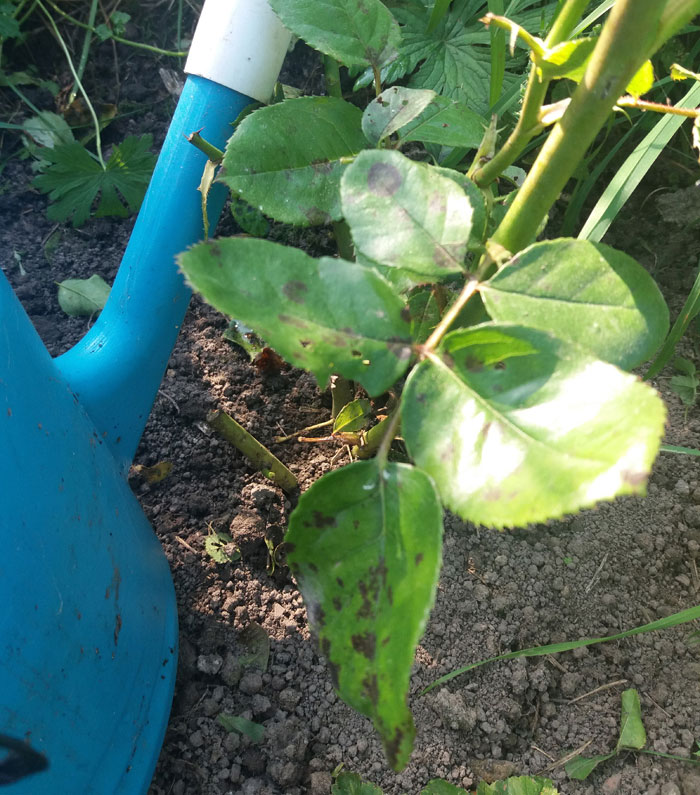
| Black spot
|
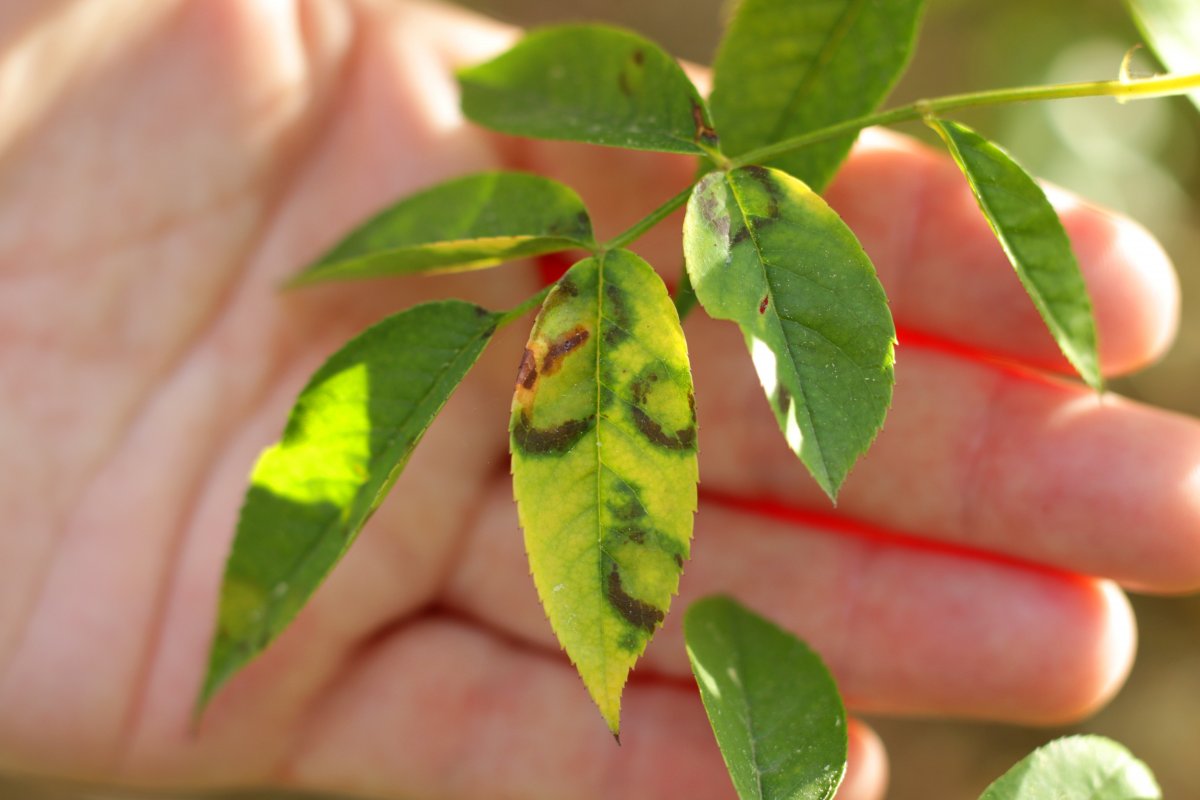
A fungal disease that manifests as black spots covering both sides of the leaf. Leaves begin to turn yellow and fall off. The plant's immunity is weakened, making it difficult to survive the winter. |
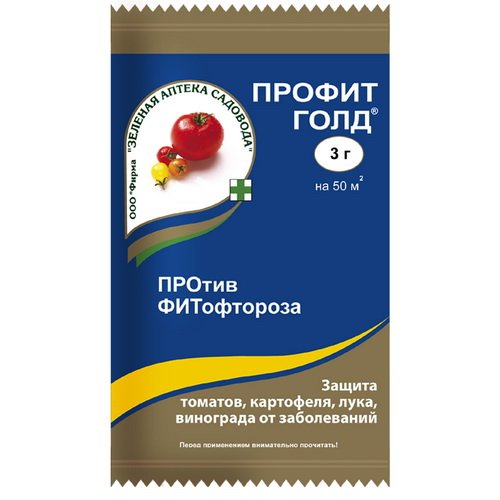
Fungicidal treatment with Profit Gold, Skor, and Ridomil Gold will help. You can also try the biological agent Fitoverm at the initial stage of the disease. To reduce fungal activity, stop watering and spraying. As a preventative measure, all fallen leaves near the bush, which could harbor the fungus, are collected. Pruning is carried out in the spring. Topaz, Abiga, Oxyhom, Hom, and other products are used for maintenance therapy. |
| Rust
|
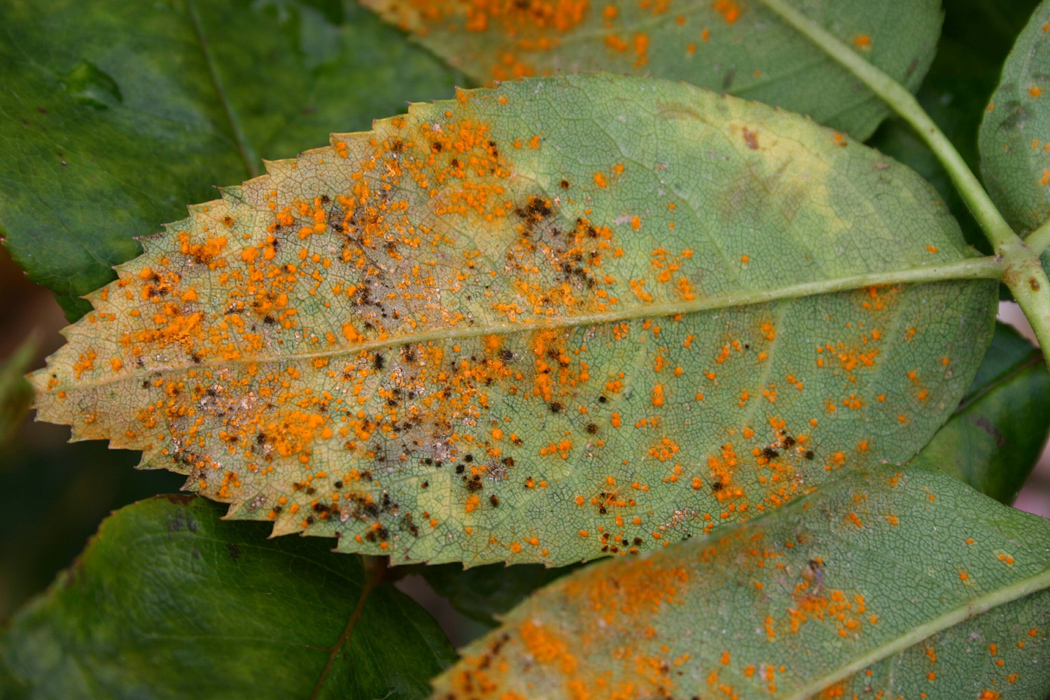
Orange spots, similar to a rusty coating, begin to appear on the reverse side of the leaf. | Treatment is difficult. Damaged leaves are removed, and the plant is treated with Fitoverm or Bordeaux mixture. If the infestation is large, it's best to remove the bush to prevent spreading the infection. |
| Mosaic
|
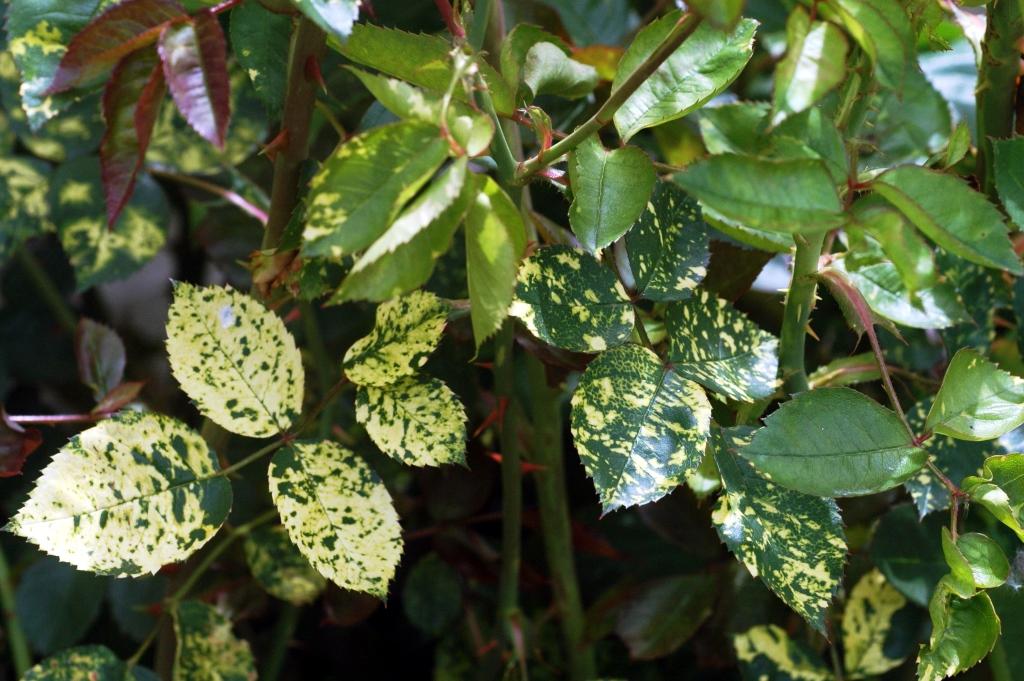
The causative agent is a virus that causes the appearance of yellow stains on the leaf blade. | Prevention can only be achieved by choosing the right variety with good resistance; infected plantings cannot be cured; the bush is dug up and burned. |
| Jaundice
|
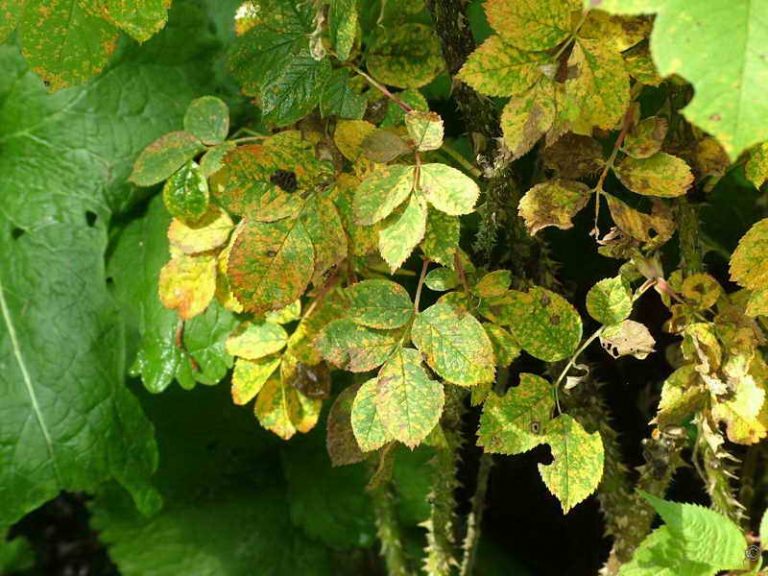
Jaundice is caused by harmful bacteria, which first cause the veins to turn yellow, and then the entire leaf. The edges of the leaf may begin to curl upward. |
Damaged leaves and stems are cut off and treated with antibacterial agents such as Sporobacterin, Fitosporin, or Fitolavin. If treatment is ineffective, the bush should be removed from the garden bed and burned. As a preventative measure, it's essential to combat insect pests that carry bacteria (psyllids, leafhoppers). It's also important to use only properly disinfected gardening tools. |
| Tomato rot virus
|
Initially, the veins on young leaves become lighter, and light spots begin to appear on their surface. Then the leaf turns yellow, becomes deformed, and falls off. Flower buds also suffer—their petals become misshapen and spotted. |
The only way to try to save the bush is to remove all affected areas. If the infestation is too extensive, the plant is dug up and destroyed. As a preventative measure, treatment with insecticides against thrips, which carry the disease, will help. |
Important! Diseases are often caused by weakened immunity due to potassium deficiency. Poor lighting and excessive watering increase the risk of various types of rot. Inadequate weeding can increase the number of insect pests, which carry a wide range of diseases. Treatment should be tailored to the growing conditions of the rose and adjusted accordingly. If the source of the disease is not eliminated, it will recur.
Black spot
It typically appears on rose bushes in the second half of summer, when temperatures are consistently high and humidity levels are ideal for fungal growth. Black spot gets its name from the scattering of dark spots on all parts of the plant. These quickly spread, causing the leaves to turn yellow and fall off. Furthermore, shoot growth slows sharply, buds appear few, and flowering virtually ceases.
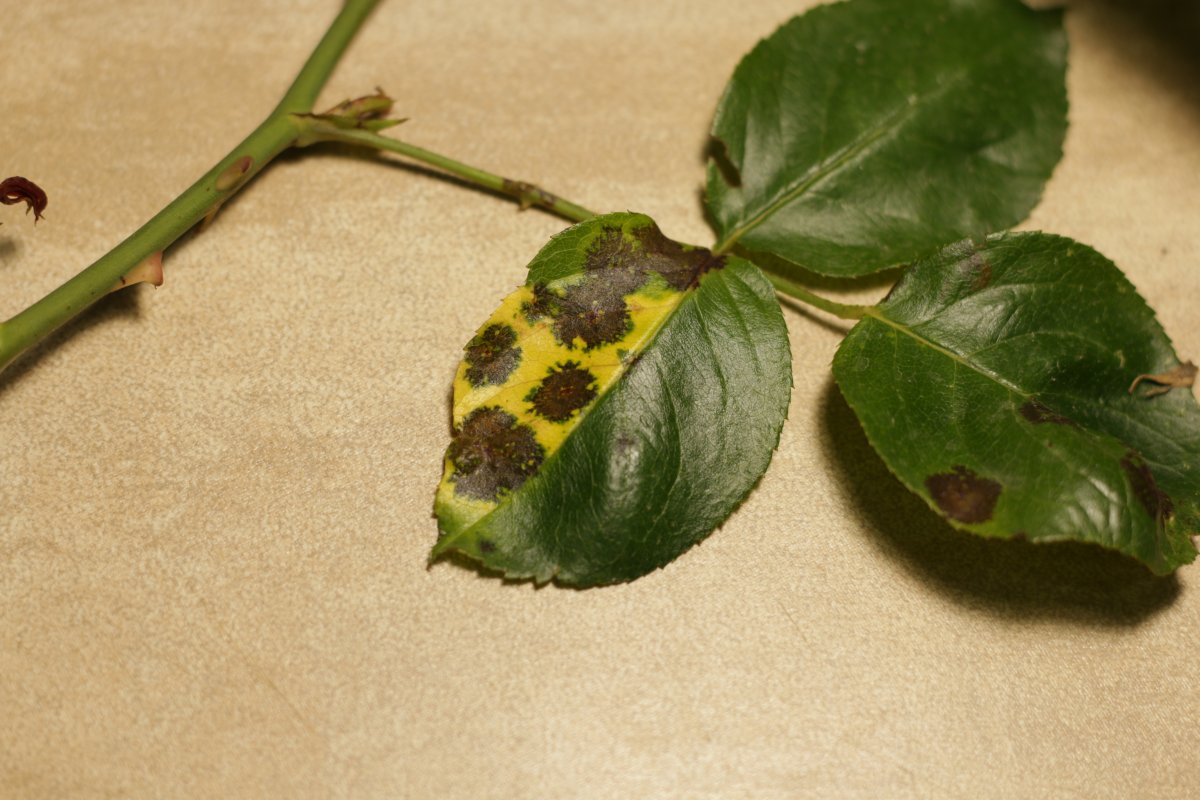
Treatment of black spot
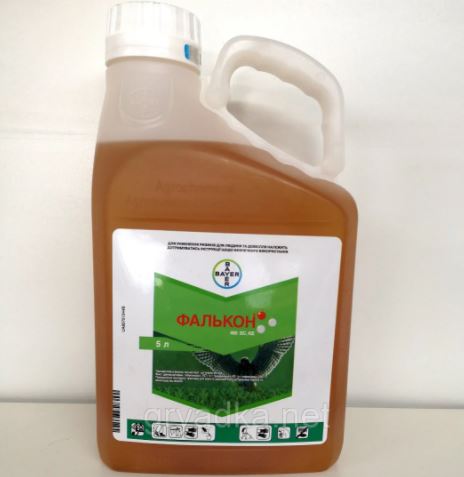
All parts of the bush showing signs of disease should be removed. After this, the plantings can be sprayed with fungicides (Oxychom, Ridomil Gold, Skor, Strobi, Profit, Falcon).
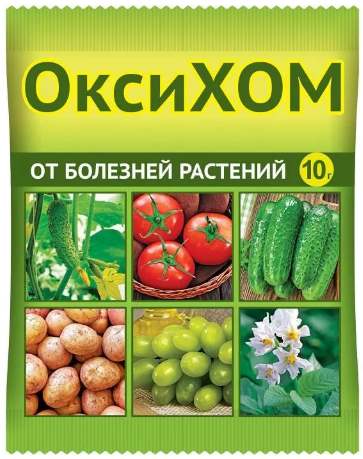
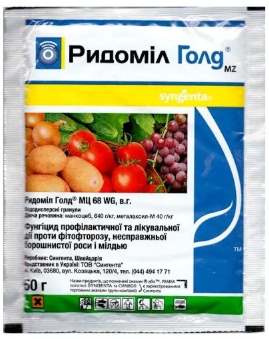

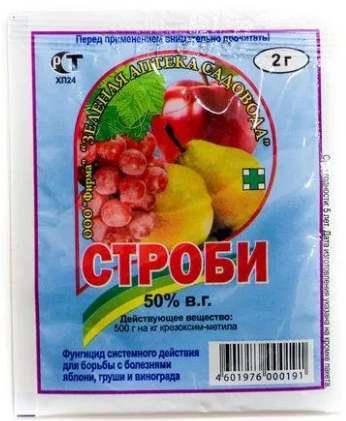
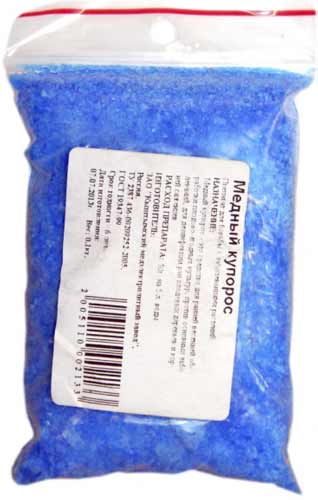
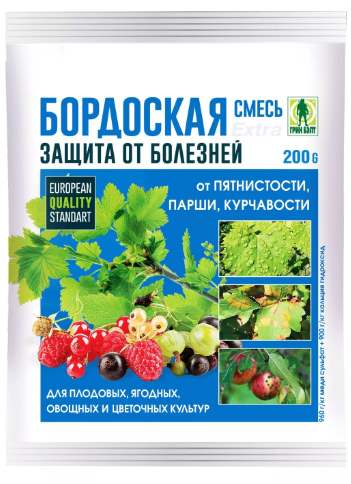
As a folk remedy for spotting, some gardeners use solutions of:
- Bordeaux mixture (1%);
- sulfur (0.3%);
- copper sulfate (1%);
- freshly cut weeds.
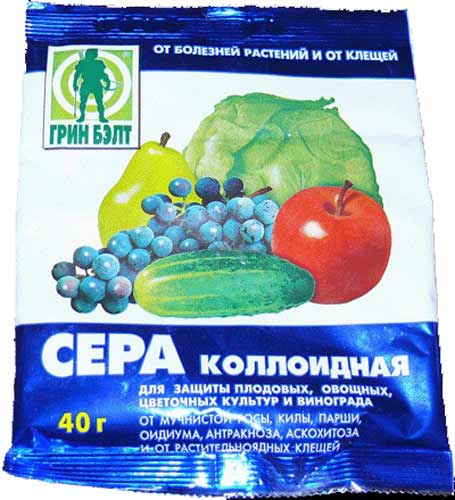
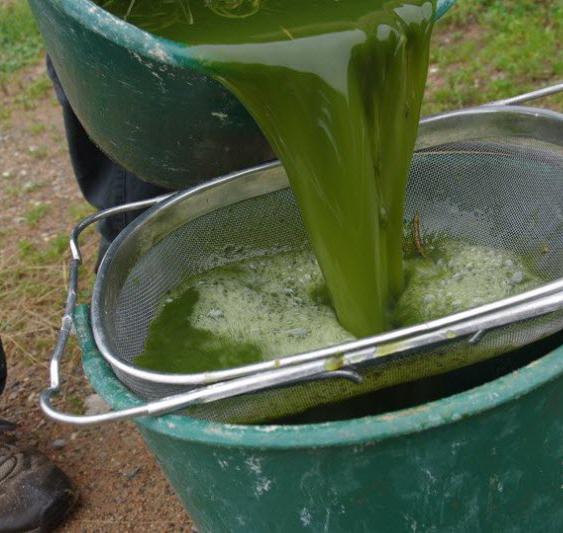
To combat spotting in the initial stages, dusting with wood ash will correct the situation.
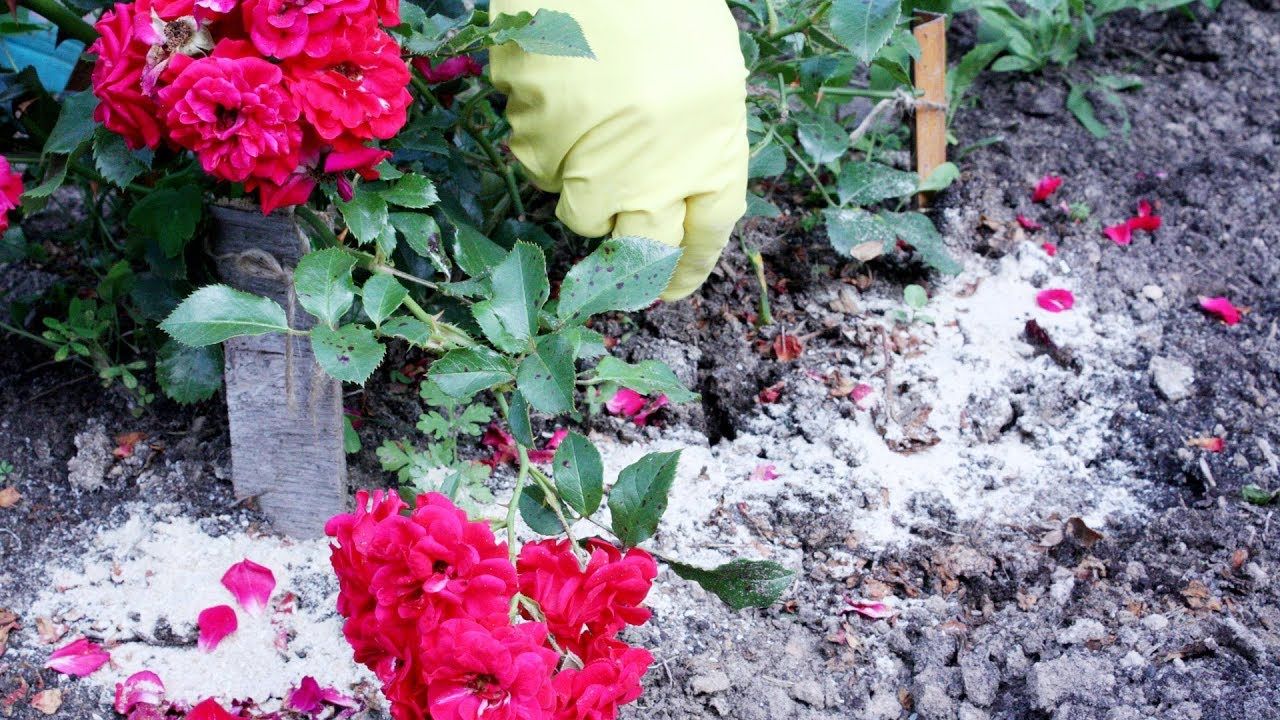
To prevent the appearance of fungus, it is necessary:
- Feed the plantings with potassium and phosphorus in a timely manner.
- Do not exceed the permissible concentration of nitrogen in the soil.
- Regulate soil acidity.
- Do not plant too densely.
- Regularly loosen the soil under the roses.
- Spray twice a year with a solution of copper sulfate or Bordeaux mixture. The first time should be done in early spring before the sap begins to flow, and the second time before the first frost in late fall.
- During the season, carry out preventive treatment of roses with Fitosporin.
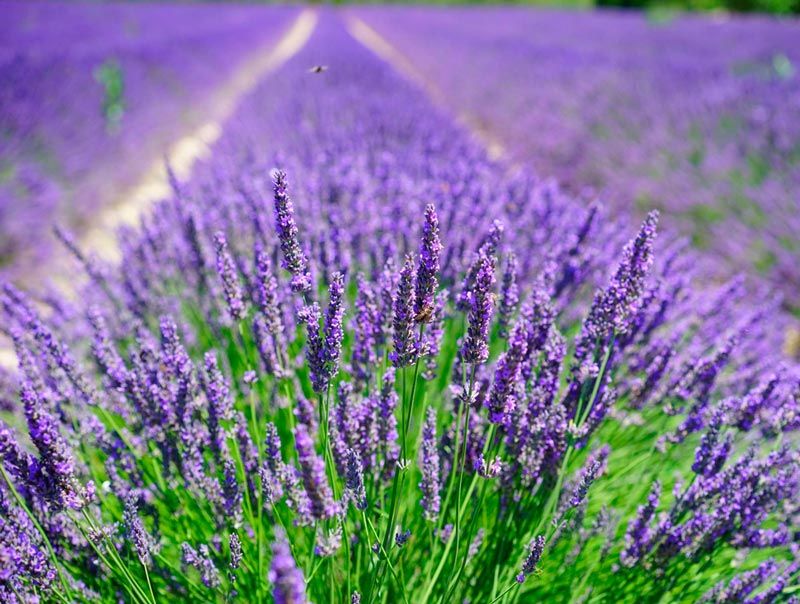
- Plant sage or lavender near the bushes, which will repel many pests.
Rust
Even a novice gardener will have no trouble recognizing rust. Its distinctive spots are small, velvety, and tinged with a rusty bloom. They appear first on the stem, then spread to the leaves and buds.
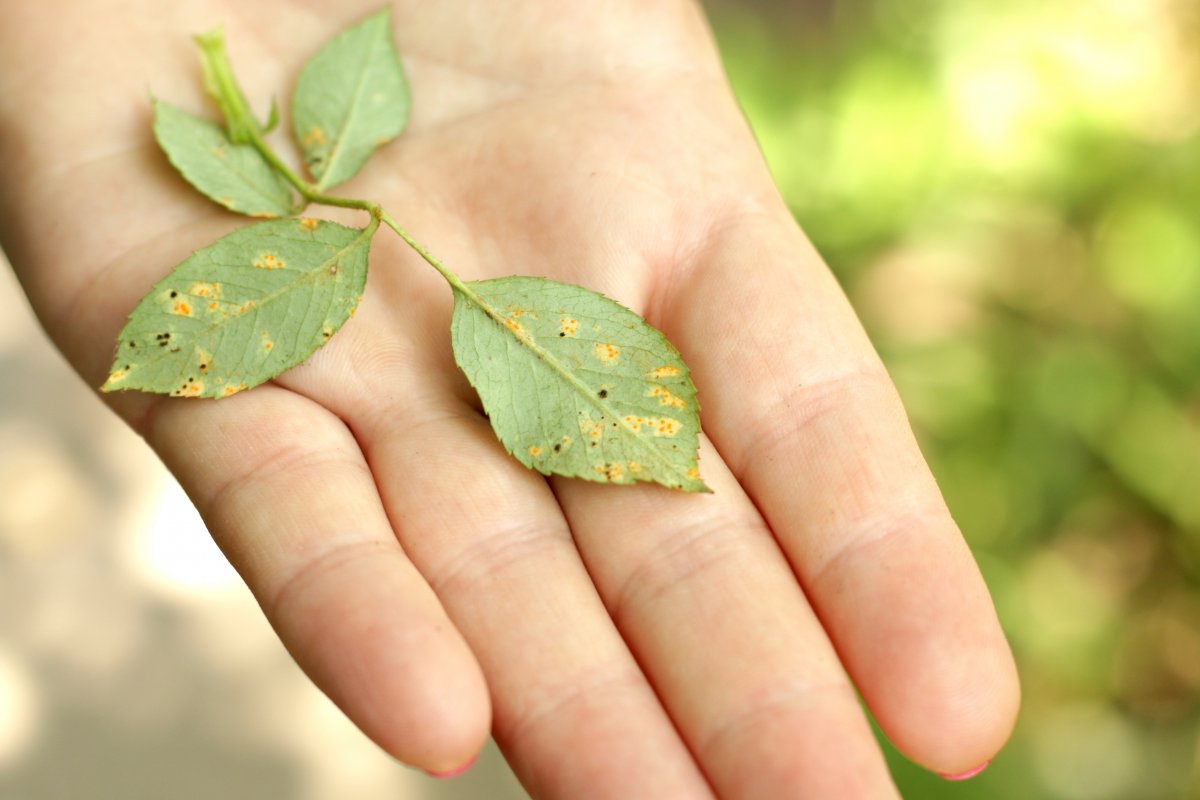
The disease typically attacks roses in the second half of June. Its spread is facilitated by high humidity, excessive watering or heavy rains, and excess nitrogen in the soil.
This insidious disease spreads very quickly across the plant and its neighbors, and usually reaches the bush through insect pests or by wind from other crops, even if they are located quite far away.
Rust treatment
Completely eradicating the disease is unlikely. First, remove all infected parts from the bush. Don't compost them; it's better to burn them. After this, the plantings will need to be regularly treated throughout the season with special products containing zinc and copper.



The following methods will help:
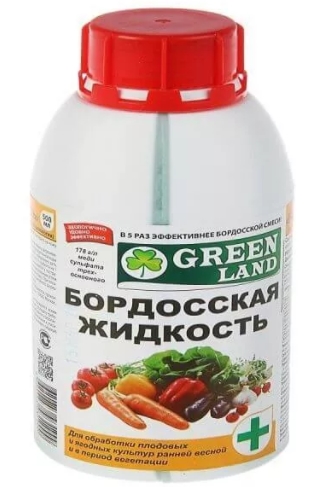
- Spray with a solution of copper or iron sulfate, Bordeaux mixture.
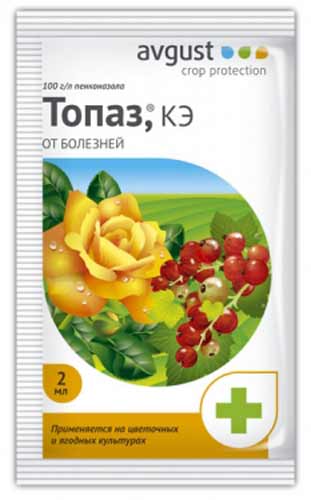
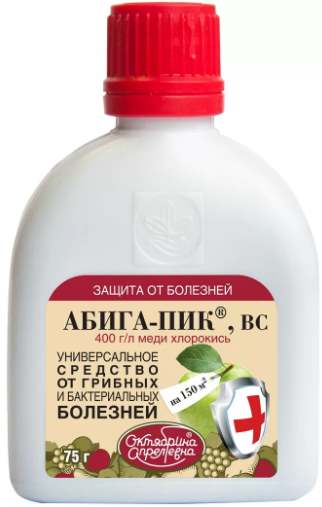
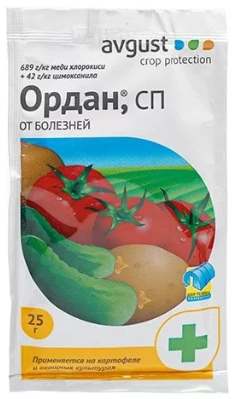
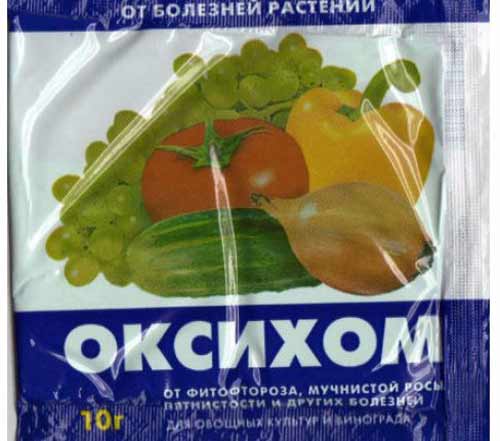
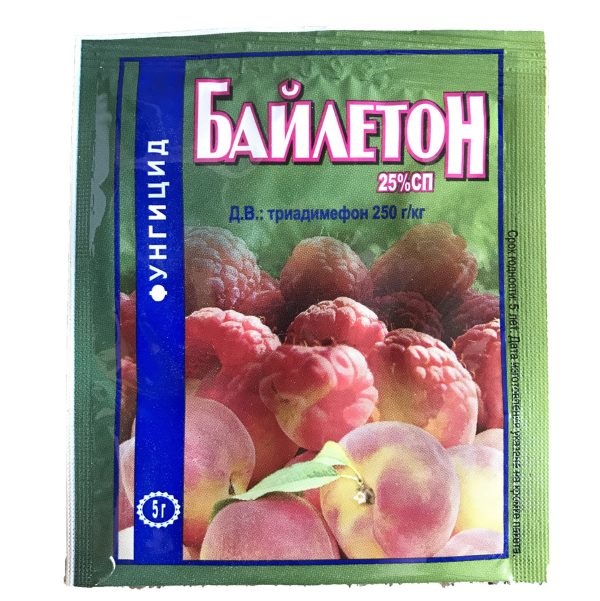
- Treat with Topaz, Hom, Fitodoctor, Bayleton, Trichophyte, Abiga Peak, Ordan, Falcon, Mikosa, Oxyhom, Strobi, and Fitocide. These products specifically eliminate signs of the disease.
There are also folk remedies that have proven effective in combating this insidious fungus. They involve spraying roses with decoctions of certain plants:
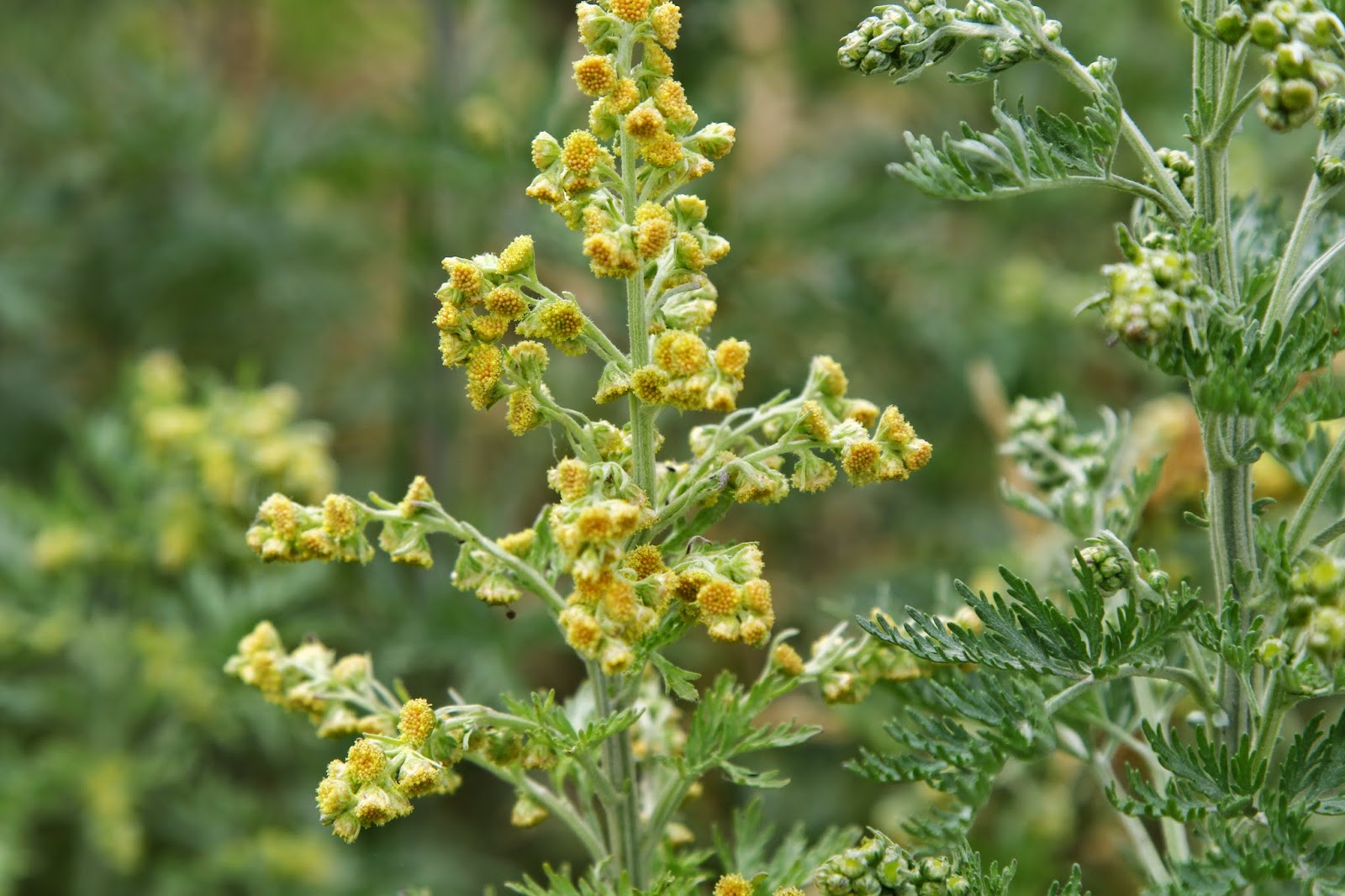
- Wormwood. Boil half a kilo of leaves in a pot of water for 7 minutes.
- Nettle. Soak 2 kg of stems in 7 liters of water and leave in a sunny spot for 2 weeks. Stir the infusion daily to ensure a uniform composition. Once the fermentation process is complete (you'll notice this by a decrease in foam and bubbles), begin processing.
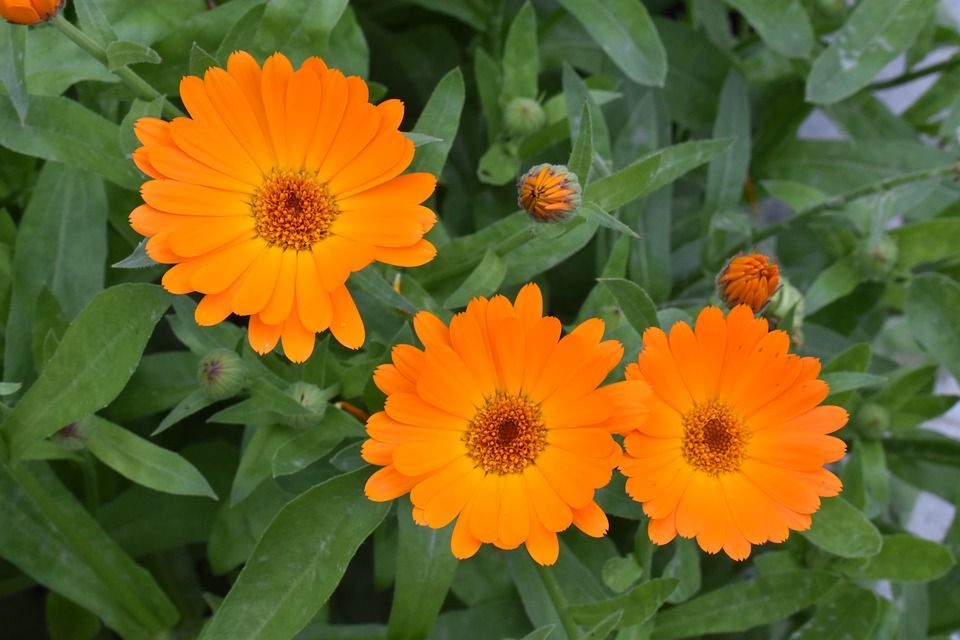
- Calendula and marigold. Boil 50g of each flower in a pot of water for 10 minutes, then cool and strain.
A single treatment is usually not enough. A course of treatment should be carried out several times throughout the season.
It should be remembered that folk remedies are good at preventing illness, but are powerless at the height of the disease.
Before wrapping your roses and preparing them for winter, be sure to inspect the bushes to detect any signs of disease. It's best to carry out preventative spraying and soil treatment during this period.
To ensure roses grow well and are less susceptible to disease, they need proper care. This care should be comprehensive and encompass the entire garden:
- Remove fallen leaves and fruit promptly. They will quickly attract insect pests.
- Remove weeds.
- Fertilize the soil.
- Treat garden plantings with fungicides and insecticides 3-4 times per season.
If a rose bush is diseased, after treatment, the top layer of soil around it should be removed and removed from the garden. Replace it with pre-disinfected soil.
Mosaic
This disease is very difficult to diagnose independently. It can be caused by several different types of viruses, each causing different external changes. Mosaic disease can only be accurately identified in a laboratory. However, experienced gardeners who have already encountered the disease know that oddly shaped spots and streaks appear on the leaves. These spots are yellow or pale green. Even if they appear on only one shoot, this does not necessarily mean the rest of the plant is healthy. The disease spreads via the sap to all vegetative parts.
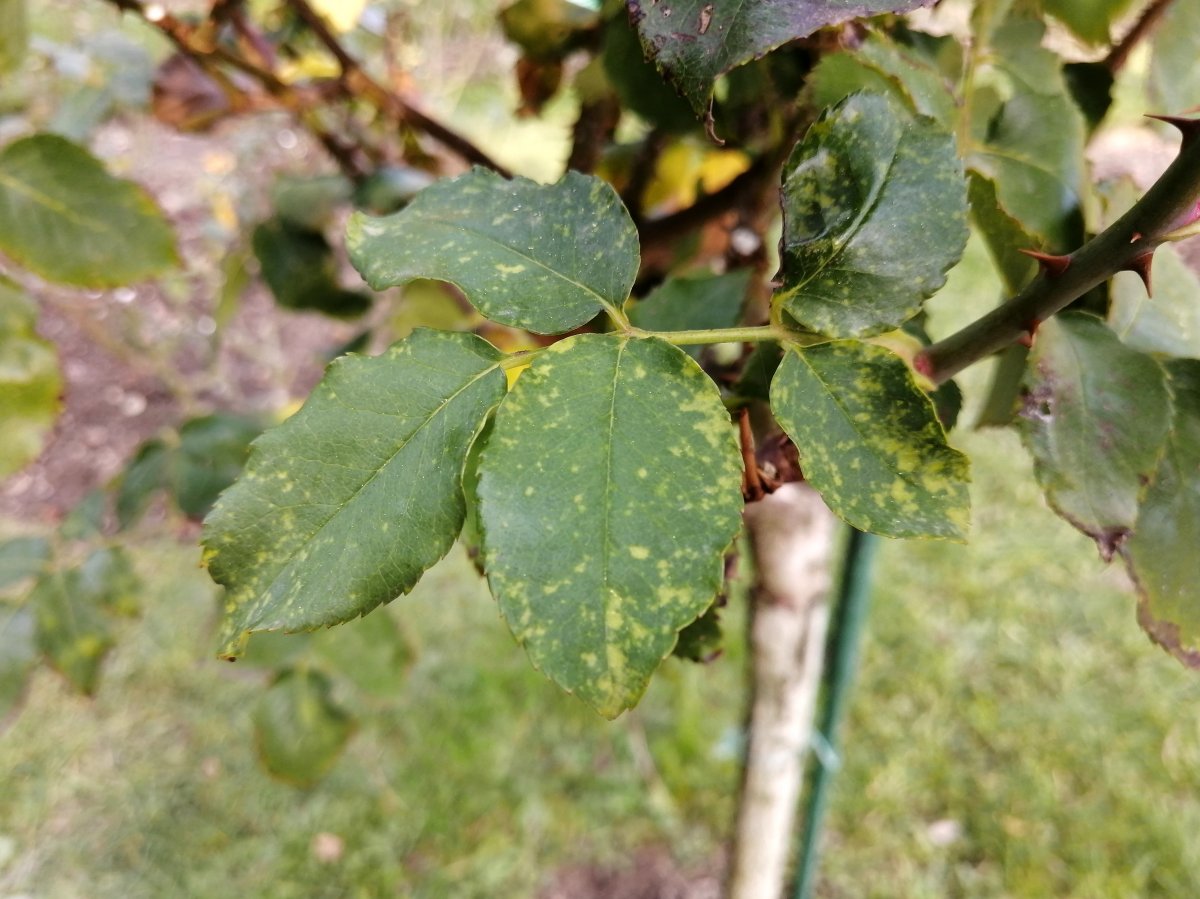
Leaf blades begin to deform, young leaves grow small, flower buds form poorly, and their size leaves much to be desired. Immunity declines, and shoot development is stunted.
Treatment of mosaic
Like any viral disease, mosaic rose is incurable. In extreme cases, the affected bush will have to be removed. However, if the affected area is not yet too extensive, you can try to save the rose. To do this, cut off and burn all damaged parts. Treatment can be done with Strobi, Skor, or Ridomil.
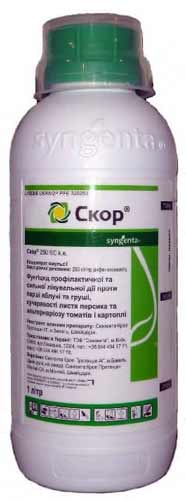
Typically, it will need to be repeated after some time. Timely fertilization and treatment can reduce the virus's activity, but there's no guarantee it won't reappear the following season.
Jaundice
The disease begins with yellowing veins on the leaves. Subsequently, the entire leaf blade becomes covered in small spots that quickly spread. The bush becomes weak, susceptible to various diseases, and growth slows.
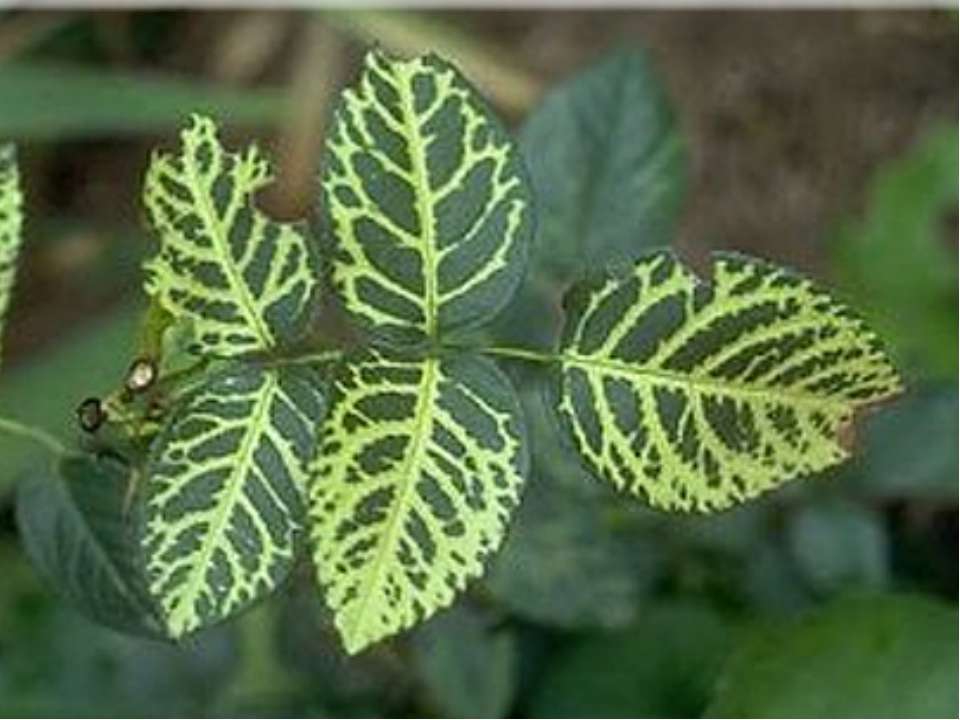
Treatment of jaundice
Jaundice is contagious to all other plantings, so all parts of the bush showing signs of the disease must be immediately removed and burned.
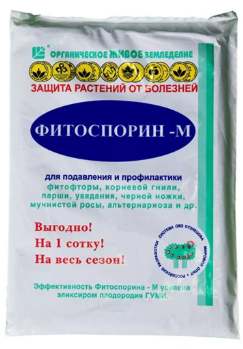
Treatment with Fitosporin-M and Sporobacterin will help disinfect the soil and reduce bacterial activity. This treatment is performed after removing diseased parts of the bush.

As a preventative measure, it's important to spray with insecticides against insect pests, as they are often the main vectors of infection. Furthermore, it's important to fertilize plants regularly and follow proper growing practices to strengthen the roses' immunity.
Tomato rot virus
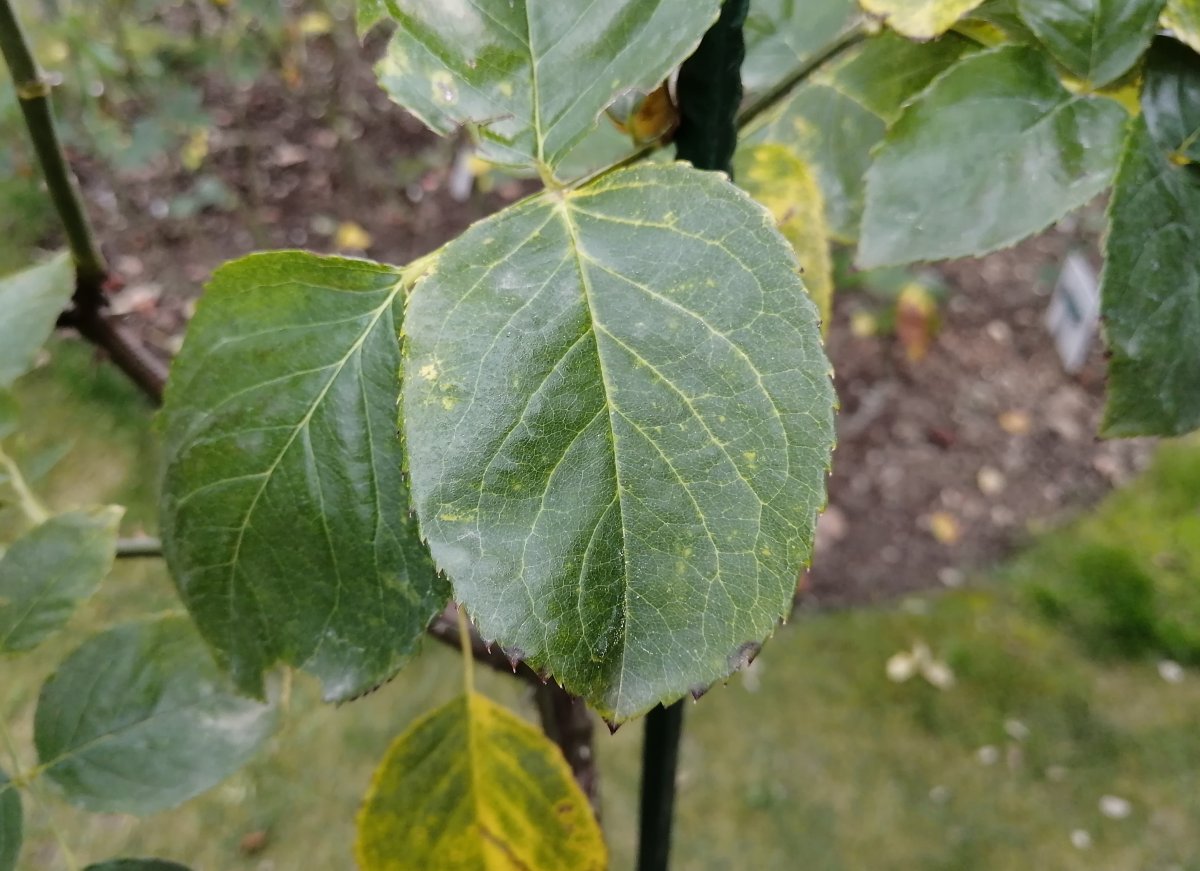
Light spots initially appear on the leaves, which then spread to the veins. Eventually, the leaf blade dies completely, and the bush dies.
Treatment of tomato rot virus
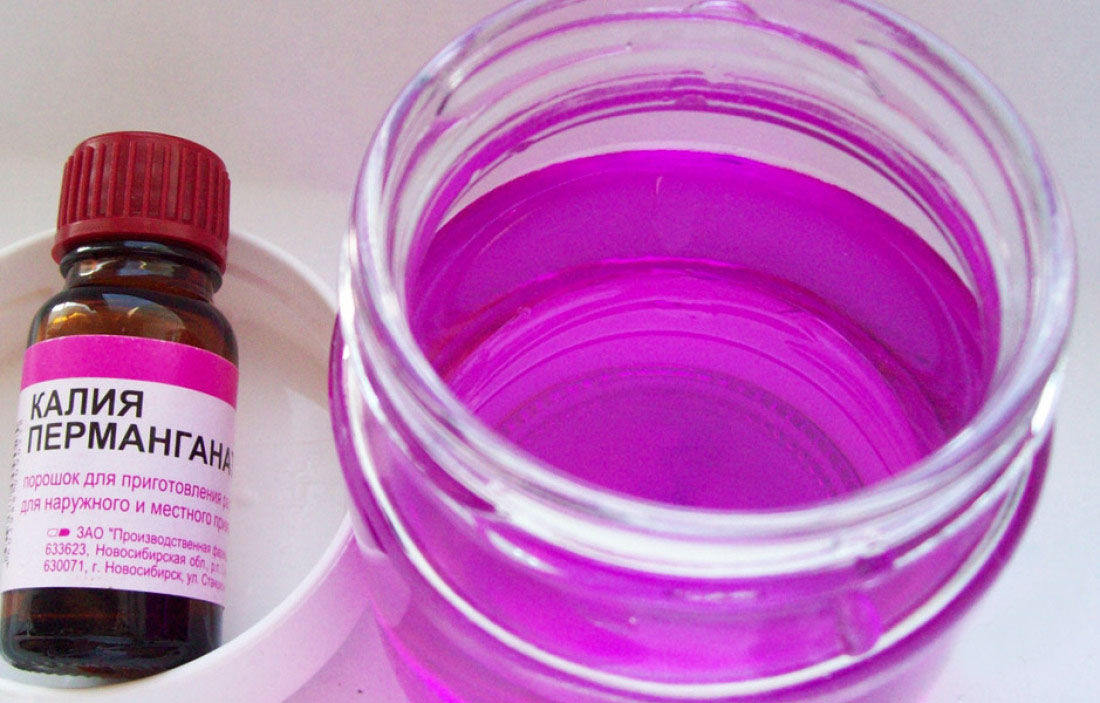
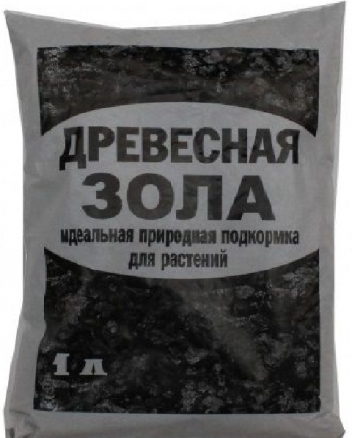
There is no effective treatment that completely eradicates the virus. Plants can only be supported in the early stages of the disease. To do this, remove damaged areas of the bush, and treat the cuts with a weak solution of potassium permanganate or dust them with ash.
If the disease progresses, the rose will have to be dug up and destroyed.
The following will help as preventative measures:
- Disinfection of garden equipment.
- Treating crops against thrips – these parasites are the carriers of the disease.
- Strengthening the immune system with the help of special products, such as Epin-extra.
Helpful! To prevent widespread disease, rose bushes should be planted at the recommended spacing. If the bushes are severely neglected, viruses and bacteria can spread quickly from one bush to another.
Pests as a cause of leaf loss in roses and methods of dealing with them
In some cases, yellowing leaves are caused by insect pests. If their presence is detected early, the bush can be saved. Therefore, it is recommended to regularly inspect your plantings for pests. In the table below, we describe the most common rose pests.
| Pest | Signs of appearance | Prevention and destruction |
| Spider mite
|
Small, raised white spots appear on the underside of the leaf. A little later, they fade and become larger. Eventually, the entire leaf becomes covered in a web. Detection is difficult because the mite has chosen the underside of the leaf blade as its habitat. Gardeners often notice it too late. |
Among specialized products, Actofit, Neoron or Actellic work well. Folk methods include using a solution of laundry soap or an infusion of garlic, which is used to wipe the leaves. |
| Aphid
|
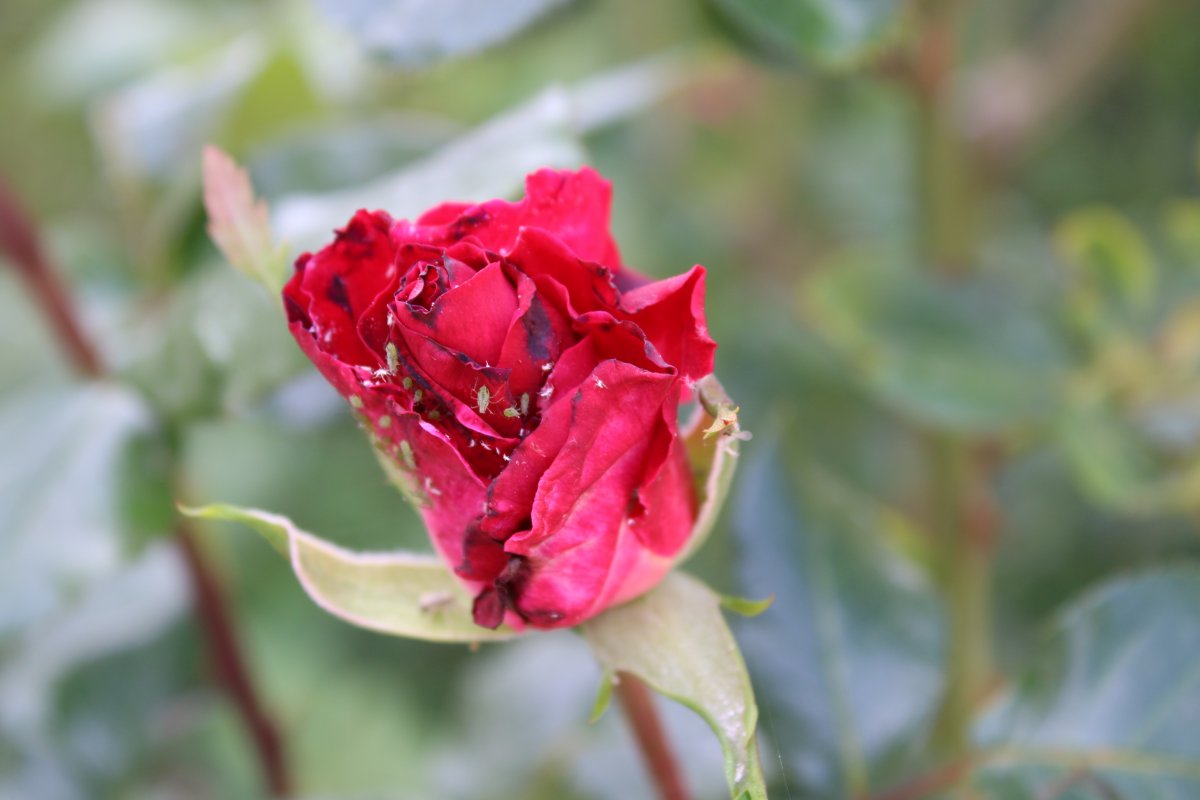
Leaves become coated with a sticky coating, curl, and turn yellow. Flower buds develop poorly, sometimes drying up and dying before even opening. The plant's immunity declines, making them easy prey for fungi and bacteria. | In the initial stages, it's sufficient to thoroughly wipe each infected leaf with a damp cloth. A soapy solution, similar to the one used for spraying the plantings, can also be used. Recommended specialized products include Antikleshch Max, Iskra Zolotaya, Fitoverm, Floristin, and Tsvetolyuks. |
| Rose scale insect
|
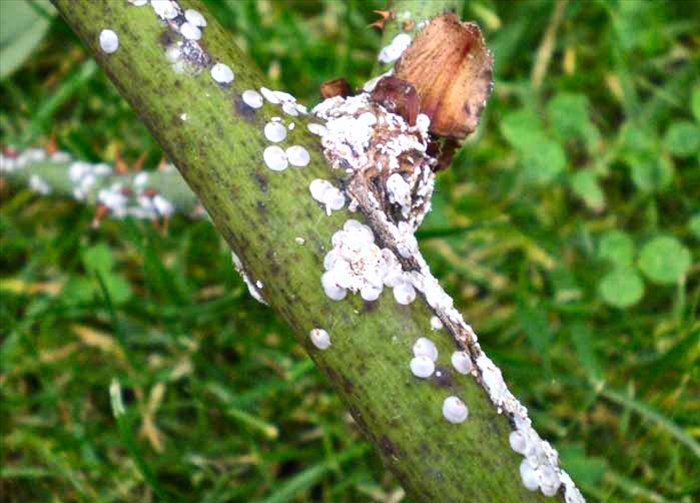
These tiny insects have a shield-like, filmy body. They feed on plant sap, secreting a sticky, foul-smelling fluid. This becomes a breeding ground for bacteria and fungi. This weakens the roses' immunity, causing the leaves to turn yellow and fall off. |
Insects are removed from the leaves using a cloth soaked in a soap-kerosene or soap-garlic solution. Repeat treatments are carried out a week after the first. Spraying with Fufanon has proven effective. |
| Root nematode
|
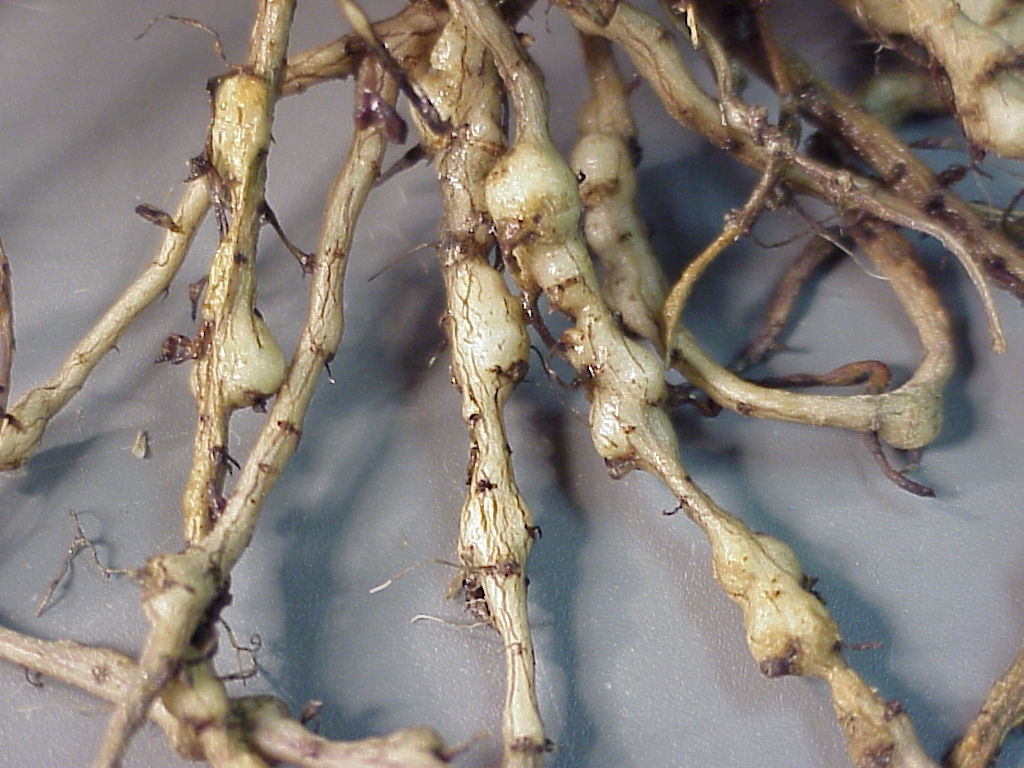
The pest manifests itself on the plant roots, so its presence cannot be immediately detected. Externally, the rose appears weak, flowers fall off, leaves curl and die, but there are no insects on the leaf blades or stems. If all care instructions are followed, but the rose continues to be sick, the problem lies with the roots. The diseased plant has overgrown roots, within which the pest lives. |
Typically, the presence of the parasite is discovered too late. However, if it is recognized early and the bush is dug up, attempts can be made to revive it. To do this, the roots are immersed in water at +50°C. The soil is doused with boiling water. However, these measures are effective only in the early stages and do not provide a 100% guarantee of complete eradication of the pest. |
Spider mite
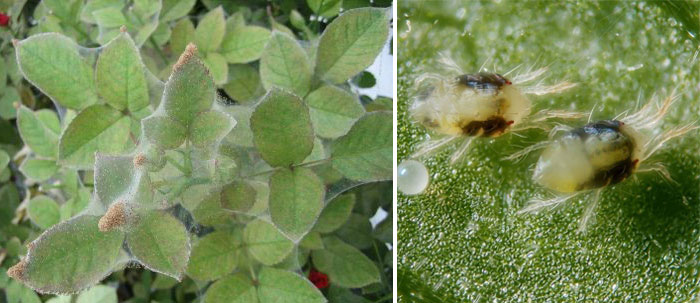
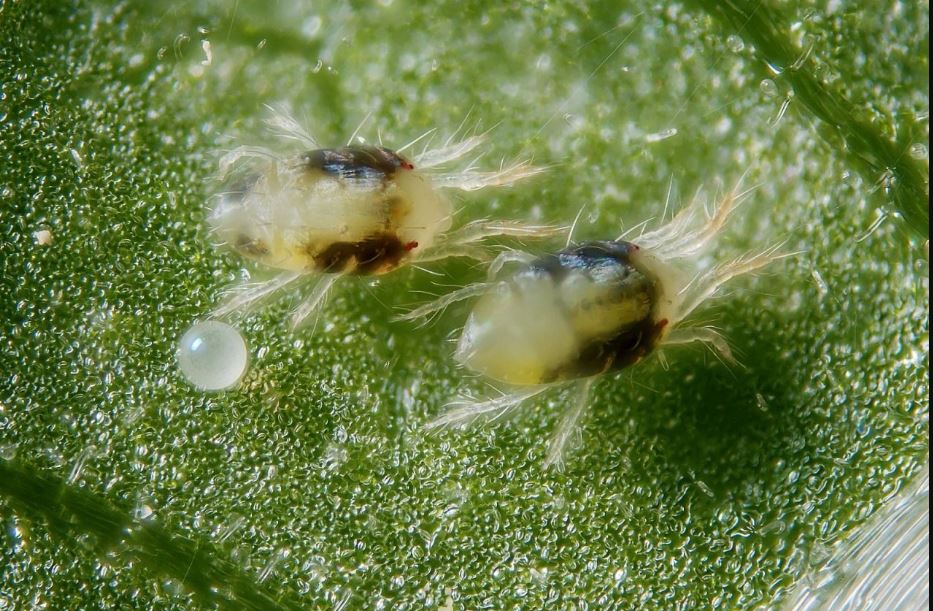
The pest can be identified by a number of characteristic signs:
- Small black spots and barely noticeable dots – traces of punctures – appear on the leaves.
- A web appears. Initially, it envelops the area around one or two leaves, and then can completely envelop the upper part of the bush.
- The leaves fall off and the plant stops developing.
- Signs of fungal disease appear, and the buds become small.
- On the underside of the leaf you can see small black insects that live in a large colony.
The following methods will help in the fight against spider mites:
- Mechanical treatment of leaves with various solutions.
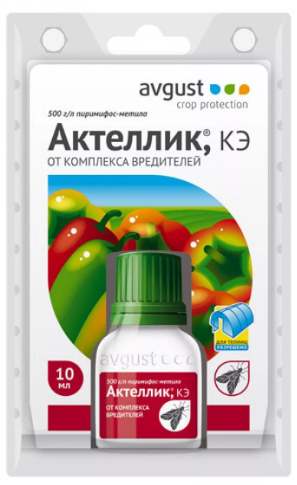
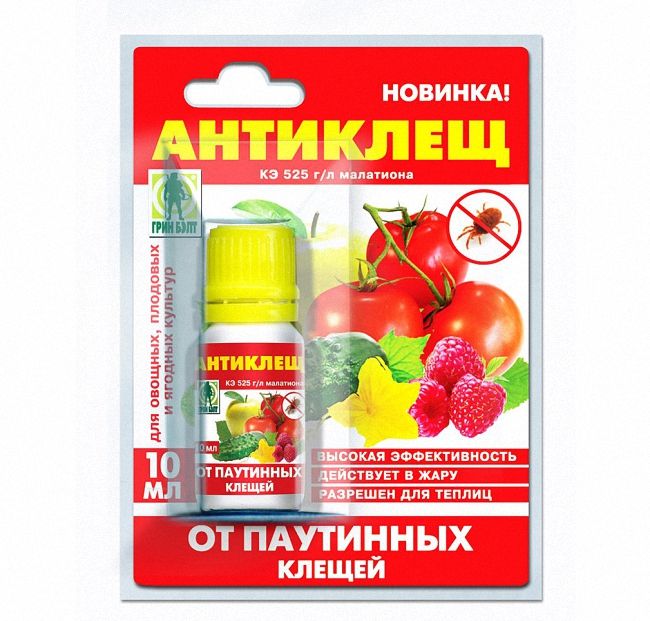
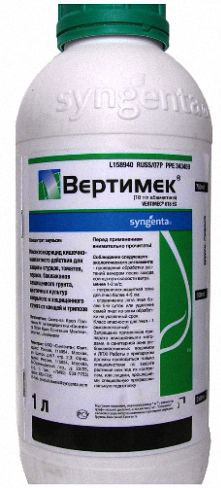
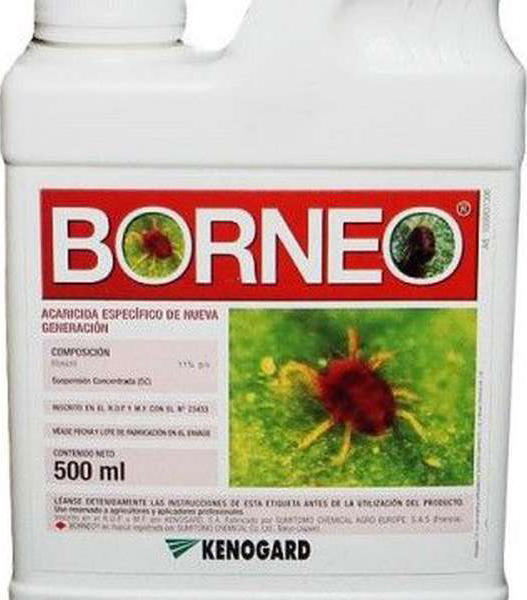
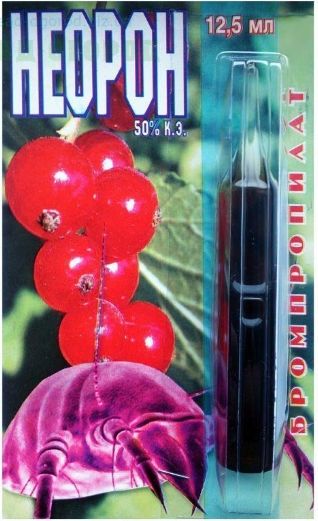
- Spraying with acaricides Neoron, Actellik, Antikleshch, Vertimek, Borneo.
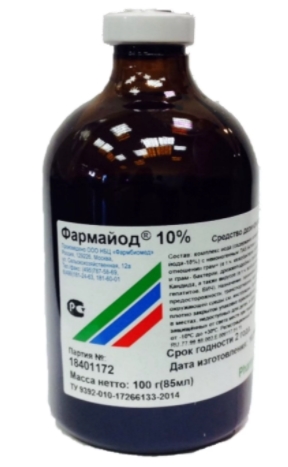
- Soil treatment with preparations containing high iodine content (Pharmaiod, Povidone-iodine).
To wipe the leaf blades, you can prepare effective solutions yourself:
- Soapy. To make it, you'll need half a bar of laundry or tar soap, grated beforehand. Add it to 5 liters of hot water and stir until completely dissolved.
- Garlic. Prepare a concentrate from 200 g of garlic pressed through a garlic press and 1 liter of water. Let it steep for 5 days. Before use, dilute 4 tablespoons of the concentrate in 10 liters of water. It is recommended to mix regular water with dill infusion (0.5 kg of leaves and 5 liters of boiling water, steeped for 3 hours) in equal proportions.
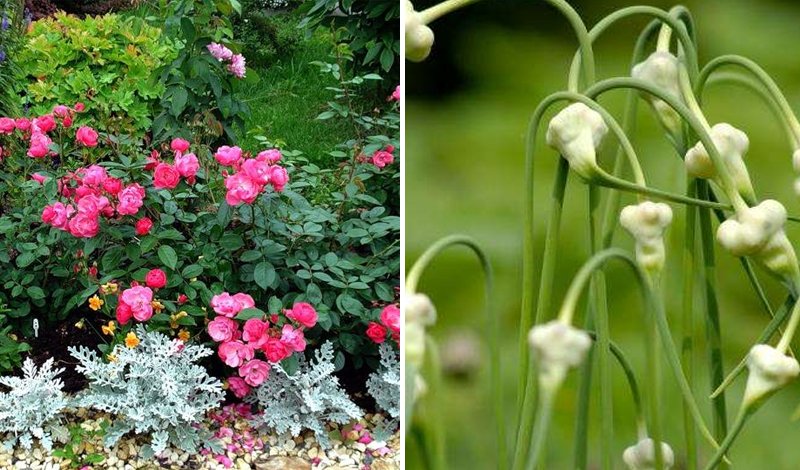
Recommendation! Planting garlic between rose bushes will repel most pests.
- Onion. Steep 30 g of onion peel in 5 liters of hot water for 5 hours.
- Marigold. Fill a container with dried marigolds and add warm water to cover the flowers by a couple of centimeters. Let the solution steep for 48 hours, then strain and use for watering and spraying.
Roses are treated with folk remedies 3 times at weekly intervals.
To prevent spider mites, you can take the following measures:
- Spray the bushes or use a sprinkler system. The mite prefers dry air and doesn't settle in damp places.
- Plant insect-repellent plants in your flowerbed with a pungent scent. Calendula, chrysanthemum, dill, or basil are ideal for this purpose.
- Apply the right fertilizer. Excessive nitrogen often provokes spider mite activity, while phosphorus, on the contrary, discourages the pest.
Aphid
Aphids are usually discovered on bushes shortly before they bloom. Leaves and shoots become covered in a layer of tiny insects. They can be black, white, green, or red. Their body length does not exceed 2 mm, and some specimens are even capable of flight.
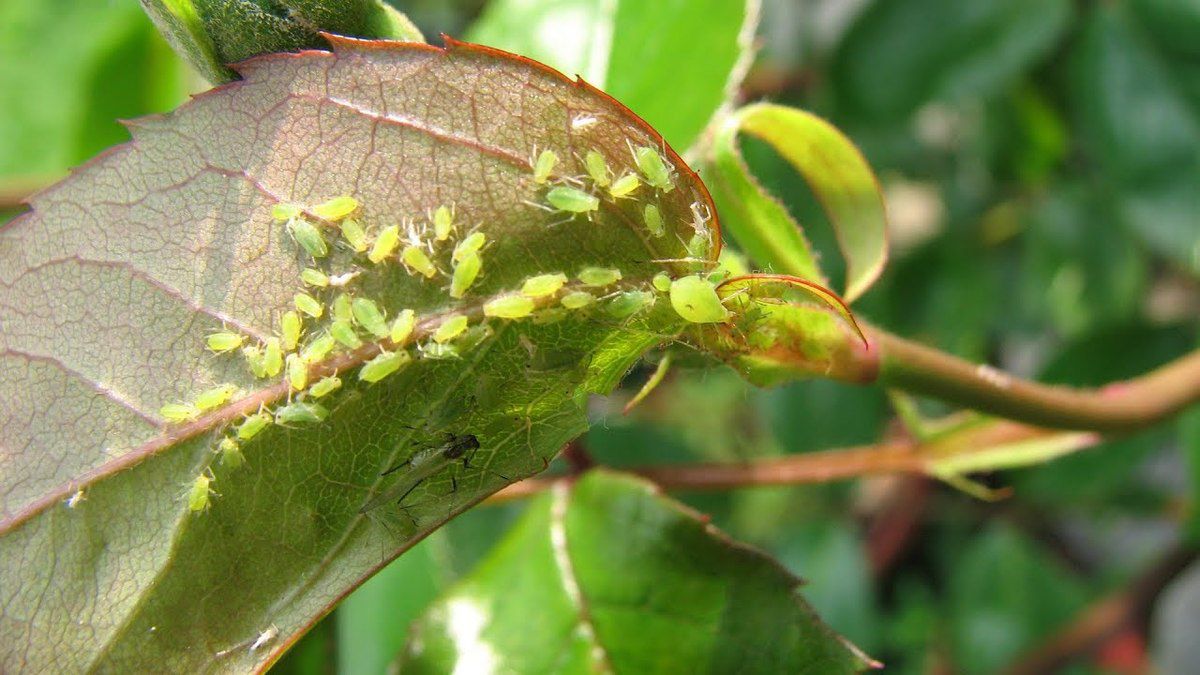
The leaves begin to turn yellow and curl, the shoots become weak, and the buds fall off before they have time to open.
Fighting aphids
If the colony is small, a generous watering of the bush with a hose will help. The stream knocks the insects down, causing them to fall to the ground, unable to return.
If there are too many rose petals, you'll need to use specialized products such as Kinmix, Decis Profi, Biotlin, or Aktara. These chemicals are highly effective, but they leave harmful substances on the surface of the rose bush, making the rose petals unusable for cosmetic or aesthetic purposes. Biological insecticides (Fitoverm, Akarin, and Actofit) are more gentle. In any case, a single spraying will not be enough; it will need to be repeated three times, spaced 5-7 days apart.
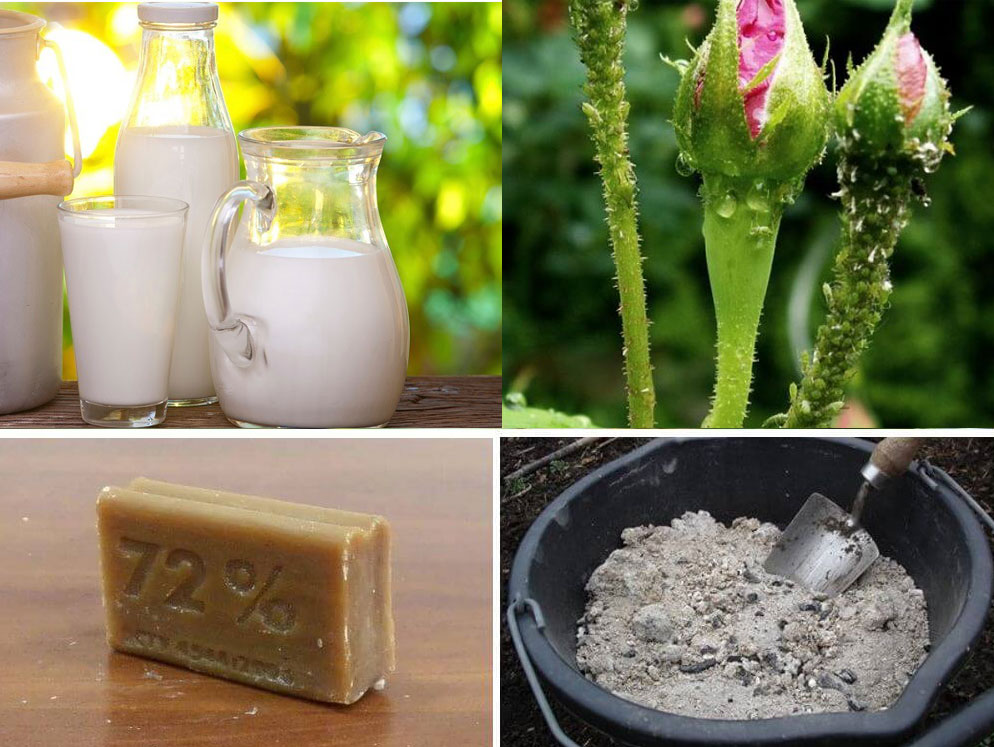
For regular treatment, you can use folk remedies that are effective in the early stages of aphid infestation. Below are the most popular ones:
- Laundry soap solution. To prepare it, you'll need a small bar of laundry soap, grated. You should get about 5 tablespoons of shavings. Dissolve this amount in 1 liter of water. Once you've achieved a smooth solution by stirring, begin spraying, repeating every two weeks. If it rains after the treatment, you'll need to repeat. If you don't have laundry soap, you can use tar soap, but never regular scented soap—its pleasant scent will attract all the insects in the area.
- Vinegar solution. Use only on mature plants. Prepare with 150 ml of 9% vinegar or 450 ml of 3% vinegar diluted in 10 liters of water. Avoid contact with buds and flowers.
- Tomato-garlic infusion. Add 400 g of chopped tomato leaves and 300 g of pressed garlic to 3 liters of water. Let the mixture steep for 8 hours, then add another 7 liters of water and 50 g of grated laundry soap.
- Milk whey. It is used undiluted to treat young shoots and buds.
- Potato tops infusion: Add 1 kg of chopped tops to 10 liters of water and let sit for 48 hours. Strain before use and add 50 g of grated laundry soap.
- Wood ash decoction. Add 300 g of ash to 10 liters of water and boil for 2 hours. After cooling, strain the decoction.
- Tobacco infusion. Add 0.5 cups of tobacco dust to 1 liter of water and boil for 30 minutes. Then let it steep for 24 hours, strain, and add another 1 liter of water. For greater effectiveness, dissolve 50 g of grated laundry soap. Spray every 2 weeks.
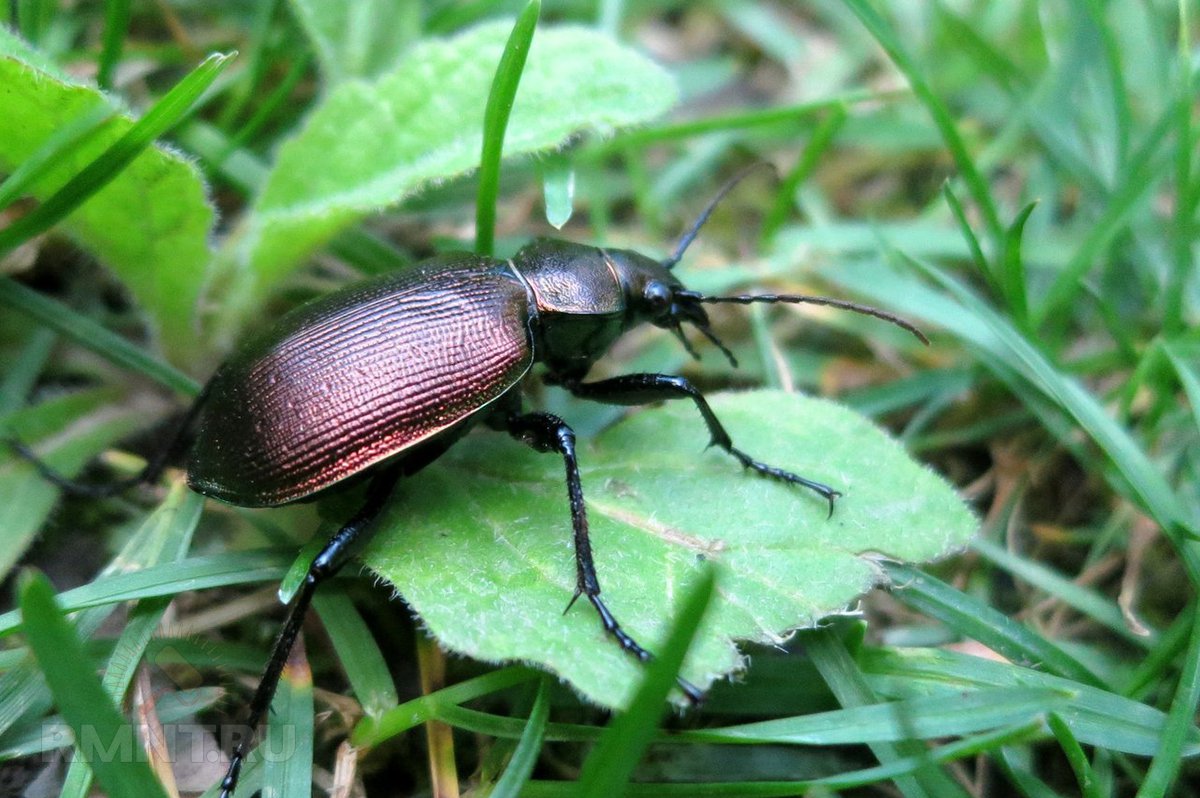
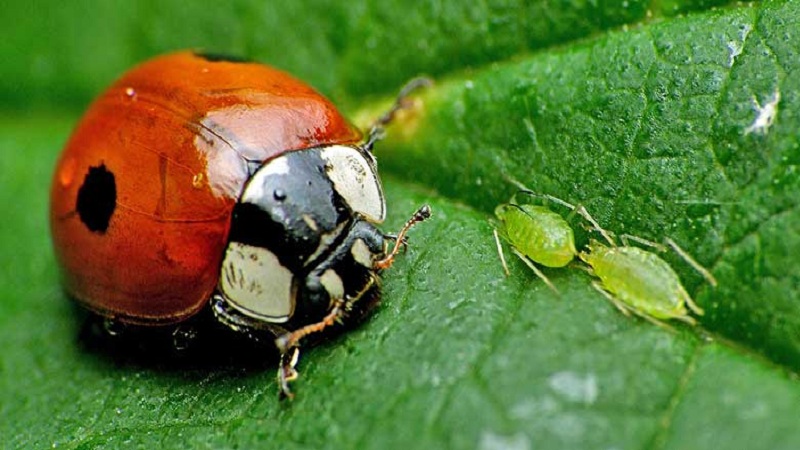
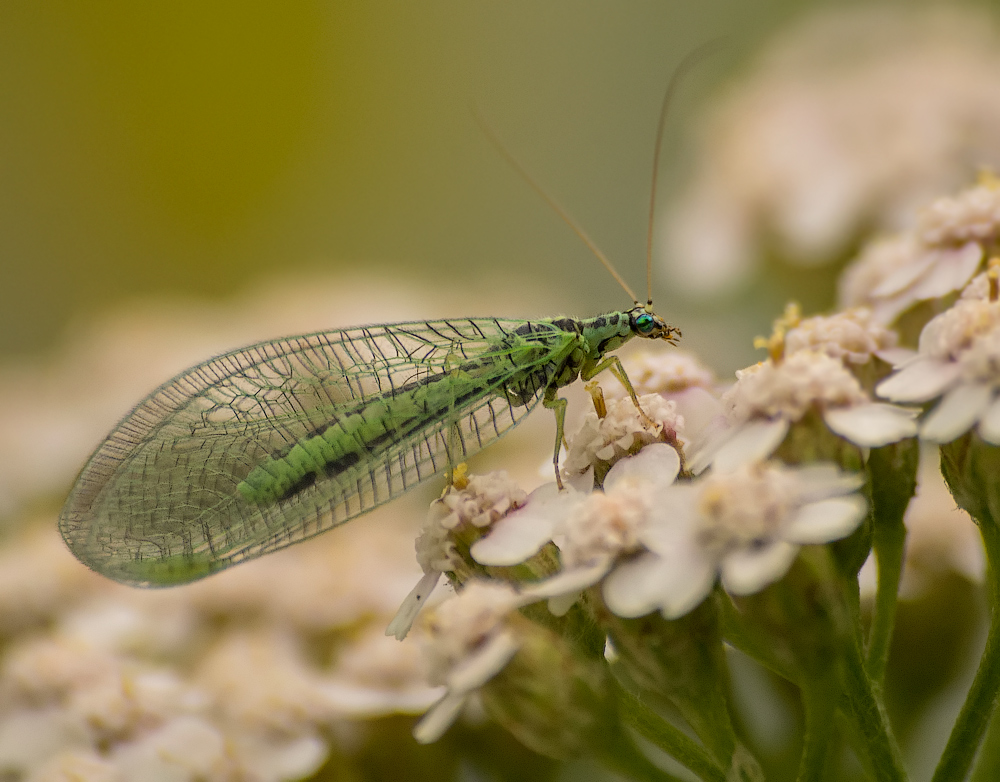
Interesting! The most harmless yet effective natural way to kill aphids is to attract predatory insects that happily eat them. These include ground beetles, ladybugs, earwigs, hoverflies, and lacewings.
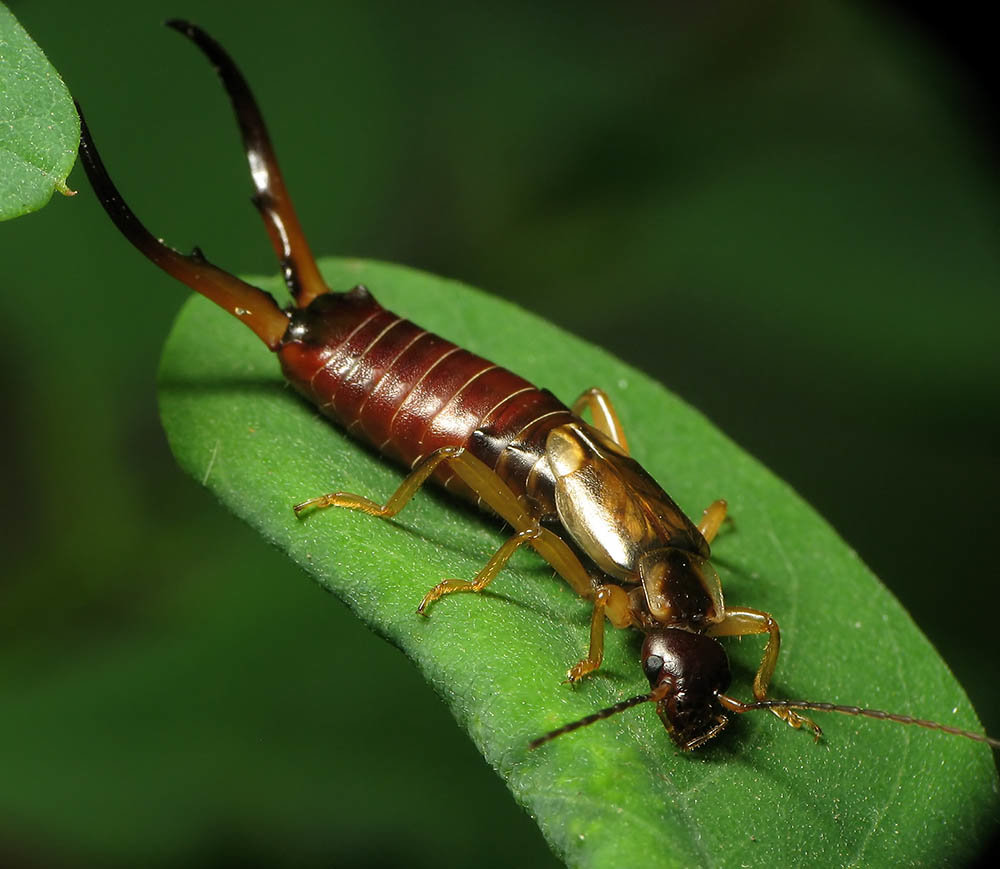
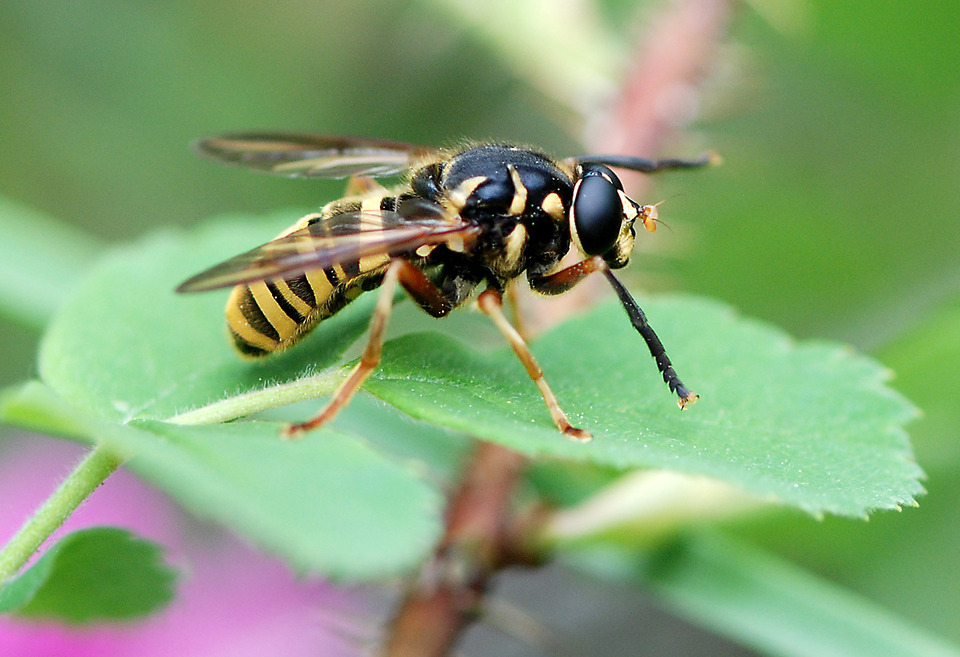
In addition to classic preventative measures in the fight against insects, several additional ones can be used:
- Eliminate all anthills in your garden. These insects always travel with aphids, which provide them with a delicacy by feeding on the sap of the plants and secreting honeydew.
- Plant pest-repellent plants in your flowerbed. These include nasturtium, fennel, lavender, calendula, and others.
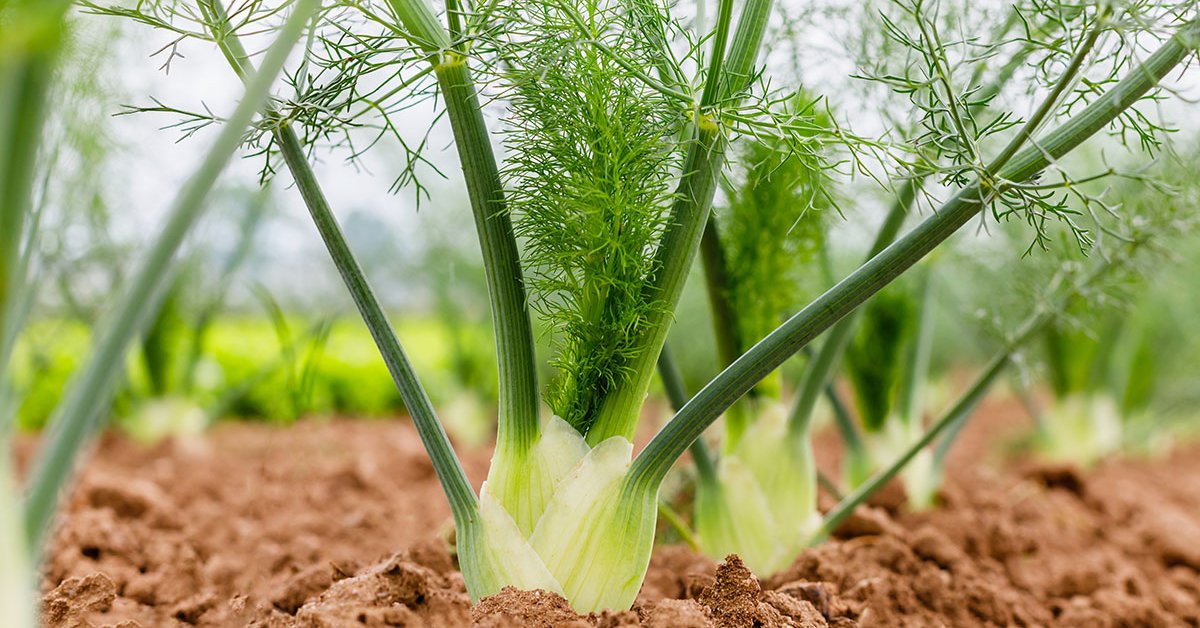
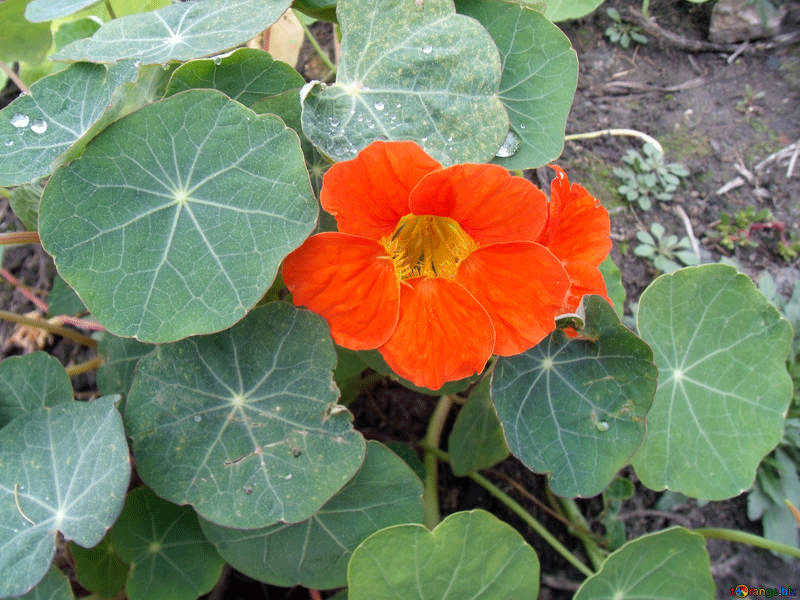
Rose scale insect
This type of scale insect is not very common. Signs include red or yellow spots appearing on the leaves. Small, sticky droplets are also clearly visible. Later, the spots begin to turn black, and the leaf blades begin to curl and fall off. On the undersides of the leaves, white, raised spots can be seen, representing a colony of scale insects.
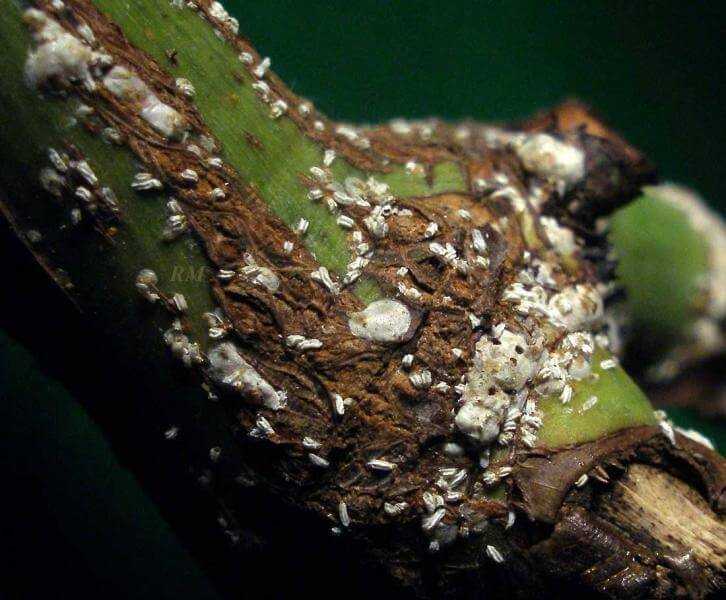
Fighting rose scale insects
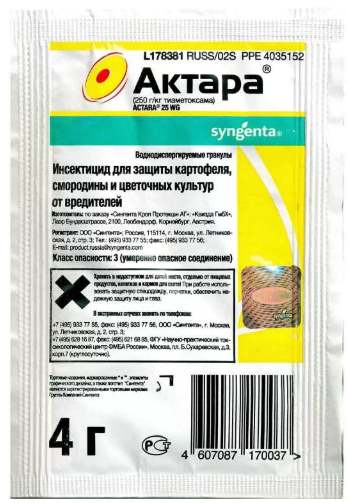
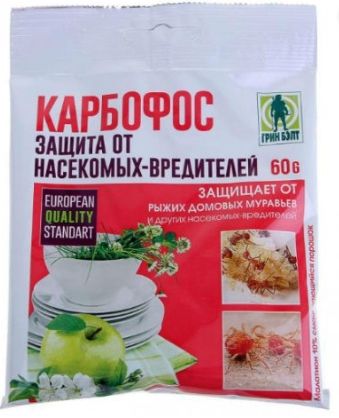
Infected shoots are pruned and burned. Because the pest's body is covered with a waxy shield, contact insecticides are ineffective. Only systemic insecticides, such as Aktara, Bankol, Karbofos, or Fufanon, are effective.
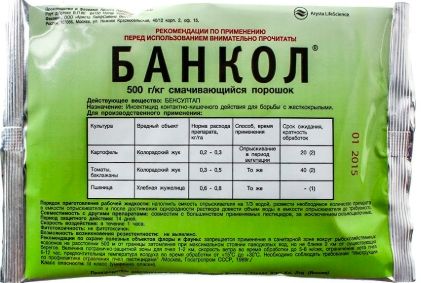
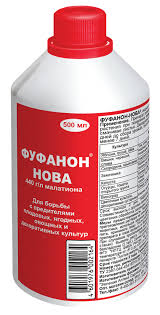
Five days after treatment, the bushes should be sprayed several times with solutions prepared using traditional methods, at weekly intervals.
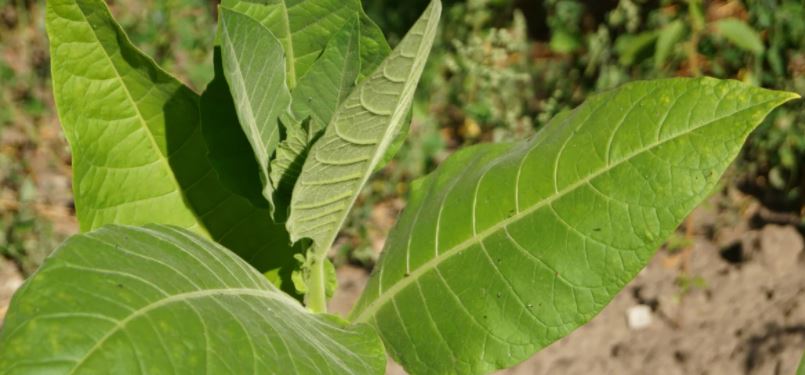
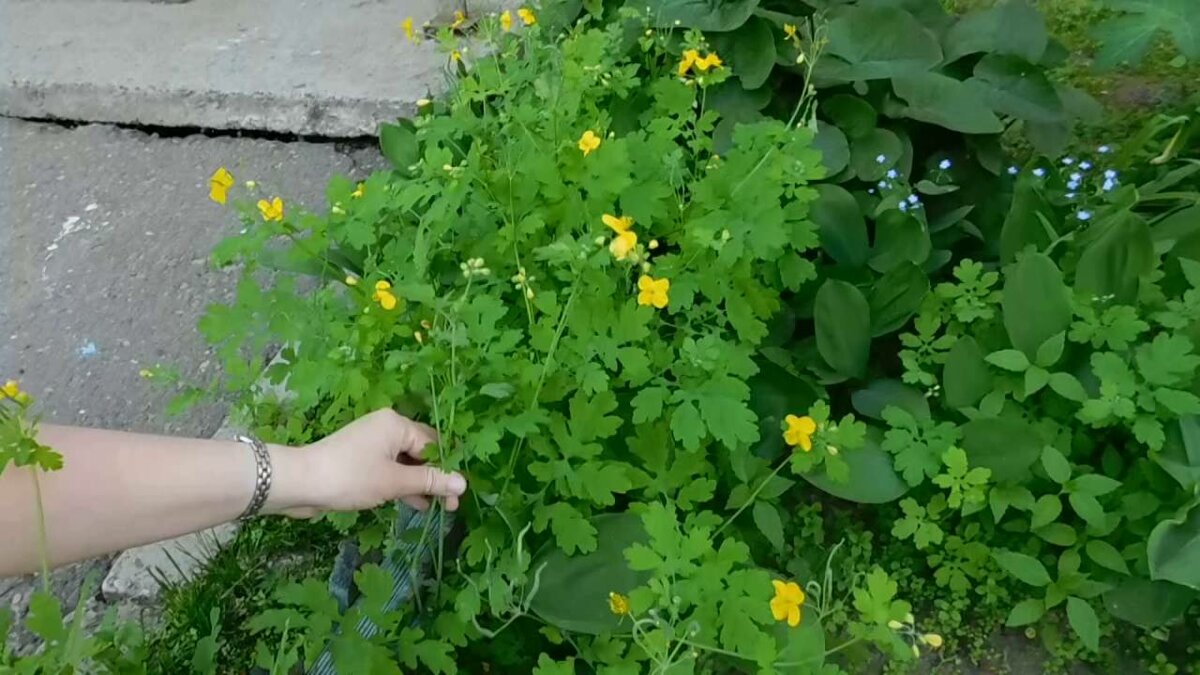

Here are some simple and effective recipes:
- Tobacco. Add 2 kg of chopped fresh tobacco leaves to a bucket of water, boil the solution for 30 minutes, and let it steep for 48 hours.
- Pepper. Pour 5 liters of boiling water over 500 g of fresh capsicum fruits, boil for 5 minutes, cool, and strain.
- From celandine. 3 kg of crushed celandine is poured into 10 liters of hot water, then covered and left to steep for 24 hours. After this time, boil for 30 minutes, cool, and strain.
To prevent the appearance of rose scale insects:
- Observe neighborhood rules – roses should not be planted near blackberries, strawberries, raspberries, or wild roses. If one of these plants becomes infected, the scale insect will quickly spread to other plants.
- Do not overuse nitrogen-containing fertilizers.
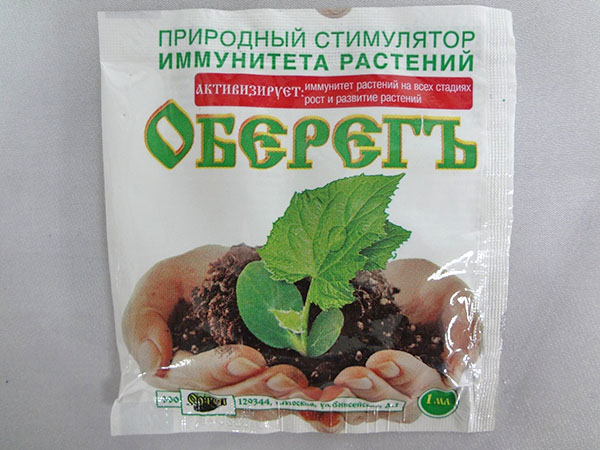
- Perform immune-boosting treatments twice a year. For this purpose, you can use products such as HB-101 and Obereg.
- Feed your roses with potassium. If the bush is depleted or the weather conditions are unfavorable, apply foliar fertilizer with potassium sulfate.
Nematode
Parasites attack the root system of plants, entering from the soil and causing tissue growth and swelling. These deformations affect the entire plant, disrupting nutrient absorption and weakening the plant's immune system. Stems, leaves, and buds wilt and die.
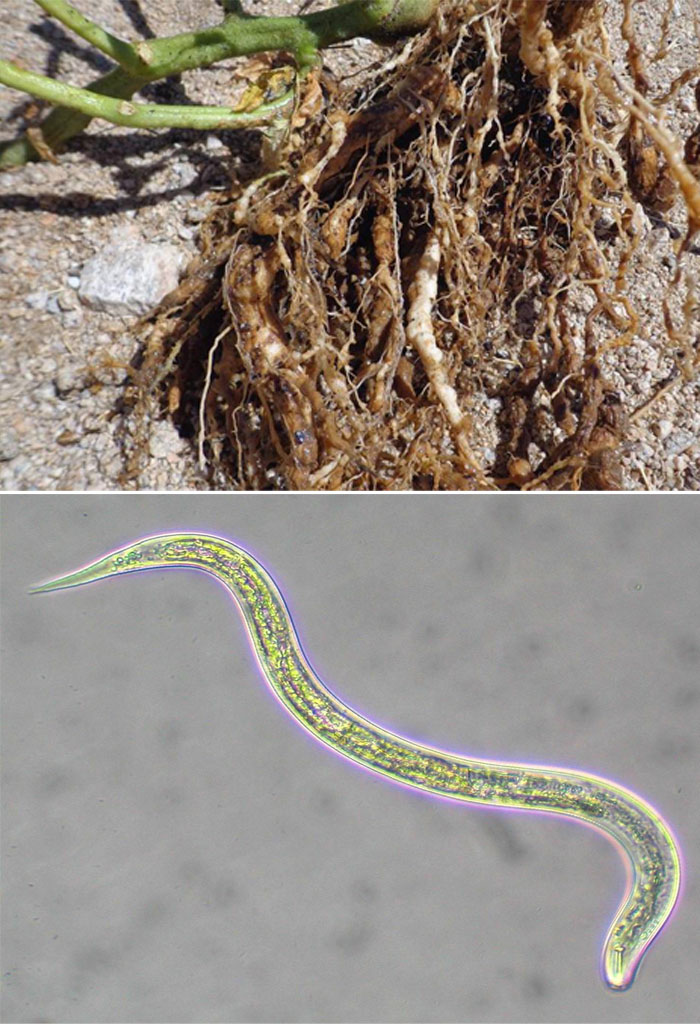
Due to their weak resistance, diseased roses are easily attacked by fungi and bacteria. Such bushes are almost impossible to restore.
Nematode control
Only preventative measures are effective in combating nematodes. These include heat treatment of the plantings and are carried out during the dormant period. If necessary, this can also be done during replanting throughout the season.
The plant is dug up, and the roots are placed in water at 50°C for 10 minutes. The soil in the flowerbed is treated with disinfectants.
Another preventative measure is attracting predators. To do this, add organic matter or sugar to the soil, which stimulates the growth of saprophytes, which in turn attract an army of fighters. However, this is unlikely to completely rid the bush of nematodes once they have already appeared.
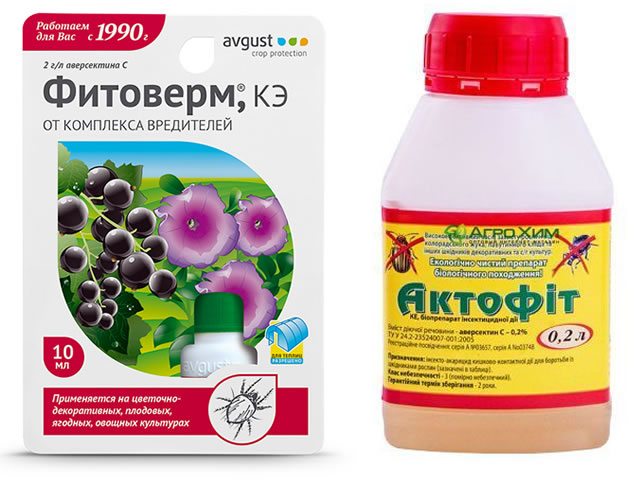
Pests can only be eradicated with heavy artillery in the form of toxic nematicide-based products. To handle them, you must ensure adequate protection: wear a protective suit, mask, and gloves. However, these products will kill not only the parasites but also all beneficial microflora. Less aggressive products like Actofit and Fitoverm can be used to prevent nematode infestations. These are available in powder form and are applied by sprinkling them over the garden bed (0.5 kg per square meter), after which the soil is dug to a depth of a bayonet. This should be done a couple of days before planting seedlings or seeds. However, this method will not combat existing pests.
On an industrial scale, products such as Marshal, Carbofuran, Alanicarb, and Aldoxycarb are used. However, they are absolutely not suitable for small plots and greenhouses due to their high toxicity.
Advice! Any annuals can be planted in the same area where the infested roses are growing—they aren't affected by nematodes. Calendula and marigolds will thrive there, but not peonies, phlox, or gladioli.
The most disease and pest resistant rose varieties
When choosing a rose for planting, pay attention to the variety and study its characteristics. It's best to choose a rose with good resistance to common diseases. The table below lists several of the most popular and hardy rose varieties.
| Name of the variety | Characteristic |
| Peace
|
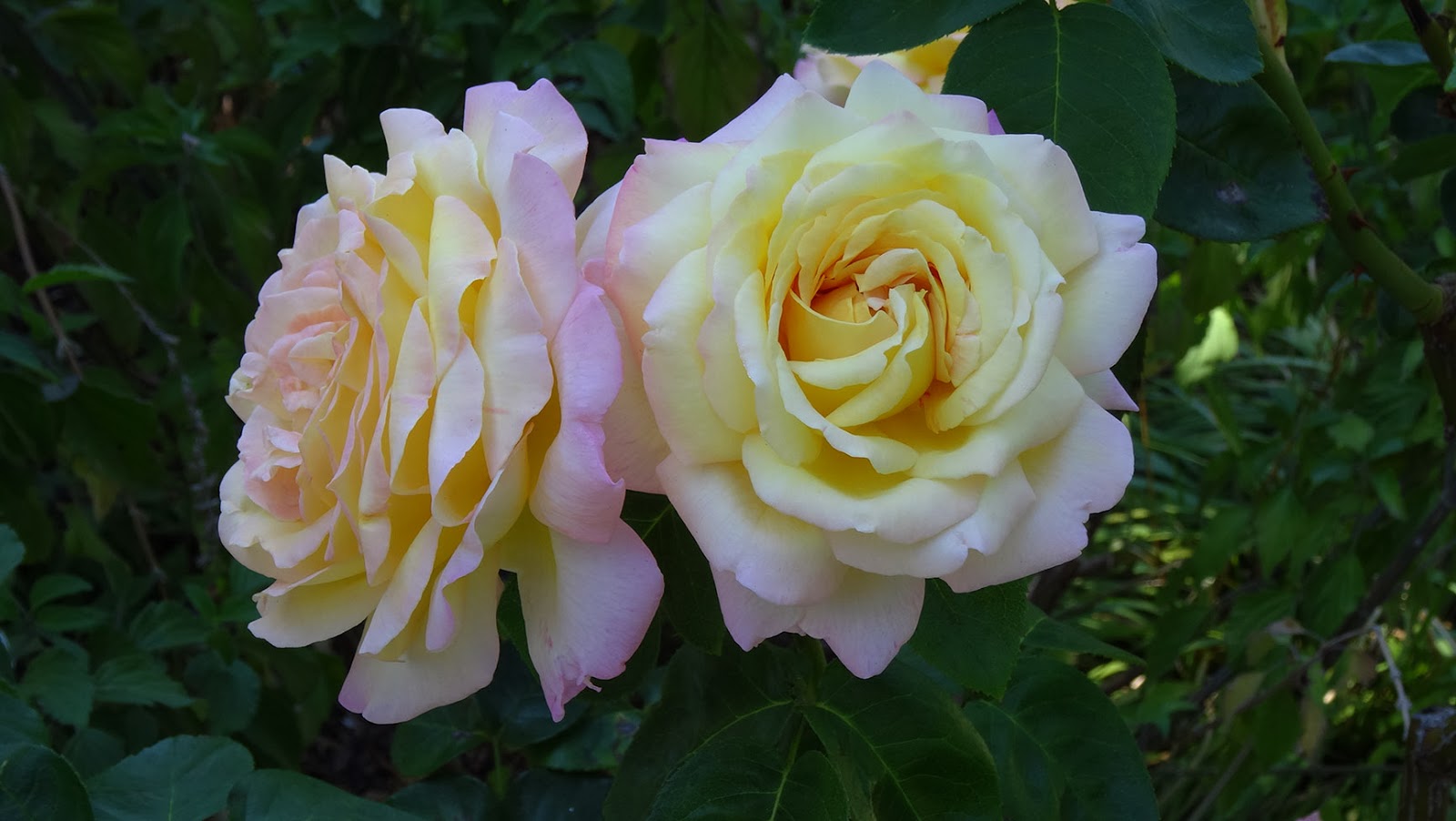
The bush grows up to 120 cm. The leaves are succulent and glossy, and the flowers are large, yellow with a reddish edge. Even without flowers, the bush looks aesthetically pleasing. It is resilient, survives winter without problems, and doesn't require any special growing conditions. In southern regions, it may be susceptible to black spot. This flower has long been a symbol of peace for France, as it was first taken out of the country to the United States for safekeeping during World War II and then returned. |
| Rosarium Uetersen
|
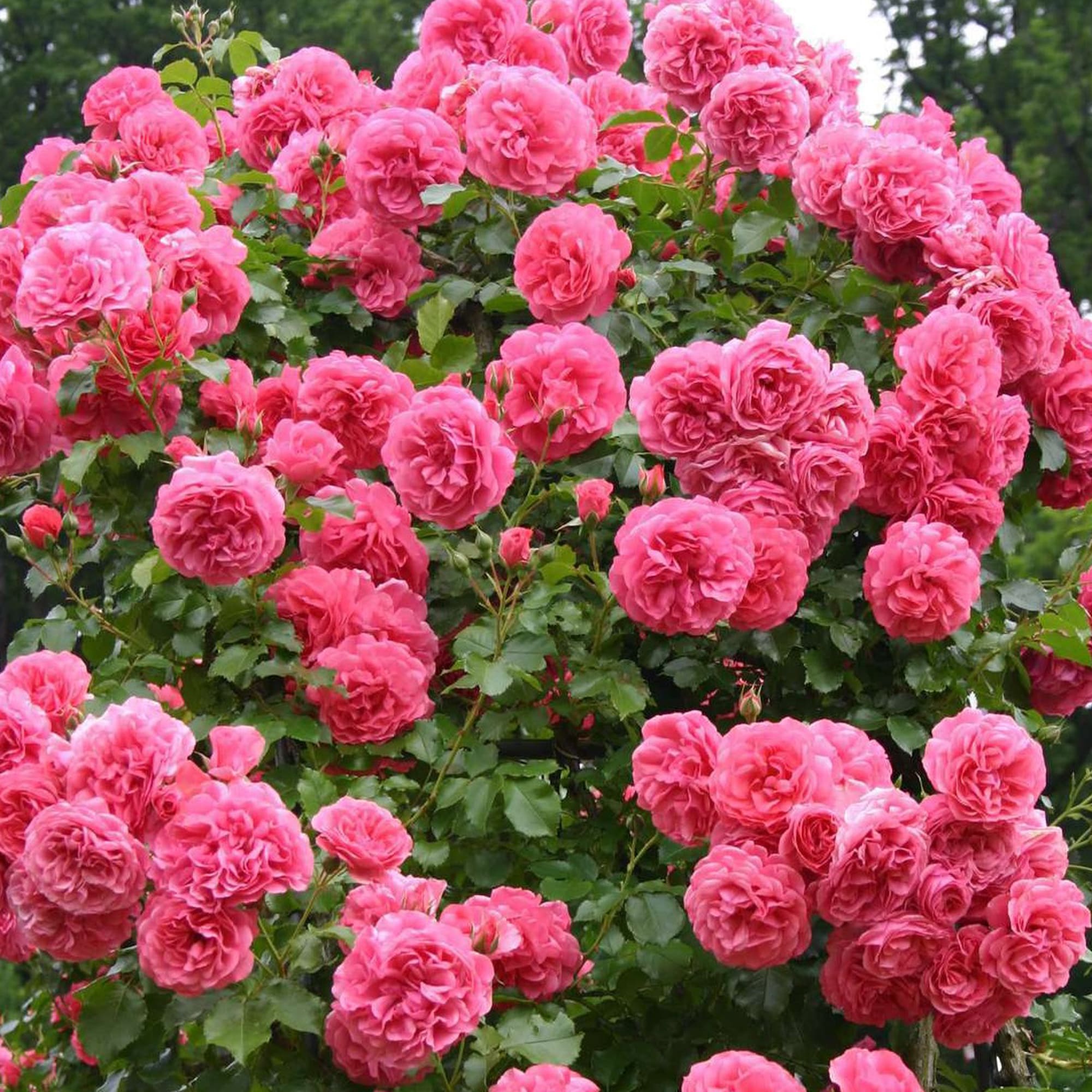
This is a climbing rose. The stems grow up to 3.5 m in length and can be trained on trellises or arches. If desired, pruning to 1.5-2 m is possible. Flowering begins in the first half of summer. The buds are very dense and firm, with fringed petals. When they open, the flowers open into a nearly flat rosette, making them appear very large and luxurious. Initially, they are bright pink, but then fade slightly in the sun, turning a silvery pink. This creates a striking contrast between the new and existing blooms. After the first flush, single buds almost always appear on the bushes for the rest of the summer. However, the rose's decorative appeal remains due to its large, glossy foliage. It tolerates adverse weather conditions well and overwinters easily. |
| Leonardo da Vinci
|
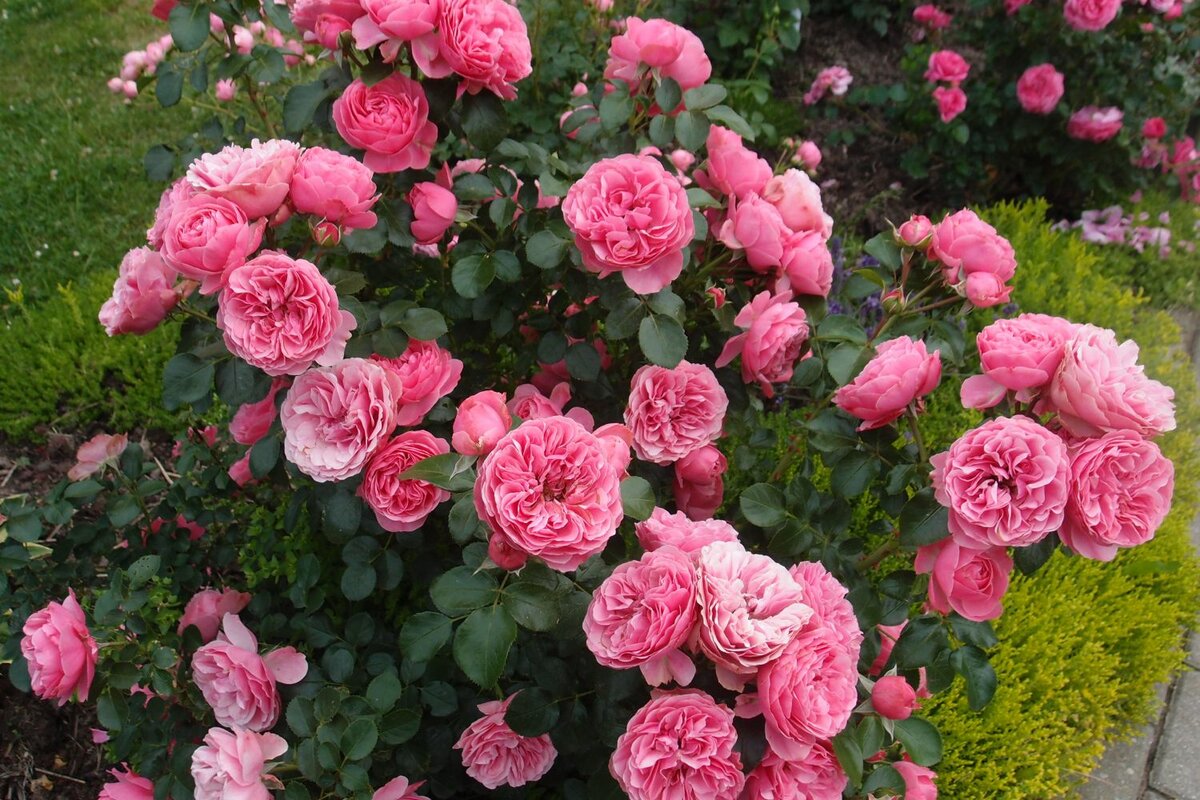
This rose boasts dense, abundant foliage and bright pink, double flowers that resist fading in the sun. The bush is quite compact, with shoots growing straight up. Flowering begins in early summer and, under favorable conditions, can continue throughout the season. This variety tolerates temperature fluctuations and heavy rainfall. |
| Augusta Luise
|
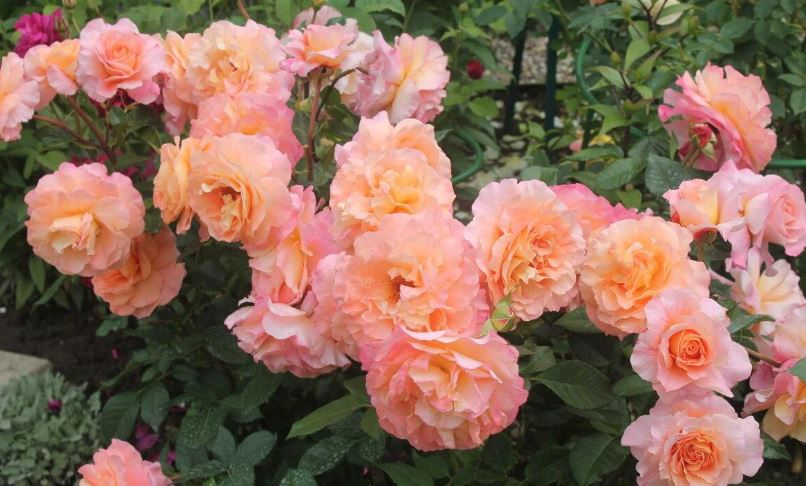
This rose has very unusual, large flowers with densely packed double petals. The color of the buds depends on the weather and can range from peach to wine. It's ideal for arrangements, as the flowers last a very long time after being cut. |
| Westerland
|
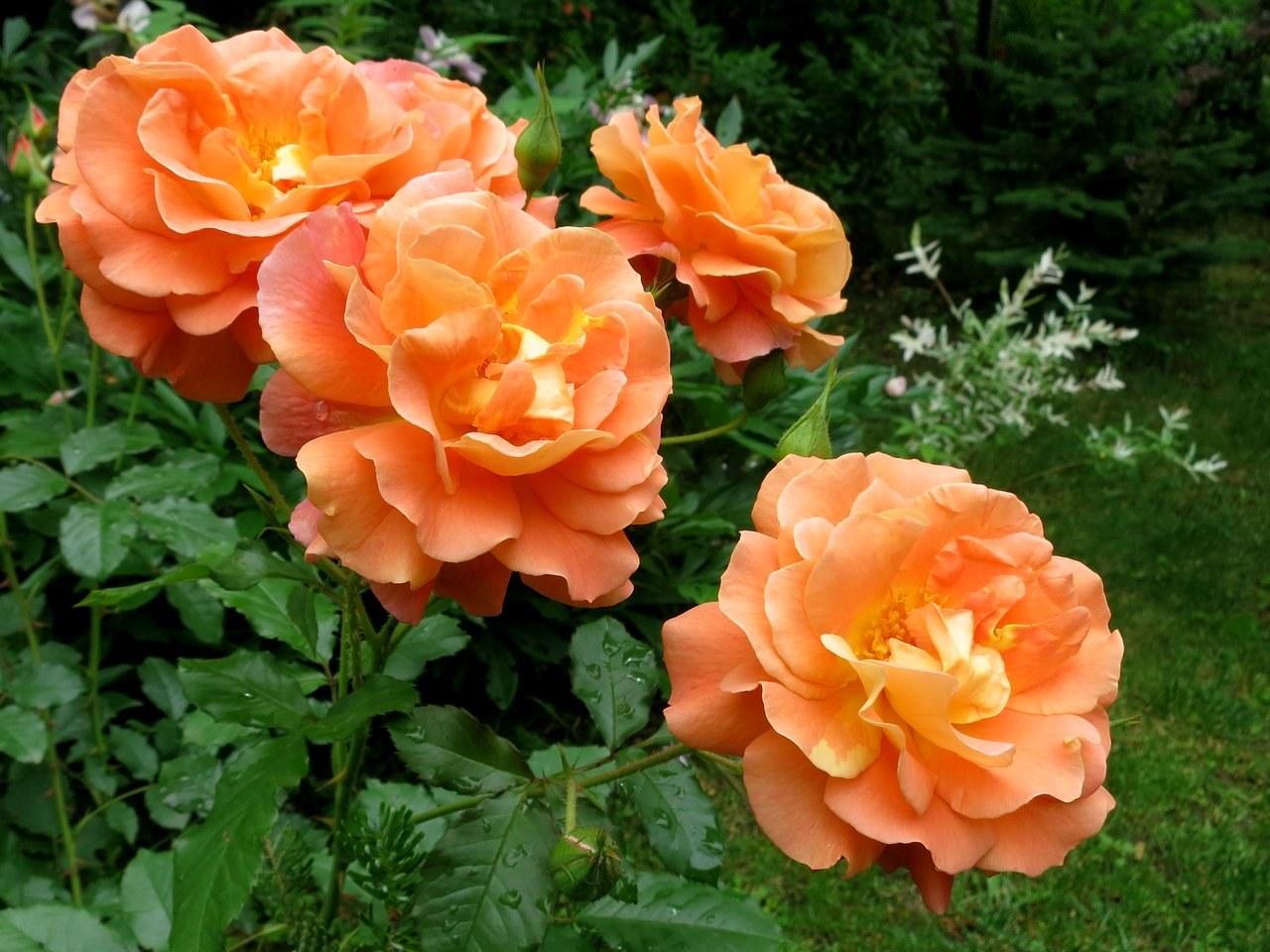
This variety was developed by German breeders, but due to difficulties obtaining international certification, it was not exported for a long time. Today, it has earned well-deserved recognition among gardeners worldwide. Its main characteristic is the color of its buds, which combine shades of scarlet, orange, amber, and pink. The buds appear in early summer and continue to form throughout the season, until late fall. The bush grows well, grows straight, and has many large thorns on its shoots. It tolerates winter well, has high resistance to diseases, and can be grown as a bush or climbing variety. |
| Abraham Darby
|
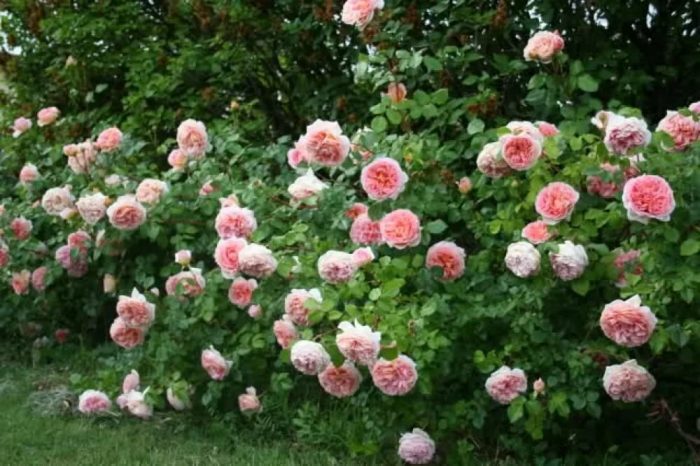
This English variety is distinguished by the fact that both of its ancestors are modern cultivars. It perfectly combines the grace of a classic rose, blooming with a copper-apricot center and pink edges, with excellent tolerance to modern growing conditions. The bush grows quite dense, but not too tall. The flowers are very large and can appear throughout the season. It's ideal as a centerpiece for a flowerbed. It has a distinct fragrance that fills the entire garden. It is resistant to many pests and diseases, but can sometimes be susceptible to rust. |
| Golden Celebration
|
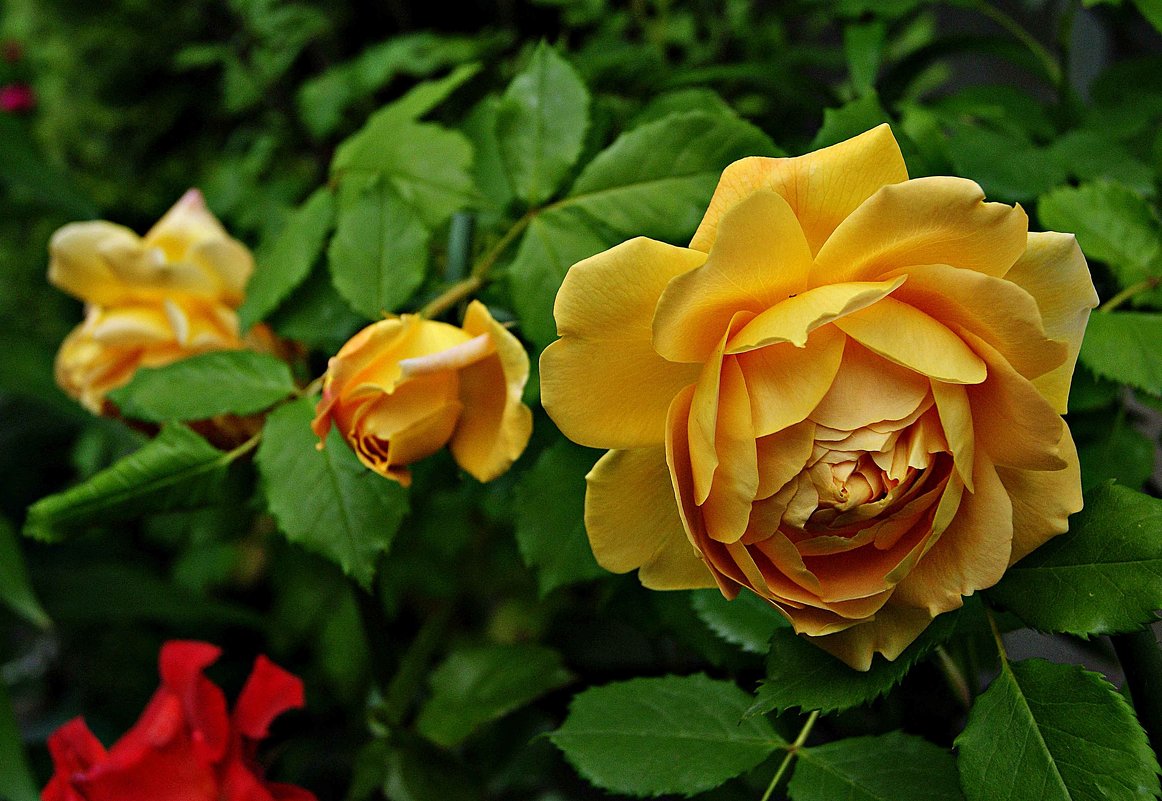
This variety can be used for both bush and climbing cultivation, thanks to its slightly drooping stems. It boasts gigantic, copper-yellow, ball-shaped flowers. Upon closer inspection, one can see that the dense, double petals receive their unusual color from the numerous pinkish spots on the yellow petals. It has a very pleasant, persistent scent and is considered one of Austin's most successful varieties. An excellent addition to mixed borders when combined with sage or lavender. It has good resistance to common diseases, but may be susceptible to black spot if it's common in the growing region. Therefore, it's important to take preventative measures for additional protection and to maintain immunity. |
Features of caring for indoor roses
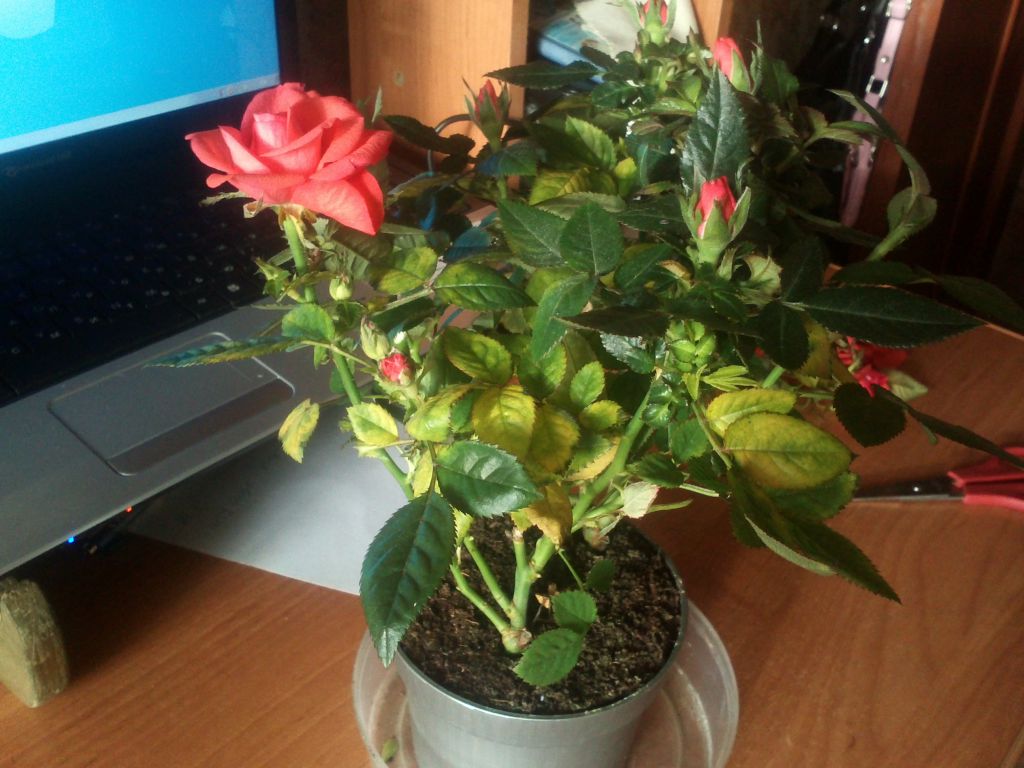
This plant requires special attention when grown indoors. It thrives best on east- and west-facing windowsills. Abundant flowering is only possible with adequate light and proper care.

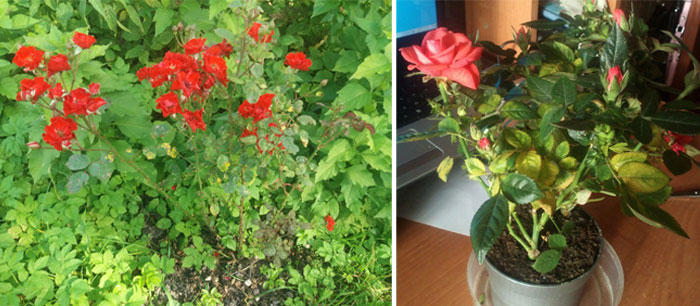
To avoid disease, you need to regularly inspect your rose for signs of illness. Indoor and outdoor roses have similar problems, so if your indoor rose's leaves are turning yellow and dropping, the same remedies will help as for garden roses (see above).
Please note! Yellowing and leaf drop most often occurs due to unfavorable growing conditions.
What should you do if your rose is losing leaves? Whatever the cause (pest, disease, nutrient deficiency, draft), proper care can help correct and prevent the situation:
- Do not use cold water for watering, it should be at room temperature.
- Roses do not tolerate drafts well; do not place the flower pot near regularly opened windows or vents.
- Maintain the required soil moisture level, preventing drought and water stagnation at the roots.
- In summer, if conditions are favorable, you can place the rose on a terrace, open balcony or outside.
- Do not exceed the dosage when using fertilizers.
- When buying a rose at the store, inspect the flower carefully. If there's even the slightest suspicion of disease, it's best not to buy it.
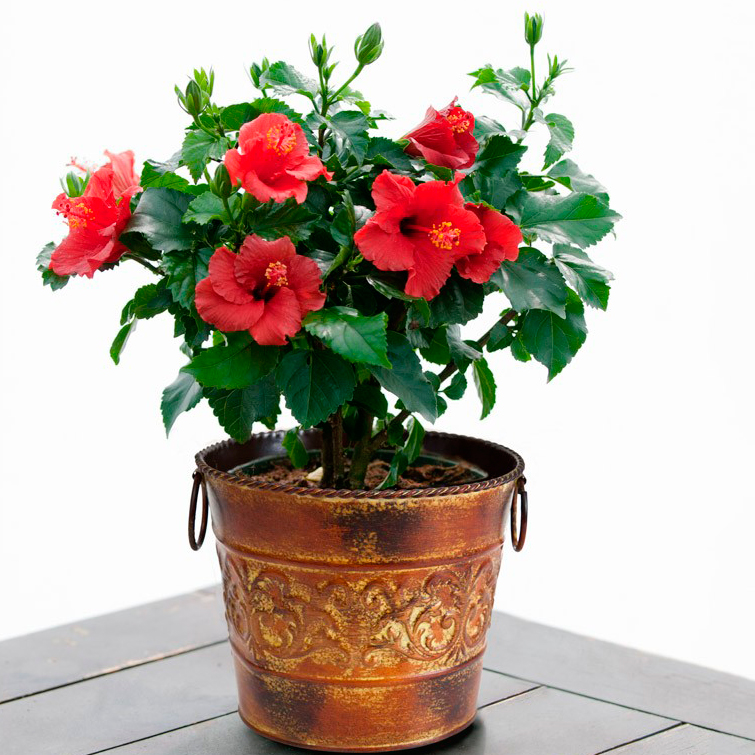
A very vibrant flower called the China rose is often grown indoors. This beautiful but very demanding plant belongs to the Malvaceae family and is not a rose. But if you're interested, read on. about caring for it on our website.
Tips and recommendations from Top.tomathouse.com
Our portal http://top.tomathouse.com reminds:
- Choose the right rose varieties that are suitable for your region and have strong immunity. See the relevant section of the article.
- To ensure roses grow well and bloom profusely, use properly prepared soil.
- When purchasing seedlings, pay attention to inspecting the stems – they should be smooth, uniform, and free of cracks and spots.
- Please note that high-quality seedlings have at least three shoots.
- Roses may be sold both with open root systems and closed ones, in special containers.
- Weak shoots with an underdeveloped root system are not suitable for autumn planting, as they may freeze and not survive the winter.
- You can plant roses with a closed root system that are already in a container even in the summer on not too hot days.
- Soils with neutral or low acidity are suitable for flowers.
- The planting hole should be at least 60 cm deep, since the bush’s roots go deep into the ground.
- It is best to plant from mid-April to the second half of May, when the soil has already warmed up sufficiently, or in the first half of October.
- Before placing the bush in the ground, trim any roots that are too long and remove any dry or damaged parts of the root system.
Important! Never trim or damage the filiform roots.
- Before moving the seedling into the soil, it needs to be kept in water for several hours.
- To stimulate the formation of new rose buds, old ones must be trimmed before they fall off on their own.
- To ensure that the plant receives more nutrients and absorbs them more easily from the soil, it must be loosened periodically and all weeds must be removed.
If you follow all the care and growing recommendations listed in this article, your roses will delight you with abundant blooms throughout the season.