
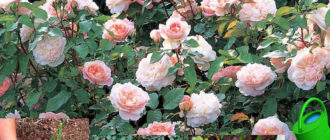
Climbing roses can beautify any garden plot. This garden plant can be seen in parks.
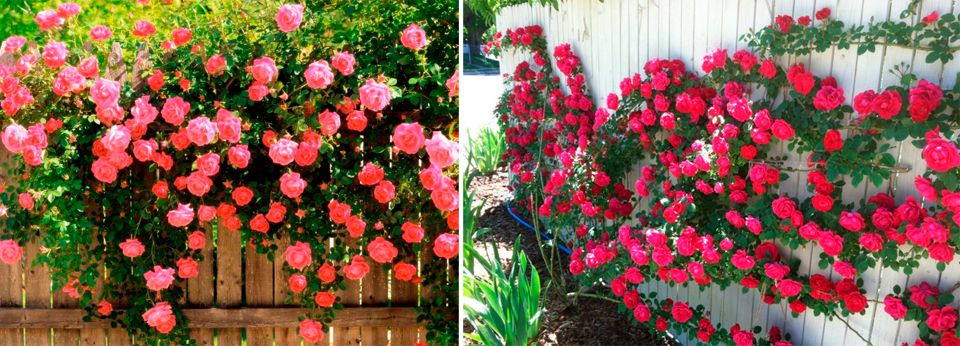
Its popularity is due to its velvety texture, alluring scent, and highly decorative qualities. Contrary to popular belief, caring for a climbing rose is quite simple.
Content
- 1 Description of climbing roses
- 2 Groups and varieties of climbing roses
- 3 Special varieties of climbing roses
- 4 Planting climbing roses in open ground
- 5 Optimal time and place for planting
- 6 Caring for a climbing rose in open ground
- 7 Reproduction
- 8 Wintering
- 9 Top.tomathouse.com warns: reasons why climbing roses don't bloom
Description of climbing roses
Among the distinctive features of this culture are:
- Impressive shoot length. This allows the nearby support to quickly become entwined with flexible branches. If done correctly, the gardener will receive a harmonious garden structure;
- A diverse range of colors. The plants resemble groundcover and park varieties. Roses begin to bloom in June;
- A subtle aroma. Its intensity is largely determined by growing conditions and varietal characteristics.
Groups and varieties of climbing roses
Climbing roses are divided into several groups. The determining factor is the plant's height. Semi-climbing varieties reach no more than 5 m, while climbing varieties reach up to 15 cm.
Roses can bloom once or multiple times, depending on the variety.
Rambler
Ramblers are climbing roses that are planted as decorative accents for arbors, facades, and other garden structures. Their flexible stems often reach up to 6 meters in length. These varieties require support.
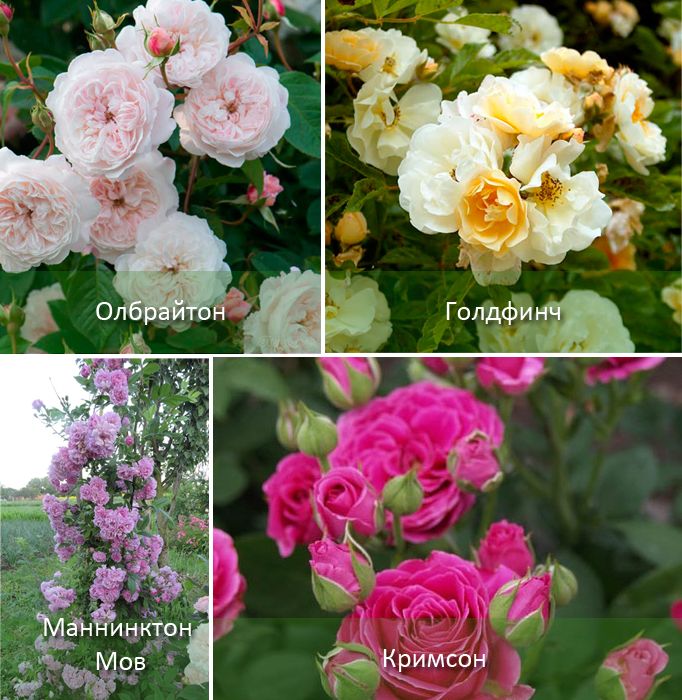
The foliage is mostly dark green. The double inflorescences are formed by neat rosettes. They appear only on last year's shoots. Experienced gardeners consider the only drawback to be the short flowering period, which typically lasts no longer than 7-10 days.
| Variety | Description |
| Crimson | Up to 4 m. Open flowers are less than 5 cm in diameter. Carmine-red roses are gathered in impressive inflorescences. Fragrance-free. |
| Albrighton | Creamy and soft pink buds are cup-shaped. The petals are arranged in waves, and the closer they are to the center, the smaller they become. The flower diameter is 5 cm. This variety is rain-resistant. |
| Mannington Mov | These dark lilac roses lighten noticeably with age. They are distinguished by their small size (no more than 3 cm). During flowering, the dense green foliage is covered with brightly colored flowers. The shoots are virtually thornless. |
| Goldfinch | The small leaf blades are emerald-colored. The strong, flexible stems are usually thornless. |
Climbers
This category includes repeat-blooming roses characterized by high winter hardiness. Many of these varieties can be grown in temperate climates. Climbers were created by breeding climbing varieties with floribunda, tea, hybrid, and everbearing roses.
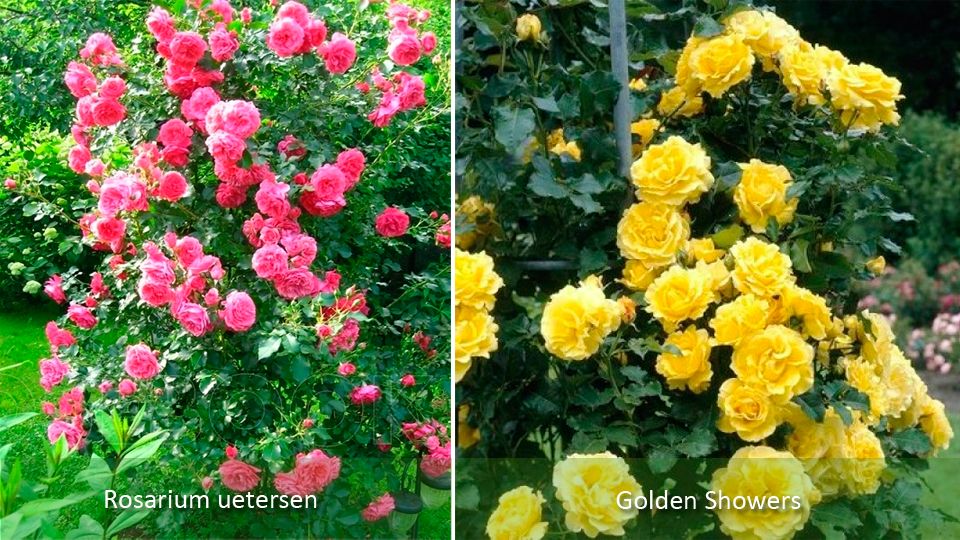
The varieties in this group are characterized by elongated branches and vigorous growth. Once fully bloomed, the roses form beautiful, delicate inflorescences.
| Variety | Description |
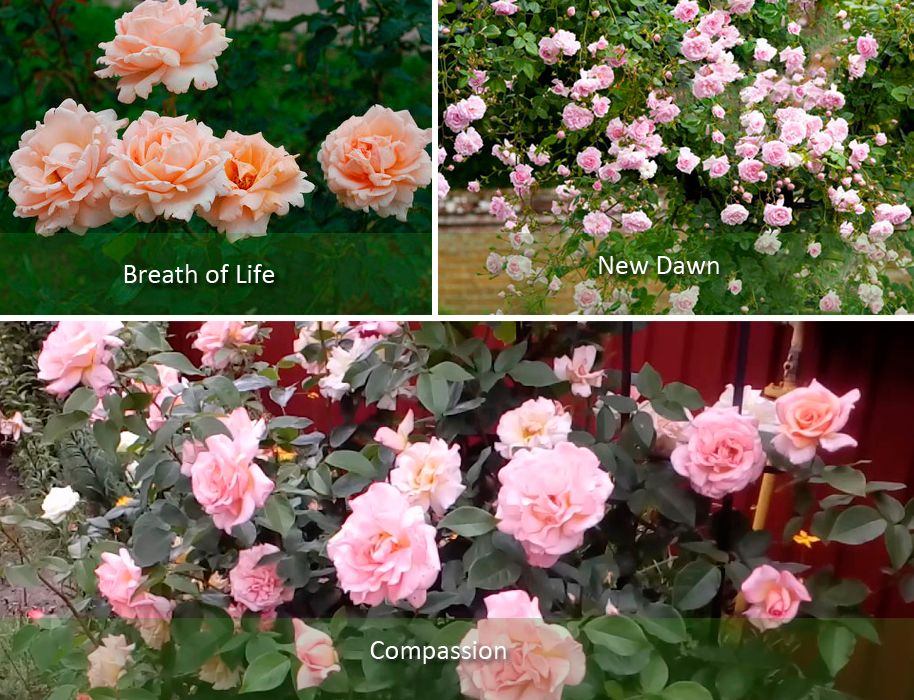
| New Dawn | The bush reaches a height of up to 2 meters. Slender shoots branch out in various directions. Due to the abundance of blooming roses, the branches droop downward during the flowering period. The leaves are greenish-gray, the intensity of the color depending on the light. |
| Breath of Life | The bush is formed by strong shoots. The large, delicate apricot-colored flowers range from 10 to 11 cm in diameter. Each inflorescence consists of three buds. Rainy weather causes the delicate buds to turn brown. |
| Golden Showers | Height varies from 2 to 3 meters. Vigorous stems bear deep green leaf blades. Semi-double buds are composed of wavy petals. At the beginning of the flowering period, they are bright yellow. Later, the roses turn creamy. |
| Compassion | The bushes grow no taller than 3.5 m. They are formed by upright stems with numerous thorns on their surface. The double, delicate apricot-colored buds emit a strong, sweet aroma. |
| Rosarium uetersen | Green leaves provide a backdrop for large flowers formed from double petals. The flowers are characterized by good winter hardiness. |
Climbing
The climbing branches of these roses are more rigid than those of other varieties. The shoots typically reach 2-3 meters in length. Gardeners often arrange the climbing branches in a fan shape.
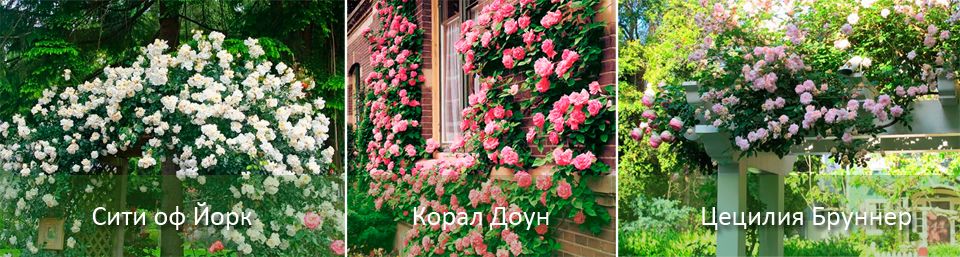
Obvious advantages include disease resistance and frost hardiness. This makes this garden plant a popular choice for decorating pergolas, arches, and other vertical surfaces.
| Variety | Description |
| City of York | Height: up to 7 m. Flexible shoots covered with thorns, white-cream flowers decorated with golden speckles. Foliage is bright green. The roses exude a pleasant fragrance. |
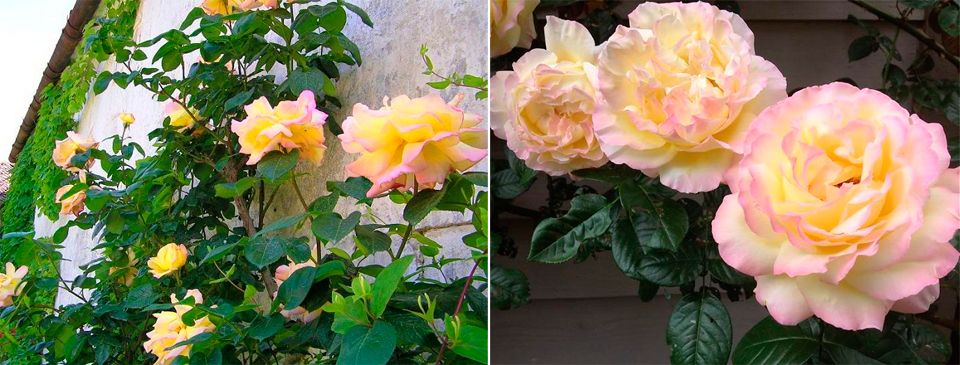
| Gloria Day | No taller than 3 m. Rich green leaves, yellow-cream double flowers. Their diameter varies from 11 to 15 cm. The branches are thorned. |
| Coral Dawn | Double, spherical inflorescences of a pink-coral hue. Long and abundant flowering, high winter hardiness. |
| Cecilia Brunner | Height: over 4 m. Branches covered with green foliage. Roses are made up of double petals. |
Cordes
Roses from this category are characterized by the following features:
- powerful bushes;
- re-flowering;
shoots, the length of which ranges from 1.5 to 3 m.
These flowers are often classified as semi-climbing.
| Variety | Description |
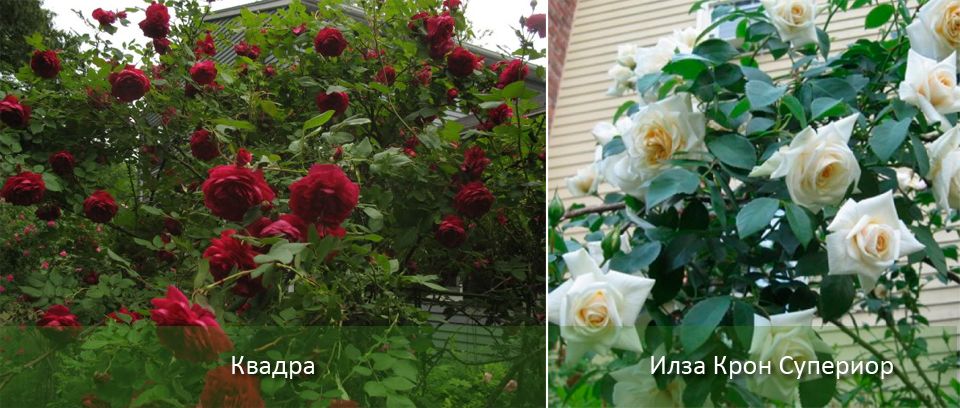
| Quadra | The bush grows up to 1.8 m in height and 1 m in width. The bright red flowers can be borne separately or together. |
| Ilsa Kron Superior | The flowers are goblet-shaped and reach a height of 2-3 m. The clusters are composed of beautiful white roses. |
Winter-hardy varieties of climbing roses
Frost-resistant varieties are especially popular.
Their list is quite extensive.
| Variety | Peculiarities | Flowers | Application |
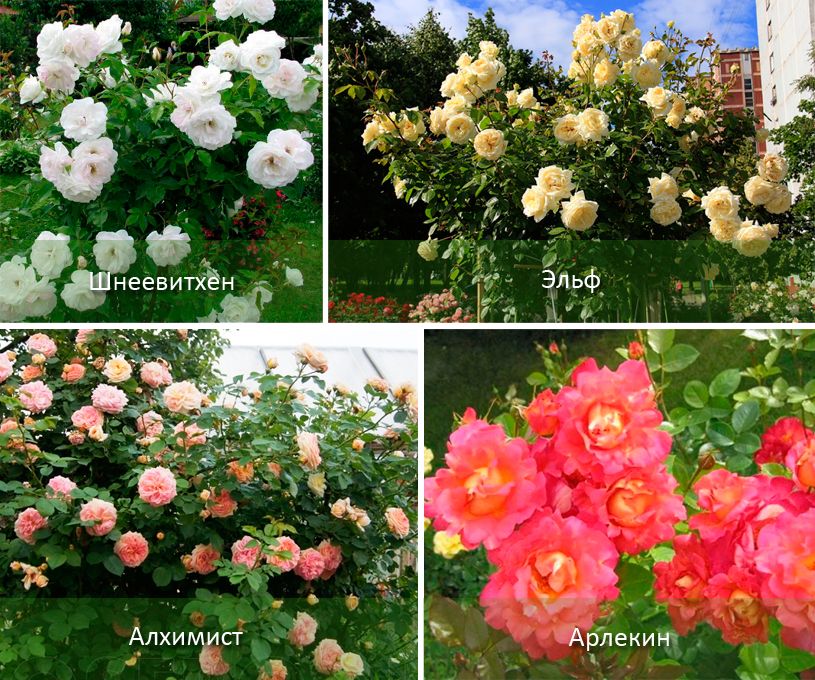
| Harlequin | Short flowering period. | White center and petals decorated with pink outline. | Landscape design. |
| Alchemist | Difficult to grow, short flowering period. Strong aroma and numerous thorns. | Golden yellow. | Design of garden buildings. |
| Schneewitchen | Creeping shoots are light green, glossy foliage, sweet aroma. | Snow-white, semi-double. Diameter: 5 to 9 cm. | Decoration of tall buildings. |
| Elf | Persistent fruity scent. | White with a greenish tint. Wavy flowering. | The buds are medium-sized. Decoration of the garden plot. |
Varieties of continuously flowering climbing roses
These varieties require more careful care.
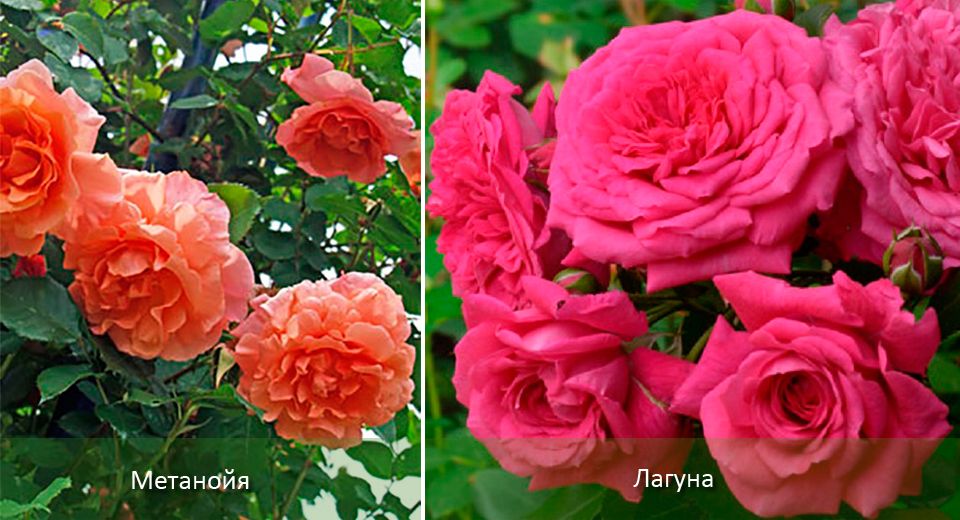
The popularity of varieties characterized by continuous flowering is often explained by their high decorative value.
| Variety | Description | Flowers |
| Lagoon | Distinguishing features include a strong floral fragrance. The bush reaches 2-2.5 m in height and requires dense cover. | The clusters are formed from large, velvety roses. They can be light pink or red. |
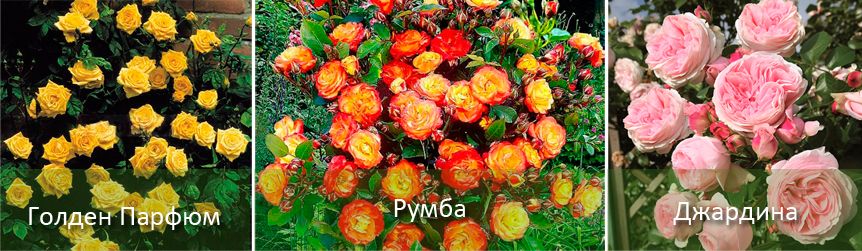
| Rumba | The length of the shoots varies from 1 to 3 m. They are resistant to sudden changes in temperature. | Painted in gold and pink shades. |
| Golden Perfume | Alluring smell, lack of winter hardiness. | The diameter of a yellow rose does not exceed 12 cm. |
| Metanoia | Light, unobtrusive aroma, the bush is distinguished by its lushness. | Large orange and salmon buds. |
| Jardina | No thorns, fruity aroma. | Pink peony-shaped buds, collected from densely double petals. |
Special varieties of climbing roses
Among gardeners, varieties that are distinguished by their winter hardiness and constant flowering are quite popular.
| Variety | Flowers | Peculiarities |
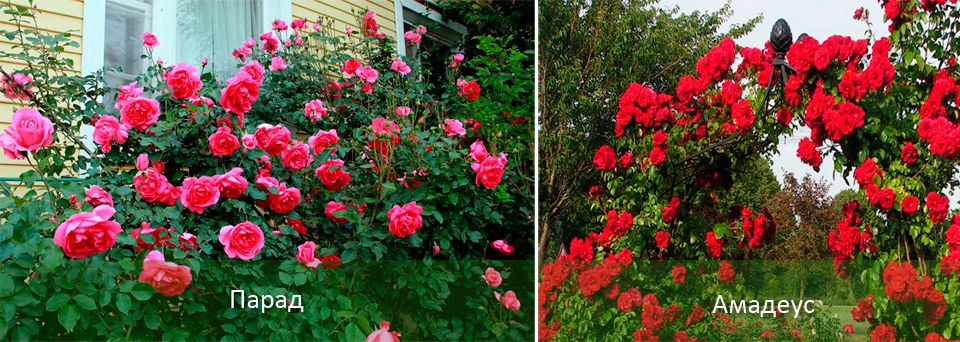
| Parade | Roses characterized by a variety of colors and an oval shape. The diameter does not exceed 10 cm. The buds can be arranged either together or separately. | A lush bush with thin emerald-colored leaves. The plant grows to a height of no more than 3.5 m. |
| Amadeus | Red, impressive size. | Richly fruity scent. The bush reaches 6 m in height. |
Climbing rose varieties by color range
The shade is taken into account when choosing suitable varieties.
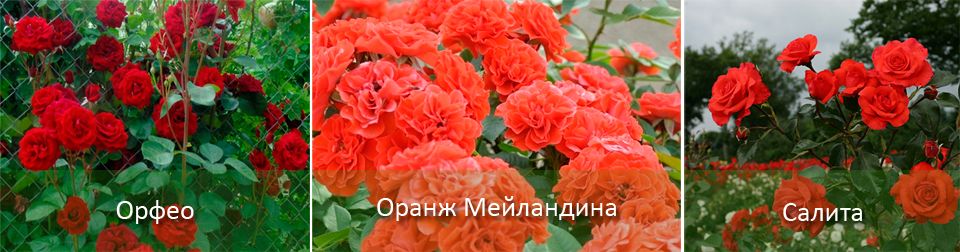
Roses are planted to decorate decorative buildings.
The rich color of the leaves and the brightness of the buds will make any garden arrangement unique.
| Color | Variety | Description | Peculiarities |
| Reds | Orfeo | Scarlet roses, the diameter of which does not exceed 10 cm. | Strong spicy aroma. Needs additional protection. |
| Orange Maylandina | Small red buds, bush, height of which is 2 m. | Frost-resistant, faint floral scent. | |
| Salita | The petals are colored in shades of salmon-orange and red. The buds resemble hybrid tea varieties. | Rich fruity scent, continuous flowering. | |
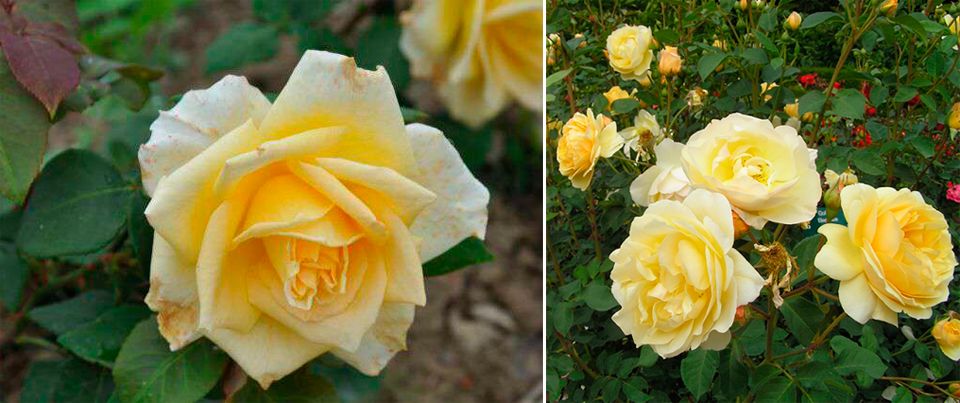
| Yellow | Elegance | Double roses are distinguished by their large size. Each bud contains 40 to 60 petals. The stems are covered with thorns. | High winter hardiness, fragrant aroma. The plant requires shelter. |
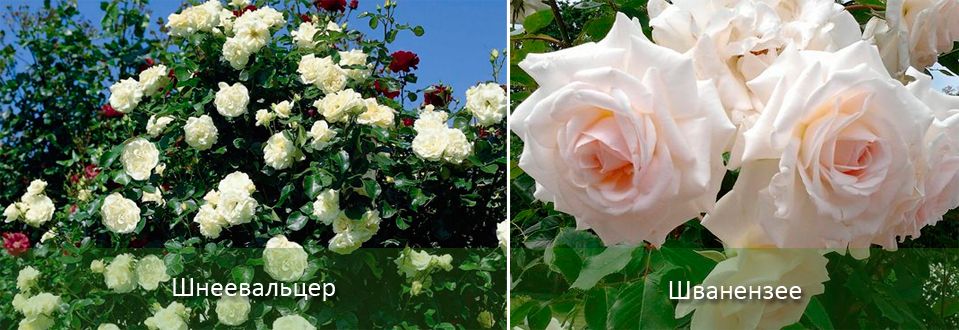
| Whites | Schneewaltzer | The pearly petals have a velvety texture. Yellow highlights can be seen near the center. The roses reach 18 cm in diameter. | They last a long time when cut. |
| Schwanensee | The diameter of the rose is from 6 to 8 cm. The length of the shoots is no more than 6 m. | Continuous flowering, requires timely pruning. | |
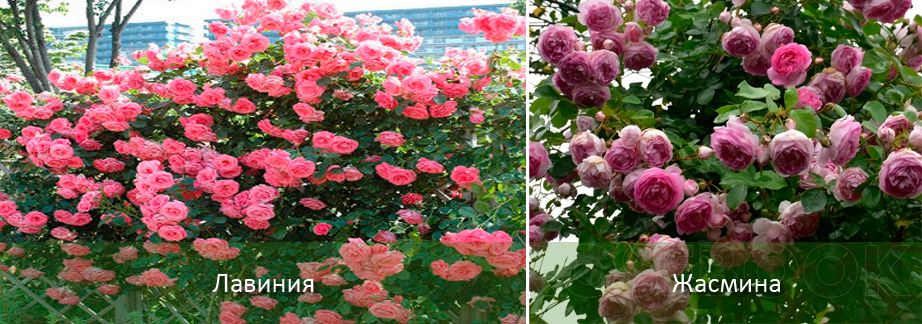
| Pink | Lavinia | Bright pink small buds. | Average frost resistance, long budding period. |
| Jasmine | Roses are characterized by a lilac-pink color. | Fragrant sweet smell, large number of flowers. | |
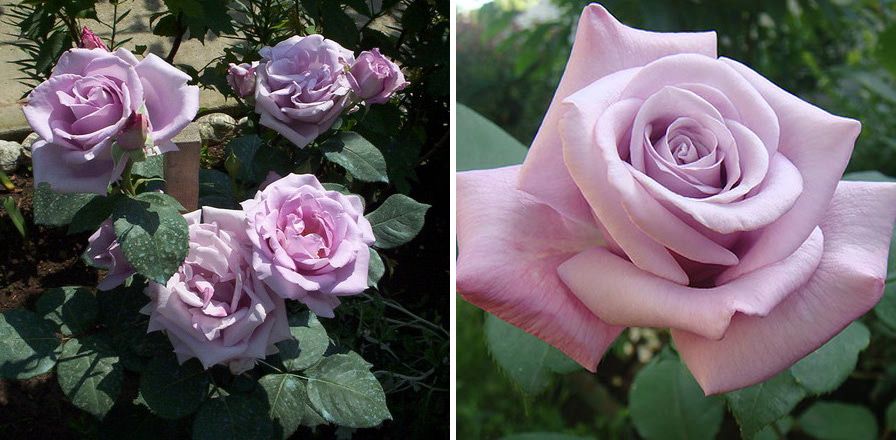
| Blue | Indigoletta | Large lilac velvety buds. | It does not take root well in the middle zone. |
| Blue Moon | The diameter of flowers is no more than 12 cm. | Coloring depends on lighting. |
Planting climbing roses in open ground
To ensure abundant flowering, gardeners must regularly carry out all gardening procedures. Climbing roses are considered plants that do not tolerate excessive moisture and drafts. The garden bed should be sloped to allow excess water to drain. The roots are 2 meters long.
Climbing roses are often planted along walls and fences. They thrive if there is at least 60 cm between the structure and the root system. Cones, fences, posts, netting, arches, and pergolas are also used for support.
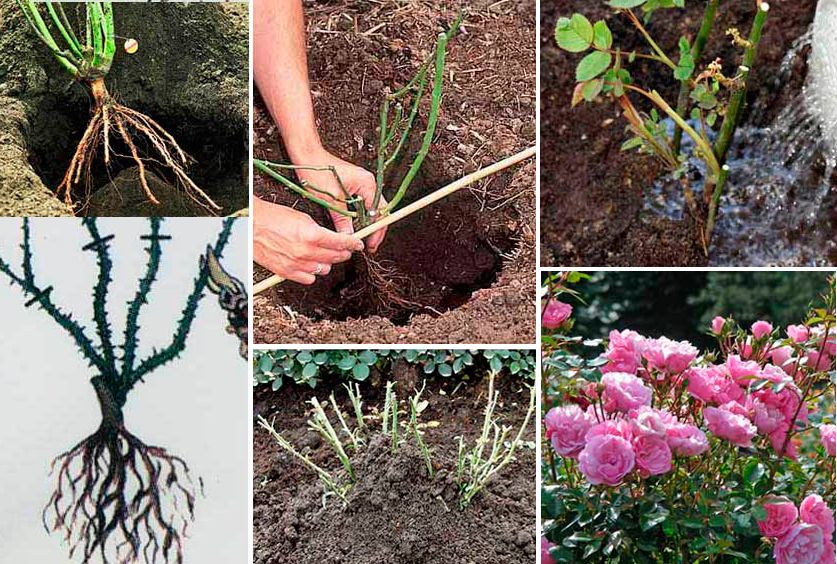
The landing algorithm is quite simple:
- The required number of holes are dug in the selected area.
- A nutrient mixture, which can be peat compost, is placed into each of them.
- The plants are carefully planted in prepared holes and watered with warm water.
- At the final stage, the soil must be compacted.
Optimal time and place for planting
The site is chosen based on the plant's needs. It should be well-lit and ventilated. Sandstone and heavy clay soils are unsuitable. The same applies to marshy soil.
In the temperate zone, planting takes place at the end of the first month of autumn. In northern regions, the crop is planted in the spring. The soil should be prepared two months before planting.
Autumn planting
This method has its advantages and disadvantages. The former include:
- Temperature stability.
- Favorable conditions for faster rooting of climbing roses and growth of green mass.
- Variety of planting material and low cost.
Rose varieties that bloom in spring are recommended to be planted in autumn.
Spring planting
In this case, the climbing rose is planted outdoors in early spring. This is due to the following reasons:
- The kidneys are in a dormant state.
- The soil is sufficiently moist.
- The temperature rises gradually.
The disadvantages include the plant's weakness and poor adaptation. Climbing rose bushes planted in the first months of spring lag two weeks in growth.
Caring for a climbing rose in open ground
Garden plants require loosening and watering. Roses should be planted near a support structure. If suitable structures are unavailable, metal arches can be used. During fall replanting, the upper part of the bush should be tied with twine.
Watering
During drought, the rose plot should be watered no more than once every 5 days. Three weeks after planting, remove excess soil from the bush. Watering should be increased during the growing season. The recommended watering rate for each mature plant is 10 to 12 liters. The soil should be loosened and mulched the day after watering.
Top dressing
This stage is especially important for climbing roses. Nitrogen-containing fertilizers should be alternated with combined mixtures. Plants are fed no more than twice a month. Instructions for use are included with each product. Roses need not only minerals but also organic matter.
In this case, you'll need fertilizers called "Tsvetochek" and "Ideal." These can be purchased at a specialty store. You can also make your own mixture. Ingredients include wood ash and mullein. In July, the soil is fertilized with potassium and phosphorus supplements.
Support
Arches are particularly popular. To achieve the desired decorative effect, at least two bushes are planted at their base. By the second year, the structure will be completely covered.
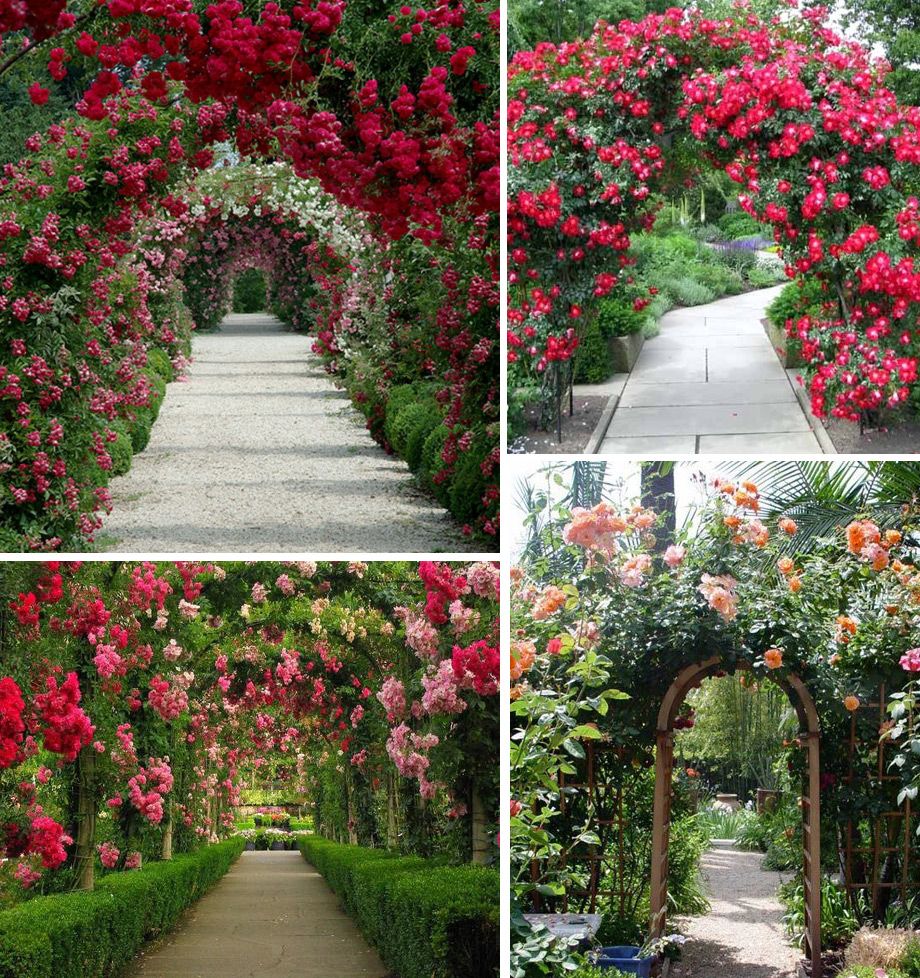
Flowering bushes can be tied up in several ways:
- fan - lateral shoots are not tied up;
- horizontally - the branches are carefully attached to the support so that new shoots rise upward;
- in a spiral - the stems are twisted around a decorative device.
Transfer
This is best done in September. If the cultivation is scheduled for later, the plant will not adapt to the cold. To remove the root system from the soil, dig around the plant. After removing excess soil from the roots, the rose should be transferred to a new hole.
Trimming
The timing of this procedure depends on when flowering begins. Pruning shortens the shoots by 30 cm. Stems are removed as the bush's crown is forming. The same is done with branches that thicken the crown and withered buds. By pruning, the gardener ensures the plant's thermal insulation before wintering. At this stage, foliage and old shoots are removed.
Reproduction
Climbing roses are propagated by grafting, seeds, layering, and cuttings. The latter are used more often than others. Seeds should be purchased from a store. Seeds grown in a garden will not produce the desired harvest.
Seeds
First, the seeds are soaked in hydrogen peroxide. This prevents mold. After half an hour, the seeds are removed and spread on a cotton napkin. Cover them with a cotton pad soaked in the same solution. After the seeds germinate, they are transferred to cups filled with potting soil.
Cuttings
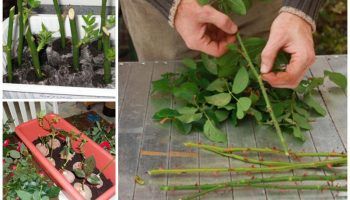
They are pruned in midsummer. Suitable branches are selected first. The next step is to determine the cut points. The top cut is made straight, the bottom at a 45-degree angle.
The treated cuttings are placed in containers filled with a mixture of soil and sand. The top is covered with a glass jar. To speed up rooting, the cuttings are watered regularly.
Layering
Cuts are made on the shoot just below the buds. Humus is placed at the bottom, followed by a layer of fertile soil. The next step is bending the selected shoot down. Metal staples are used to secure it. The plant is then buried, with the top exposed.
Graft
Climbing roses are most often grafted onto wild roses. The procedure is performed in late July or early August. The procedure is quite simple:
- Rose hips are watered generously.
- They cut the neck.
- An eye taken from a plant is placed into the resulting pocket.
- The treated area is wrapped in a special film.
- The bush is hilled.
Wintering
Before the cold weather sets in, climbing roses are pruned and deciduous. This leaves healthy shoots on the bush.
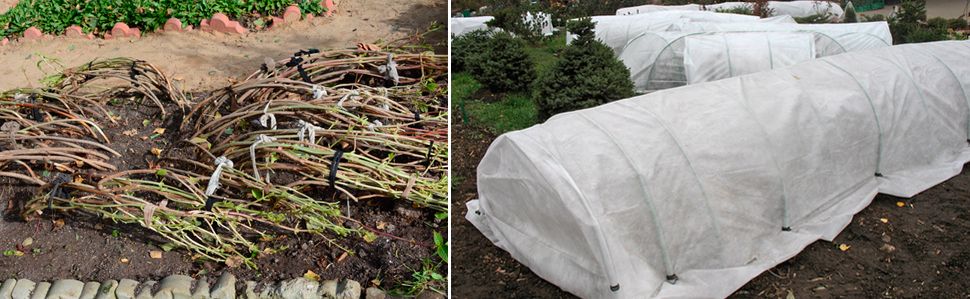
The branches are carefully removed from their supports and covered with spruce branches. To enhance thermal insulation, film or agrofibre is used. The covering is removed in the spring.
Top.tomathouse.com warns: reasons why climbing roses don't bloom
If a climbing rose doesn't bloom on time, the gardener should analyze their actions. It's quite possible that the problem is caused by their own mistakes.
| Cause | Preventive and treatment measures |
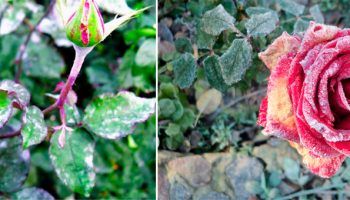
| Diseases | Timely spraying with Bordeaux mixture. Adding fertilizers containing potassium and superphosphates. Affected branches are removed. |
| Extra branches | Regular removal of wild shoots. |
| Insufficient thermal insulation | If done correctly, the rose will not be harmed by temperature fluctuations or humidity. Moderate watering and potassium-rich fertilizers are essential. Loosening the soil should be avoided. |
| Excessive nitrogen concentration | This element stimulates accelerated growth of green mass. To avoid negative consequences, nitrogen-containing fertilizers should be avoided. |
Thanks to the wide variety available, every gardener can find a suitable variety. When choosing, consider the plant's color, size, shape, height, and configuration. Particular attention should be paid to qualities such as resistance to adverse weather conditions and flowering time. Climbing roses are often used for horizontal and vertical gardening.
How beautiful they are! Magnificent site.
I have four bushes, but they all have thorns. I've never seen anything like that before. Maybe you have some information?