Powdery mildew is the main enemy of currants. This disease is caused by the microscopic parasitic fungi Sphaerotheca morsuvae, which are also dangerous to gooseberries. The development of large numbers of spores can even lead to the death of the bushes. Therefore, prevention and control measures are paramount for gardeners who want to preserve their harvest and are looking for a non-toxic treatment for the plant. It is important to keep in mind that products that are effective for other crops and flowers, such as roses, may not be effective against powdery mildew on currants.
Content
Causes and signs of powdery mildew on currants
This disease is caused by fungi that, after spending the winter in the soil, attack plant parts close to the roots in the spring with the onset of warm weather, gradually spreading upward. Spores and ulcers form on the leaves, causing the foliage to dry out and die.
If measures are not taken to save the plant, by mid-summer the infection will spread throughout the entire bush, reaching the fruits, which will begin to dry out and crack.
The causes of powdery mildew can be considered:
- lack of sufficient sunlight;
- high level of air humidity from 60%, sometimes this value can be slightly lower;
- excess nitrogen in the soil more than 600 g per 100 m2;
- lack of potassium and phosphorus;
- dense planting of bushes;
- incorrect watering: the amount of liquid is exceeded or severe over-watering follows a long drought;
- Plants are most vulnerable during the first 16-21 days after foliage appears;
- infected water.
All these factors significantly weaken the currant plant's immunity, leading to the development of the disease. Gardeners can also transfer spores to healthy bushes simply by touching the diseased plant.
This also applies to tools, gloves and other equipment used.
You can tell if your currant is affected by powdery mildew by the following signs:
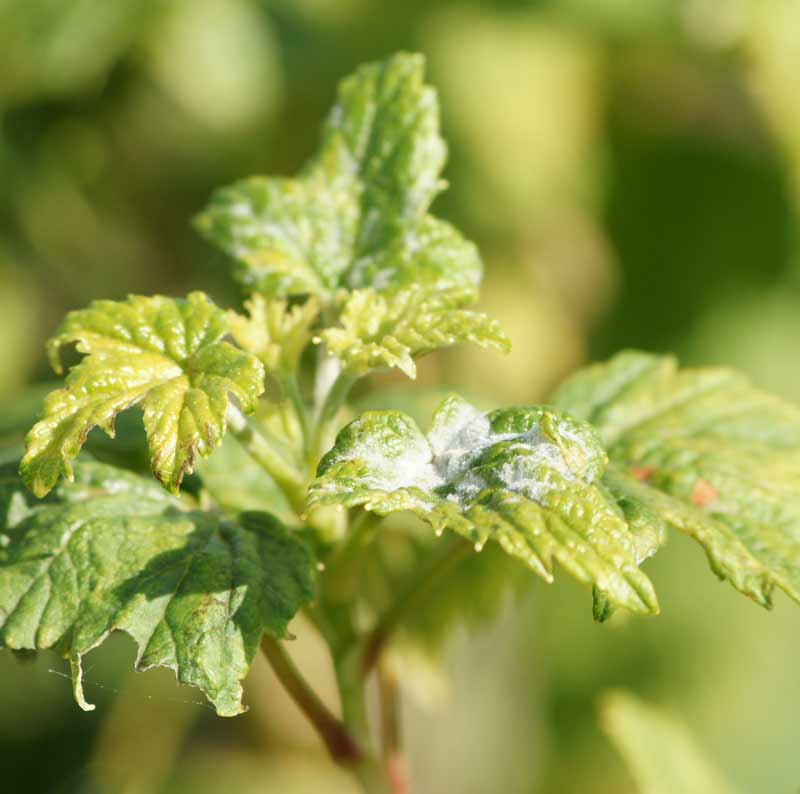
- A white mycelial coating forms on the front side of the leaves.
- The bush's photosynthesis is impaired. Damaged foliage becomes hard, and in severe cases, curls and falls off. New growth emerging from the buds appears twisted and develops abnormally.
- Shoot growth stops, they begin to twist and become deformed, and the upper parts dry out. As the spores mature, droplets of liquid form, and the spots turn brown, developing small, invisible ulcers.
- Frost resistance decreases.
- The berries are covered with a floury coating and are inedible.
The main symptoms of the disease are similar for both red and black currants. Powdery mildew is dangerous for both species. However, there are some differences that need to be understood and, based on these, the right solution found.
On black
Blackcurrants are more susceptible to the disease. If proper measures are not taken to control powdery mildew, most of the crop will have to be discarded. Key signs to look out for include:
- the appearance of a thin white layer on leaf blades, shoots and forming fruits;
- as the disease progresses, the spots will begin to change color and acquire a gray tint;
- the greenery loses shape, becomes distorted and crumbles;
- The berries lose their rich color and become faded or brownish-brown.
On the red
Red currants are less susceptible to this disease than black currants. However, they do exhibit the characteristic signs that give powdery mildew its name:
- At the early stage, it is a coating similar to flour, it can be easily wiped off with your fingers, but after a while it appears in larger volumes, and it is no longer possible to remove it mechanically;
- When the infection is severe and the fungal colonies increase, the leaf blades become wet and covered with drops of liquid.
Treatment of currants from powdery mildew
Powdery mildew is currently a dangerous disease, but it has been well studied, allowing for the rapid development of a suitable treatment. For best results, a combination of different medications and preventative measures is necessary.
Many products work in the following way: first, they stop the development of the fungal colony, and then, in the second stage, they locally neutralize the spores.
Folk remedies for combating powdery mildew
Many gardeners prefer folk remedies to chemicals when combating powdery mildew, believing them to be safer for themselves and their plants. However, this is only effective in the early stages of infestation and as a preventative measure. You can find the right recipe using the table:
|
Means |
Preparation |
Features of use |
| Onion | Tincture of the husk with water for several hours. | Preventive measure. |
| Tansy | 300 grams per bucket, leave for 2 days and heat up. | |
| Ash | For 7-8 liters 0.5 bucket, boil for 30 minutes. | To ensure better adhesion to the leaf blades, add soap. You can also water the soil. |
| Soda | 2 tsp vegetable oil 1 tsp per 2 l | 2-3 times, every 1.5 weeks. |
| Serum | 1 liter per 10 liters | Protein and fat defeat mycelium. |
| Horsetail | 100 g per liter. | Let stand for an additional 24 hours. |
| Rapeseed oil | 10 ml | The number of spores is significantly reduced. |
| Dry mustard | 2 tbsp per bucket. | Use chilled once every 5 days. |
| Manure | Dilute 1/3 of a bucket per 10 liters in a ratio of 1:10. | Fresh solution is required before each use. |
| Garlic shoots | 0.5-1 kg, pour in liquid, leave for 24 hours. | Both sides of the leaf should be sprayed. |
| Copper and soap | 1 teaspoon per cup of water | It acts effectively and quickly. |
| Potassium permanganate | For 10 liters 0.5 tsp. | Prevents the spread of infection. Intervals between treatments are 5-7 days. |
| Iodine | 9 l, 1 ml and 1 l of milk | Use once every 2 weeks. |
Biological products for combating powdery mildew
This group of products contains bacteria and viruses that interact with pathogenic fungi and suppress their microflora. They are not harmful to the treated plants, pets, or humans. The main representatives are listed in the table:
|
Means |
Dose (ml) | Application |
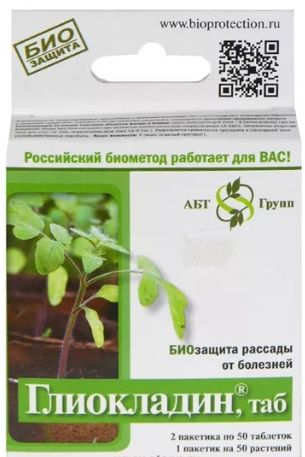
| Glyocladin 2%
|
3-4. | Treat 1% every 14 days. |
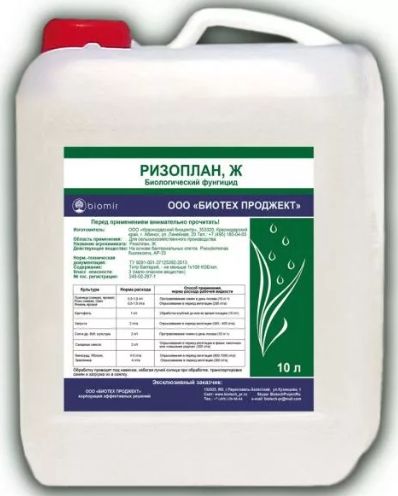
| Rhizoplan
|
0.5. | Good for preventative purposes. |
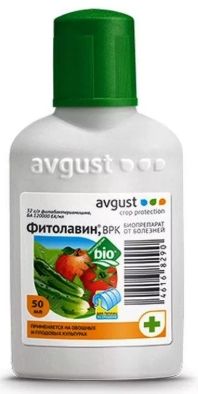
| Fitolavin
|
2. | Increases yield in just a few applications. |
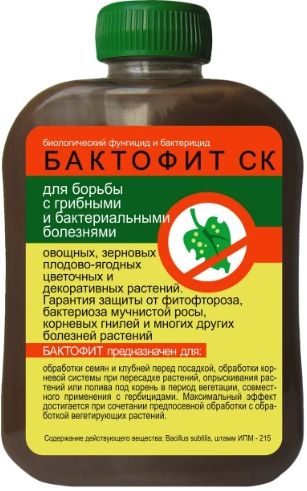
| Bactericide (for example, Baktofit)
|
2 tablets per liter. | Spraying leaf blades, for better adhesion it is recommended to add 1 ml of soap. |
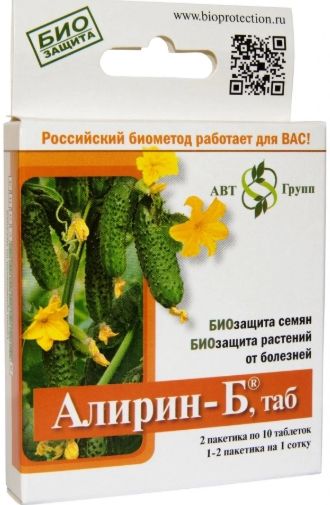
| Alirin-B
|
0.2. | |
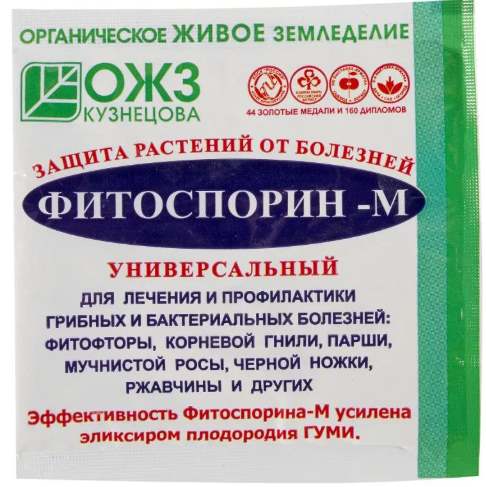
| Fitosporin-M
|
Liquid form: 1 tbsp per bucket or 200 g paste per 2 cups. | A universal product for treating plants and soil. |
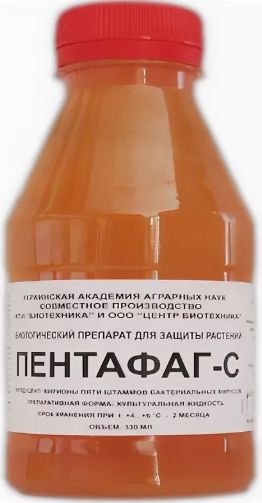
| Pentafag-S
|
100-200 per 10 liters. | Suitable for root and foliar use. |
Chemicals against powdery mildew
When homemade infusions and biological preparations don't produce the desired effect, or currants are severely affected by powdery mildew, it's time to resort to chemicals. The table below will help you choose the appropriate treatment:
| Means | Preparation (g per 10 l) | Features of application |
|
Fundazol
|
10. | Broad-spectrum, non-toxic. Requires 3 doses every 10-14 days. |
|
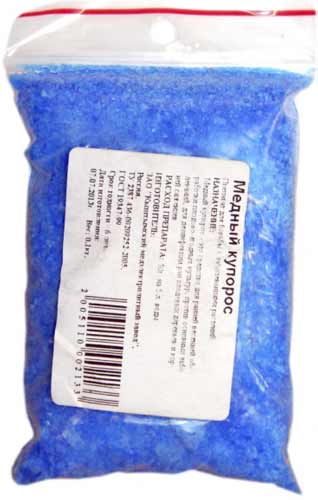
Copper and iron sulfate
|
Processing in spring. | |
| 30. | ||
|
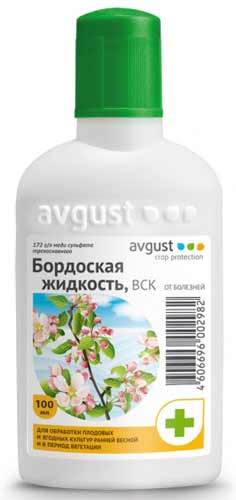
Bordeaux mixture (1%)
|
Formation of buds. | |
|
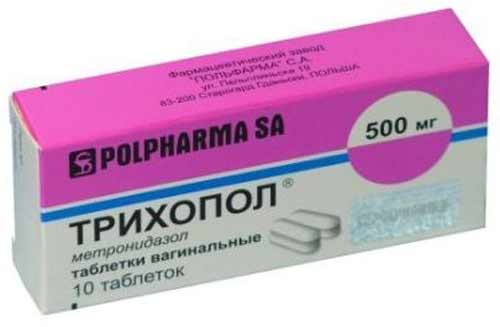
Trichopolum
|
1 tablet per 2 liters. | Spraying the soil and plants. |
|
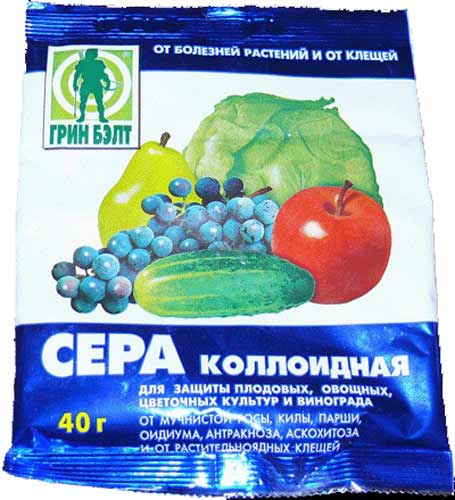
Colloidal sulfur
|
20-40. | Maximum efficiency is achieved at a temperature of +26…+32 °C. |
|
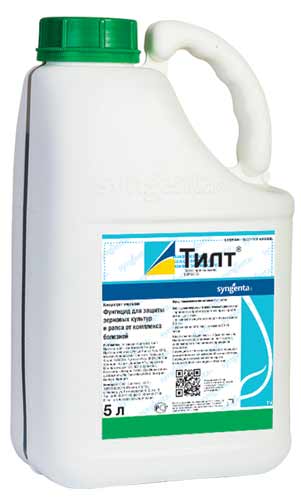
Tilt KE
|
0.4-0.5 per liter. | It is necessary to dilute the solution freshly before each use. |
|
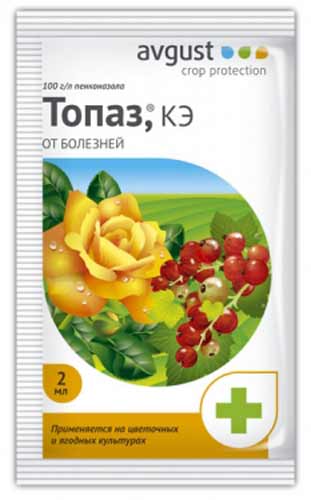
Topaz
|
2. | Non-toxic to bees and birds and moderately toxic to humans. |
|
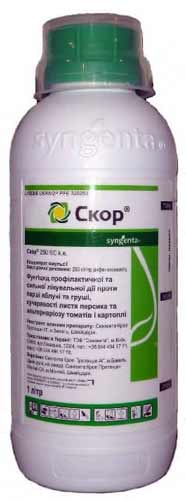
Skor
|
1. | Rain resistant. |

When using fungicides, it's important to remember to rotate them, as the disease becomes resistant to a particular treatment with prolonged use. However, these treatments are ineffective unless the gardener follows a few simple rules:
- The affected areas identified must be cut off and removed;
- wash the remaining parts with a hose;
- remove the top layer of substrate under each affected plant;
- When spraying, strictly follow the instructions for use;
- If necessary, perform 2 more treatments.
Strong preparations should be used with caution, especially during the period before ovary formation.
Prevention of powdery mildew in currants
To prevent currant disease and its control from causing problems for gardeners, preventative measures are very important:
- clear the area of last year’s debris and weeds as needed;
- treat plants with a solution containing soap and ash, another remedy is copper sulfate;
- regularly examine for the first signs of disease;
- disinfect newly purchased seedlings and soil.
You can also adjust the plant's growing conditions:
- water only after the substrate is completely dry;
- In spring, prune dense bushes and plant specimens that are too close to each other;
- add fertilizers containing phosphorus and potassium or exclude them altogether;
- tear off leaf blades located very close to the ground;
- observe crop rotation;
- Give preference to varieties resistant to powdery mildew.
These actions will help prevent disease and provide the plant with protection for the entire season.
Timing of treatments against powdery mildew on currants
Currants need to be sprayed three times during the growing season. It's important to do this correctly and promptly, following this sequence:
- Spring is the best time to treat the plant: the preparations cause minimal harm and actively combat fungal spores, preventing them from forming.
- In summer, when flowers and berries are abundant, care must be taken to avoid using strong chemicals, which can leach into the fruit and ingest, causing poisoning.
- In the fall, after harvesting and removing cut parts of the plant to prevent infection in the next season.
To apply the solution, generously wet all leaf surfaces with a spray bottle or wide brush. This should be done in the evenings on clear, dry days, at least once a week, for a month.
Top.tomathouse.com recommends: currant varieties resistant to powdery mildew
Gardeners often look for varieties that are less susceptible to this disease. Good immunity will reduce treatment time and ensure a bountiful and abundant harvest. Thanks to the work of breeders, a sufficient number of currant varieties have been developed that are resistant to powdery mildew. The key characteristics of the best varieties can be found in the table:
| Name | Bush height (cm) | Fruit weight (g) | Peculiarities |
| Binary | 170-190 | 1.2-1.4 | Suitable for cold regions, with a sour taste. |
| Summer resident | 80-120 | Unpretentious, resistant to pests. | |
| Ilya Muromets | 200 | 1.8-3 | Large berries. |
| Temptation | 120-150 | 1.7-2.5 | Sweet taste, high in vitamin C. |
| Selechenskaya | 2.5-4.5 | Successfully tolerates frost. | |
| Titania | 1.5-2.5 | Suitable for preparations, keeps well. | |
| Ceres | 100-120 | ||
| Kupalinka | 170-190 | 1.4-1.8 | Compact, not spreading bush. |
| Charm | 150-180 | 1.8-2.2 | High yield. |
When the first signs are detected, the gardener must take measures to reduce the number of fungal spores and protect the bushes and berries.
Powdery mildew is a serious currant disease that develops when plants are neglected. However, by understanding the early signs of the disease and choosing an effective method to combat the fungus, you can not only cure the plant but also save most of your harvest.