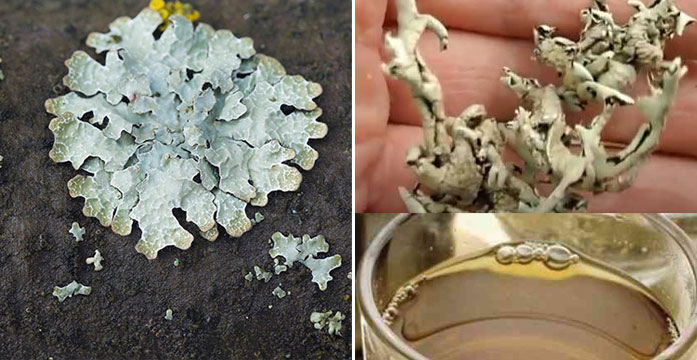
The natural edible lichen Parmelia has been used to treat various ailments since ancient Greece. Initially, its disinfectant properties were discovered. Later, it was used to treat coughs and ulcers. Today, this plant also plays an important role in alternative medicine. Let's explore its appearance, medicinal properties, and contraindications.
Content
- 1 Description of Parmelia
- 2 Types of Parmelia
- 3 Medicinal properties of Parmelia
- 4 Parmelia in folk medicine
- 5 Growing Parmelia at Home
- 6 Harvesting and storing parmelia
- 7 Comparison of Parmelia wandering (cut grass) and Cetraria islandica (Iceland moss)
- 8 Real reviews about the use of Parmelia for treatment
- 9 Conclusion
Description of Parmelia
Parmelia (reindeer moss, lichen, or bacide) belongs to the unique plant family Parmeliaceae—a symbiosis of chlorella and fungi. Similar relationships are observed in other lichens, such as the Cladoniaceae. This unique form of life involves fungi and algae feeding off each other. They benefit equally, receiving equal amounts of nutrients, which allows them to thrive.
A distinctive feature of this genus of living organisms (Parmelia) is their structure. They have no division into stems, roots, and leaves. They form a single, continuous body called a thallus (podetia, or thallus). This is a colony of leathery, heavily branched lobes. They are glabrous and deeply serrated. They can be wide or narrow, with a smooth or wrinkled surface. The thallus is most often foliated, but bushy varieties also occur.
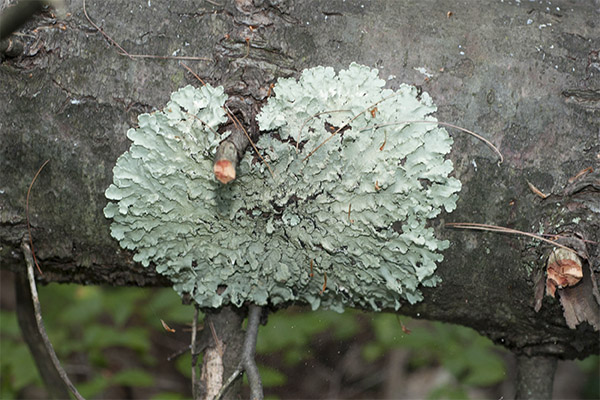
Parmelia's lobes are turned toward the light. Fruiting bodies are located on the underside. They are colorless, long, and shaped like a wide ellipse. The immotile spores are straight, cylindrical, or spindle-shaped.
This species of lichen is described as growing on deciduous or coniferous trees. It can also attach to dead wood, fences, wall surfaces, and even rocky ground. Unlike sphagnum moss, it prefers sunny rather than damp locations. Podetia adheres securely to the surface on which it grows. The lobes can lie flat against the ground or rise toward the sun.
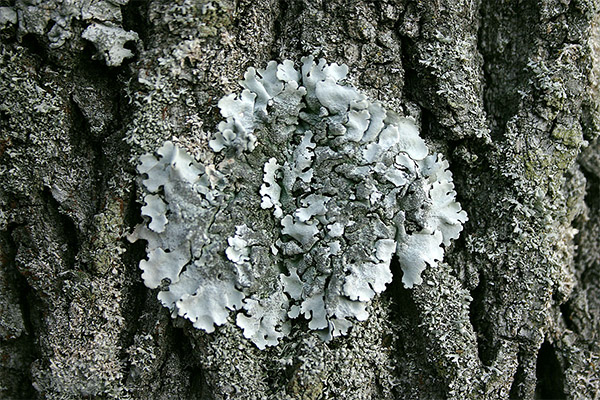
Parmelia is also known as cut grass, cut grass, cetraria, and bearded grass. This group of lichens exhibits good resistance to harsh environmental conditions. Even air pollution is unaffected (just like xanthoria or crustose lichens). Its habitat includes deserts, steppes, and mountains. It can be found in both hemispheres, most often in the tropics. The lichen can also grow in the north, including the Arctic. In Russia, it is common in the south and southeast.
Types of Parmelia
According to various sources, there are 80-90 species of lichen. Here are some of them:
- dark brown parmelia;
- olive;
- swollen;
- goat's (goat's);
- silver;
- rocky;
- centrifugal;
- linden and others.
The most common species include bearded parmelia (parmelia sulcata) and wandering parmelia (parmelia vagans).
Parmelia sulcata
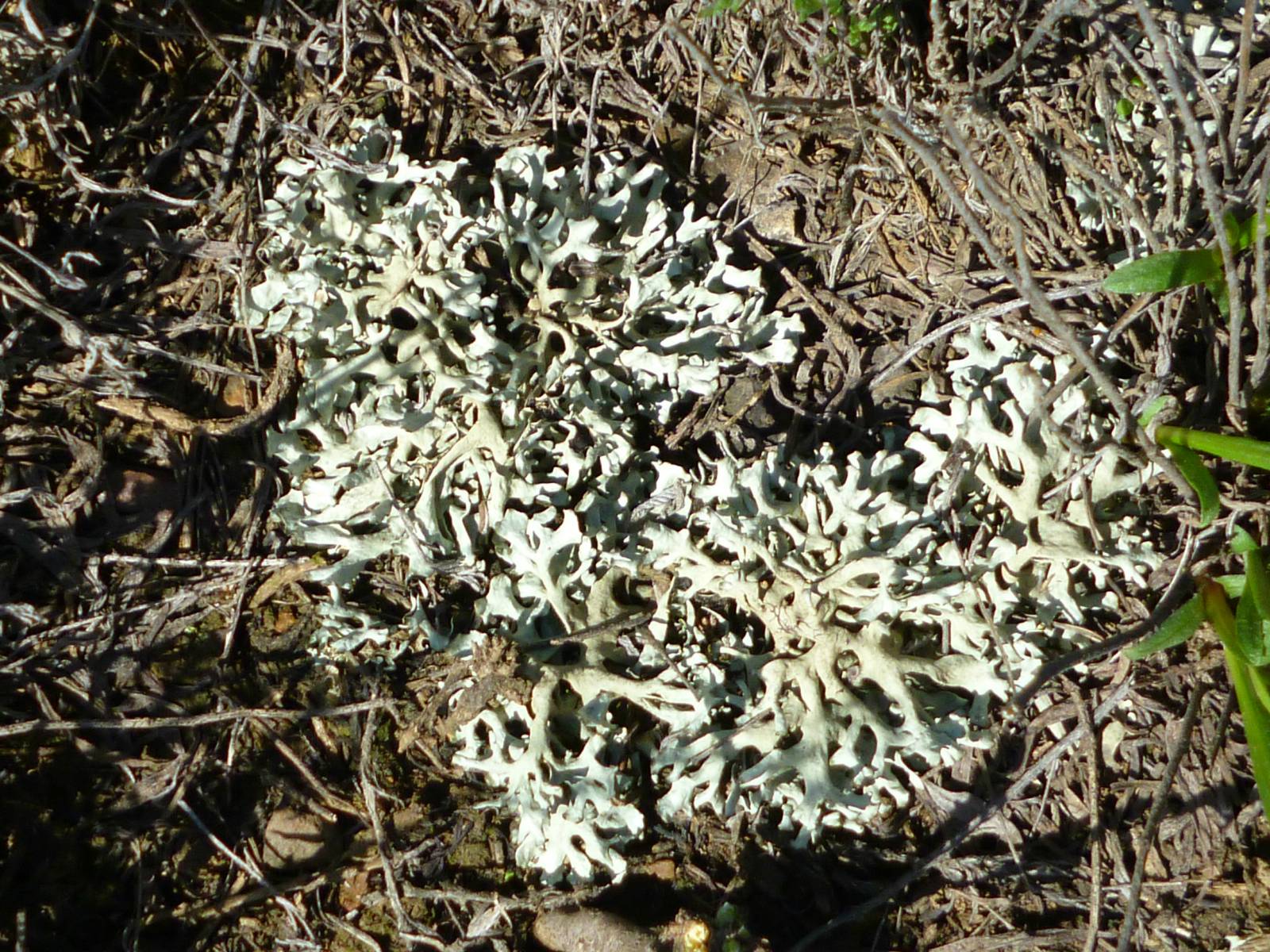
Parmelia sulcata or bearded lichen (sulcata) belongs to the foliose lichens.
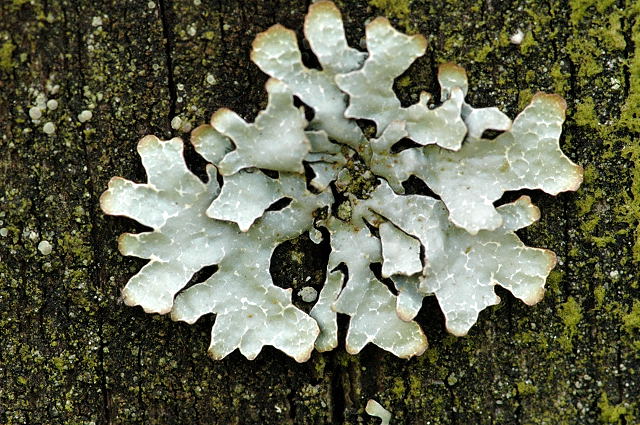
Its irregular rosettes are often found on living branches and trunks of birch, aspen, pine, and spruce. This species also often chooses dead wood for its development.
Sulcate lichen can be found in suburban areas and even in populated areas. It grows on various wooden structures, including treated surfaces. It is resistant to industrial emissions, exhaust fumes, and other pollutants.
The thallus can be bluish-gray, grassy-gray, or light gray (in winter and during drought). It is wrinkled and reticulate, with curly and deeply indented lobes that do not exceed 2 cm in length. The plant reaches 4-6 cm in height. Each thallus measures 5-15 cm in circumference.
Parmelia vagans
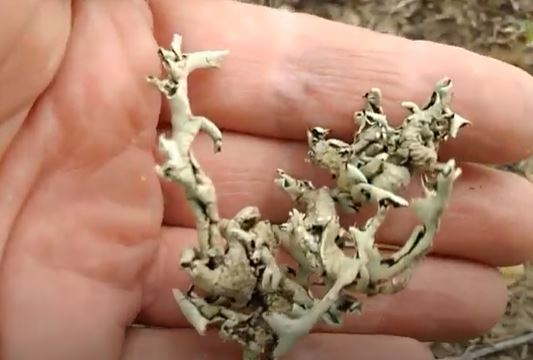
The difference between the wandering Parmelia and the sulcata is in size. The former is smaller, growing no taller than 3-5 cm. It also differs from the sulcata in its more graceful appearance. The aboveground part is not lobed, but forked. That is, it is narrow and twisted. After rain, the branches swell slightly, becoming thicker and more massive.
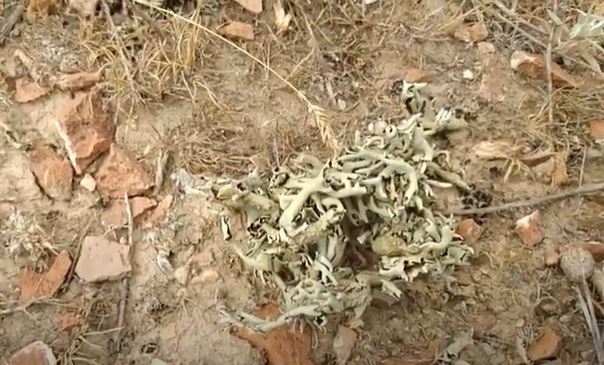
When strong gusts of wind arise, pieces of the thallus are torn off and carried over long distances. There, the plant resumes its life cycle. It is this characteristic that has led to the name "wandering." Another common name for this species is cut grass.
Please note! Only this species of Parmelia has medicinal properties; it is used in folk (traditional) medicine.
Medicinal properties of Parmelia
Lichen contains a large amount of usnic acid. Traditional medicine developed a drug called Binan based on this acid. It has a bacteriostatic effect and is useful for treating tuberculosis. While it cannot completely cure the disease, it does show good therapeutic results when used as part of a comprehensive treatment. Furthermore, the drug is effective against not only bacterial infections but also fungal infections.
Due to its special chemical composition, lichen has several therapeutic effects at once:
- antiseptic;
- antioxidant;
- bactericidal;
- sedative;
- anti-inflammatory;
- wound healing;
- hemostatic.
Folk remedies made from Parmelia are used to combat respiratory diseases, including pneumonia. They are also beneficial for coughs, as they have an expectorant effect. Lichen-based remedies are used at home to prevent and treat acute respiratory viral infections and the flu.

Parmelia-based infusions are used to treat gastric ulcers, colitis, dyspepsia, enterocolitis, and other digestive and pancreatic conditions. They also help with cardiovascular and nervous system disorders.
Because parmelia has the ability to stop bleeding and reduce inflammation, it is used for various tissue injuries. It not only provides first aid but also promotes rapid healing later on.
Lichen can also be used to alleviate delicate problems. For example, it is recommended for potency. This characteristic also makes the plant useful for cystitis and hemorrhoids.
Please note! In addition to its medicinal properties, Parmelia also has a general tonic effect. To cleanse the body, enrich it with beneficial substances, and strengthen the immune system, you can brew a tea from the lichen.
Parmelia in folk medicine
Traditional healers have long collected wandering parmelia and prepared medicinal remedies from it. This was done in the same way as with rosella, aralia, calendula, and other medicinal plants. That is, they clean and dry it, and then prepare various mixtures. However, while the buds of many medicinal plants are collected, the lichens are completely plucked, as they do not flower.
Types of medicinal compositions
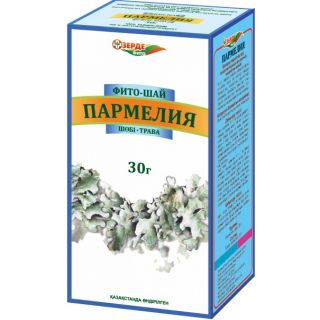
Lichen-based medicinal products can be prepared at home or purchased in specialized stores, such as Zerde-Fito or Horst.
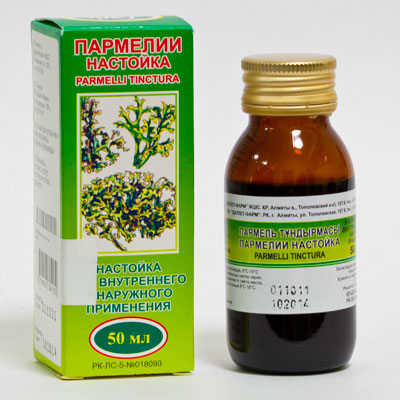
Before taking any medication, you should consult your doctor and strictly follow the instructions for use.
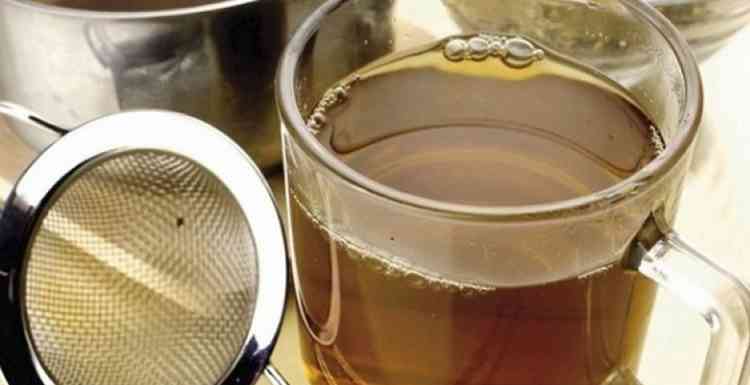
Infusion
The infusion is obtained as follows:
- Pour 1 teaspoon of parmelia into a glass of boiling water.
- Let it brew for 2 hours.
- Close the container tightly and wrap it in a warm blanket to keep it warm.
- Filter before use.
The dosage depends on the condition being treated. The medication is particularly effective for coughs.
Tincture
The tincture is prepared as follows:
- Add 3 tablespoons of parmelia to 250 ml of alcohol.
- Infuse in a dark and cool place for one week.
- Afterwards take in the form of drops.
Decoction
Decoctions are helpful in treating most ailments. They can be prepared with either water or milk. The first method involves the following recipe:
- Pour 6 tablespoons of raw material into 1 liter of milk.
- Cook for 20-25 minutes on low heat.
- Strain and cool.
Cooking with water is as follows:
- Pour boiling water over 1 tbsp of raw material.
- Place the decoction in a water bath.
- When it boils, keep it there for another 5 minutes, then remove from the stove.
- Let it brew for 1-2 hours.
- Strain and add a small amount of honey.
Please note! The decoction can be made for 1-2 days. Store it in the refrigerator and warm it up in a double boiler before using.
8 recipes with Parmelia for various ailments in the table
Previously, standard recipes for preparing remedies from lichen were given, but there are others, indicated in the table.
| Purpose | Recipe |
| For tuberculosis |
|
| For chronic cough |
|
| For children's cough |
The indication for this prescription is cough in children over 6 years of age. |
| For wound treatment |
|
|
For digestive problems |
|
| For stomach diseases |
|
|
Wound paste |
|
| Stomach syrup |
|
Contraindications for the use of Parmelia
Despite the fact that Parmelia is a non-poisonous and safe plant, it still has some contraindications:
- children under 6 years of age;
- allergy (itching, burning, redness of the skin, rash may occur).
Relative contraindications include hypertension and pregnancy. In these cases, use of the medication should only be done after consulting a doctor.
Growing Parmelia at Home
Growing Parmelia at home is quite a challenging task. Here's the process:
- Cut out the lichen together with the piece of wood on which it grows.
- Place it in a terrarium with a temperature of +10…+25 °C and dim lighting.
- When growing lichen, you do not need to water it, just spray it occasionally from a spray bottle.
At first glance, it might seem like there's nothing complicated about growing it. In fact, it's not. Lichens rarely thrive indoors, especially wandering lichens.
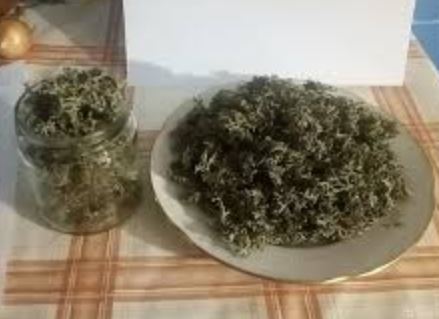
It is much easier to buy ready-made powder or collect parmelia in its natural habitat.
Harvesting and storing parmelia
It is recommended to collect lichen in early May. This is the month when it accumulates the maximum amount of beneficial substances.
The lichen needs to be dried. This can be done in the sun or in the wind. In the latter case, be careful not to let the parmelia fly away. When the lichen is ready, it will lose its aroma and taste bitter. After this, transfer it to bags or small jars.
Store raw materials for 3 years.
Comparison of Parmelia wandering (cut grass) and Cetraria islandica (Iceland moss)
Parmelia wandering is often confused with Iceland moss. The latter plant, also known as cetraria, is also used in folk medicine, as is Iceland moss. Furthermore, Parmelia is considered a relative of Iceland moss.
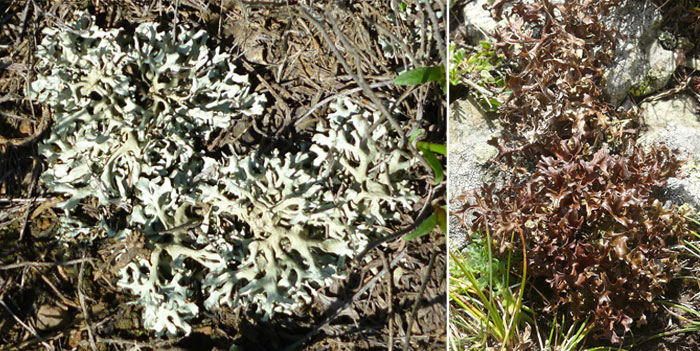
They can be distinguished by their color. Parmelia is grayish, while Iceland moss is brown or greenish-brown.
Real reviews about the use of Parmelia for treatment
User avore, Russia, Saratov
Advantages: an excellent folk remedy, it helps even with a chronic cough, it stimulates the immune system and more.
Disadvantages: It is quite difficult and time-consuming to prepare the decoction.
I'd like to tell you about an interesting medicinal plant—Parmelia lichen. It grows in the southern regions of our vast country in the steppes and semi-deserts. Lichen shoots are collected during the summer. This remedy is not used in official medicine, but is widely used in folk medicine. One of the names for Parmelia lichen is "cut herb," as it has excellent hemostatic and healing properties. The composition of the lichen is poorly understood, but it is known to contain a gelatinous substance called lichenin, which is beneficial for diarrhea and emollient for respiratory diseases. A lichen decoction has astringent, bactericidal, antiseptic, hemostatic, and healing properties. During the war, it was successfully used to wash purulent wounds. Internally, it is used for various gastrointestinal ailments, stomach ulcers, and diarrhea. There is a known case where a decoction of Parmelia lichen cured a small child in the final stages of toxic dyspepsia in just a few days.
I use a lichen decoction as a good immune booster and cough remedy. We learned about this plant during our fourth year at university. After an illness, my boyfriend couldn't get rid of his cough. Pills and antibiotics didn't help. Then our teacher recommended making a decoction from Parmelia lichen. A doctor friend recommended this recipe for his wife. After pneumonia, she developed a residual cough that lasted for almost a year. The lichen helped completely get rid of the cough. Then we followed his advice and made the decoction. And it really did help. The cough was gone after just a week of use.Now I'll give you the correct recipe for making a decoction, as the herbal books suggest boiling the lichen for an hour over a fire. That means at 100 degrees Celsius. But that's absolutely not right! At 100 degrees Celsius, the lichenin simply decomposes, and such a decoction will be virtually useless. You need to prepare the decoction in a double boiler. For those who don't know, pour water into a saucepan, and then place a smaller saucepan inside, in which you'll be making the decoction. This way, the lichen won't be boiled over an open flame, but by the boiling water in the larger saucepan. Then the temperature won't be 100 degrees Celsius, but around 90.
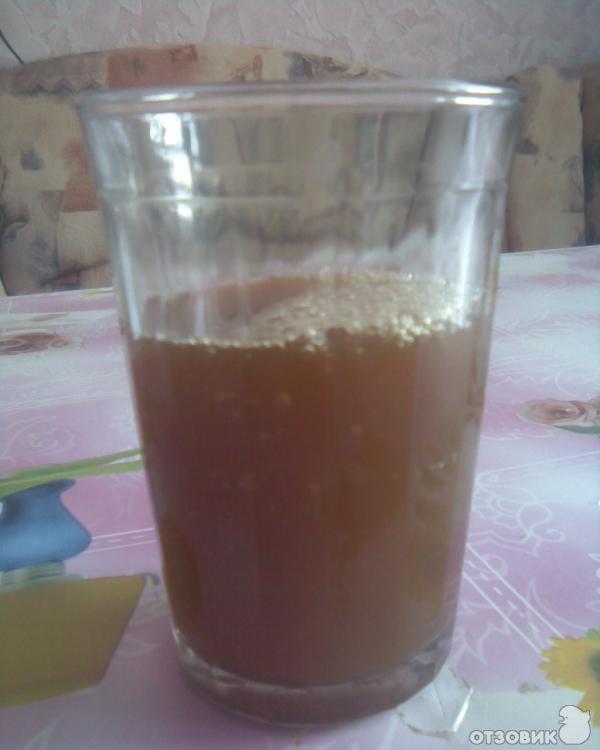
Add one tablespoon of lichen to 1 liter of water. Simmer in a double boiler for 1.5-2 hours after the water in the larger pot has boiled. The resulting infusion is opaque brown. It doesn't have much of a flavor, but it does cause a slight burning sensation in the mouth. I'll say right away that it's completely tolerable! It's not unpleasant to drink. Drink the infusion half an hour before meals, a third of a glass three times a day. You can adjust the amount of infusion yourself, but use less. It's not recommended to drink more than half a glass at a time. The infusion should be stored in the refrigerator, so I dilute it with hot water before drinking.
Our whole family uses Parmelia lichen for colds, and we also recommend it to relatives and friends, who are also happy with the results.
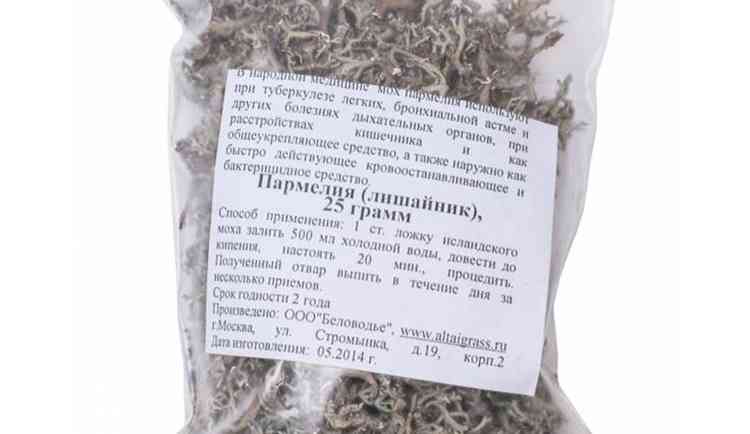
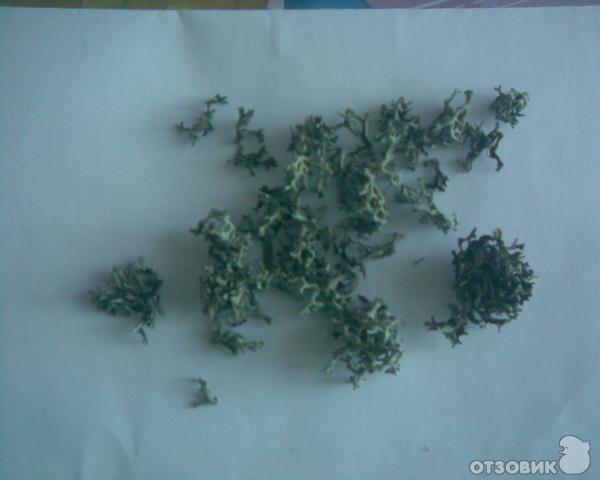
You can buy Parmelia lichen at the market from the herbalists. Just tell them what you need, and they'll give you what you need right away.This is what the Parmelia lichen looks like:
And this is what the finished decoction looks like:
Be healthy!
Usage time: 4 years
Cost: 60 RUR
My rating: 5
Recommend to friends: YES
Conclusion
In summary, we can conclude that Parmelia lichen is a medicinal plant that helps treat a wide range of ailments. However, it should not be considered a panacea. Lichen can only alleviate symptoms, but not cure them completely. Parmelia-based recipes should only be used as part of a comprehensive treatment plan.