Early-ripening varieties are highly prized by Russian gardeners, especially in regions with short summers, due to their early ripening. The Voyage tomato variety is one such early-ripening variety. It is recommended for planting in hotbeds and greenhouses. However, in regions with warm and temperate climates, it can also be planted in open ground. Let's take a closer look at the characteristics of this hybrid variety.
Content
- 1 Characteristics of the Voyage F1 tomato variety in the table
- 2 The history of the Voyage tomato variety
- 3 Detailed description of the Voyage F1 hybrid
- 4 Advantages and disadvantages of the Voyage F1 tomato variety
- 5 Growing the hybrid tomato variety Voyage
- 6 Resistance to pests and diseases of tomato Voyage F1, preventive work
- 7 Comparison of the Voyage tomato variety with other varieties in the table
- 8 Gardeners' reviews of the Voyage F1 tomato variety
Characteristics of the Voyage F1 tomato variety in the table
|
Characteristics |
Description |
|
Ripening period (number of days from full germination to ripening) |
95-100 days. |
|
Description |
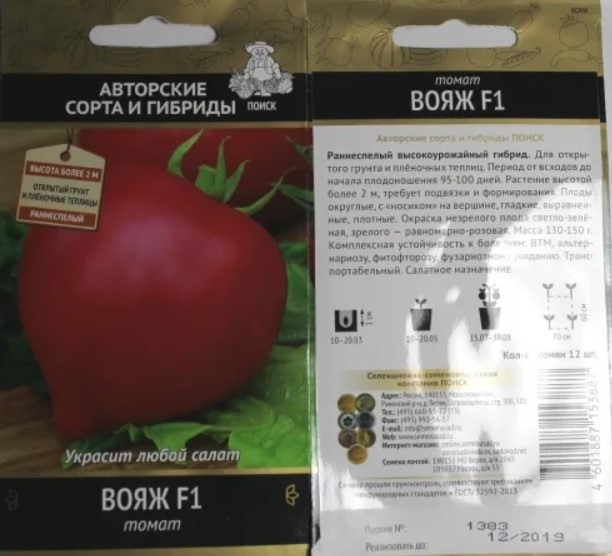
An early-ripening hybrid for planting in spring film greenhouses in private farmsteads. |
|
Fetus |
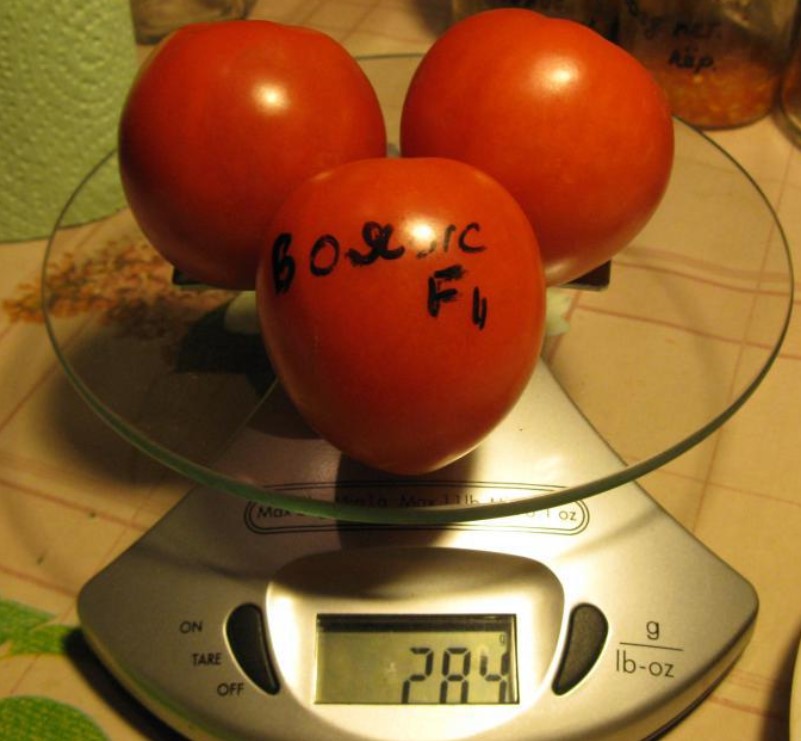
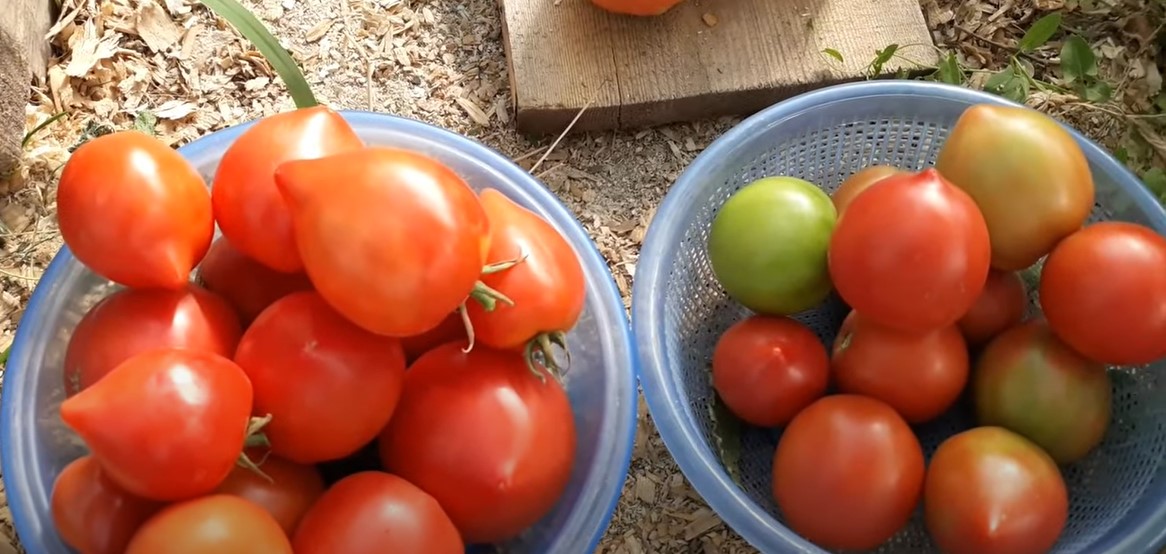
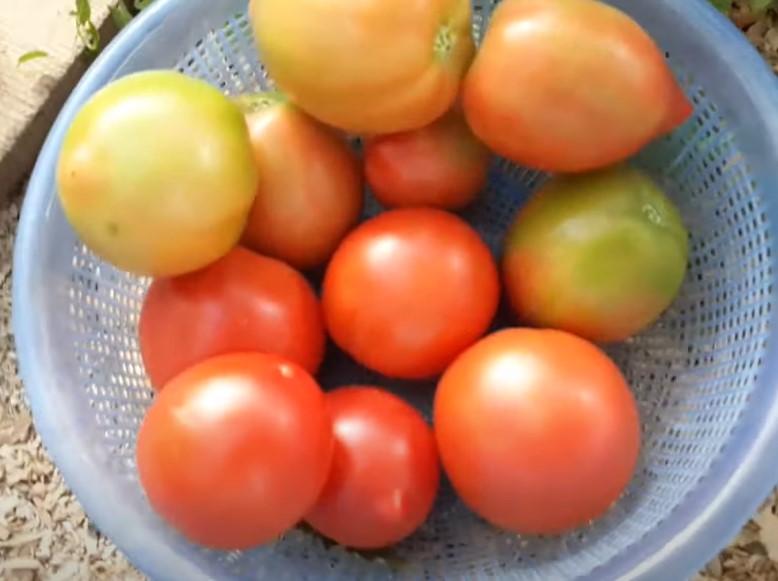
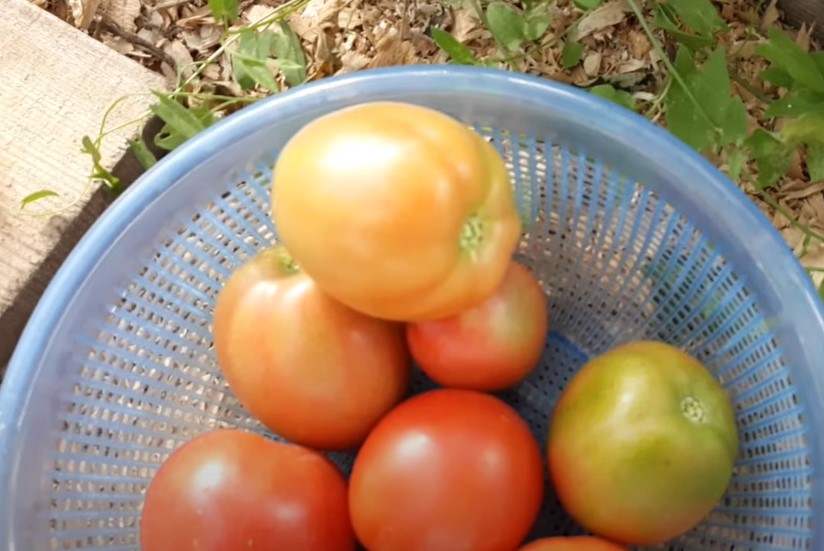
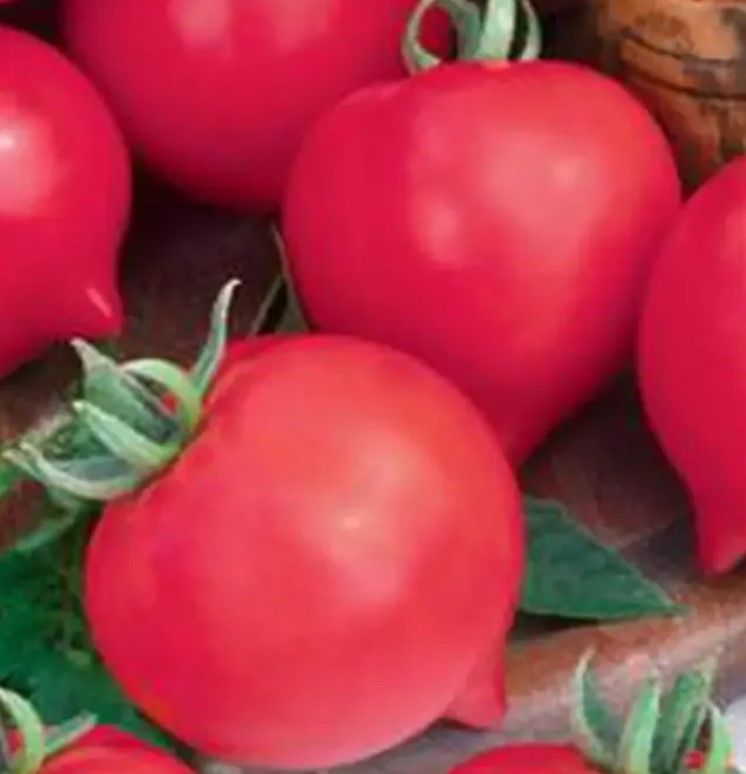
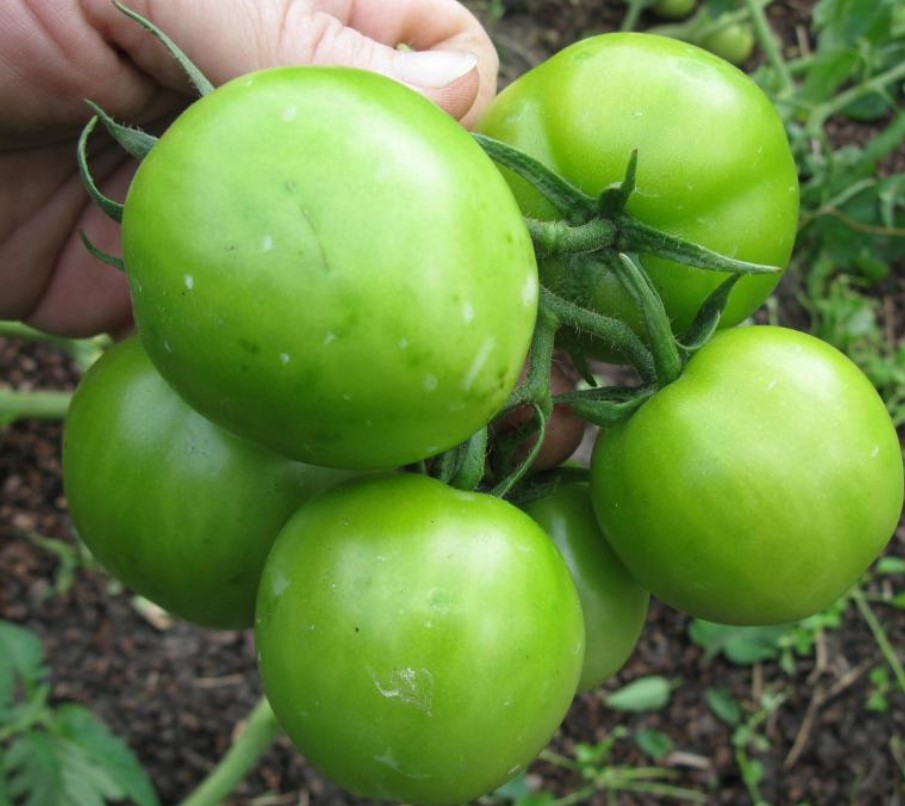
Round, smooth, pinkish-raspberry. |
|
Fruit weight |
120-130 g. |
|
Taste characteristics |
Sweet with a slight sourness. |
|
Usage |
Recommended for fresh consumption (for example, in salads and sliced). The fruits are also suitable for canning, drying, and tomato processing. |
|
Marketability |
Excellent. |
|
Shelf life |
Transportable. |
|
Yield of commercial fruits |
1400-1800 c/ha. |
|
Immunity |
To TMV, alternariosis, bacteriosis, fusarium. |
|
Agricultural technology |
Requires pinching and tying to a support. The tops are pinched. 8-9 fruiting clusters are left on the bush. |
|
Growing regions |
Northern, Northwestern, Central, Volga-Vyatka, Central Black Earth District, Northern Caucasus, Middle and Lower Volga, Ural, Western and Eastern Siberia, Far East. |
|
|
2010 |
|
Originator |
LLC "AGROFIRM POISK" |
Photo gallery of the Voyage F1 tomato
The history of the Voyage tomato variety
The hybrid was developed by Russian breeders Klimenko, Sergeev, Kostenko, Ognev, and Maksimov, who represented the agricultural firm "Poisk." It was registered and approved for cultivation in 2010.
Detailed description of the Voyage F1 hybrid
Let's take a closer look at the main characteristics of the hybrid.
Bush characteristics
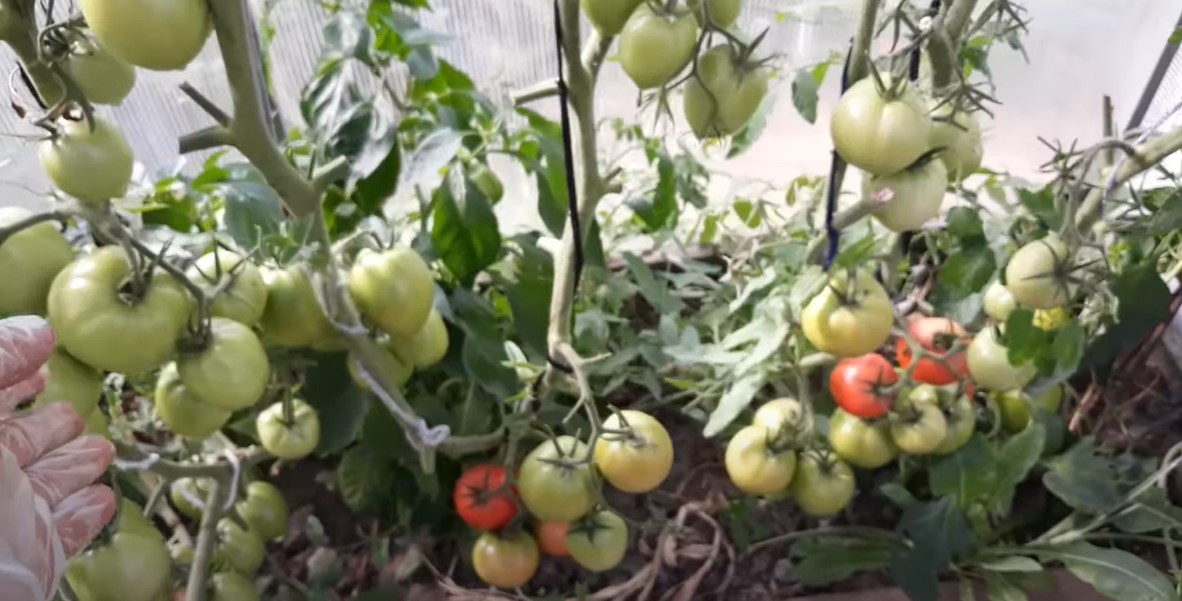
Indeterminate, tall, reaching 180 cm in height. Medium-sized, green leaf blades. Intermediate inflorescences.
Fruit characteristics
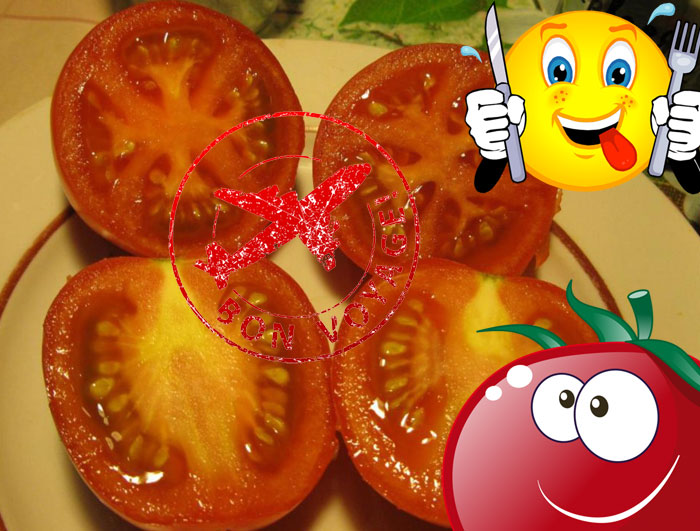
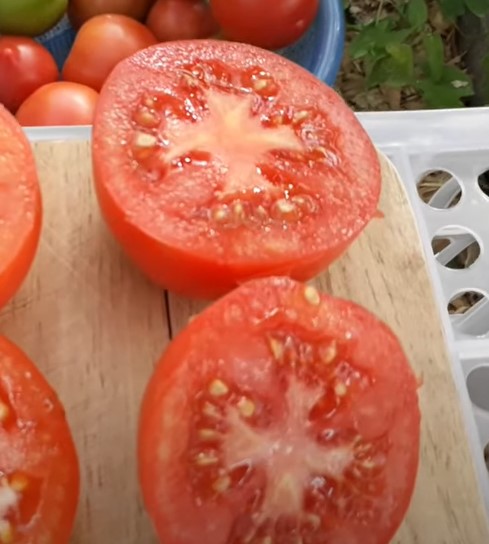
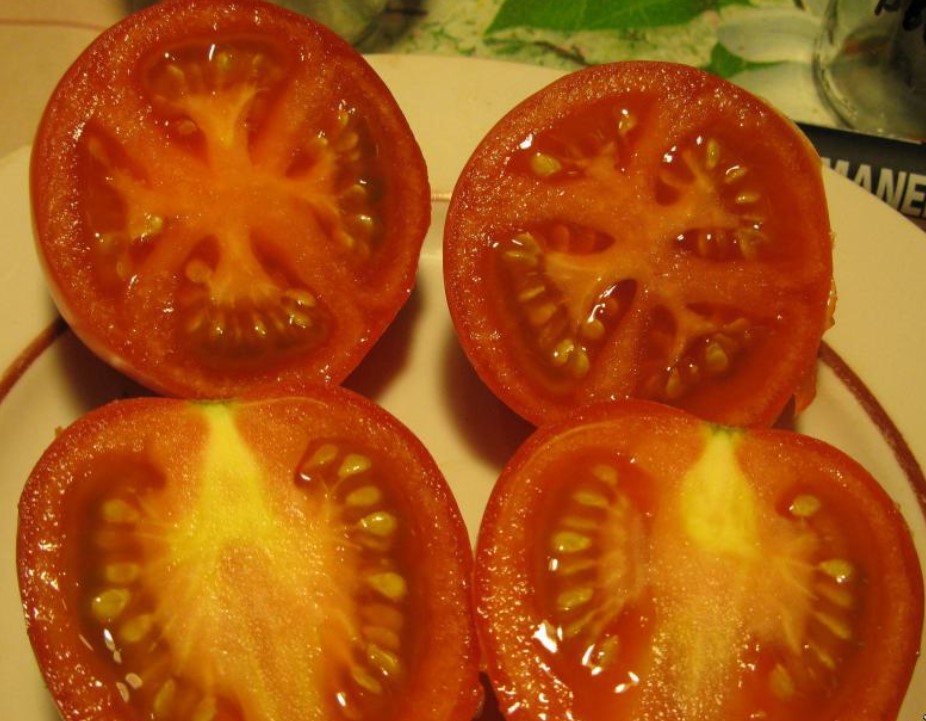
When ripe, the skin takes on a raspberry-pink color. The shape is round, with a pointed tip and subtle ribbing near the stem. The flesh is juicy, rich, but not watery.
Ripening time
The period between the first shoots emerging and harvesting is 95-100 days. Ripening occurs gradually, with a somewhat extended period, lasting from mid-July until late summer.
Productivity
Voyage is a high-yielding variety. 14-18 kg of fruit can be harvested per square meter. One bush produces 4-5.5 kg of fruit.
Advantages and disadvantages of the Voyage F1 tomato variety
The hybrid has the following advantages:
- friendly germination and ripening;
- high yield;
- strong immunity that can cope with many tomato infections;
- resistance to adverse climatic conditions;
- marketable appearance;
- excellent taste properties.
One of the tomato's drawbacks is that Voyage is a hybrid. This means you can't use seeds collected from your own garden for planting. They won't convey the tomato's varietal characteristics.
Growing the hybrid tomato variety Voyage
The Voyage hybrid is grown using seedlings.
Sowing seeds and growing seedlings
Sowing begins in late winter or early spring. Plant at a depth of 2 cm, with a similar distance between adjacent seeds.
Seedling care includes the following activities:
- Until the first shoots appear, keep the containers with seeds at a temperature of +24 °C under glass or film to create greenhouse conditions;
- within 1 week before planting in a permanent location, carry out hardening at a temperature of +15 °C;
- apply top dressing with "Rastvorin" and "Krepysh".
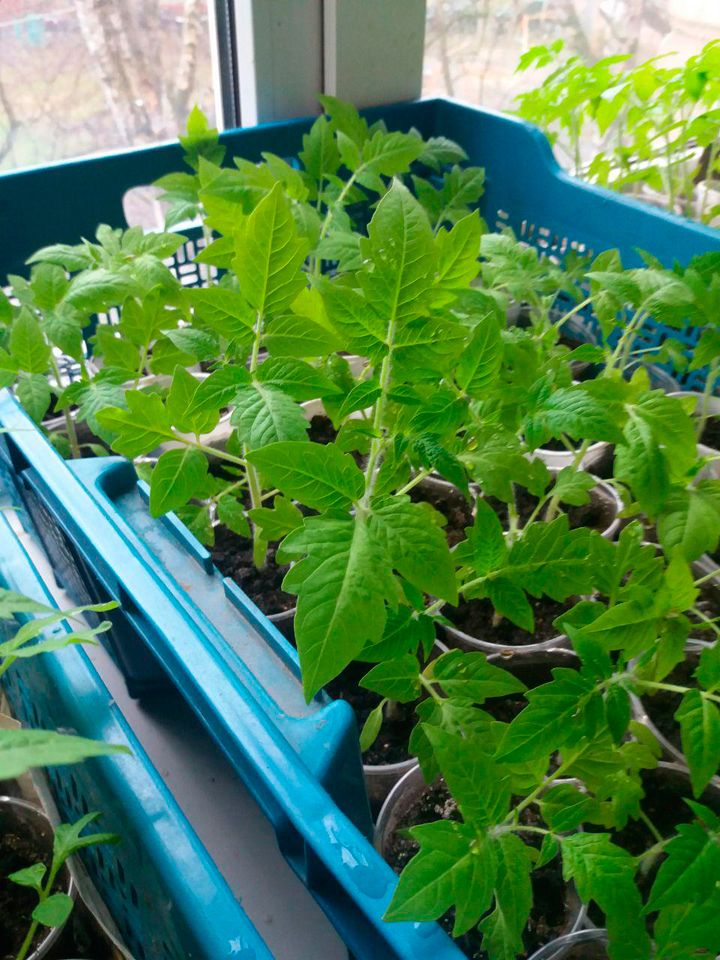
By following these simple rules, you will be able to grow strong and healthy seedlings that will quickly adapt after being transplanted to a new location.
Planting in the ground
Transplanting to a permanent location occurs when the seedlings are 50-60 days old. Light, loamy soil (well-moistened and fertilized) is best for growing tomatoes. They can be planted both in greenhouses and in the open ground.

Care
Caring for the crop is not difficult.
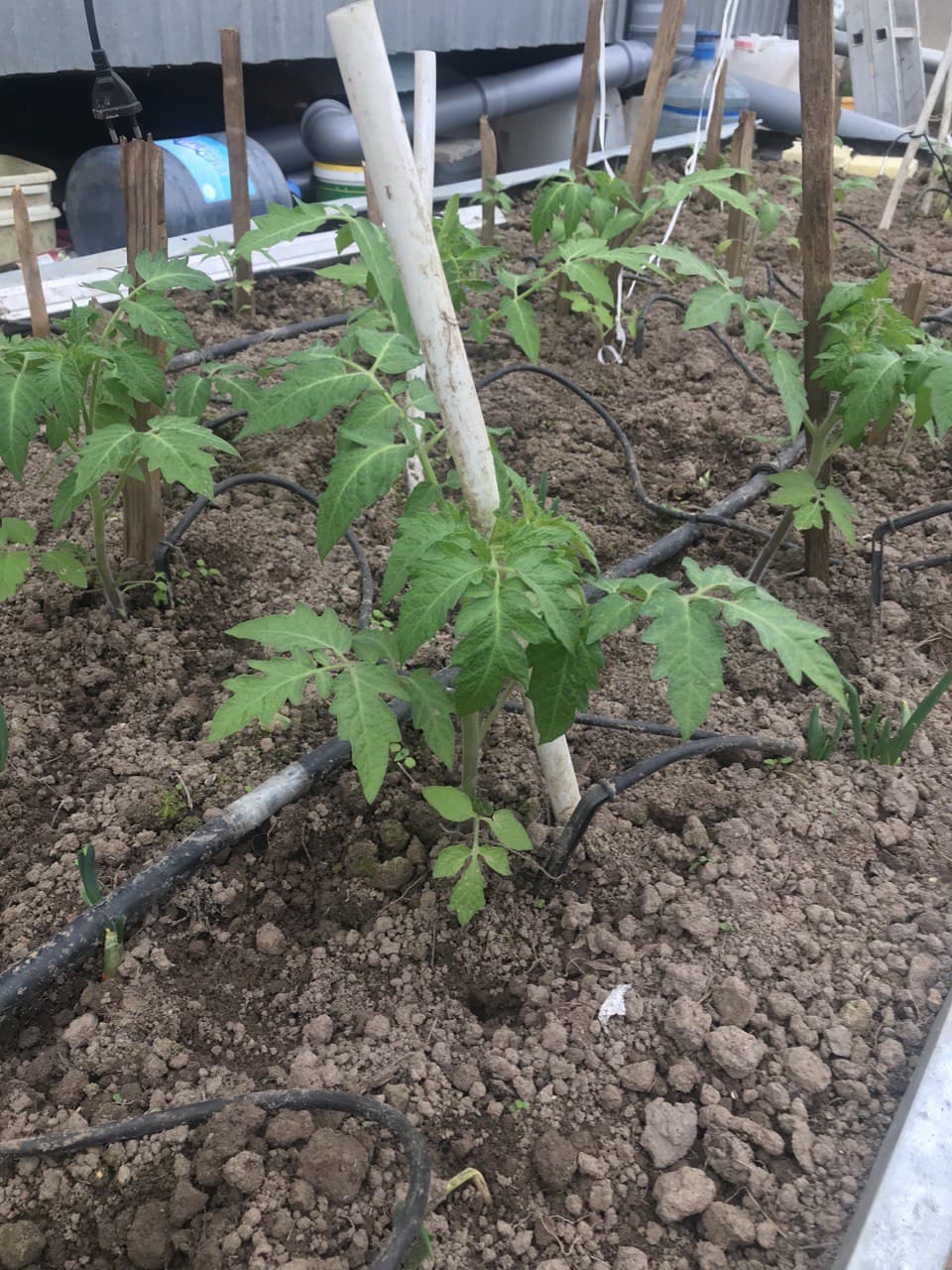
Includes the following procedures:
- moderate, preferably drip irrigation;
- fertilizing with organic and complex mineral fertilizers;
- mulching with a layer of 8-10 cm (this procedure will protect the roots from overheating and freezing, retain moisture in the soil for a longer time, and prevent the germination of weeds);
- tying to supports (you can use wooden pegs; if the plantings are extensive, it is advisable to build a trellis);
- removing side shoots and pinching the tops.
Please note! Despite its high resistance to infections, preventative treatment against diseases and pests should not be neglected.
Resistance to pests and diseases of tomato Voyage F1, preventive work
The variety is resistant to the following diseases:
- tobacco mosaic virus;
- Alternaria;
- bacteriosis;
- fusarium.
Description various tomato diseases and how to combat them Find out more at Top.tomathouse.com.
However, insects may appear on the bushes:
- Nematodes are worms that live in the soil, damaging the root system. This causes the crop to immediately wilt.
- Slugs eat fruit, ruining the harvest. They also carry various infectious agents.
- Aphids suck the sap from the above-ground parts of plants, causing the bushes to wilt.
- Ants. While they aren't harmful to tomatoes, they also attract aphids. Furthermore, if these insects start building nests in the garden, they can damage the root system of the crop.
- WhiteflyIt parasitizes the undersides of leaf blades. The larvae feed on foliage, while the adults spread infections.
- ThripsThey spread the spotted wilt virus.
- Leafhoppers. They tunnel through green plant tissue and lay eggs inside. They are carriers of many pathogens.
To combat them, you can use folk remedies (if the infestation is not severe), or resort to chemicals if there are many pests.
To prevent infections, use the following solution: dissolve 10 ml of potassium humate in a bucket of water. Spray during bud formation. This solution not only protects against diseases but also strengthens the immune system and increases crop yields.
You can also use folk remedies for preventive purposes:
- spraying with garlic solution;
- treatment with diluted whey every 3-4 days;
- planting marigolds and other plants with a strong aroma next to the beds to repel insects;
- spraying with milk (10 l) with iodine (10-20 drops);
- treatment with wood ash (to prepare a solution, dilute 6 glasses in 20 liters of water);
- spraying with soap solution.
It's also important to regularly ventilate the greenhouse if tomatoes are grown in protected soil. This will significantly reduce the risk of disease and insect pests.
Comparison of the Voyage tomato variety with other varieties in the table
Please note! How can you easily convert centners/ha to kg/sq.m? Simply divide by 100! For example, the Abakansky Pink tomato yields 400 centners of marketable fruit per hectare. This equals 4 kg per square meter. It's that simple! Also, keep in mind that typically no more than 3-4 plants are planted per square meter. This way, you can calculate the yield per bush. In the case of the Abakansky Pink, it's about 1 kg.
| Variety | Ripening period (number of days from full germination to ripening)
Yield of commercial fruits |
Brief description | Fetus |
| Voyage | 95-100 days
1400-1800 c/ha |
An early-ripening indeterminate variety for greenhouses. Suitable for salads. Transportable. | Round with a spout, smooth, dense, pink, 120-130 g. Good taste. |
| nobleman | 103-117 days
107-587 c/ha, maximum 780 c/ha (Omsk region) |
A mid-season determinate variety for open ground. Suitable for salads. 95% marketability. | Heart-shaped, medium-ribbed, raspberry, 131-250 g. Good to excellent taste. |
| Bull's heart (red) | 120-125 days
300-400 c/ha Important! There are other colors besides red, see the article (hover over the variety name to jump). |
A late-to-mid-late determinate variety for open ground and greenhouses. Requires staking and shaping. Suitable for salads. | Heart-shaped, smooth, fleshy, red, 108-225 g. Excellent taste. |
| Ox heart | 105-120 days
630-690 c/ha |
A late-ripening indeterminate variety for open ground and greenhouses. Requires staking and shaping. Suitable for salads. Grows best in southern Russia. | Heart-shaped, medium-ribbed, pink-raspberry, 150-300 g. Good taste. |
| Heart-shaped Konigsberg | 115 days
460-2000 c/ha |
A mid-season indeterminate variety for open ground. Requires staking and training. Suitable for salads and processing into tomato products. Marketability: 56% (Novosibirsk Region). Tolerates harsh climates. | Heart-shaped, round, with a slightly pointed tip, red, 500-700 g. Excellent taste. |
| Mazarin
Biotechnics |
110-115 days depending on the region
780-790 c/ha (greenhouse and under film) |
A mid-season indeterminate variety for open ground and greenhouses. Requires staking and training. Drought-resistant. Suitable for salads and tomato production. | Heart-shaped, with slight ribbing at the stem, bright crimson, few seeds, and sweet. Tasty and aromatic. 300-400 g, up to 800 g. |
| Alsou | 105-110 days
700 c/ha |
An early-ripening, determinate variety for open ground and greenhouses. Requires staking and shaping. Suitable for salads. | Flat-round, slightly ribbed, medium density, red, 312 g. Good taste. |
| Abakan pink | 120 days or more
400 c/ha |
A late-ripening determinate variety for open ground and greenhouses. Requires staking and training. Suitable for salads and processing into tomato products. | Flat-round, slightly ribbed, medium density and pink in color, 200-500 g. Good taste. |
| Big Momma | 85-95 days (greenhouse), about 100 days (open ground)
700-900 c/ha |
A mid-early determinate variety for open ground and greenhouses (greenhouses only, according to the register). Suitable for salads, canning, pickling, and juice. | Round, large, slightly ribbed, medium density, red, 200-250 g. Excellent taste. |
| Kostroma | 105-110 days
1350-1500 c/ha |
A mid-season determinate variety for greenhouses. Requires staking and training. Suitable for salads, whole-fruit canning, and processing into tomato products. | Flat-round, slightly ribbed, glossy, red or orange, 80-150 g. Good taste, sweet and sour. |
| Siberian early ripening | 98-108 days
289-543 c/ha (open ground), 20-43% of the total yield ripens in 15 days of fruiting, 630-950 c/ha (greenhouse and under film), in the first month of fruiting 240-580 c/ha. |
An early-ripening, determinate, low-growing variety for open ground and greenhouses. Suitable for salads. | Round and flat-round, slightly ribbed, medium-sized and large, red, 62-114 g. The taste is satisfactory. |
| Siberian Shan'gi | 100-110 days
The yield of commercial fruits in open ground was 5.6 kg/sq.m. |
A mid-season determinate variety for open ground and greenhouses. Suitable for salads. | Flat-round, medium density, slightly ribbed, raspberry, 157 g. Excellent taste. |
| Siberian giant | 115-120 days
The commercial yield of fruits was 9.0-11.0 kg/sq.m. |
A mid-early indeterminate variety for greenhouses. Suitable for salads. | Flat-round, large, medium-ribbed, loose, red, 400-500 g. Excellent taste. |
Gardeners' reviews of the Voyage F1 tomato variety
The hybrid has received positive reviews from gardeners, who note its high yield, unpretentiousness and quick adaptability to environmental conditions, attractive and appetizing appearance, and the absence of damage during transportation and long-term storage.
Seeds from "Poisk." Very beautiful, heart-shaped, red tomatoes. The yield is excellent. The taste is simply amazing.
:P. It's just absolutely tasteless. It's a shame, considering how beautiful it is.
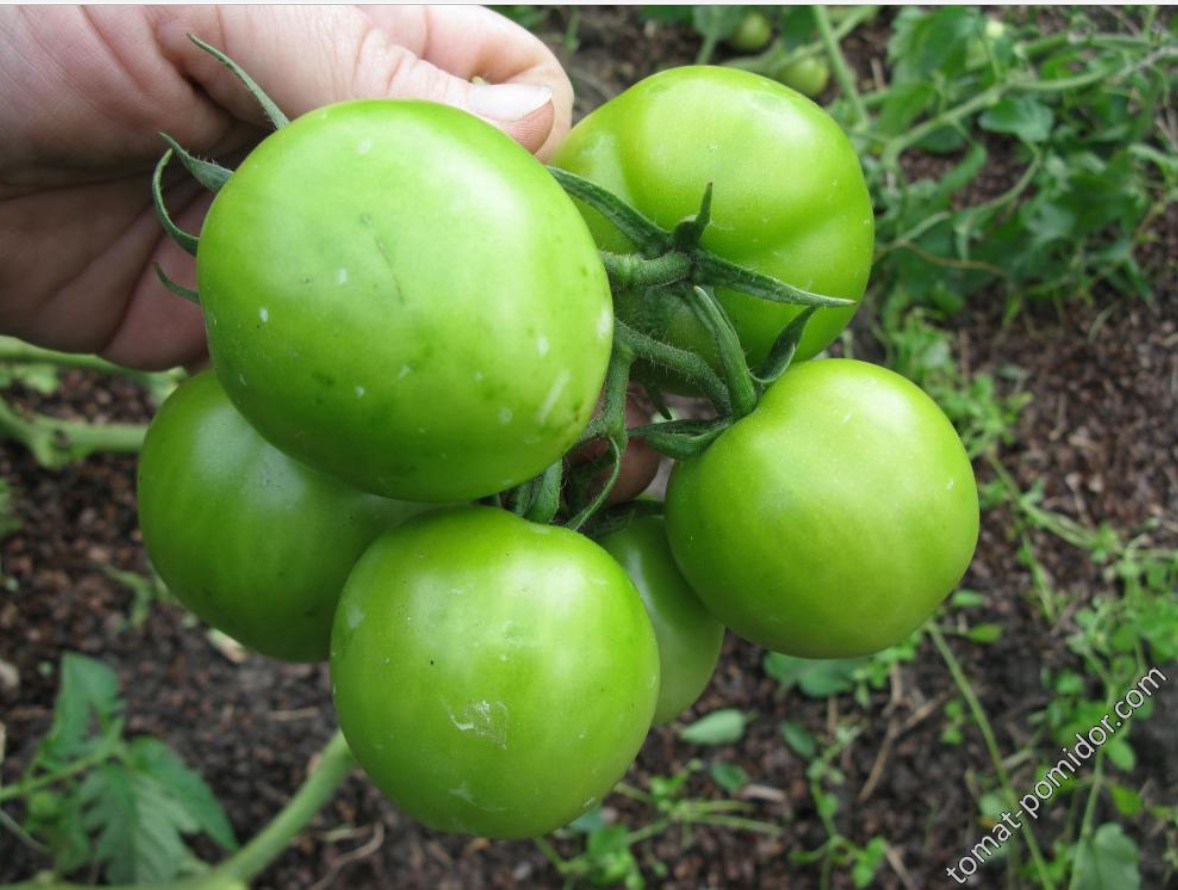
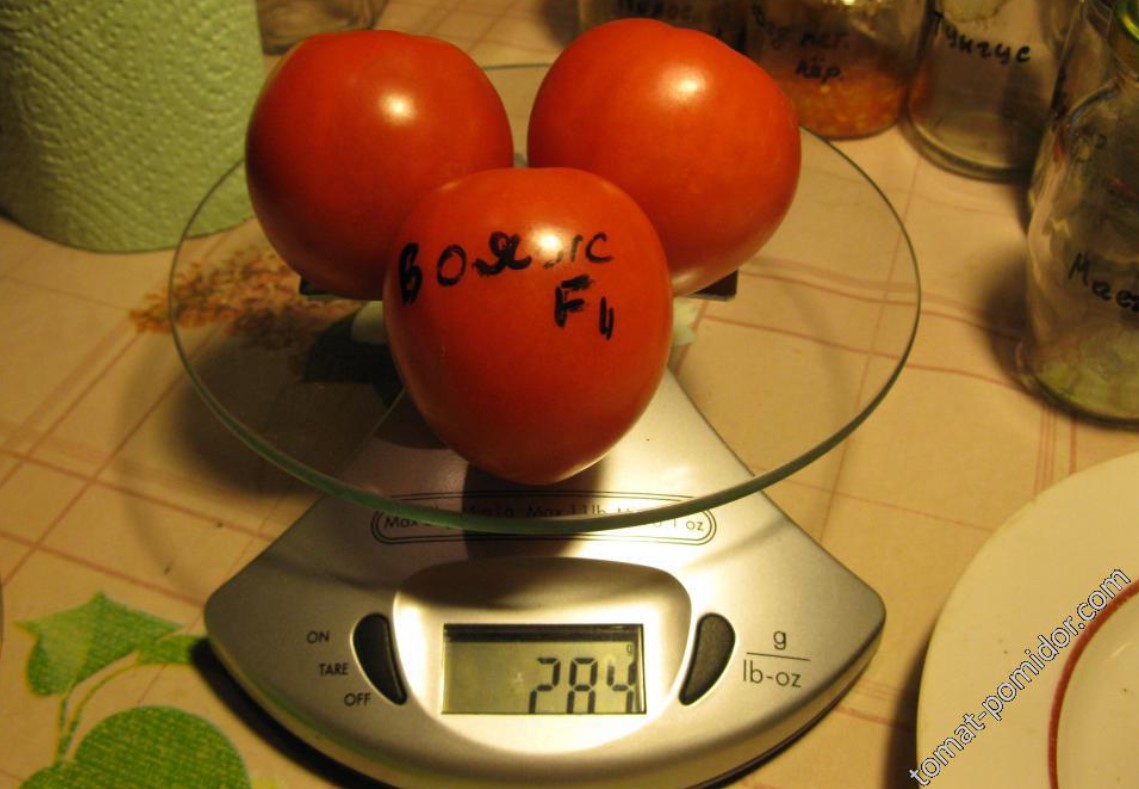
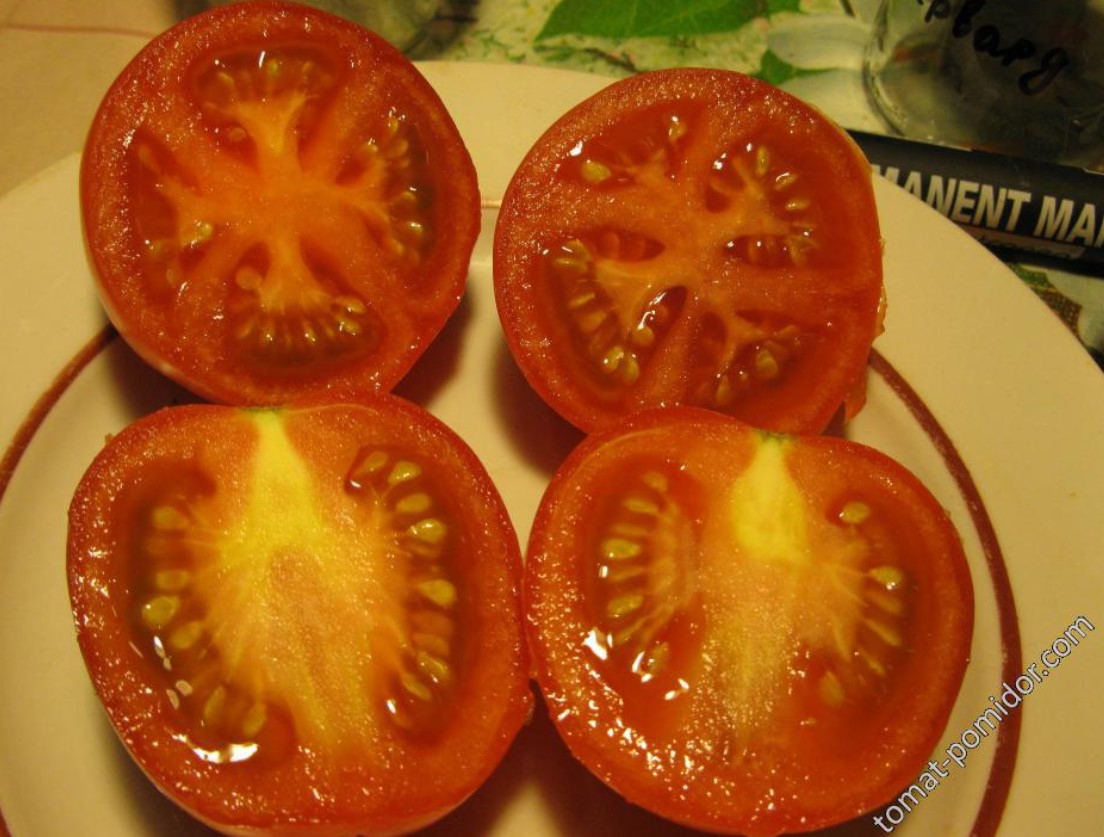
I grew Voyage F1 in 2015—an indeterminate variety (over 2 m tall, grown in a greenhouse). It was productive and disease-free (it survived after a "burnout" and produced a ton of tomatoes on the lower shoots). The fruit was firm. It's a reliable hybrid, in my opinion. The flavor is ordinary, traditional "tomato," not "terrible." I plan to grow it again next year.