The Zolotaya Teshcha tomato variety is a hybrid, so many of its characteristics have been refined to such an extent that even novice gardeners can easily grow it. Furthermore, this tomato produces excellent fruit in various regions of the country and can be planted both in greenhouses and open garden beds.
Content
- 1 Characteristics of the Golden Mother-in-Law F1 tomato variety in a table
- 2 The history of the Golden Mother-in-Law F1 tomato variety
- 3 Detailed description of the Golden Mother-in-Law F1 tomato
- 4 Advantages and disadvantages of the Golden Mother-in-Law tomato hybrid
- 5 Growing the Golden Mother-in-Law F1 tomato
- 6 Resistance of the Golden Mother-in-Law tomato hybrid to diseases and pests, prevention, control
- 7 Harvesting, using and storing the Golden Mother-in-Law F1 tomato
- 8 Comparison of the Golden Mother-in-Law F1 tomato hybrid with other varieties in the table
- 9 Gardeners' reviews of the Golden Mother-in-Law F1 tomato hybrid
Characteristics of the Golden Mother-in-Law F1 tomato variety in a table
The table below describes the main characteristics of the Golden Mother-in-Law tomato.
|
Ripening period (number of days from full germination to ripening) |
85-90 days |
| Description | A hybrid determinate tomato variety for growing in open ground and greenhouses. |
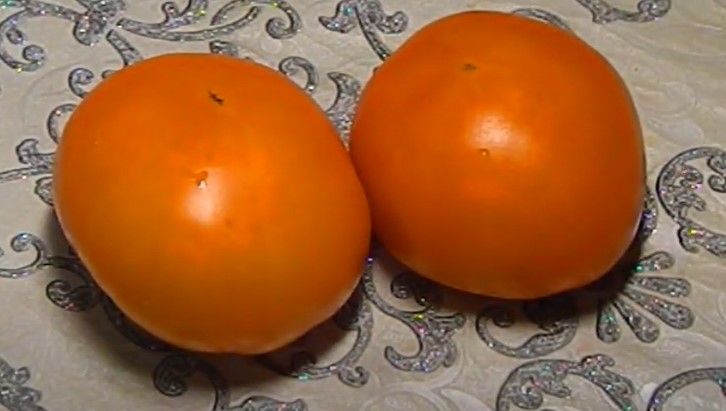
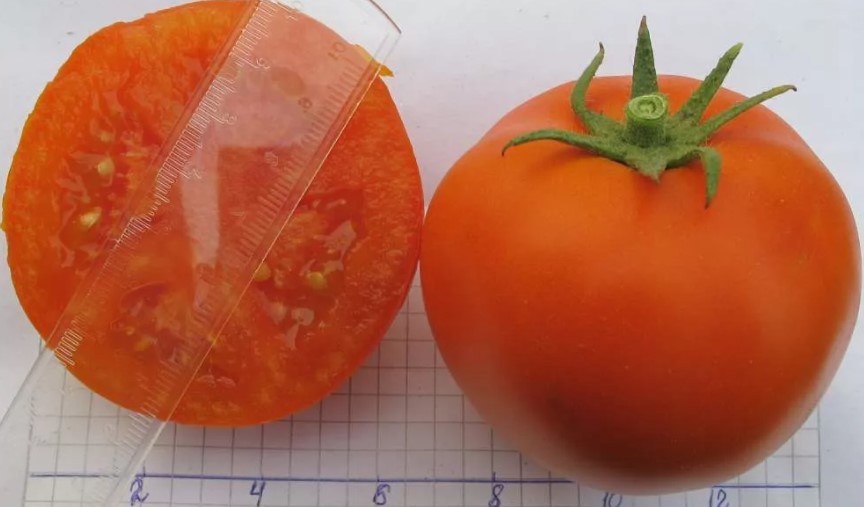
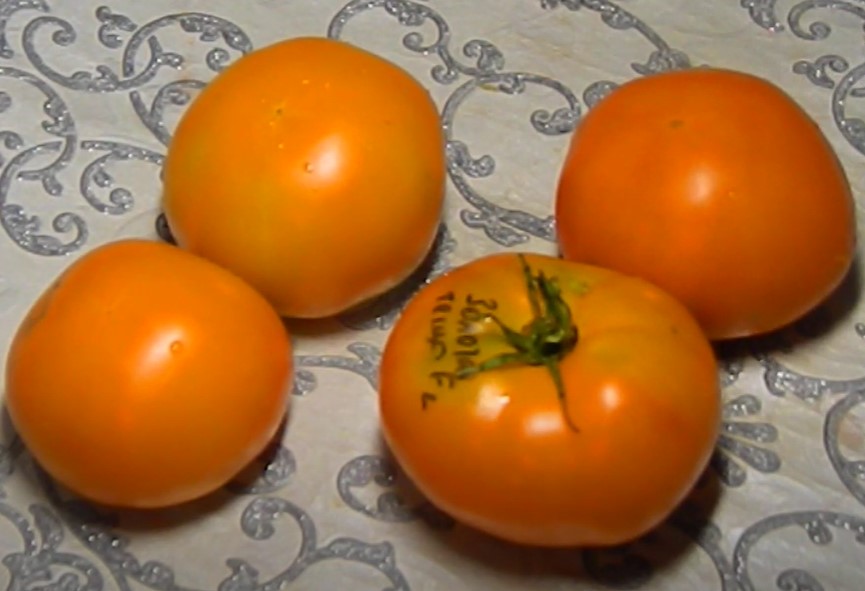
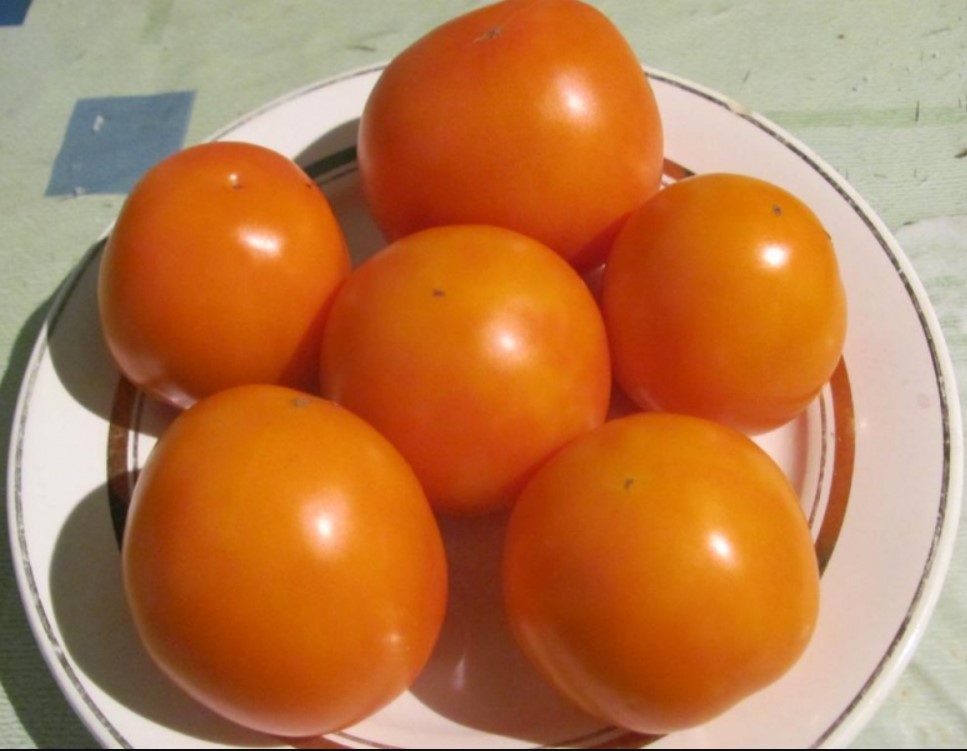
| Fetus | The fruits are flat-round, ribbed, and medium-sized. The color is orange, and the flesh is juicy. |
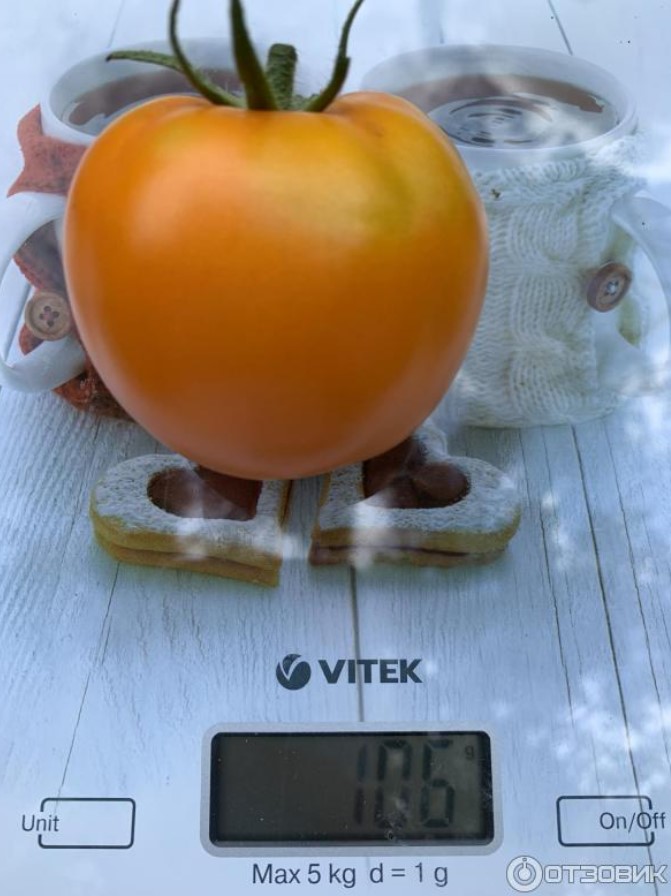
| Fruit weight | 100-120 g |
| Taste | Nice |
| Usage | General purpose |
| Marketability | High |
| Shelf life | Good |
| Yield of commercial fruits | Up to 10 kg per square meter |
| Disease resistance | High resistance to various tomato diseases |
| Agricultural technology | Sowing of seeds is carried out in the second half of March, tomatoes are planted according to the 60 x 70 cm pattern. |
| Growing regions | Northern, Northwestern, Central, Volga-Vyatka, Central Black Earth Region, North Caucasian, Middle Volga, Lower Volga, Ural, West Siberian, East Siberian, Far Eastern |
| Inclusion in the State Register | 2008 |
| Originator | Myazina L. A. |
Photo gallery of the tomato variety Golden Mother-in-Law F1
The history of the Golden Mother-in-Law F1 tomato variety
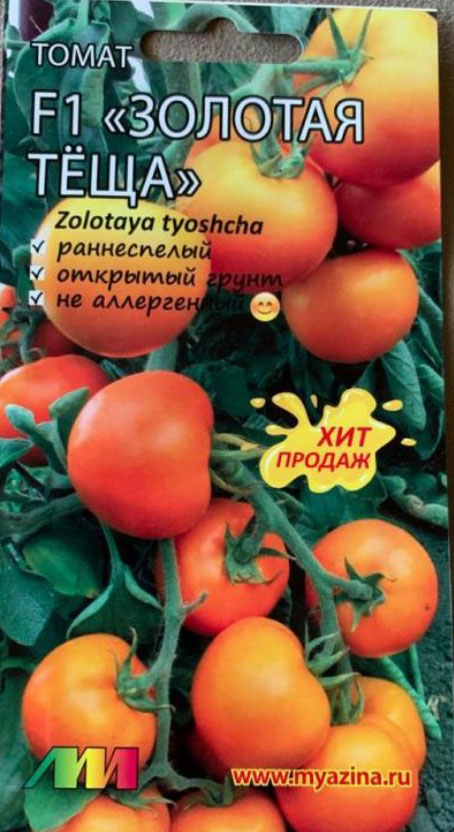
The Zolotaya Teshcha tomato is a first-generation hybrid, developed thanks to the efforts of renowned Russian agronomist Lyubov Anatolyevna Myazina. Her expertise has resulted in the development of over 25 tomato varieties and over 40 hybrids. Zolotaya Teshcha was conceived as an early-ripening variety with excellent immunity and high yields. This is how it is known to gardeners in our country. In 2008, the crop received official recognition and was added to the register.
Detailed description of the Golden Mother-in-Law F1 tomato
Gardeners love the Zolotaya Teshcha variety for its unusual fruit color, pleasant flavor, and versatility. Below, we'll discuss this tomato's other unique characteristics.
Characteristics of the bush
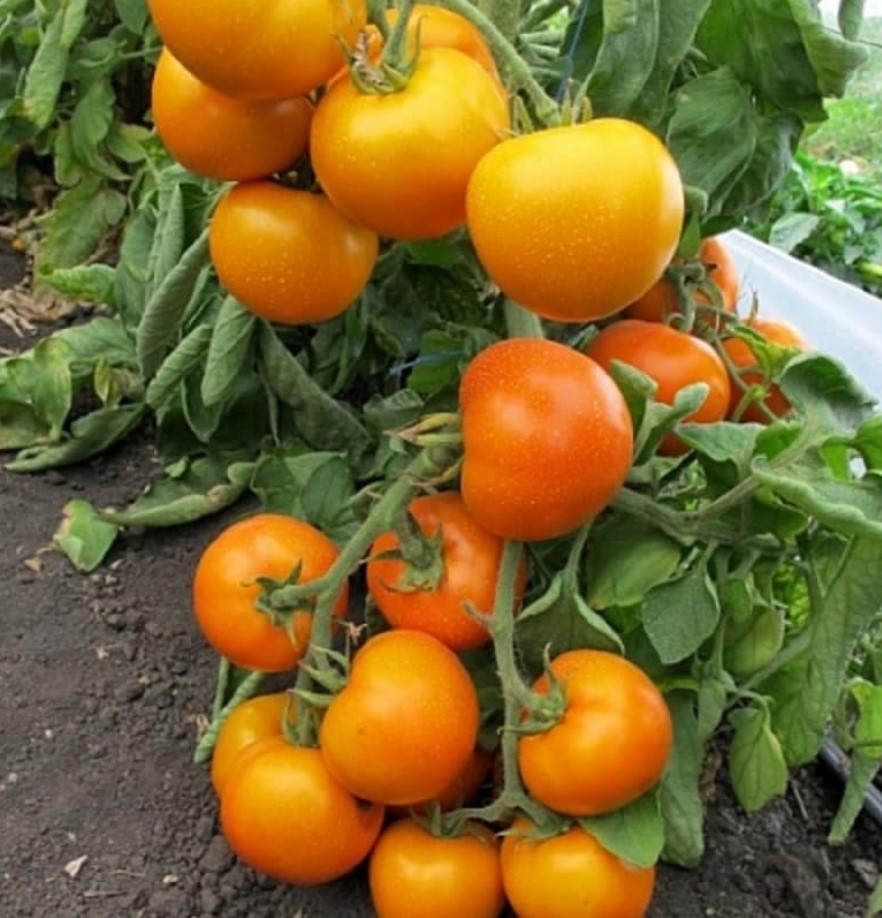
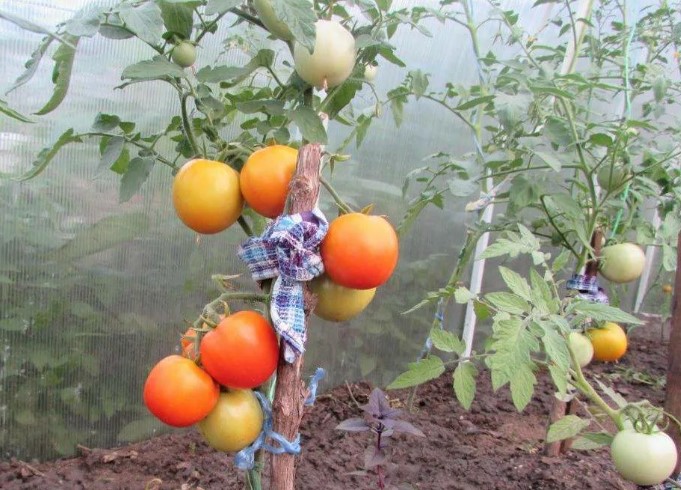
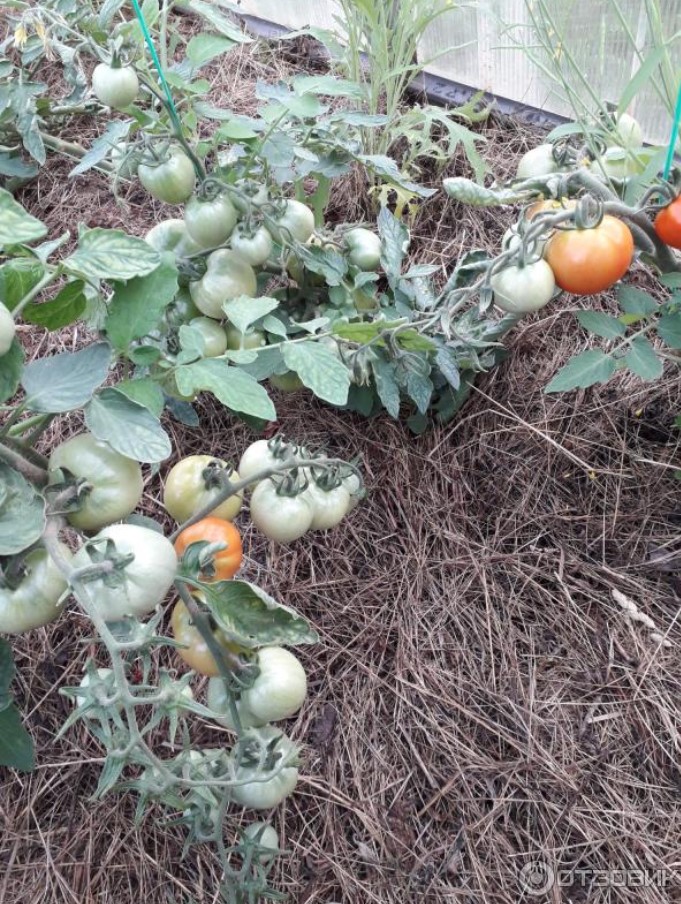
The bushes are determinate and low-growing, reaching a height of 90 to 100 cm; the better the conditions, the taller the shoots become. The foliage is sparse, with rich green, medium-sized leaves. The bushes produce simple inflorescences, with an articulated peduncle.
Fruit characteristics
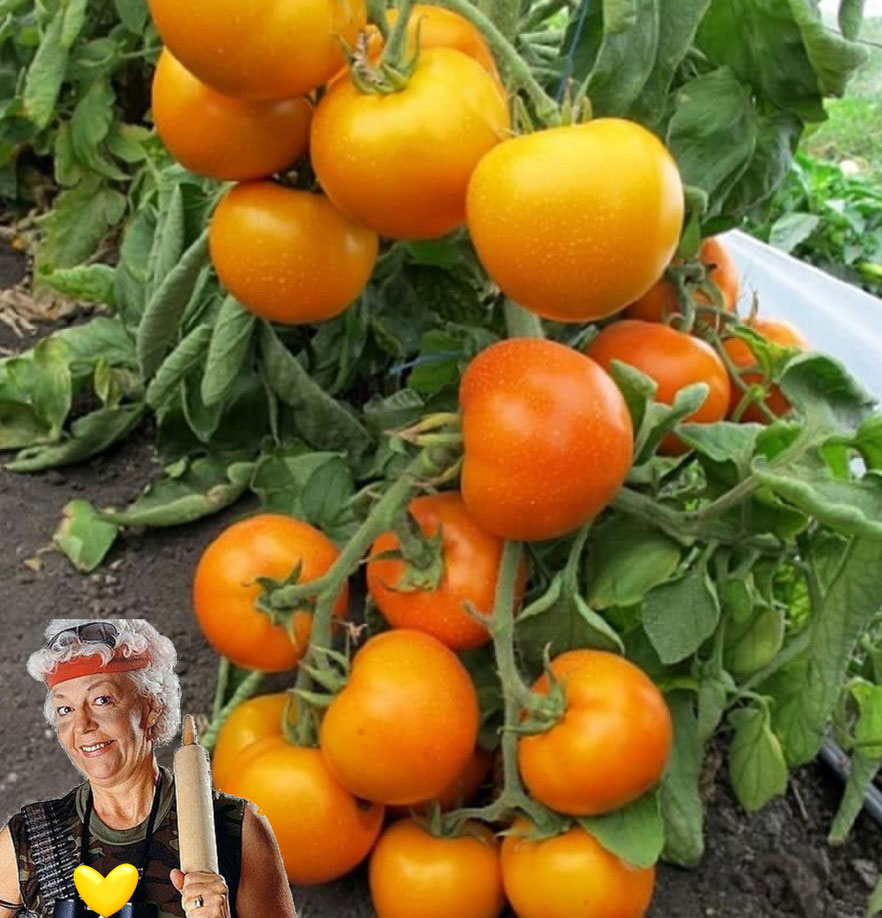
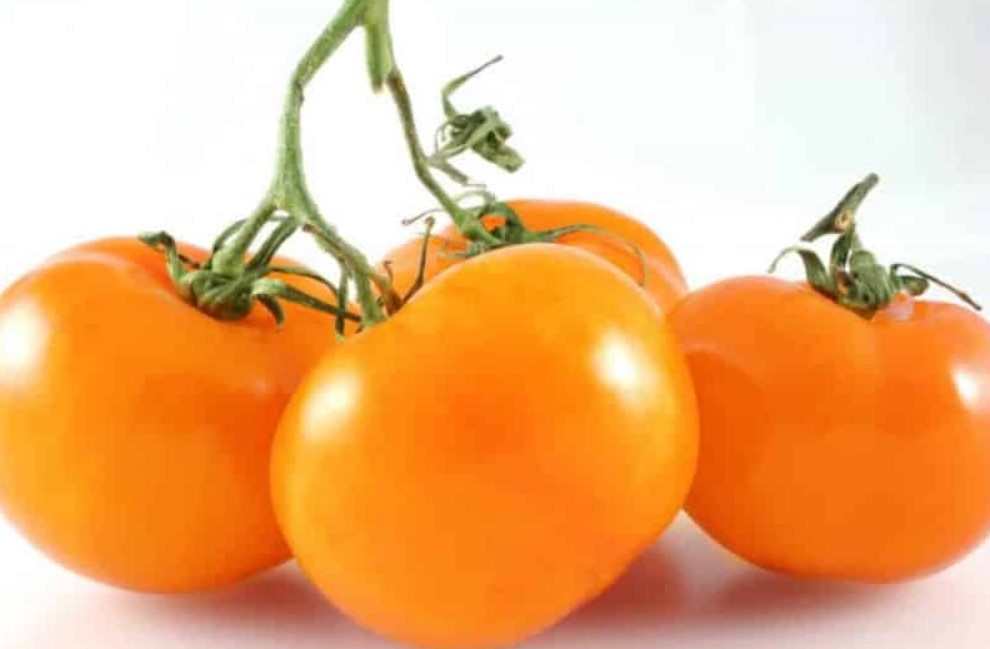
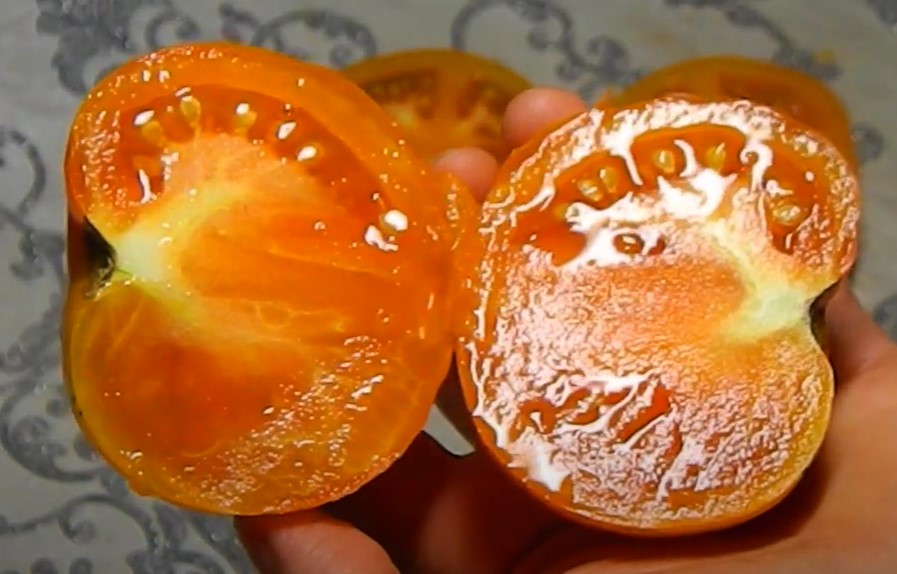
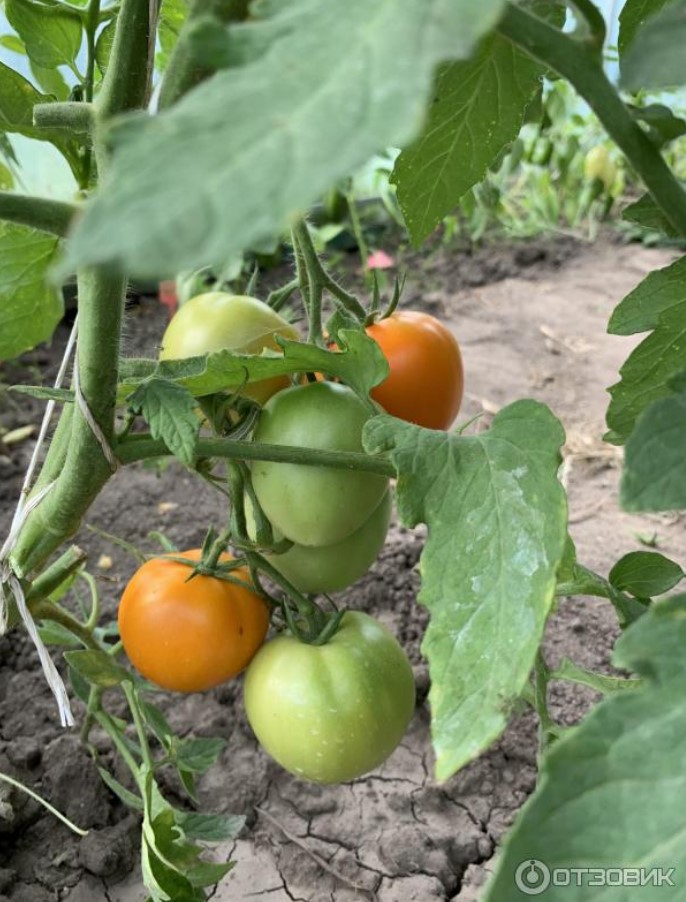
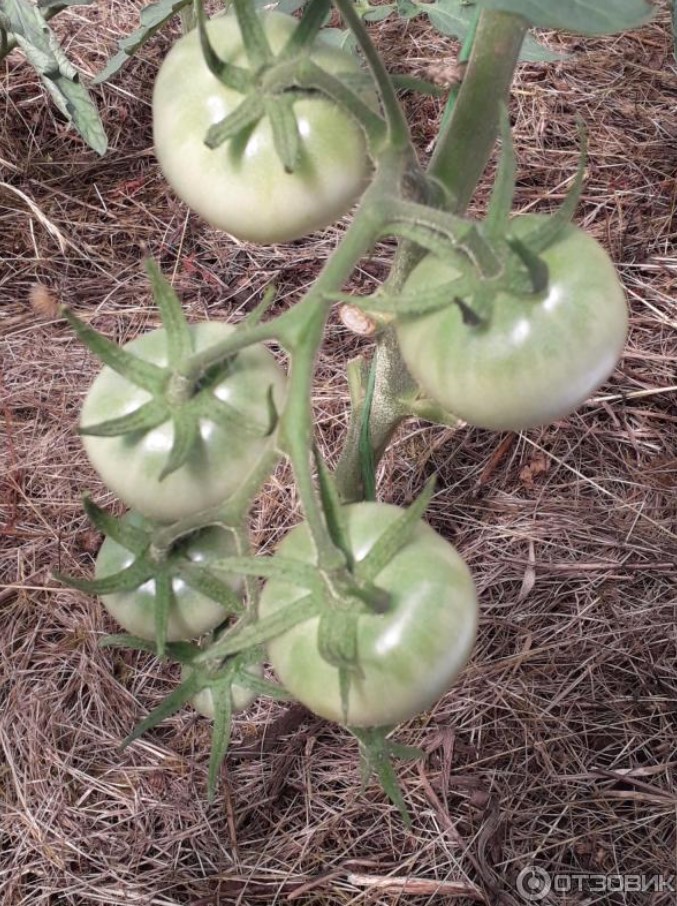
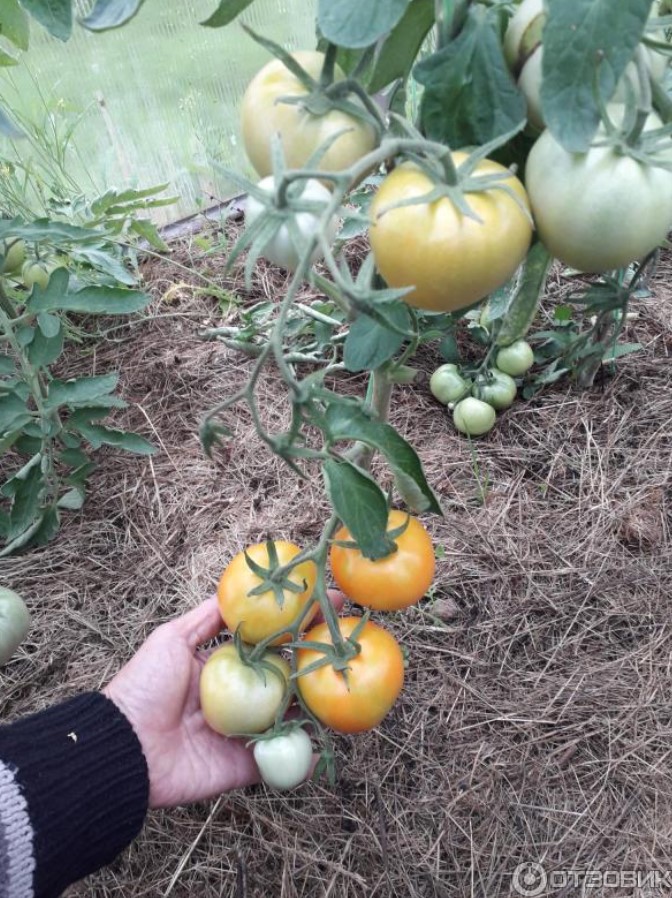
The fruits are characterized by a flattened, round shape with a glossy, ribbed surface. As they ripen, their color changes from greenish to orange. Each tomato weighs 100-120 g. They grow in clusters that ripen evenly. The flesh is firm and juicy.
Ripening time and yield
This variety is characterized by its rapid ripening time. The first tomatoes can be harvested from the bush as early as 85 days after the first shoots emerge. The breeders claim a yield of up to 10 kg per square meter; in open ground, this figure may be slightly lower, reaching 4.5-6 kg.
Advantages and disadvantages of the Golden Mother-in-Law tomato hybrid
The Zolotaya Teshcha tomato variety, like all other vegetable crops, has its advantages and disadvantages. These are listed in the table below.
| Advantages | Flaws |
|
|
Growing the Golden Mother-in-Law F1 tomato
The Golden Mother-in-Law tomato is easy to grow, requiring little effort from gardeners to produce a bountiful harvest.
Sowing seeds and growing seedlings
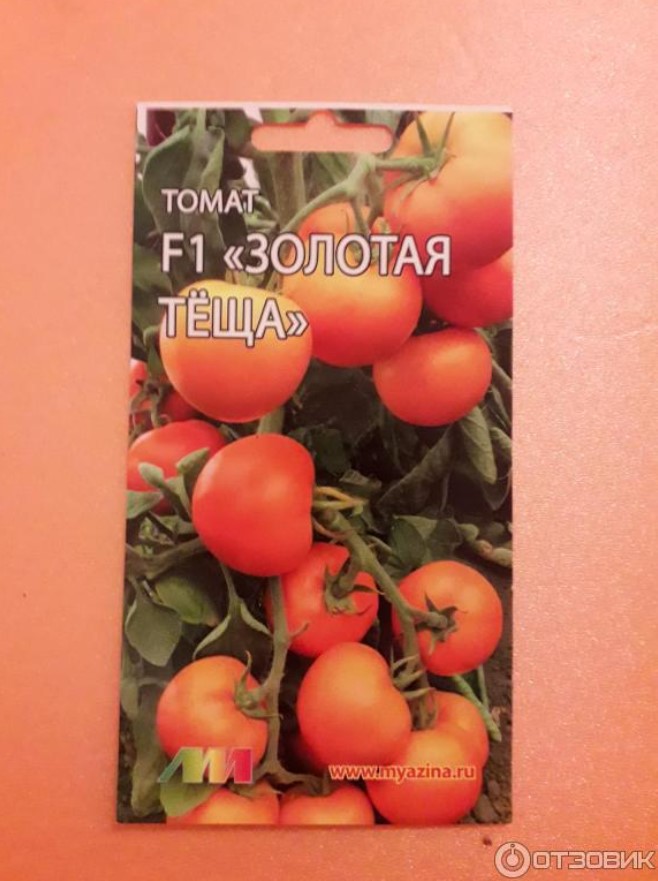
Since this variety is a hybrid, its seeds cannot be used for further planting; they will differ from those stated by the manufacturer. Therefore, it is best to purchase Zolotoy Teshcha F1 seeds exclusively from retail outlets.
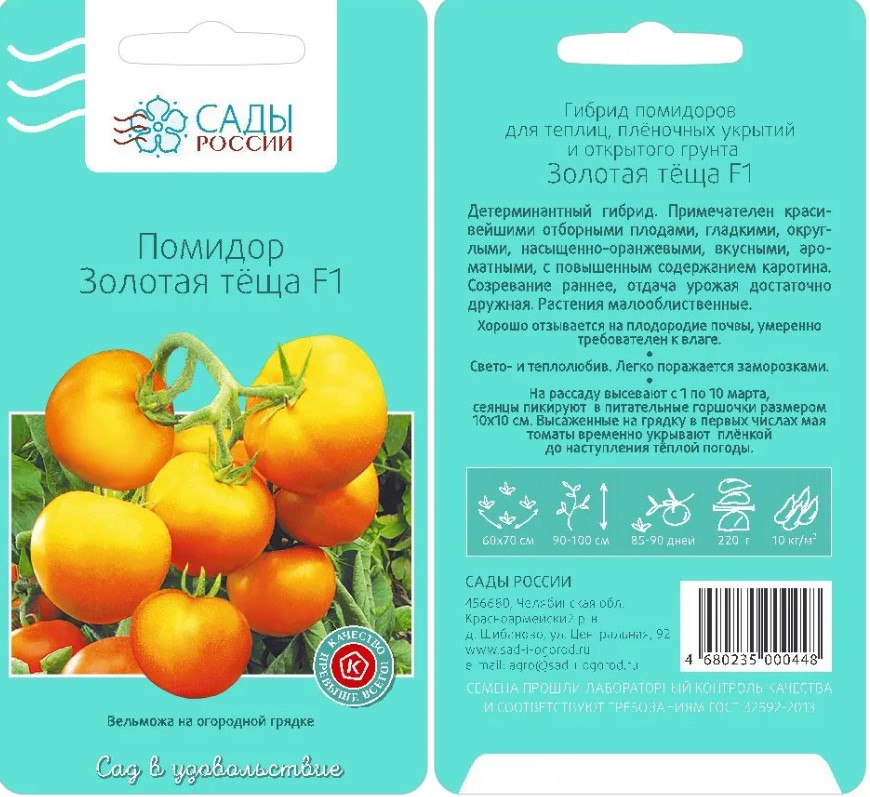
Manufacturers typically sell pre-prepared seeds that simply need to be planted. However, if the packaging doesn't indicate such preparation, it's best to do it at home using the following procedure:
- Sort the seeds and remove any damaged ones if necessary.
- Soak them for 15 minutes in a weak solution of potassium permanganate.
- Treat with a growth stimulator, for example, Epin.
- Germinate before planting by placing in a damp cloth and placing in a warm place.
As experienced gardeners note, sprouted seeds take root better and develop more actively.
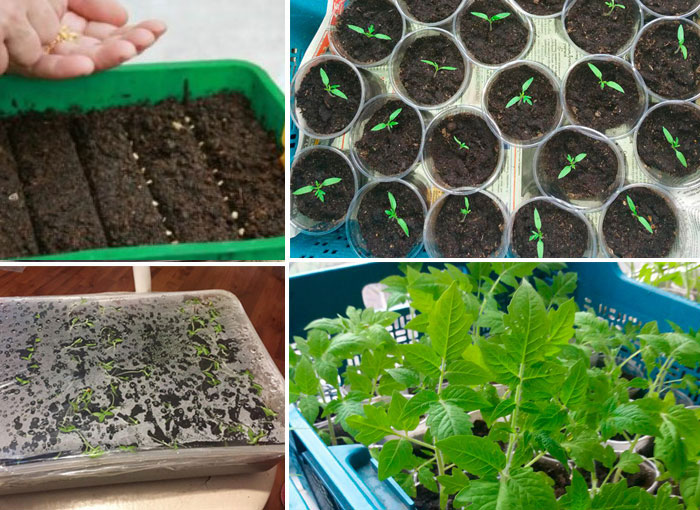
You can choose any suitable container for seedlings, but it is most convenient to use individual cups or cut plastic bottles.
It is recommended to use a universal soil mixture, but if desired, you can combine 2 parts garden soil, 1 part peat and 1 part humus.
Sowing is carried out according to the following algorithm:
- The selected container is filled with soil.
- Furrows 2 cm deep are made, into which seeds are sown at intervals of 2 cm.
- The container is covered with film and placed in a room with a temperature of about 20-25 degrees.
When the seedlings appear, the film should be removed and the seedlings should be moved to a cooler room with a temperature of 14 to 16 degrees.
Tomatoes are watered periodically, but the soil should not be allowed to become over-watered.
Light is very important for seedlings; in February and March they will need to be illuminated so that the plants receive at least 12 hours of daylight.
At the stage of appearance of 2-3 true leaves, tomatoes are pricked out and the roots are trimmed a little.
10-14 days before transplanting tomatoes into the garden, watering is reduced, and the seedlings begin to harden off by taking them outside during the day.
Planting in the ground
Tomatoes are planted outdoors when the soil warms up to 12 degrees Celsius. The seedlings should be at least 50 days old.
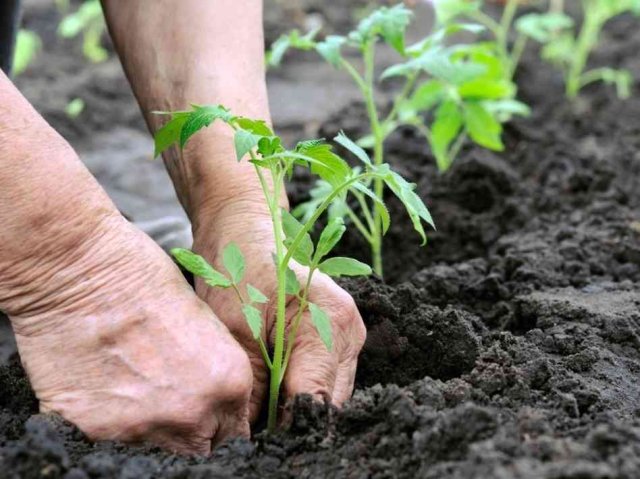
It is better to carry out the work in the evening or on a cloudy day; the distance between bushes should be 40 cm, and between rows – 70 cm.
The landing is carried out according to the following scheme:
- The soil is dug up with the addition of humus, peat and superphosphates.
- Holes are made 20 cm deep, and a handful of ash and complex fertilizer are added to each.
- Watering is in progress.
- The bushes, together with a lump of earth on the roots, are transferred into the hole, and the roots are buried.
Experienced gardeners recommend planting weak bushes along the edges of the bed, and placing only healthy plants in the rows.
Care
The Golden Mother-in-Law tomato doesn't require any special care; it's quite simple:
- Water the plants 1-2 times a week with settled water. It's best to do this in the evening to prevent moisture from getting on the plants and causing sunburn.
- Fertilize 3-4 times per season at 10-14 day intervals. You can use any complex tomato fertilizer, or spray with Bordeaux mixture or phytosporin.
- Stepchildren are removed once a week, and as the bushes grow, they form 1-2 shoots.
- When growing tomatoes in a greenhouse, it is necessary to ventilate it regularly to prevent rot.
- To protect the roots from cold or sunlight, the surface of the bed is mulched with bark, sawdust or straw.
- Weeding and loosening of plantings is carried out as necessary.
Do you want to know? About the best tomato varieties that don't require pinching?
Resistance of the Golden Mother-in-Law tomato hybrid to diseases and pests, prevention, control
The "Golden Mother-in-Law" tomato is extremely rarely susceptible to disease, as the hybrid has a strong immune system. However, if care instructions are not followed, certain diseases may occur, and tomatoes are also susceptible to certain pests. The table below describes the main problems associated with the "Golden Mother-in-Law" tomato.
| Disease/pest | Prevention | Struggle |
| Late blight | Follow watering rules and ventilate the greenhouse. | Spraying with a solution of Fitosporin, Bordeaux mixture, removing damaged parts of the bush. |
| Colorado beetle | Do not plant tomatoes next to potatoes; inspect the plantings regularly. | Manually collect larvae and adults. In case of a large infestation, use specialized products (Aktara, Prestige, Corado, etc.). |
| Slugs | Weed the beds, removing all weeds. Sprinkle the spaces between the rows with dry mustard, ash, or slaked lime. |
Using bait traps, such as Ulicid. If there is a large concentration of individuals, chemical preparations will help - Meta, Groza, Slizneed. |
Harvesting, using and storing the Golden Mother-in-Law F1 tomato
Tomatoes ripen 85-90 days after germination. The fruiting period can last until mid-October. If temperatures drop below freezing, it's best to pick the tomatoes and let them ripen indoors at 20-25 degrees Celsius with 80% humidity.
Tomatoes are easy to transport and can be stored for a long time at temperatures no higher than 5 degrees.
The fruits have versatile uses. They are suitable for pickling and preserving, salads and main courses, and also for eating fresh.
Comparison of the Golden Mother-in-Law F1 tomato hybrid with other varieties in the table
| Variety | Ripening period (number of days from full germination to ripening)
Yield of commercial fruits |
Brief description | Fetus |
| Golden Mother-in-Law F1 | about 90 days 1000 c/ha (greenhouse and under film) |
An early-ripening determinate variety for open ground and greenhouses. Suitable for salads. Drought-resistant. | Flat-round, ribbed, medium density, orange, 100-120 g. Good taste. |
| De Barao yellow | 110-120 days
1200 c/ha |
An indeterminate plant with a bush up to 200 cm tall. Recommended for growing under plastic cover. The bushes are formed into two shoots and require staking. This versatile tomato is well-suited for whole-fruit canning and can be used in dietary menus. | The fruits are round-oval with a smooth surface and a slight indentation at the base. Ripe fruits are bright yellow or golden in color, weighing 80-90 g. The flavor is excellent. |
| Heart of Gold | 93-95 days
up to 700 c/ha |
An early-ripening, determinate variety for open ground cultivation. Suitable for salads, whole-fruit canning, and processing into tomato products (dietary juices). | Heart-shaped, slightly ribbed, orange, 90-107 g. Good flavor. The fruits contain increased amounts of carotene. |
| Honey Savior | 110-115 days
560 c/ha (open ground), 1400 c/ha (greenhouse and under film) |
A mid-season indeterminate variety for open ground and greenhouses. Requires staking and shaping. Suitable for salads. Marketability is 98%, and the yield of ripe marketable fruits is 74% (Novosibirsk Region). Tolerant of adverse growing conditions, heat-resistant, and easy to transport. | Round, smooth, orange, 160-218 g. Excellent flavor. Fruit stores well. |
| Honey Giant | 110-115 days 750-800 c/ha (greenhouse and under film) |
An early-ripening indeterminate variety for open ground and greenhouses. Requires staking and shaping. Suitable for salads. | Flat-round, ribbed, medium density, orange, 250-300 g. Good taste. |
| Honey salute | 116-120 days
690 c/ha |
A mid-season indeterminate variety for greenhouses. Requires staking and shaping. Suitable for salads. | Flat-round, very large, ribbed, medium density, yellow, 320-450 g. Excellent taste. |
| Wonder of the World | 120 days
550-620 c/ha |
A late-ripening indeterminate variety for open ground. Requires staking and shaping. Suitable for salads and pickling. | Obovate, slightly ribbed, yellow, 80 g. Good taste. |
| Mikado Yellow (Gold) | 110-120 days
600-800 c/ha |
A mid-early standard indeterminate variety for greenhouses. Suitable for salads and juice. | Round, flattened, slightly ribbed, yellow, 500 g. Good taste. |
| Mikado Orange | 85-100 days 600-700 c/ha |
An early indeterminate variety. Outdoor cultivation is acceptable in warmer regions. In central Russia, greenhouse planting is recommended. Suitable for salads. | Round, ribbed, orange, up to 300 g. Excellent taste. |
| Orange giant | 110-115 days
630-660 c/ha |
A mid-season indeterminate variety for open ground. Requires staking and shaping. Suitable for salads. | Flat-round to round, strongly ribbed, orange, 350 g. Excellent taste. |
| Orange elephant | 100-110 days
690 c/ha |
A mid-early determinate variety for greenhouses. Suitable for salads. | Round, smooth, medium-dense, orange, 130-160 g. Excellent taste. |
| Persimmon | 90-105 days
580 c/ha |
A mid-season determinate variety for open ground and greenhouses. Suitable for salads. | Flat-round, medium-ribbed, orange, 240 g. Excellent taste. |
Gardeners' reviews of the Golden Mother-in-Law F1 tomato hybrid
These are delicious orange tomatoes. Growing tomatoes is a pleasure; they're even resistant to late blight, but finding seeds can be difficult.
Tomato seeds Myazin L.A. "Golden Mother-in-Law F1" - a handsome and also tasty
ADVANTAGES:
Good fruit set even in hot weather, juicy, tasty, sweet, hypoallergenic, with increased beta-carotene content.
FLAWS:
I have a 50% germination rate.
Last year, I planted a tomato from the breeder Myazino L.A., "Lilac Fog," and my whole family was delighted with it, so this year I bought other varieties from this producer. The earliest ripening one is "Golden Mother-in-Law F1."
There were 10 in the bag, and exactly half of them sprouted. I planted one in the greenhouse, and it was the first to ripen.
This year has been extreme for gardeners: a cold and rainy spring followed by an abnormally hot summer, but even in these conditions, tomatoes performed well. Fruit set is an order of magnitude higher than that of other greenhouse varieties.
The bush isn't very tall, about 80 cm in the greenhouse. It doesn't have much foliage, so you don't need to pinch it out. It's recommended to limit growth after the fifth cluster, but I was late doing this, and the tomatoes didn't turn out very large, but maybe that's not the reason.
There are 6-8 tomatoes in a cluster. The description promises uniform ripening, but I didn't notice this; they ripen gradually. The tomatoes first turn yellow, then bright orange. We picked the first one when it was yellow and were disappointed with the taste, but when we picked the orange one, the taste was a pleasant surprise and delight.
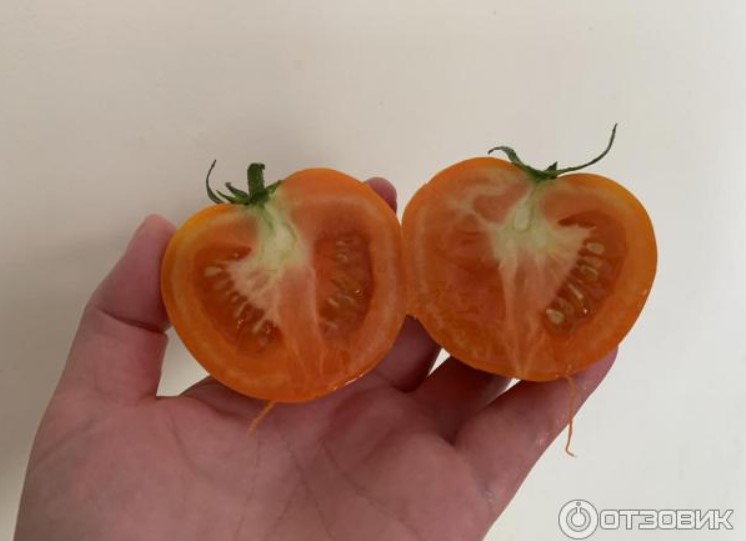
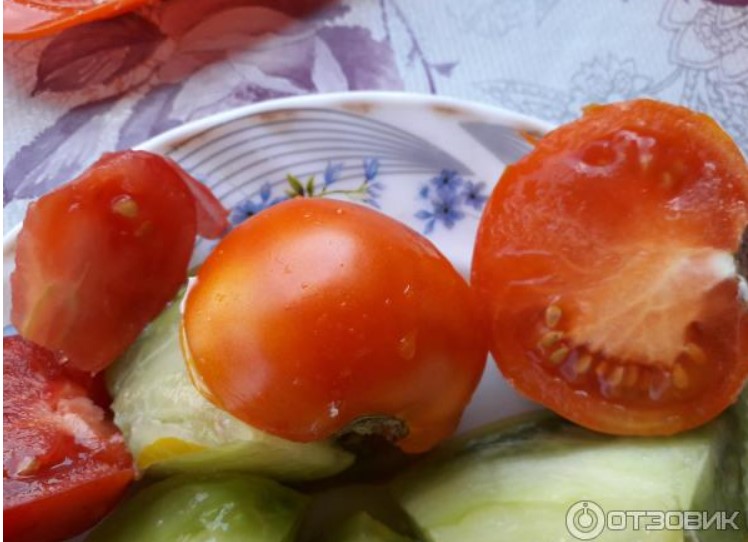
The tomatoes are roughly the same size. I wasn't able to grow them to the promised 250g; they're all just over 100g. But they're all nice and smooth, and will look great when pickled. They don't crack. The flesh inside is also orange; the description states that the beta-carotene content is 5-7 times higher than red tomatoes.
I cut two tomatoes of different varieties, and my husband said this one was very fragrant, filling the entire apartment with its scent. As the packaging promises, it's hypoallergenic—just wonderful. Even though it's a hybrid, not a cultivar, the tomato tasted very sweet with a slight tartness, not dry at all (yellow tomatoes are prone to this), and the skin was thin. A very respectable variety, delicious, and showed good results in adverse weather conditions. It will become one of my favorites. Germination was a bit disappointing, though, perhaps because I ordered the seeds last summer, inspired by the "Lilac Mist" variety, and they sent me seeds with a two-year shelf life. Fresh ones probably germinate better.
I still give it an A. It costs 45 rubles for 10 seeds. I recommend it.
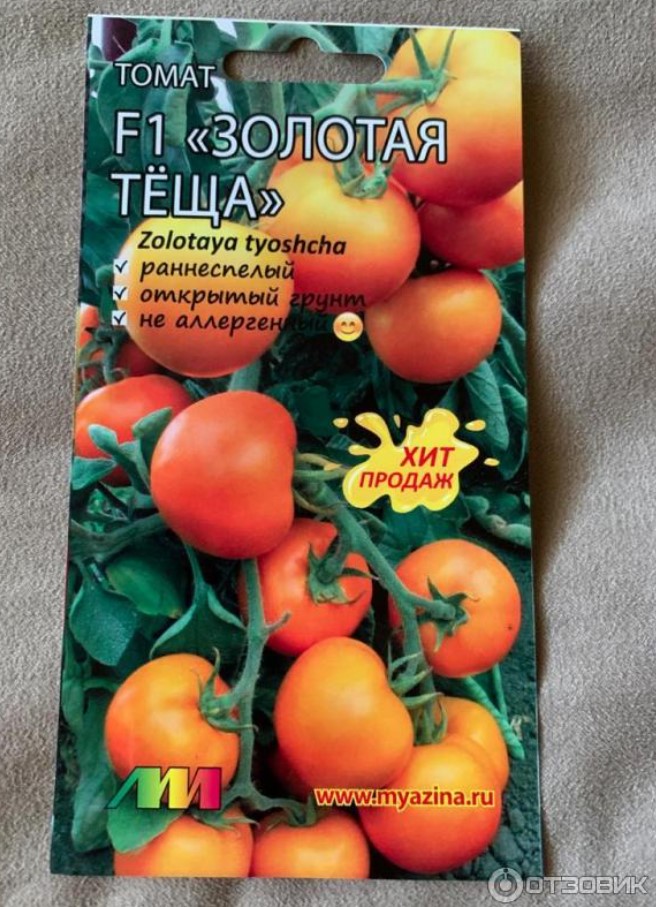
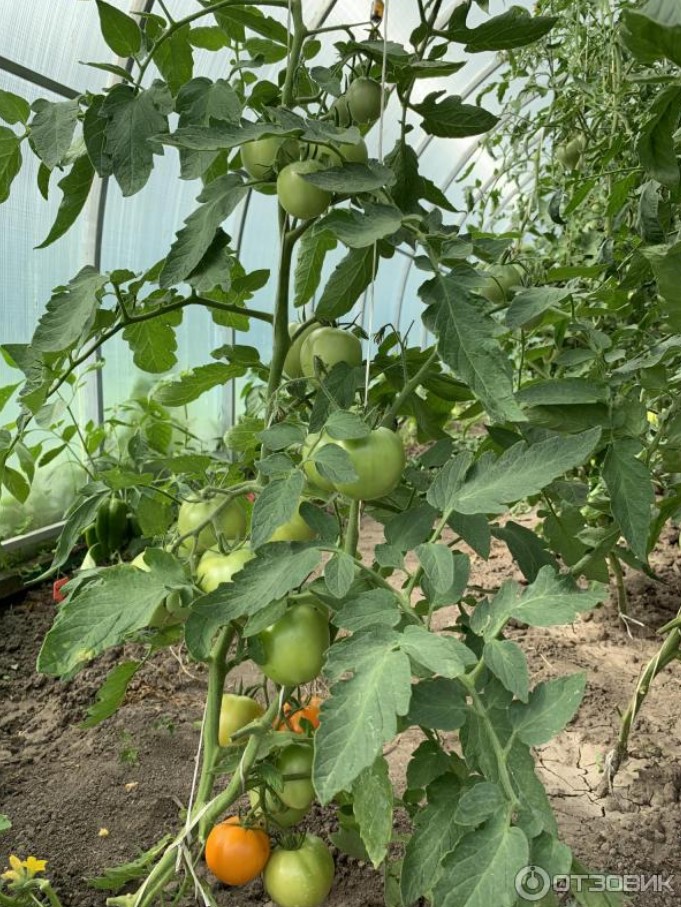
Tomato seeds Myazin L.A. "Golden mother-in-law F1" - "Golden mother-in-law" - super tomatoes
ADVANTAGES:
yield, taste
FLAWS:
No
Greetings to all readers of my review!!!My review of the "Golden Mother-in-Law" tomato. I can't seem to settle on any particular tomato variety—I either can't find it, or I've forgotten its taste, etc. But I did find an excellent eggplant; I'll write about it soon. Plant it, you won't regret it.
"Golden Mother-in-Law" is an early ripening variety.
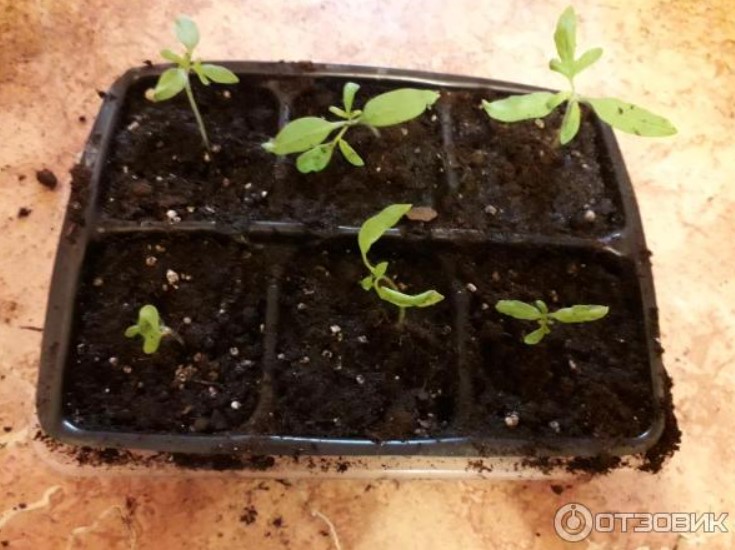
I sow seeds for seedlings in the first half of March so that the seedlings do not outgrow.
To keep the seedlings small, I rarely water them or fertilize them. Why should the seedlings be small? It's to ensure a larger harvest. True, the harvesting period is slightly longer. But that's not a problem—for an early harvest, plant a couple of bushes of a super-early variety.
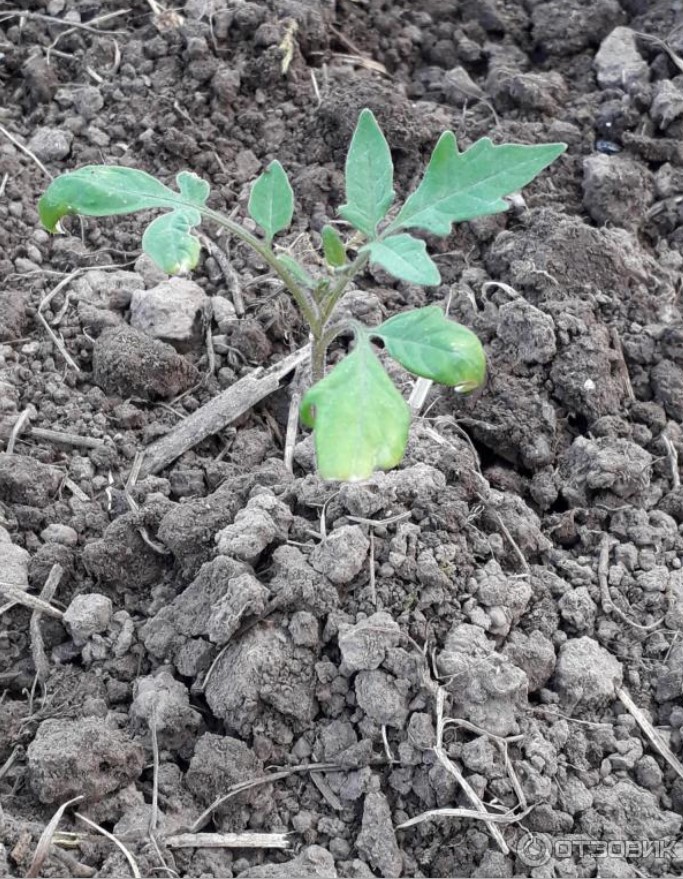
This is the little thing I plant in the greenhouse.
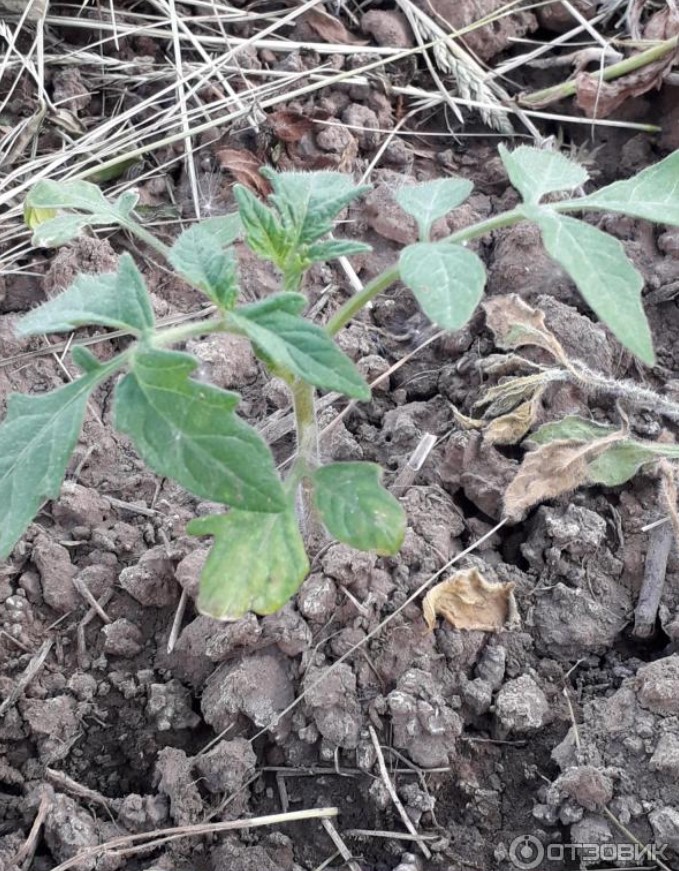
The plant took root immediately and began to grow quickly.
I water the greenhouse twice a week (except for cucumbers - 3-4 times).
I sprinkle my tomatoes with ash—that's all the fertilizer I use. This year I wanted to water them with chicken manure, but I never got around to it. I have chickens at my dacha. Visit Dacha World with Nina on Zen—I'd be incredibly grateful.
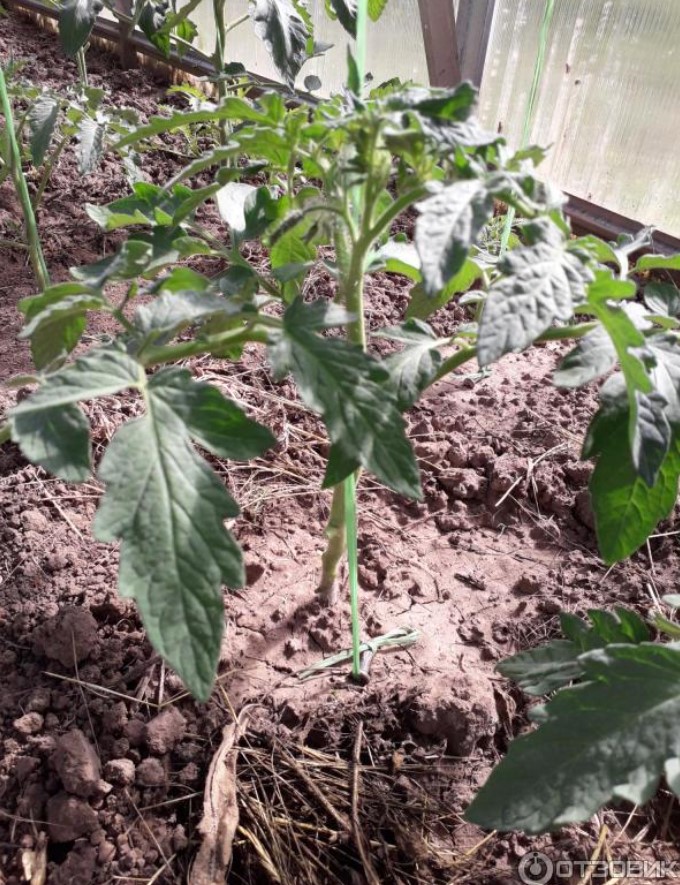
The plants grew and developed normally.
I cover the entire greenhouse with mown grass.
For what?
1 - to prevent weeds from growing (weeding the greenhouse is eliminated, which is a plus, since there is already a lot to do at the dacha)
2 - to retain moisture
3 - to avoid late blight
The fruits are round. This variety is productive, with the largest weighing up to 250 grams. A cluster contains up to twelve fruits.
Orange tomato. I like to plant tomatoes of different colors, namely orange, pink, red, and yellow.
The orange color didn't come out in the photo, but take my word for it.
The tomato is fleshy and very pleasant to taste.
I recommend the tomato variety "Golden Mother-in-Law" (especially for mothers-in-law) for planting in your garden.
I wish everyone a good harvest!!!
Thank you for your attention to my review.
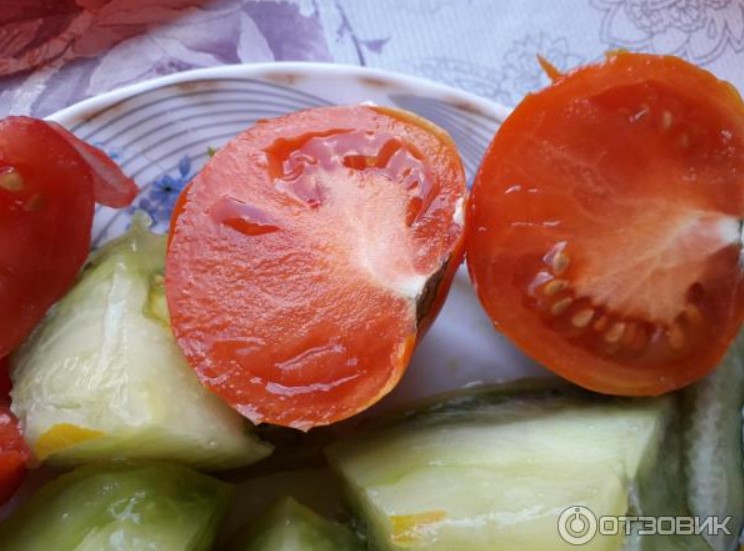
Golden Mother-in-Law F1 (Myazina)
I grew it in the open ground. The bush grew to 1 m 20 cm. It's mid-season and very productive. It has a dense skin and a beautiful appearance. But the taste is a 4, a bit sour.
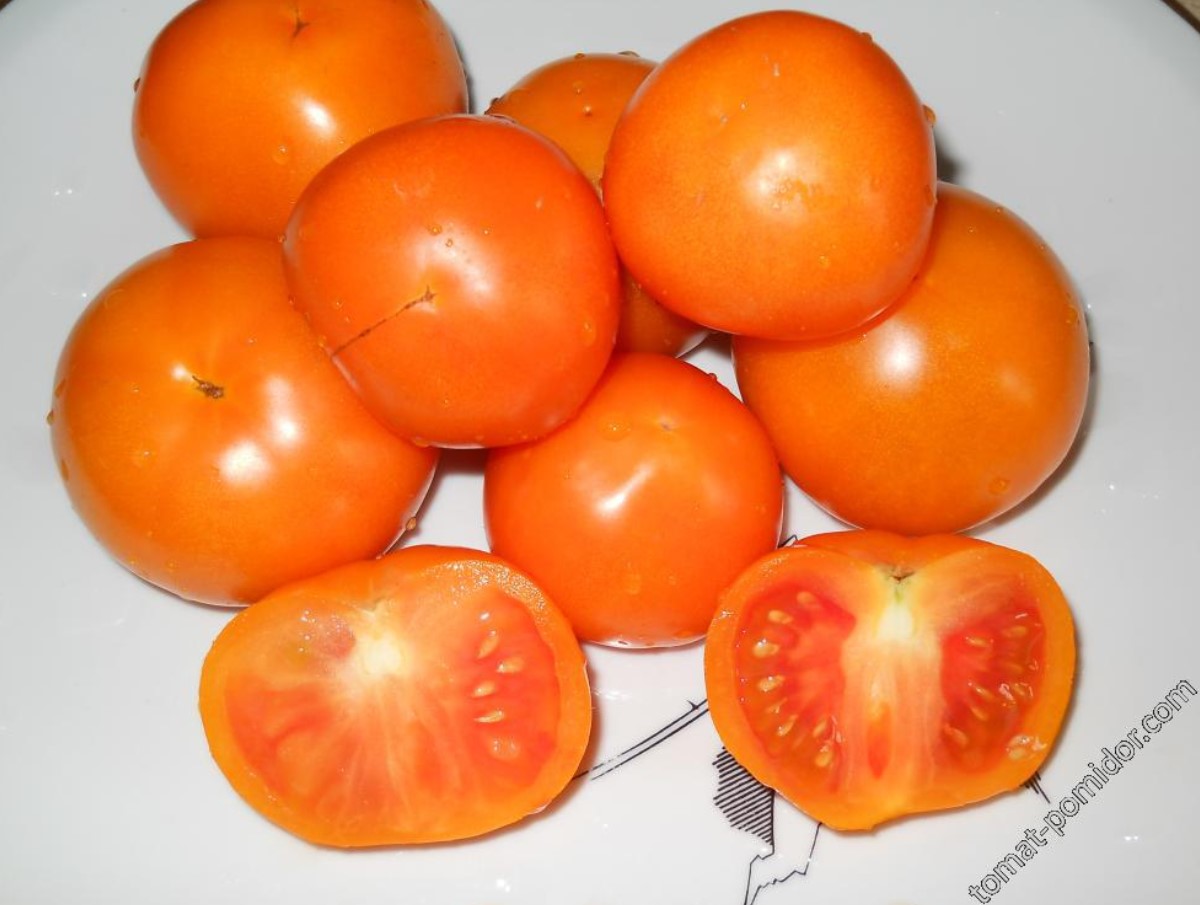

Tomato Golden Mother-in-Law.
This year I only planted one tomato from breeder L.A. Myazina. I really like all of her tomatoes, but I planted them all last year, and I wanted to try something new. That new thing turned out to be her Zolotaya Matushka (Golden Mother-in-Law).
The tomatoes turned out beautiful, fruitful, and delicious. The plant stopped growing after the fifth inflorescence, but I left the side shoots, and they're still blooming…
The Golden Mother-in-Law tomato is a hybrid, early, productive, determinate, and lightly foliated variety. It can be grown both in the open ground under temporary plastic cover and in a greenhouse.
I planted it as seedlings on March 8th and transplanted it into the greenhouse in early May. I added eggshells, AVA slow-release fertilizer, bone meal, and ash to the hole. I mulched the soil with grass clippings.
I hardly pruned any side shoots. Despite constant digging underneath it, it survived, which I'm very happy about. The tomatoes ripened evenly, forming beautiful, dense clusters. They don't crack, they're fragrant, and they contain, as they say, 5-7 times more beta-carotene than red tomatoes.
The taste is pleasant, balanced... Not too sweet, with a hint of sourness.
The tomato is suitable for fresh consumption, making juices and tomato paste, and is suitable for canning, baby food, and dietary nutrition, as it is non-allergenic.
It stores well and doesn't crack with changes in temperature and humidity. To prevent late blight, I sprayed it with phytosporin a couple of times.
I liked the tomato "Golden Mother-in-Law": tasty, beautiful, productive, early.
I'm leaving it in my collection.
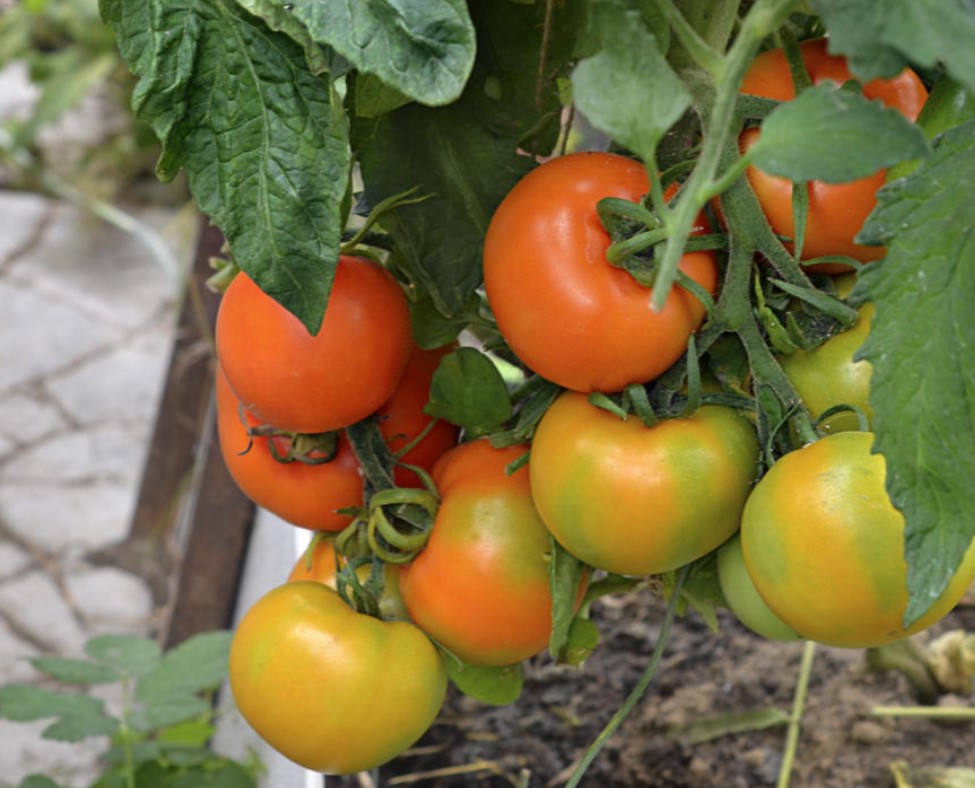
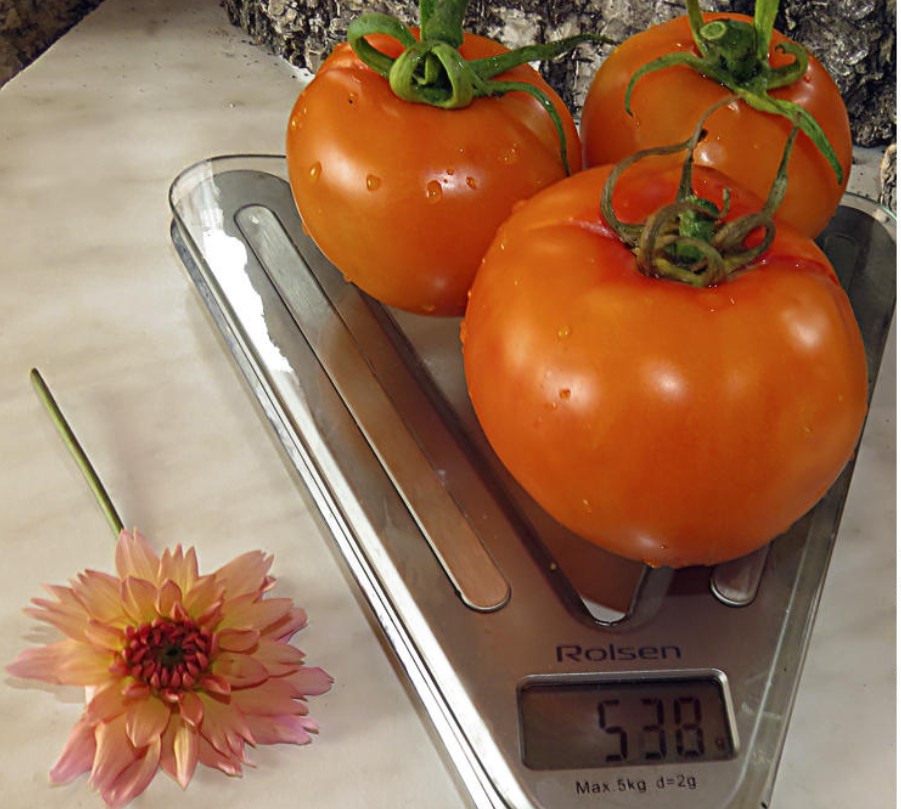
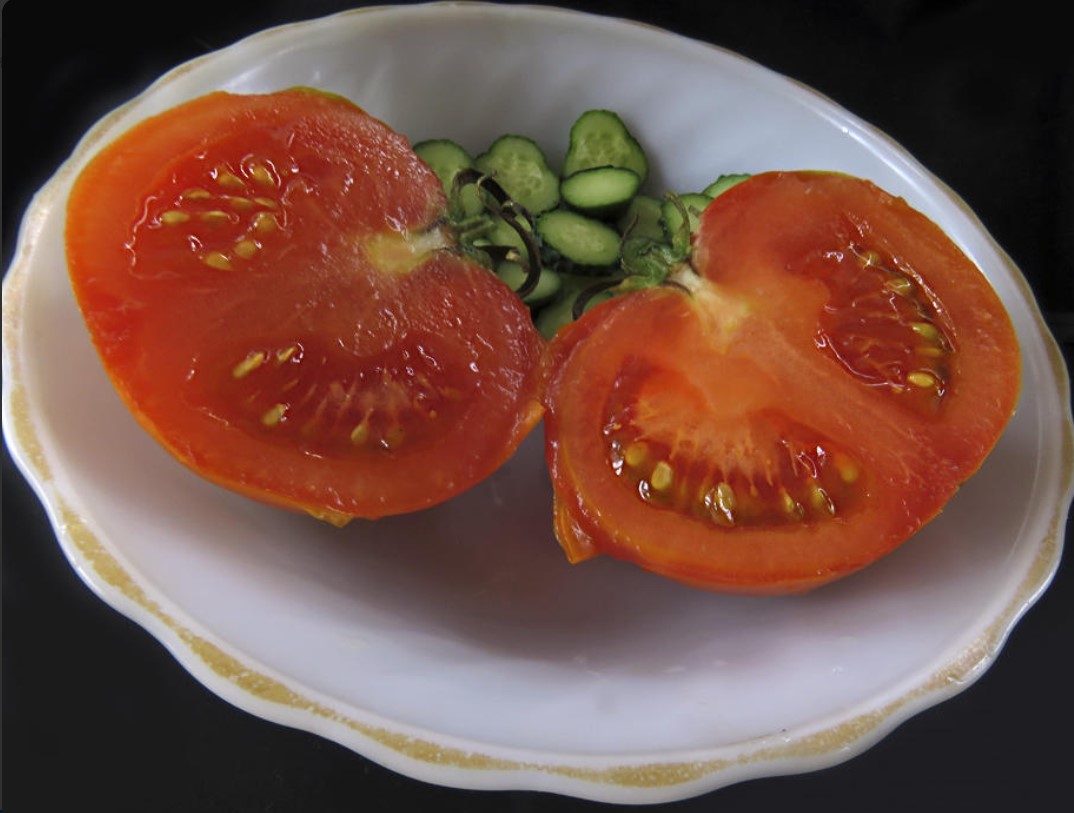
Golden Mother-in-Law F1, AC selection. I really liked this variety; it produces uniform, medium-sized fruits, 12-15 per plant. The flavor is good. This variety is similar to my favorite, Golden Heart. I plan to plant it this year. I grew it outdoors.