The Honey Drop tomato produces delicious, small fruits with a honey aroma and a pleasant sweetness. This variety is intended for growing in greenhouses and hotbeds, but in the south of the country, gardeners have a good chance of getting a good harvest even when planting tomatoes outdoors.
Content
- 1 Characteristics of the tomato variety Honey Drop in the table
- 2 The history of the Honey Drop tomato variety
- 3 Advantages and disadvantages of the Honey Drop tomato variety
- 4 Growing the Honey Drop tomato variety
- 5 Resistance of the Honey Drop tomato variety to diseases and pests (table)
- 6 Harvesting, using and storing the Honey Drop tomato variety
- 7 Comparison of the Honey Drop tomato variety with other cherry tomato varieties
- 8 Gardeners' reviews of the Honey Drop tomato variety
Characteristics of the tomato variety Honey Drop in the table
|
Ripening period (number of days from full germination to ripening) |
100-110 days |
| Description | Indeterminate mid-early tomato variety for greenhouse cultivation. |
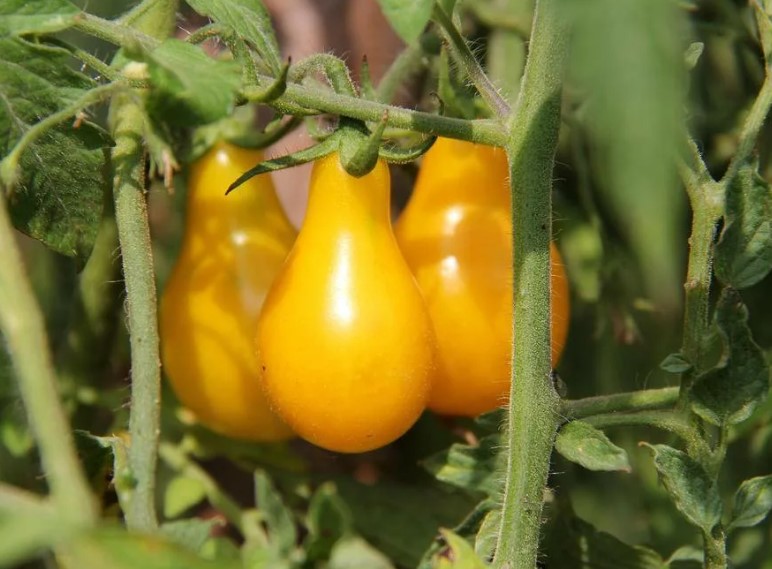
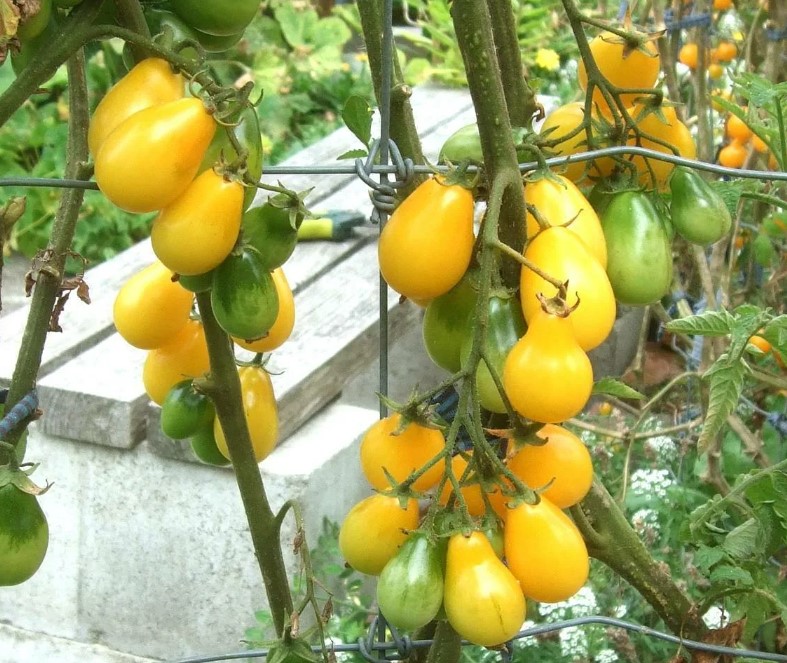
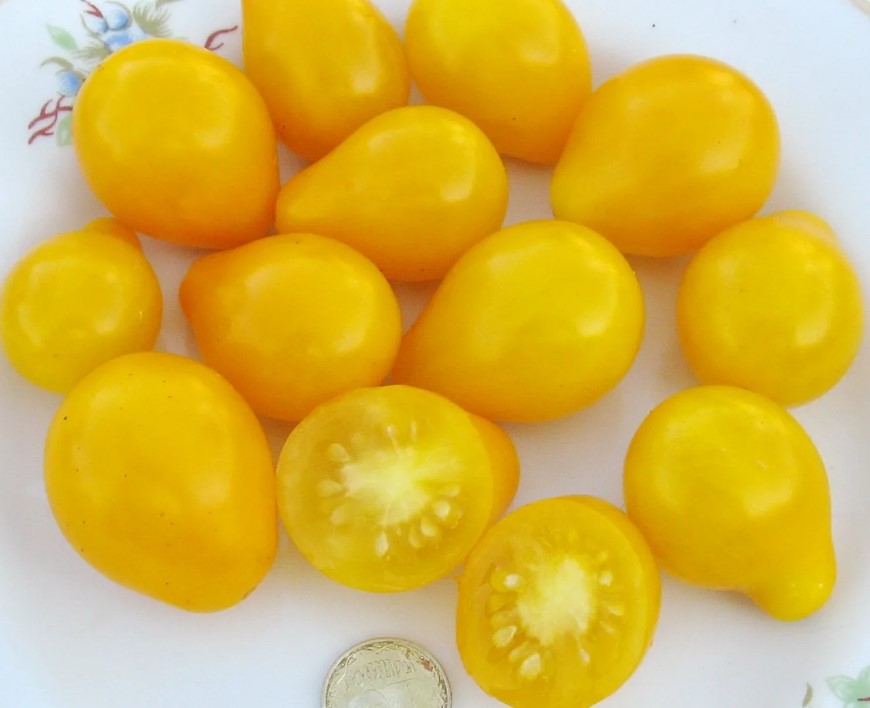
| Fetus | Pear-shaped, with virtually no ribbing and medium-firm flesh. Ripe fruits are yellow. |
| Fruit weight | 40-50 g. |
| Taste | Pleasant, with a honey flavor |
| Usage | General purpose |
| Marketability | High |
| Shelf life | Moderate |
| Yield of commercial fruits | 8.8-9.5 kg per square meter |
| Disease resistance | Strong immunity, high resistance to late blight |
| Agricultural technology | Requires pinching and tying up of bushes, planted according to the 40x60 scheme |
| Growing regions | Northern, Northwestern, Central, Volga-Vyatka, Central Black Earth Region, North Caucasian, Middle Volga, Lower Volga, Ural, West Siberian, East Siberian, Far Eastern |
| 2019 | |
| Originator | LLC "Breeding company "Gavrish" |
Photo gallery of tomato variety Honey Drop
The history of the Honey Drop tomato variety
The Honey Drop tomato was conceived as a cherry tomato variety based on its characteristics.
Its distinctive features are its yellow color and pear-shaped form. It was created thanks to the efforts of breeders. Gavrisha S. F., Moreva V. V., Amcheslavskaya E. V., Degovtsova T. V., Volok O. A., Vasilyeva M. Yu. Initially, the variety was intended only for greenhouse cultivation, but was eventually cultivated in open ground, but only in regions with a warm climate. In the central part of the country, the fruits simply won't have time to ripen before the cold weather sets in.
Characteristics of the bush
The characteristics of the Honey Drop tomato variety's bushes will depend on the growing method. Greenhouse-grown plants typically grow taller and more vigorously, with more ovaries.
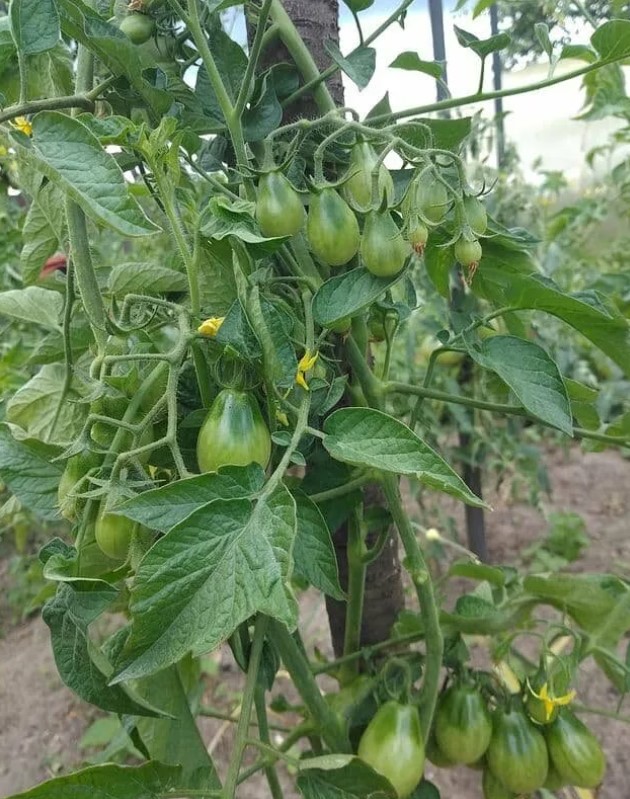
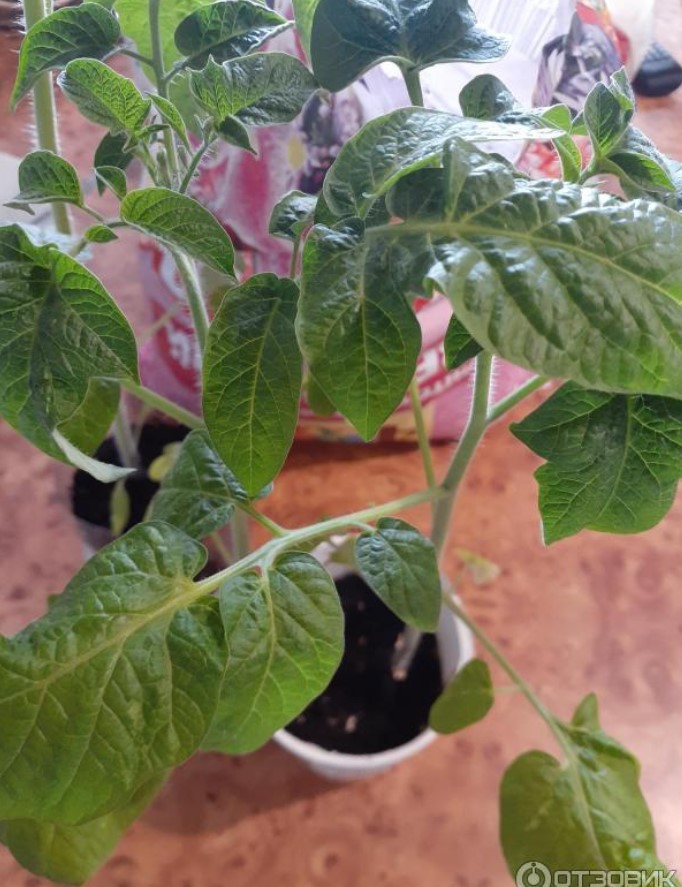
In open ground, the vine-like shoots grow up to 170 cm, but in a greenhouse they can barely reach 60 cm. The bushes are lush and require regular side shoots throughout the growing season. The leaves are medium-sized, very similar to potato leaves.
Fruit characteristics
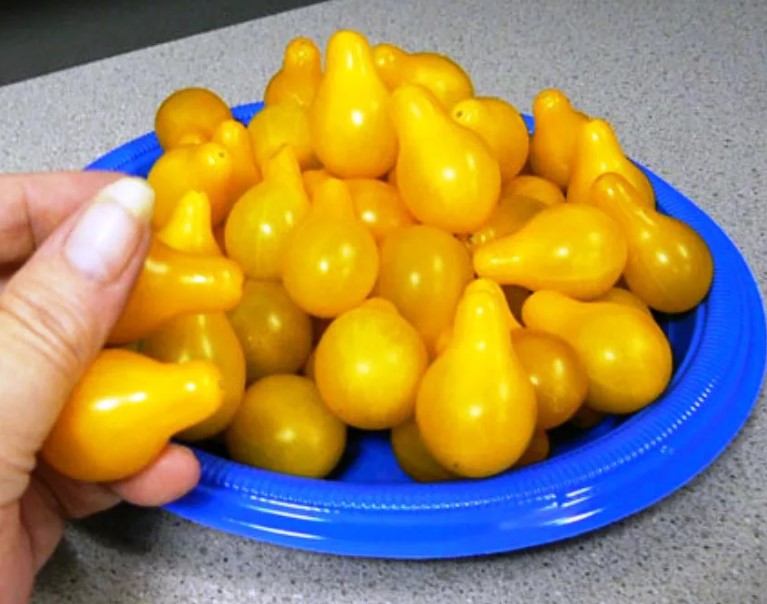
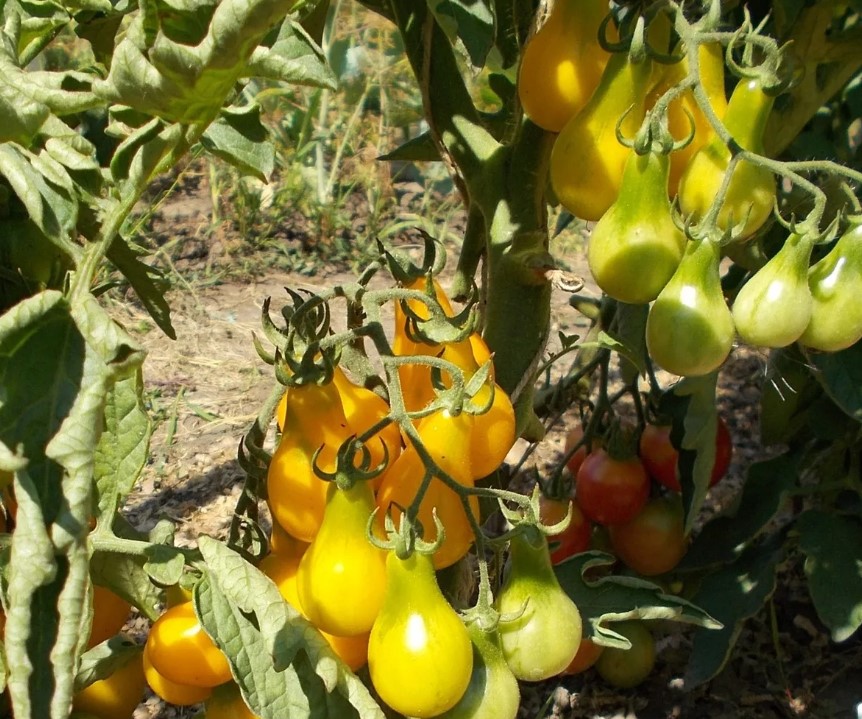
Honey Drop tomatoes are formed from simple inflorescences and grow in clusters or bunches. They are pear-shaped, yellow in color, lack ribbing, and have smooth, glossy skin. Fruit weight ranges from 30 to 50 g.
The taste of ripe fruits is almost completely devoid of sourness and is characterized by a honey-like sweetness.
Ripening time and yield
Honey Drop is considered a mid-season tomato, with fruits ripening in 100-110 days from the moment the first shoots appear.
With proper care, yields range from 8.8 to 9.5 kg per square meter. Gardeners report that each greenhouse tomato plant can yield up to 2 kg of tomatoes.
Advantages and disadvantages of the Honey Drop tomato variety
The Honey Drop tomato variety has a number of advantages and disadvantages, which are described in the table below.
| Advantages | Flaws |
|
|
Growing the Honey Drop tomato variety
The Honey Drop variety doesn't require special care, but it can be demanding regarding soil composition, so when growing it, special attention should be paid to the fertilization and feeding stage.
Sowing seeds and growing seedlings
Experienced gardeners note that home-collected seeds of the Honey Drop variety retain their viability for a very long time. Even after 10 years, they can be sown, and some of the seeds will still sprout as if nothing had happened.
Sowing is carried out 50-60 days before planting in a permanent bed, so the exact timing will depend on the region:
- In the south, planting takes place in mid-February,
- In the central part - at the beginning of March,
- In the northern regions – at the end of March.
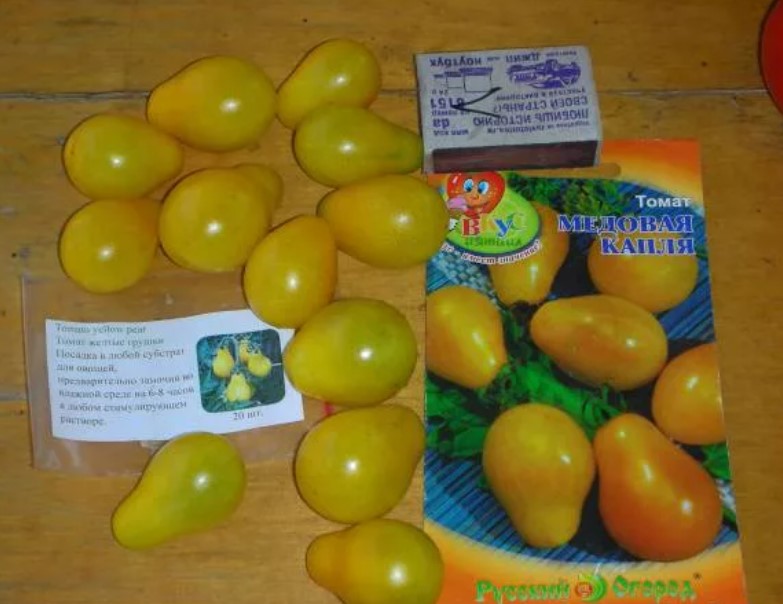
It's best to prepare the seeds in advance by disinfecting them in a weak solution of potassium permanganate and soaking them in a growth stimulator. When purchasing seeds, pay attention to the manufacturer's information. If the manufacturer specifies that the seeds have been pre-sale prepared, then there's no need to further process them at home.
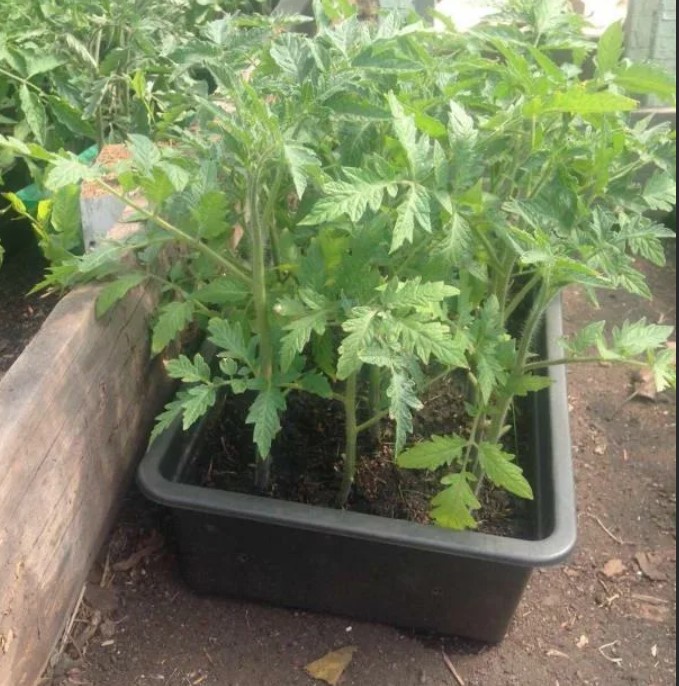
It's best to purchase specialized soil for tomatoes, as Honey Drop is sensitive to soil composition. Any loose plastic container, such as a container, a box, or a cut-off bottle, will do. However, a peat pot is best, as it already contains nutrients and won't damage the plants when planted.
Fill the container with soil. Make furrows 15 mm deep and 3 cm apart in the top. Place seeds in each furrow, spaced 2-3 cm apart, then cover with soil and water with a spray bottle. Cover the container with plastic or glass and place in a warm place until the sprouts emerge. Once they emerge, remove the cover and place the seedlings in a cooler room, providing supplemental lighting with a phytolamp.
Planting in the ground
Honey Drop tomatoes are planted 50-60 days after sowing. In southern regions, it's enough for the shoots to have just leaves, but in cooler climates, it's best to plant them when the first flower clusters or buds are already blooming.
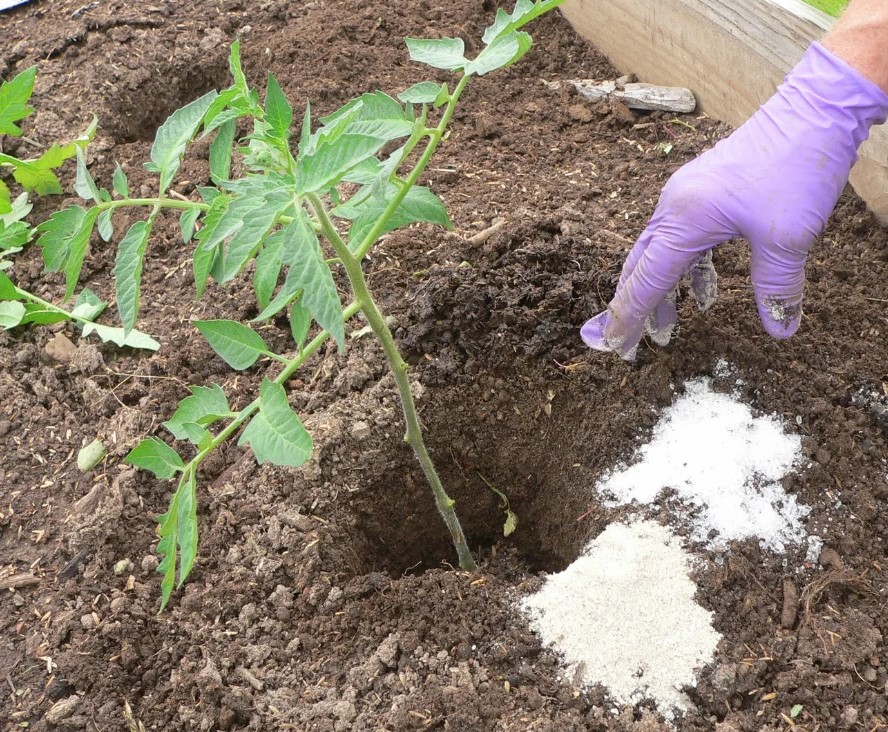
You can move tomatoes to a permanent bed when the soil warms up to 10 degrees in a greenhouse and up to 15 degrees in open ground.
Honey Drop is a fairly demanding variety when it comes to soil composition, so it's important to prepare the bed in advance by digging it with humus and manure in the fall, and then repeating the process in the spring, but without the manure and adding superphosphates.
When choosing a site, avoid areas previously occupied by peppers or eggplants. Legumes, cabbage, and greens are good precursors for tomatoes.
Dig holes 15 cm deep and 40 cm apart in the garden bed. It's best to stagger the holes to make future plant care easier.
Place one plant in each hole, cover with soil, and water. When growing tomatoes outdoors, you can cover the plants with plastic overnight if there's a risk of frost.
Care
After planting, it is recommended not to disturb the Honey Drop tomatoes with any care for 10 days. If necessary, water them if the weather is very hot.
Further watering is carried out at intervals of 7-10 days, but in rainy weather in open ground it will not always be necessary to additionally moisten the soil.
As the bushes grow, side shoots will need to be removed, otherwise the plantings will become too dense and the fruits will be small. Gardeners recommend training tomatoes with a maximum of three shoots.
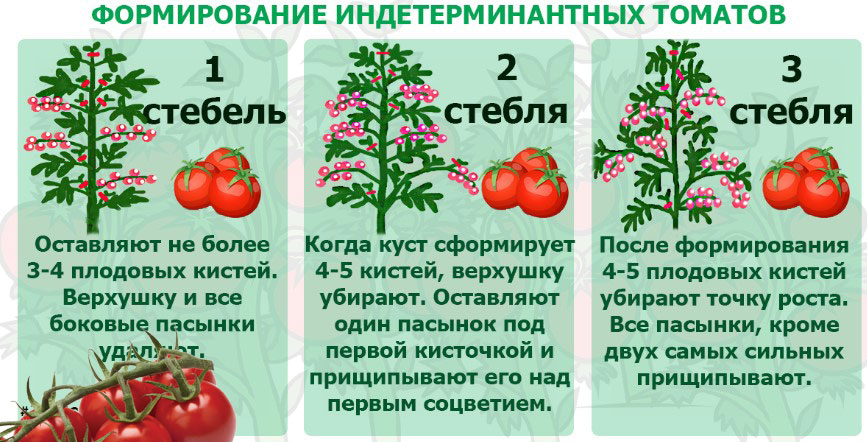
More about the formation and pinching of tomatoes on the website Top.tomathouse.com.
Honey Drop loves fertilizing, so it is necessary to apply complex fertilizers three times per season at intervals of 10-14 days.
Periodically, the bed is weeded and the soil is loosened to rid the tomatoes of competing weeds, improve aeration, and reduce the risk of pests.
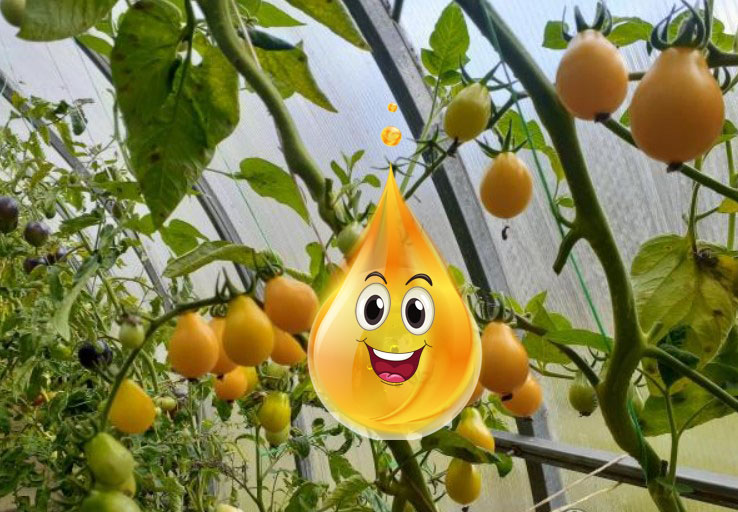
If tomatoes are planted in a greenhouse, it's essential to ventilate it to prevent humidity buildup and the growth of fungi that can cause various diseases.
For information on different types of greenhouses, how to ventilate them automatically, and much more, visit the website. Top.tomathouse.com: All About Gardening (top.tomathouse.com).
Resistance of the Honey Drop tomato variety to diseases and pests (table)
With proper cultivation practices, the Honey Drop tomato variety rarely suffers from late blight and some other diseases, but in most regions, unstable weather makes these problems unavoidable. The table below lists the main tomato diseases and their control methods.
| Disease/pest | Prevention | Struggle |
| Late blight | Avoid overwatering the soil and ventilate the greenhouse. Spray the plants with Bordeaux mixture or phytosporin three times per season, at 10-day intervals. | Copper-based fungicides are used to destroy late blight. |
| Cutworm and tomato moth | Remove weeds and spray the crops with garlic broth. To prepare it, boil 300 g of garlic in water for 60 minutes, bring the volume to 10 liters, and spray the tomatoes. | Spraying with biological preparation Bitoxibacillin, Actellik, Alatara. |
| Powdery mildew | Do not violate watering rules. Apply fertilizer. | Spraying with Topaz fungicide at a rate of 2 ml per 10 liters of water at a consumption rate of 1.5 liters of solution per 10 sq.m. |
| Blossom end rot | Apply calcium nitrate fertilizer at a rate of a matchbox per 10 liters of water. | Treatment with HOM preparations and Bordeaux mixture. |
| Colorado beetle | Treat the plantings with an infusion of poplar leaves and inspect the plantings regularly for the presence of insects and larvae. | Spraying with Apache, Confidor, Zhukoed, etc. |
Harvesting, using and storing the Honey Drop tomato variety
The harvest ripens 110 days after the first shoots appear. Don't leave the fruits on the bushes for too long, as they will begin to crack. It's best to pick them early and store them indoors to ripen.
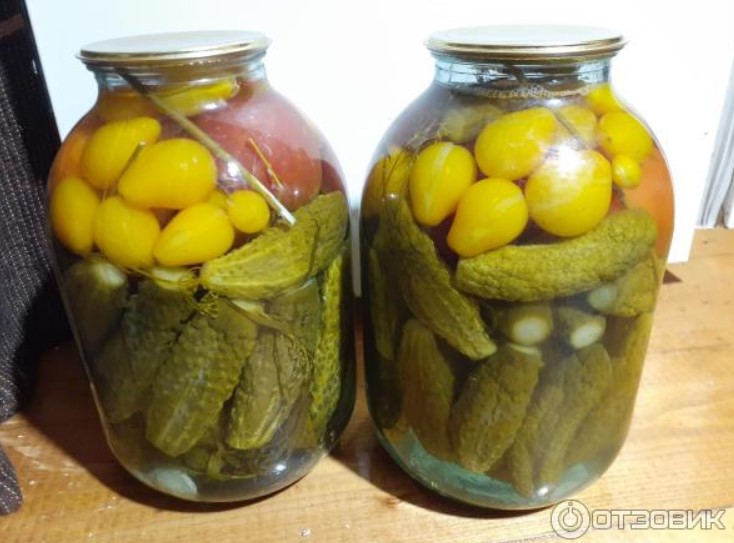
Honey Drop tomatoes are delicious and sweet, making them widely used for fresh eating and as a garnish for prepared dishes. Some home cooks prefer to preserve them. However, for this purpose, choose tomatoes with thicker skins, otherwise they will crack in the jar.
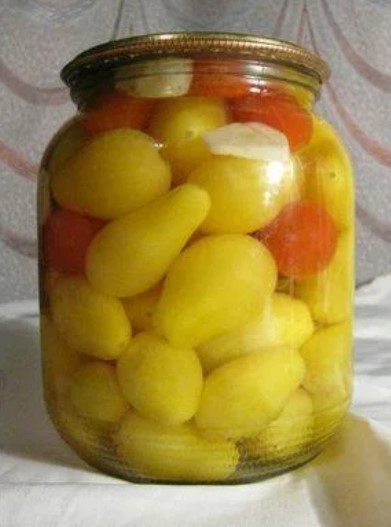
Firm tomatoes can be stored for quite a long time in a cool place without spoiling or losing their flavor.
Comparison of the Honey Drop tomato variety with other cherry tomato varieties
| Variety | Ripening period (number of days from full germination to ripening)
Yield of commercial fruits |
Brief description | Fetus |
| Honey drop | 100-105 days
880-950 c/ha (greenhouse and under film) |
A mid-early indeterminate variety for greenhouses. Suitable for salads. | Pear-shaped, medium density, without ribbing, yellow, 40-50 g. Good taste.. |
| Midas | 105-115 days
700-1000 c/ha |
A mid-season indeterminate variety for open ground and greenhouses. Suitable for salads, canning, and drying. | Pear-shaped, smooth, orange, 60-80 g. Good taste. |
| Yellow date palm | 130 days
Up to 1.8 kg. |
A mid-late semi-determinate variety for open ground and greenhouses. Requires staking and shaping into 3-4 stems. Suitable for salads, garnishing, and canning. | Oval, smooth, yellow, 20 g. Excellent taste. |
| Sweet date | 120-130 days 3-4 kg per bush. |
An early-ripening indeterminate variety for greenhouse cultivation. In the south, it can be grown without cover. Requires staking and training into 3-4 stems. Suitable for salads, garnishing, and canning. | Oval, smooth, orange, 8-10 g. Excellent taste. |
| Orange date palm | 120-130 days
Up to 1.8 kg per bush. |
A mid-late indeterminate variety for greenhouses. In southern regions, it can be planted outdoors. Requires staking and training into 3-4 stems. Suitable for salads, garnishing, and canning. | Oval, bright orange, 15-20 g. Excellent taste. |
| Balcony miracle | 85 days
600 c/ha |
A mid-season, determinate, low-growing variety for open ground and small containers on balconies. Suitable for salads. | Small, round, smooth or slightly ribbed, intensely red, 30-60 g. |
| Yellow cherry | 95-96 days
300-400 c/ha (1 kg per plant) |
An early-ripening indeterminate variety for open ground. Requires staking, pinching, and side shoots above the third or fourth cluster. Suitable for salads and whole-clump canning. | Round, yellow, smooth, 15-20 g. The taste is good and excellent. |
| Thumbelina | 90-95 days 470 c/ha (greenhouse and under film) |
An early-ripening indeterminate variety for open ground and greenhouses. Requires staking and training. Suitable for salads and whole-fruit canning. | Round, smooth, dense, red, 15-25 g. Excellent taste. |
| Golden brush | 95-98 days
640 c/ha (greenhouse and under film) |
An early-ripening indeterminate variety for open ground and greenhouses. Suitable for salads. | Pear-shaped, small, slightly ribbed, medium density, red, 25-35 g. Excellent taste. |
| Orange miracle | 100 days
900-1100 c/ha |
An early-ripening indeterminate variety for open ground and greenhouses. Suitable for salads. | Pear-shaped, smooth, orange, 150 g. Good taste. |
| Raspberry Fountain | 100-105 days
520-610 c/ha (greenhouse and under film) |
An early-ripening determinate variety for greenhouses. Suitable for salads. | Elliptical, medium density, slightly ribbed, raspberry, 20-27 g. Good taste. |
Gardeners' reviews of the Honey Drop tomato variety
These tomatoes are very tasty, but be prepared for constant side-shooting, as they grow very quickly. The fruits are also much smaller than the manufacturer claims. They rarely get sick and require staking. Moreover, tomatoes from the "Russkiy Ogorod" brand are taller and tastier than those from "Gavrish."
After hearing a description of this tomato from a friend of my mother's, I decided I absolutely had to try growing the Honey Drop variety. And the words were surprisingly simple: "We eat them, and not just eat them, but our children (and grandchildren) adore them." Such a simple, yet very effective advertisement. I found the seeds from the agricultural company "Russian Garden."
Everything that grew on a single branch in the first year we got to know this variety deserves respect. But I didn't have any photos from last year of all the stages of plant development, from sowing to transplanting to the greenhouse and initial flowering. Last year's seedlings weren't very attractive, and I didn't take a single photo of Honey Drop. I thought there wouldn't be a harvest. Therefore, all the photos of the seedlings and information before fruit set are from this year.
This year, I sowed the seeds on March 20th. All four seeds sprouted. I transplanted them on March 20th. I kept two shoots for myself and gave away the rest.
Seedlings in April:
Last year, I transplanted it into the greenhouse on May 5 (2021) at the same time as the tomatoes of the IP Myazin L.A. variety “Important Person F1”.
Honey Drop is a mid-season tomato. It grew in a greenhouse under a roof, about two meters high, and its branches extended even further. The leaves are characteristically "potato-shaped," large, and bright green. After transplanting to the greenhouse, the plant's stems and leaves grew rapidly. I didn't leave all the shoots; as with almost all tomatoes, side shoots must be removed to prevent them from becoming overgrown with greenery, which can hinder fruiting throughout the summer. Besides pinching, I had to tie the plant to a trellis. I left three stems:
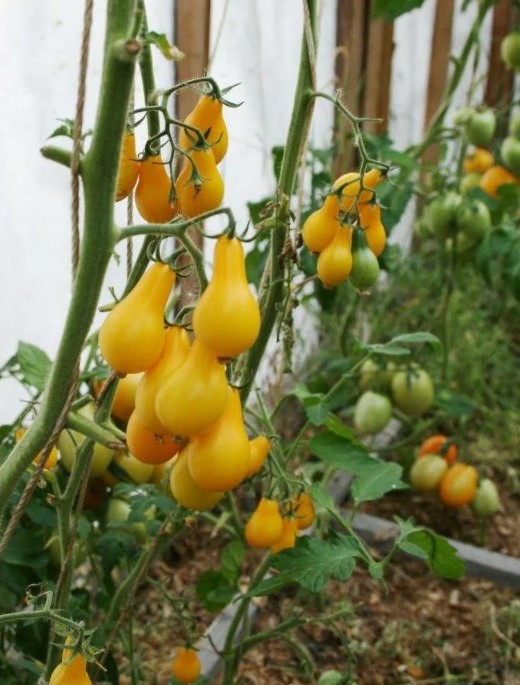
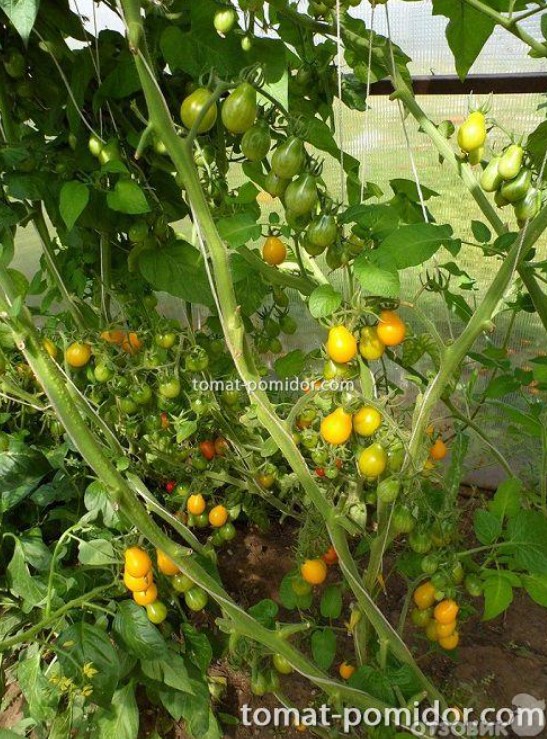
Clusters appeared rapidly, averaging 5-7 on a single stem. Fruit ovaries formed gradually, with 10 or more on each cluster. This number of fruits, from two different branches, is confirmed in the photo.
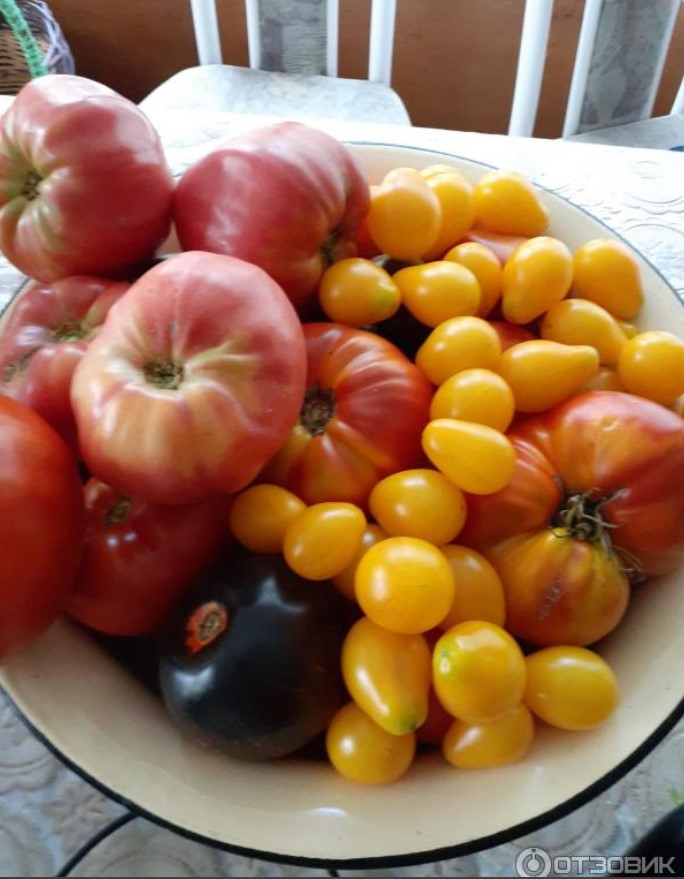
Ripe fruits are bright yellow, teardrop- or pear-shaped, and glow in the sun like miniature light bulbs:
Each mini tomato is small (fifteen to thirty grams), but quite a few ripen on the plant. Cherry tomatoes are small, sweet, and ripen in clusters. Since mid-July, whenever I've walked into the greenhouse and passed by "Honey Drop," my hand has been itching to pick this light-bulb, amber-colored berry. I think about half of these honey-sweet tomatoes were eaten right there in the greenhouse.
At the end of July, the number of tomatoes that have set and are filling out:
In August, tomatoes gradually ripen:
Apart from those that were consumed right where they grew and ripened, the rest of the tomatoes didn't last long, so we quickly found a use for them.
It's very convenient and quick to prepare salads: just cut them in half and add them to a bowl with cucumbers (Poisk "Aprel'skiy F1" cucumber seeds), peppers, herbs, and basil (Gavrish "Udachniye" "Green Aromatic Basil" seeds). They're also ideal for whole-fruit canning.
Beauty and deliciousness:
Due to their unique, pleasantly sweet flavor with a delicate honey-fruity note and inimitable aroma, "Honey Drop" tomatoes from Russkiy Ogorod are often eaten raw. The taste and appearance fully live up to their name. The popularity of this summer-colored tomato variety is also explained by the fact that it's a cherry tomato variety, easy to grow, and quite productive.
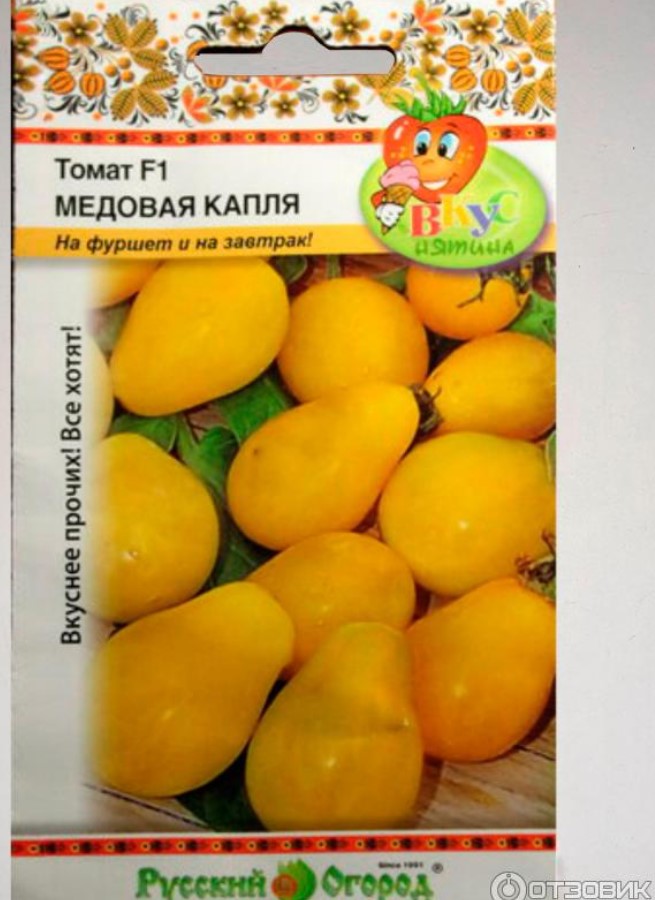
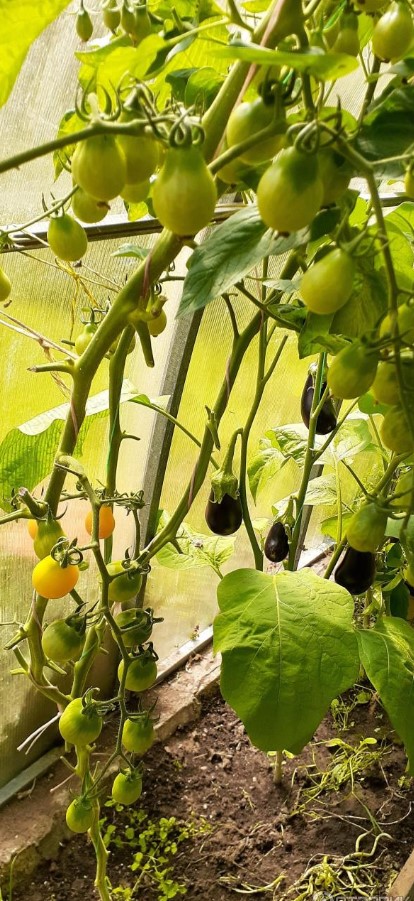
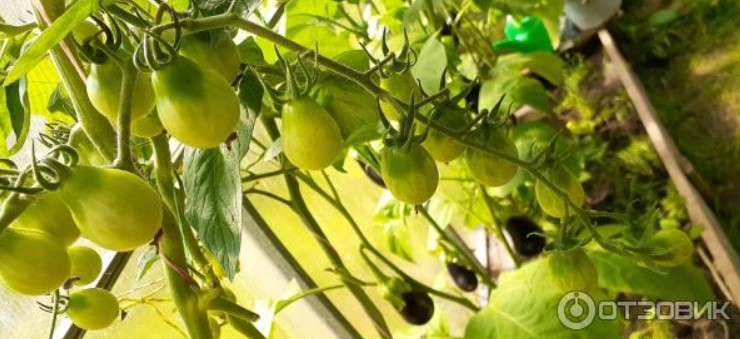
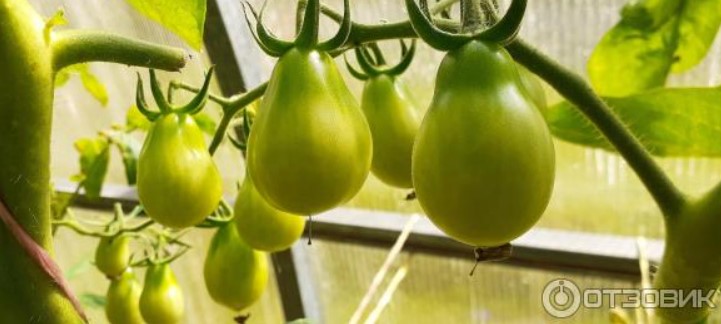
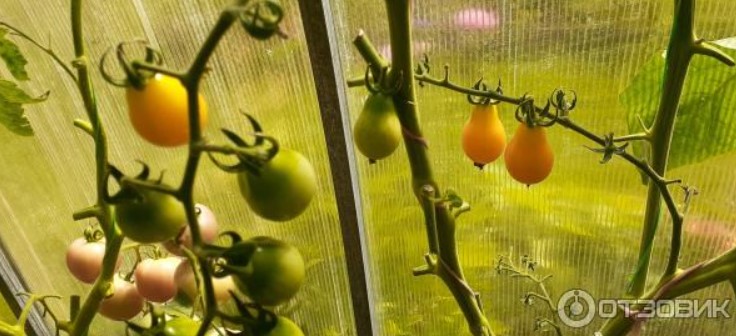
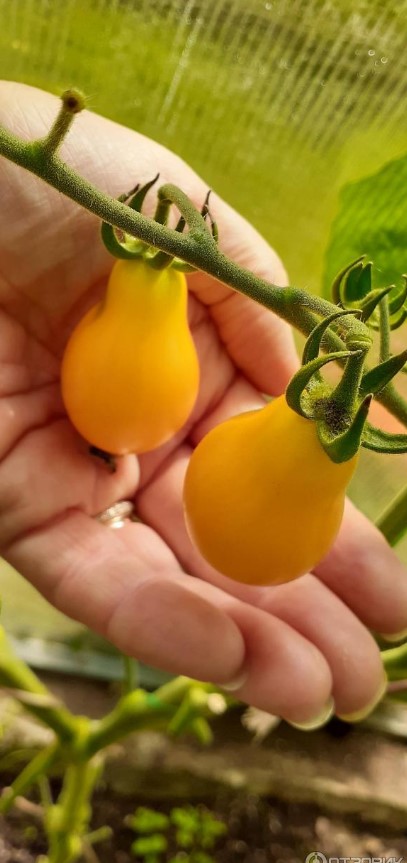
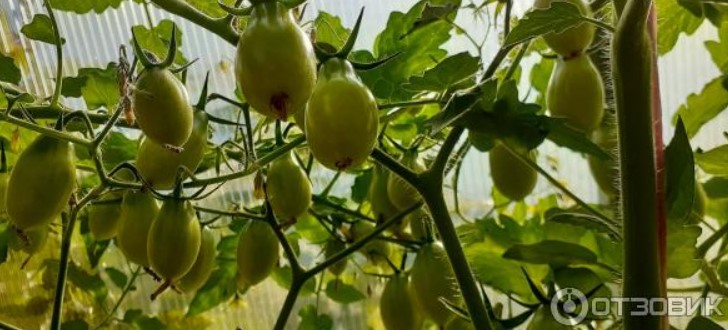
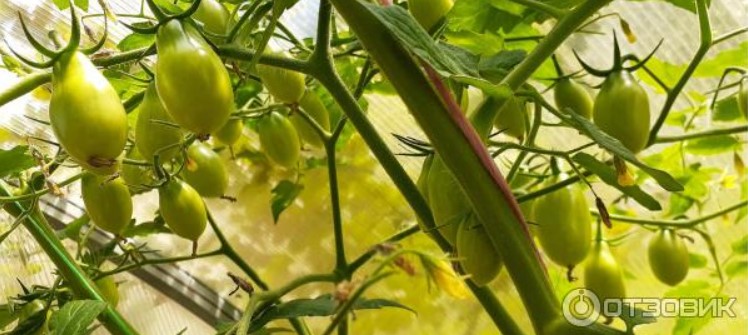
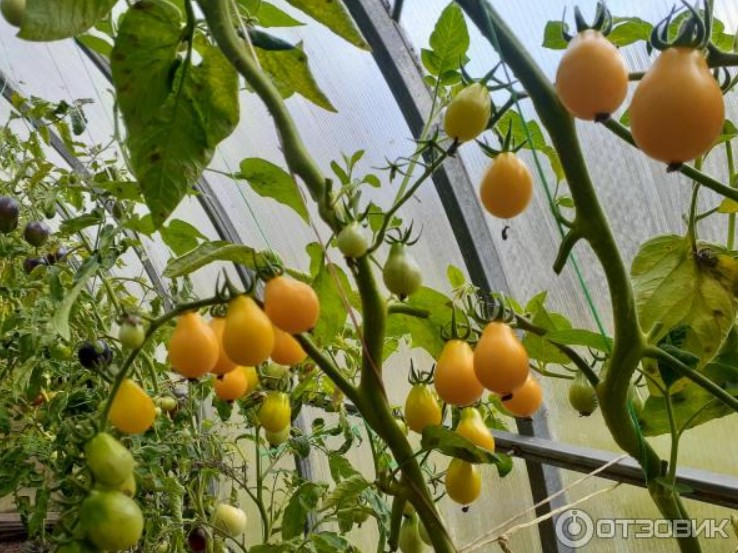
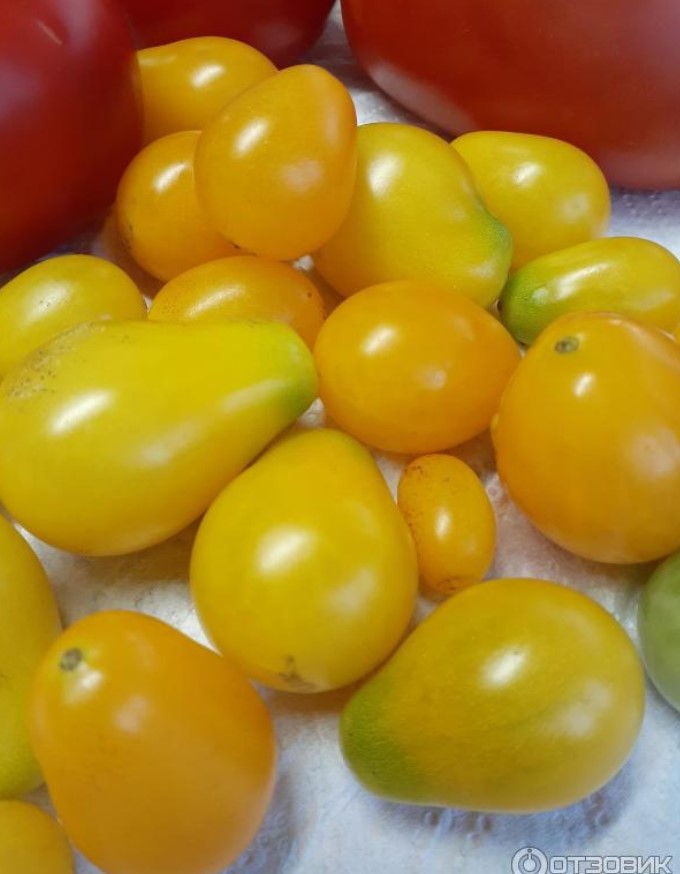
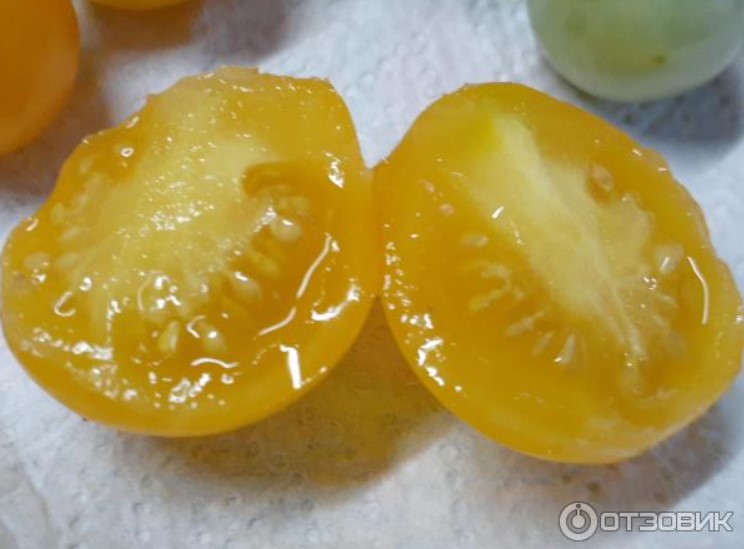
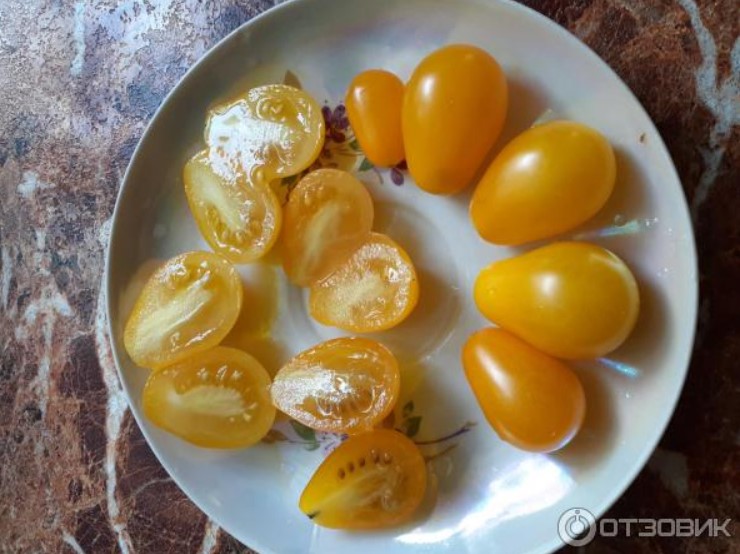
The seeds were bought from the company "Russian Garden." Germination was excellent, so I planted them in a greenhouse because they were up to 2 meters tall. I didn't expect such huge bunches of cherry tomatoes, and they were so sweet they were the first thing everyone asked for! They were great on sandwiches, in salads, and even just for eating. If I wasn't the first to get to the greenhouse (we only come on weekends), there was nothing left to harvest—everything was swept right off the bush. Before the frost, they didn't produce anything, and the bush was huge; they needed to be planted at the edge. My verdict: harvesting is a must!
I've noticed that if you leave the MK alone, i.e. let it go wild, it will produce a ton of fruit, despite the rampant growth of its side shoots. But if you pluck it, it stops producing...
My honey drop is productive, very sweet, we eat it with pleasure, it's still bearing fruit and shows no signs of "dying" yet. I'll definitely be planting it next year; I've collected my own seeds.
I've been planting it for a long time, I like the variety, the fruits are beautiful, tasty, it's good in small jars - tasty and beautiful), in the open ground in the Moscow region, the growth is small, the yield is also small, I've been planting for a long time with my own seeds.