Over the course of tomato cultivation, a huge number of varieties and hybrids have been developed. Small cherry tomatoes are particularly popular with consumers. The Cherry and Vishenka series, which include several varieties, belong to this category. We'll discuss each in more detail.
Content
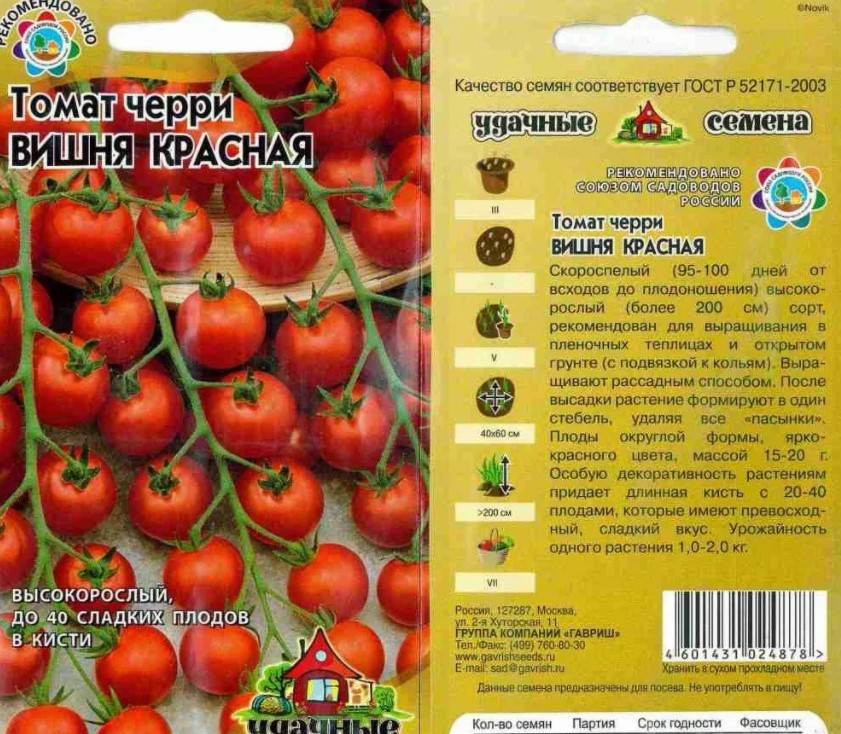
Tomato variety Red Cherry
It's very popular among private homesteaders. This variety (not a hybrid) is also popularly known as Red Cherry. It boasts not only excellent flavor but also an attractive appearance.
| Characteristic | Description |
| Description | Early maturing indeterminate variety for open and closed ground. |
| Ripening period | 95-102 days. |
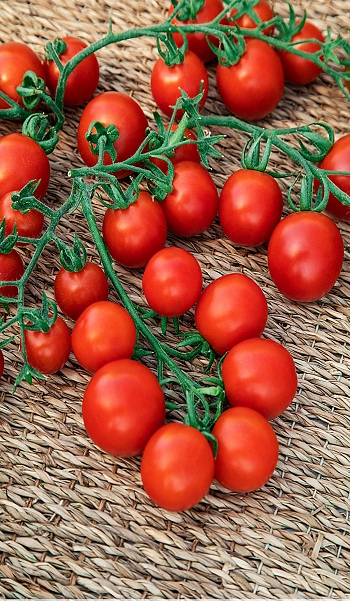
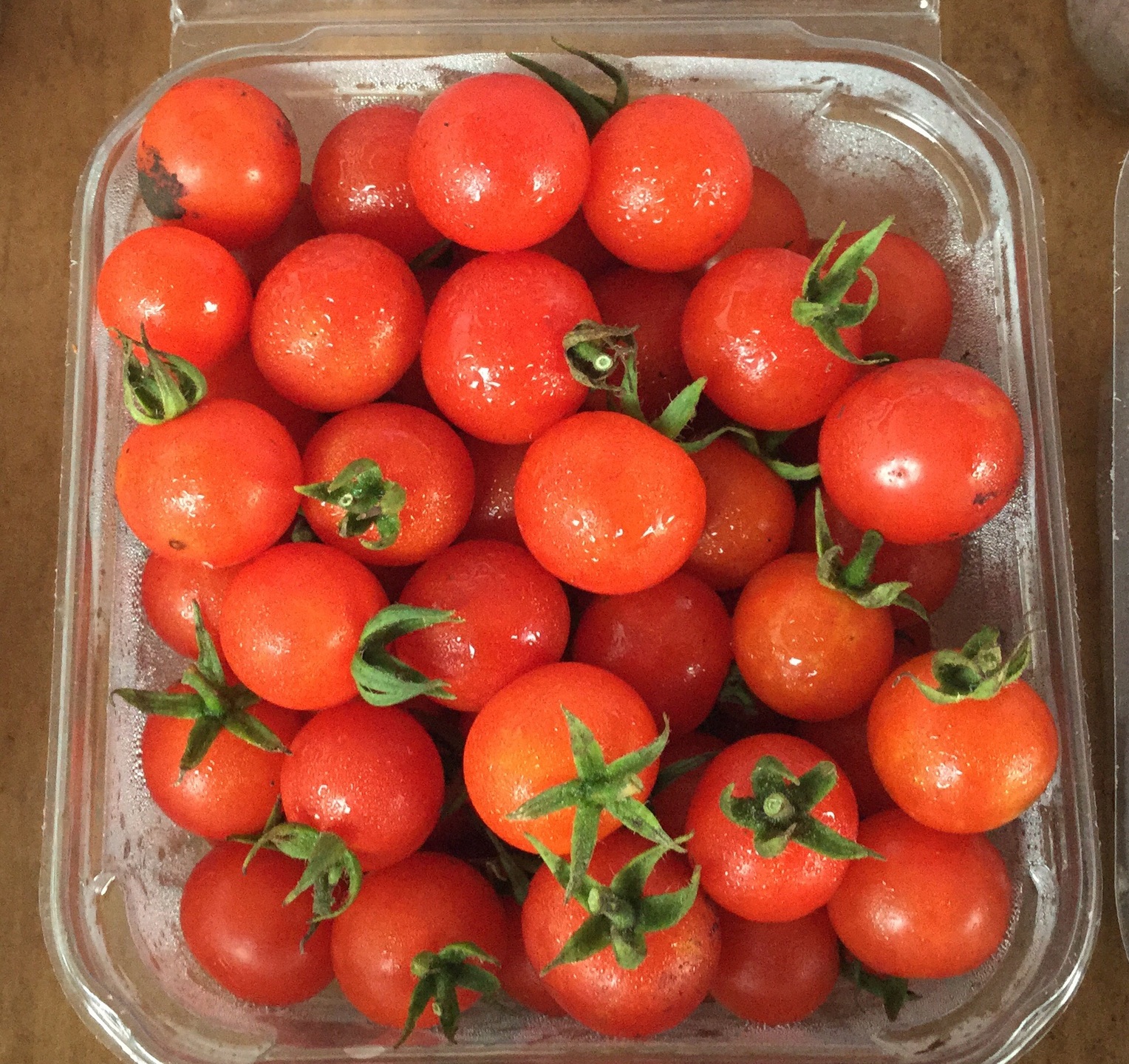
| Description of the fruit | Round, smooth, scarlet. |
| Fruit weight | 15-20 g. |
| Usage | For fresh consumption and canning in bunches. |
| Productivity | 3-4 kg/1 sq. m. |
| Marketability, shelf life | Low. |
| Disease resistance and prevention | The plant's immunity is weak. Preventative treatment and adherence to agricultural practices are required to reduce the risk of pests and infections. |
| Agricultural technology | Tying to stakes, removing side shoots, pinching above the 3rd or 4th cluster. |
| Preferred growing regions | Central Russia and northern regions. |
| 1997 | |
| Originator | Moscow agricultural firm "Gavrish". |
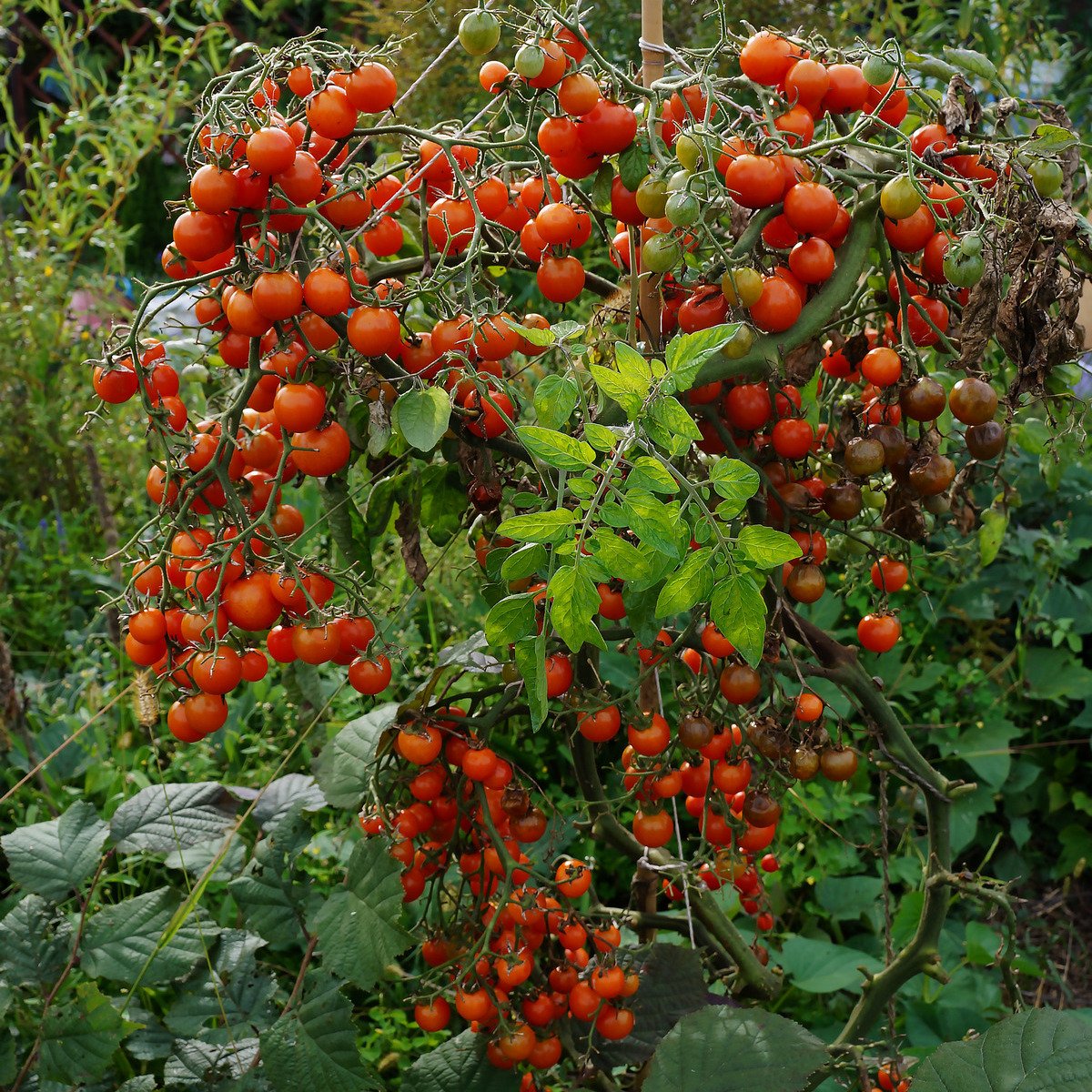
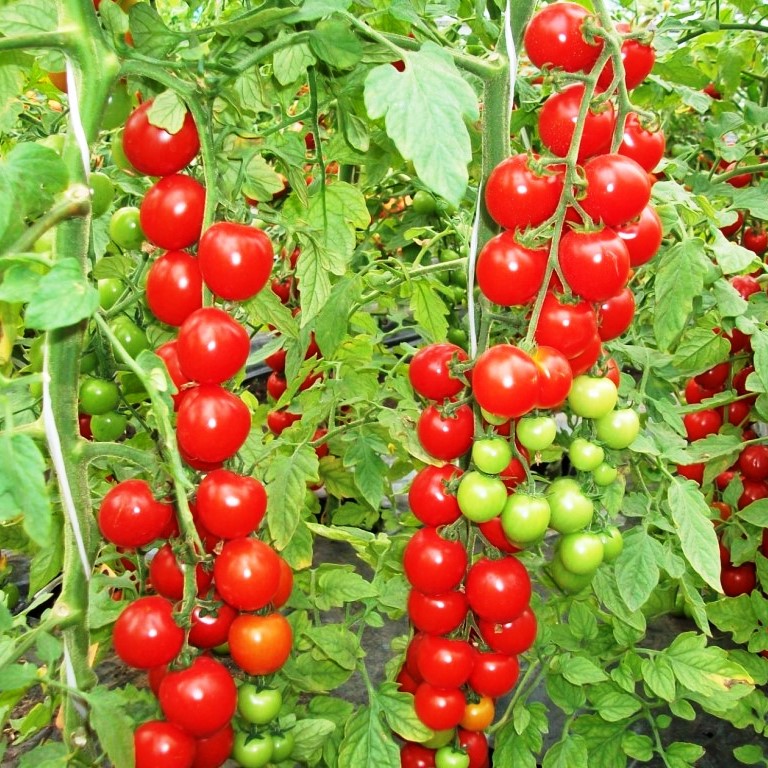
Photo gallery of the Red Cherry tomato variety
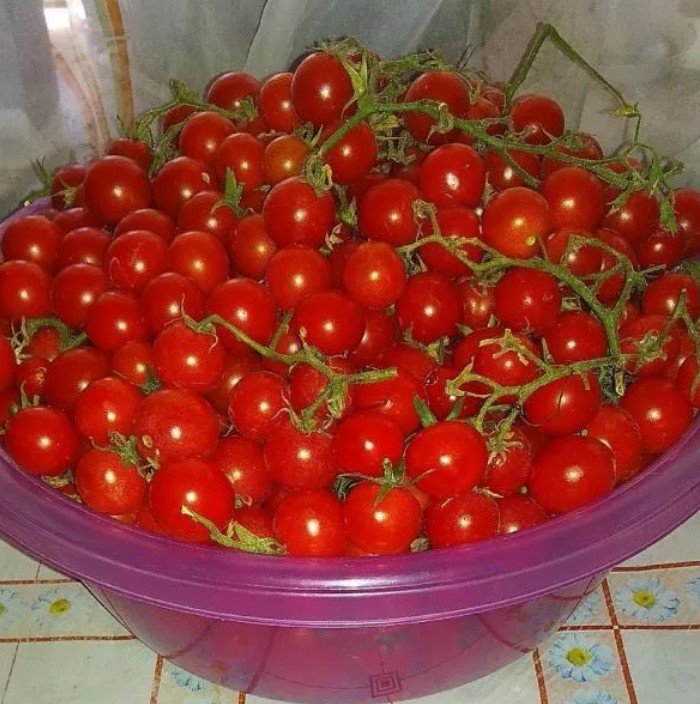
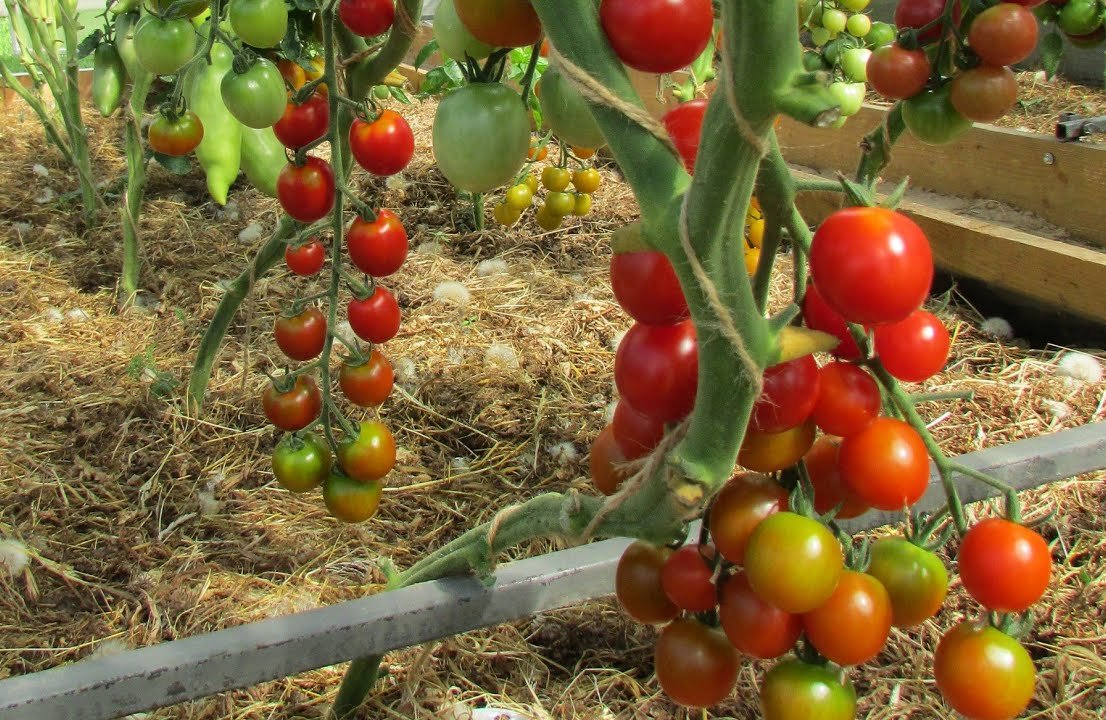
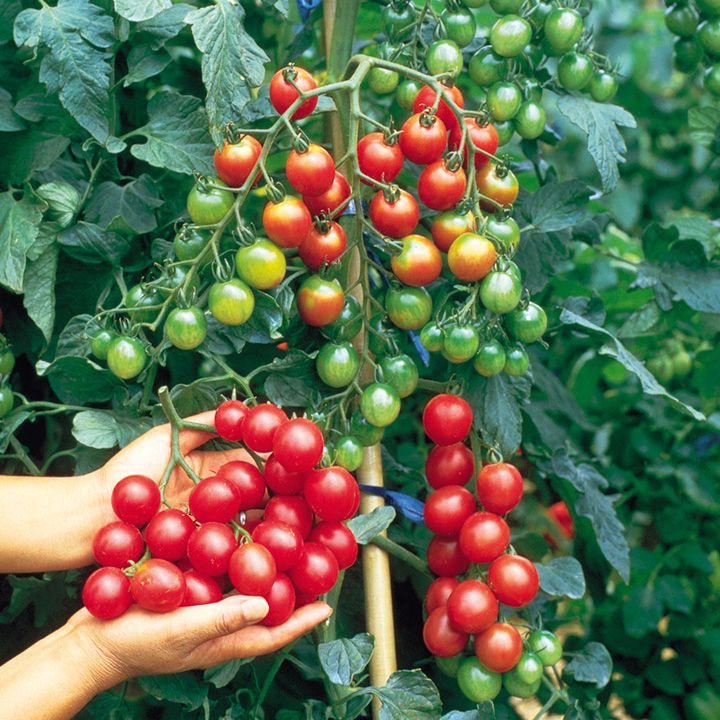
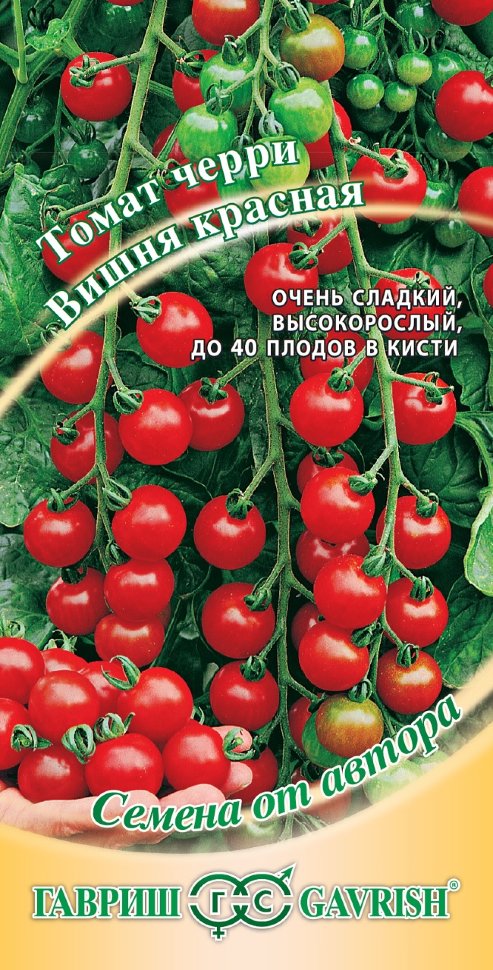
Real reviews from gardeners about the Red Cherry tomato variety
This variety has received many positive reviews. Gardeners note the aesthetic appeal of its fruits and excellent taste. Negative reviews note that the tomato is sensitive to soil composition and moisture. Furthermore, it has a short shelf life and is not suitable for long-distance transportation. However, these drawbacks are insignificant—it's important to use the harvest immediately and follow proper growing practices.
I bought the "Red Cherry" cherry tomatoes for the 2017 gardening season. Every year I try to plant different varieties of tomatoes, and always at least one small variety.
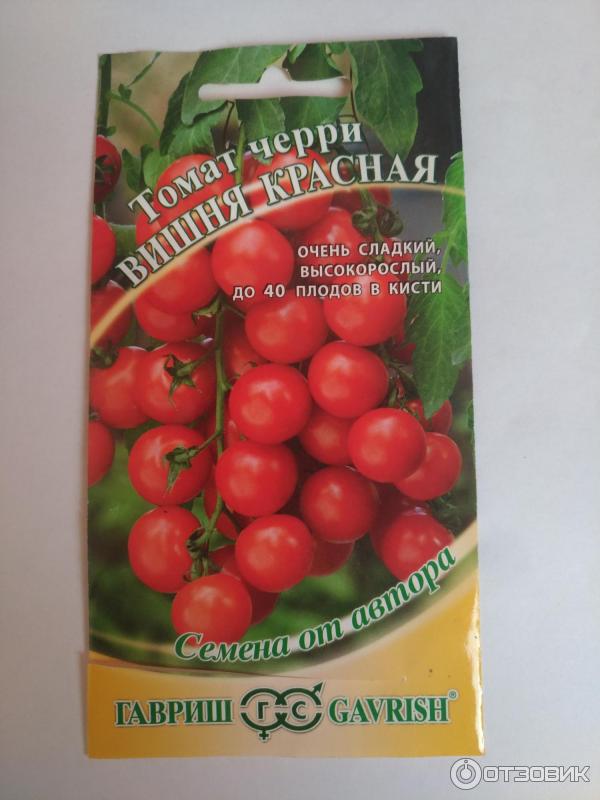
The seed packet depicts such a rich cluster of cherry tomatoes! Of course, I didn't get exactly that kind of harvest.
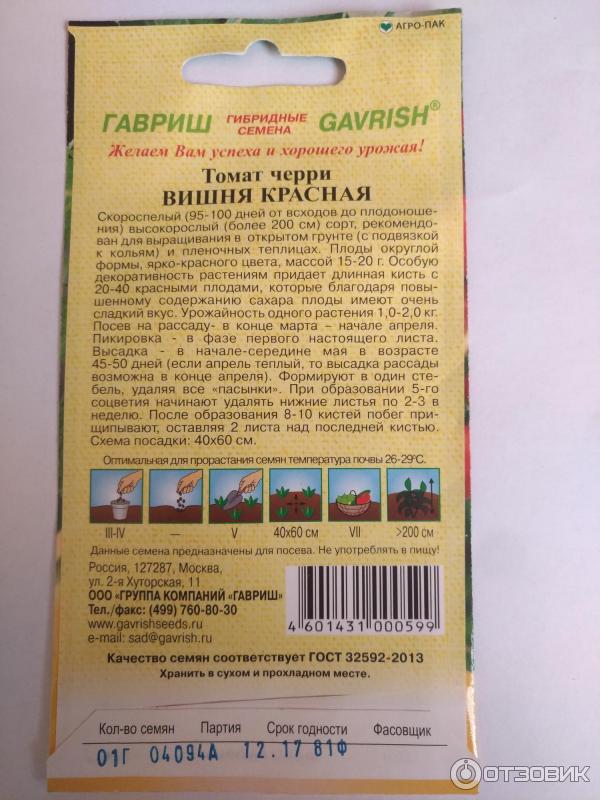
On the back, everything is standard for this manufacturer - a description of the variety, recommendations for sowing and planting seedlings, expiration date, and the number of seeds.
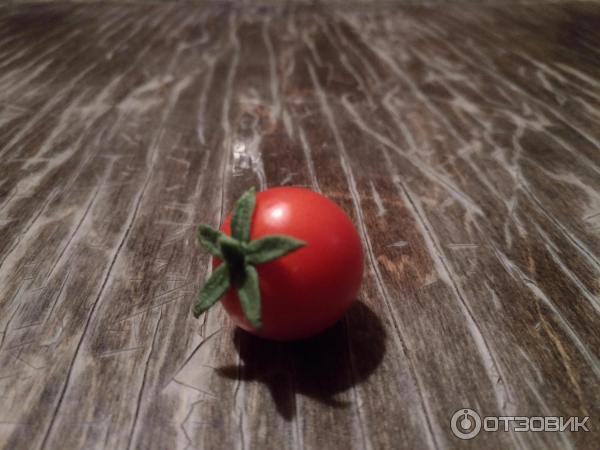
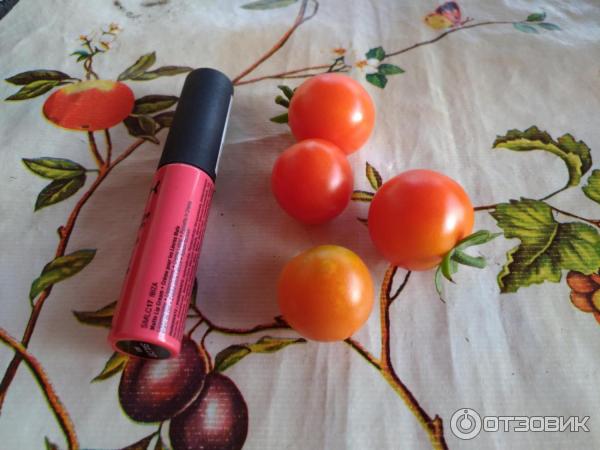
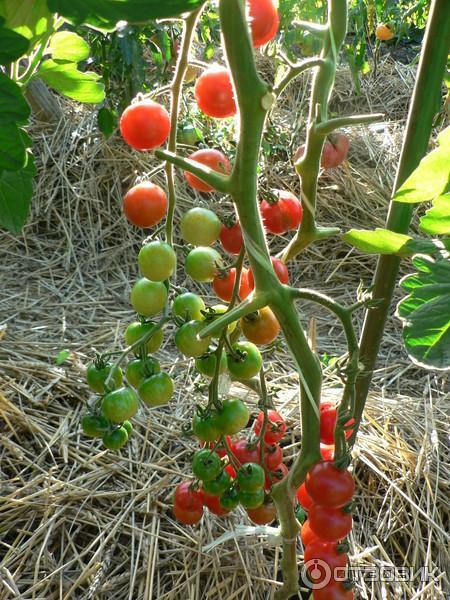
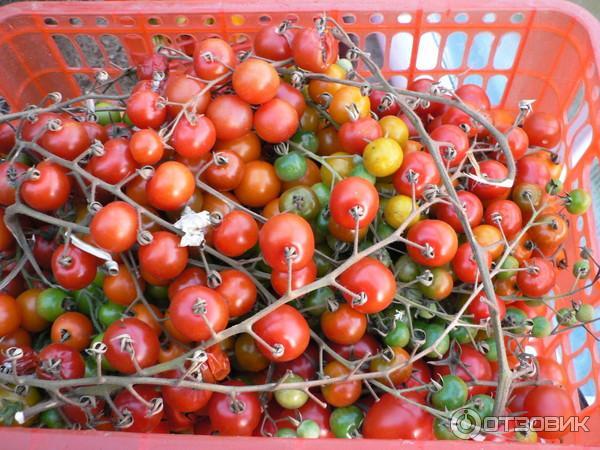
At the end of summer, I can say that the "Red Cherry" tomatoes are a very successful variety! The fruits are smooth and round, 2.5-3 cm in diameter. And very tasty! These were the most delicious tomatoes of the season. Not too sour, juicy and slightly sweet.
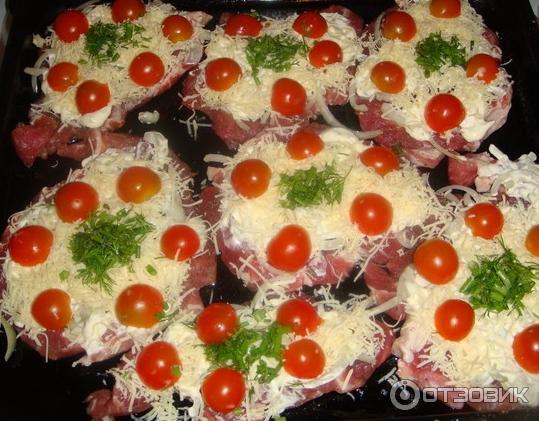
We used the cherry tomatoes to the fullest extent. In salads, to garnish dishes, and for pickling. We haven't opened the jars of salted "cherries" yet; they're a winter reserve, but I have no doubt they'll be delicious.
About growing.
There is nothing complicated about growing cherry tomatoes; even an inexperienced gardener like me can handle it.
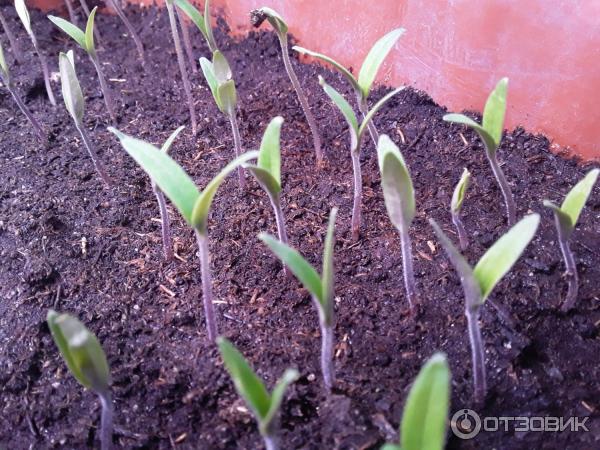
The cherry tomatoes came up wonderfully.
The sprouts of the "Red Cherry" tomatoes are noticeably thinner and smaller than those of regular tomatoes. But despite this, they are quite strong. And there were so many of them! I planted seeds from one packet and didn't know what to do with the seedlings!At my dacha, the "Red Cherry" cherry tomato has taken over an entire bed outside and part of a bed in a recently purchased greenhouse (if you're interested, read my review of a polycarbonate greenhouse). The remaining seedlings were given to a neighbor.
I was conducting a sort of experiment: where would cherry tomatoes grow and bear fruit best—in a greenhouse or in a regular garden bed? Based on past experience, small tomatoes do better in a greenhouse.
But "Red Cherry" turned out to be different from all the others.By the way, our area is windy and dry. Without cover, everything grows poorly, so we first covered the bed with an active material. Once the tomatoes were well established and the threat of frost had subsided, we removed the cover permanently.
I read somewhere in a review of "Red Cherry" that this variety needs to be watered every day, otherwise the tomatoes will crack. I was disappointed. We don't have the opportunity to water them every day; we only go to our dacha on weekends. We had to plant everything in a greenhouse, which has some drip irrigation.
But it wasn't all bad. The "Vishnya" tree produced more fruit outdoors, in a regular garden bed. And the tomatoes didn't crack at all. The cherry tomato plants themselves didn't grow very tall outside, only about 70 centimeters, and the clusters were richly laden with fruit.
What do we have in our greenhouse?
And in the greenhouse, the “Red Cherry” has grown almost to the very dome, and the “exhaust” is almost “0”.
No, there were fruits, of course, but not as abundant as in the outdoor garden.
The variety isn't resistant to side shoots. At first, I meticulously removed the side shoots. But they were so small, and there were so many of them! Then one time, we were away from the dacha for over a week—we went to the Zvezdny tourist center—and the tomato plants grew wildly. I started pinching out the side shoots, and by the end of the season, some of my plants had "red pea" varieties, not "red cherry" varieties. It's best, of course, not to let things get out of hand and to prune the tomatoes promptly.
To summarize, the following can be said about the cherry tomato variety "Red Cherry":
- grows well in outdoor garden beds;
— does not require frequent watering, fruits do not crack;
- needs to be pinched out;
— the tomatoes are very beautiful and have a wonderful taste; they can be marinated, salted, and eaten fresh.
I loved the "Red Cherry" as much as the orange De Barao. Of course, I plan to plant the "Red Cherry" next year.
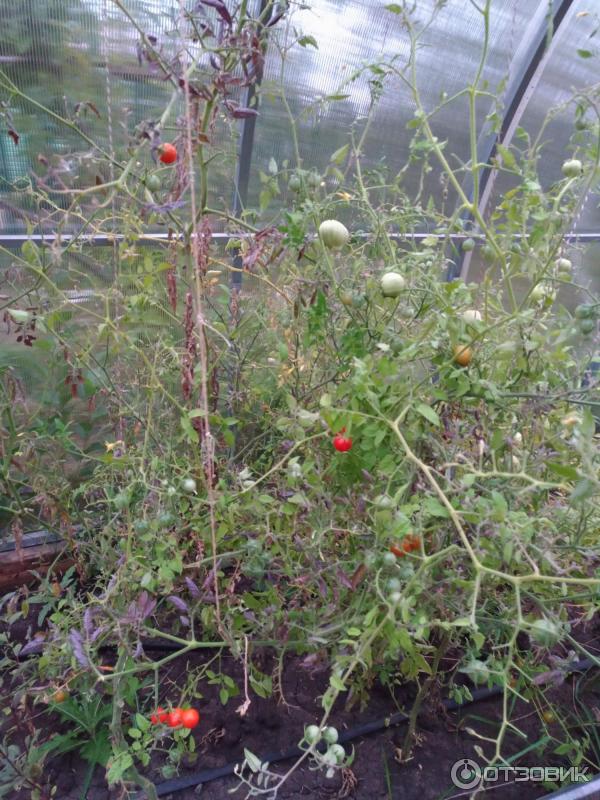
This year, I wanted to plant several varieties of tomatoes, including cherry tomatoes along with regular ones. Tomatoes were one of those crops that was really hard for me. Year after year, late blight consumed almost everything, and I could only save and taste a little. Not to mention canning, the harvest wasn't even enough for that. But this year, everything changed, and that change was due to the purchase of a greenhouse. This was the first year without late blight and the first year I had a full harvest without losing a single plant.
I planted the seeds on April 1st, although tomatoes are usually planted in March. The packaging also lists possible planting times as late March to early April. You can plant them as late as February (I know some people who do this), but for good growth, the seedlings need good, supplemental lighting.
As always, I germinate the seeds first and then plant them.
Previously, I planted tomatoes directly in separate containers, but over the course of three years of dealing with tomatoes, I realized that these plants respond very well to transplanting and it is not that difficult to damage them and slow down their growth.I planted them in a common container; it wasn't much, but that's all I needed. The thing is, I only grew four varieties this year: three new ones and one from last year—"Yablonka Rossii" (Apple Tree of Russia).
On April 25th, my tomatoes had grown so much that they were running out of space and nutrients. So I transplanted them into separate containers with fresh soil.
Compared to other varieties, the cherry tomatoes were tall. It wasn't a lack of light that made them stretch out; it was just the variety. So, when transporting them to the dacha, I had to be careful not to break them. To prevent this, I didn't water them for several days before leaving. The tomatoes became limp and soft, but that was what I wanted. Upon arrival, after watering, they plumped up like new.
This is how they were growing in the greenhouse as of June 8th. They were slowly starting to prepare for flowering.
The flower vines were long, with numerous buds. Some even had to be tied up higher, as they drooped to the ground under the weight of the tomatoes.
They were slowly turning red. My favorite thing was to pick a red-orange ball and eat it in the morning.
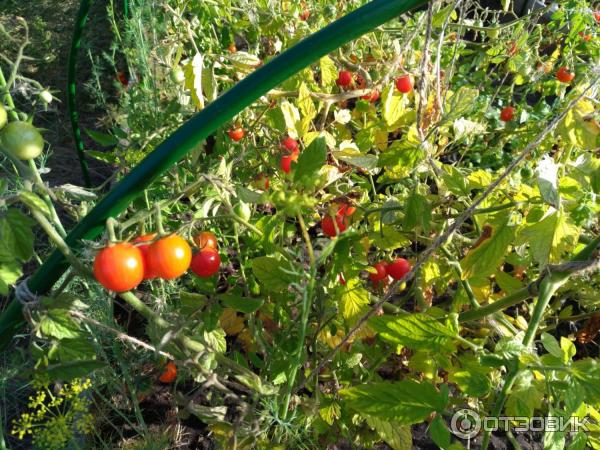
In the photo below, you can see the scale of the future harvest. Everything was covered with fruit. These little ones would make excellent preserves for the winter. But I mostly ate them fresh.
There was just one thing I didn't understand: out of all five bushes, one variety was bitter. I was watered the same as everyone else, and all other growing practices were the same, but its tomatoes were bitter.
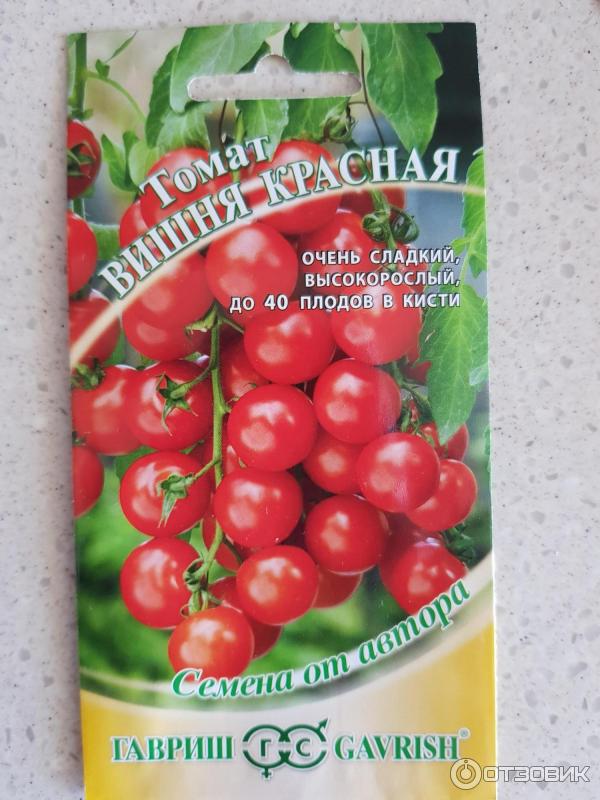
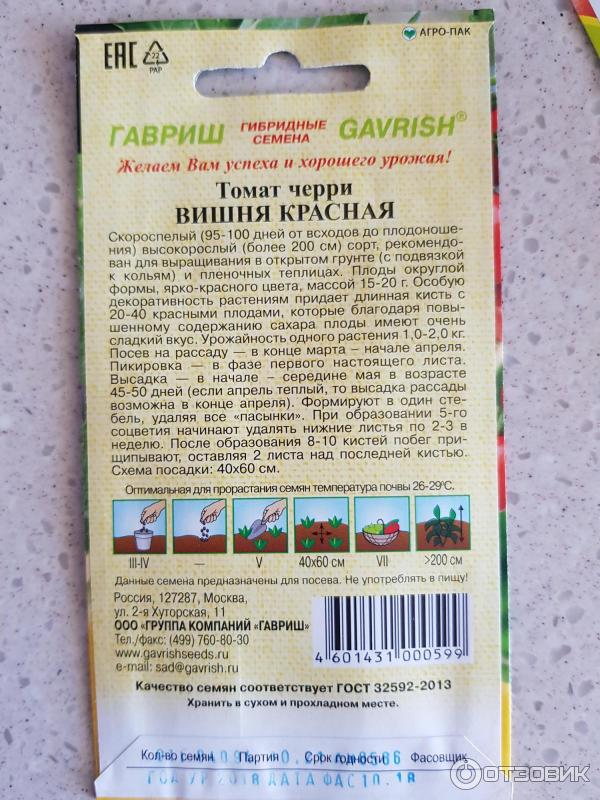
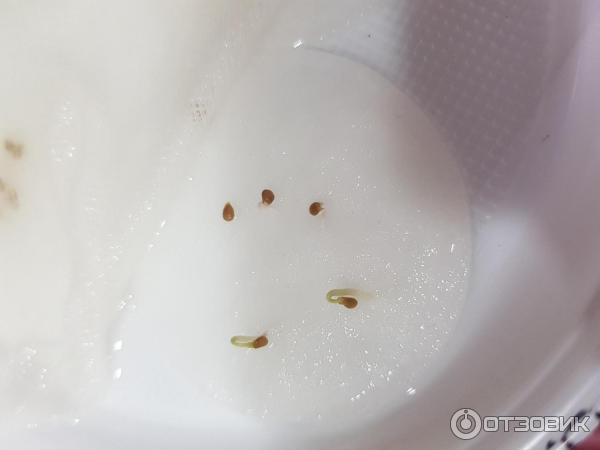
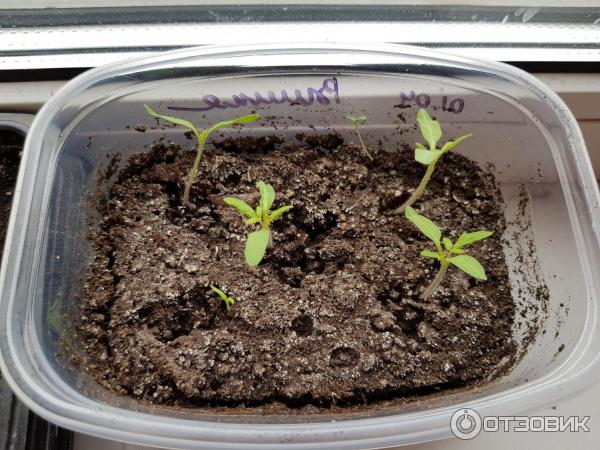
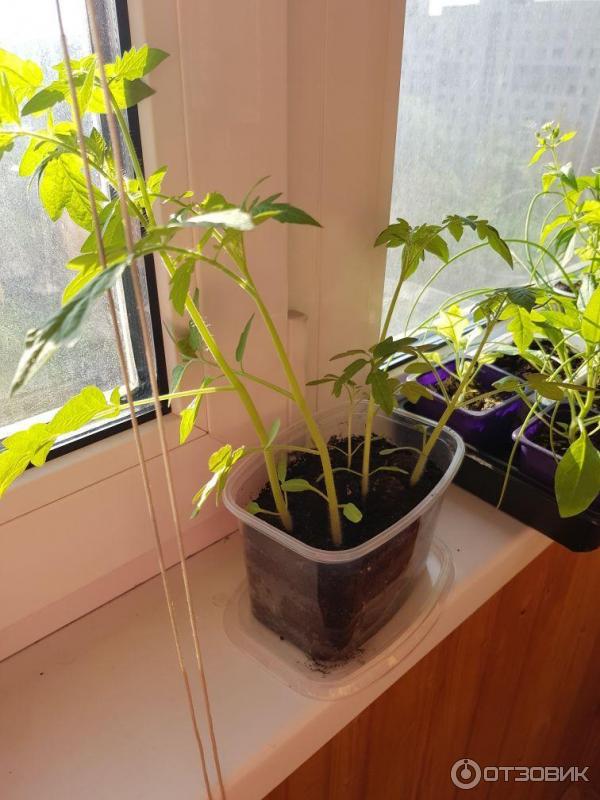
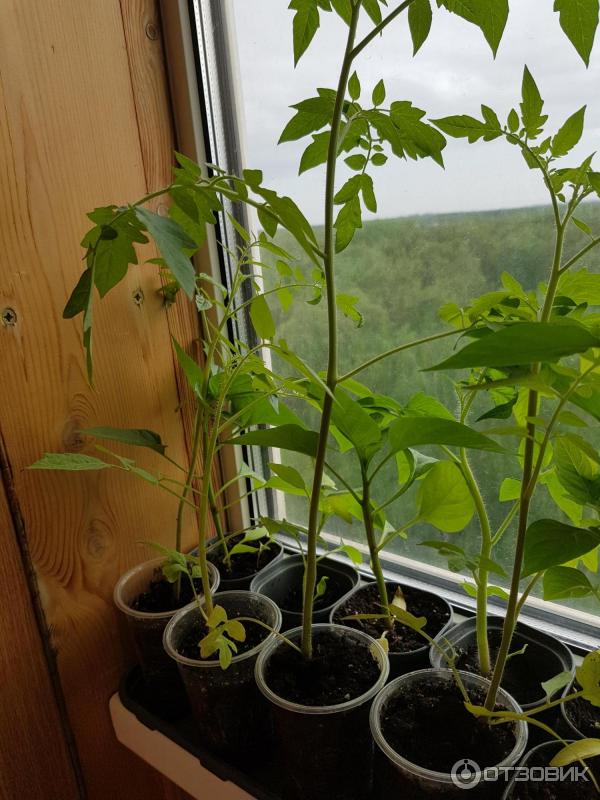
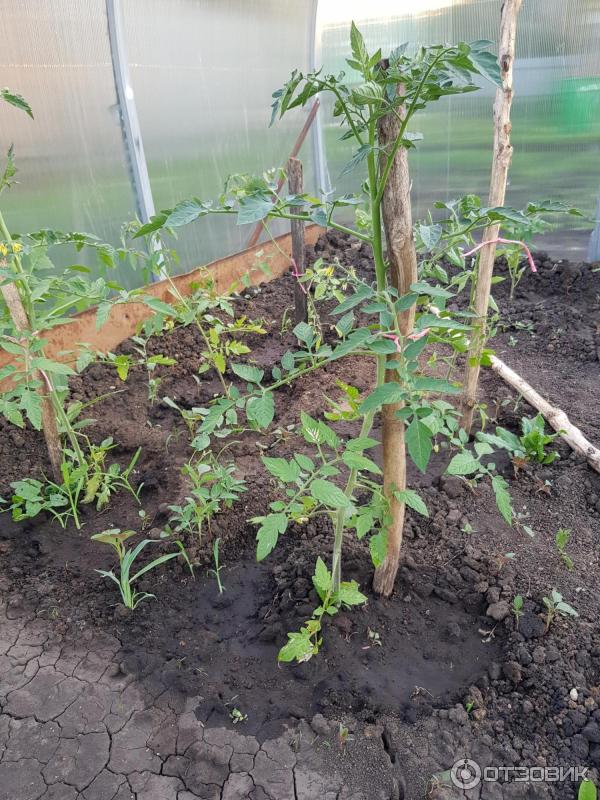
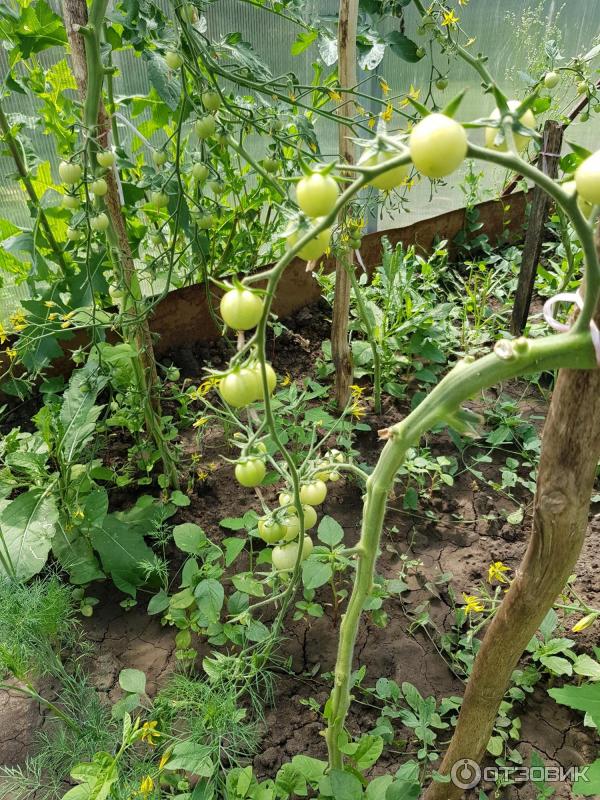
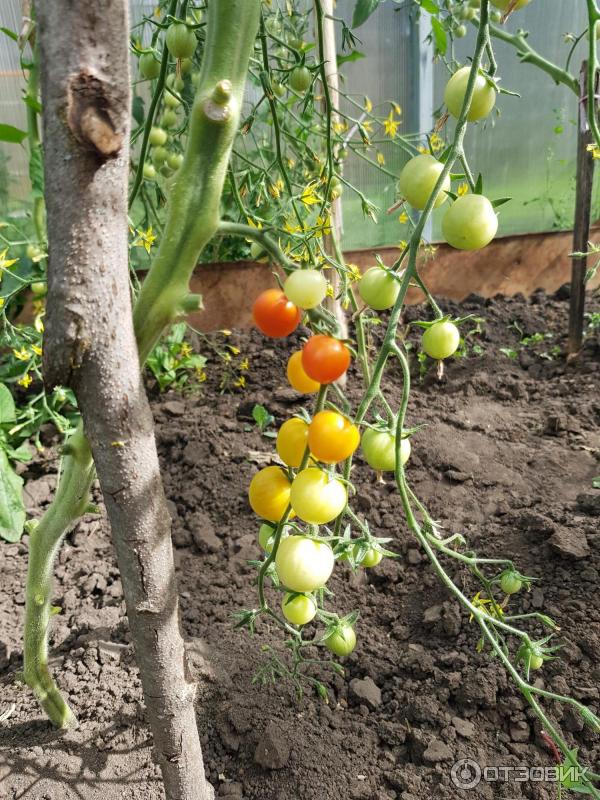
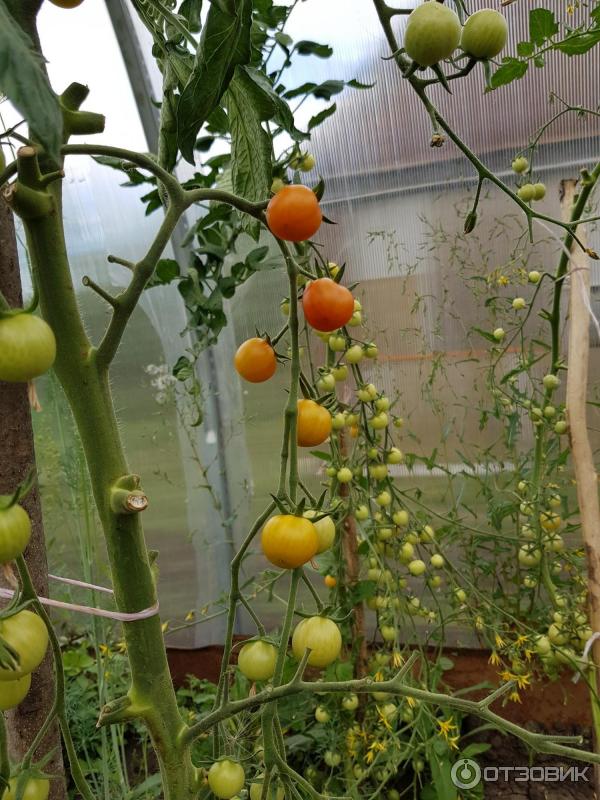
I've been planting this tomato variety in my garden for several years. Over the years, I've become familiar with its main advantages and disadvantages.
First, the advantages. First, this is an early-ripening tomato variety, with the first ripe fruits appearing in mid-June (in our area). Second, unlike many early-ripening varieties, the fruits have a pleasant, rich flavor and are not at all sour. Third, the variety is quite resistant to diseases and pests. The fruits are decorative, and the clusters are very beautiful. Fruit sizes range from 15 to 30 mm, and the number of fruits per cluster also varies widely.
Cons. This tall variety, over two meters tall, requires staking. Regular removal of side shoots is necessary, otherwise the bush will fall apart, and its energy will be lost to foliage. Of course, it requires sun, warmth, and limited shade, and depends heavily on fertilizer. Access to each bush is essential.
Everything else is a standard plant care kit.
The most important thing: this variety is not for the market and you will not see the fruits of this variety for sale anywhere.
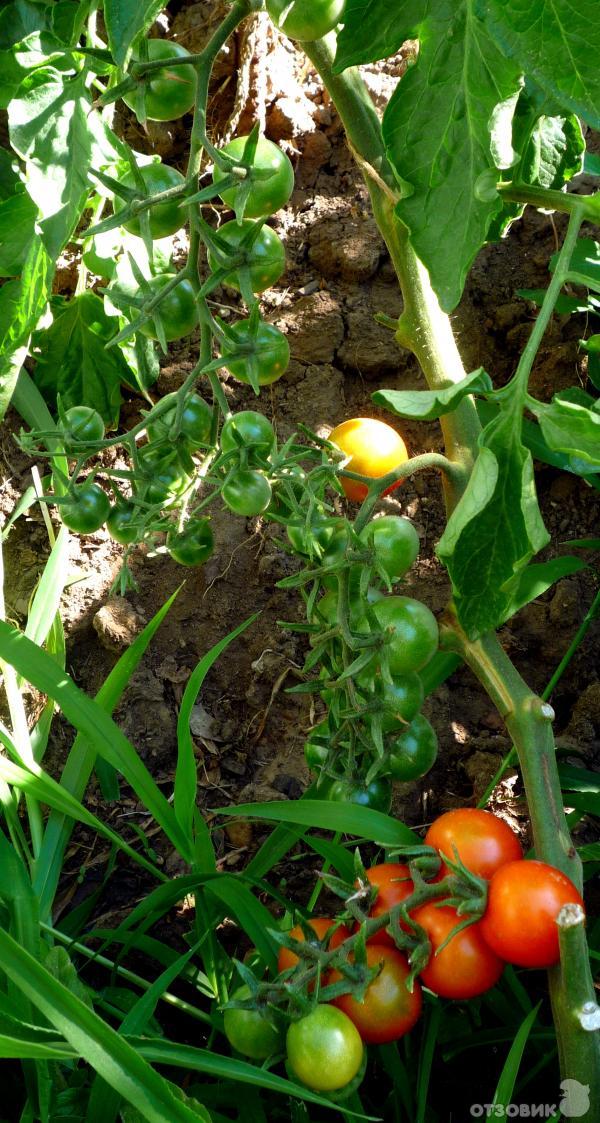
I've met few gardeners who don't grow a small variety of tomato, also known as cherry tomatoes because they're somewhat similar to cherries, in their gardens. These tomato varieties are mostly imported to stores. However, I'd like to point out that these tomato varieties thrive in our regions of Russia; what's more, they produce excellent fruit and are very easy to care for.
For example, I grow the "Red Cherry" tomato variety every year in my garden, as it's best suited to the soil and climate conditions in my garden. Growing this tomato variety is no different from other varieties. I usually plant the seeds, which I buy at a high-end store, in February or March in boxes on a windowsill inside the house. Then, as the seedlings grow, I move the boxes to the greenhouse, and then, when the weather warms up, I plant them outdoors, and of course, I leave a few bushes for planting in the greenhouse.
I'd like to point out that these red cherry tomatoes are very disease-resistant and, by and large, grow like weeds. By that I mean they require minimal care.
It's hard to imagine a summer table without little red tomatoes. At the same time, these little tomatoes are a wonderful addition to any winter table, especially during the holidays. And of course, they taste amazing; store-bought tomatoes from who knows where will ever taste as good as tomatoes grown in your own garden. Therefore, I recommend everyone who gardens to try growing these wonderful tomatoes.
Here, I want to warn many that when choosing planting material, each of us pays little attention to the technical and agronomic characteristics of the crop chosen for planting, be it vegetables or fruits, and does not always correlate these characteristics with the conditions in which we intend to grow a particular crop, and this is oh so important.
We planted the "Red Cherry" tomato variety for the first time this year. We love experimenting in our garden, so anything new is very appealing to us. So, we planted this tomato variety. I'd like to point out right away that the seed germination rate is quite high. The seedlings grow strong and healthy. Formed leaves appear quickly. Mature tomatoes are no more than forty centimeters tall. The bush is compact. There are numerous flower stalks, and the fruits develop quite well; there are almost no barren flowers. Ripe tomatoes are very tasty and not sour. There are plenty of them on the bush. They are not suitable for long-term storage, but pickling these beautiful cherry tomatoes for the winter is perfect. I recommend giving them a try; you won't regret it.
I bought the "Red Cherry" variety solely to surprise and delight my children. A neighbor at the dacha treated me to these tomatoes, I tried them, and I really liked them.
I decided to grow 10 plants from the entire packet of seeds. I grew them from seedlings, like other tomatoes. I planted them in the ground at the end of May. I cared for the "Cherry" as one would normally care for a tomato plant.
The harvest was excellent; the sweet little tomatoes were a real treat for the kids. The clusters of these tomatoes, preserved in a jar with other tomatoes, looked very unusual. The only thing I didn't like was that the tomatoes in the cluster ripened at the wrong time.
Hi all!
Tell me, is there anyone among you who doesn’t like tomatoes???
I'm 100% sure there are no such things.
Everyone in our family loves it, too. Not a single day in the summer goes by without a fresh tomato salad.
This versatile vegetable is delicious not only fresh, but also pickled and canned tomatoes will not leave anyone indifferent.We grow a lot of tomatoes. Sometimes, up to 50 varieties in a season.
Among them there are cherry tomatoes, I want to tell you about them today.
What I like about this variety.
Cherry tomatoes are very easy to care for, requiring little maintenance and are disease-resistant. In the two years I've been growing this variety, they haven't been affected by late blight once.I bought the cherry tomato seeds "Red Cherry" from Gavrish at the seed store "Your Garden".
The price for a 0.1g package is low, only 25 rubles.
There were about 30-35 seeds there.
I shared some of the seeds with relatives and friends in exchange for other varieties.We planted only 5 cherry bushes.
This variety is early maturing, so we took our time sowing the seeds. We planted them in mid-March.
Grown from seedlings, with subsequent transplanting into separate cups.
At the end of April, the strengthened seedlings were planted in a greenhouse.
We were satisfied with the variety.
The "Red Cherry" cherry tomatoes pleased us with their productivity; the bushes were laden with clusters of red tomatoes. The clusters were very long, each containing 20 or more tomatoes.
The largest tomatoes were slightly smaller than a walnut.
The appearance of the bunches is certainly impressive.
WHAT ABOUT THE TASTE?And here is a failure.
Unfortunately, it didn't impress me at all.
For me, the taste is a C+. The cherry tomatoes were watery and slightly sour.
Of course, they look beautiful in salads and preserves and are great for decoration.
I can recommend cherry tomatoes to those who like the sourness of tomatoes and preserve them in small jars.If I plant anything myself, it will be in very small quantities. Five or six bushes are enough for variety, but no more.
The variety is not the best, I rate it a solid four.
That's all.
I'm saying goodbye, but not for long.
Tomato variety White Cherry
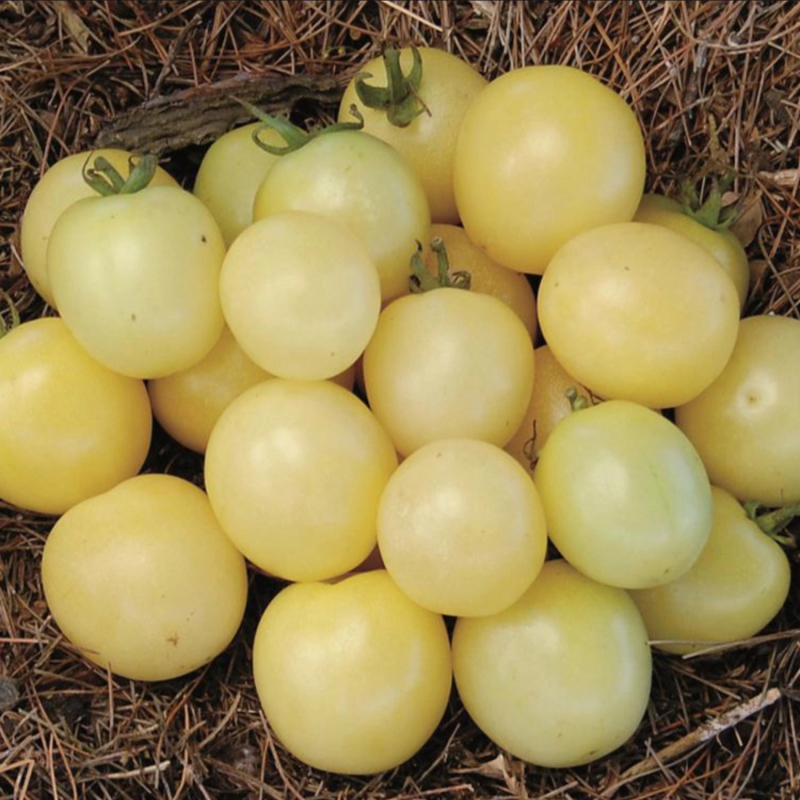
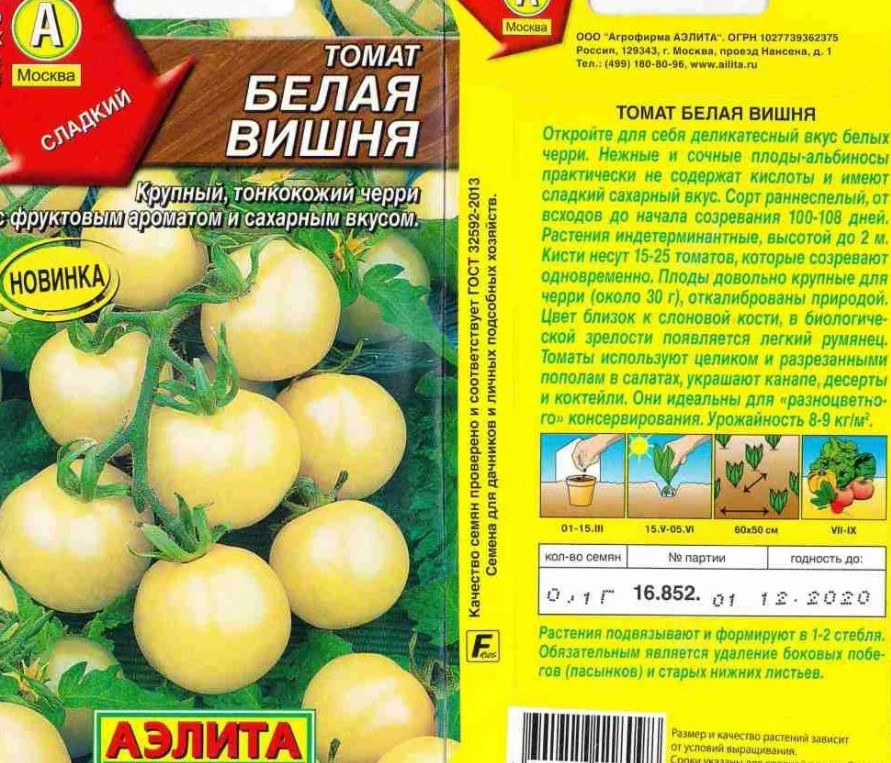
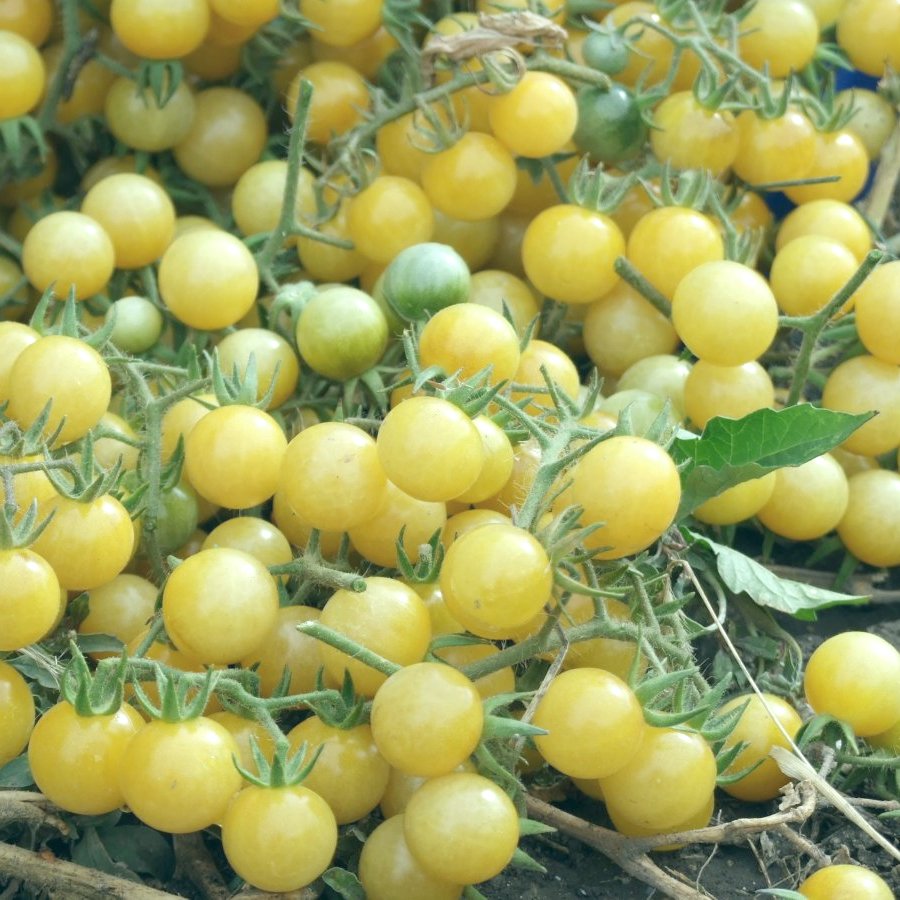
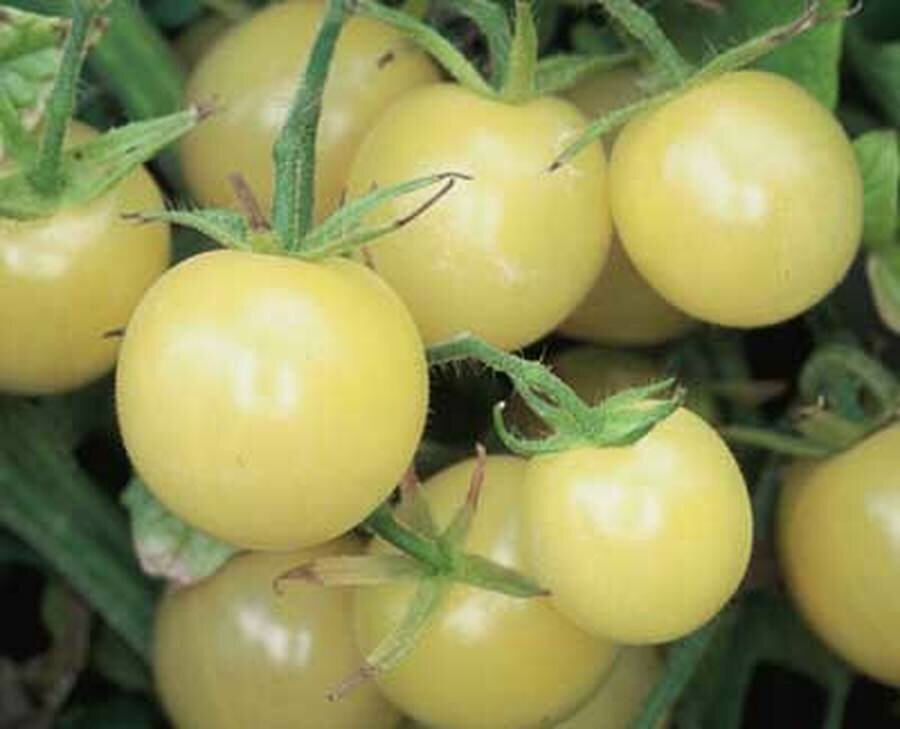
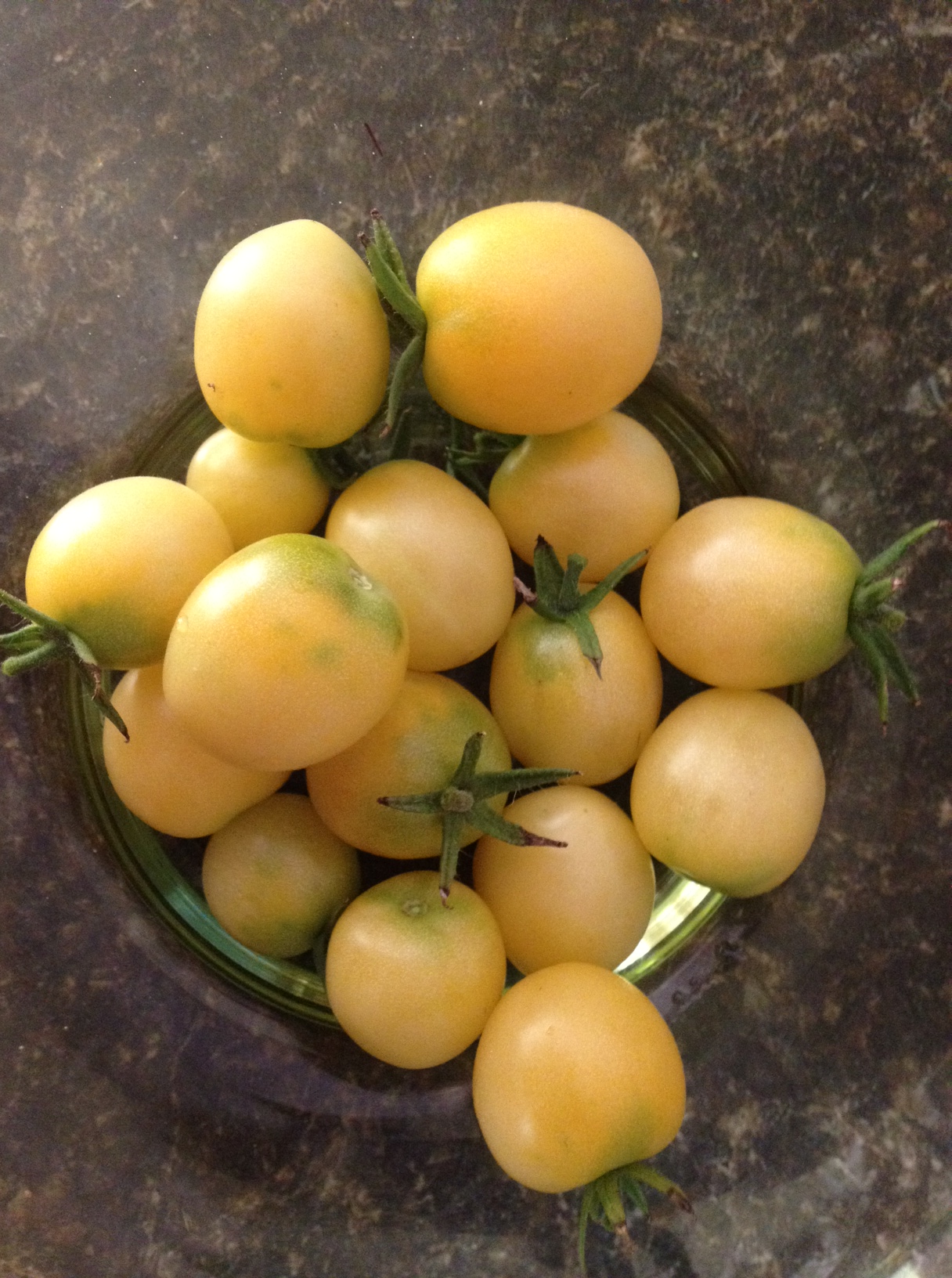
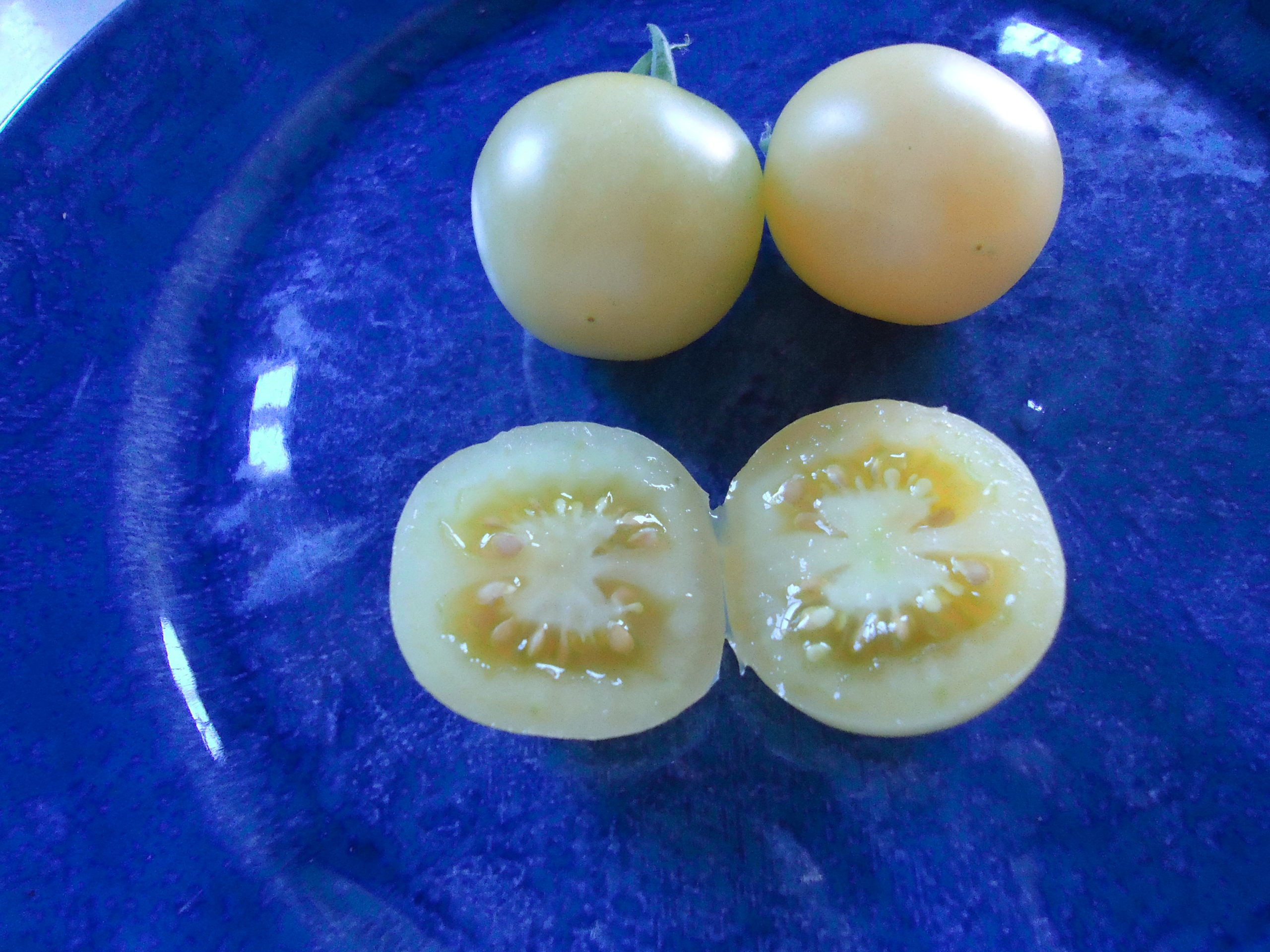
This variety has a very unusual tomato color—milky-creamy. It is highly prized in dietetics. It is used for people prone to allergies, children, and patients with gastrointestinal diseases.
| Characteristic | Description |
| Description | Early maturing indeterminate variety for open ground and film shelter. |
| Ripening period | 110-120 days. |
| Description of the fruit | Round, slightly ribbed, milky-creamy. |
| Fruit weight | 25-35 years |
| Usage | Salad. |
| Productivity | Up to 8 kg/1 sq. m (when grown under film cover). |
| Marketability, shelf life | Good. Tomatoes will keep for 2-3 weeks in a dark, dry, draft-free place. |
| Disease resistance and prevention | Good resistance to many nightshade diseases. |
| Agricultural technology | Garter and shaping in 3 stems. |
| Preferred growing regions | Any. |
| 2018 | |
| Originator | LLC "AGROFIRMA AELITA" |
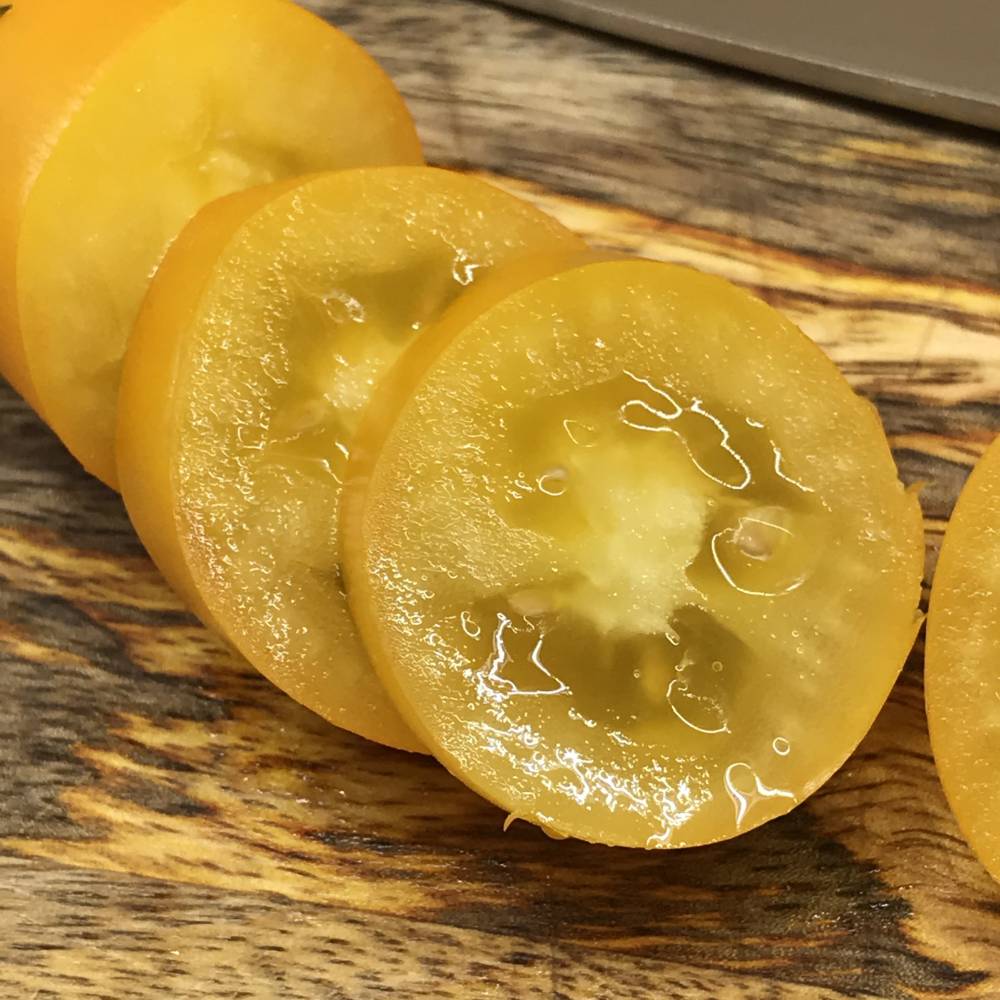
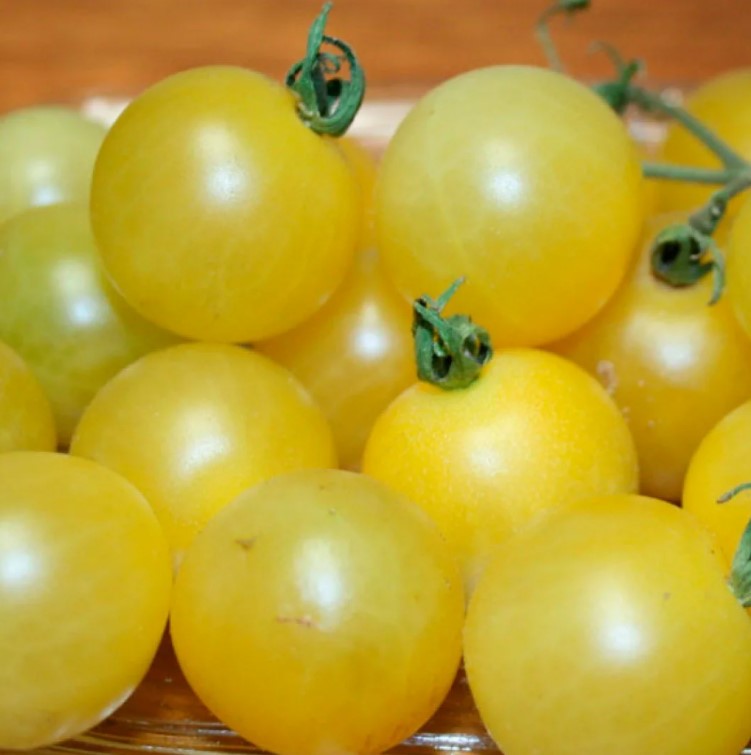
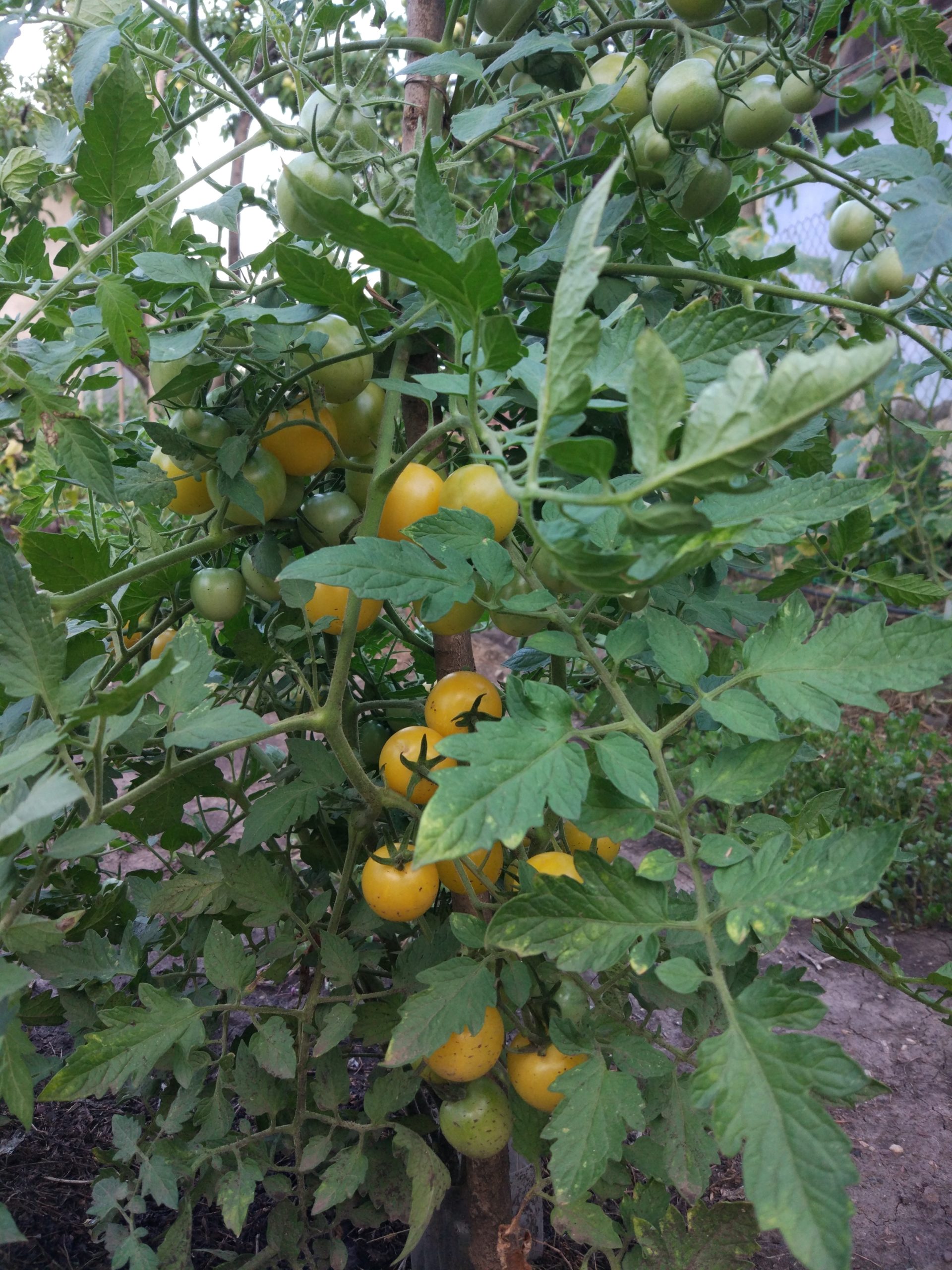
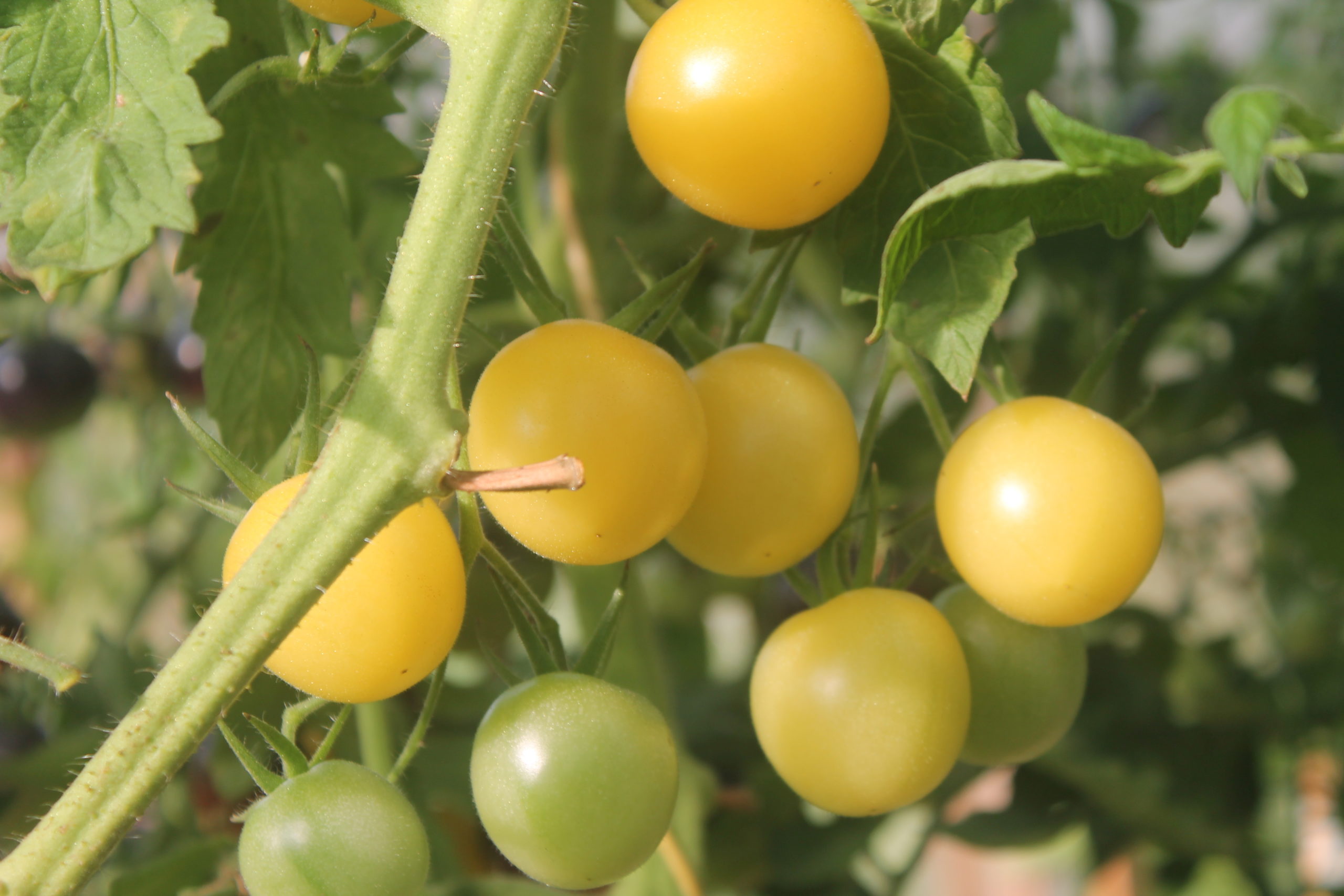
Photo gallery of the White Cherry tomato variety
Real reviews from gardeners about the White Cherry tomato variety
According to gardeners, this variety exhibits good resistance to most infections, including blossom-end rot and late blight. It requires little care, except for staking and shaping. Among its drawbacks, it is sensitive to temperature fluctuations.
Almost the same as the red cherry, only slightly larger and sweeter. Medium-sized cherry tomatoes, with lots of them on the bush. The bush is very tall and vigorous. Very sweet tomatoes for dessert, like candy for kids. For jars, it's better to choose ones with firmer skin. I'm delighted with these tomatoes.
Hi, today I decided to write another review of tomatoes my whole family loves, but only about unusual ones: the white ones called "White Cherry" from Aelita. I've been familiar with this company for a long time, mostly buying their seeds. So this year I decided to try a new tomato variety, "White Cherry." I planted just a couple of plants as a trial, as I only knew about them by hearsay. I sowed only five seeds, and they all sprouted, but when I transplanted the seedlings outdoors, I didn't take care of them, and two of them died.
I started enjoying white cherry tomatoes at the end of May, as I planted them early. First in a pot, then transplanted them to a greenhouse, and only then to open ground, as the description said the bush would be large and would need to be tied up. The bush is indeed abundant, large, and vigorous. It requires pinching and staking. The fruits are small, firm, tasty, aromatic, and sweet. I used them fresh and even sealed a couple of jars, also "to try out"—I love canning something new and unusual.
The kids loved these cherry tomatoes, but my husband and I prefer pink ones. But you can plant them for variety and beauty; these tomatoes are easy to grow. Like regular tomatoes, I fertilized them a couple of times and got a good, bountiful harvest.
Tomato variety Yellow Cherry
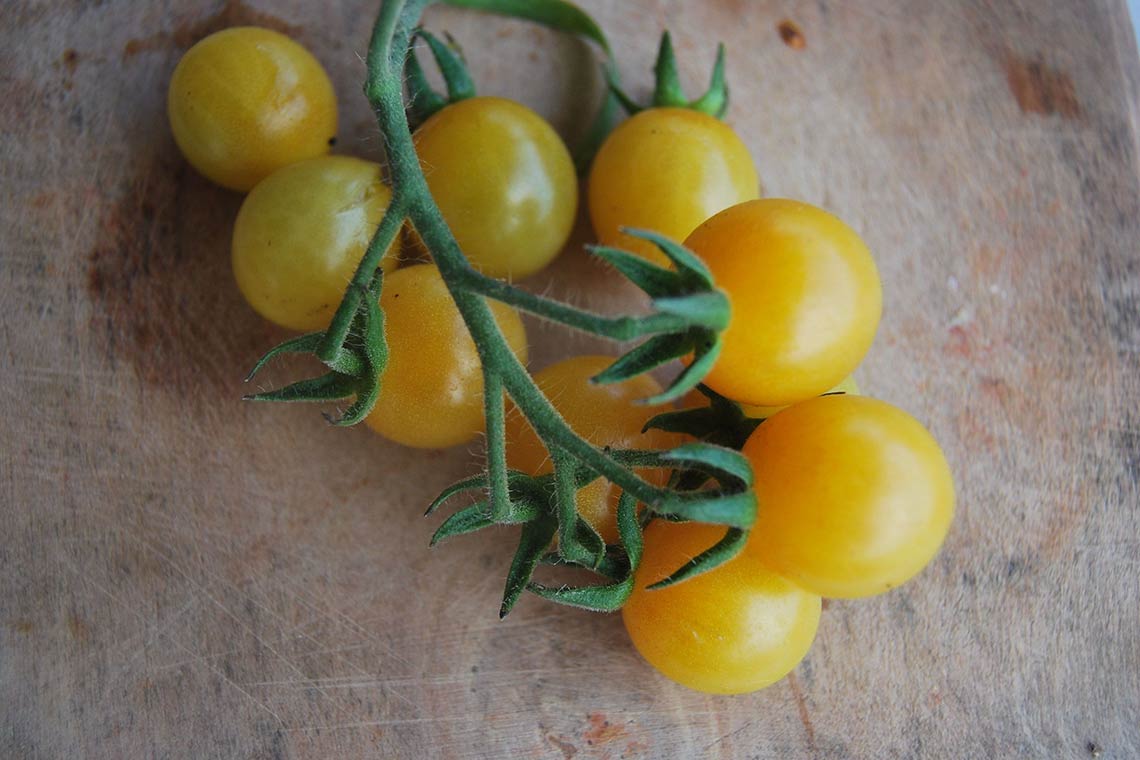
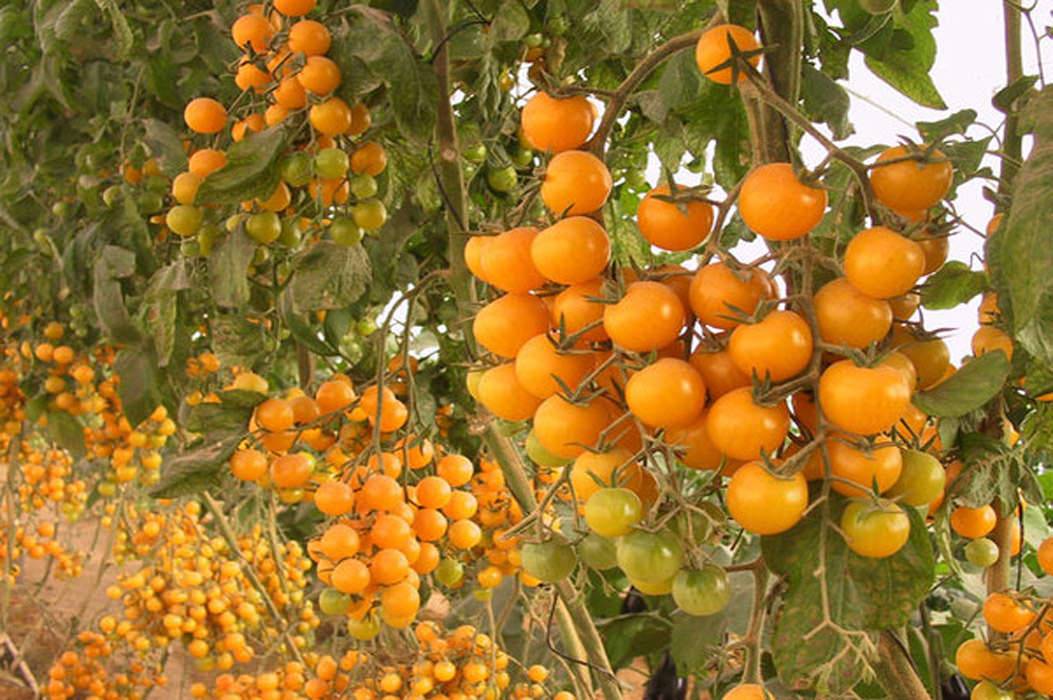
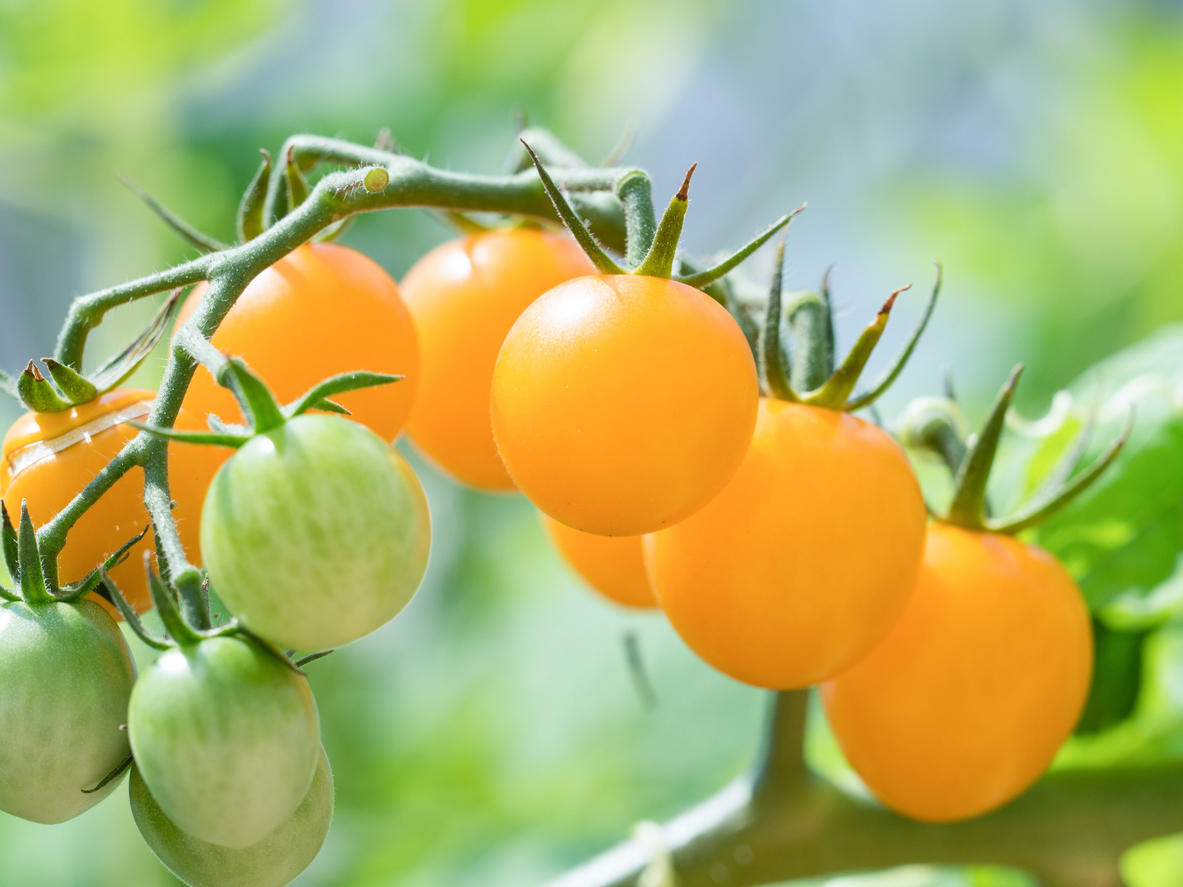
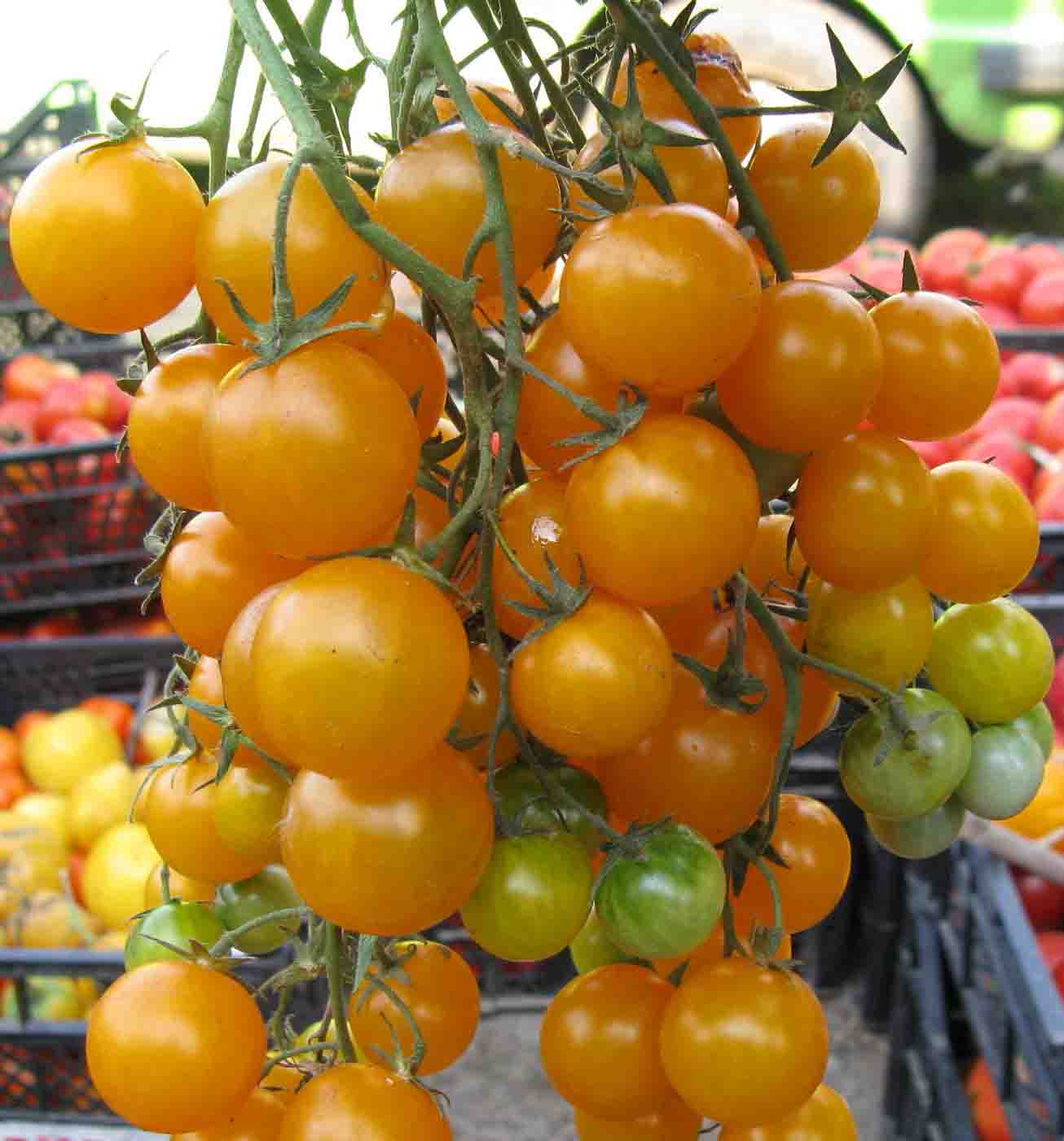
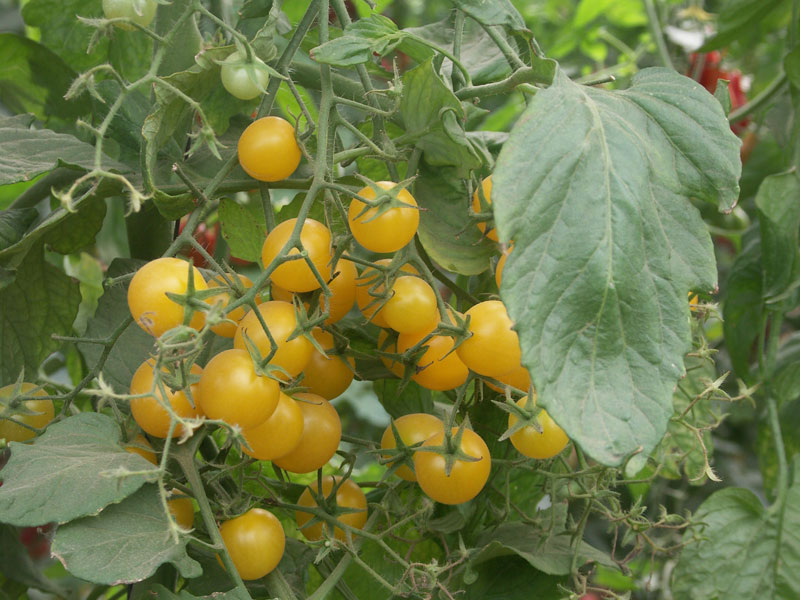
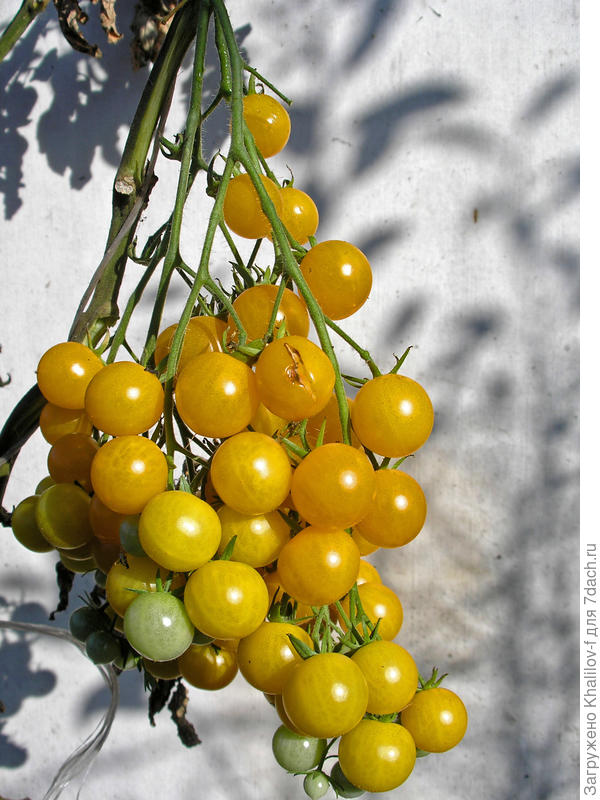
This is a popular cherry tomato variety with yellow fruits. It is suitable for growing in private gardens. It is often offered for sale by private gardeners.
| Characteristic | Description |
| Description | Early maturing indeterminate variety for open ground. |
| Ripening period | 92-96 days. |
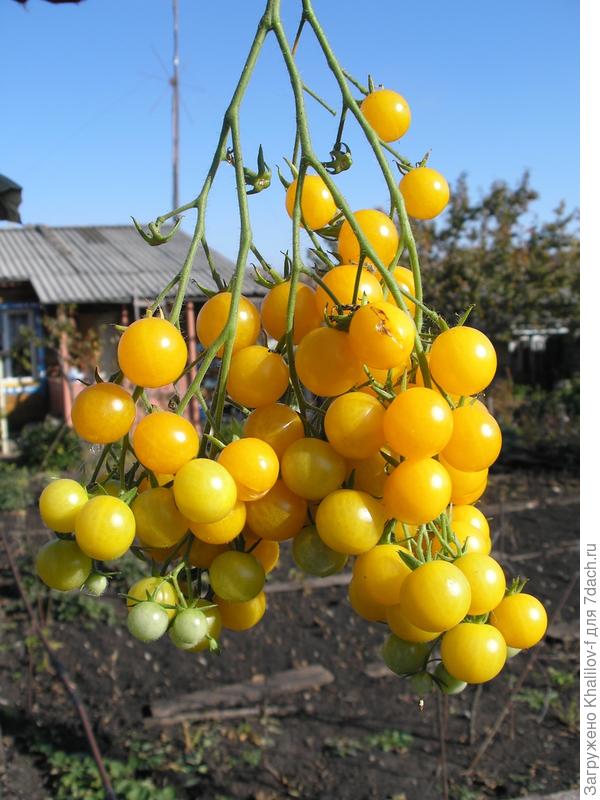
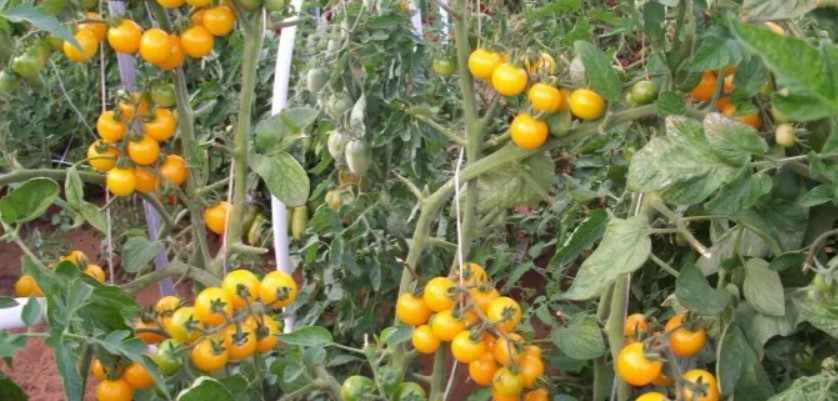
| Description of the fruit | Round, yellowish, smooth. |
| Fruit weight | 15-20 g. |
| Usage | Universal. |
| Productivity | 3 kg/1 sq. m. |
| Marketability, shelf life | Low. |
| Disease resistance and prevention | The plant's immunity is weak. It is susceptible to TMV and fusarium. It is also highly susceptible to cladosporiosis. Therefore, preventative treatment is essential. |
| Agricultural technology | Garter and shaping. |
| Preferred growing regions | Any. |
| 1997 | |
| Originator | LLC "Gavrish". |
Photo gallery of the Yellow Cherry tomato variety
Real reviews from gardeners about the Yellow Cherry tomato variety
Gardeners often grow this tomato for sale. They note that, despite the labor-intensive care, growing this variety is worth it, as it enjoys great popularity among consumers.
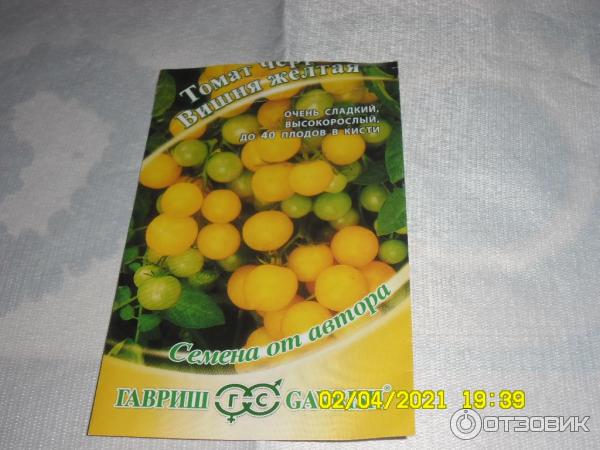
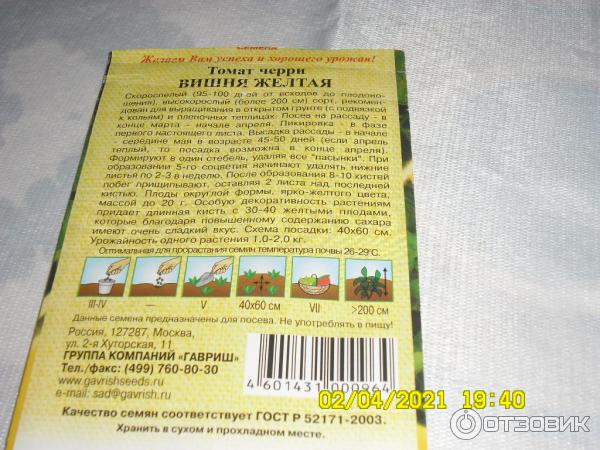
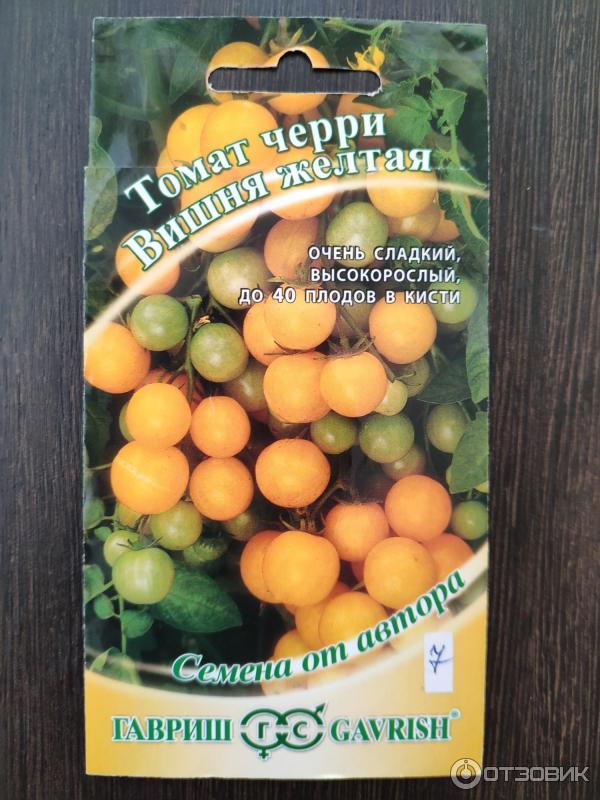
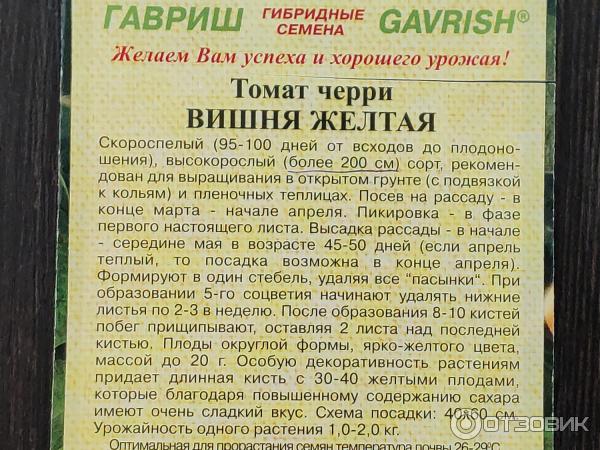
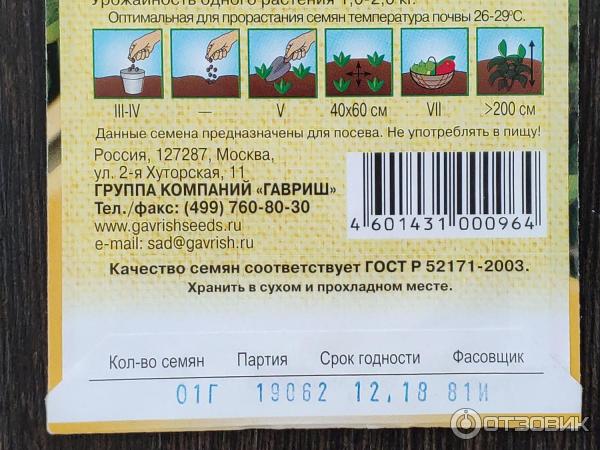
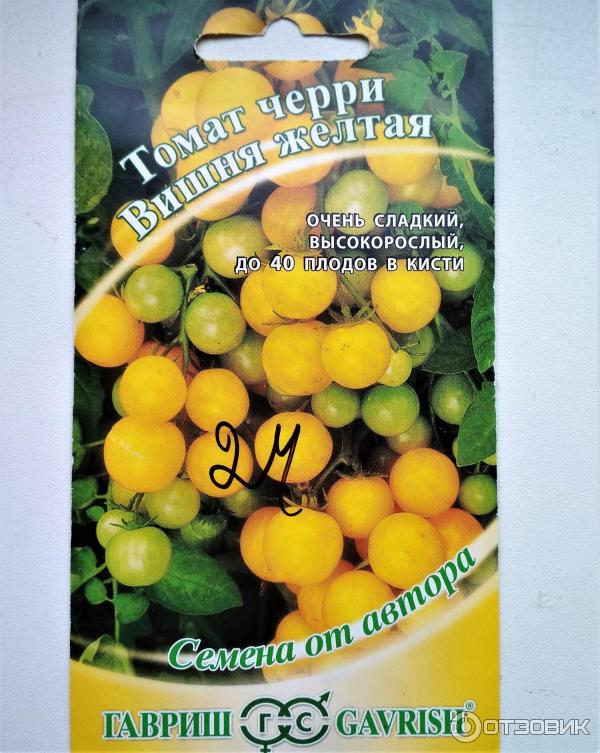
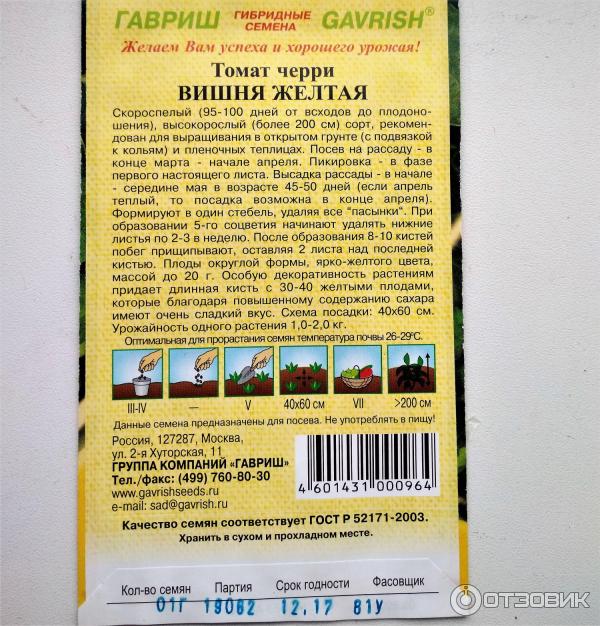
Hello to everyone reading my review. Spring is coming soon, and it's time to think about planting seedlings. Today I bought cherry tomato seeds, "Yellow Cherry." They're very sweet and tall, with up to 40 fruits per cluster. These seeds are from GAVRISH. The back of the package says "early ripening" and "recommended for outdoor cultivation." There's a detailed description of how to properly plant the seedlings and grow the bushes. The seeds comply with GOST standards. The manufacturer's address (Russia, Moscow) is listed, along with a phone number and all the necessary contact information. The seeds weigh 0.1 grams, and their expiration date complies with GOST standards. We also planted these tomatoes last year. The bushes are very beautiful, charming, and delicious. I highly recommend everyone plant these beauties. GOOD HEALTH AND SUCCESS TO YOU ALL.
I've been planting yellow cherry tomatoes of the "Yellow Cherry" variety for several years now. My culinary aesthetic insists on having yellow cherry tomatoes in my assortment—they make a wonderful addition to summer salads and winter preserves.
Besides the fact that the "Yellow Cherry" cherry tomatoes are beautiful, they are also very tasty - the fruits are truly sweet and juicy.
I grow tomatoes from Gavrish brand seeds. Since this variety isn't a hybrid, you can and should use seeds from your own tomatoes, because:
- they have 100% germination,
- it's free and
— you are guaranteed to protect yourself from production defects, which, unfortunately, are not uncommon.Let's see what the manufacturer promises us:
- very sweet (there is such a thing),
- tall (yes, that's true),
— up to 40 fruits per bunch (but this is a clear exaggeration, and a significant one at that!).
I can confirm that this variety is early ripening. In my experience, the smaller the fruit, the faster it ripens. And that's perfectly logical. I grow "Yellow Cherry" tomatoes outdoors—I sow seedlings in the first half of March and plant them in the garden at the end of April. We pick yellow cherries in the first half of July.
See how easy it is to catch a seed producer lying! Carefully read the package leaflet and do the math. Let's take the bare minimum. Let's say our plant has 8 clusters with 30 fruits, each weighing 15 grams. I found that the yield from this not-so-great bush exceeds 3.5 kg. But the manufacturer claims a yield of 1-2 kg per bush. So, the manufacturer lied. And quite a bit, several times over...
Agricultural technology, as is customary, is depicted on the seed packet schematically - in the form of illustrations.
By the way, for those who don't know, tomato seeds have a viability period of 4-5 years. So, be sure to record the harvest year if you're collecting seeds from your own tomatoes.
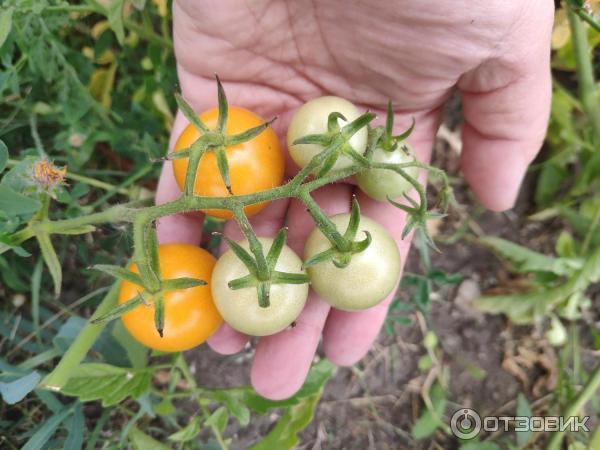
The cherry tomato "Yellow Cherry" is considered a "secondary" variety on my farm, so it grows on its own in the backyard. I don't train or tie it up, and I only pinch off a few stepson at the very beginning of the season. My only care is regular watering and occasional weeding. Is that why I didn't get clusters of 40?!The tassels are tightly packed, neat, but quite small.
On average, 10 tomatoes each. They fill out and ripen gradually, in waves, not all at once.
Moreover, as it usually happens, the first ripe tomatoes turn out to be larger,
than in the subsequent, upper storms.
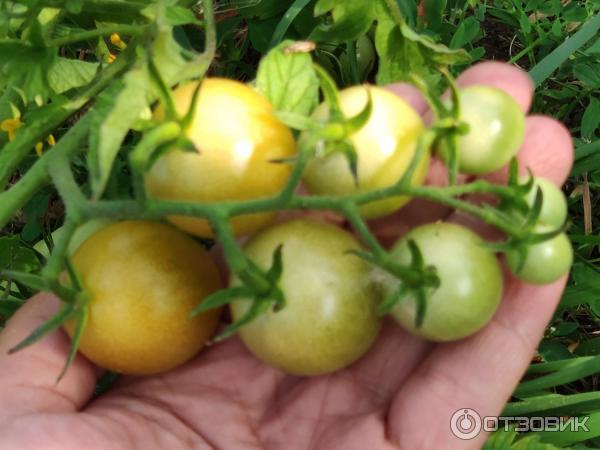
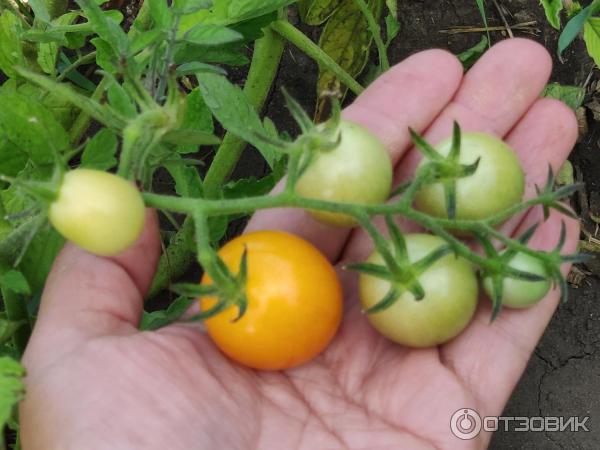
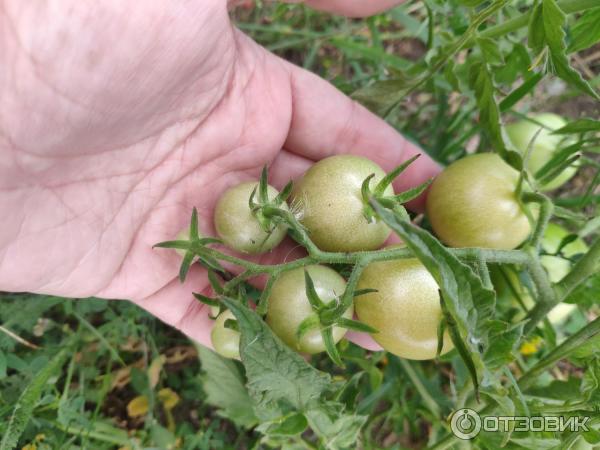
The tomatoes are highly decorative - they are bright yellow, juicy in colour, perfectly spherical in shape, do not crack and have a uniform colour (including the area around the stalk).
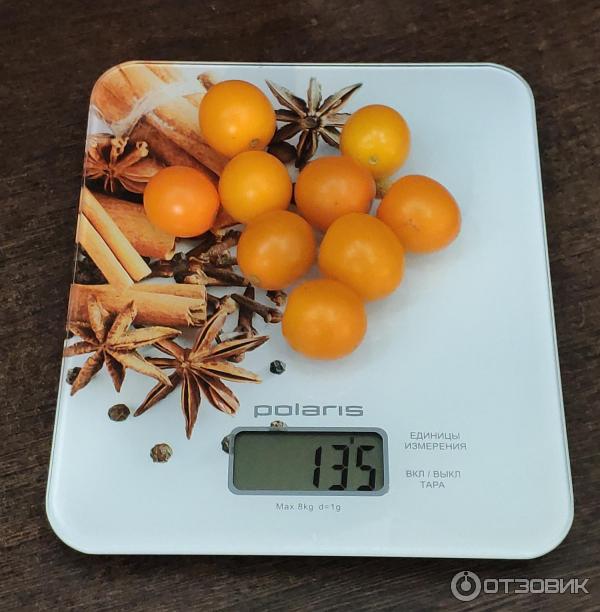
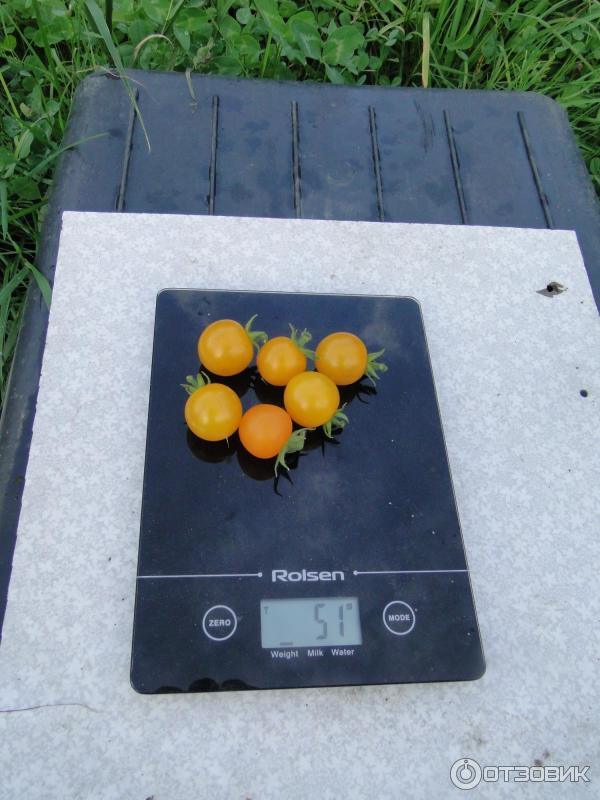
I weighed nine yellow cherry tomatoes (the August ones are smaller than the July ones) and found that each tomato weighed 15 grams.
To sum it up, I will briefly summarize the advantages of the cherry variety "Yellow Cherry":
+ the fruits are very beautiful - perfectly smooth, bright,
+ do not crack,
+ sweet and juicy,
+ tomatoes are easy to care for,
+ not susceptible to diseases.Among the disadvantages I would note:
- a tall bush,
- for a higher yield it needs to be tied up and side-sonned,
— I’ve never seen clusters with 40 fruits)With exactly the same “lazy” agricultural technology, my tomato “De Barao Black” produces a harvest several times greater!
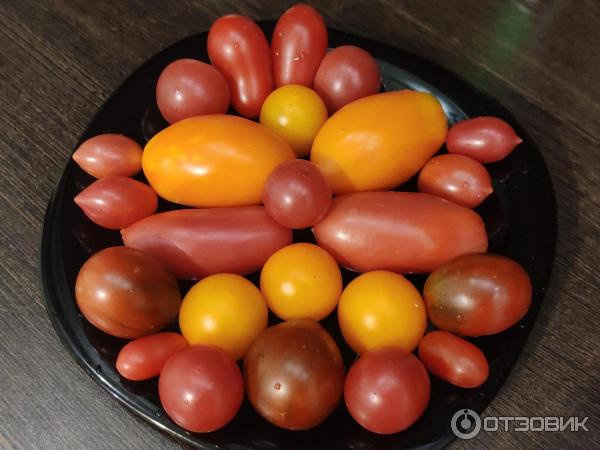
Good day to the readers of my review!
I mainly grow large-fruited tomatoes in my garden. Two years ago, I bought cherry tomato seeds from Gavrish "Yellow Cherry" at a discount. They were sold at a discount because they were past their expiration date. But this doesn't bother me; I've repeatedly verified that the seeds' viability is much longer than stated on the packaging. I liked the vibrant photo of the beautiful tomatoes, the abundance of the bunch, and the weight indicated on the packaging—20 grams is not exactly a small amount.
On the back is a description of the variety, meaning if the experience is positive, you can use it for seed. Detailed instructions for growing and sowing, as well as the address and trademark information, are included.
Sowing began in mid-March. As always, I treated the seeds before planting: for 20 minutes in a potassium permanganate solution and then soaked them overnight in an Epin solution.
In the morning, I washed the seeds and sowed them in fertilized soil. Germination was excellent, confirming once again that the seeds last longer than the seed manufacturers claim. I've had seeds stored for up to ten years sprout. For example, the Agro "Dvortsovy" tomato seeds described in the review, after their six-year expiration date, delighted me with their fruiting.
I took precautions and sowed a lot of seeds, they all certainly sprouted, I grew them and made my neighbors happy.
It showed excellent results in seedlings, without diseases or failures.
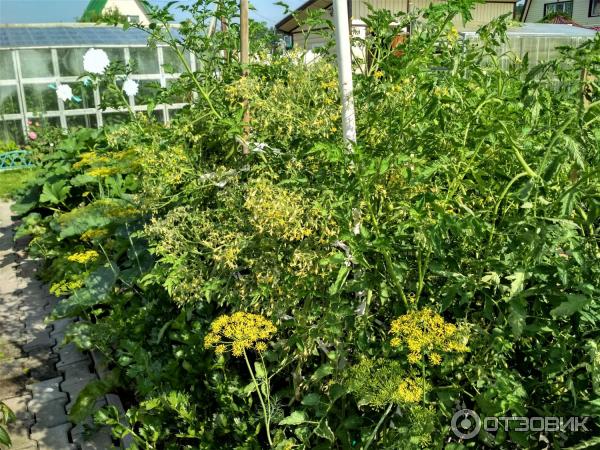
I planted it in mid-May in open ground, in a sunny spot from sunrise to sunset. I had a free hand, as I'd also been among those damaged by the spring hail. Ignoring the instructions to remove side shoots, I left everything that had grown. The result was a bush over five feet tall and immensely wide. Trying to at least give it a compact shape, I installed supports and tied the resulting clusters to it, though they were virtually invisible and there was no point in removing them. The result was a yellow flowering bush with barely visible leaves. I did remove the lower leaves, of course.
The first fruits began to ripen at the end of July, deep in the bush, a juicy yellow color. Mine were cocktail-like, with a sweet flavor. The average weight was about five grams, with none reaching twenty. It's quite possible that this size was due to the large number of clusters, and the plant simply didn't have enough strength. After all, the grower recommended growing them on a single stem with all side shoots removed. We really enjoyed these amber-colored fruits, too. No need to cut them into pieces; just set them on the table and enjoy.
And for children it’s a joyful treat.
Autumn had arrived, and it was time to harvest the fruit. I was growing two bushes, and the hardest part was picking all the remaining fruit. It was labor-intensive, as there were so many of them. I grabbed a stool and, armed with scissors, simply cut off the clusters and picked them.
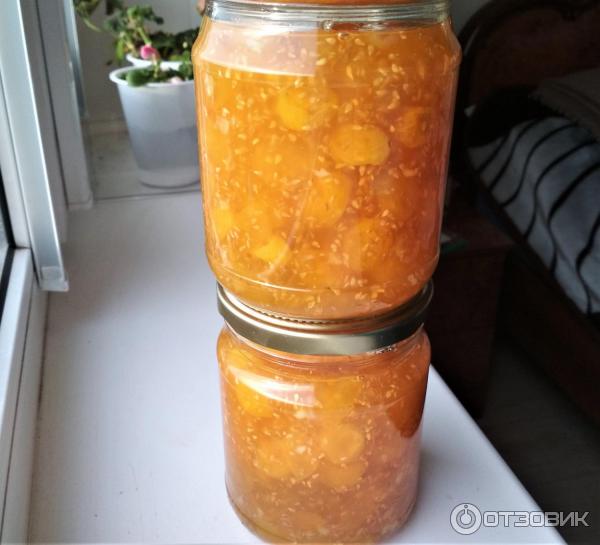
They've been storing very well; first, they were stored in boxes at the dacha, then on the balcony. It's the first ten days of October, and I still have two five-liter buckets. I made ketchup, marinated it in its own juice, and decided to make jam with the leftovers. The jarred ones are similar to physalis jam; Semyon Gavrish also described it, "Peruvian Physalis Columbus," which, by the way, is also from the same manufacturer.
The result was excellent, I have a new product in stock.
It was time to try it. I liked the taste of the jam, very pleasant, not at all like tomato. It was an amber-colored, jelly-like mass with chunks of pulp.
I add it to cottage cheese for breakfast or to a loaf of bread with tea.
I cut half the tomatoes in half and blended the other half. It would be more flavorful if the whole mass were pureed.I liked the variety and would like to highlight its advantages:
— High quality seeds.
— Refers to early ripening periods.
- Resistant to diseases.
- Good taste.
— Very abundant fruiting.
- Beautiful appearance.
— Can be stored for a long time.
— General purpose.I cannot attribute the discrepancy in the stated weight to a disadvantage, since I did not follow the growing recommendations.
I am registering my permanent residence permit and I recommend it to you too.
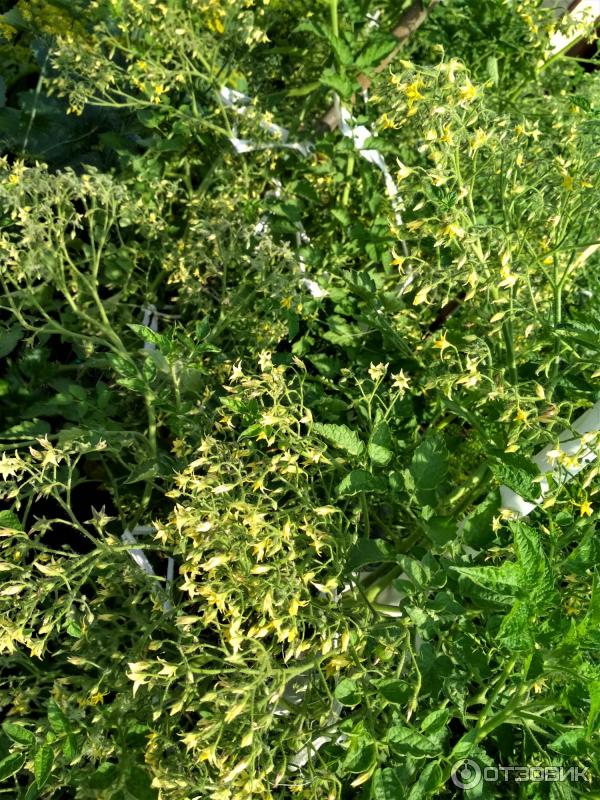
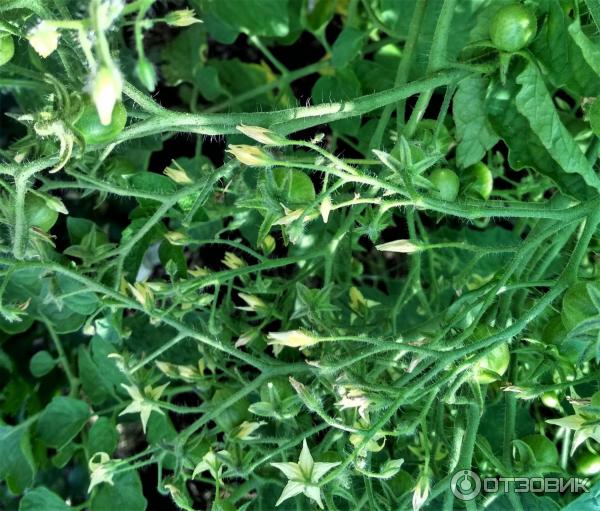
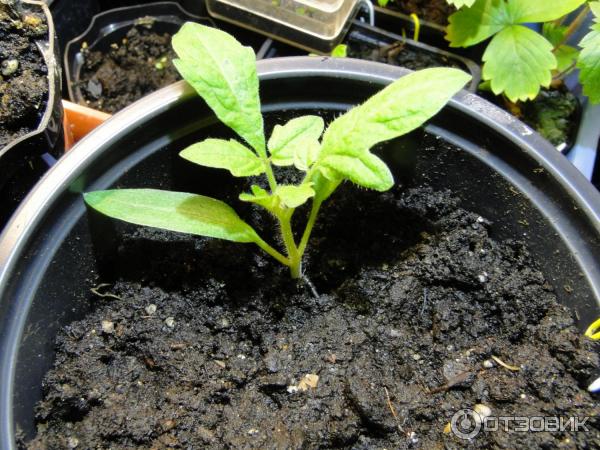
Seed germination is very good. However, after germination, the seedlings are slightly weaker than other varieties.
If you don’t provide additional lighting, it will stretch out very much.
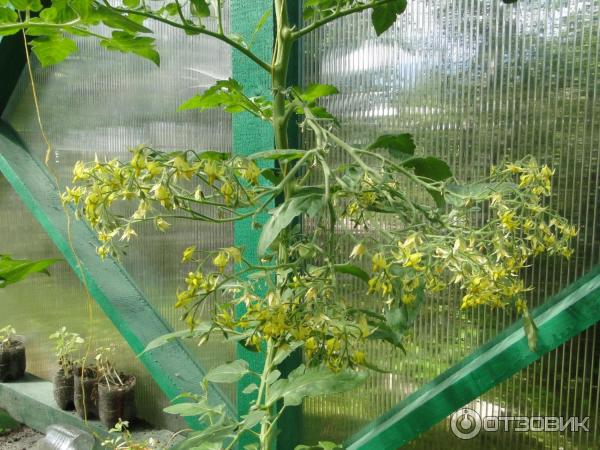
The plant then develops well, blooming 100-110 days after germination.
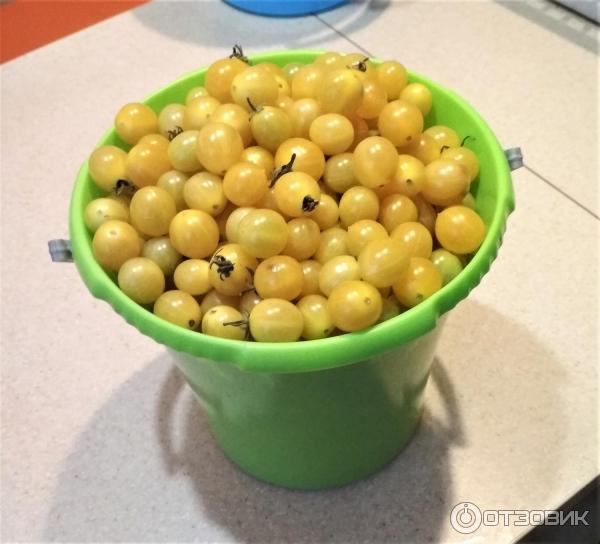
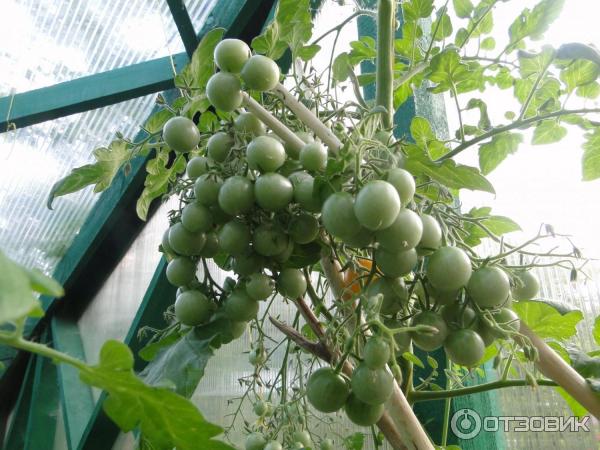
Ripening on the branch is not uniform, but the total number of fruits is still sufficient for fresh consumption and canning.
Branches with ripening fruits have to be tied up otherwise they will break.
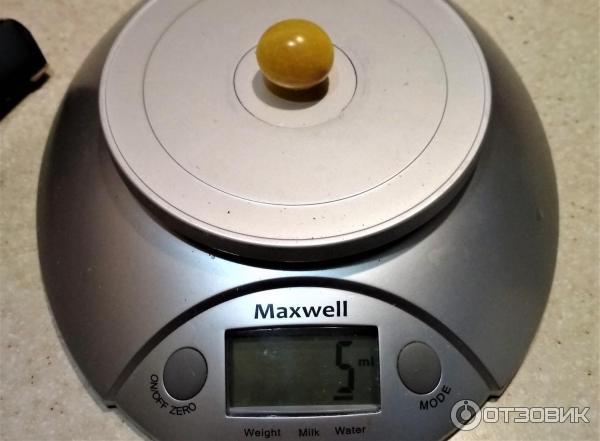
Weight: approximately 10 grams. The taste is dessert-like and powdery.
The plant itself needs to be shaped, side shoots removed and tied up.
It's rarely affected by diseases. One of the last ones dies when temperatures drop in the fall.
Transportability is very high.
Tomato variety Winter Cherry
Winter Cherries are highly prized by cherry tomato lovers. They make a wonderful addition to any table, whether fresh or canned.
| Characteristic | Description |
| Description | Indeterminate early variety for film shelters. |
| Ripening period | 95 days. |
| Description of the fruit | Round, smooth, scarlet. |
| Fruit weight | 30 g. |
| Usage | Universal. |
| Marketability, shelf life | Excellent. In a cool, dark place, tomatoes can be stored for up to 2 months. |
| Productivity | 9.7 kg/1 sq. m. |
| Disease resistance and prevention | Good resistance to TMV, cladosporiosis, fusarium, powdery mildew. |
| Agricultural technology | Formation. |
| Preferred growing regions | Northern, Northwestern, Central, Volga-Vyatka, Central Black Earth District, Northern Caucasus, Middle Volga region. |
| 2003 | |
| Originator | Agrofirm Partner LLC. |
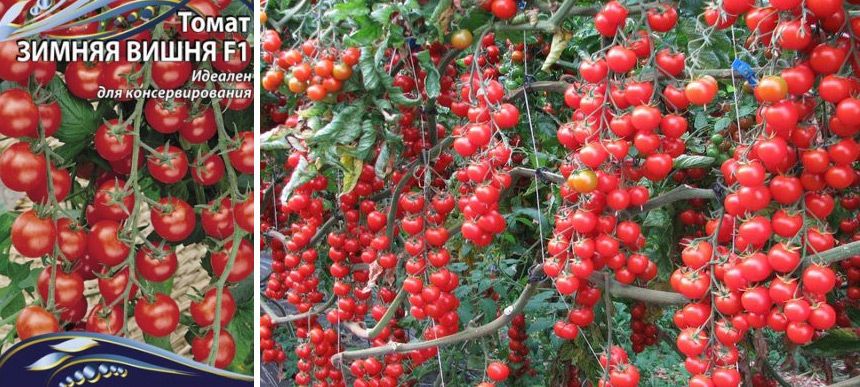
Photo gallery of Winter Cherry tomato varieties from various producers
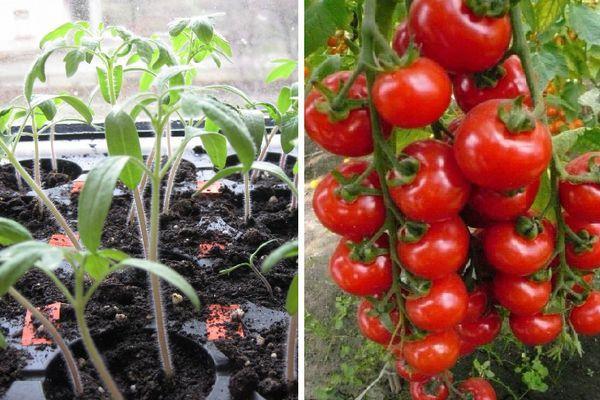
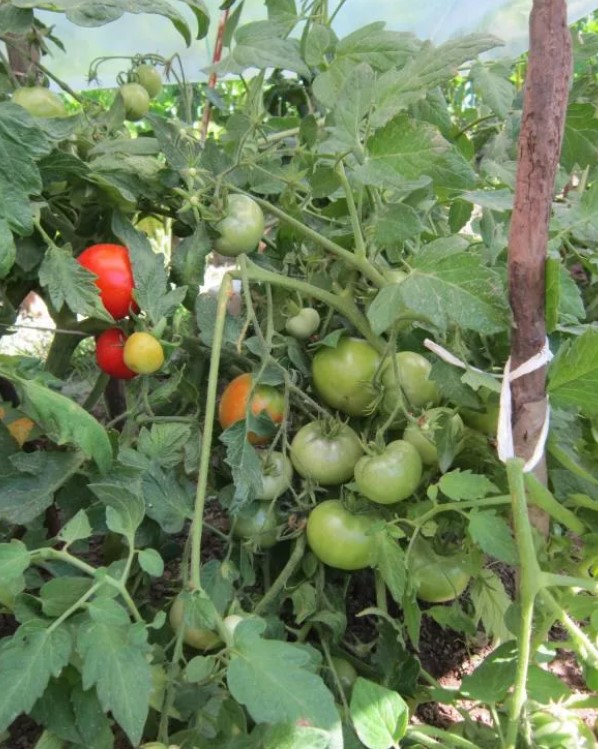
Read about other cherry tomatoes in the article5 Delicious Varieties of Cherry Tomatoes.
Real reviews from gardeners about the Winter Cherry tomato variety from various producers
In reviews, gardeners note the excellent taste and the ability to store fresh for a long time. Among the drawbacks, they point out the need for shaping, which takes time.
Good day, dear readers of the Otzovik website.
Gardening season is starting soon, and I've started buying seeds to be ready to plant. I buy seeds based on last year's harvest, and this year I probably won't even experiment; I'll stick with what's been tried and tested for years.
One of these varieties is the Winter Cherry tomato variety.
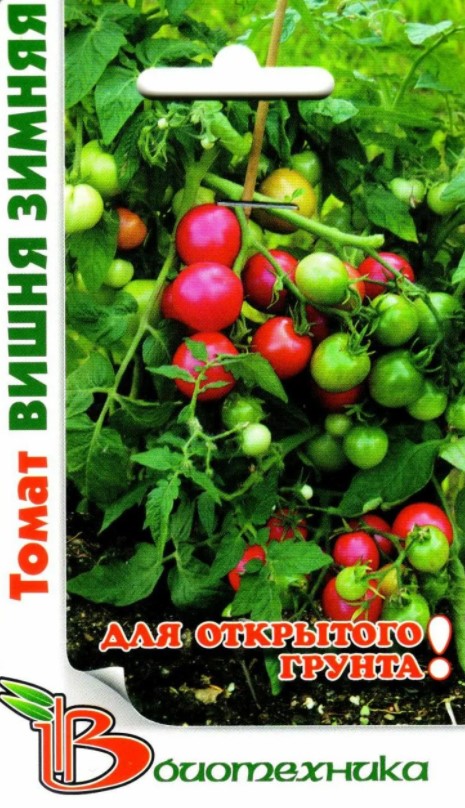
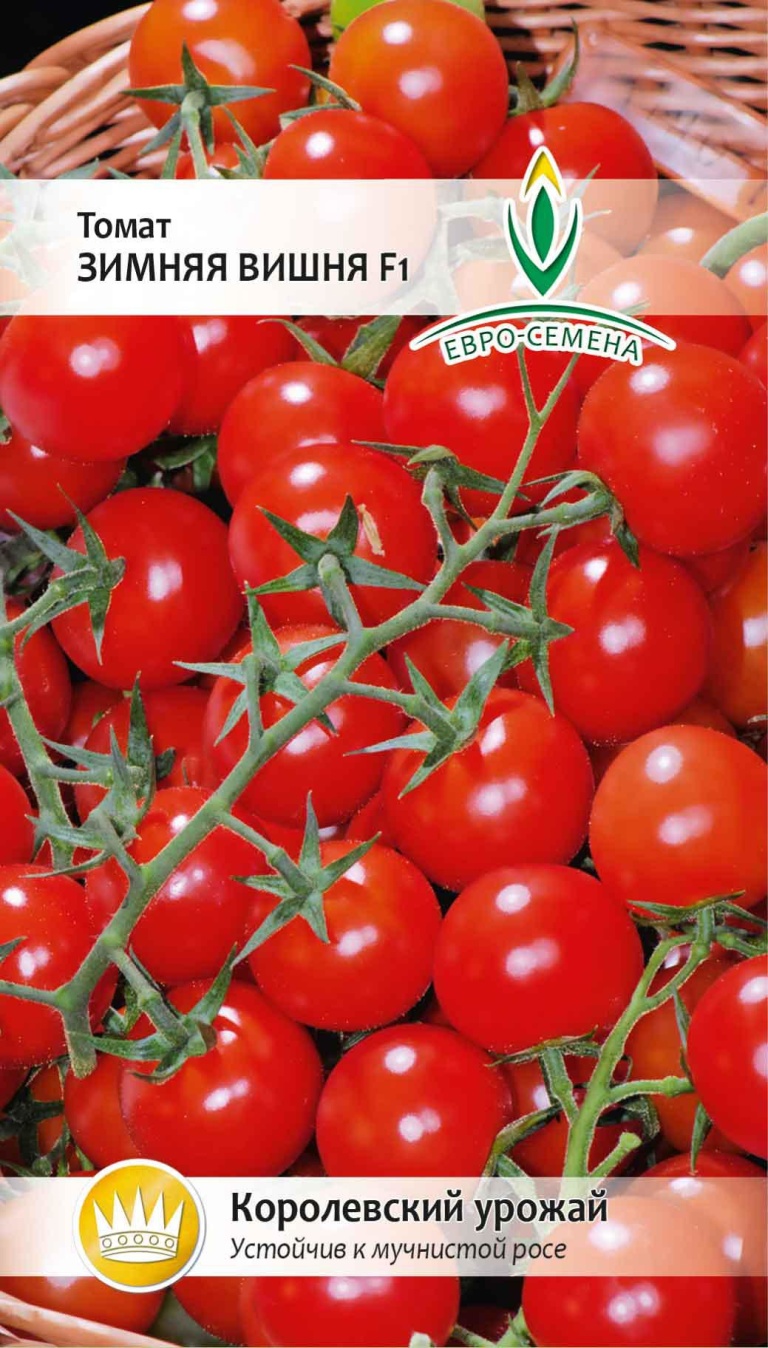
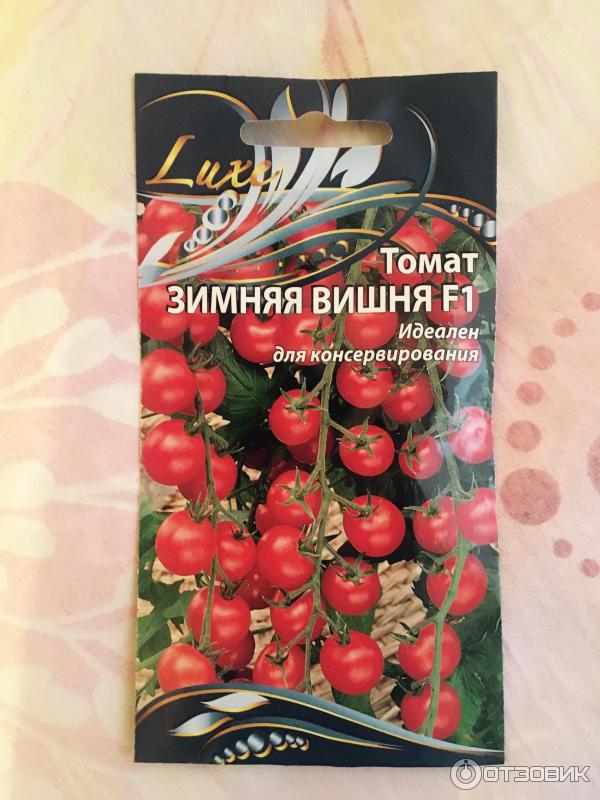
If you look at the packaging, I'd immediately notice that the picture doesn't correspond to reality. The tomatoes are larger, and they don't even hang like that on the vine, but rather as individual tomatoes. I've only had a few of my plants where they've grown in clusters, like cherry tomatoes, but I think that's the exception to the rule.
I grow them in a greenhouse, and although it says they are early ripening, it seemed to me that they didn't bear fruit for a long time, but at the end of the season they delighted us with tomatoes.
The fruits are about 1.5-2 centimeters in size. I usually preserve them in jars for the winter, as they look very pretty when served. They have a slightly sweet taste, so they're not particularly suitable for salads when fresh, but they're very pretty and delicious when used as a garnish or skewered with cheese and sausage.
I highly recommend the Winter Cherry tomato to all gardeners because not only are they delicious, but they also haven't turned brown or had any problems during the growing season, and they don't require any special care. Everything is standard and simple! Wishing you a great harvest.
Last season, we bought one package of indoor tomatoes. Besides this variety, we also purchased many large varieties of tomatoes for outdoor cultivation, which I won't discuss here.
There were no specific selection criteria; I liked it and bought it. To me, they all look the same, just with different names. No matter how many we planted, there was no crop like the one in the picture. Oh well, it grew a bit, ate it, and then settled down until the larger varieties ripened.
Small tomatoes are unprofitable, they leave a lot of debris on the windowsill, and the harvest is poor if you're only spoiling a child. But the effort is worth it; they have a unique aroma and a flavor unlike that of regular, larger tomatoes.
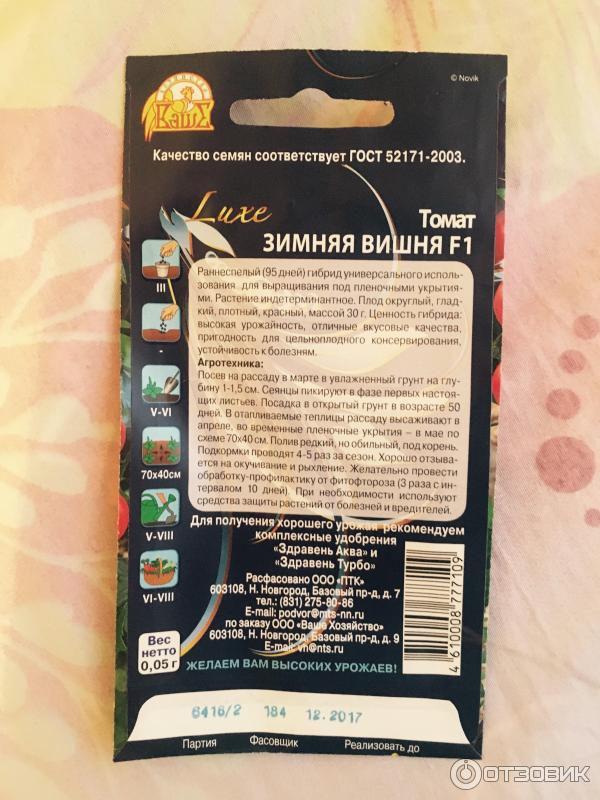
The seeds are packed in thick cardboard bags with a glossy finish and a moisture-resistant film coating inside.
The package cover features beautiful, ripe bunches of fruit, with the name written in capital letters. Why not buy such a presentable package? What if it grows!!! At first glance, this question always arises, so we buy with hope.
Good day, visitors of Otzovik!
Previously, all the reviews were devoted to tall, large-fruited tomatoes. In this one, I want to talk about a variety I tried this year, as a variety intended for outdoor planting.
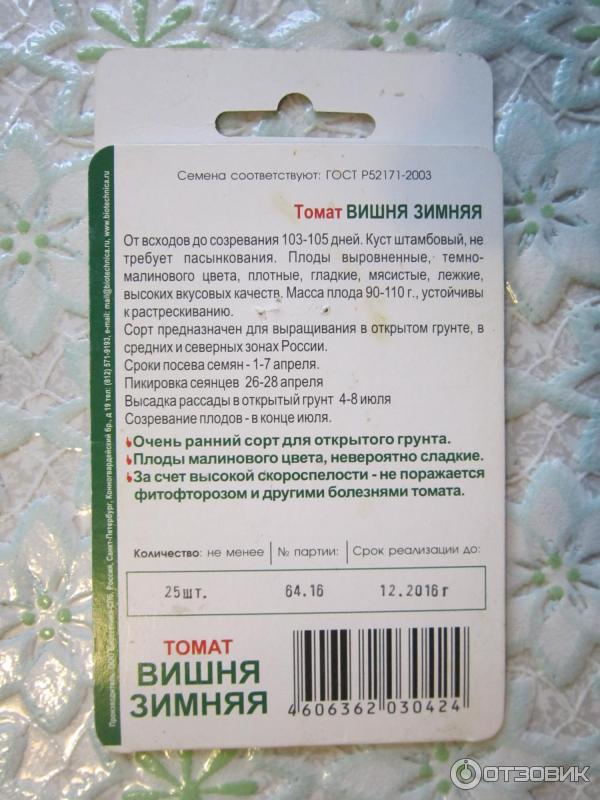
A friend gave me the last few seeds, unsure if they were still viable. The seeds are from Biotekhnika. The expiration date is December 2016.
They sprouted beautifully in the spring of 2018. I pricked out and planted two of the bushes. Since the spring was cold, I planted them outdoors in early June. To avoid them languishing on the windowsill, I transplanted them to a greenhouse between the main tomato plants. There, they grew and developed for a full month. This month was enough for the bushes to grow and strengthen. The bushes are not tall, 50-60 cm. I hardly pinched any side shoots, only removing a few of the bottom ones to keep the leaves off the ground. They didn't ripen early for me. The first tomatoes ripened at the end of July.
The package description says the tomatoes should be a deep crimson color. Mine were red. The weight is stated as 90-110 grams. Mine was also smaller.
My tomatoes weren't incredibly sweet either. They had a typical sweet-and-sour tomato flavor. For me, this variety lacked any special appeal, unlike the similarly short-growing "Nikola" variety, which had a very good flavor. "Winter Cherry" is an ordinary, short-growing tomato with a mediocre flavor, just like the "Zagadka" tomato, which I won't be growing again. It's also possible it's the wrong variety; the color of my tomatoes doesn't match the color listed on the packaging.
I give this variety three stars. Those stars are mainly due to its good germination rate. Whether to plant this variety or not is up to you.
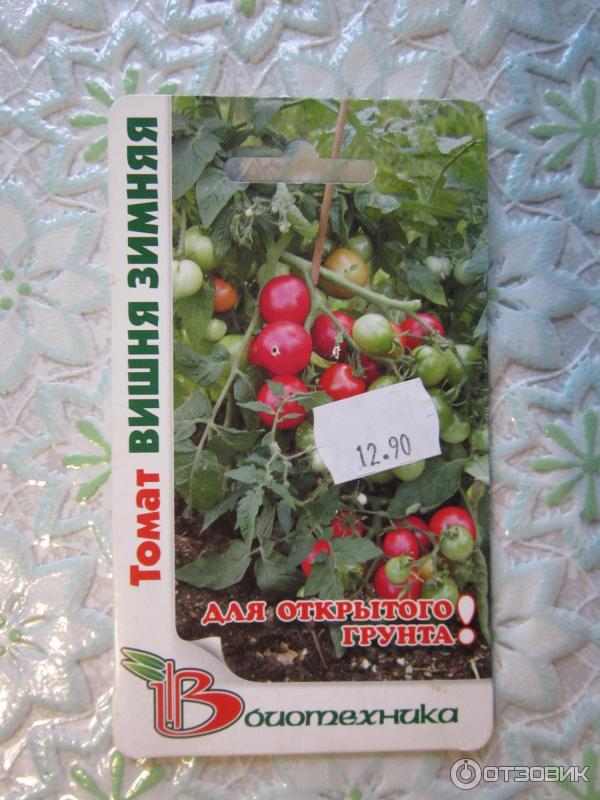
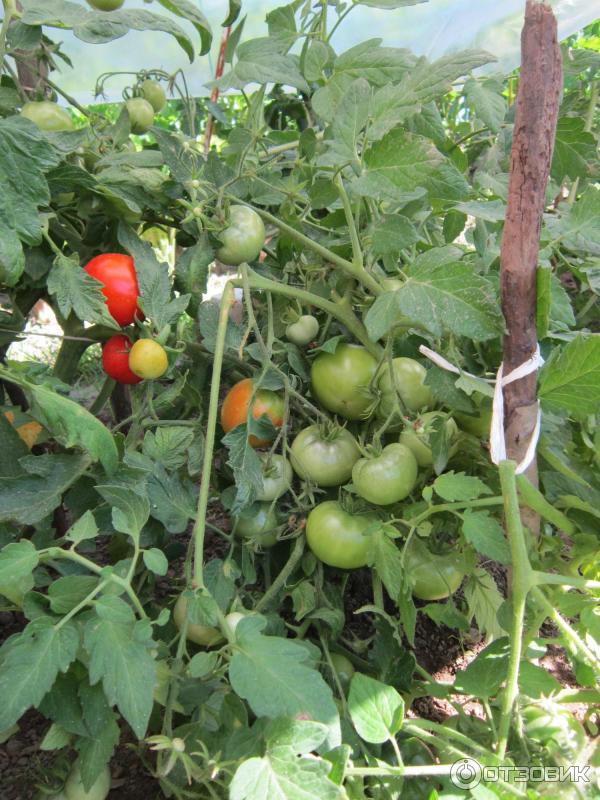
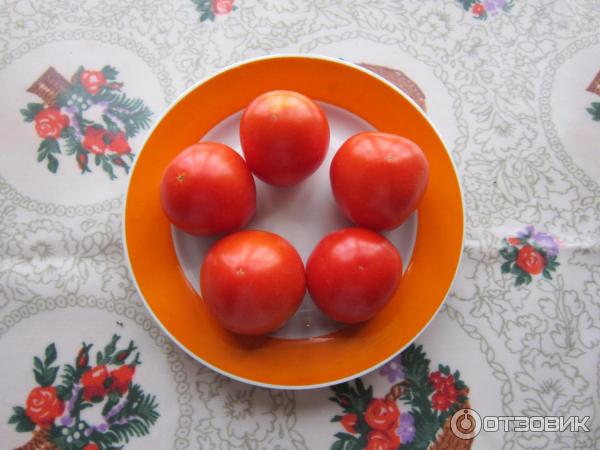
I don't know if this is relevant or not, but I'm really happy with Biotekhnika! For several years in a row, I've been planting the Dei Juanchi tomato in a drafty, windy location, and it always produces fruit and handles the cold well! One year, I bought this variety from Myazina, and it turned out to be a complete disaster. The bush was skinny, shabby, and not at all like what I'm used to. This year, I decided to order some new products from Biotekhnika's website, choosing all sorts of hanging and potted flowers. Their seeds aren't exactly cheap, but the quality of the new packaging is simply amazing!!! They look like fantastic glossy postcards; you can't even put them down! I hope the seeds are also up to par.
Royal cherry
Specially designed for open ground and unheated greenhouses. In both cases, maximum yields can be achieved with proper agricultural practices.
| Characteristic | Description |
| Description | Early-ripening indeterminate tomato for open ground and spring unheated greenhouses. |
| Ripening period | 85 days. |
| Description of the fruit | Round, smooth, raspberry. |
| Fruit weight | 15 y. |
| Usage | Whole fruit preservation. |
| Productivity | 5.1/1 sq. m. |
| Marketability, shelf life | Good ones. |
| Disease resistance and prevention | Average. Pest and infection prevention is necessary. |
| Agricultural technology | Formation. |
| Preferred growing regions | Central zone, northern regions, Central Black Earth Region. |
| 2011 | |
| Originator | IP "KUDRYAVTSEVA ELIZAVETA ROMANOVNA". |
Photo gallery of the Royal Cherry tomato variety
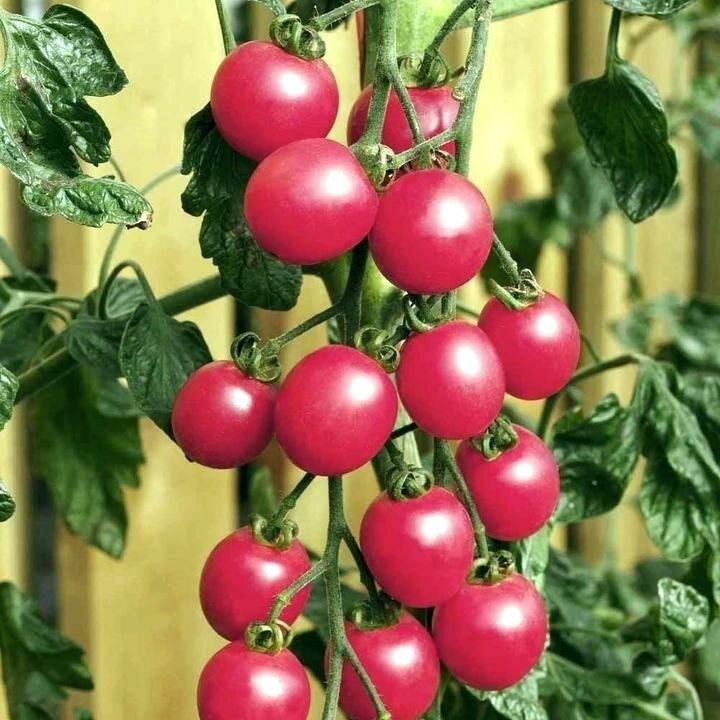
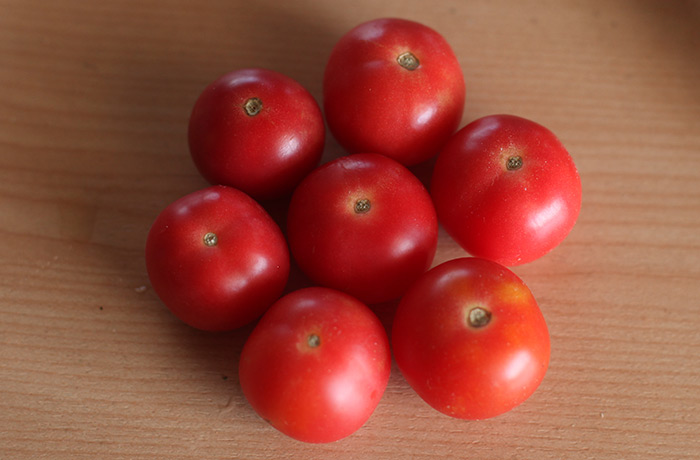
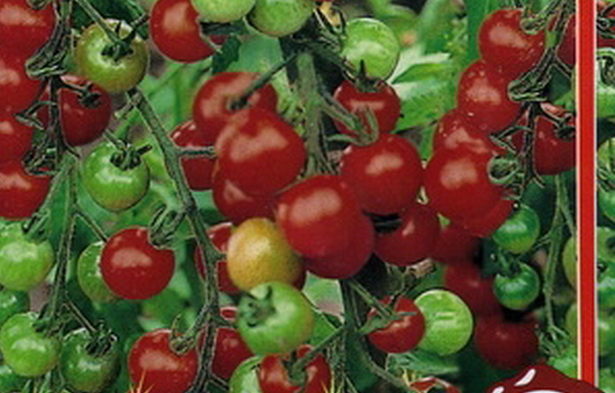
Real reviews from gardeners about the Royal Cherry tomato variety
Reviews say the fruits have a unique flavor and attractive appearance. However, some noted downsides include susceptibility to disease and the need for shaping.
The Royal Cherry tomato variety is ideal and specifically designed for planting in both unheated greenhouses and open ground, where it produces the highest yields. Its fruit is medium-flat with a rounded contour.
While the fruit is unripe, it should be light green, but as it ripens, it typically takes on a crimson hue. In terms of how to use this fruit as it ripens, this tomato variety is versatile, as it can be used in salads, canned, and even juiced, as the resulting fruits are extremely juicy.
An early-ripening indeterminate variety. Grown in open ground, it was quite productive.
The fruits are more pink-raspberry than red, tasty, sweet, juicy, and burst when preserved.
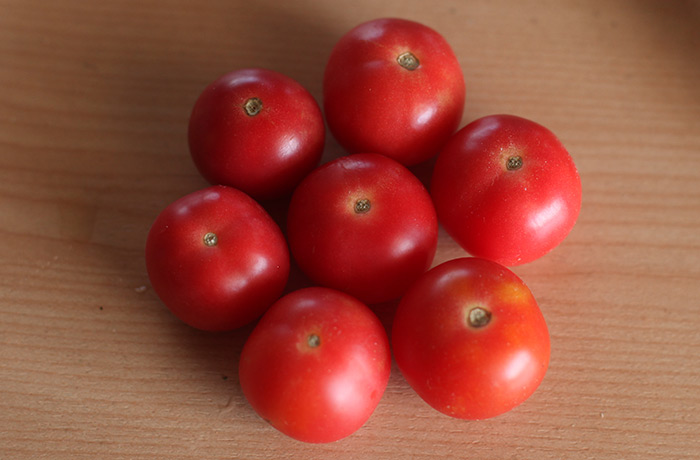
Tomato variety Cherry Black
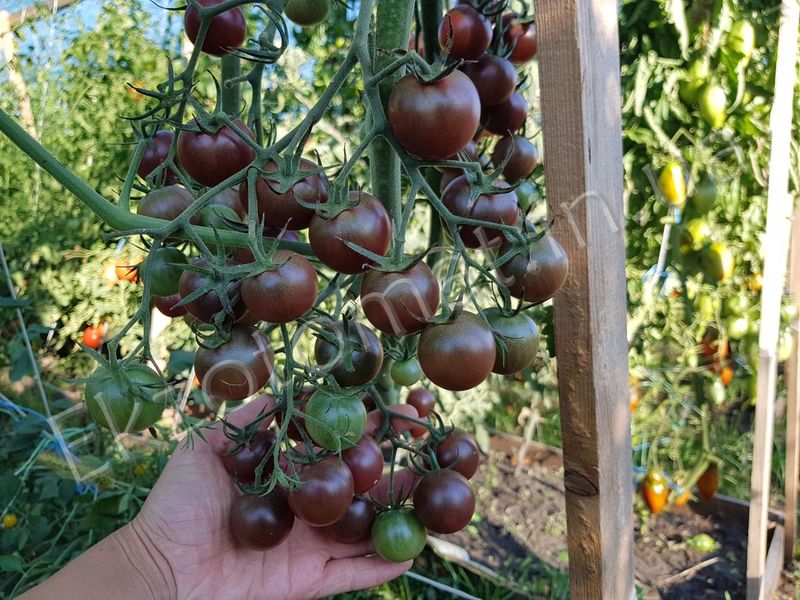
The very first cherry tomatoes were red. However, breeders have worked hard to give them even more decorative qualities. For example, the Cherry Black variety is purple-brown.
| Characteristic | Description |
| Description | Indeterminate mid-early variety for greenhouses. |
| Ripening period | 112 days. |
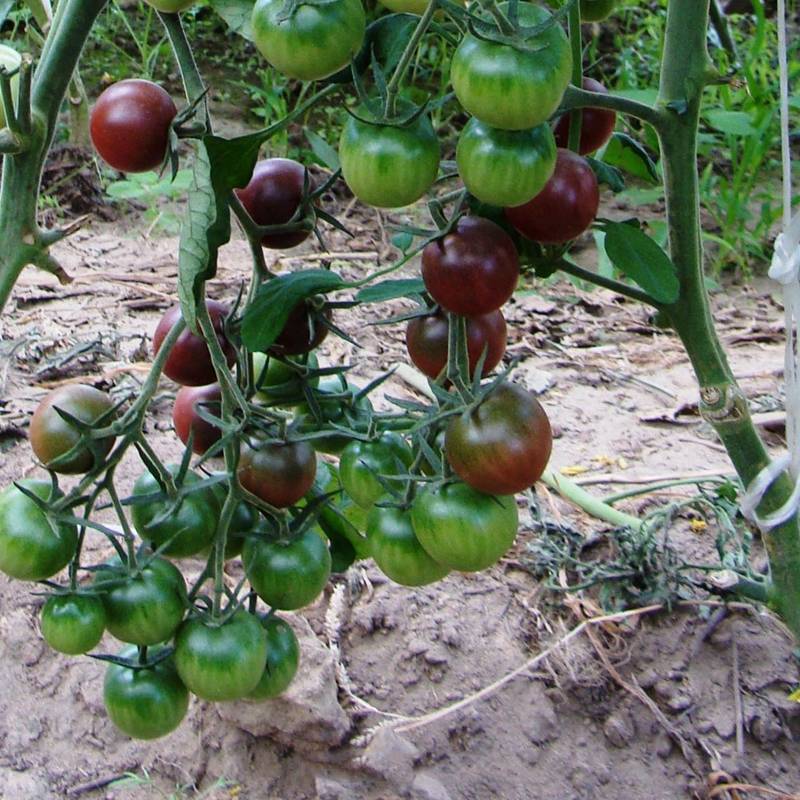
| Description of the fruit | Smooth, round, brownish-purple. |
| Fruit weight | 18 y. |
| Usage | Fresh, for whole-fruit canning. |
| Productivity | 3.5 kg/1 sq. m. |
| Marketability, shelf life | Good ones. |
| Disease resistance and prevention | High. However, preventative treatments shouldn't be neglected. To prevent blossom-end rot, add 1 tablespoon of wood ash and calcium nitrate to each hole before planting. To prevent late blight, regularly ventilate the area and monitor humidity levels. If signs of infection or pests are detected, use commercially available fungicides and insecticides. |
| Agricultural technology | Regular pinching, tying, and shaping are essential. Timely harvesting is essential, as tomatoes are prone to cracking. |
| Preferred growing regions | Northern, Northwestern, Central, Volga-Vyatka, Central Black Earth District, Northern Caucasus, Middle Volga region. |
| 2008 | |
| Originator | LLC "SELECTION AND SEED GROWING FIRM "TOMAGROS". |
Photo gallery of the Cherry Black tomato variety
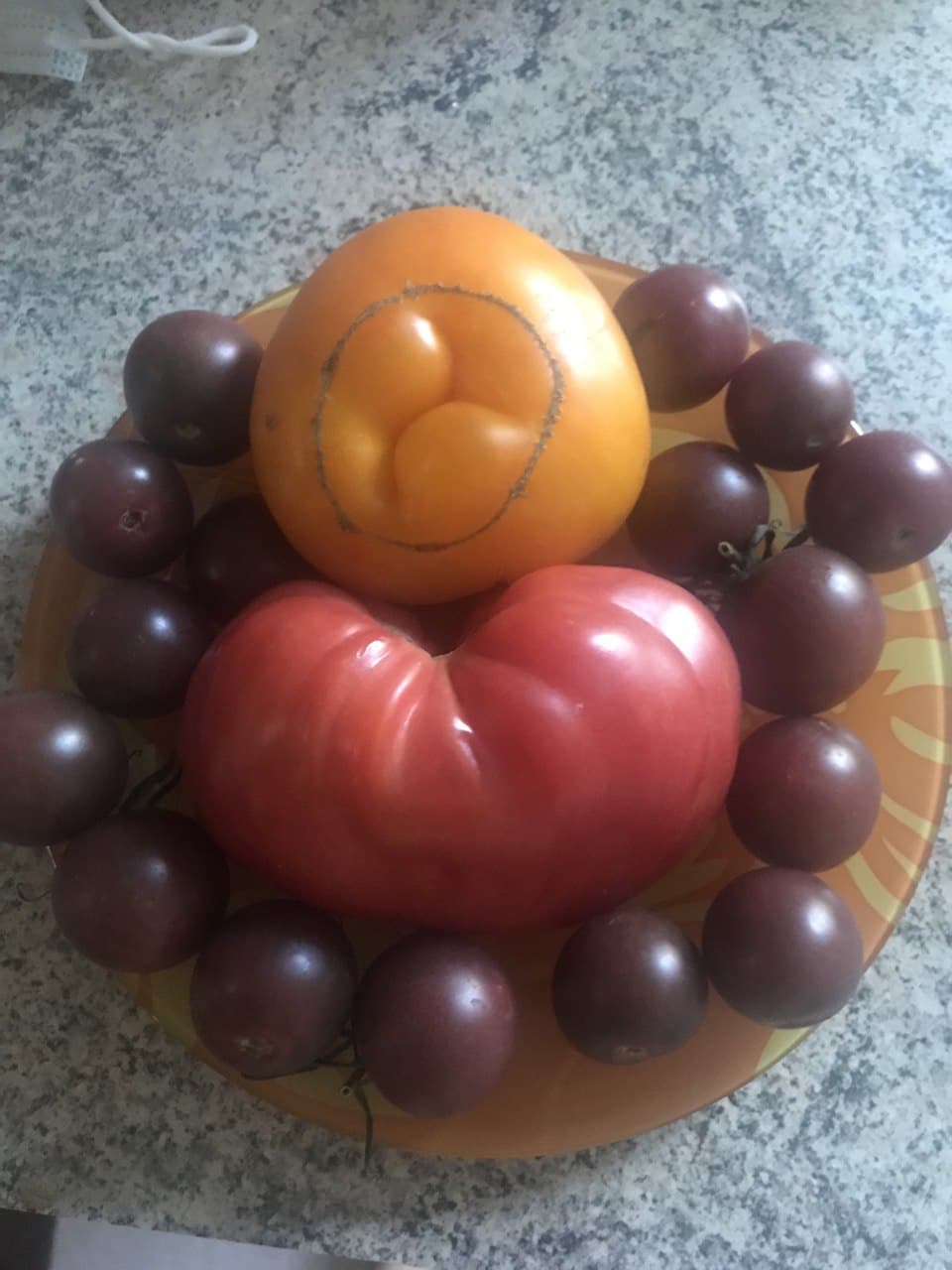
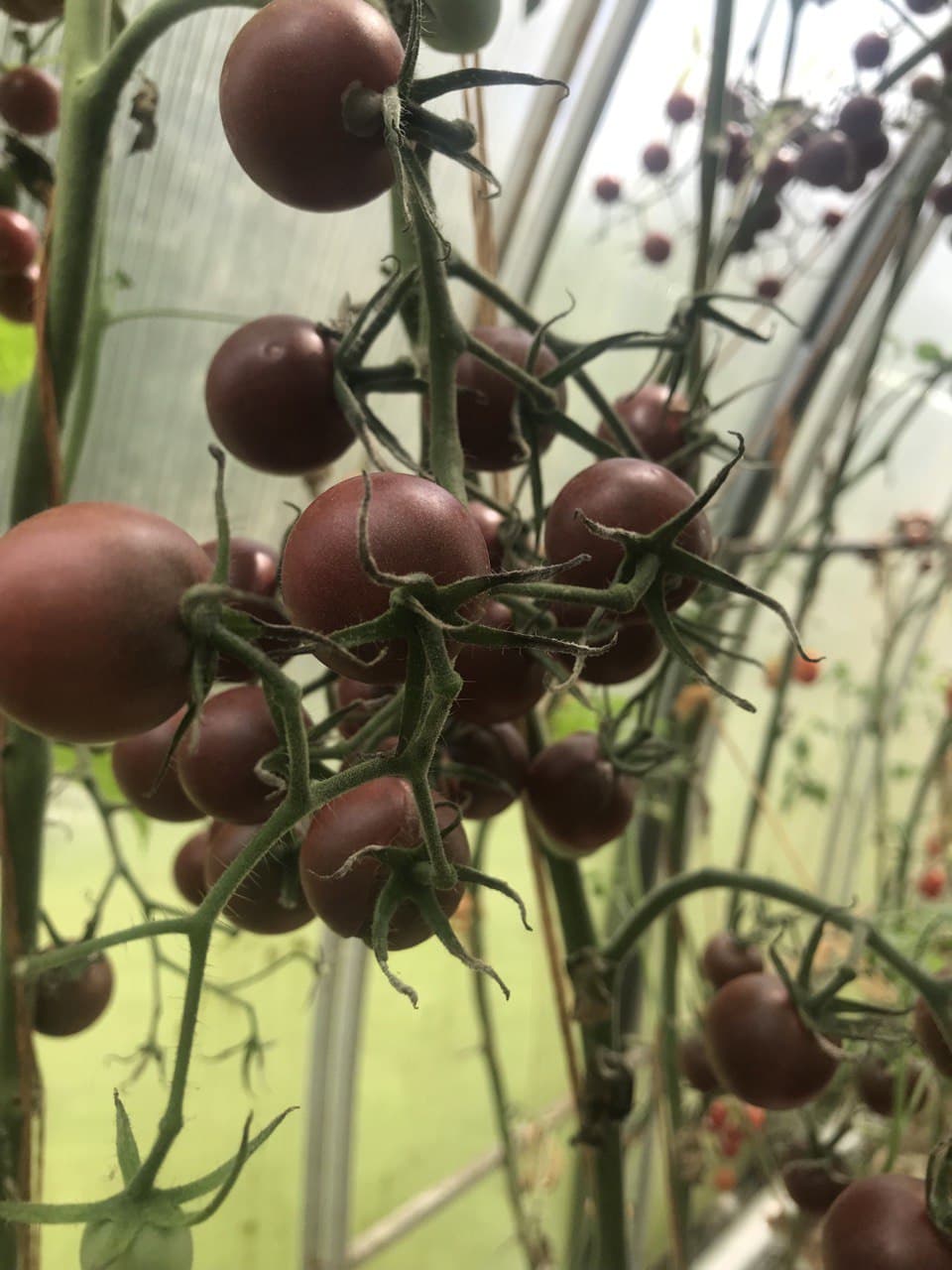
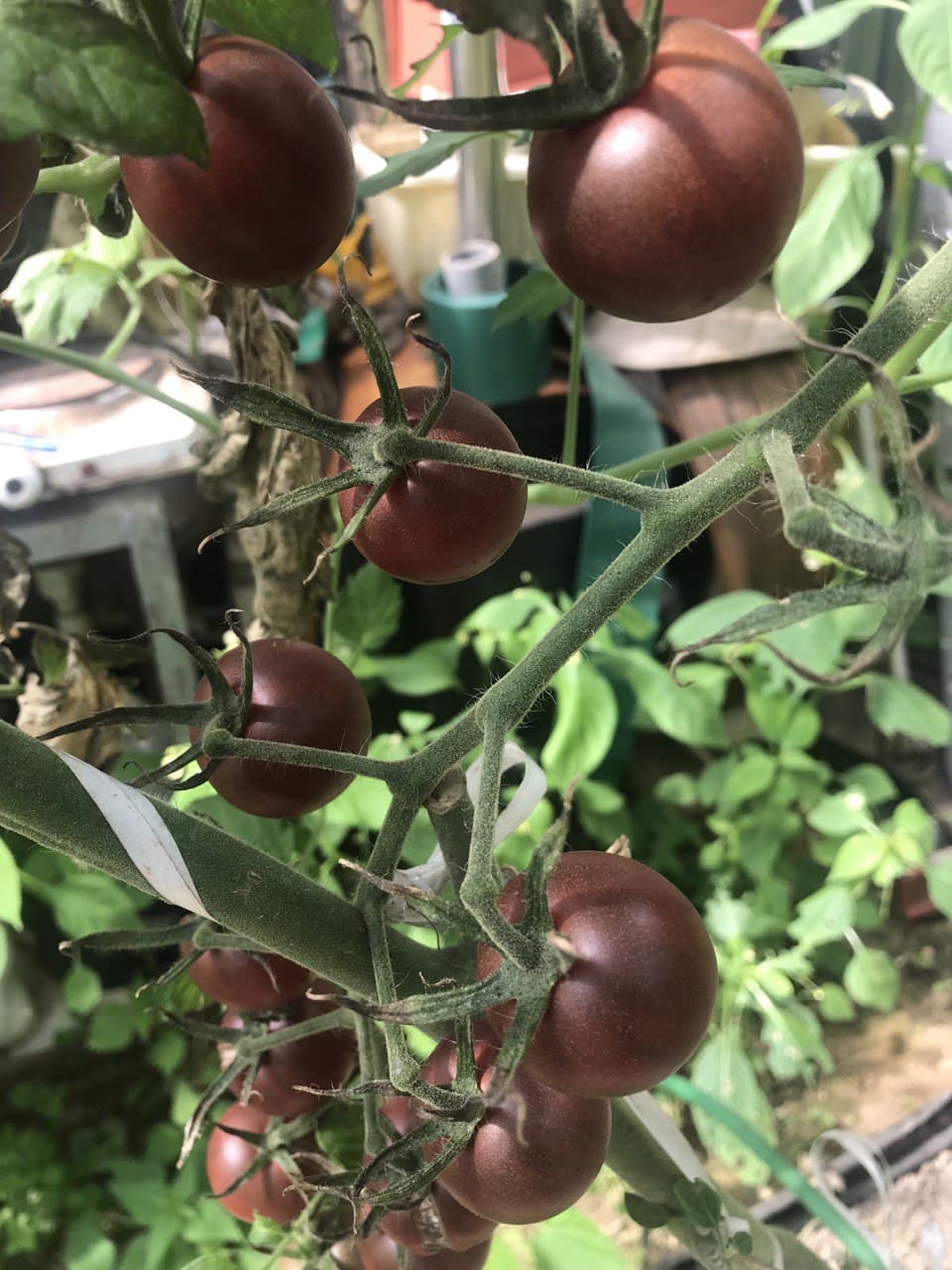
Real reviews from gardeners about the Cherry Cherry tomato variety
Reviews note the highly decorative nature of the fruit, which will truly be a highlight. However, some drawbacks include special care requirements.
Review from Top.tomathouse.com
I've been growing this cherry tomato for years, planting it everywhere: in the greenhouse, outdoors. In both places, the Cherry Cherry performs superbly; it's a very easy-to-grow and resilient variety.
It thrives outdoors, when other varieties have already suffered from late blight.
The fruits are very sweet, of course, to reach the black color, it apparently takes a long time, in our country they are eaten very quickly, just like chocolate candies, it is more like dark brown.
In the greenhouse it sprouts by somosevy.
I want to tell you about the special features of the "Black Cherry" tomato seeds from Aelita.
And this peculiarity lies in the fact that in 2018, when I planted this variety for the first time, I did not remove all the fruits that fell into the ground in the fall.
Imagine my surprise the following year when, at the end of May, I saw sprouts emerging from the open ground. I started experimenting and, voila, there were seedlings ready to go in the garden.Now about the seeds themselves and their fruits.
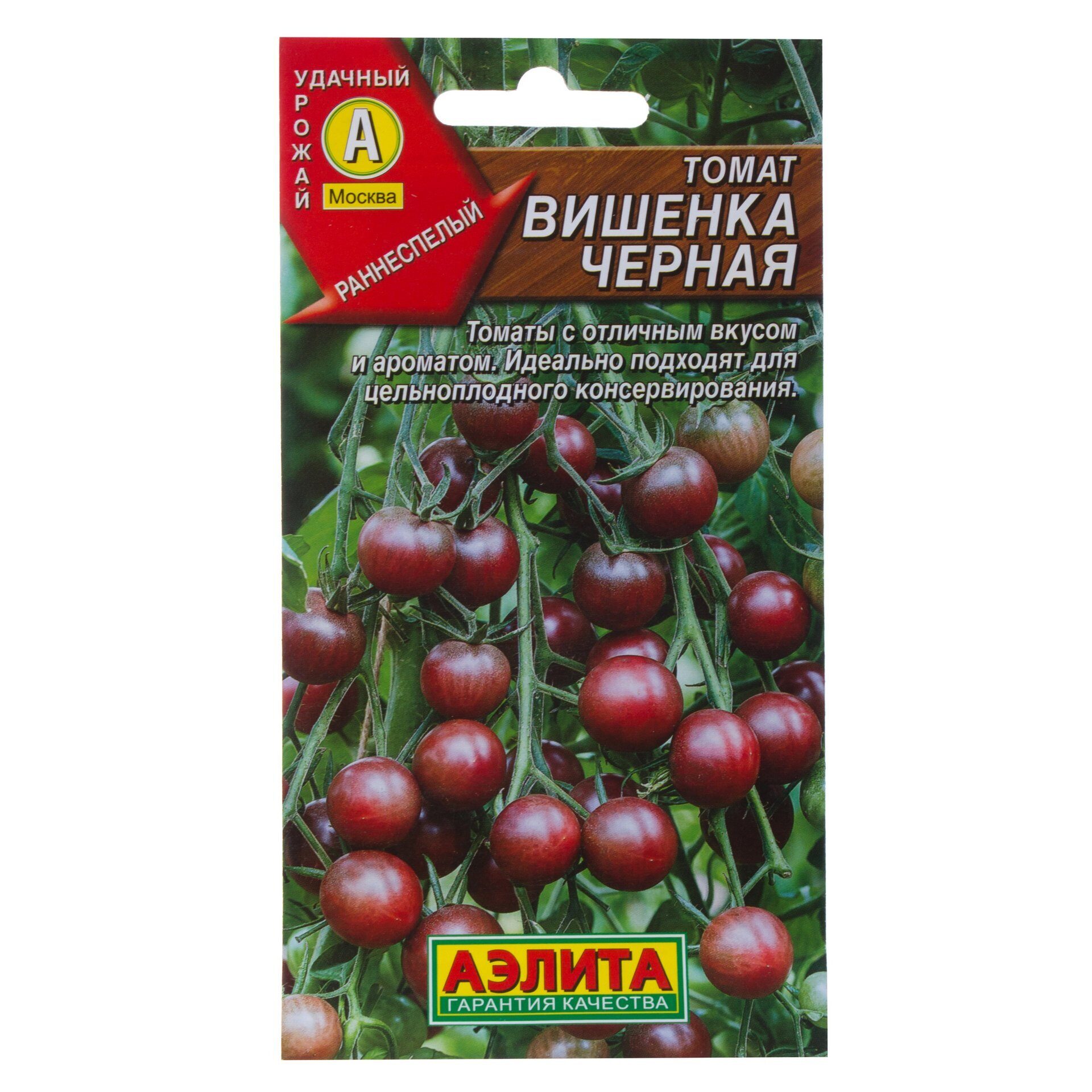
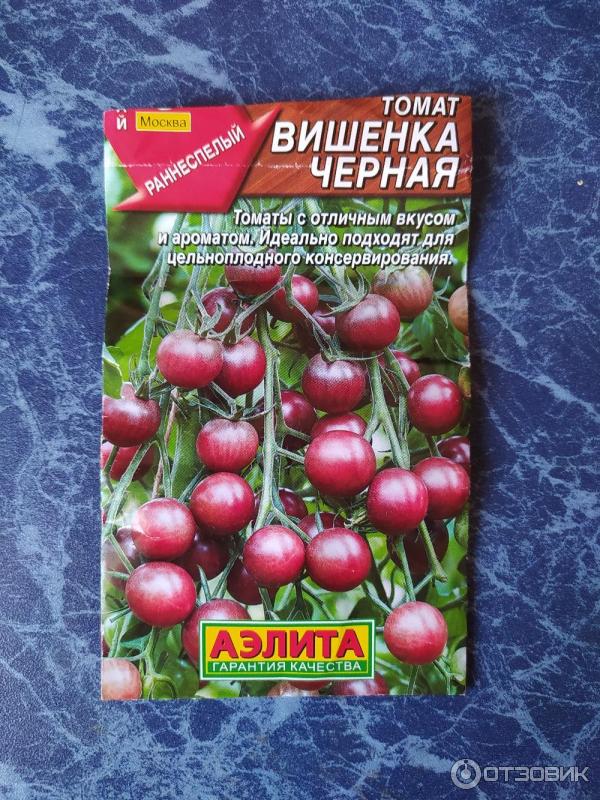
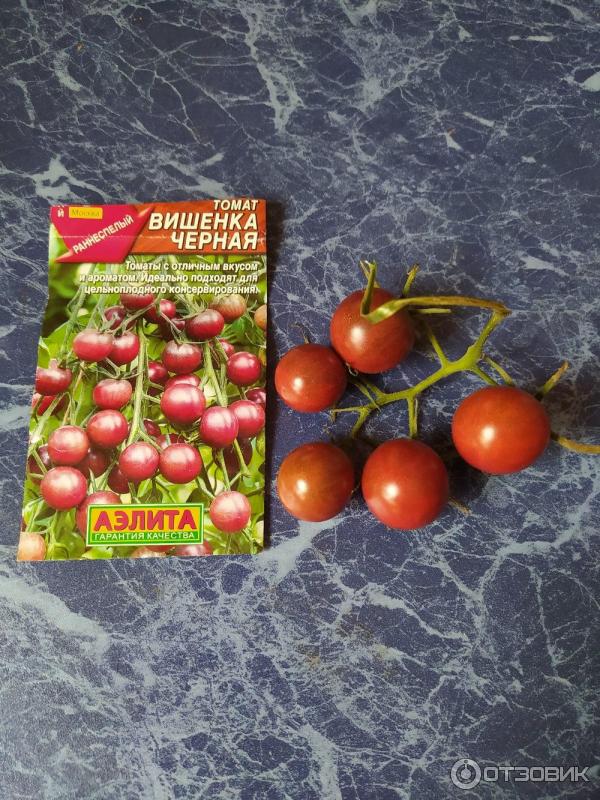
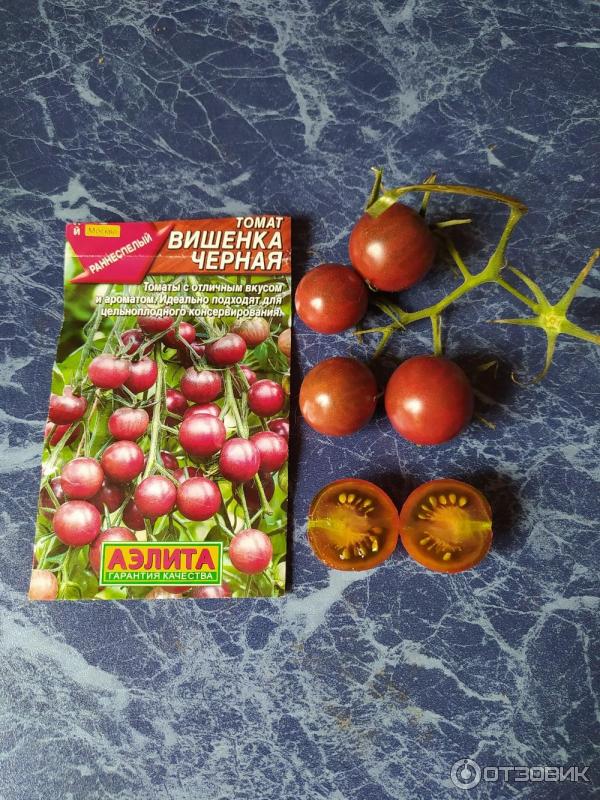
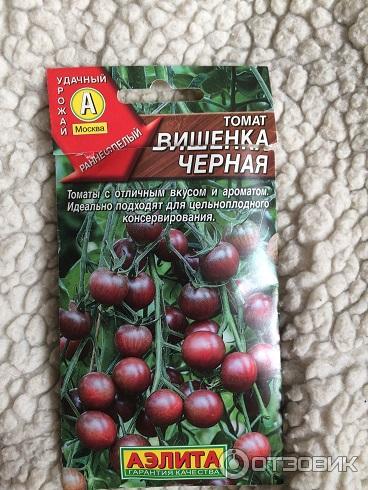
This is what the packaging of seeds from the manufacturer Aelita looks like.
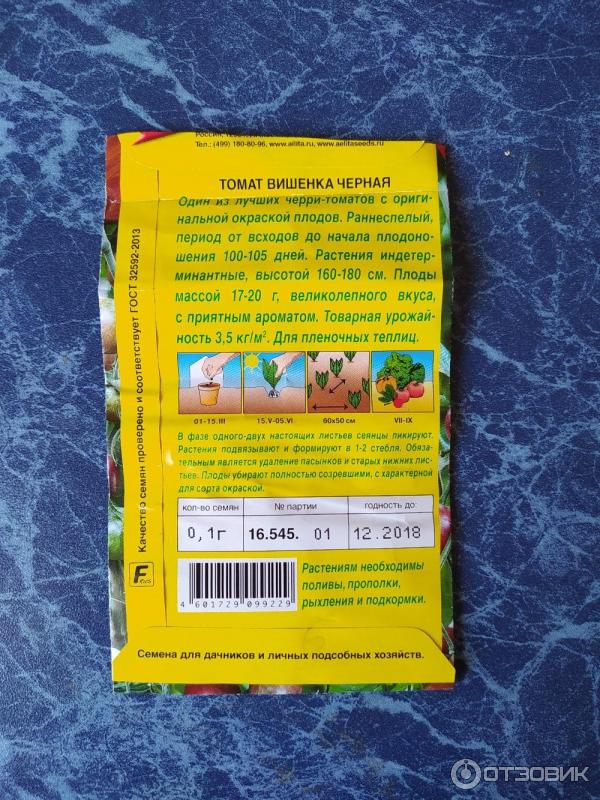
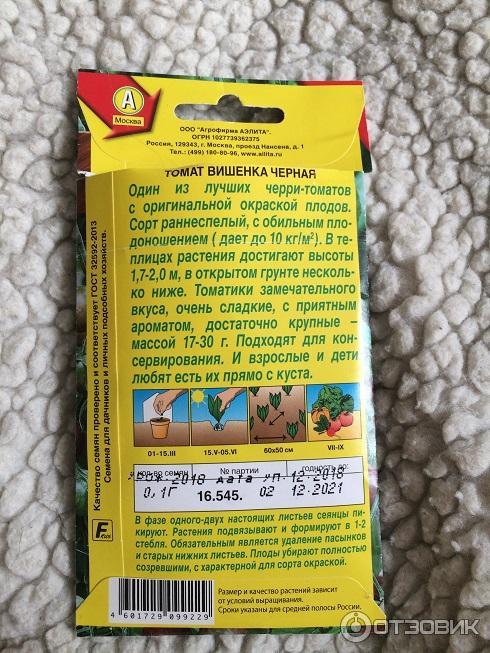
On the reverse side are characteristics of the future fruits. The manufacturer claims the seedlings are early ripening, so these seeds will have time to ripen into full-fledged fruits if transplanted into a greenhouse.
The bush itself grows quite tall, both outdoors and in the greenhouse. I mostly transplant the bushes into the greenhouse, but I leave a couple where they sprouted for a similar effect next year.
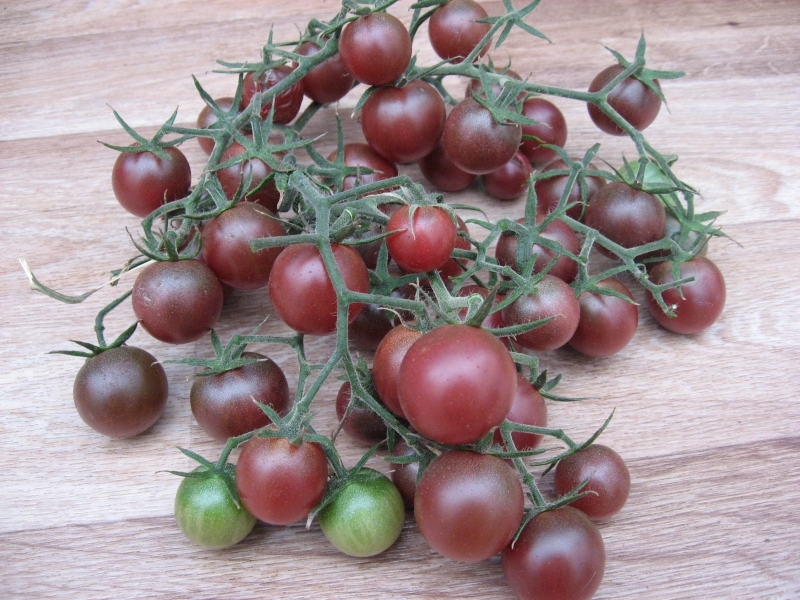
The fruit-bearing branch is dense. A bush produces approximately 5-7 such branches.
My tomatoes ripened in September. The grower offers a dense, fruit-bearing bush, but in reality, I only got about 8 tomatoes on a single branch. The entire bush yields about 30-40, depending on the warm weather.
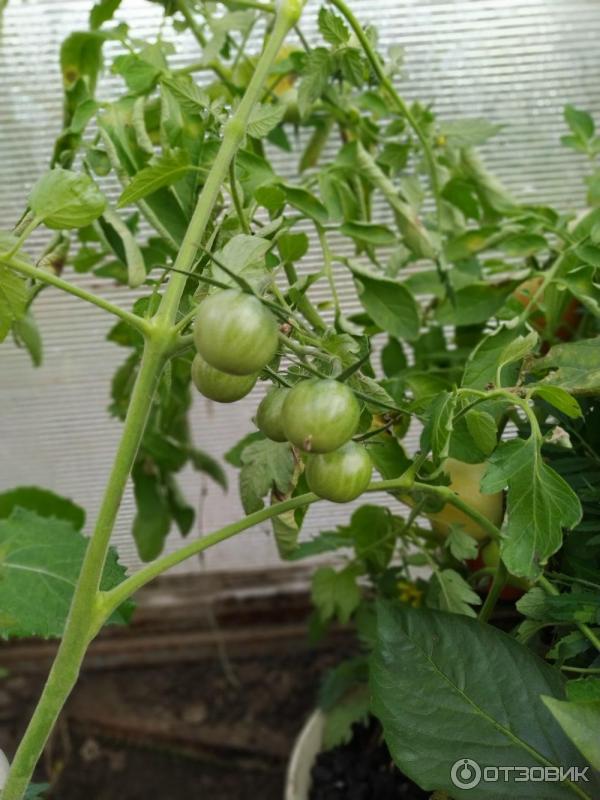
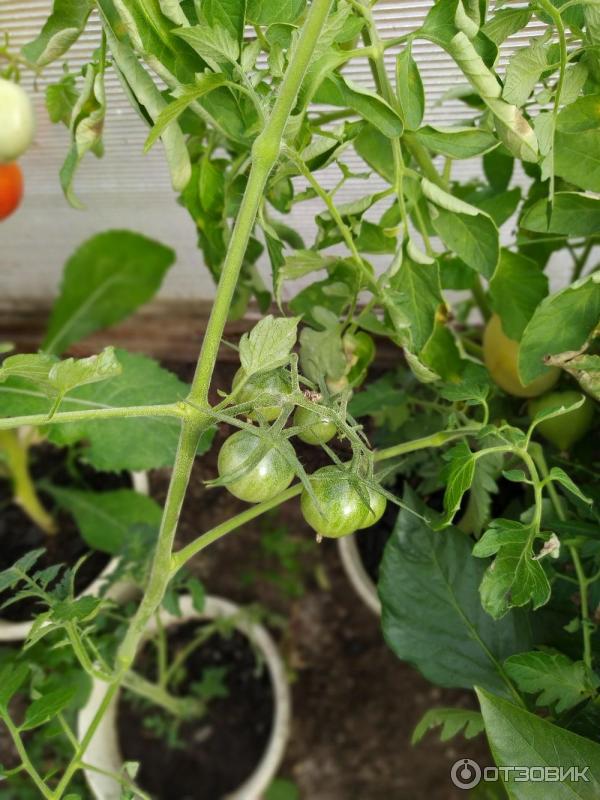
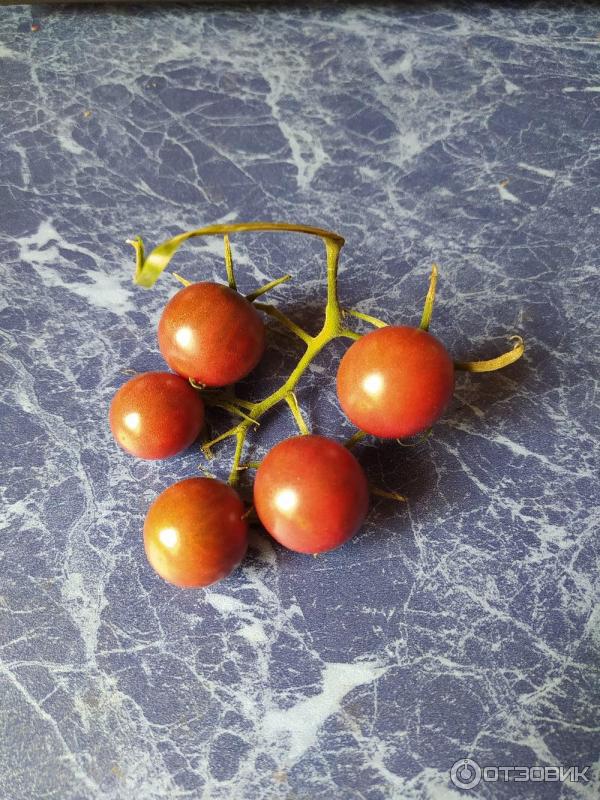
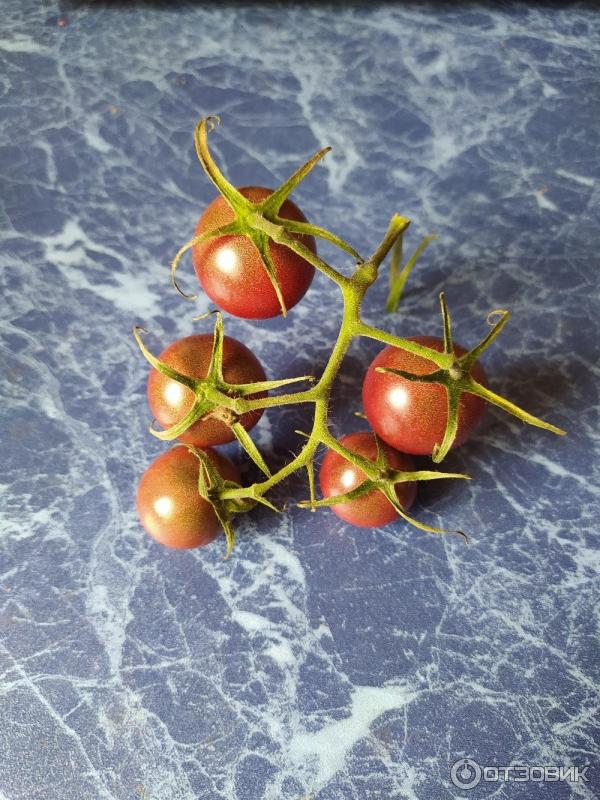
There are five berries on this branch.
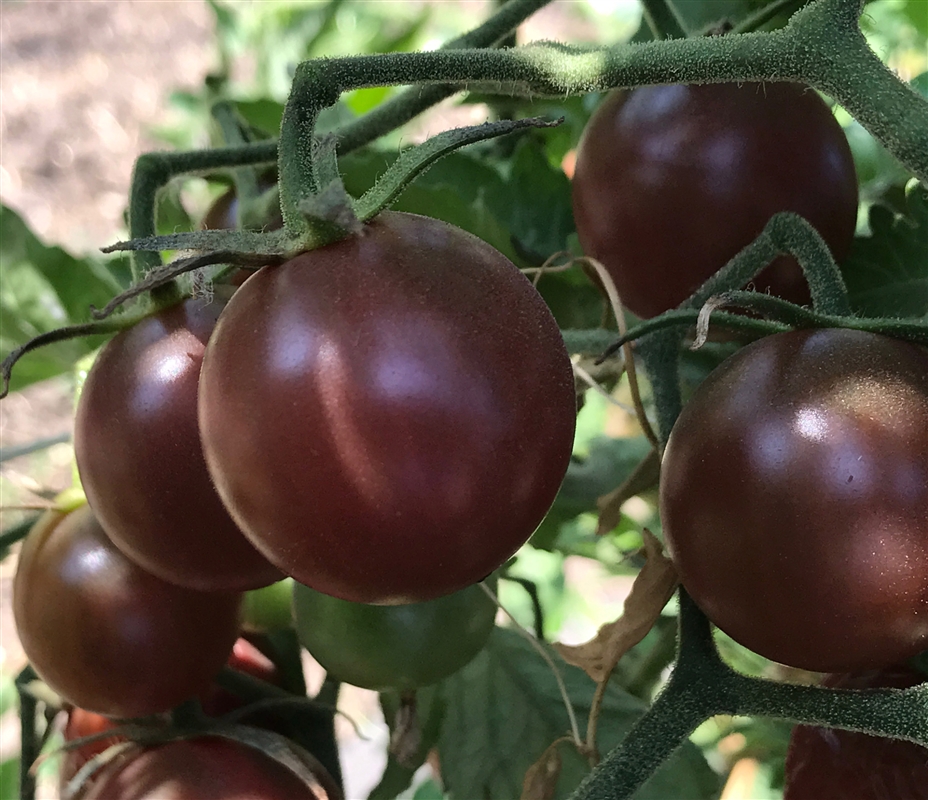
The fruits are not black, despite the variety's name. The actual color is close to the color stated by the manufacturer on the packaging.
The fruits at the beginning and end of the branch don't differ significantly in size and ripen at the same rate. The diameter of the tomato is 1.5-2 centimeters. The fruit is neither large nor small.
The tomatoes are held tightly on the branch and do not fall off.
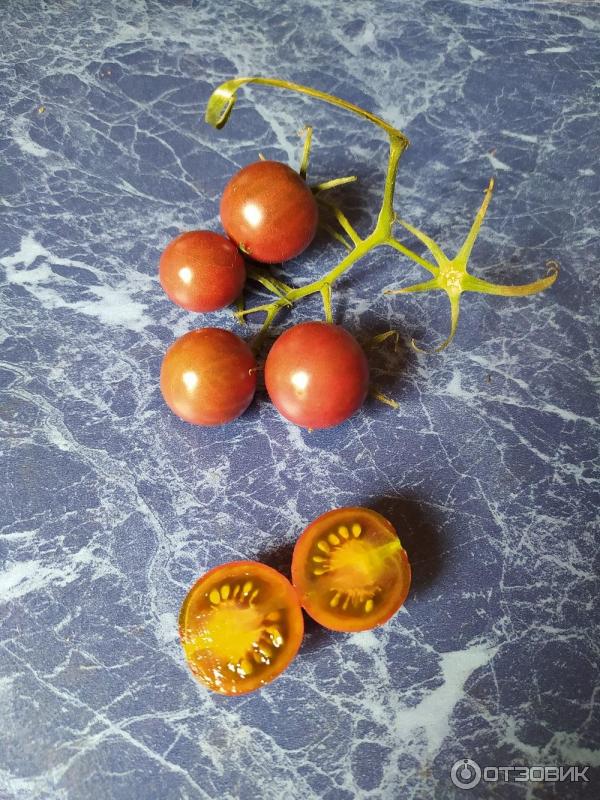
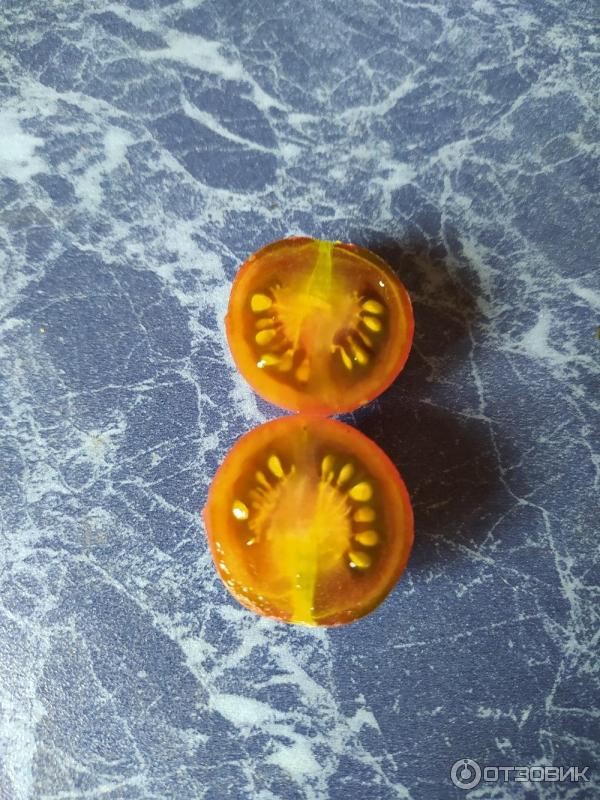
Unlike other cherry tomato varieties, Vishenka doesn't crack. A cross-section reveals the many seeds inside.
The fruit doesn't leak when cut. It's perfect for salads, both as an ingredient and as a garnish.
The Vishenka tastes sweet at first, with a pleasant tartness appearing only after a short period of time. This variety is also ideal for pickling and marinating.
I recommend trying the "Black Cherry" tomato seeds from Aelita and trying my method: leaving a couple of ripe fruits in the ground until next spring.
I'm sure you'll be delighted when you see independent shoots appear without any picking or transplanting of seedlings into cups.
For three years now, I've been growing three varieties of cherry tomatoes: Black Cherry from Aelita, and yellow and red cherry from Gavrish. I collect my own seeds. And I know everything about them—how to grow them to achieve the yields stated by the producers. And how to make chips or sun-dried tomatoes in oil from them.
So, the seeds from the manufacturer's package are excellent, uninfected, and have a 100% germination rate. The seedlings are growing vigorously with a strong root system and thick stems. The Trichoderma fungus, which has long been used in organic farming abroad, helps me with this. I hope it will achieve the same results here.
This natural fungus helps permanently eliminate late blight and many other diseases. It promotes significantly larger root systems, which directly increases yields. Plants will also become stronger and more resistant to diseases and even insects (as they will have a harder time chewing or puncturing a strong, healthy leaf). Trichoderma also significantly accelerates the conversion of compost into nutritious, fertile soil.
If you're interested, read a very interesting review of one of the products containing this soil fungus: Pro Fit Fertile Soil Substrate Trichoderma - A Living Product. See the results in the photos! How to use it correctly and greatly enhance the results. Instructions
Or finish reading the review of the Cherry Cherry variety for now, and come back to Trichoderma later)))
I plant my cherry tomato seedlings in a bed I prepared in the fall. All the necessary nutrients are already there, readily available to the plants. I don't need to feed them anything during the season, just water and shape them.Forming tall cherry tomatoes involves removing side shoots. But I only do this during the first half of the growing season, and then whenever I have free time. In the fall, I pinch off the tops, making sure to leave the top side shoot, which will draw water and nutrients upward. This ensures all the tomatoes have time to ripen by the end of the season.
And be sure to remove the lower leaves! This is also very simple: when the cluster begins to fill out, remove all the leaves underneath, but don't remove more than one or two leaves at a time. Do this every 5-7 days. This will speed up ripening of the tomatoes, improve ventilation, and reduce the risk of plant diseases.
Staking is also necessary, of course. I grow my cherry tomatoes on a 1.8-meter-high arch, and by the end of summer, they've reached 2.5 meters in length!
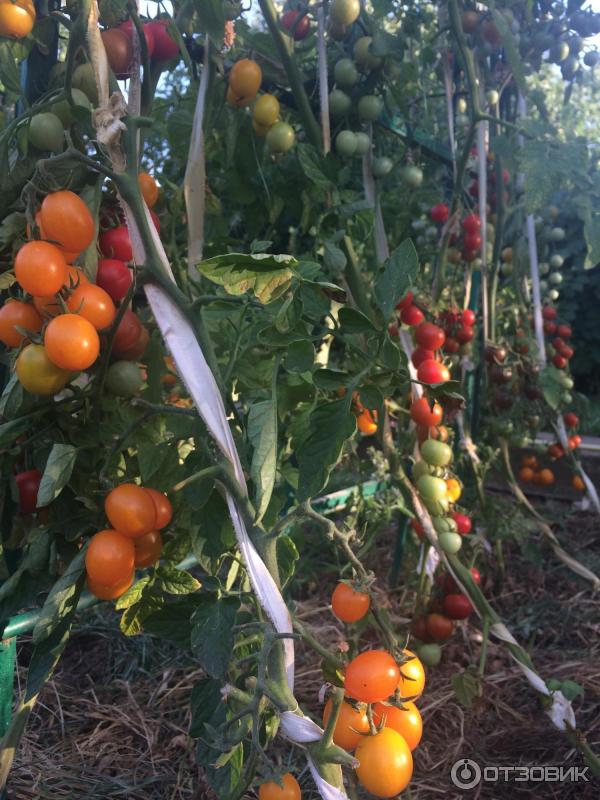
As you can see, I'm planting all three varieties in one bed, and it looks very nice. But under the same conditions, the Black Cherry turned out to be the most productive, crack-resistant, and tastiest. Its color, however, isn't the most attractive—it's just a dark reddish-brown. Not vibrant at all.
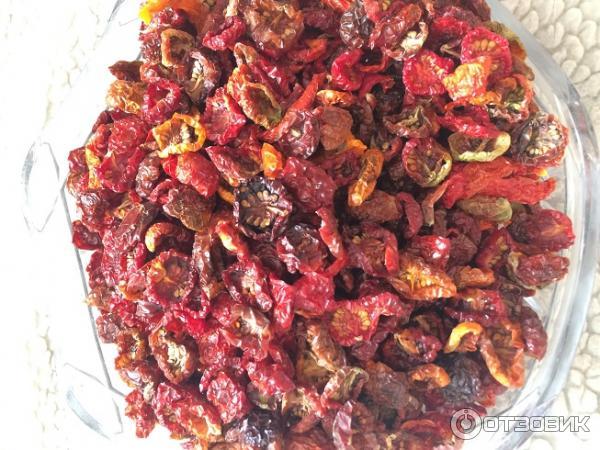
In the photo above, you can see dark cherry tomatoes in the background - these are our Cherry Blacks (unfortunately, I didn't think to take a photo of them up close, because I wasn't planning on writing a review, and they wouldn't look very bright in the photo).The only photo where you can see black cherry tomatoes up close is a photo of sun-dried tomatoes))) The darkest ones are them.
Let me reiterate that Aelita's Cherry Cherry surpasses both of its Gavrish counterparts in flavor. Apparently, for the same reason it's the most productive. This variety is very undemanding in terms of growing conditions. It has a more robust root system, which easily draws all the nutrients it needs from the soil for growth and sugar accumulation.But for variety and for the beauty of the garden, I will still grow all three varieties:
Black cherry, red cherry, and yellow cherry. I've already reviewed them on this site.Here's a recipe for sun-dried tomatoes in oil, you might be interested in reading: a review of the Red Banana tomato + a recipe for sun-dried tomatoes in oil
Pink cherry
Prized for its neat appearance, vibrant color, and pleasant flavor, this variety can be grown not only in the garden but also on a windowsill at home.
| Characteristic | Description |
| Description | Indeterminate mid-early variety for film shelters. |
| Ripening period | 112 days. |
| Description of the fruit | Round, smooth, pinkish. |
| Fruit weight | 23 y. |
| Usage | Fresh and canned whole. |
| Productivity | 3.3 kg/1 sq. m. |
| Marketability, shelf life | Average. |
| Disease resistance and prevention | It's high, but preventative measures shouldn't be neglected. |
| Agricultural technology | Pinching out stepsons, shaping and gartering. |
| Preferred growing regions | Northern, Northwestern, Central, Volga-Vyatka, Central Black Earth District, Northern Caucasus, Middle Volga region. |
| 2008 | |
| Originator | OOO "TOMAGROS". |
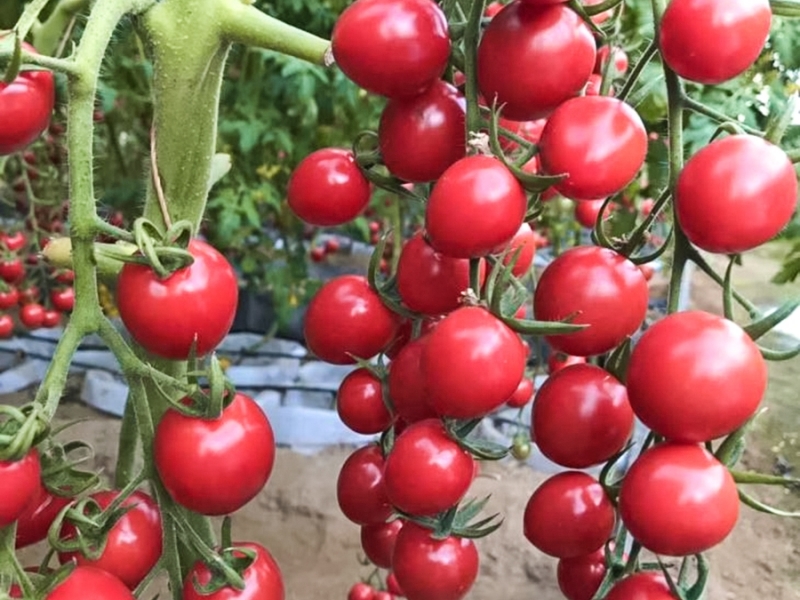
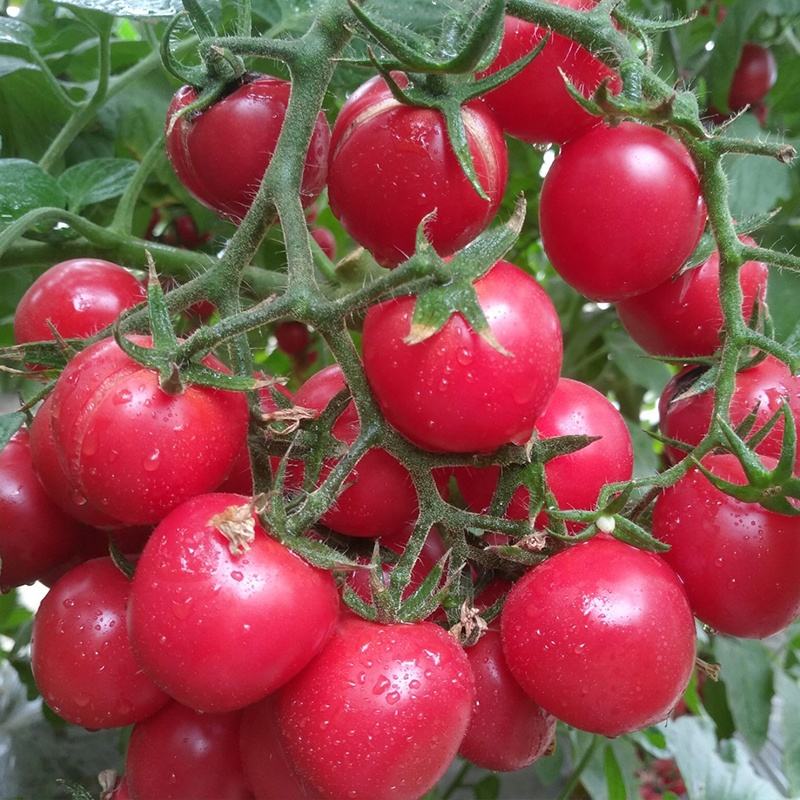
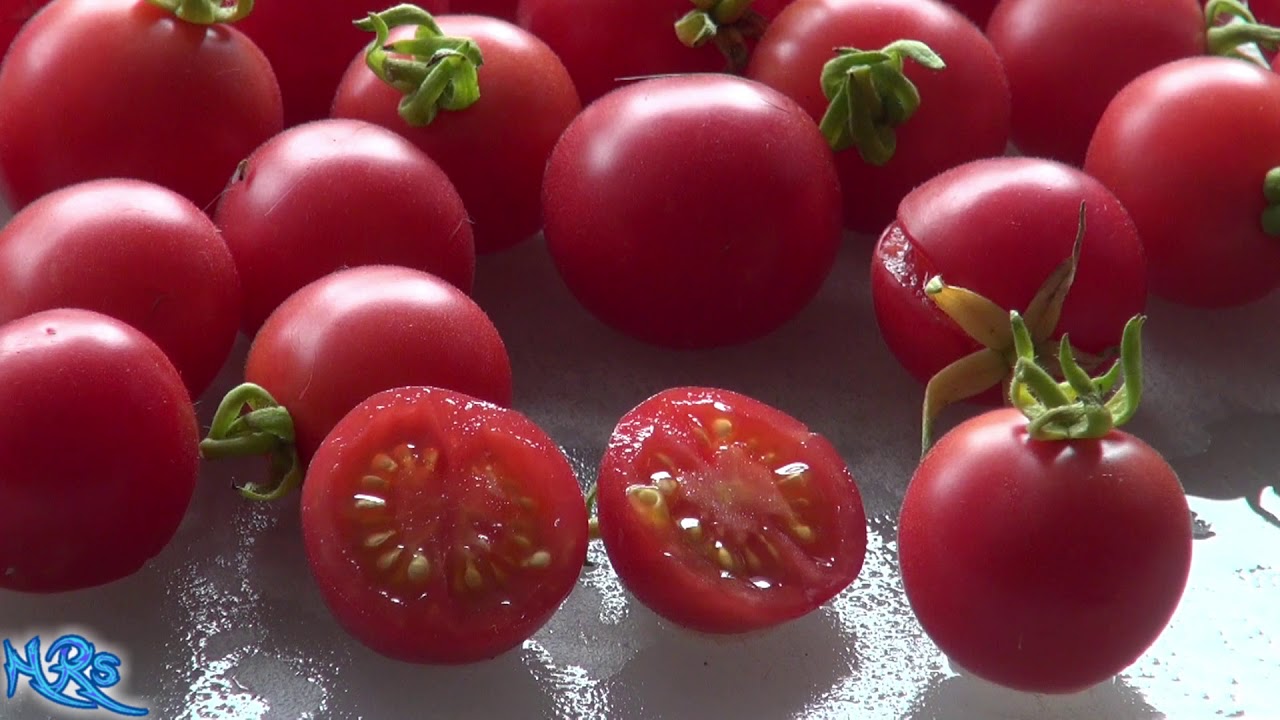
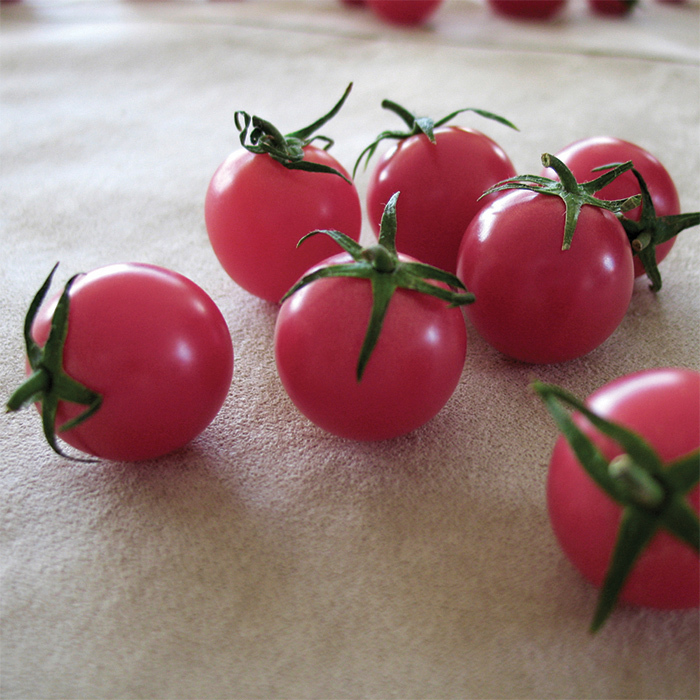
Photo gallery of the Pink Cherry tomato variety
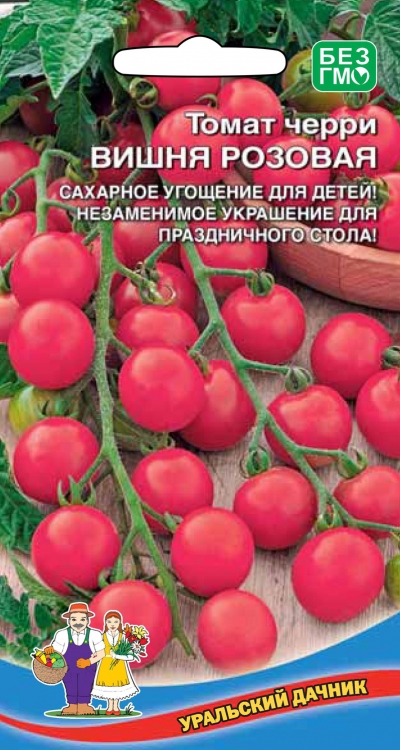
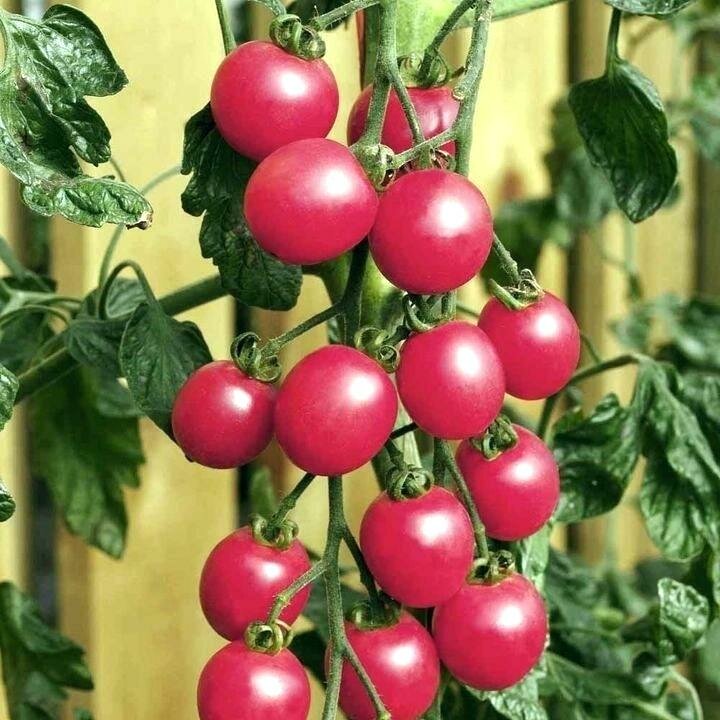
Real reviews from gardeners about the Cherry Pink tomato variety
Reviews note the tomatoes' pleasant, fruity flavor. They have a pleasant, appetizing aroma.
Today we'll talk about seeds.
I decided to try planting tomatoes this year. I really liked the store-bought ones for the first time, so I planted the seeds in a small box in the ground. My moms saw this and brought us a packet of seeds:
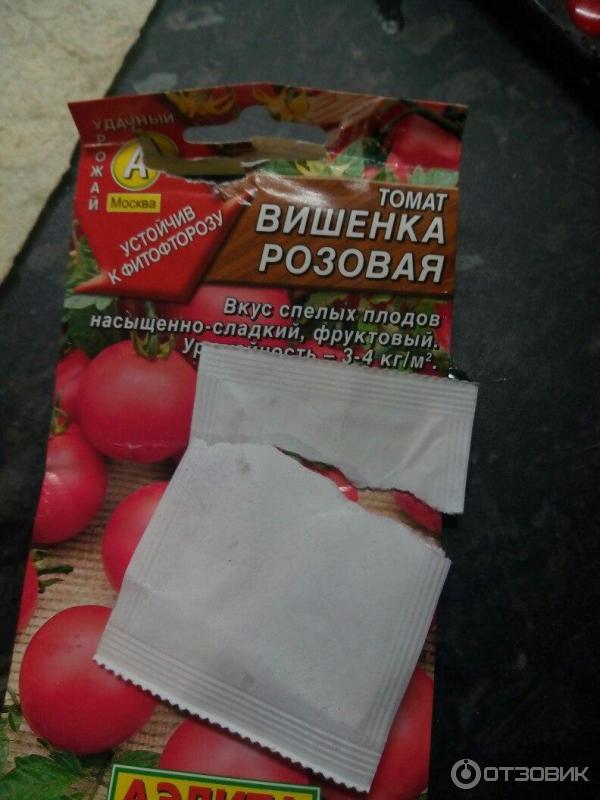
Cherry tomato seeds from the company "Lucky Harvest" can be grown on a windowsill, which is very good.Information on the back of the package:
Inside there is another white bag, which contains the seeds.
We planted them in the ground, in a plastic container.
Watered every day.
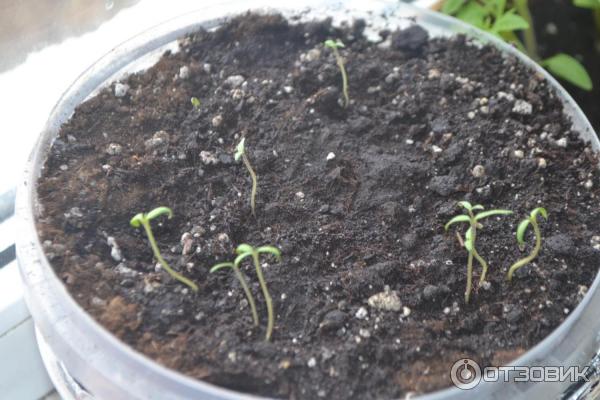
After 20 days the seeds sprouted:
And the seeds that were harvested from a tomato purchased at Magnit have already grown quite well, even though they were planted just a week earlier:
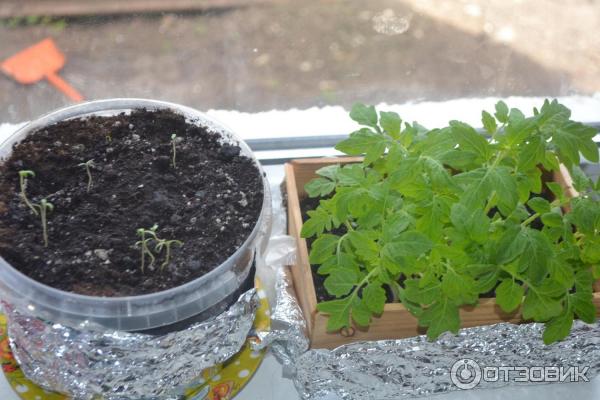
After 30 days, the tomatoes had grown and no longer fit in their small house:
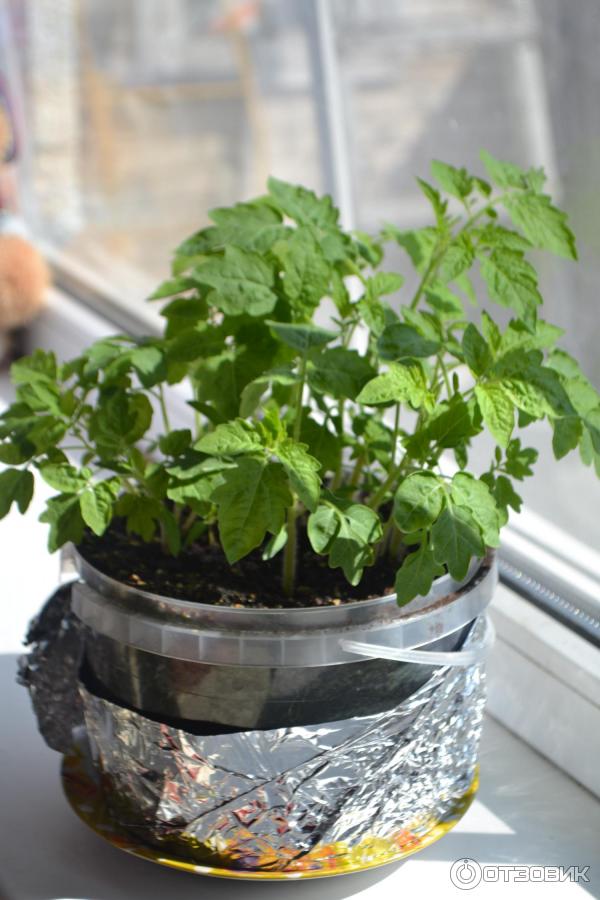
After 1.5 months they were replanted, although initially I wanted to leave them on the windowsill, but this turned out to be impossible)))
***
After almost 3 months, a green tomato appeared:
A week later he almost turned red:
After three months:
As you can understand, if a review has been created, then the tomato is very tasty.
I wasn't sure of success, I'm very far from a garden)))
But here's what happened:
The tomato is very juicy and tasty, I haven’t eaten one like this for a long time.
I usually buy them, I love tomatoes, but they turn out so watery, flavorless, that they end up sitting there and spoiling. And these tomatoes won't have time to last.
The tomato that turned red first was the largest, but it didn't turn bright red even after a month. About a month later, we picked it, along with the other cherry tomatoes. Strangely, it wasn't just its size that made it different from the others; it was tasteless, while all the others were simply delicious!
As it turns out, this process is very long, but worthwhile!I am very happy with our tomatoes.
I recommend everyone try planting it at home, it really is such a joy.=)Thank you all for your attention!
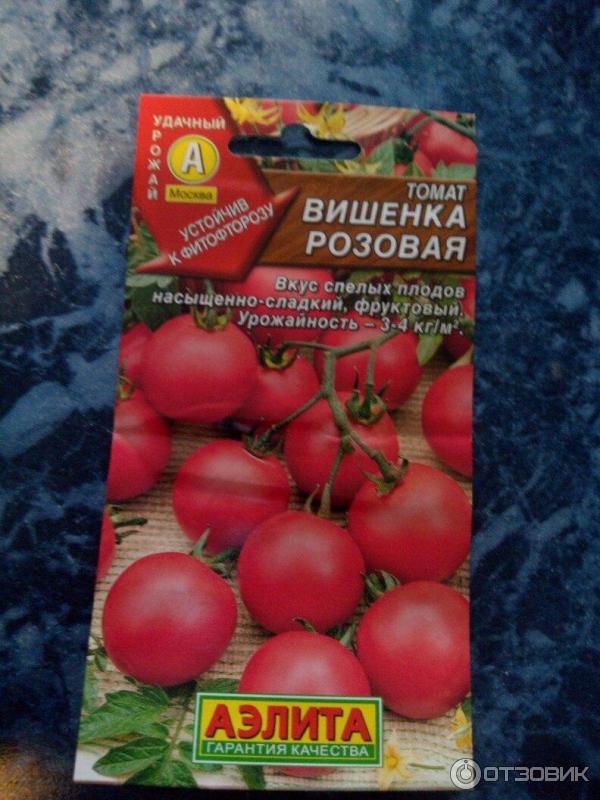
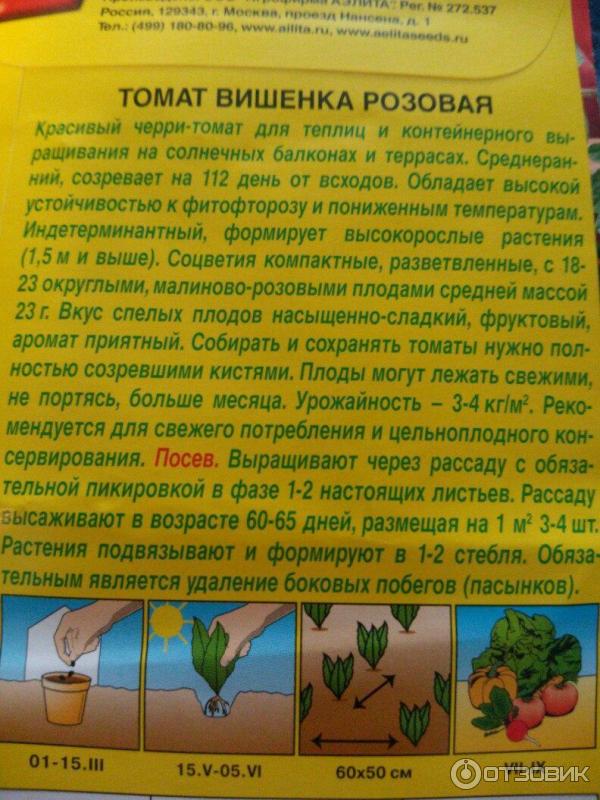
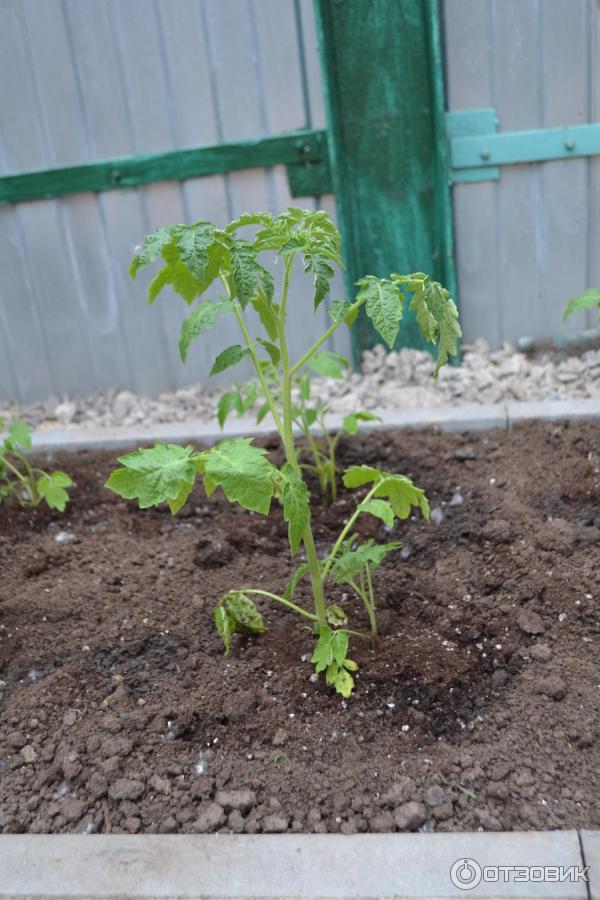
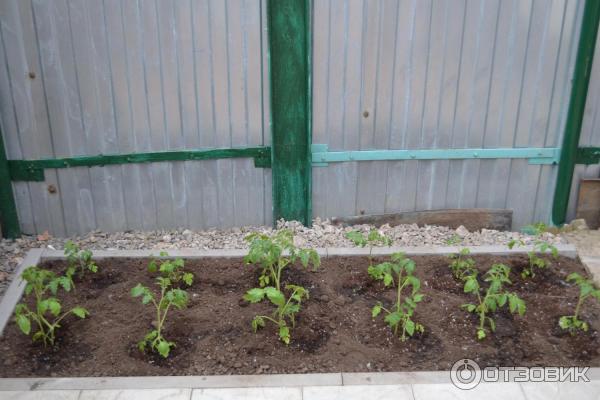
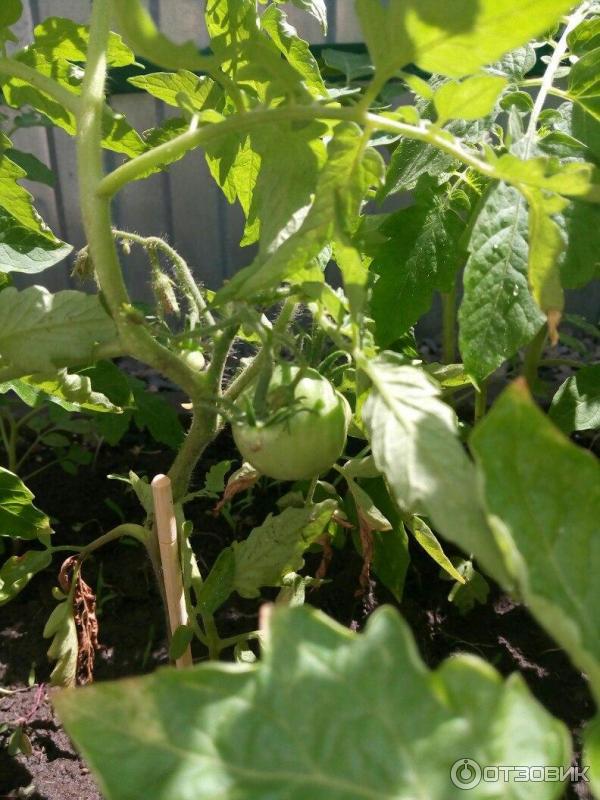
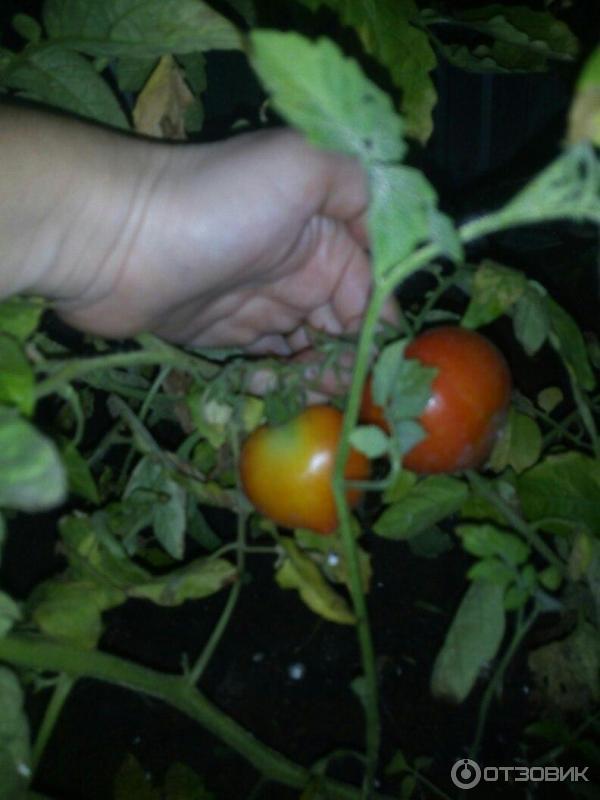
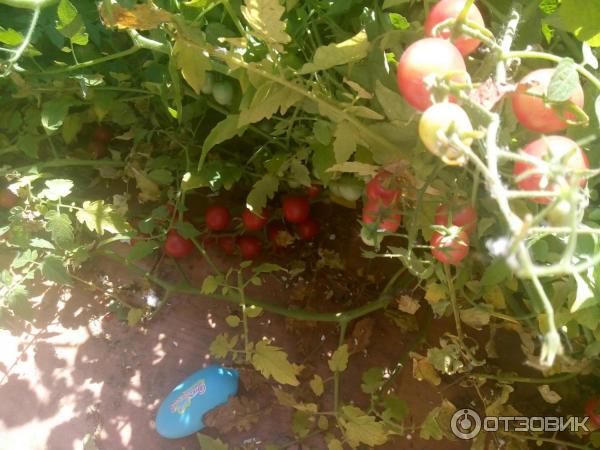
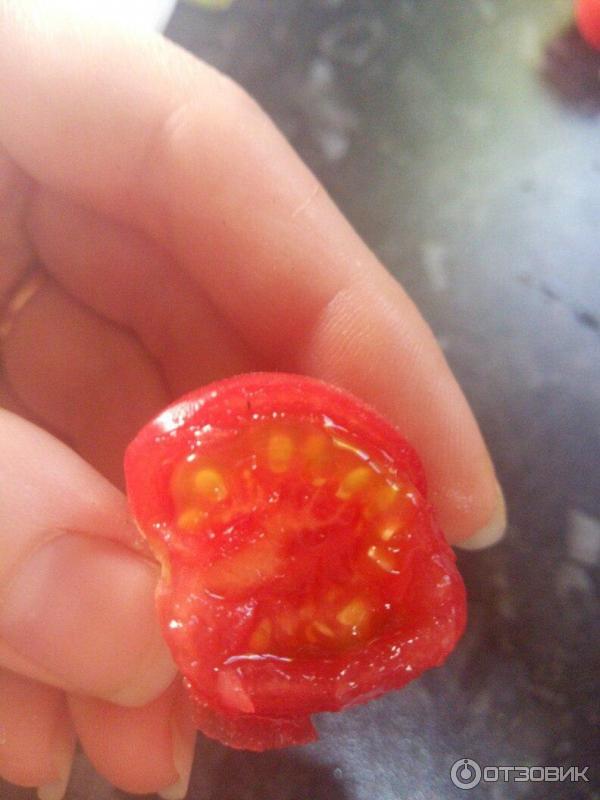
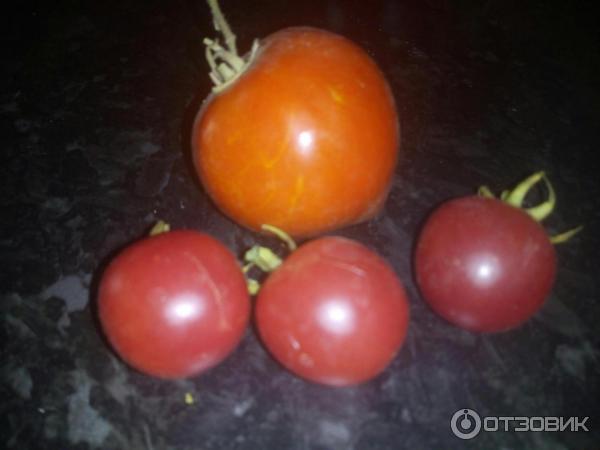
I've lived in the countryside since childhood, so I have a vegetable garden. It was time to buy seeds and I came across this variety at the store. I thought it would be worth a try. And it was worth it. The tomatoes grew wonderfully and the taste is simply amazing. The color is bright red both inside and out. The tomatoes themselves are juicy and delicious.