The De Barao tomato has been known to gardeners for a long time. It has gained popularity due to its low maintenance and excellent yield.
The classic red variety, De Barao, was the first to gain widespread popularity. However, as breeding science has advanced, scientists have succeeded in developing several new varieties over the past 20 years.
Content
- 1 Table with characteristics of the De Barao red tomato variety (classic)
- 2 The origin of the De Barao tomato variety
- 3 7 more varieties of the De Barao tomato variety with descriptions in tables and photos
- 4 Comparison table of tomato varieties De Barao
- 5 A detailed description of the classic tomato variety De Barao
- 6 Advantages and disadvantages of the De Barao tomato variety
- 7 Features of growing tomato varieties De Barao
- 8 Resistance of the De Barao tomato variety to diseases and pests
- 9 Harvesting, using and storing the De Barao tomato variety
- 10 Comparison of De Barao tomato varieties with other varieties in the table
- 11 Gardeners' reviews of De Barao tomato varieties
Table with characteristics of the De Barao red tomato variety (classic)
| Characteristic | Description |
| Description | An indeterminate, non-hybrid variety with a mid-season ripening period. Grown in greenhouses and open ground. |
| Ripening period | 115-130 days |
| Fruit weight | 30-40 g |
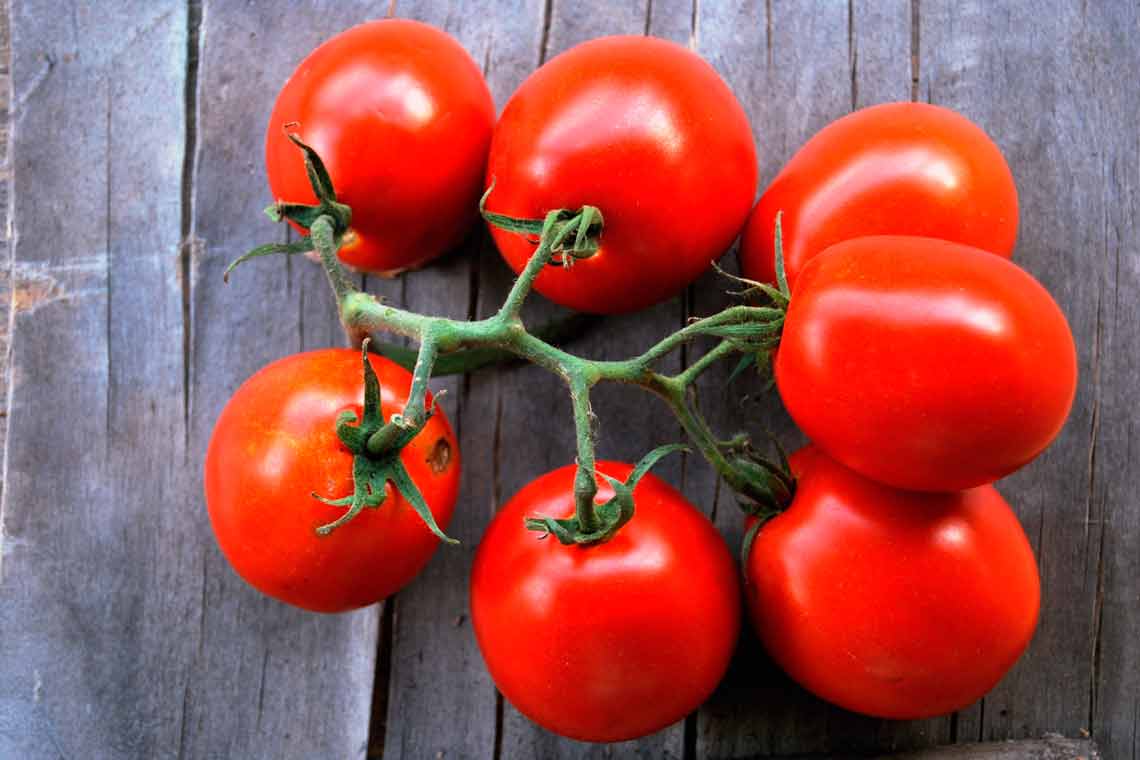
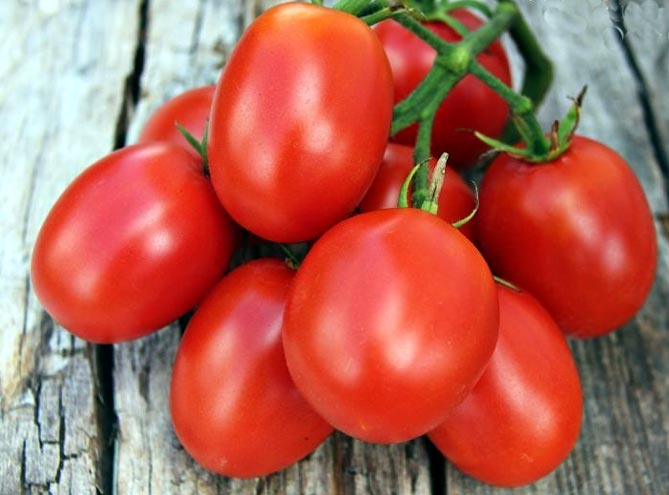
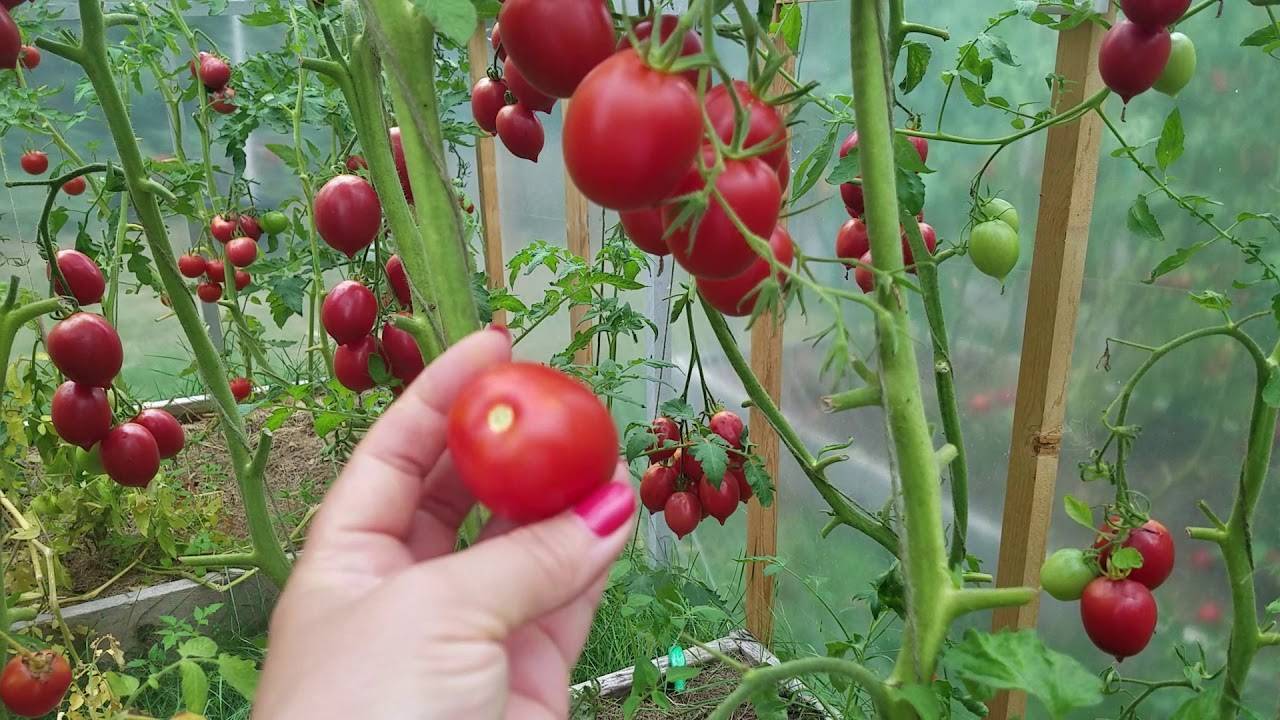
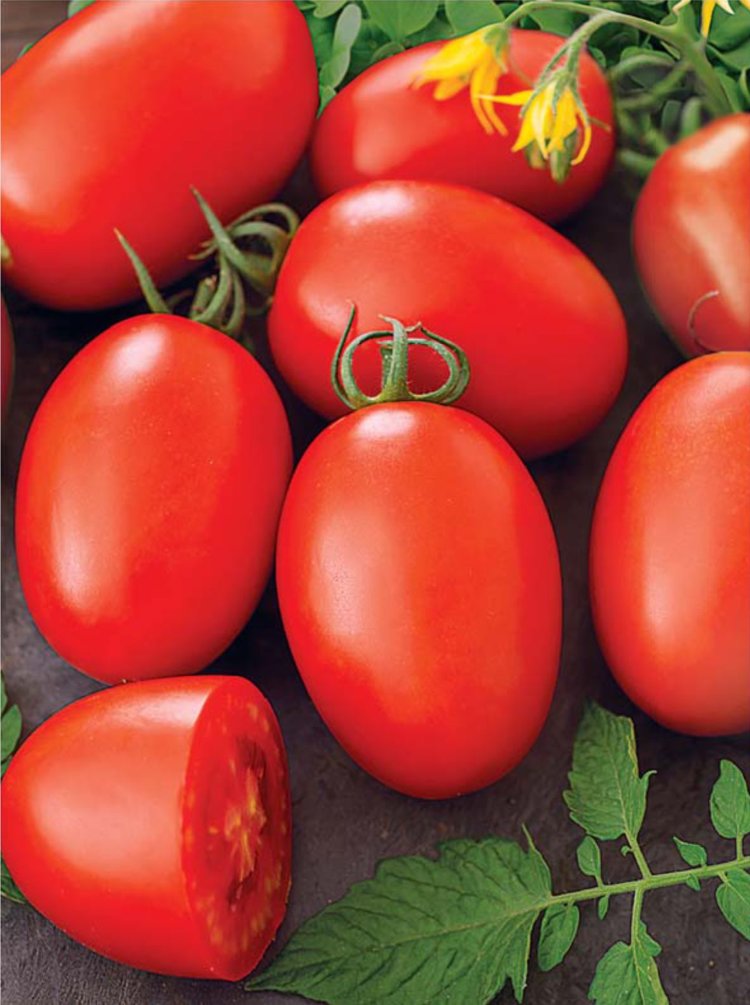
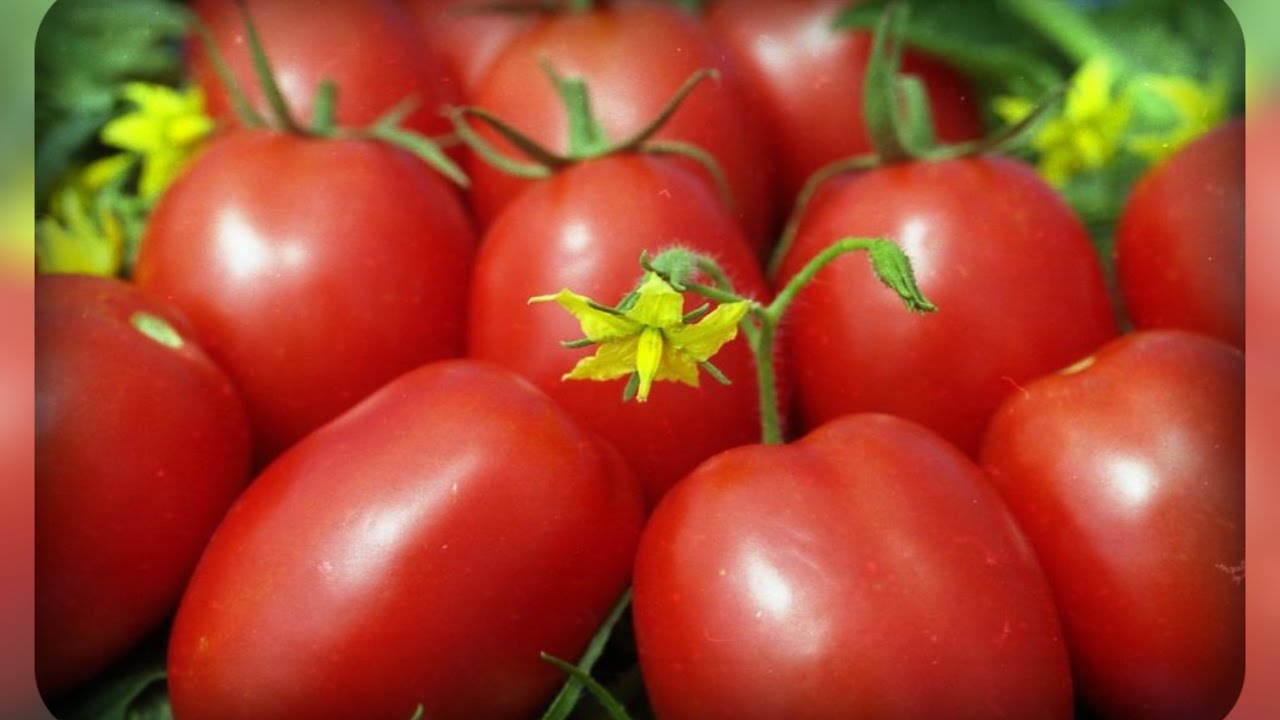
| Description of the fruit | The fruits are small, oval-ovoid. The color depends on the variety. The classic De Barao is red. |
| Productivity | Up to 7 kg per 1 sq.m. |
| Usage | Tomatoes can be used for canning, salads and fresh eating. |
| Preferred growing regions | It grows well in all regions of the country, as it is undemanding regarding light and soil composition. In regions with harsh climates, it should be planted in greenhouses. |
| Disease resistance | Tomatoes have a strong immune system and are practically immune to common diseases. |
| Agricultural technology | The shoots are tall and vigorous and require support. The bush is formed into two stems. |
| 2000 | |
| Originator | NK Russian Garden |
Photo gallery of red De Barao tomato variety
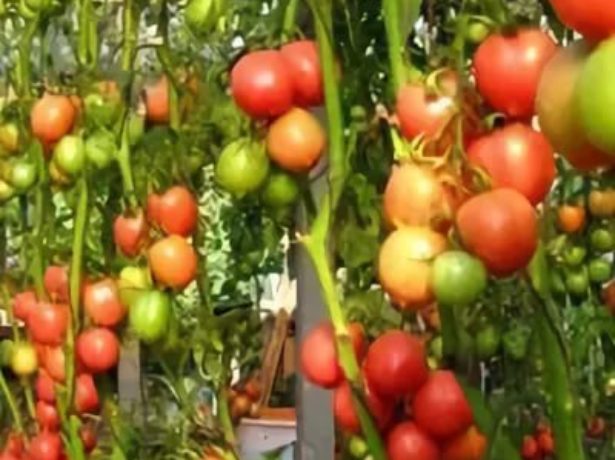
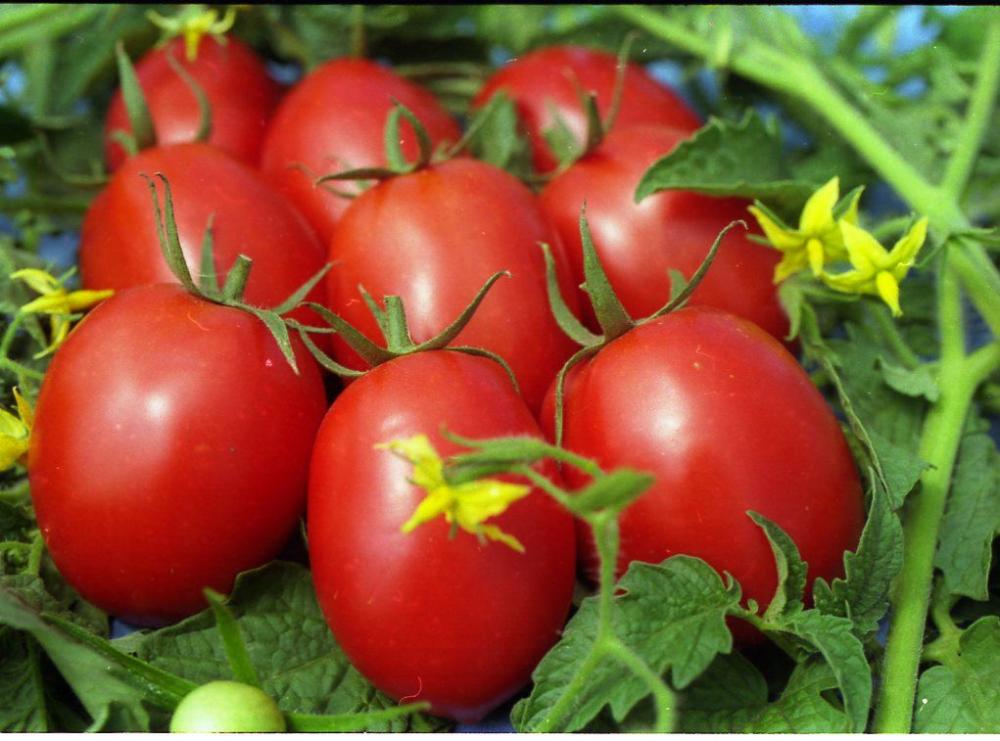
The origin of the De Barao tomato variety
The history of the De Barao variety dates back to the 19th century, when the tomato first appeared in Brazil. It later reached Russia, but was spread through travelers and farmers. It wasn't until the 1990s that breeders officially took an interest in De Barao tomatoes, and they were registered in 1998.
7 more varieties of the De Barao tomato variety with descriptions in tables and photos
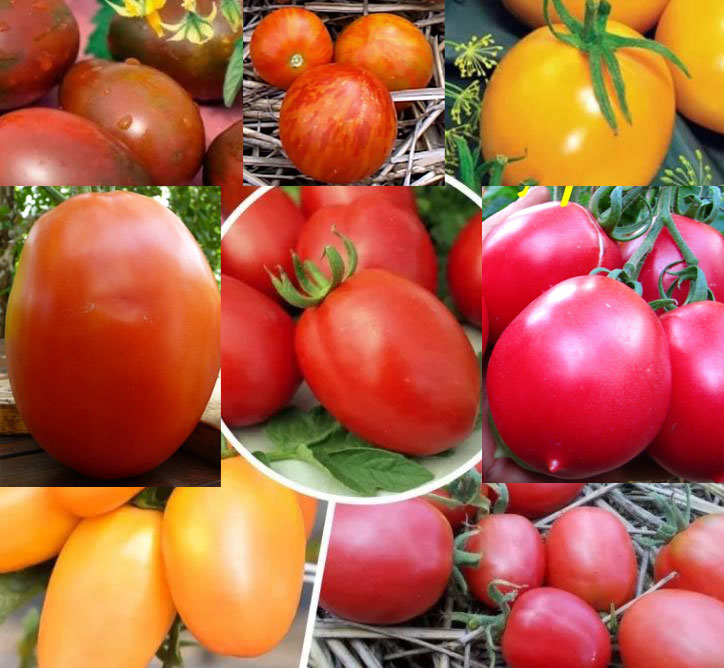
De Barao was originally a red tomato, but thanks to the efforts of breeders it has acquired several more color variations.
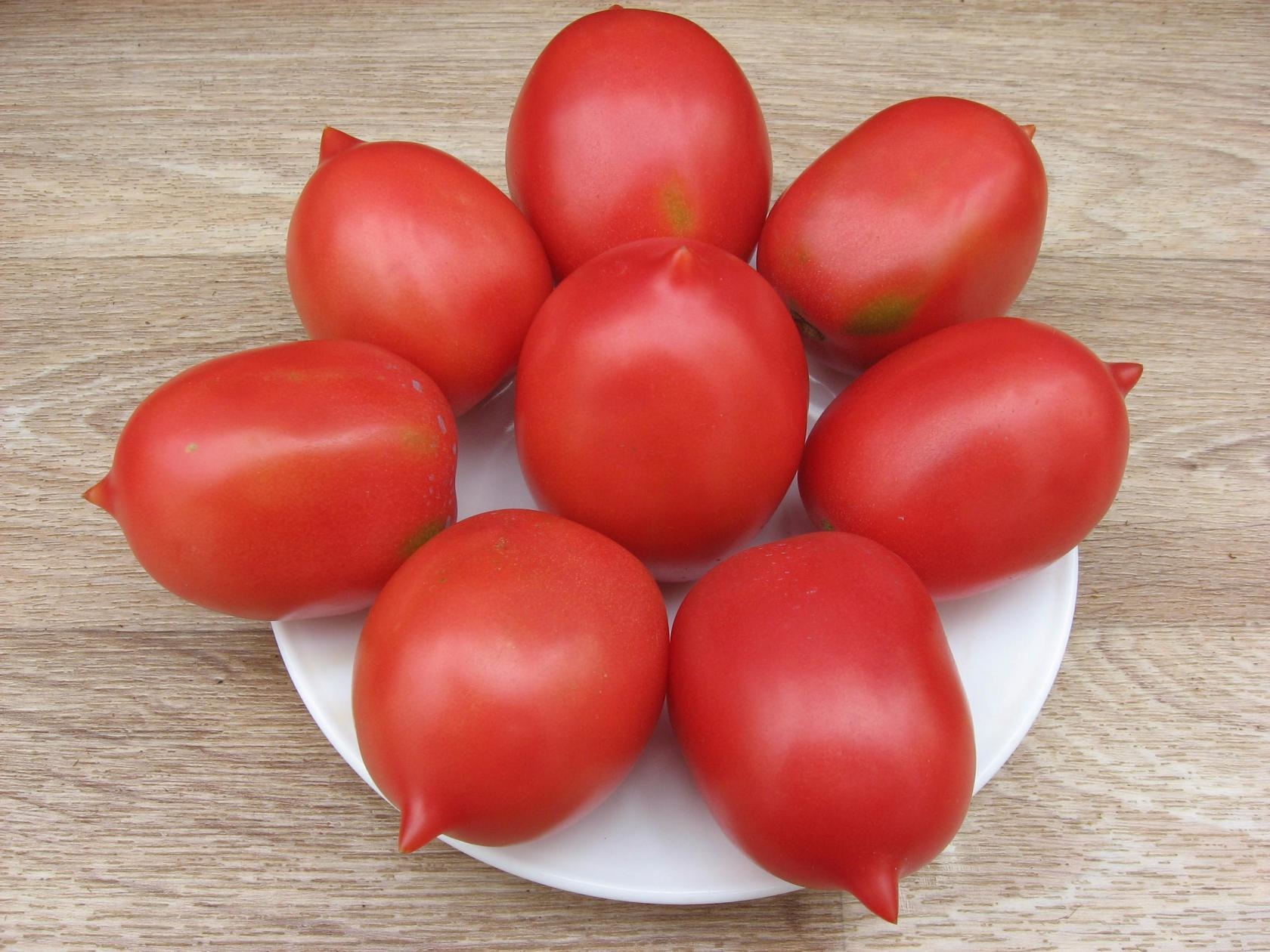
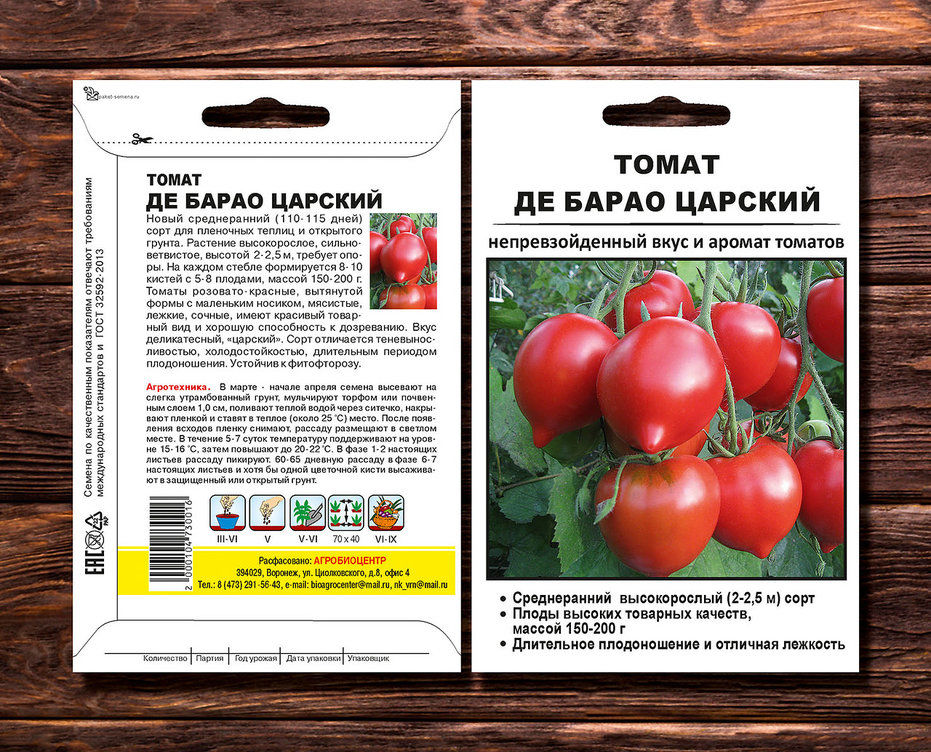
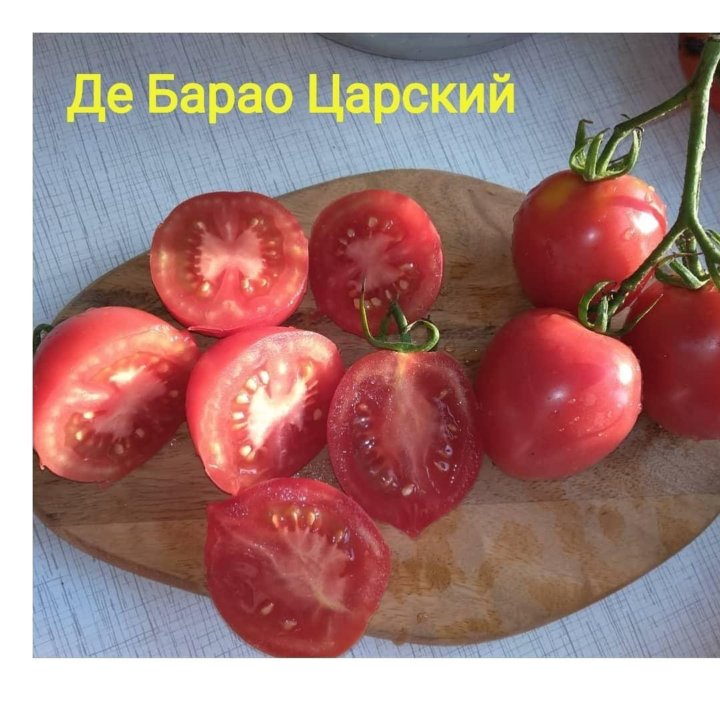
De Barao royal
| Characteristic | Description |
| Description | The bush reaches 200 cm in height, it is indeterminate, powerful, the leaves are dark green, narrow. |
| Ripening period | 110-120 days |
| Fruit weight | Until 170 AD |
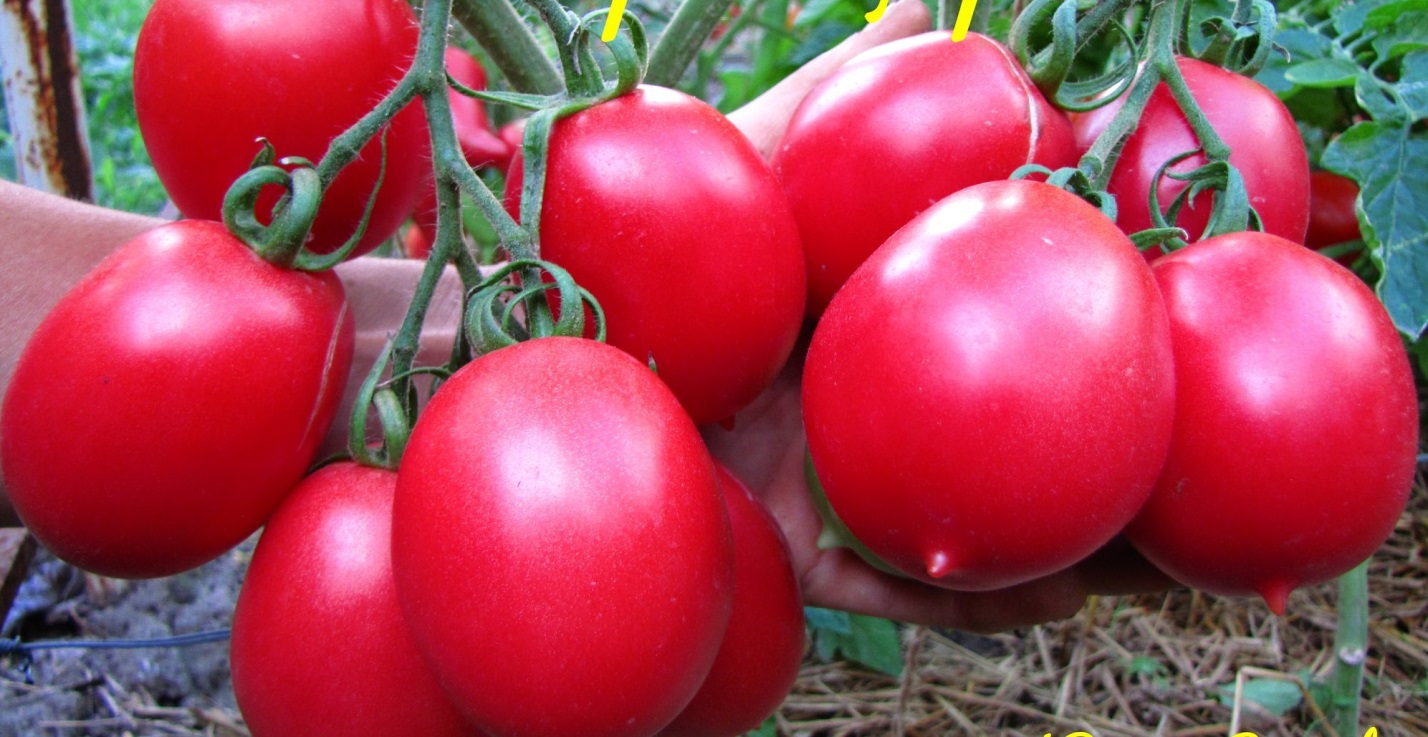
| Description of the fruit | The fruits are pink, plum-shaped, and have a pointed tip. The thin skin may crack during canning. |
| Productivity | The yield is high, reaching 15 kg per bush. |
| Usage | Tomatoes are used fresh for eating, in salads, and other dishes. When canned, they can lose their shape due to their delicate skin, but they are excellent for juices and sauces. |
| Preferred growing regions | They prefer warm growing regions; in all other regions they should only be planted in a greenhouse. |
| Disease resistance | They have high resistance to diseases. |
| Agricultural technology | The bush forms two shoots that need to be tied up. The variety tolerates temperature fluctuations well. |
| 2018 |
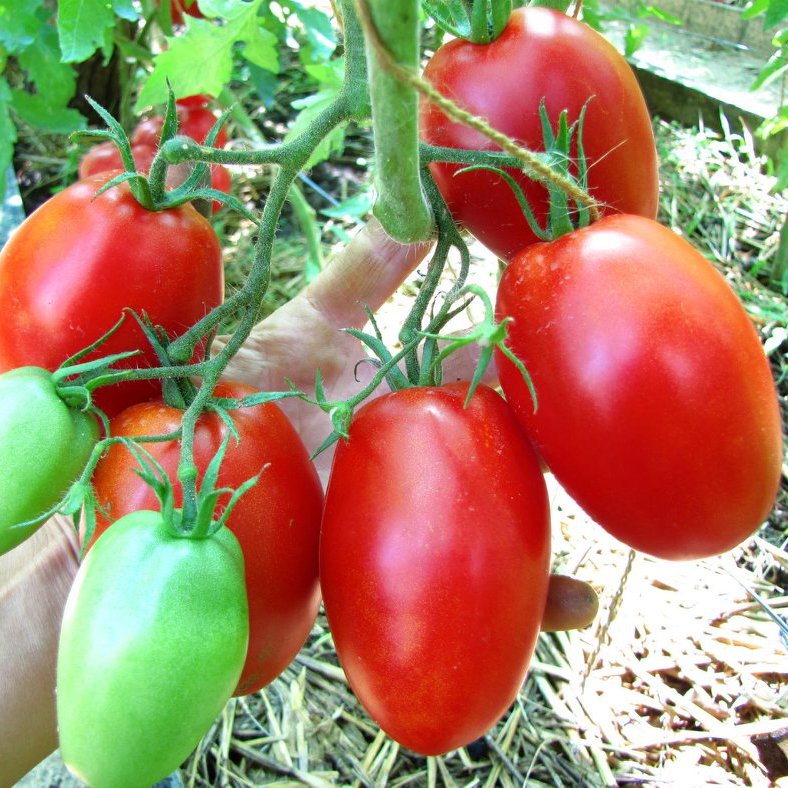
Photo gallery of the tomato variety De Barao Tsarsky
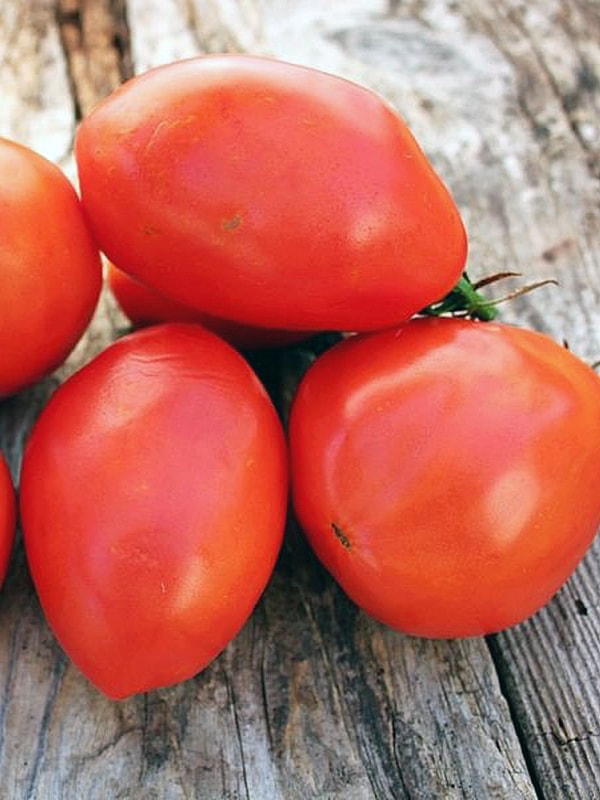
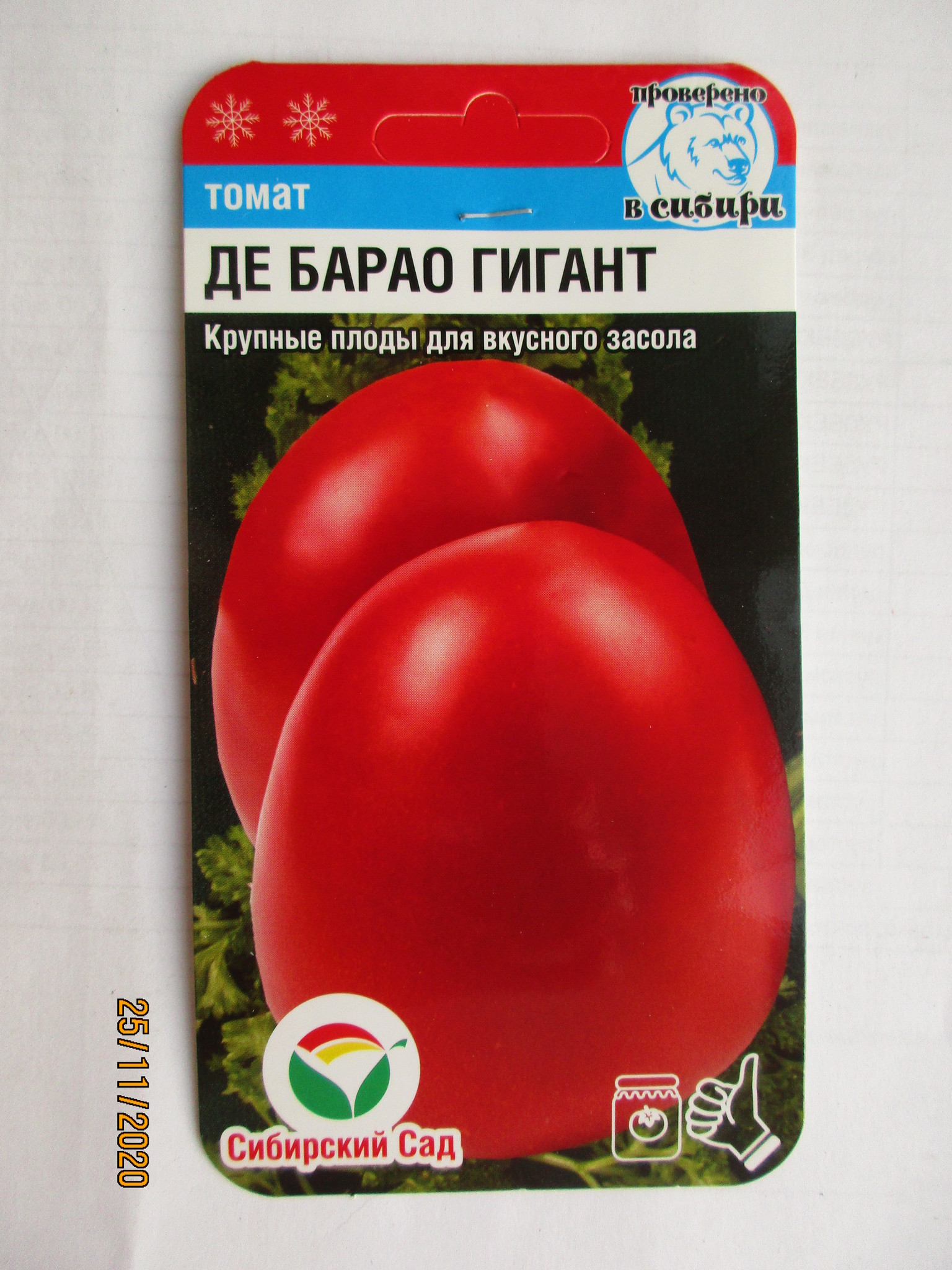
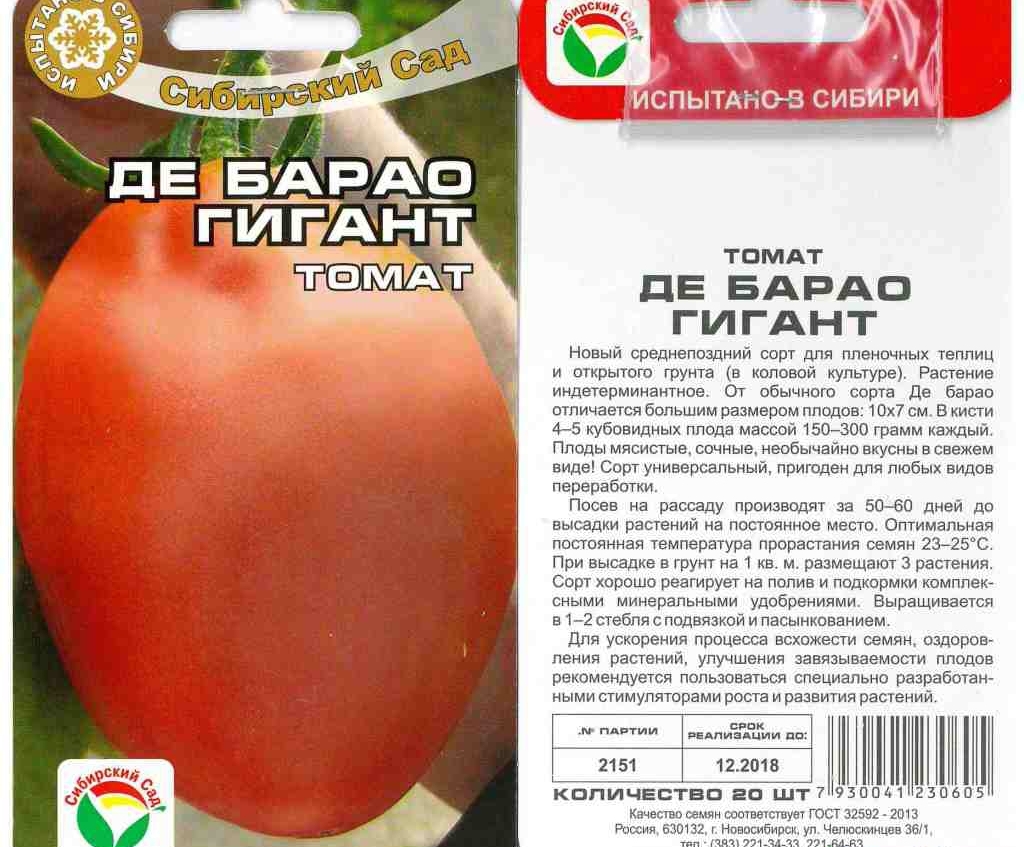
De Barao the Giant
| Characteristic | Description |
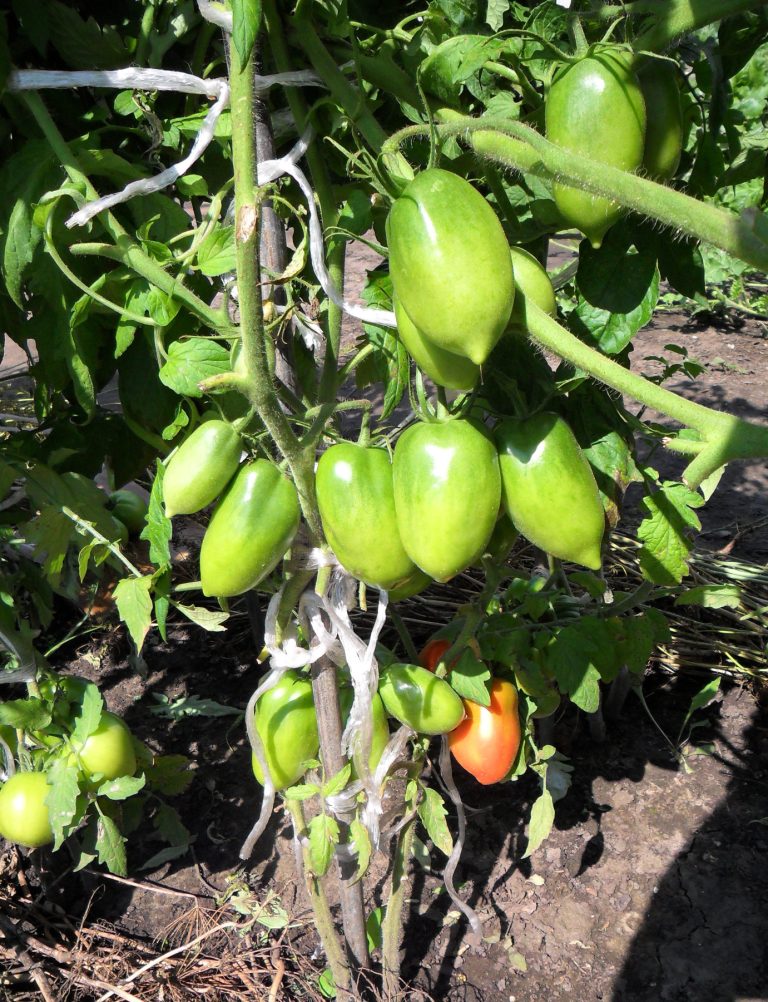
| Description | A high-yielding, indeterminate tomato variety with very large fruits, shoots growing up to 270 cm. Suitable for both open and closed ground. |
| Ripening period | 123-128 days |
| Fruit weight | Up to 350 g. |
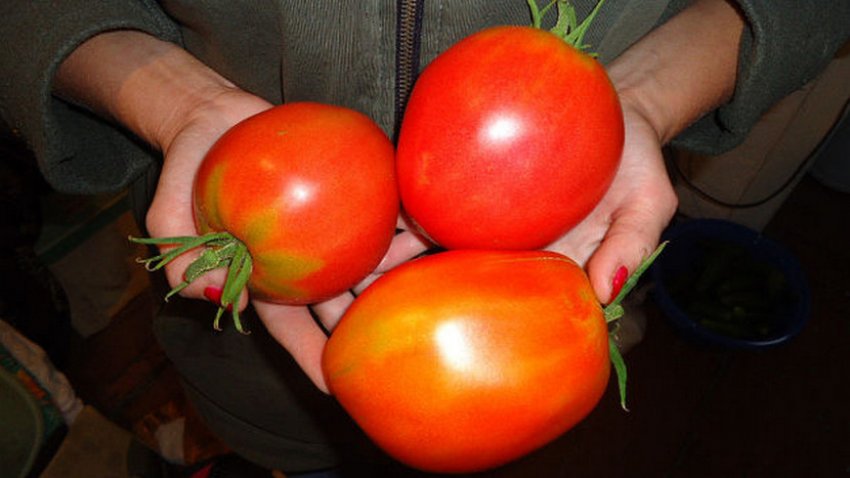
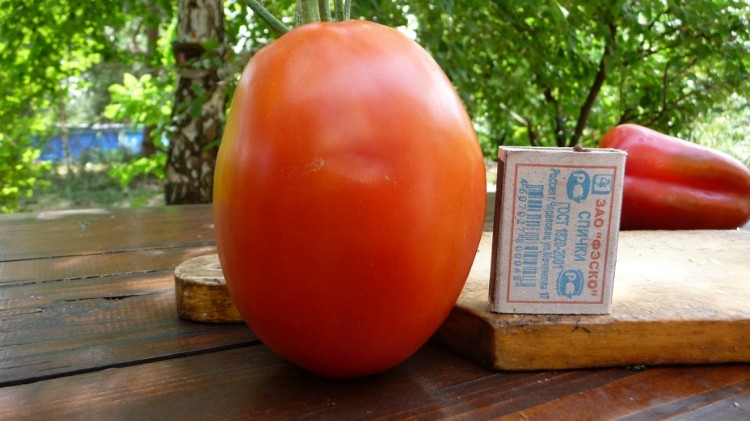
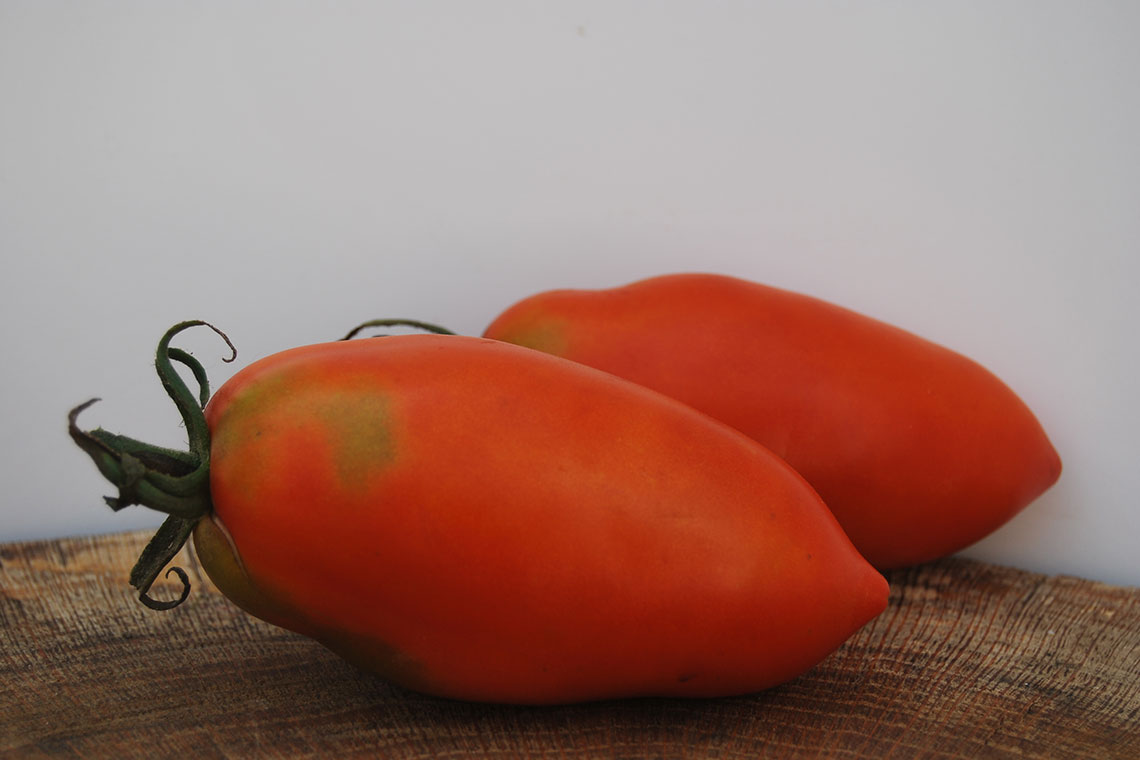
| Description of the fruit | The fruits are collected in clusters of five each. They can weigh up to 350 g. The tomatoes are oval-round in shape and have thick skin, allowing for long-term storage and transportation. |
| Productivity | Up to 23 kg per bush. |
| Usage | Tomatoes are used for fresh eating, as well as for making juices and pastes. They are not suitable for whole-fruit canning. |
| Preferred growing regions | All regions. |
| Disease resistance | The variety has strong immunity and is not prone to diseases. |
| Agricultural technology | The bush is formed by 1-2 stems, with excess shoots removed as they grow. The shoots require staking and support. |
| Not included. |
Photo gallery of the De Barao giant tomato variety
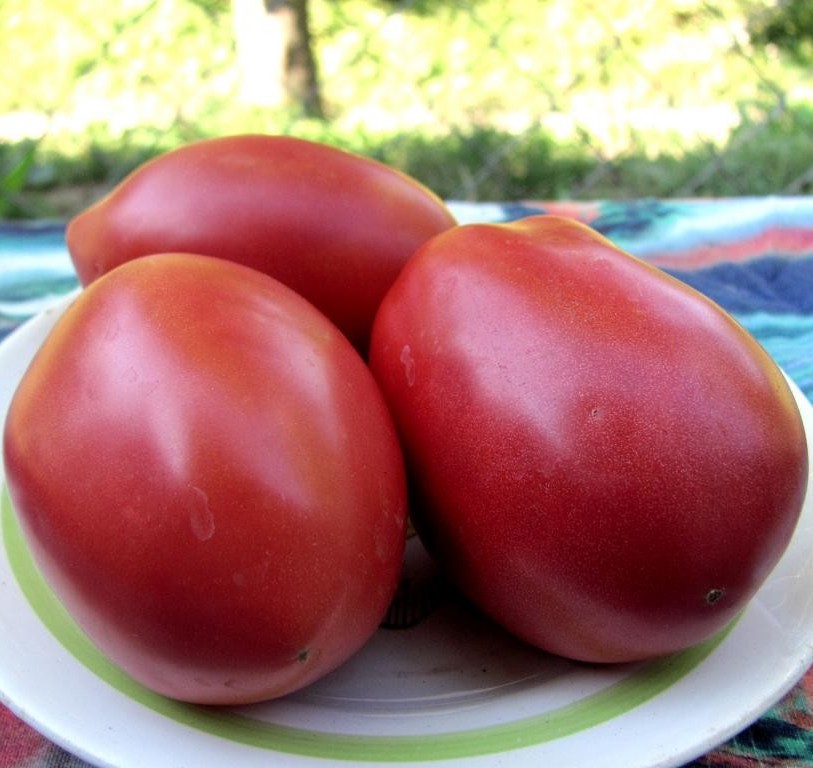
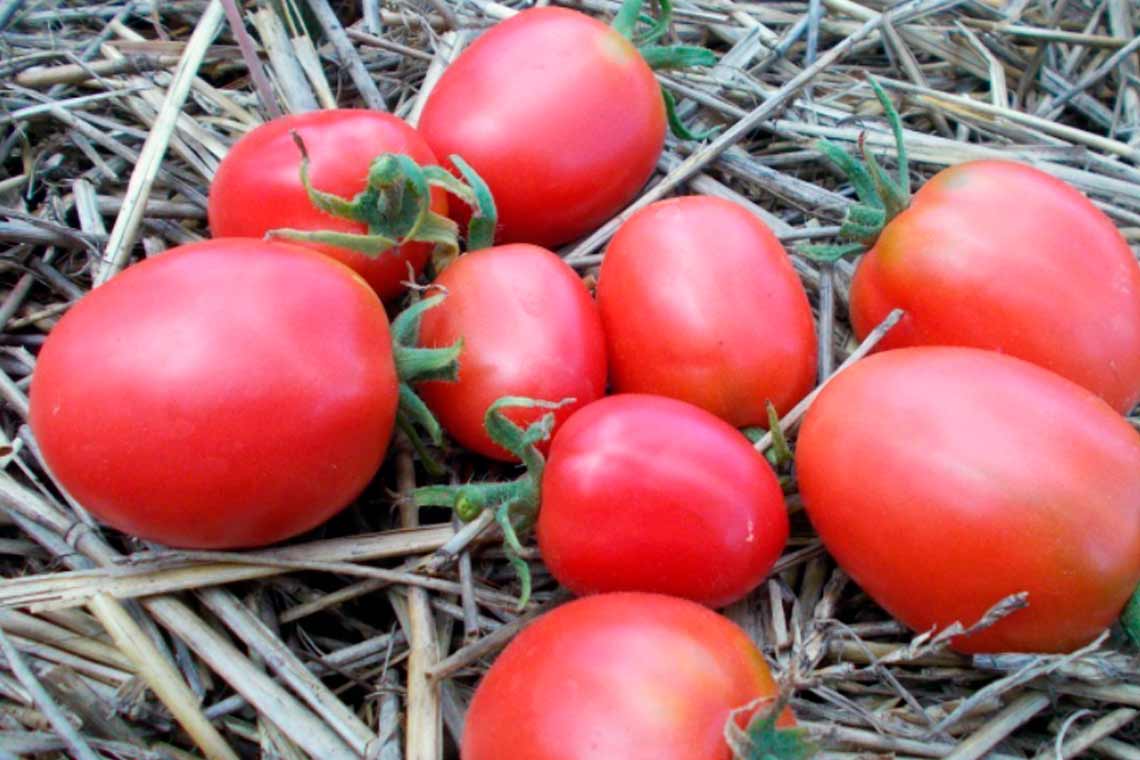
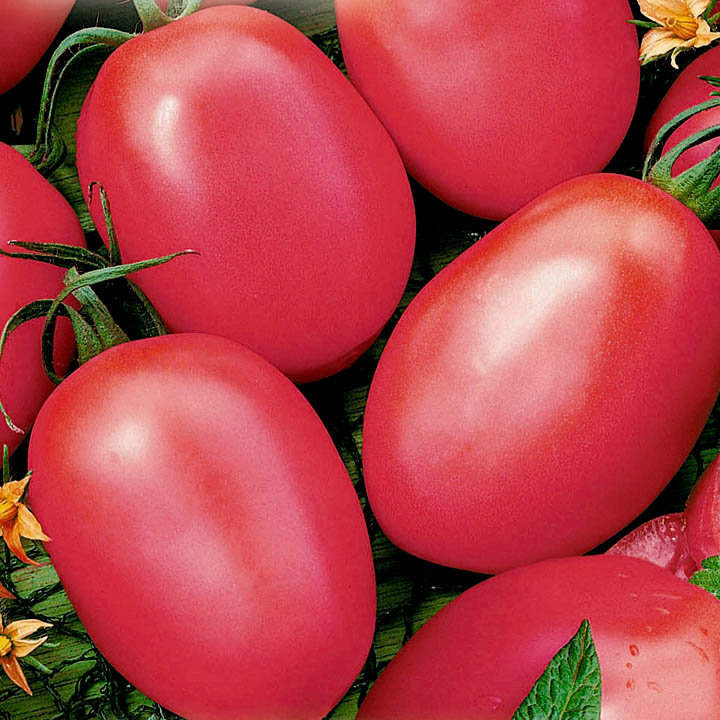
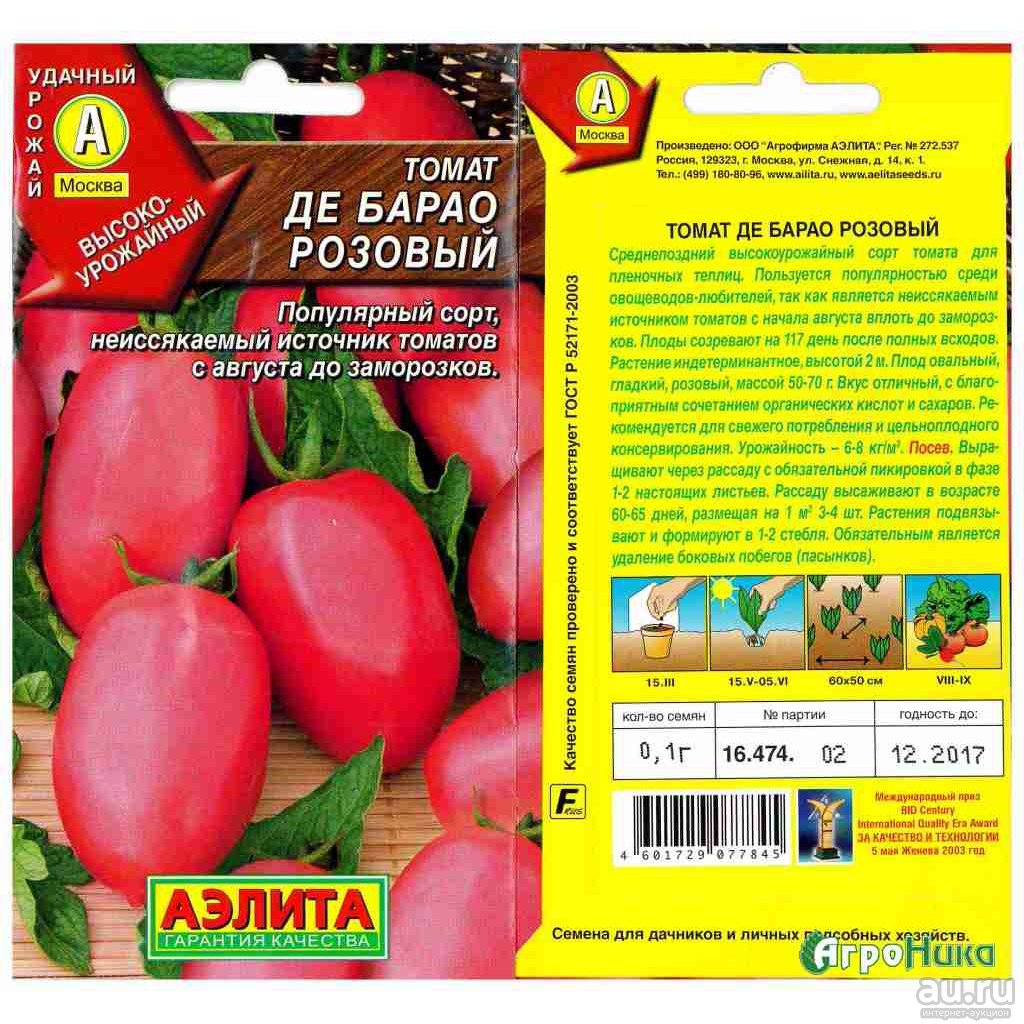
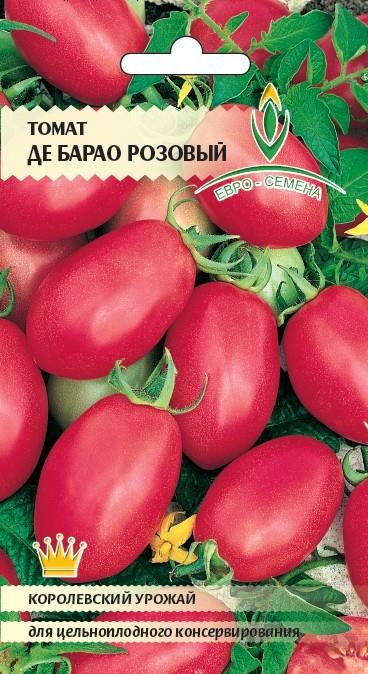
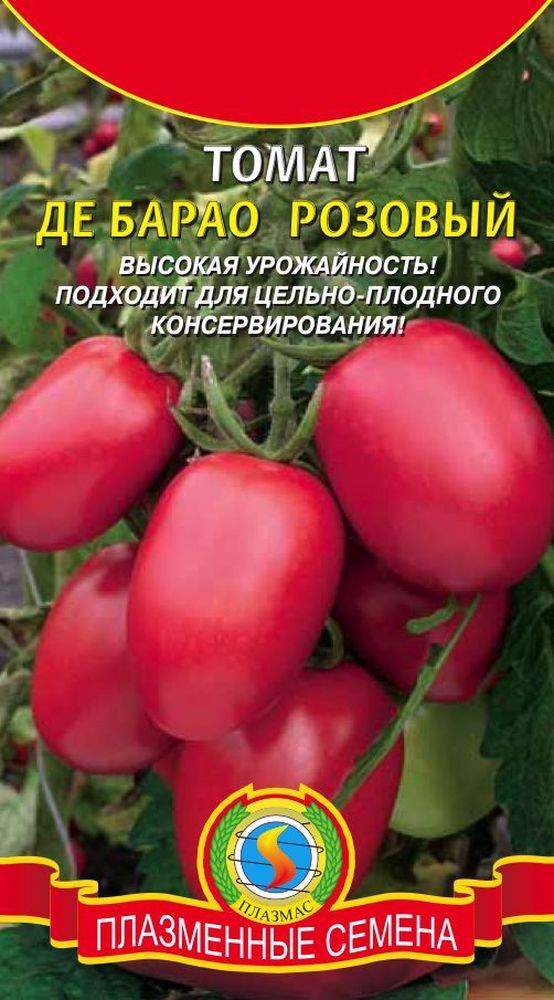
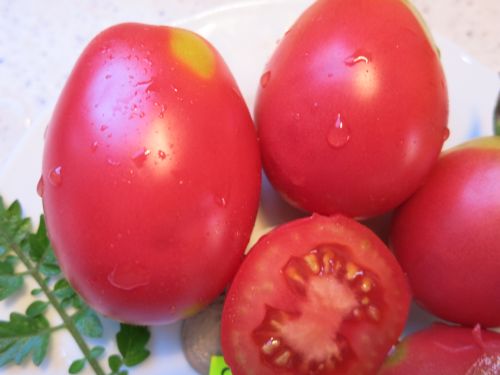
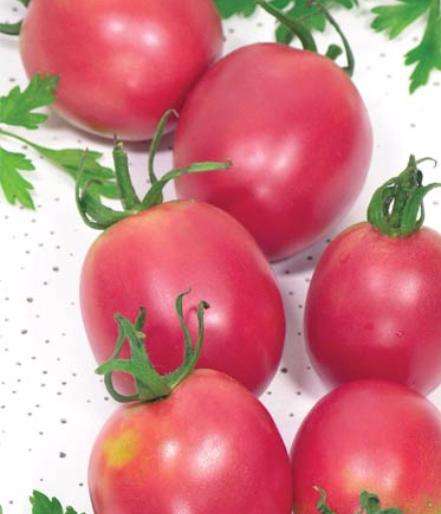
De Barao pink
| Characteristic | Description |
| Description | An indeterminate variety with a mid-season ripening period. It is used primarily for greenhouse cultivation. It has medium foliage, and the bushes barely reach 200 cm in height. |
| Ripening period | 111-119 days |
| Fruit weight | 80-100 g |
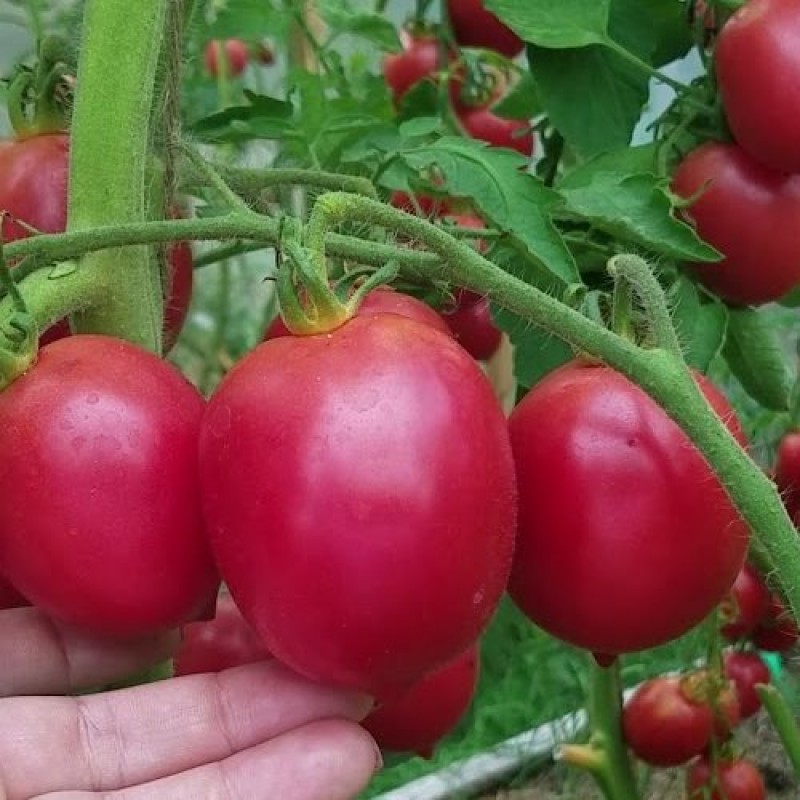
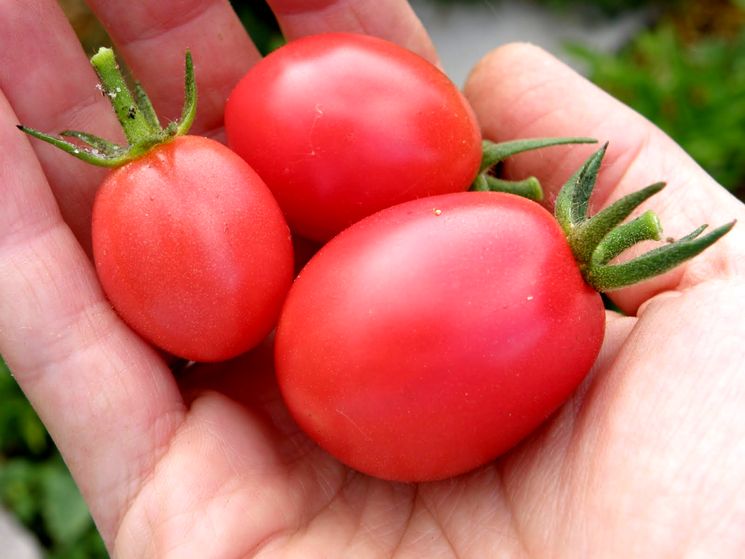
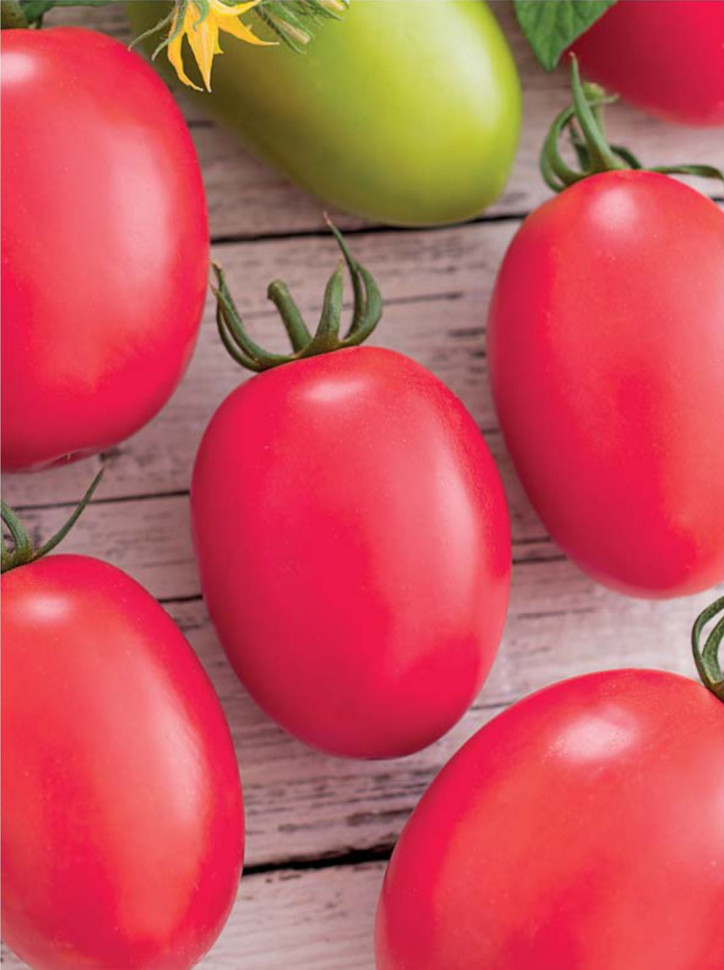
| Description of the fruit | The fruits are oval, with glossy pink skin and a smooth top. |
| Productivity | From 6 to 10 kg |
| Usage | Used for whole-fruit canning and fresh eating. |
| Preferred growing regions | All regions. |
| Disease resistance | Not susceptible to common tomato diseases, but if care rules are not followed, it can be affected by late blight. |
| Agricultural technology | The shoots are tied up and pinched as they grow; the bush needs shaping. |
| 1998 |
Photo gallery of the tomato variety De Barao pink
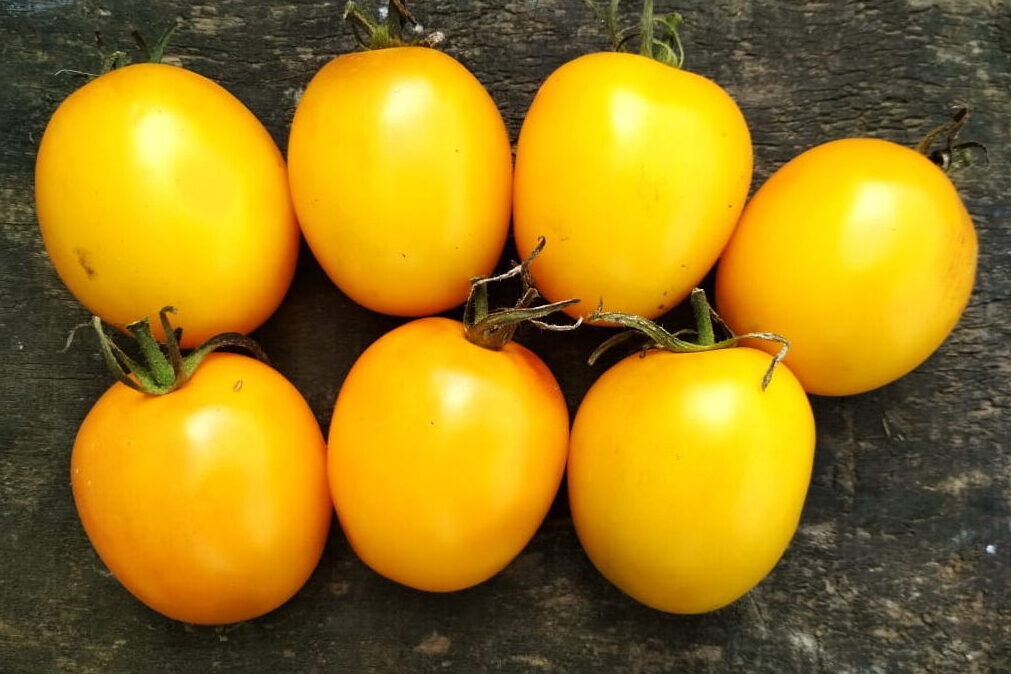
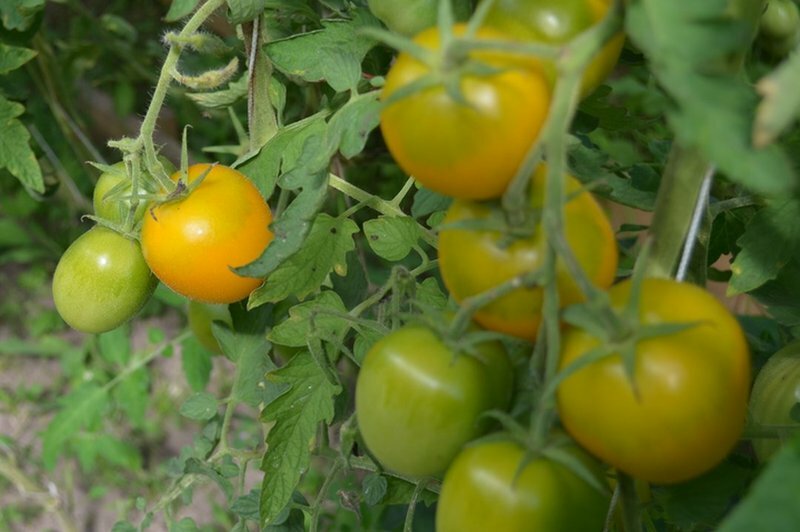
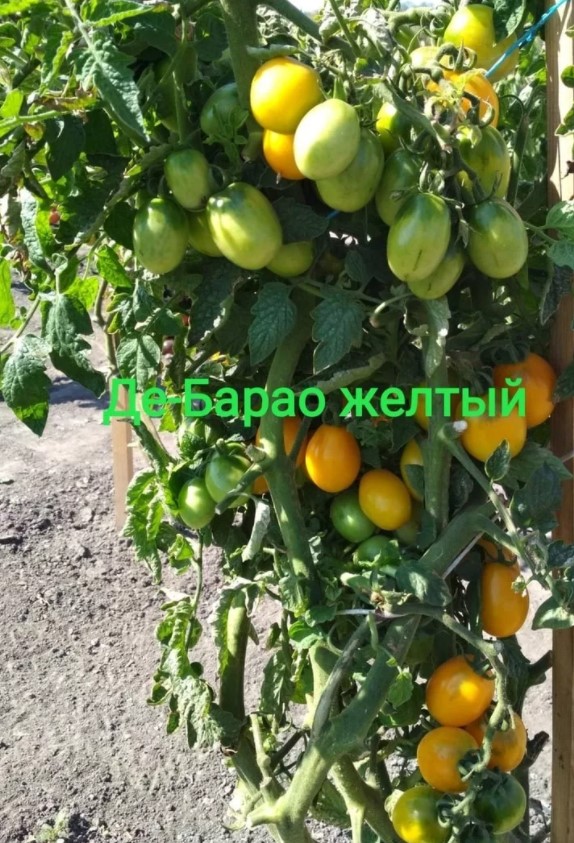
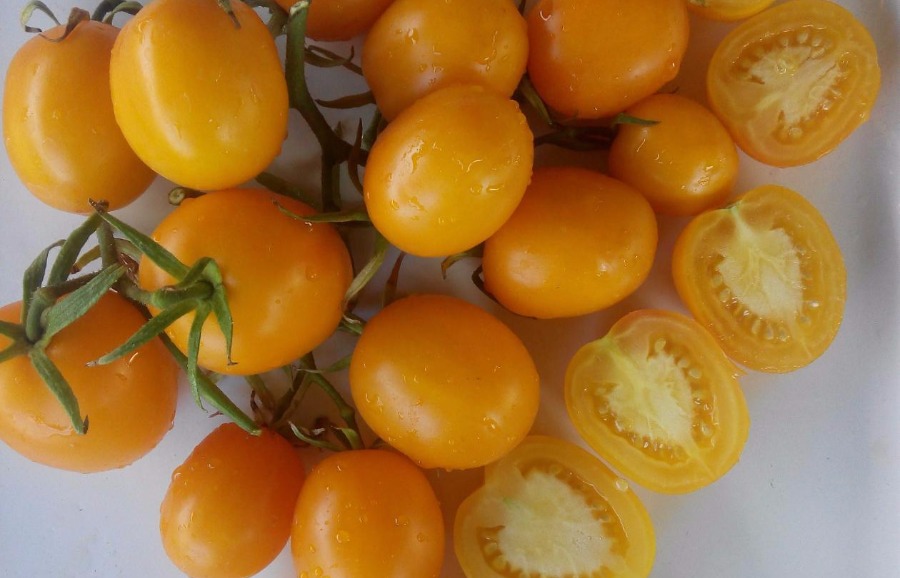
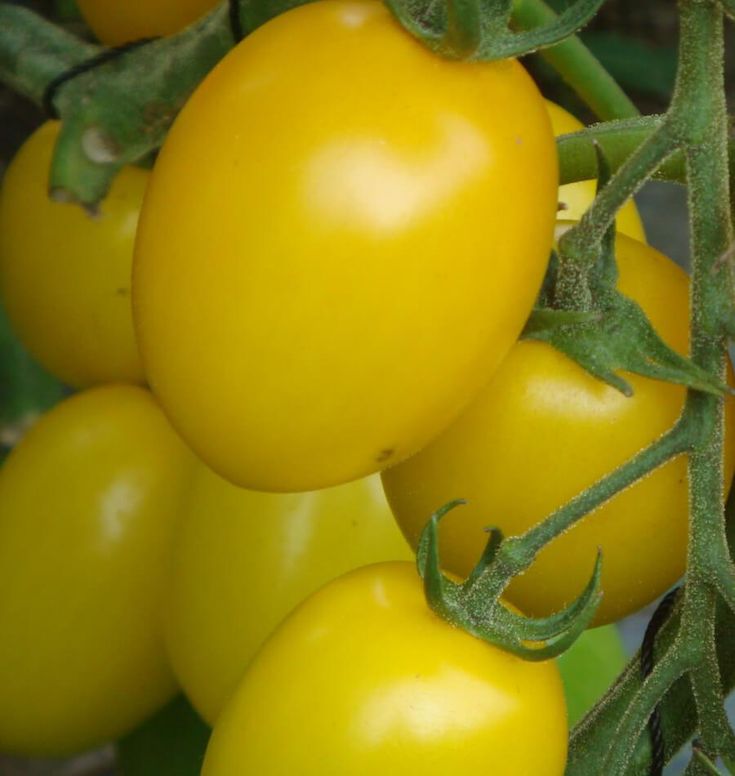
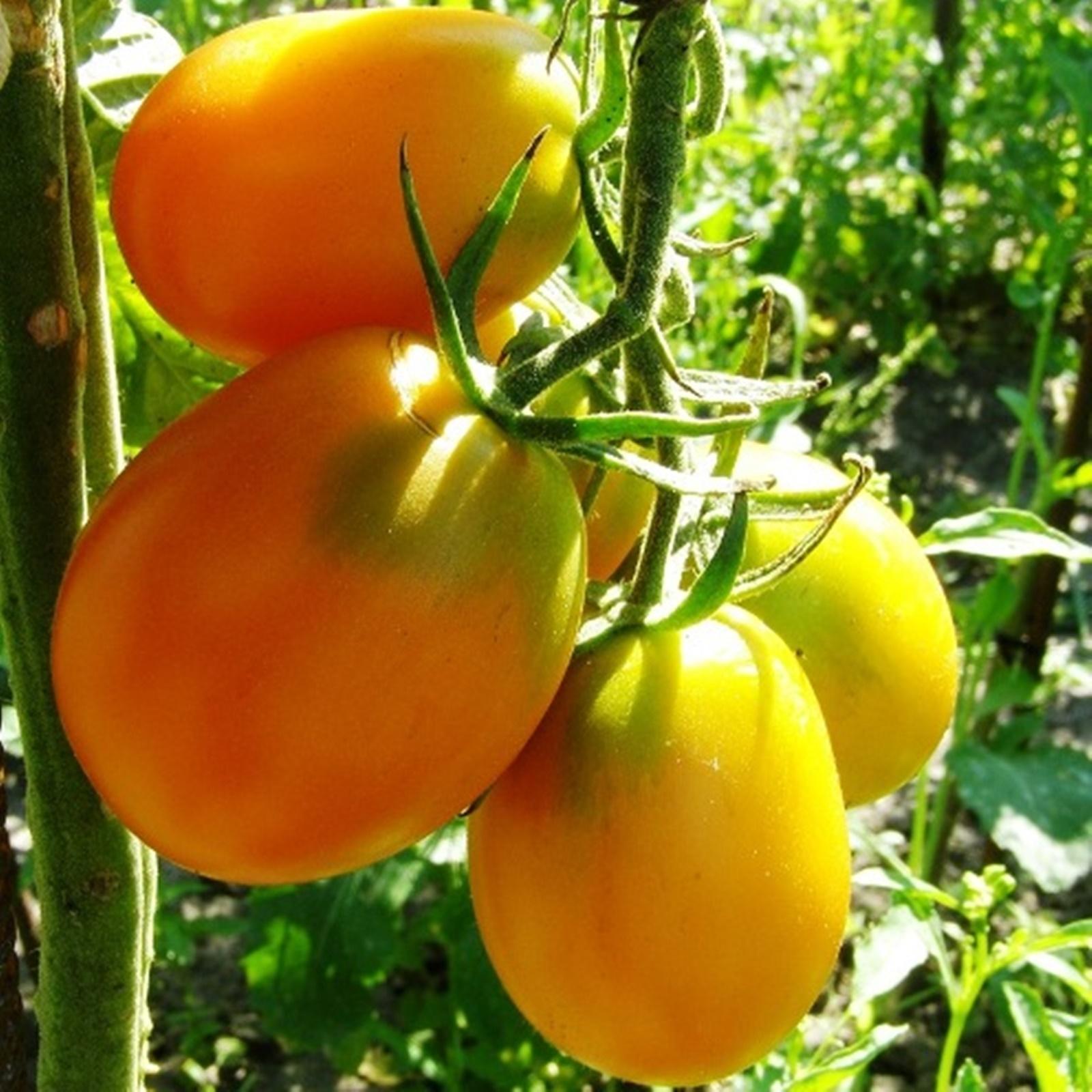
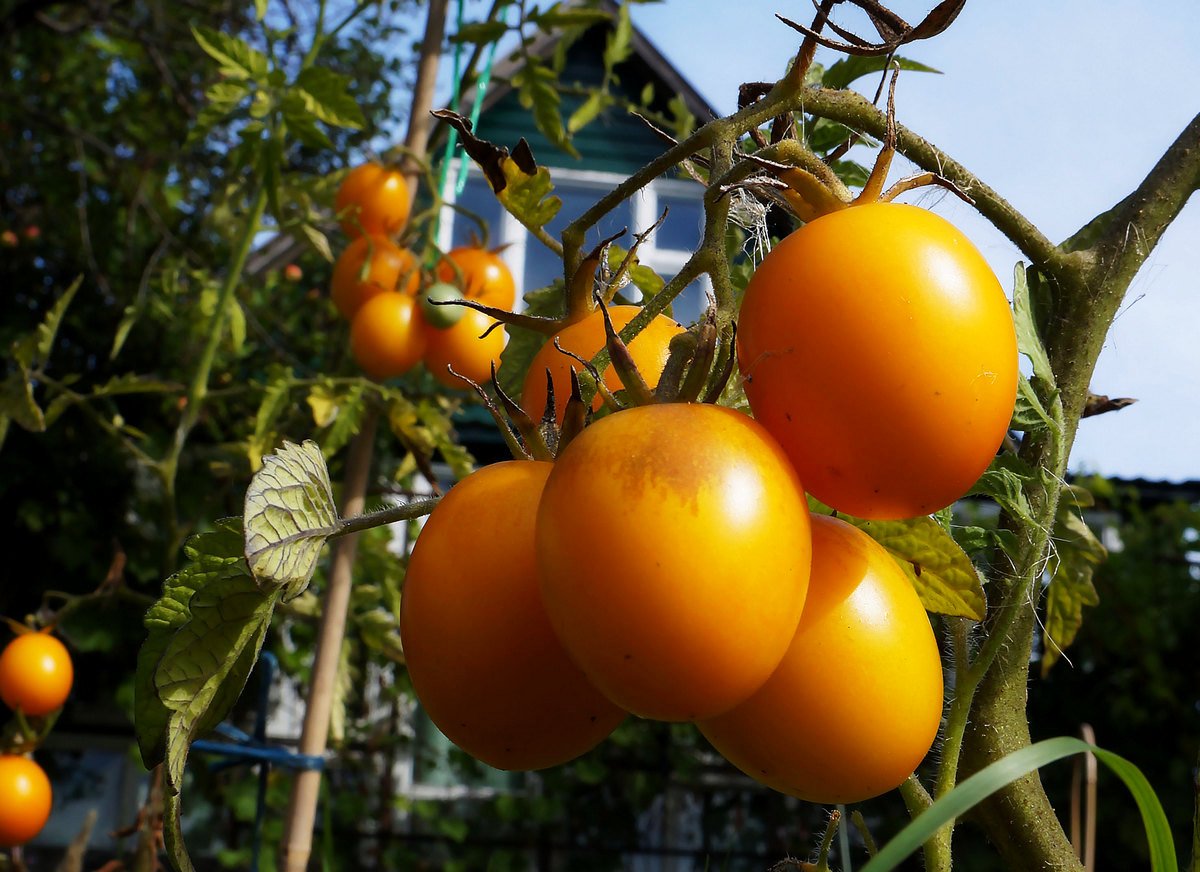
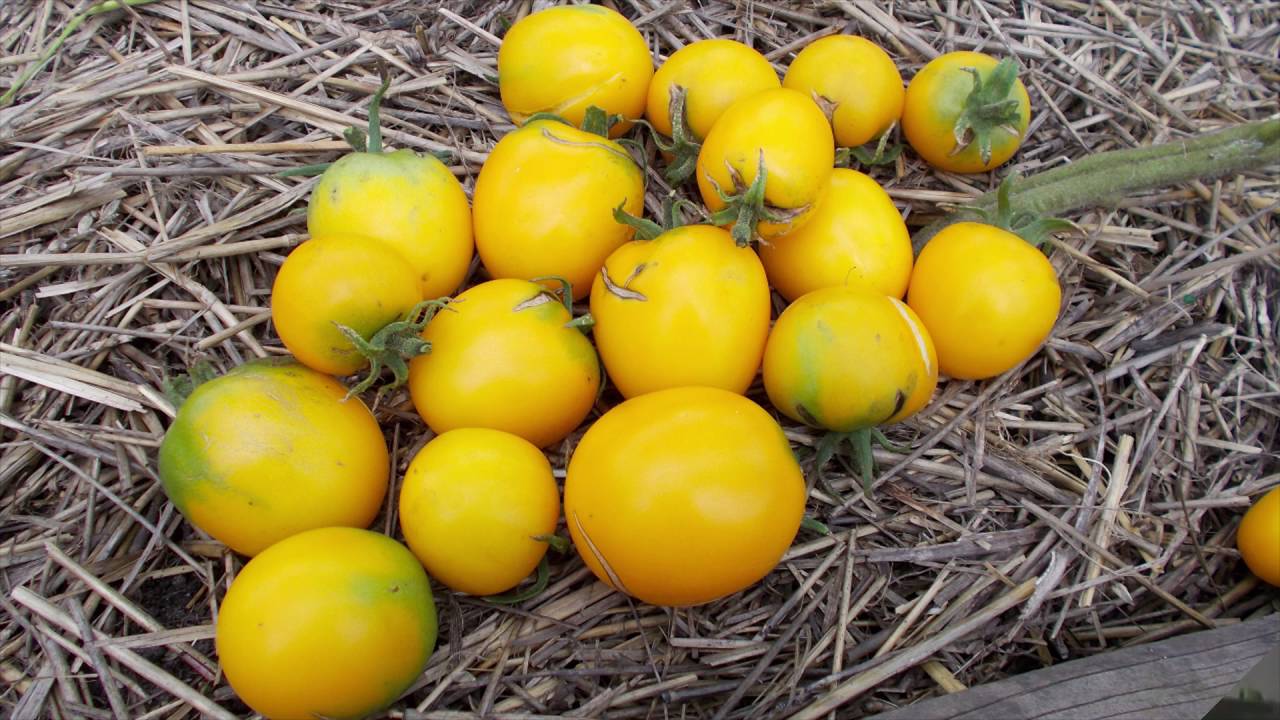
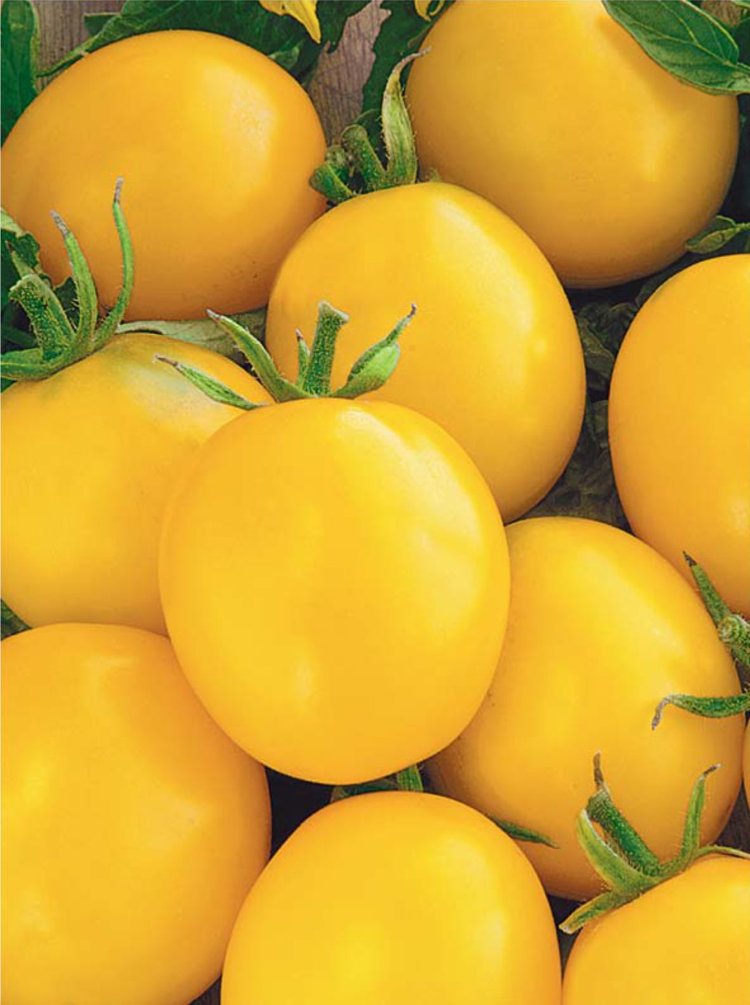
De Barao yellow or gold
| Characteristic | Description |
| Description | An indeterminate plant with a bush up to 200 cm high. Recommended for growing under film cover. |
| Ripening period | 110-120 days |
| Fruit weight | 80-90 g |
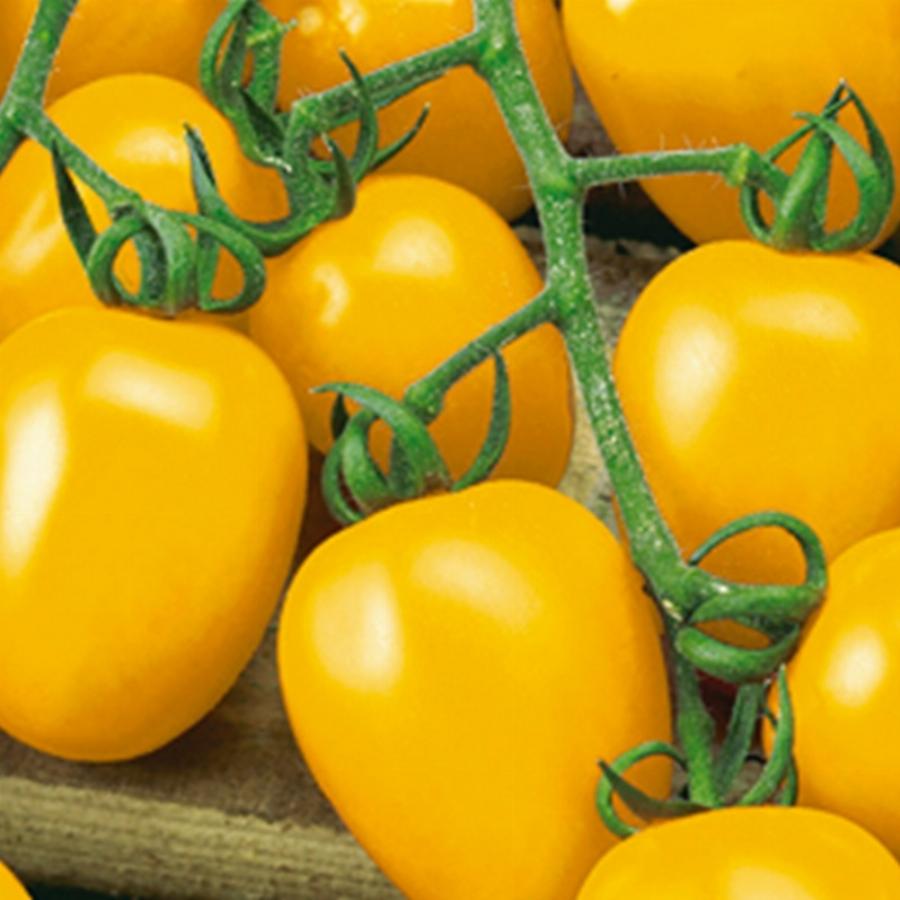
| Description of the fruit | The fruits are round-oval with a smooth surface and a slight indentation at the base. Ripe fruits are bright yellow or golden in color. |
| Productivity | Up to 12 kg. |
| Usage | The tomato has a universal purpose, is well suited for whole-fruit canning, and can be used in dietary menus. |
| Preferred growing regions | All regions. |
| Disease resistance | High resistance to major diseases, rarely affected by late blight. |
| Agricultural technology | The bushes need to be formed into 2 shoots, providing them with tying. |
| 1998 |
Photo gallery of the De Barao yellow (golden) tomato variety
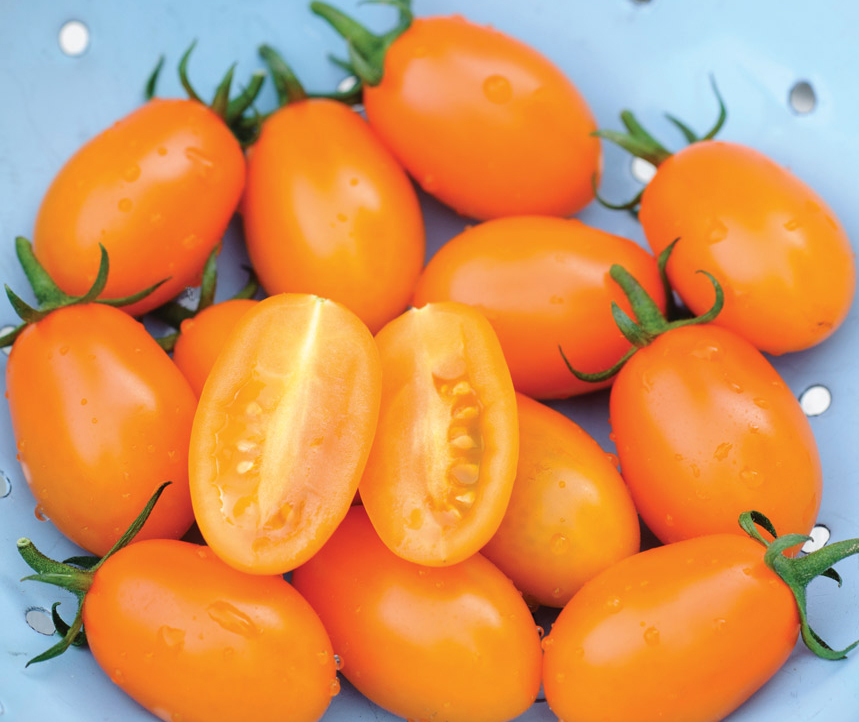
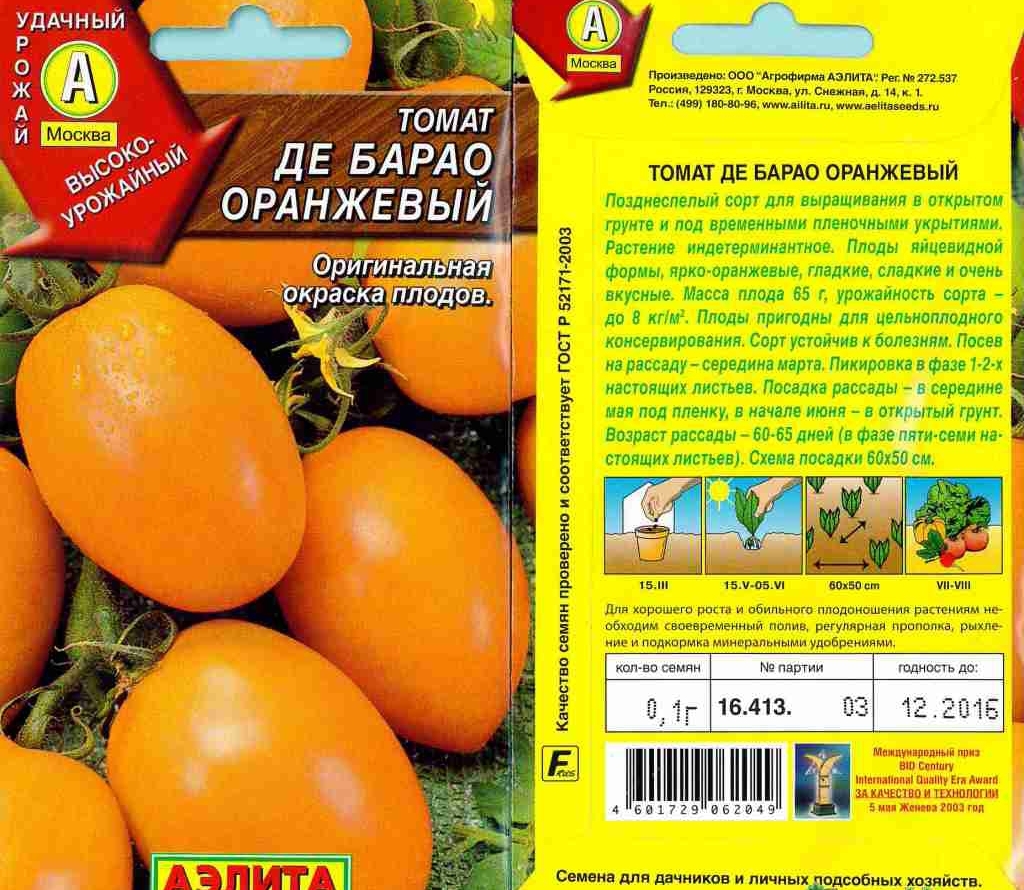
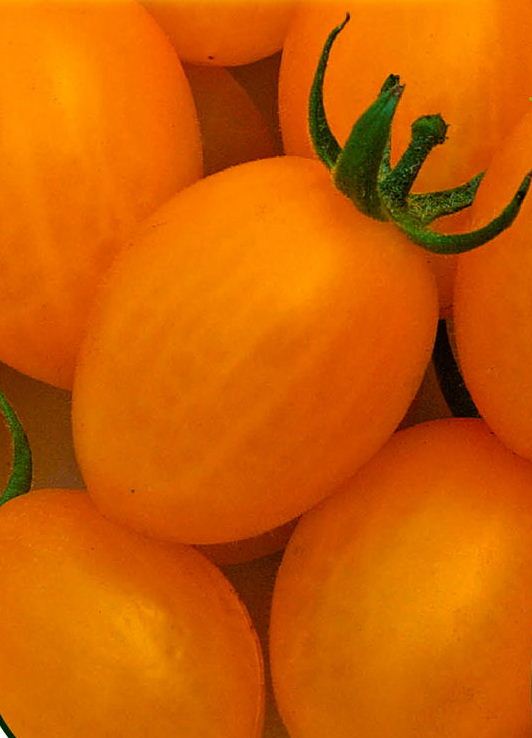
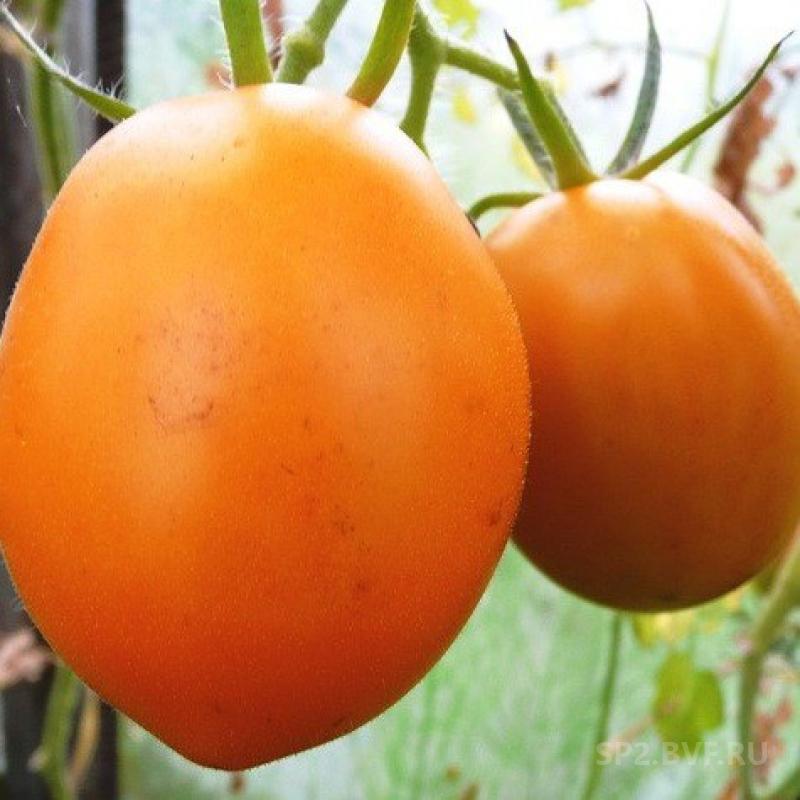
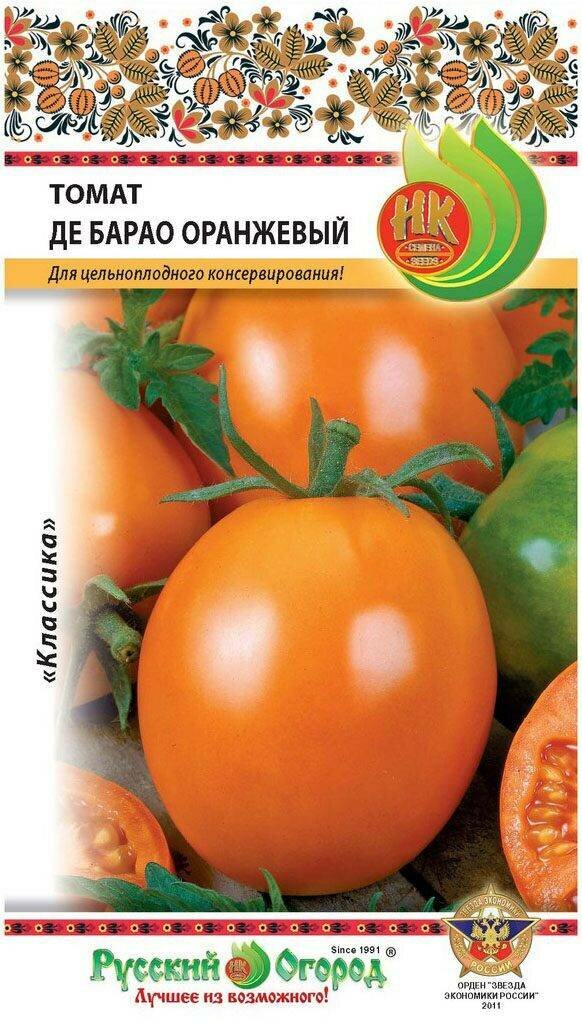
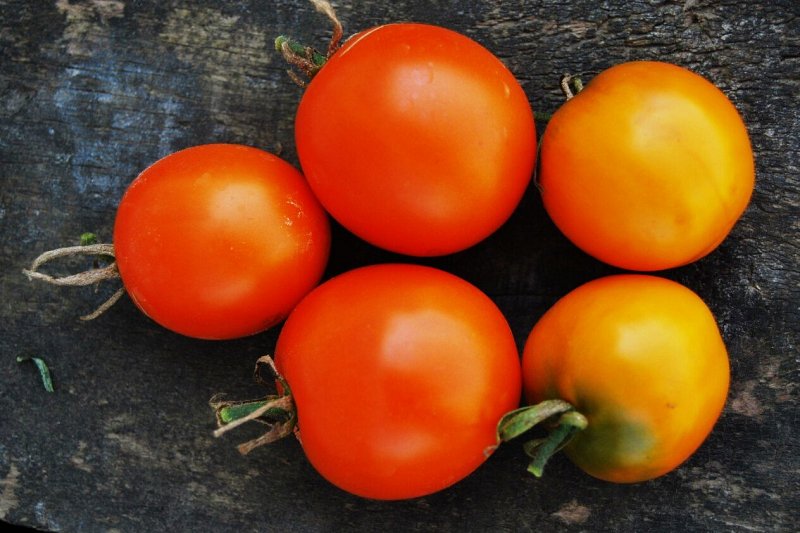
De Barao orange
| Characteristic | Description |
| Description | Grows well in open ground. In cooler regions, it can be planted in unheated greenhouses. This indeterminate, late-ripening variety grows up to 200 cm. |
| Ripening period | 110-130 days |
| Fruit weight | Up to 120 g |
| Description of the fruit | The fruits are small, ovoid, and have smooth, glossy skin. The flesh and skin are orange. |
| Productivity | 10-12 kg |
| Usage | Used fresh. Suitable for all types of canning. |
| Preferred growing regions | All regions. |
| Disease resistance | It has strong immunity and is slightly susceptible even to late blight. |
| Agricultural technology | The bush is formed into 1-2 shoots, pinched during growth. |
| 1999 |
Photo gallery of the orange tomato variety De Barao
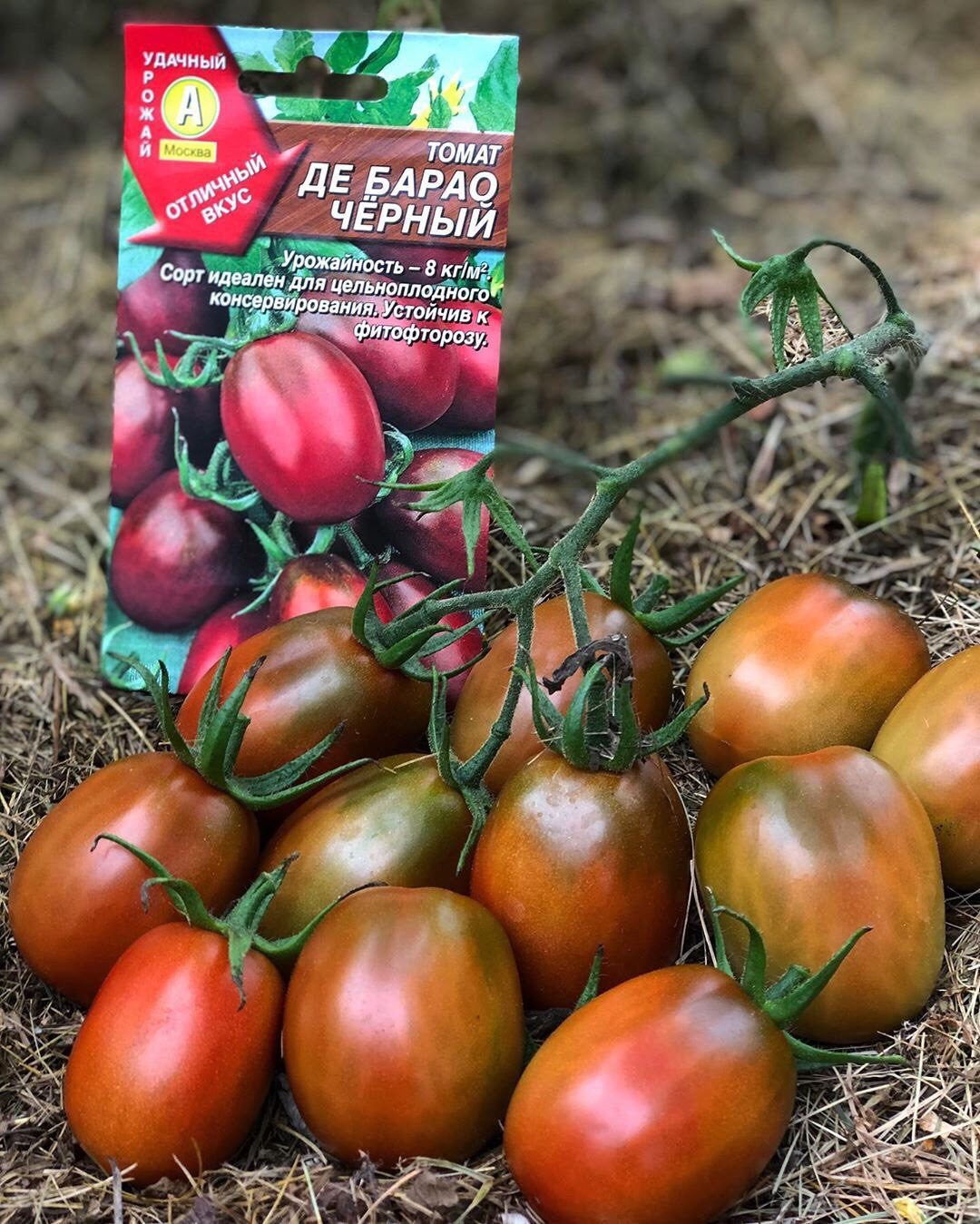
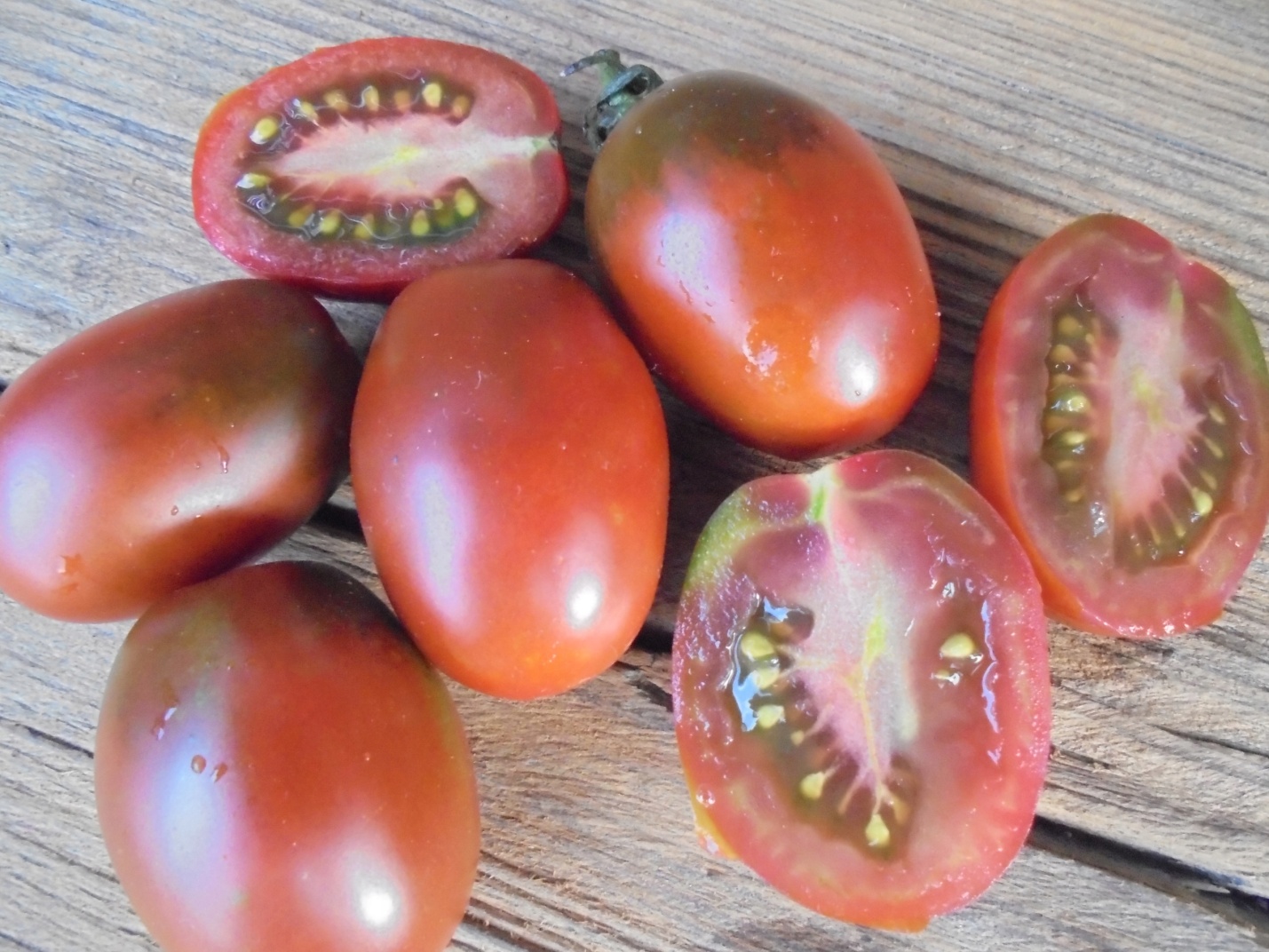
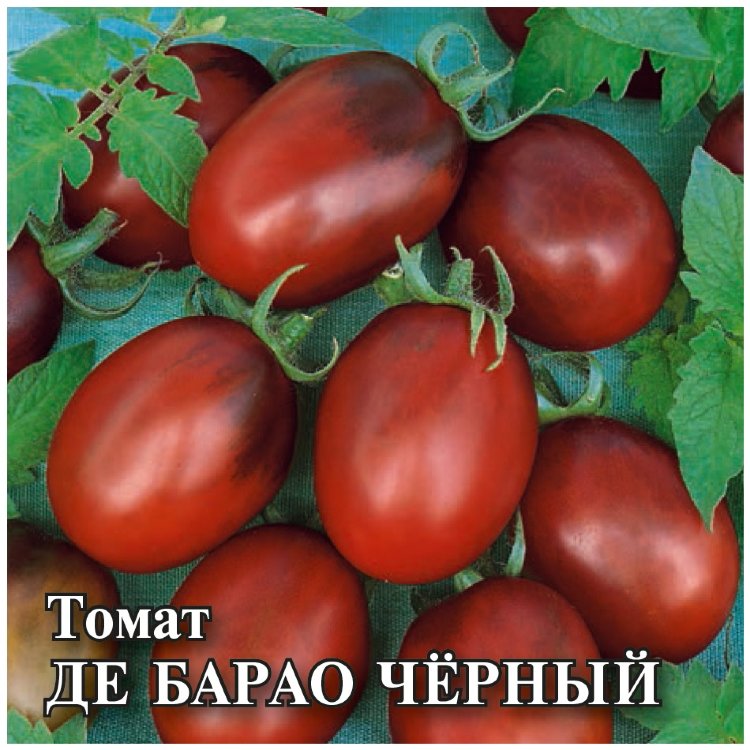
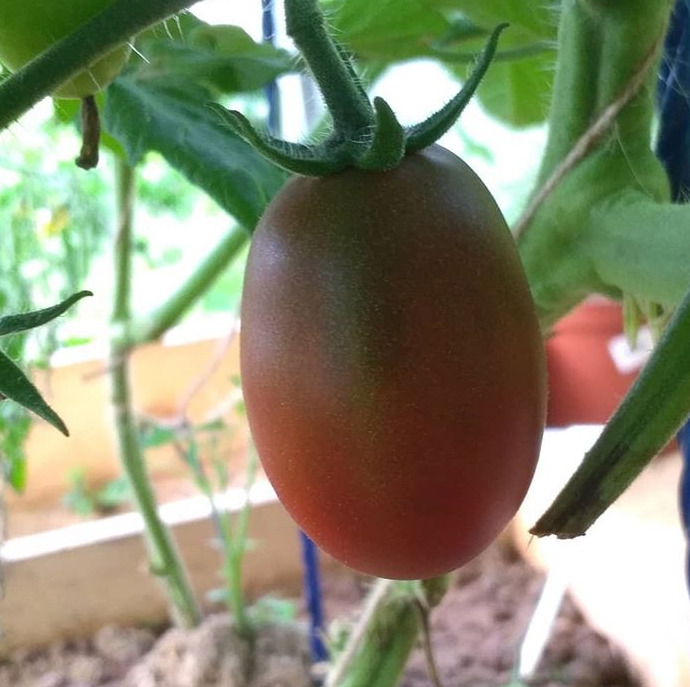
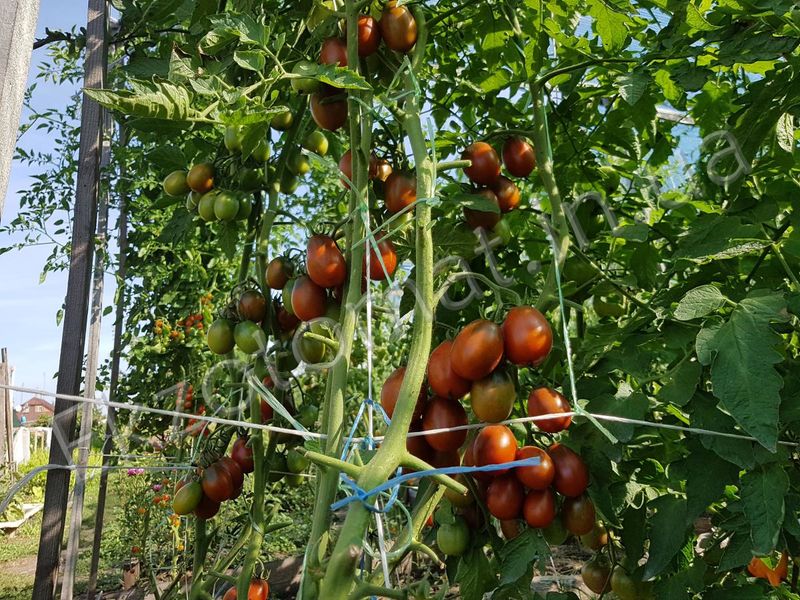
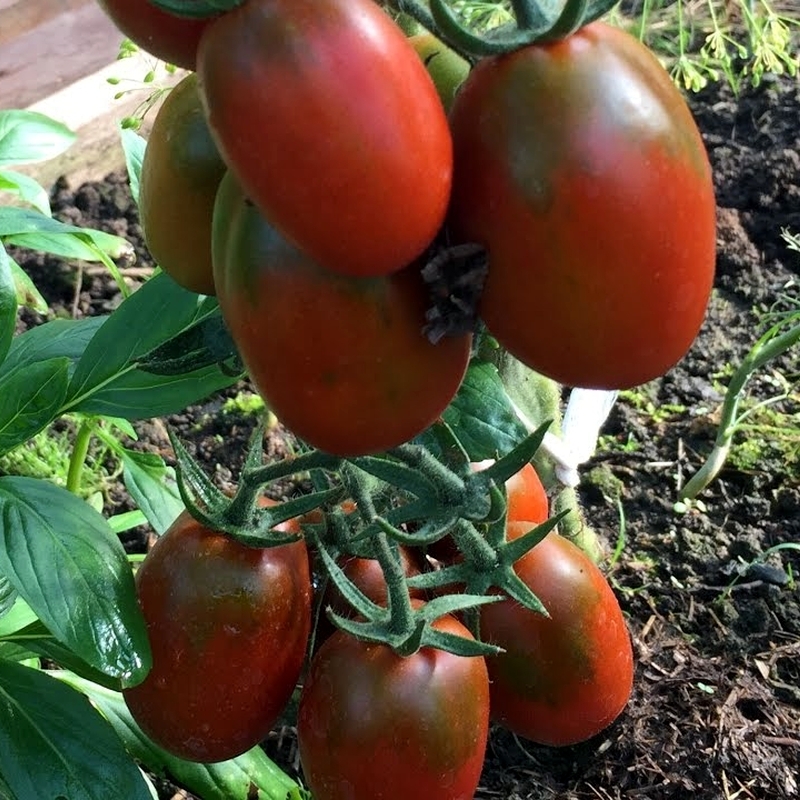
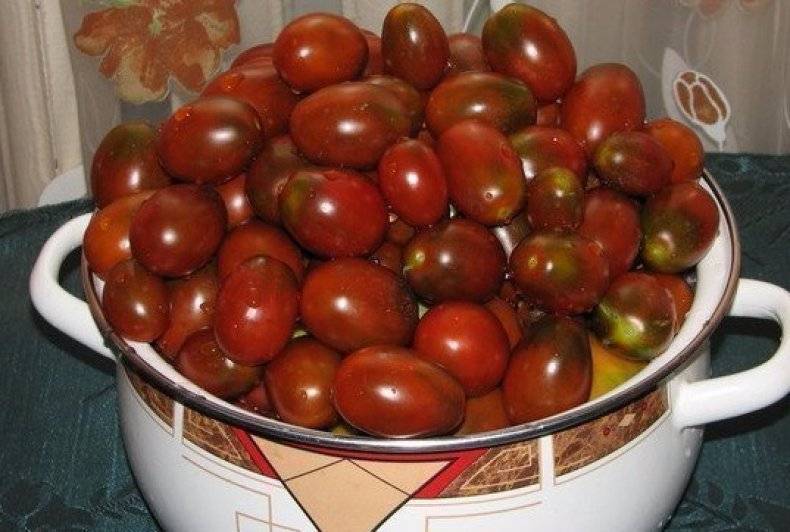
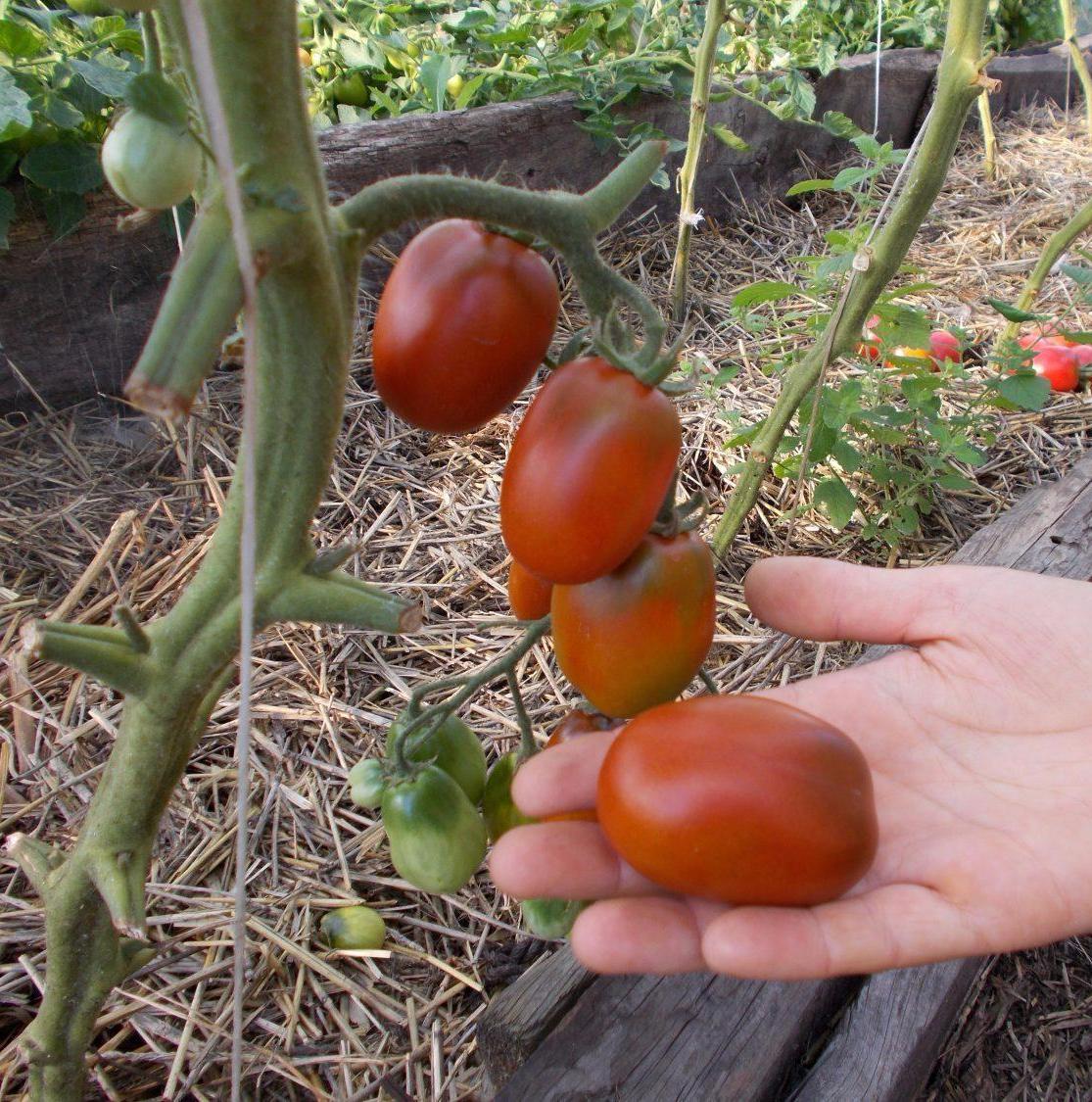
De Barao is black
| Characteristic | Description |
| Description | This late-ripening, indeterminate tomato variety grows up to 300 cm tall, requiring pinching and staking. It thrives both in the open ground and in a greenhouse. |
| Ripening period | 110-130 days |
| Fruit weight | 40-70 g |
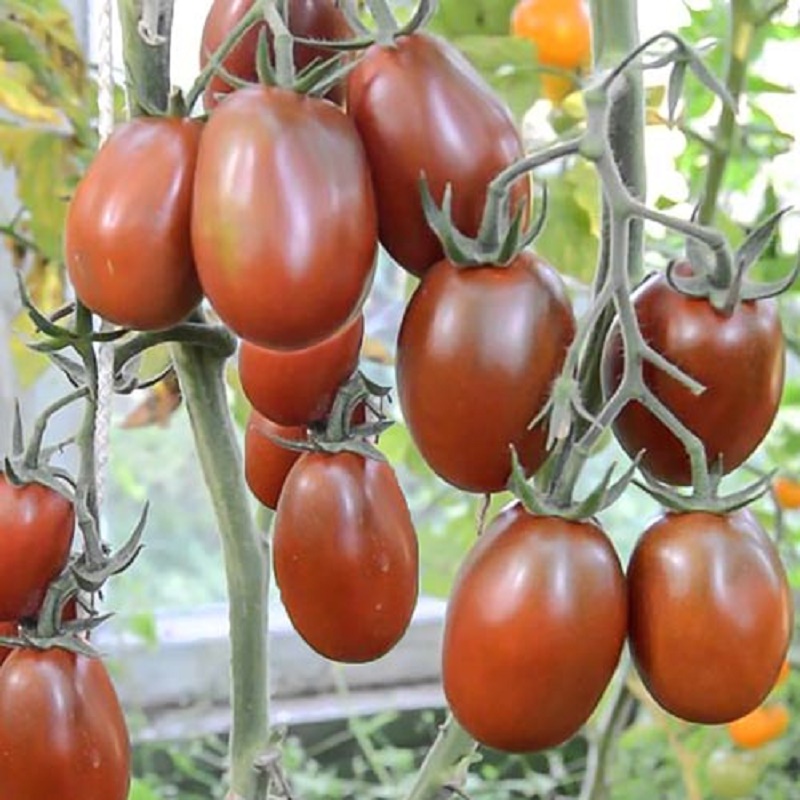
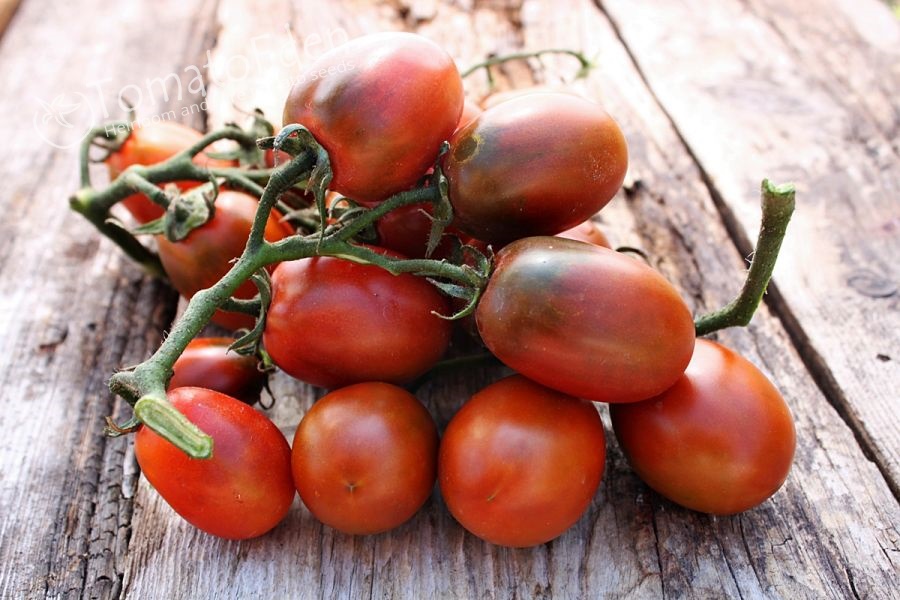
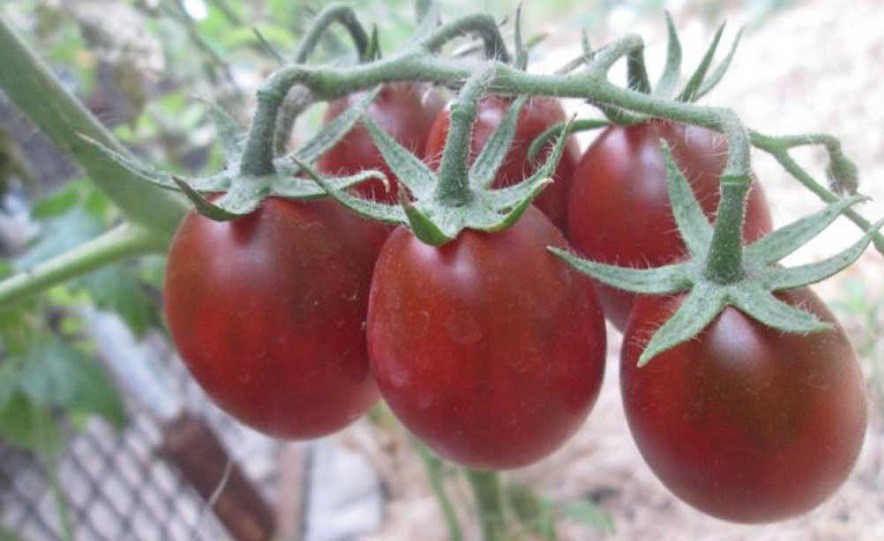
| Description of the fruit | The fruits are ovoid, with a dark green spot near the stalk. The skin is purple-brown. The flesh is juicy and sweet. |
| Productivity | Up to 8 kg per bush. |
| Usage | It is used for whole-fruit canning, for preparing salads and adding to other dishes. |
| Preferred growing regions | All regions. |
| Disease resistance | Excellent immunity. Weak susceptibility to late blight. Unaffected by temperature fluctuations. |
| Agricultural technology | Needs pinching and tying. |
| 1999 |
Photo gallery of the tomato variety De Barao black
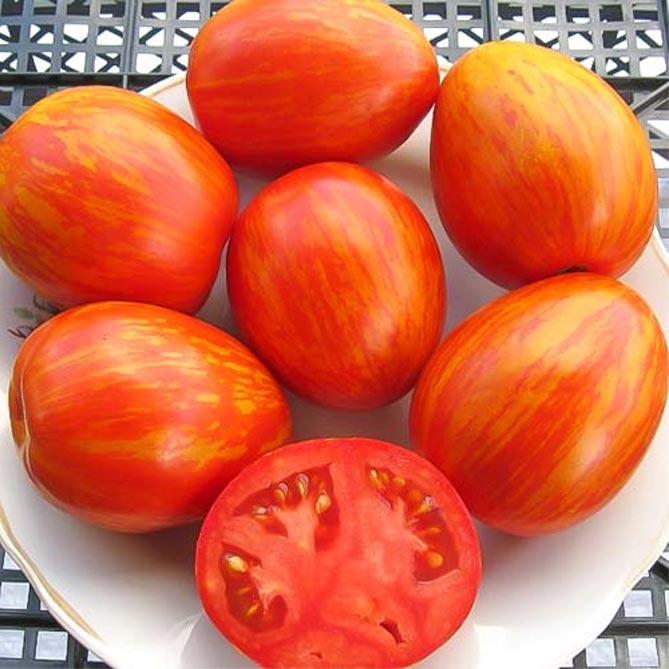
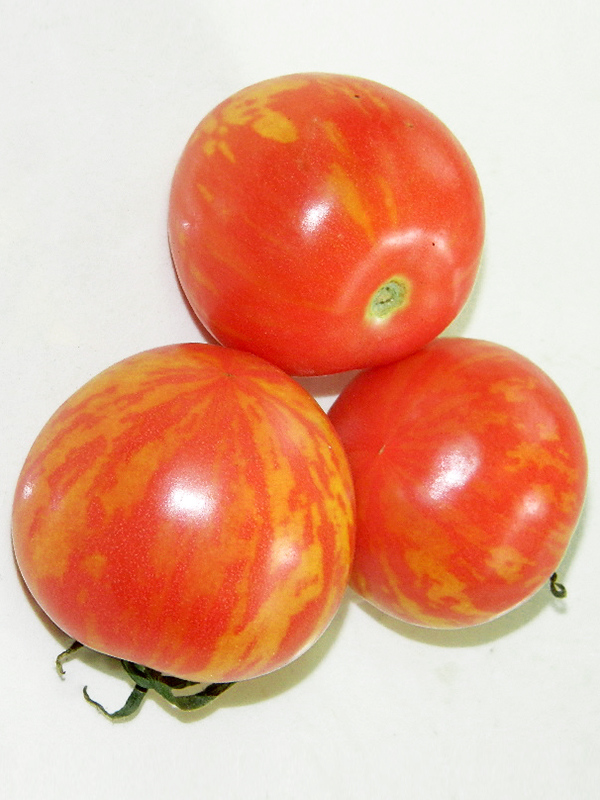
De Barao the tiger
| Characteristic | Description |
| Description | This variety is suitable for growing in warmer regions of the country. The bushes are tall. |
| Ripening period | 120-125 days |
| Fruit weight | 60-70 g |
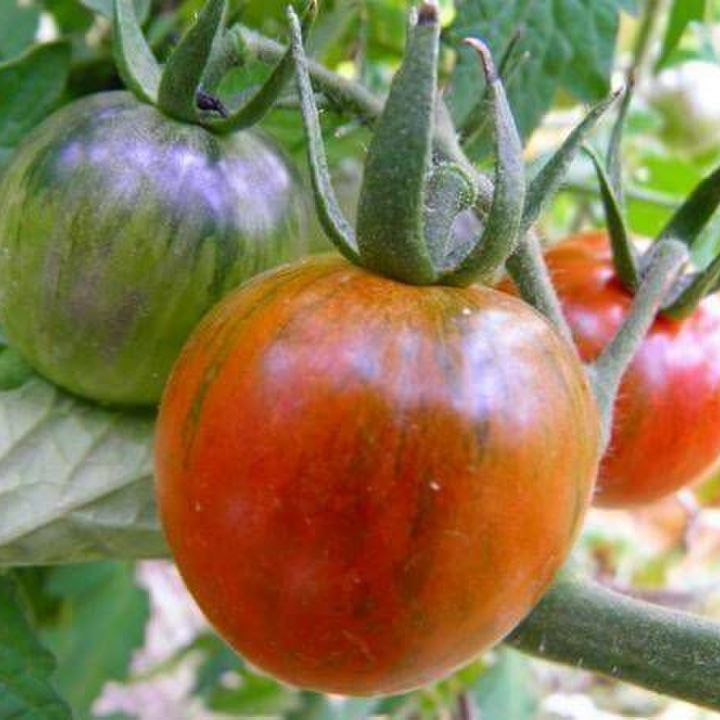
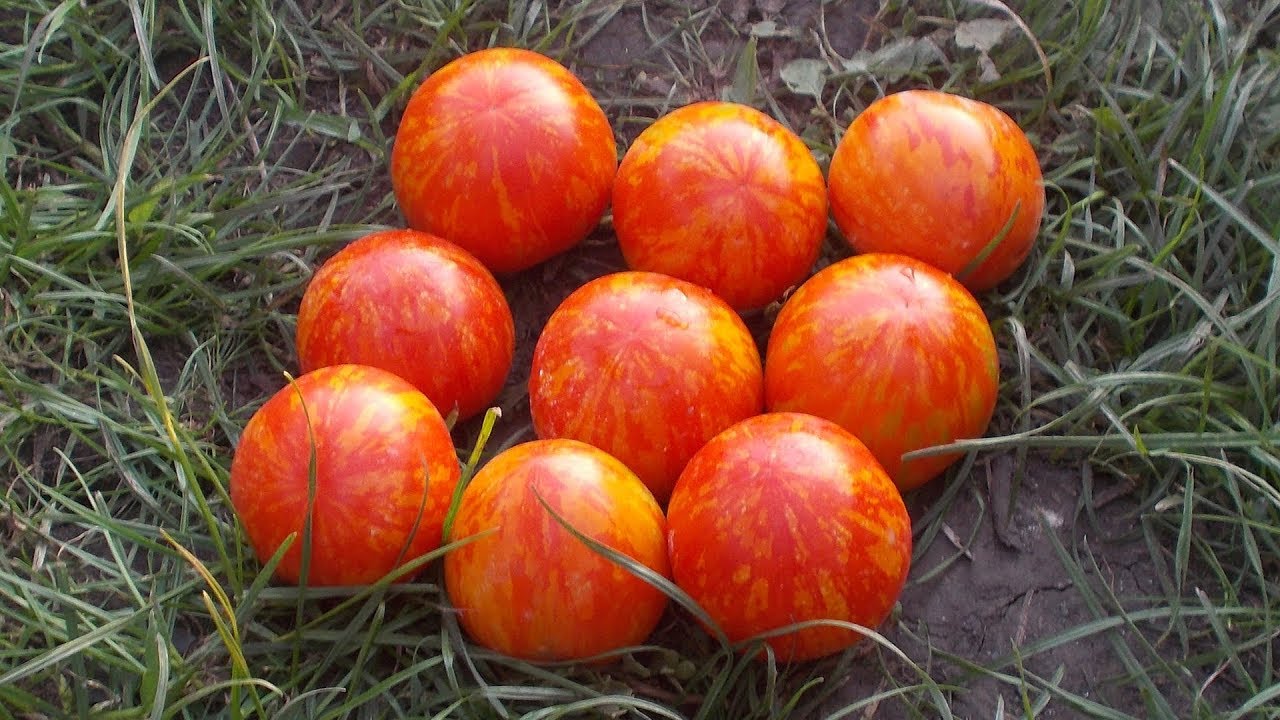
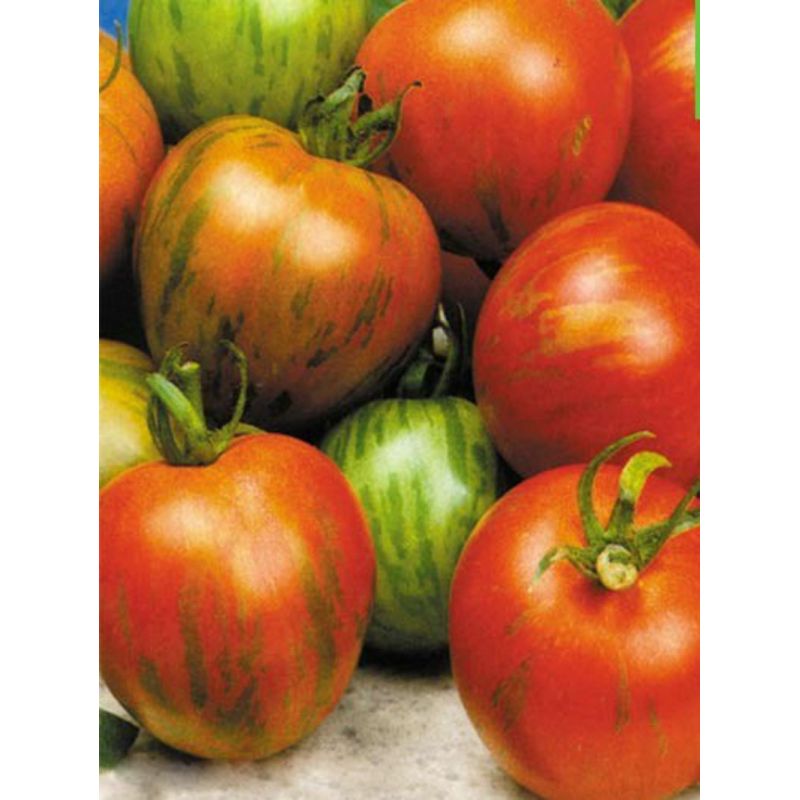
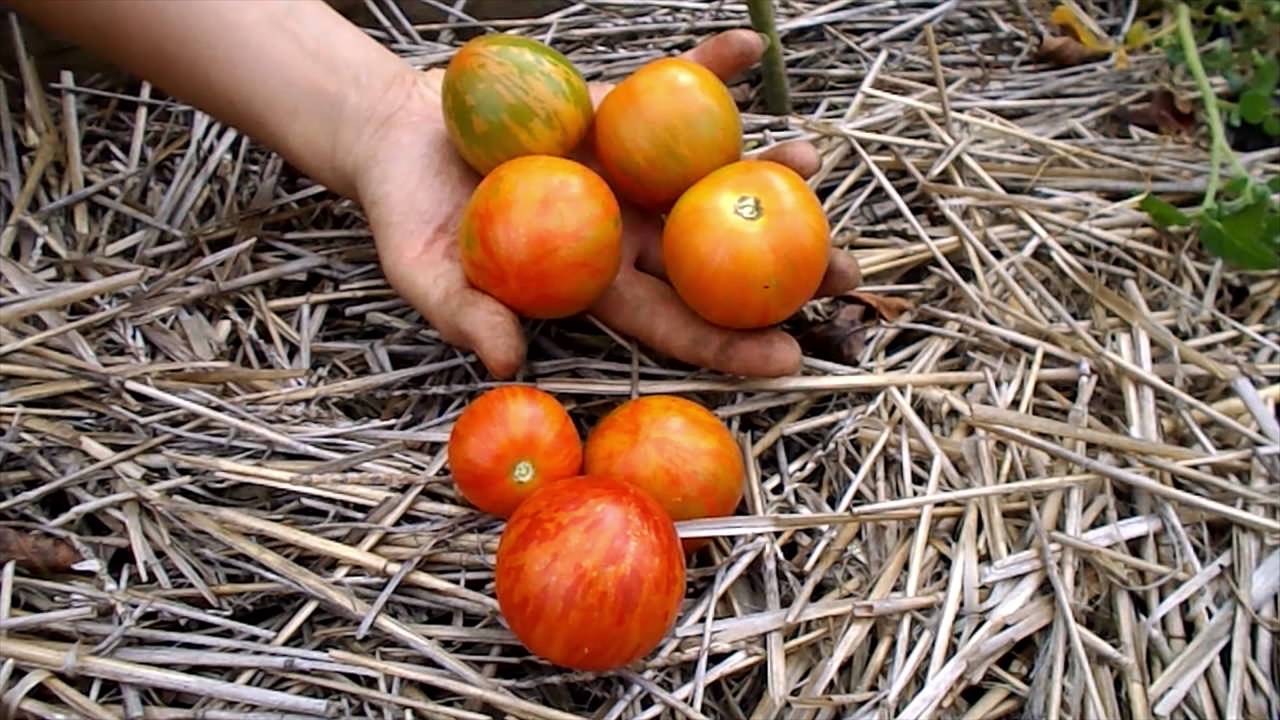
| Description of the fruit | The fruits of this variety are round. The flesh is juicy, sweet, and pinkish. The skin is red with orange or greenish stripes. |
| Productivity | The yield is relatively small, up to 3 kg of tomatoes per bush. |
| Usage | It is used for fresh eating and can be used for canning and other preparations. |
| Preferred growing regions | Regions with a warm climate. |
| Disease resistance | A strong immune system prevents diseases from developing, but if watering rules are not followed, combined with rainy weather, the plant may become infected with late blight. |
| Agricultural technology | The bushes require support and tying. They grow foliage quickly, so pinching is necessary. |
| Not included |
Photo gallery of the De Barao Tiger tomato variety
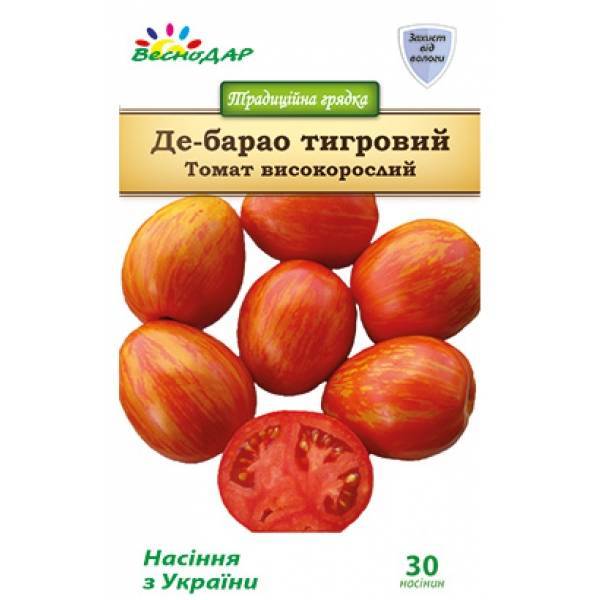
Comparison table of tomato varieties De Barao
| Name | Ripening period, days | Yield per bush, kg | Fruit weight, g | Bush height, cm |
| De Barao is black | 115-130 | 8 | 40-70 | 250-300 |
| De Barao red | 120-130 | 6 | 80-120 | 250-300 |
| De Barao pink | 111-119 | 6-10 | 80-100 | 170-200 |
| De Barao is a giant | 123-128 | 22-23 | 350 | 190-270 |
| De Barao royal | 110-120 | 10-15 | 150-170 | 150-200 |
| De Barao yellow or gold | 110-120 | 12 | 80-90 | 200 |
| De Barao orange | 110-130 | 10-12 | 120 | 200 |
| De Barao Tiger | 120-125 | 3 | 60-70 | 180-200 |
A detailed description of the classic tomato variety De Barao
The De Barao tomato is distinguished by its tall bushes, abundant fruiting and excellent disease resistance.
Bushes
Indeterminate shoots can reach 2-3 meters in height, so they require support and tying. Gardeners can pinch the bush if necessary. The leaves are large, dark green, with prominent veins.
The first tomato brush begins to form after the 9th leaf, then they appear at intervals of 3 leaves.
During the ripening period, some gardeners recommend removing the lower leaves from the stems to provide more nutrition to the ripening tomatoes. Furthermore, this variety tends to grow excessive green foliage, so new shoots need to be removed regularly.
Fruit
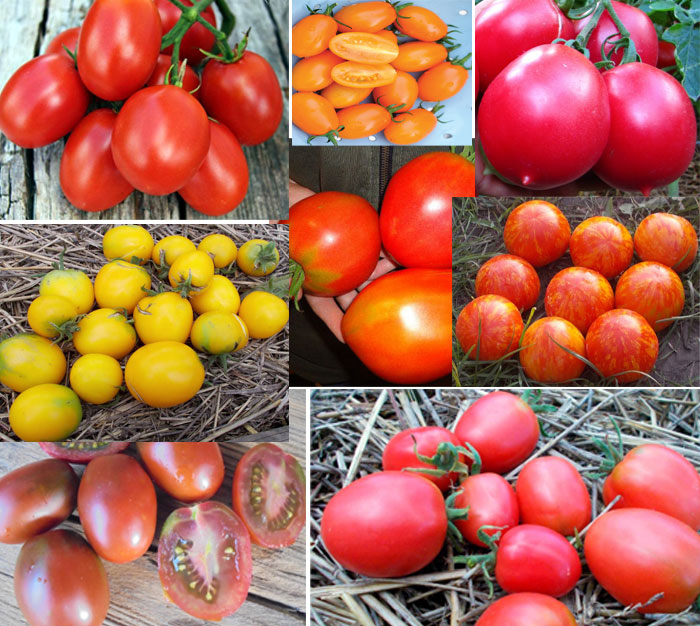
De Barao tomatoes are relatively small, weighing barely more than 40 g. Their shape is oval-ovoid. Color depends on the variety and can be red, yellow, orange, pink, black, or striped.
The skin is thick and durable, allowing the tomatoes to withstand long-term cracking and transportation. There are no ribs on the surface, and the flesh is juicy and meaty. The seed chambers are small, typically containing no more than 2-3.
Productivity
On an industrial scale, the yield of De Barao ranges from 5 to 6 kg per square meter, but in a private household, especially when grown in a greenhouse, this figure can almost double.
Ripening time
The de Barao variety is characterized by a medium ripening period. From germination to the first harvest, it takes 110 to 120 days.
Advantages and disadvantages of the De Barao tomato variety
The De Barao tomato variety has a number of advantages and disadvantages.
| Advantages | Flaws |
|
|
Features of growing tomato varieties De Barao
The De Barao tomato doesn't require any special growing conditions. Traditional growing and planting techniques are sufficient.
Sowing seeds and growing seedlings
Although this variety isn't a hybrid, experienced gardeners don't recommend collecting the seeds themselves. This isn't easy—the seeds are small and germinate poorly, requiring extensive preparatory work (soaking in specialized solutions, stratification, etc.). To find viable seeds, you'll have to crush more than one tomato.
Therefore, to grow De Barao, it's best to contact a reputable producer and purchase planting material from them. These seeds are typically already pre-treated. However, many gardeners still believe that without germination, the seedlings won't grow strong enough. To do this, they place the seeds in a damp cloth and place them in a bright location. After about a day, the first sprouts begin to emerge.
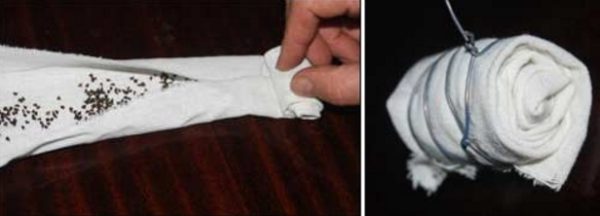
This means that you can start planting tomatoes: It takes place in several stages.
- The soil is prepared: equal parts of earth, peat, humus and sand are mixed together, after which it is disinfected with manganese or by calcination.
- A purchased or prepared mixture is poured into the selected box, and furrows are made 1 cm deep at a distance of 2 cm from each other.
- The seeds are planted in furrows at intervals of 1.5-2 cm.
- The seeds are sprinkled with soil, watered from a spray bottle and covered with glass or film.
After planting, the covered seedlings should be placed in a warm location with a temperature of at least 24 degrees Celsius (75 degrees Fahrenheit). As soon as the first shoots emerge from the soil, the plastic wrap is removed, and the seedling tray is moved to a cooler location with a temperature of 20-22 degrees Celsius (68-72 degrees Fahrenheit). It's important to maintain proper lighting: tomatoes need at least 12 hours of daylight per day, so supplemental lighting will be necessary.
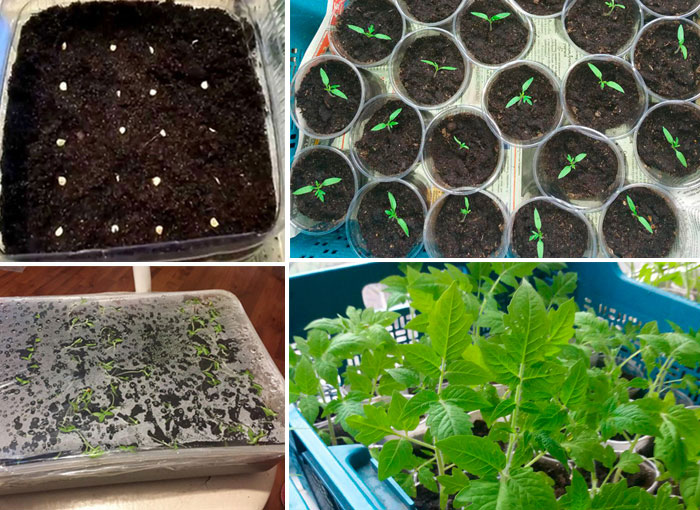
As soon as 2 leaves form on the shoots, the tomatoes are transplanted into separate containers.
Ten days before transplanting tomatoes outdoors, harden them off. Place the seedlings outside or on an open veranda for several hours, increasing the time each day.
Planting in the ground
De Barao tomatoes are planted in the ground 60 days after sowing the seeds. This allows the seedlings time to grow and strengthen sufficiently. The key is to keep the soil temperature between 13 and 15 degrees Celsius. The colder the temperature, the more difficult it will be for the tomatoes to adapt and the longer they will remain in the garden without developing.
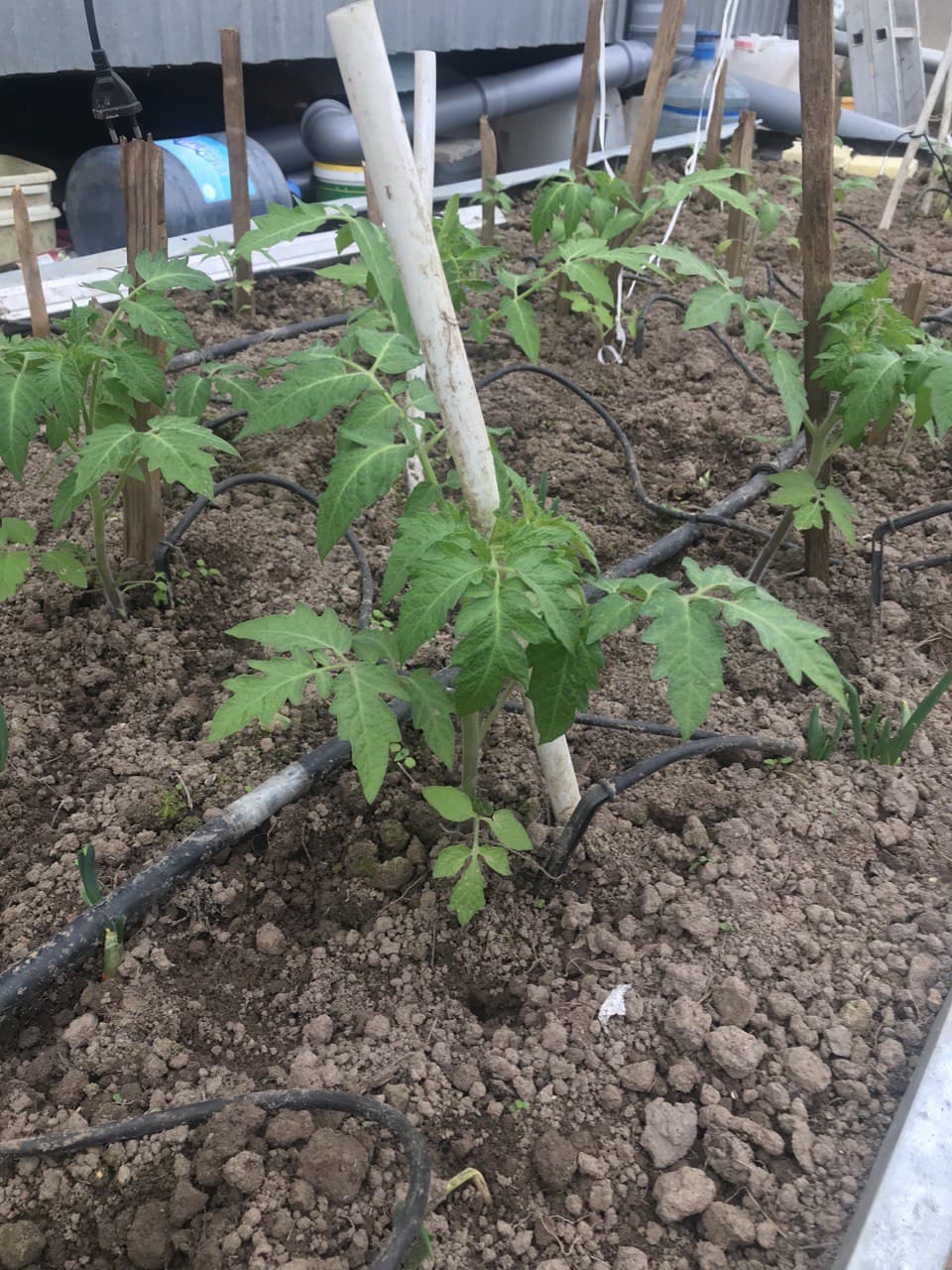
The seedlings are placed in the greenhouse at the end of April – beginning of May, and in open ground – three weeks later (the exact date depends on the region and weather conditions).
In the fall, the soil for the tomatoes should be dug over, adding fertilizer. In the spring, the bed is dug again, and then holes are dug in a checkerboard pattern. They should be spaced 50 cm apart, with a 60-70 cm gap between rows.
The seedlings, together with the lump of soil, are removed from the cup and planted one bush at a time in a hole, after which the plantings are watered and mulched.
Care, watering and fertilizing
As the tomatoes grow, remove all side shoots. Train the bush to have no more than two stems.
Before planting tomatoes, a system for tying them up is thought out; the shoots grow long, so they definitely need support.
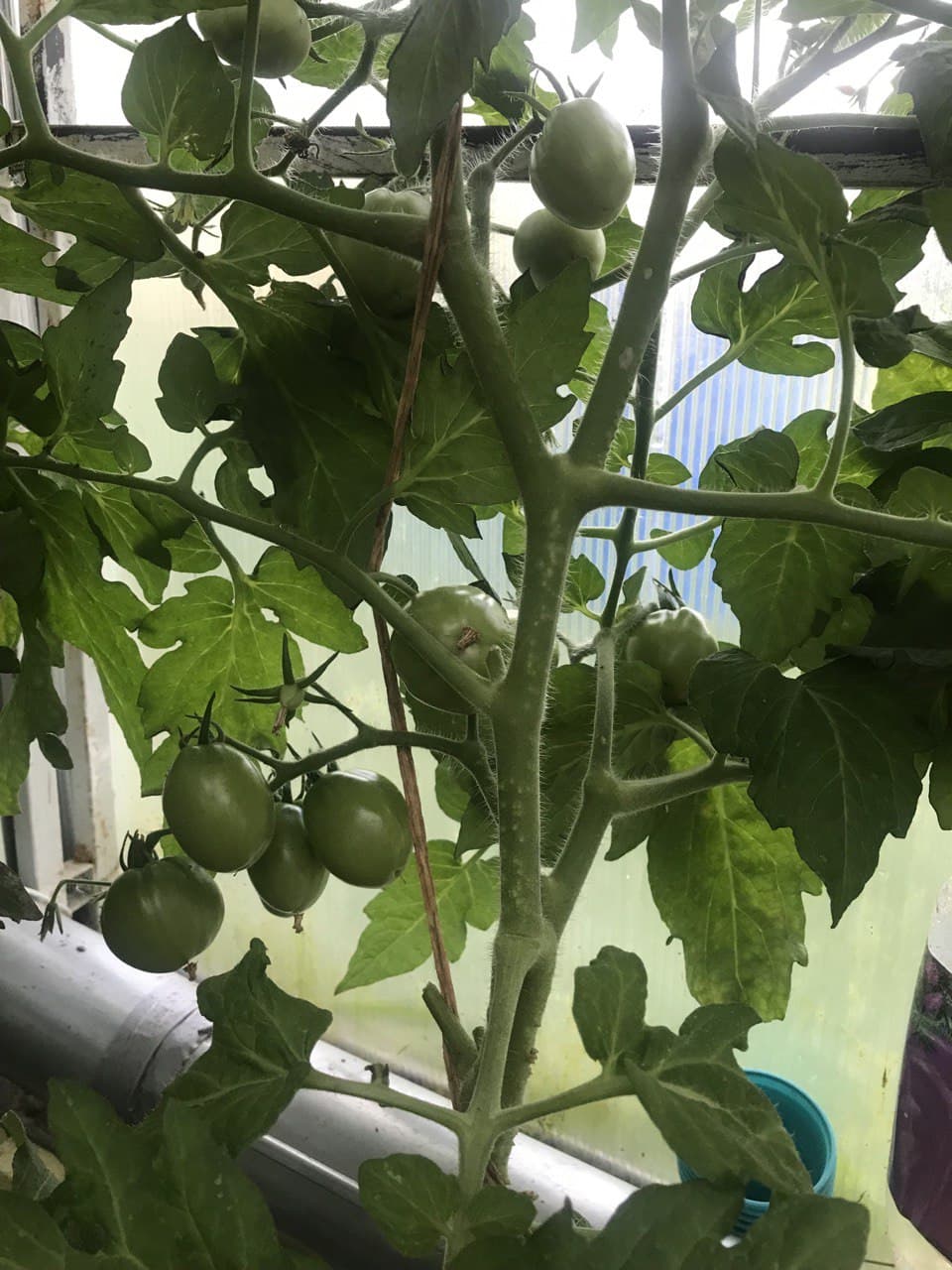
In open ground, it is recommended to cover the seedlings at night for the first time after planting to avoid exposure to low temperatures.
The first watering is done 10 days after planting. Experienced gardeners recommend setting up a drip irrigation system. If you don't have one, pour at least 5 liters of water under the bush once a week. In open ground, watering should be stopped at the end of August. At this time, remove any remaining flowers and ovaries—they won't have time to ripen.
To prevent disease, it's recommended to spray with a Bordeaux mixture solution or phytosporin three times per season. Tomatoes respond well to organic matter, so you can add a weed killer solution or black soil to the soil several times during the summer.
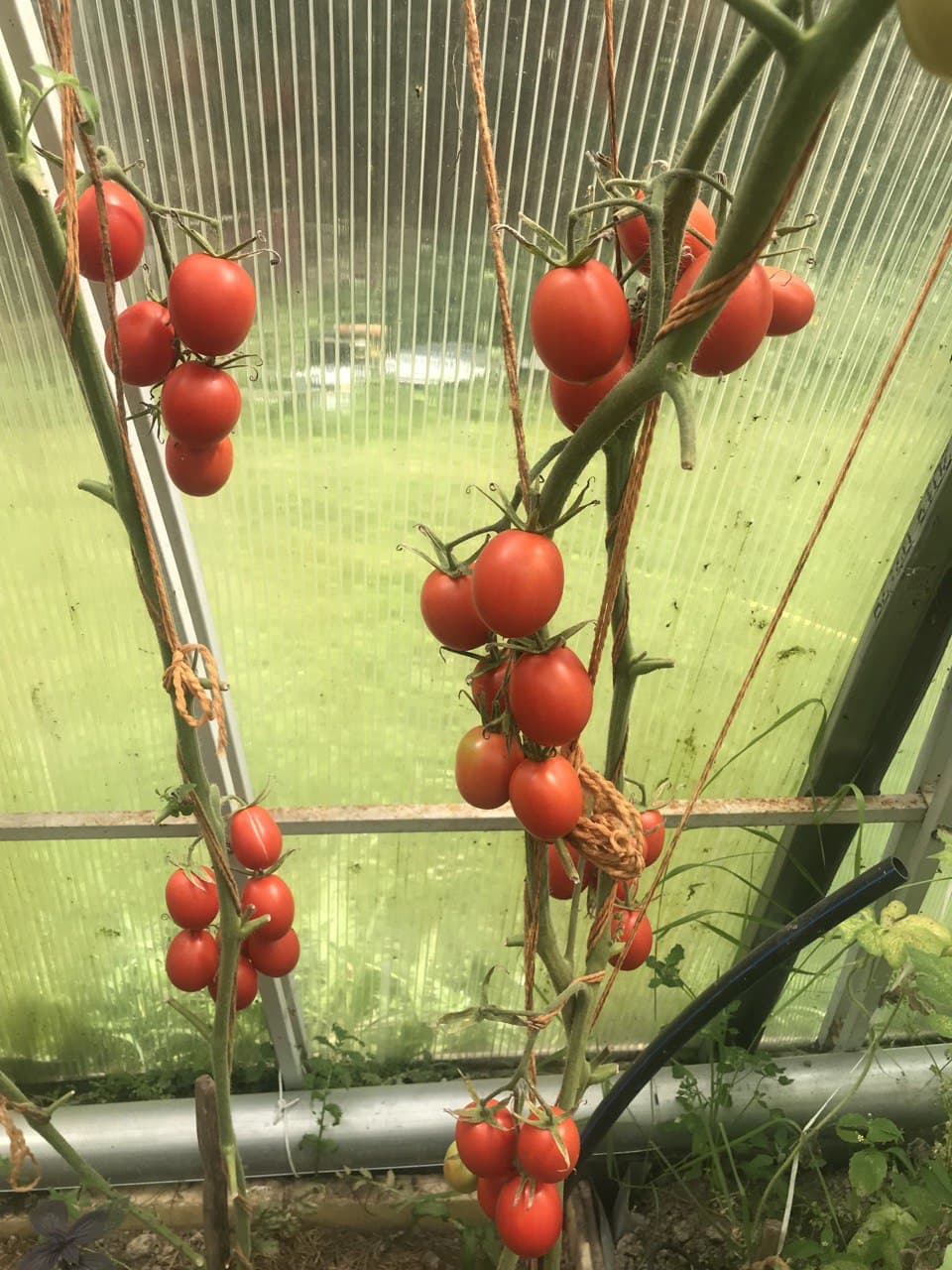
If the soil is poor, you can add specialized tomato fertilizers to increase the yield, but no more than 3-4 times per season.
It is necessary to periodically remove weeds from the garden bed, combining weeding with loosening the soil.
Resistance of the De Barao tomato variety to diseases and pests
The De Barao tomato variety is resistant to all common tomato diseases. It rarely even suffers from late blight. Despite this, gardeners recommend preventative treatment of plants with phytosporin or Bordeaux mixture.
If signs of insect pests appear, spray the plants with specialized products, such as Actellic, Karate, Biotlin, and others. However, stop using these products two weeks before harvest.
At the end of the season, brown spots may appear on the bushes, but this no longer affects the ripening of the crop.
Harvesting, using and storing the De Barao tomato variety
The harvest ripens in 115-130 days from the moment the seedlings emerge; in open ground it may occur a little later.
De Barao tomatoes can be picked from the bush even when unripe; they will ripen well at home.
Due to their modest size and sweet and sour taste, tomatoes are most often used for pickling and canning.
The fruits are easy to transport and store for a long time; tomatoes can be stored in a cool place for up to 2 months without losing their flavor.
Comparison of De Barao tomato varieties with other varieties in the table
Please note! How can you easily convert centners/ha to kg/sq.m? Simply divide by 100! For example, the Abakansky Pink tomato yields 400 centners of marketable fruit per hectare. This equals 4 kg per square meter. It's that simple! Also, keep in mind that typically no more than 3-4 plants are planted per square meter. This way, you can calculate the yield per bush. In the case of the Abakansky Pink, it's about 1 kg.
| Variety | Ripening period (number of days from full germination to ripening)
Yield of commercial fruits |
Brief description | Fetus |
| De Barao red | 120-130 days 500-600 c/ha |
A late-ripening indeterminate variety for open ground and greenhouses. Requires staking and training. Suitable for salads and whole-fruit canning. | Ovoid, smooth, red, 30 g. Excellent taste. |
| De Barao is a giant | 123-128 days
2000-2400 c/ha |
A high-yielding, indeterminate tomato variety with very large fruits, with shoots growing up to 270 cm. Suitable for both open and closed ground cultivation, it requires support, staking, and training. These tomatoes are suitable for fresh eating, as well as for making juices and pastes. They are not suitable for whole-fruit canning. | The tomatoes are oval-round in shape, have a dense skin, weigh 350 g. The taste is excellent. |
| De Barao royal | 110-120 days
1500 c/ha |
The bush grows up to 200 cm tall, is indeterminate, vigorous, and has dark green, narrow leaves. It requires staking and shaping. These tomatoes are suitable for fresh eating, salads, and other dishes. When canned, they can lose their shape due to their delicate skin, but are excellent for juices and sauces. | The fruits are pink, plum-shaped, and have a pointed tip. The thin skin may crack during canning. Weight: 150-170 g. Excellent flavor. |
| De Barao yellow | 110-120 days
1200 c/ha |
An indeterminate plant with a bush up to 200 cm tall. Recommended for growing under plastic cover. The bushes are formed into two shoots and require staking. This versatile tomato is well-suited for whole-fruit canning and can be used in dietary menus. | The fruits are round-oval with a smooth surface and a slight indentation at the base. Ripe fruits are bright yellow or golden in color, weighing 80-90 g. The flavor is excellent. |
| De Barao orange | 110-130 days 1000-1200 c/ha |
Grows well in open ground. In cooler regions, it can be planted in unheated greenhouses. This indeterminate, late-ripening variety grows up to 200 cm. It requires staking and training. It is suitable for salads and all types of canning. | The fruits are small, ovoid, with smooth, glossy skin. The flesh and skin are orange, weighing 120 g. The flavor is excellent. |
| De Barao pink | 111-119 days
600-1000 c/ha |
An indeterminate variety with a mid-season ripening period. It is used primarily for greenhouse cultivation. The foliage is medium, and the bushes barely reach 200 cm in height. The shoots are tied and pinched as they grow; the bush requires shaping. It is suitable for salads and all types of canning. | The fruits are oval, with glossy pink skin and a smooth top, 80-100 g. The taste is excellent. |
| De Barao the tiger | 120-125 days
300 c/ha |
This variety is suitable for growing in warmer regions of the country. The bushes are tall and require support and tying. The foliage grows quickly, so pinching is necessary. Suitable for salads and whole-fruit canning. | The fruits of this variety are round. The flesh is juicy, sweet, and pinkish. The skin is red with orange or greenish stripes, weighing 60-70 g. The flavor is excellent. |
| De Barao is black | 115-125 days
up to 800 c/ha |
A late-ripening indeterminate variety for open ground and greenhouses. Requires staking and training. Suitable for salads and whole-fruit canning. | Ovoid, smooth, purple-brown, 58 g. Good taste. |
| Abakan pink | 120 days or more
400 c/ha |
A late-ripening determinate variety for open ground and greenhouses. Requires staking and training. Suitable for salads and processing into tomato products. | Flat-round, slightly ribbed, medium density and pink in color, 200-500 g. Good taste. |
| Adelina | 82-109 days
242-447 c/ha, maximum 669 c/ha |
A mid-season determinate variety for open ground. Suitable for salads, whole-fruit canning, and processing into tomato products. Heat- and drought-resistant. | Egg-shaped, smooth, transportable red, 59-83 g. The taste is good to excellent. |
| Goose egg | about 100 days
700-800 c/ha |
A mid-season indeterminate variety for open ground and greenhouses. Requires staking and shaping. Suitable for salads and pickling. | Ovoid, large, orange-red, 200-300 g. Good to excellent taste. |
| Children's sweetness | 80-90 days
590 c/ha |
An early-ripening determinate variety for greenhouses. Suitable for salads. | Ovoid, smooth, medium-dense, red, 50-70 g. Excellent taste. |
| The Golden Fleece | 98 days
600 c/ha (greenhouse and under film) |
An early-ripening determinate variety for open ground and greenhouses. Suitable for salads and whole-fruit canning. | Ovoid, smooth, medium density, yellow, 90-100 g. Good taste. |
| The Swan Princess | 95-105 days
Up to 1500 c/ha |
An early-ripening indeterminate variety for open ground and greenhouses. Requires staking and training into 2-3 stems. Suitable for salads, pickling, and processing into tomato products. | Ovoid or elongated, smooth, red, 150-240 g. Good taste. |
| Black Moor | 115-125 days
480-530 c/ha |
A mid-season indeterminate variety for open ground and greenhouses. Requires staking and training. Suitable for salads and whole-fruit canning. | Egg-shaped, smooth, brown, 45 g. Excellent taste. |
| Raspberry Joy | 90-95 days
1400 c/ha (greenhouse and under film) |
A low-growing determinate variety. Suitable for salads and canning. | Ovoid, bright pink, ribbed, with a dense skin, 100-150 g. Tomato flavor. |
| Easter Egg | 100-103 days
2000 c/ha |
A mid-early indeterminate variety for open ground and greenhouses. Suitable for salads and canning. | Plum-shaped, slightly ribbed, two-colored red-orange, up to 60 g. The taste is good and excellent. |
| Siberian miracle | 110-115 days
The yield of commercial fruits under film covers is 10 kg/sq.m. |
A mid-season indeterminate variety for open ground and greenhouses. Requires staking and shaping. Suitable for salads. | Ovoid, smooth, medium density, red, 150-200 g. Good taste. |
Gardeners' reviews of De Barao tomato varieties
Gardeners unequivocally acknowledge the De Barao variety's ease of cultivation and remark on its excellent immunity. The yield is excellent, and fruiting lasts for several weeks. Furthermore, if the weather worsens, the tomatoes can be picked from the bush and will ripen further indoors.
Feedback: Hello gardeners and vegetable growers. I'd like to share with you the high yield of the 'De Barao' tomato. Two years ago, I was visiting my in-laws and saw
What a harvest of these tomatoes. In a small plot there were a lot of tomatoes, red
and yellow. I asked the matchmaker for a tomato for seeds. Now I'm growing this one too.
wonderful tomato variety "De Barao".
The seeds germinate well, and the seedlings are strong and healthy. And they feel good in the soil.
magnificent, rapidly rising upward. I am grateful to the matchmaker for these tomatoes.
It's nice to go into the tomato jungle and harvest your own crop.
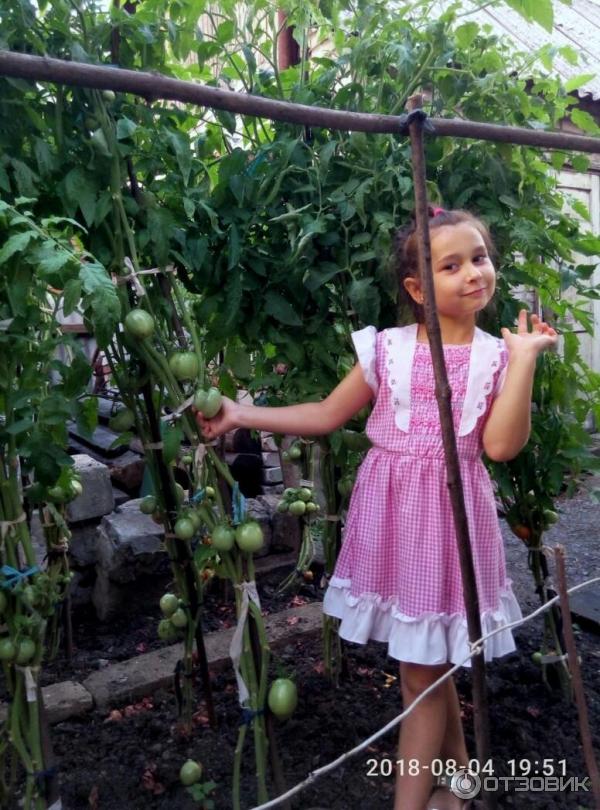
This tomato variety is another classic garden variety. Many varieties and hybrids have now been developed based on this variety, in what I believe are all tomato colors. But the seeds of this classic tomato are starting to get lost in this diversity.
We grow this variety exclusively for pickling whole tomatoes. This tomato is simply ideal for this purpose. We plant two bushes in the center of the greenhouse. This tomato is very tall. It definitely reaches three meters in height and wants to grow even higher. Naturally, it needs to be pinched at a certain point. We train it into 2-3 stems. Staking is essential. And we keep an eye on the side shoots. One bush can yield up to 5 kilograms of tomatoes. Or even more. Even this year, the harvest was good, although the summer wasn't great for tomatoes.This time, I found a classic variety from the Poisk agricultural firm. The seeds are inexpensive.
The seed packet is standard for this manufacturer. The expiration date is December 2019. Germination is very good.
Although this tomato produces small fruits, its seeds are quite large for a tomato—two to three times larger than those of large-fruited tomatoes.
The fruits are small, no more than 100 grams. Almost all the tomatoes are the same size. This is also very convenient for canning. In a jar, everything is uniform. We don't use this tomato fresh; it's a bit dry. You can freeze it for the winter. After picking, the fruits can be safely stored in the refrigerator for 2-2.5 months without any problems.
Although this tomato is tall, it's almost immune to late blight from mid-season onward. The fruits can be left to ripen until September. It's also perfectly suitable for growing outdoors. It's resistant to late blight, but the plant's height makes this difficult. It's probably better to use shorter varieties. However, the seeds of these varieties are significantly more expensive.
If you're looking for a good, productive tomato variety for pickling or marinating, this is probably the best. I highly recommend it!
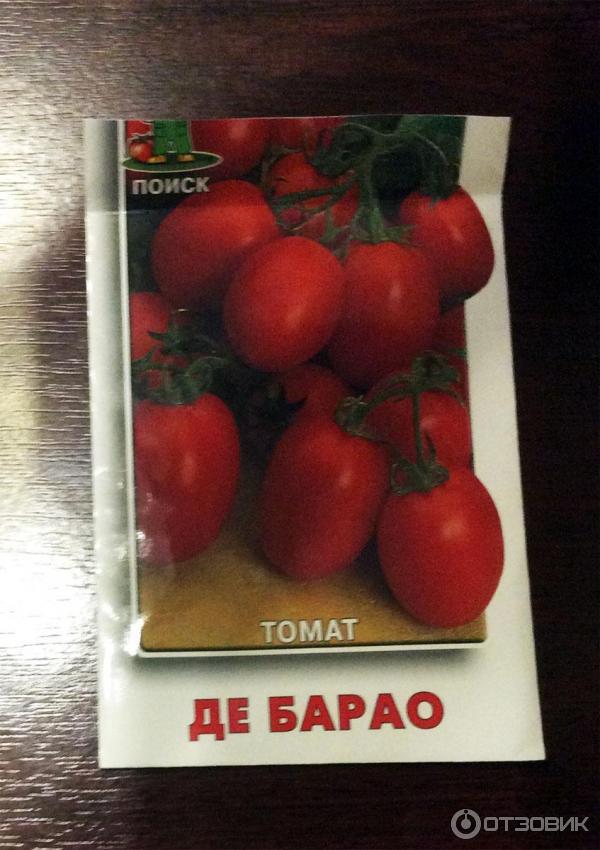
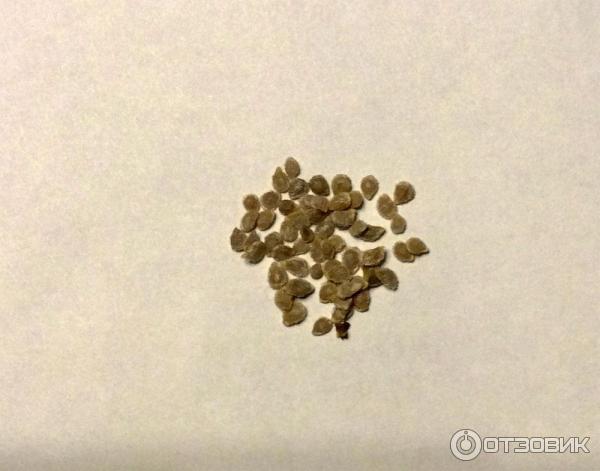
I first encountered the De Barao variety back in 2014. Now I only look for them, fortunately there are many varieties of this variety – red, pink, and yellow, to suit every taste.
What I liked:
almost all seeds germinate;
the seedlings turn out strong and viable;
feels good in an open bed;
the whips grow huge - it's just like a jungle;
the harvest, especially the first harvest, is almost a kilogram per bush at a time.
Unlike other varieties, it resisted infections and sunburn. It's not fussy and easily tolerates our +42°C (104°F) sun.
If you feed it with nitrogen, it will grow like a bean tree from a fairy tale!
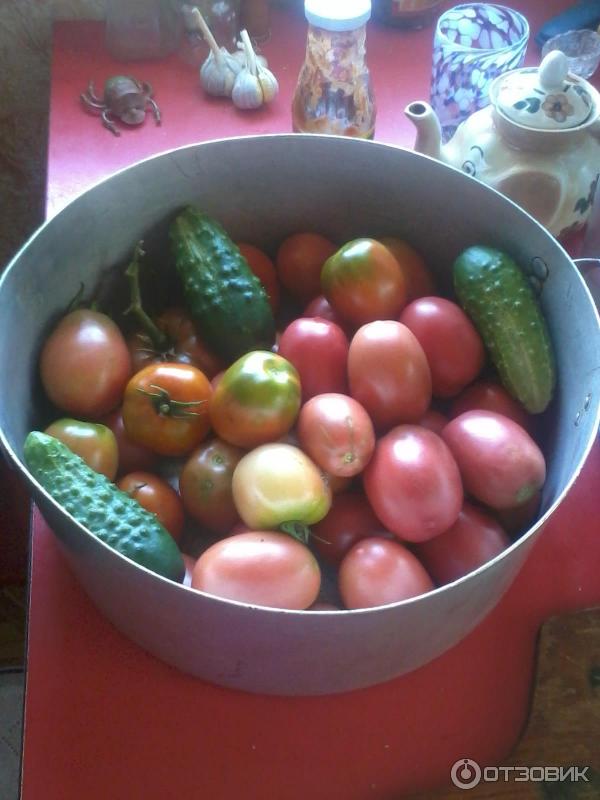
The photo shows my first harvest, collected from 3 bushes.
I really wanted to choose good varieties of tomatoes for greenhouse planting in my region.
I read good reviews about the tomato seeds "De Barao" from Poisk and purchased two varieties of this variety: "De Barao pink" and "De Barao black".
My plot is located in northwestern Russia near St. Petersburg, so tomatoes can only be grown in a greenhouse. However, these tomatoes can be grown both in the open ground and in a greenhouse.
I planted the seedlings on March 1st. The seeds sprouted evenly, almost all of them.
I transplanted the seedlings into pots at the end of March. The seedlings grew evenly and didn't stretch out.
Spring was warm this year, and I planted the seedlings in the greenhouse at the beginning of May. (This is very early for our area.)
The first fruits were set on the "De Barao Pink" tomato plant. The tomato plant was about 1.5 meters tall. It produces numerous tomatoes per plant. The tomatoes are medium-sized. By mid-July, we had already tasted the first tomatoes, but they weren't pink, but red and delicious.
The "De Barao Black" tomato variety produced fruit later, but there were still plenty of them on the bush. The tomatoes themselves weren't large, however, significantly smaller than the first variety. The bush grew to a height of 2 meters, forming two trunks. We sampled the first tomatoes in early August. The tomato bushes of this variety were still bearing fruit in September, when other varieties (except for the "Sweet Million" cherry tomatoes) had already stopped setting fruit.
I really liked both varieties for their productivity and disease resistance. I will grow them.
What I didn't like: these tomatoes didn't store well for me. I grew a lot and wanted to keep them fresh, but it didn't work out. I had to can them (I didn't want to). Maybe I did something wrong. I'll see what happens next year.By accident, I mistakenly planted 3 stems of the tomato "De Barao Black" in open ground.
The bushes grew to about 50-70 cm and produced fruit, but not as much as in the greenhouse. The tomatoes grown in the open ground stored well. (I still have a few left.)
This is a very good variety. It's an indeterminate plant type, with vines reaching up to three meters in open ground in our warm southern climate. Some say they grow taller, but I haven't seen them. Fruiting begins in earnest around the 100-110th day, depending on the weather. It has excellent flavor. It's easy to grow and very disease-resistant. It doesn't require chemicals. When growing, it's worth watering with yeast a couple of times per season, and with manure-infused water once a week. If it's extremely hot, water three times a week, although some advise against it. TOMATOES HAVE BEEN grown both in the ground and in greenhouses, and everyone has different techniques. But this is a very good variety, and I highly recommend it.
I first tried this tomato variety about 20 years ago, when I was relatively new to planting tomatoes. And, of course, it was a complete failure. Poor pruning resulted in a veritable jungle growing in the greenhouse, and I barely saw any tomatoes. I was very disappointed. But a few years later, I had the opportunity to compare several tomato varieties at the table. I really liked the taste of one variety, and it turned out to be the De Barao variety. By then, I had learned the basics of side-sonning well and tried planting this variety again. And here's what I came up with.
The De Barao variety is indeterminate, with unlimited growth, reaching up to 3 meters in height. The bush is strong and beautiful. Staking and pruning are certainly necessary, but the sheer number of fruits is a delight to the eye. And the taste… it's superb. The small fruits are perfect for canning and other preserves. The only drawback (if you can call it a drawback) is the late ripening. But the taste of the tomatoes is worth the wait. I highly recommend them.
Of all the De Barao varieties (I've planted Pink, Red, Orange, Golden, and Tsarsky), I liked the Black De Barao least. It has the smallest fruits compared to other De Barao varieties, and I didn't like the taste at all.
I had a black de Barao (Aelita) that was very tasty, productive and resistant to FF.
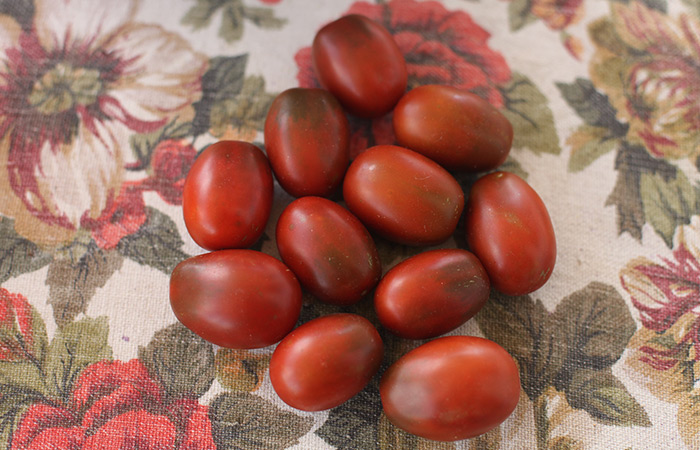
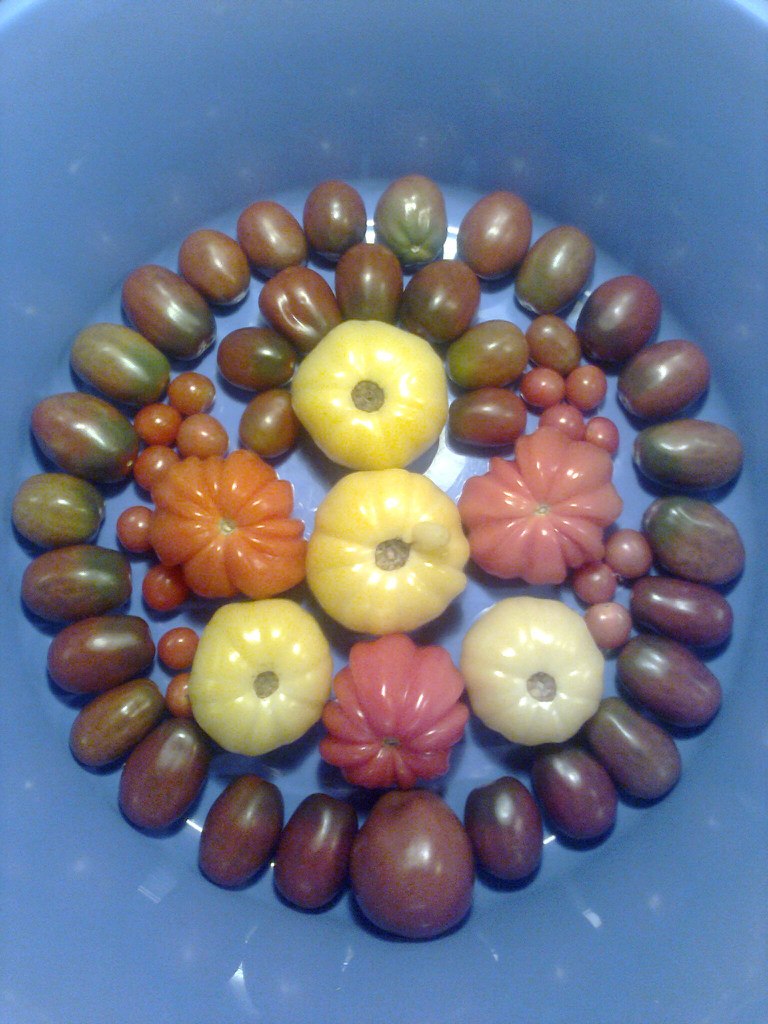
I had a black De Barao from Dom Semyan. It was very productive, growing in the darkest corner of the greenhouse on the north side, and was over 2 meters tall. I planted it late, on April 10th, and it sprouted on April 17th, outperforming all the others, yielding and ripening the fastest. The appearance and yield were superb, and the flavor was a decent 4. It's a bit soft for pickling, but it's good enough. I'm definitely planting it this year, alongside red, pink, orange, yellow, and gold De Barao. If the photo loads, the black DB is surrounded by a perimeter and is in company with white sugar, mushroom basket, and ampelous varieties from Gusev, as well as black Japanese truffle (the one at the very bottom).
I had a De Barao from Poisk. It was very productive, lasted a long time, and had no problems. It kept well, but the flavor was disappointing.
We loved the black barao from Udachnye Semeny. The first tomato was delicious right away, sweet and sour, a perfect combination. I give it 5 stars for the flavor. The bunches were full of tomatoes. There was some topping, but not much.
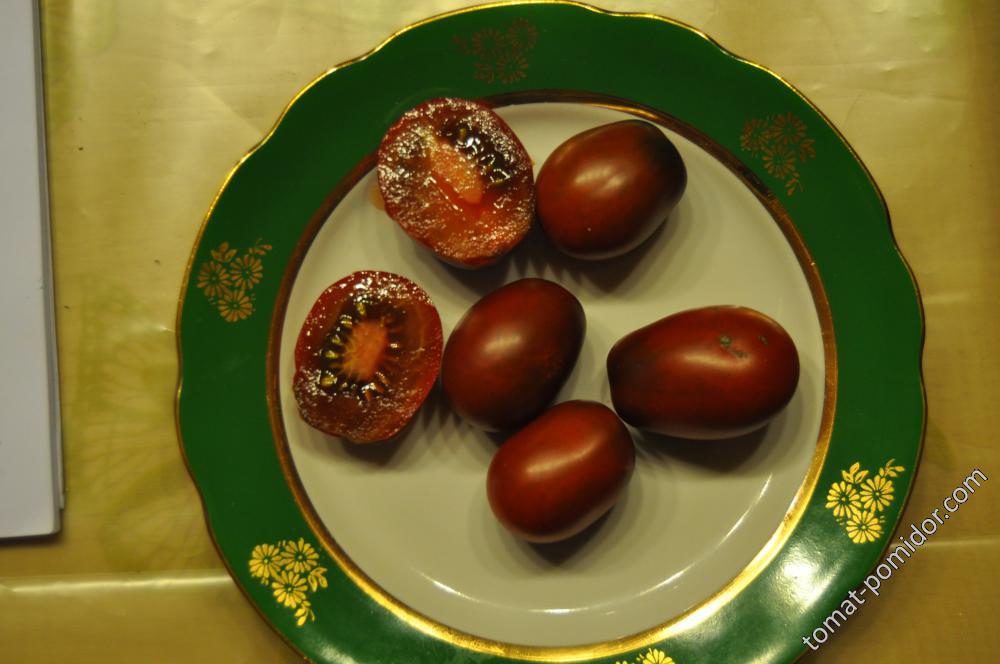
— External description of the bush: mid-early variety, tall, indeterminate, powerful,
— Fruit setting is continuous, it sets fruit constantly, and still bears fruit abundantly,
— The height of the bush at 2.8 m is about 1.5 m, at 6.9 m – 1.7 m,
— The clusters are dense, with 7-8 fruits,
— Fruit: cream without a spout, brown-burgundy,
— The density of the ripe fruit is high,
— The taste is juicy, meaty, delicious, sweetness is 5.
First impression: a tasty, productive tomato. A proven variety.
Seedling rating: 4, bush rating: 4+, fruit rating: 4+, overall variety rating: 4+.
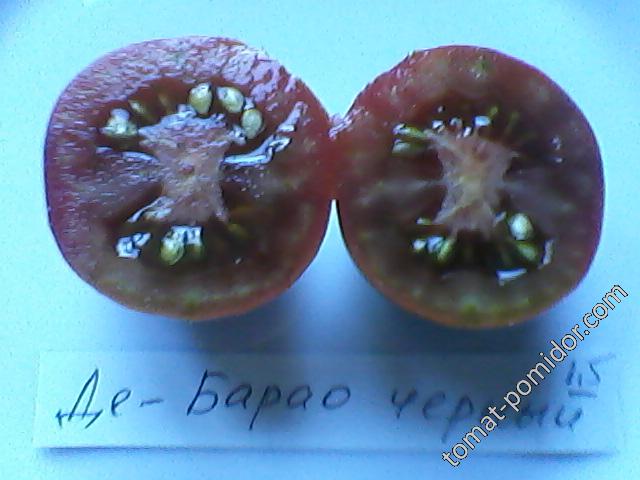
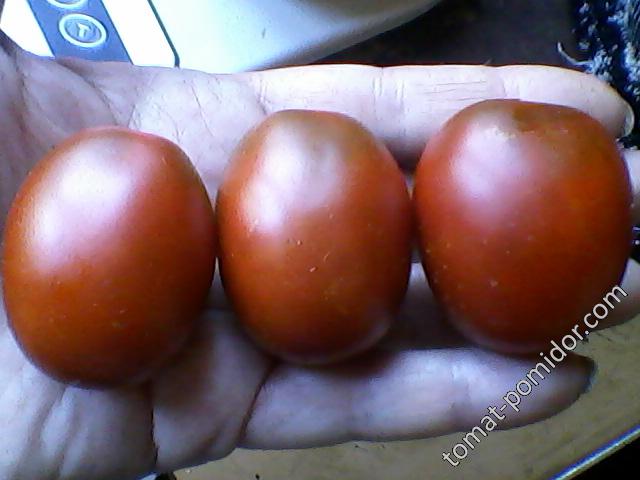
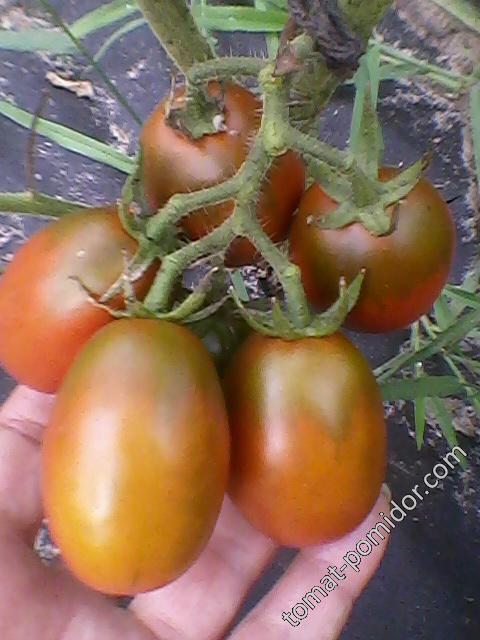
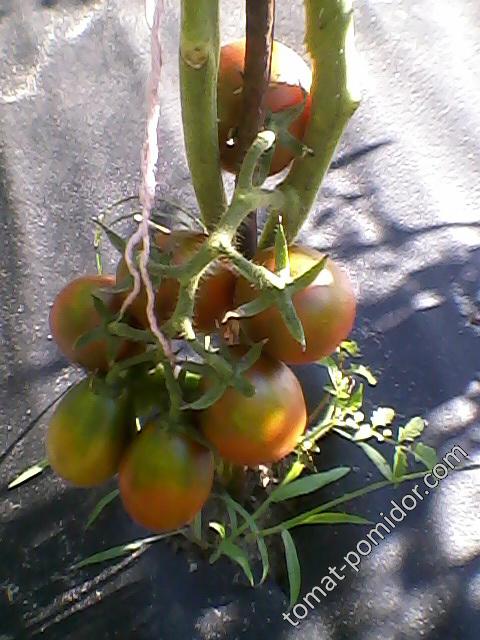
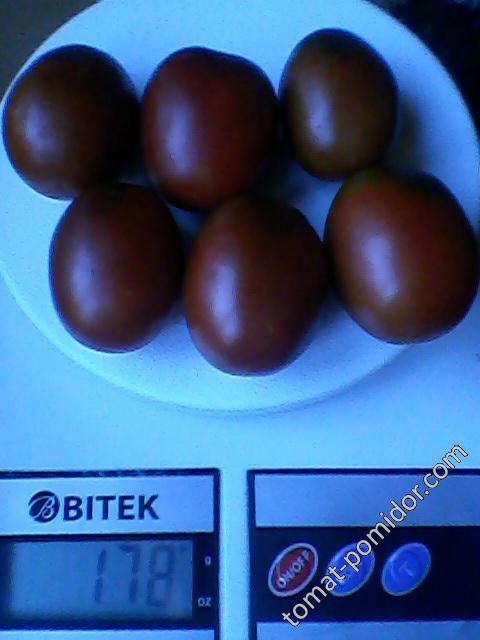
Seeds from Belaya Dacha.
My own description, based on growing in my mother's greenhouse. Indeterminate, late, double-stemmed, plum-shaped, small, productive, red-black, soft for pickling, sweet. Opinions vary on morbidity, good shelf life, ripens well.
Grew in a greenhouse. There's no cross-sectional photo; I forgot to take one. It's a good, fruitful variety. The fruits are calibrated. Perfect for drying! Unfortunately, the skins tend to split when canning—we used their own juices, and they all turned to mush.
Tall.
Interesting fact. My mom also planted these lamb radishes, from the same bag. I compared them just the other day. Mine were larger and lighter in color, and the flavor was so-so, not very pronounced, although sweet. My mom's were smaller, with tougher skins, dark, and so sweet! I can even eat them without salt. The flavor is very rich, sweet and sour. That's why I love them.
Experience growing this variety in the summer of 2016 near St. Petersburg. Alena's description is completely accurate, even in our growing conditions, in terms of both size and taste. This is the first of all the varieties to begin ripening its first bunches in mid-July. The flavor is different from classic tomatoes, but our family liked it. The only problem is that all the fruits cracked in the preserves, apparently due to the very thin skin.
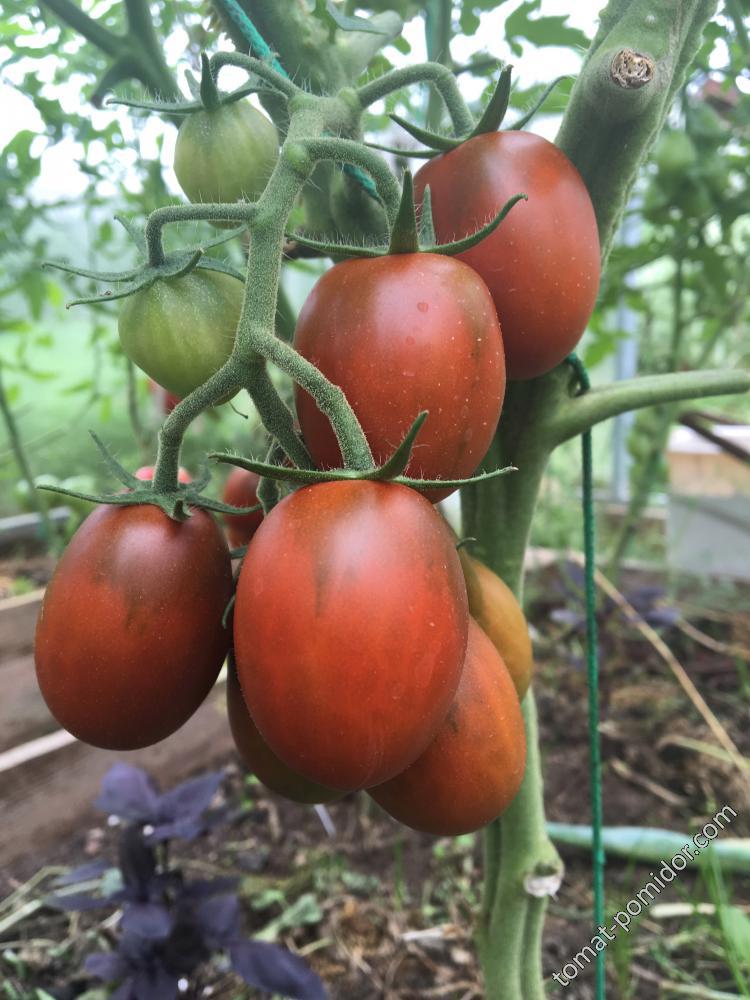
I liked the De Barao nigra. It was productive in the greenhouse, reaching up to 2 meters in height, with a mid-season ripening period. The fruits are tasty, tender, and sweet.
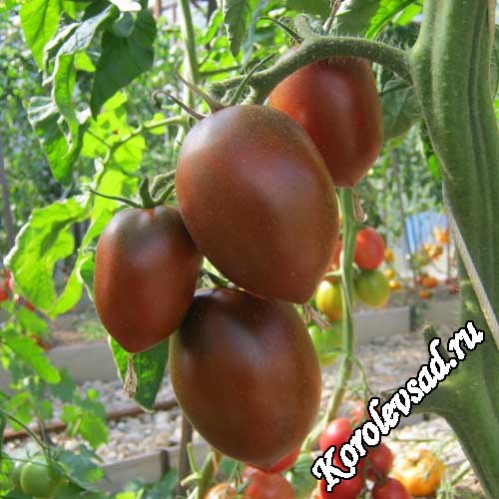
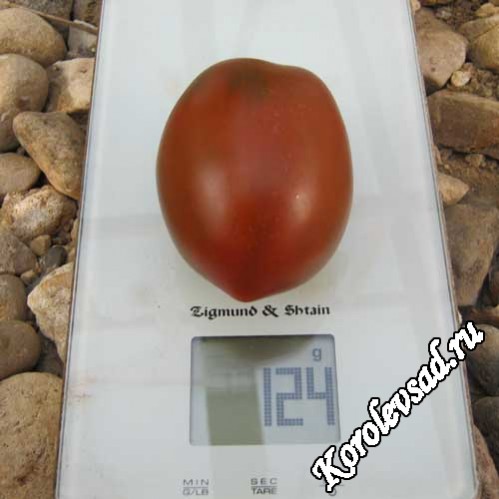
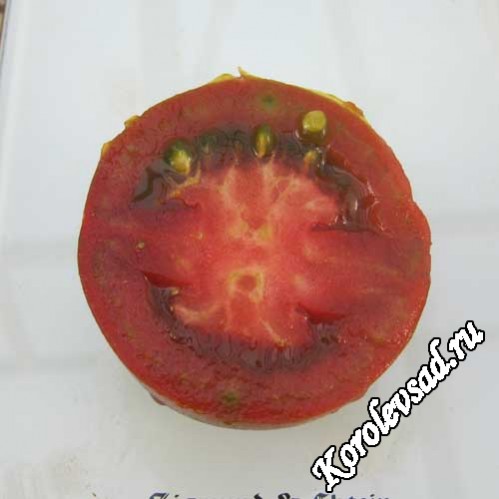
This is what we had in July. We canned a lot from 5 bushes. There are no ripe ones in the photo because we were constantly picking them. They fruited like crazy until the frost. We ate straight from the bush from June to November. I don't have much experience, but out of 30 varieties last year, this one is my favorite. My favorite variety for canning. I bite off the spout, drink, and then move on.
This year I will plant the entire line of debarao flowers plus royal.
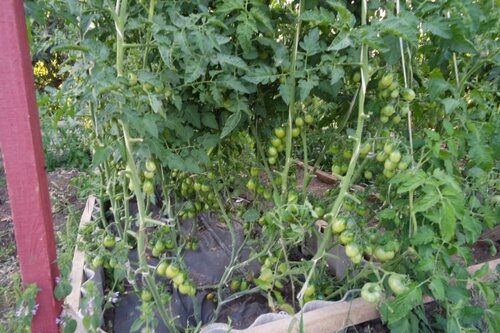
My black De Barao from SeDek grew to about 2 meters in the open ground on a trellis, it set well, and the fruits (especially in the first bunches) were quite large (more than 100 grams), and it also turned out to be good in taste (sweet with a pleasant sourness, moderately juicy and dense), better than the red and pink De Barao (seeds from Gavrish), although here I suspect that Gavrish slipped me a mixed variety