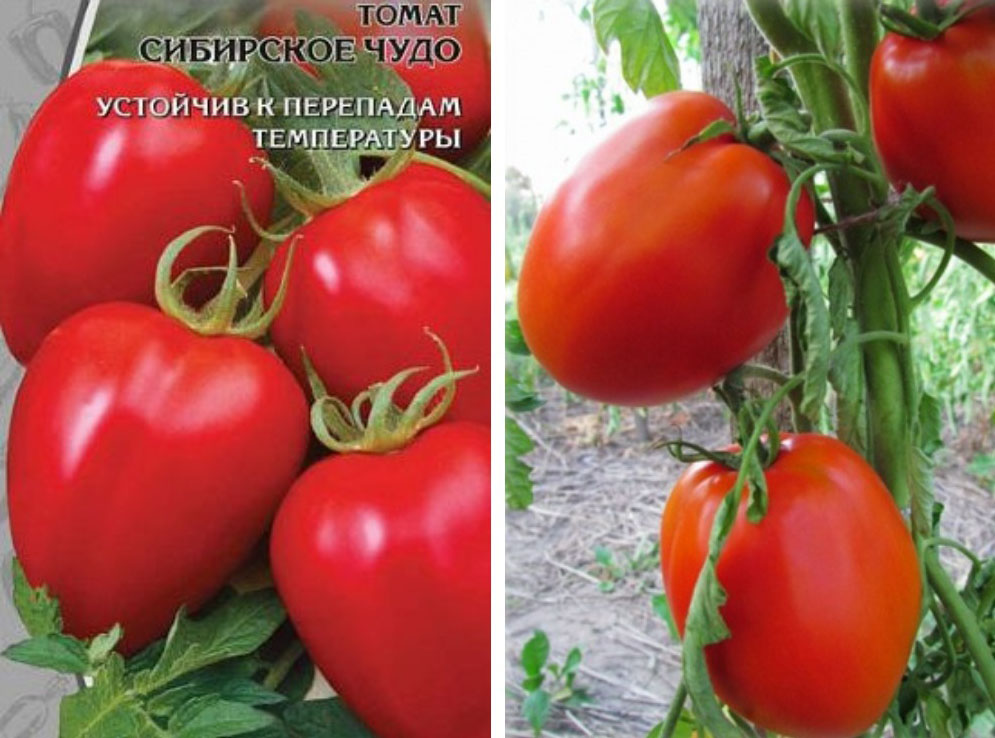
The Siberian Miracle tomato is ideal for growing throughout Russia. It can be planted in a greenhouse or grown in an open garden bed, while maintaining high yields.
Content
- 1 Table with characteristics of the Siberian Miracle tomato variety
- 2 Photo gallery of the Siberian Miracle tomato variety:
- 3 The origin of the Siberian Miracle tomato variety
- 4 A detailed description of the Siberian Miracle tomato variety
- 5 Advantages and disadvantages of the Siberian Miracle tomato variety
- 6 Growing the Siberian Miracle tomato variety
- 7 Resistance of the Siberian Miracle tomato variety to diseases and pests
- 8 Collection, use and storage
- 9 Comparison of the Siberian Miracle tomato variety with other varieties in the table
- 10 Gardeners' reviews of the Siberian Miracle tomato variety
Table with characteristics of the Siberian Miracle tomato variety
| Characteristic | Description |
| Description | An indeterminate tomato with a medium ripening period, intended for cultivation in open ground and greenhouses. |
| Ripening period | 110-115 days |
| Fruit weight | 150-200 g |
| Description of the fruit | Smooth, ovoid fruits of medium density, red color |
| Productivity | Up to 10 kg per sq.m. |
| Usage | A salad tomato variety. Used for fresh eating, drying, and processing into sauces. |
| Preferred growing regions | It is intended for cultivation in different regions, including the Urals and Siberia. |
| Disease resistance | It has a strong immune system and rarely gets infected with late blight. |
| Agricultural technology | The bush needs to be tied up and shaped. |
| 2007 | |
| Country of origin | LLC AGROFIRM 'DEMETRA-SIBERIA' |
Photo gallery of the Siberian Miracle tomato variety:
The origin of the Siberian Miracle tomato variety
Siberian regions are characterized by harsh conditions, in which not every crop can survive. Therefore, breeders have long been concerned with developing tomato varieties that can withstand extreme weather conditions and produce excellent yields. The Siberian Miracle variety is one such variety, designed for cooler regions. It was developed in the early 2000s and was added to the State Register in 2007.
A detailed description of the Siberian Miracle tomato variety
Siberian Miracle is an indeterminate tomato that is characterized by early ripening and simple cultivation techniques.
Bushes
Indeterminate shoots grow throughout the growing season, so tomatoes require regular pinching. For best yield, training the bush into 1-2 stems is recommended.
The leaves are fairly large and dark green. They are removed from the lower part of the stem as the fruit forms, so the plant doesn't waste energy on developing green mass.
Fruit
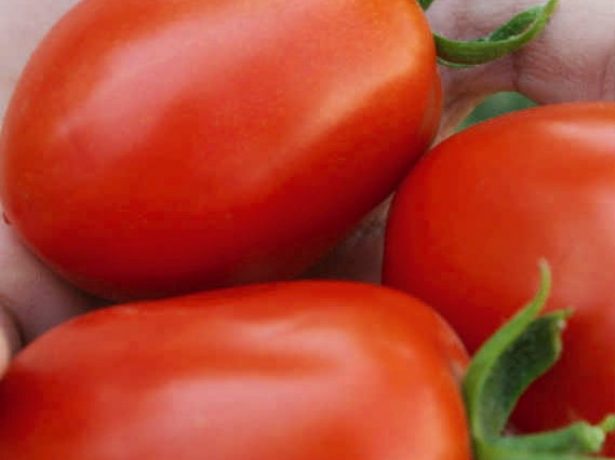
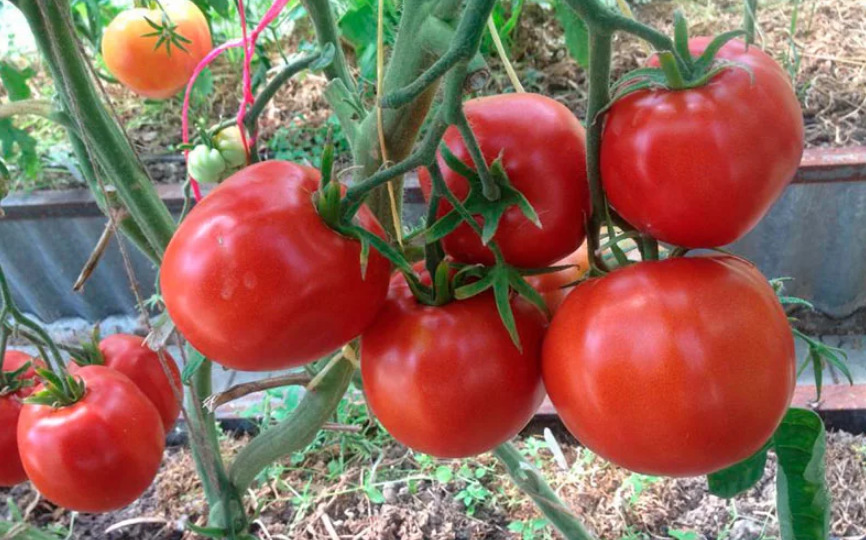
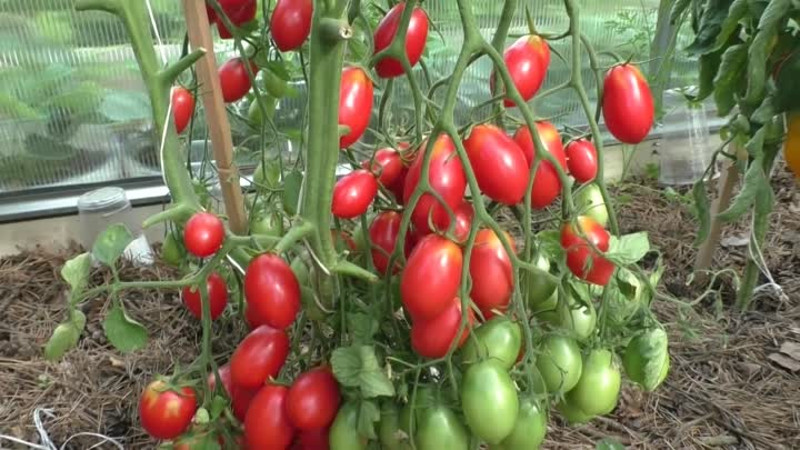
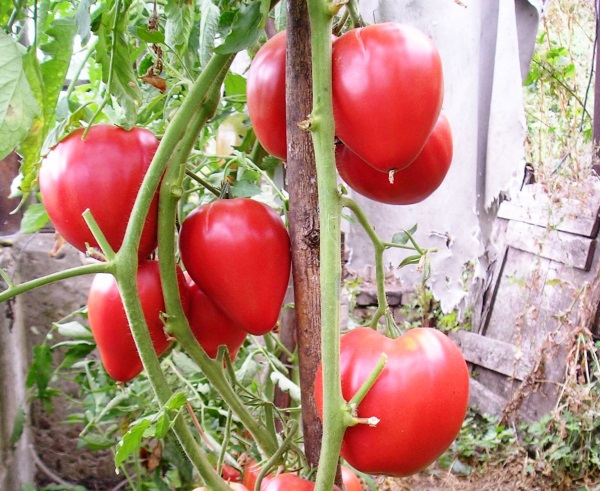
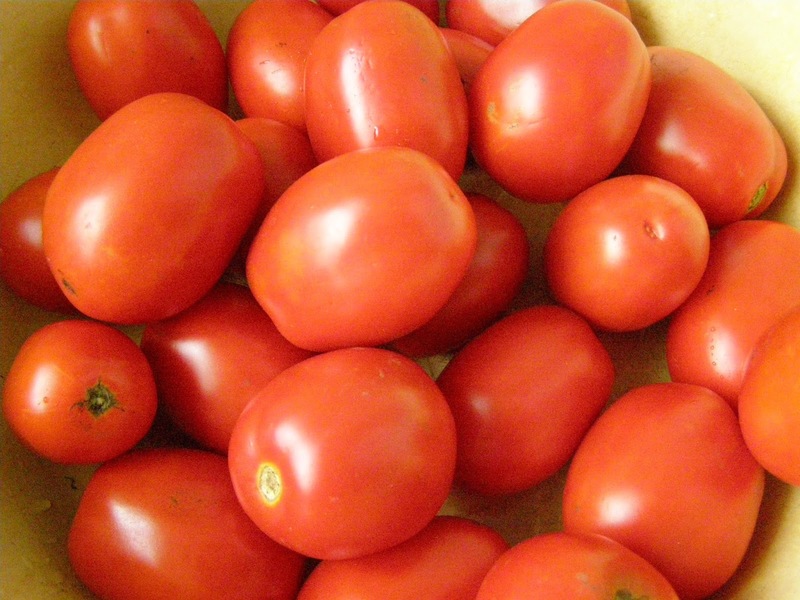
The fruits of the Siberian Miracle are distinguished by their egg-shaped form, popularly known as "cream." Their surface is smooth, without ribbing. The tomatoes are bright red, sometimes with a raspberry hue. Ripening occurs unevenly, in waves. But fruiting lasts a long time.
The flesh is dense, juicy, and sweet. There are four seed chambers, and the seeds themselves are small and present in small numbers. Tomato weight varies from 150 to 200 g, but during the first flush of ripening, tomatoes on the lower tiers can reach up to 350 g.
The dense skin prevents tomatoes from cracking on the vine and allows for long-distance transportation without loss of quality. Tomatoes can be picked from the vine at the technical ripeness stage. They will ripen at home.
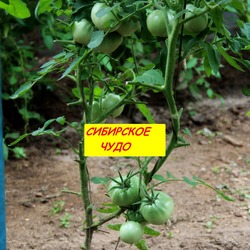
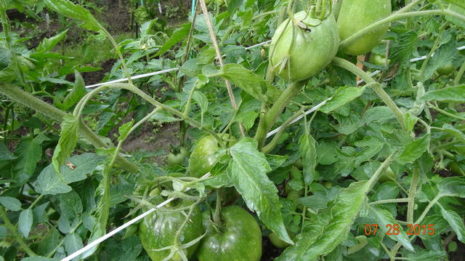
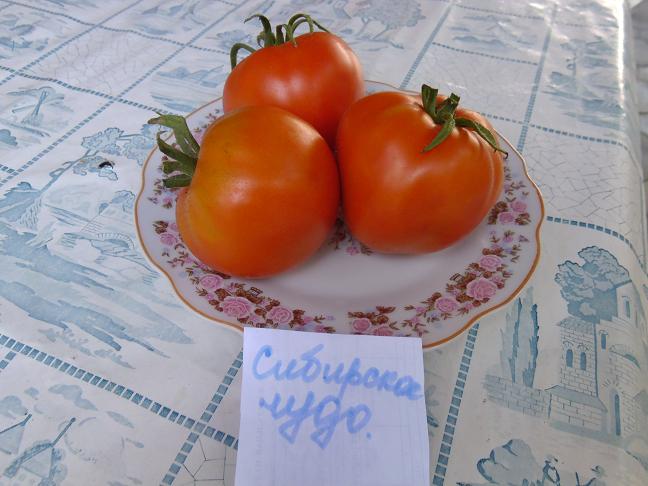
Interesting: There's a similarly named variety, "Sibirskoe Chudo" (Siberian Miracle), from the Siberian Garden agrofirm. Unlike the tomato described above, it produces round fruits, which aren't listed in the registry. We've covered two varieties of "Sibirskoe Chudo" in our reviews.
Productivity
The Siberian Miracle variety is considered average in terms of yield. Typically, about 10 kg of fruit can be harvested per square meter. In a greenhouse, with proper care, this figure can be slightly higher.
Ripening time
From germination to full ripening, tomatoes take 110 to 115 days. During unfavorable weather, which may occur late in the season, the crop may be harvested before it's fully ripe.
Advantages and disadvantages of the Siberian Miracle tomato variety
The Siberian Miracle variety, like any other tomato, has its advantages and disadvantages. These are listed in the table below.
| Advantages | Flaws |
|
|
Growing the Siberian Miracle tomato variety
The Siberian Miracle tomato is truly unique – it's completely easy to grow and adapts perfectly to even the most challenging conditions of the harsh Siberian regions.
Sowing seeds and growing seedlings
Seeds are sown 60-65 days before transplanting into open ground. However, before planting, it's important to properly prepare the seedlings to ensure maximum germination:
- Disinfection. Prepare a weak solution of potassium permanganate, soak the seeds in it for 20 minutes, then remove and rinse with clean water.
- Soaking. To strengthen the seeds and give them the strength they need for future development, soak them in a stimulating solution, such as Epin.
- Germination. Some gardeners mistakenly ignore this step – sprouted seeds germinate much faster than dry ones. To do this, place them in a damp cloth for two days and leave them in a warm place.
Any container will do for seedlings: a wooden box, a plastic container, a peat pellet, or cups. The soil is prepared from equal parts garden soil, humus, peat, and sand. To kill harmful microorganisms, it will need to be baked in the oven. Alternatively, you can use a ready-made soil mix from the store.
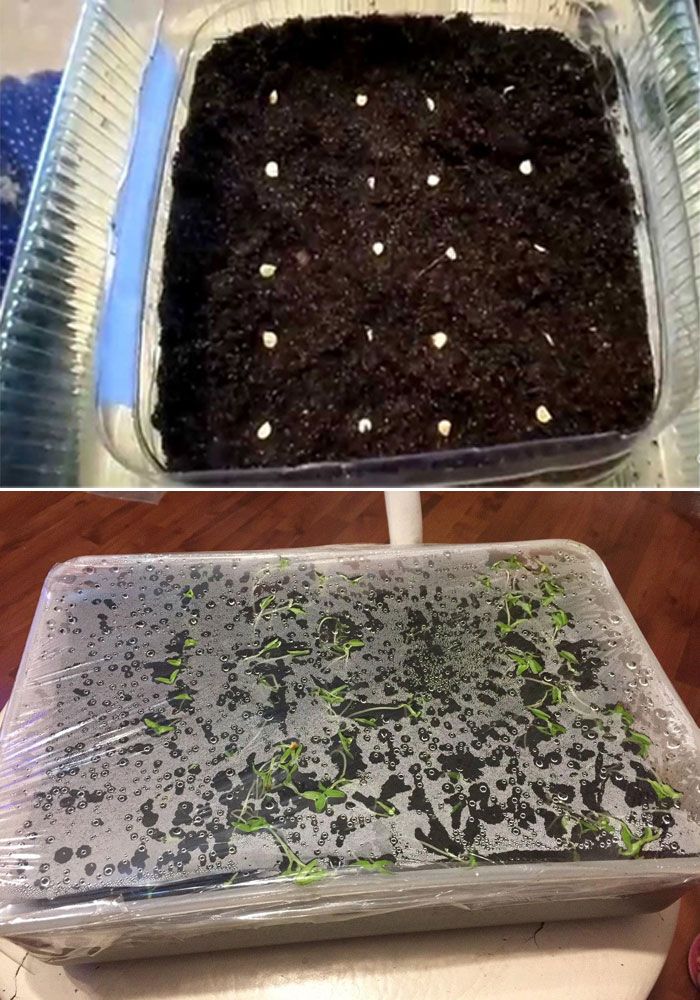
Fill the selected container halfway with soil, and carefully arrange the seeds on top. For convenience, you can make furrows 1 cm deep and spaced 2-3 cm apart. After planting, cover the seeds with a 1 cm layer of soil and water them with a spray bottle. If you don't have one, you can use a syringe or a teaspoon. The final step is to create greenhouse conditions by covering the container with plastic wrap or glass.
Next, leave the seedlings in a warm place. Periodically, remove any condensation that has accumulated inside. Once the seedlings have grown sufficiently, remove the cover and place them in a cooler location with a temperature no higher than 20°C for about 10 days, then return them to a room with a temperature of 22°C to 24°C.
Watering is carried out as needed, and to compensate for the lack of light, you will have to install a special lamp, otherwise the stems will stretch out.
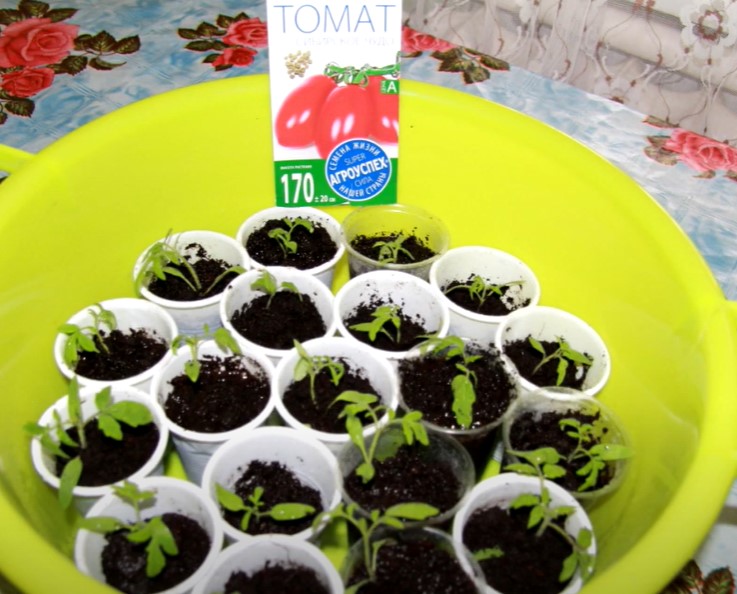
When 3 true leaves appear on the shoots, the tomatoes need to be transplanted into separate containers.
It's recommended to harden off the seedlings 10 days before the planned planting date. To do this, place them on a veranda, balcony, or outside during the day, first for an hour, and then for a longer period.
Planting in the ground
The Siberian Miracle tomato is an easy-to-grow plant. It tolerates temperature fluctuations and other weather conditions well. However, before planting, you still need to wait until the soil warms up to 14°C. Some gardeners speed up this process by covering the bed with black plastic.
Dig holes in a prepared and dug bed. The frequency of planting depends on the bush's development. If it will grow as a single stem, you can leave a distance of 50 cm between the tomatoes. If you plan to grow two stems, the distance should be at least 65 cm.

It is recommended to leave the row spacing at 70 cm to make it easier to care for the tomatoes and harvest the crop.
After planting, it's advisable to mulch the bed with sawdust or straw. This will protect the roots, retain moisture in the soil, and limit weed growth.
There is no need to apply additional fertilizer at this stage; the plant needs to adapt to the new location.
Care, watering and fertilizing
Caring for the Siberian Miracle tomato doesn't require a lot of effort from gardeners. The only thing you need to monitor when growing it is the amount of water. The plant doesn't like overwatered soil. Increase the amount of water to 5 liters per plant only during the flowering and fruiting stages; otherwise, pouring a liter of water per hole is sufficient.
It's best to water in the evening using settled water that has been warmed by the sun outside. In hot weather, gardeners should water the bed 3-5 times a week. In cool weather, this should be done much less frequently to prevent the development of fungus.
Ten days after transplanting, the tomato plants can be treated and fertilized. To prevent disease, spray with Bordeaux mixture or a Fitosporin solution. To enrich the soil with beneficial micronutrients, apply a complex fertilizer designed for tomatoes. For those who prefer organic fertilizers, a mullein solution or an infused green weed solution is recommended.

It's important to periodically loosen the garden bed, which gardeners typically combine with weeding. Don't ignore the spaces between rows—weeds there attract various pests and are a source of dangerous diseases, so they must be removed.
Resistance of the Siberian Miracle tomato variety to diseases and pests
The Siberian miracle is distinguished by its strong immunity. It is rarely affected by viruses and fungi, but late blight can occur with increased humidity and overwatering of the soil. To protect the plantings from dangerous pathogens, spray the bushes with Fitosporin or Bordeaux mixture at intervals of 10-14 days.
If the disease has already manifested itself, Fitosporin may be ineffective. More powerful treatments will be needed. However, these should only be used two weeks before harvest to allow all harmful substances time to evaporate.
Read about various tomato diseases and how to control them on our website.57 tomato diseases with photos and treatment tables + 19 resistant varieties.
Collection, use and storage
The harvest takes approximately 115 days from germination. Fruiting continues until September, so gardeners often pick tomatoes from the vine while still green and store them indoors to ripen.
Their dense skin allows them to be stored for a long time without losing quality and transported over long distances without damage.
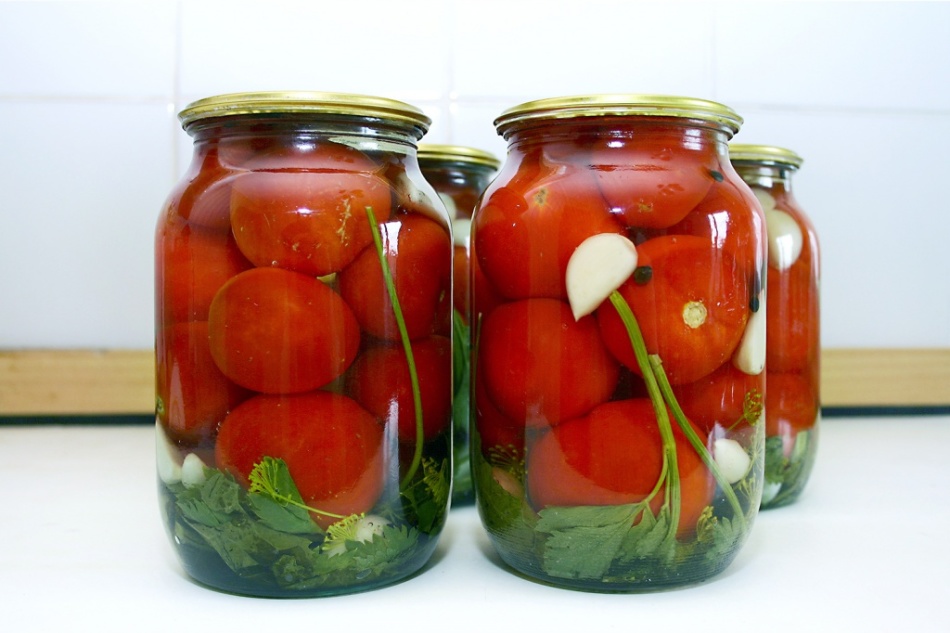
Thanks to their small size and convenient egg-shaped shape, tomatoes fit easily into jars and are used for whole-fruit canning. They are also processed into sauces, dried, cured, and eaten fresh.
Comparison of the Siberian Miracle tomato variety with other varieties in the table
Please note! How can you easily convert centners/ha to kg/sq.m? Simply divide by 100! For example, the Abakansky Pink tomato yields 400 centners of marketable fruit per hectare. This equals 4 kg per square meter. It's that simple! Also, keep in mind that typically no more than 3-4 plants are planted per square meter. This way, you can calculate the yield per bush. In the case of the Abakansky Pink, it's about 1 kg.
| Variety | Ripening period (number of days from full germination to ripening)
Yield of commercial fruits |
Brief description | Fetus |
| Siberian miracle | 110-115 days The yield of commercial fruits under film covers is 10 kg/sq.m. |
A mid-season indeterminate variety for open ground and greenhouses. Requires staking and shaping. Suitable for salads. | Ovoid, smooth, medium density, red, 150-200 g. Good taste. |
| Siberian pirouette | 85-100 days
The yield of commercial fruits is 6.0-6.5 kg/sq.m. |
An early-ripening determinate variety for open ground and greenhouses. Requires staking and training. Suitable for salads, pickling, and whole-fruit canning. | Cylindrical, smooth, dense, resistant to cracking, red, 65-70 g. Excellent taste. |
| Siberian Troika | about 120 days
600 c/ha |
A mid-season determinate variety for open ground. Suitable for salads and canning, including whole-fruit preserves. Heat-resistant. | Cylindrical with a spout, smooth, dense, red, 80-100 g (up to 200 g). Excellent taste. |
| Siberian grape | 110-120 days
The yield of commercial fruits in open ground was 8.5 kg/sq.m. |
A mid-late determinate variety for open ground and greenhouses. Suitable for salads. | Cylindrical, medium density, slightly ribbed, red, 89 g. Good taste. |
| Siberian garland | 90-95 days 1700-1900 c/ha |
An early-ripening indeterminate variety for open ground and greenhouses. Suitable for salads. | Flat-round, large, smooth, dense, red, 260 g. Excellent taste. |
| Siberian Shan'gi | 100-110 days
The yield of commercial fruits in open ground was 5.6 kg/sq.m. |
A mid-season determinate variety for open ground and greenhouses. Suitable for salads. | Flat-round, medium density, slightly ribbed, raspberry, 157 g. Excellent taste. |
| Siberian tiger | 110-120 days
Up to 1200 c/ha |
A mid-season indeterminate variety for open ground and greenhouses. Requires staking and training into 1-2 stems. Suitable for salads and processing into tomato products. | Flat-round, ribbed, dark pink with dark purple streaks, 150-250 g. Excellent taste. |
| Siberian giant | 115-120 days
The commercial yield of fruits was 9.0-11.0 kg/sq.m. |
A mid-early indeterminate variety for greenhouses. Suitable for salads. | Flat-round, large, medium-ribbed, loose, red, 400-500 g. Excellent taste. |
| Siberian bananas | 105-110 days Up to 1500 c/ha |
A mid-season semi-determinate variety for open ground and greenhouses. Suitable for salads and canning. | Banana-shaped, smooth, yellow, 150-180 g. Good to excellent taste. |
| Abakan pink | 120 days or more
400 c/ha |
A late-ripening determinate variety for open ground and greenhouses. Requires staking and training. Suitable for salads and processing into tomato products. | Flat-round, slightly ribbed, medium density and pink in color, 200-500 g. Good taste. |
| Adelina | 82-109 days
242-447 c/ha, maximum 669 c/ha |
A mid-season determinate variety for open ground. Suitable for salads, whole-fruit canning, and processing into tomato products. Heat- and drought-resistant. | Egg-shaped, smooth, transportable red, 59-83 g. The taste is good to excellent. |
| De Barao | about 125 days
500-600 c/ha |
A late-ripening indeterminate variety for open ground and greenhouses. Requires staking and training. Suitable for salads and whole-fruit canning. | Ovoid, smooth, red, 30 g. Excellent taste. |
| Casanova | 110-115 days
1080 c/ha |
A mid-season indeterminate variety for open ground and greenhouses. Suitable for salads. | Cylindrical, medium-density, slightly ribbed, red, 30-38g. Good to excellent taste. |
| Easter Egg | 100-103 days
2000 c/ha |
A mid-early indeterminate variety for open ground and greenhouses. Suitable for salads and canning. | Plum-shaped, slightly ribbed, two-colored red-orange, up to 60 g. The taste is good and excellent. |
| Khokhloma | 112-119 days
850-990 c/ha |
A mid-season indeterminate variety for greenhouses. Requires staking and training. Suitable for salads and canning. | Cylindrical, red, 108-127 g. Excellent taste. |
| The Swan Princess | 95-105 days
Up to 1500 c/ha |
An early-ripening indeterminate variety for open ground and greenhouses. Requires staking and training into 2-3 stems. Suitable for salads, pickling, and processing into tomato products. | Ovoid or elongated, smooth, red, 150-240 g. Good taste. |
Gardeners' reviews of the Siberian Miracle tomato variety
According to gardeners, the Siberian miracle tomato is an absolutely unpretentious variety. It tolerates neither cold nor heat. Its immune system allows it to withstand many tomato-related problems. However, the taste leaves much to be desired, and the yield isn't the highest among Siberian tomatoes.
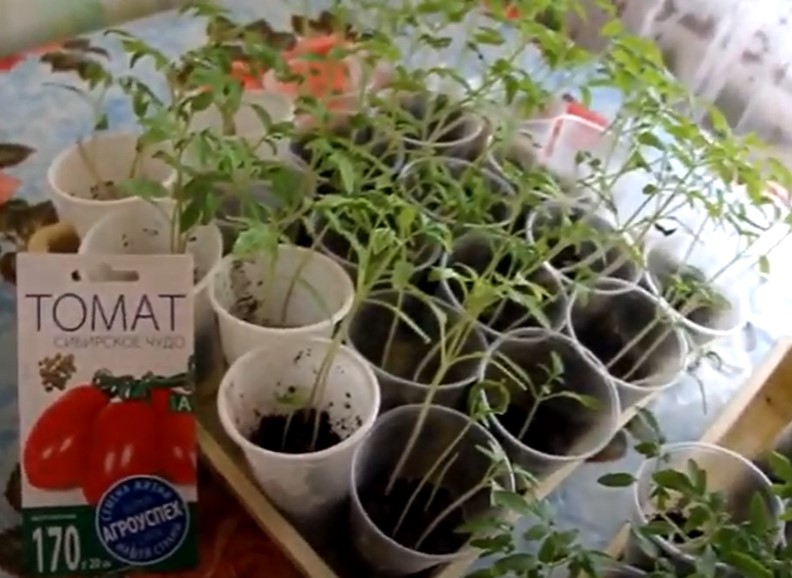
Spring has arrived, and with it comes gardening chores. I love growing my own seedlings, even though I don't have a greenhouse, but a windowsill is enough.
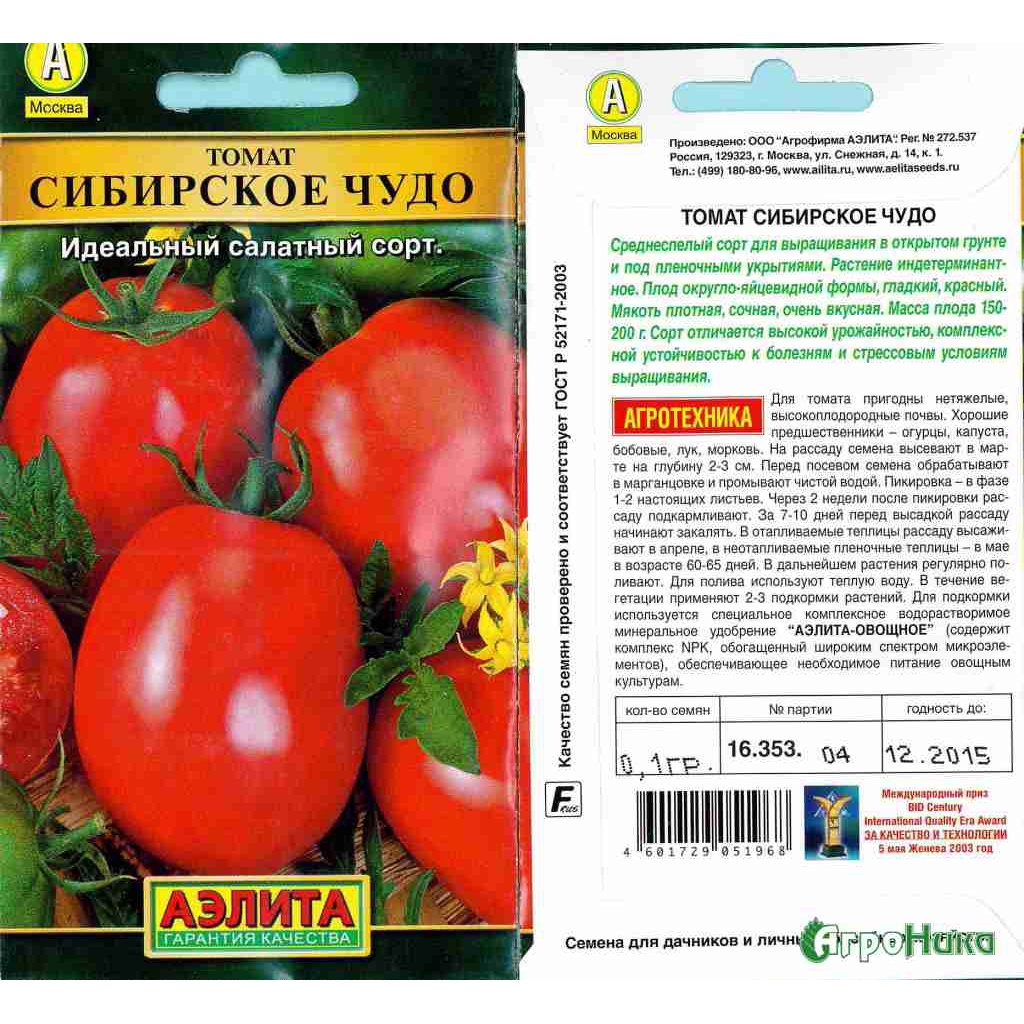
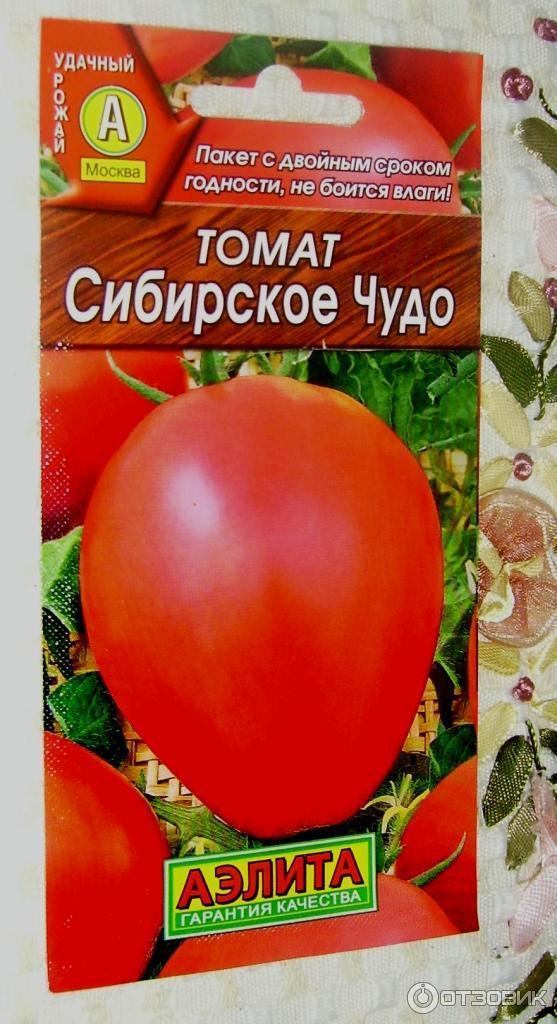
Last year, I planted "Siberian Miracle" tomatoes, which I loved for their productivity and ease of care. They adapted perfectly to our climate, with its wide temperature fluctuations.I bought seeds from the Moscow company "Aelita" at Magnit for 10 rubles. I bought seeds from this company several times last year, and they never let me down: they sprouted quickly and developed fully.
I have written reviews about these seeds many times (My review of Aelita beet seeds).
The package is brightly and informatively designed.
There were only a few seeds in the packet, about 25. I sowed them in an old pot. Nineteen sprouted, and a little later, three more plants. I consider the germination rate a solid B.
At the stage of four leaves, I picked it out and transplanted it into another container.
I'm counting on a good harvest, just like the one this tomato variety gave me last year.
I used the tomatoes for salad and for making ketchup and tomato paste, since the fruit is fleshy and has few seeds.
The plants, unlike other varieties, proved more resistant to disease and temperature fluctuations. However, every year is different, and "you can't count your chickens before they hatch."
Thank you for your attention.

Hello, dear readers!
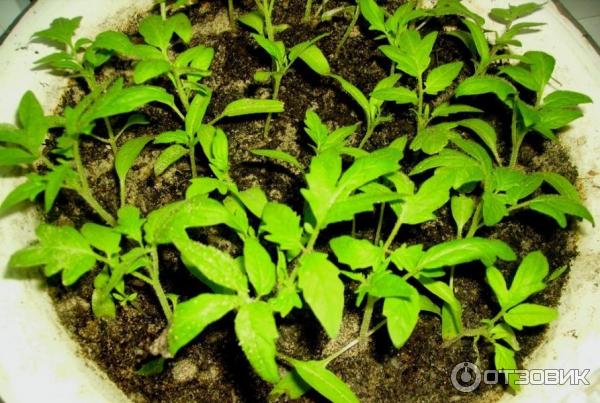
I bought a packet of these seeds at Magnit for about 10 rubles. I sowed them on time. The germination rate was very good! The seedlings grew strong and even. It's too early to talk about further results, but I'll be telling my friends that these seeds have a good, consistent germination rate.
The label notes that the bag is special, with a double expiration date and is moisture-resistant. Clear growing instructions are provided on the back.
This mid-season variety is described as suitable for both open ground and plastic greenhouses. Plants reach up to 1.5 meters in height. It is highly productive and resistant to diseases and adverse growing conditions.
Tomatoes are grown from seedlings. They are always pricked out when they have 1-2 true leaves. Mature plants are tied up and trained into 1-2 stems. Side shoots (side shoots) are always removed.
The "Siberian Miracle" tomato is designed for fresh consumption and easy cooking. I love fried tomatoes, for example, and salads, of course.
Thank you for your kind attention to the review!
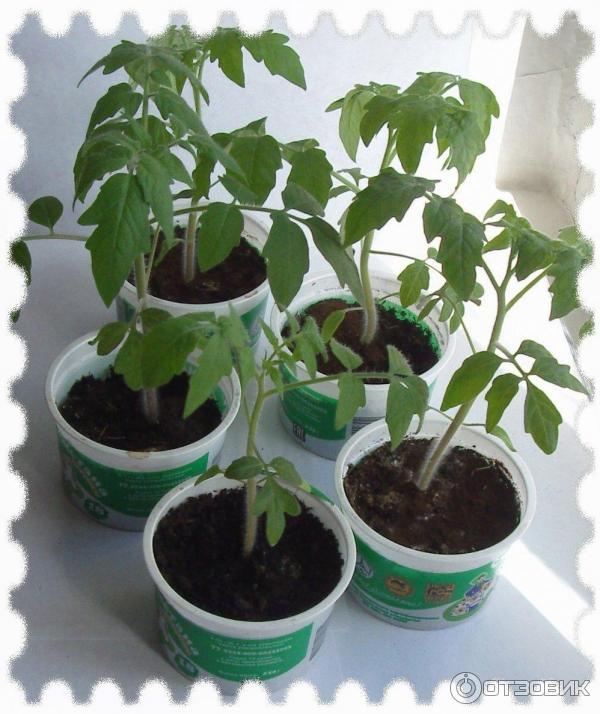


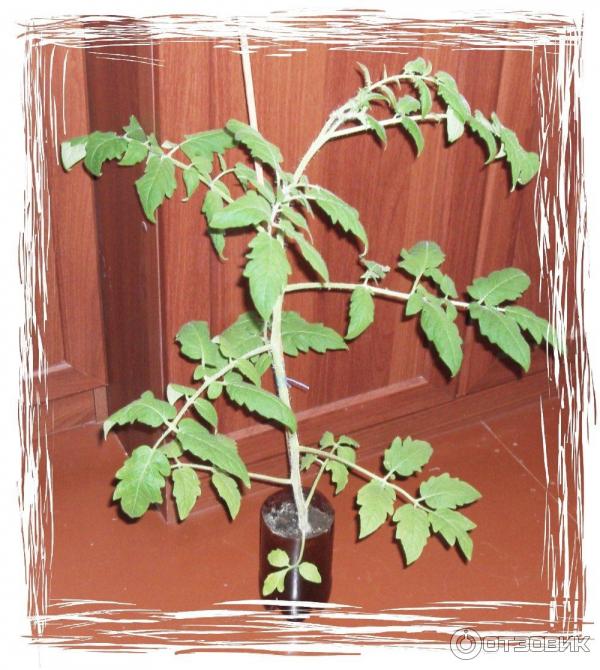
I really liked this variety. It's a tall, very productive indet, producing numerous clusters right away, reaching the very top of the greenhouse. The fruits are red, firm, and fleshy, weighing about 200 grams each, juicy, and pink when cut. Very tasty. The seeds were from Sib Garden.
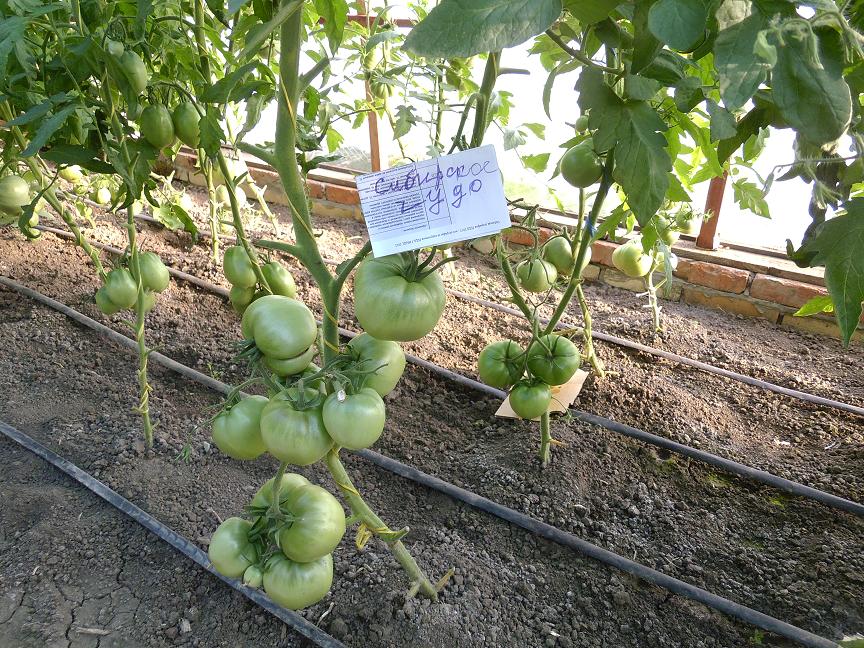
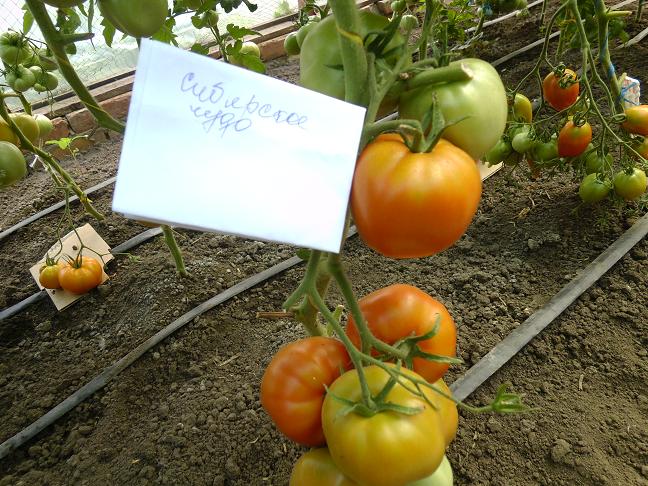
Quote by Zulfiya
Aelita describes the Siberian Miracle as having oval fruits weighing 150-200g. Has anyone grown something like this?
Zulya, I grew this in 2015. I bought the seedlings at the market from my grandmother. The yield was good. The fruits were large, barrel-shaped plums. They were fleshy and had a good flavor. I didn't show them because I thought they were a mis-sorted variety. But then I saw online that Siberian Miracles exist like this. I couldn't find a photo of the truly red ones.
I had some of these last year. It caught FF, recovered, but wasn't very productive. But the flavor is very good, fleshy and sweet. I'll be planting more this year.