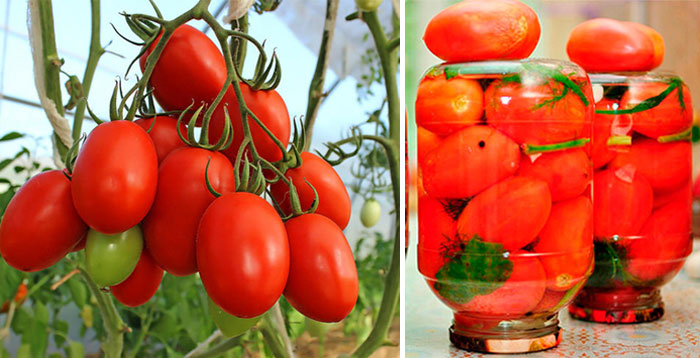
The Adelina tomato is a mid-season variety whose compact size makes it ideal for whole canning. It is grown with great success in the North Caucasus region, for which it was zoned. However, even in the temperate zone, gardeners often choose the Adelina tomato.
Content
- 1 Table with characteristics of the tomato variety Adelina
- 2 Photo gallery of tomato variety Adeline
- 3 The origin of the Adelina tomato variety
- 4 A detailed description of the tomato variety Adelina
- 5 Advantages and disadvantages of the Adelina tomato variety
- 6 Planting the Adelina tomato variety
- 7 Caring for the Adelina tomato variety
- 8 Resistance of the Adelina tomato variety to diseases and pests
- 9 Harvesting and storing tomato variety Adelina
- 10 Comparison of the Adelina tomato variety with other varieties in the table
- 11 Real reviews from gardeners about the Adelina tomato variety
Table with characteristics of the tomato variety Adelina
| Characteristic | Description |
| Description | A determinate tomato with a mid-season ripening period. Suitable for outdoor cultivation. |
| Ripening period | 82-109 days |
| Fruit weight | 59-83 yr. |
| Description of the fruit | The tomatoes are quite large, dense, fleshy, bright red, and oval-shaped. |
| Number of fruits in a bunch | 4-6 pcs. |
| Productivity | 242-447 c/ha (maximum - 669 c/ha). |
| Usage | It is used for preparing salads, is suitable for whole-fruit canning, and can be used as an ingredient for tomato preparations (adjika, paste, sauce). |
| Marketability | 76-84% |
| Preferred growing regions | The variety is zoned for cultivation in the North Caucasus region. |
| Disease resistance | It is resistant to fusarium and has immunity that can resist almost any disease. |
| Agricultural technology | Sowing begins in the second ten days of March, and seedlings are transplanted into open ground in mid-May using a 70x60 pattern. Harvesting begins in late July or early August. |
| 2004 | |
| Country of origin | Russia, Agrofirma Poisk LLC |
Photo gallery of tomato variety Adeline
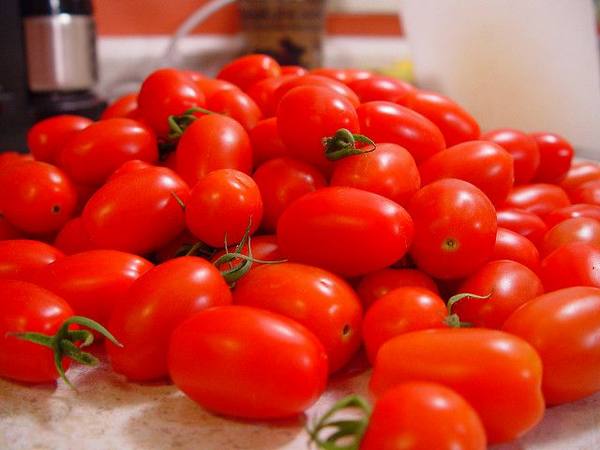
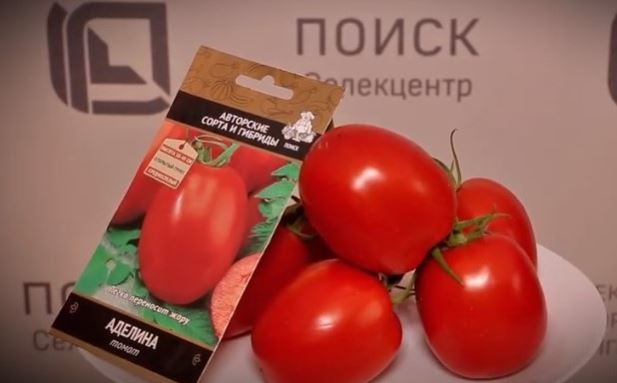
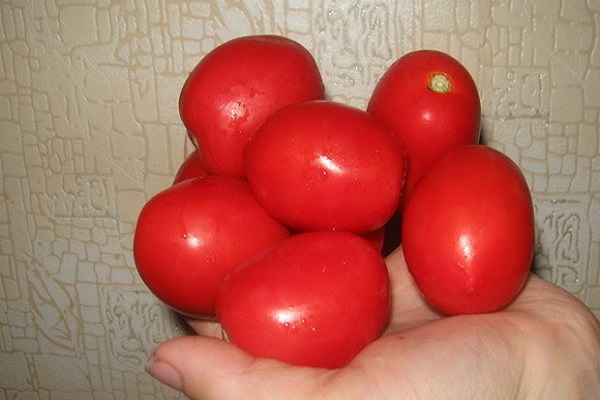
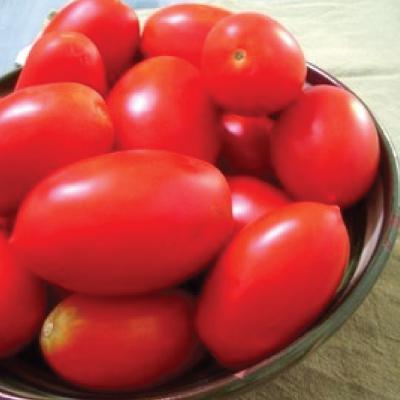
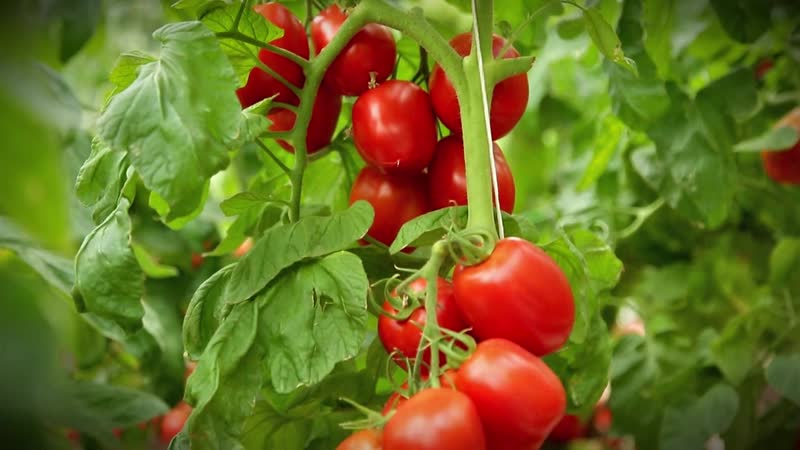
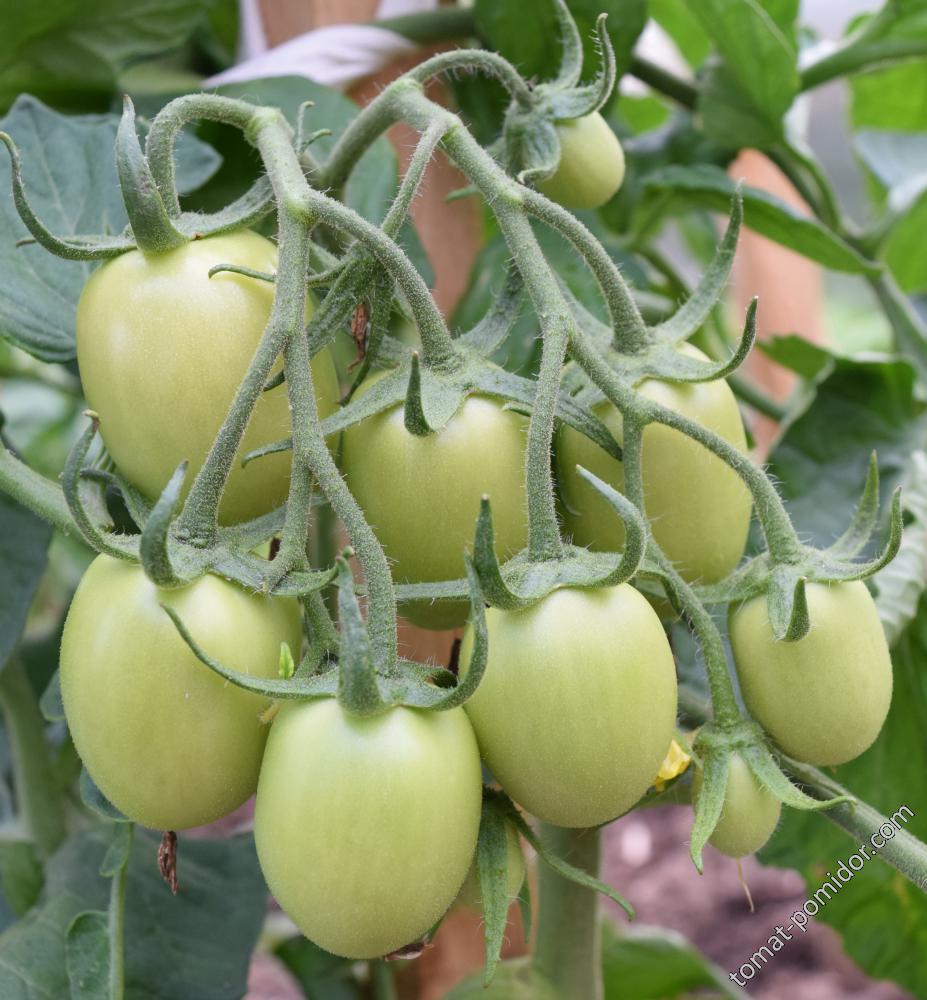
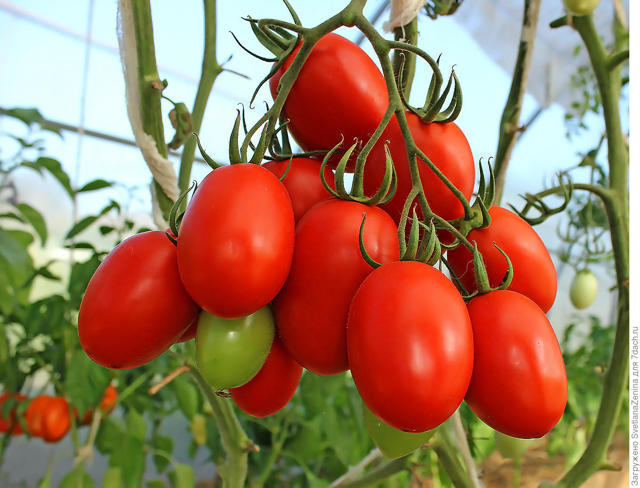
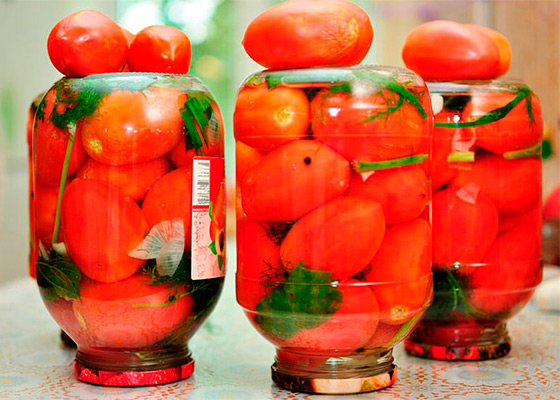
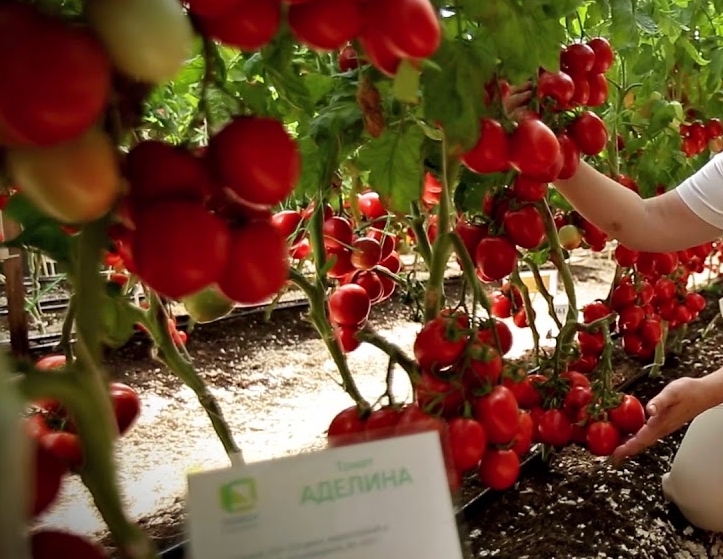
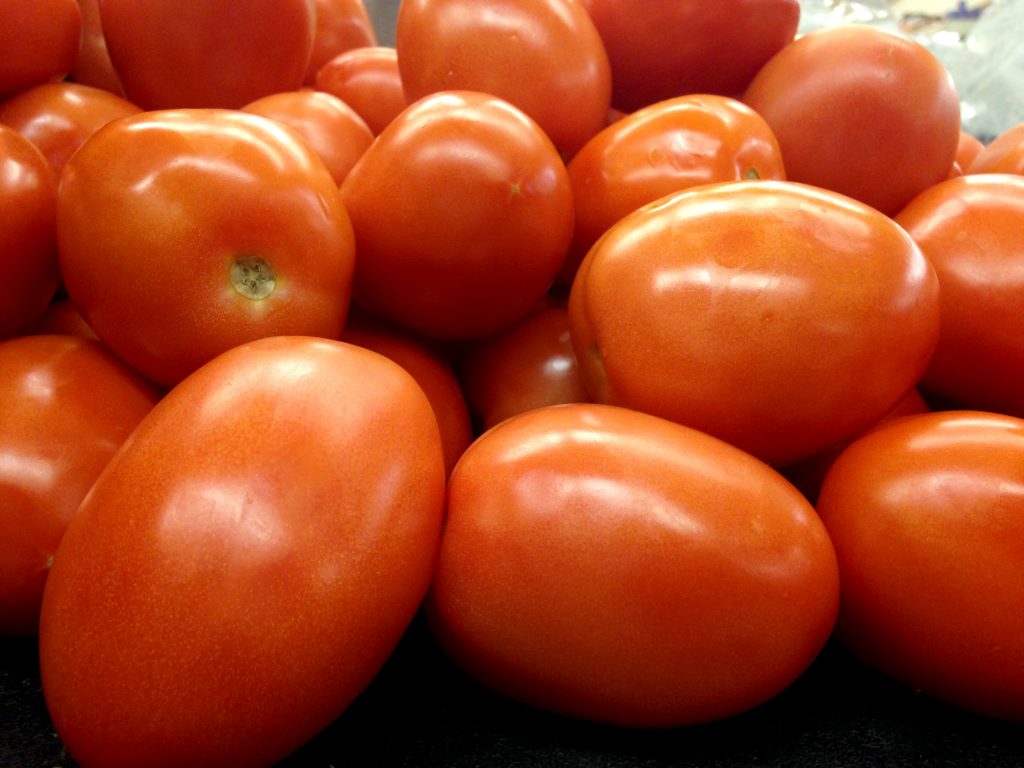
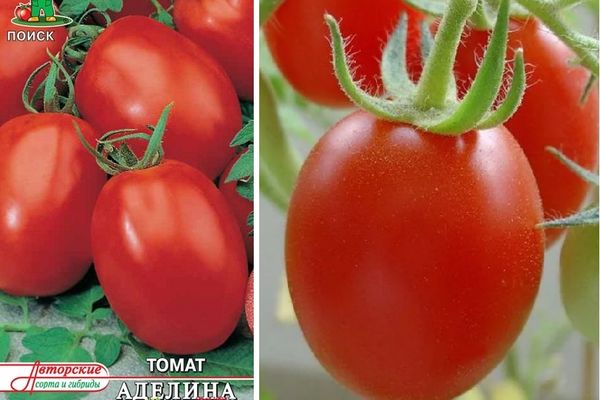
We've collected photos of the Adelina tomato variety so you can better understand its characteristics:
The origin of the Adelina tomato variety
In the late 1990s, specialists at the Poisk agricultural firm set themselves the task of developing a tomato variety that would produce a good harvest in open ground and adapt well to environmental conditions. They accomplished this goal in 2000, when the "Adelina" tomato variety was born. Initially zoned only for open gardens in the North Caucasus, it later became widely used in greenhouse cultivation in various regions of the country. The variety was added to the register in 2004.
Tomato Adelina does not belong to F1 hybrids.
A detailed description of the tomato variety Adelina
The determinate variety Adelina is widely used for both home and industrial cultivation.
Bushes
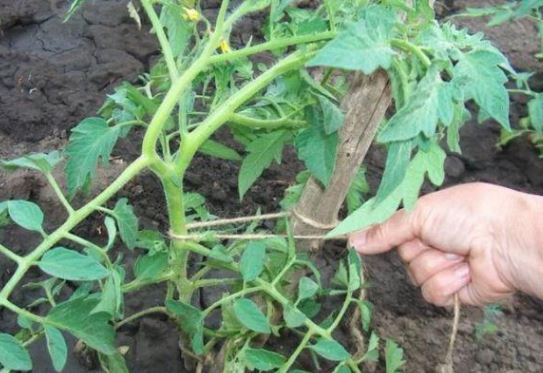
Tomato plants are very compact. Their height often does not exceed 45 cm, and shoot growth is limited to a maximum of five clusters. The leaves are quite large and bright green. The first inflorescences appear above the sixth leaf. Subsequent inflorescences begin to form after one or two leaves.
Fruit
The fruits are small in size, weighing approximately 85 g. The shape is oval, and people call it “plum”.
The skin is red, smooth, and very dense, which allows for mechanized harvesting. This is why the Adelina tomato is often grown commercially. The flesh is juicy and meaty, with a pleasant sweet and sour flavor. The tomato contains six seed chambers.
A single bush can yield up to 4 kg of fruit, which is used for whole-fruit canning. Additionally, tomatoes can be processed into juice, paste, and other sauces.
Productivity
The average yield per bush is 3-4 kg. Adelina can yield from 242 to 447 c/ha. The highest yield in the history of the Adelina variety was 669 c/ha.
Ripening time
After full germination, harvest takes approximately 100 days. The registry lists approximate ripening times as 82 to 109 days. This largely depends on the region's weather conditions and soil quality. Tomatoes will ripen faster in fertile soil and sunny conditions.
Based on ripening time, tomatoes are typically categorized as very early, early, mid-early, late, and very late. However, the registry provides a different classification: ultra-early, early, mid-early, mid-season, mid-late, and late. It's also worth noting that the days from full germination to ripening listed in the registry often diverge from the classification itself. For example, the Agata variety is listed as early ripening, but it also specifies that ripening occurs 98-113 days after full germination. Meanwhile, the Adelina variety, also classified as mid-season, ripens in fewer days, namely 82-109. Therefore, we can conclude that the variety type isn't particularly important, although we will include it. It's more important to look at the days from full germination to ripening. Also keep in mind that this number of days depends, among other things, on growing conditions and may differ.
Conditional terms: very early - 75-95 days, early - 95-115, mid-early - 110-120, late - 120-130, very late - 130-150 and more.
Advantages and disadvantages of the Adelina tomato variety
The Adelina variety, like other tomatoes, has its advantages and disadvantages.
| Advantages | Flaws |
|
|
Planting the Adelina tomato variety
Most tomato varieties grown successfully and produce large yields only in greenhouse conditions. But the Adelina variety is an exception; its best characteristics are revealed in open ground. By following all the necessary rules, it is possible to harvest a bountiful crop with excellent characteristics.
Sowing seeds and growing tomato seedlings Adelina
Seeds are sown in the second ten days of March. However, before planting the seeds for seedlings, they must be prepared first.
- If the manufacturer doesn't indicate on the seed packet that they've been pre-treated, be sure to soak the seeds in a weak solution of potassium permanganate. Afterward, rinse them under running water and dry.
- To activate biological processes, the seeds are treated with special solutions. For example, nitrophoska, diluted 10 grams in 1 liter of water, is ideal for this purpose. The seeds are soaked in this solution for 24 hours.
- After all the manipulations have been carried out, the seeds are placed in a damp cloth and placed in a warm place with a temperature of +30 °C for germination.
- As soon as the first sprouts appear, it's time to plant. For this, use either one large container or several individual cups. Fill them 2/3 full with soil. You can buy ready-made seedling soil, or you can mix garden soil with equal parts peat, humus, and sand. In this case, you'll need to water the soil with a disinfectant solution or bake it in the oven.
- Dig 1-cm-deep holes into the soil surface. Maintain the same distance between each hole. Add a seed to each hole, then level the soil surface and fill in the holes.
- The container is covered with film or glass and placed in a well-lit place with a temperature of at least +22 °C for approximately 7-10 days.
- As soon as the first green tips emerge from the soil, it's important to move the container to a cool, yet bright location. From this point on, the tomato plants should be uncovered for several hours a day, increasing this time period daily.
Tomatoes are transplanted into open ground when at least 3 full-fledged leaves have formed on the shoots.
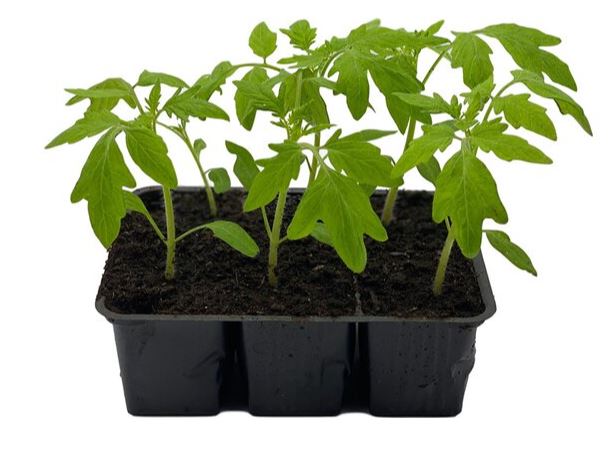
Planting seedlings of the Adelina tomato variety in the ground
Adelina grows best in sandy loam and light loam soils. It's important that the bed contains sufficient humus and a variety of nutrients.
Tomatoes should be planted outdoors no earlier than late May or early June. The soil should warm to at least 15°C. It's crucial not to rush planting, as even mid-May poses a high risk of recurrent frosts. The key is to transplant the seedlings before the flowers appear, otherwise the stress they experience will cause all the ovaries to fall off.
In an outdoor garden bed, you can follow a planting pattern of 5-6 bushes per square meter.
The compact size of tomatoes means they don't need to be pinched or tied up, but many gardeners prefer to be on the safe side and provide support for the shoots. As soon as the first bunch of tomatoes begins to ripen, all the lower leaves are removed from the stem.
Caring for the Adelina tomato variety
It's crucial for the Adelina tomato to receive sufficient light. Therefore, the bed should be in an open area. To make care easier, don't plant the seedlings too early. This way, you won't have to worry about their safety. Warm soil exposed to sunlight will ensure successful growth and development.
Humidity is an important factor for tomatoes. To ensure good pollination, prevent the plant from becoming infected with rot, prevent fruit drop, and prevent leaves from turning yellow, humidity should be maintained at 60-65%.
Watering should be generous but moderate in frequency. Stagnant moisture near the roots is harmful to tomatoes. This can promote the development of rot and bacteria, which thrive in high humidity.
Resistance of the Adelina tomato variety to diseases and pests
Growing practice has shown Adelina's excellent resistance to various tomato diseases.
Strong immunity is maintained by following the rules of care.
If the plantings experience excess moisture and high air humidity, fungi and bacteria can develop on the bushes. Adelina is most susceptible to late blight and blackleg, which are usually caused by improper agricultural practices.
Harvesting and storing tomato variety Adelina
Adelina is characterized by a medium ripening period, making the harvest suitable for long-term storage. To ensure this, it's important to follow a few rules:
- the harvest is removed from the bush during the day, before signs of evening dew appear on it - moisture will provoke the development of fungi;
- Tomatoes should be slightly unripe; they will acquire a bright red color during storage;
- The collected crop is placed in a suitable container or box, which is placed in a cool, dark place.
Before storing tomatoes, they must be sorted, removing any fruits with the slightest signs of damage or disease.
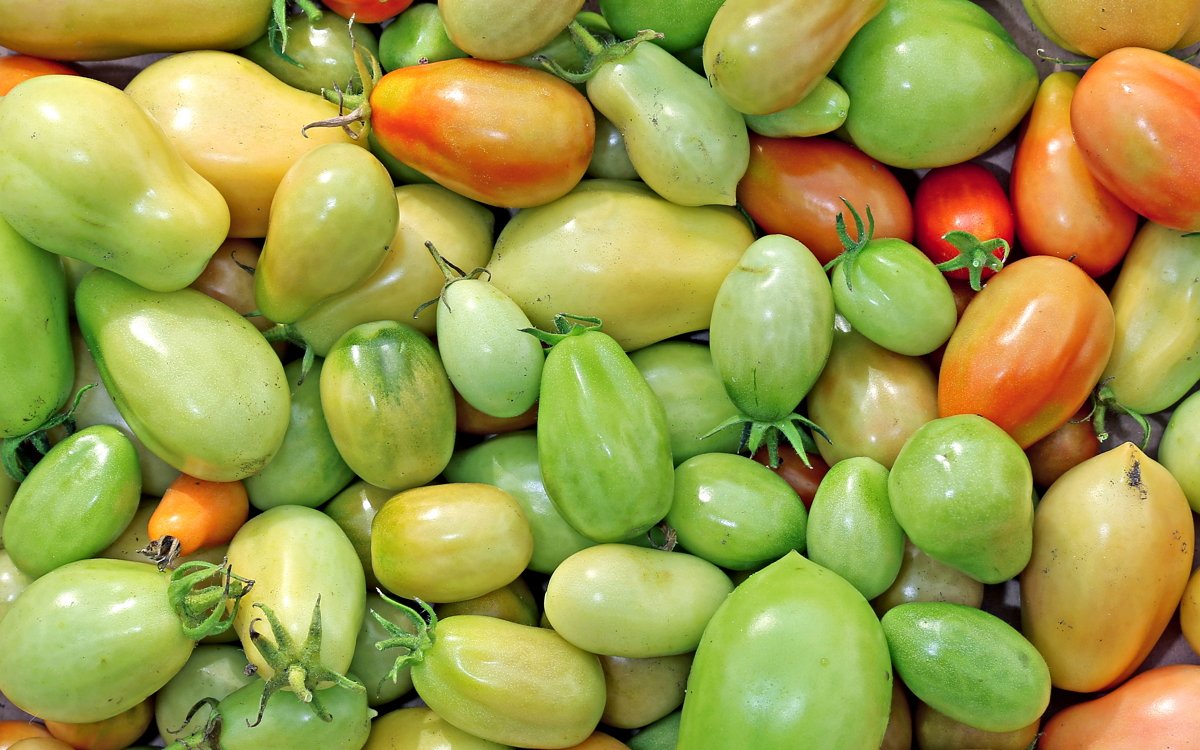
Fully ripe tomatoes can be stored in the refrigerator for up to three weeks without losing their quality. Green tomatoes, which ripen during their time in the box, are suitable for long-term storage.
Comparison of the Adelina tomato variety with other varieties in the table
Please note! How can you easily convert centners/ha to kg/sq.m? Simply divide by 100! For example, the Abakansky Pink tomato yields 400 centners of marketable fruit per hectare. This equals 4 kg per square meter. It's that simple! Also, keep in mind that typically no more than 3-4 plants are planted per square meter. This way, you can calculate the yield per bush. In the case of the Abakansky Pink, it's about 1 kg.
| Variety | Ripening period (number of days from full germination to ripening)
Yield of commercial fruits |
Brief description | Fetus |
| Adelina | 82-109 days
242-447 c/ha, maximum 669 c/ha |
A mid-season determinate variety for open ground. Suitable for salads, whole-fruit canning, and processing into tomato products. Heat- and drought-resistant. | Egg-shaped, smooth, transportable red, 59-83 g. The taste is good to excellent. |
| Amur tiger | 108-112 days 1100-1150 c/ha |
A mid-season indeterminate variety for open ground and greenhouses. Suitable for salads and canning, including whole-fruit preserves. | Flat-round, large, slightly ribbed, medium density, brown, 240 g. Good taste. |
| Ladybug | about 80 days
900 c/ha |
An ultra-early maturing determinate variety for open ground and greenhouses. Requires staking and training. Suitable for salads, whole-fruit canning, and pickling. | Round, smooth, dense, red, 10-12 g. Excellent taste. |
| Ladies' man | 110 days
1000 c/ha (greenhouse) |
A mid-season indeterminate variety for open ground and greenhouses. Requires staking and training. Suitable for salads, whole-fruit canning, and pickling. | Cylindrical, with a spout, smooth, very dense, resistant to cracking, red, 45-60 g. Excellent taste. |
| De Barao | about 125 days
500-600 c/ha |
A late-ripening indeterminate variety for open ground and greenhouses. Requires staking and training. Suitable for salads and whole-fruit canning. | Ovoid, smooth, red, 30 g. Excellent taste. |
| Iron Lady | 100-115 days 700 c/ha (greenhouse and under film) |
A mid-season determinate variety for open ground and greenhouses. Suitable for salads and whole-fruit canning. | Elliptical, smooth, very dense, red, 60-80 g. Good taste. |
| Countryman | 96-98 days
348-468 c/ha, maximum 778 c/ha (Omsk region) |
An early-ripening, determinate, non-standard variety for open ground cultivation. Suitable for salads and whole-fruit canning. | Plum-shaped, glossy, red, 66-89 g. Good taste. |
| Kiss of the Geranium | 90 days
Up to 1000 c/ha |
An early-ripening determinate variety for open ground and greenhouses. Suitable for salads, canning, pickling, and processing into tomato products. | Oblong with a drop-shaped appendage at the end, smooth, red, 15-35 g. The taste is good to excellent. |
| Rio Grande | 110-115 days
1500-1800 c/ha |
A mid-season determinate variety for open ground and greenhouses. Suitable for salads, processing into tomato products, and canning. | Plum-shaped, slightly ribbed, pinkish-red, 100-115 g. The taste is good to excellent. |
| Shuttle | 82-121 days 226-269 c/ha (Central region), 220-441 c/ha (Volga-Vyatka), 160-412 c/ha (West Siberian), maximum 792 c/ha (Omsk region). |
An early-ripening, determinate, low-growing standard variety for open ground. Suitable for salads, pickling, and whole-fruit canning. | Elongated-oval, smooth, top with a spout, red, 23-55 g. Good taste. |
| Easter Egg | 100-103 days
2000 c/ha |
A mid-early indeterminate variety for open ground and greenhouses. Suitable for salads and canning. | Plum-shaped, slightly ribbed, two-colored red-orange, up to 60 g. The taste is good and excellent. |
| Rocket | 122-129 days
328-618 c/ha |
A mid-early determinate variety for open ground. Suitable for canning. Requires increased doses of potassium fertilizer. | Elongated plum-shaped with a tapering top, smooth, red, 34-58 g. Good taste. |
| Roma | 110-120 days
400-1600 c/ha depending on the growing location |
A mid-early determinate variety for open ground and greenhouses. Suitable for pickling and processing into tomato products. | Plum-shaped, smooth, red, 55-90 g. The taste is good to excellent. |
| Nugget | 110-115 days 2400-3200 c/ha |
A mid-season determinate variety for open ground and greenhouses. Requires staking and training into two stems. Suitable for salads, processing into tomato products, drying, and canning. | Plum-shaped, smooth, yellow, 25-50 g. Good taste. |
| Sugar plum | 88-95 days
600-900 c/ha |
An early-ripening semi-determinate variety for open ground and greenhouses. Requires staking and training. Suitable for salads, canning, and processing into tomato products (juice). | Plum-shaped, smooth, red, 25-40 g. Excellent taste. |
Real reviews from gardeners about the Adelina tomato variety
The Adelina tomato has become a favorite among gardeners and horticulturists for its ease of cultivation. According to reviews, it's ideal for winter preserves due to its elongated shape and compact size.
User Tsvetushchiy Dvorik, Pskov, December 26, 2020
Tomato without dancing with tambourines - Adelina!
This mid-season, high-yielding variety is simply amazing! It's a determinate variety that grows both outdoors and in greenhouses. The period from germination to fruiting is 85-110 days. The fruits are ovoid, firm, smooth, red, juicy, and delicious! The ideal weight is 70-95 g.
It's great for pickling and canning, but it also doesn't mind being used in salads or freshly sliced alongside other vegetables. Remember the post about varieties for drying? It's there too!
Important! It produces fruit well even in hot, dry summers! It's a gardener's best friend, even if you live in Spartan conditions and don't care for your plants regularly!
User Lyudmila, Yekaterinburg, August 26, 2020
This summer of 2020, I planted this variety for the first time. The first thing I noticed was that they were growing next to other varieties, some with diseased and malformed fruit, and yet they were absolutely… healthy! They survived the July heat, then the cold and damp. I haven't tasted them yet; they're not red yet. I'll let you know later.