The tall-growing Damsky Ugodnik variety is one of the most popular in Russia. This tomato boasts numerous positive characteristics, is easy to grow, and thrives even in colder regions.
Content
- 1 Table of characteristics of the tomato variety "Ladies' Man"
- 2 Photo gallery of the tomato variety "Ladies' Man"
- 3 Description of the Ladies' Man tomato variety
- 4 Advantages and disadvantages
- 5 Seedling method of cultivation
- 6 Seed preparation
- 7 Transplanting seedlings into the ground
- 8 Seedless cultivation method
- 9 Planting seeds in the ground
- 10 Necessary conditions and care for the tomato variety Ladies' Man
- 11 Diseases and pests
- 12 Top.tomathouse.com recommends: The Ladies' Man tomato variety is good for pickling.
- 13 Comparison of the tomato variety Ladies' Man with other varieties in the table
- 14 Real reviews from gardeners about the Ladies' Man tomato variety
Table of characteristics of the tomato variety "Ladies' Man"
| Characteristic | Description |
| Description of the variety | Characterized by indeterminate shoots, it can be grown in a greenhouse or in open ground. |
| Ripening period | 110 days |
| Fruit weight | 45-60 g |
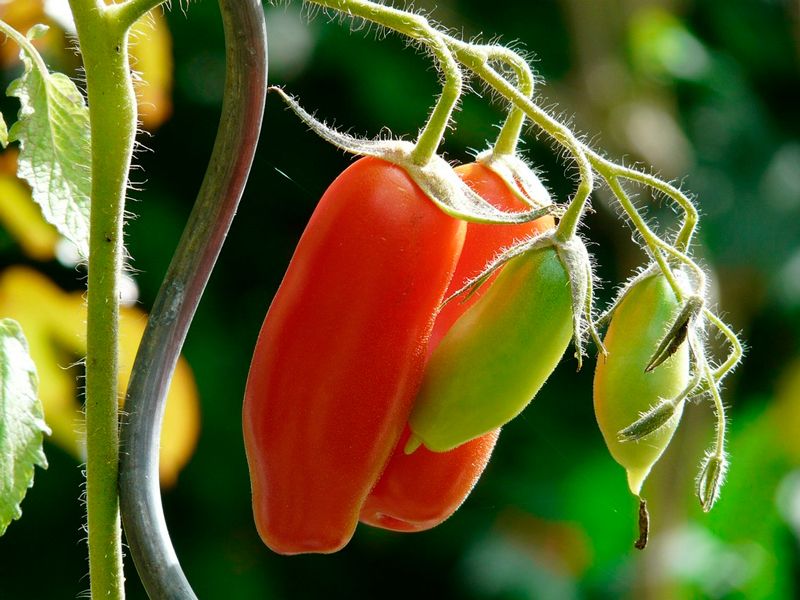
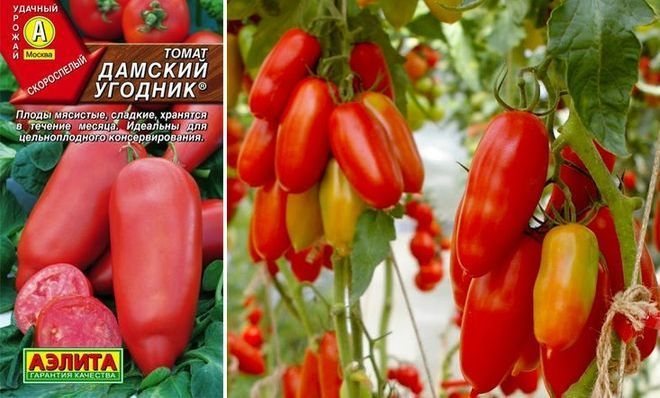
| Description of the fruit | Cylindrical, spouted, smooth, very dense, crack-resistant, red. Excellent flavor. |
| Productivity | Up to 1000 c/ha |
| Usage | The fruits are versatile, suitable for pickling, processing into ketchup, paste, adjika, and juice. They are also excellent for eating fresh. |
| Preferred growing regions | Zoned for different regions, it is mainly planted in greenhouses, but in the south it also grows in open ground. |
| Disease resistance | High resistance to viruses and other common tomato diseases. Moderate resistance to late blight, which often appears when growing conditions are improper. |
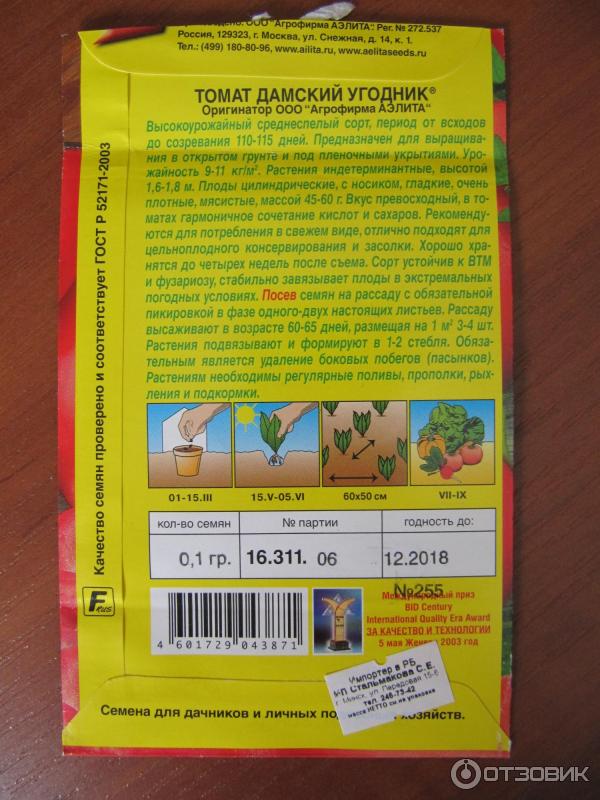
| Agricultural technology | Tall stems must be tied up, and the bush is formed into 1-2 shoots. |
| 2008 | |
| Country of origin | Russia, LLC 'AGROFIRMA AELITA' |
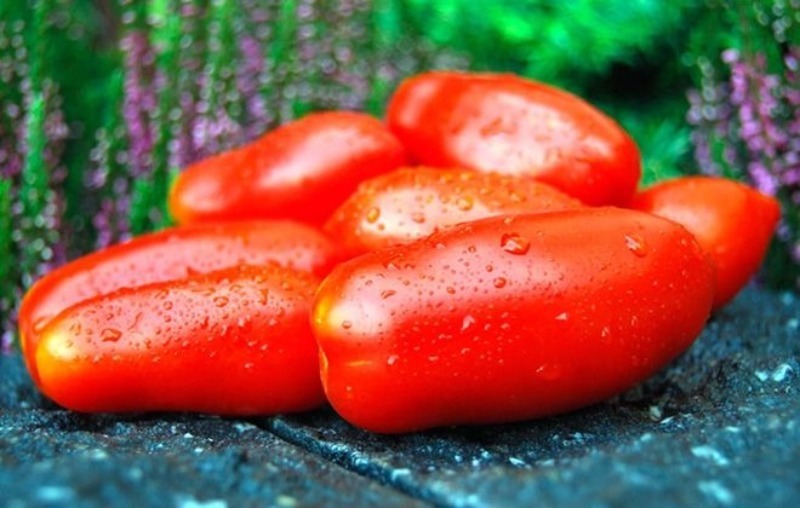
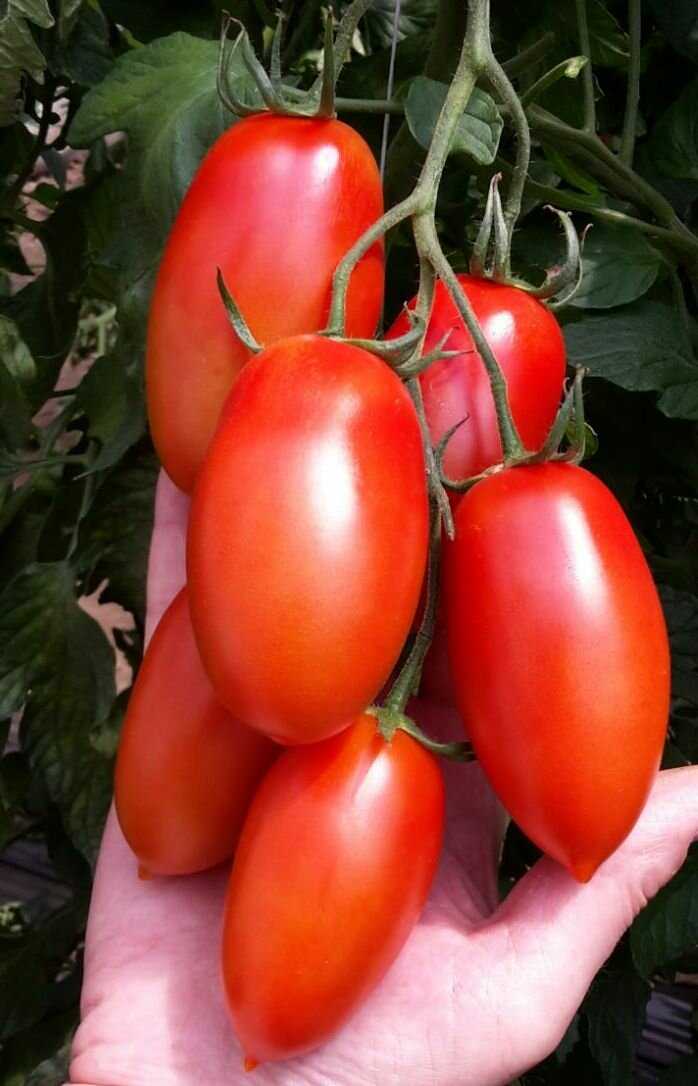
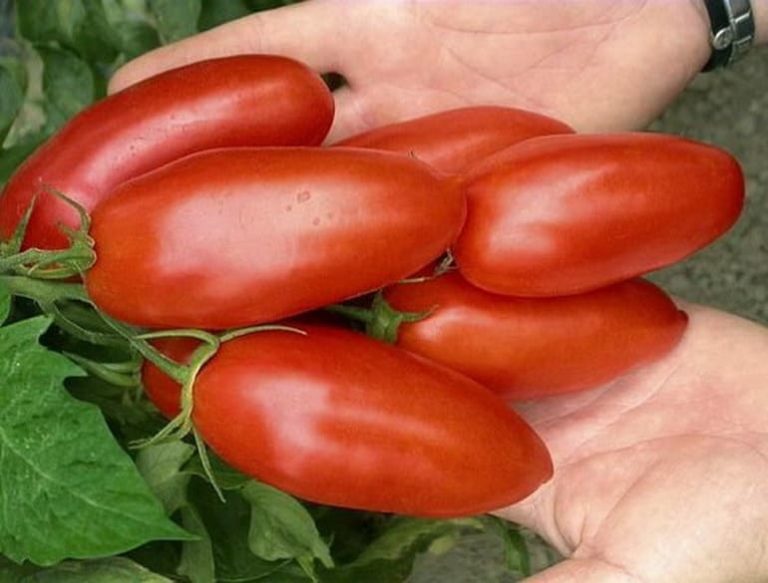
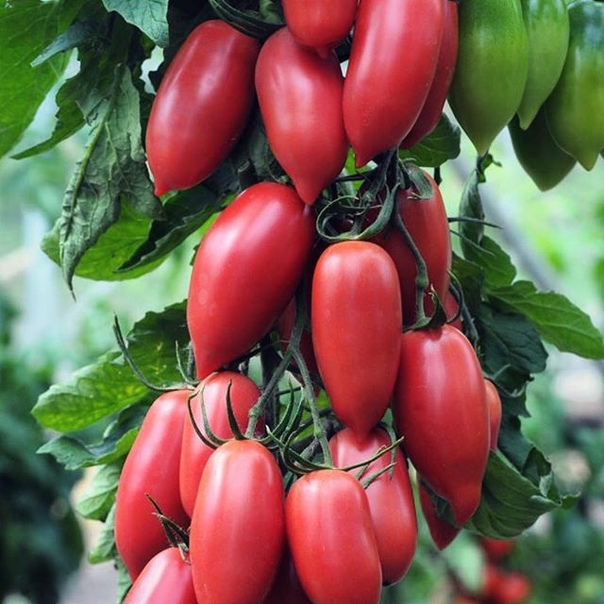
Photo gallery of the tomato variety "Ladies' Man"
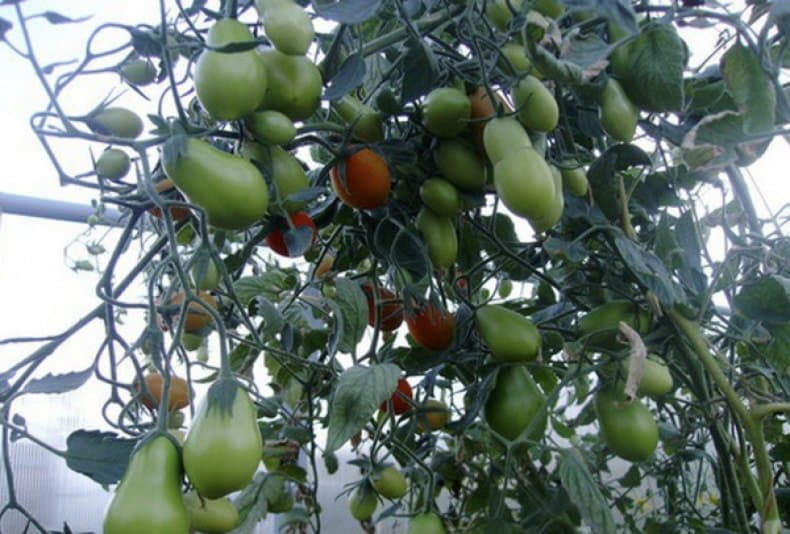
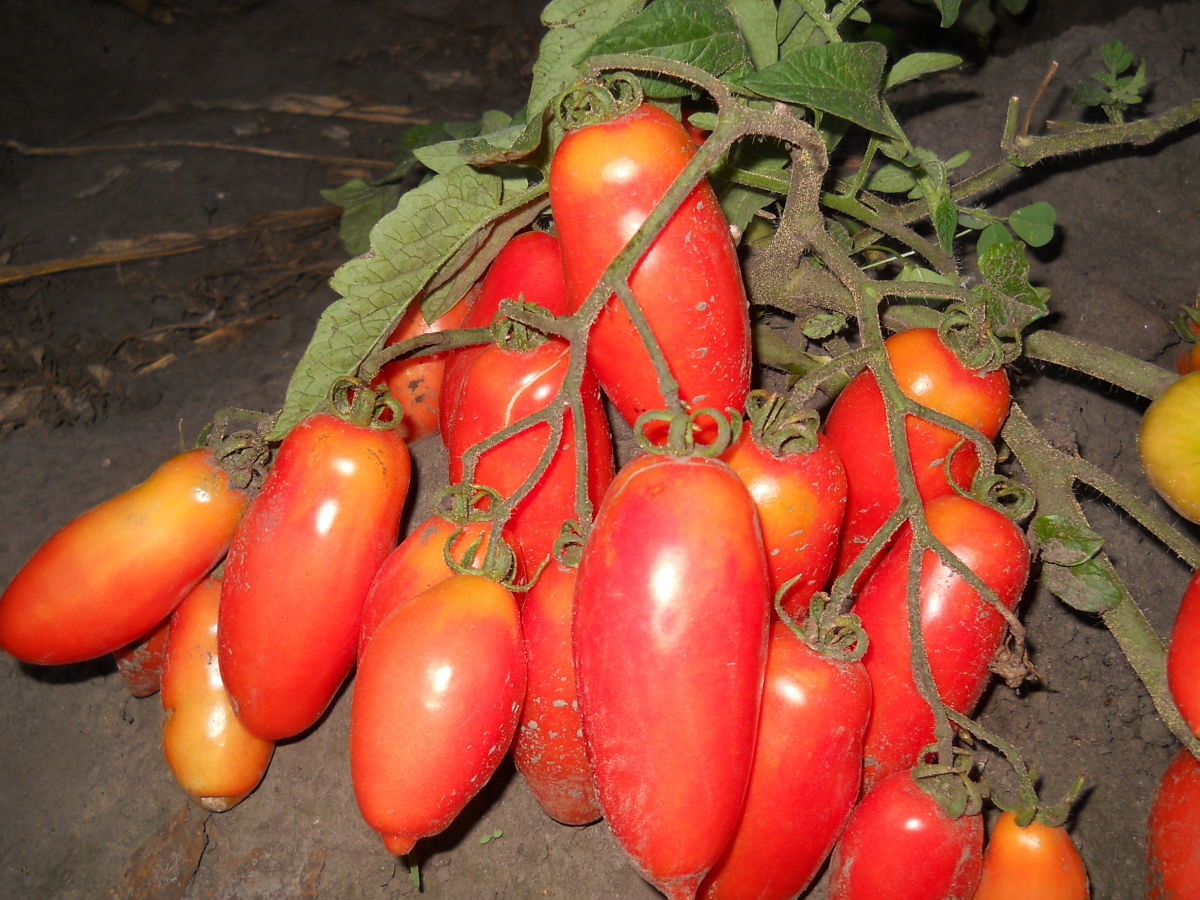
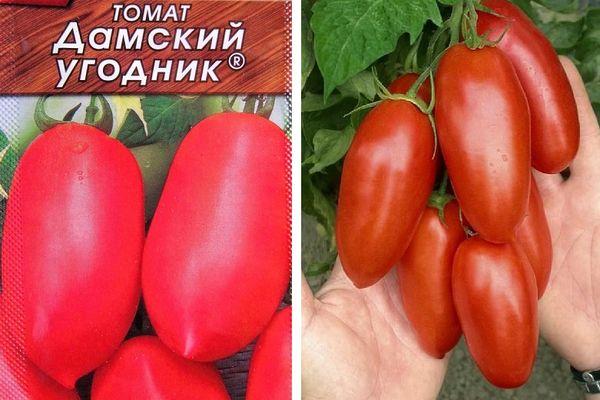
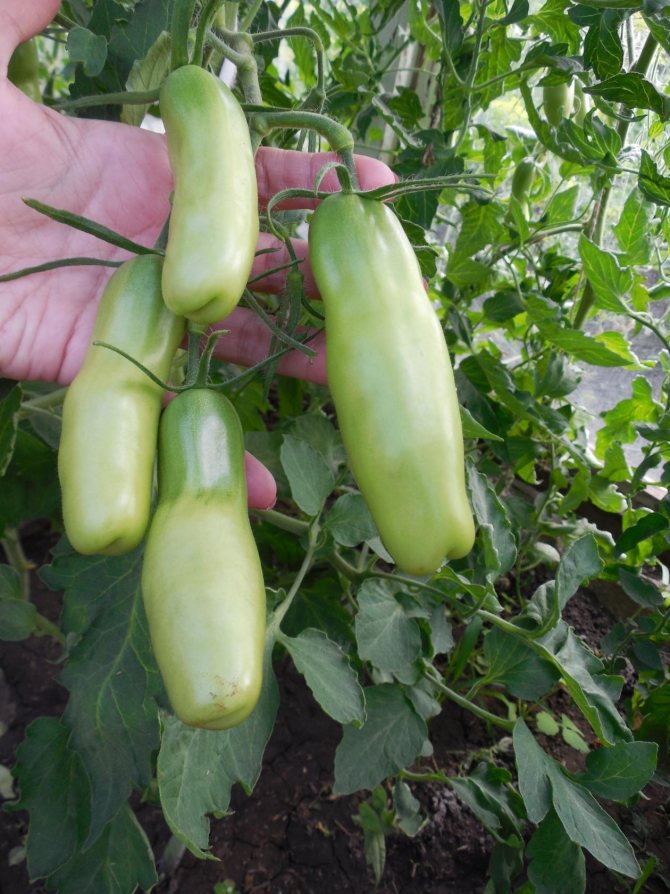
Description of the Ladies' Man tomato variety
The branched bush can grow up to 180 cm, but requires special supports, otherwise the plant falls and breaks.
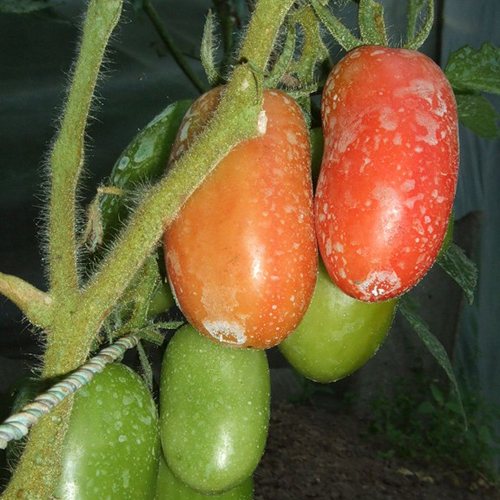
The highest yield is achieved when 2-3 rough stems are formed. The leaves are round, slightly elongated, and dark green. The fruits are large, weighing approximately 60 g, and bright red. They are elongated in shape and have a pointed tip. The skin is smooth, does not crack, and is covered with a thin layer of vegetable wax for protection. It can withstand raindrops and even small hailstones, so the tomatoes remain intact until harvest. The flesh is dense, juicy, and sweet, and has a long shelf life. The root system is robust, able to withstand short periods of drought, and produces fruit even in cold summers.
Advantages and disadvantages
The Damsky Ugodnik variety has become widely popular among gardeners due to its numerous positive qualities, including the unusual appearance of its fruits.
- The tomatoes are early ripening, the first fruits ripen by the end of June.
- The variety thrives both in closed greenhouses and on the plot thanks to its unpretentiousness and rapid adaptation to growing conditions.
- Tomatoes form fruit even in unfavorable weather conditions, which is why they are widely grown in regions with extremely cold climates.
- The pulp is moderately sweet. It can be used for a variety of purposes: eaten fresh, in salads, soups, or pickled. It has a juicy texture but doesn't contain many seeds.
- The fruits do not spoil for a long time and can withstand long-distance transportation well.
However, there are also several disadvantages of this variety, which are rather relative in nature:
- The bush requires constant care, including staking and pruning. The plant regularly produces new shoots, making it very branchy. To ensure timely fruiting, it's important to carefully monitor the growth rate of the foliage.
- In areas with poor weather conditions, tomatoes ripen a couple of weeks later than expected. However, this only occurs when grown outdoors; in greenhouses, the bush produces fruit on time.
Seedling method of cultivation
You can grow healthy seedlings yourself if you follow a few rules. It's important to consider your local climate to determine the planting time. For example, in the southern regions of the country, where the weather warms up faster, planting occurs in February-March, and young tomatoes aren't transplanted outdoors until late April.
In central Russia, seedling sowing should occur in March-April, but don't delay too long, otherwise the fruits won't have time to ripen. In the countryside, sowing should begin in early June, and in warm weather, the deadline can be extended to mid-May. In Siberia, it is recommended to sow seeds no later than April, and in open ground from mid-June. Timing may vary depending on the specific weather conditions in the region.
Seed preparation
Before sowing seeds, it is necessary to carry out thorough preparation to protect the tomato plants from future diseases and to increase germination and yield of the bushes.
- Conduct complete disinfection. If the seeds are purchased, they are pre-disinfected at the factory, but if you're collecting the material yourself, this important step should not be neglected. There are several ways to accomplish this:
- Potassium permanganate. Mix thoroughly with 1 gram of potassium permanganate per 100 ml of water. Wrap the seeds in a thin layer of cotton wool and soak them in the solution for 15-20 minutes. Extending the soaking time will significantly reduce germination. Afterward, rinse the seeds thoroughly with water.
- Baking soda. The solution is prepared from ordinary baking soda and water at a consistency of 0.5 g per 100 ml. The seeds, wrapped in gauze or a cotton pad, should be soaked in the infusion for at least 24 hours, then carefully rinsed. This will increase the plant's yield.
- Fitosporin. Dilute 1 drop in 100 ml of liquid and soak the seed for approximately 2 hours. This solution increases germination and improves seed adaptation.
- Aloe. A nutrient solution made with aloe juice and settled water in a 1:1 ratio boosts tomato immunity, protecting them from infectious fungal infections. The seeds should be soaked for at least 24 hours.
- Next, you need to disinfect the soil and container, creating drainage holes. This is quite simple: place the soil in an oven preheated to 200°C for about 10 minutes, then disinfect with boiling water by pouring it over the soil and ensuring the liquid drains through the holes in the bottom. This can also be accomplished using a potassium permanganate solution, adding it to the soil and allowing it to dry completely for 2-3 weeks.
This way, all pathogenic bacteria will be destroyed and the plant will be able to develop fully.
Transplanting seedlings into the ground
Properly performed repotting ensures rapid adaptation of tomatoes to the new substrate and vigorous growth. To avoid harming the plant, follow these guidelines:
- When the stem has reached a height of 15-20 cm, 5-7 healthy leaves and one brush have formed, the Ladies' Man is ready for transplantation.
- You should also pay attention to the internodes - they should not be large in size.
- It is not recommended to transplant tomatoes in extremely hot weather, strong gusty winds, or even light precipitation.
- The best time to move seedlings to the site is a cloudy, cool day.
- The distance between the bushes should be at least 40 cm, as the variety has a very branched root system, and tomatoes growing close together can harm each other.
- You need to dig a planting hole approximately 10-15 cm deep, but the stem should not be buried more than 2 cm deep, otherwise it will begin to rot, and the roots will not be able to fully take hold.
- Before planting, mix the soil with peat pellets and ash to add more nutrients. You can also add some organic matter, such as humus and urea.
- After completing the procedure, you should thoroughly water the bush at the root.
Seedless cultivation method
This method is recommended for use in warm regions where the likelihood of unexpected frosts in late spring is minimal.
First, decide on the location of the beds. This variety loves light but does not tolerate direct sunlight, so it should be placed in the southwest or southeast part of the garden. When growing in a greenhouse, if there is insufficient light, install phytolamps. Tomatoes require warm, humid air to produce a large number of fruits and prolong the active growing season. Tomatoes grow well in peat-rich soil, such as a universal substrate or black soil with added organic fertilizer. To ensure germination, carefully calibrate the temperature regime; otherwise, the plant is highly likely to die.
Planting seeds in the ground
The replacement should be planted in the area when consistently warm weather sets in, that is, in late spring and early summer. The planting process is carried out in several stages:
- First, the material must be placed in a solution of growth stimulants for 10-12 hours to increase the rate of maturation.
- You should leave approximately 40 cm between planting holes and 60 cm between rows.
- It is not recommended to plant seeds deeper than 3-5 cm, otherwise the sprout will have difficulty breaking through the soil layer.
- After sowing, carefully moisten the soil to avoid washing away the seeds. This can be done with a spray bottle or diffuse watering.
- Sprinkle with a small layer of ash and black soil.
- With proper care, the first shoots should appear within 5 days. Only then can you begin a full watering regimen.
Necessary conditions and care for the tomato variety Ladies' Man
Although the Ladies' Man variety is unpretentious, it still requires careful care to achieve maximum yield and avoid serious diseases.
Watering
Young bushes are watered only in extreme cases, such as during severe drought. For the first 2-3 weeks, water without touching the green parts, allowing all the liquid to be absorbed directly by the roots. This will help the plant establish itself and begin to develop faster. Subsequently, avoid allowing the soil to dry out. Tomatoes are moisture-loving and will quickly wilt if not properly watered. However, daily watering can harm the "Ladies' Man," causing fungal infections and killing the tomato. Therefore, the recommended amount of water per bush is 3 liters, depending on the soil's moisture content.
Loosening
To ensure adequate oxygen supply to the roots, loosen the soil regularly: to a depth of about 10-15 cm for the first 1-2 months after outdoor cultivation, and then to a depth of no more than 8 cm to avoid damaging the extensive root system. It is recommended to perform this procedure after each watering, combined with weeding, at least once every 2 weeks.
Tying up
About three weeks after planting tomatoes in the garden, they need to be supported to prevent them from falling over and to ensure abundant fruit production. There are several types of support:
- Stakes. They should be over 2 m tall, slightly taller than the tomato plant. They should be placed 10-12 cm from the base of the stem and buried 25 cm deep. After installation, wrap the support with rope first, then tie the plant itself.
- Cages. These devices resemble stools without a seat. They're easy to make by hand and can provide support for four closely growing tomato plants.
- Caps. A pyramid-shaped structure made of wire or flexible wooden rods.
Top dressing
Fertilize four times during the growing season. This is best done on a sunny, warm day.
- The first treatment is carried out 2-3 weeks after planting tomatoes in the garden. A solution of mullein, compost, or bird droppings infusion is used.
- The second treatment is done before inflorescence formation using ammonium nitrate or potassium sulfate. Organic fertilizers, such as wood ash, can also be used.
- The third application is carried out 2-3 weeks after the previous one. Nitrogen- and potassium-containing mineral fertilizers are best.
- The fourth is foliar fertilization. It is recommended to use a superphosphate solution sprayed onto the green bush.
Diseases and pests
| Problems | Prevention and control measures |
| Late blight. | A comprehensive treatment approach is recommended. Prepare a milk-iodine solution at a ratio of 15 drops per liter and water the plant once every two weeks. Chemical treatments such as Trichopolum, Ecosil, and Fitosporin should also be used. |
| Insect pests. | To prevent infestation, avoid adding mullein to the soil after watering, as this attracts parasites. To combat infestation, use insecticides such as Sfera Max or Topsin M. |
| Mosaic virus. | There is no cure. Infected bushes should be removed from the area to stop the spread of the virus. If individual parts are affected in the early stages, they should be cut off and the bush treated with Trichopolum. |
Top.tomathouse.com recommends: The Ladies' Man tomato variety is good for pickling.
The variety's fruits are ideal for a variety of dishes, including pickling, as they contain a sweet, firm flesh. Furthermore, the Damsky Ugolnik has the perfect size and shape, allowing a large amount of tomatoes to fit in a jar. After pickling, the tomatoes acquire a unique, rich flavor that no other early-ripening variety can boast.
Comparison of the tomato variety Ladies' Man with other varieties in the table
Please note! How can you easily convert centners/ha to kg/sq.m? Simply divide by 100! For example, the Abakansky Pink tomato yields 400 centners of marketable fruit per hectare. This equals 4 kg per square meter. It's that simple! Also, keep in mind that typically no more than 3-4 plants are planted per square meter. This way, you can calculate the yield per bush. In the case of the Abakansky Pink, it's about 1 kg.
| Variety | Ripening period (number of days from full germination to ripening)
Yield of commercial fruits |
Brief description | Fetus |
| Ladies' man | 110 days
1000 c/ha (greenhouse) |
A mid-season indeterminate variety for open ground and greenhouses. Requires staking and training. Suitable for salads, whole-fruit canning, and pickling. | Cylindrical, with a spout, smooth, very dense, resistant to cracking, red, 45-60 g. Excellent taste. |
| Minusinsk bulls | 110-118 days
1200 c/ha |
A mid-season indeterminate variety for open ground and greenhouses. Suitable for salads, canning, and processing into tomato products. | Heart-shaped, elongated, with a spout, ribbed, raspberry-pink, 200-250 g (up to 400 g). The taste is good to excellent. |
| Minusinsk glasses | 110-112 days
Up to 1200 c/ha |
A mid-season indeterminate variety for greenhouses. Suitable for salads, canning, and processing into tomato products. | Oval, smooth, orange, pink or red, up to 400 g. Good taste. |
| Siberian Troika | about 120 days 600 c/ha |
A mid-season determinate variety for open ground. Suitable for salads and canning, including whole-fruit preserves. Heat-resistant. | Cylindrical with a spout, smooth, dense, red, 80-100 g (up to 200 g). Excellent taste. |
| De Barao | about 125 days
500-600 c/ha
|
A late-ripening indeterminate variety for open ground and greenhouses. Requires staking and training. Suitable for salads and whole-fruit canning. | Ovoid, smooth, red, 30 g. Excellent taste. |
| Königsberg | 115 days 460-2000 c/ha
|
A mid-season indeterminate variety for open ground. Requires staking and training. Suitable for salads and processing into tomato products. Marketability: 56% (Novosibirsk Region). Heat-resistant. | Cylindrical, smooth, dense, good keeping quality, red, 155-230 g (up to 300 g). Excellent taste. |
| Male dignity | 110-115 days 900-1200 c/ha |
A mid-season indeterminate variety for open ground and greenhouses. Suitable for salads and canning. | Elongated, smooth, red, 120-250 g. The taste is good and excellent. |
| Mikado Pink | 90-95 days 500-600 c/ha
|
A mid-early indeterminate variety for greenhouses. Suitable for salads. | Flat-round, large, ribbed, medium density, pink, 300-360 g. Excellent taste. |
| Adelina | 82-109 days 242-447 c/ha, maximum 669 c/ha |
A mid-season determinate variety for open ground. Suitable for salads, whole-fruit canning, and processing into tomato products. Heat- and drought-resistant. | Egg-shaped, smooth, transportable red, 59-83 g. The taste is good to excellent. |
| Shuttle | 82-121 days
226-269 c/ha (Central region), 220-441 c/ha (Volga-Vyatka), 160-412 c/ha (West Siberian), maximum 792 c/ha (Omsk region). |
An early-ripening, determinate, low-growing standard variety for open ground. Suitable for salads, pickling, and whole-fruit canning. | Elongated-oval, smooth, top with a spout, red, 23-55 g. Good taste. |
| Siberian Troika | about 120 days
600 c/ha |
A mid-season determinate variety for open ground. Suitable for salads and canning, including whole-fruit preserves. Heat-resistant. | Cylindrical with a spout, smooth, dense, red, 80-100 g (up to 200 g). Excellent taste. |
| The Swan Princess | 95-105 days Up to 1500 c/ha |
An early-ripening indeterminate variety for open ground and greenhouses. Requires staking and training into 2-3 stems. Suitable for salads, pickling, and processing into tomato products. | Ovoid or elongated, smooth, red, 150-240 g. Good taste. |
| The Lazy Man's Miracle | 800-900 c/ha
85-95 days |
An early-ripening, determinate variety for open ground and greenhouses. Suitable for salads, processing into tomato products, and canning. | Oval, elongated, smooth, red, dense, 60-65 g. Excellent taste. |
| Chukhloma | 111-118 days
790-960 c/ha |
A mid-season indeterminate variety for greenhouses. Requires staking and training. Suitable for salads, processing into tomato products, and whole-fruit canning. | Cylindrical, elongated, pepper-shaped, orange, 110-120 g. Excellent taste. |
Real reviews from gardeners about the Ladies' Man tomato variety
I have already shared with you two varieties of tomatoes that I tried this year with “heart” names: “Orange Heart” and “Ox Heart”.
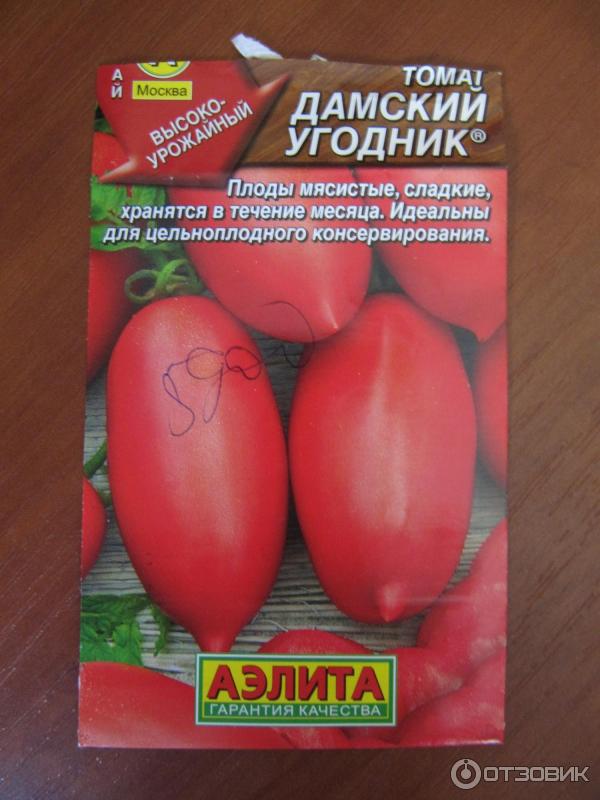
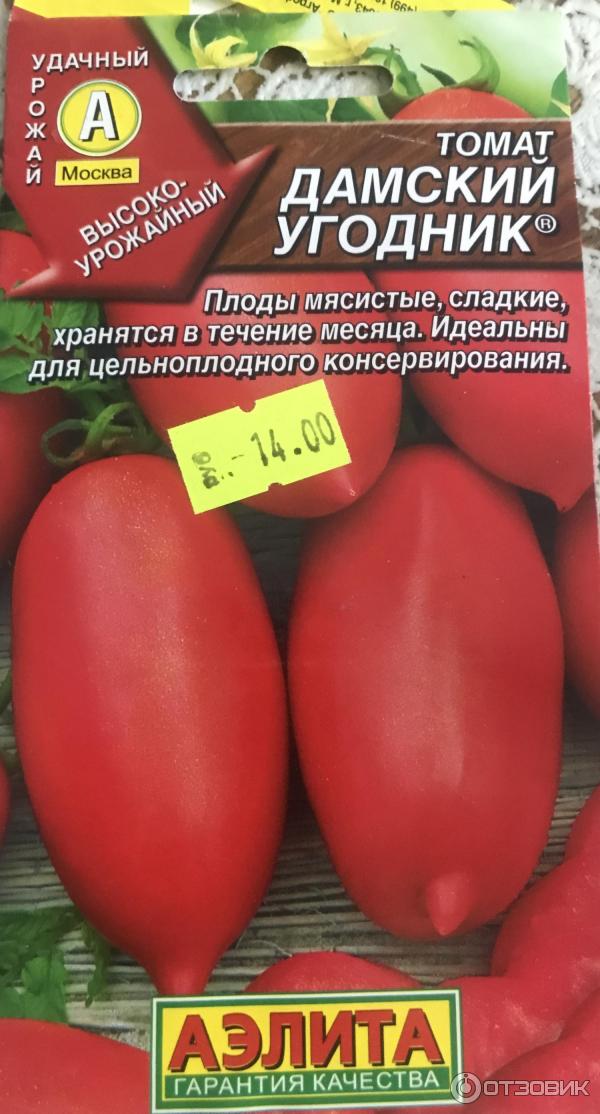
Today I want to write about another one, which is called "Ladies' Man".When I bought it, looking at the picture on the package, I assumed they'd be something like the "De Barao" variety. Small, perfect for canning whole.
Moreover, the manufacturer writes that the fruits are small and suitable for whole canning.
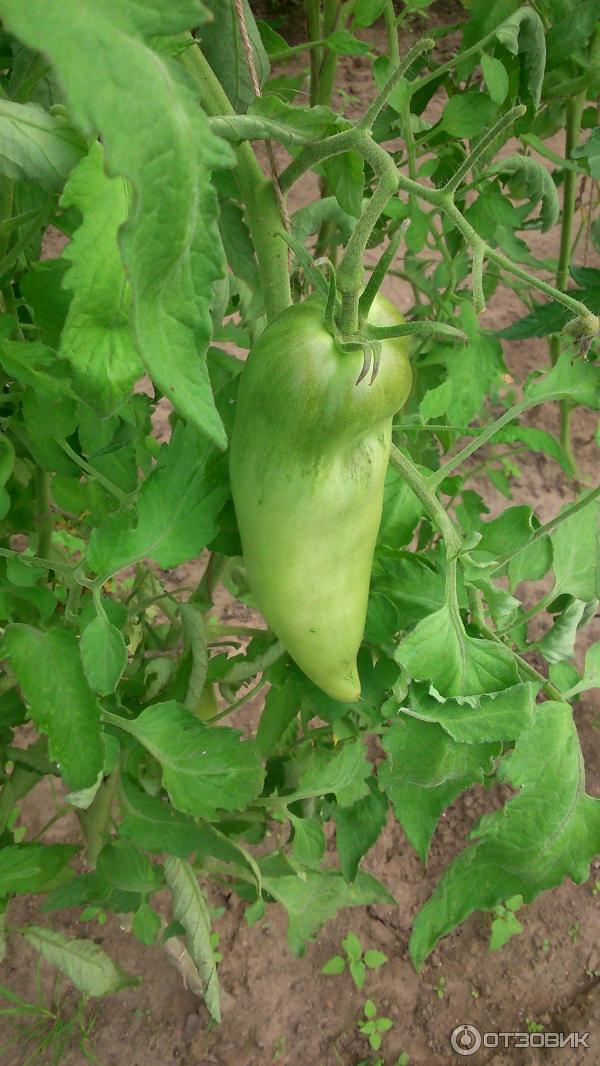
When tomatoes like these started appearing in my greenhouse, I couldn't figure out what variety they were. They looked a lot like pepper tomatoes. It's a good thing I didn't throw out the seed packets.
By process of elimination, since these tomatoes did not resemble any of the “hearts”, I came to the conclusion that this was the “Ladies' Man”.
Of course, there is no comparison with "De Barao", because they are quite large in size.
And if you preserve them, for example, in a liter jar, you won’t be able to fit a lot in there.
But they looked good. But what about the taste? I didn't want a surprise like the one from "Ox Heart."
Of course, they don't quite look like the ones in the picture. I wonder where that name comes from?
But they really did taste very good.
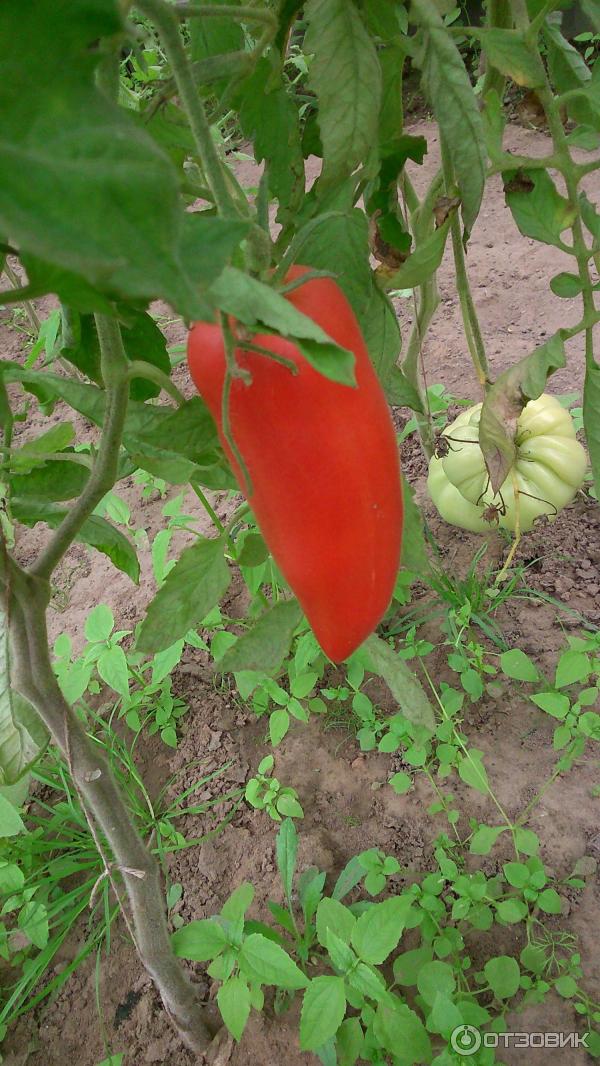
Sweet, meaty, which is clearly visible in the photo.
I haven't decided to preserve them yet, though. I don't want to cut them up, and whole ones are too big for me. Maybe the last few will be smaller.
But in the salad they turned out to be simply excellent in taste.
Therefore, I can recommend this variety to summer residents if you haven’t tried it yet.
Have a good harvest!
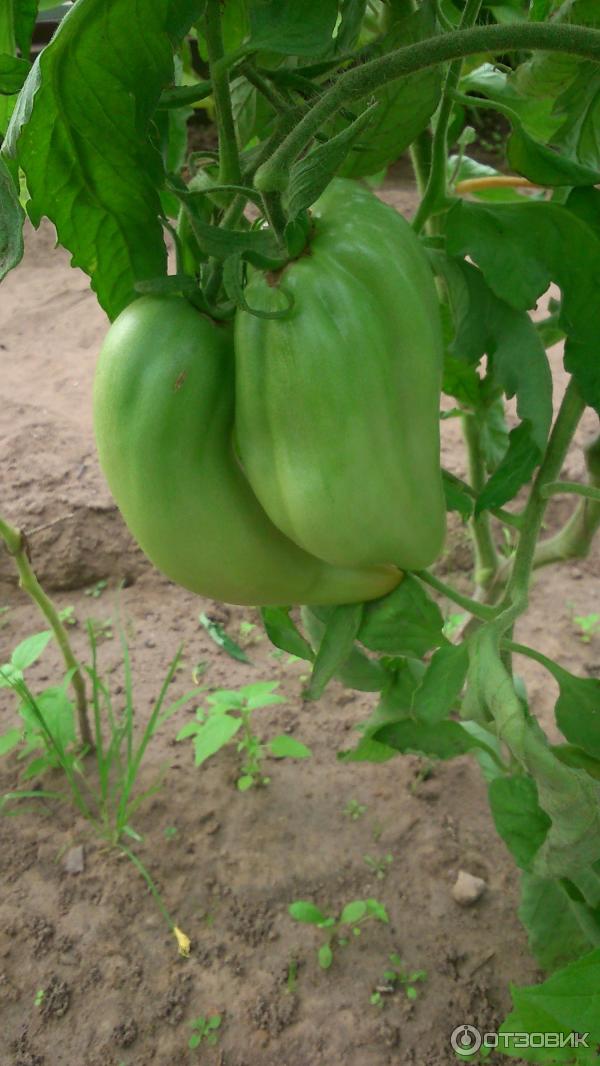
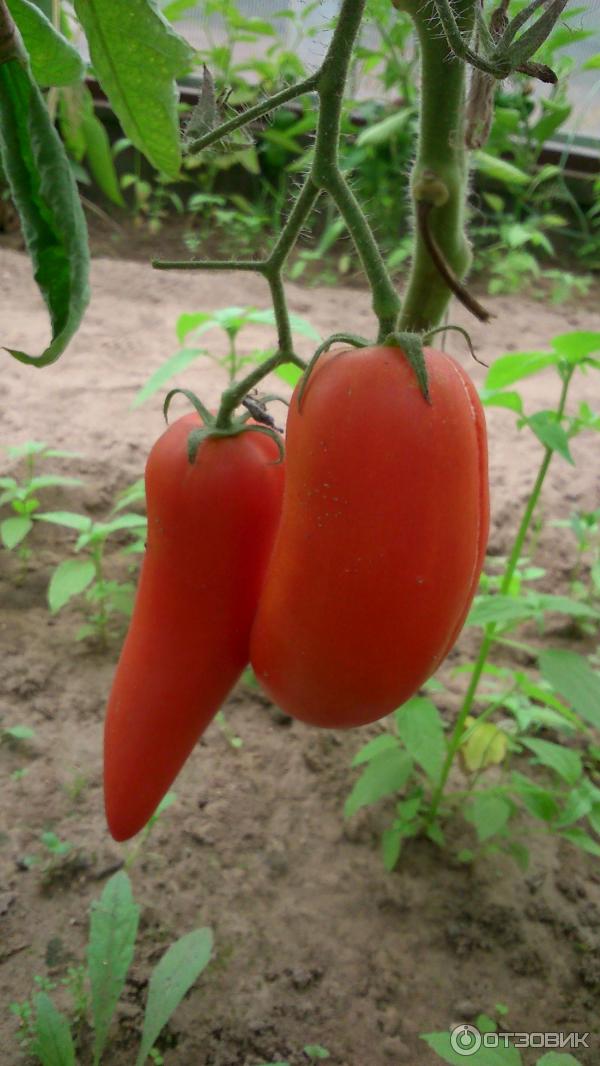
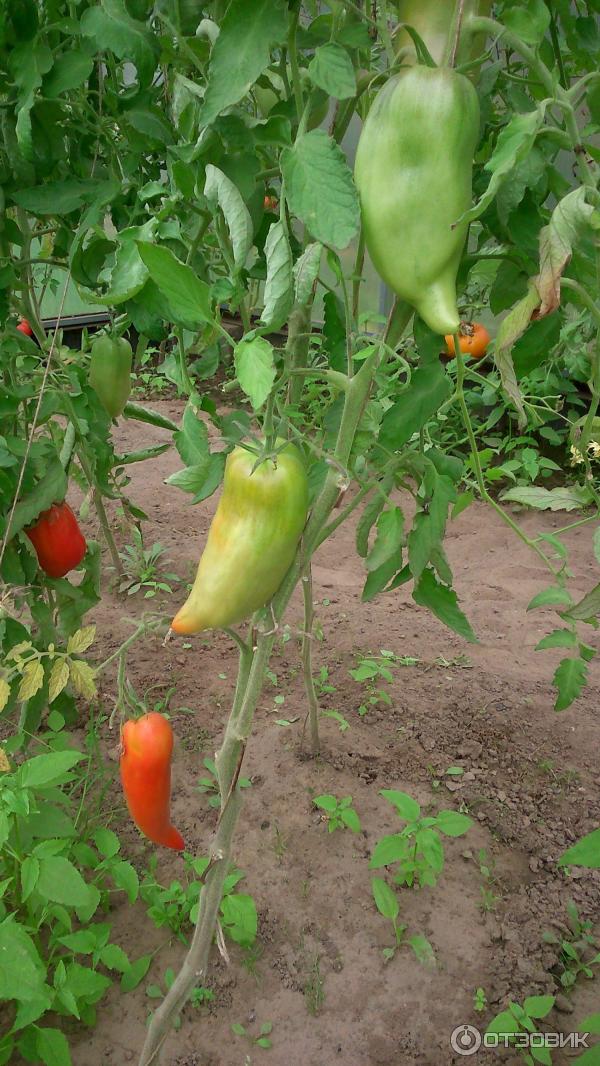
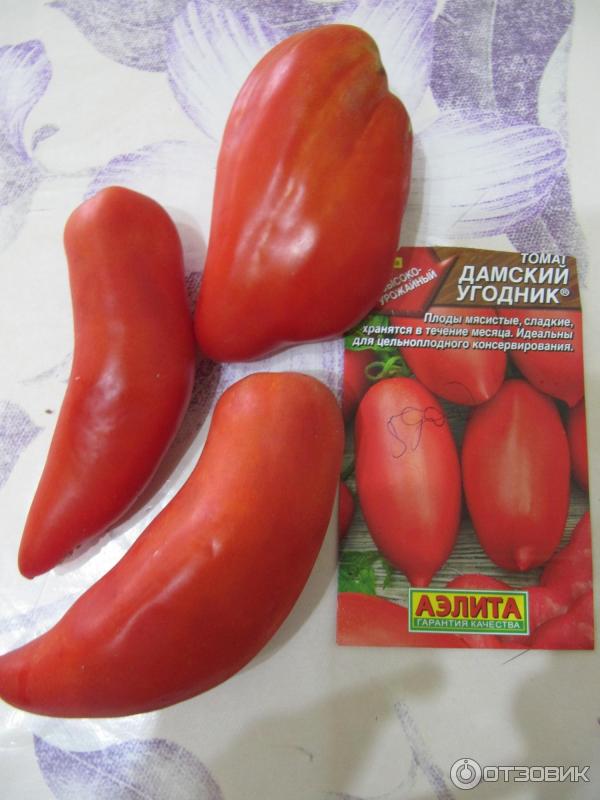
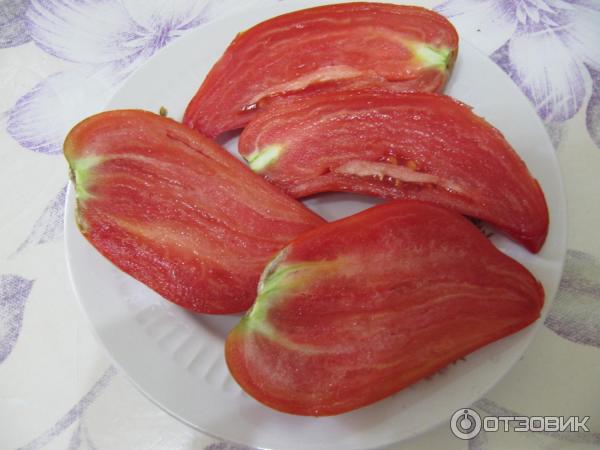
Last year, I bought "Aelita" tomato seeds. I planted the seedlings in the greenhouse in the summer and waited for the harvest. I was so happy to see my fruits in mid-July. What was so special about this variety? The tomatoes were very sweet, and the fruits themselves were fleshy. Overall, the taste was excellent! They are cylindrical with a spout, smooth, and very dense. They weigh about 45-60 g. Our whole family ate them fresh and made salads. And the kids especially loved this variety! I even made a couple of jars of preserves! I'd also like to say that to ensure a large harvest, be sure to remove side shoots, water, and loosen the soil! Then the harvest will be bountiful. I encourage you to try planting this variety too!
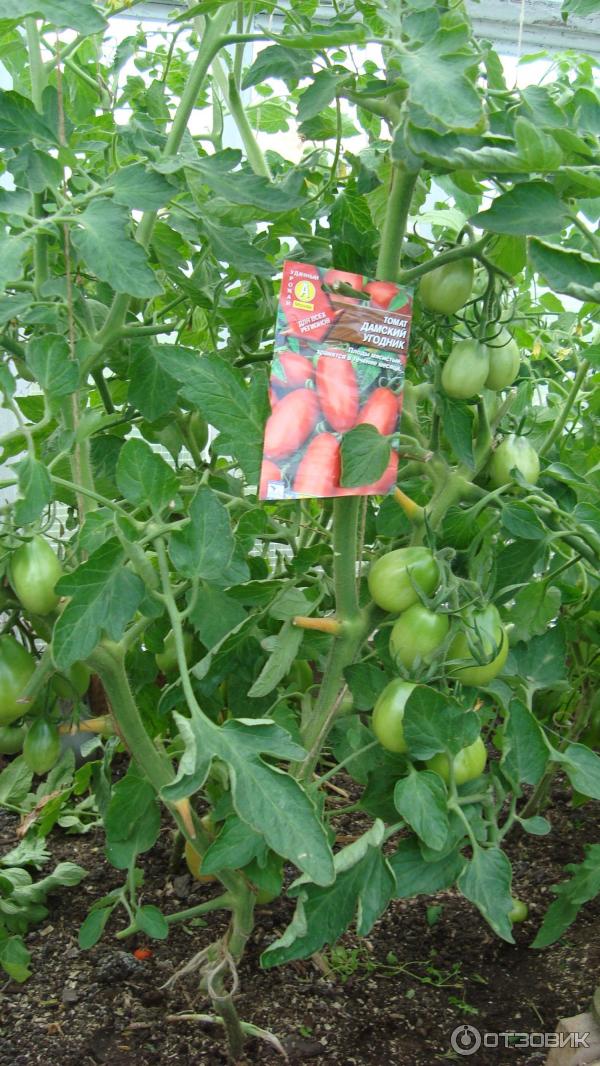
This variety was chosen for its small, uniform fruits with a large yield and low maintenance. And so it turned out. The tomatoes are beautiful, growing in neat rows on the vine, and are good for pickling, pureeing, and salads. However, they weren't very productive. Perhaps because they weren't early, and our summers are short and cloudy, they didn't have the strength to fully develop. Nevertheless, I continued to plant them for several years due to their quality.
Fruit. The stems were strong, the bushes always vigorous. If they got sick, it was no more than others. They can be planted in open ground, and then the bush is truly a sight to behold. My relatives planted them in warm climates. I highly recommend planting this variety at least once!
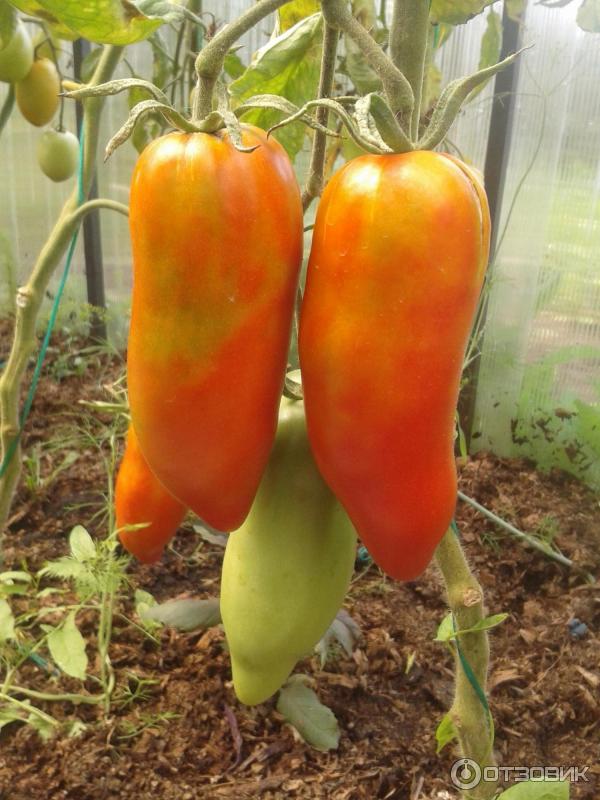
Every year I plant about 100 tomato plants, both in the open ground and in a greenhouse. Half the seedlings are from tried and tested varieties, the other half from untested ones. Last season, I was tempted by the picture on the seed packet of the untested "Ladies' Man" variety, and the seedlings turned out to be larger than usual. Ultimately, this tomato variety was planted both in the greenhouse and in the open ground. But there's a big difference! In the greenhouse, the tomato performed very well: the fruits, although few in number, are large, pepper-shaped, about the size of a palm. In the open ground, there were practically no fruits, but the summer of 2017 in our region was cold and rainy, so my experience is not representative. The tomatoes grown in the greenhouse surprised me with their shape, unlike the seed manufacturer's description, and excellent quality. Firstly, they keep well—the fruits are firm, without excess moisture inside; the last specimens lasted until the end of November. Secondly, they have excellent flavor. These tomatoes are great for freezing in pizza circles and for making sauces and adjika.
Looking at the picture of the "Ladies' Man" tomato seed packaging, one might wonder: why "Ladies' Man"? And why "Ladies' Man"? I can't say I've found the answer, but I have some guesses, which I'll discuss further in this review.
So, the standard seed packaging has an image of the fruit on the front and a description of the variety and growing tips on the back.
The tomatoes are promised to be high-yielding and large.
Inside the beautiful packaging, the seeds are packed in a small white bag, there are quite a lot of seeds.
The germination rate of the "Ladies' Man" is good, but still not 100%, like with other tomatoes that I also planted this year.
The "Ladies' Man" bushes moved to a permanent residence in the greenhouse in May.
By the end of August, the tomatoes were ready to eat.
This is what a freshly picked "Ladies' Man" looks like. The fruit is long, narrow, and resembles a chili pepper. Well, at least that's what mine turned out like.
The tomato bushes are abundantly covered with fruit, almost as many as these cherry tomatoes “Red Cherry”, my favorite.
The "Ladies' Man" has a good taste; the flesh is juicy and not sour, and the skin is thin. It's great in salads, and it's also delicious eaten on its own. I haven't made any preserves yet, so I'm not sure how it will perform.
Let me move on to the disadvantages of the variety, how could we avoid them.
One drawback I'd note is susceptibility to disease. Of all the tomatoes planted this year, only "Ladies' Man" developed blossom-end rot, which causes the tips of the tomato to turn black.
It's so frustrating—there's a practically ripe tomato hanging there, and the very tip is damaged. Sure, you could trim it and put it in a salad, but it's still unpleasant.
Overall, it's an interesting variety and I would recommend it.
And finally, why "Ladies' Man"? I think it's the taste; it's sweet, but what else?
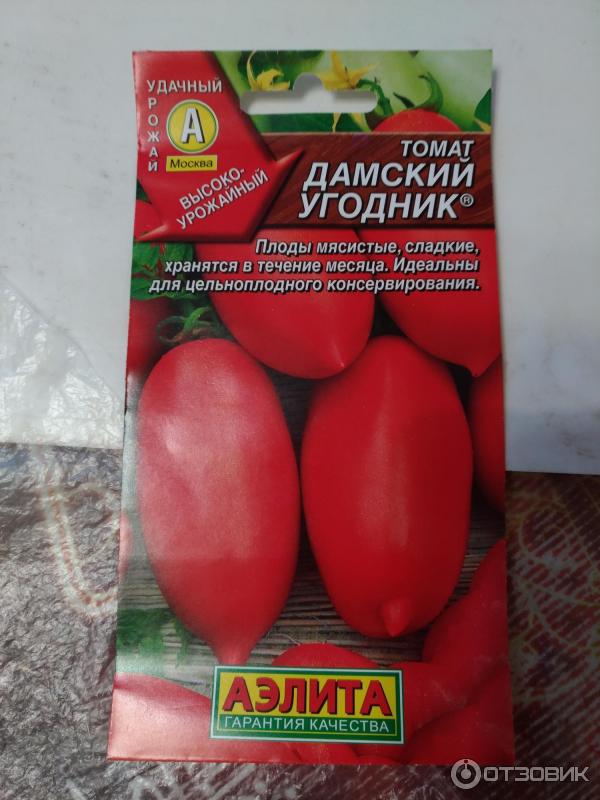
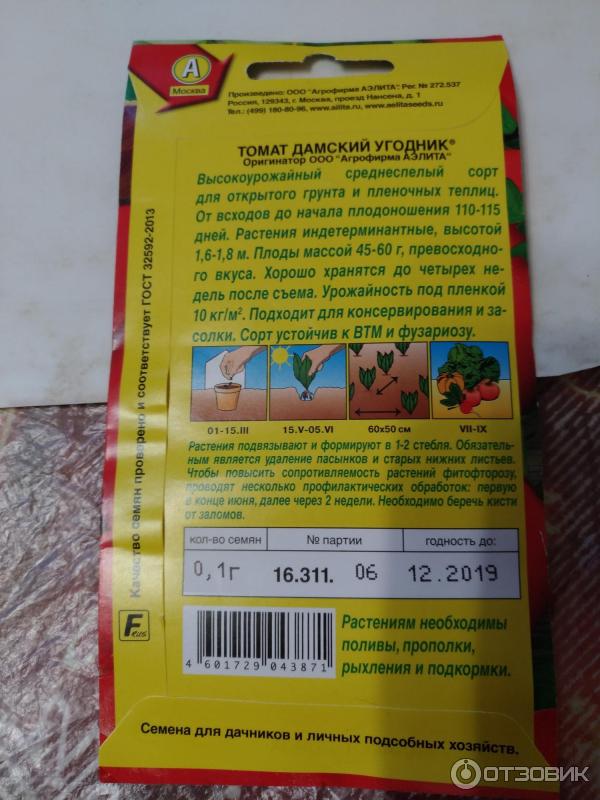
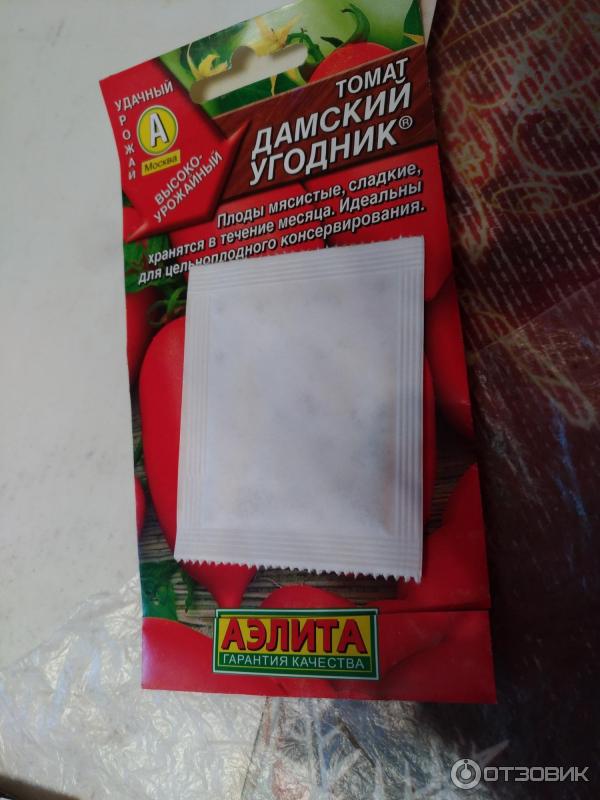
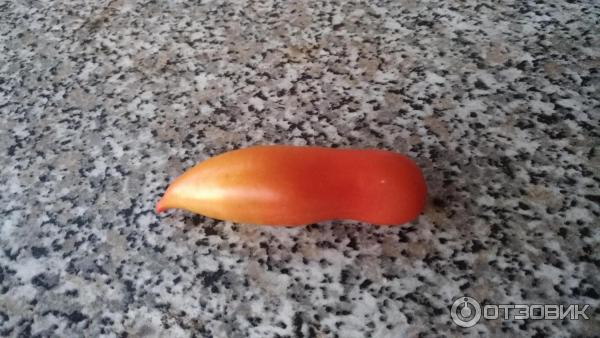
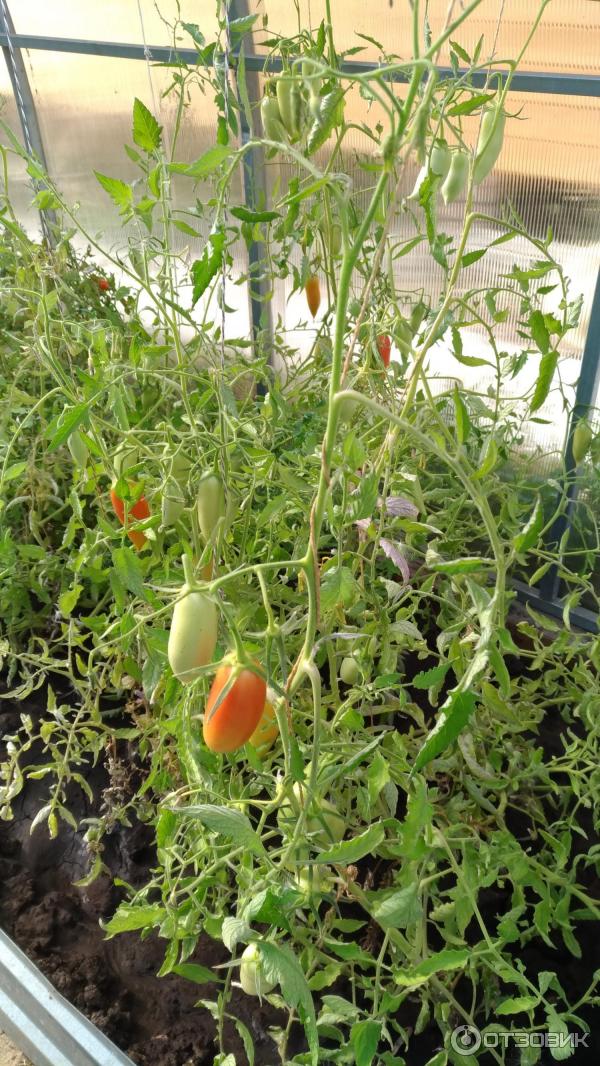
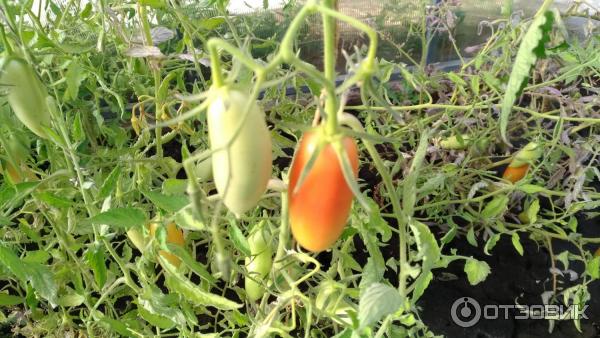
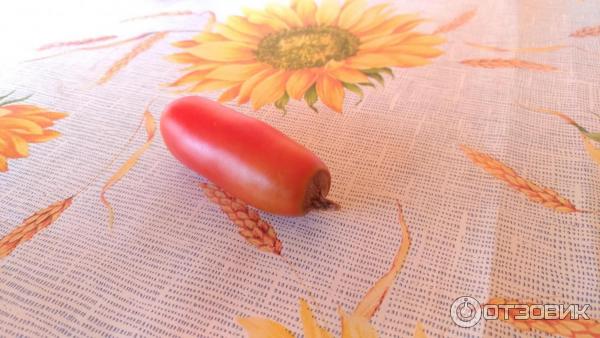
There are a huge number of tomato varieties. Every year I try to plant a new one in my garden. Last year, I bought the Aelita "Ladies' Man" tomato variety at a kiosk. These tomatoes are mid-season and are suitable for growing outdoors or in a greenhouse.
The "Ladies' Man" tomato variety is easy to care for. It quickly adapts to adverse weather conditions. Fruit sets in any weather conditions. This variety pleases me with its consistent harvest. Last year, I had an excellent harvest.
Tomatoes can be used for eating, pickling, marinating, and canning. Tomatoes of this variety are oval to cylindrical in shape. They have thick, smooth skin. Inside, the pulp is tasty and juicy. The tomatoes themselves are a bright red color. They produce numerous fruits, but they are not particularly large. The average tomato weight is about sixty grams.
I love this variety not only for its flavor and excellent presentation. They don't crack, have a long shelf life, and can be transported long distances. These tomatoes are also resistant to viral diseases. I make juice from them and make tomato paste for the winter.