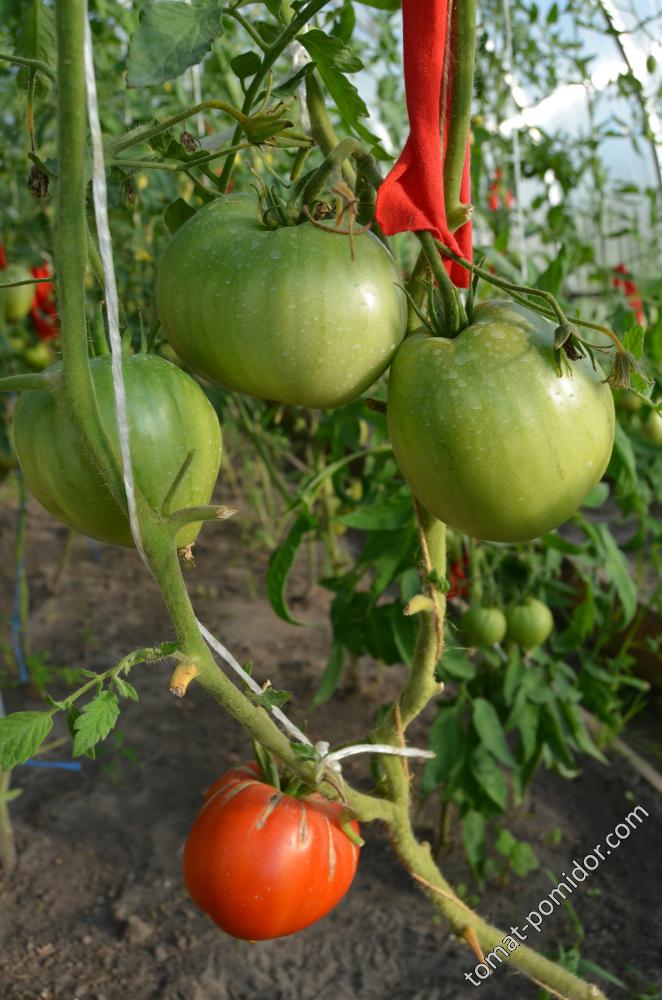
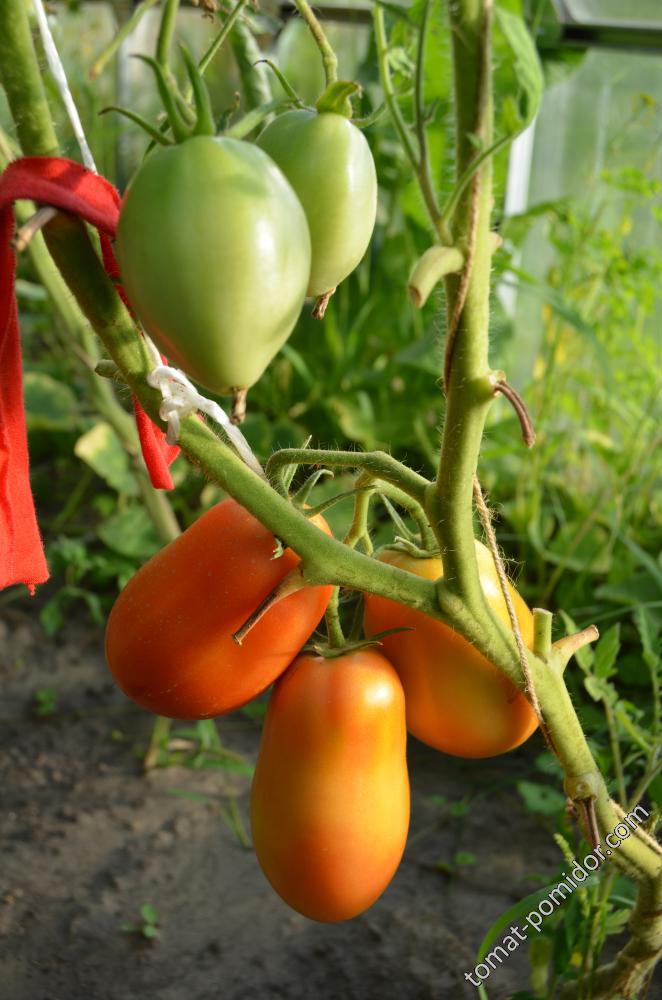
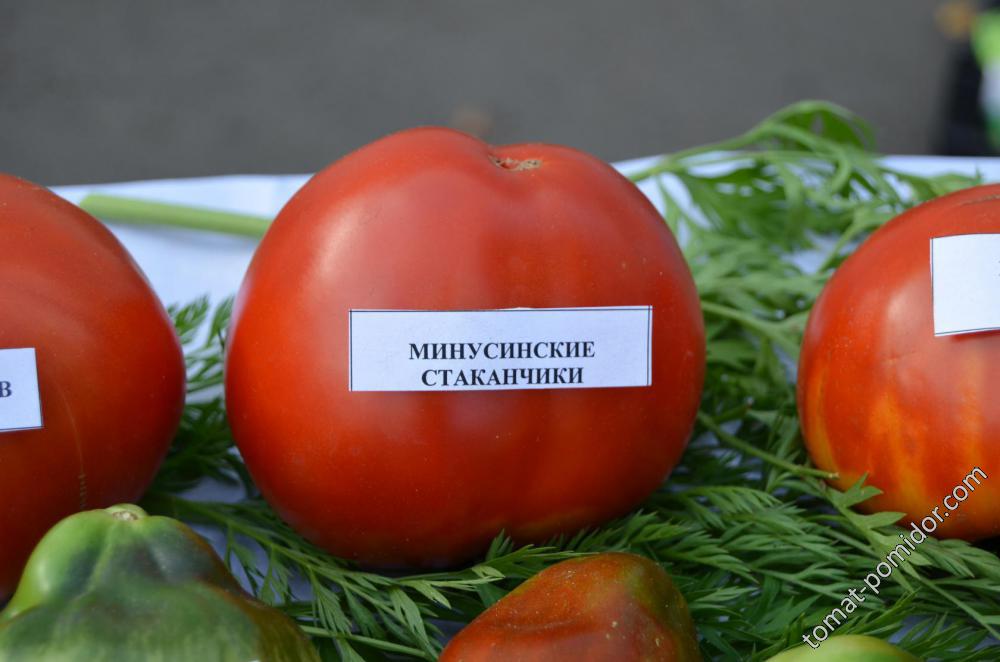
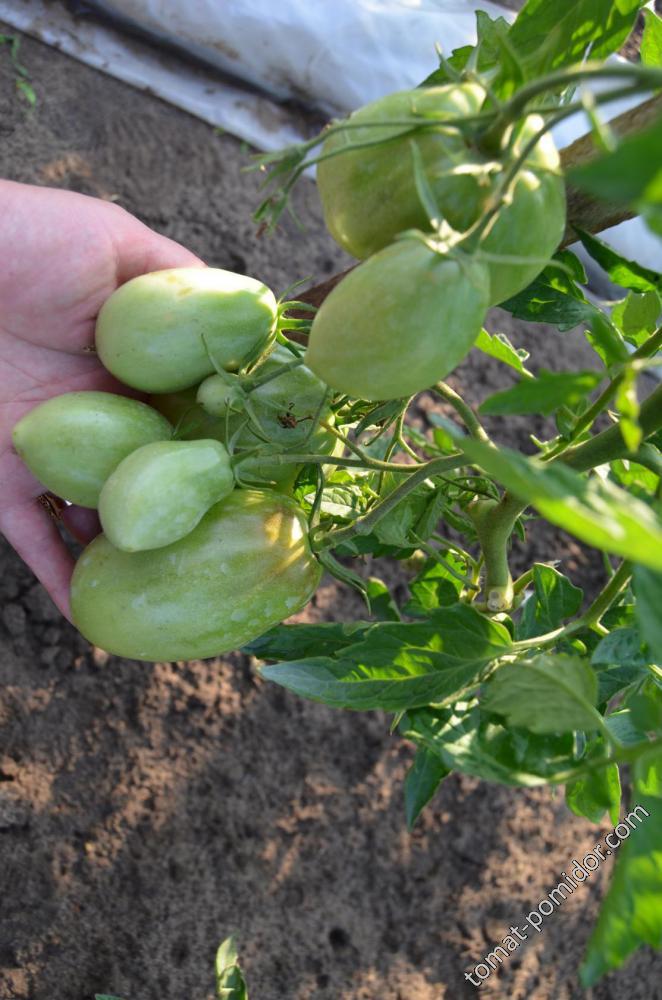
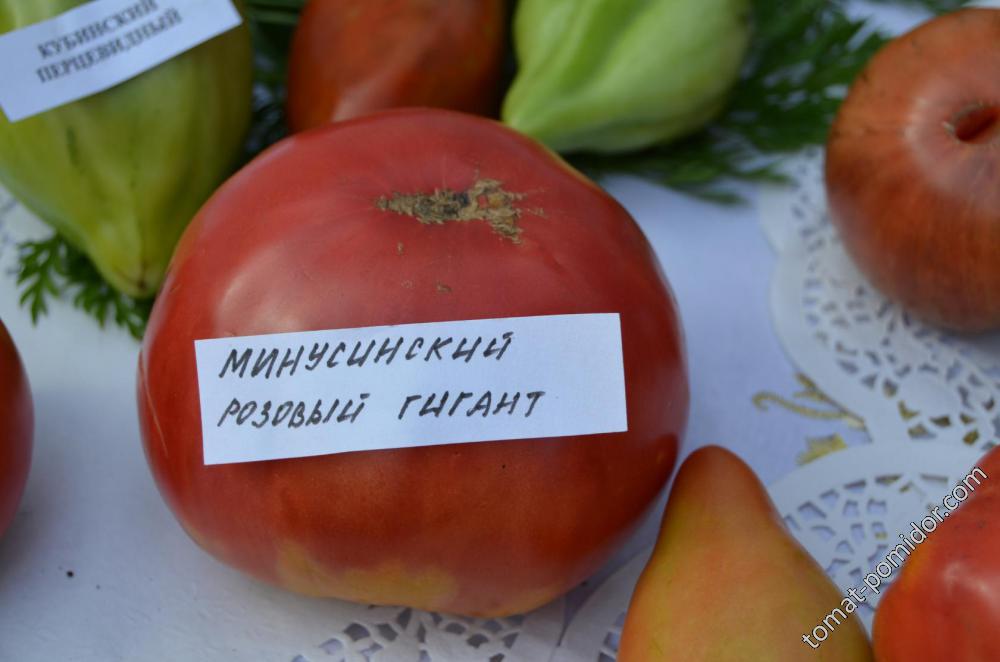
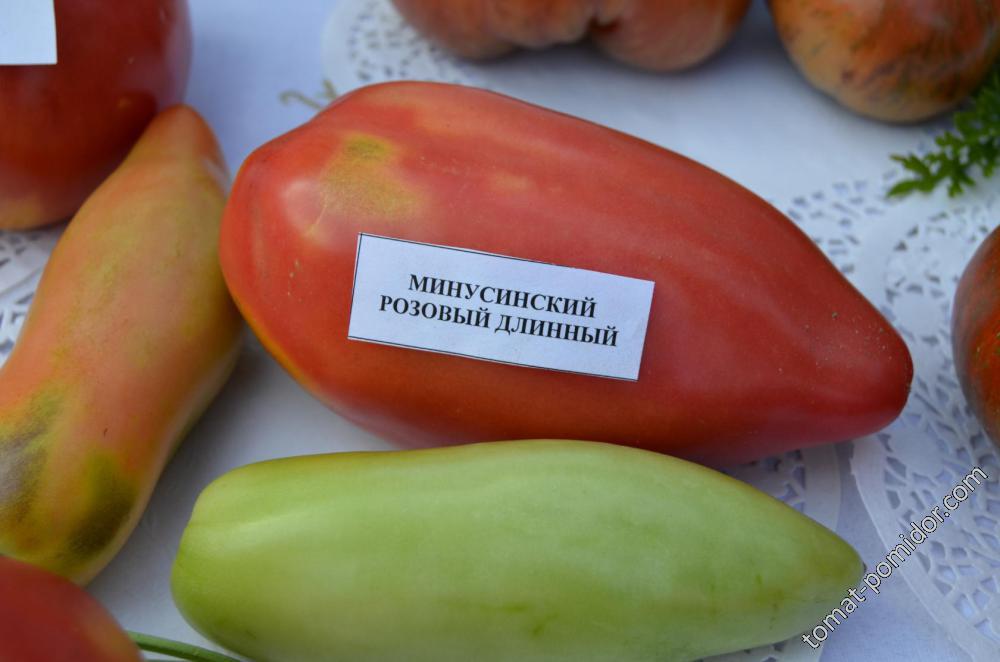
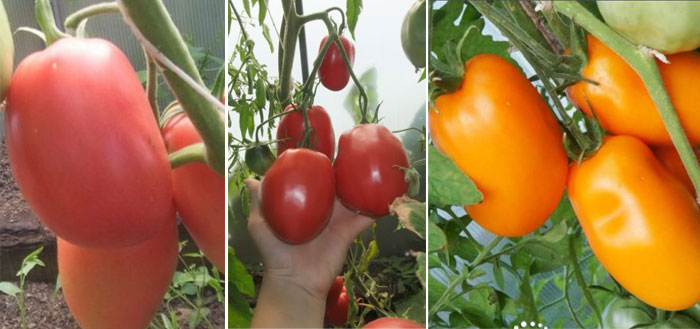
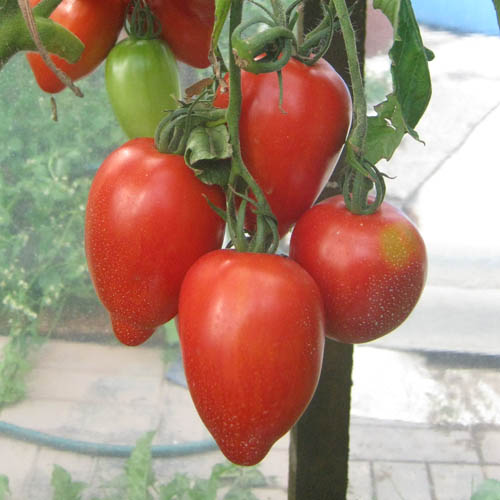
The Minsunskie Glasses tomato (orange, red, pink) gets its name from its irregularly plum-shaped fruits, resembling small glasses. As you've probably already guessed, these tomatoes come in pink, red, orange, or yellow. Growing conditions vary slightly; more detailed characteristics are provided in this article.
Content
- 1 Table of characteristics of the Minusinsk Glasses tomato variety
- 2 Photo gallery of the Minusinsk Glasses tomato variety
- 3 The origin of the Minusinsk Glasses tomato variety
- 4 A detailed description and review of the Minusinsk Glasses tomato variety
- 5 Advantages and disadvantages of the Minusinsk Glasses tomato variety
- 6 Planting Features of the Minusinsk Glasses tomato variety
- 7 Care, watering and fertilizing of the Minusinsk Glasses tomato variety
- 8 Resistance of the Minusinsk Glasses tomato variety to diseases and pests
- 9 Storage and use of Minusinsk glasses tomatoes
- 10 Comparison of the Minusinsk Glasses tomato variety with other varieties in the table
- 11 Real reviews from gardeners about the Minusinsk Glasses tomato variety
Table of characteristics of the Minusinsk Glasses tomato variety
| Characteristic | Description |
| Description | A tall, indeterminate variety with a mid-season ripening period. The bushes are vigorous and spreading, with fruit ripening spread out over a long period. Suitable primarily for greenhouse cultivation. |
| Ripening period | 95-110 days |
| Fruit weight |
100-400 g for pink tomatoes 100-350 g for orange tomatoes 100-250 g for red tomatoes |
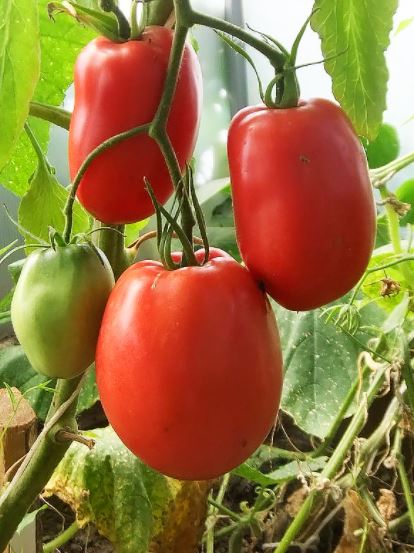
| Description of the fruit | The skin color varies by variety and can be red, pink, or orange. The fruits have an irregular plum-shaped form. |
| Productivity | Up to 4.2 kg per bush |
| Usage | The fruits are suitable for whole-fruit canning and can be processed into juice, paste, or sauces. Red tomatoes are considered a salad variety, while orange ones are ideal for children's and dietary menus. |
| Preferred growing regions | Initially, the variety was intended for cultivation in the Krasnoyarsk Territory, but later spread to different regions. |
| Disease resistance | It has a relatively strong immunity, but requires prevention of late blight. |
| Agricultural technology | Tall shoots need support, plants are formed into 1-2 stems, stepsons are removed. |
| Not included | |
| Country of origin | Russia, Minusinsk, folk selection (Myazina L.A.) |
Photo gallery of the Minusinsk Glasses tomato variety
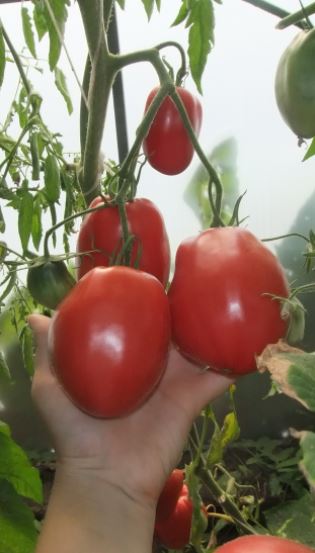
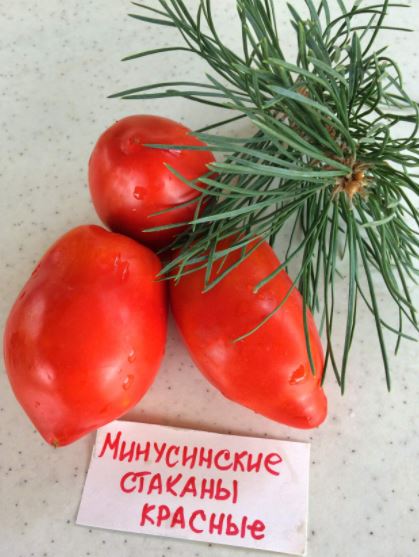
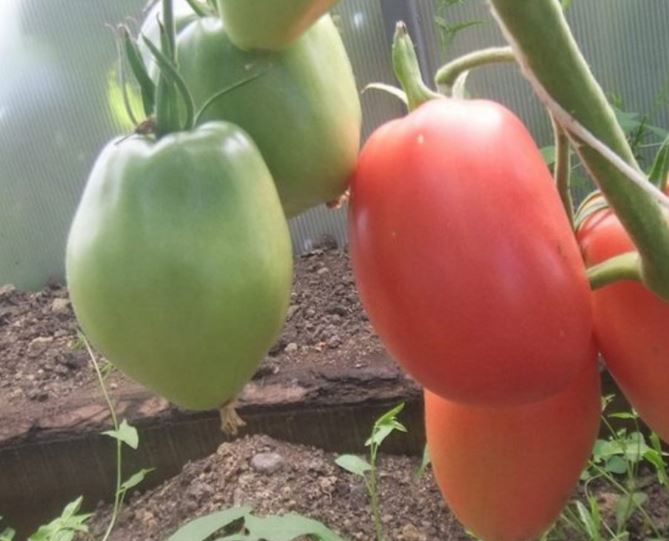
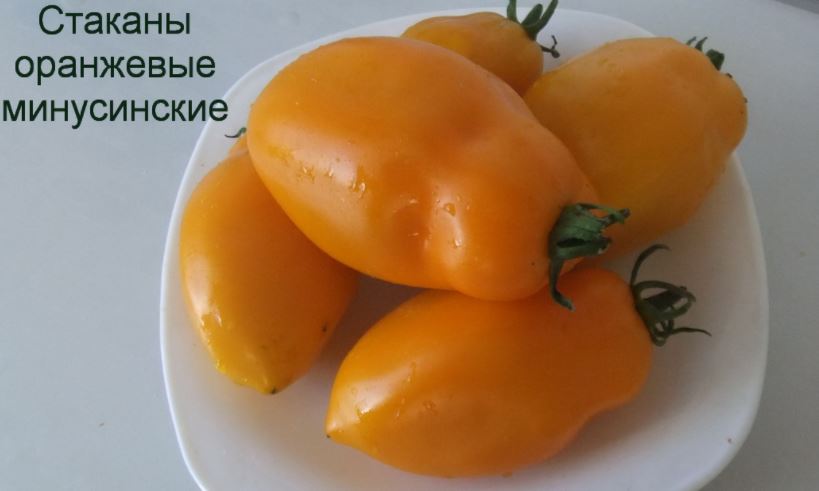
The origin of the Minusinsk Glasses tomato variety
The Minusinskie Glasses tomato originated in the 19th century, but breeders in Minusinsk began to focus on its development several decades later. Initially, the tomatoes were intended to be grown only in greenhouses in the Krasnoyarsk Krai, but consumers loved the sweet fruit so much that it spread throughout the country. Currently, the Minusinskie Glasses variety is not listed in the registry.
A detailed description and review of the Minusinsk Glasses tomato variety
Tall tomatoes are distinguished by their strong bushes, excellent yield and resistance to various diseases.
Bushes
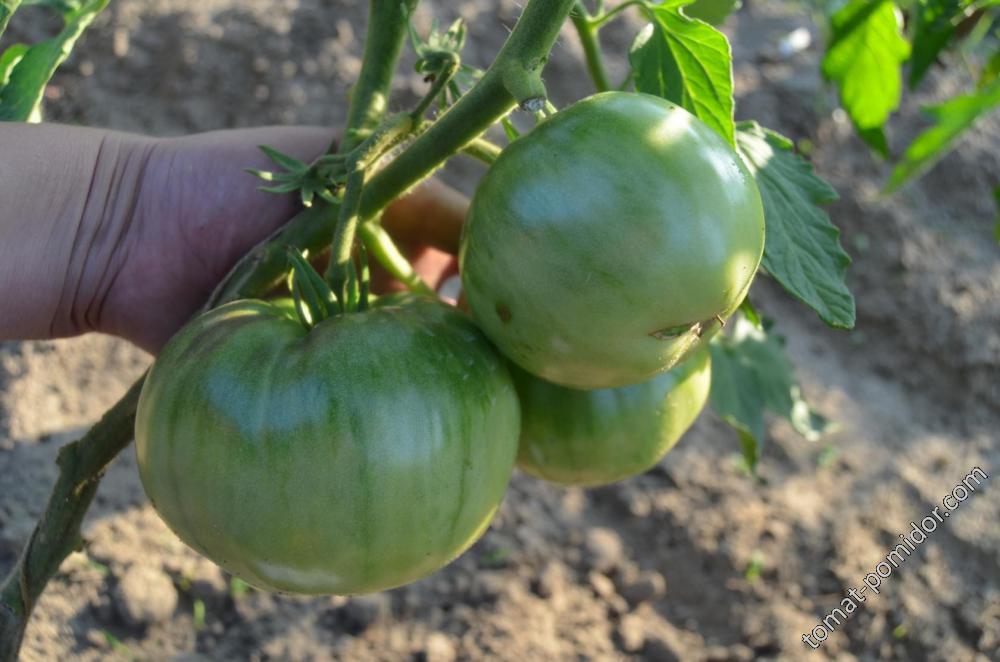
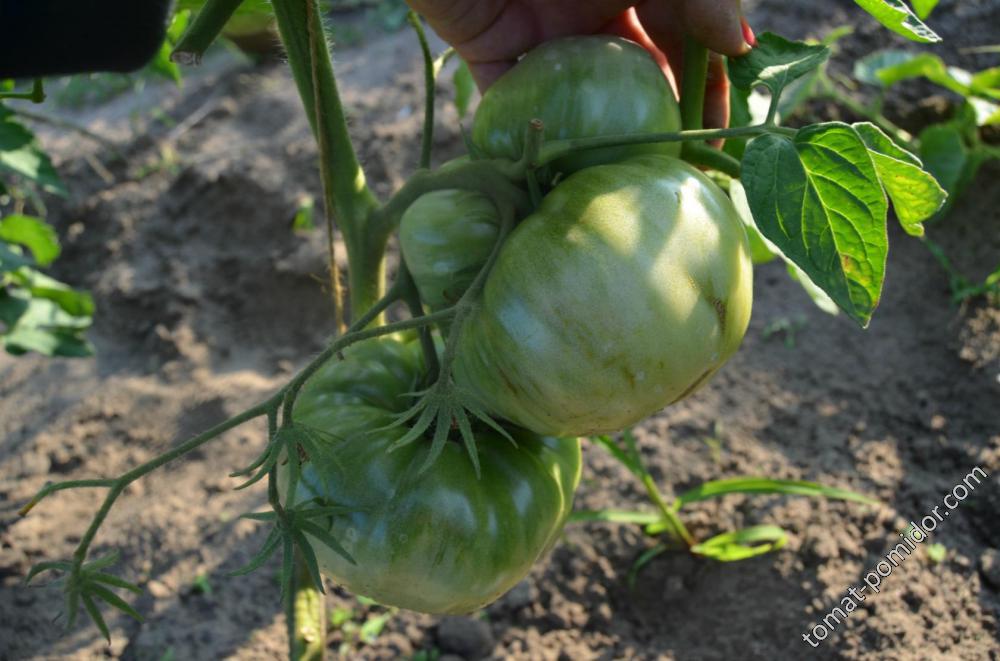
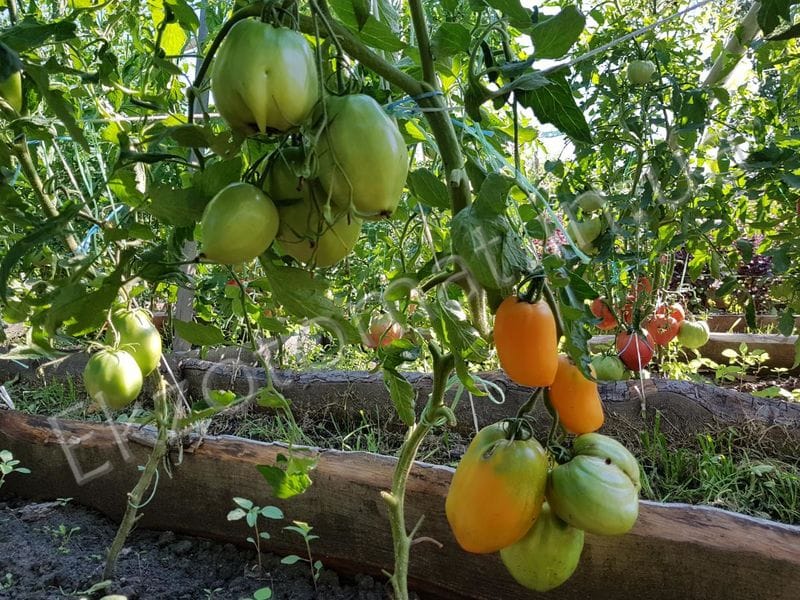
Indeterminate shoots can grow up to 250 cm tall, so this variety requires staking. The stems are strong and produce numerous side shoots. To avoid overcrowding, it is recommended to remove them promptly.
The foliage is medium; remove leaves as needed to prevent them from blocking light from reaching the fruit. Once ovaries begin to form, experienced gardeners recommend removing the lower leaves.
Because the shoots grow quite widely and the root system is strong, tomatoes are trained to have no more than 1-2 stems. Otherwise, care will become more difficult, competition for nutrients will increase, and the plant's yield will decrease.
Fruit
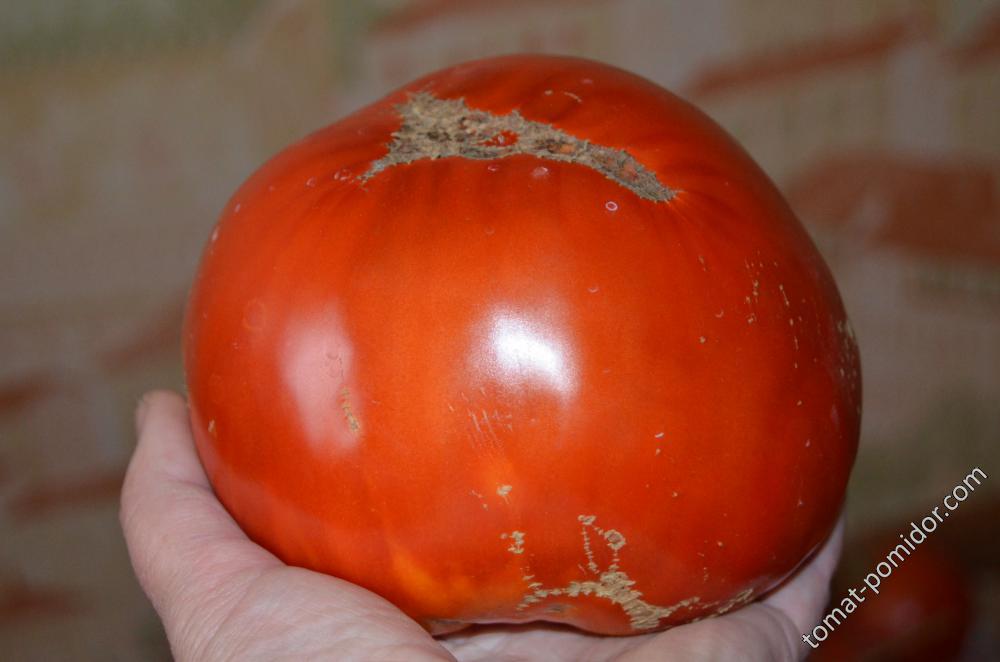
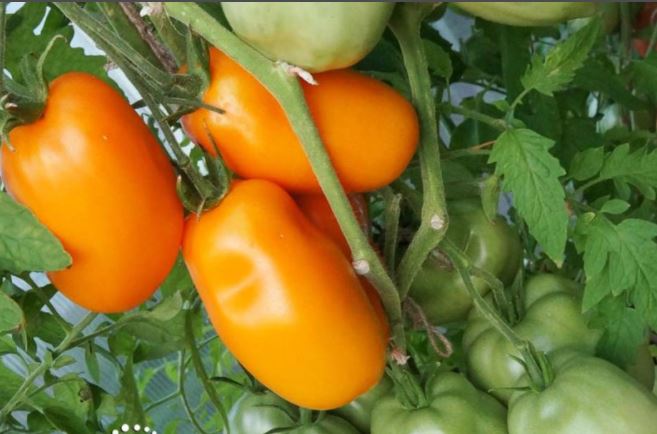
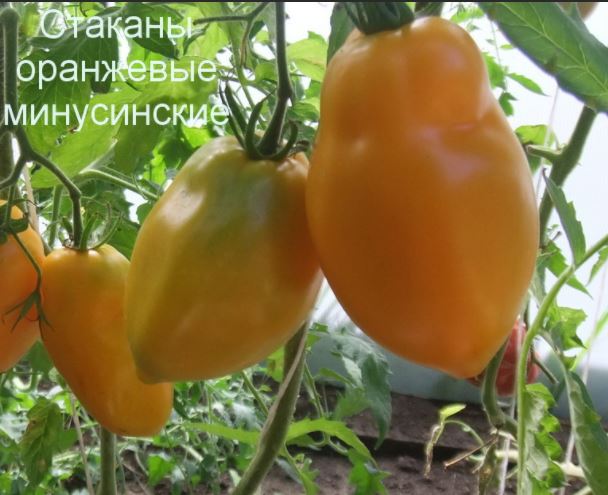
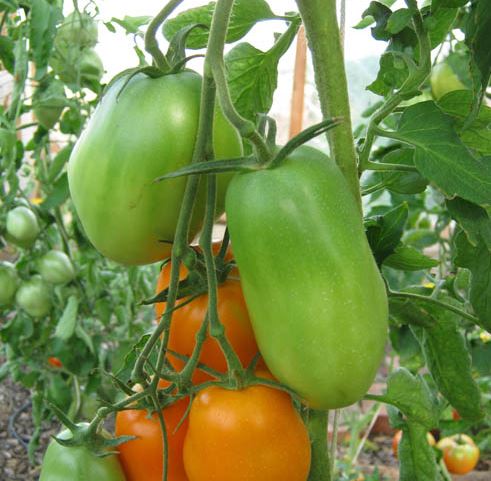
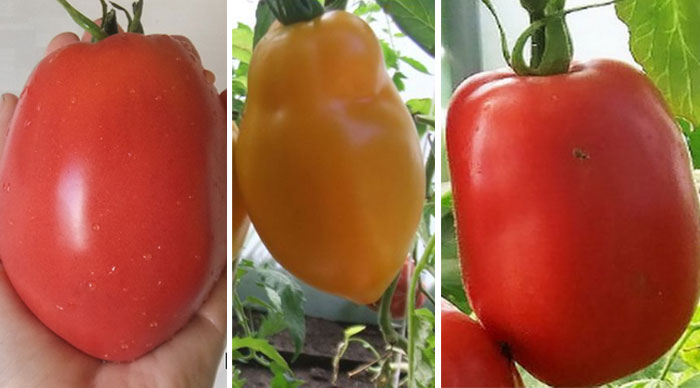
The fruit's shape is similar to the well-known plum tomato, but Minusinsk glasses aren't as smooth and uniform. Their size ranges from 100 to 400 grams, depending on the location of the fruit, its color, and the ripening sequence. Gardeners note that the harvest ripens unevenly, one after another, so the fruiting period is quite extended.
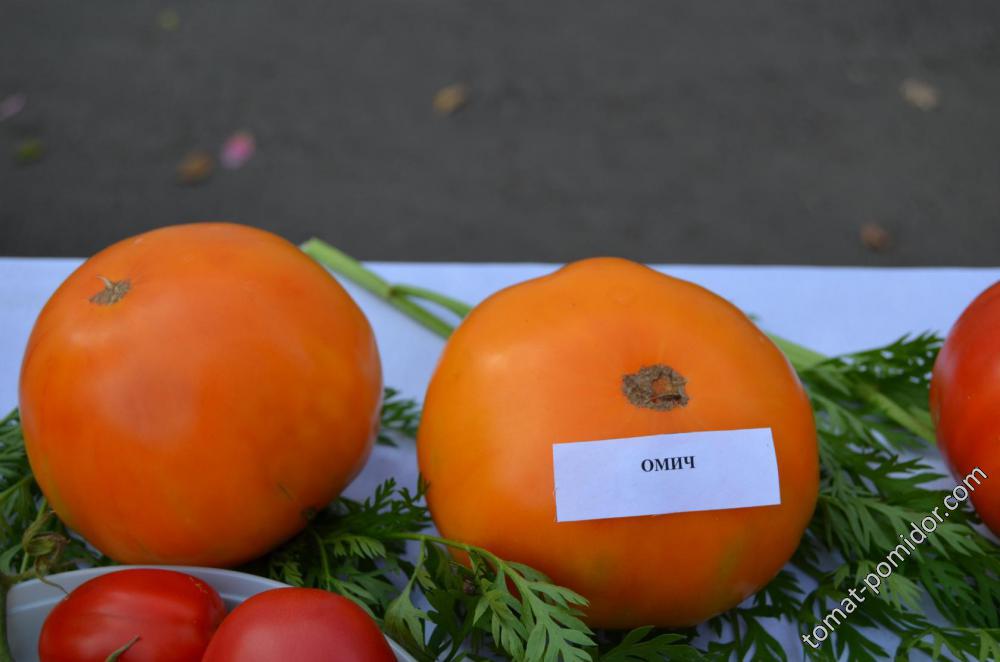
The skin color varies by variety and can be pink, red, or orange (yellow). The skin itself is thick, allowing the tomatoes to remain fresh for a long time without cracking.
Productivity
Minusinsk cup tomatoes are known for their high yields; with proper care, a single plant can yield up to 4.2 kg of tomatoes. This yield may decrease in open ground.
Ripening time
The ripening period is average, with about 95 days from germination to harvesting the first tomatoes. However, due to uneven ripening, the fruiting period is significantly extended. The first tomatoes are large, while the last ones become significantly smaller.
Advantages and disadvantages of the Minusinsk Glasses tomato variety
The Minusinskie Glasses variety has its own advantages and disadvantages, which are described in the table below.
| Advantages | Flaws |
|
|
Planting Features of the Minusinsk Glasses tomato variety
The Minusinskie Stakany tomato was originally intended only for growing under plastic covers and in greenhouses, as the variety was developed in the Krasnoyarsk Krai, where growing vegetables is virtually impossible otherwise. However, today, residents of southern regions successfully plant seedlings directly in open ground and reap a handsome harvest.
Sowing seeds and growing seedlings of the Minusinsk Glasses tomato variety
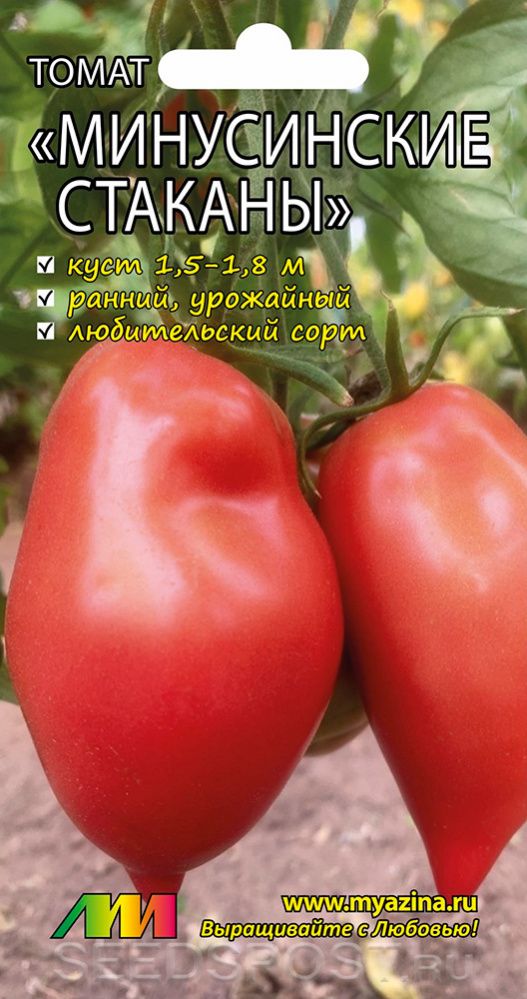
Minusinsk cup seeds can be purchased in a store or collected independently.
Tomatoes from the manufacturer generally don't require any processing. This will be indicated on the packaging. If this information isn't available, proceed as with home-grown seeds.
Seeds collected by hand must be disinfected to kill any potential pathogens. This step should not be ignored, as the quality of the seeds will ultimately determine the tomato yield. To do this, soak all the seeds in a weak solution of potassium permanganate for 20 minutes, then remove and dry. To improve their quality and speed up germination, you can additionally treat the seeds with Epin, Fitosporin, or any other suitable solution.
Sowing takes place in late February or early March, no later than the first ten days of the month. However, experienced gardeners strongly recommend sprouting the tomatoes beforehand. A couple of days before the intended planting date, wrap them in a damp cloth and place them in a warm place. Sprouts typically appear on the second day, and planting is ready.
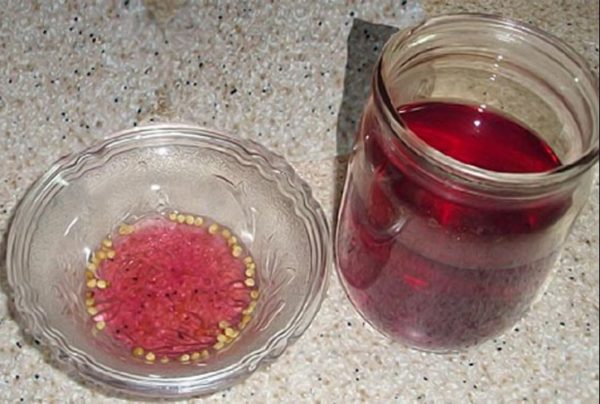
The soil should be breathable, which is crucial for tomatoes. If you can't buy a ready-made potting mix, you can make your own. Mix equal parts garden soil, peat, humus, and river sand. The resulting substrate should also be disinfected. There are many methods, but the most common ones are baking in the oven and soaking in a potassium permanganate solution.
Wooden boxes with trays are best for seedlings, but plastic containers are becoming increasingly popular. If you use them seasonally, be sure to disinfect them before use.
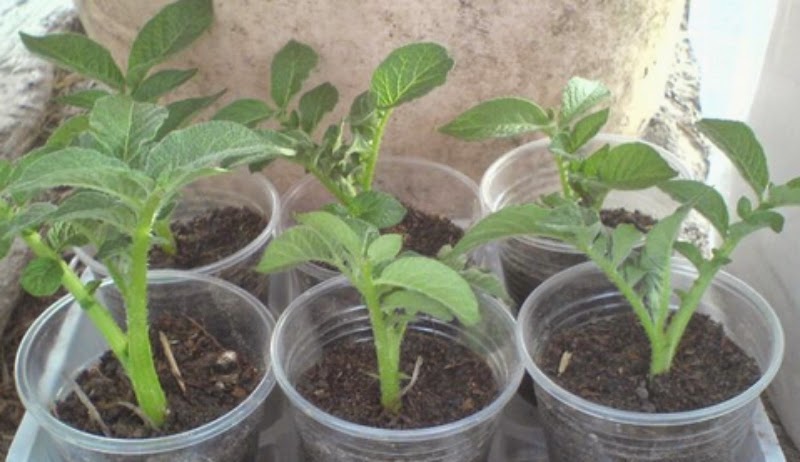
Fill the selected container halfway with potting soil, then make furrows up to 15 mm deep. Place the sprouted seeds in these furrows, cover with a 1 cm layer of soil, and water with a spray bottle. At this stage, it's not recommended to use a watering can to avoid washing away the soil. No additional fertilizer is needed; the plants will have sufficient nutrients from the seeds themselves for now.
Cover the box with plastic or glass and place it in a warm, well-lit location. Periodically remove any condensation that may accumulate inside to prevent mold growth.
As soon as all the seeds have sprouted and the seedlings reach the cover, it must be removed and the container moved to a cooler place with a temperature no higher than +22 °C.
It is important that tomatoes have enough light, so it is advisable to use additional light sources, such as a special phytolamp.
Once the shoots have three true leaves, you can begin transplanting them into individual cups. Use the same soil mixture as for seeds.
Planting the Minusinsk Glasses tomato variety in the ground
On average, it takes about 55 days from planting to transplanting seedlings into the garden. Residents of southern regions can plant tomatoes outdoors, but it's important to ensure the soil warms to at least 15°C. Covering the soil with dark film will speed up this process.
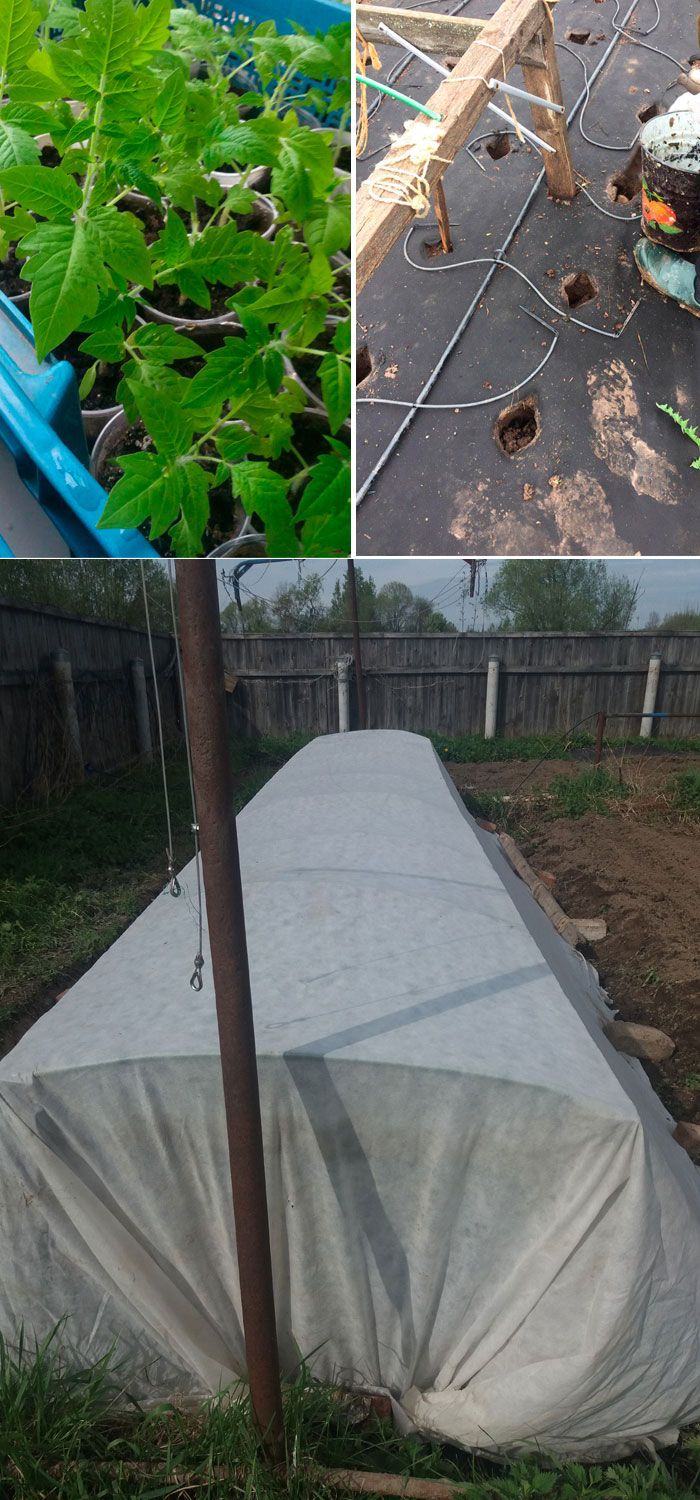
A week before planting, the seedlings begin hardening off. They are placed on the balcony or outside for a couple of hours, then left there for the entire day.
The soil is prepared in advance by digging it up in the fall along with fertilizer. In the spring, it is dug up again. To enrich the soil with nutrients, 14 days before work begins, the future bed is seeded with green manure, such as mustard, and then mowed and left to lie on top of the soil.
The holes are dug 25 cm deep, with a diameter 5 cm larger than the pot's diameter. The tomatoes are removed from their cups, along with the root ball, and placed in the bed. The distance between the plants should be at least 60 cm, as they grow very quickly. A 60-70 cm gap is left between the rows. This allows for a maximum of three plants per square meter.
Care, watering and fertilizing of the Minusinsk Glasses tomato variety
Minusinsk Cups tomato shoots grow up to 250 cm, so they need to be tied up. Quite a few side shoots appear, but the tomato should be trained to no more than two stems. Any excess shoots should be promptly removed, especially those that appear under the trusses. In the south, gardeners can leave three side shoots, but the fruits will be relatively small.
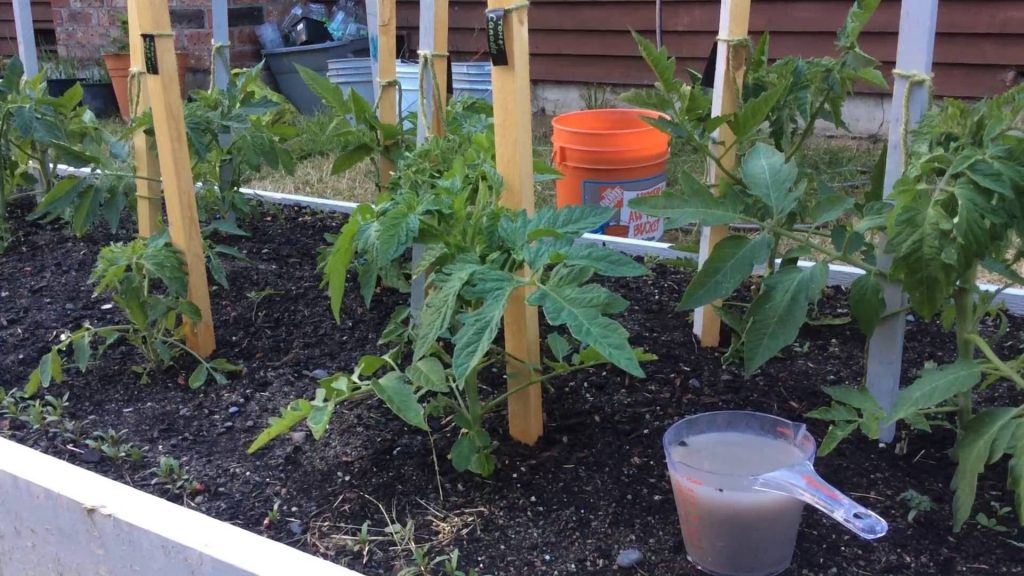
For good growth and increased yield, tomatoes need the nutrients they receive from the soil. The first feedings are done 10 days after transplanting. Experienced gardeners recommend using a solution made from mullein. It can be purchased at any gardening store. Preparing the fertilizer is very simple. You will need:
- 10 liters of water;
- 500 ml of mullein;
- 1 tbsp. l. nitrophoska.
All components are mixed together, the consumption per bush is 200 ml, top dressing is carried out after the main watering.
When ovaries appear and the period of active development begins, a different fertilizer is used: 1 tablespoon of potassium sulfate, 1 teaspoon of superphosphate, and 10 liters of water. Watering is done at the rate of one liter per plant. Some gardeners prefer ready-made mixtures of complex fertilizers, such as Senor Tomato.
When growing tomatoes, it's crucial to avoid overwatering and waterlogging around the roots, as this can lead to the development of fungal diseases. Drought is also very harmful to the crop. Insufficient moisture will result in tomatoes that are less sweet and flavorful.
Resistance of the Minusinsk Glasses tomato variety to diseases and pests
Minusinsk cups have a strong immune system that allows them to resist common tomato diseases. Late blight can occur if care is not properly implemented. To prevent this, spray the plants with Bordeaux mixture or phytosporin. If the disease has already manifested itself, remove the damaged areas and spray the plants with specialized fungicides. However, this should be done no later than 14 days before harvest.
Storage and use of Minusinsk glasses tomatoes
Minusinsk cups ripen 110 days after germination. They don't split on the vine, so they have a good shelf life and can be stored for several weeks without losing their flavor.
- Red Minusinsk tomatoes are most often used as salad tomatoes; their sweet flesh makes a wonderful addition to any dish. The red fruits produce delicious juices. Their small size makes them ideal for whole-fruit canning.
- Orange tomatoes can be used for dietary and children's menus.
- Pink fruits have a universal purpose.
All tomatoes are actively used for processing into sauces, adjika, and pastes.
https://www.youtube.com/watch?v=2-U7Jm6zq3E
Comparison of the Minusinsk Glasses tomato variety with other varieties in the table
Please note! How can you easily convert centners/ha to kg/sq.m? Simply divide by 100! For example, the Abakansky Pink tomato yields 400 centners of marketable fruit per hectare. This equals 4 kg per square meter. It's that simple! Also, keep in mind that typically no more than 3-4 plants are planted per square meter. This way, you can calculate the yield per bush. In the case of the Abakansky Pink, it's about 1 kg.
| Variety | Ripening period (number of days from full germination to ripening)
Yield of commercial fruits |
Brief description | Fetus |
| Minusinsk glasses | 110-112 days
Up to 1200 c/ha |
A mid-season indeterminate variety for greenhouses. Suitable for salads, canning, and processing into tomato products. | Oval, smooth, orange, pink or red, up to 400 g. Good taste. |
| Scarlet Mustang | 115-120 days
391 c/ha |
A mid-early, indeterminate variety for open ground and greenhouses. Suitable for canning. It has a very high marketability (97.3%). | Medium, cylindrical, hard, slightly ribbed, red, 95 g. |
| Königsberg | 115 days 460-2000 c/ha |
A mid-season indeterminate variety for open ground. Requires staking and training. Suitable for salads and processing into tomato products. Marketability: 56% (Novosibirsk Region). Heat-resistant. | Cylindrical, smooth, dense, good keeping quality, red, 155-230 g (up to 300 g). Excellent taste. |
| Adelina | 82-109 days
242-447 c/ha, maximum 669 c/ha |
A mid-season determinate variety for open ground. Suitable for salads, whole-fruit canning, and processing into tomato products. Heat- and drought-resistant. | Egg-shaped, smooth, transportable red, 59-83 g. The taste is good to excellent. |
| Banana legs | 80-85 days (greenhouse), 90-100 (open ground)
1780 c/ha |
An early-ripening indeterminate variety for open ground and greenhouses. Suitable for salads. | Cylindrical, dense, slightly ribbed, yellow, 80-100 g. Good taste. |
| Fighter | 95 days
230 c/ha |
An early-ripening, determinate, standard variety for open ground and greenhouses. Suitable for salads, canning, and pickling. Marketability: 72%. Drought-resistant. | Cylindrical, smooth, red, 67-88 g. Good taste. |
| Valentina | 97-98 days 345-439 c/ha |
An early-ripening, determinate, non-standard variety for open ground. Requires staking and pinching. Suitable for salads and whole-fruit canning. Marketability is 94-97%. Drought-resistant. | Medium size, smooth, elongated-oval, red-orange, 82-86 g. Good taste. |
| Ladies' man | 110 days
1000 c/ha (greenhouse) |
A mid-season indeterminate variety for open ground and greenhouses. Requires staking and training. Suitable for salads, whole-fruit canning, and pickling. | Cylindrical, with a spout, smooth, very dense, resistant to cracking, red, 45-60 g. Excellent taste. |
| Goldfish | about 120 days
870 c/ha |
A mid-season indeterminate variety for open ground and greenhouses. Requires staking and training. Suitable for salads and whole-fruit canning. | Cylindrical, smooth, orange, 90 g. Good flavor. The fruit has a high carotene content. |
| Siberian dwarf | 90-100 days
1200-1600 c/ha |
A mid-early, ultra-determinate variety for greenhouses and open ground. Suitable for salads, main courses, and canning. | Oval, smooth, red, 200 g. Good taste. |
| Chukhloma | 111-118 days 790-960 c/ha |
A mid-season indeterminate variety for greenhouses. Requires staking and training. Suitable for salads, processing into tomato products, and whole-fruit canning. | Cylindrical, elongated, pepper-shaped, orange, 110-120 g. Excellent taste. |
| Southern tan | 110-120 days
1380 c/ha (greenhouse and under film) |
A mid-season indeterminate variety for open ground and greenhouses. Requires staking and shaping. Suitable for salads. | Cylindrical, smooth, medium density, orange, 211 g. Excellent taste. |
Real reviews from gardeners about the Minusinsk Glasses tomato variety
The Minusinskie Staksy variety has been grown by gardeners in various regions for decades and receives numerous positive reviews from consumers. They note its sweet flavor, excellent yield, and ease of cultivation.
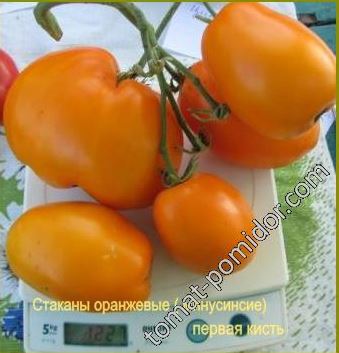
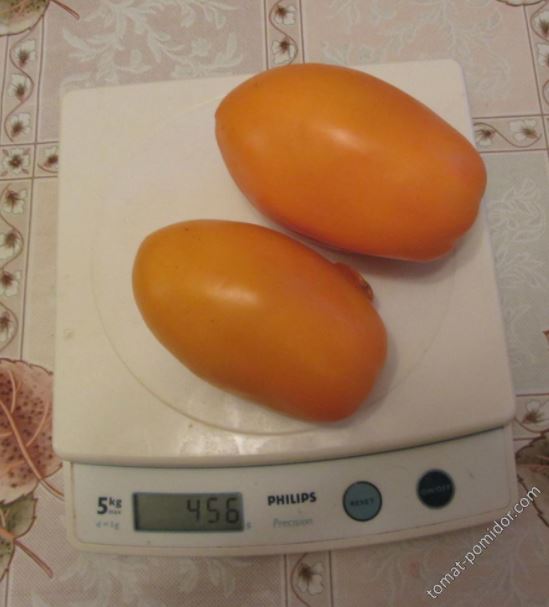
The glasses are orange
delicious, a little different from the Golden Königsberg, the color is closer to yellow than orange, not so pot-bellied.
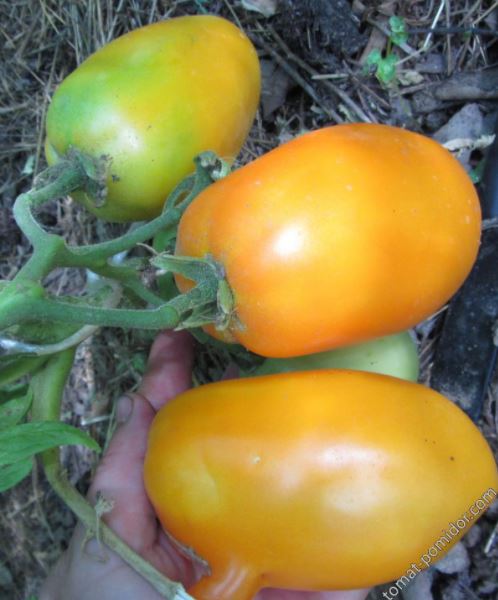
In the greenhouse, bushes of this variety grew to a height of over 2 meters. The yield is good, but due to the unsaturated soil, some of the fruit were affected by "topping." The fruits are very tasty, sweet, juicy, and fleshy.
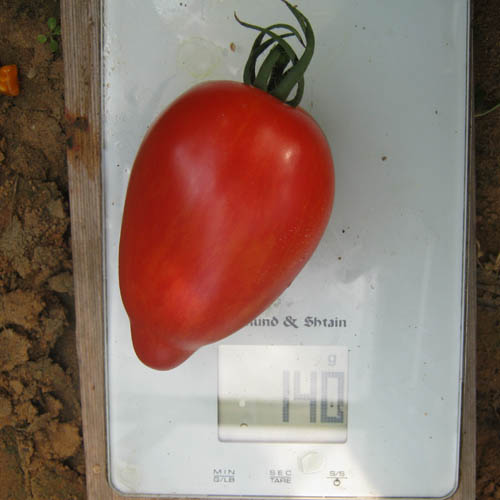
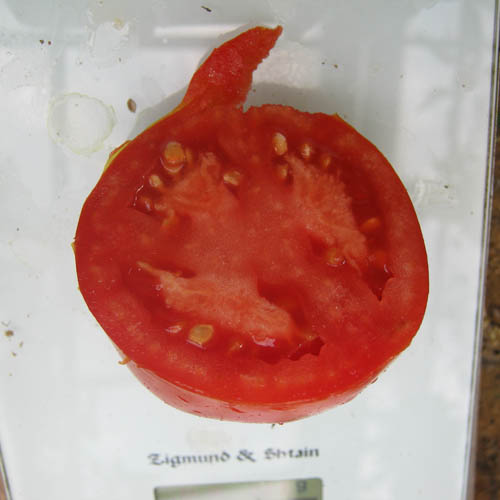
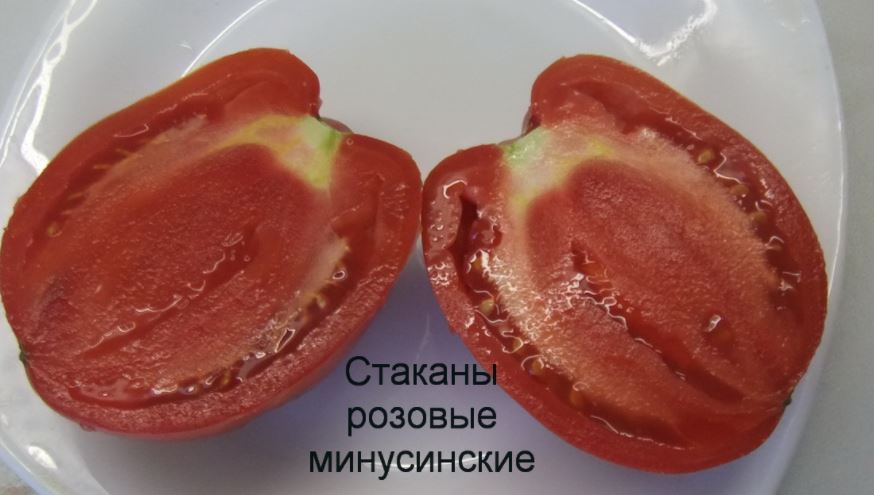
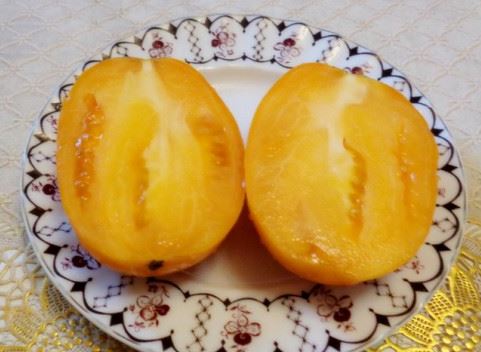
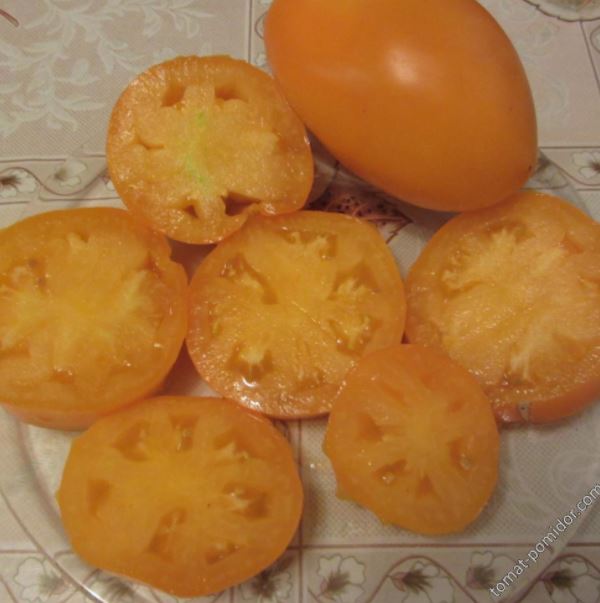
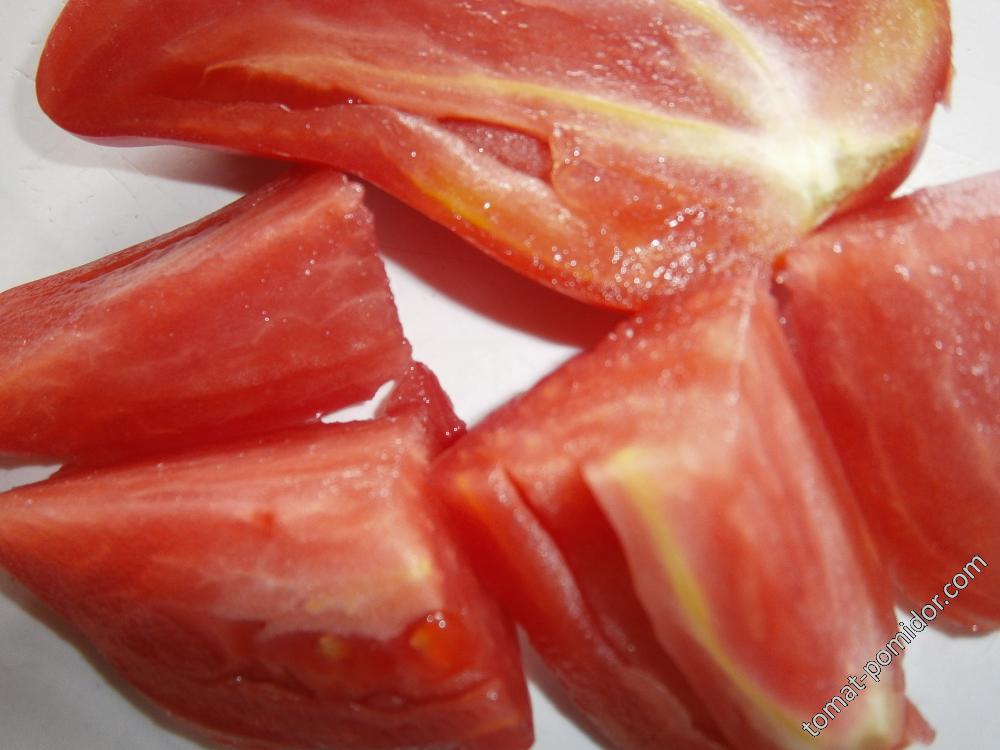
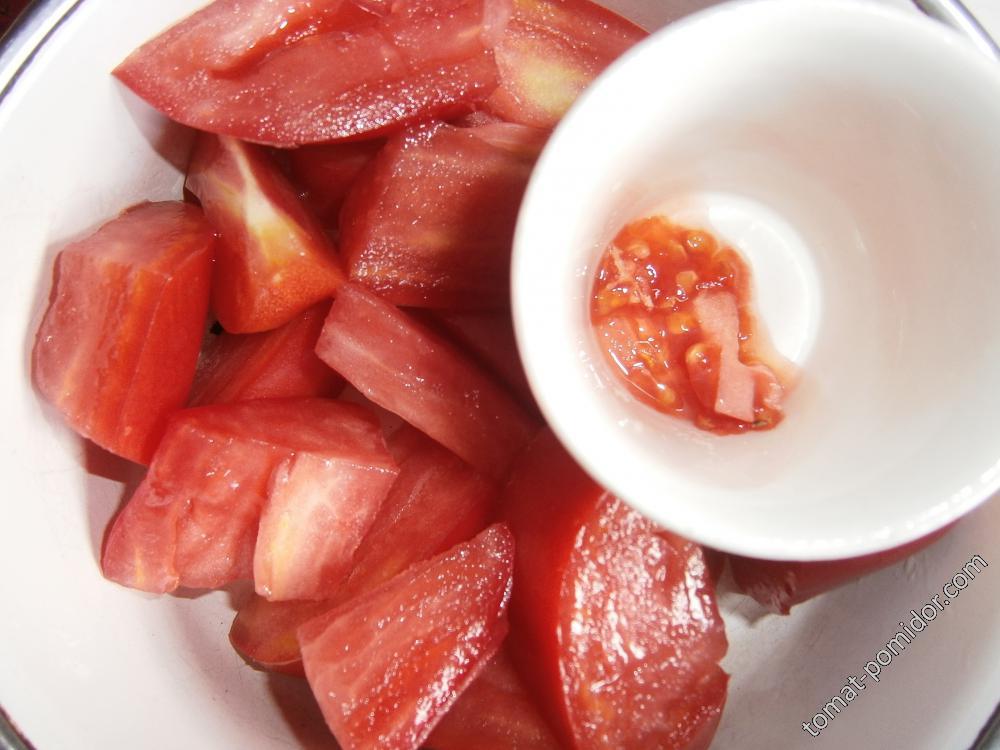
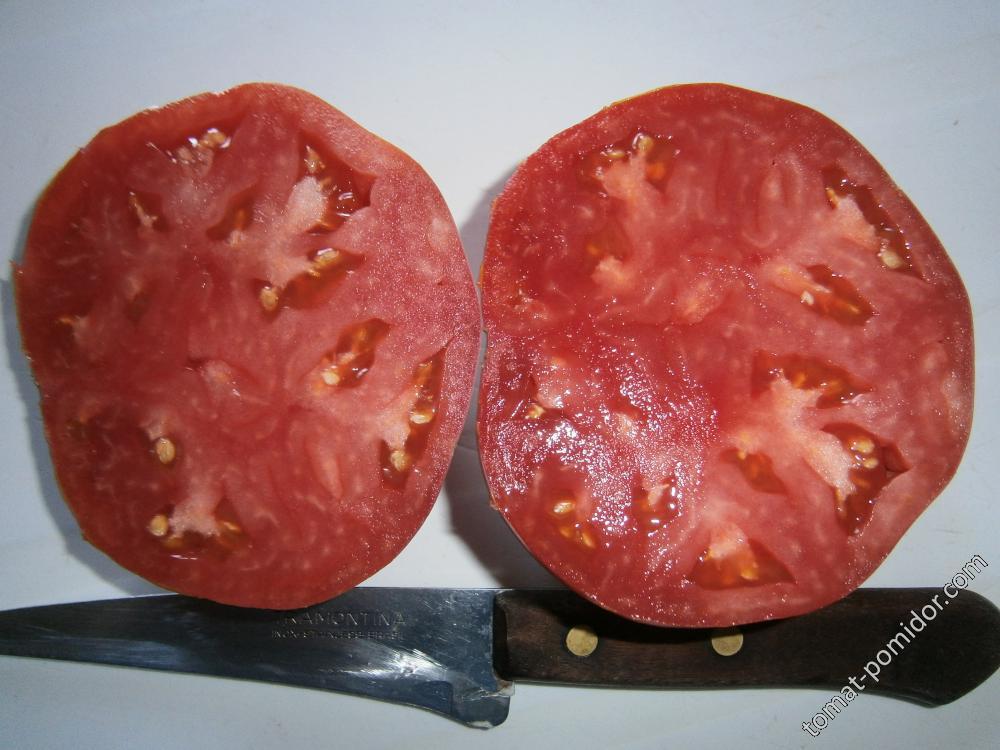
It's time to taste and collect seeds. A cross-section of the Minusinsk pink glass:
I really love tomatoes from the garden, so these are REALLY delicious :yep: :niam: :niam: :niam:. And how can tomatoes like these be tasteless? The most delicious, as I expected, were the Minusinsk Shary tomatoes in the open top. The pink pepper-shaped ones are also good: dense, fleshy, with few seeds.
The varieties are decent, but the large sizes didn't work out. Apparently, I need to go to Minusinsk to learn some agricultural techniques from the locals.
:hat:
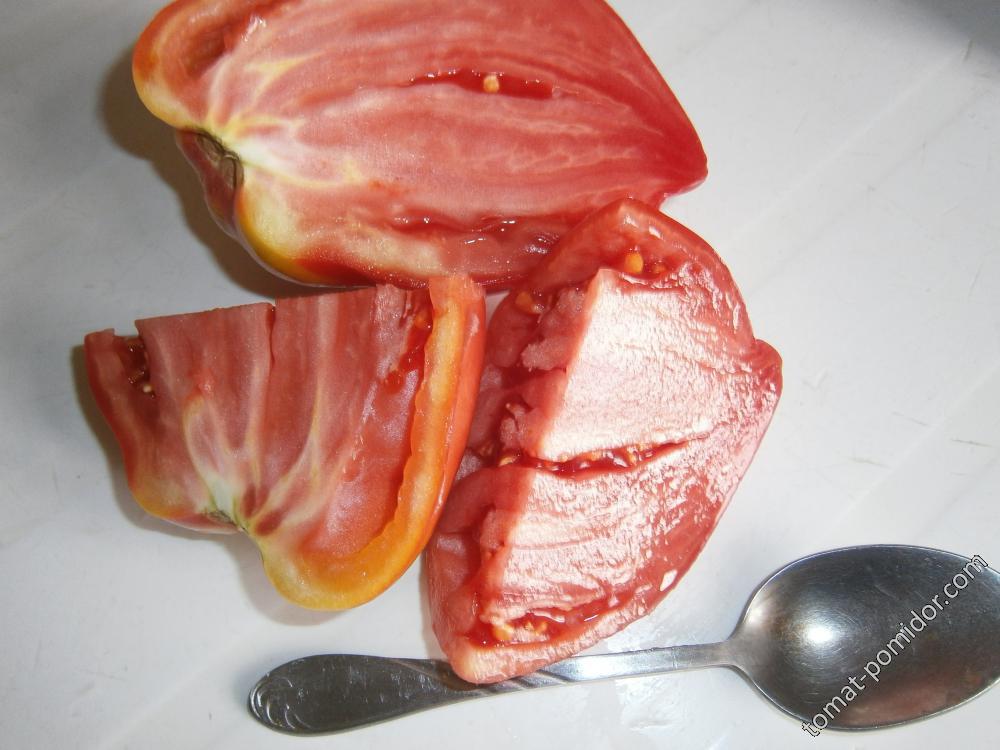
In 2015 I grew the following minusines:
Minusinsk Apple No. 1 (no photo)
Wintergreen
Minusinsk cups
Minusinsk barrel
Apple (Sonin)
Omsk resident
Minusinsk pink giant
Minusinsk pink long
Another Podsinskoye miracle, no photos. The bush was frail, first attacked by the top, then by late blight.
In 2016, I want to recreate the Minusinsk Pink Long; I liked the shape. It seems similar to the Minusinsk Pepper-shaped. Or is it different?