The Königsberg tomato variety is intended for cultivation in Siberia, but it can be planted anywhere in Russia. It tolerates heat, cold, and drought well. It is also resistant to infections. Thanks to these qualities, its high yield, and excellent taste, it is very popular among gardeners.
Content
- 1 The history of the Königsberg tomato variety
- 2 Characteristics of the Koenigsberg tomato varieties included in the register in the table
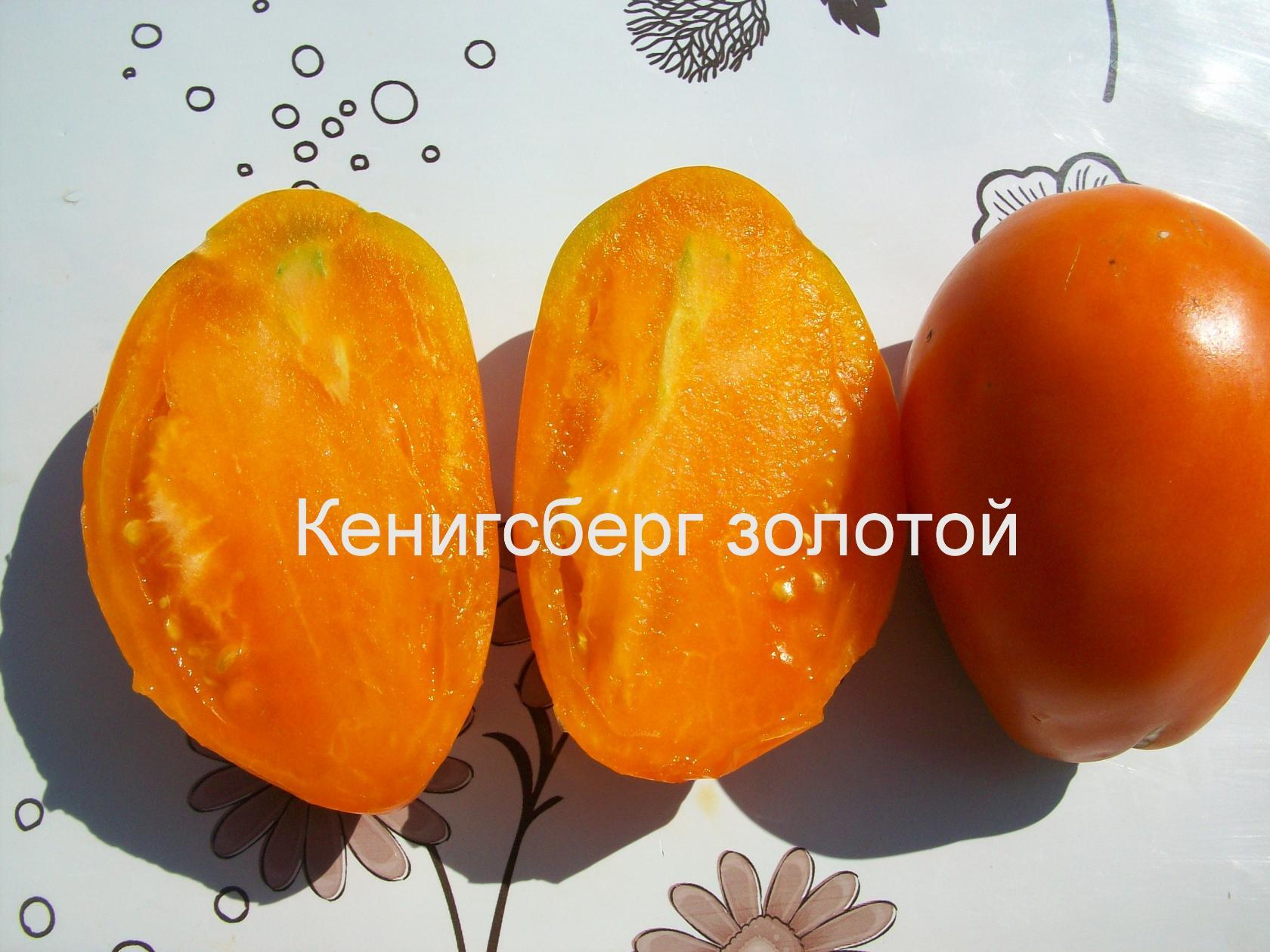
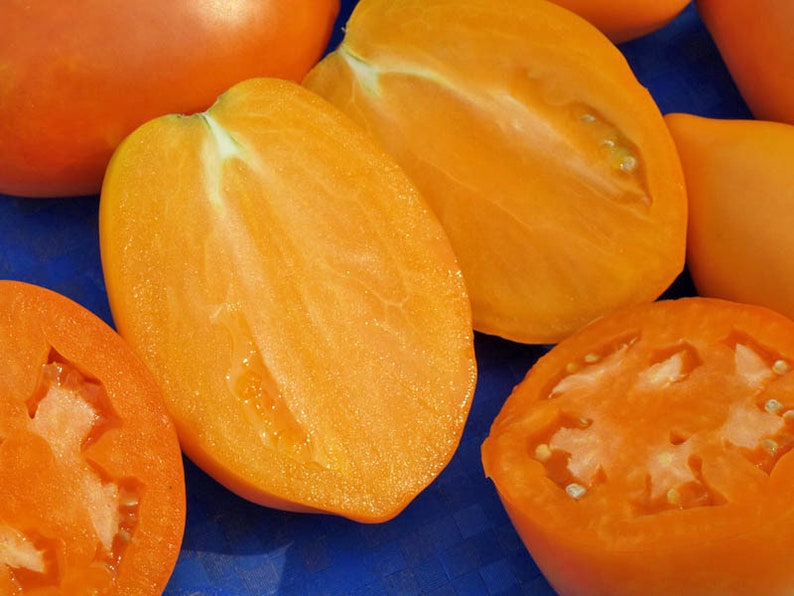
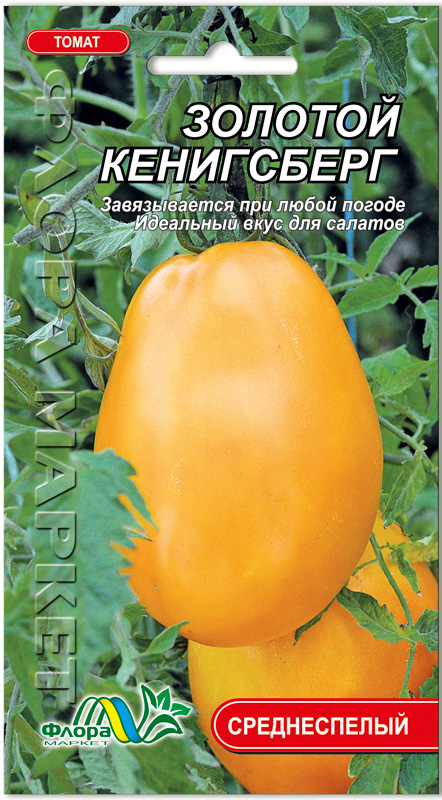
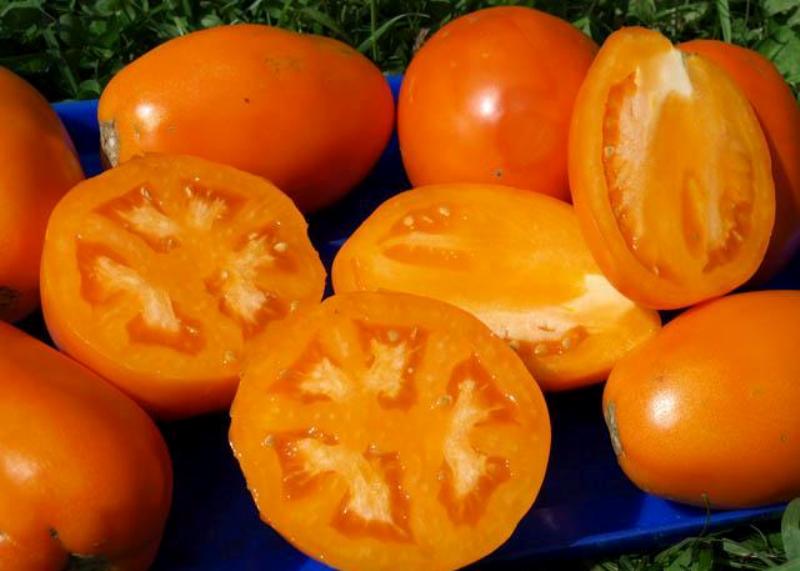
- 3 Photo gallery of tomato varieties Königsberg and Königsberg Zolotoy
- 4 Detailed description of the Koenigsberg tomato varieties included in the register
- 5 Varieties of the Königsberg variety not included in the register
- 6 Advantages and disadvantages of Königsberg tomato varieties
- 7 Features of growing tomato varieties Königsberg
- 8 Comparison of tomato varieties Königsberg with other varieties in the table
- 9 Gardeners' reviews of different types of the Königsberg tomato variety
The history of the Königsberg tomato variety
It was developed by Siberian breeders led by V.N. Dederenko in 2003 specifically for cold regions. It was added to the register in 2005. The variety has several subspecies, but most are the result of amateur and folk selection. Only two varieties are included in the register: Königsberg and Königsberg Zolotoy. The table below lists their main characteristics.
Characteristics of the Koenigsberg tomato varieties included in the register in the table
| Characteristic | Königsberg | Golden Königsberg |
| Description | Indeterminate mid-season variety for garden beds. | Indeterminate mid-late variety for open and closed ground. |
| Ripening period | 115 days | 115-120 days |
| Fruit weight | 155-230 g (up to 300 g) | 191 g |
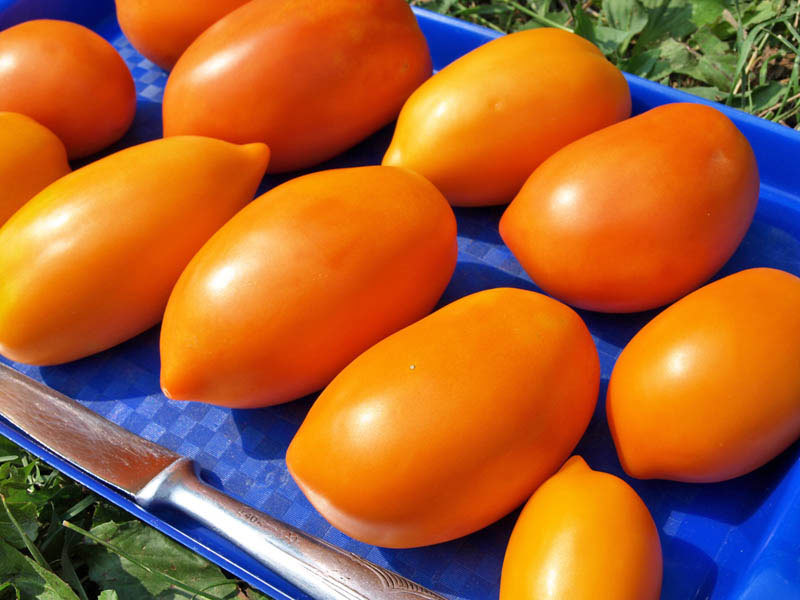
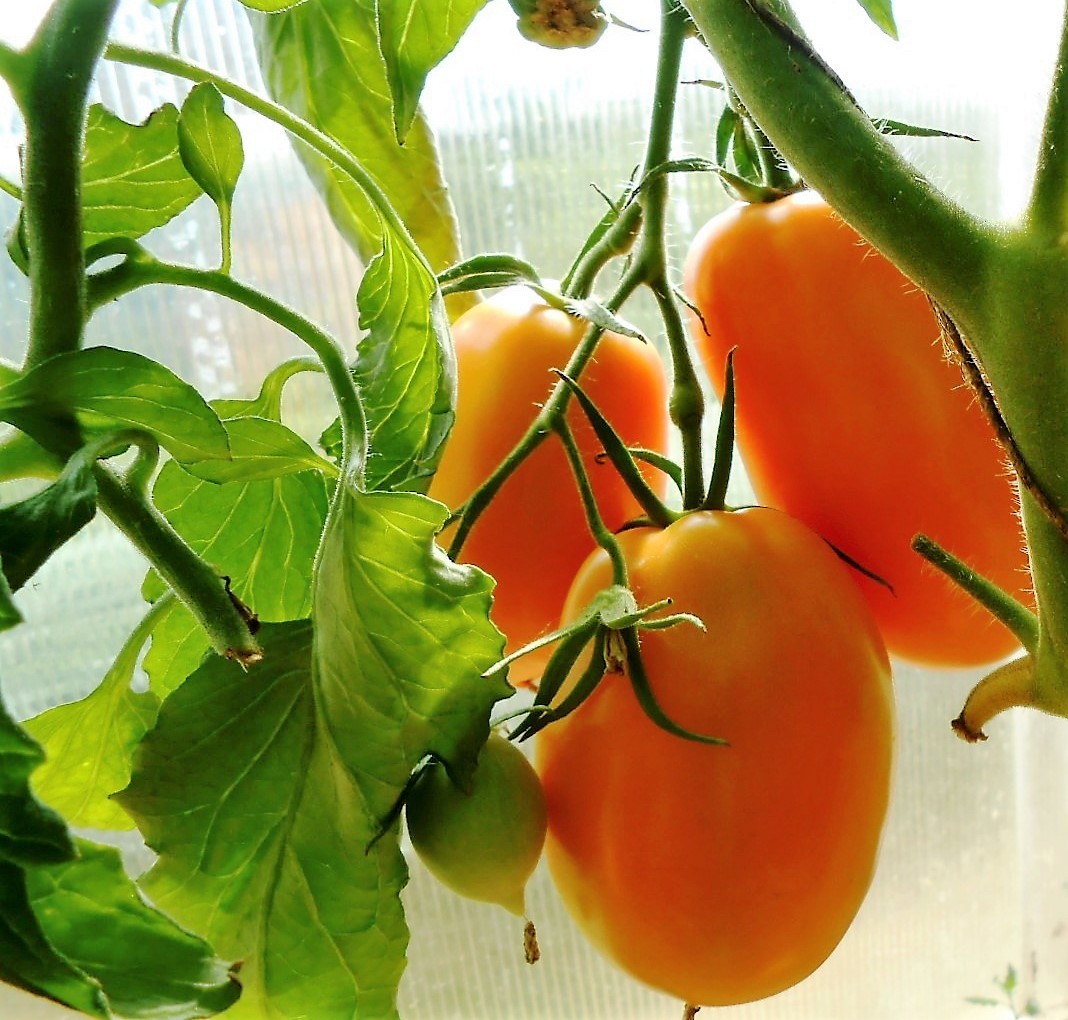
| Description of the fruit | Cylindrical, non-ribbed, flat, red. | Cylindrical, slightly ribbed, orange, medium density. |
| Productivity | 4.6-20 kg/1 sq. m. | 8.6 kg/1 sq. m. |
| Usage | Salads, tomato processing, canning. | Salad. |
| Preferred growing regions | Northern, Northwestern, Central, Volga-Vyatka, Central Black Earth, North Caucasian, Middle and Lower Volga, Ural, Western and Eastern Siberia, Far East. | |
| Marketability, shelf life | 56%, good. | |
| Disease resistance | Has strong immunity. | |
| Agricultural technology | The bushes need shaping and gartering. | |
| 2005 | 2019 | |
| Originator | DEDERKO VLADIMIR NIKOLAEVICH. | POSTNIKOVA OLGA VALENTINOVNA. |
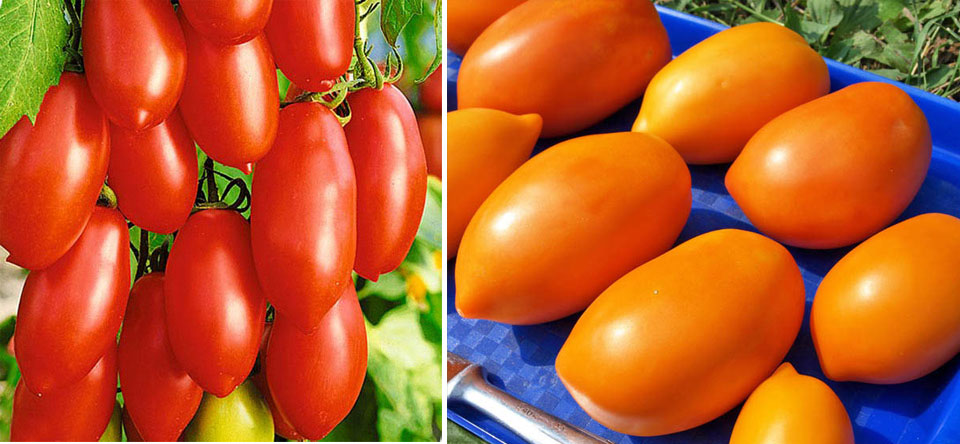
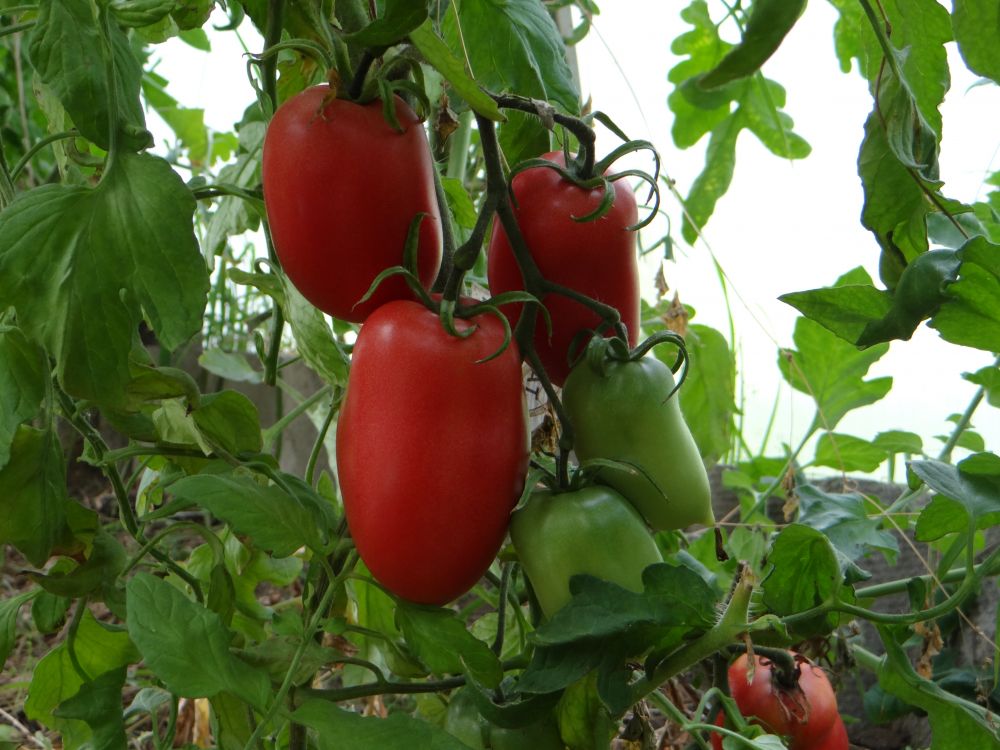
Photo gallery of tomato varieties Königsberg and Königsberg Zolotoy
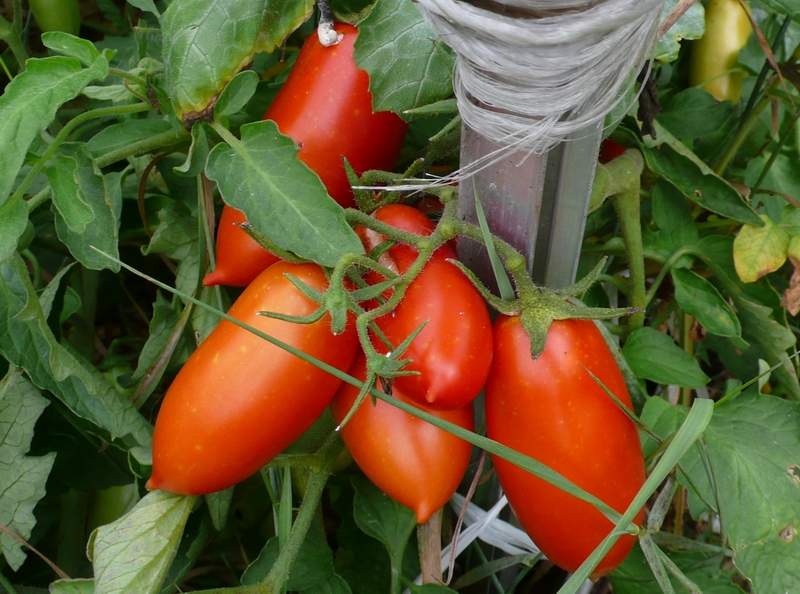
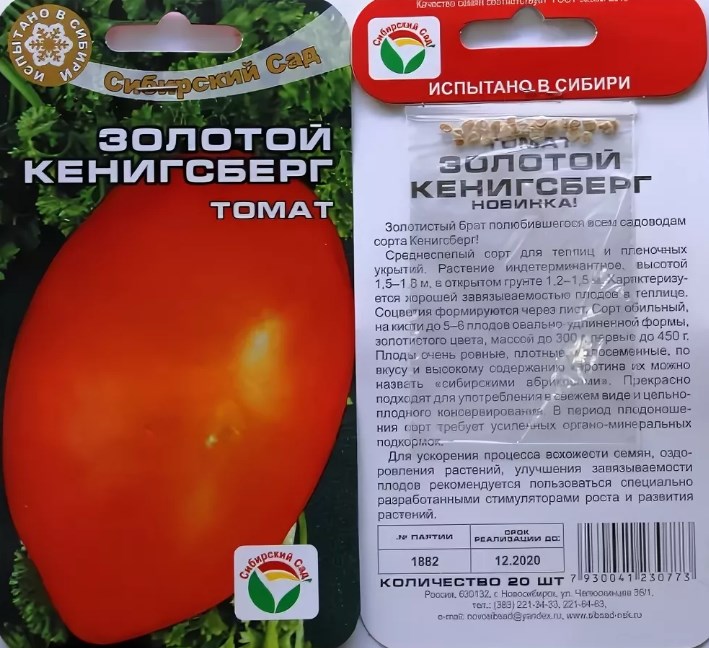
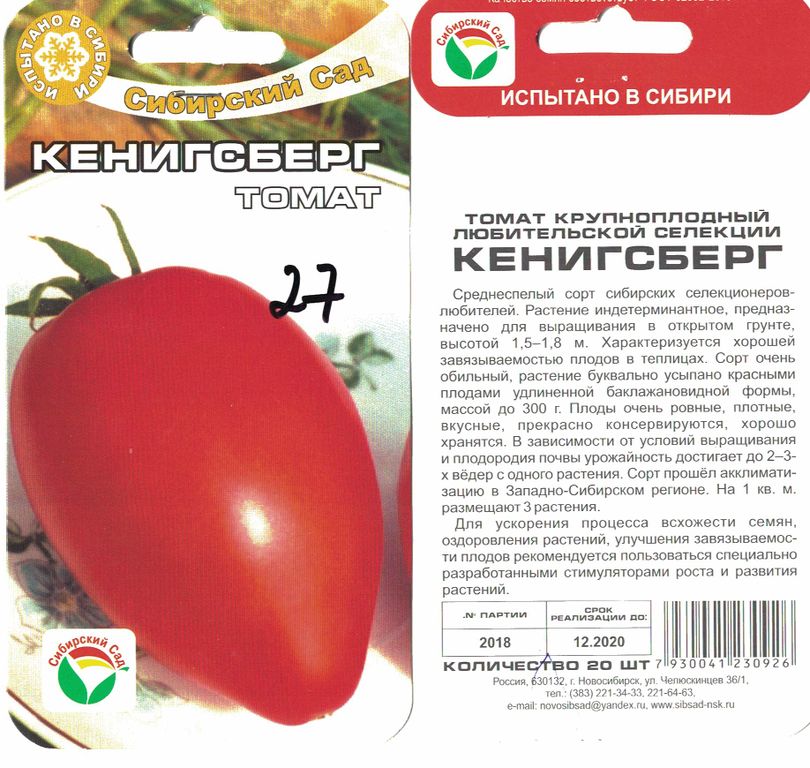
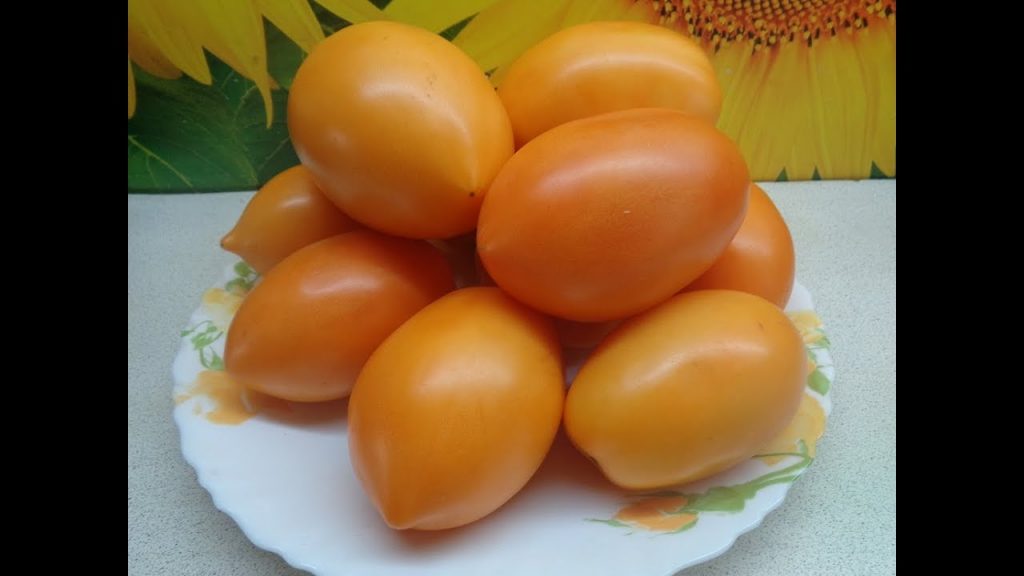
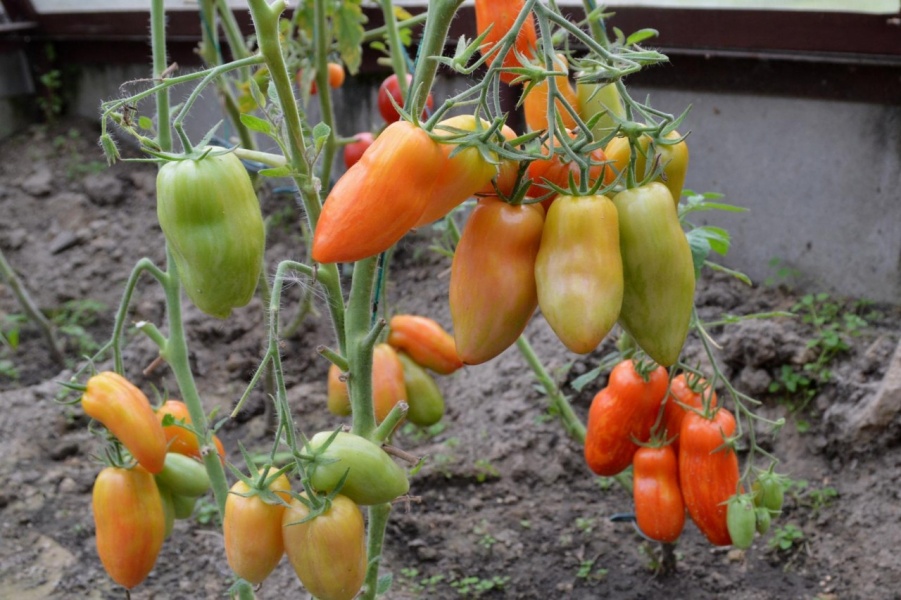
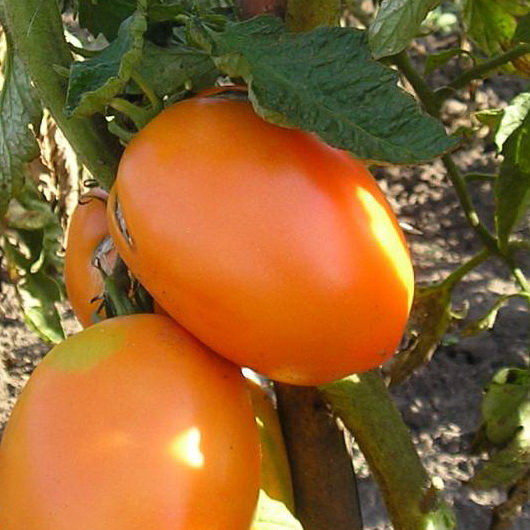
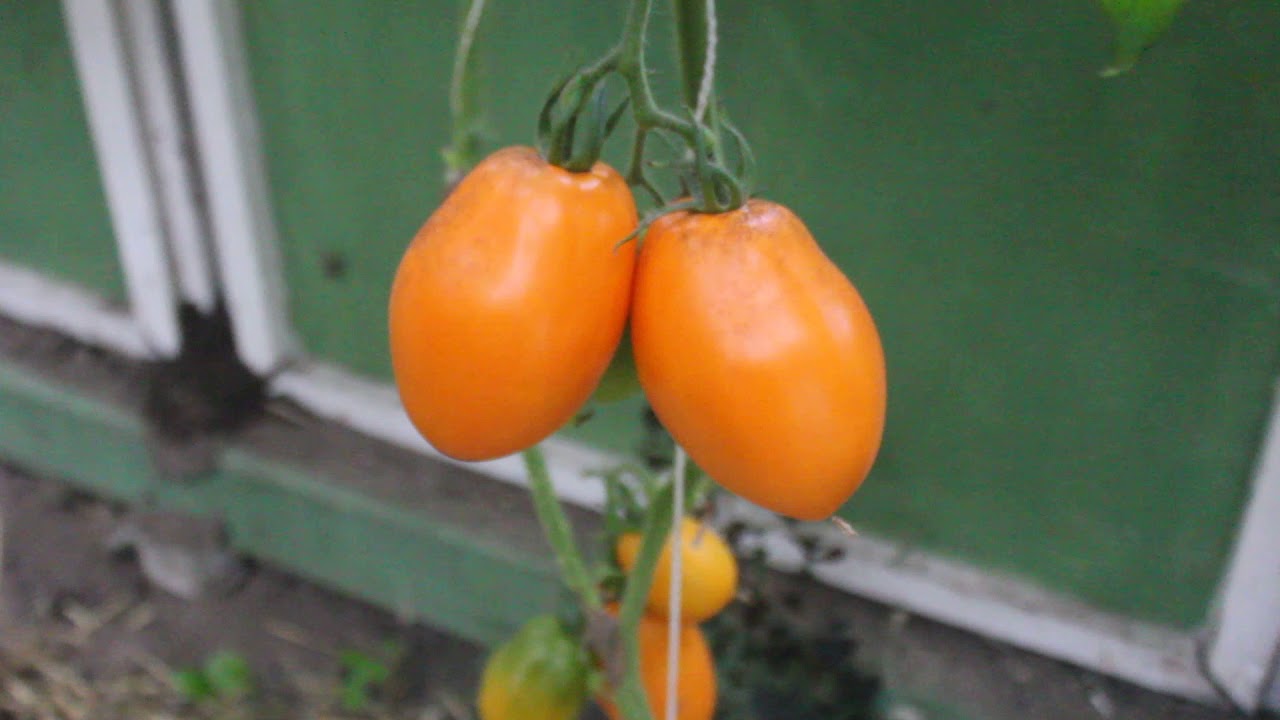
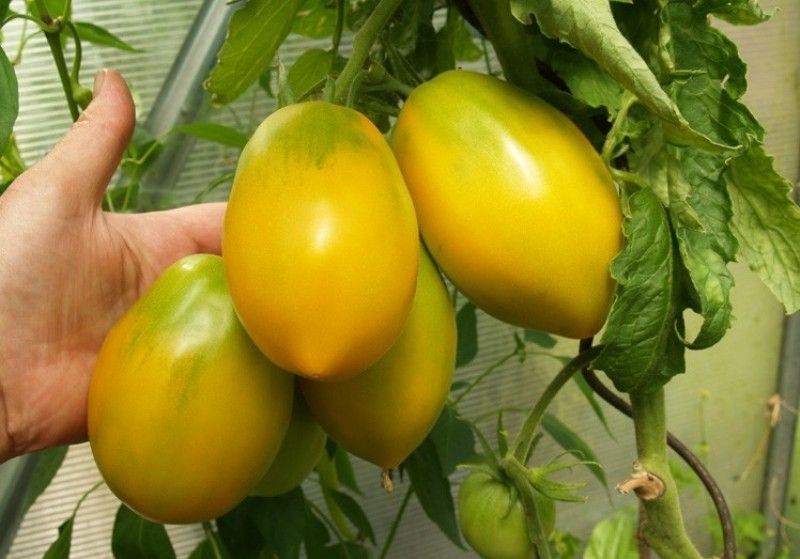
Detailed description of the Koenigsberg tomato varieties included in the register
Let's take a closer look at the characteristics of each variety.
Königsberg
This is the very first variety in the line, which formed the basis for the rest of the varieties.
It grows to a height of 150-180 cm. The leaves are large and light green. The inflorescences are simple, with the first occurring above the 12th leaf, and the next ones after the third leaf. The peduncle is articulated.
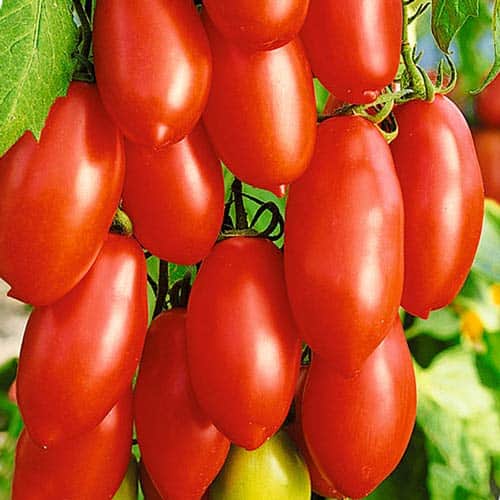
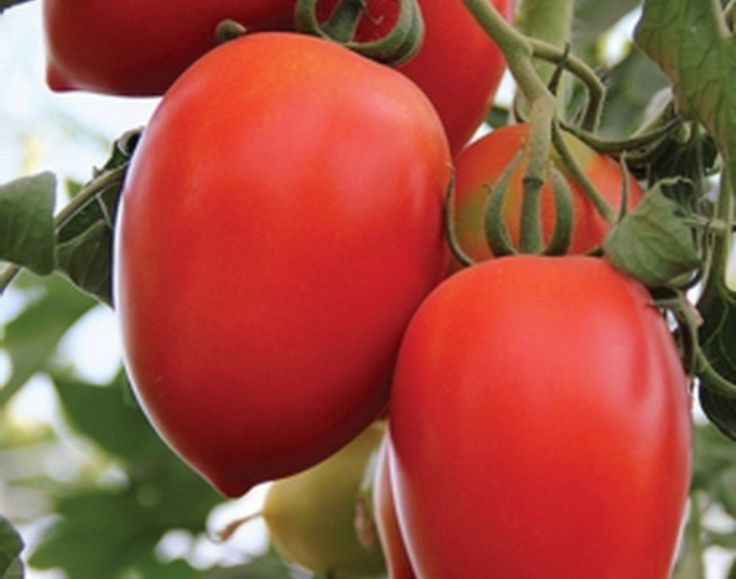
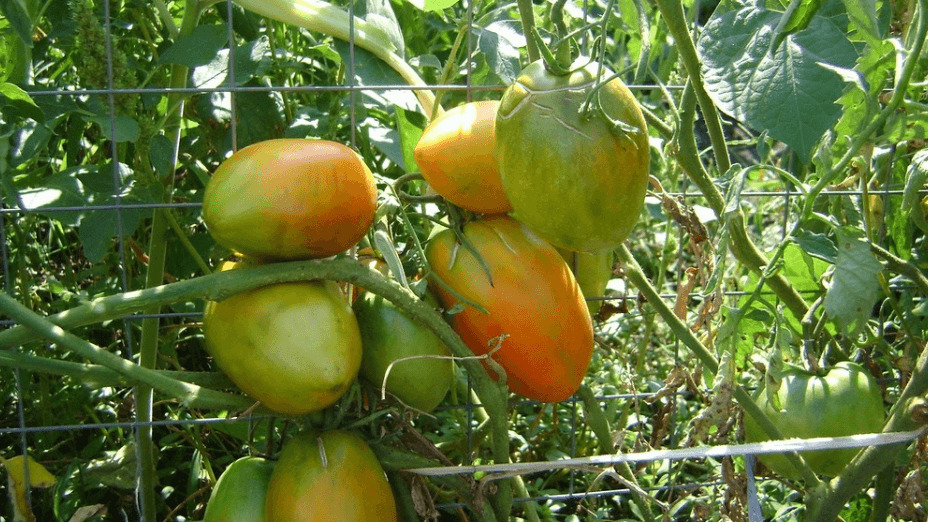
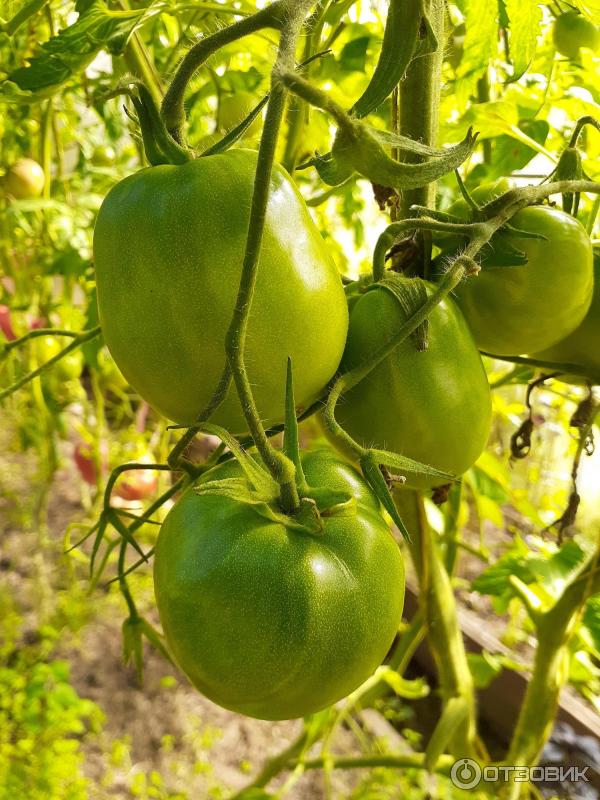
The fruits are cylindrical. The skin is smooth and dense. The unripe fruit is light green. When ripe, it turns red. The pulp contains 3-4 seed nests. The fruits weigh 150-230 g, but can reach 300 g if cultivated properly.
This variety is mid-season. It ripens in 115 days. The first harvest is in midsummer. However, the active fruiting phase begins in late summer.
Yields vary widely. Depending on growing conditions and agricultural practices, yields can range from 4.6 to 20 kg per square meter.
Golden Königsberg
The variety was added to the register much later than its progenitor, in 2019.
Forms tall bushes. The leaves are long and dark emerald. The inflorescences are simple, the peduncles are not jointed.
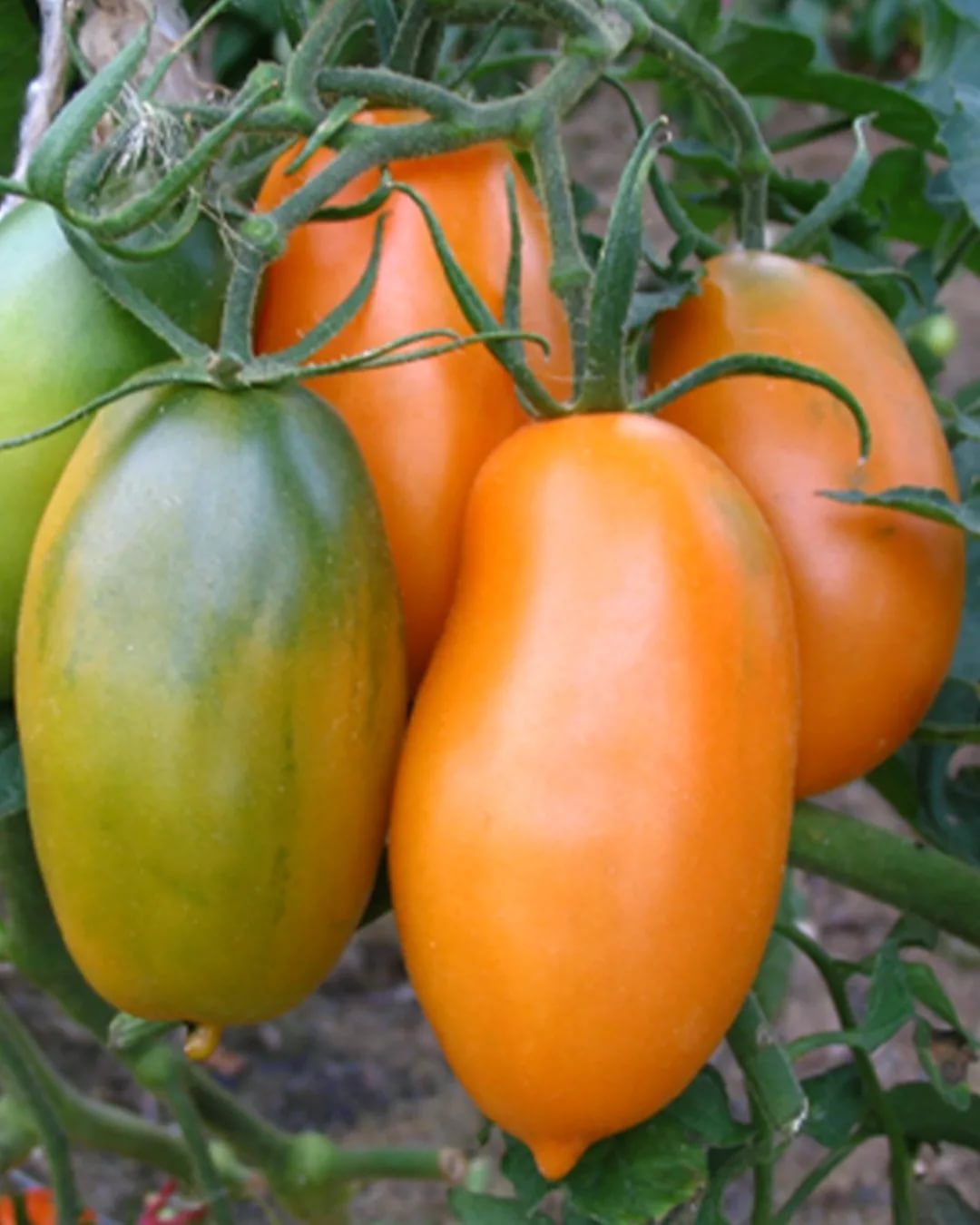
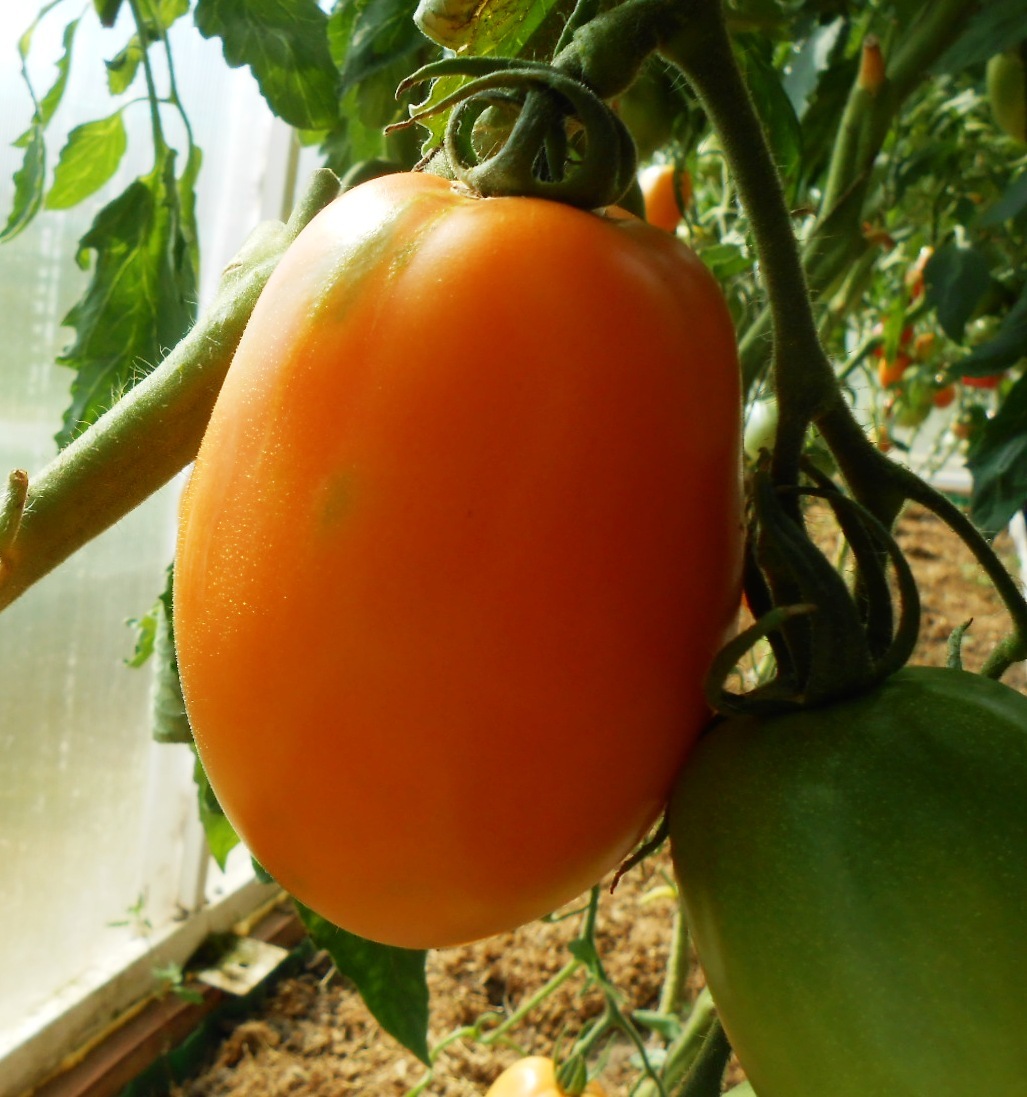
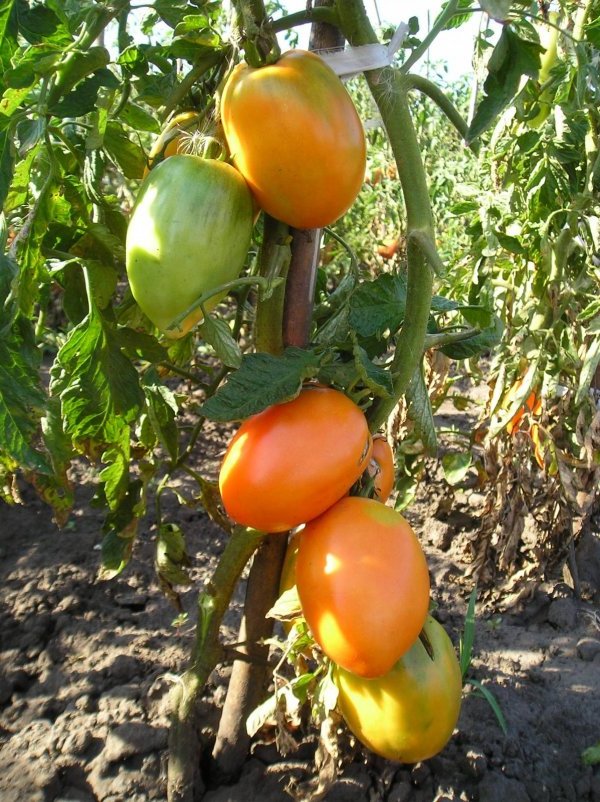
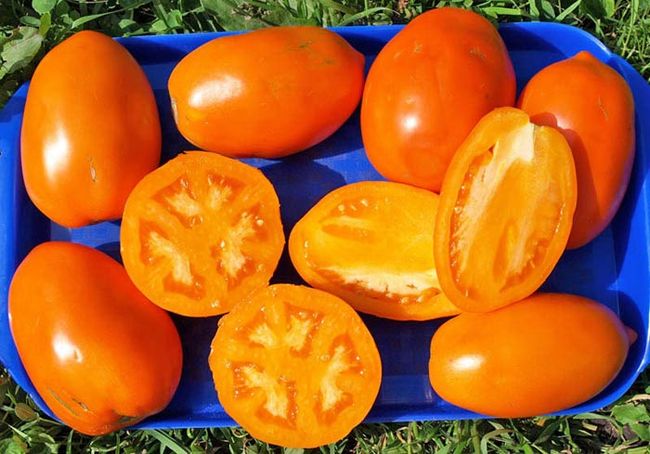
The fruits are cylindrical. Their surface is slightly ribbed, and the skin is thick. When unripe, the fruits are light green, turning orange as they ripen. There are 3-5 nests. The fruits are quite large, weighing an average of 191 g. They have an excellent flavor.
This variety is mid-late. The harvest can be collected four months after germination. A yield of 8.6 kg can be harvested per square meter.
Varieties of the Königsberg variety not included in the register
Now let's take a closer look at the varieties that are the property of folk and amateur selection.
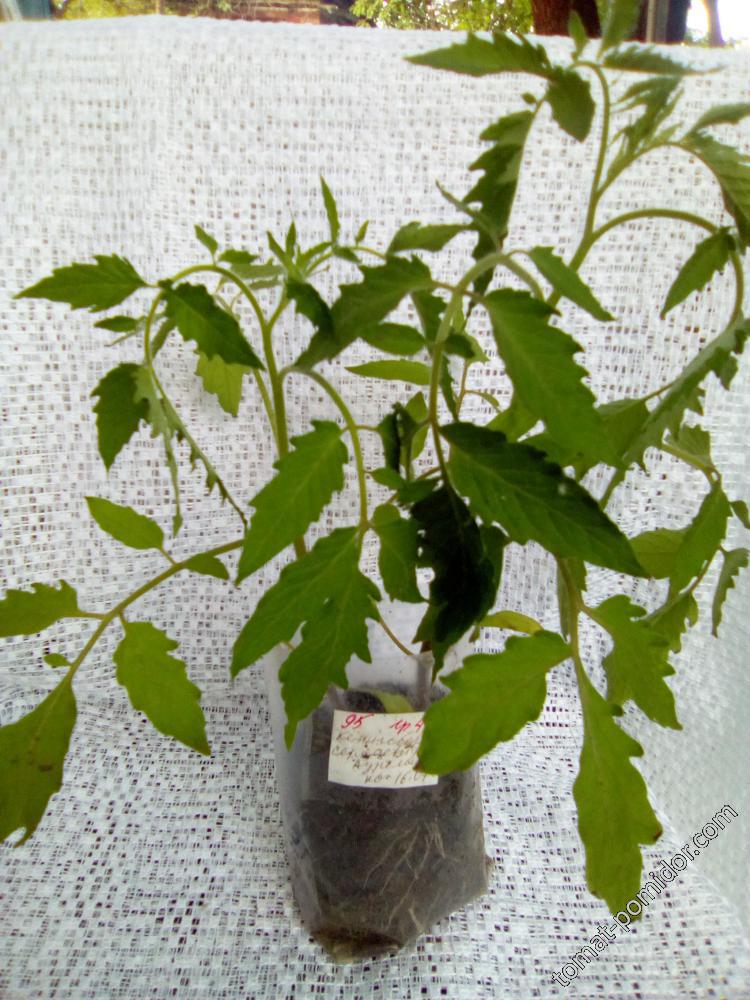
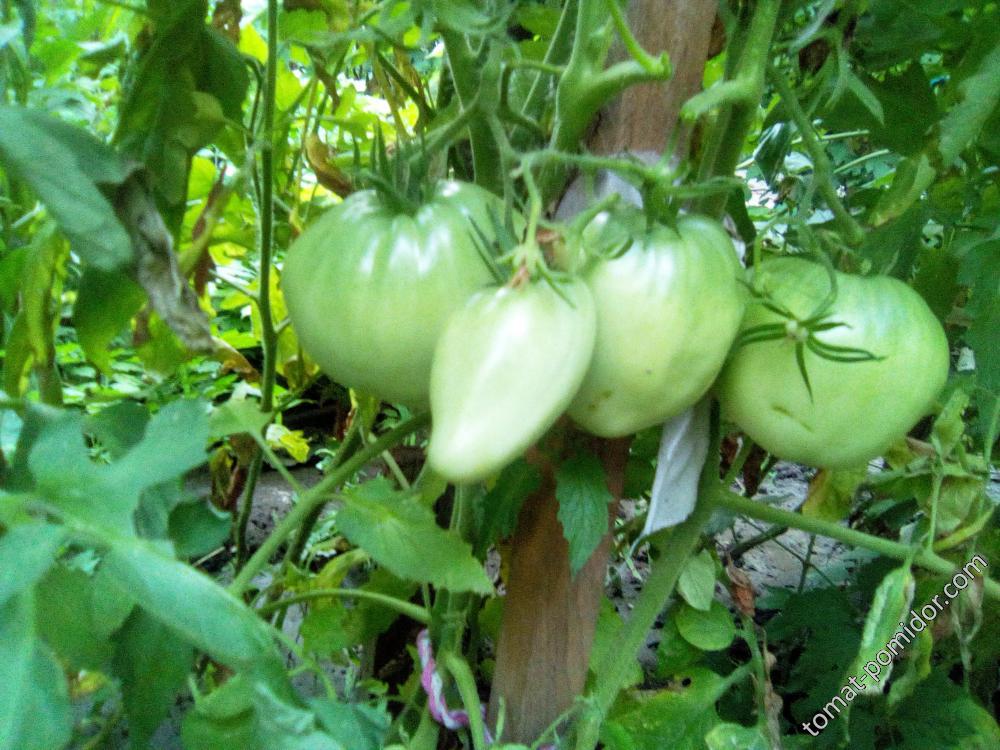
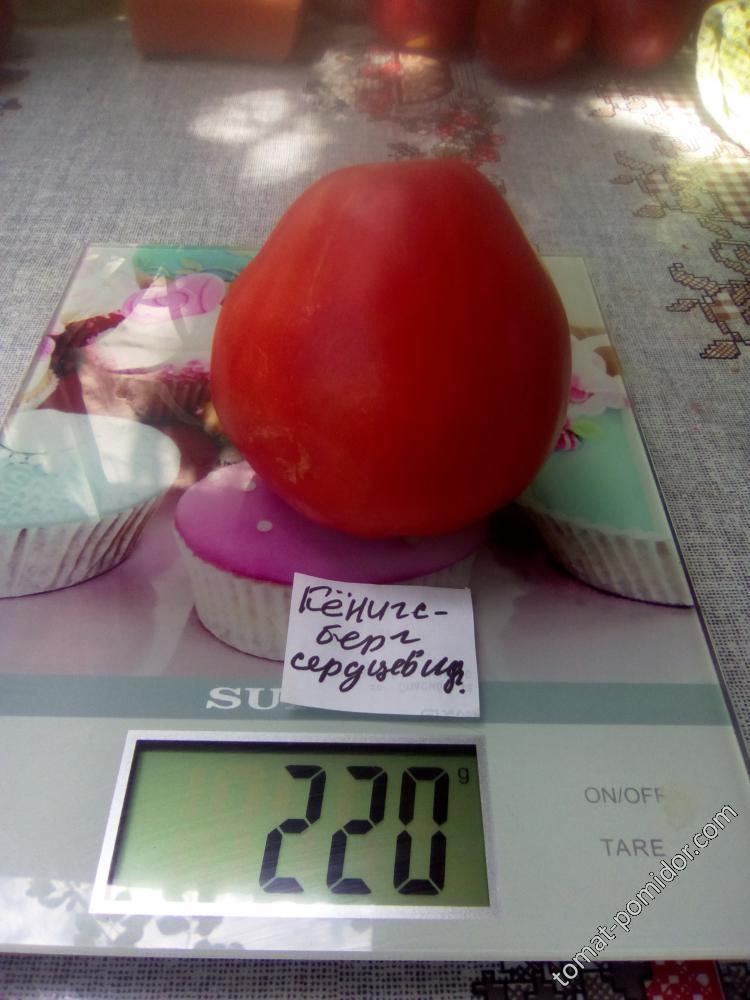
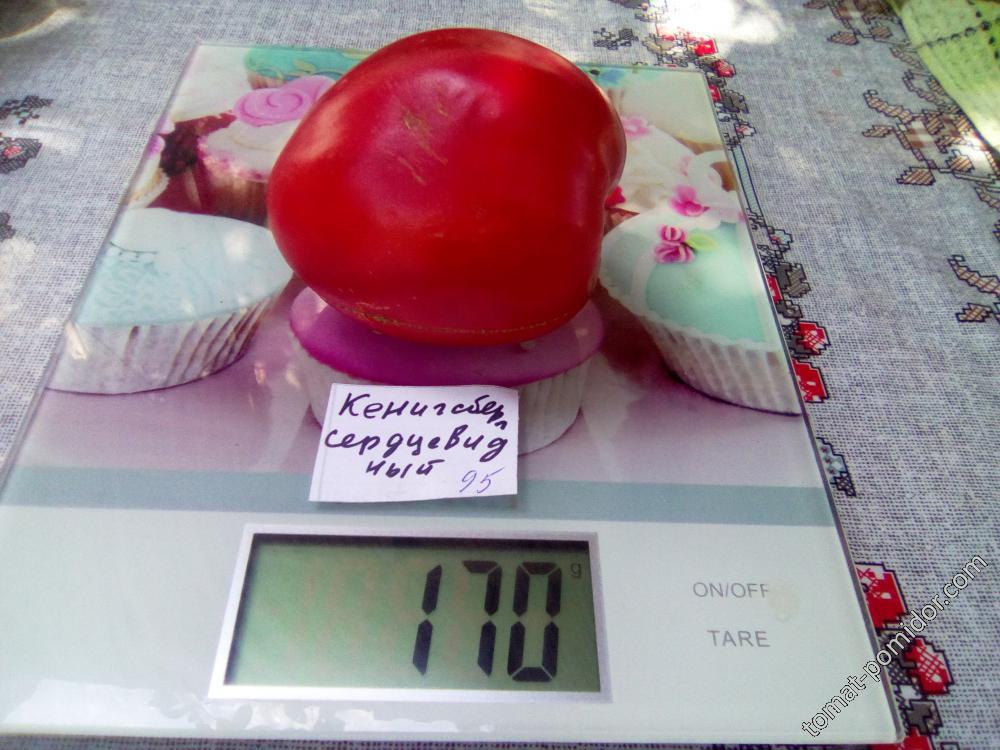
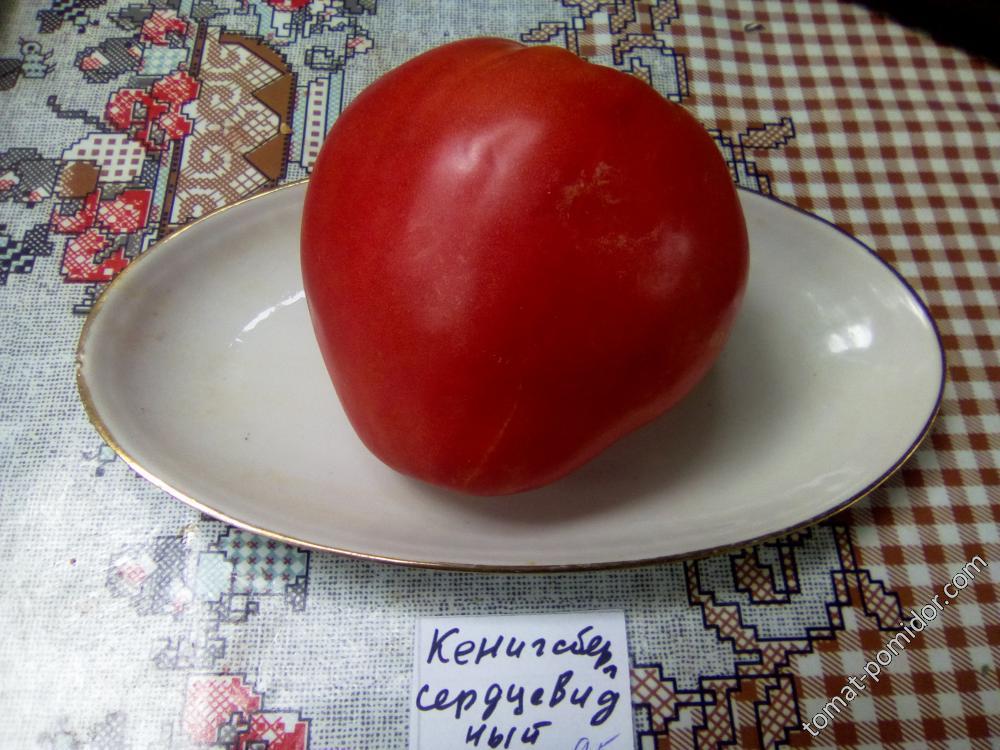
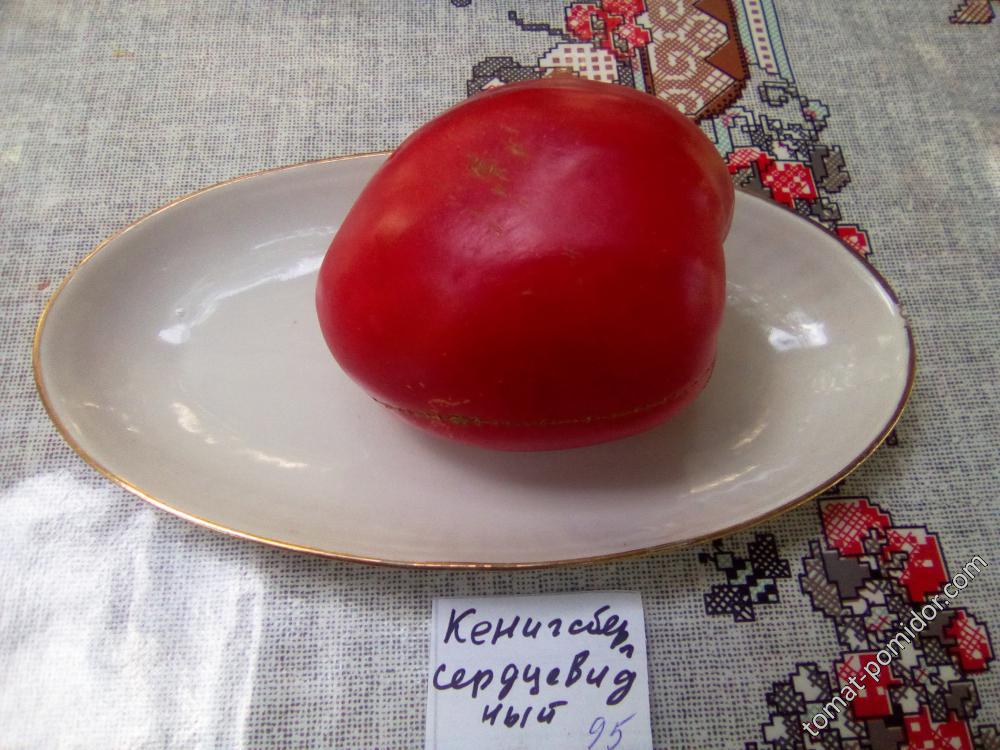
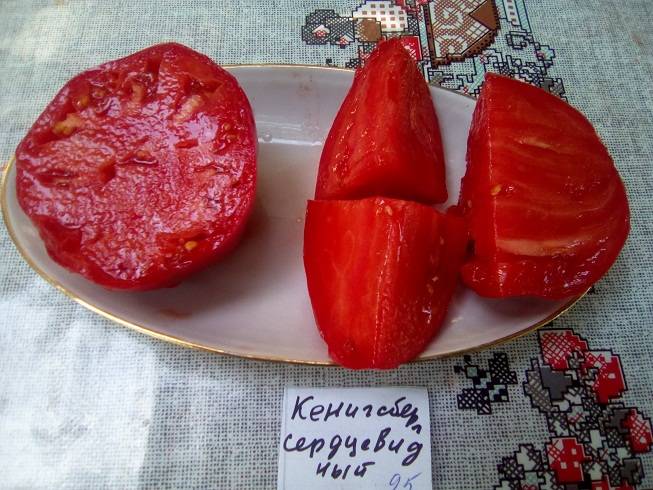
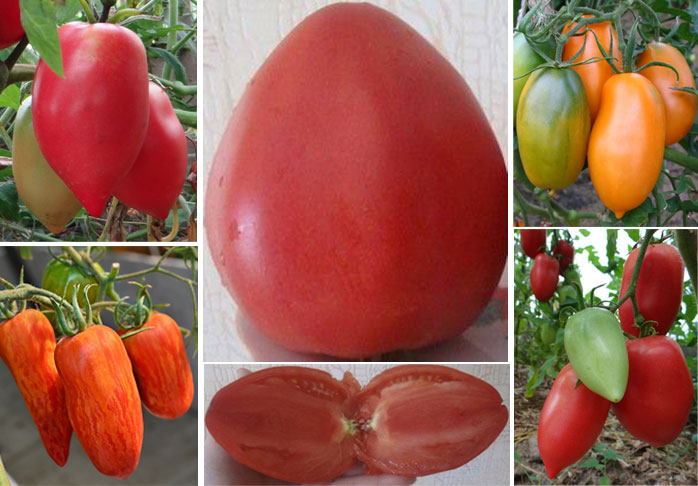
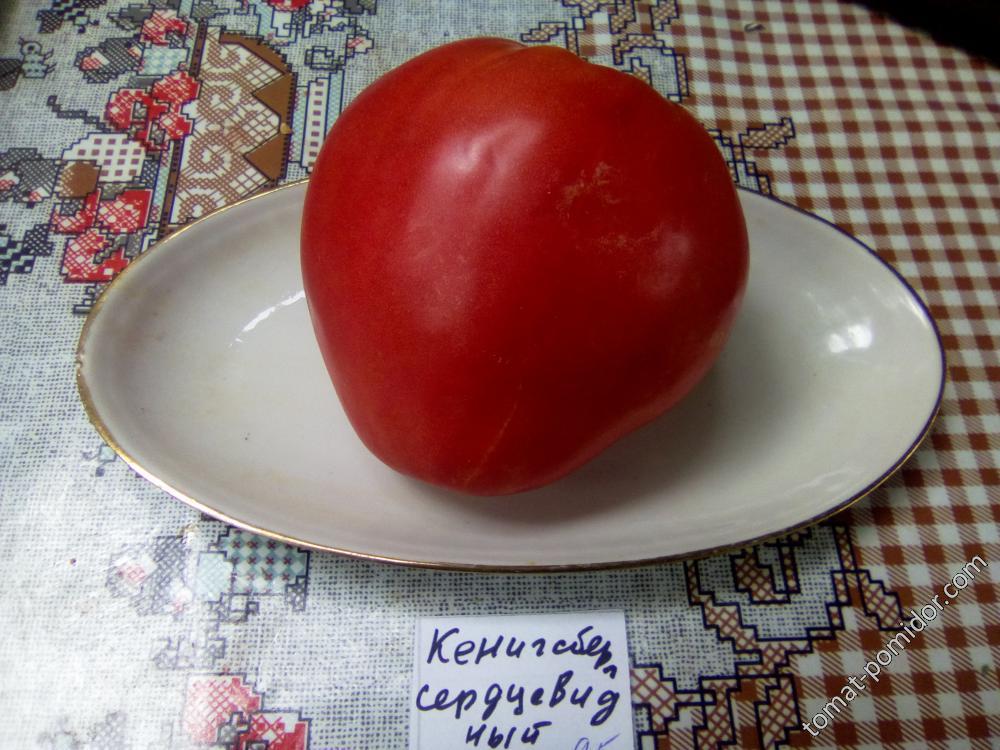
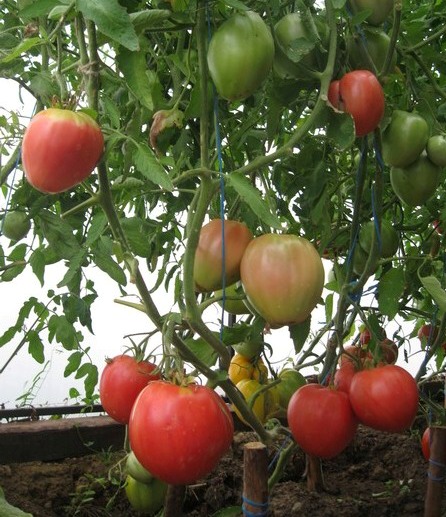
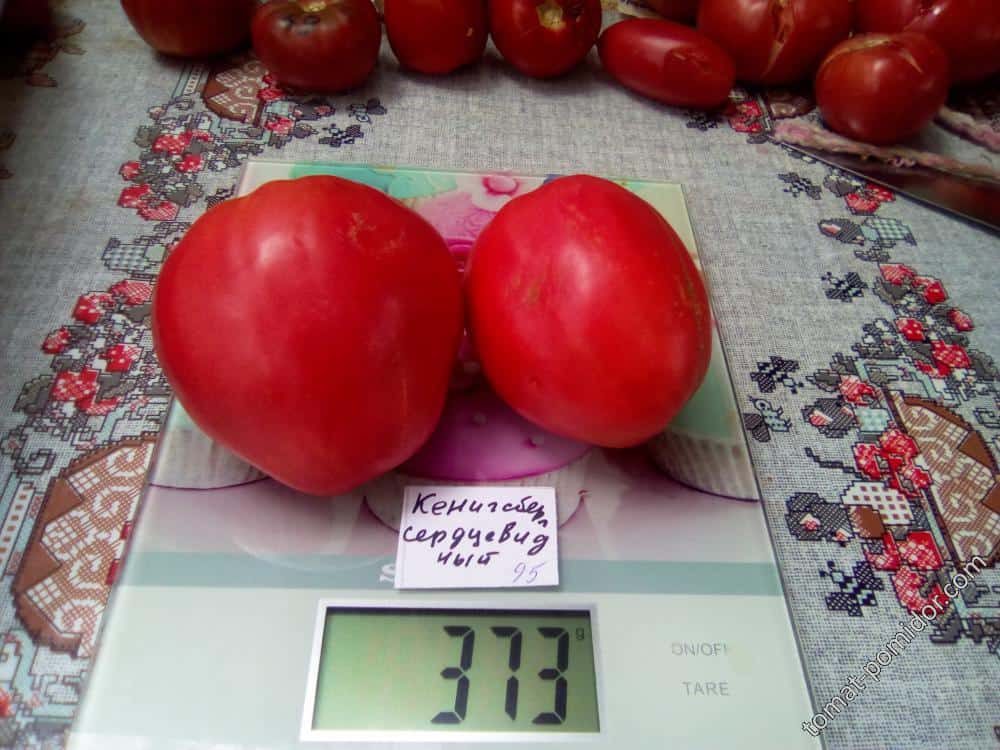
Heart-shaped Konigsberg
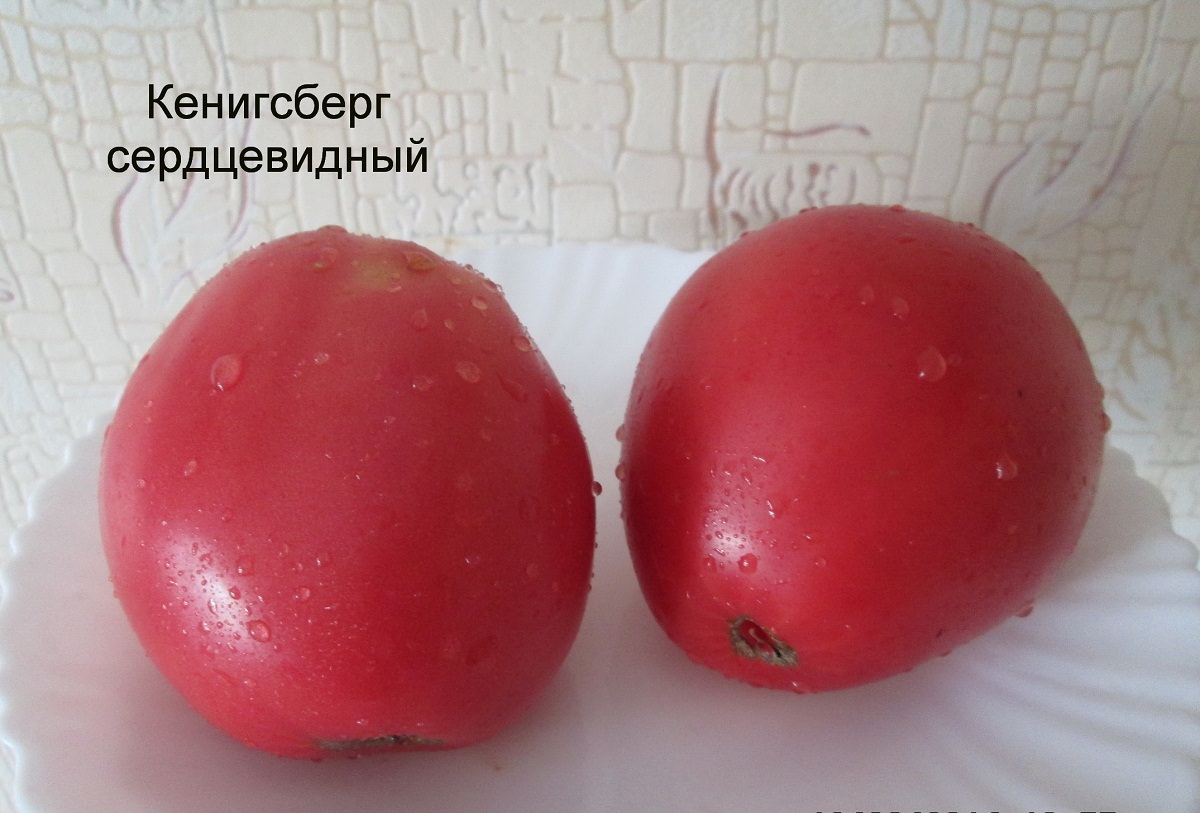
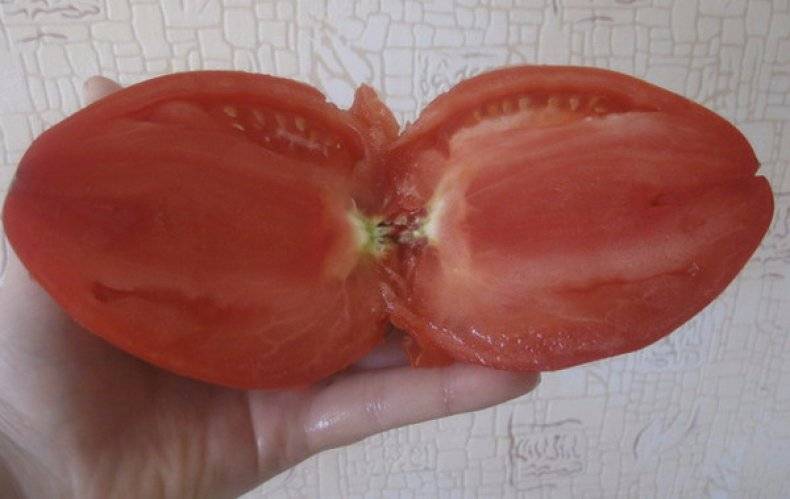
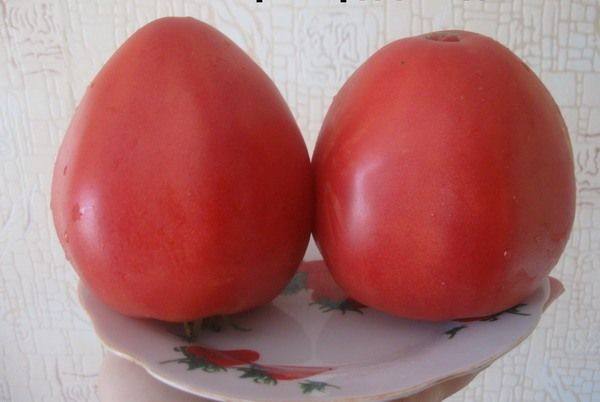
This is a mid-season variety. The breeders' goal was to modify the standard shape, and they succeeded. This variety is heart-shaped, round, with a slightly pointed tip.
It is famous for its large fruits, weighing 500-700 g. It has excellent resistance to infections and is not afraid of harsh climates.
Photo gallery of the tomato variety Königsberg Heart-shaped
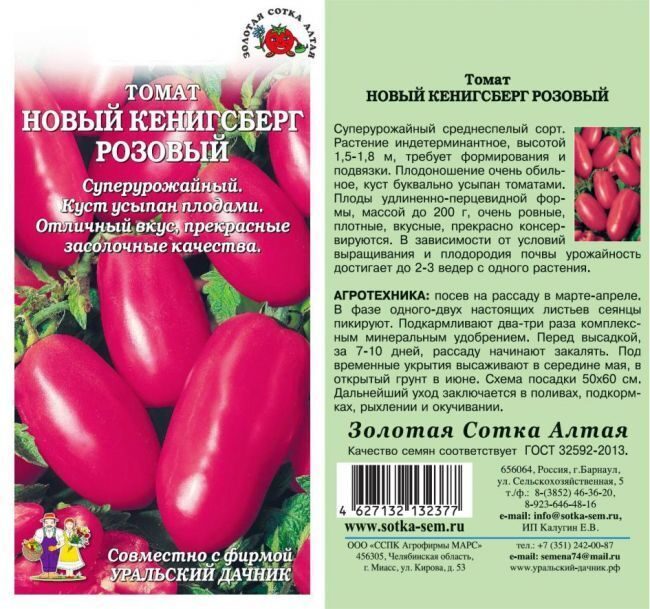
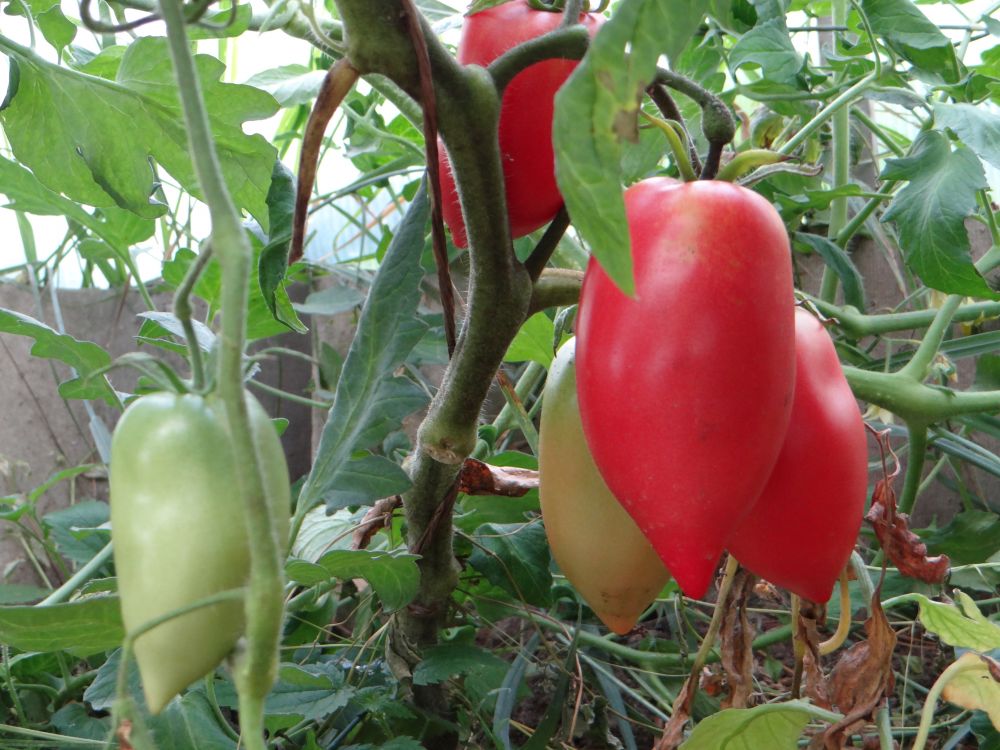
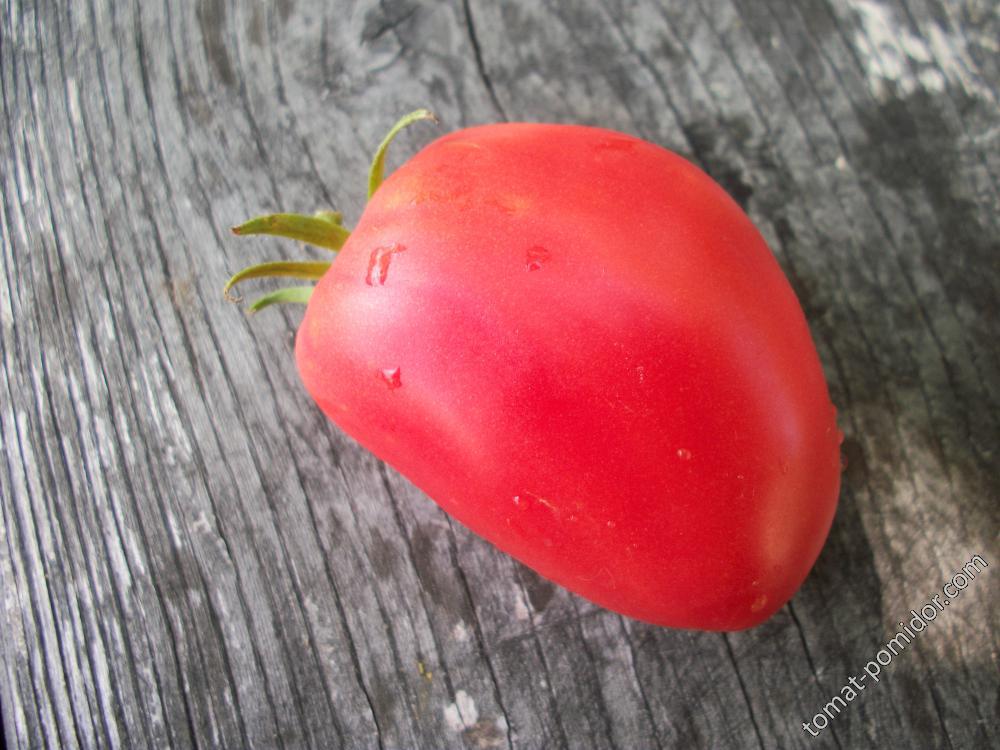
Pink Königsberg
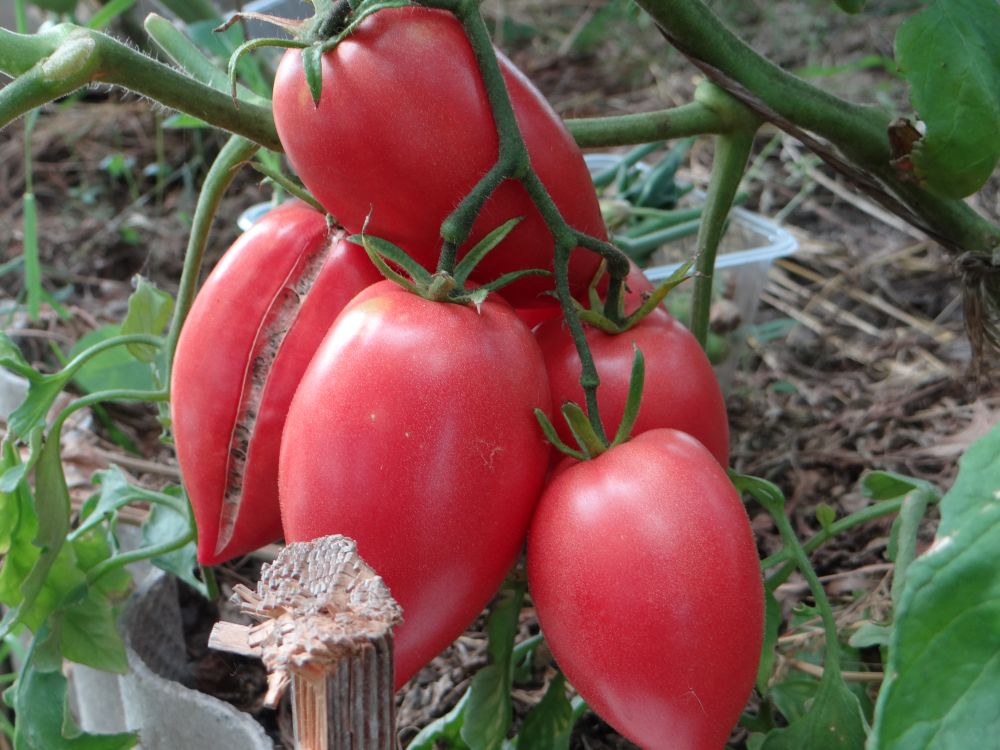
A new variety distinguished by uniform germination and even ripening. Its appearance resembles that of the Königsberg Zolotoy, but its color is pink. It weighs an average of 200 g. Some fruits are suitable for whole-fruit canning, but most require slicing. This variety is transportable, so it can be grown on an industrial scale and then shipped to any corner of our country.
Photo gallery of the Königsberg Pink tomato variety
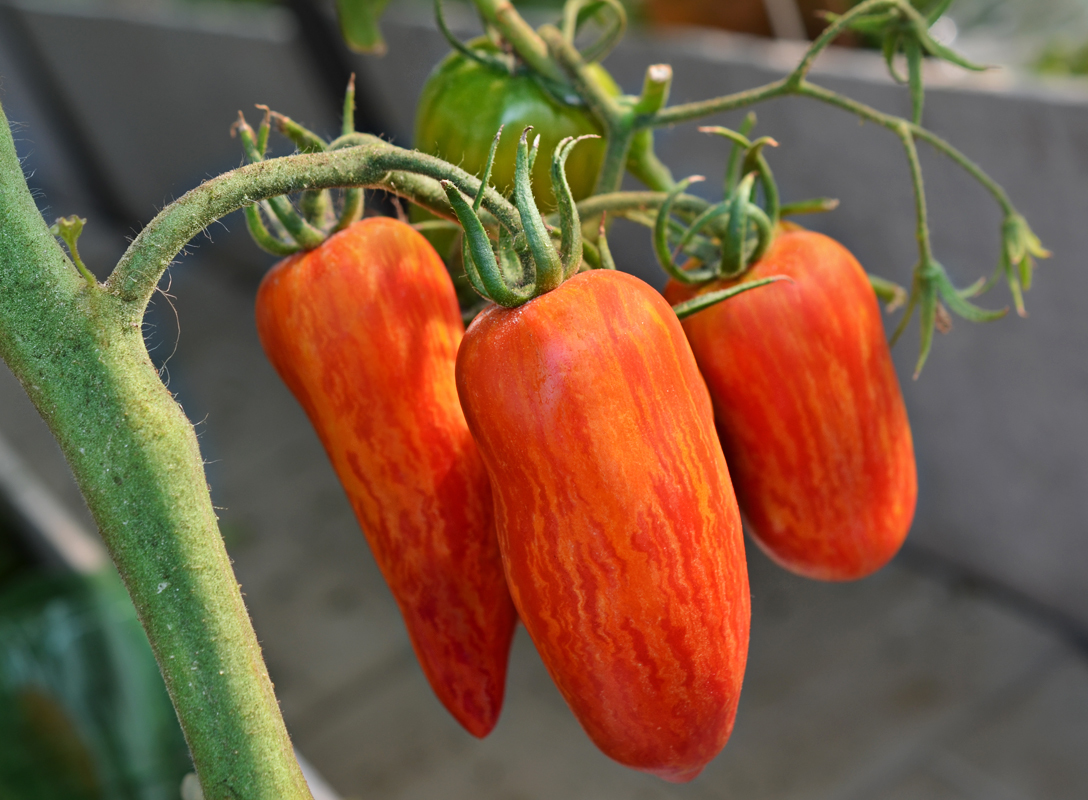
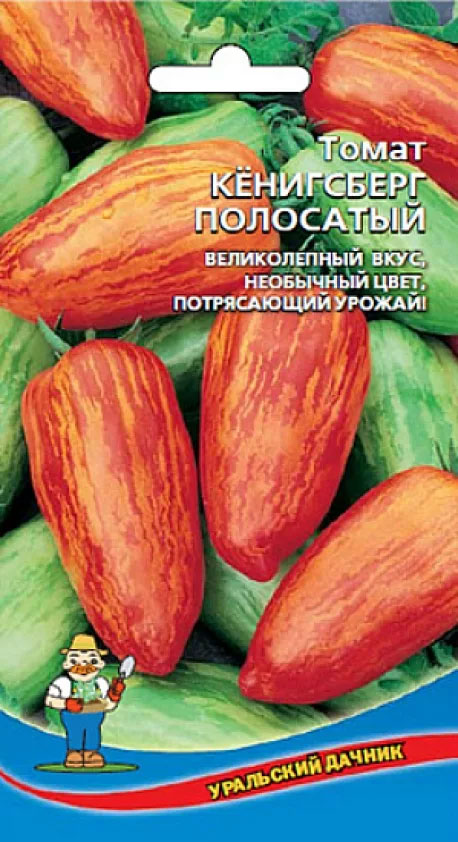
Striped Koenigsberg
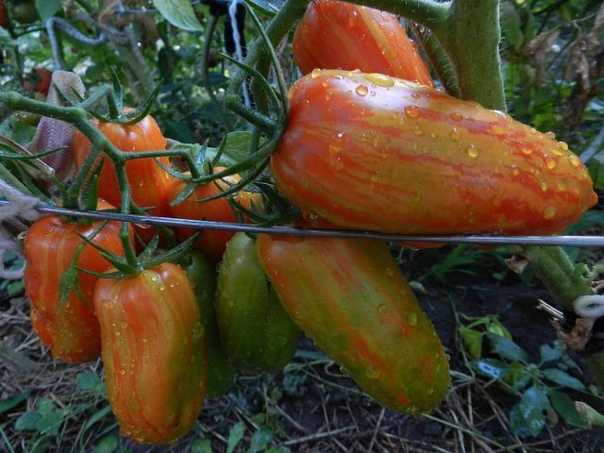
This is a mid-season variety. Its distinctive coloring is yellowish streaks on a red surface. It's best grown in greenhouses, as this will yield 1.5 times more. Growing conditions don't affect its flavor.
Photo gallery of the tomato variety Königsberg Striped
Advantages and disadvantages of Königsberg tomato varieties
The varieties have a large number of advantages:
- high yield rate;
- excellent taste characteristics (the pulp is juicy, but not watery, fruity and sweet, few seeds);
- high resistance to nightshade infections;
- grows and bears fruit well in any climate conditions;
- marketable appearance;
- drought resistance, heat resistance;
- variety of fruit colors;
- increased content of nutrients;
- ripening during storage.
Minor disadvantages include the not very early ripening period.
Features of growing tomato varieties Königsberg
Like all other mid-season tomatoes, Königsberg is grown using seedlings.
Sowing seeds and growing seedlings
Seeds for seedlings are sown 60-65 days before planting in their permanent location. The timing varies depending on the growing region. In central Russia, this is late February to early spring for transplanting into a greenhouse, and mid-March for transplanting into open ground.
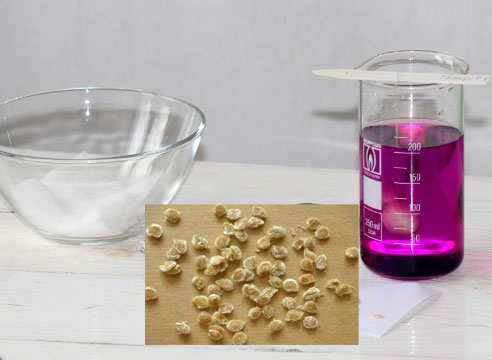
Before planting, seeds need to be prepared. Select only large, disease-free seeds. Before planting, soak them in a potassium permanganate solution (for no more than 30 minutes) to prevent infection. After disinfection, rinse them under running water and treat them with growth stimulants. If store-bought solutions are unavailable, aloe vera juice at a 1/2 strength can be used. Store-bought seeds require no pre-treatment.
Allow the seeds to swell for about 18 hours before sowing. For seedlings, you can prepare your own soil mixture using equal parts of turf, leaf mold, sand, and store-bought soil. It is also recommended to add 1 tablespoon of wood ash per 1 kg of soil. Planting containers must have drainage holes.
Seeds are planted at a depth of 2 cm, spaced 2-3 cm apart. If you don't want to transplant, you can plant them directly in individual cups or trays. Later, transplanting them into larger containers will be necessary. This will help fruiting begin earlier. Planting seedlings directly in larger containers is not recommended, as the root system won't have time to grow around the root ball, and the soil will become acidic.
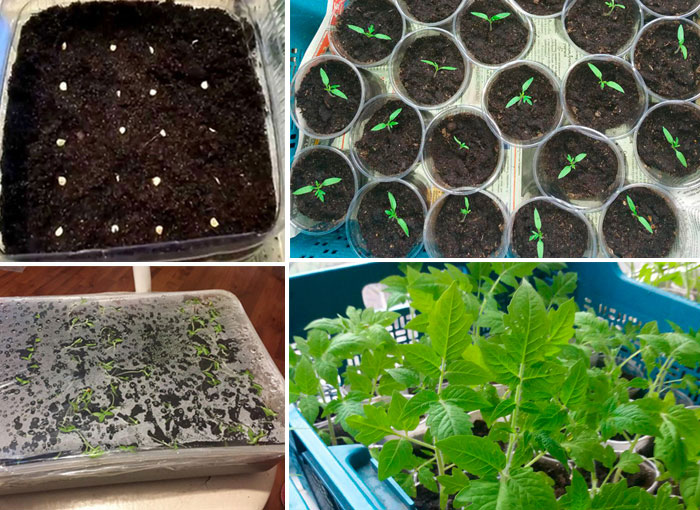
Cover the seedlings with soil and plastic wrap. Place them in a warm place at a temperature of 25°C. Once the seedlings emerge, remove the cover and move the containers to a bright, cool location. After a few days, the temperature can be raised to 20°C during the day and 17°C at night. At the two true leaf stage, transplant the seedlings into separate containers if they were not immediately planted in separate cups or trays.
Important! When replanting, do not hold the seedlings by the stem. It's best to use a teaspoon.
Water moderately, using warm, settled water. While tomatoes are still growing, apply 2-3 complete mineral fertilizers. The dosage is half that for mature plants. If the seedlings are not growing well, it is recommended to add 1 drop of HB101 to the water. This is an effective growth stimulant.
About a week before planting, begin hardening off the seedlings. To do this, take them outside daily, gradually increasing the time.
Planting in the ground
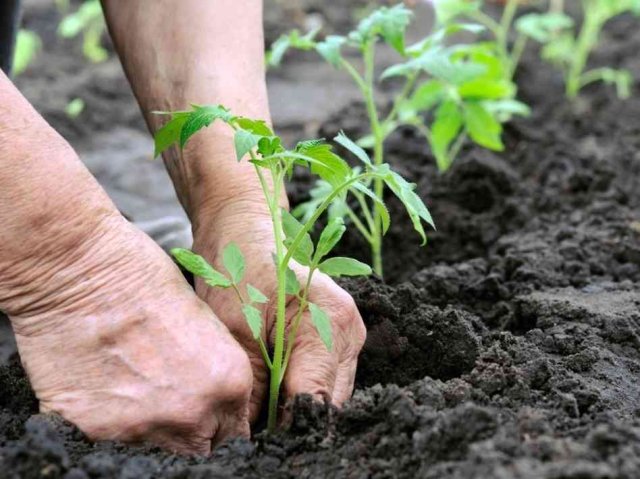
The plot is dug over in the fall, adding humus and mineral fertilizer. Planting occurs 60-65 days after the sprouts emerge. The planting pattern is 50x70 cm. If the planting is to be done as a single stem, a 50x50 cm pattern is acceptable. It is not recommended to grow more than 3-4 bushes per square meter.
Care
It consists of the following:
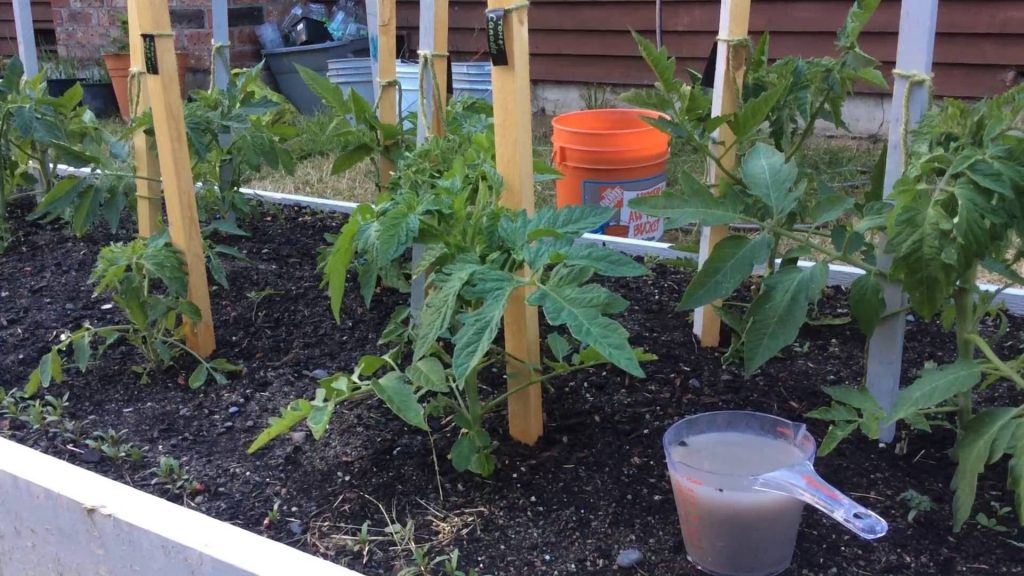
- formation into 1-2 stems;
- garter to a support;
- watering;
- top dressing.
Before flowering, water the bushes once a week at a rate of 10 liters of water per square meter. During budding and fruit set, increase watering to twice every 7 days. After the tomatoes have formed, water only as needed. The water should always be warm. Be sure to water the roots approximately 3 hours before sunset.
Add complex mineral mixtures every 10 days. During flowering, increase the potassium content.
Pest and disease control
The variety is resistant to many diseases, but there is a risk of blossom-end rot. For prevention, apply potassium nitrate during the formation of the first cluster and again two weeks later. Preventative treatment against infections and pests is recommended. At the beginning of the growing season, use commercially available chemicals. Once flowering begins, switch to folk remedies.
Harvesting, use and storage of crops
This variety is excellent for fresh consumption and for preparing dishes that contain tomatoes or tomato juice. Due to their large size, some varieties are not suitable for whole-fruit canning, but they can be pickled in barrels. These tomatoes produce delicious tomato-based products, including juices, pastes, and sauces. Unripe fruits store well and ripen well, so they can be consumed well into early fall.
Comparison of tomato varieties Königsberg with other varieties in the table
Please note! How can you easily convert centners/ha to kg/sq.m? Simply divide by 100! For example, the Abakansky Pink tomato yields 400 centners of marketable fruit per hectare. This equals 4 kg per square meter. It's that simple! Also, keep in mind that typically no more than 3-4 plants are planted per square meter. This way, you can calculate the yield per bush. In the case of the Abakansky Pink, it's about 1 kg.
| Variety | Ripening period (number of days from full germination to ripening)
Yield of commercial fruits |
Brief description | Fetus |
| Königsberg | 115 days
460-2000 c/ha |
An indeterminate, mid-season variety for garden beds. Requires staking and training. Suitable for salads and processing into tomato products. Marketability: 56% (Novosibirsk Region). Heat-resistant. | Cylindrical, smooth, dense, good keeping quality, red, 155-230 g (up to 300 g). Excellent taste. |
| Golden Königsberg | 115-120 days
860 c/ha |
An indeterminate mid-late variety for both open and closed ground. Requires staking and shaping. Salad-type. Marketability: 56% (Novosibirsk Region). Heat-resistant. | Cylindrical, slightly ribbed, orange, medium density, 191 g. Excellent taste. |
| Heart-shaped Konigsberg | 115 days 460-2000 c/ha |
A mid-season indeterminate variety for open ground. Requires staking and training. Suitable for salads and processing into tomato products. Marketability: 56% (Novosibirsk Region). Tolerates harsh climates. | Heart-shaped, round, with a slightly pointed tip, red, 500-700 g. Excellent taste. |
| Pink Königsberg | 115 days
1000 c/ha |
A mid-season indeterminate variety for open ground. It requires staking and training. Some fruits are suitable for whole-fruit canning, but most require slicing. | Cylindrical, slightly ribbed, pink, medium density, 200 g. Excellent taste. |
| Striped Koenigsberg | 115 days
460-2000 c/ha |
A mid-season indeterminate variety for open ground. Requires staking and training. Suitable for salads and processing into tomato products. Best grown in greenhouses, where the yield will be 1.5 times higher. | Smooth, elongated pepper-shaped, keeps well, yellowish streaks on the red surface, 155 g. Excellent taste. |
| Mikado brown | 85-100 days
870 c/ha (greenhouse and under film) |
A mid-season indeterminate variety for open ground and greenhouses. Requires staking and shaping. Suitable for salads. | Flat-round, medium density, medium-ribbed, brown, 150-220 g. Excellent taste. |
| Mikado chocolate | 90-110 days 600-800 c/ha |
A mid-season indeterminate variety for open ground and greenhouses. Requires staking and shaping. Suitable for salads. | Flat-round, large, brown, 170-240 g. Excellent taste. |
| Mikado Pink | 90-95 days
500-600 c/ha |
A mid-early indeterminate variety for greenhouses. Suitable for salads. | Flat-round, large, ribbed, medium density, pink, 300-360 g. Excellent taste. |
| Mikado Yellow (Gold) | 110-120 days
600-800 c/ha |
A mid-early standard indeterminate variety for greenhouses. Suitable for salads and juice. | Round, flattened, slightly ribbed, yellow, 500 g. Good taste. |
| Mikado Orange | 85-100 days
600-700 c/ha |
An early indeterminate variety. Outdoor cultivation is acceptable in warmer regions. In central Russia, greenhouse planting is recommended. Suitable for salads. | Round, ribbed, orange, up to 300 g. Excellent taste. |
| Mikado Sibiriko | 90-95 days 800 c/ha |
An early indeterminate variety from Siberian breeders. For salads, juice, and pasta. | Heart-shaped, ribbed, pinkish, 400-600 g. Excellent taste. |
| Mikado Red | 115-120 days
700-900 c/ha |
A mid-early indeterminate tomato for open garden beds and plastic shelters. Suitable for salads. | Round, flattened, with pronounced ribbing, dark pink or burgundy, 270 g. Excellent taste. |
| Abakan pink | 120 days or more
400 c/ha |
A late-ripening determinate variety for open ground and greenhouses. Requires staking and training. Suitable for salads and processing into tomato products. | Flat-round, slightly ribbed, medium density and pink in color, 200-500 g. Good taste. |
| De Barao red | 120-130 days
500-600 c/ha |
A late-ripening indeterminate variety for open ground and greenhouses. Requires staking and training. Suitable for salads and whole-fruit canning. | Ovoid, smooth, red, 30 g. Excellent taste. |
| De Barao is a giant | 123-128 days
2000-2400 c/ha |
A high-yielding, indeterminate tomato variety with very large fruits, with shoots growing up to 270 cm. Suitable for both open and closed ground cultivation, it requires support, staking, and training. These tomatoes are suitable for fresh eating, as well as for making juices and pastes. They are not suitable for whole-fruit canning. | The tomatoes are oval-round in shape, have a dense skin, weigh 350 g. The taste is excellent. |
| De Barao royal | 110-120 days
1500 c/ha |
The bush grows up to 200 cm tall, is indeterminate, vigorous, and has dark green, narrow leaves. It requires staking and shaping. These tomatoes are suitable for fresh eating, salads, and other dishes. When canned, they can lose their shape due to their delicate skin, but are excellent for juices and sauces. | The fruits are pink, plum-shaped, and have a pointed tip. The thin skin may crack during canning. Weight: 150-170 g. Excellent flavor. |
| De Barao yellow | 110-120 days
1200 c/ha |
An indeterminate plant with a bush up to 200 cm tall. Recommended for growing under plastic cover. The bushes are formed into two shoots and require staking. This versatile tomato is well-suited for whole-fruit canning and can be used in dietary menus. | The fruits are round-oval with a smooth surface and a slight indentation at the base. Ripe fruits are bright yellow or golden in color, weighing 80-90 g. The flavor is excellent. |
| De Barao orange | 110-130 days
1000-1200 c/ha |
Grows well in open ground. In cooler regions, it can be planted in unheated greenhouses. This indeterminate, late-ripening variety grows up to 200 cm. It requires staking and training. It is suitable for salads and all types of canning. | The fruits are small, ovoid, with smooth, glossy skin. The flesh and skin are orange, weighing 120 g. The flavor is excellent. |
| De Barao pink | 111-119 days
600-1000 c/ha |
An indeterminate variety with a mid-season ripening period. It is used primarily for greenhouse cultivation. The foliage is medium, and the bushes barely reach 200 cm in height. The shoots are tied and pinched as they grow; the bush requires shaping. It is suitable for salads and all types of canning. | The fruits are oval, with glossy pink skin and a smooth top, 80-100 g. The taste is excellent. |
| De Barao the tiger | 120-125 days
300 c/ha |
This variety is suitable for growing in warmer regions of the country. The bushes are tall and require support and tying. The foliage grows quickly, so pinching is necessary. Suitable for salads and whole-fruit canning. | The fruits of this variety are round. The flesh is juicy, sweet, and pinkish. The skin is red with orange or greenish stripes, weighing 60-70 g. The flavor is excellent. |
| De Barao is black | 115-125 days
up to 800 c/ha |
A late-ripening indeterminate variety for open ground and greenhouses. Requires staking and training. Suitable for salads and whole-fruit canning. | Ovoid, smooth, purple-brown, 58 g. Good taste. |
Gardeners' reviews of different types of the Königsberg tomato variety
Gardeners' reviews of all Königsberg tomatoes are positive, noting their very high yield and excellent flavor. Some report that blossom-end rot sometimes occurs, but this can be prevented by applying potassium nitrate as a preventative measure.
We've been growing the Königsberg (Siberian Garden) tomato variety for several years now. However, I simply don't have time to take photos of all the stages of plant development, from sowing and transplanting to the greenhouse to harvesting, so some of the text is without illustrations. My apologies again. Sowing occurred in early March. This year, on March 2nd, two of the three sprouted. The variety isn't a hybrid, and last year we took seeds from a ripened tomato. I also sowed these seeds, which also sprouted. I transplanted them on March 24th, transplanted one branch (Siberian Garden) to the greenhouse on May 9th, and the second, from my own seeds, on May 13th.
Care is the same as for all varieties: fertilizing and watering. This year, I used Zdraven Turbo "Universal" complex fertilizer with microelements for vegetable, fruit, and garden crops and sprayed the ovaries. The bush grows to 1.9-2 meters. It needs to be tied to a taut wire at the top. When pinching out side shoots, it's recommended to form plants into 1-2 stems, but I left three stems in each. I've already explained why I do this (my review: Tomato seeds from Sole Proprietor L. A. Myazina "Vazhnaya Persona F1").
Last year's photo:
This year, the bushes were formed and the first ovaries appeared at the beginning of July:
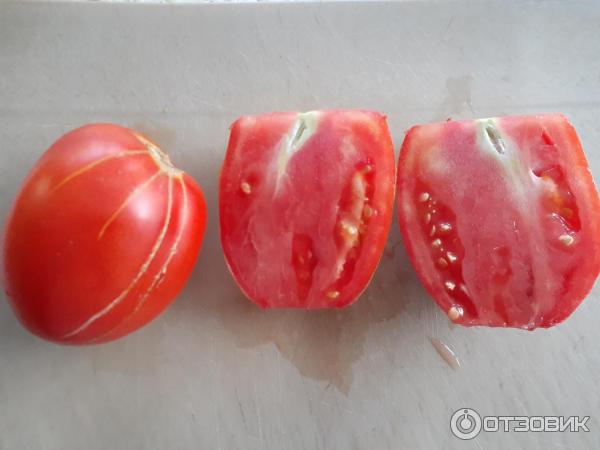
The first large fruits ripened by the end of July, but they cracked. I decided not to take a photo and wait for the next batch. But the second batch, which was about to be picked, turned out to have the same cracks:
It's a shame there aren't any photos of the first ripe ones. Those were a bit larger. But so far, all the ones I've picked are about 300 grams, definitely over 200g.
The tomatoes, while not very bright, are very tasty and fleshy, perfect for salads and vegetable platters. They require minimal water.
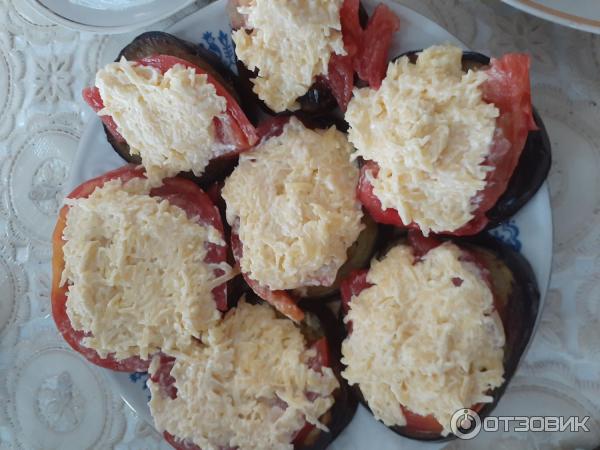
This very hot year, blessed not only with tomatoes, has produced an excellent eggplant harvest. The Königsberg variety is perfect for a spicy appetizer with fried eggplant, cheese, and garlic.
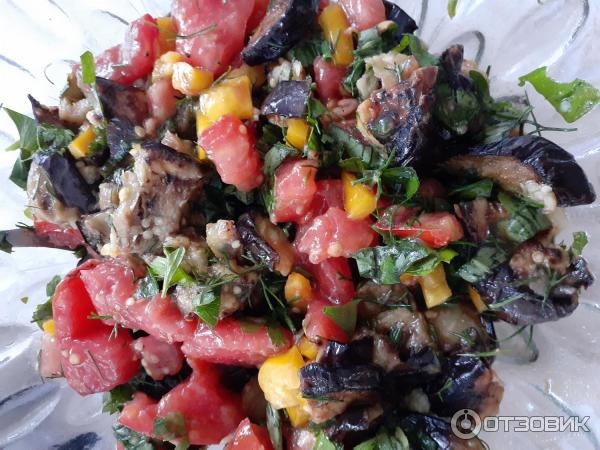
Besides sliced, we also eat it in salads with lightly fried eggplants, colored basil, parsley, and dill:
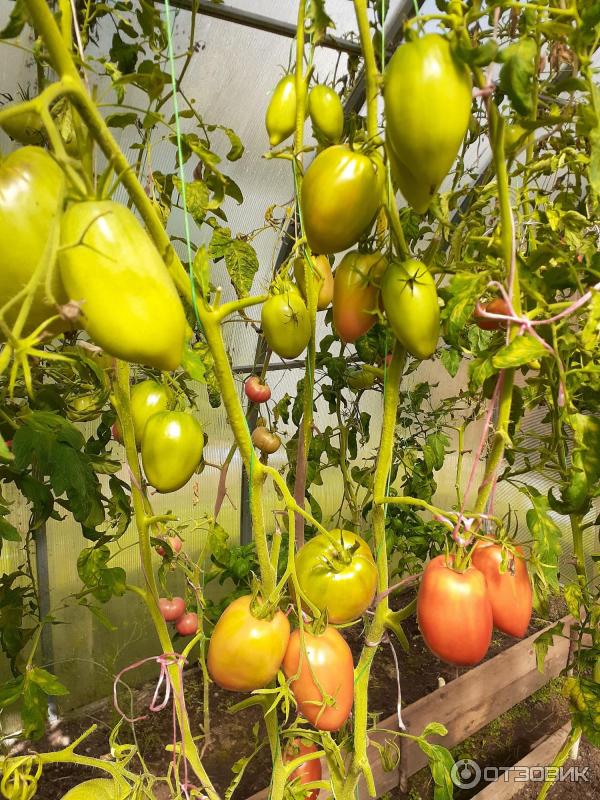
This is a mid-season variety, so some of the tomatoes are just beginning to ripen and turn red. Both branches look like this on August 10th:
This year's harvest is larger than last year's. I believe this increase is precisely proportional to the amount of warmth and sunshine we received during our hot summer of 2021.
And the taste didn’t disappoint, you can feel the aroma of the southern summer, which we don’t get every year.Honestly, I can't tell which branch is from the Siberian Garden seeds and which one is mine. It's a wonderful variety. However, I'd still like to point out the drawbacks of the Königsberg variety: it's susceptible to late blight, and ripe, cracked tomatoes certainly won't store well. Leaf spots in early August:
We've been planting tomatoes for a few years now, and I've even tried growing them from my own seeds. The Königsberg variety is an excellent choice for those who love large-fruited salad tomatoes. I highly recommend it.
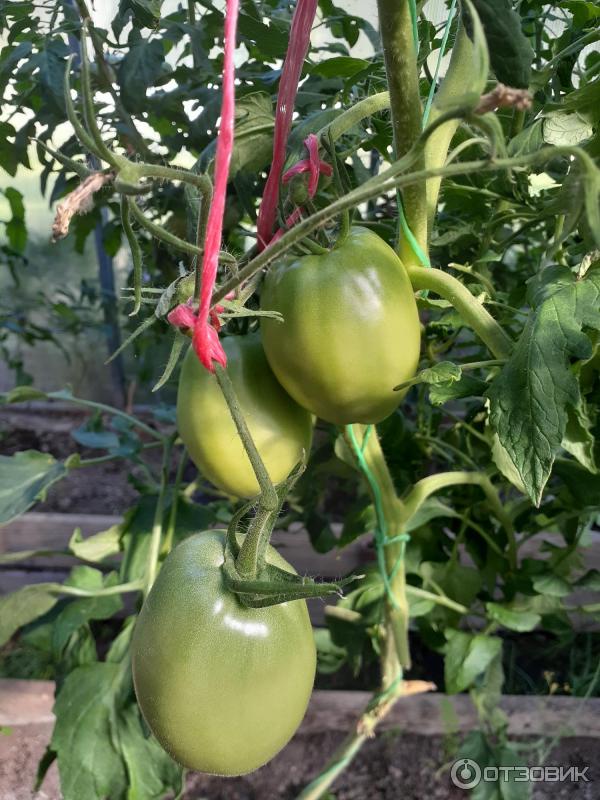
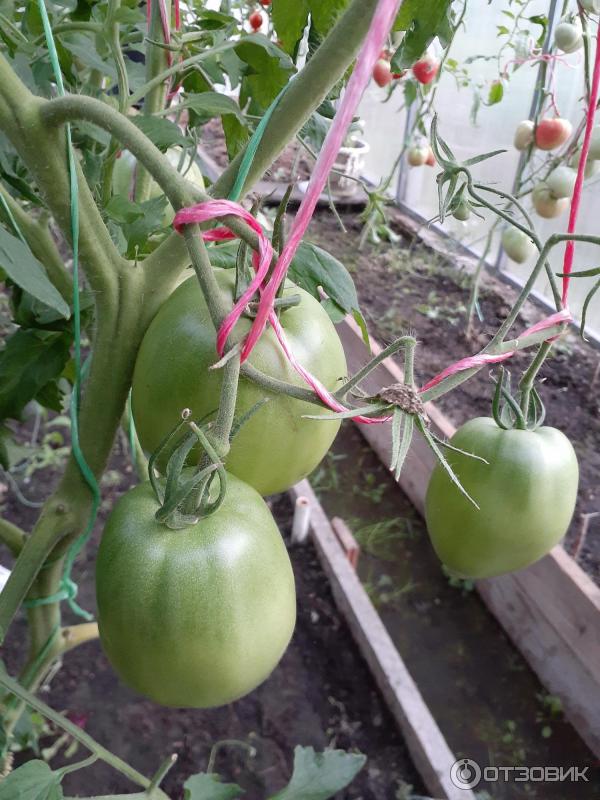
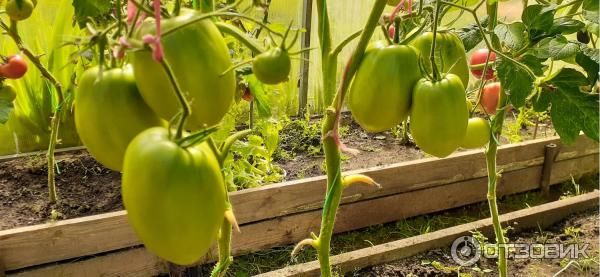
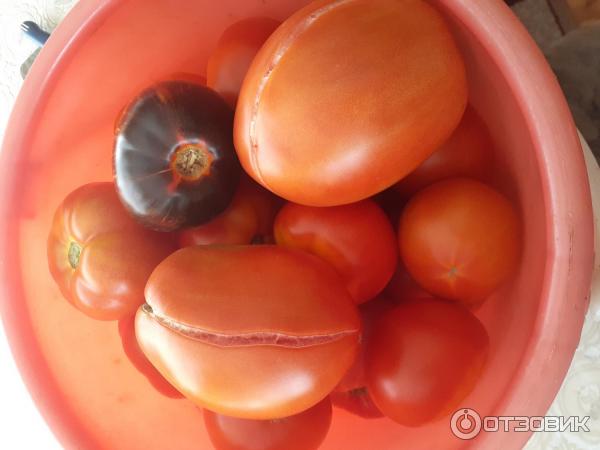
Over more than a decade of gardening experience, I've chosen several favorites. One of them is the Königsberg tomato from the Sibirsky Sad agricultural firm.
First, let me tell you about the packaging. It's a glossy, colorful photograph, with a plain white packet attached to the back. Despite its apparent simplicity, this packet is protected by an internal film coating. So, if the packaging gets wet, there won't be any harm to the seeds. They're well protected.
The manufacturer states that there are 20 seeds. In reality, there are more. I counted between 30 and 40 in different packets.
The seed germination rate is almost 100%. However, after 2-3 weeks, I select the strongest and most vigorous seedlings, so some plants are mercilessly discarded.
The plant is indeterminate and grows up to 2 meters tall. The elongated, bright red fruits weigh about 300 grams, and a bush produces up to 30. One year, there were 48 tomatoes, but the more they grow, the smaller they become.
For a better harvest, plant two plants per square meter, fertilize generously with mineral and organic fertilizers, and use special stimulants such as Epin to enhance fruit set.
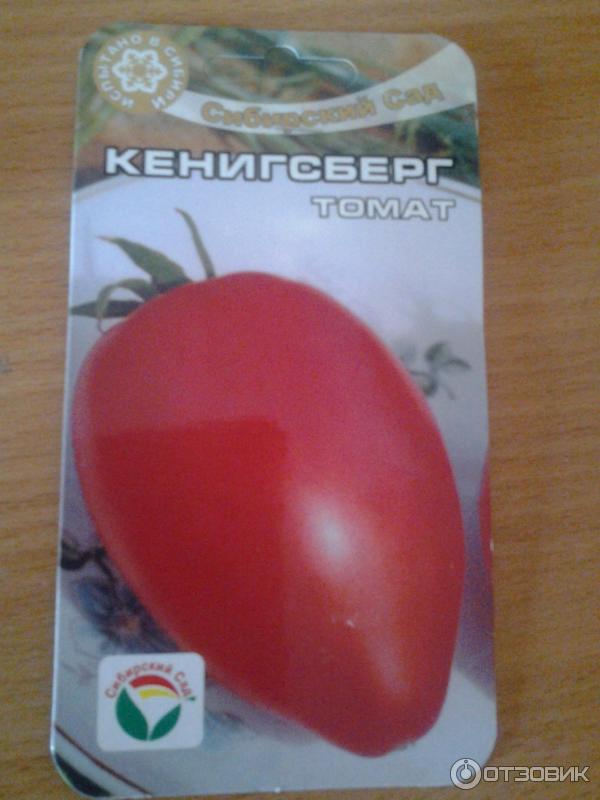
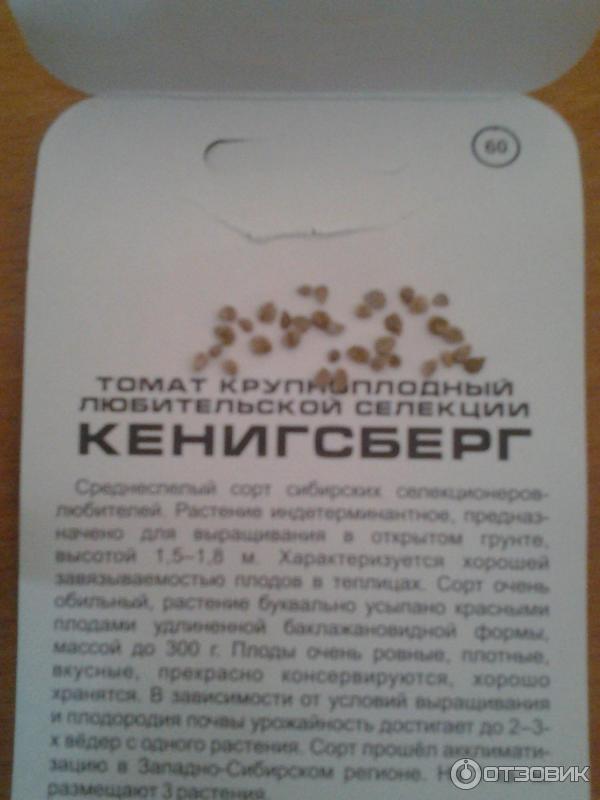
For tomato lovers, I'd like to leave my review of the Königsberg variety. I was treated to a tomato, and I liked it. I decided to try planting it. And I did. The seedlings were very even. The plants are tall and heavily foliated. I liked the clusters—not too large, simple, with 4-6 fruits per cluster. Fruit sizes range from 150 to 650 grams. The largest tomato this year was 730 grams, and that wasn't just a single tomato on the plant, but a full cluster of fruits.
The fruits are fleshy and red, and the flesh is also red. There's practically no water or seeds in the fruit, which made me very happy!
I used these tomatoes fresh in salads. They have a sweet, tart flavor, and I think many people will love them! I've also tried pickling them, and they're just as delicious! I didn't like the idea of drying these tomatoes, though. They take a long time to dry and still aren't completely dry. But I'll try again; maybe I did something wrong.
This variety has one drawback: the fruits are susceptible to blossom-end rot, so you need to keep an eye on the tomatoes and fruits!
The variety is very productive, and I liked that. You can get anywhere from one to two buckets of tomatoes from one bush. I plant four tomatoes per square meter and get a very good harvest.
Because the tomato bush is vigorous, I tied it to a stake and tied it up 5 times during the summer.I recommend this variety to all tomato lovers. Let me know in the comments whether you've planted it or not!
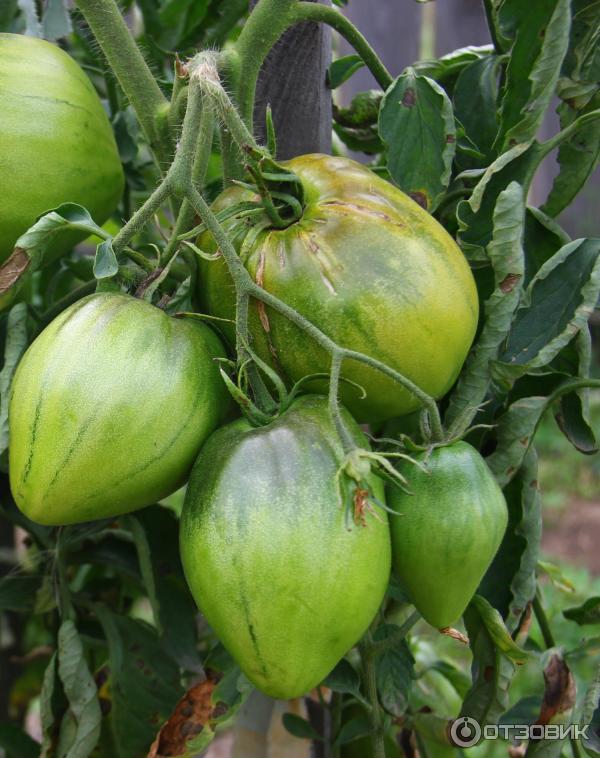
Good afternoon
I would like to share my impressions of the “Konigsberg” tomatoes from the “Siberian Garden” company.
I've been a gardener for 25 years and have been using a polycarbonate greenhouse for 10 years now, so all my reviews of tomatoes will be about greenhouse-grown tomatoes. In the mining and metallurgical zone of the Southern Urals, I believe it's more practical to use a greenhouse and also seeds from the Siberian Garden company. I have several favorite tomatoes from Siberian Garden, although they have a very wide selection, but I started growing the "Königsberg" tomato 20 years ago in a plastic greenhouse, and now I always grow it every year.The variety was developed by breeder V. Dederko in the Novosibirsk region, demonstrating its exceptional resilience to harsh climates. It also exhibits high resistance to major diseases. Unlike most Siberian tomatoes, Königsberg is not a hybrid, but a pure variety.
This variety is an indeterminate plant. This tomato grows into a very large bush, which can reach up to two meters in height. Of course, such plants require staking and training, but the variety rewards this care with very high yields. I like to grow these varieties in double stems. The bushes resemble a tomato tree, densely laden with large fruits of varying degrees of ripeness.
This variety is considered mid-season in terms of ripening time. The fruits are cylindrical, pointed at the tip, very firm, and smooth. The tomatoes typically weigh over 200g, up to 300g. They have a stunning flavor—aromatic, sweet, and fleshy flesh. These tomatoes have few seeds, as the pulp predominates. I eat them fresh, as well as in hot and cold dishes, and I use them to make sauces, ketchup, and juice for winter storage. This tomato variety transports well and has a long shelf life, which is rare for large-fruited varieties.
Seed preparation and seedling cultivation are standard, as with all tomatoes—you need to monitor the temperature and water the seedlings. I still try to adhere to the lunar sowing calendar, although I then plant as best I can. However, planting is usually in late February or early March, followed by picking at the end of March and planting in the greenhouse at the end of April, under additional cover.
After the tomatoes have rooted, I remove the covering material a month later, tie them up, and promptly remove side shoots. Throughout the summer, I fertilize and spray the tomatoes regularly.
To get good seedlings, I use purchased soil for growing tomatoes, fertilizer for seedlings and plant growth.I recommend "Königsberg" tomatoes to everyone, and you'll understand that this variety should occupy a certain part of your greenhouse every year, because it's one of the best varieties bred in Siberia—high-quality seeds, hardy plants, and excellent taste and aroma.
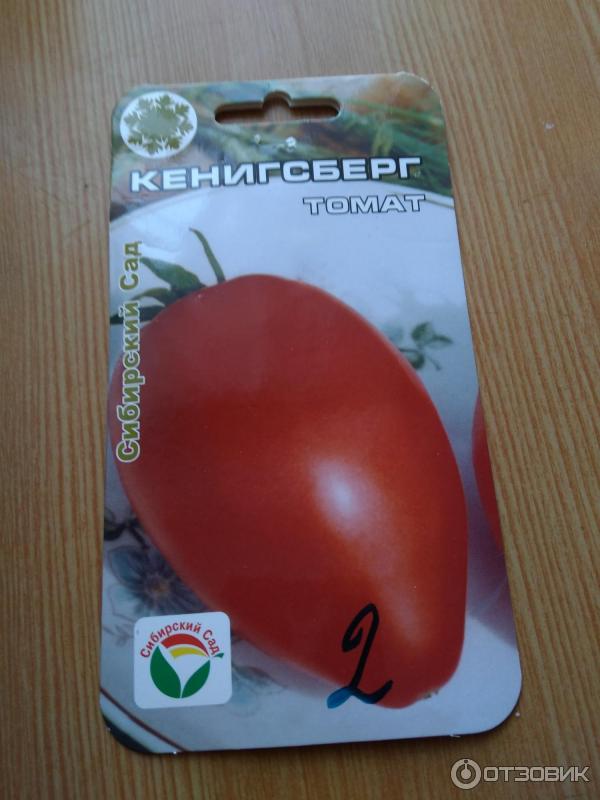
The tomato plant is truly very productive. It was covered in beautiful, large tomatoes, which later turned out to ALL have black tips. When these diseased tomatoes began to ripen, they cracked. I was fooled by the positive reviews and wasted my time! I won't risk planting them again.
Hello, dear visitors of this page.
Allow me to share my impressions of these tomatoes, which I've been growing annually for many years, along with other varieties. Although I plant seeds, they're probably a bit more productive than these, for example, Siberian Garden "Eagle's Beak" tomato seeds—a large-fruited, high-yielding variety.Or Aelita "100 Poods" tomato seeds—these are very impressive bags, but I can't explain their allure. I'm writing this review even though it's unpaid.
Some might say tomatoes grow like burdocks, unpretentious, and uninteresting. For me, that's not true. Sometimes I sit down on a tomato bed in the greenhouse, mulched with dry grass, relax, and watch these plants grow and develop.
Especially in the evening, after work, when the sun hasn't set yet, but it's not as hot and the mosquitoes aren't biting. They can't stand the smell of tomatoes.
Golden Königsberg is beautiful.
Good for both salads and canning.
Meaty. Sweetish taste. Almost not sour. Pleasant aftertaste. But the skin is thick.
The shelf life is normal.
This year isn't typical. It was a hot, dry, "COVID-like" summer, and the fruit ripened more slowly and weighed less.
The yield of this review's hero is probably not much inferior to that of its favorite neighbors. However, reviews say it's average. Note that the one on the far right in the following photo from previous years is this one.
Another advantage is the compactness of the bush: the leaves hang down rather than sideways. Although this isn't visible in the photo, as the foliage is tattered closer to the ground.
He loves to eat. That must be admitted.
I have never suffered from late blight or other diseases except blossom end rot.
People ask how to get rid of it. It's very simple: cut it off with a knife, wash the rest, and eat it.
As a preventative measure, they recommend adding calcium to the soil. I use superphosphate and dolomite flour for this. But I must admit: it doesn't always help.
In conclusion, I propose to find these fruits in the general, appetizing mass of the harvest, wish everyone health, good mood, and thank them for their attention.
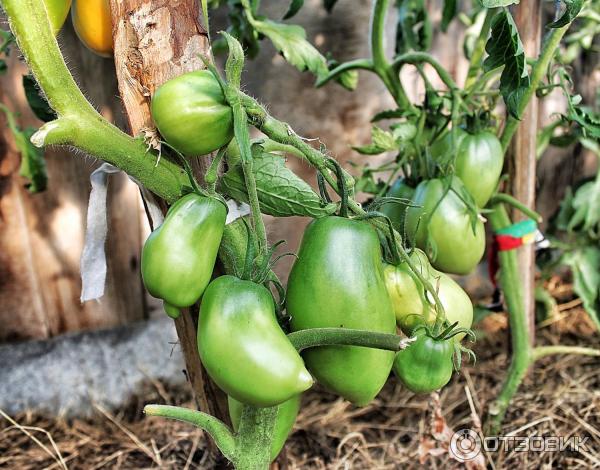
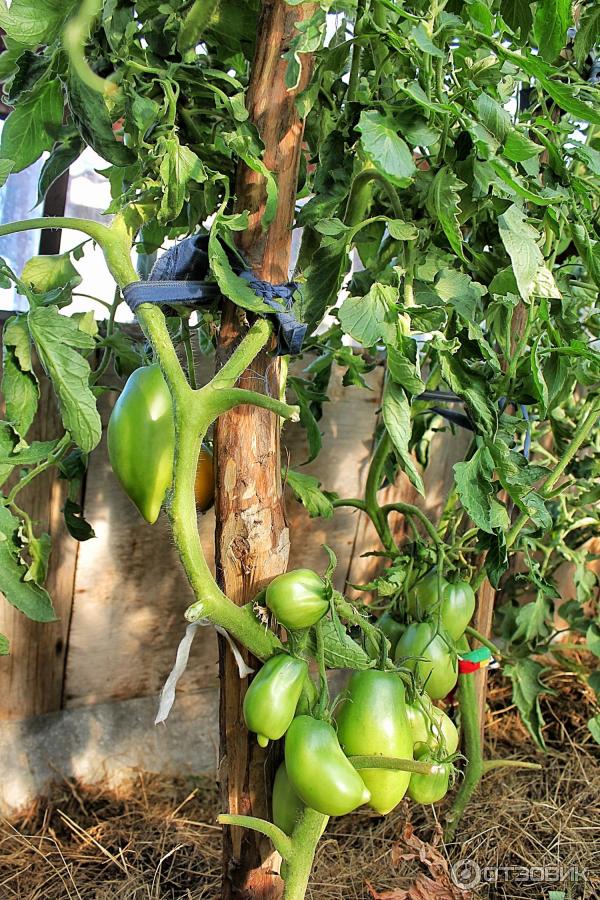
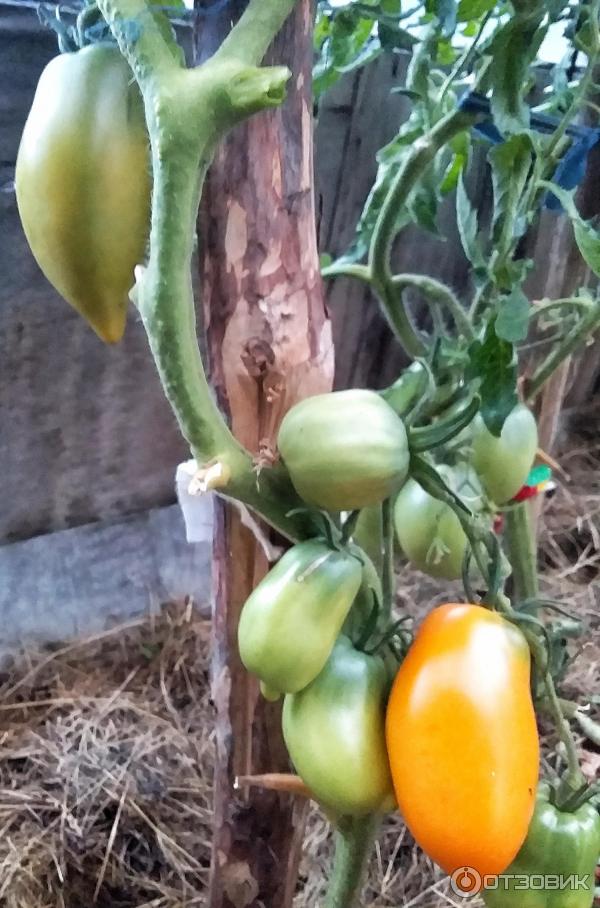
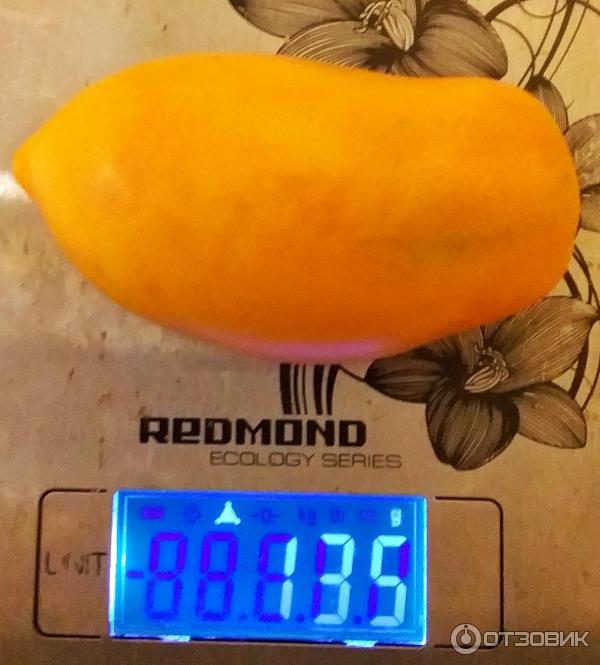
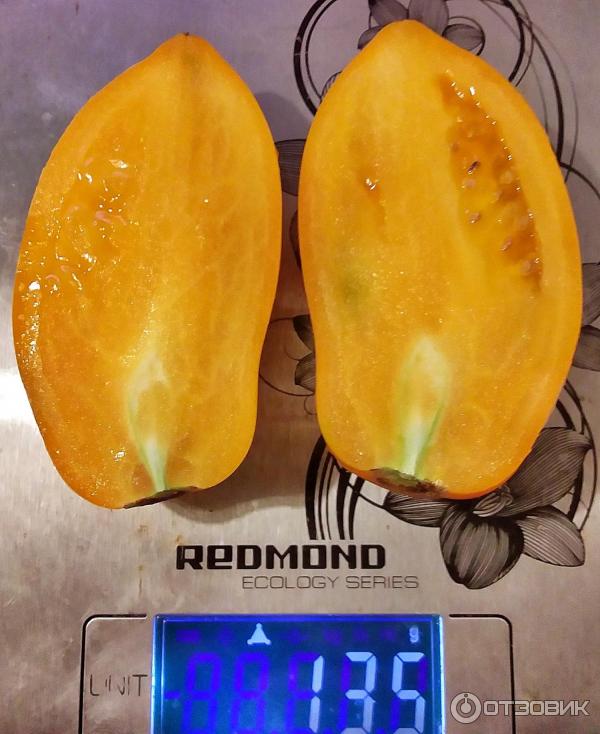
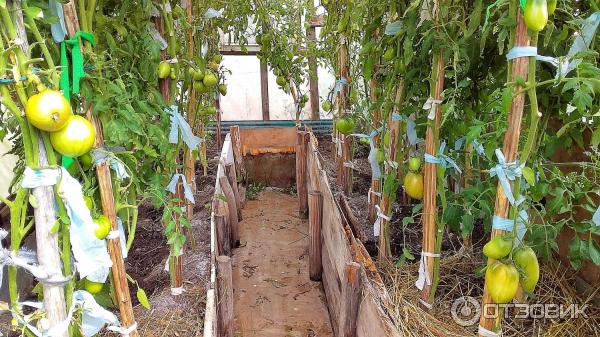
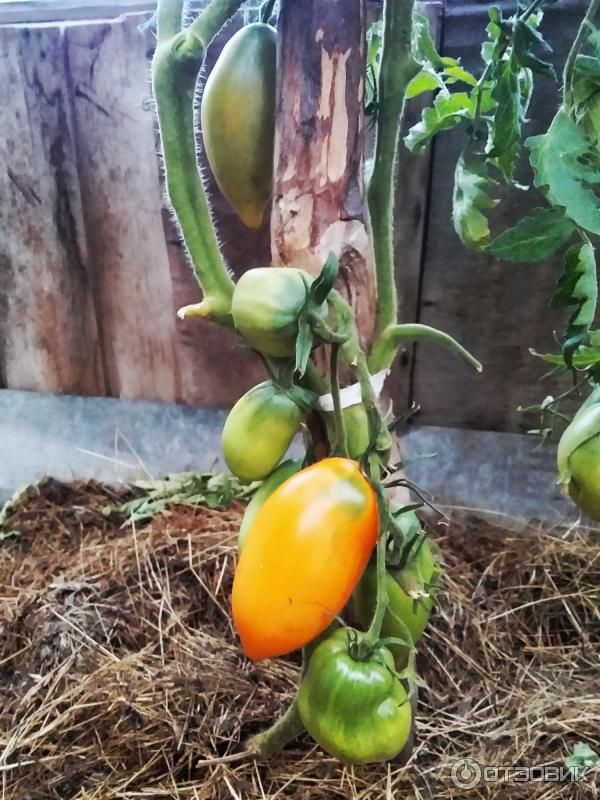
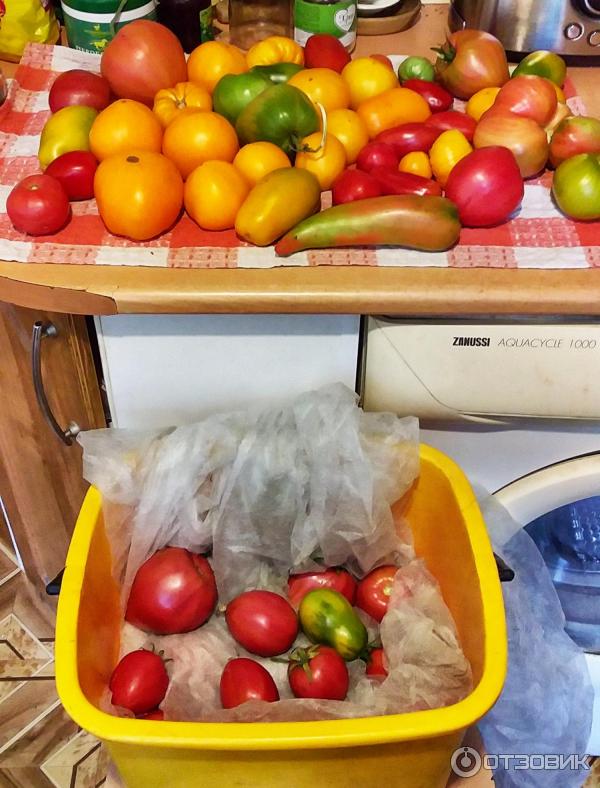
I've been planting the tomato variety "Golden Koenigsberg" for a long time. I plant it regularly and in large quantities. This variety thrives both outdoors and indoors.
In open ground, the plant doesn't grow as tall, but it still needs to be tied to stakes, and the tomatoes themselves are usually smaller. This doesn't affect either the quality or quantity of the harvest. This is a very productive variety. It is resistant to late blight. At least, some varieties are among the first to become infected. In a greenhouse, it can suffer from blossom-end rot. The fruits are oval, orange, fleshy, large, sweet, and very tasty. The juice has an amazing flavor. In a greenhouse, the plant is easy to care for because it doesn't overgrow, has drooping leaves, and flower clusters occur every 1-2 leaves, so it grows more slowly than other indeterminate varieties. When trained into a single stem, it can be planted more closely. Since this is a cultivar, not a hybrid, it is possible to collect your own seeds.
I've been planting the "Königsberg" (red) and "Golden Königsberg" tomato varieties in my garden for several years now. I started with "Golden Königsberg." I once bought a packet of seeds from the "Siberian Garden" series to try out. I was a little confused by the small packets—only 20 seeds. But everything is explained: what the variety is, how to grow it, and how to use the harvest.
I grew these tomatoes from seedlings, which I then planted outdoors. Incidentally, all 20 of the 20 seeds sprouted. I had no problems growing the seedlings or growing the mature plants. Caring for these tomatoes is exactly the same as for all other varieties.
To be fair, there are varieties with higher yields. But for me, the excess was enough. The taste of the fruit is excellent. I was also pleased that the fruits are uniform in size and ripen fairly evenly, which is important for canning. In the "Golden Konigsberg" jar, the tomatoes look very attractive alongside their red counterparts. When pickled, the tomatoes stay together and can be cut with a knife.
Now I always plant this variety in my garden.
Unusually delicate flavor, grown once. They even grow well on the balcony, so you don't need to buy a dacha to plant them. They don't keep well and aren't suitable for pickling.
It grew frail in seedlings, I liked the taste, it was so buttery sweet, few seeds. And I have a doubt, maybe it's not a ZG? After all, in the first photo, the cross-section is different.
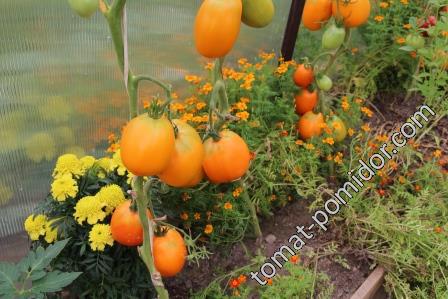
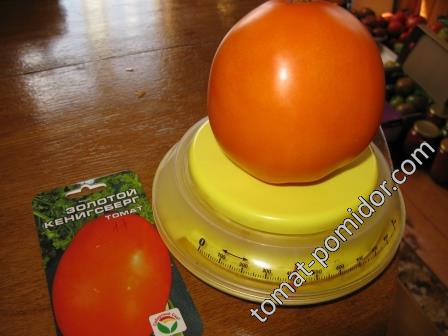
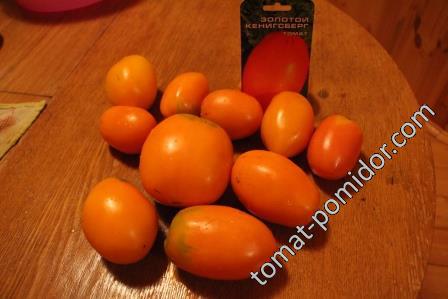
Always fruitful, always tasty, and long-lasting. I plant it every year.
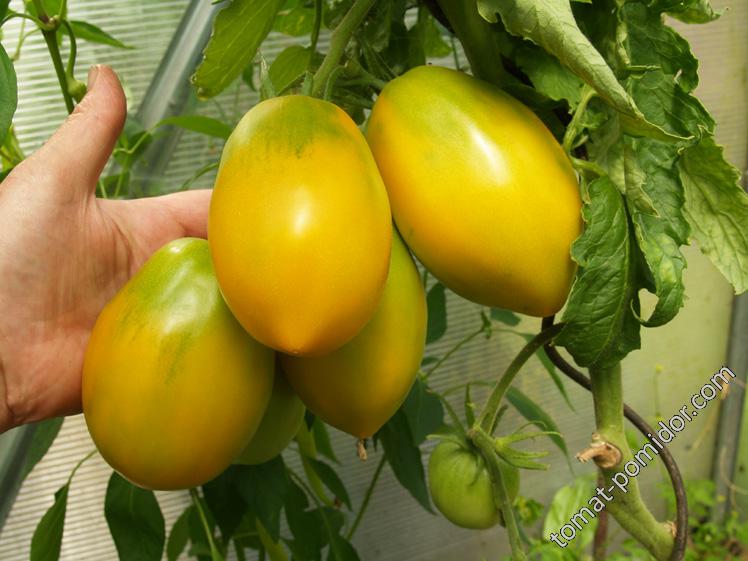
I agree. I have the same ones. I'm planting three similar varieties: Pepper-shaped Orange (the largest and most fleshy, with 3 buds weighing 400 grams each); Golden Konigsberg (medium-sized, with 5 buds weighing 200 grams each); and Orange Roman (with 7 buds weighing 100 grams each). They're all similar: tasty, sweet, and fleshy. They're not very convenient to grow as seedlings: the leaves are long, twisted, and thin and cling to each other. But I wouldn't give them up for anything. No matter the year, they're always delicious.
I liked the tomato plant. I'd read that it wasn't a productive one, but I planted it anyway because I like long ones. The yield was quite good, with the first ones being larger and thicker, then longer. I harvested the plant at the end of September. I thought it would be very frail, but it's bearable, with the leaves drooping a bit, but otherwise the plant is quite sturdy. (Look at Orange Heart – I sometimes thought it was about to die at first, all bent and with drooping leaves.)
The fruits are dense, contain little liquid and seeds, and are tasty.
There is always room in the garden for a couple of Golden Königsberg bushes.
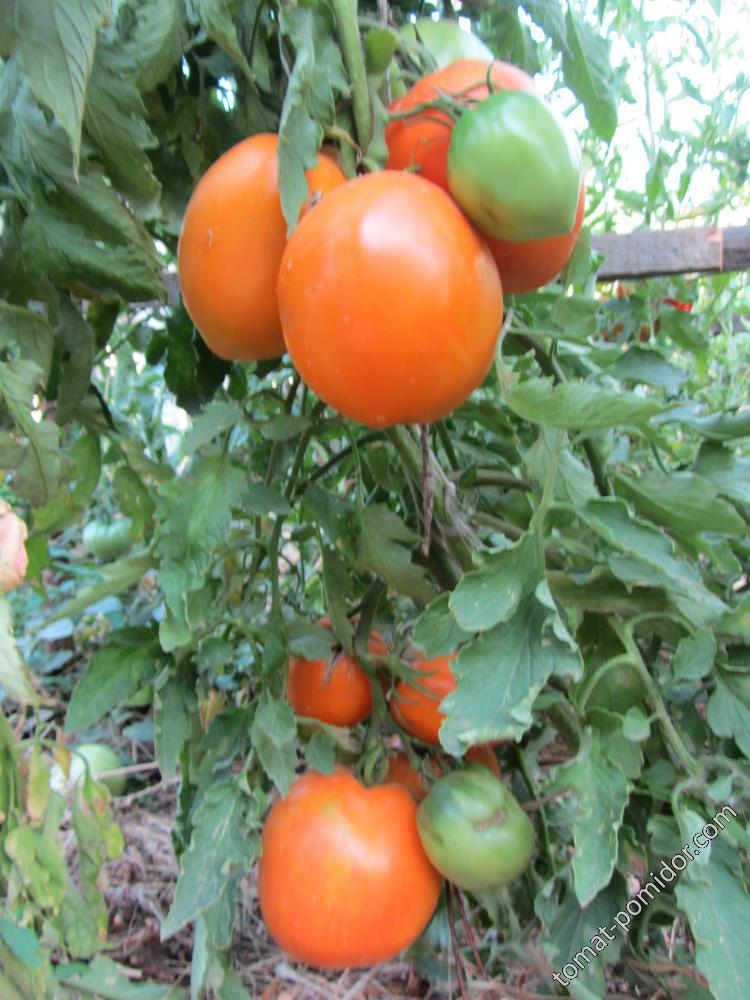
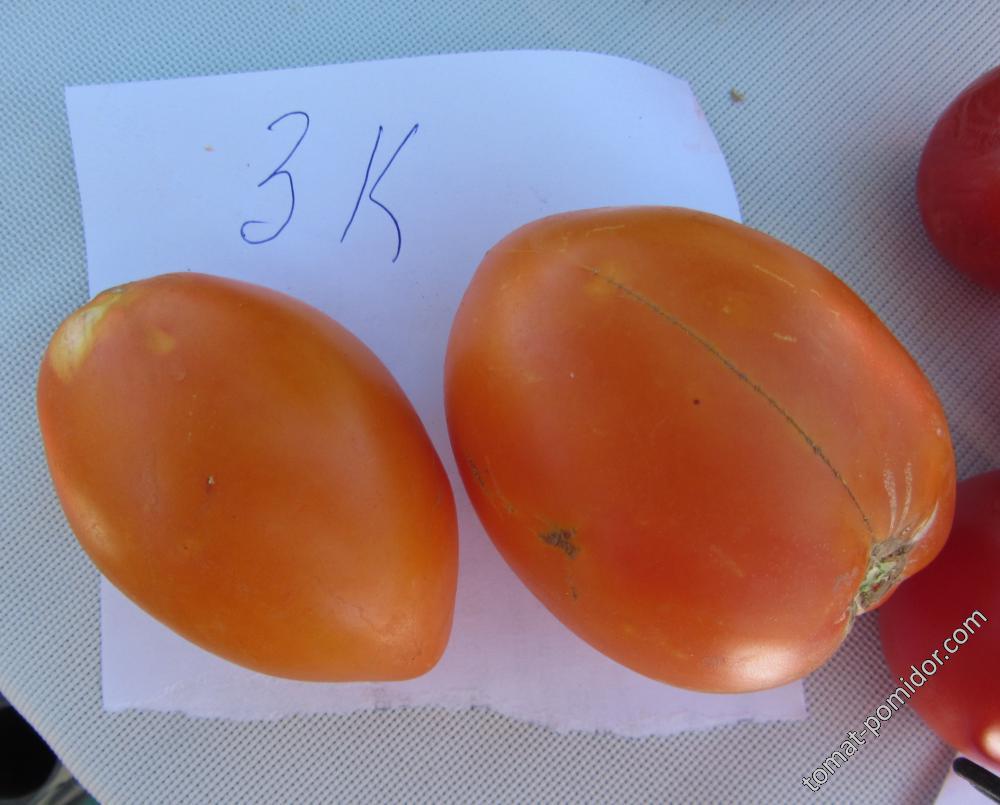
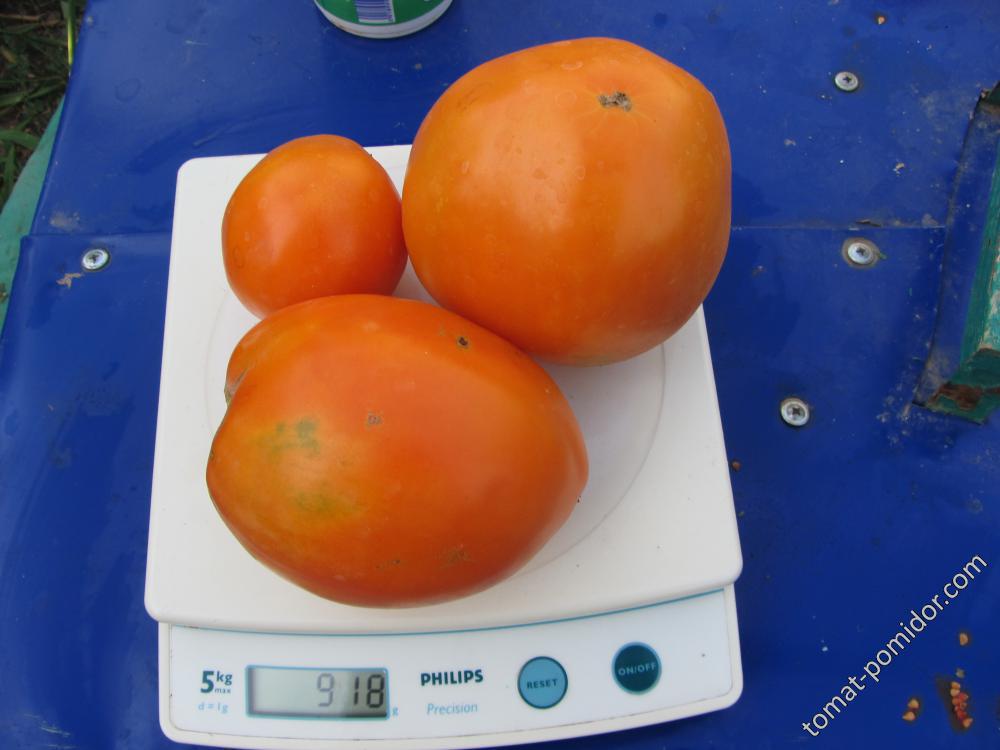
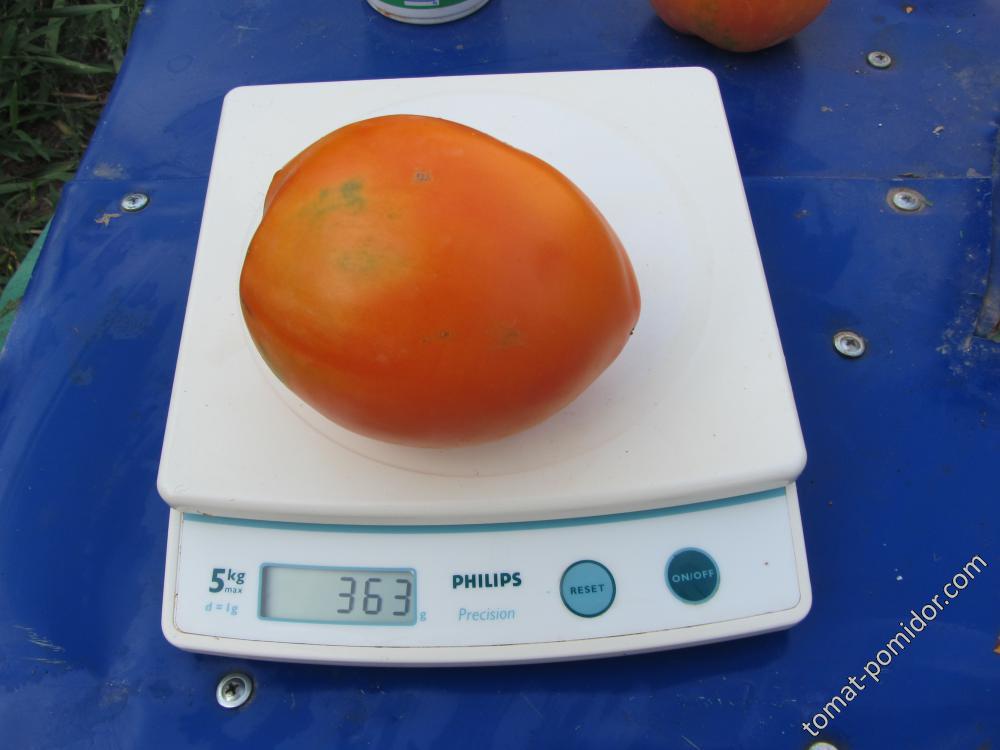
I've been planting 'Golden Königsberg' for four years now, and it's a favorite. The yield isn't that bad either: this year I had 16 (I had two stems). They were a beautiful orange color, had a very good flavor, and also became more elongated towards the top. My plans for 2015 include:
Red Königsberg
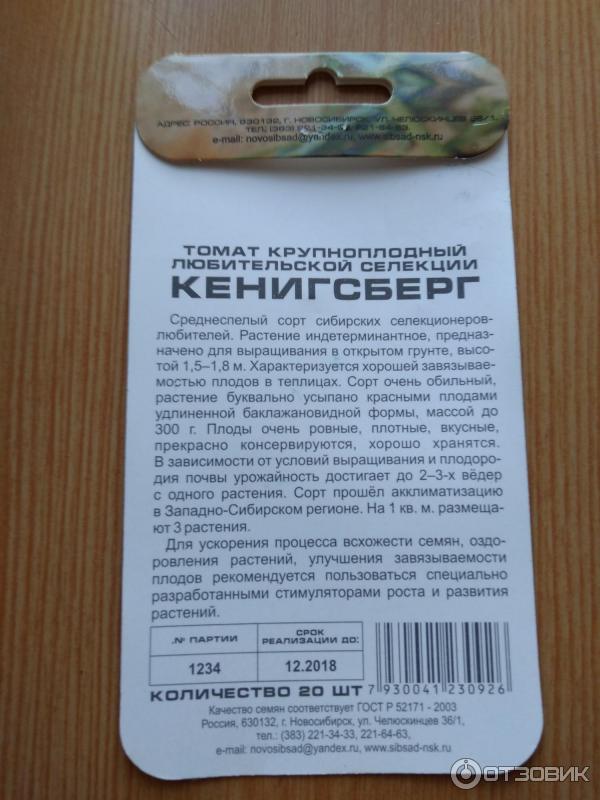
Large-fruited. A mid-season variety bred by amateur breeders in Siberia. The indeterminate plant grows to a height of 1.5-1.8 m. It produces good fruit set in greenhouses. This variety produces abundant, red, elongated, eggplant-shaped fruits weighing up to 300 g. The fruits are very uniform, firm, and delicious, and preserve well. This variety has been acclimatized to the West Siberian region.
This variety is grown in open ground and greenhouses, with 2-3 plants per square meter. To achieve high yields, ensure regular watering and fertilizing during the growing season. To accelerate seed germination, promote plant health, and improve fruit set, it is recommended to use specially developed plant growth and development stimulants.The tall height in cm is 150-180 cm
Fruit weight up to 300g
The color of the fruit is red
Variety
Ripening period: mid-season
Indeterminate
Quote(kaluk @ 11.8.2013, 0:31) *
This is exactly what Königsberg Red is! An excellent variety! sml01.gif
p.s. Exactly the same Königsberg gold (dark yellow fruits)
galli @ 11.8.2013, 1:20
Does my tomato look like this variety or not?
It's long and thin, with leaves hanging like rabbit ears, all twisted ten times. You'd think the tomato was dying. But it's always like that. I like the fruit. Does anyone have one like this? Could you tell me the name?
kaluk @ 25.7.2013, 22:52
I have been planting and will continue to plant both red and gold for several years.
50-60 fairly large fruits per bush (three stems). And the taste is incredible! You cut it like a piece of meat!
The bush is tall and very compact—the leaves are pressed as if at attention. That is, it takes up little space.
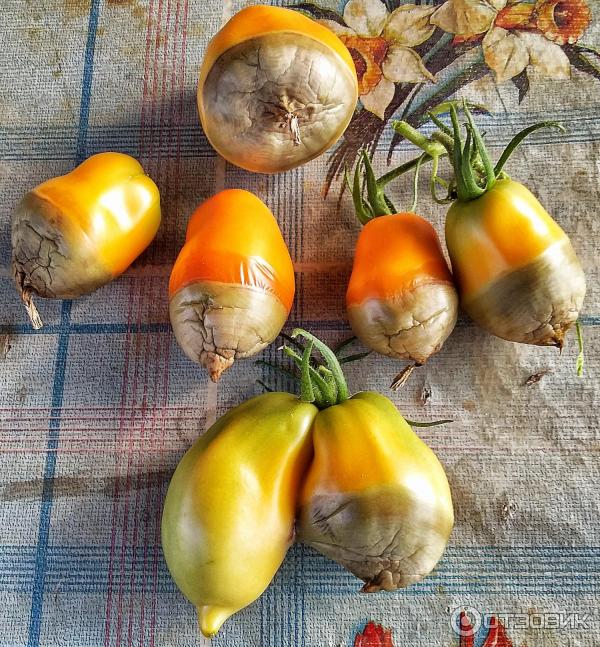
For some reason, I had bad luck with this variety. My only surviving Golden Königsberg seedling was a single bush, so naturally, I was waiting to see how it would perform. In the end, all the fruits were infected with blossom-end rot :faq:, I kept picking them off one by one until I realized there was nothing left to try. Well, I tried it recently—the flavor is fine, not sour… but I'm not sure if this variety, with its tendency to blossom-end rot, is worth growing.
Does he suffer from this disease in your case?
This is my second year growing it, and I haven't had any problems with tip loss either last year or this year. Last year, only the Japanese truffle suffered from tip loss in the greenhouse. I watered it with calcium nitrate and it recovered, producing fruit until October. This year, I've become an expert, so I added calcium nitrate to the fertilizer a couple of times in advance, and no one has gotten sick yet. Touch wood. And it's definitely worth growing. I'm not a big fan of the yellow ones, but I really like the orange ones, like the Japanese truffle, Golden Konigsberg, and Southern Tan. I find all three to have a similar taste. I like them so much that I'll plant them, even if it's just one bush at a time. I didn't like the Southern Tan last year; it was kind of sickly, set few fruits, and didn't perform well compared to the productive Golden Konigsberg. This year, the Southern Tan... I planted Zagar in a brighter spot and it didn't disappoint; it's now bearing a lot of large tomatoes. So, be sure to plant Zoll. Konigsberg, encourage it to finally blossom, and you'll succeed; it'll be one of your favorites. I've read that orange tomatoes are very healthy.
I really liked the Königsberg. It tasted great. As for the tops, only two of my tomatoes from 12 plants managed to develop spots, even though no other tomatoes in the entire greenhouse had them (I have six varieties). So I think it's probably prone to this problem.
Thank you very much for the pictures. I can't take my eyes off them, so I'll plant the Striped Königsberg. I haven't grown Königsbergs, but I've read that they're quite good, so the striped one will be fine too.
An indeterminate, mid-season variety. The bush is medium-sized and leafy, reaching a height of 1.8 m. It set fruit well, with virtually no gaps.
The fruits are heart-shaped, with pink skin and pinkish-red flesh of a delicate consistency. There are few seed chambers. Sweet, but not bland, very tasty.