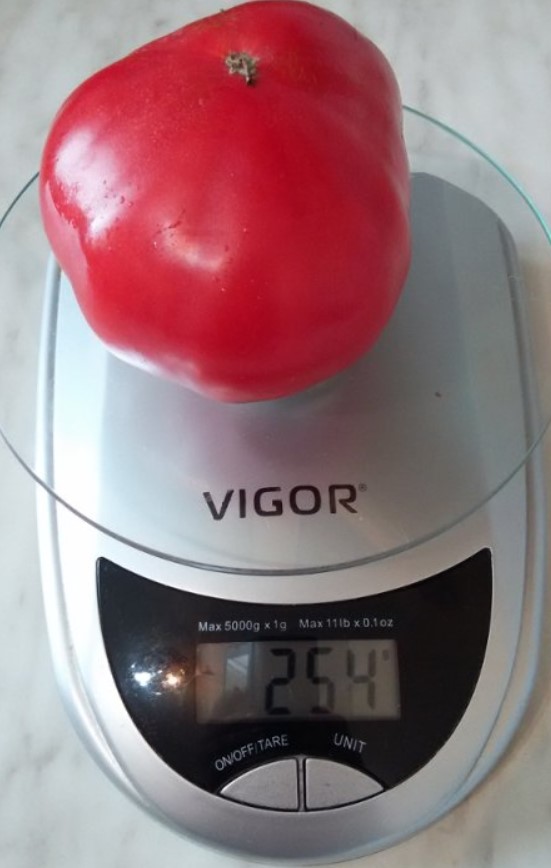
The Mikado Red tomato is zoned for central Russia. It is suitable for both greenhouse and open-field cultivation.
Content
- 1 Table with characteristics of the Mikado Red tomato variety
- 2 Photo gallery of the Mikado Red tomato variety
- 3 The origin of the Mikado Red tomato variety
- 4 A detailed description of the Mikado Red tomato variety
- 5 Advantages and disadvantages of the Mikado Red tomato variety
- 6 Growing the Mikado Red tomato variety
- 7 Resistance of the Mikado Red tomato variety to diseases and pests
- 8 Harvesting, using and storing the Mikado Red tomato variety
- 9 Comparison of the Mikado Red tomato variety with other varieties in the table
- 10 Gardeners' reviews of the Mikado Red tomato variety
Table with characteristics of the Mikado Red tomato variety
| Characteristic | Description |
| Description | An indeterminate, late-ripening variety with tall shoots. Suitable for both open ground and greenhouse cultivation. |
| Ripening period | 111-120 days |
| Fruit weight | From 250 g |
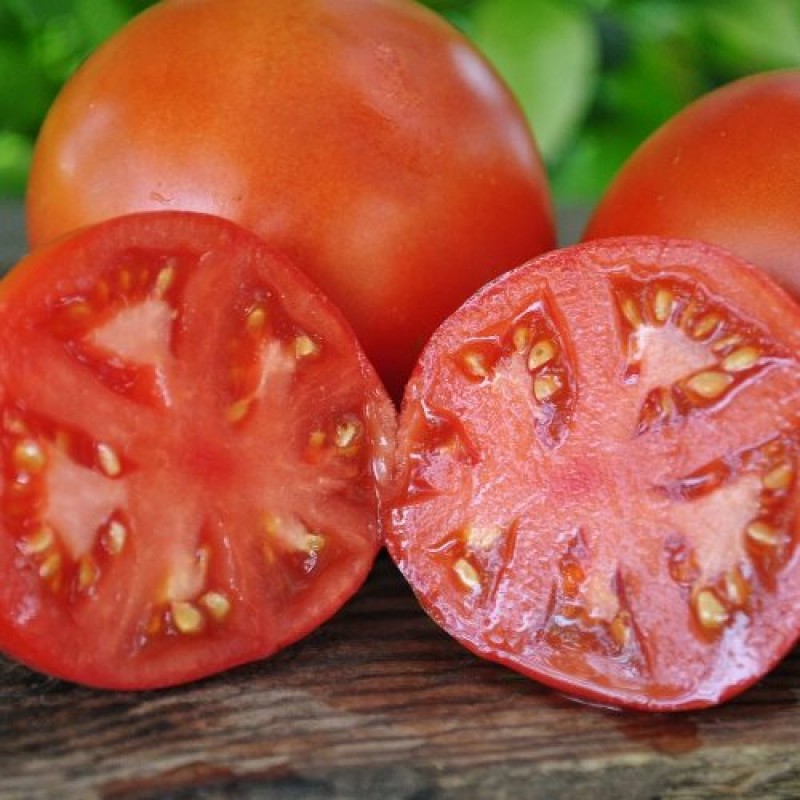
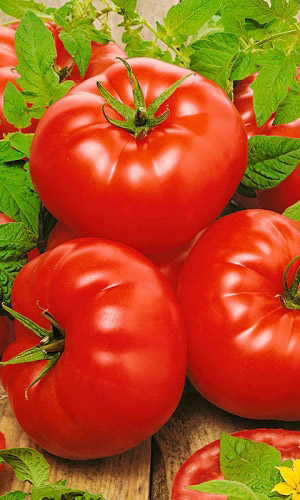
| Description of the fruit | The fruits are flat-round, with subtle ribbing. The tomatoes are bright red, approaching burgundy. The flesh is juicy, sweet and sour, and fleshy. There are very few seeds inside. The skin is thick. |
| Productivity | 6-8 kg per 1 sq.m. |
| Usage | Tomatoes are great for canning, salads, and fresh eating. |
| Preferred growing regions | Intended for central Russia. In southern regions, it also grows well in open ground. Not recommended for planting in northern latitudes. |
| Disease resistance | Tomatoes have a strong immune system and are practically immune to common diseases. |
| Agricultural technology | The shoots are tall and vigorous and require support. The bush is formed into two stems. |
| Not included | |
| Originator | There is no precise data for the red Mikado variety. It is generally believed that the tomato was bred on Sakhalin in 1974. |
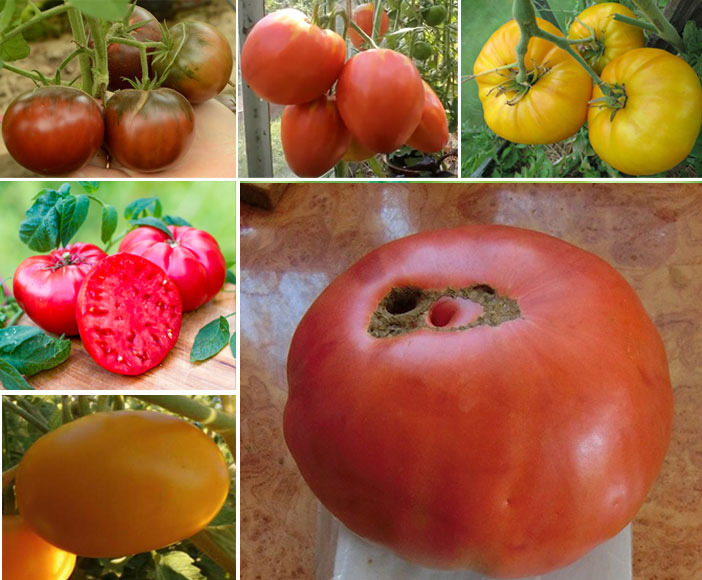
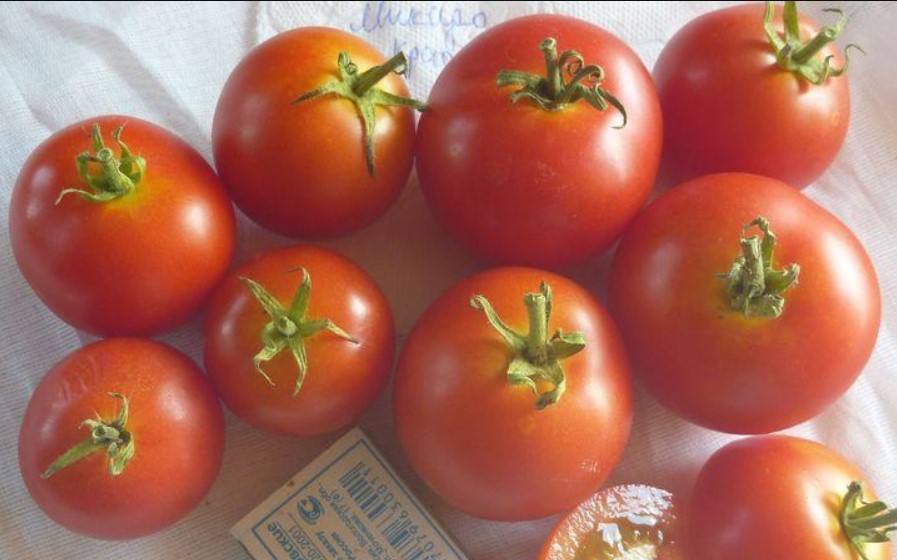
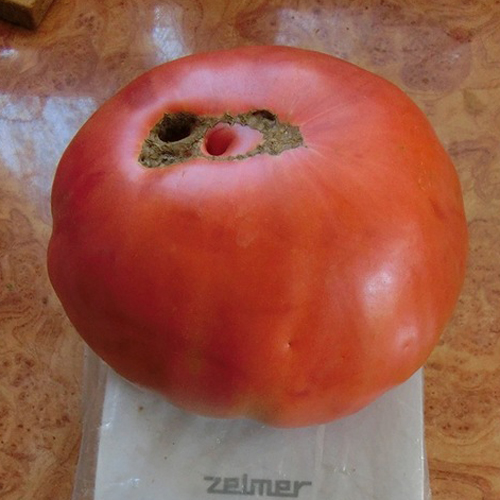
Photo gallery of the Mikado Red tomato variety
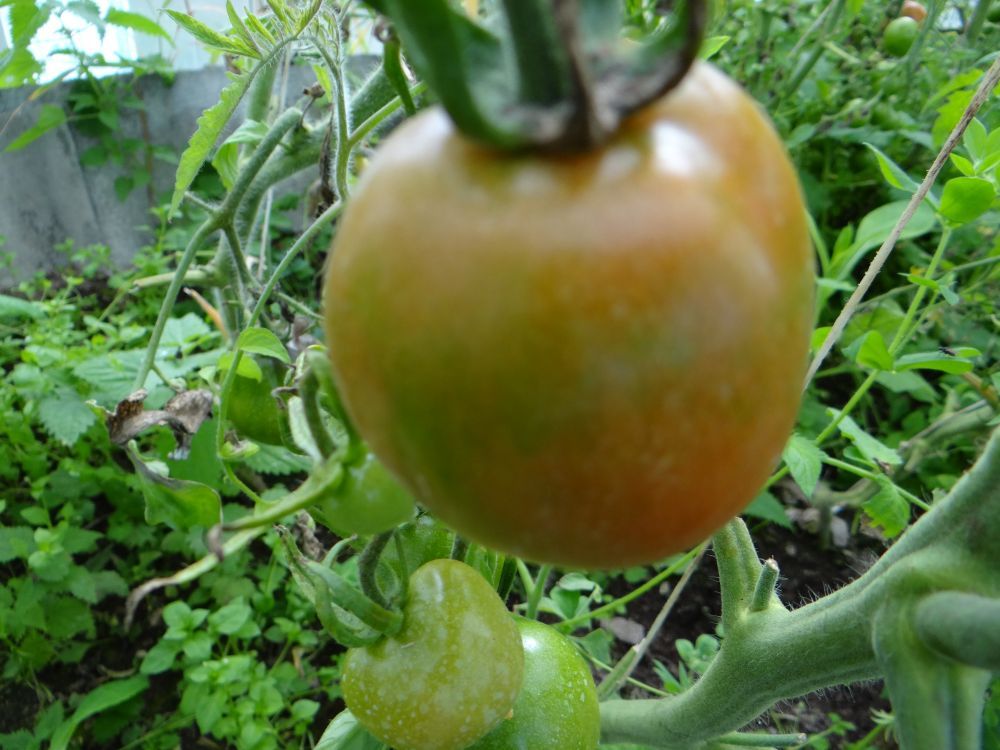
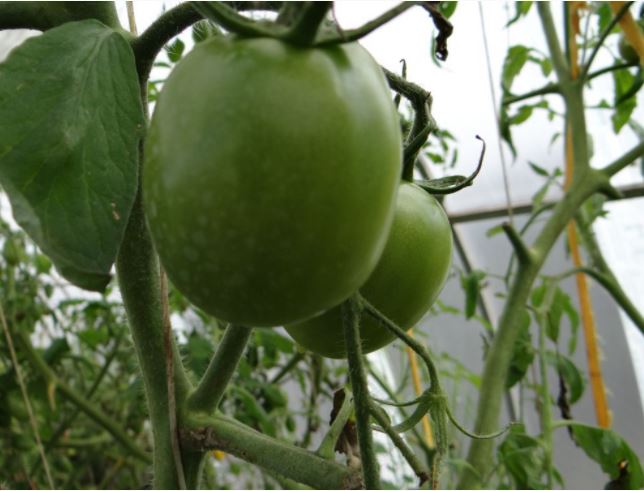
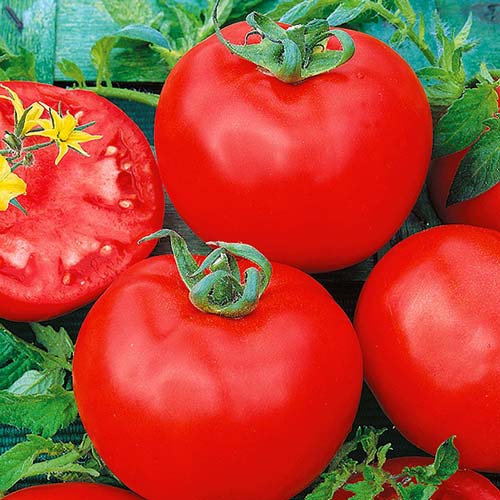
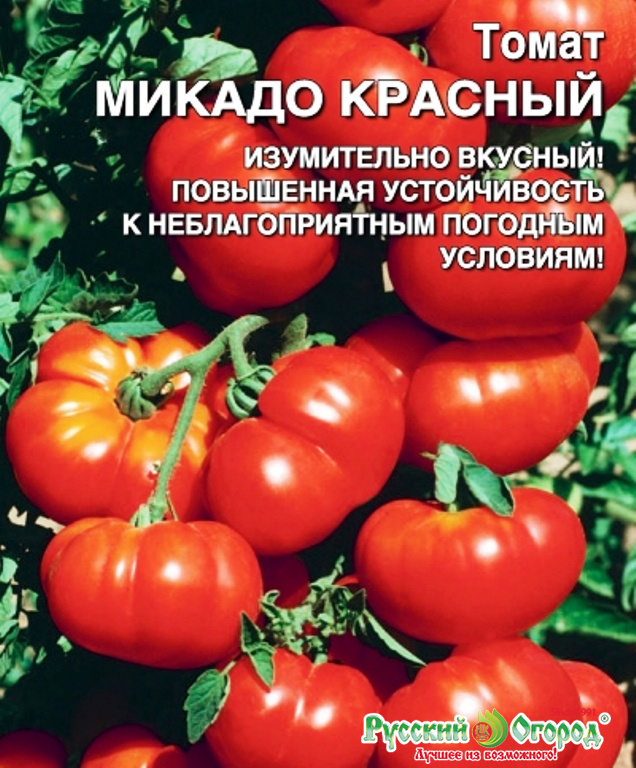
The origin of the Mikado Red tomato variety
The Mikado Red tomato has a mysterious origin story, of which virtually no trace remains. According to some sources, it came to us from America, where it was grown in the 19th century. According to others, it is the work of the famous French breeder Peter Henderson, who developed the white Mikado and, based on it, the red variety.
The first mentions of it in Russian selection appeared on Sakhalin in 1974. Currently, the Gavrish company has introduced pink and chocolate Mikado to the market, but these are completely different varieties.
Read about all Mikado varieties in the articles:
- Mikado tomatoes: 8 varieties with photos, characteristics in the table + reviews;
- Mikado Pink Tomato + 5 More Varieties: Reviews, Description, Photos;
- Mikado Tomato Black (Brown) and Chocolate + 5 More Varieties: Photos, Comparison, Reviews.
A detailed description of the Mikado Red tomato variety
Mikado Red is a popular all-purpose tomato among gardeners.
Bushes
Indeterminate shoots reach a height of 100 cm or more, so the bush requires staking and pinching to increase the number of ovaries. The weight of ripe fruit can cause branches to break, so tomatoes need to be tied up.
The foliage is medium; as the fruit matures, the lower tier of leaves is removed. The bush is trained into 1-2 stems. The more stems, the smaller the fruit weight.
Fruit
The tomatoes are flat-round, with subtle ribbing. The color is bright red. The flesh is juicy, sweet and sour. Inside are several seed chambers containing a small number of small seeds.
Fruit weight varies from 250 to 500 g, with the taller the tomatoes grow, the smaller they become. Ripening is uneven and can last until autumn.
The skin is thick, preventing tomatoes from cracking on the vine. However, if watering is not adequate, cracks may appear near the stem. Tomatoes also don't handle transportation very well—they start to spoil.
Productivity
If the growing conditions are met, it is possible to harvest 6 to 8 kg of ripe tomatoes per square meter.
Ripening time
The ripening period from the moment the first shoots emerge from the ground to harvest is approximately 120 days. In the south, it can be 110 days, and in cooler regions, it can reach 130 days.
Advantages and disadvantages of the Mikado Red tomato variety
The Mikado Red tomato variety has both positive and negative aspects. These are described in the table below.
| Advantages | Flaws |
|
|
Growing the Mikado Red tomato variety
The Mikado Red tomato is relatively easy to grow. The only requirement for a good harvest is a suitable growing region.
Sowing seeds and growing seedlings
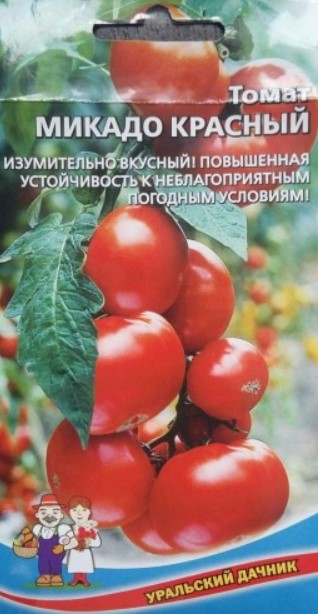
It's best to purchase Mikado Red seeds from a trusted producer. Due to confusion about the originator, it's easy to stumble upon counterfeits on the market.
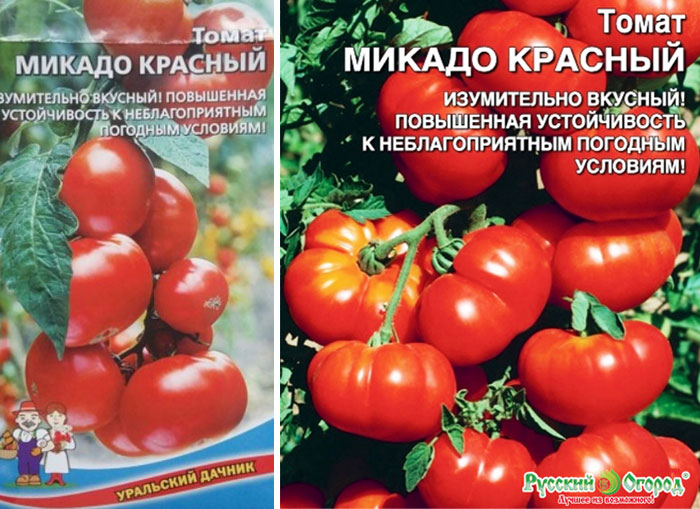
If the packaging indicates that the seed has been treated, no additional seed preparation is necessary. If no such information is available, it is recommended to soak the seeds in Epin according to the instructions and germinate them before planting. Seedlings grown this way will be stronger and more resilient.
From the moment of planting the seeds until the seedlings are fully ready, it takes about 40 days.
Planting tomatoes takes place in several stages:
- Preparing the containerYou can use a wooden or plastic box at least 10 cm deep and treat it with a disinfectant, such as a weak solution of potassium permanganate. This is especially important if the same container is used year after year.
- Soil preparationThe best soil for growing tomatoes is ready-mixed soil, which is available at garden centers. However, if you can't find it, it's recommended to mix equal parts of soil, peat moss, sand, and humus.
- Seed placementFill the container with soil and make 1.5 cm deep furrows. Sow tomatoes into the soil, spacing them 2 cm apart. Cover them with soil and water gently with a spray bottle.
Once planting is complete, the box with seedlings is covered with glass or film and placed in a warm, sunny place.
As soon as the first shoots emerge from the soil, the cover can be removed and the seedlings can be placed in a cooler room, providing them with additional illumination from a special lamp.
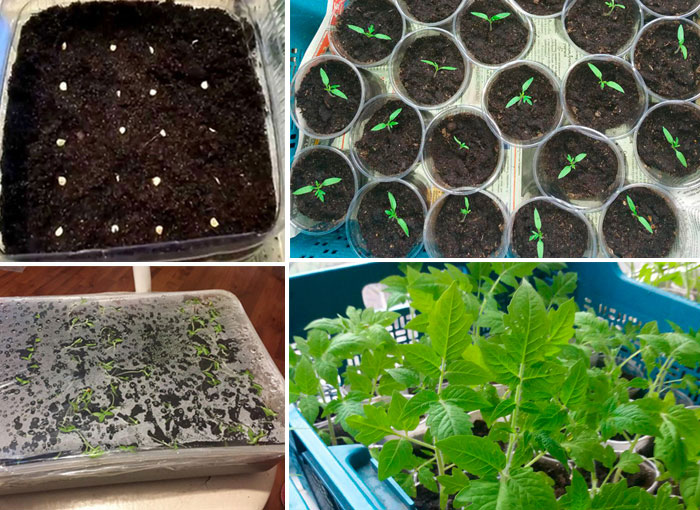
After 1-2 full leaves appear, tomatoes are transplanted into separate containers.
About two weeks before transplanting the seedlings outdoors, they begin hardening off. To do this, place the tomatoes outside during the day, starting at 1 a.m. and continuing until 8-10 a.m.
Planting in the ground
Tomatoes can be planted only after the soil has warmed to 10-12 degrees Celsius. This process can be sped up by covering the bed with thick black plastic. The soil in the bed is prepared in the fall, dug over with ash and humus. Dig again in the spring.
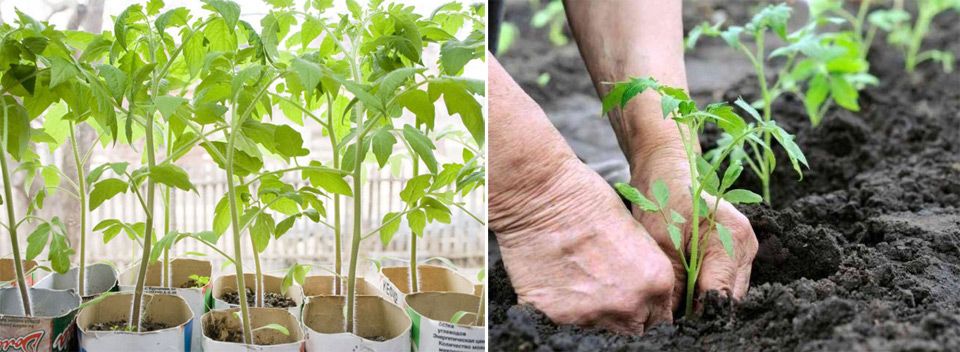
Next, prepare the holes. Experienced gardeners recommend placing them in a staggered pattern, leaving 70 cm between plants and 40 cm between rows.
To help tomatoes emerge from their cups more easily, water them before transplanting. Planting tomatoes with the root ball minimizes the risk of root damage.
Next, fill the hole and water it. Afterward, you can mulch the bed with sawdust or forest litter.
Care, watering and fertilizing
The Mikado Red tomato is quite unpretentious in cultivation.
The first watering is done 10 days after transplanting the plants into the soil. Thereafter, it is done once a week, doubling the frequency when temperatures are high.
As the ovaries form, it is necessary to remove leaves from the lower part of the bush, no more than 5 at a time.
The first feeding of tomatoes is done 14 days after planting. This is repeated three times per season, at two-week intervals. You can use either specialized tomato fertilizers or organic fertilizers (mullein solution, green weed infusion, etc.).
To prevent pests and late blight, spray with phytosporin or Bordeaux mixture. If the plants do become infected, fungicides will need to be used. Treatment should be completed at least two weeks before harvest.
As the tomato plants grow, remove all excess shoots and side shoots, shaping the bush into a single shoot. When the tomato plants have five clusters, begin removing the leaves from the lower portions. No more than five leaves should be removed at a time. When the clusters reach 10, begin pinching the shoots.
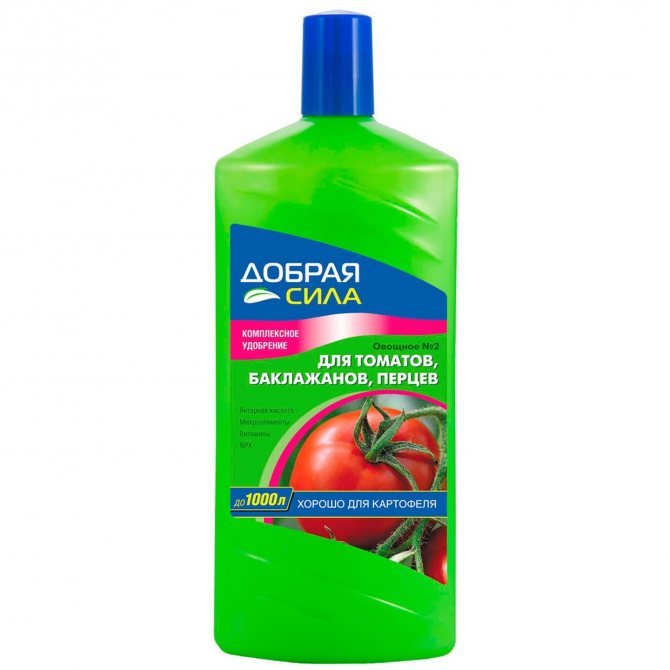
Two weeks after planting, you can apply the first treatment to your tomatoes. For this, you can use a solution of Fitosporin or Bordeaux mixture. Specialized complex fertilizers are added to the soil. Organic farmers can use mullein or an infusion of weeds.
Loosening and weeding are carried out every 10 days, which helps improve aeration inside the bed and reduce the likelihood of pests appearing.
Resistance of the Mikado Red tomato variety to diseases and pests
The Mikado Red tomato variety is rarely affected by disease if proper cultivation practices are followed. However, in poor weather and poor watering practices, late blight may occur.
For prevention, you can spray the plantings with a solution of phytosporin, but if the disease progresses, you will have to use stronger preparations: Ordan, Cuprolux, Homoxyl.
Applying a soapy solution to the leaves helps combat pests. If signs of insect presence appear, it is recommended to use products such as Actellic, Karate, Biotlin, and others.
Read the article to learn about tomato diseases and how to control them.57 tomato diseases with photos and treatment tables + 19 resistant varieties.
Harvesting, using and storing the Mikado Red tomato variety
Mikado Red ripens in 110 to 130 days from the first shoots appearing. This period depends on the growing region—the hotter the climate, the shorter the ripening period.
With proper care and favorable temperatures, tomatoes can hang on the vine for a long time without cracking. However, if there's excess moisture, cracks may appear near the stem.
Despite their fairly thick skin, tomatoes are not suitable for long-distance transportation; however, they can be stored in the refrigerator for up to 10 days without losing their flavor.
Comparison of the Mikado Red tomato variety with other varieties in the table
Please note! How can you easily convert centners/ha to kg/sq.m? Simply divide by 100! For example, the Abakansky Pink tomato yields 400 centners of marketable fruit per hectare. This equals 4 kg per square meter. It's that simple! Also, keep in mind that typically no more than 3-4 plants are planted per square meter. This way, you can calculate the yield per bush. In the case of the Abakansky Pink, it's about 1 kg.
| Variety | Ripening period (number of days from full germination to ripening)
Yield of commercial fruits |
Brief description | Fetus |
| Mikado Red | 115-120 days
700-900 c/ha |
A mid-early indeterminate tomato for open garden beds and plastic shelters. Suitable for salads. | Round, flattened, with pronounced ribbing, dark pink or burgundy, 270 g. Excellent taste. |
| Mikado brown | 85-100 days
870 c/ha (greenhouse and under film) |
A mid-season indeterminate variety for open ground and greenhouses. Requires staking and shaping. Suitable for salads. | Flat-round, medium density, medium-ribbed, brown, 150-220 g. Excellent taste. |
| Mikado chocolate | 90-110 days
600-800 c/ha |
A mid-season indeterminate variety for open ground and greenhouses. Requires staking and shaping. Suitable for salads. | Flat-round, large, brown, 170-240 g. Excellent taste. |
| Mikado Pink | 90-95 days 500-600 c/ha |
A mid-early indeterminate variety for greenhouses. Suitable for salads. | Flat-round, large, ribbed, medium density, pink, 300-360 g. Excellent taste. |
| Mikado Yellow (Gold) | 110-120 days
600-800 c/ha |
A mid-early standard indeterminate variety for greenhouses. Suitable for salads and juice. | Round, flattened, slightly ribbed, yellow, 500 g. Good taste. |
| Mikado Orange | 85-100 days
600-700 c/ha |
An early indeterminate variety. Outdoor cultivation is acceptable in warmer regions. In central Russia, greenhouse planting is recommended. Suitable for salads. | Round, ribbed, orange, up to 300 g. Excellent taste. |
| Mikado Sibiriko | 90-95 days
800 c/ha |
An early indeterminate variety from Siberian breeders. For salads, juice, and pasta. | Heart-shaped, ribbed, pinkish, 400-600 g. Excellent taste. |
| Abakan pink | 120 days or more
400 c/ha |
A late-ripening determinate variety for open ground and greenhouses. Requires staking and training. Suitable for salads and processing into tomato products. | Flat-round, slightly ribbed, medium density and pink in color, 200-500 g. Good taste. |
| Openwork | 105-110 days
610 c/ha |
An early-ripening, determinate variety for open ground and greenhouses. Requires staking and shaping. Suitable for salads. | Round, smooth, dense, fleshy, red, 220-250 g. Good taste. |
| Alyosha Popovich | 125-130 days
600-640 c/ha |
A mid-season indeterminate variety for open ground and greenhouses. Requires staking and training. Suitable for salads. Easy to transport. Resistant to adverse growing conditions. | Round, slightly ribbed, medium density, red, 150-200 g. Good taste. |
| Big Momma | 85-95 days (greenhouse), about 100 days (open ground)
700-900 c/ha |
A mid-early determinate variety for open ground and greenhouses (greenhouses only, according to the register). Suitable for salads, canning, pickling, and juice. | Round, large, slightly ribbed, medium density, red, 200-250 g. Excellent taste. |
| Big Dipper | 100-110 days
1150-1450 c/ha |
An early-ripening indeterminate variety for open ground and greenhouses. Requires staking and shaping. Suitable for salads. | Flat-round, slightly ribbed, medium density, pink, 210-260 g. Good taste. |
| Pride of Siberia | 85-100 days
up to 2000 c/ha |
A mid-late, indeterminate, standard variety for open ground and greenhouses. Suitable for salads and processing into tomato products. | Flat-round, large, red, 320 g. The taste is good and excellent. |
| Königsberg | 115 days
460-2000 c/ha |
A mid-season indeterminate variety for open ground. Requires staking and training. Suitable for salads and processing into tomato products. Marketability: 56% (Novosibirsk Region). Heat-resistant. | Cylindrical, smooth, dense, good keeping quality, red, 155-230 g (up to 300 g). Excellent taste. |
| Kostroma | 105-110 days
1350-1500 c/ha |
A mid-season determinate variety for greenhouses. Requires staking and training. Suitable for salads, whole-fruit canning, and processing into tomato products. | Flat-round, slightly ribbed, glossy, red or orange, 80-150 g. Good taste, sweet and sour. |
| Mashenka | 112-116 days
2500-2800 c/ha |
A mid-season indeterminate variety for open ground and greenhouses. Suitable for salads and processing into tomato products. | Flat-round, smooth, red, 210-260 g. Excellent taste. |
Gardeners' reviews of the Mikado Red tomato variety
Gardeners note the Mikado Red tomato's unpretentiousness, but note that excellent yields can only be achieved by following all agricultural requirements.
Red mikado. I really like mikado of any color. Pink ones tend to crack more for me, and I haven't grown yellow ones yet. But black, red, and pink ones are all productive, healthy, and delicious.