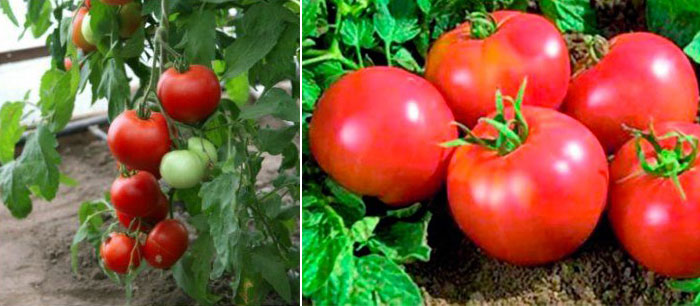
The Azhur tomato is a hybrid variety (F1) with an early ripening period. Its large fruits are ideal for salads, and its undemanding growing conditions allow for excellent yields in various regions of our country.
Content
- 1 Table with characteristics of the Azhur tomato variety
- 2 Photo gallery of tomato variety Azhur
- 3 The origin of the tomato variety Ajour
- 4 A detailed description of the tomato variety Ajour
- 5 Advantages and disadvantages of the tomato variety Ajour
- 6 Planting Features of the Ajour Tomato Variety
- 7 Caring for the Ajour tomato variety
- 8 Resistance of the tomato variety Azhur to diseases and pests
- 9 Storing Ajour tomatoes
- 10 Using Ajour tomatoes
- 11 Comparison of the tomato variety Ajour with other varieties in the table
- 12 Real reviews from gardeners about the Ajour tomato variety
Table with characteristics of the Azhur tomato variety
| Characteristic | Description |
| Description | A determinate variety, an F1 hybrid with early ripening. Suitable for both greenhouse cultivation and open-ground planting. |
| Ripening period | 105-110 days |
| Fruit weight | 200-250 g |
| Description of the fruit | The tomatoes are quite large, dense, fleshy, bright red in color and round in shape. |
| Number of fruits in a bunch | 4-6 pcs. |
| Productivity | Up to 610 c/ha. |
| Usage | Used as an ingredient in salads, suitable for processing into tomato paste, juice, adjika, ketchup. |
| Preferred growing regions | It produces good yields in almost all regions of the country, even in the Urals and Siberia, provided cultivation techniques are followed. |
| Disease resistance | It has high resistance to powdery mildew, verticillium wilt, blossom end and root rot, and corky roots. |
| Agricultural technology | Tomato shoots don't require shaping, as this is a standard variety. However, the plant does require staking. This determinate tomato plant's growth is genetically limited. It is suitable for greenhouses and open ground in warm climates. |
| 2007 | |
| Country of origin | Russia, Agrofirm SeDek LLC |
Photo gallery of tomato variety Azhur
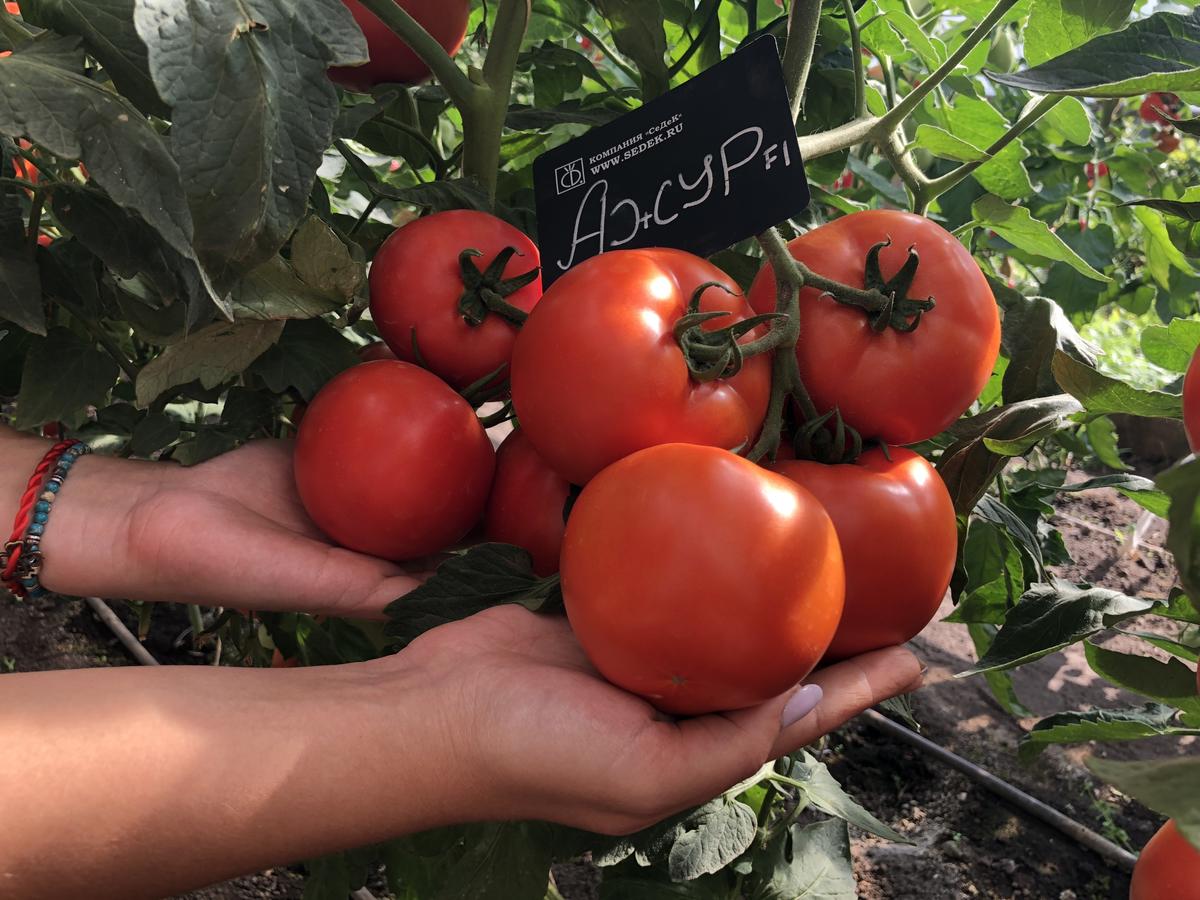
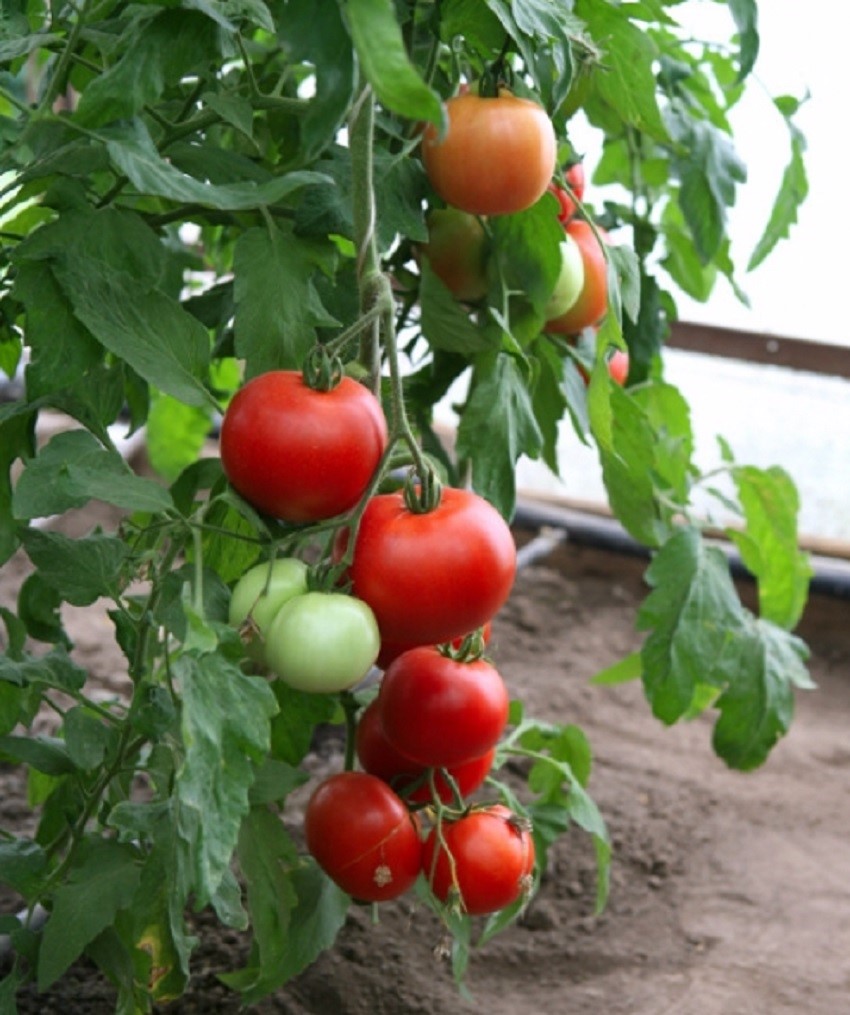
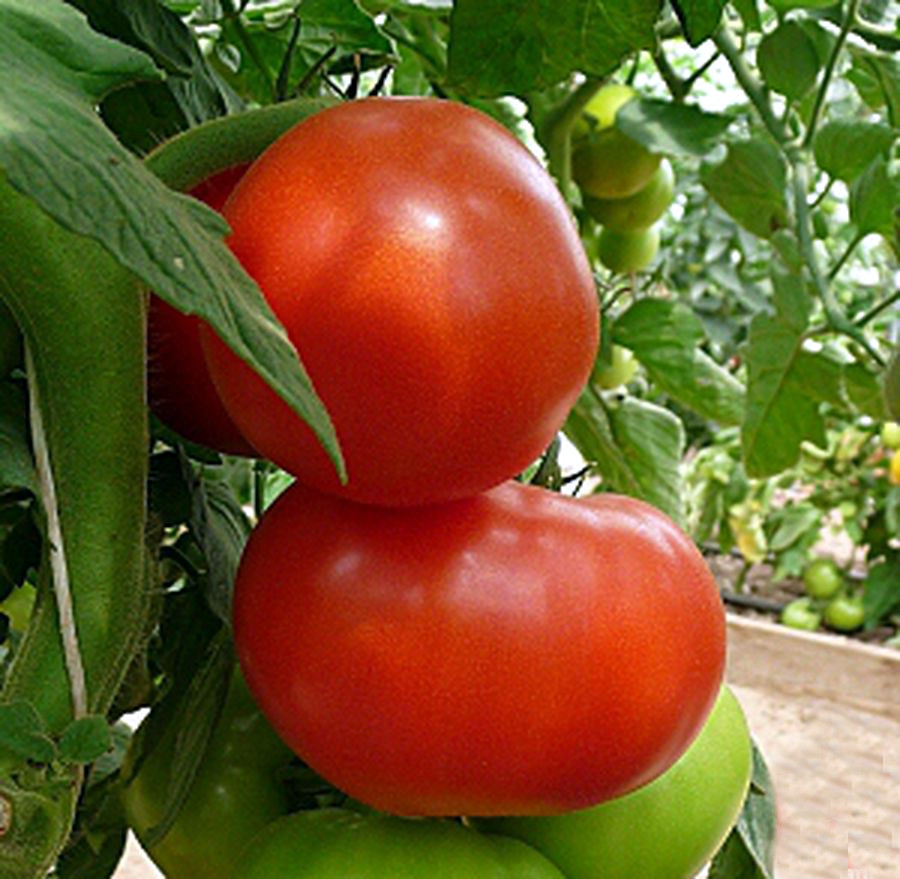
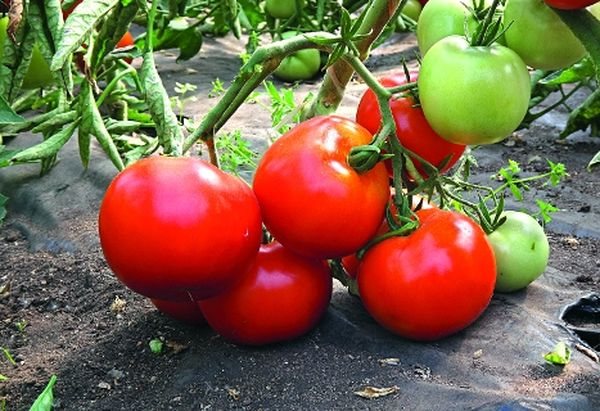
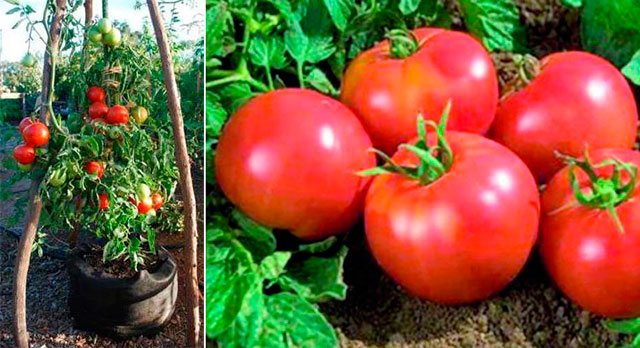
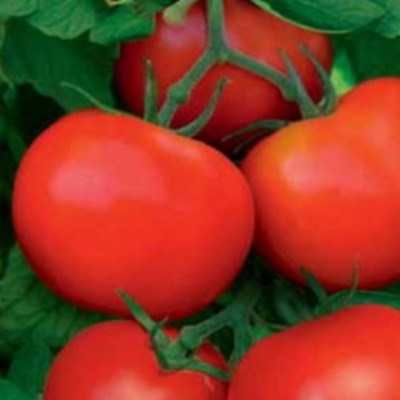
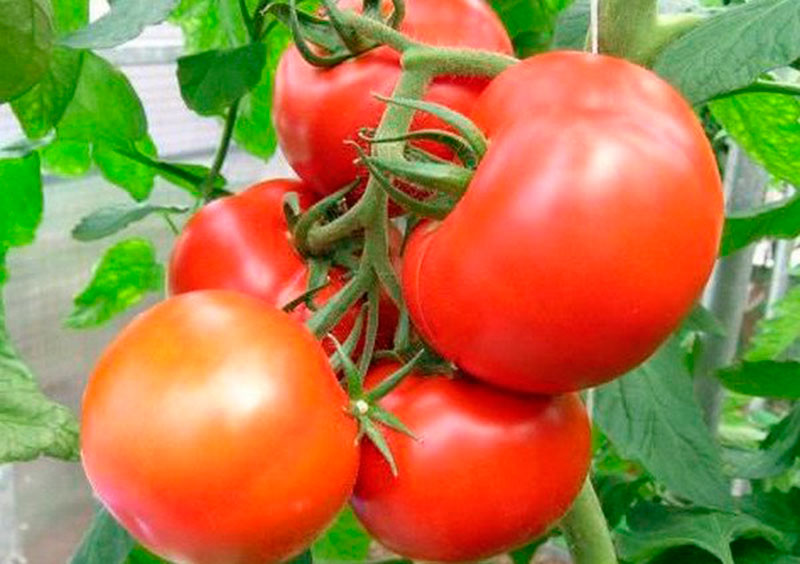
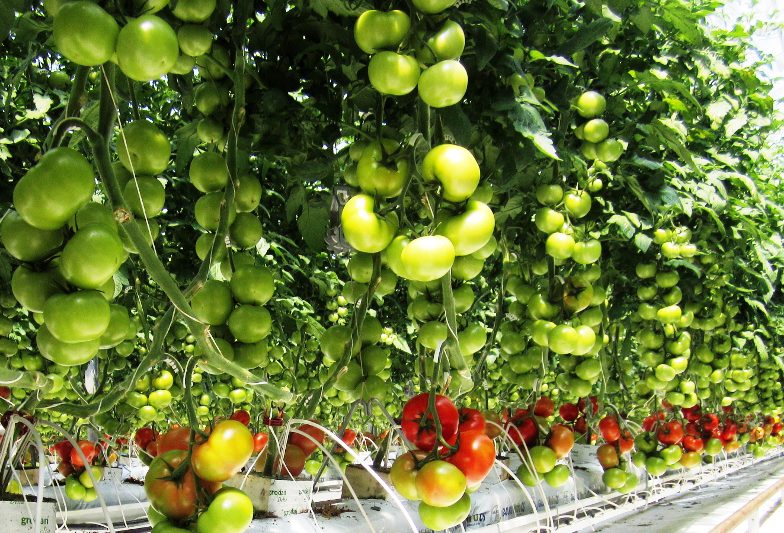
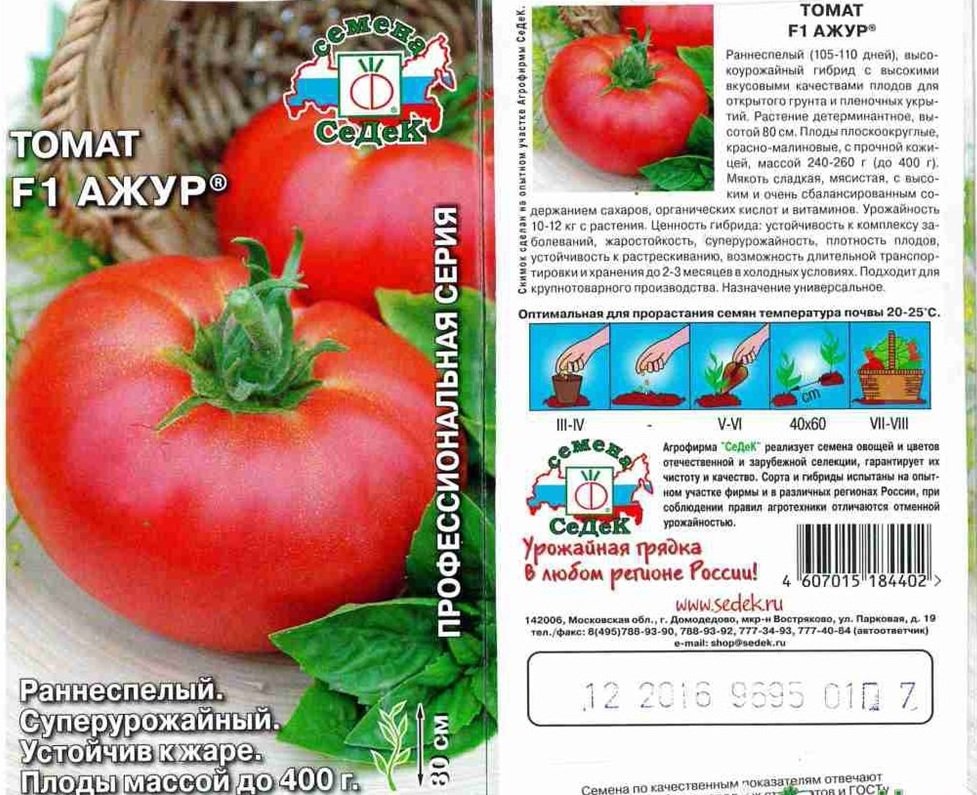
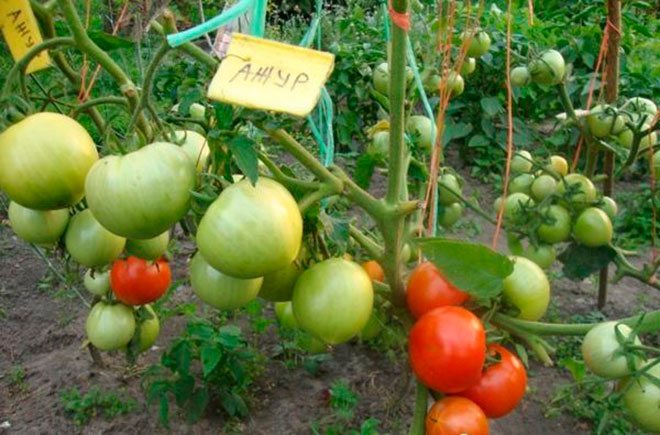
Below, we've collected photos of the Azhur tomato variety so you can better understand its characteristics:
The origin of the tomato variety Ajour
The Azhur F1 tomato is the creation of Russian breeders working at the SeDek agricultural firm. Initially, the variety was intended for cultivation in regions with harsh climates, but it was later approved for all other regions.
In Siberia, where spring is late and the weather is unstable, tomatoes are planted in greenhouses. Otherwise, tomatoes can grow quite successfully in the open ground.
Azhur received official recognition two years after its appearance; in 2007, it was added to the register.
A detailed description of the tomato variety Ajour
The Azhur tomato is an early variety, ready to harvest as early as 110 days after planting. It can be grown both outdoors and in a greenhouse. Below, we'll provide a detailed description of this variety and explore its characteristics.
Bushes
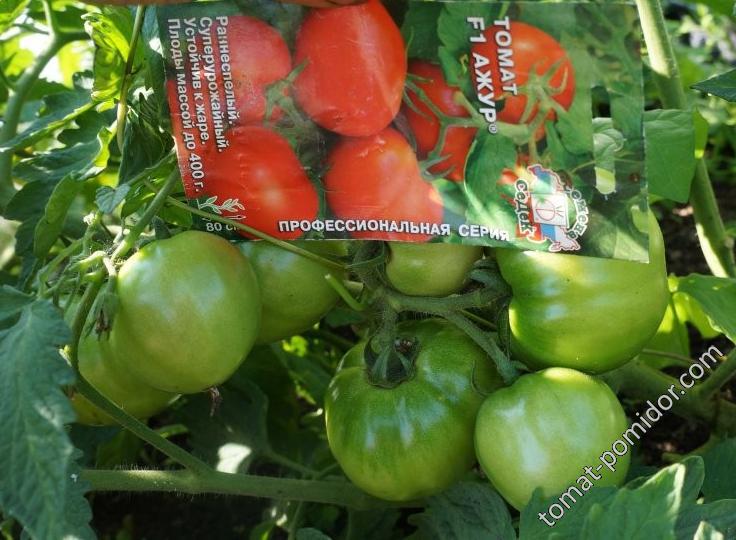
This variety is a determinate cultivar, so shoot growth is limited to 90 cm. The average bush height ranges from 70 to 90 cm. The stems are robust and leafy. The leaf blades are large and have prominent veins.
The shoots require shaping and support, so it's important to plan a staking system well in advance of planting. Each plant produces up to five clusters at a time, each containing five to six fruits.
The Azhur variety does not require garters or pinching.
Fruit
Tomatoes ripen 105-110 days after germination. Each cluster can produce 4 to 6 fruits at a time. They are round, slightly flattened. Their weight ranges from 220 to 250 g, sometimes reaching 400 g. Ripe tomatoes are bright red. The flesh is juicy, dense, and sweet, with a subtle hint of tartness. The skin is quite strong, so the fruits are not prone to cracking.
Productivity
Each bush produces five clusters, each bearing four to six fruits. The average yield is 610 centners per hectare. However, with proper care, this can be increased to 10-12 kg per square meter.
Ripening time
The Azhur tomato ripens 105-110 days after the sprouts appear, so it is considered an early or mid-early variety.
Based on ripening time, tomatoes are typically categorized as very early, early, mid-early, late, and very late. However, the registry provides a different classification: ultra-early, early, mid-early, mid-season, mid-late, and late. It's also worth noting that the days from full germination to ripening listed in the registry often diverge from the classification itself. For example, the Agata variety is listed as early ripening, but it also specifies that ripening occurs 98-113 days after full germination. Meanwhile, the Adelina variety, also classified as mid-season, ripens in fewer days, namely 82-109. Therefore, we can conclude that the variety type isn't particularly important, although we will include it. It's more important to look at the days from full germination to ripening. Also keep in mind that this number of days depends, among other things, on growing conditions and may differ.
Conditional terms: very early - 75-95 days, early - 95-115, mid-early - 110-120, late - 120-130, very late - 130-150 and more.
Advantages and disadvantages of the tomato variety Ajour
The Azhur variety, like other tomatoes, has its advantages and disadvantages.
| Advantages | Flaws |
|
|
Planting Features of the Ajour Tomato Variety
The Azhur tomato can be grown from either seeds or seedlings. In southern regions, where the soil warms up earlier, seeds are sown directly into the garden bed. However, such areas are rare in our country, so most gardeners start with seedlings and then plant them in a greenhouse or open garden beds. In northern regions, greenhouses are preferred, as the weather is not always favorable for healthy plantings with a bountiful harvest.
Sowing seeds and growing seedlings of the tomato variety Ajour
Seeds are sown in early March or mid-April. This timeframe depends on the growing region. The seedlings require approximately 1.5 to 2 months before they are ready to be planted in the garden.
This variety is a hybrid, so new seeds must be purchased each year. It is recommended to prepare them before planting.
If the manufacturer does not indicate on the packaging that the seeds have been treated, then you need to soak them in a weak solution of potassium permanganate for 30 minutes or in any suitable fungicide for the time indicated in the instructions.
After this, the seeds are dried and placed in a damp cloth for about a day or two to germinate. Experienced gardeners place them in a warm place with a temperature of 40°C.
You can use one large container, or you can use separate cups. Store-bought soil will do. If you don't have any, you can easily make your own by mixing garden soil with equal parts peat moss and compost.
Fill the container two-thirds full with potting soil, then make furrows no more than 15 mm deep and place the seeds into them, spacing them 1 cm apart. Cover the container with plastic and place it in a warm place. As soon as the first shoots emerge, gradually remove the covering. It's not recommended to do this immediately, as this can cause stress to the young seedlings.
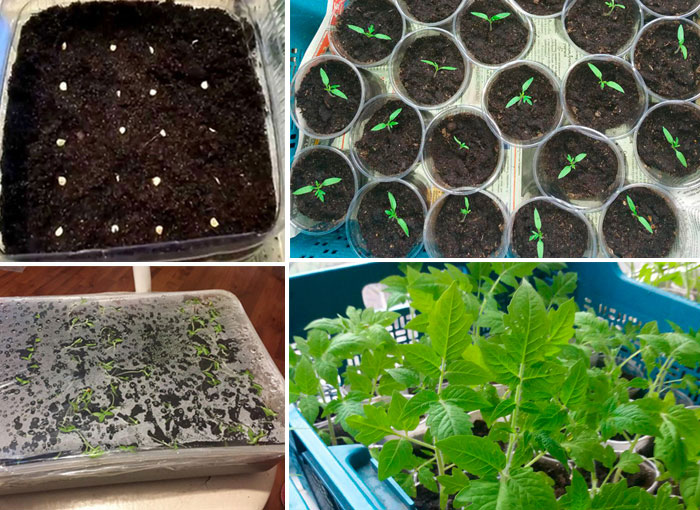
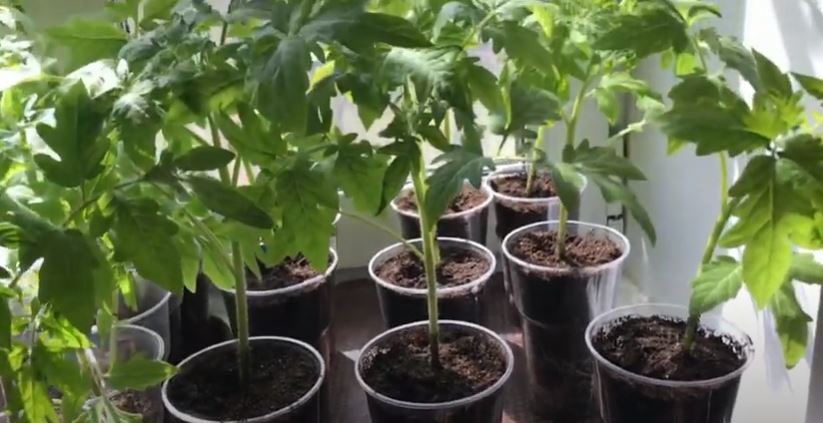
When 3-5 true leaves form on the stem, transplant it into separate containers. At this time, you can apply the first peat-humic fertilizer. This will help strengthen the plant's immune system and promote healthy shoots.
Transplanted tomatoes are placed on a windowsill or balcony with a temperature of +22 °C.
The most important thing is to ventilate the room, as fresh air reduces the activity of pathogens. However, it's important to avoid drafts, which are detrimental to the seedlings.
Water moderately, avoiding overwatering. If you notice yellow leaves on your Azhur variety, this is most likely a sign of excess moisture, not a lack of it.
If signs of disease appear on the seedlings, it is necessary to adjust the watering conditions and temperature regime, remove damaged leaves, and transplant the plant into new soil treated with manganese.
Planting seedlings of the tomato variety Ajour in the ground
Planting takes place when the soil warms to 15–17°C. Therefore, the exact time is determined based on regional weather conditions. It's crucial to keep an eye on the weather forecast, which doesn't predict any return frosts.
Azhur can be grown in a greenhouse, but it also grows well in open ground. In the former case, the harvest will be much earlier, and in the latter, it will be tastier.
It is better to transplant in the afternoon when there is minimal sun exposure – this way the tomatoes will adapt more quickly.
When working with the Ajour tomato, adhere to the following planting scheme:
- A 60 cm gap is left between the rows.
- A 40 cm interval is left between the bushes.
- The size of the hole should be slightly larger than the cup with the seedlings.
After planting, water the plants and mulch the bed with any suitable material. This will help retain moisture, reduce weed activity, and protect the roots from heat and cold.
Caring for the Ajour tomato variety
The Azhur tomato is relatively easy to care for, tolerates low moisture levels, and has a strong immune system. However, to ensure a good harvest, it's important to apply fertilizer promptly, follow watering guidelines, loosen the soil, and remove weeds.
While tomatoes are establishing roots, they require plenty of water. The soil should always be slightly moist, but not waterlogged at the roots. This is necessary for the seedlings to establish themselves better. Once the roots have adapted and expanded, the frequency of watering can be reduced.
Tomatoes require the most water during flowering and fruit formation. Once the majority of the fruit turns red, stop watering, otherwise the skins will begin to crack.
If the soil for tomatoes has been prepared in advance, the first fertilizers should be applied only 2-3 weeks after planting. During this period, the plants require nitrogen, which helps them develop vegetative mass faster. The fertilizer is prepared by diluting 1 tablespoon of urea and the same amount of ammonium nitrate in 10 liters of water. Alternatively, you can soak 1 part manure in 10 parts water and let it steep for 7 days. Either solution requires 500 ml per plant.
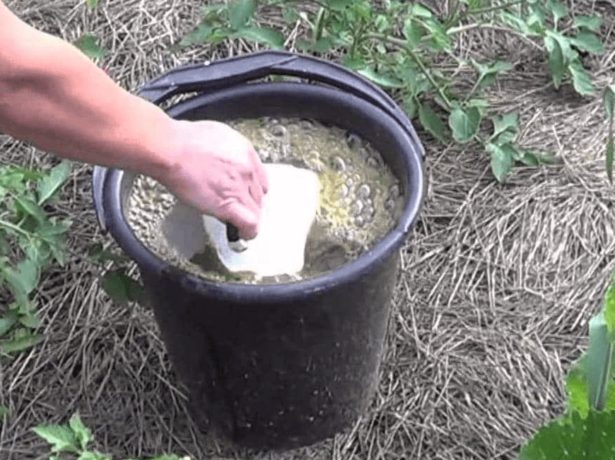
The second feeding is done after fruit set. At this stage, phosphorus and potassium are added to the soil. Experienced gardeners prefer to use ready-made complex fertilizers. They are perfectly balanced and contain all the necessary nutrients.
Resistance of the tomato variety Azhur to diseases and pests
The Azhur variety is characterized by a relatively high immunity. According to the manufacturer, the tomatoes are resistant to powdery mildew, verticillium wilt, blossom-end rot, root rot, and corky root rot.
Among the insects that prefer to feast on tomatoes, Ajour is often attacked by mites and slugs. To prevent their infestation, you can mix wood ash with a small amount of red pepper and sprinkle it on the surface of the bed. Some gardeners prefer to scatter crushed eggshells over the bed.
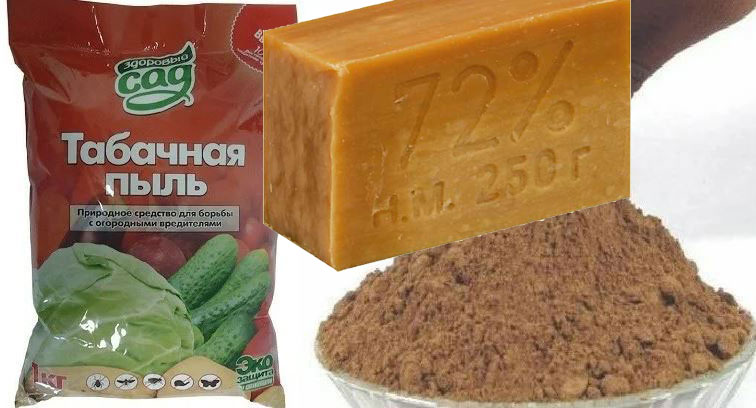
Treating plants with a soap or ash-tobacco solution will help get rid of ticks.
If folk remedies don't produce the desired results, specialized products such as Actellic, Fufanon, and Fitoverm are used. Instructions for these products are included on the packaging. They also provide clear recommendations on when to stop treatment to prevent damage to the quality of the ripening fruit.
Storing Ajour tomatoes
Azhur tomatoes ripen early, but they don't store well; their maximum shelf life is one month. Therefore, the fruits should be processed first.
Using Ajour tomatoes
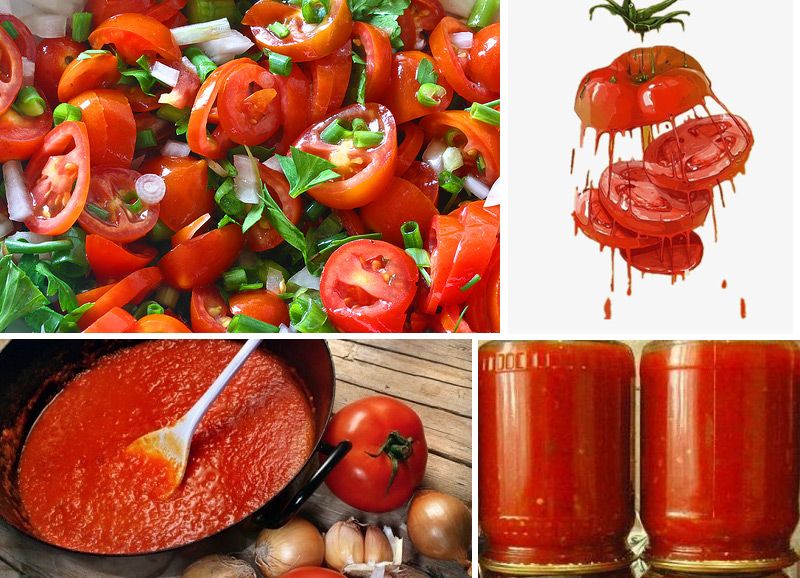
Azhur tomatoes are large, making them unsuitable for whole preserves. However, many recipes for preserving sliced vegetables have recently emerged. Thanks to their dense flesh, Azhur tomatoes can be used to make lecho, ketchup, adjika, and juice.
Comparison of the tomato variety Ajour with other varieties in the table
If you don't like Azhur for some reason, you can find similar varieties among other tomatoes. In this table, we'll review and compare the characteristics of this variety with others.
Please note! How can you easily convert centners/ha to kg/sq.m? Simply divide by 100! For example, the Abakansky Pink tomato yields 400 centners of marketable fruit per hectare. This equals 4 kg per square meter. It's that simple! Also, keep in mind that typically no more than 3-4 plants are planted per square meter. This way, you can calculate the yield per bush. In the case of the Abakansky Pink, it's about 1 kg.
| Variety | Ripening period (number of days from full germination to ripening)
Yield of commercial fruits |
Brief description | Fetus |
| Openwork | 105-110 days
610 c/ha |
An early-ripening, determinate variety for open ground and greenhouses. Requires staking and shaping. Suitable for salads. | Round, smooth, dense, fleshy, red, 220-250 g. Good taste. |
| Aphrodite | 70-100 days depending on climatic conditions
800 c/ha |
An early-ripening determinate variety for open ground and greenhouses. Requires staking and shaping. Suitable for salads. | Round, smooth, medium density, red, 100-115 g. Good taste. |
| Rich house | 95-105 days
750-800 c/ha |
An early-ripening determinate variety for greenhouses. Requires staking and shaping. Suitable for salads. | Round, slightly ribbed, hard, red, 110-120 g. Good taste. |
| Verlioka | 95 days 900-950 c/ha |
An early-ripening determinate variety for greenhouses. Suitable for salads, canning, and processing into tomato products. | Round, smooth, shiny, red, 80-100 g. |
| Explosion | 93-100 days
410 c/ha |
An early-ripening determinate variety for open ground and greenhouses. Suitable for salads. Drought-resistant. | Round, slightly ribbed, medium density, red, 90 g. Good taste. |
| Sovereign | about 100 days
1600 c/ha |
An early-ripening determinate variety for greenhouses. Suitable for salads. | Round, smooth, very dense, red, 150-180 g. Good taste. |
| Gift of the Trans-Volga Region | 103-109 days
308-472 c/ha (Lower Volga region) |
A mid-early determinate variety for open ground and greenhouses. Suitable for salads. | Round, smooth, orange-red, 75-102 g. The taste is good to excellent. |
| Oak tree | 95 days
600-800 c/ha |
An early-ripening determinate variety for open ground and greenhouses. Requires staking and training. Suitable for salads (imparting a tart flavor), canning, and processing into tomato products. | Round, slightly ribbed, bright red, 50-100 g. Good taste. |
| Mazarin | 95-115 days depending on the region
1350-1400 c/ha (greenhouse and under film) |
An early-ripening determinate variety for open ground and greenhouses. Requires staking and training. Suitable for salads and whole-fruit canning. | Round, smooth, dense, red, 150-190 g. Excellent taste. |
| Gribovsky 1180 | 96-112 days
173-420 c/ha, 18-38% of the total harvest ripens within 15 days of fruiting. |
An early-ripening determinate variety for open ground and greenhouses. Suitable for salads. | Round and flat-round, slightly ribbed, medium-sized, red, 55-90 g. The taste is satisfactory and good. |
| Fairy tale | 87-95 days
800-1000 c/ha |
An early-ripening determinate variety for open ground and greenhouses. Requires trellis support. Suitable for salads, canning, and pickling. | Round, smooth, red, 100 g (up to 200 g). Good taste. |
| Treasure of the Incas | 95 days
Up to 1400 c/ha in open ground, 1800-2000 c/ha in protected ground. |
An early-ripening indeterminate variety for greenhouses and open ground. Requires staking and training into 1-2 stems in a greenhouse, and 3 in the open ground. A versatile variety, suitable for salads, processing into tomato products, and canning. | Conical, large, fleshy, yellow-orange with a raspberry star on top, 250 g. High sugar content. |
Real reviews from gardeners about the Ajour tomato variety
Gardeners and horticulturists note the ease of growing the Azhur variety, as the bush is compact and requires no pruning. The fruits have received high consumer praise: according to reviews, they are large in size and have a pleasant, sweet flavor with a subtle tartness.
User Karamel, Tver Oblast, July 27, 2015
An early-ripening (105-110 days), high-yielding hybrid with excellent-tasting fruit for open ground and under plastic shelters. The plant is determinate, 80 cm tall. The fruits are flat-round, red-raspberry, with a firm skin, weighing 240-260 to 400 g. The pulp is sweet, fleshy, with a high and very balanced content of sugars, organic acids, and vitamins. Yield is 10-12 kg per plant. The hybrid's value includes: resistance to a range of diseases, heat tolerance, super-yield, firm fruit, crack resistance, long-term transportation, and storage capability for up to 2-3 months in cold conditions. Suitable for large-scale commercial production. Universal purpose.
A workhorse. Sets fruit well. Fruit yield is consistent. For a hybrid, the flavor isn't too bad. But I use it mainly for canning.
User elja1968, Bashkortostan, August 15, 2016
I agree with Irina, Azhur F1 sets fruit well. I planted two bushes. One has 28 fruits, the other 24. Visually, they are all even and uniform, weighing 160-180 g. They are grown in the open ground. I liked the taste; there's a hint of sweetness. Perhaps if they had been left hanging longer, the sweetness would have been greater. I think the 2-3 month shelf life stated on the package is a bit exaggerated, as the walls are thin and the skin is not tough. Fleshy, but not dry.
Quote Zulfiya, Ufa
«Elvira, Azhur looks red in the photo, but they print it as raspberry (bright flesh?). What is it really like?
Apparently, when green ones are picked and stored in the cold, they lie for 2-3 months, then ripen in a warm place.
My pack before 12.2019, is batch 2249 different from yours? (I've gotten mixed-up Sedek in other hybrids every year, so I'm checking.)»
The package says they're crimson-red... But to me, the flesh is more of a rich red :dnt:. We picked the first nine fruits yesterday and tried one, the rest are still sitting there. Maybe later, the crimson hue will add to the color, we'll see ;). I sowed five seeds, four came up, and a relative has two bushes growing, and she's also happy...
Quote by Marina 111
«Girls, are you his stepson?»
Until the first brush, and then it grew as it wished.
User Elena Mochalova, Moscow
I planted the Katya hybrid once, a long time ago, a Semko Junior, in open ground. It's a true commercial hybrid, very productive, with uniform and beautiful fruits, but the flavor is worse than store-bought ones, so we all went into processing. However, it's very resistant to all sorts of pests; it sat until the end of August without developing late blight. We were building a house at the time, and we had no time for tomatoes. The covering completely tore. Perhaps it was the hybrid's fault, or maybe it was the two times I sprayed it with Trichopolum, but there were no losses at all; maybe it was just that year. Give it a try, maybe yours will be different. It's an excellent tomato for canning. Openwork My neighbor planted it in her greenhouse and raved about it. She even bought me a bag. I never planted it, I've kind of given up on hybrids. I haven't seen any discussions about the Iceberg tomato, or maybe I missed it. I absolutely love it. It's great for pickling and eating. It's a low-growing, large-fruited tomato, not often seen. It's fleshy, sweet when split, and has a thin skin. It's very productive. The bush is very strong. I plant it in the greenhouse; in the greenhouse, it's over a meter tall.
User Alexander1954, Moscow
Variety OpenworkI've been planting it for about five years now. It's considered a must-have. It's a high-yielding variety and tolerates adverse conditions well. Unlike other varieties, the fruits on the upper clusters don't become smaller. One downside is its very thick skin. But on the other hand, it was bred for farmers, meaning the fruits have excellent transportability and shelf life.
User irina310175, Russia, Saratov, August 13, 2011
I've been sowing and growing tomatoes from the Sedek agrofirm for five years now. Of the many Sedek tomatoes on offer, I chose Azhur. I believe it's named for its lacy foliage and delicate flavor.
This early-ripening, large-fruited (300-400g) hybrid with excellent flavor has many advantages. It can be grown both outdoors and indoors. The variety is resistant to cracking, and the fruits are perfectly flattened and round, fleshy, and firm. The skin is red, and the flesh is crimson when cut. Since this tomato is not very tall, staking is not necessary; the weight of the fruit will allow it to lie flat on the raised bed. Another positive quality is its excellent yield.
I usually sow in early March (before 10), transplant into the greenhouse in mid-April, and harvest the first crop in mid- to late June.
This versatile variety delights with its incomparable, exquisite, sweet flavor all summer long. By autumn, the fruits become slightly smaller and are perfect for canning.
https://otzovik.com/review_107105.html
User Tatiana, Irkutsk, December 18, 2011 Following the advice of Sergei Dubinin, Corresponding Member of the Russian Academy of Natural Sciences, I would recommend planting low-growing varieties for open ground, such as 'Amursky Shtamb,' 'Beta Lux,' and 'Penguin.' These varieties are low-growing and guarantee a harvest in any zone, as they produce a good harvest before blight outbreaks. The 'Vzryv' tomato is also suitable. You can even grow good and productive hybrids like 'Azhur' or 'Kukla' outdoors, but it's best to use simple plastic shelters, even temporary ones, for these plants. For this purpose, ordinary arches covered with plastic or non-woven material are used.