The Rocket tomato is a variety long known to gardeners, having been developed several decades ago. However, it hasn't lost its popularity despite new hybrids with improved characteristics. Let's take a closer look at this tomato variety.
Content
- 1 Characteristics of the Rocket tomato variety
- 2 The history of the Rocket tomato variety
- 3 Detailed description
- 4 Advantages and disadvantages of the Rocket tomato variety
- 5 Peculiarities of growing the Rocket tomato variety
- 6 Harvesting, using and storing the Rocket tomato variety
- 7 Comparison of Rocket tomato varieties with other varieties in the table
- 8 Gardeners' reviews of the Rocket tomato variety
Characteristics of the Rocket tomato variety
|
Characteristics |
Peculiarities |
|
Ripening time (number of days from full germination to ripening) |
122-129 days. |
|
Description |
A mid-early variety for open ground. Recommended for single-use mechanical harvesting and industrial preservation. |
|
Fetus |
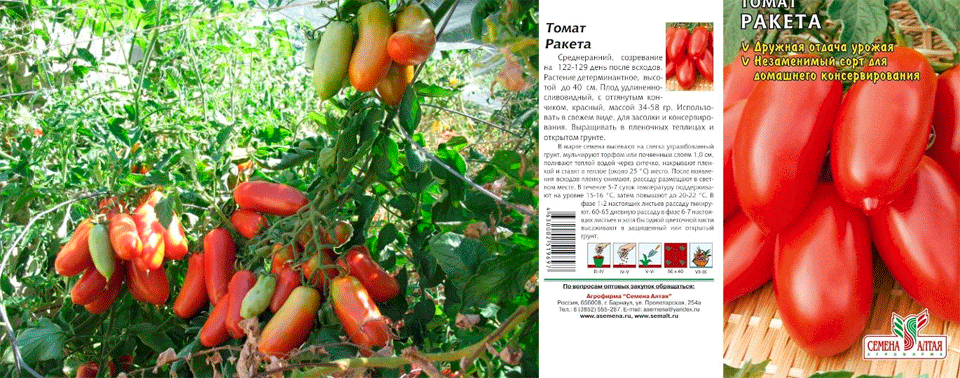
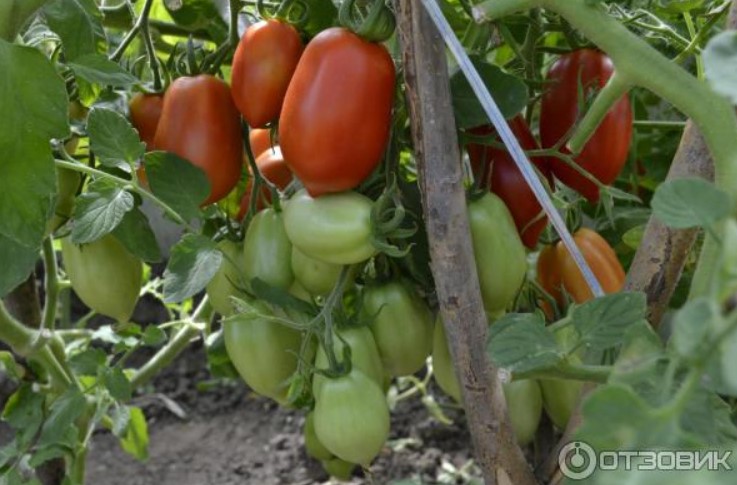
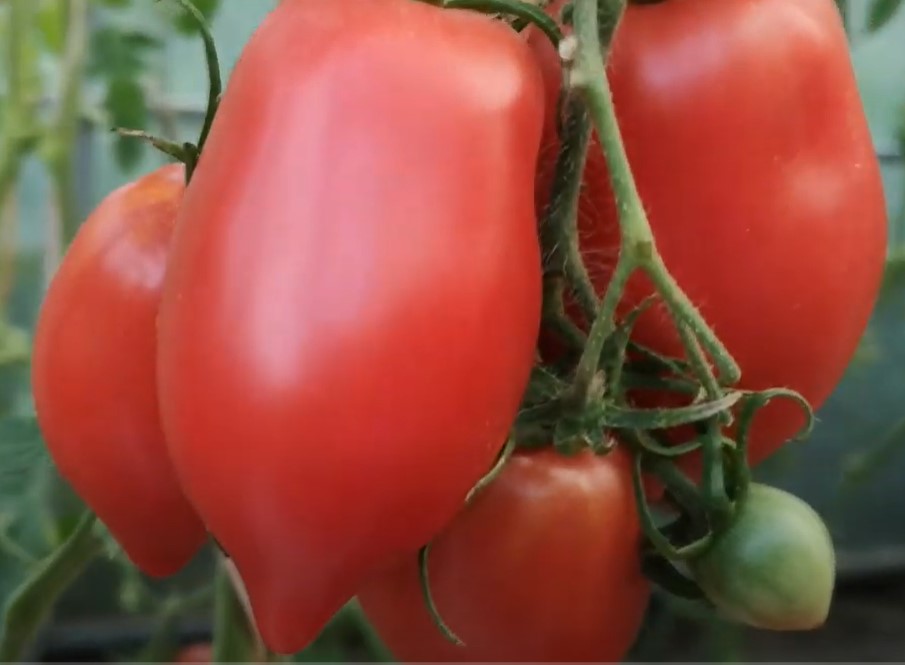
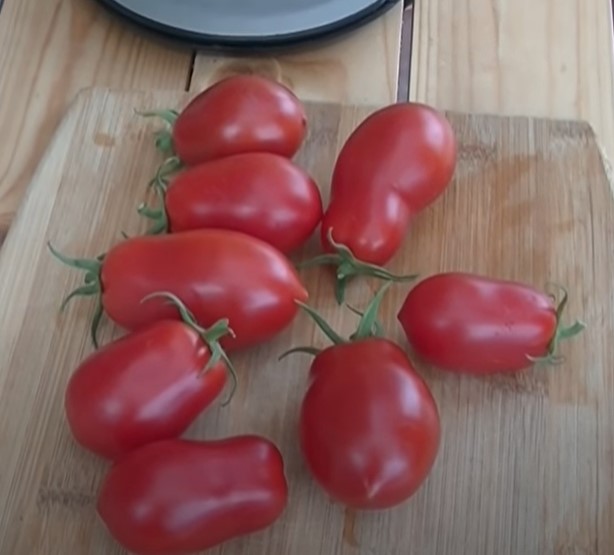
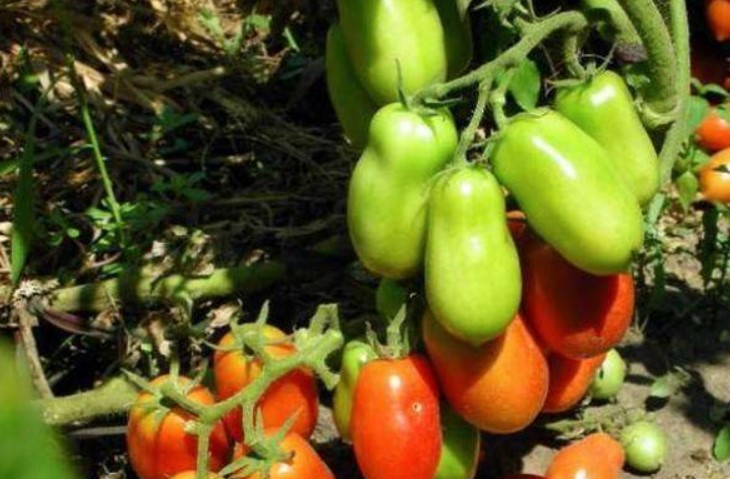
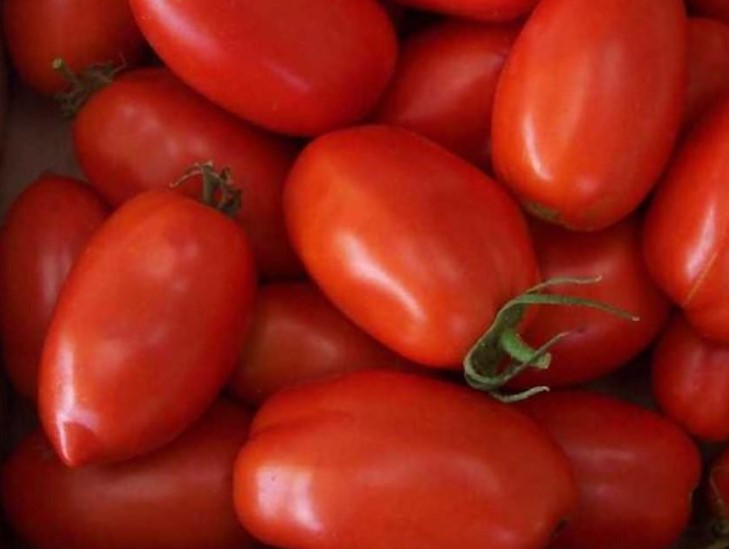
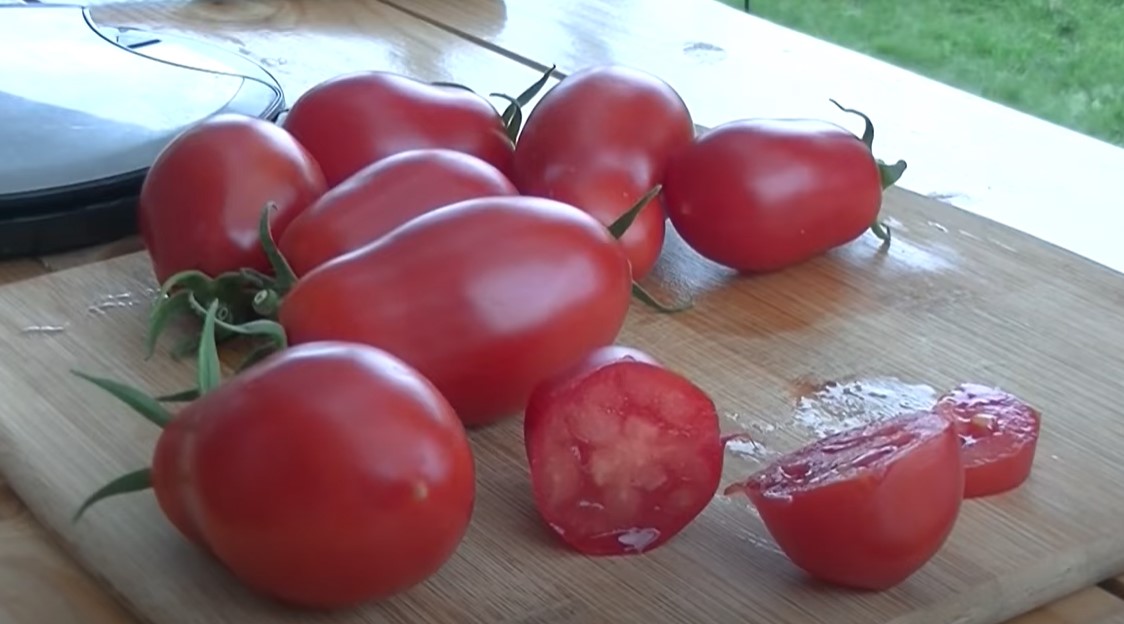
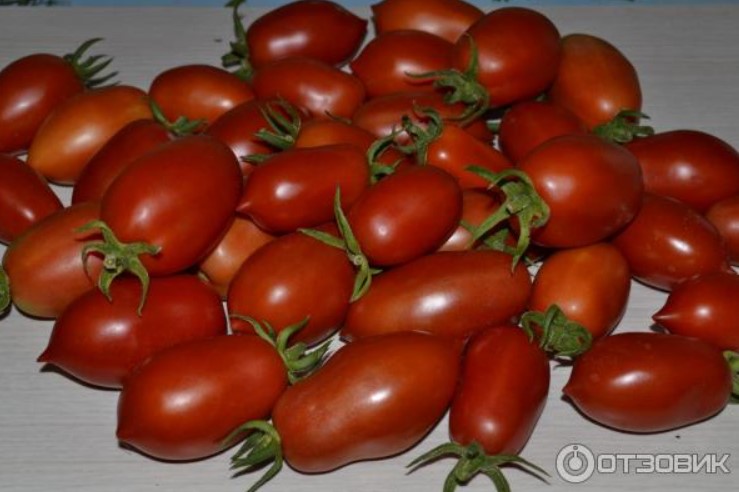
Elongated plum-shaped with a drawn-out apex, smooth, red. |
|
Weight |
34-58 years |
|
Taste |
3.8-4 points. |
|
Usage |
Whole fruit canning. |
|
Marketability |
High. |
|
Shelf life |
|
|
Yield of commercial fruits |
328-654 c/ha. |
|
Resistance to infections |
To the rotten ones. |
|
Agricultural technology |
The variety requires high doses of potassium fertilizers. |
|
Recommended regions for planting |
Central Black Earth District, North Caucasus, Urals, Western Siberia. |
|
|
1980 |
|
Originator |
LLC "RESEARCH INSTITUTE OF BREEDING OF VEGETABLE CROPS", "BREEDING FIRM GAVRISH". |
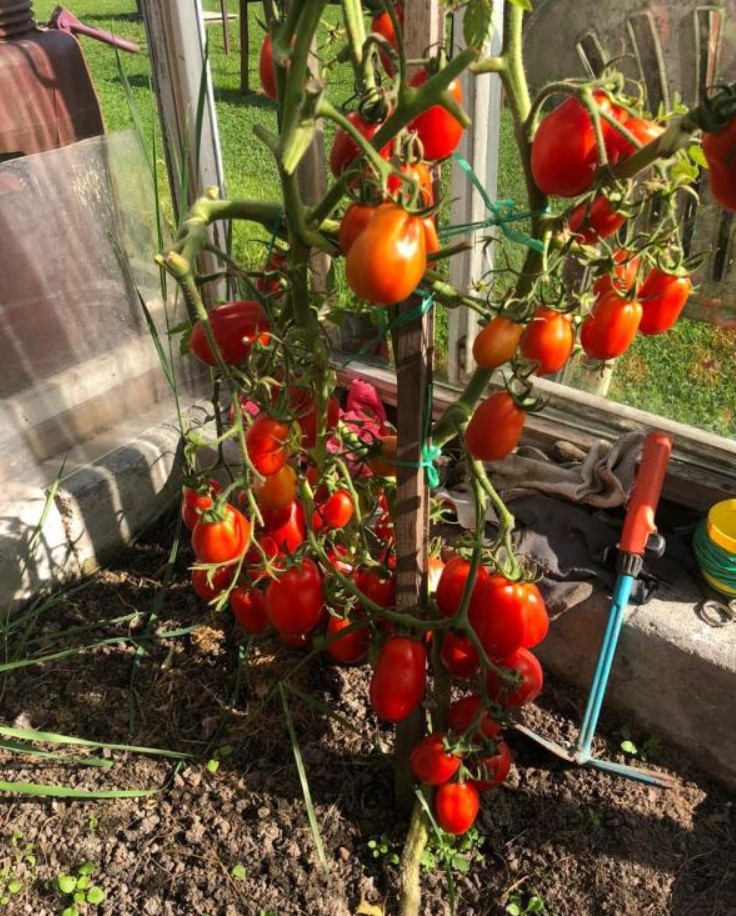
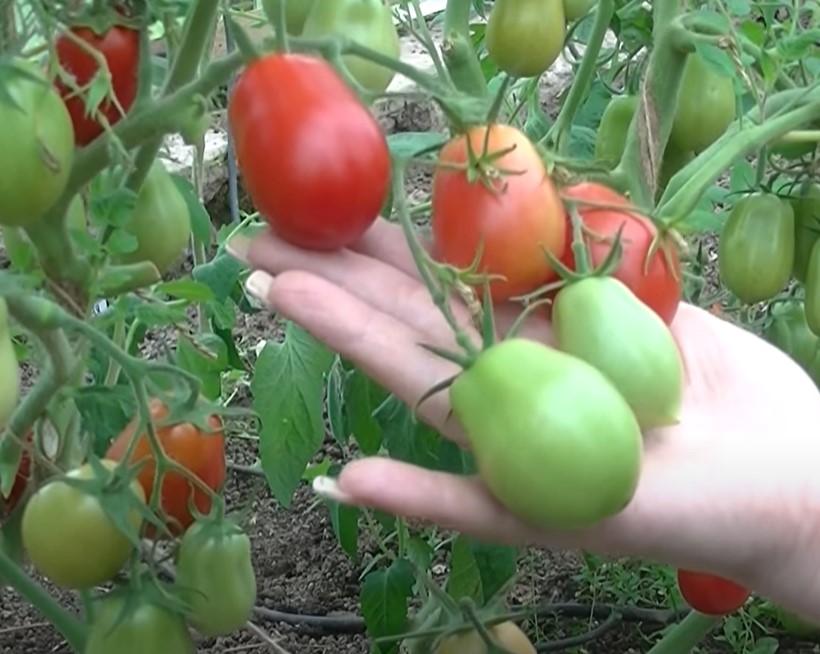
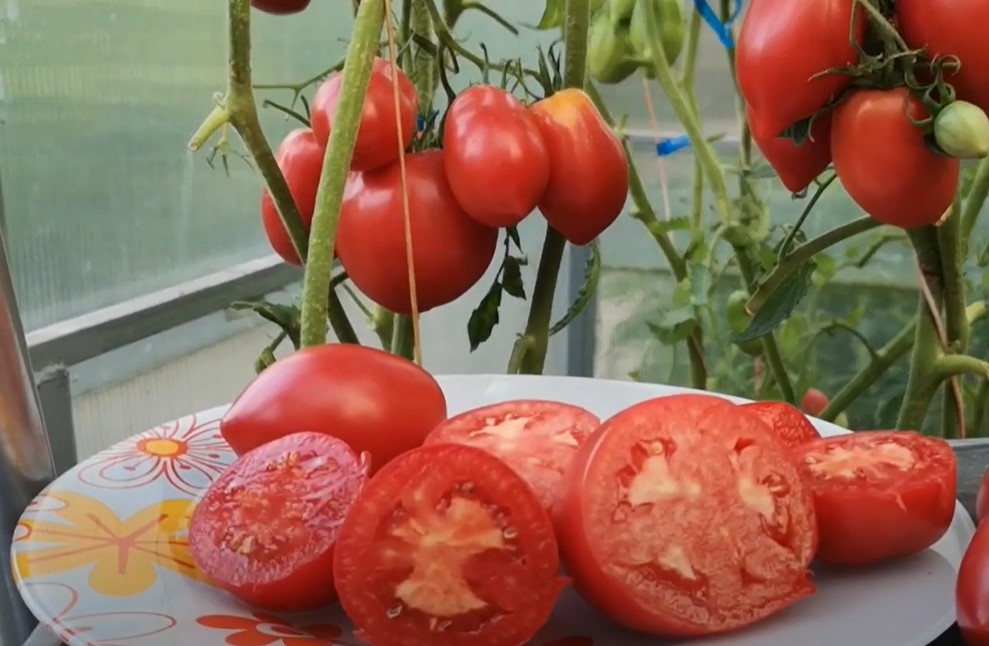
Photo gallery of the Rocket tomato variety
The history of the Rocket tomato variety
The variety was developed in the 1970s by Russian breeders in Krymsk. In 1975, an application for registration with the state registry was submitted, but it was accepted only five years later. It is suitable for cultivation in many regions of Russia. In warmer climates, open-air cultivation is preferable, while in cooler regions, greenhouse cultivation is recommended.
Detailed description
Let's consider the main characteristics of the variety in more detail.
Characteristics of bushes
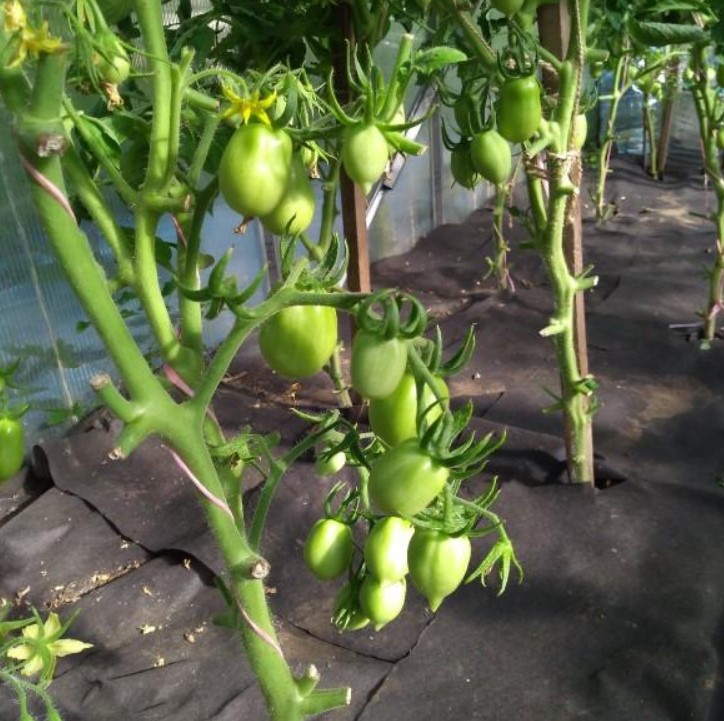
According to the manufacturer, the Rocket tomato variety is a determinate variety. The bushes don't grow taller than 80 cm. They have sparse foliage, allowing them to receive adequate sunlight. The leaves are dark green.
Reading reviews, it became clear that when grown in a greenhouse, this variety has unlimited growth and can grow more than 2 meters.
Fruit characteristics
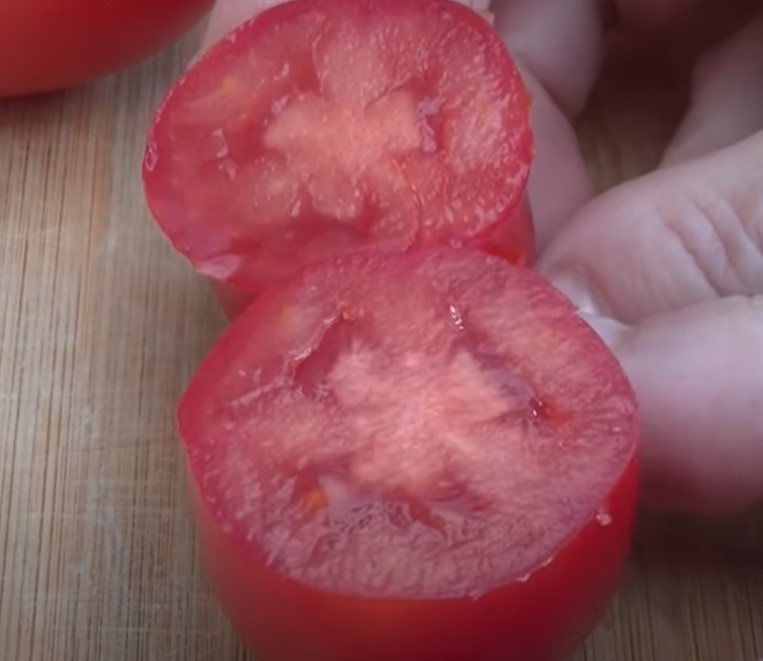
The fruits are plum-shaped and have red skin. They are not very large, weighing on average 35-59 g. The flesh is firm and fleshy. It has a sweet, slightly tart flavor.
The fruits, according to gardeners, also grow much larger than expected, reaching 150 g.
Ripening time and yield
The Rocket tomato is considered a mid-early variety. The plant ripens in 122-129 days. The first fruits appear in July-August, and ripening continues for 55-60 days until the first half of September.
The variety has a good yield. When grown individually, a single bush can yield 1.6-2.5 kg of tomatoes, and 1 m2 can yield up to 7 kg.
Resistance to infections and pests
The Rocket variety exhibits good resistance to various diseases. The plant is virtually immune to rot. One of the few diseases the variety is susceptible to is late blightThis can occur if the plant is not cared for properly. Leaves affected by late blight should be removed and burned.
About various tomato diseases, how to prevent and control them Read on our website.
Tomato, like other plants of the nightshade family, is susceptible to invasion Colorado potato beetles, slugs, or cutworms. Insects are removed from the plant by hand, and leaves containing eggs are removed and treated with insecticides.
Advantages and disadvantages of the Rocket tomato variety
|
Advantages |
Flaws |
|
The compact size of the bushes makes it easier to care for the plants and allows for dense planting. |
Demanding to watering and fertilizing regime. |
|
Resistance to most infections that nightshade crops are susceptible to. |
Insufficiently high taste characteristics when fresh. |
|
No need to form shoots. |
|
|
Excellent transportability and long-term storage of tomatoes. |
|
|
Possibility of using mechanized harvesting method. |
|
|
Good and stable yield for a determinate variety. |
|
|
Marketable appearance. |
|
|
Can be grown in various conditions - in greenhouses, in open ground, in containers on a windowsill or balcony. |
Peculiarities of growing the Rocket tomato variety
To get a good harvest, you need to follow certain rules.
Sowing seeds and growing seedlings
Seeds for seedlings are sown from March 20 to April 10. After the first sprouts appear, the room temperature should be reduced for a while.
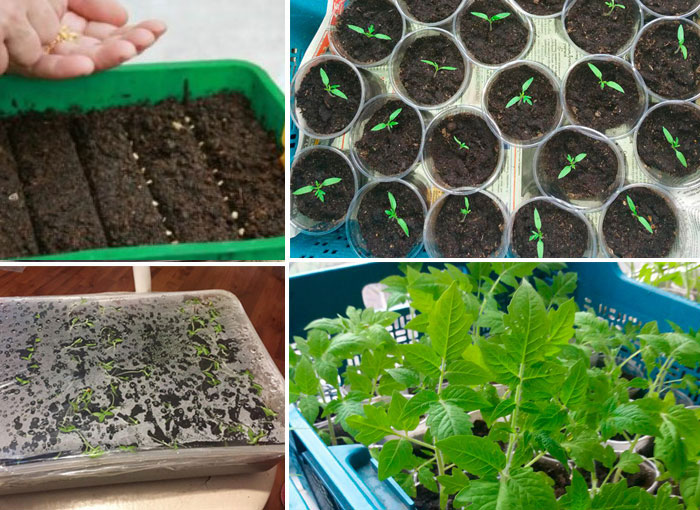
Ten to twelve days after planting, transplant the seedlings into a new container. It's important to water the seedlings moderately and apply a few potassium-rich fertilizers. A couple of weeks before planting, harden off the plants by briefly placing them outdoors.
Planting in the ground
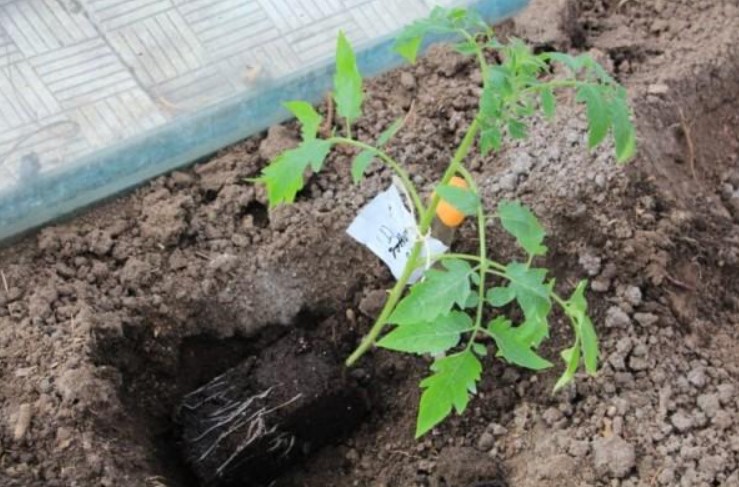
Transplant the seedlings into the soil from May 15 to June 5. Tomatoes should be planted in warm soil, fertilized with a mixture of potassium and wood ash. When planting, maintain a distance of 40 cm between plants and 50 cm between rows. After planting, thoroughly water the plants.
Care
Care is not difficult. To ensure healthy growth, tomatoes require regular watering and nutrient-rich fertilizer.
Watering should be done with sun-warmed water, starting two weeks after planting in their permanent location. Keep the soil moist until the tomatoes begin to ripen. When the tomatoes begin to turn red, stop watering.
It's important to fertilize tomatoes during their growth period. Two weeks after planting, apply fertilizer containing phosphorus.
After another two weeks, potassium sulfate fertilizer is added. Subsequent nutrient mixtures are added using an ash solution.
Producers position this variety as requiring no side shoots or staking, but in reality, it's still worth removing the side shoots before the first bunch forms, and tying up the fruit if there are a lot of fruits on the bunch.
If you are interested tomato varieties that don't require pinching, find out about them on the website Top.tomathouse.com.
Harvesting, using and storing the Rocket tomato variety
The Raketa variety ripens almost simultaneously, unlike the Shuttle variety, which has a more protracted ripening period. Therefore, the tomato is used in industrial production. Raketa fruits store well and can be transported over long distances.
Officially, the Raketa variety is listed as a whole-fruit tomato for canning due to its shape and compact size. However, it also makes a delicious salad, stir-fry, and ketchup tomato.
Comparison of Rocket tomato varieties with other varieties in the table
Please note! How can you easily convert centners/ha to kg/sq.m? Simply divide by 100! For example, the Abakansky Pink tomato yields 400 centners of marketable fruit per hectare. This equals 4 kg per square meter. It's that simple! Also, keep in mind that typically no more than 3-4 plants are planted per square meter. This way, you can calculate the yield per bush. In the case of the Abakansky Pink, it's about 1 kg.
| Variety | Ripening period (number of days from full germination to ripening)
Yield of commercial fruits |
Brief description | Fetus |
| Rocket | 122-129 days
328-618 c/ha |
A mid-early determinate variety for open ground. Suitable for canning. Requires increased doses of potassium fertilizer. | Elongated plum-shaped with a tapering top, smooth, red, 34-58 g. Good taste. |
| Rio Grande | 110-115 days
1500-1800 c/ha |
A mid-season determinate variety for open ground and greenhouses. Suitable for salads, processing into tomato products, and canning. | Plum-shaped, slightly ribbed, pinkish-red, 100-115 g. The taste is good to excellent. |
| Shuttle | 82-121 days
226-269 c/ha (Central region), 220-441 c/ha (Volga-Vyatka), 160-412 c/ha (West Siberian), maximum 792 c/ha (Omsk region). |
An early-ripening, determinate, low-growing standard variety for open ground. Suitable for salads, pickling, and whole-fruit canning. | Elongated-oval, smooth, top with a spout, red, 23-55 g. Good taste. |
| De Barao red | 120-130 days
500-600 c/ha |
A late-ripening indeterminate variety for open ground and greenhouses. Requires staking and training. Suitable for salads and whole-fruit canning. | Ovoid, smooth, red, 30 g. Excellent taste. |
| De Barao giant | 123-128 days
2000-2400 c/ha |
A high-yielding, indeterminate tomato variety with very large fruits, with shoots growing up to 270 cm. Suitable for both open and closed ground cultivation, it requires support, staking, and training. These tomatoes are suitable for fresh eating, as well as for making juices and pastes. They are not suitable for whole-fruit canning. | The tomatoes are oval-round in shape, have a dense skin, weigh 350 g. The taste is excellent. |
| De Barao royal | 110-120 days
1500 c/ha |
The bush grows up to 200 cm tall, is indeterminate, vigorous, and has dark green, narrow leaves. It requires staking and shaping. These tomatoes are suitable for fresh eating, salads, and other dishes. When canned, they can lose their shape due to their delicate skin, but are excellent for juices and sauces. | The fruits are pink, plum-shaped, and have a pointed tip. The thin skin may crack during canning. Weight: 150-170 g. Excellent flavor. |
| De Barao pink | 111-119 days
600-1000 c/ha |
An indeterminate variety with a mid-season ripening period. It is used primarily for greenhouse cultivation. The foliage is medium, and the bushes barely reach 200 cm in height. The shoots are tied and pinched as they grow; the bush requires shaping. It is suitable for salads and all types of canning. | The fruits are oval, with glossy pink skin and a smooth top, 80-100 g. The taste is excellent. |
| Abakan pink | 120 days or more
400 c/ha |
A late-ripening determinate variety for open ground and greenhouses. Requires staking and training. Suitable for salads and processing into tomato products. | Flat-round, slightly ribbed, medium density and pink in color, 200-500 g. Good taste. |
| Adelina | 82-109 days
242-447 c/ha, maximum 669 c/ha |
A mid-season determinate variety for open ground. Suitable for salads, whole-fruit canning, and processing into tomato products. Heat- and drought-resistant. | Egg-shaped, smooth, transportable red, 59-83 g. The taste is good to excellent. |
| Goose egg | about 100 days
700-800 c/ha |
A mid-season indeterminate variety for open ground and greenhouses. Requires staking and shaping. Suitable for salads and pickling. | Ovoid, large, orange-red, 200-300 g. Good to excellent taste. |
| Countryman | 96-98 days
348-468 c/ha, maximum 778 c/ha (Omsk region) |
An early-ripening, determinate, non-standard variety for open ground cultivation. Suitable for salads and whole-fruit canning. | Plum-shaped, glossy, red, 66-89 g. Good taste. |
| Raspberry Joy | 90-95 days
1400 c/ha (greenhouse and under film) |
A low-growing determinate variety. Suitable for salads and canning. | Ovoid, bright pink, ribbed, with a dense skin, 100-150 g. Tomato flavor. |
| Roma | 110-120 days
400-1600 c/ha depending on the growing location |
A mid-early determinate variety for open ground and greenhouses. Suitable for pickling and processing into tomato products. | Plum-shaped, smooth, red, 55-90 g. The taste is good to excellent. |
| Easter Egg | 100-103 days
2000 c/ha |
A mid-early indeterminate variety for open ground and greenhouses. Suitable for salads and canning. | Plum-shaped, slightly ribbed, two-colored red-orange, up to 60 g. The taste is good and excellent. |
| Cream (not in the register, group of varieties) | 90-140 days (depending on the specific variety)
700-1000 c/ha |
Early or late-ripening, determinate or indeterminate varieties for open ground and greenhouses. Suitable for canning, freezing, drying, and salads. | Plum-shaped, smooth, red, orange or purple, 50-120 g. Taste good to excellent. |
| Siberian miracle | 110-115 days
The yield of commercial fruits under film covers is 10 kg/sq.m. |
A mid-season indeterminate variety for open ground and greenhouses. Requires staking and shaping. Suitable for salads. | Ovoid, smooth, medium density, red, 150-200 g. Good taste. |
| Siberian date palm | About 100 days
1.5-2 kg per bush. |
A determinate, early-ripening variety for open ground and greenhouses. Requires staking and shaping into 3-4 stems. Suitable for salads, garnishing, and canning. | Plum-shaped, red, up to 20 g. Excellent taste. |
Gardeners' reviews of the Rocket tomato variety
The variety is valued by gardeners for its ability to grow well both in greenhouses and in open ground or on balconies, as well as for its excellent commercial characteristics.
Seeds from Gavrish:
Hello everyone! I'd like to tell you about another tomato variety I've been growing for several years now. Bogata Khata tomatoes are best eaten fresh, while Raketa tomatoes are best used for canning.
The bush is not tall and requires pinching. Because there are so many fruits on each branch, I always tie them up. It's a lot of work, of course, but the bush always rewards with a huge number of tomatoes.
Tomatoes ripen gradually.
The variety is disease-resistant. The fruits are elongated, firm, clean, and uniform.
The tomatoes are small, with dense skin, approximately 5-7 cm long.
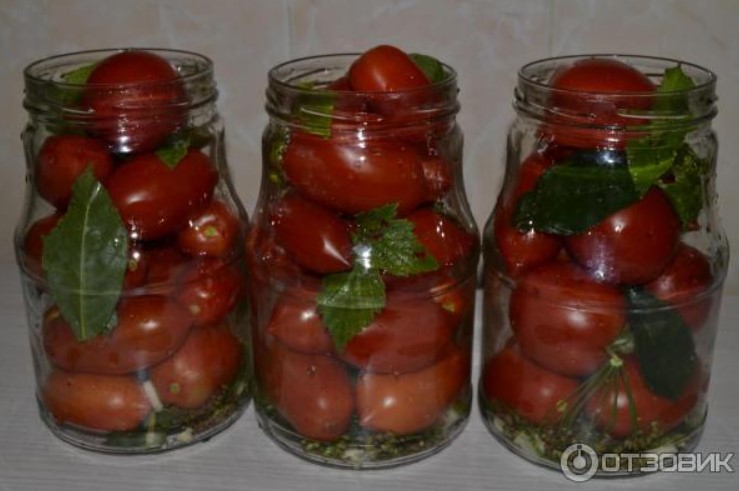
Rocket tomatoes are ideal for canning. Pickled tomatoes don't burst in the jar. They're plump, not watery, hold their shape well, and look very pretty in the jar. Not to mention how delicious they look on a plate.
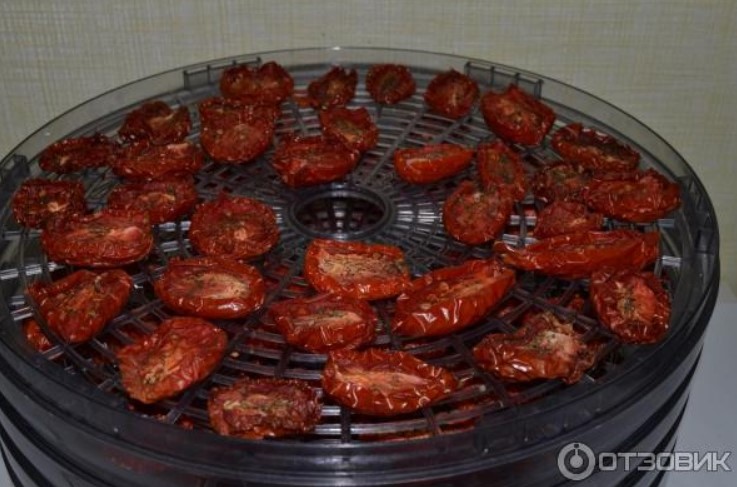
I also use these tomatoes to make sun-dried tomatoes in an electric dehydrator.
They are small and dry quite quickly.
Another advantage of Rocket tomatoes is that they store well. They don't rot or crack. They taste great. They're sweet and not at all acidic.
Of course, I highly recommend Raketa for purchase.
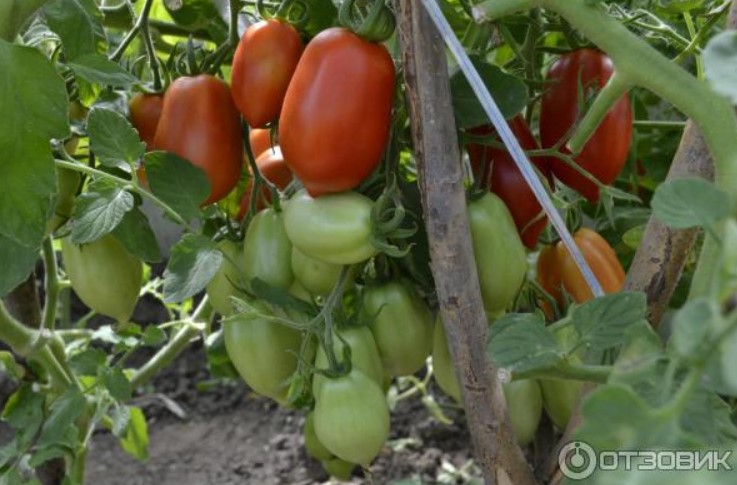
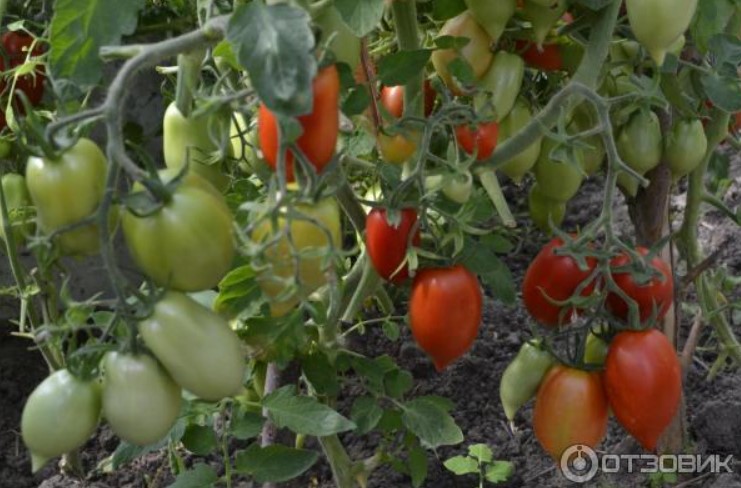
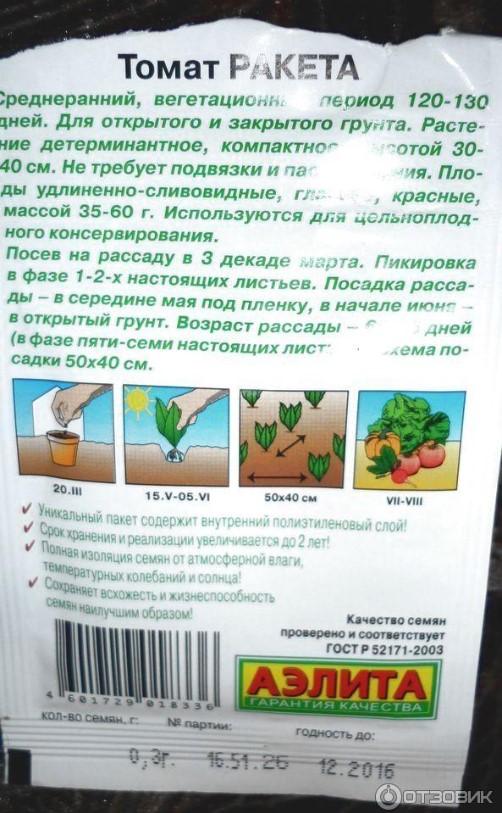
I planted the tomato variety "Raketa" by Aelita. The plants grow compact; mine reached a height of about 60 cm, although the manufacturer claims it's a low-growing tomato, 30-40 cm. Raketa is a mid-early variety. It doesn't require pinching or staking. The fruit has very thick skin, which is important for canning and transporting. I planted four plants of this variety, and the result was the same everywhere. The plants were all covered with tomatoes.
By the way, there are 0.2g of seeds in a packet: there are a lot of them and they will last for several seasons!
I must have been feeding them well (I fed them with fermented nettles and added compost under each plant), because the tomato plants grew larger than the grower's. And the fruits are also much larger. The grower specifies a weight of 30-60 grams for the tomatoes, but mine weighed over 100 grams.
I can say that the "Rocket" variety is a very productive variety and is intended for pickling.
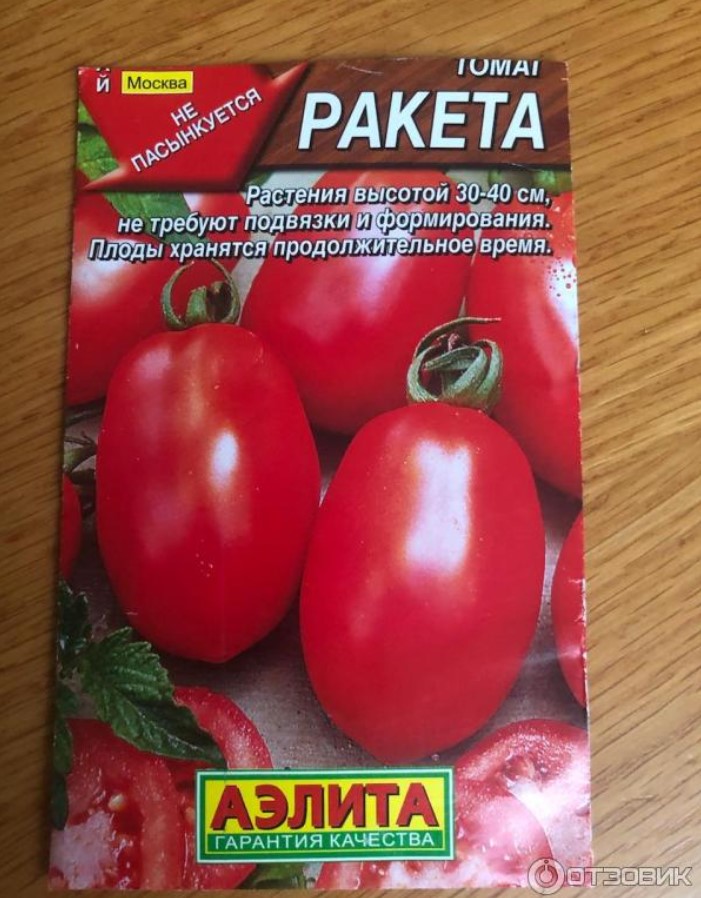
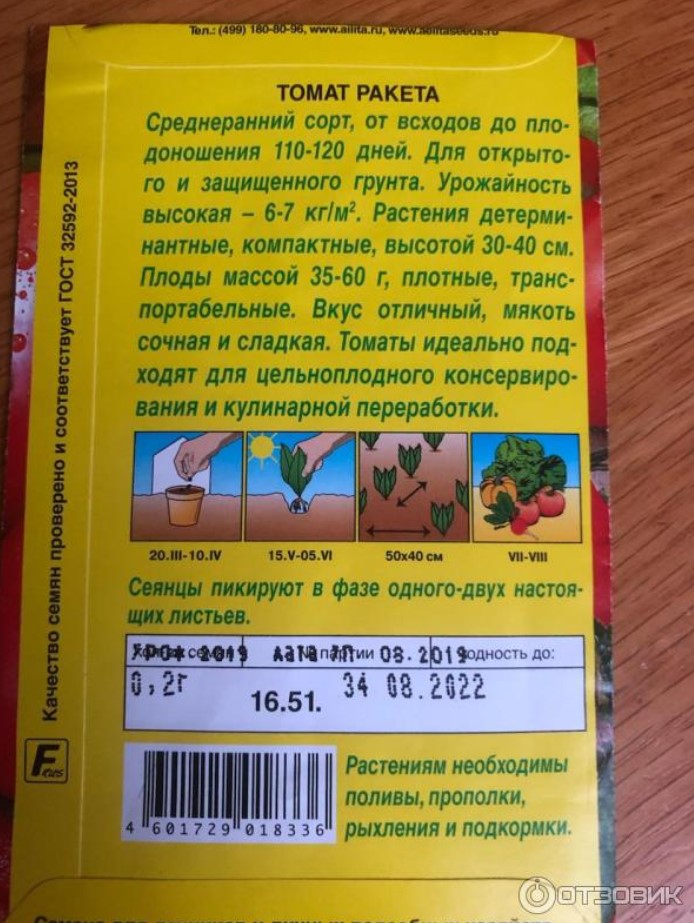
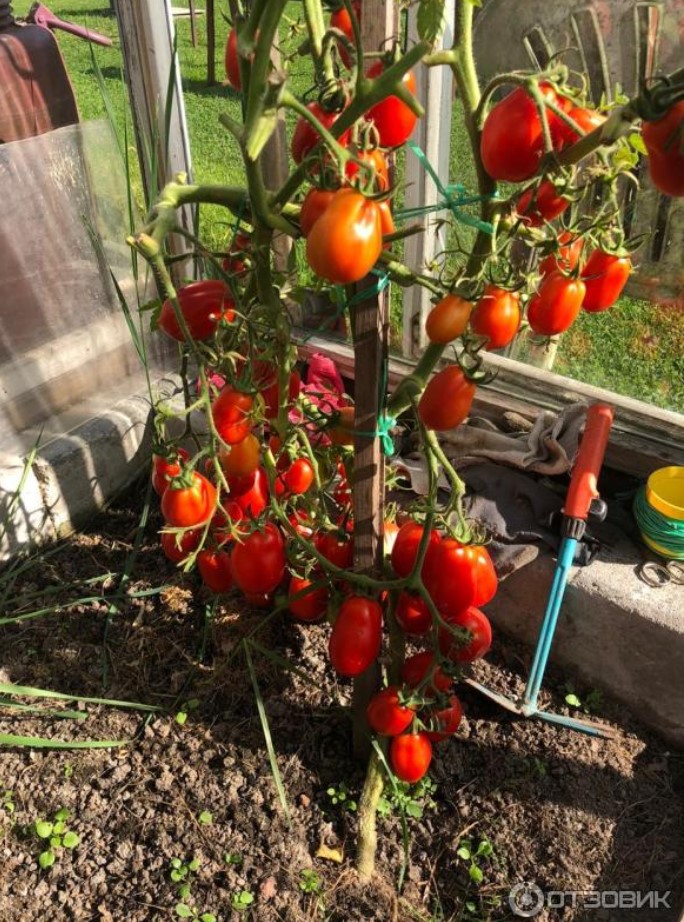
I've been planting tomatoes on my balcony for many years. It all started when a friend gave me some extra seedlings she was preparing for her dacha. Of course, I don't plant tomatoes for a bountiful harvest; I love how these brightly colored fruits brighten up my urban balcony. Besides, the tomatoes from my balcony are always sweet, even tastier than those from my dacha.
This year I grew the seedlings myself, buying Aelita "Rocket" tomato seeds after reading the height of the tomatoes on the package.
The height is just right; they won't stretch forever. I sowed them in March as recommended, and the seedlings turned out great—plump and squat. The germination rate was surprisingly good—as many as I sowed sprouted. In May, I transplanted the tomatoes into balcony boxes. Sure, they were a bit cramped there, but they thrived and continued to grow plump and short.
I periodically fed the tomatoes with the fertilizer "First Aid" Universal, about which I left my review "My review of the fertilizer"
The apartment faces west, and the afternoon sun is scorching hot, so watering was quite frequent. A big advantage of this variety is that it's determinate (as stated on the packaging). This means that after a certain number of flower clusters are formed, the plant stops growing.
And so in August the tomatoes began to turn red.
I waited until the first tomato was fully ripe and tried it. I liked the taste – sweet and juicy.
Next year I will definitely plant "Raketa" again and recommend it to my friend.
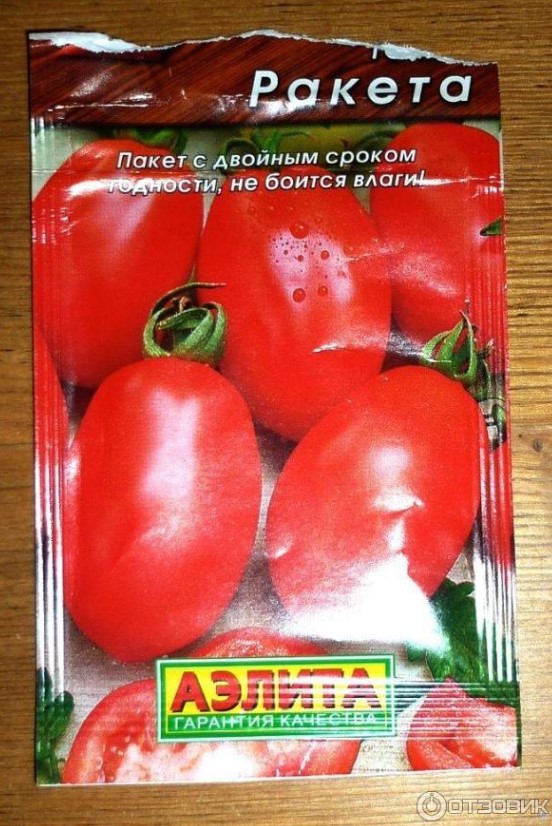
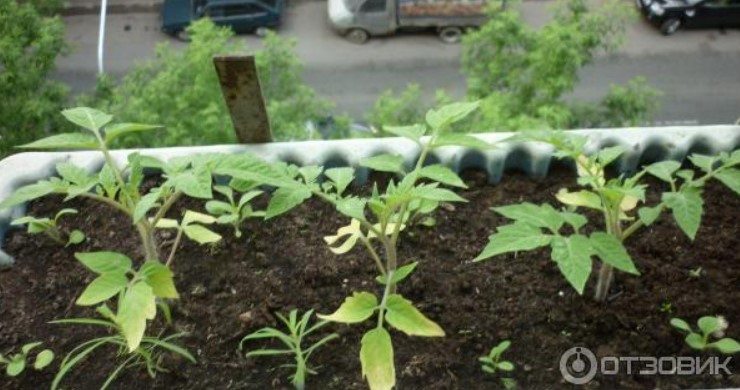
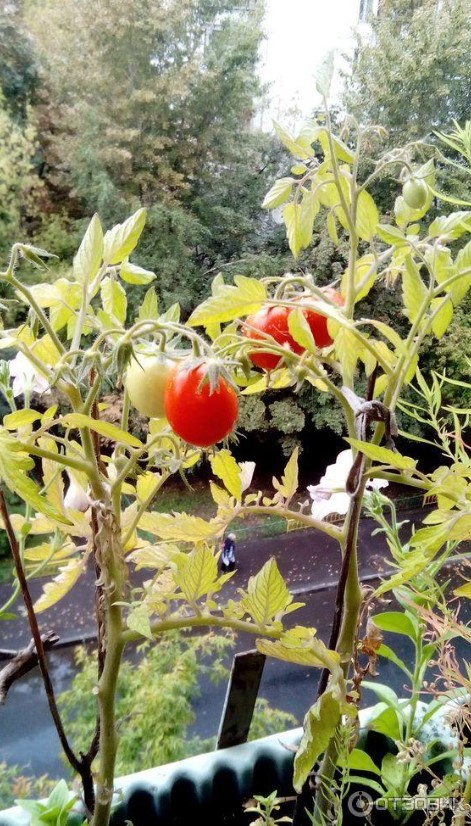
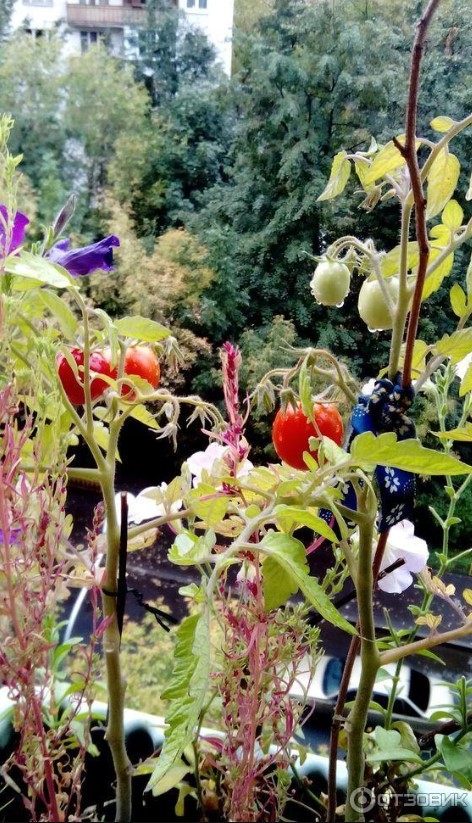
I'm a novice gardener. This is my second year of gardening. Last year, we were advised to buy Rocket tomato seedlings. At the time, we had no idea what they were like. But when it came time to harvest, our delight knew no bounds. They weren't large tomatoes, just slightly oblong in shape. When it came time to pickle them, they were a beauty. Firstly, because they're compact, a lot fits in the jars. Secondly, they're dense and don't burst or crack during canning. And thirdly, they look like perfect little toy tomatoes in a jar. They also have a delicious flavor.