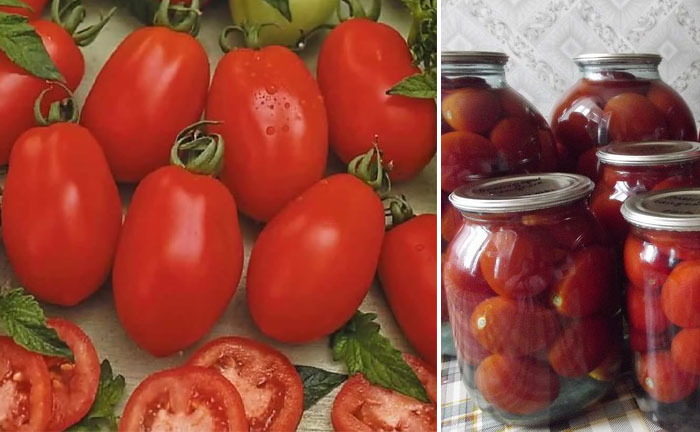
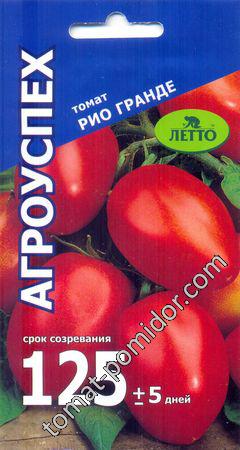
The Rio Grande tomato is found on store shelves under various names: "Rio Grande," "Rio Grande," and others. But they are generally referring to the same tomato. Gardeners love it for its versatility and excellent commercial qualities.
Content
- 1 Characteristics of the Rio Grande tomato variety in a table
- 2 The history of the Rio Grande tomato variety
- 3 A detailed description of the Rio Grande tomato variety
- 4 Advantages and disadvantages of the Rio Grande tomato variety
- 5 Growing the Rio Grande tomato variety
- 6 Resistance of the Rio Grande tomato variety to diseases and pests
- 7 Harvesting, using and storing Rio Grande tomatoes
- 8 Comparison of the Rio Grande tomato variety with other varieties in the table
- 9 Gardeners' reviews of the Rio Grande tomato variety
Characteristics of the Rio Grande tomato variety in a table
| Characteristic | Description |
| Description | A determinate, medium-sized tomato with a mid-season ripening period. Suitable for greenhouses and open ground. |
| Ripening period | 110-120 days |
| Fruit weight | 100-140 g |
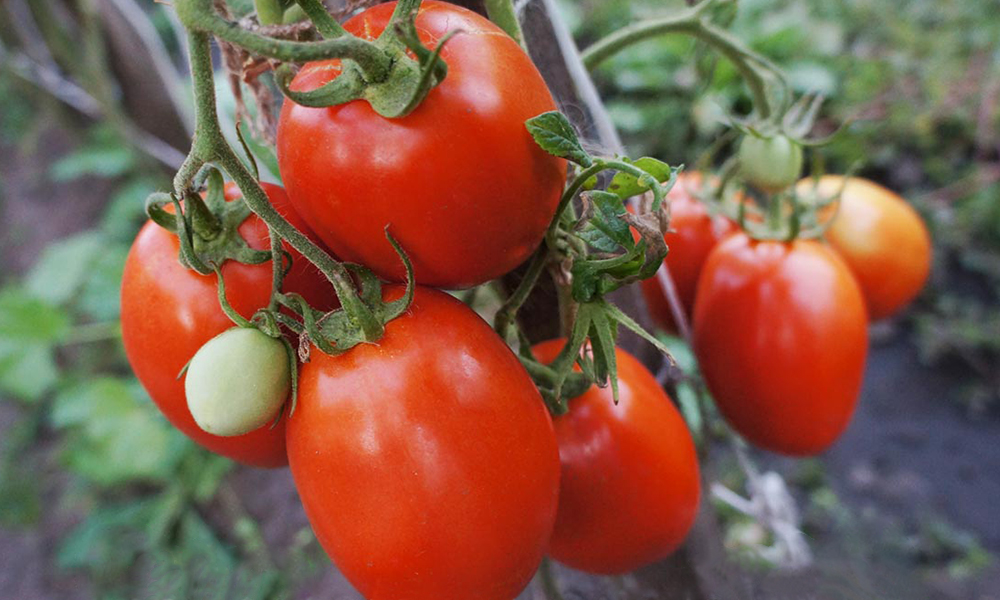
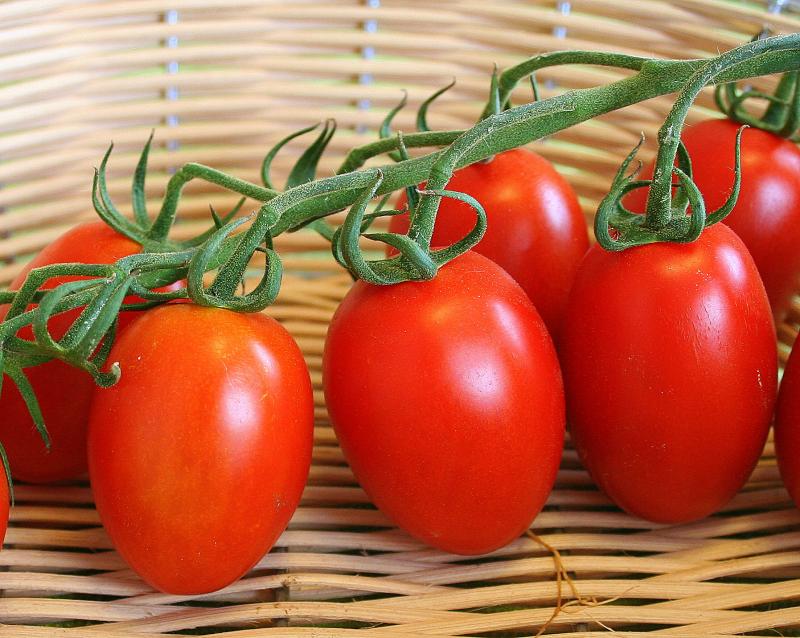
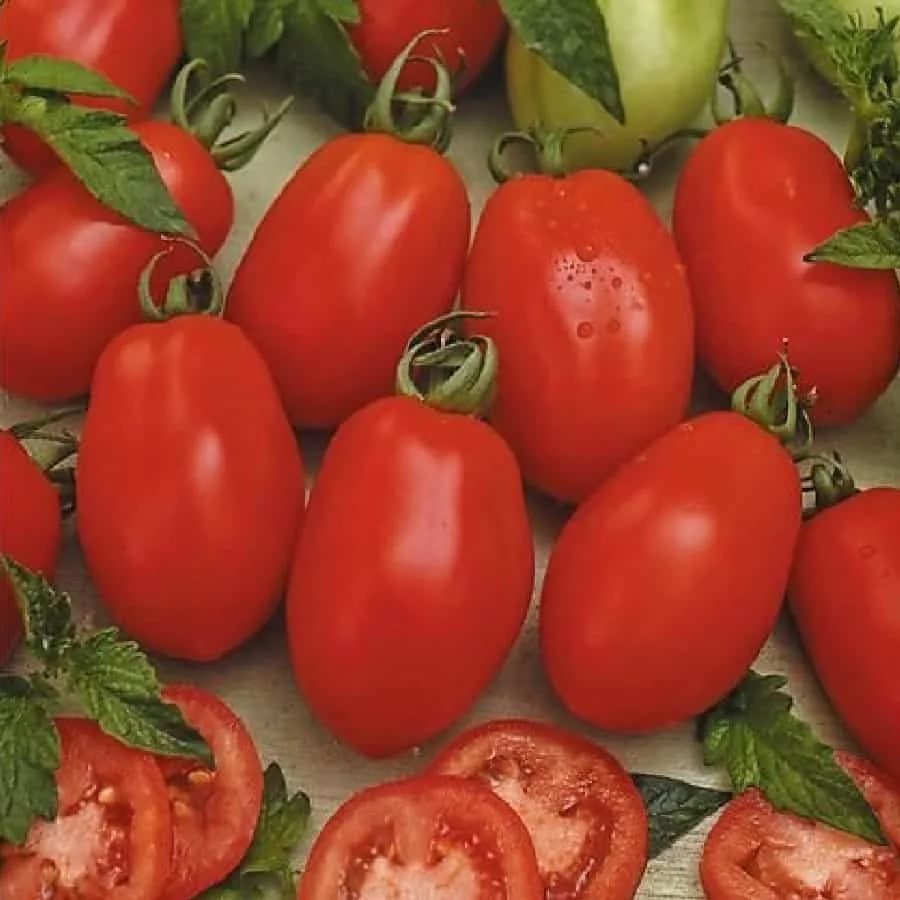
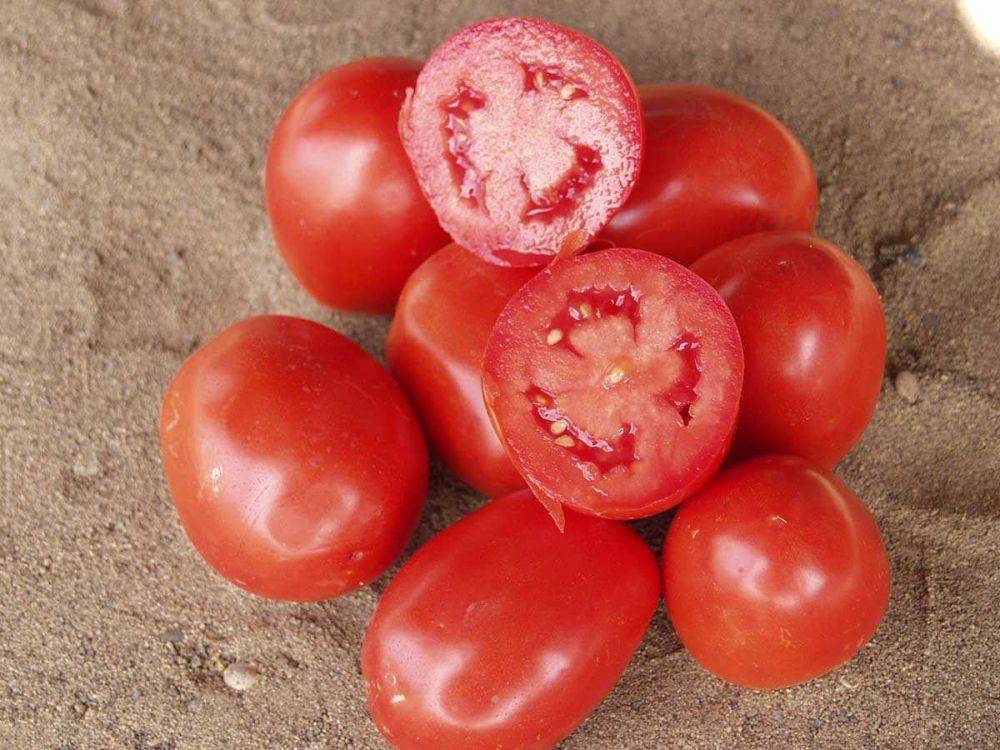
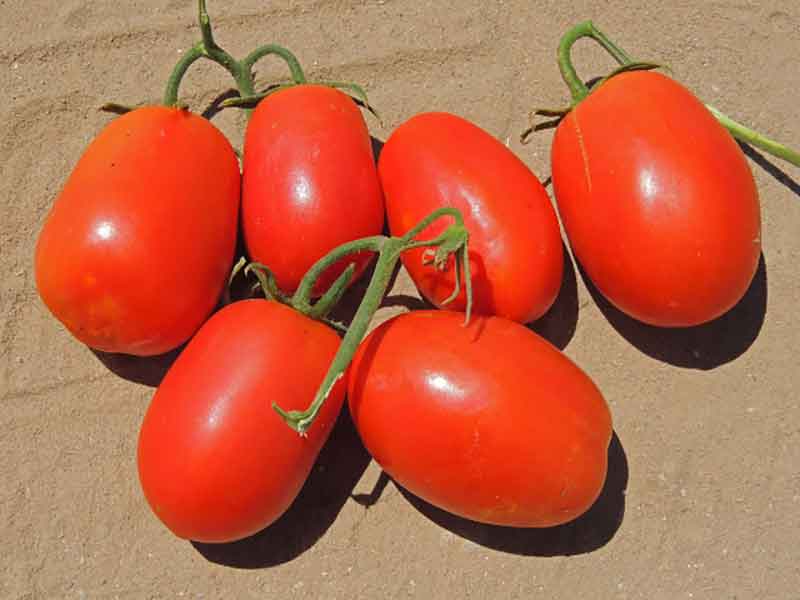
| Description of the fruit | The plum-shaped fruits are firm, with thick red skin. They have a pleasant, sweet taste. |
| Productivity | Up to 4 kg per bush |
| Usage | They can be used for fresh eating, salads, processing and canning whole. |
| Preferred growing regions | All regions. In the south, it can be grown without seedlings. |
| Disease resistance | Rarely gets sick, average resistance to late blight |
| Agricultural technology | The bushes are tied up, formed into 1-3 shoots, and pinching is required. |
| Not included | |
| Originator | Amateur selection |
Photo gallery of the Rio Grande tomato variety
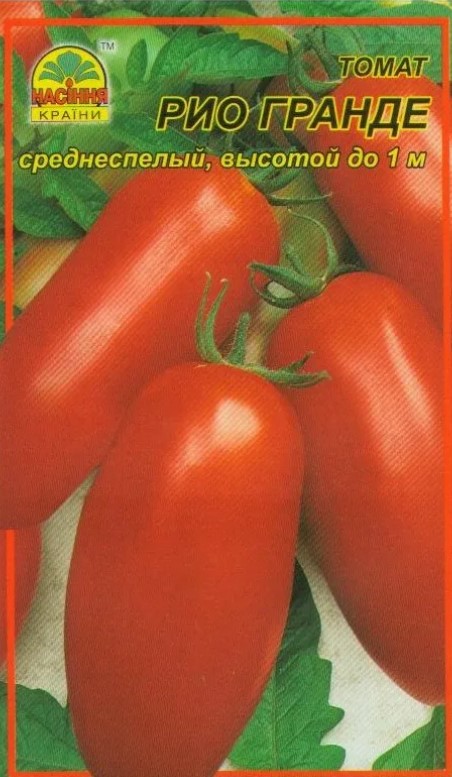
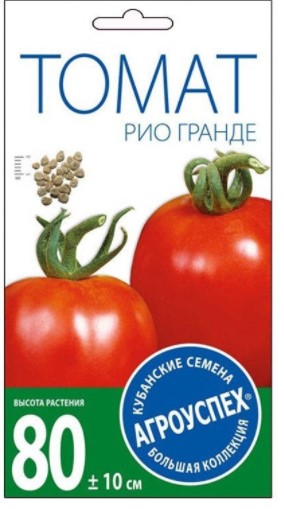
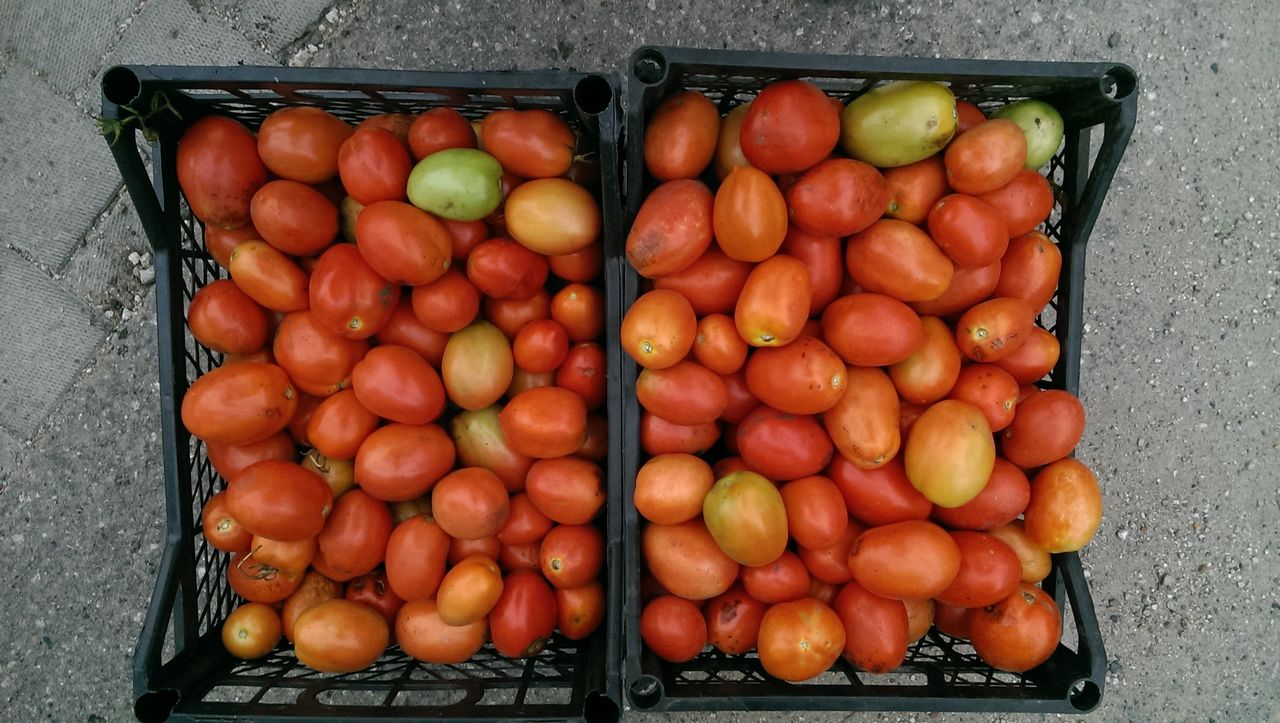
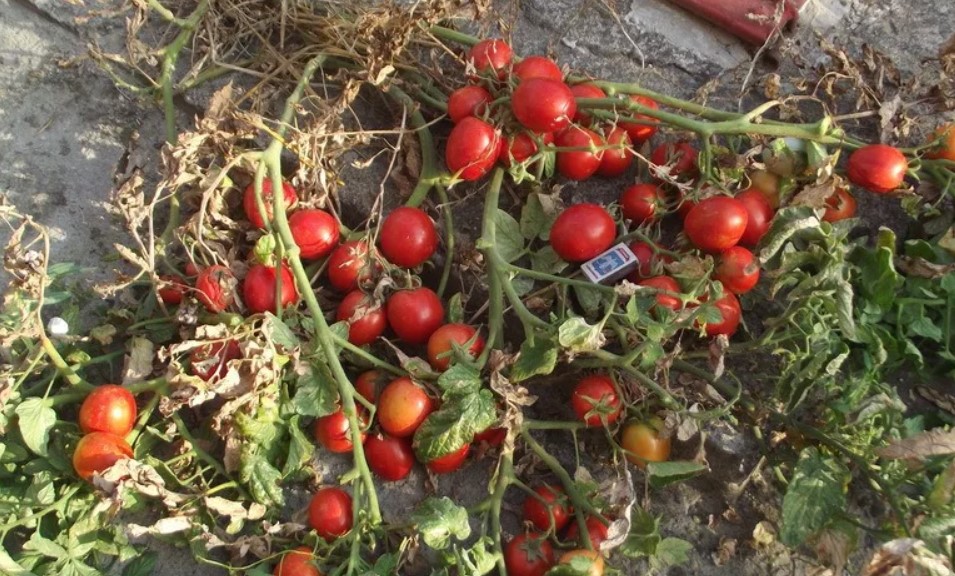
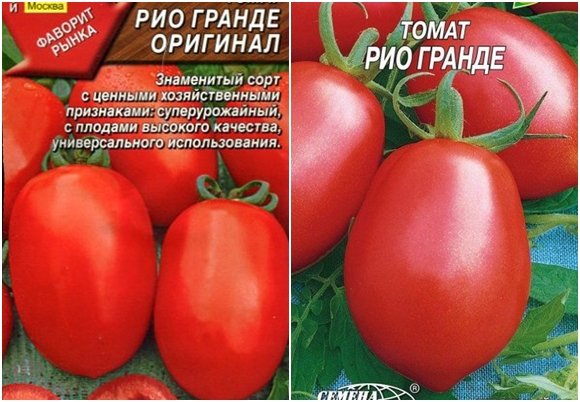
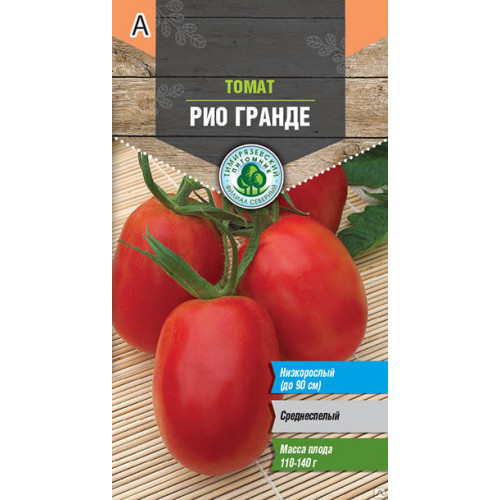
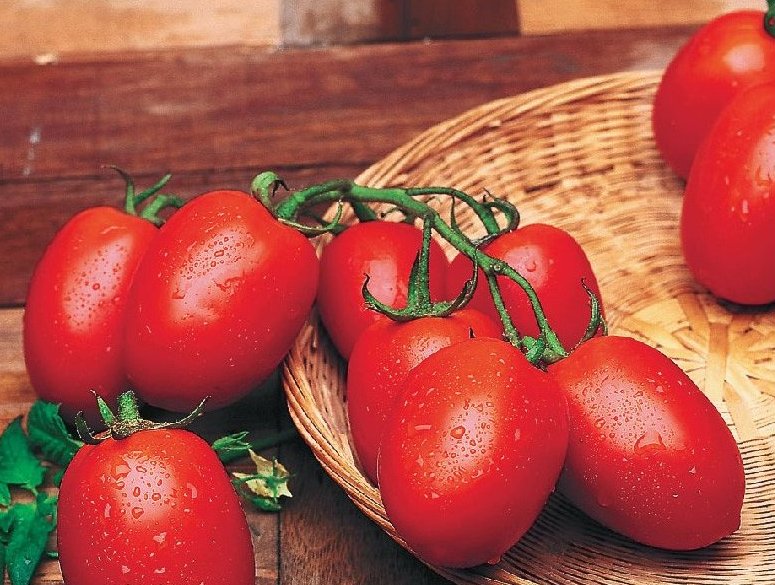
The history of the Rio Grande tomato variety
The Rio Grande tomato has its roots in Dutch selection, but there is no precise data on its origin. In Russia, seeds are sold by various companies, and the tomato's name also varies. For example, SeDek markets this tomato under the name "Rio Grand," while Timiryazev Nursery calls it "Rio Grande."
A detailed description of the Rio Grande tomato variety
Let's look at the characteristics of the Rio Grande variety in more detail below.
Characteristics of the bush
Determinate shoots grow from 70 to 100 cm in height. Foliage is average, and the leaf blades themselves are small. However, due to the modest size of the tomatoes, it is recommended to remove even these near the trusses and from the lower tiers of the bush, but no more than three at a time.
The plant is formed from 1-3 shoots; the weight of the fruit will depend on the density of the bush: the denser it is, the smaller the tomatoes.
Fruit characteristics
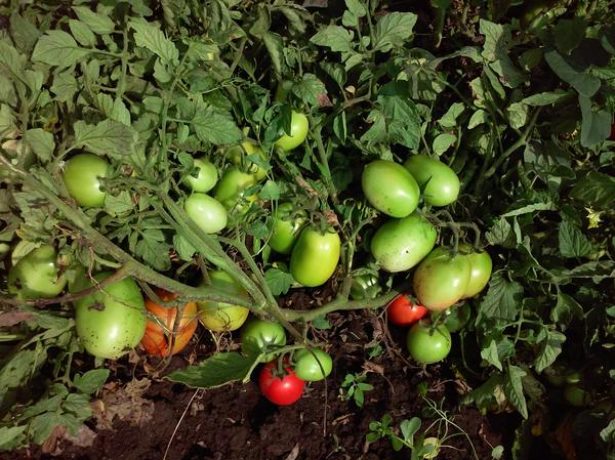
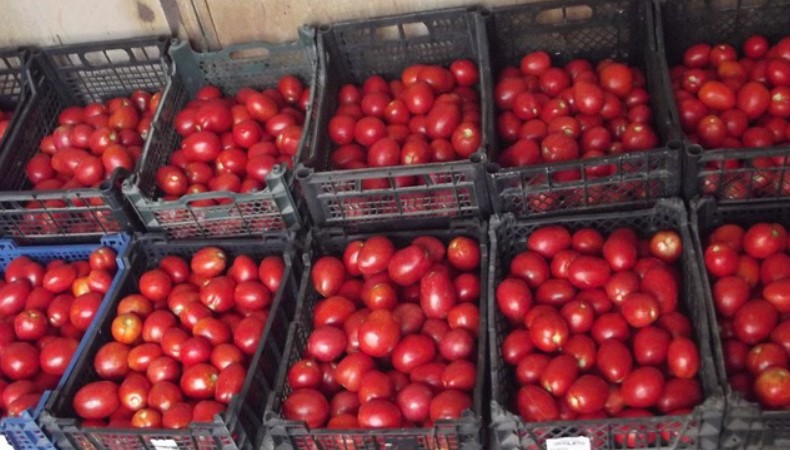
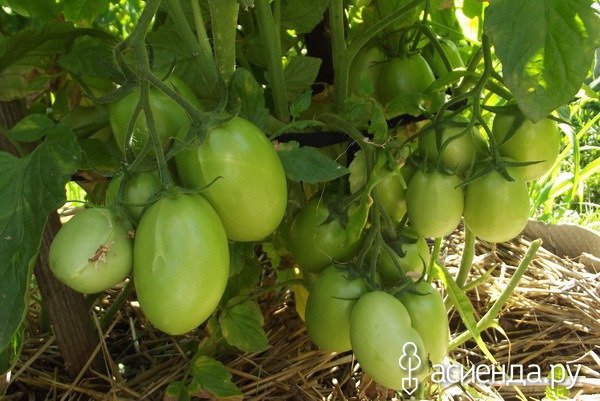
This variety is considered plum-shaped. The tomatoes are oval, slightly elongated, and red in color. The flesh is firm but juicy. The skin is strong, preventing the fruit from cracking on the vine. Furthermore, these tomatoes have excellent shelf life and can be transported over long distances without loss of quality.
Ripening time, yield
The harvest ripens 110-120 days after the first shoots emerge. Yields depend on the planting pattern. With a standard 50x50 planting, yields reach 4 kg per plant.
Advantages and disadvantages of the Rio Grande tomato variety
The table below lists the main advantages and disadvantages of the Rio Grande tomato.
| Advantages | Flaws |
|
|
Growing the Rio Grande tomato variety
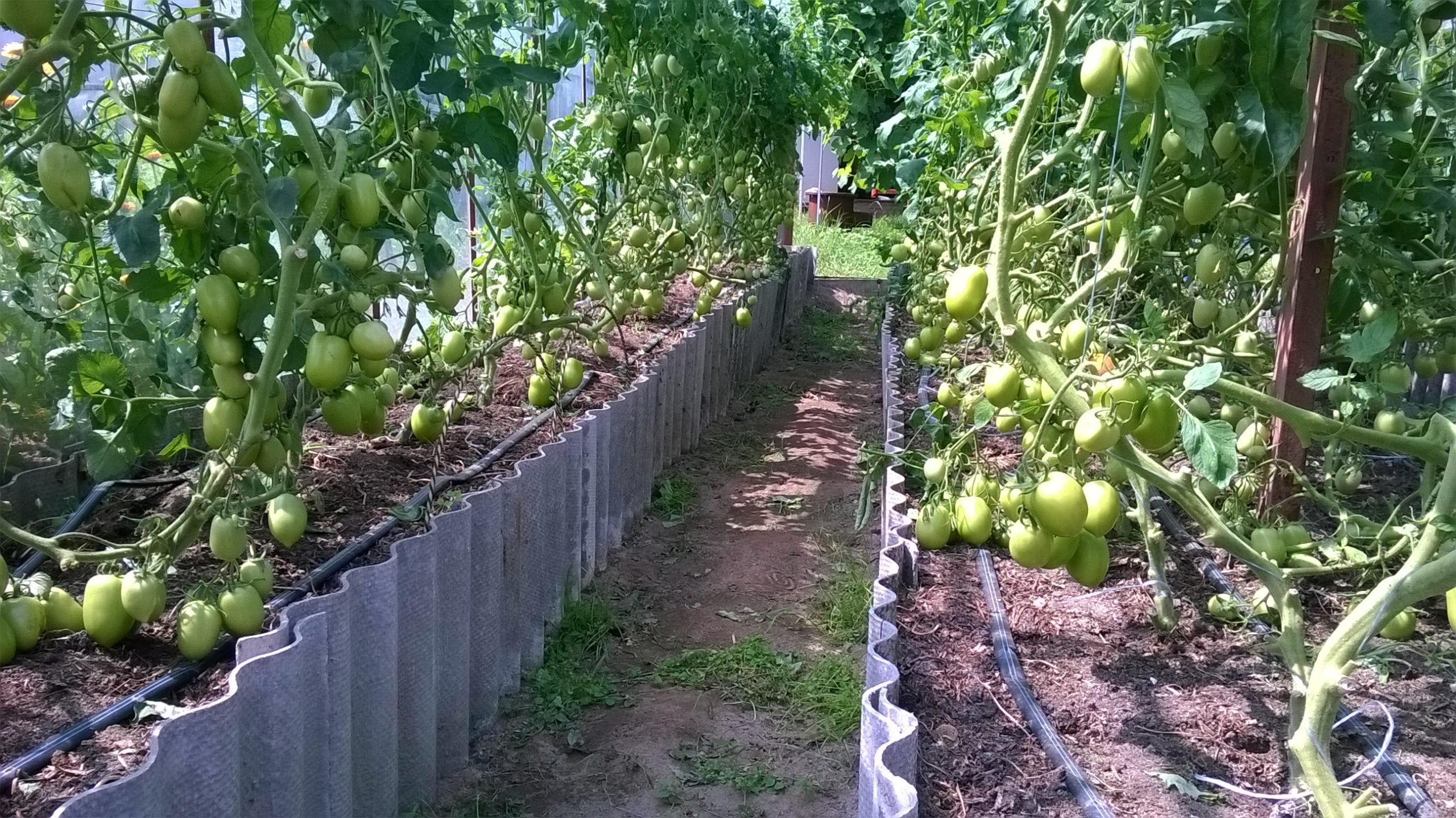
Rio Grande tomato bushes require regular staking and pinching. The plant tolerates high temperatures and drought well, without cracking. Tomatoes are grown from seedlings, but in the south, they can be planted directly into a permanent garden bed.
Sowing seeds and growing seedlings
Sowing of seeds begins 60-65 days before transplanting into open ground or greenhouse.
Before starting work, carefully read the information on the packaging. If it states that the seeds have been properly treated, there's no need to disinfect or soak them at home.
It is better to buy soil from a specialized store; it has a balanced composition and the required acidity level.
If possible, you can make soil at home by mixing equal parts of soil, sand, peat and humus.
Fill the selected seedling container two-thirds full with potting soil. To plant tomatoes on top of the soil, make furrows approximately 1-1.5 cm deep and water them. Then, place the seeds in the furrows, spacing them 2.5 cm apart, and cover them with soil.
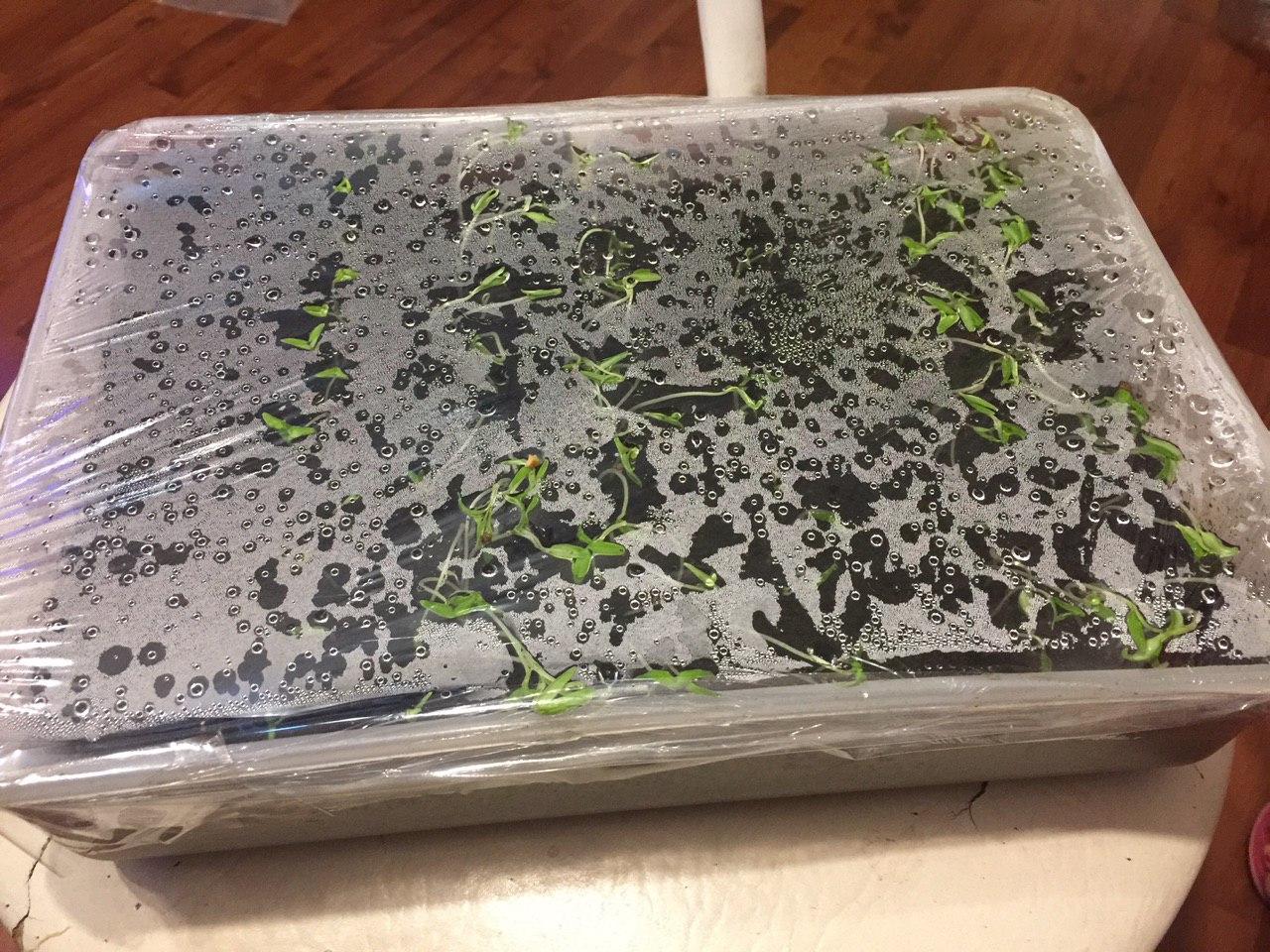
Cover the container with glass or plastic wrap and place it in a warm place. Periodically check to ensure the soil doesn't dry out and that condensation doesn't accumulate on the inside of the lid. Excess moisture can cause the seeds to rot.
Once the sprouts emerge, the cover is removed and the container is moved to a cooler, well-lit location. Gardeners typically build the nursery on a windowsill, providing additional light with a special lamp.
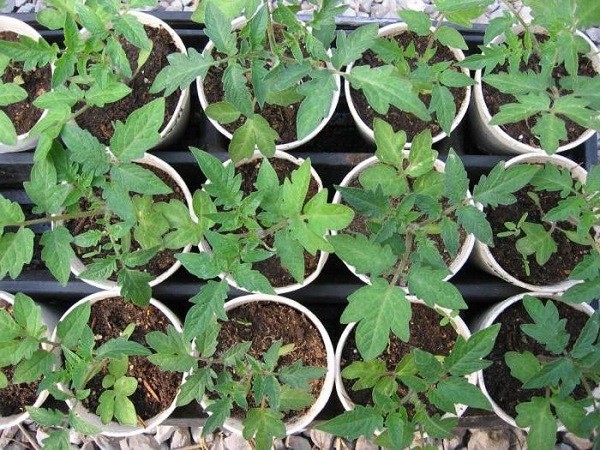
When two true leaves appear on the tomatoes, they will need to be transplanted into separate containers.
Planting in the ground
Seedlings should be planted when the air temperature is consistently above zero. It shouldn't be below 10 degrees Celsius, and soil temperature is also important. For tomatoes, soil temperatures reach 12-14 degrees Celsius.
If the seedlings are sown at the end of March, then you can begin planting them in the first week of June.
It is important to ensure that weather forecasts do not indicate the threat of night frosts.
It's best to prepare the soil in the fall by digging it over with organic fertilizer. If this isn't possible, then in the spring, apply a comprehensive tomato fertilizer to the soil.
To plant tomatoes, prepare holes in advance, spaced 50 cm apart. It's best to stagger the holes to make tending the plants easier. It's also recommended to leave at least 50 cm of space between rows.
The seedlings are moved into the hole along with the root ball and covered with soil, leaving the root collar exposed. One tomato plant is allowed per hole. However, if the plant is weak and wilting, it's acceptable to plant two or three tomatoes in the same hole.
Next, the plants are watered and the bed is mulched with straw, bark or any other specialized product.
Care
The Rio Grande tomato doesn't require any special care. After transplanting, watering is not recommended for 10-14 days. Only then should the first watering be done, at a rate of 5 liters per plant. Subsequently, watering should be done once a week. However, if the weather is extremely hot, the frequency of watering will need to be increased.
It's best to use warm water that's been left to stand in the sun. Ice-cold water, especially at first, can damage the roots and weaken the tomato's immune system.
After planting the plants, it is necessary to provide them with support to which the grown shoots will be attached.
The bush is formed with 1-3 shoots, depending on the gardener's preference. The more shoots left, the smaller the tomatoes will grow.
Fertilizer can also be applied to the bed only two weeks after transplanting. Experienced gardeners recommend using a solution of Bordeaux mixture or phytosporin. Repeat the treatments at two-week intervals, finishing 10-14 days before harvest.
Periodically, the tomato bed needs to be loosened and weeded to improve air circulation at the roots and reduce the risk of pests.
Resistance of the Rio Grande tomato variety to diseases and pests
The Rio Grande tomato has a strong immune system and is virtually immune to tomato diseases.
For prevention, you can treat the plantings with the following preparations:
- Fitosporin.
- Bordeaux mixture.
- Ridomil Gold.
- Quadris.
If plants do become sick, only specialized products, which are sold in gardening departments, will help.
It's important to remember that fungicides can cause pathogens to become resistant. Therefore, it's best to alternate them and use them no more than once per season.
When whiteflies appear, bait hung in the greenhouse and spraying with special insect repellents are very helpful.
Harvesting, using and storing Rio Grande tomatoes
The fruits reach maturity 110-120 days after the first shoots emerge. Tomatoes can be picked from the vine at the blanched stage of ripeness; they ripen perfectly at home, and in suitable conditions, they can be stored for several months without losing quality.
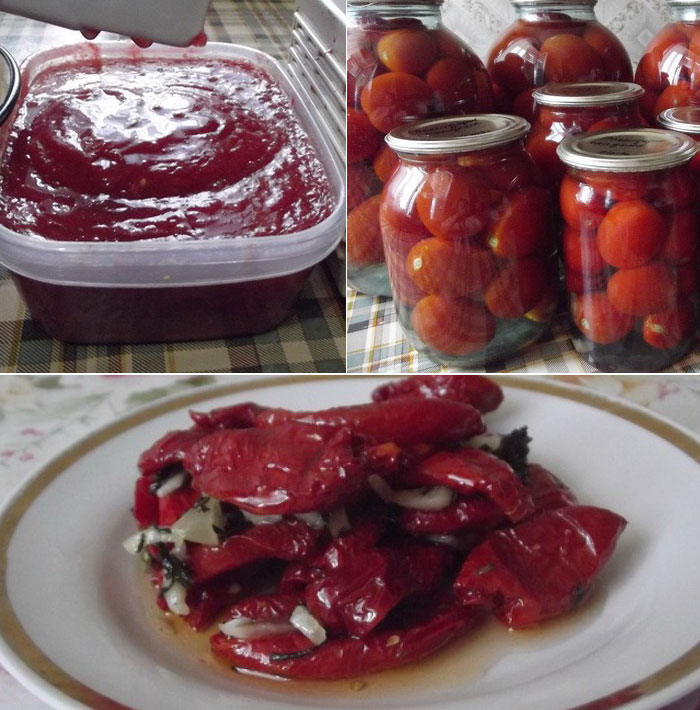
Rio Grande tomatoes are versatile. They can be eaten and used in salads, but gardeners have found their main use in whole-fruit canning. Their shape is ideal for canning and they fit perfectly into jars without cracking or losing flavor.
Comparison of the Rio Grande tomato variety with other varieties in the table
Please note! How can you easily convert centners/ha to kg/sq.m? Simply divide by 100! For example, the Abakansky Pink tomato yields 400 centners of marketable fruit per hectare. This equals 4 kg per square meter. It's that simple! Also, keep in mind that typically no more than 3-4 plants are planted per square meter. This way, you can calculate the yield per bush. In the case of the Abakansky Pink, it's about 1 kg.
| Variety | Ripening period (number of days from full germination to ripening)
Yield of commercial fruits |
Brief description | Fetus |
| Rio Grande | 110-115 days
1500-1800 c/ha |
A mid-season determinate variety for open ground and greenhouses. Suitable for salads, processing into tomato products, and canning. | Plum-shaped, slightly ribbed, pinkish-red, 100-115 g. The taste is good to excellent. |
| De Barao red | 120-130 days
500-600 c/ha |
A late-ripening indeterminate variety for open ground and greenhouses. Requires staking and training. Suitable for salads and whole-fruit canning. | Ovoid, smooth, red, 30 g. Excellent taste. |
| De Barao giant | 123-128 days
2000-2400 c/ha |
A high-yielding, indeterminate tomato variety with very large fruits, with shoots growing up to 270 cm. Suitable for both open and closed ground cultivation, it requires support, staking, and training. These tomatoes are suitable for fresh eating, as well as for making juices and pastes. They are not suitable for whole-fruit canning. | The tomatoes are oval-round in shape, have a dense skin, weigh 350 g. The taste is excellent. |
| De Barao pink | 111-119 days 600-1000 c/ha |
An indeterminate variety with a mid-season ripening period. It is used primarily for greenhouse cultivation. The foliage is medium, and the bushes barely reach 200 cm in height. The shoots are tied and pinched as they grow; the bush requires shaping. It is suitable for salads and all types of canning. | The fruits are oval, with glossy pink skin and a smooth top, 80-100 g. The taste is excellent. |
| Abakan pink | 120 days or more
400 c/ha |
A late-ripening determinate variety for open ground and greenhouses. Requires staking and training. Suitable for salads and processing into tomato products. | Flat-round, slightly ribbed, medium density and pink in color, 200-500 g. Good taste. |
| Adelina | 82-109 days
242-447 c/ha, maximum 669 c/ha |
A mid-season determinate variety for open ground. Suitable for salads, whole-fruit canning, and processing into tomato products. Heat- and drought-resistant. | Egg-shaped, smooth, transportable red, 59-83 g. The taste is good to excellent. |
| Goose egg | about 100 days
700-800 c/ha |
A mid-season indeterminate variety for open ground and greenhouses. Requires staking and shaping. Suitable for salads and pickling. | Ovoid, large, orange-red, 200-300 g. Good to excellent taste. |
| Children's sweetness | 80-90 days 590 c/ha |
An early-ripening determinate variety for greenhouses. Suitable for salads. | Ovoid, smooth, medium-dense, red, 50-70 g. Excellent taste. |
| Countryman | 96-98 days
348-468 c/ha, maximum 778 c/ha (Omsk region) |
An early-ripening, determinate, non-standard variety for open ground cultivation. Suitable for salads and whole-fruit canning. | Plum-shaped, glossy, red, 66-89 g. Good taste. |
| Raspberry Joy | 90-95 days
1400 c/ha (greenhouse and under film) |
A low-growing determinate variety. Suitable for salads and canning. | Ovoid, bright pink, ribbed, with a dense skin, 100-150 g. Tomato flavor. |
| Rocket | 122-129 days
328-618 c/ha |
A mid-early determinate variety for open ground. Suitable for canning. Requires increased doses of potassium fertilizer. | Elongated plum-shaped with a tapering top, smooth, red, 34-58 g. Good taste. |
| Roma | 110-120 days 400-1600 c/ha depending on the growing location |
A mid-early determinate variety for open ground and greenhouses. Suitable for pickling and processing into tomato products. | Plum-shaped, smooth, red, 55-90 g. The taste is good to excellent. |
| Easter Egg | 100-103 days
2000 c/ha |
A mid-early indeterminate variety for open ground and greenhouses. Suitable for salads and canning. | Plum-shaped, slightly ribbed, two-colored red-orange, up to 60 g. The taste is good and excellent. |
| Cream (not in the register, group of varieties) | 90-140 days (depending on the specific variety)
700-1000 c/ha |
Early or late-ripening, determinate or indeterminate varieties for open ground and greenhouses. Suitable for canning, freezing, drying, and salads. | Plum-shaped, smooth, red, orange or purple, 50-120 g. Taste good to excellent. |
| Siberian miracle | 110-115 days
The yield of commercial fruits under film covers is 10 kg/sq.m. |
A mid-season indeterminate variety for open ground and greenhouses. Requires staking and shaping. Suitable for salads. | Ovoid, smooth, medium density, red, 150-200 g. Good taste. |
| Siberian date palm | About 100 days
1.5-2 kg per bush. |
A determinate, early-ripening variety for open ground and greenhouses. Requires staking and shaping into 3-4 stems. Suitable for salads, garnishing, and canning. | Plum-shaped, red, up to 20 g. Excellent taste. |
Gardeners' reviews of the Rio Grande tomato variety
Gardeners note that tomatoes are easy to grow and produce excellent yields. But the Rio tomatoes are not as tasty. Grande are quite mediocre, but they perform well when canned.
Great for canning!
Highly marketable and transportable fruit. Suitable for open ground cultivation. Mid-season variety. The period from germination to the beginning of ripening is 120-125 days. The plant height is 70-90 cm. The fruits are plum-shaped, round, dense, fleshy, and red. Fruit weight is 110-115 g. Intended for fresh consumption, processing, and canning. The variety is resistant to a range of diseases.I liked the variety. It's very productive and tasty. It looks amazing in the jars. It generally matches the description, but mine turned out a little smaller than the manufacturer stated.
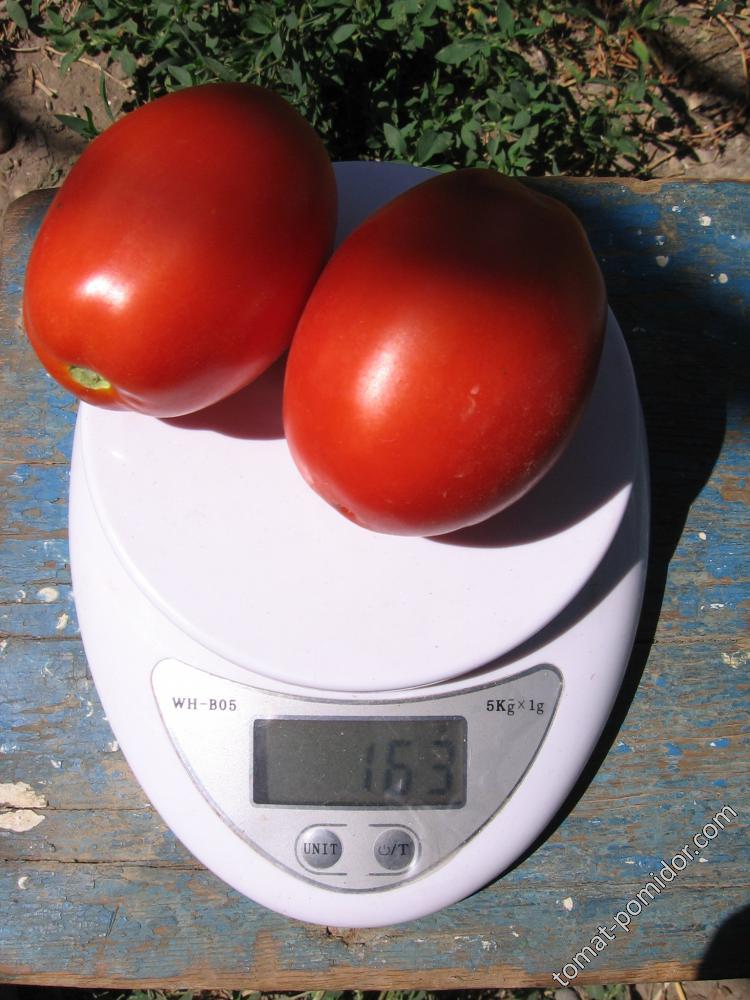
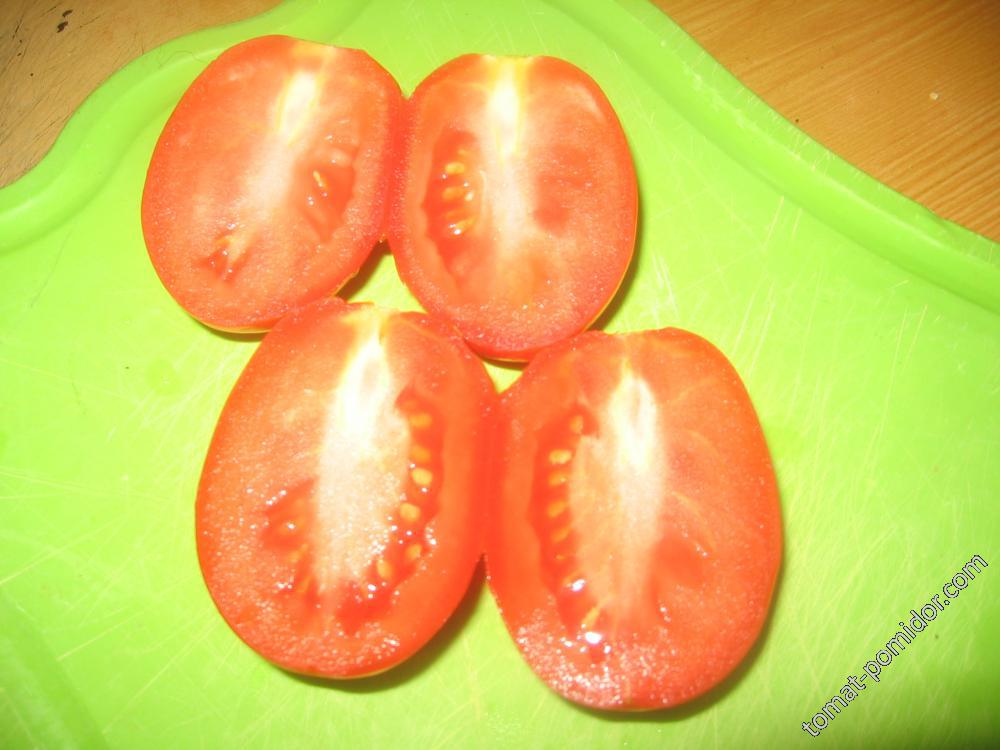
I liked the Rio Grande. First of all, for the taste—so sweet, like there was syrup inside. I liked that they were fleshy and practically liquid-free, with a deep red color. They have a long shelf life. We didn't have any problems, unlike others. The only minor drawback is the skin, which is a bit tough.
One of the best varieties for canning. They're also delicious in their own juice!
It's good to be a Lazy Man with a capital L. You'll invent, search, and develop ways to rid yourself of unnecessary work and reap a higher-quality harvest.
All the plants in our garden are our partners. And to live with them in friendship and harmony, we must choose them carefully and thoughtfully. For me, the ideal tomato varieties are Mongolian Dwarf (early) and Rio Grande (mid-season).
Previously, I demonstrated the yield of the early tomato variety "Mongolian Dwarf," its unpretentiousness and productivity... as they call it—a tomato for lazy gardeners. This year, I got 7 kg of tomatoes from one plant.
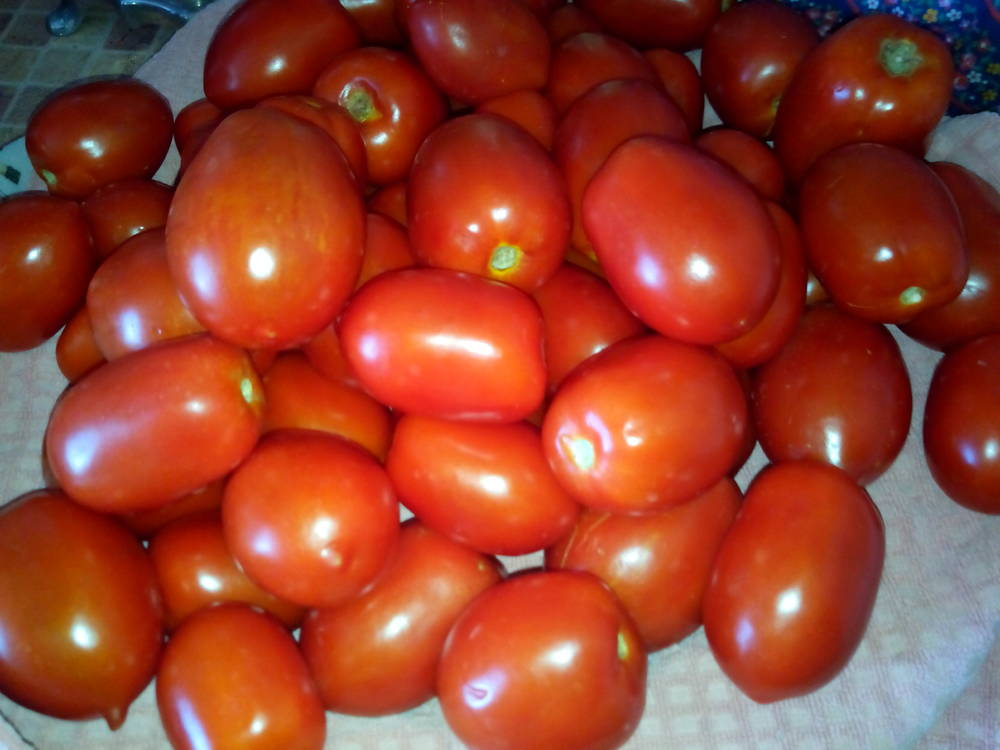
And now I want to tell another story about Rio Grande tomatoes, about their productivity in pictures.
The Rio Grande tomato is a mid-season variety, one of the low-maintenance varieties that doesn't require much attention or time. However, it will reward you with a bountiful harvest no matter the climate, making it a favorite not only among gardeners but also among vegetable growers. Rio Grande is a garden classic. It's easy to grow in a greenhouse, in the open ground, or under plastic. It's low-maintenance, although like any plant, it will appreciate fertilizing and watering.
I thicken my tomatoes by planting two plants in one hole. This is due to our heat.
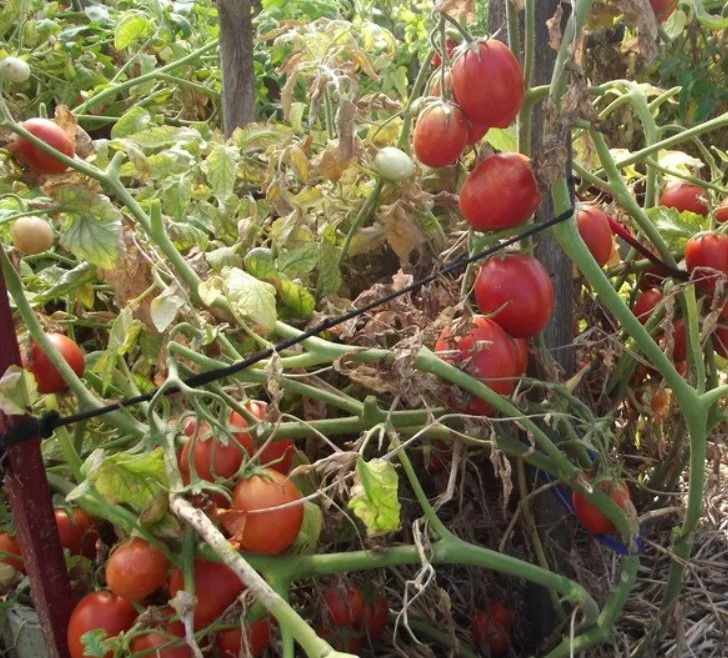
Neither garters nor stakes can save you from the weight of the fruit...
This is what a pulled out bush looks like
The variety has practically no disadvantages.
The Rio Grande variety is resistant to most tomato diseases: late blight, white and gray rot, mosaic.
The fruits are not as juicy as large salad varieties, but this small difference is compensated by the very pleasant taste and subtle aroma of ripe tomatoes.Excellent for canning.
They are pickled, salted, dried, and included in vegetable assortments.
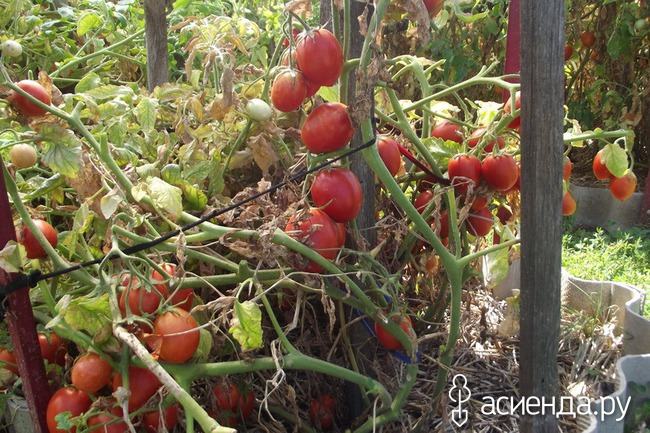
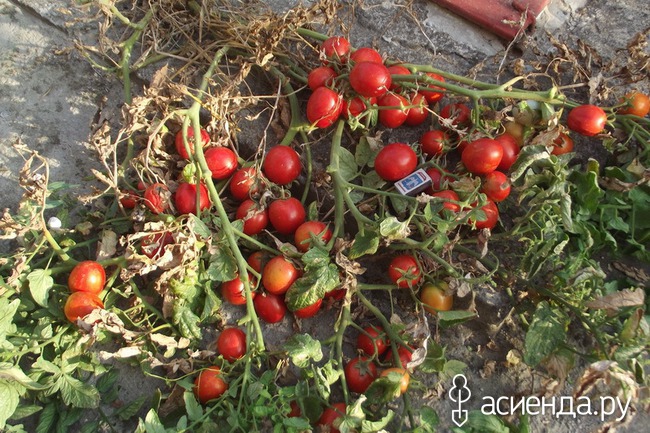
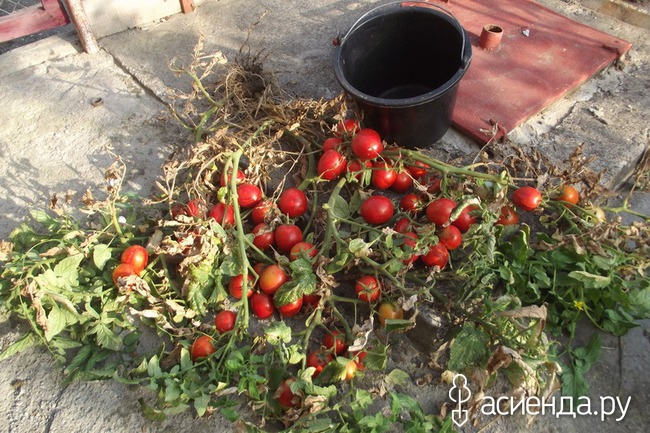
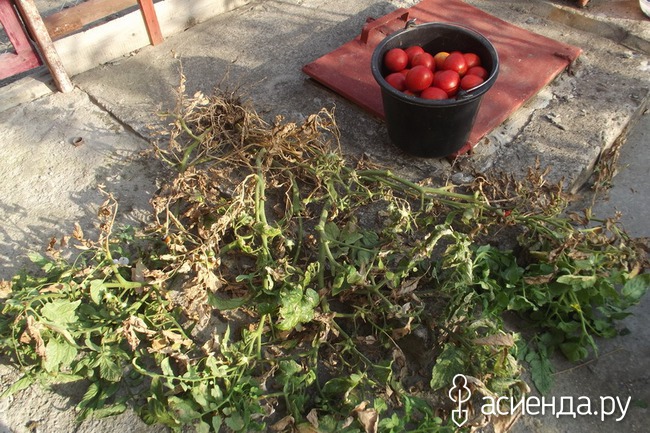
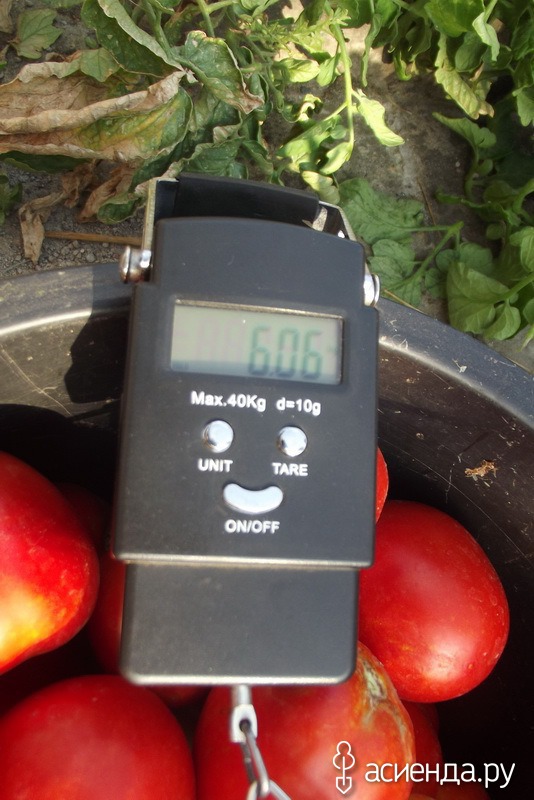
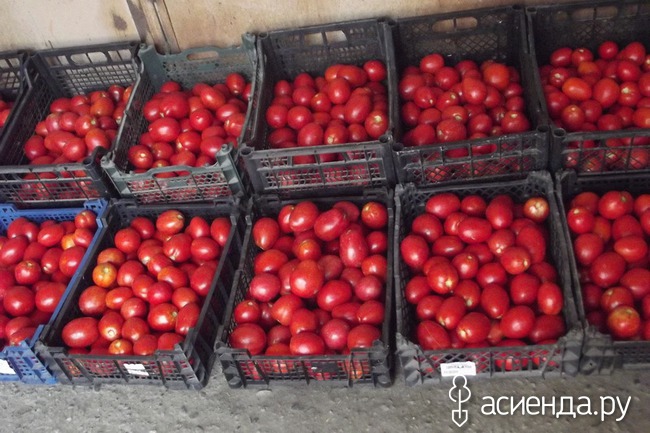
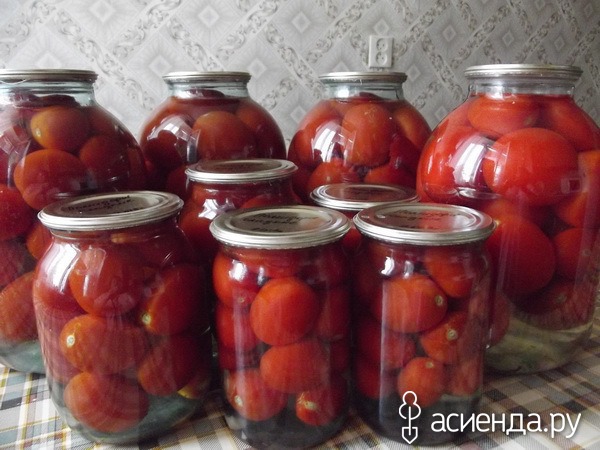
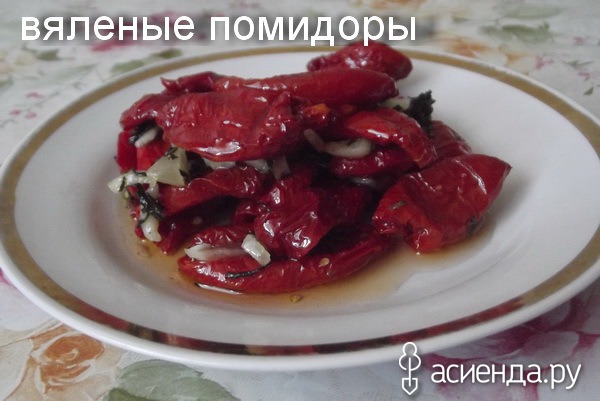
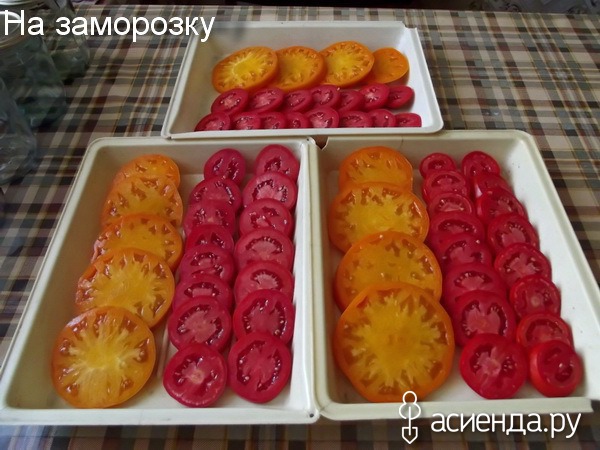
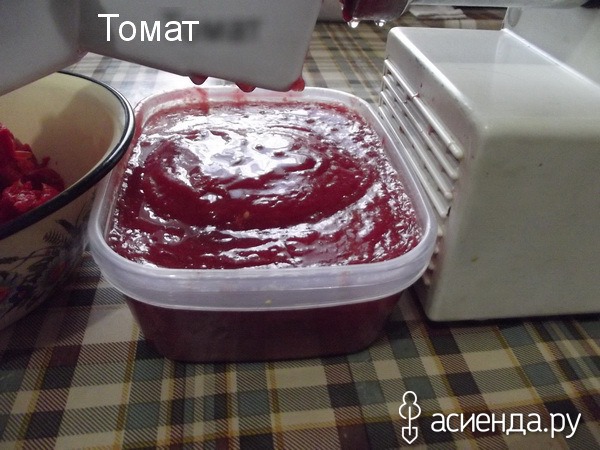
We grew Rio Grande this way, without removing any side shoots. It bore fruit until the frost. I have a few seeds left from 2010. I hope some of them will still germinate. I once had seeds for about eight years, but I just threw them away, and they sprouted up thickly.
I went through my supplies and my new acquisitions: Zagadka, Alex, Karmina, Viktorina, Nezabudka, Primula, Ocharovanie, Novinka Pridnestrovya, De Barao red and pink, Balkonnoe Chudo, Rio Grande. Another dozen different varieties with unknown names. I bought tomatoes specifically at the market or begged them from friends if I was interested in something. I usually check them and if I find something interesting, I keep them. That's how I grew the "Japanese tree" tomato for about 15 years. The name is my mother's. Someone gave her a couple of seeds, and she gave them to me. There was no way to tie them anywhere. And they had to be tied... They grew three meters high on a grape trellis and would have grown, but frosts stopped them. Excellent flavor, versatile, productive, with clusters of seven large oval tomatoes, they were disease-free in any weather. The clusters formed through the leaves, bloomed constantly, had 100% pollination, and didn't fall off even in the heat, nor did they crack. When a rat ate my seeds, I never regretted losing anything as much as I did this tomato variety.
After the New Year, I'll go to the research institute to replenish my inventory. Maybe, if I'm lucky, I'll pick up something new. They're constantly adding their own varieties and hybrids to their catalog. And they're testing other varieties in our conditions.