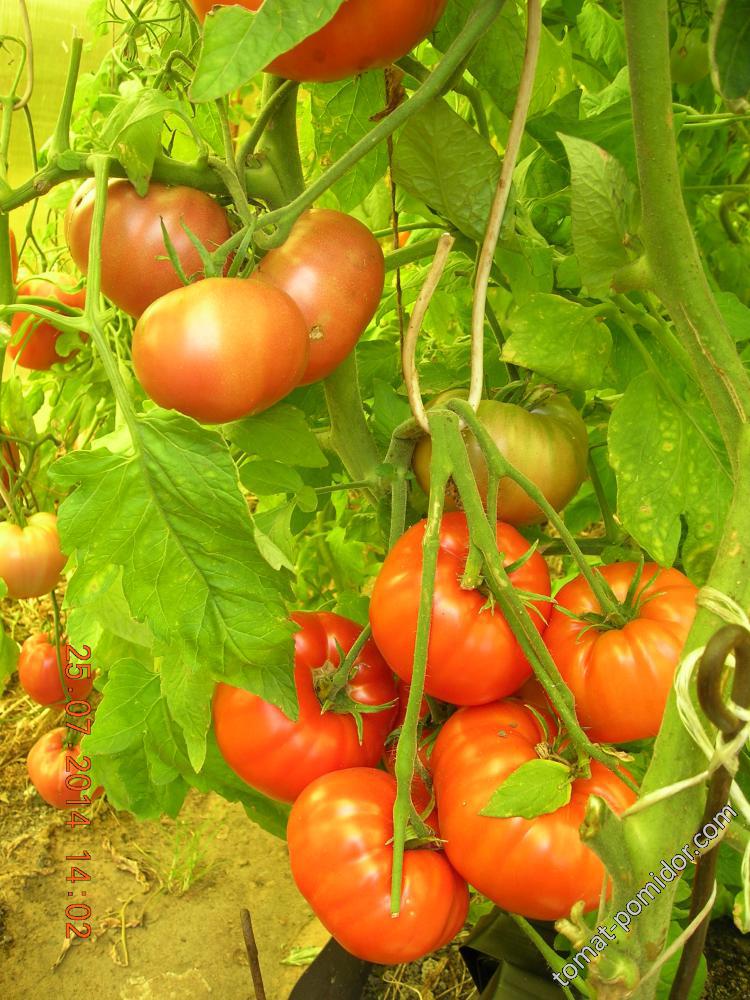
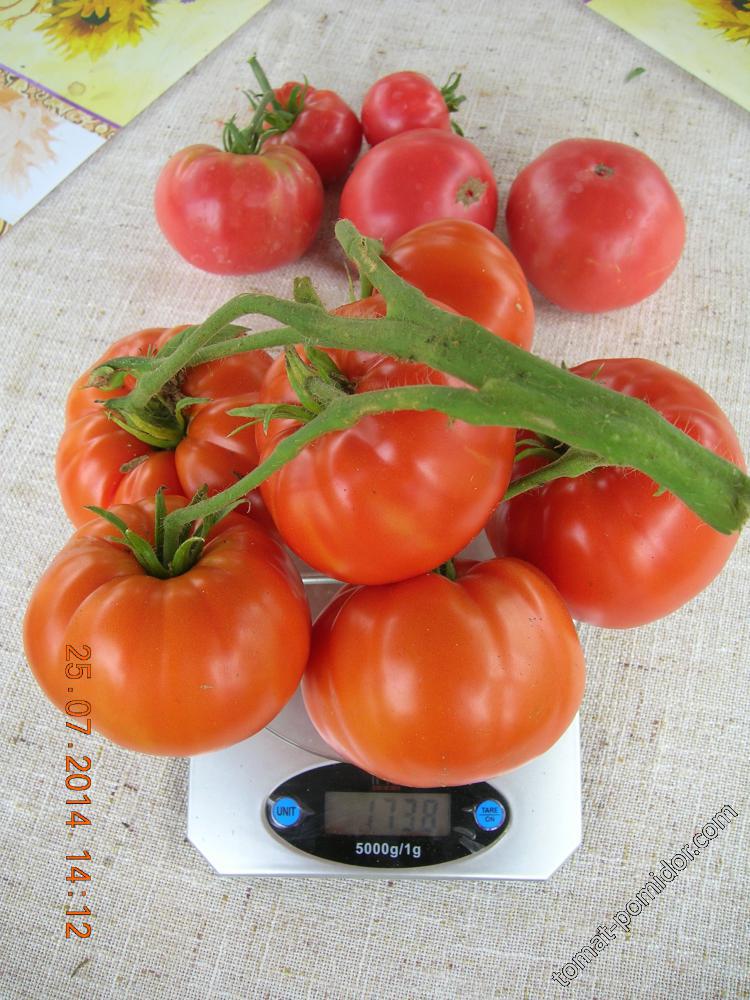
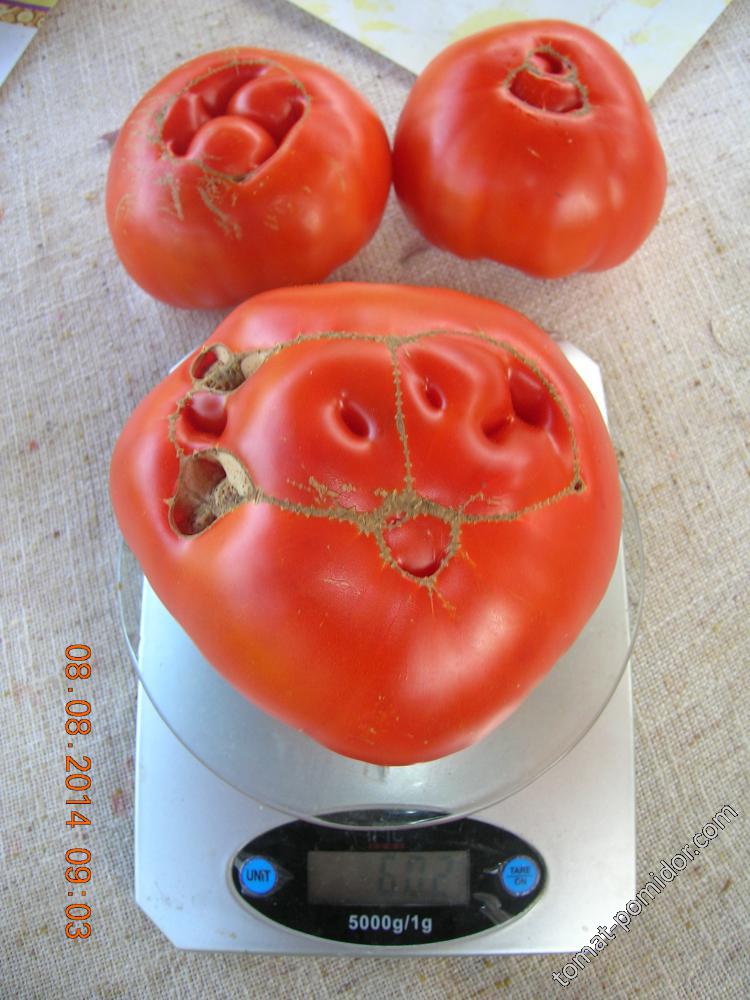
The Siberian Giant is a true find for lovers of large-fruited salad varieties. It boasts excellent yields, a pleasant flavor, and is relatively low-maintenance, easily adapting to any region.
Content
- 1 Table with characteristics of the Siberian Giant tomato variety
- 2 Photo gallery of the Siberian Giant tomato variety:
- 3 The origin of the Siberian Giant tomato variety
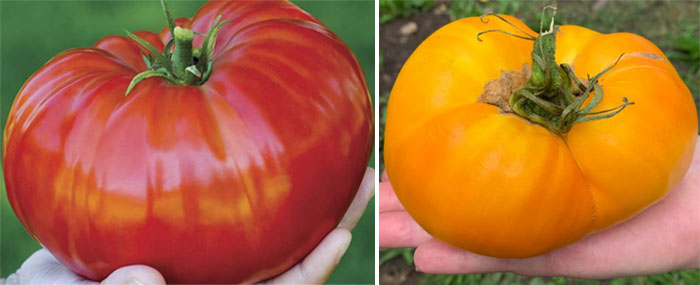
- 4 Varieties of the Siberian Giant variety
- 5 A detailed description of the Siberian Giant tomato variety
- 6 Advantages and disadvantages of the Siberian Giant tomato variety
- 7 Growing the Siberian Giant tomato variety
- 8 Resistance of the Siberian Giant tomato variety to diseases and pests
- 9 Harvesting, using and storing the Siberian Giant tomato variety
- 10 Comparison of the Siberian Giant tomato variety with other varieties in the table
- 11 Gardeners' reviews of the Siberian Giant tomato variety
Table with characteristics of the Siberian Giant tomato variety
| Characteristic | Description |
| Description | A mid-early, indeterminate, tall tomato with large fruits of red, pink or yellow color. |
| Ripening period | 110-120 days |
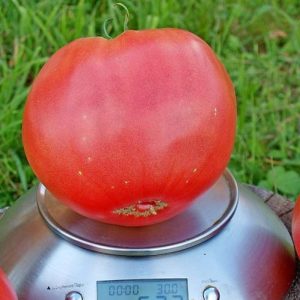
| Fruit weight | 400-600 g |
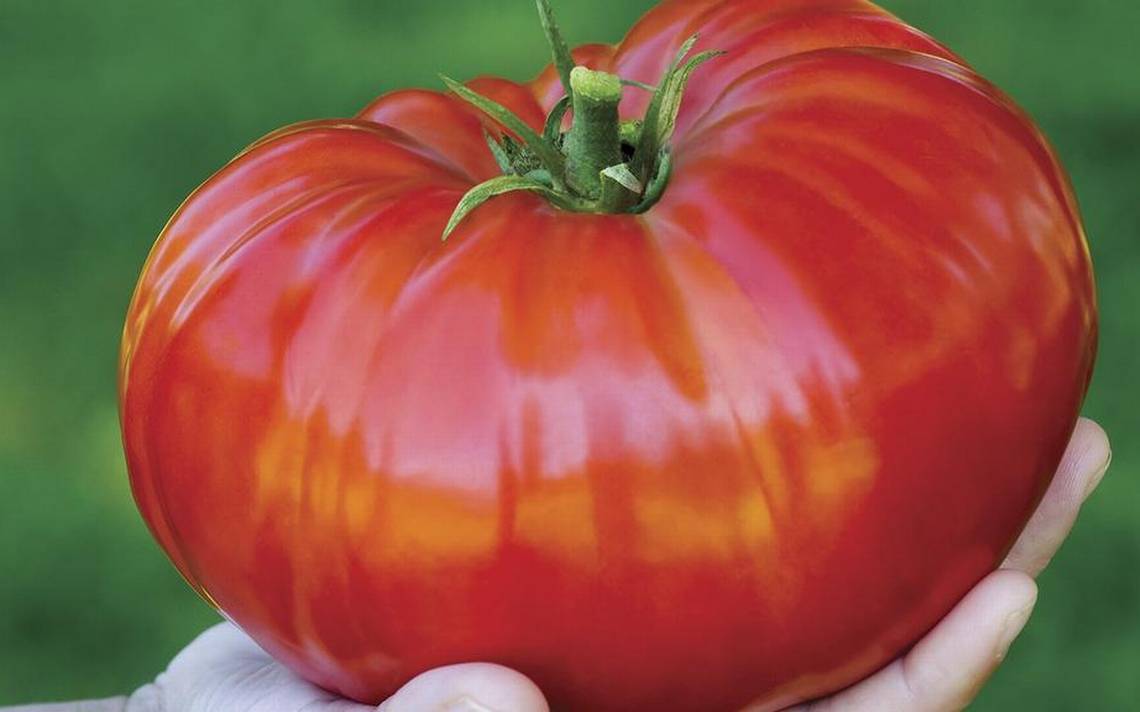
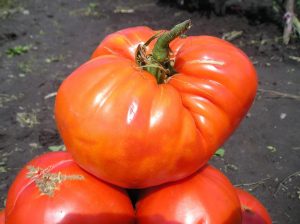
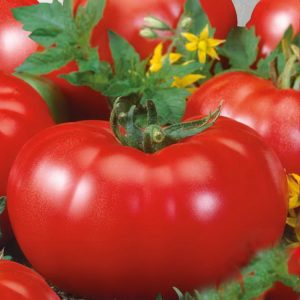
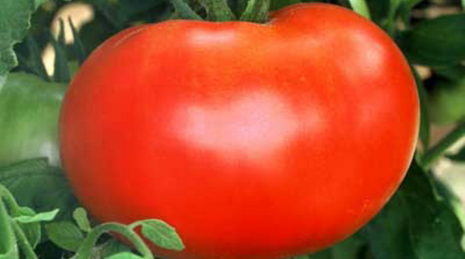
| Description of the fruit | The fruits are large, round, and slightly flattened at the poles. Ribbing is moderate. The color is scarlet, and the density is low. |
| Productivity | 9-11 kg per square meter |
| Usage | Tomatoes are used in salads and can also be processed into ketchup, juice, paste and other sauces. |
| Preferred growing regions | Despite its name, the variety is zoned for all regions of the country without exception. |
| Disease resistance | Resistant to common diseases. If care is not provided correctly, it can be susceptible to late blight. |
| Agricultural technology | Planting can be done in either open ground or greenhouses, depending on the region. Staking and shaping are required. |
| 2015 | |
| Country of origin | Russia, Moscow, Gavrish Breeding Firm LLC |
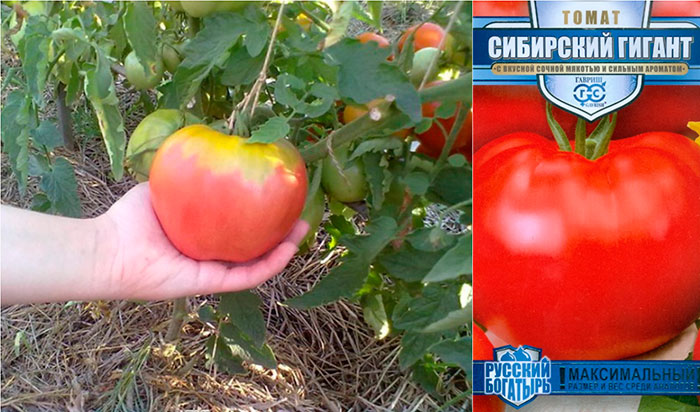
Photo gallery of the Siberian Giant tomato variety:
The origin of the Siberian Giant tomato variety
The Siberian Giant is a relatively new tomato variety; it's not yet a common sight in garden plots, but it has already earned the respect of many gardeners. Breeders from the Gavrish agrofirm spent two years developing it, perfecting the result. In 2015, the variety received official recognition and was added to the register.
Varieties of the Siberian Giant variety
In addition to the classic red-skinned tomato, the Siberian Giant has several other varieties.
- Siberian Giant Pink. The fruits are very large and pink, often weighing up to 1.5 kg. The flesh is very juicy, sweet, and aromatic. The first 3-4 inflorescences bear the heaviest weight.
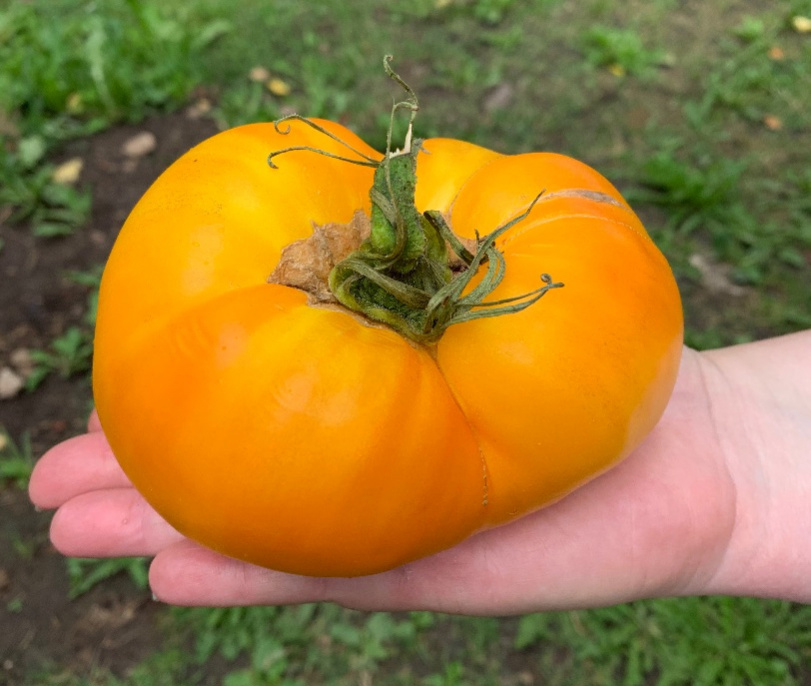
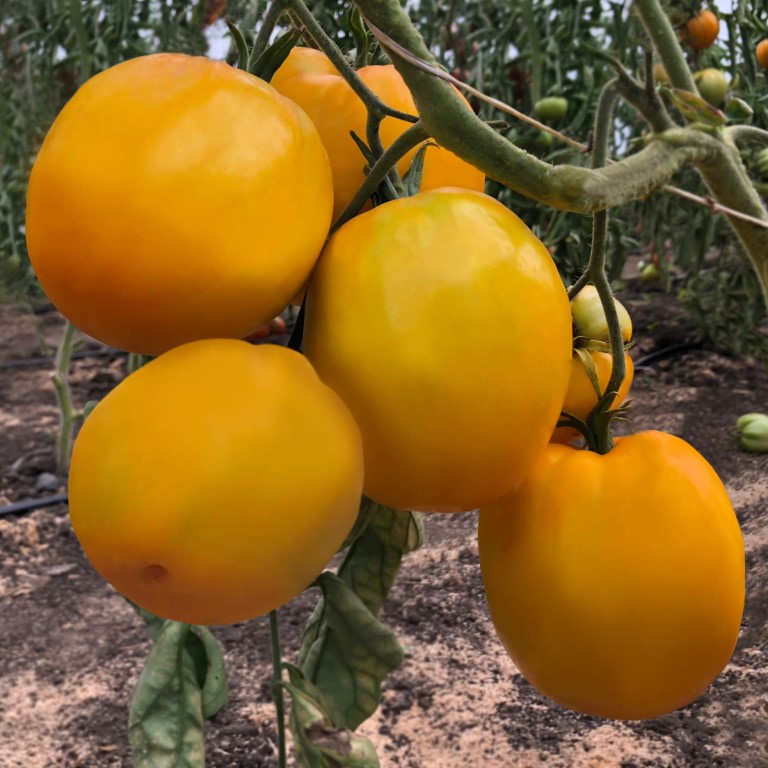
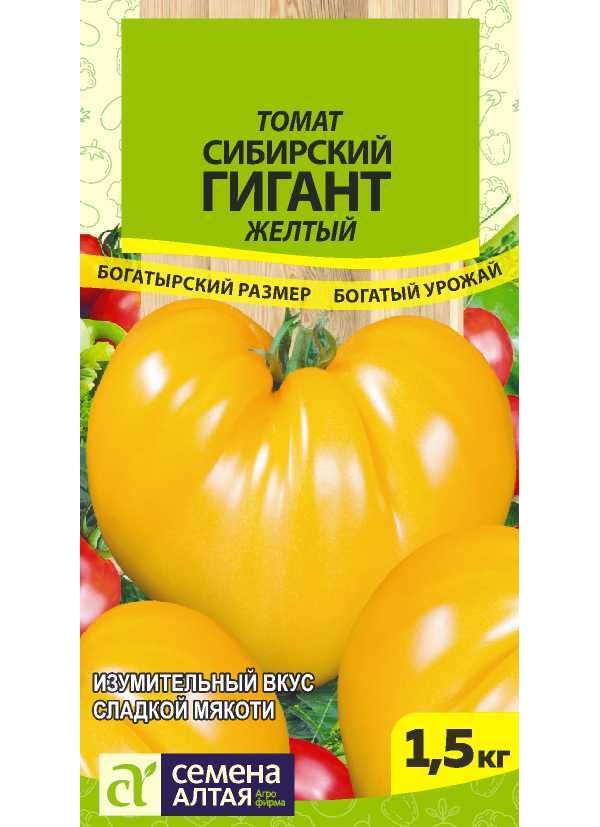
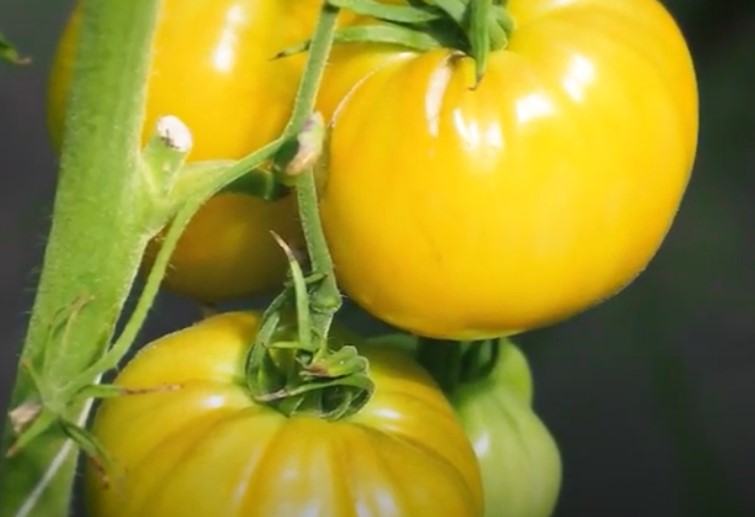
- Siberian Giant Yellow. It produces heart-shaped, ribbed, bright yellow tomatoes with excellent flavor. Fruit weight ranges from 800 to 1300 g, and the bush height ranges from 1.2 to 1.5 m.
A detailed description of the Siberian Giant tomato variety
The Siberian giant is characterized by large fruits and good yield.
Bushes
Siberian Giant is an indeterminate plant with tall stems that can reach 2.2 meters in length. In open ground, the stems may be slightly shorter. During vegetative growth, the bushes require staking.
The leaves are classic in shape and size for tomatoes. They are removed from the lower parts of the plant to direct nutrients toward fruit development.
The bush is formed by 1-2 shoots. Side shoots appear and grow very quickly; it's important to remove them promptly to properly shape the main bush. The more stems, the smaller the harvest.
Fruit
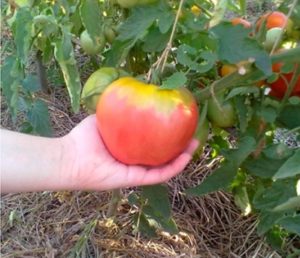
The fruits of the Siberian Giant live up to their name. They are very large, weighing between 400 and 500 grams. Their shape is rounded and flattened, with moderate ribbing. When ripe, the tomatoes are green, but even if picked this way, they will ripen quickly at home. The color will depend on the variety chosen and can be red, yellow, or pink.
The flesh is very juicy and slightly sweet, but the tomato itself isn't particularly dense due to its very thin skin. The number of lobes ranges from 6 to 8, with few seeds. Consumers highly praise the tomato's taste.
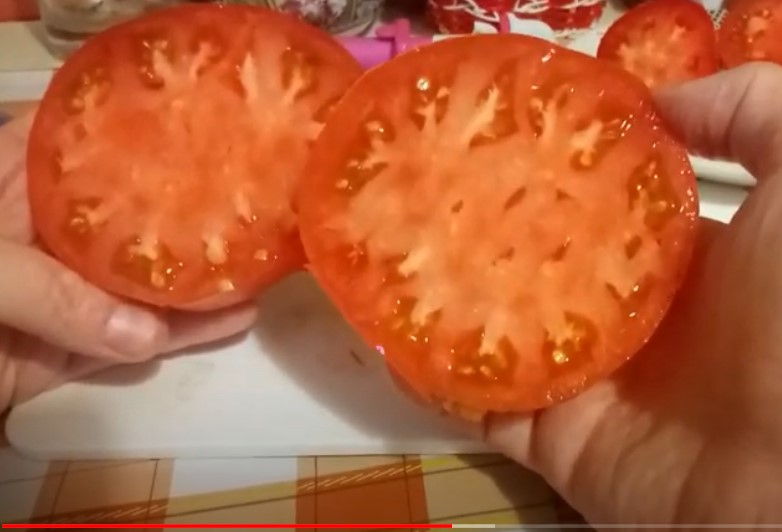
To ensure that the harvested tomatoes are larger, it is recommended to form the bush into 1 shoot, removing excess shoots.
Productivity
The yield depends on the cultivation method—in greenhouses, it's higher than in open ground. With proper cultivation techniques, each bush can yield up to 5 kg of tomatoes. On average, 9 to 11 kg of tomatoes are harvested per square meter.
Ripening time
The Siberian giant is distinguished by its mid-early ripening period, ranging from 110 to 120 days from the first shoots appearing. With adequate light and proper care, the harvest can be picked a few days earlier. It's permissible to harvest unripe tomatoes, for example, when signs of disease appear or weather conditions change. They will ripen indoors on a windowsill.
Advantages and disadvantages of the Siberian Giant tomato variety
The Siberian Giant variety has advantages and disadvantages, which are described in the table below.
| Advantages | Flaws |
|
|
Growing the Siberian Giant tomato variety
This Siberian giant is grown primarily in greenhouses using seedlings. Only residents of the southern regions of the country can afford to plant it directly in the ground.
Sowing seeds and growing seedlings
It's best to buy seeds from an official producer. Firstly, the risk of buying counterfeit seeds is minimal. Secondly, the seeds undergo the necessary preparation at the factory before planting.
However, if desired, gardeners can collect the seeds themselves. The main thing is to disinfect them with a weak solution of potassium permanganate and treat them with a growth stimulant or activator (Epin, Fitosporin, and others) before handling them.
Some gardeners plant tomatoes dry. However, years of experience have shown that sprouted seeds have a better germination rate and stronger immunity. To do this, place the seeds in a damp cloth and place them in a warm place. After two days, the sprouts will emerge, and you can begin planting.
For planting, it's best to use soil specifically for tomatoes and peppers, which is available at any specialty store. However, if you prefer to use your own resources, mix equal parts garden soil, sand, humus, and peat. Add potassium permanganate to the soil or bake it in the oven to disinfect it. You can supplement the resulting substrate with vermiculite (10% of the volume) to help control soil moisture levels.
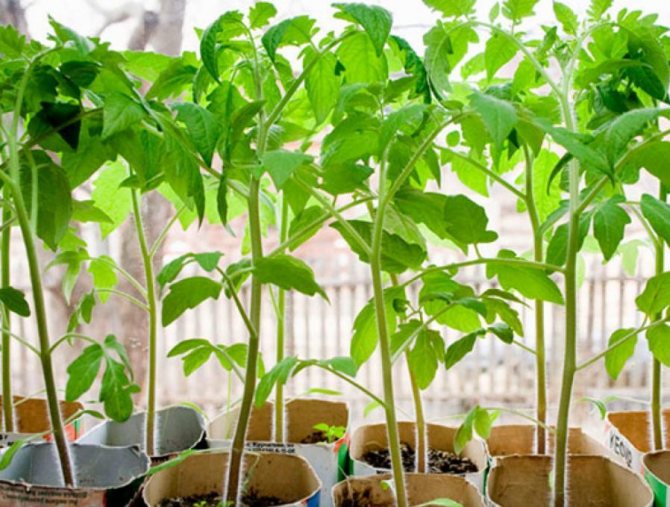
Fill the container chosen for the seedlings halfway with soil. If the seedling tray is used annually, it also needs to be disinfected. The seeds can be sprinkled on top and covered with a 2 cm layer of soil, or you can make holes and place the seeds in them. Either method is suitable; the choice is yours. The main thing is to cover the container with plastic wrap or glass when finished and place it in a warm place. Before watering, however, the seedlings should be watered, preferably with a spray bottle.
When sprouts appear on the surface of the bed, remove the covering and place the seedlings in a cooler location with a temperature of 20–22°C. Water the seedlings periodically; the soil should not remain dry for long periods. However, avoid overwatering the tomatoes, as this increases the risk of root rot.
It takes about 60 days from germination to planting tomatoes in the ground. When the shoots have 3-4 leaves, they are transplanted into individual containers.
Planting in the ground
Before placing tomatoes in their permanent garden bed, harden them off approximately 7-10 days in advance. The plants should begin to acclimate to the outdoors by placing them outside, whether on a balcony or veranda, for an hour or two at first, and then throughout the day. This process will speed up the adaptation process and strengthen the seedlings' immunity.
The most important condition for successful growth is soil temperature. It shouldn't fall below 12–14°C. Otherwise, the seedlings will develop extremely slowly or may become diseased. Therefore, it's best not to rush planting, especially if you're planning to plant them directly in an open garden bed.
An important condition is to follow crop rotation rules. Tomatoes should not be planted where nightshade crops were previously grown.
If you plan to plant tomatoes in a greenhouse, it must be disinfected beforehand. This can be done in the spring, but it's best to prepare the soil in advance by digging it up and applying fertilizer in the fall.
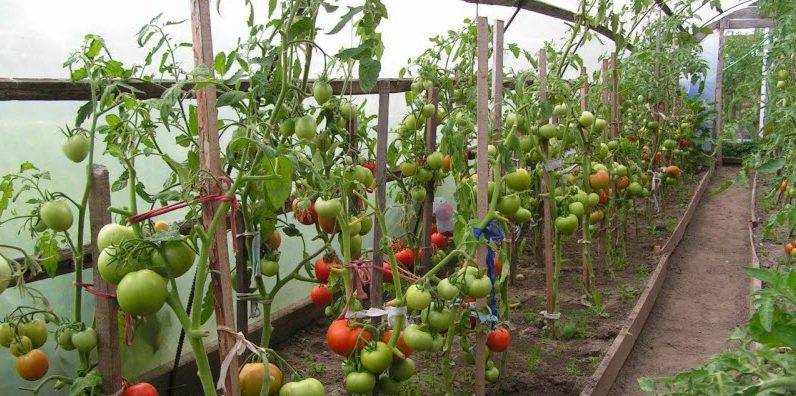
It's recommended to plant tomatoes using the classic 60x70 pattern. The holes are made 25 cm deep. The seedlings are placed in the holes along with the root ball, so the hole should be slightly wider than the pot.
To retain moisture in the soil, the soil surface is mulched.
As the shoots grow, they will require support, tying and shaping.
Care, watering and fertilizing
This Siberian giant doesn't require any special care. To ensure a good harvest, simply tie the bush up, water it regularly, and fertilize it.
Tomato plants should be watered in the evening, preferably using water that has been left to stand in the sun. Initially, the water flow rate is small, about a liter per hole. But once buds begin to appear, the amount of water increases to 5 liters per plant.
Read the article to learn how to set up drip irrigation.DIY Drip Irrigation for a Greenhouse + Review of Ready-Made Systems
The amount of water is reduced again once the tomatoes begin to actively ripen. Overwatering at this time can cause the tomatoes to crack on the vine. Watering should be based on weather conditions. On hot days, water 3-5 times a week. However, if it's cold and rainy, water the bed as needed.
Often, low temperatures and high humidity are the cause of late blight. To prevent the disease, it's important to spray plants with Bordeaux mixture or Fitosporin in a timely manner.
The first fertilizers are applied to the soil 10 days after transplanting the tomatoes. Urea or ammonium nitrate can be used initially, but it's important not to overdo the nitrogen. Some gardeners prefer exclusively organic fertilizers, using manure or a weed-based yeast solution.
All subsequent fertilizers should contain a minimum of nitrogen, but higher amounts of potassium and phosphorus. You can purchase ready-made complex fertilizers and apply them according to the instructions.
An equally important procedure is loosening and weeding. This prevents the formation of a dense crust on the surface of the bed, which prevents air from reaching the roots. Weeds compete with tomatoes not only for water but also for all the nutrients in the soil, and they also attract various pests.
Resistance of the Siberian Giant tomato variety to diseases and pests
The Siberian giant boasts a strong immune system and resists major tomato diseases well. However, for preventative measures, experienced gardeners recommend treating the plants at least three times per season with Bordeaux mixture or Fitosporin. Regular use of Trichodermin has proven effective as a protective agent. If the disease has already manifested, fungicidal treatments such as Hom or Profit Gold should be applied every 10-14 days. It's important to complete all treatments two weeks before harvest.
Harvesting, using and storing the Siberian Giant tomato variety
Harvesting of Siberian Giant tomatoes begins 110-120 days after germination. The exact date depends on the region and the time the seedlings were planted. The fruits are very large and robust. They cannot be stored for long periods without losing quality. Due to their impressive size, these tomatoes are not suitable for whole-fruit canning. However, they make delicious pastes, various sauces, and juices. This salad variety is also widely used for fresh eating due to its excellent flavor.
Comparison of the Siberian Giant tomato variety with other varieties in the table
Please note! How can you easily convert centners/ha to kg/sq.m? Simply divide by 100! For example, the Abakansky Pink tomato yields 400 centners of marketable fruit per hectare. This equals 4 kg per square meter. It's that simple! Also, keep in mind that typically no more than 3-4 plants are planted per square meter. This way, you can calculate the yield per plant.
| Variety | Ripening period (number of days from full germination to ripening)
Yield of commercial fruits |
Brief description | Fetus |
| Siberian giant | 115-120 days The commercial yield of fruits was 9.0-11.0 kg/sq.m. |
A mid-early indeterminate variety for greenhouses. Suitable for salads. | Flat-round, large, medium-ribbed, loose, red, 400-500 g. Excellent taste. |
| Siberian giant yellow | 115-120 days
The commercial yield of fruits was 9.0-11.0 kg/sq.m. |
A mid-early indeterminate variety for greenhouses. Suitable for salads. | Heart-shaped, ribbed, bright yellow, 400-500 g. Excellent taste. |
| Siberian giant pink | 115-120 days
The commercial yield of fruits was 9.0-11.0 kg/sq.m. |
A mid-early indeterminate variety for greenhouses. Suitable for salads. | Flat-round, large, medium-ribbed, loose, pink, 400-500 g. Excellent taste. |
| Siberian big guy | 90-100 days
900-1200 c/ha |
An early-ripening indeterminate variety for open ground and greenhouses. Suitable for salads, processing into tomato products, and preparing first and second courses. | Flat-round, slightly ribbed, red, 500 g. Good to excellent taste. |
| Siberian kilogram | 116-120 days 600-1000 c/ha |
A mid-season indeterminate variety for greenhouses and open ground. Suitable for salads and processing into tomato products. | Round, slightly ribbed, red, 600-1500 g. Good to excellent taste. |
| Supergiant | 110-122 days
Up to 1200 c/ha |
A mid-early determinate variety for open ground and greenhouses. Suitable for salads and processing into tomato products. | Flat-round, smooth, pink, 600-800 g (up to 2000 g). Excellent taste. |
| Superstar | 90-95 days
Up to 1200 c/ha |
An early-ripening semi-determinate variety for greenhouses. Suitable for salads. | Flat-round, strongly ribbed, red, 250 g. Excellent taste. |
| Giant | 111-115 days
1000 c/ha (under film or in a greenhouse) |
A mid-season determinate variety for open ground and greenhouses. Requires staking and training. Suitable for salads and pickling. Resistant to temperature fluctuations. | Round, slightly ribbed, resistant to cracking, loose, red, 260 g. Excellent taste. |
| Lemon giant | 110-120 days
610-670 c/ha |
A mid-season indeterminate variety for open ground and greenhouses. Requires staking and shaping. Suitable for salads. | Flat-round, medium-ribbed, fleshy, yellow, 350-380 g. Good taste. |
| King of the Giants | 120 days
800-1400 c/ha depending on the region |
A mid-late indeterminate variety for open ground and greenhouses. Suitable for salads, appetizers, and processing into tomato products. | Flat-round, slightly ribbed near the stem, red, rarely yellow and pink, 400 g (up to 800 g). Good to excellent flavor. |
| King of Kings | 120 days
1500 c/ha |
A mid-late indeterminate variety for greenhouses. Suitable for salads and processing into tomato products. | Flat-round, smooth, slightly ribbed, bright red, 200-1000 g. Good to excellent taste. |
| Raspberry Giant | 105-110 days
590 c/ha |
An early-ripening determinate variety for open ground and plastic greenhouses. Requires staking and training. Suitable for salads. | Round, slightly ribbed, medium density, raspberry, 200-300 g. Excellent taste. |
| Honey Giant | 110-115 days
750-800 c/ha (greenhouse and under film) |
An early-ripening indeterminate variety for open ground and greenhouses. Requires staking and shaping. Suitable for salads. | Flat-round, ribbed, medium density, orange, 250-300 g. Good taste. |
| Orange giant | 110-115 days
630-660 c/ha |
A mid-season indeterminate variety for open ground. Requires staking and shaping. Suitable for salads. | Flat-round to round, strongly ribbed, orange, 350 g. Excellent taste. |
| Pink giant | 115-125 days
580-640 c/ha |
A mid-season indeterminate variety for open ground. Requires staking and shaping. Suitable for salads. | Flat-round, strongly ribbed, pink, 350 g. Excellent taste. |
Gardeners' reviews of the Siberian Giant tomato variety
This Siberian giant has received excellent reviews from gardeners, who note its high yield and excellent taste. The tomatoes hold very firmly on the vine; pruning shears are helpful for removing them, and the shoots will require stronger support than other tomatoes.
Have a wonderful day everyone! I especially welcome gardeners and vegetable growers, as we are always on the lookout for high-quality seeds. Recently, I've switched to planting tomatoes from my own seeds. But I love experimenting and always plant a few seeds from reputable producers.
This year, the experiments with tomatoes were a success because the summer was hot and the autumn did not disappoint – the weather was long, dry and warm.
So, today we'll talk about the tomato that I planted for the first time in my garden - "Siberian Giant" from Gavrish.
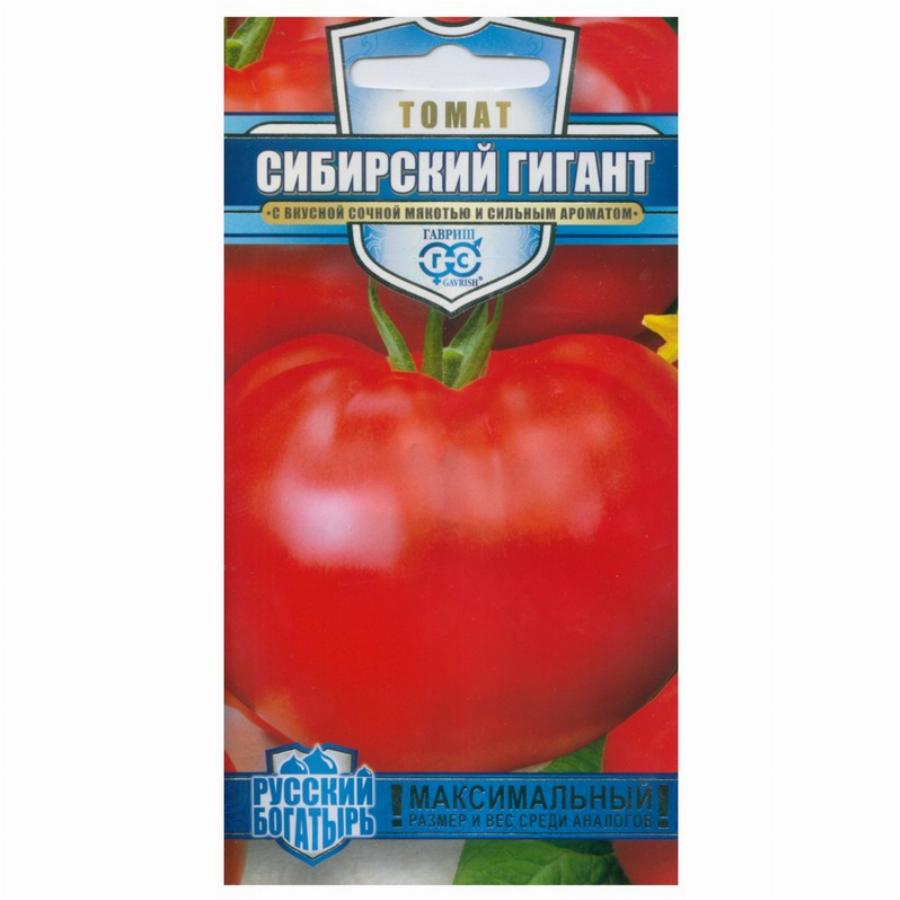
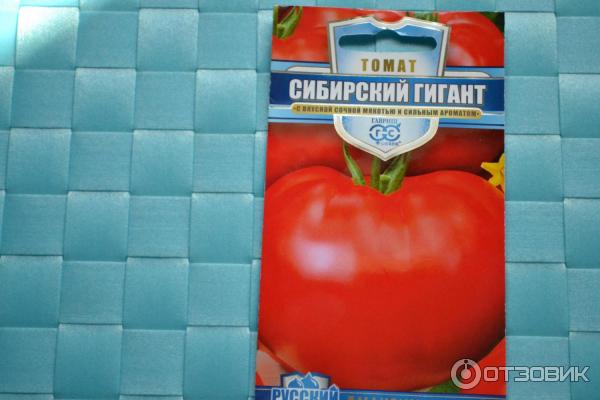
The packaging of these seeds is very bright, you can’t miss it.
A paper bag with the necessary information on the back about planting tomatoes.
This tomato has several unique characteristics. This variety is intended for greenhouse cultivation. For this reason, I planted it early, in mid-April. The seeds germinated well.
I transplanted the seedlings into cups when they had two leaves each. I didn't take any photos of this process—I know what it's like.
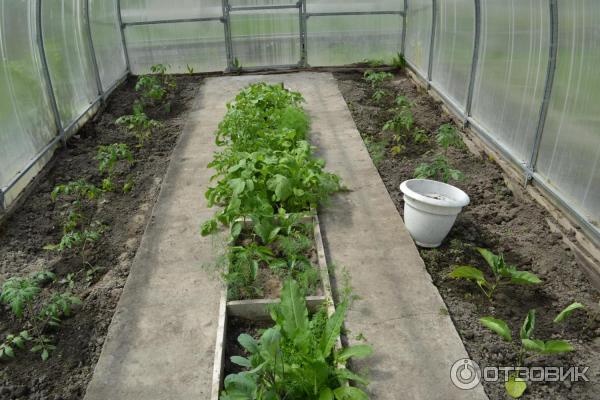
I planted the seedlings in a polycarbonate greenhouse in early May. The seedlings are quite sturdy, about 30 centimeters tall. The greenery is already thriving in my greenhouse.
During this time, plant care is as usual: watering, occasional fertilizing with various fertilizers. Make sure there are no frosts.
But this tomato is well-adapted to weather conditions: it didn't respond to frost, nor to the July heat. A robust variety!
The Siberian Giant tomato is indeterminate, meaning it is tall, about 2 meters.
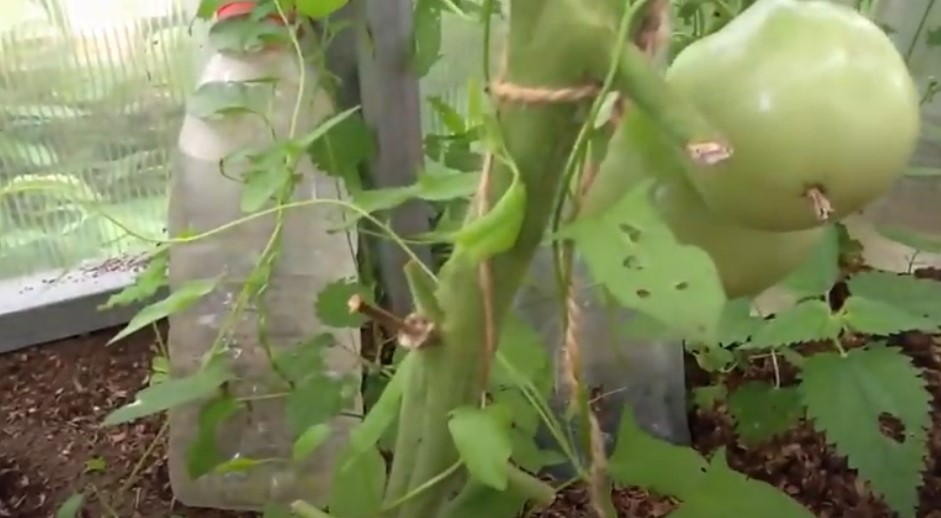
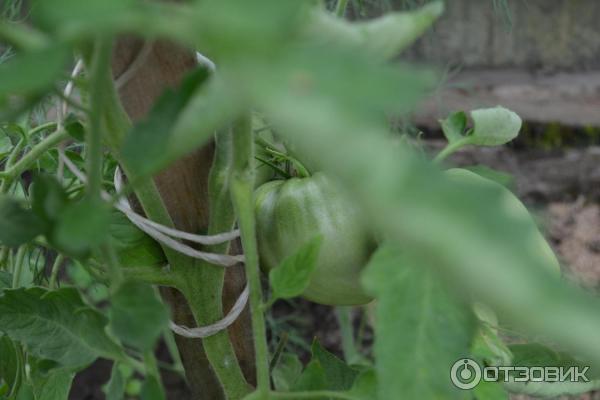
Siberian Giant needs to be trained into a single stem. But it produces so many side shoots that before I knew it, two strong stems had grown. It was a shame to cut them off, but I should have. I captured these moments in a photograph: the huge number of side shoots, the stems, and the formation of round, slightly ribbed tomatoes.
And the garter! I was exhausted tying up the stems. The clusters are strong, but each one only holds 3 to 5 tomatoes, so I had to tie each cluster a little higher and a little lower to keep them from breaking off or sagging to the ground.
These tomatoes require a lot of moisture and nutrients during ripening. We fed them with mullein infusion and potassium and phosphorus supplements—we have a deficiency of both.
The tomatoes are tall, like trees, with a lot of foliage; they grew almost to the ceiling of my greenhouse, and then I pinched off the tops.
The tomatoes are quite early; I started picking them selectively already in August, without waiting for them to ripen completely.
The fruits were all on average 500, sometimes even 800 grams. They were held so tightly to the branches that I had to use pruning shears to harvest them.
Despite the thin skin of this tomato, it didn't split. It didn't crack at all, even with temperature fluctuations or irregular watering—we're often away from the dacha, after all.
The tomato itself is fleshy, juicy, and almost seedless. It has a distinct, tomato-like flavor, slightly sweet, with a pleasant hint of tartness. Very aromatic and delicious!
These tomatoes weren't affected by any diseases. The heat could cause the leaves to curl and that was it (the greenhouse temperature at midday in July was over 50 degrees!). We watered the tomatoes every evening or morning in July, and even the greenhouse itself. Simply throwing a blanket over the roof and leaving the doors wide open also helped. But the Siberian giant withstood it all and rewarded us with an excellent harvest. We harvested 5-7 kilograms per bush.
So, I recommend this variety! This tomato is delicious, productive, and produces large fruits. And, what's more, it ripens quite early. By September, all the bushes had finished fruiting, and I removed them. You see, the tops were still blooming, but I had to pull out the stems—the tomatoes wouldn't ripen any further in our conditions.
This variety does have its drawbacks. However, I don't consider them drawbacks. Growing tomatoes isn't easy! And although I consider myself a weekend gardener, I work on the garden until I drop on Saturdays and Sundays.
This tomato requires constant pinching, staking, and very, very strong supports. Watering, fertilizing with complex fertilizers, loosening the soil, and weed control are also necessary.
I liked this variety, I will plant it again.
Thank you for your attention. I wish you all excellent harvests and minimal effort.

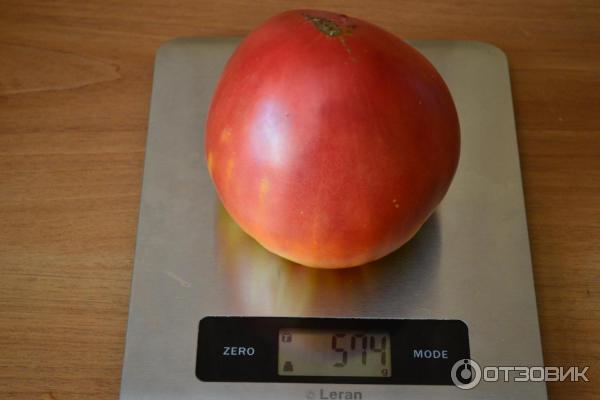
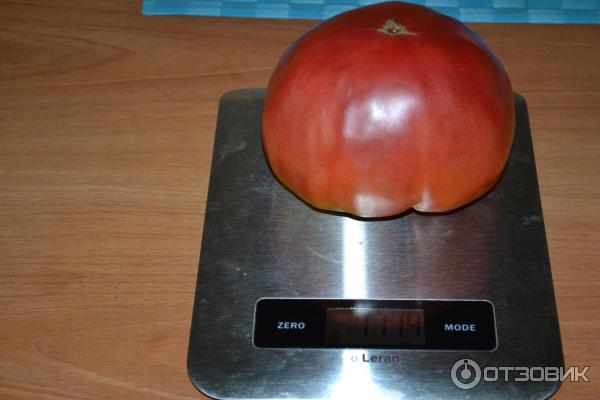
Ident, a mid-season, very tall variety. Mine had two stems, about 3 meters. The tomatoes are large; if you adjust the bunch, I think they could be VERY large, tasty, fleshy, and juicy. The seeds were from Gavrish.
My Siberian Giant from the same source turned out to be one of the most productive last season. It was also tasty and juicy. The fruits were bright red.