The Golden Heart tomato variety is an excellent choice for growing in any region of Russia. It withstands adverse weather conditions well and boasts a strong immune system. This variety is a versatile tomato and can be eaten in any form. It's suitable for dietary and baby food and is renowned for its distinctive sweet flavor.
Content
- 1 Characteristics of the Golden Heart tomato variety in a table
- 2 The history of the Golden Heart tomato variety
- 3 A detailed description of the Golden Heart tomato variety
- 4 Advantages and disadvantages of the Golden Heart tomato variety
- 5 Features of growing the Golden Heart tomato variety
- 6 Diseases and pests, methods of prevention and control
- 7 Harvesting, using and storing the Golden Heart tomato variety
- 8 Comparison of Bull's Heart tomato varieties with other varieties in the table
- 9 Gardeners' reviews of the Golden Heart tomato variety
Characteristics of the Golden Heart tomato variety in a table
|
Characteristics |
Description |
|
Timing (number of days from full germination to ripening) |
93-95 days. |
|
Description |
An early-ripening determinate variety for gardens, homesteads, and small farms. Suitable for planting in open ground. |
|
Fetus |
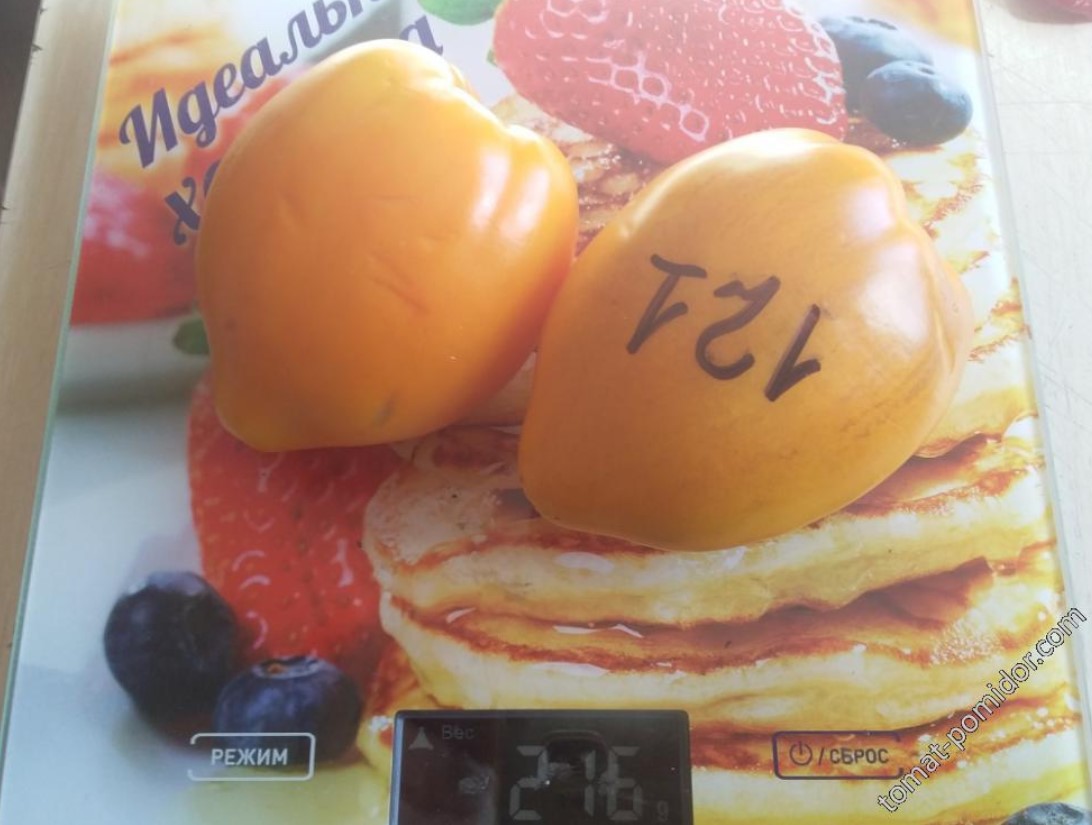
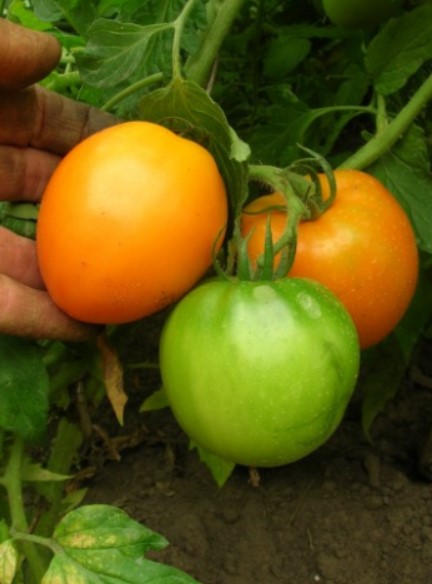
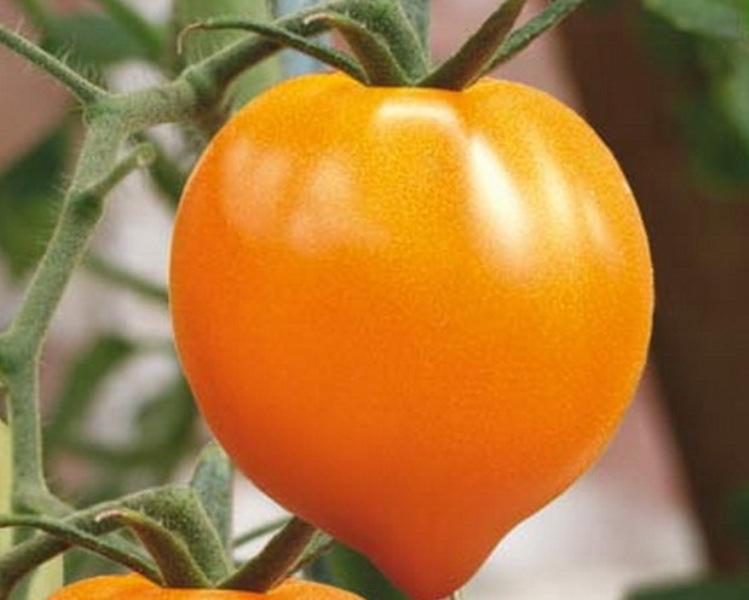
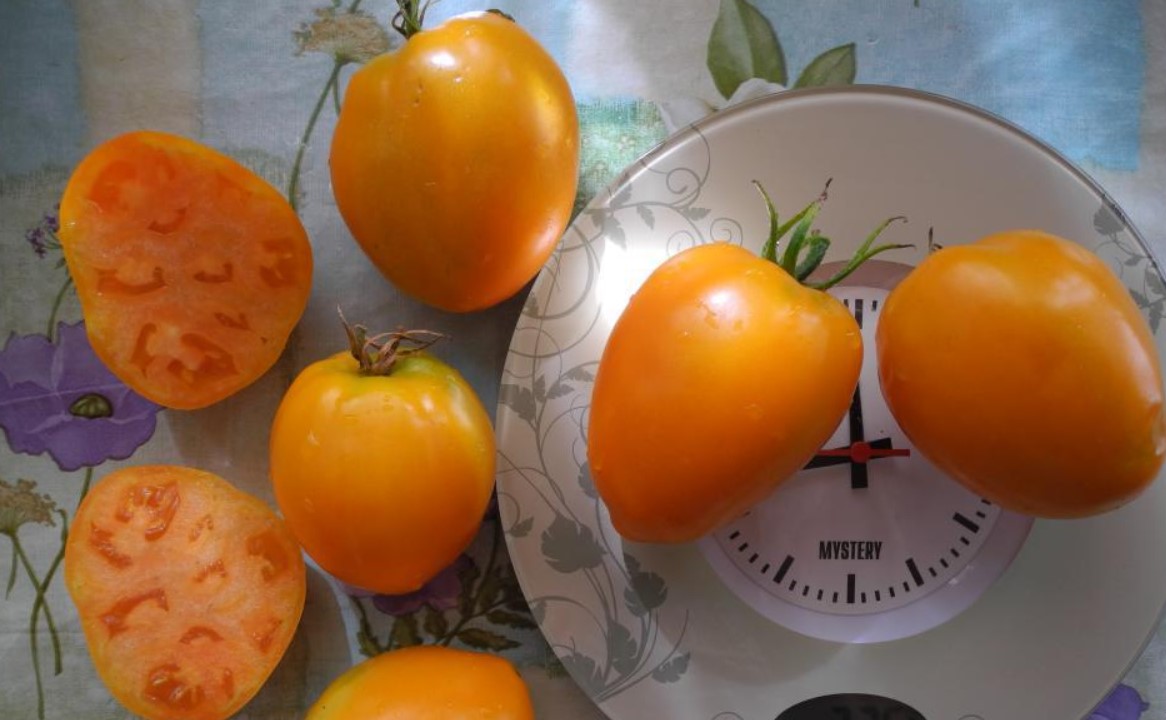
Heart-shaped, slightly ribbed, orange. |
|
Weight |
90-107 BC |
|
Taste |
Sweet, delicious. |
|
Usage |
Suitable for salads, whole canning, and tomato processing. Suitable for preparing dietary dishes. |
|
Marketability |
High. |
|
Shelf life |
|
|
Yield of commercial fruits |
Up to 700 c/ha. |
|
Disease resistance |
To most infectious diseases of nightshades. |
|
Agricultural technology |
Requires pinching. |
|
Recommended regions for planting |
Northern, Northwestern, Central, Volga-Vyatka, Central Black Earth District, Northern Caucasus, Middle and Lower Volga, Ural, Western and Eastern Siberia, Far East. |
|
|
2001 |
|
Originator |
PANCHEV YURI IVANOVICH |
Photo gallery of the Golden Heart tomato variety
The history of the Golden Heart tomato variety
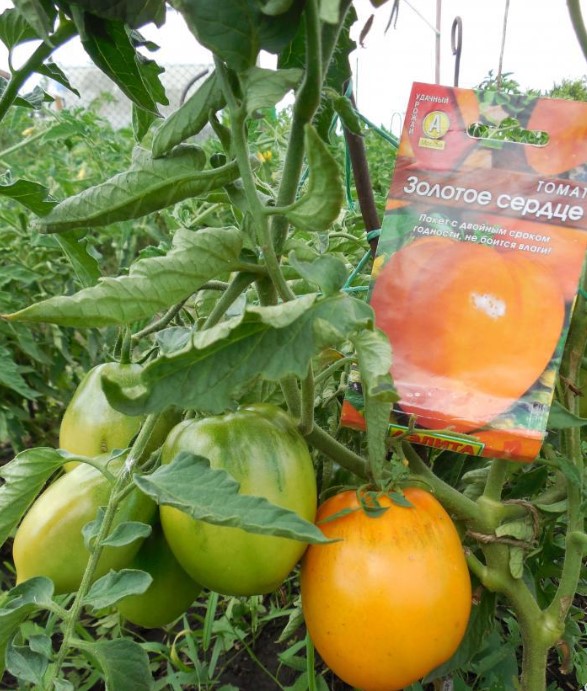
The variety was created by Russian originator Yuri Panchev. In 2001, it was included in the State Register of Russia. It is intended for open-air cultivation. In cooler regions, greenhouse cultivation is recommended.
A detailed description of the Golden Heart tomato variety
Let's consider the main characteristics of the variety in more detail.
Bush characteristics
This variety is a determinate variety. The bushes are compact, growing no more than 70 cm. The plant has small, dark green leaves. The flowers are yellow. The bush should be trained into 2-3 stems.
Fruit characteristics
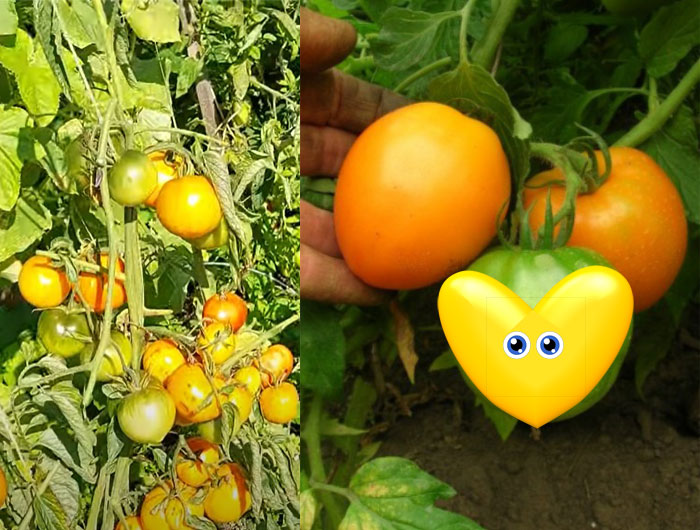
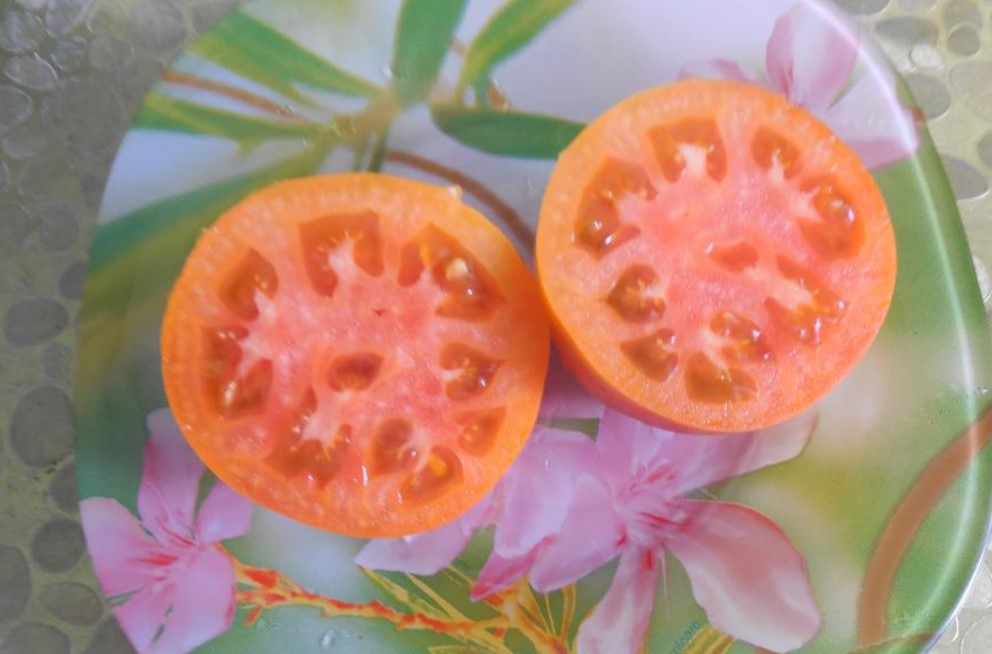
The fruits are heart-shaped and medium-sized. They weigh approximately 90-107 g. Ripe fruits are yellow-orange in color. The skin is firm, and the flesh is juicy, with few seeds. The taste is sweet. The tomato has a high carotene content.
Ripening time and yield
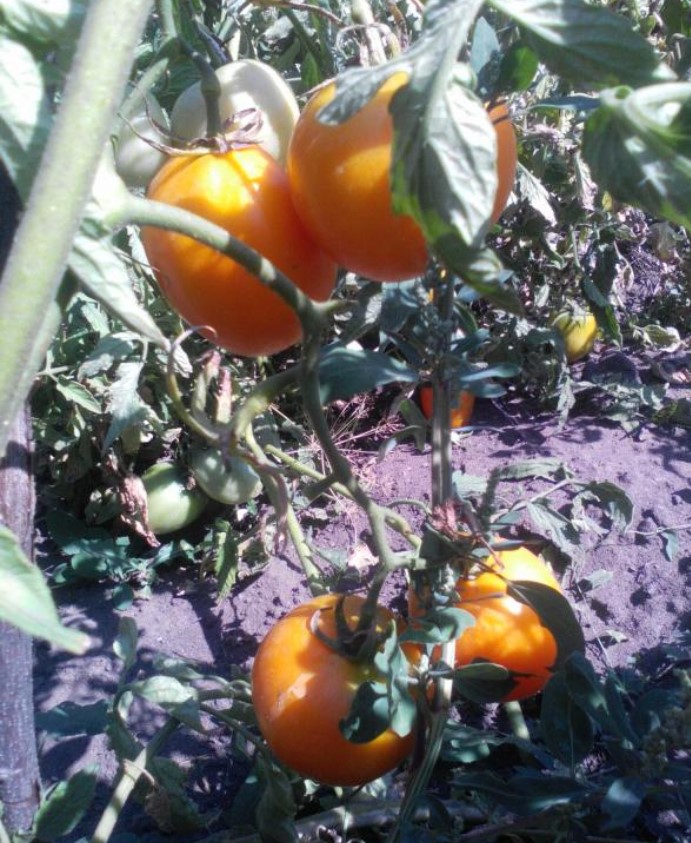
It's considered an early variety. The plant begins to bear fruit 92-95 days after germination. With proper care, the variety produces good yields. A single bush can yield up to 2 kg of tomatoes, and 1 m2 can yield up to 7 kg.
Advantages and disadvantages of the Golden Heart tomato variety
|
Advantages |
Flaws |
|
Excellent unusual taste for tomatoes. |
Demanding to soil fertility. |
|
Original shape and color. |
Good fruiting is possible only with strict adherence to agricultural requirements. |
|
Balanced chemical composition, including a greater number of nutrients. |
|
|
Low seed content. |
|
|
Versatility of use for culinary purposes. |
|
|
Versatility of use for culinary purposes. |
|
|
Quite good yield for a determinate variety. |
|
|
Compact dimensions. |
|
|
Resistance to many diseases. |
|
|
Resistant to prolonged drought and cold weather. |
|
|
Long-term storage and the possibility of long-distance transportation. |
Features of growing the Golden Heart tomato variety
To achieve the stated yield, it is necessary to follow agricultural practices.
Sowing seeds and growing seedlings
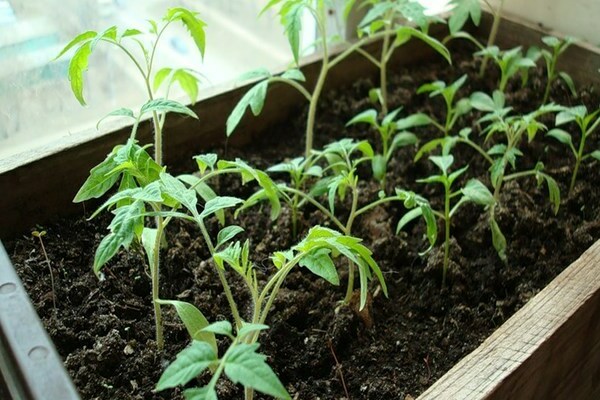
Sowing occurs in late March - early April. The soil for seedlings should be prepared in the fall. Mix equal parts turf and humus. To loosen the soil, add peat or sawdust. Disinfect the resulting mixture by heating it in the oven for 15 minutes or by treating it with a potassium permanganate solution. Before planting, prepare the seeds by soaking them in warm water with salt or Fitosporin for 1 day. Place the prepared soil in containers and press the seeds into the soil no more than 1 cm deep, leaving 4 cm between rows. Cover the seedlings with plastic or glass and store them in a warm place. After the first leaves appear, transplant them into other plastic or peat containers and place them in a sunny spot. Hardening off the seedlings a couple of weeks before planting is recommended.
Planting in a greenhouse
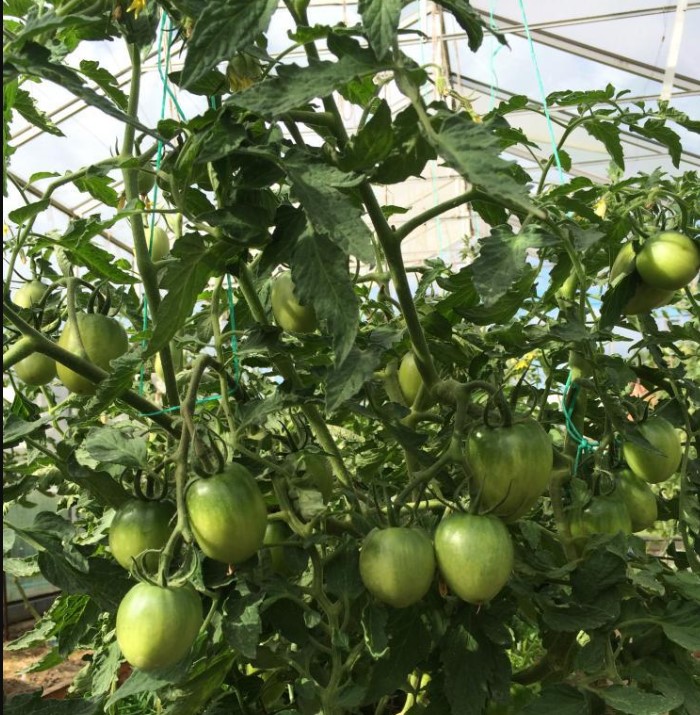
In the fall, prepare the soil in advance by tilling and fertilizing. Seedlings are transplanted in early May. First, replace the outer layer of soil or disinfect it with a copper sulfate solution. Before planting, apply a mixture of fertilizer:
- 6 tbsp. l. superphosphate;
- 1 teaspoon potassium nitrate;
- 1 tbsp potassium magnesium;
- 2 cups of wood ash.
To make it easier to care for the bushes, the seedlings should be planted in a checkerboard pattern.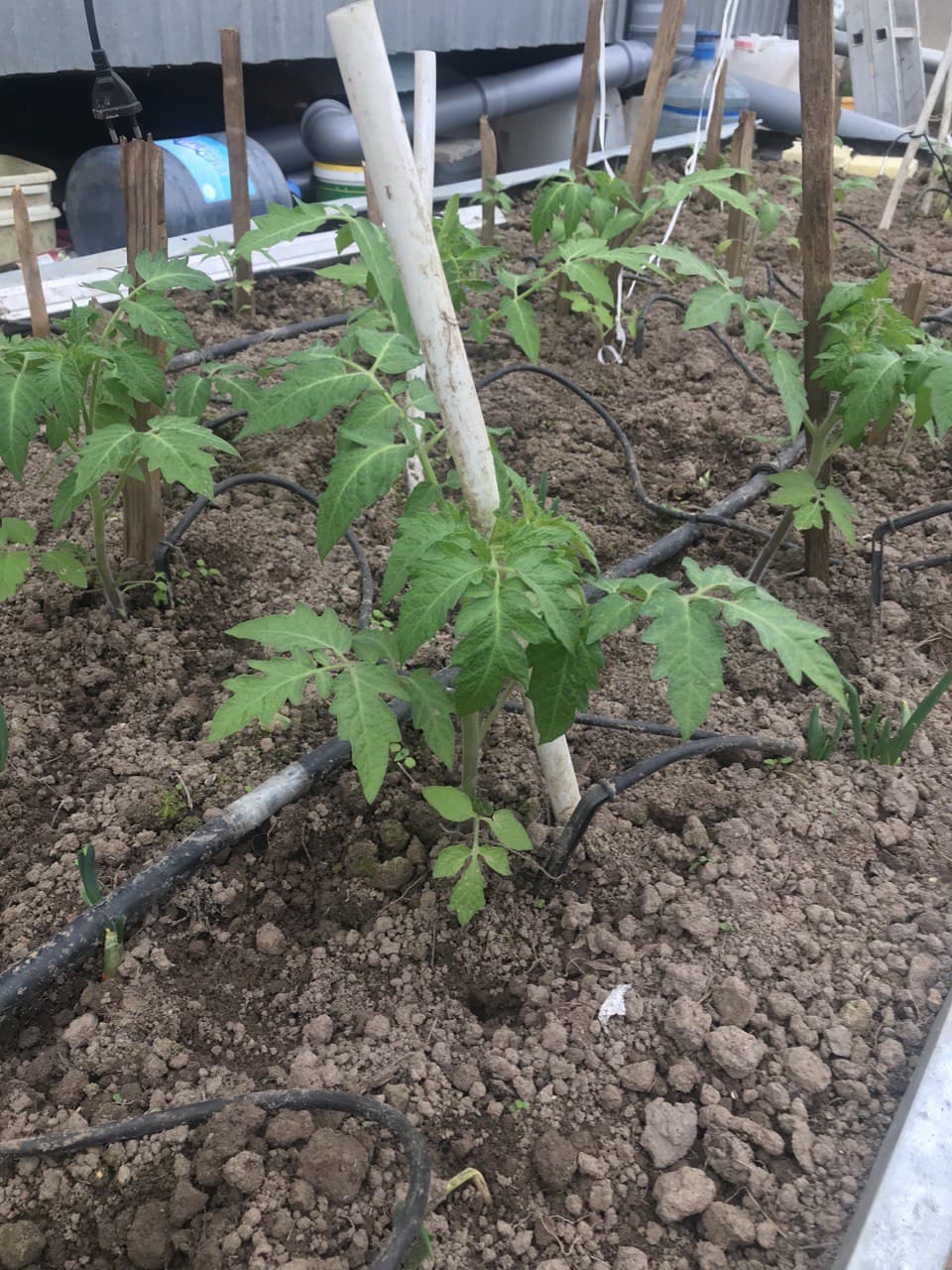
Planting in open ground
Tomato beds should be placed in sunny locations. Prepare the soil in the fall by tilling and adding compost and fertilizers containing potassium and phosphorus. Transplanting should be done after the risk of frost has passed. Loosen the soil and make holes 30 cm apart. Place a plant in each hole and cover with soil. Then water the roots thoroughly.

Care
To ensure that the bushes develop well, they should be watered and fertilized regularly.
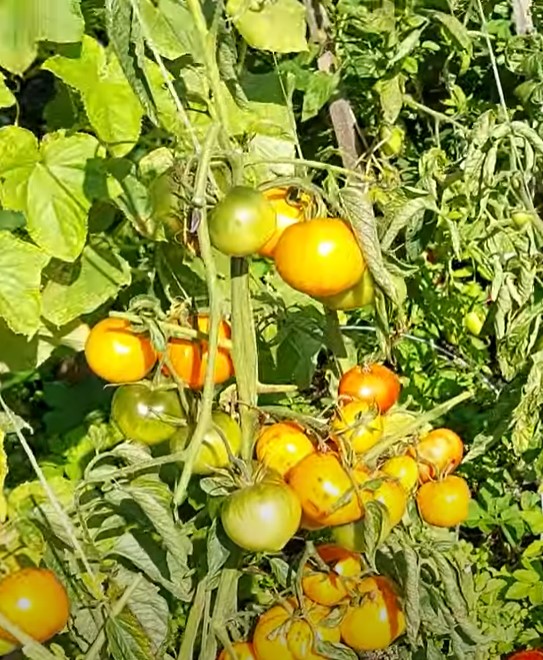
Water 10 days after planting in the ground or greenhouse. This should be done in the morning or evening, avoiding contact with the leaves. During flowering, water once a week, and increase the frequency to twice a week once fruit appears.
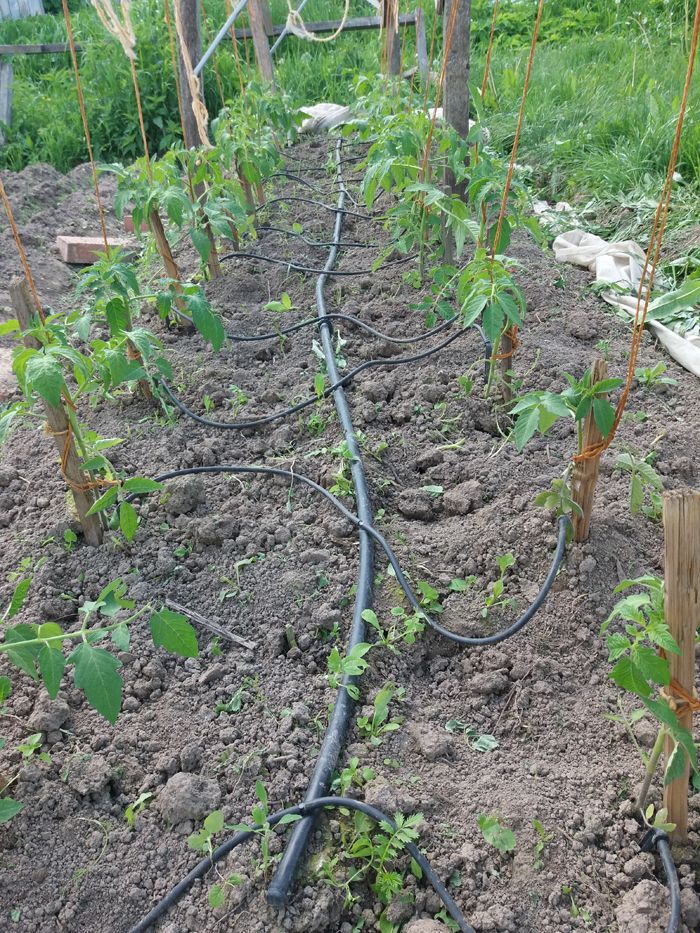
How to set up drip irrigation in the articleDIY Drip Irrigation for a Greenhouse + Review of Ready-Made Systems
Tomatoes need to be fertilized several times per season:
- the first feeding is carried out with nitrogen fertilizers 2 weeks after planting in a permanent place;
- 7 days after this, a mixture of liquid chicken manure and water should be added;
- when the flowering period begins, the next feeding is carried out with ash and potassium fertilizers;
- During the ripening period of tomatoes, fertilizing is carried out using a superphosphate solution.
To ensure that your tomato plants grow larger fruits, you need to remove excess shoots.
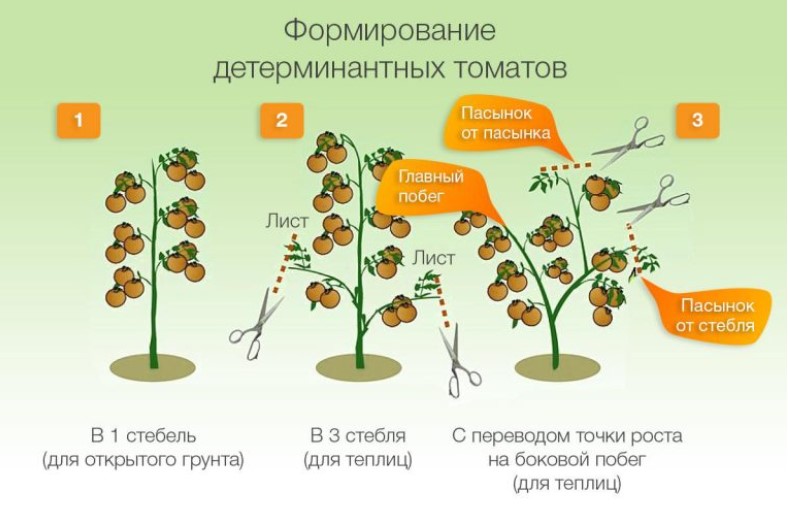
Stepchildren should be removed manually so as not to damage the bush.
About tomatoes that don't require pinchingon our website.
Diseases and pests, methods of prevention and control
The variety is resistant to most nightshade diseases. However, if agricultural practices are not followed, late blight may develop. The variety is also susceptible to insect attacks.
|
Disease, pest |
Methods of control |
Preventive measures |
|
At the first signs of late blight (darkened and curled leaves), treat with Fitosporin. Burn the affected plant parts. Note: Do not compost them. |
|
|
|
Use of folk remedies for minor infestations, and chemical preparations for large numbers of insects |
|
Harvesting, using and storing the Golden Heart tomato variety
In cooler regions, tomatoes are harvested from the bushes before they are fully ripe, allowing them to ripen further during storage. This doesn't significantly affect the taste of the tomatoes, but it does provide the other fruits with more nutrition and sun. To speed up ripening, it's recommended to place a couple of ripe tomatoes near them.
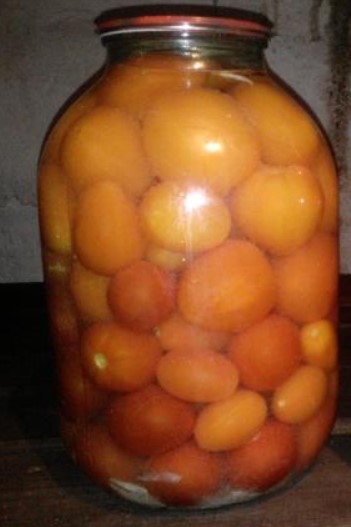
Tomatoes are suitable for making salads, sauces, tomato juice, vegetable dressings, and also for pickling whole fruits.
Comparison of Bull's Heart tomato varieties with other varieties in the table
Please note! How can you easily convert centners/ha to kg/sq.m? Simply divide by 100! For example, the Abakansky Pink tomato yields 400 centners of marketable fruit per hectare. This equals 4 kg per square meter. It's that simple! Also, keep in mind that typically no more than 3-4 plants are planted per square meter. This way, you can calculate the yield per bush. In the case of the Abakansky Pink, it's about 1 kg.
| Variety | Ripening period (number of days from full germination to ripening)
Yield of commercial fruits |
Brief description | Fetus |
| Heart of Gold | 93-95 days
up to 700 c/ha |
An early-ripening, determinate variety for open ground cultivation. Suitable for salads, whole-fruit canning, and processing into tomato products (dietary juices). | Heart-shaped, slightly ribbed, orange, 90-107 g. Good flavor. The fruits contain increased amounts of carotene. |
| Bull's heart (amber color)
There are other colors. |
100-117 days
1000-1200 c/ha |
A mid-season indeterminate variety for open ground and greenhouses. Requires staking and shaping. Suitable for salads. | Rounded with a spout, medium density, slightly ribbed, orange. 350-400 g. Excellent taste. |
| Striped ox heart | 110-120 days
700 c/ha |
A semi-determinate, mid-season variety for greenhouses. Requires staking and training. Suitable for fresh consumption, juice, and paste production. Preferred for cultivation in southern Russia. | Heart-shaped, round, pink with yellow-orange stripes. 150-200 g. Sweet, pleasant taste. |
| Abakansky | 110-120 days
600 c/ha |
Mid-early, determinate, large-fruited, suitable for growing in open ground in regions with a temperate climate; in the middle zone it is grown under cover or in greenhouse conditions.Requires staking and shaping. Suitable for salads and processing into tomato products. | Heart-shaped, slightly ribbed, loose, pink in color, 150-200 g. Good taste. |
| nobleman | 103-117 days
107-587 c/ha, maximum 780 c/ha (Omsk region) |
A mid-season determinate variety for open ground. Suitable for salads. 95% marketability. | Heart-shaped, medium-ribbed, raspberry, 131-250 g. Good to excellent taste. |
| De Barao orange | 110-130 days
1000-1200 c/ha |
Grows well in open ground. In cooler regions, it can be planted in unheated greenhouses. This indeterminate, late-ripening variety grows up to 200 cm. It requires staking and training. It is suitable for salads and all types of canning. | The fruits are small, ovoid, with smooth, glossy skin. The flesh and skin are orange, weighing 120 g. The flavor is excellent. |
| Golden domes | 110-115 days
1050-1360 c/ha |
A mid-season determinate variety for open ground. Requires staking and training. Suitable for salads. Yield of ripe, marketable fruit is 76%. | Flat-round or heart-shaped, slightly ribbed, fleshy, orange, 213-400 g. Excellent taste. |
| King of Siberia | 110-120 days
900-1115 c/ha |
A mid-season indeterminate variety for greenhouses. Requires shaping and support. Suitable for salads and canning. | Heart-shaped, slightly ribbed, orange, 400-800 g. Good to excellent taste. |
| Crimson Dawn | 110-115 days
790 c/ha |
A mid-season indeterminate variety for open ground and greenhouses. Requires staking and shaping. Suitable for salads. | Heart-shaped, loose, ribbed, raspberry, 350-400 g. Good taste. |
| Honey Giant | 110-115 days
750-800 c/ha (greenhouse and under film) |
An early-ripening indeterminate variety for open ground and greenhouses. Requires staking and shaping. Suitable for salads. | Flat-round, ribbed, medium density, orange, 250-300 g. Good taste. |
| Minusinsk bulls | 110-118 days
1200 c/ha |
A mid-season indeterminate variety for open ground and greenhouses. Suitable for salads, canning, and processing into tomato products. | Heart-shaped, ribbed, raspberry-pink, 200-250 g (up to 400 g). Good to excellent flavor. |
| Orange Heart | 125-135 days
620 c/ha |
A mid-season indeterminate variety for open ground and greenhouses. Requires staking and training. Suitable for salads. Long-lasting flavor and shelf life. | Heart-shaped, slightly ribbed, medium density, orange, 120-125 g. Excellent taste. |
Gardeners' reviews of the Golden Heart tomato variety
The Golden Heart tomato variety is valued by gardeners for its excellent taste, rapid ripening, and good yield.
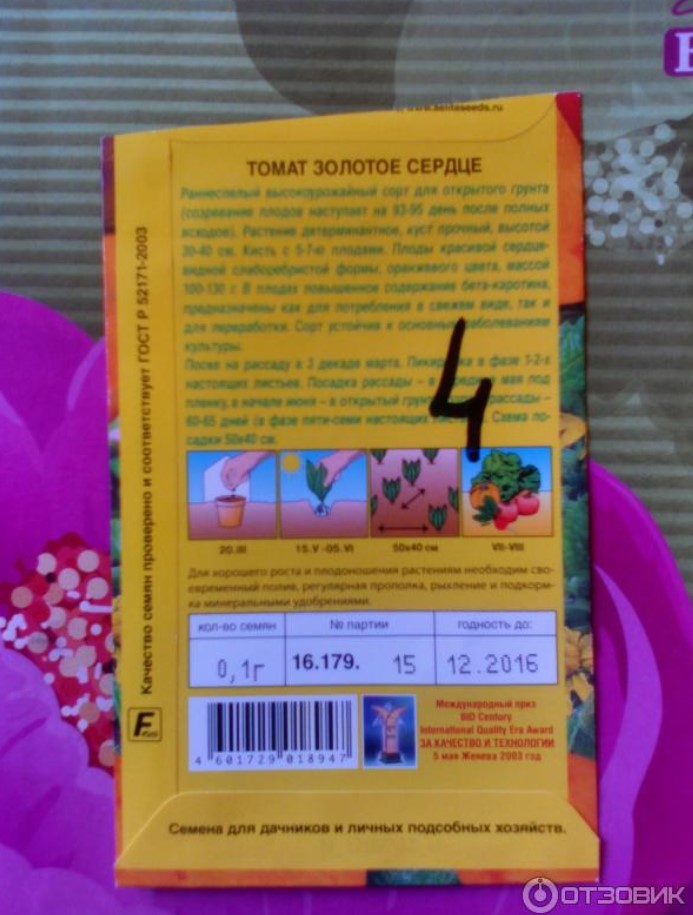
Hello again!) I'll continue the rural theme =) I'll tell you about the early-ripening variety "Golden Heart".
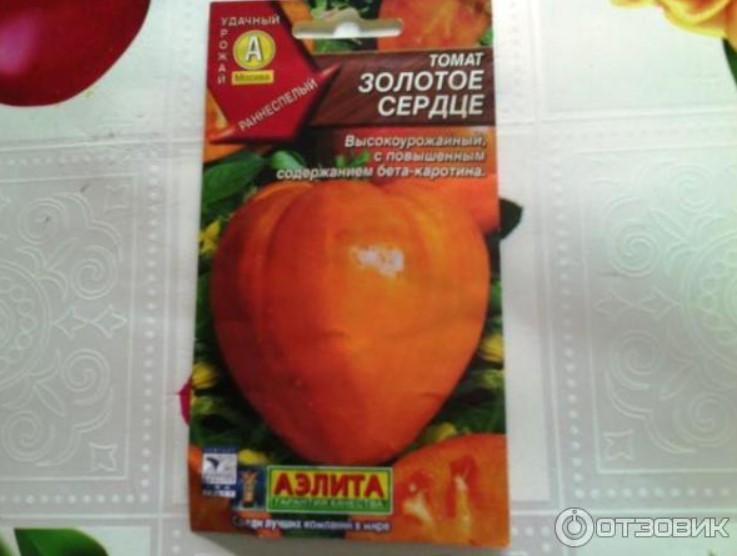
The seeds are produced by a company familiar to all summer residents and gardeners, "Aelita." I can't tell you the price of the packaging, for some reason it's not listed anywhere.
The seed quantity is 0.1 grams. We grew 28 roots of this variety. We planted them outdoors around mid-May and, as usual, left them under acrylic for 3-4 weeks. Naturally, we watered them occasionally.
This variety is ideal for open ground, and should be about 30-40 centimeters tall. Ours reached almost 50 centimeters. But despite its small stature, we had to tie it up.
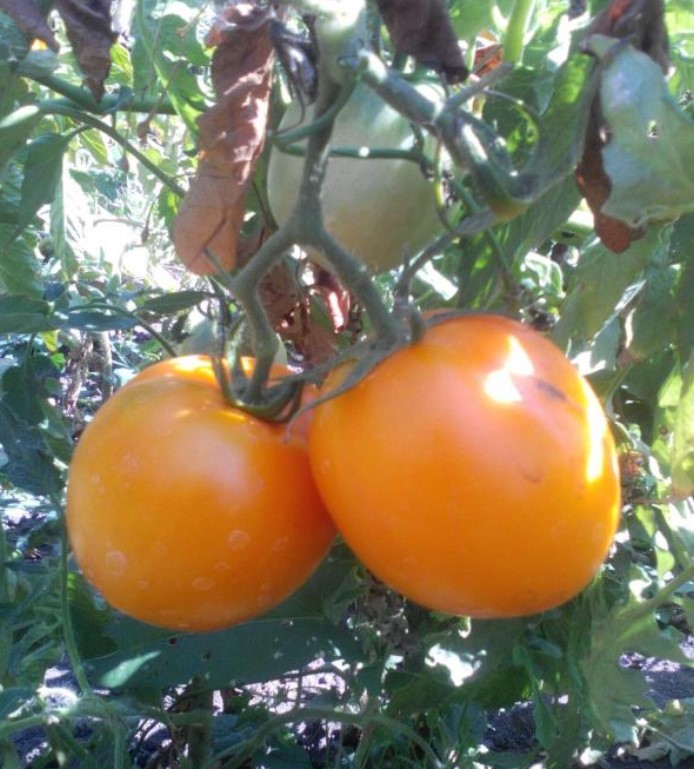
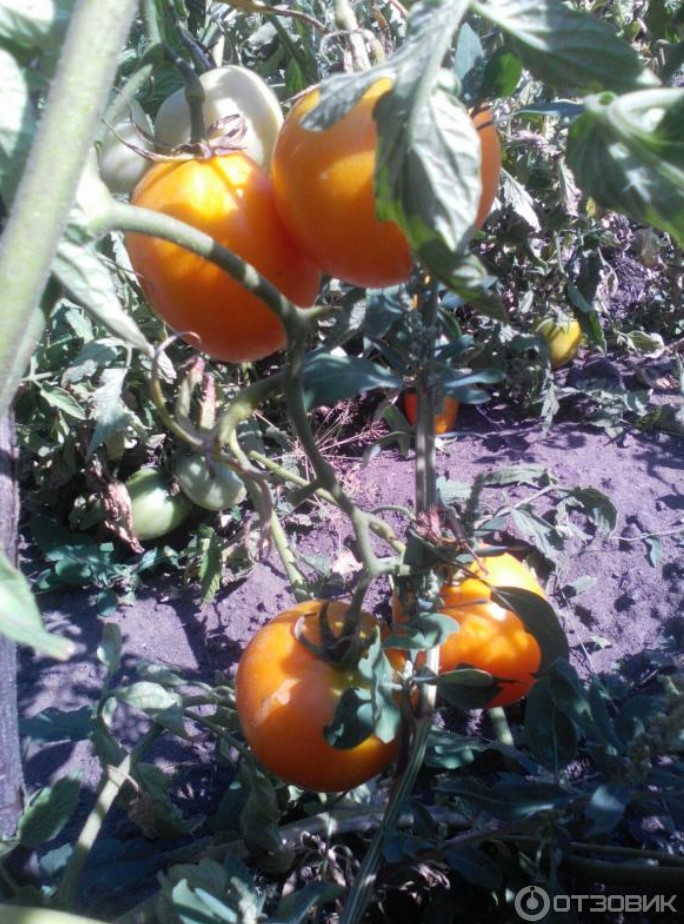
The fruits are truly heart-shaped, with a pleasant, sunny orange color. As stated, they weigh between 100 and 130 grams. There are five to seven fruits per cluster.
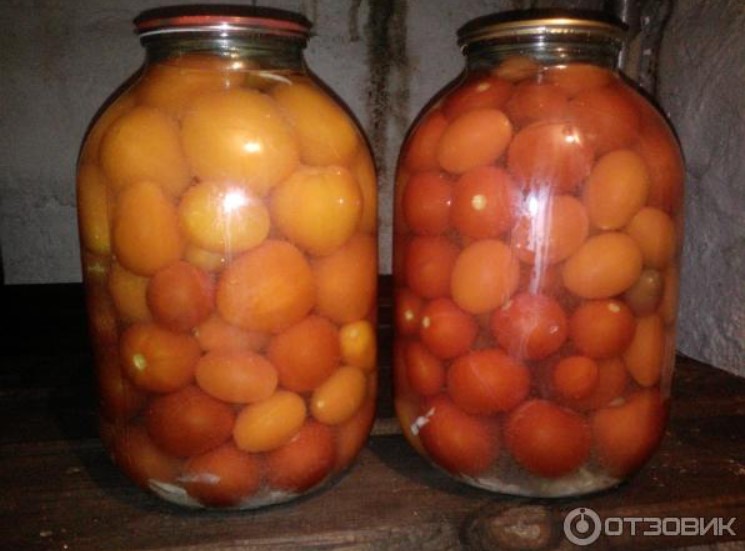
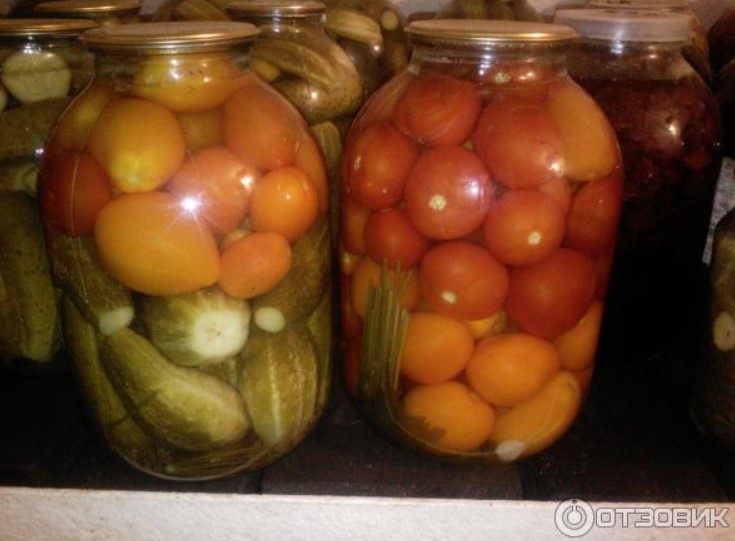
The "Golden Heart" tomato can be eaten fresh or used for preserves, which is exactly what we did. The photos show an assortment that also included varieties such as "Yellow Sugar Plum," "Dikovinka," and others.
And again, I ask you not to pay attention to the small number of fruits, since we collect them every day.
A good variety, it didn’t disappoint and we might look at it again in the future.
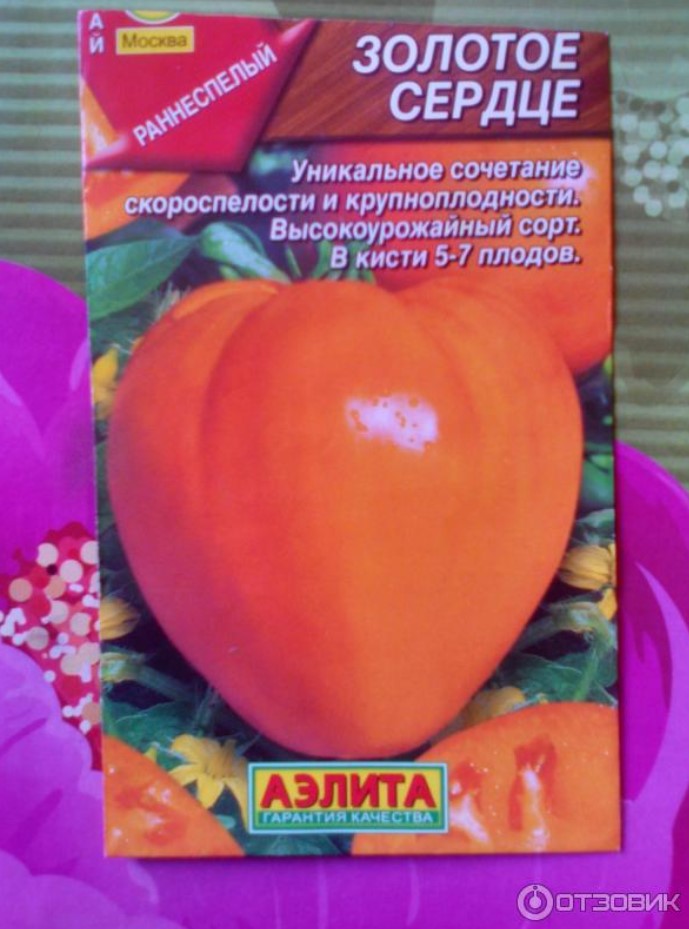
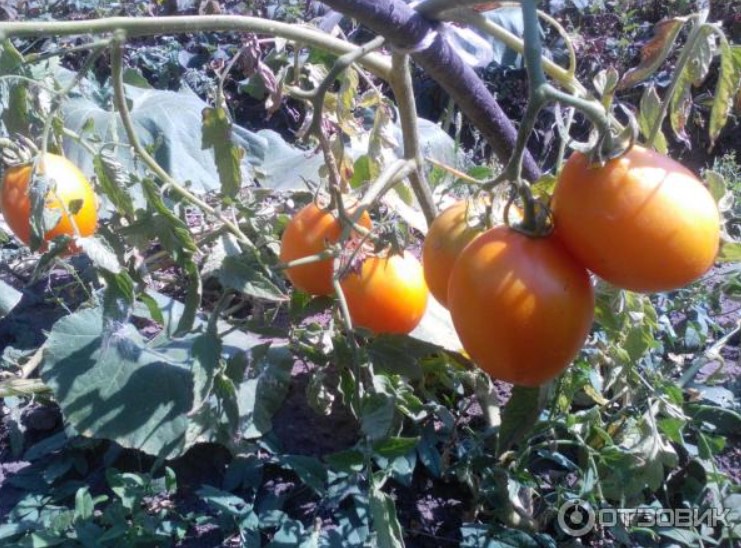
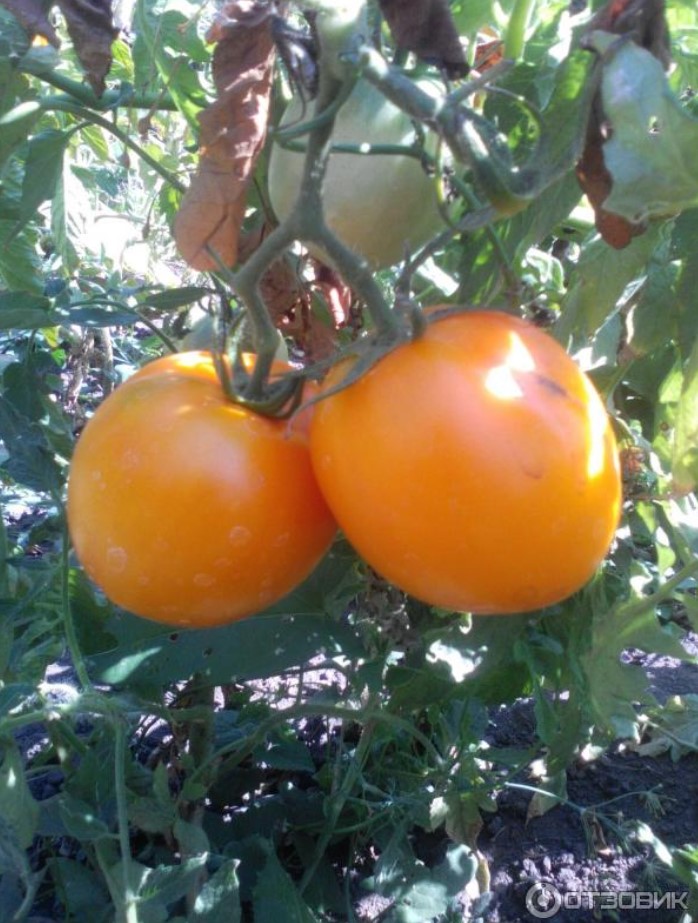
Hello, review readers! I'm continuing to talk about vegetable seeds in anticipation of the gardening season. Today, I'm reviewing the "Golden Heart" tomato. I love yellow and orange tomatoes, but unfortunately, not all varieties grow in our garden. So, I periodically buy new varieties and try growing them. I saw a packet of orange, heart-shaped tomato seeds at the store. I liked that it was early maturing and had a high beta-carotene content, so I bought it.
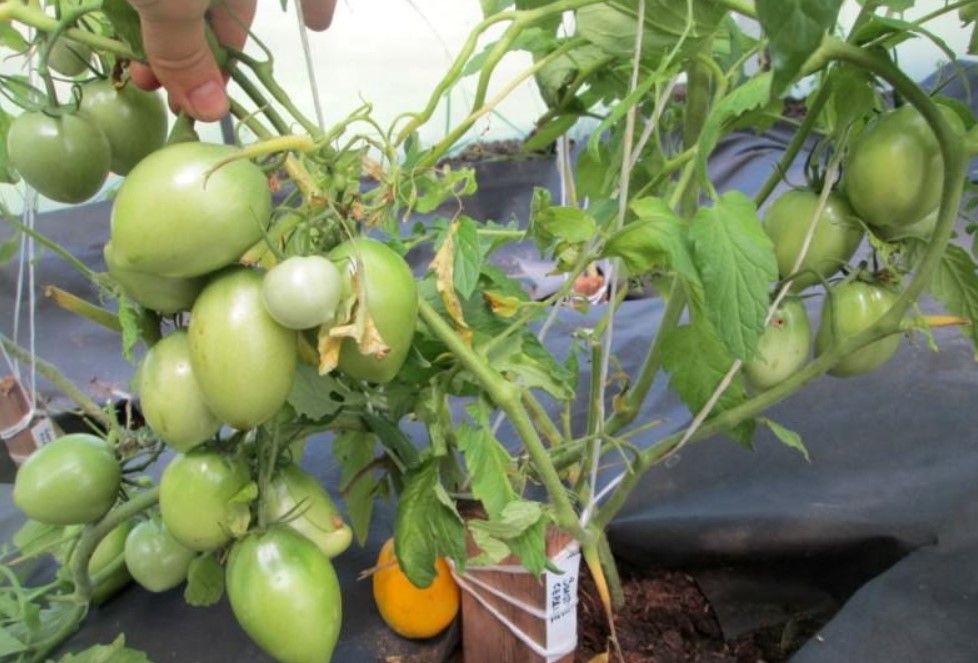
I sowed the seeds in March. The germination rate was average, to be honest. The seedlings grew more or less without problems, and I planted them in the ground. The bushes grew about 50 cm tall, but they were unstable, constantly falling over. The stems were quite thin and needed staking. There were few ovaries, no clusters, and only 2-3 fruits per bush. The tomatoes themselves are indeed heart-shaped, about 6-7 cm in diameter, and quite tasty, but I must say, there are better ones. I really wanted these tomatoes, so I tried planting this variety stubbornly for three seasons, always thinking it was the weather, the fertilizer, or just bad luck. Unfortunately, the same thing happened all three seasons. So, naturally, I didn't make any preserves with them; they were eaten fresh, and they're not really suitable for preserves anyway: they're too dry for juice and too large for pickling.
In my opinion, this variety deserves a solid C. I wouldn't recommend it, as I have no desire to grow it myself anymore.)
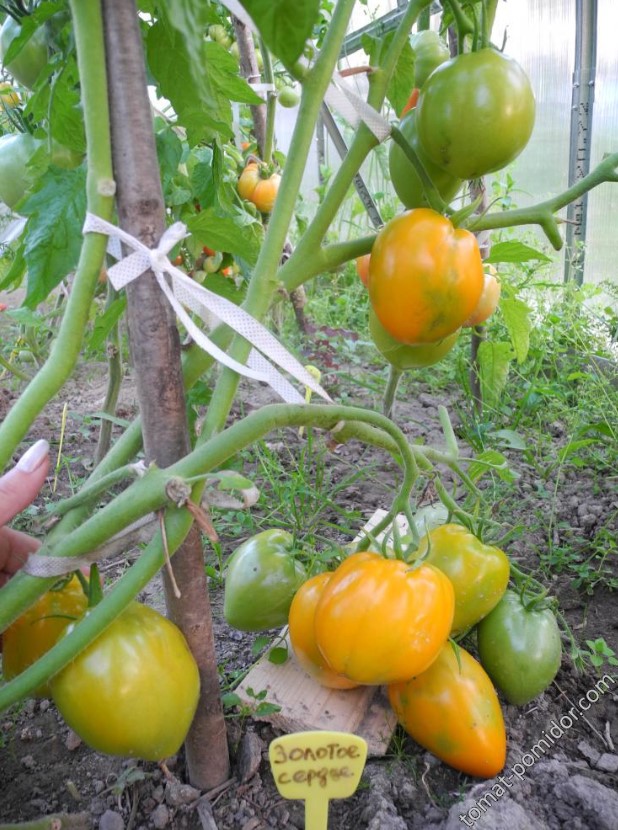
I grew one bush in the greenhouse, about 60 cm tall, without pinching out any side shoots. Mine was mid-season. The yield is excellent :yep: . The fruits are very firm, good for canning and freezing in pieces, and store well, with an average weight of 100-150 grams.
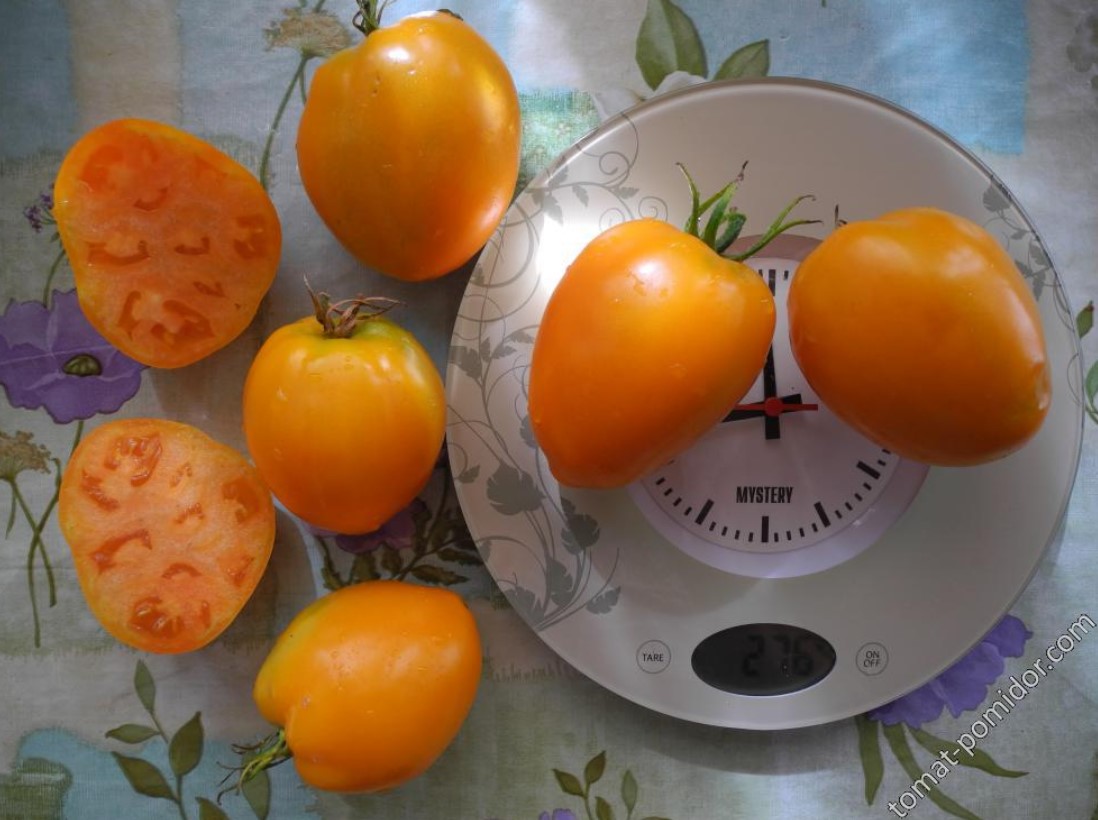
Seeds from Sedek.
mom-homa
I have "Golden Heart" from "Aelita" that looks exactly like yours in the second photo. They stubbornly refused to grow as seedlings, although the shoots were uniform and strong. Only four of the ten survived, but the first ones to set in the open ground are the ones that have started to grow. They're showing no signs of turning yellow yet, though.
Finally, I have the very first of all the varieties that has colored! Orange, dense, not at all watery, and sweet.
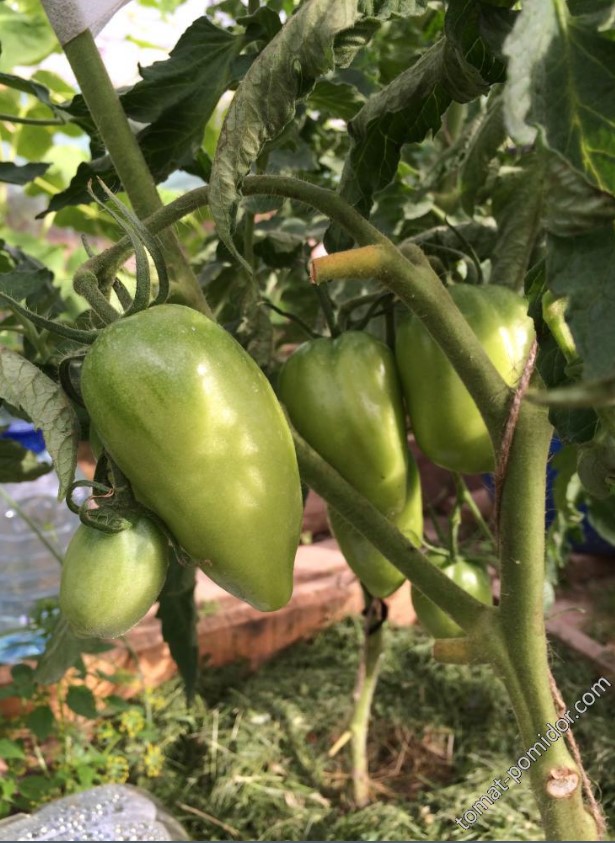
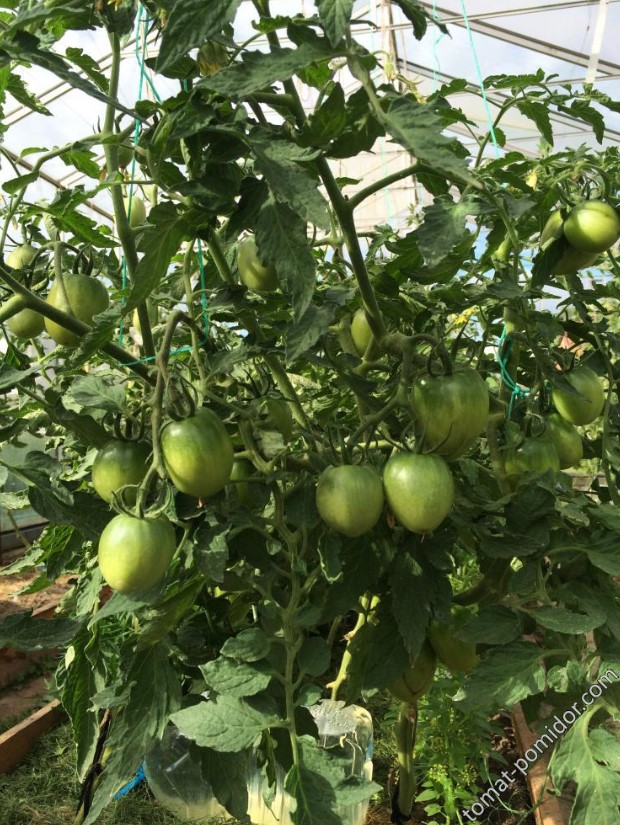
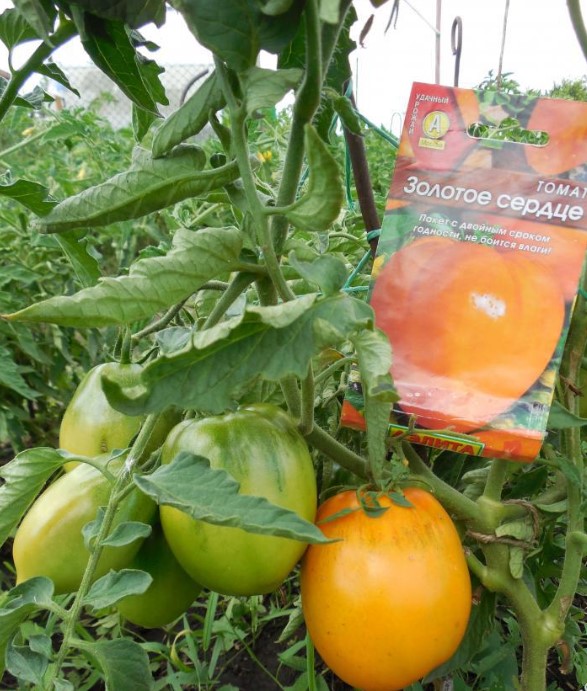
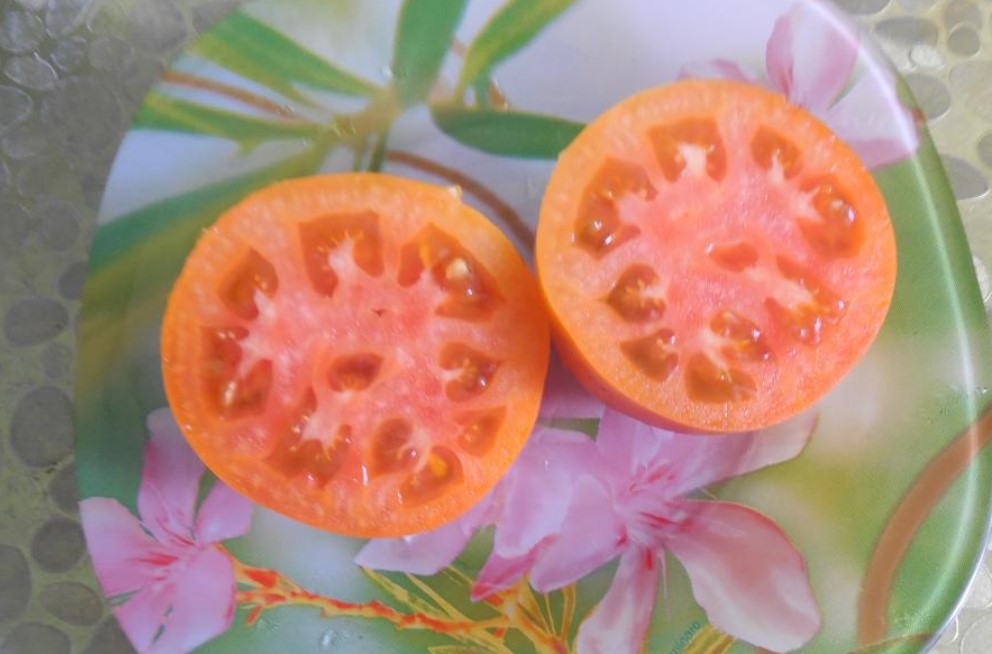
I grew this Golden Heart on my balcony (just four plants in a forty-liter box)
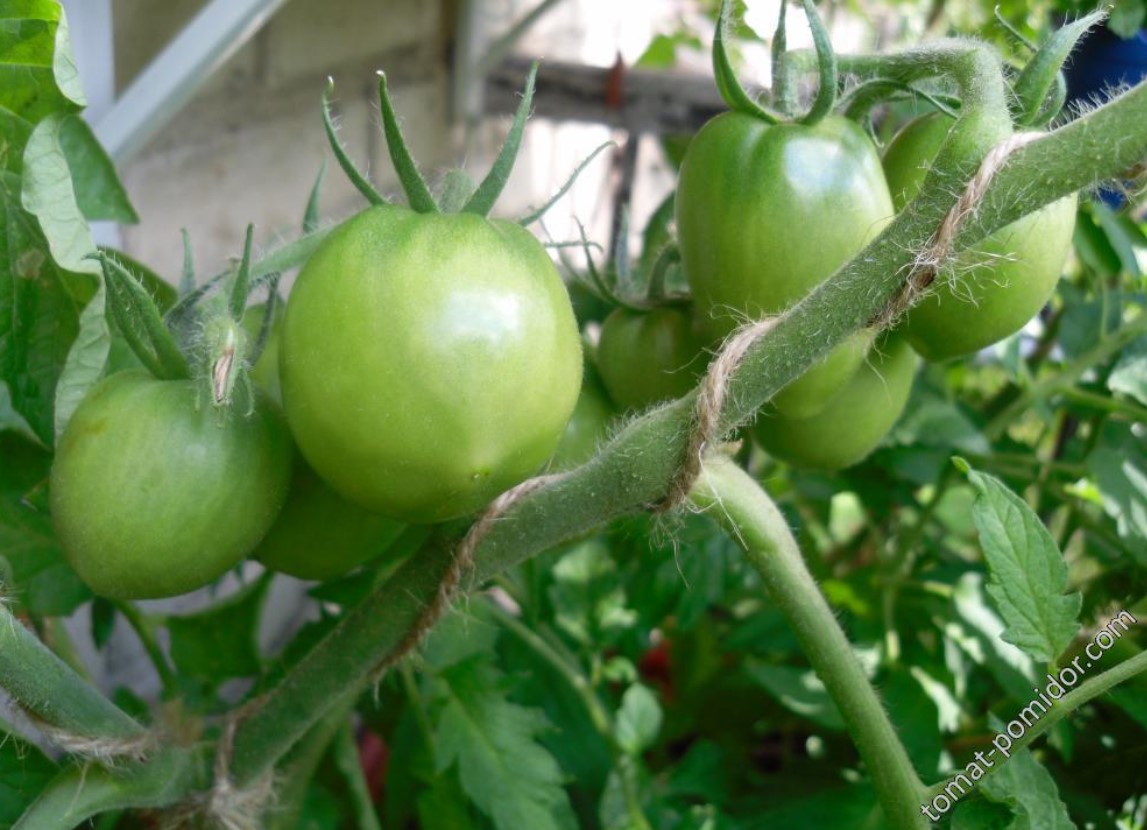
The seed packet promised that the tomato was cold-hardy, and in my opinion, this is the only variety that doesn't suffer from the cold. It's grown hairs all over its stem (and even on its leaves) and doesn't care about the cold summer.
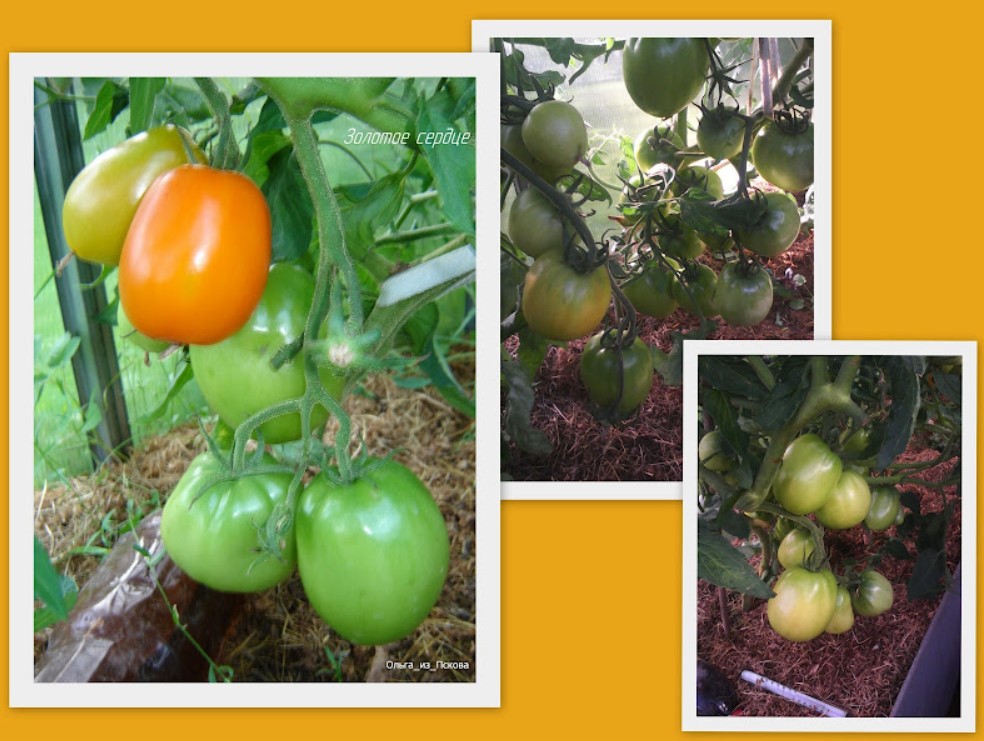
I removed the side shoots up to the first cluster. As recommended. Then, no. But mine were higher in the greenhouse than Svetik's. About a meter or so. Lower in the open ground. It produced well in both places. It's a hard-working variety. But it has a lot of foliage. I didn't know how to thin it out in the greenhouse. I confused one bush and removed the side shoots, and the yield was lower. But the tomatoes are larger. They're tasty, firm, and keep well.
I grew tomatoes both in the open air and in the greenhouse. This variety is a hard worker. It keeps on growing. Tomatoes are still ripening in the greenhouse. The tomatoes themselves are fleshy and moderately sweet. The skin is firm, making them very easy to transport and not prone to cracking. In the greenhouse, the bush is one to two feet tall. In the open air, it's short, 60-80 cm. The fruits also varied. In the greenhouse, they weighed up to 300 grams, while in the open air they weighed up to 150-180 grams. I don't know where the seeds came from (my mother sowed them), but they came from a colored packet. They were sown on March 3rd, planted in the greenhouse on May 9th, and the first tomato was on July 23rd.
I find them sweet, but there are much sweeter varieties. And I think it's even tastier now than it was in the summer.
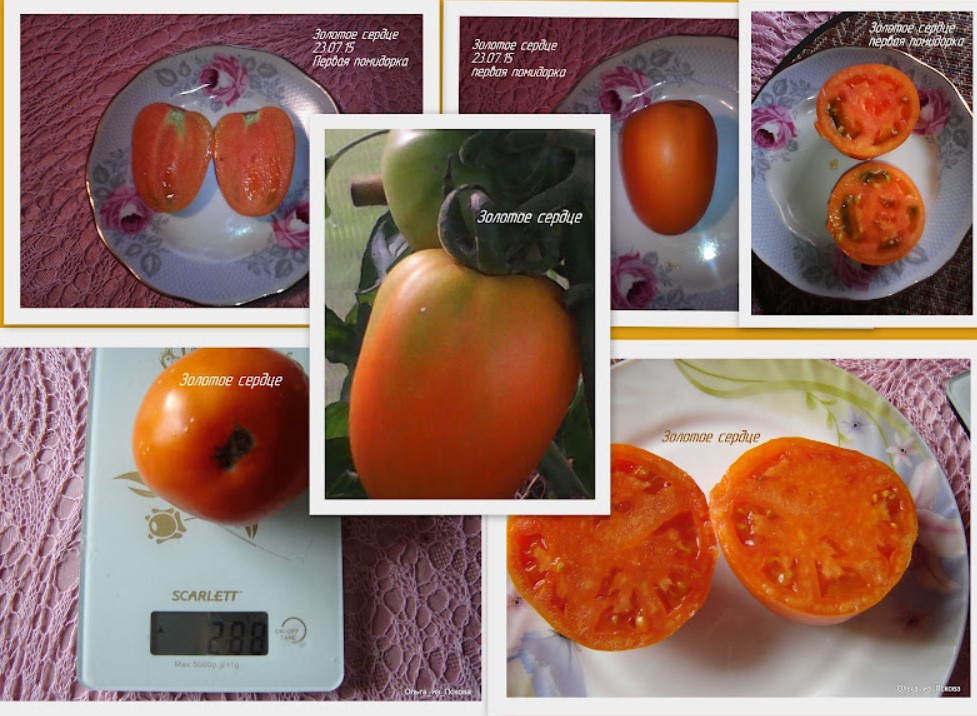
The seeds were from 2014 and came from PTK Novgorod. I gave them a chance to see what would happen. The bush produced many of those identical little hearts. I collected the seeds. They have few chambers, and I liked drying them without throwing away any of the tomatoes. I cut them up just like chips and dried them.