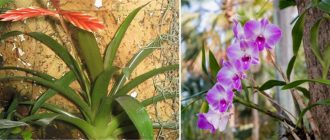
When growing flowers indoors, you may notice that they look unsightly and have stopped growing. It's important to determine the cause and begin treatment appropriate for each individual case. Aphids are a common pest found on houseplants. To successfully combat them, you need to know the available methods, and best of all, take preventative measures and create conditions that will prevent the pests from appearing and multiplying.
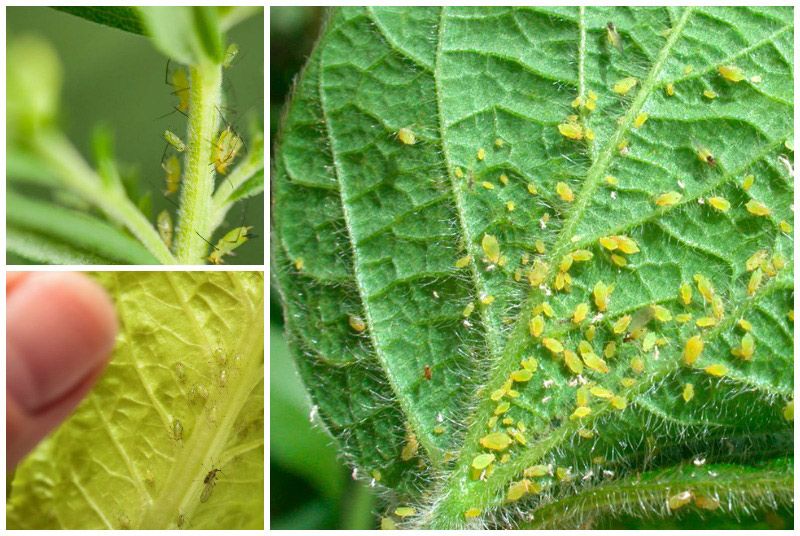
Description of aphids
Aphids are small insects with an elongated body and long legs. Their abdomen is quite wide and pointed at the tip. They come in a variety of colors: pale, greenish, pinkish, pale yellow, and black. White aphids are the most common. All species cause similar damage. They suck plant sap by piercing leaves. They thrive in any environment and adapt well. They have a well-developed reproductive system.
The species differ in coloration and the presence of wings. The winged species searches for and colonizes new habitats, while the wingless species reproduces. Each female lays about 100 larvae, which mature into adults within two weeks. They are most often found on young shoots and buds, and on the undersides of leaves.
Causes of aphid appearance
The parasite can get onto houseplants in various ways:
- A winged female flew in through an open window in the room.
- Delivered by a pet or a person on clothing. Larvae adhere very well to human clothing and animal fur.
- It was on a recently acquired plant, from which it quickly moved to others.
- Larvae were present in the mixture used for planting.
- They were brought along with flowers that had been standing outside, on a balcony or loggia during the warmer months.
- They were brought in by ants that feed on the excess juice produced by this pest.
Signs of aphid infestation on houseplants
By regularly inspecting your flowers, you can quickly spot a plant becoming ill. External changes will be visible:
- The young shoots have withered and curled up.
- A syrupy trace appeared (secreted by pests).
- Blackness has spread - sooty mold (carried by a parasite).
- Flowers have shrunk or have not opened.
- The shape of the buds has changed.
- The presence of a massive accumulation of individuals on the outer side of the leaf.
- Growths have formed on the trunk.
Initially, when the pests are still few in number, you may notice small punctures and insects on the leaves. Later, they will begin to curl up. The pests cannot bite through the bark, so they do not settle there.
If aphids attack young plants, they will die quite quickly. A large colony can stunt growth and damage even more mature plants.
Methods for controlling aphids on indoor plants
If aphids are spotted during inspection, they must be dealt with immediately to prevent the flowers from dying. Depending on the number of insects detected, one of the following methods is chosen: chemical, biological, ecological, or folk remedies.
The most radical option is to completely destroy them. Typically, the fight begins with the simplest method—mechanical—and then moves on to folk remedies. If there's no positive effect, chemicals are used.
To achieve maximum results, they treat the flower and soil in the pots (there may be larvae).
Mechanical method
If there are only a few pests on your plants, you can get rid of them mechanically. Remove all affected parts and wash them with water (ideally every day) until the pests disappear completely. An effective treatment is a solution of water and laundry soap mixed in a 6:1 ratio. Dampen a cloth and wipe all parts to kill visible insects, then rinse under the shower with plain water. It's best to repeat this procedure until the aphids are completely gone.
Do not allow the product to enter the ground.
You need to inspect everything thoroughly to avoid missing any pest habitats. Rubbing alcohol can be used for treatment. It won't cause any harm, as it evaporates quickly.
Biological methods
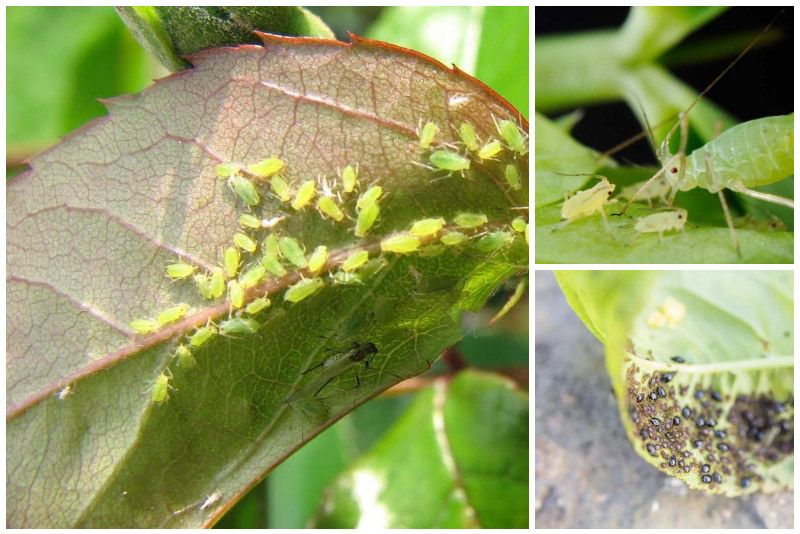
Based on natural factors. If houseplants are moved outdoors in the summer, natural enemies of aphids, such as wasps, ladybugs, and lacewings, can be introduced into the garden. To attract these insects, plants are planted with flowers that attract them with their scent. In this case, the risk of pest infestation is minimal, and if they do appear, their reproduction rate will be slow.
Aphids dislike the scent of geraniums and marigolds, so their pots are placed in the room next to the affected plants. They also dislike the scent of dill, parsley, and mint; you can place a few sprigs on the soil near the plant's trunk.
Folk remedies
They are attractive because they are environmentally friendly. The maximum effect can be achieved at the very beginning, when pests are few. Various folk remedies are known.
|
Ingredients |
Receiving funds |
Application |
| Tobacco | Combine with water in a 2:1 ratio and stir. Let steep for 2 days, filter, and dilute 1:1. | It is advisable to cover the soil so as not to damage the roots. |
| Garlic | Grind 30 g of cloves with the peel. Add 1 liter of water and let steep in a dark place for 24 hours. | Add grated soap before use. Frequency: 2-3 times every 5 days. |
| Lemon (orange) peel | 100 g is soaked and infused for 3 days in a warm place. | They spray. |
| Red pepper | Combine 50 g with 100 ml of water, boil for 60 minutes, leave for a day, then strain. | Use a diluted solution: 10 ml per 10 l of water. |
| Wood ash | 500 ml, 50 g soap (liquid or crushed) and 10 l of water. | Strain and process. |
| White mustard | 10 g per 1 l. Leave for 2 days. | Filter and dilute (not necessary if there are a large number of aphids). |
| Needles | 0.4-0.5 kg and 2 liters of water. Infuse for a week. | Dilute in a ratio of 1:7. Spray several times at intervals of 3-4 days. |
| Celandine | 350 g fresh (150 g dry) and 1 liter. Be sure to chop. Place in a dark place for 24 hours. | Process three times. |
| Tomato tops | Chop 0.5 kg and pour 1 liter of water over it. Boil for 30 minutes. Cool in the dark. | Add 3-4 mg of liquid soap before use. |
| Ammonia | 2 tablespoons of detergent or liquid soap - 10 ml per 10 liters, mix thoroughly. | They spray. |
| Baking soda | 75 g per 10 l. | Spray it. If it doesn't help, it won't hurt. |
| Furacilin | 2 crushed tablets per 1 liter of hot water. Cool. | They are processing. |
Chemicals
These are quite dangerous products. Incorrect use poses a risk to both animals and humans. Follow the instructions, do not increase the dosage on your own, and observe safety precautions. Thoroughly treat all flowers, both healthy and diseased. Avoid missing any areas to avoid harbouring adults or larvae. Rotate insecticides, as the pest can quickly become resistant to them and not die from their effects.
The most common drugs are:
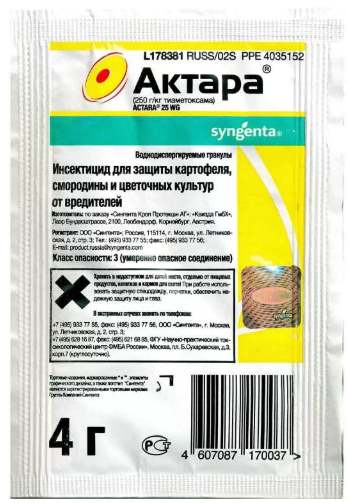
- Aktara: an indispensable remedy that paralyzes insects. It makes the entire plant poisonous. Can be used preventatively.
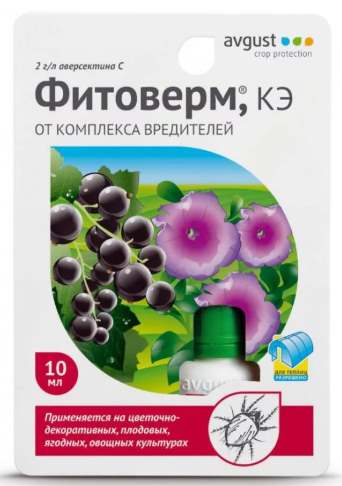
- Fitoverm: safe and does not require outdoor use. Death occurs within three days, and the entire colony within a week.
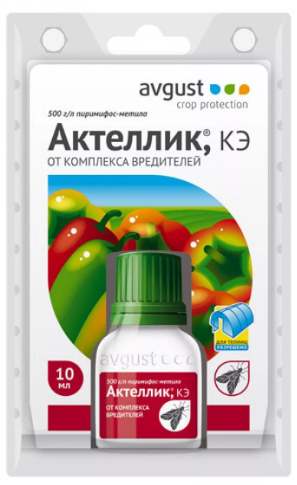
- Actellic: Recommended for severe infestations, apply in a well-ventilated area or outdoors. Toxic. Use as a last resort.
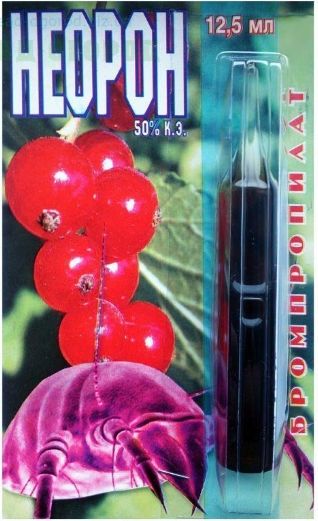
- Neoron: has a protective effect.
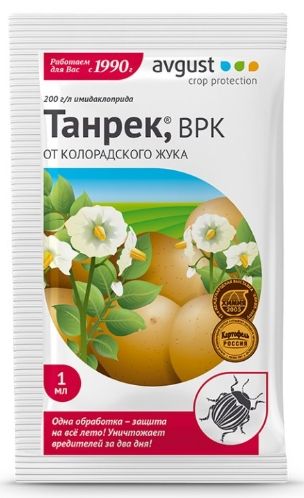
- Tanrek: insects die on the 3rd day.
- Biotlin: Provides protection for 3 weeks.
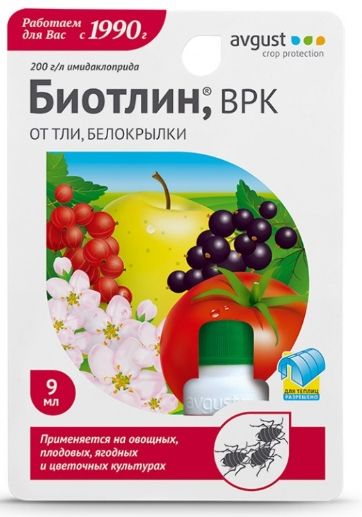
Chemical remedies are used when folk and biological remedies do not help.
Top.tomathouse.com recommends: ways to prevent aphid infestations on indoor plants
Every gardener knows that prevention is better than removing pests and treating a diseased plant.
It is recommended to carry out a number of preventative measures to prevent aphid infestation:
- Newly purchased flowers should be quarantined for a while. A warm shower is essential.
- Before planting, the soil should be kept in a cold place (in the freezer) for a short time. You can also warm it up in the microwave or bake it in the oven.
- Conduct systematic inspection.
- Provide access to fresh air.
- Moisturize periodically. Sometimes put under a warm shower.
- Prevent ants from appearing. If they do, treat them.
- Use folk remedies.