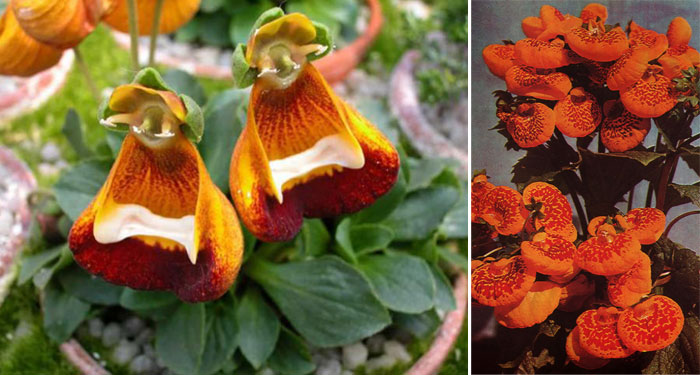
Calceolaria is an ornamental flowering plant. This houseplant is native to South America, where it grows for several years. There are very few regions in Russia with a comfortable climate and high humidity, so calceolaria is most often grown as an annual indoor plant.
Content
- 1 Botanical description of Calceolaria
- 2 5 Calceolaria Species and Varieties: Description and Photos
- 2.1 Two-flowered (Calceolaria biflora)
- 2.2 Single-flowered (Calceolaria uniflora)
- 2.3 Hybrid (Calceolaria hybrida)
- 2.4 Whole-leaved or wrinkled (Calceolaria integrifolia or rugosa)
- 2.5 Tender (Calceolaria tenella)
- 2.6 Coronet (Calceolaria corymbosa)
- 2.7 White (Calceolaria alba)
- 2.8 Mexican (Calceolaria mexicana)
- 2.9 Purple (Сalceolaria purpurea)
- 3 Calceolaria care at home + in the table
- 4 Propagation of Calceolaria at home
- 5 Calceolaria in open ground
- 6 Mistakes when growing calceolaria
- 7 Calceolaria diseases and pests + control methods
- 8 The importance of calceolaria in the home
- 9 Real reviews from experienced gardeners on growing calceolaria from seeds
- 10 Real reviews from experienced gardeners about calceolaria and care tips
Botanical description of Calceolaria
In the wild, shoots reach 60-80 cm in height, but after cultivation, this height has been reduced by half. Modern calceolarias grow to a maximum of 30 cm.
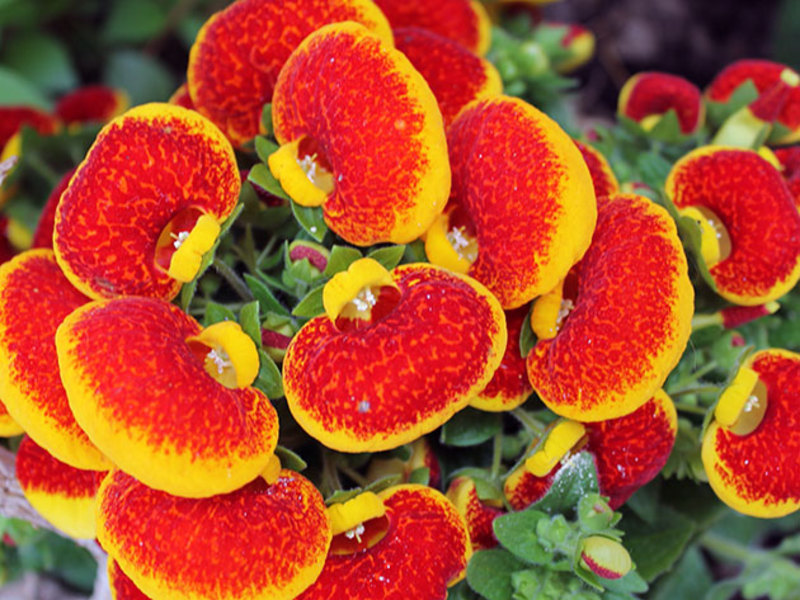
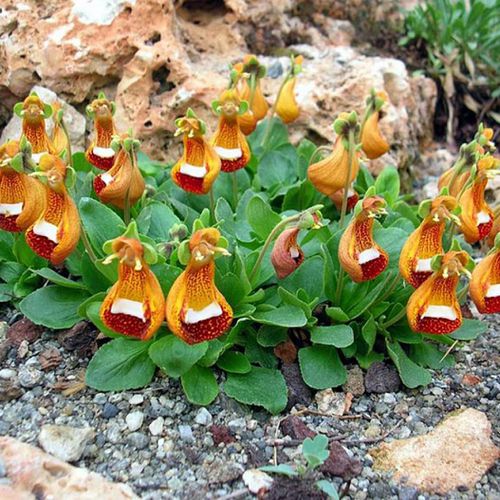
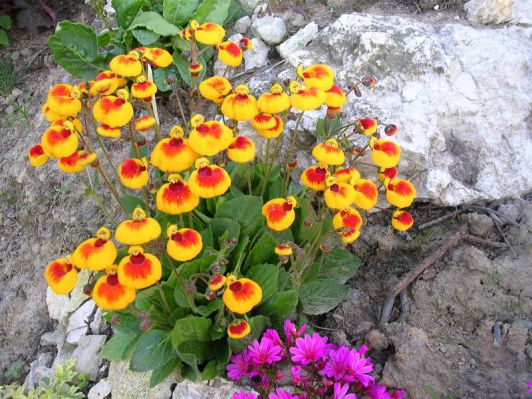
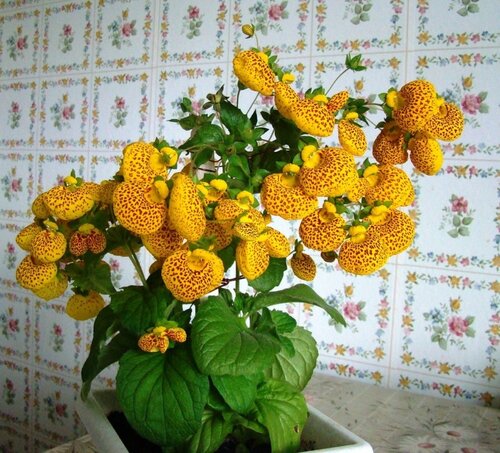
The plant gets its name from the unusual shape of its flower: "calceolaria" translates as "slipper-like." Numerous buds form, and the petals are very vibrant (white, orange, red), covered with fine speckles. Between 20 and 50 slipper buds appear on the bush at a time, and flowering lasts up to a month.
In indoor gardening, calceolaria is considered an annual because it can only achieve its most abundant and beautiful blooms during its first year. Therefore, it's important to learn how to propagate it correctly to regularly renew and rejuvenate your plantings.
5 Calceolaria Species and Varieties: Description and Photos
There are several varieties of calceolaria; we will provide characteristics of the most commonly grown species and their varieties among gardeners.
Two-flowered (Calceolaria biflora)
This plant is a perennial herb. The shoots reach a height of up to 30 cm. South America is considered the species' native home. The leaves are large, up to 8 cm long. Their undersides are covered with pubescence. The edges are serrated, and numerous parallel veins radiate across the leaf surface. The flowers have the classic two-lipped appearance of Calceolaria. The lower lip is strongly curved downward, large, and swollen. The upper lip is round and very modest in size. The species is considered easy to grow, and it tolerates temperatures down to -23 degrees Celsius. It was domesticated in 1826.
Single-flowered (Calceolaria uniflora)
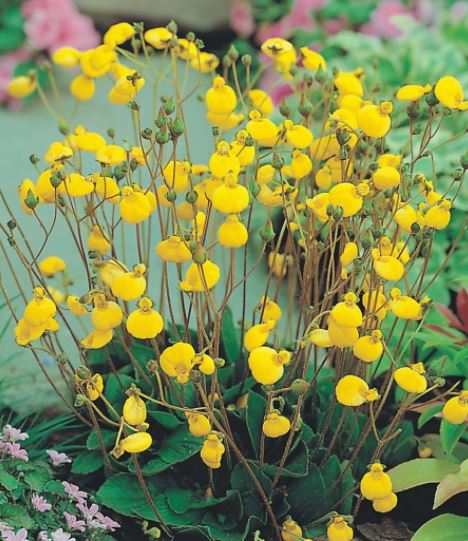
This species is also known as uniflora or dwarf calceolaria. The shoots are short, only up to 10 cm long. The bush is very compact. It occupies an area no more than 15 cm in diameter. The stems are thin, erect, and lack leaves. They are gathered in a basal rosette and grow up to 3 cm long. The leaf blades may be entire or have small serrations along the edges. The flowers are usually solitary, up to 2.5 cm in size. Sometimes they can be gathered in clusters of 2-3. Flowering occurs in July. This species tolerates winters with temperatures down to -23°C (-23°F).
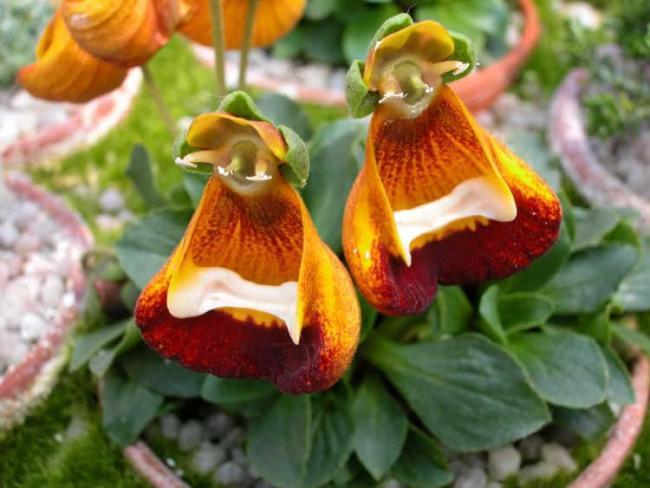
Hybrid (Calceolaria hybrida)
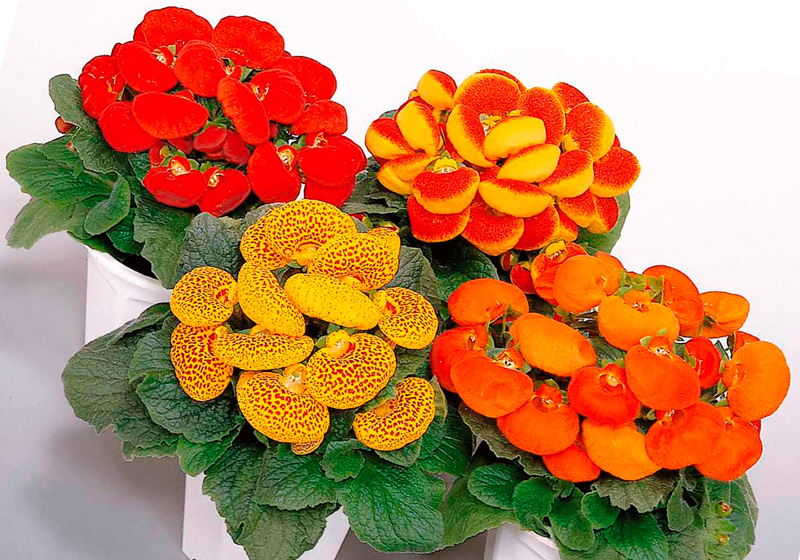
It is distinguished by its small shoots, which form a bushy structure. The leaves are rounded and slightly pubescent over their entire surface. Flowering lasts approximately two months, and the petal color varies depending on the variety:
- Cinderella is a small variety with bright yellow flowers covered with red speckles.
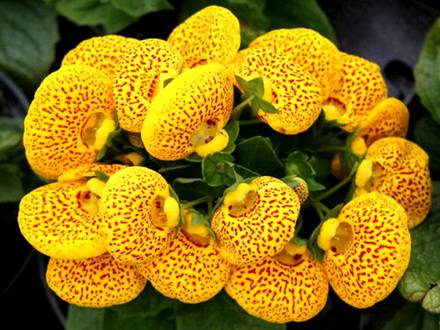
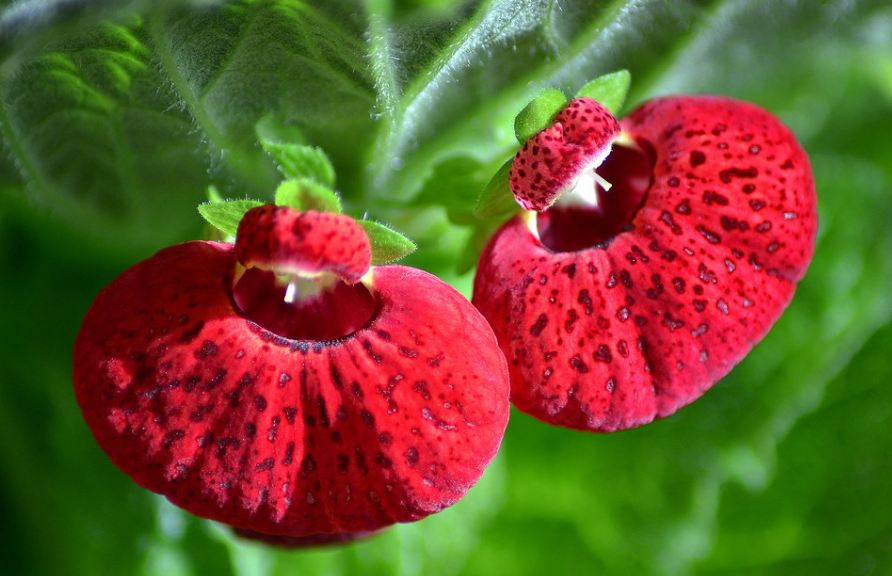
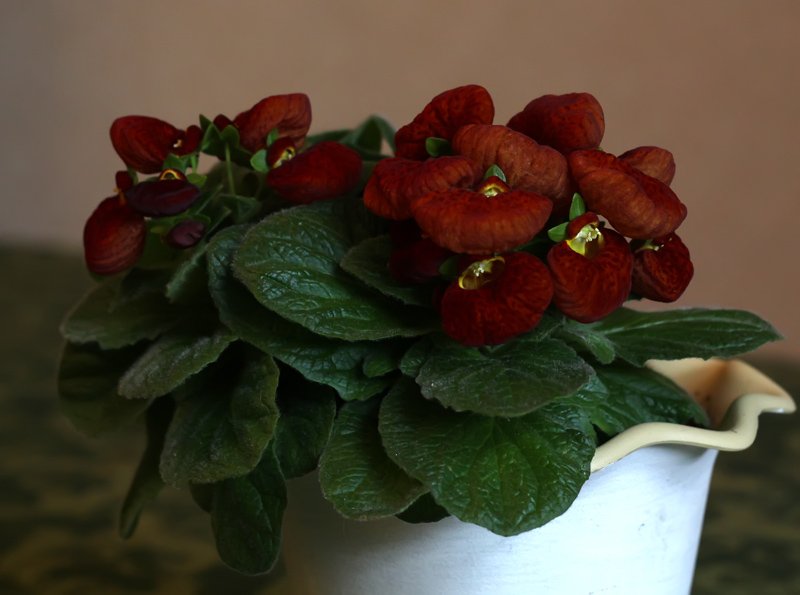
- Aida – flowers are crimson, velvety.
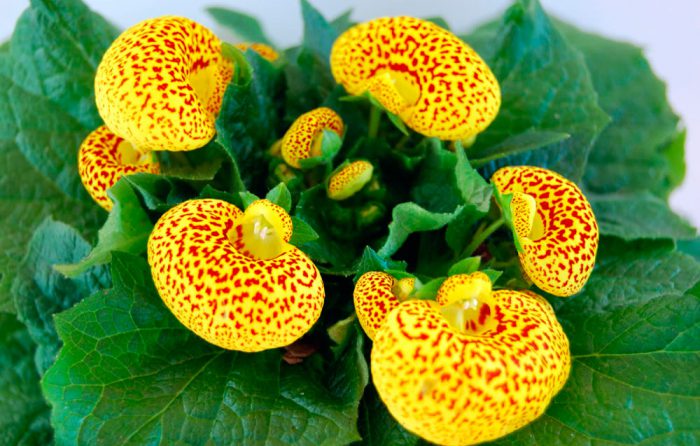
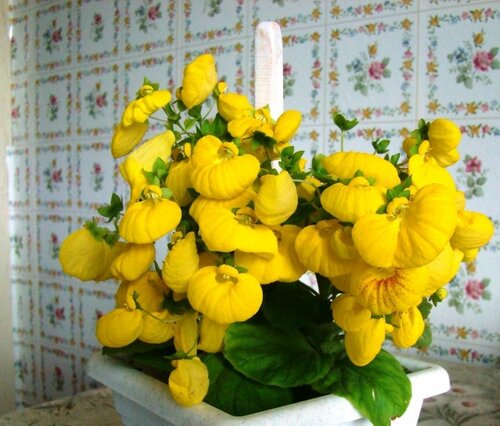
- Golden Shower is a perennial with slipper flowers in all shades of yellow and gold.
- Dervish – distinguished by the small size of its slippers, yellow-brown petals with bright speckles.
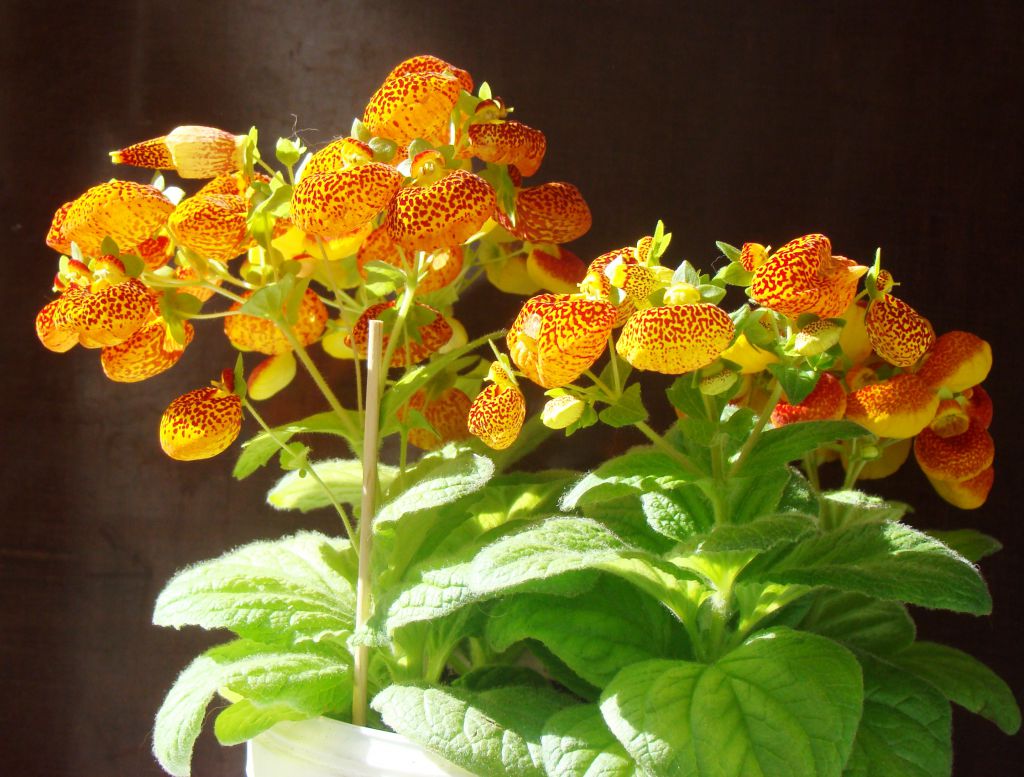
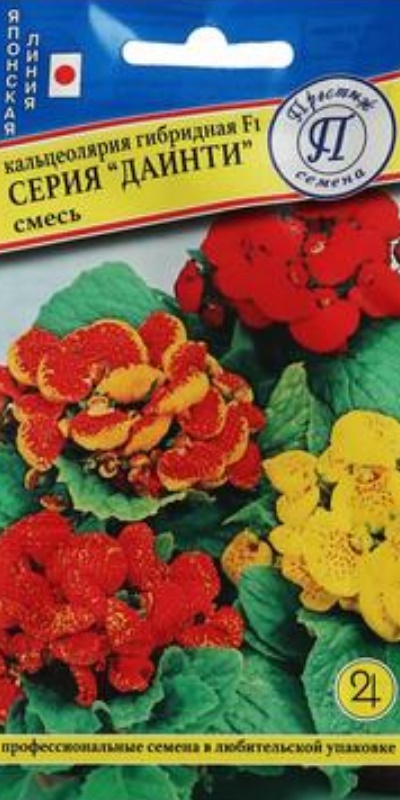
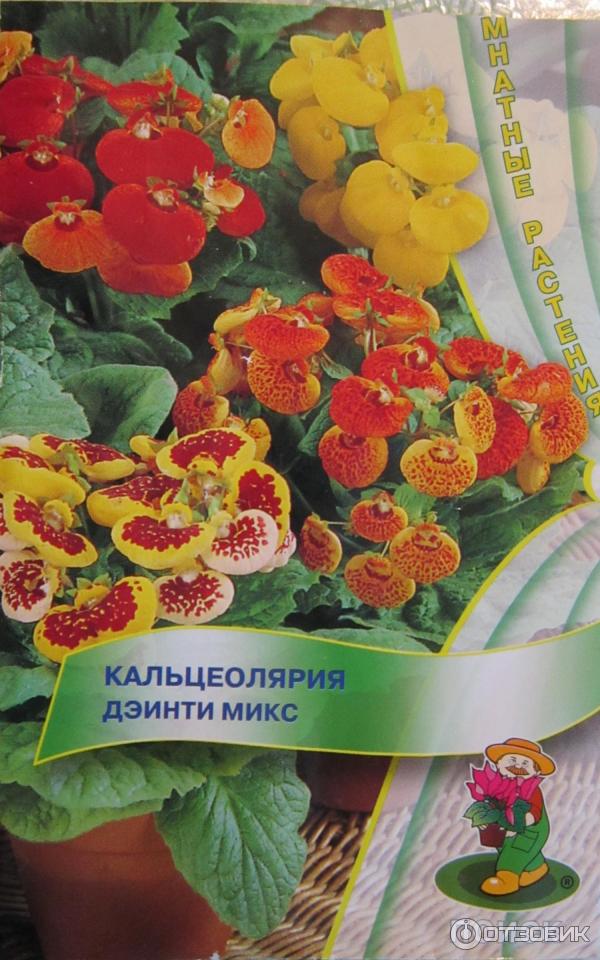
- Dainty Prestige C Mix is an indoor variety of Calceolaria. It grows to a height of no more than 15 cm. The leaves are soft, small, and covered with fluff. The flowers are vibrant, with petals that can be yellow, red, or a combination of both.
Whole-leaved or wrinkled (Calceolaria integrifolia or rugosa)
The most common type of Calceolaria, characterized by small flowers (up to 2 cm). The petals are vibrant, densely speckled with contrasting spots. Numerous buds form, giving the bush a fluffy cloud-like appearance during flowering.
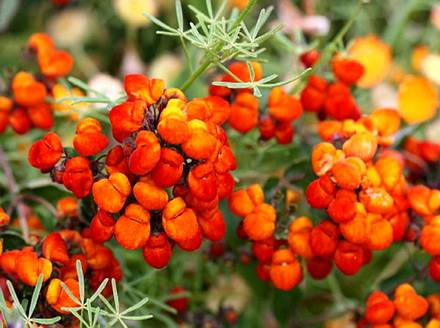
This species is cultivated in many regions and planted as a perennial to decorate parks and is also used as a landscape design element. Some varieties exhibit a certain degree of winter hardiness, withstanding temperatures as low as -5°C. The most popular varieties are:
- Sunset (Sunset) is characterized by bright scarlet or orange flowers. It grows naturally for many years, but is considered an annual in gardens and indoors. The shoots reach 20-25 cm in height. The medium-sized, dense, leathery, dark green leaves form a rosette. The flowers resemble bells, and the inflorescences are relatively small, only up to 2 cm in diameter. Seeds are sown in March, not buried deep in the soil. The first shoots begin to appear after about two weeks. A month later, transplanting is done, and in May, the seedlings are transplanted to their permanent location in open ground, maintaining a distance of 25 cm between bushes. Young plants are watered more frequently, while mature plantings require less watering. Sunset does not overwinter in our climate, but some gardeners transplant it into pots and bring it indoors where the air temperature is around 10 degrees Celsius. In March, all that's left to do is trim the shoots, and in late spring or early summer, the plant can be moved outdoors. However, flowering won't be as abundant as it was in the first year.
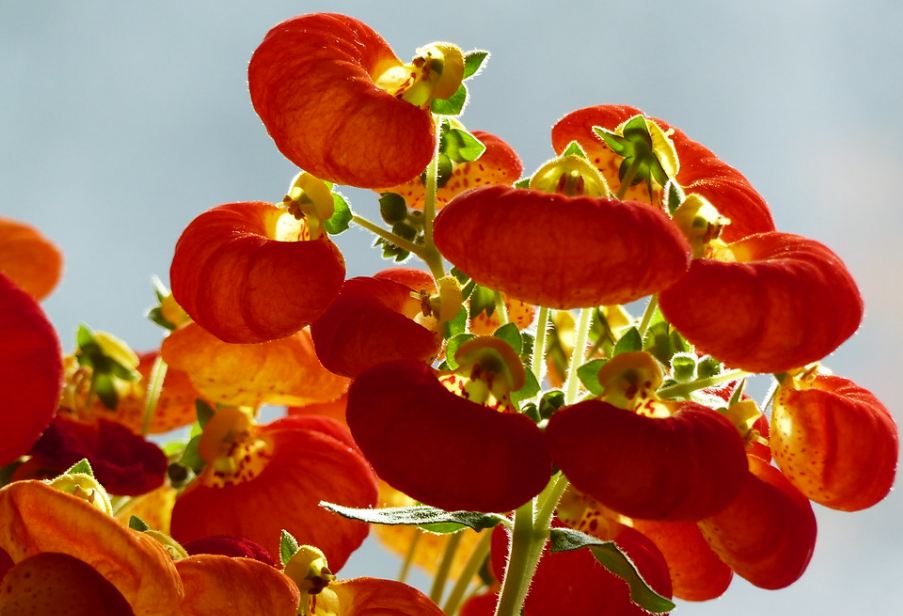
- Golden bouquet – large flowers, golden petals.
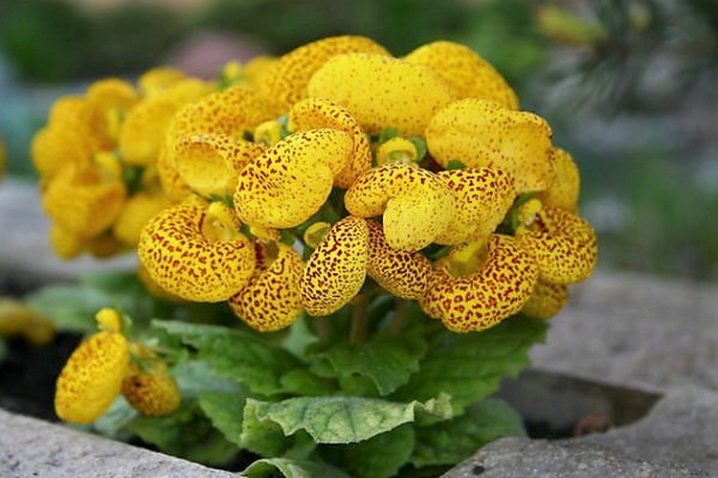
Tender (Calceolaria tenella)
A compact plant with small, bright green leaves, it's often used indoors. The petals are yellow with bright splashes. In summer, flower pots can be a striking addition to a shaded veranda or gazebo.
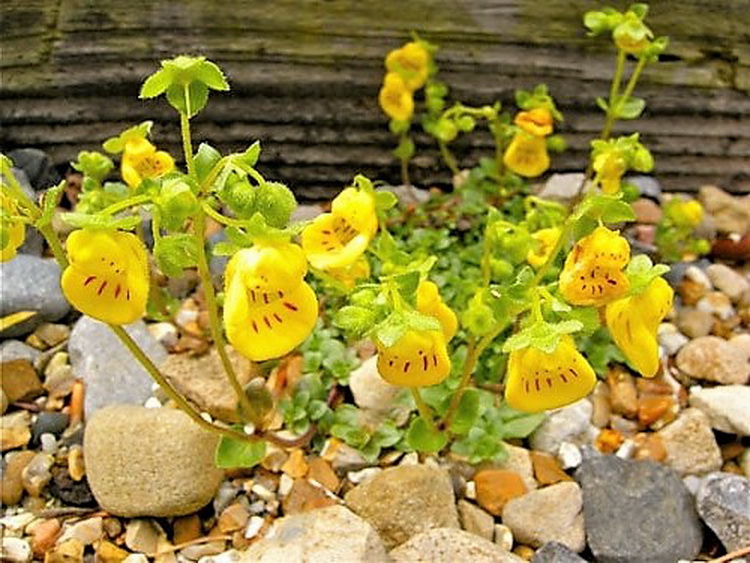
Coronet (Calceolaria corymbosa)
An annual with tall shoots up to 45 cm. The leaves are large and slightly rough, gathered in a rosette. The flowers are purple with small speckles. They resemble a slipper in shape.
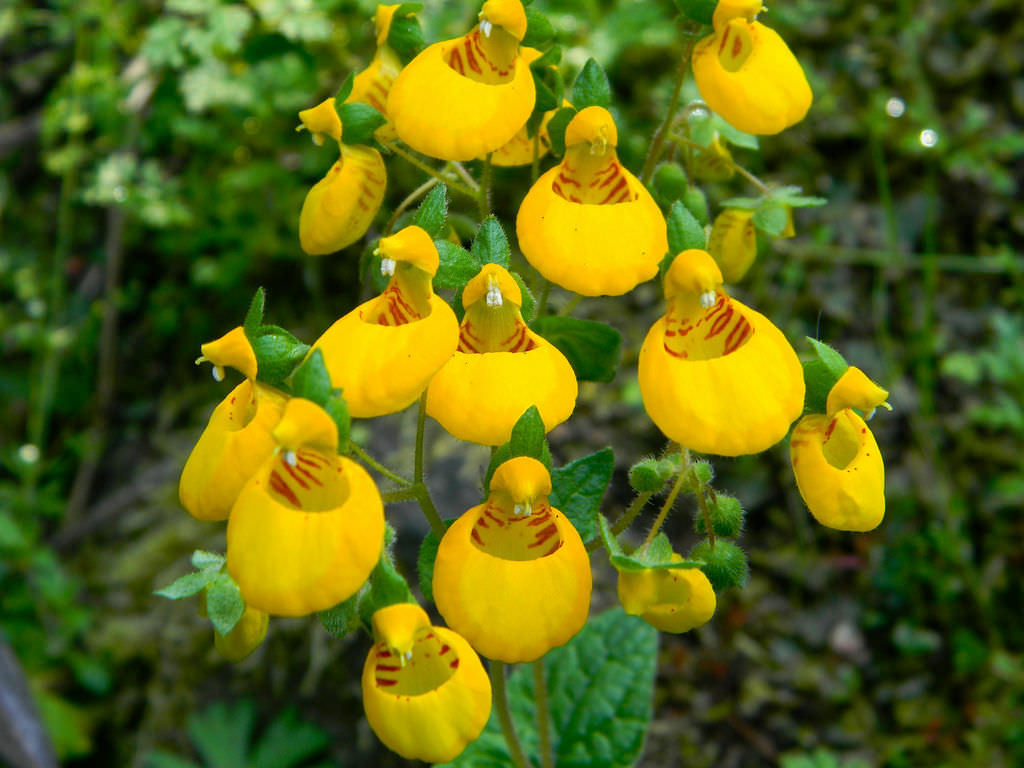
White (Calceolaria alba)
An evergreen shrub up to 60 cm tall. The shoots are branched, and the leaf blades are oval and wrinkled. But the most remarkable feature of this species is the color of its inflorescences. They are completely white, without any veins or speckles.
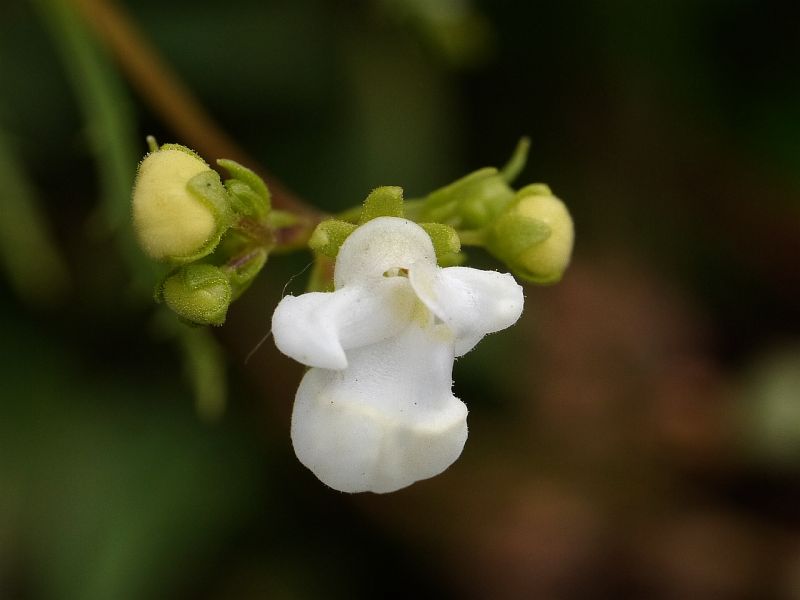
Mexican (Calceolaria mexicana)
It is distinguished by relatively tall shoots up to 50 cm long, and flowers of a single yellow color. With proper care and maintenance, they remain on the bush for up to 2 months.
Purple (Сalceolaria purpurea)
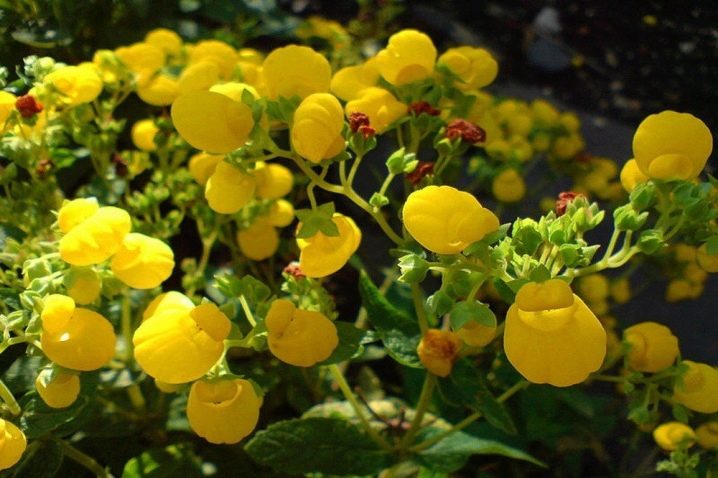
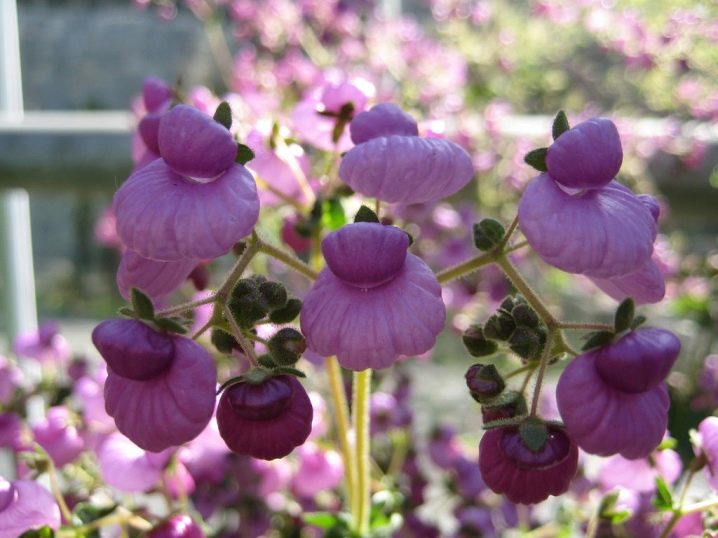
Grown only as an annual, it features beautiful purple flowers. The leaves are medium-sized and have scalloped edges.
Calceolaria care at home + in the table
| Flowering period | It begins in April-May and ends in September. The inflorescences of different species and varieties are very similar in shape: the flower consists of two halves – one smaller but plumper, the other larger and convex. |
| Lighting | It does not tolerate direct sunlight and prefers partial shade. It grows well on north, east, and northwest exposures. |
| Temperature | The plant does not tolerate heat well; maximum flowering is achieved at temperatures no higher than 18°C. For overwintering, temperatures should be maintained between 12°C and 15°C. |
| Watering | The soil in the pot should not dry out; it is desirable that it always be slightly moist. |
| Air humidity | High humidity. To maintain this, it's best to provide the plant with a tray containing water at all times. However, don't mist the calceolaria—it doesn't tolerate it. |
| Top dressing | Feeding calceolaria begins two weeks after planting. Then, until flowering begins, add a complete fertilizer to the soil every 10-14 days. A dormant period begins in early autumn, and no additional fertilizer is needed until spring. |
| Trimming | It is carried out after flowering has completed. |
| Transfer | The flower is grown as an annual, so it doesn't need repotting. The most a calceolaria can do is bloom for two seasons. |
| Reproduction | Using cuttings or seeds. |
| Diseases | Prone to gray mold. |
| Pests | Aphids, whiteflies. |
Temperature and lighting
It only makes sense to grow calceolaria if you have rooms in your home where the temperature doesn't exceed 18°C. Otherwise, the plant will get sick, and you can forget about flowering altogether. Therefore, an insulated balcony, unheated veranda, or loggia is the ideal location for this beauty. The optimal temperature range is considered to be 12°C to 18°C.
Air humidity and watering
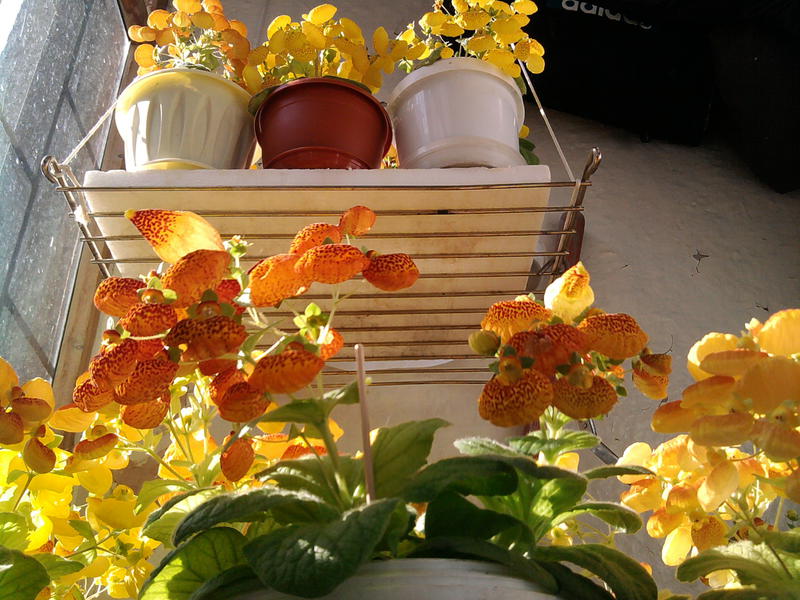
Calceolaria thrives on moisture but doesn't tolerate misting, especially on the leaves. The soil in the pot should never dry out completely, so regular watering is recommended, especially at the roots. The plant also requires humidified air. A specialized humidifier is ideal, but you can also place a tray of water under the pot instead. Some growers replace this with a container filled with peat or pebbles, which they constantly add water to.
Fertilizing Calceolaria
Fertilizing the plant immediately after transplanting is not recommended, as all the necessary nutrients are already present in the soil. However, their concentration decreases over time; the first fertilizers can be added 2-3 weeks after planting. Any complex fertilizer is suitable; apply them every 14 days until the buds open. During the dormant period, calceolaria does not require additional feeding.
Repotting Calceolaria and caring for it at home after flowering
Calceolaria can be repotted if its pot has become too small. This does not affect the plant's rejuvenation. The new pot should be a few centimeters larger than the previous one. A drainage layer of expanded clay is placed on the bottom, and soil is added on top. Calceolarias prefer loose soil consisting of a mixture of peat, humus, turf, and sand. If using garden soil, it must be disinfected.
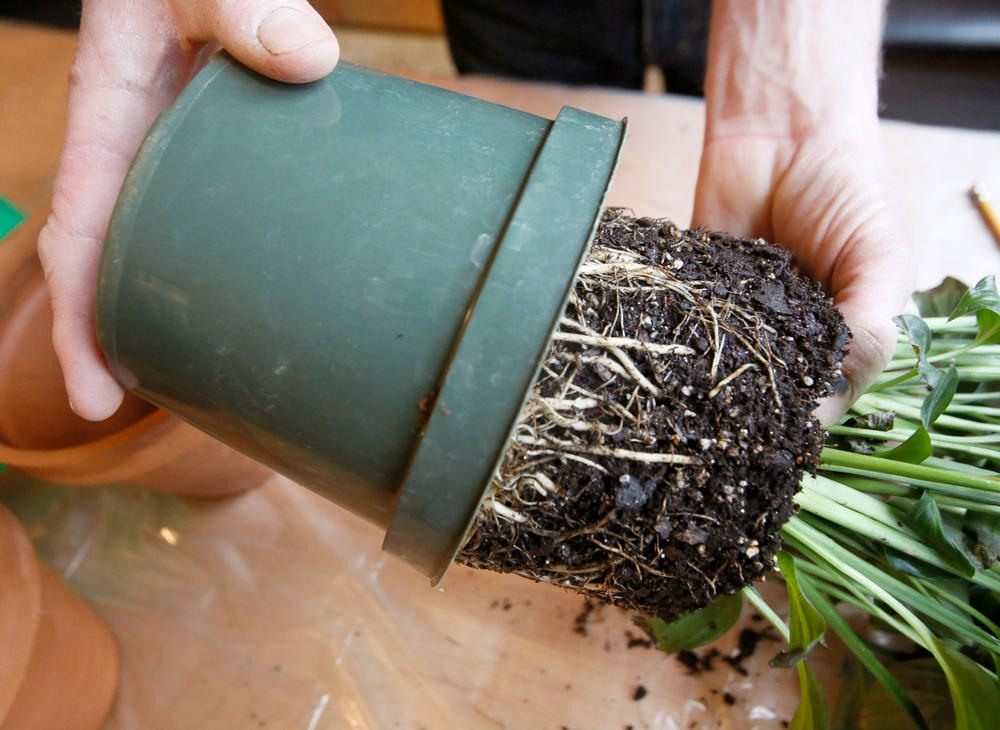
The bush is carefully removed from the old pot, along with the root ball, and placed in a new one. The voids are filled with potting soil, and then watered.
Once flowering is over, the plant needs a temperature drop, especially if you plan to use its shoots for cuttings.
Propagation of Calceolaria at home
Calceolaria is propagated by cuttings or seeds.
Growing Calceolaria from Seeds
Seeds can be purchased at the store or collected after the plant has bloomed profusely. Keep in mind that calceolaria seeds are very small and difficult to handle. Growing calceolaria from seed at home takes a long time; it takes at least six months from sowing until the first buds appear.
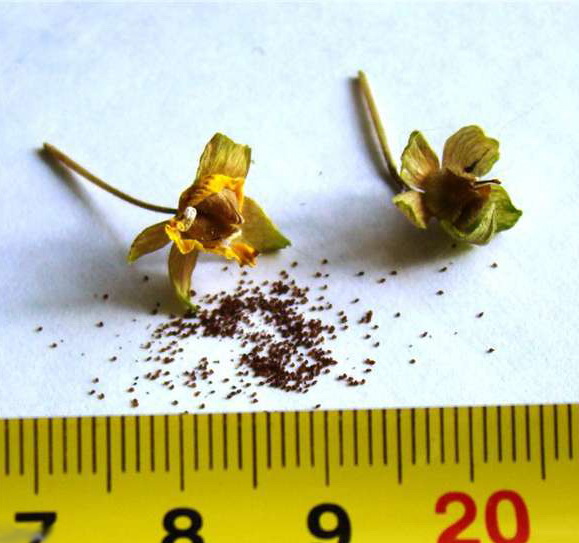
For planting, it's best to use ready-mixed soil, which can be purchased at a specialty store. Fill a container with soil, make small furrows in the top, and sprinkle the seeds into them. To make the job easier, you can mix them with sand. Top the seedlings with soil. Any excess seedlings will need to be thinned out later.
Cover the seed boxes with plastic wrap and place them in a room with a temperature no higher than 20°C. Water the seeds regularly, periodically lifting the plastic wrap to prevent condensation.
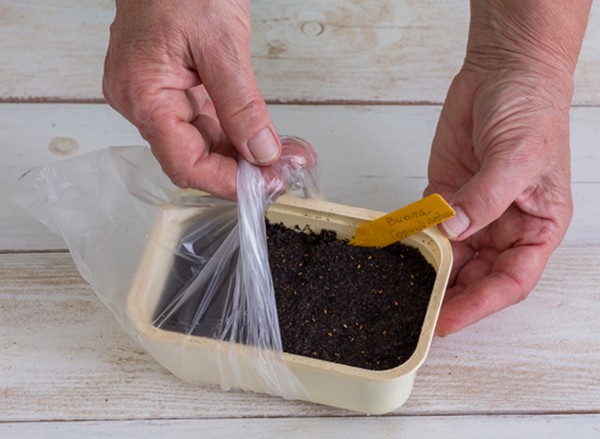
The first shoots will begin to emerge within two weeks. After a month, you can transplant the shoots into different pots.
Young bushes need to be pinched, after which 2-3 pairs of leaves remain on the stems.
Once the plants have gained strength and several new shoots have emerged, the calceolaria is repotted again. During this period, add fertilizer for flowering plants to the soil, and lower the room temperature to 18°C. The pots can be moved to an insulated loggia or balcony.
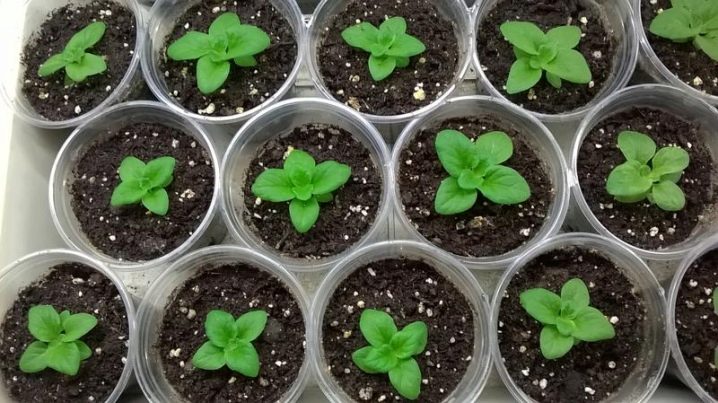
Experienced gardeners agree. Calceolaria seeds don't need stratification! It's best to sow them within three months. Germination declines later, and the plants become more frail and drop off more frequently during growth.
Growing Calceolaria from seeds in peat tablets
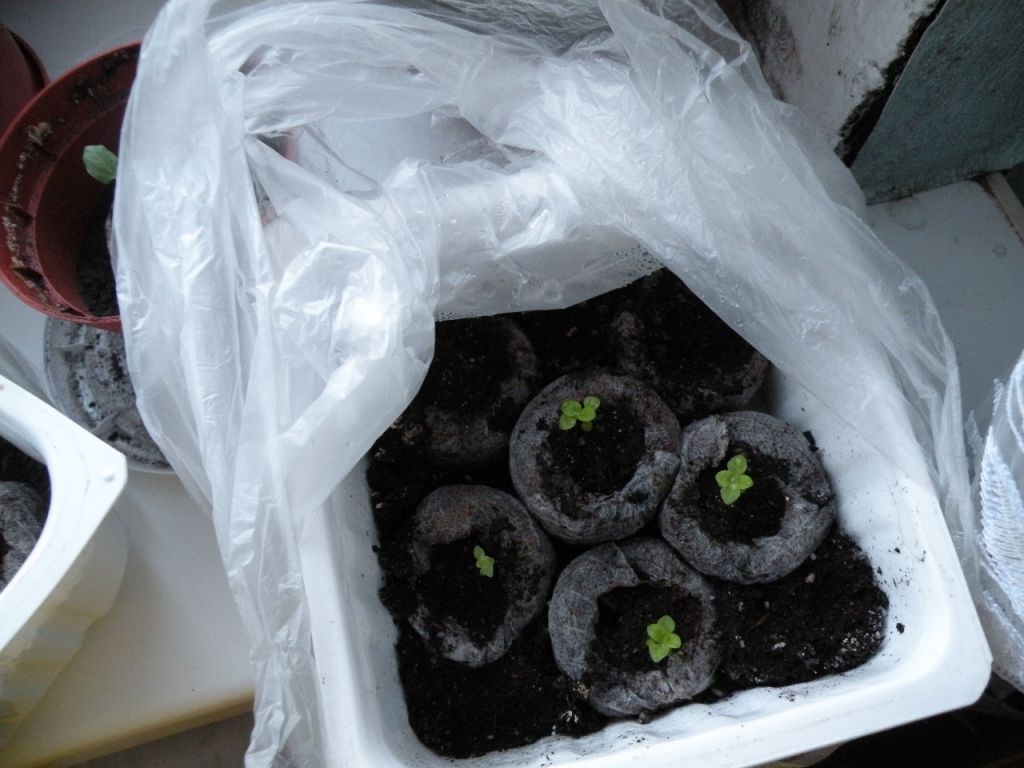
Calceolaria is quite easy to grow from seeds in peat pellets. This method is more convenient than using pots filled with soil.
- The peat tablet must be pre-soaked so that it swells and becomes softer.
- Next, place one seed into each tablet and press it lightly with your finger. The germination rate of the seeds isn't very high—sometimes it can reach as low as 50%, a fact that largely depends on the integrity of the manufacturer.
- Water very carefully. It's best to use a spray bottle or a teaspoon.
- As soon as the shoots get stronger and several full-fledged leaves appear on them, you can transplant them into separate cups.
It's recommended to start sowing in the first ten days of February. By the end of May, the bushes will have grown sufficiently to be transplanted into open ground or brought outside to decorate a gazebo or veranda. The first buds will open by mid-June.
Calceolaria cuttings
Calceolaria preserved over the winter can be used as a source of cuttings for seedlings. To do this, cut healthy shoots and treat the cut areas with special products to accelerate the rooting process.
Next, take a deep container, fill it with nutritious potting soil, and insert the cuttings into it. Cover the entire structure with plastic wrap and place it in a well-lit area with a temperature no higher than 20°C.
It is important to avoid exposure to direct sunlight.
Rooting will take about two months, and about half of the cuttings will take root. After this, they should be transplanted into individual pots. For fuller, fluffier plants, you can plant two cuttings per pot.
Calceolaria in open ground
Calceolaria is widely used in landscape design to decorate flowerbeds, verandas, and gazebos. In warm regions with a favorable, mild climate, the seeds can be sown directly into the garden bed. However, they are most often germinated indoors before planting outdoors, as in most regions of our country, the soil warms up to the required temperature for plant growth only by the second half of May.
Calceolaria is most often grown as an annual. The plant naturally dies back at the end of the season, so new seeds will need to be planted in the spring. The most common varieties of Calceolaria in our gardens are the multi-rooted and slender.
Selecting a site is a crucial step in successful cultivation. The area should be well-lit, but sheltered from winds and drafts. There are no specific soil requirements, but good drainage is crucial for calceolaria. This plant will not survive in low-lying areas or on soils with a low water table, as it cannot tolerate stagnant water around the roots and will begin to rot. Therefore, watering should be moderate: it's best to apply smaller amounts of water more frequently.
To ensure that the bushes grow vigorously and bloom profusely, it is recommended to apply mineral fertilizers twice a season.
Calceolaria can be preserved over winter by digging it out of the ground, repotting it in a pot, and storing it in a cellar. However, keep in mind that the plant's decorative value will be significantly reduced in the second year of flowering. However, the buds will begin to open earlier.
Flowers will be a great addition to any complex flowerbed; they are suitable for decorating verandas and gazebos, for decorating recreation areas and alpine gardens.
If the plant is suddenly attacked by pests and diseases, it is recommended to treat it with any insecticide suitable for these purposes.
Mistakes when growing calceolaria
- If the room temperature is above +20 °C or watering is irregular, the leaves and buds will begin to dry out and fall off.
- You can expect profuse flowering only in the first year of the calceolaria's life; then it is necessary to renew the plantings with seeds or cuttings.
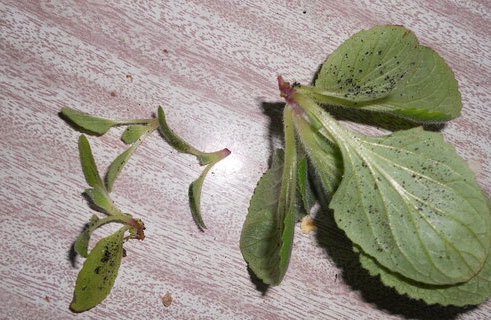
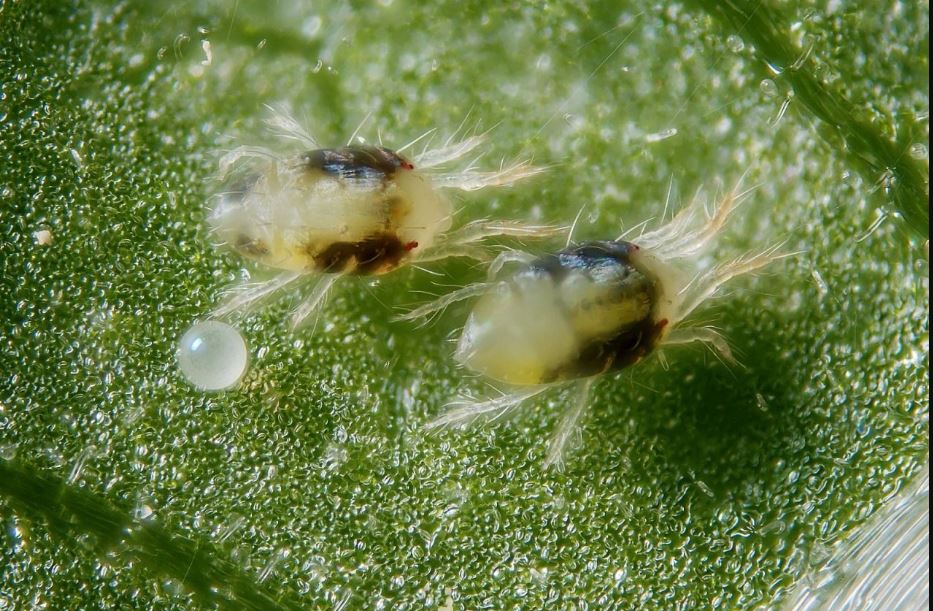
- The risk of pests and diseases increases at temperatures between 20 and 25°C. Leaves begin to curl, and shoots become covered in webbing.
- If wet spots appear on leaves or shoots, it is necessary to treat the plant with Fitosporin; if this does not help, the flower will have to be disposed of.
- If the concentration of calcium in the soil or water used for irrigation is high, a white coating will appear on the pot and the leaves will begin to turn yellow without losing their elasticity.
- If white or yellow spots appear on the leaves, this may indicate that drops of moisture have fallen on them.
- With a sharp change in temperature, leaves and buds fall off.
Calceolaria diseases and pests + control methods
The most common pests that attack calceolaria are aphids and whiteflies. Treating the plantings with Actellic will help control them. If the infestation is extensive, repeat treatments will be necessary every 3-4 days. No more than 4 treatments should be performed in total.
If watering rules are not followed, when the roots remain wet for a long time and the temperature is low, gray mold may appear.
Excessive nitrogen concentrations increase the risk of gray mold. Affected areas are removed, and the remaining parts are treated with Topaz, Oxychom, and Kuproskat.
The importance of calceolaria in the home
Calceolaria is an unusual plant. Therefore, it has become a favorite among feng shui practitioners, who see a magical symbol in every unusual image. Today, there are several signs and superstitions associated with calceolaria.
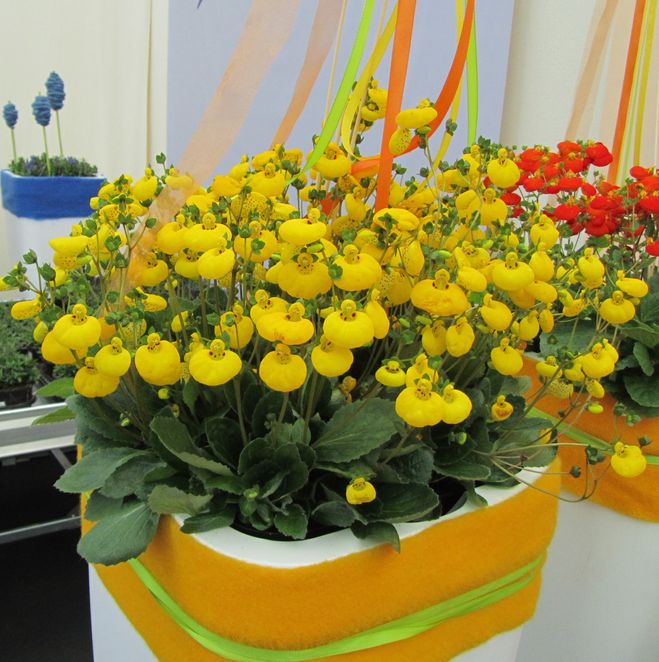
Whether you believe them or not is up to you. Below we'll discuss the most common ones.
- Calceolaria is considered the flower of the rich. It attracts financial resources and promotes material well-being. Many believe that planting the flower in the home will bring money and wealth. It can often be found on windowsills in large financial institutions.
- It is believed that the "shoes" have the ability to absorb negative energy, pass it through themselves, cleansing and freeing it from everything bad, and release it back, renewed and positively colored.
- The slipper flower is also believed to bring harmony to family life, improve relationships between spouses, and restore the intensity of lost feelings.
- The aroma of calceolaria activates metabolism and helps the body get rid of extra pounds.
- Another meaning of the "Slipper" is that it has a beneficial effect on creativity. It is believed that all those in creative and artistic professions should have a pot of calceolaria on their desk.
Incidentally, for all those born under the sign of Leo, calceolaria is considered a totem plant, helping in all areas of life, be it material wealth or health. Therefore, all Leos, more than anyone else, should definitely have this exquisite flower in their home.
Real reviews from experienced gardeners on growing calceolaria from seeds
User Svetlana K.
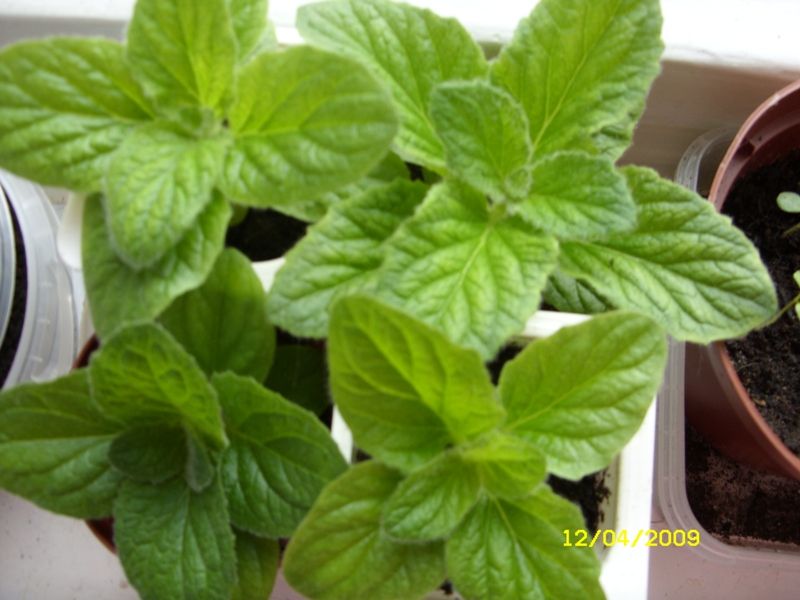
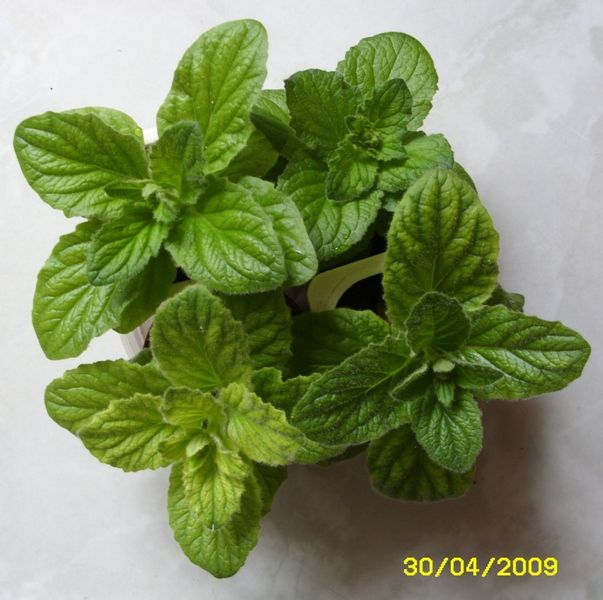
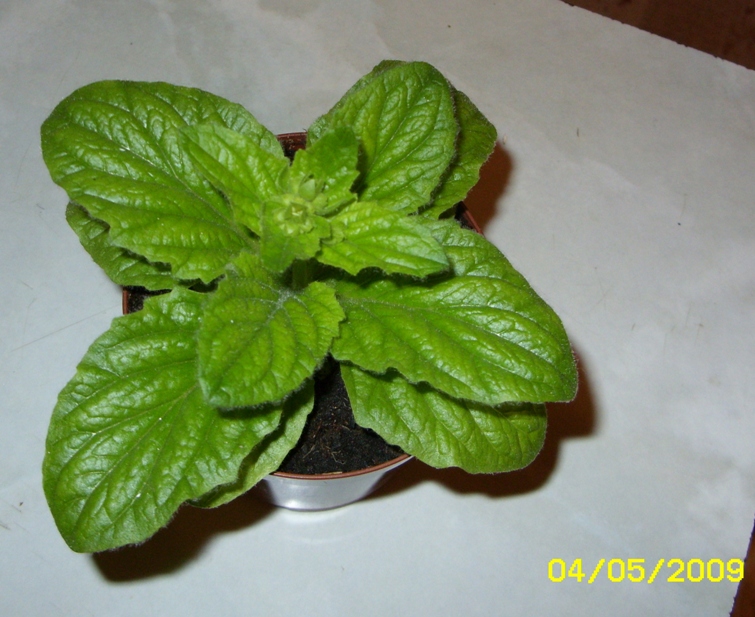
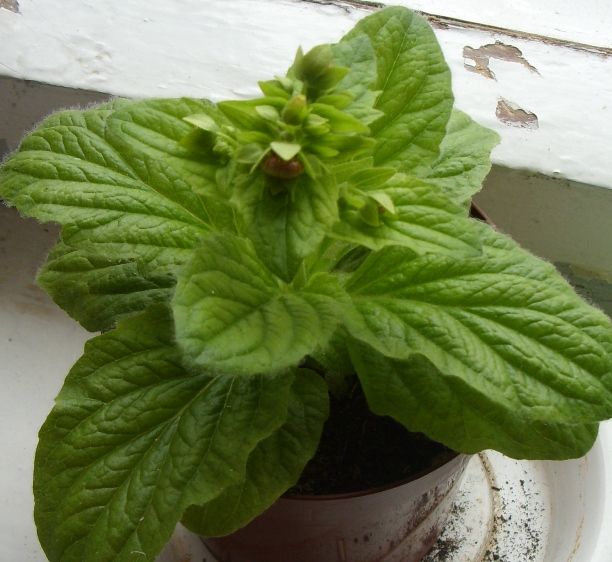
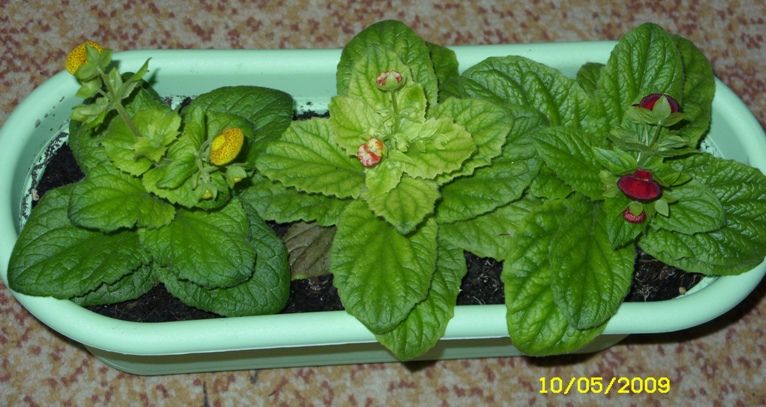
Hello! I grew calceolaria. The results were excellent. I already described my experience in another thread and posted photos... since there's a separate thread for it, I'll repeat it...
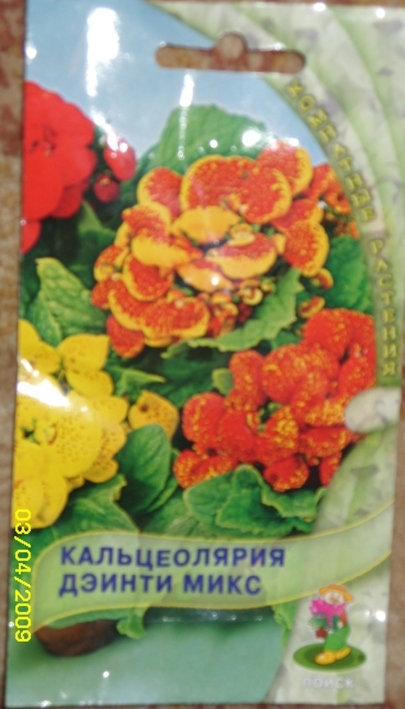
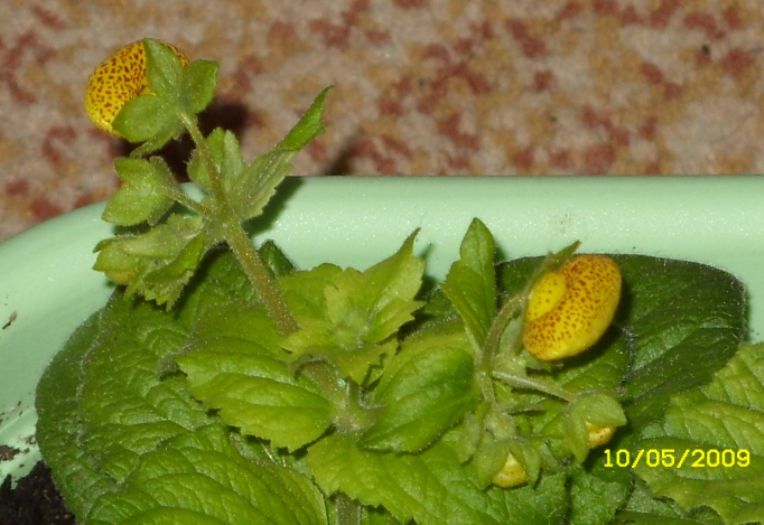
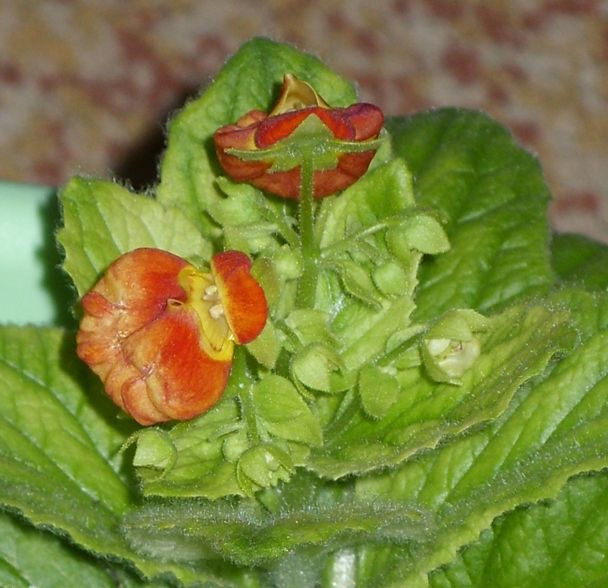
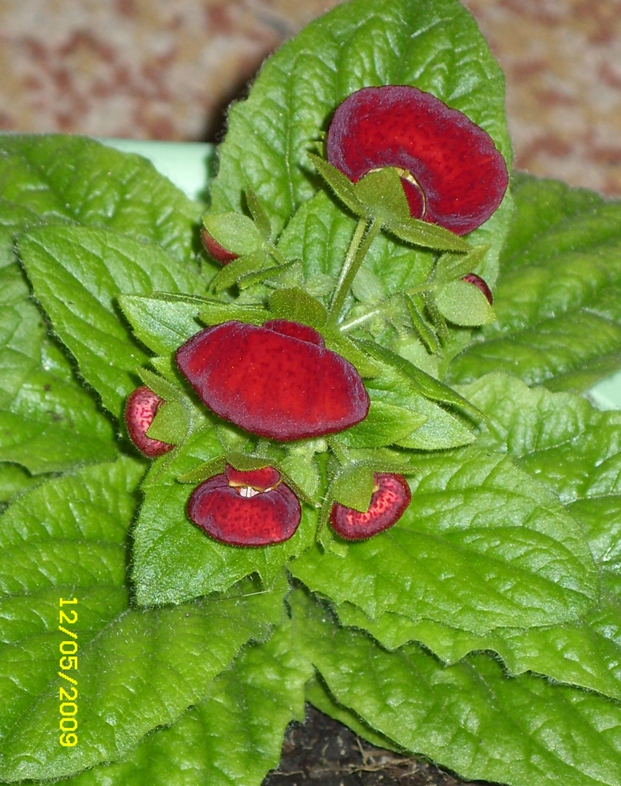
I sowed 5 seeds (in granules, the packet is in the photo) on December 24, 2008. They all sprouted… grew well, except for one… it died… the remaining 4 grew into compact bushes and bloomed in early May…
Calceolaria is easy to grow, requiring no heat or bright sunlight. In January and February, the seedlings were kept on a west-facing window without supplemental lighting, and since March, they've been on a north-facing window. The windowsills are cool, around 13-17 degrees Celsius in winter. I'm currently searching for seeds, but so far, no luck. I'll find them! I really want to try it again.
Next, look at the photos (pay attention to the dates)... if you have any questions, ask.
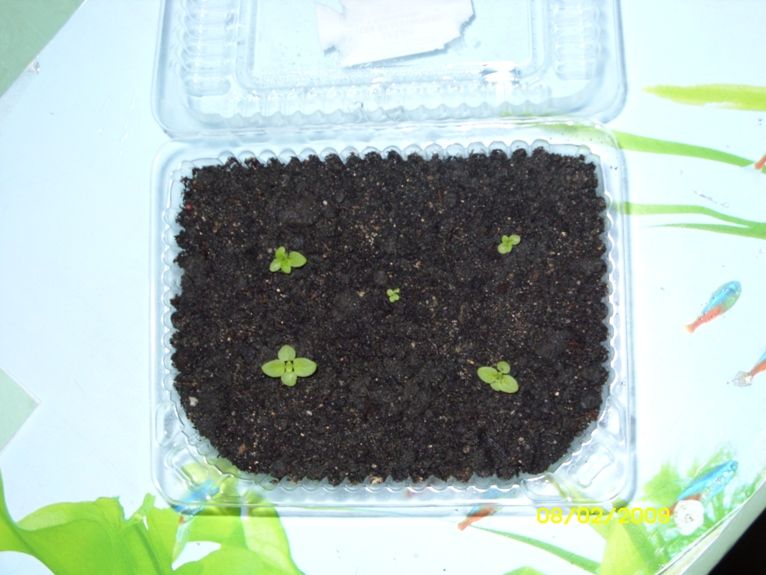
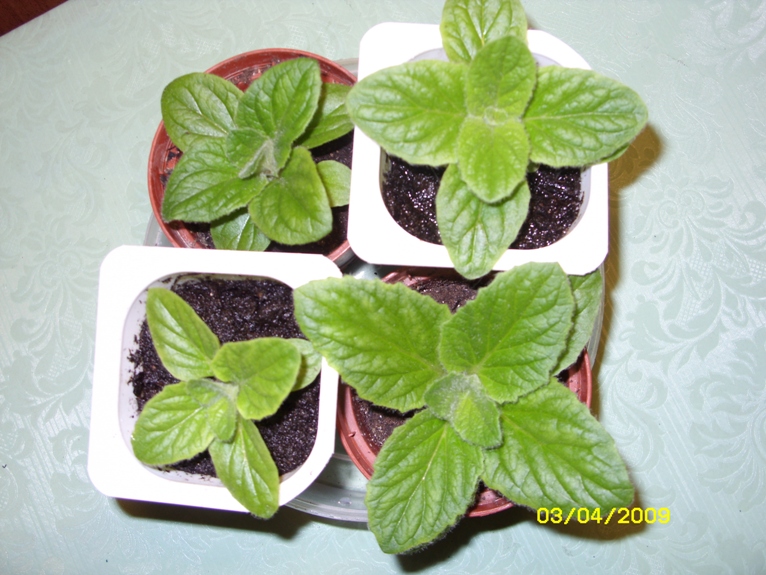
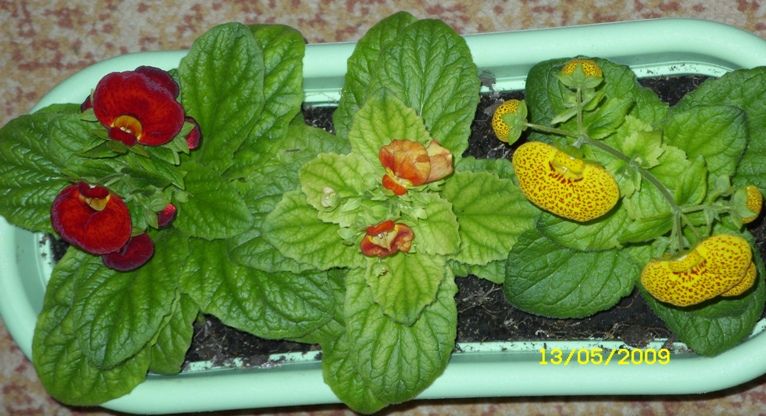
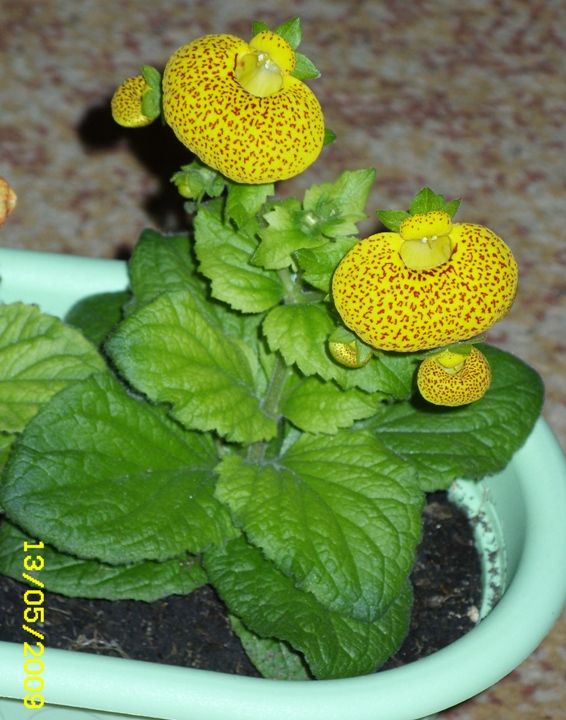
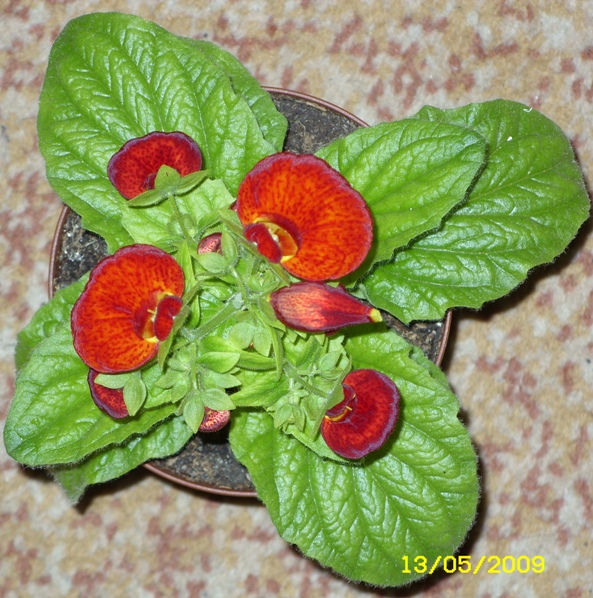
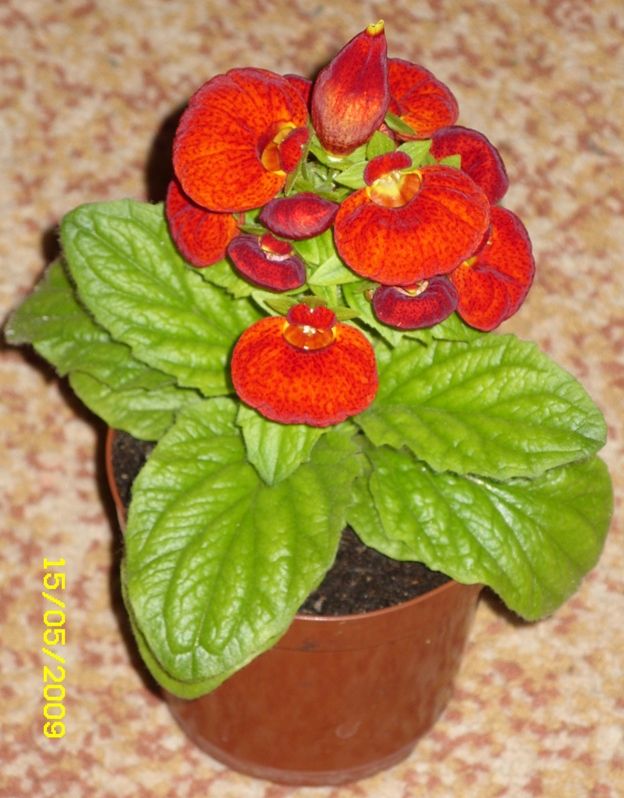
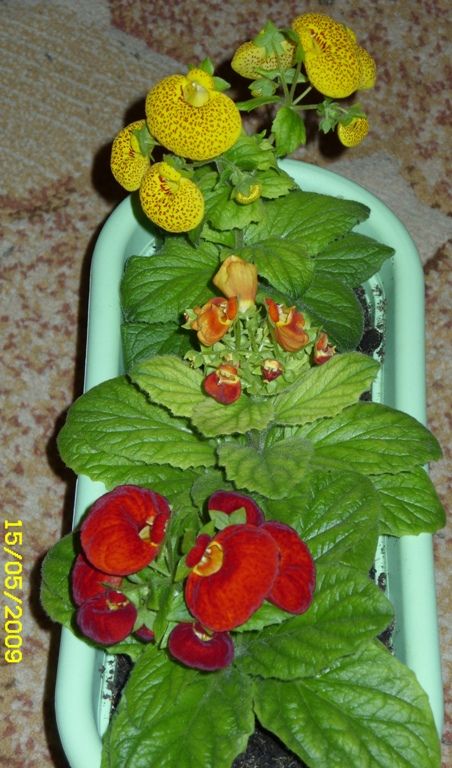
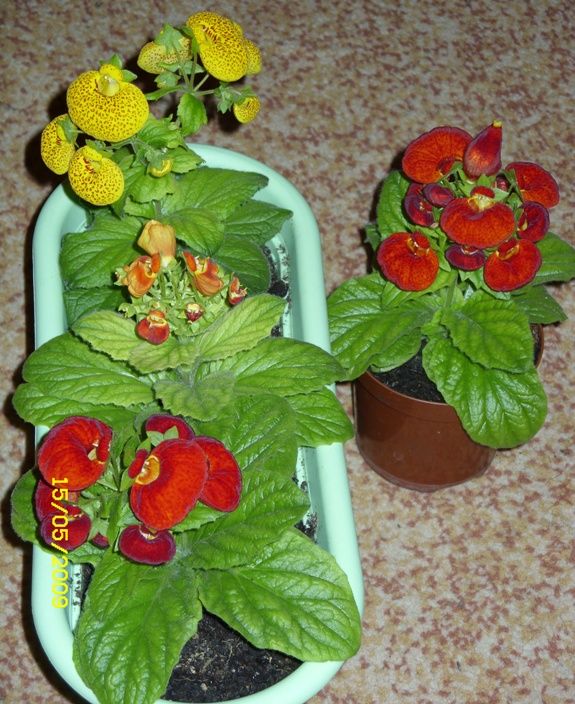
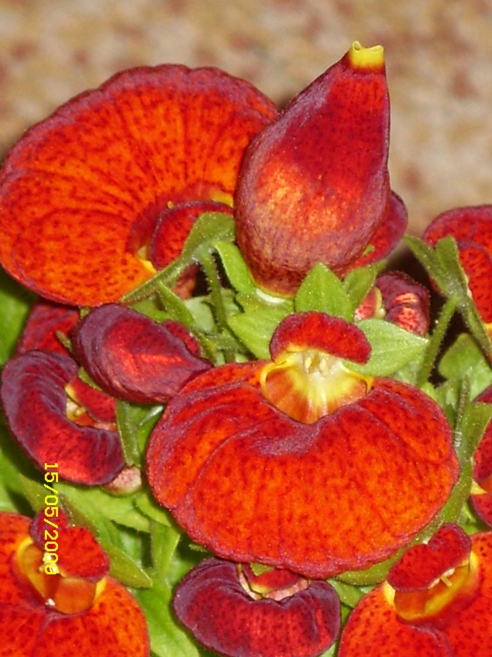
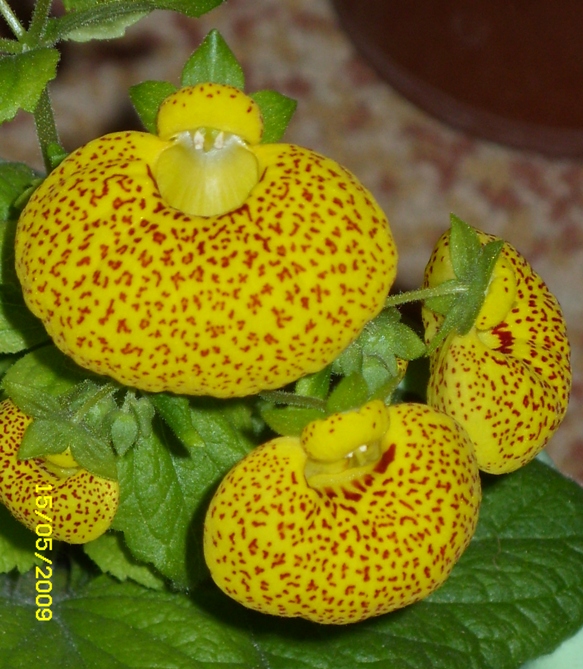
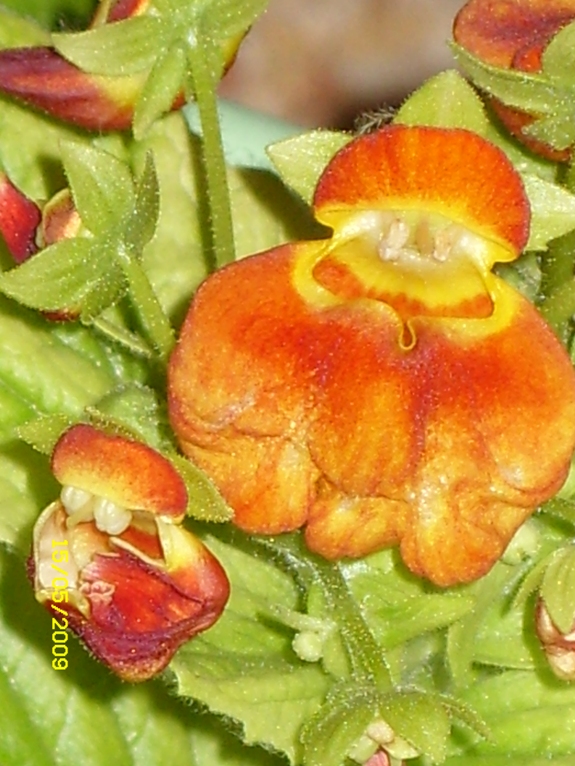
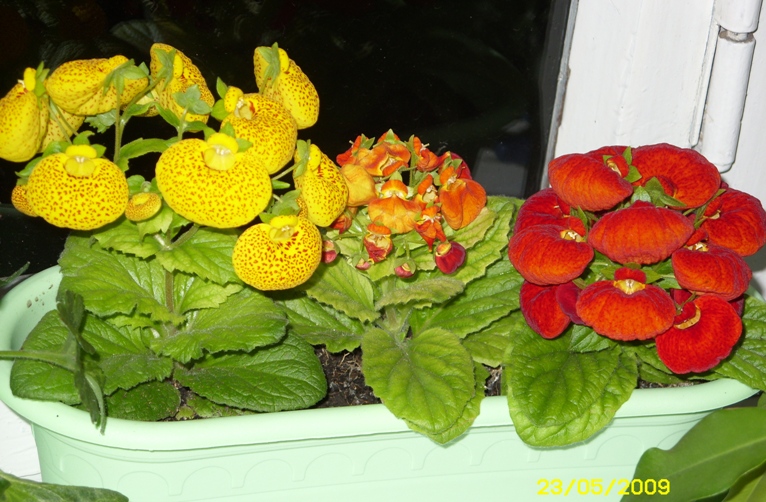
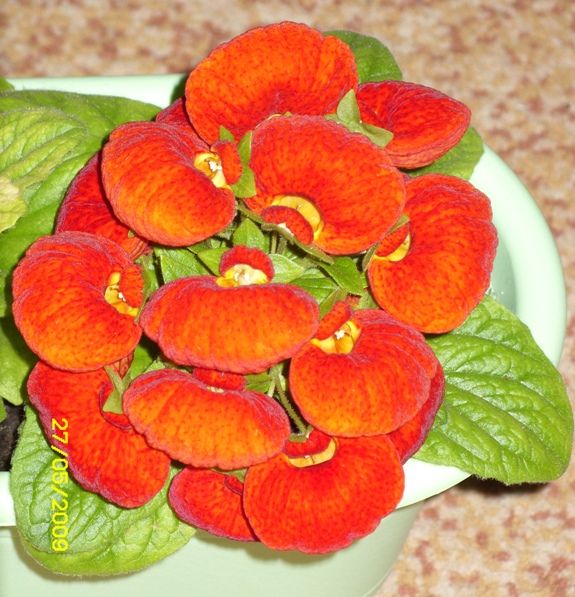
NympheaI use store-bought universal soil based on peat... Germination temperature is cool room temperature... They germinate on a cool western windowsill (approximately 13-17 degrees) without backlighting or heating... I simply lay the seed granules on the surface of the soil, immediately pressing them down a little before they get wet... I place the container inside a plastic bag and pull the bag taut so that it doesn't sag and touch the seedlings... The seedlings appear in about a week... I ventilate the bag for 15-30 minutes every 1-2 days... They grow very well if you exhale air into the bag with the sprouts in the morning and quickly tie it... Apparently, the exhaled carbon dioxide helps...
User astra309, Novosibirsk, November 5, 2011
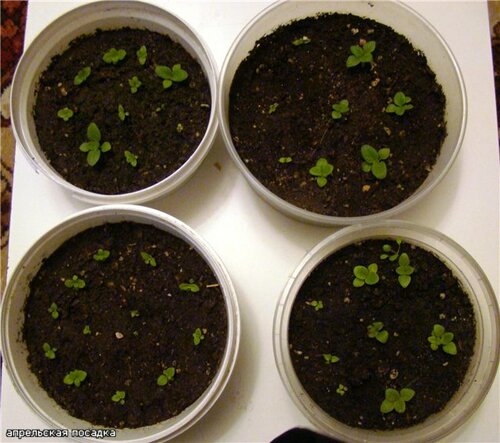
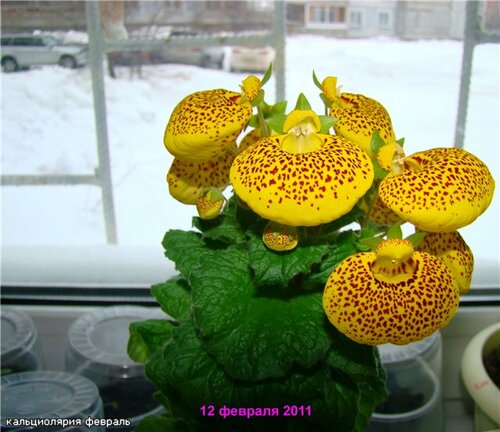
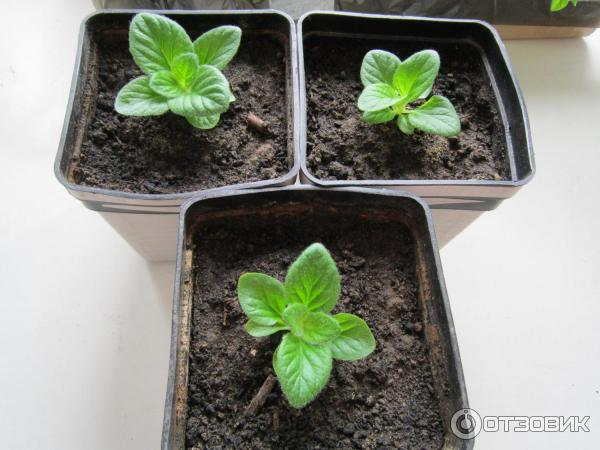
I'll try to keep it brief. There are some subtleties, though. I planted store-bought seeds on July 28, 2010. They were sold in granules—7 of them. I took a 3-cm-deep container from some grocery packaging. I filled it with peat, moistened it with water, and carefully scattered it over the surface. Tiny sprouts appeared within 4-5 days. (The photo shows sprouts from my seeds.) I'm showing the size of the sprouts. Store-bought seeds have a poor germination rate. Everything will depend on luck; they may all sprout, or they may not. So it's better to get your own seeds. You can plant at any time of year. Personally, I'm currently timing my planting so that the plants bloom by New Year's. (Gifts for friends)
Two weeks after planting, the result is shown in the photo above. Throughout the entire growing period, the plants were kept in the shade on a windowsill. I measured the temperature with an electronic thermometer—+16 to +25.
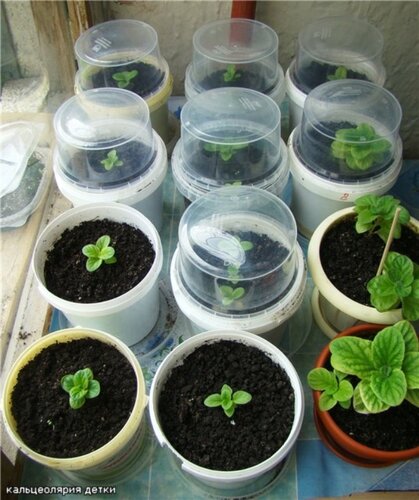
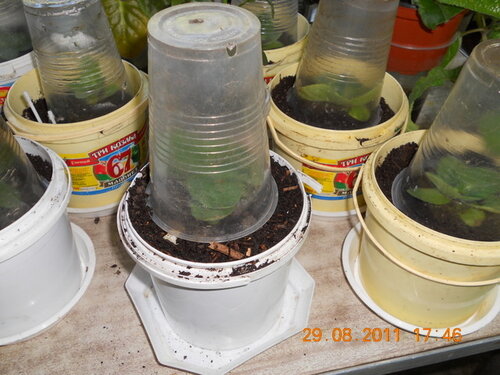
After the second pair of leaves appeared, I transplanted the plant into a plastic container. A month and a half later, I transplanted it again into a flowerpot. Considering that calceolaria likes humidity, I covered the pot with a plastic jar. Photo below.
After 4-7 months (depending on planting time), the plants begin to bloom. My first photo shows the same flowers, but in June.
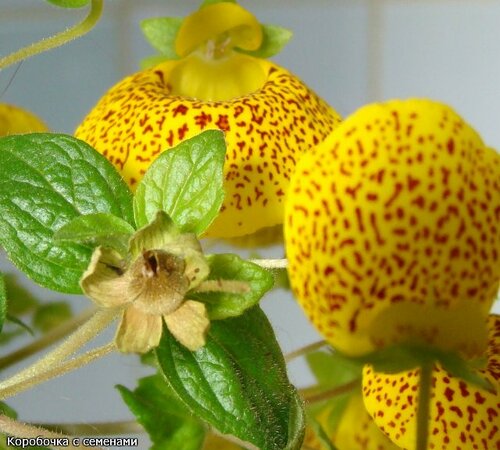
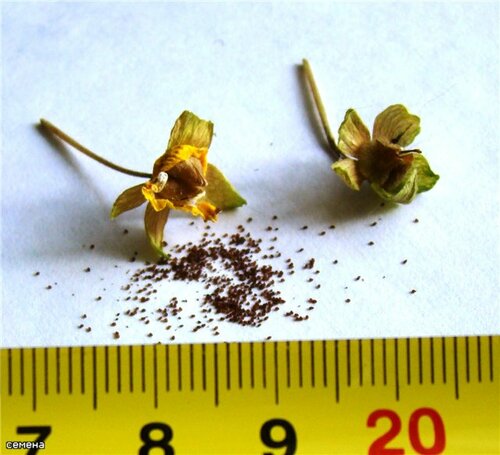
After two months, seed pods will appear. Carefully cut off the dry pods to obtain the seeds. The seeds are very small.
And then the process repeats.
A single rosette can contain up to 50-60 flowers. The rosette can be shaped. If you want a round rosette with many flowers, remove all side shoots throughout the growth cycle. This will result in large flowers. If side shoots are present, the flowers will be few and small.
The temperature on the windowsill fluctuated between 16 and 23 degrees Celsius throughout the winter. In the spring, I moved it to the balcony and left it overnight—the temperature dropped to -5 degrees Celsius. It survived everything. It received 5 hours of direct sunlight in the winter and 6-7 hours in the spring. You can see everything in my first photo. I didn't observe any negative effects. It bloomed on February 2nd and is just finishing its blooms now.
I hope that my experience will be useful to someone.
There are still various subtleties and surprises. This plant is for those who don't look for easy ways.
There are still some small surprises, though. First, stores sell seeds, and it's completely unknown how tall the calceolaria will grow—10 cm or 30 cm.
Although the plants are similar, their rosettes are different. Medium-sized calceolarias (up to 25-30 cm) have a fluffy rosette that constantly renews itself over the course of 3-4 months, while low-growing calceolarias (up to 10 cm) have a dense, flower-by-flower rosette that doesn't renew itself and only blooms for 2-3 months. Furthermore, medium-sized calceolarias are very prone to falling over and require additional support. Lateral shoots have a significant impact on calceolaria development. The most difficult part of growing calceolaria is the first two weeks. Plant it correctly. After that, it's easier. Be disciplined, and it will reward you with wonderful, long-lasting blooms. Good luck to everyone!
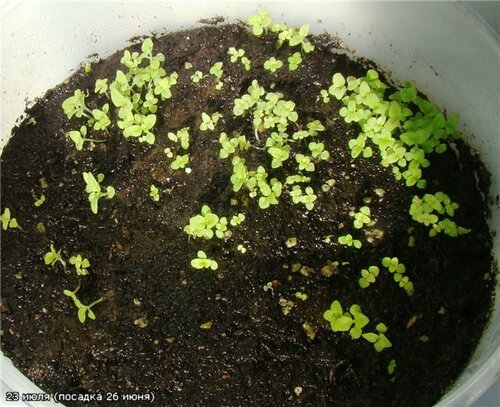
User Alla Timofeevna, Lugansk, Ukraine, November 4, 2011
I sowed calceolaria at the end of April, under a plastic bag and in a cold greenhouse. The daytime temperature was +30, and at night it dropped to 0. It sprouted on the 5th day.
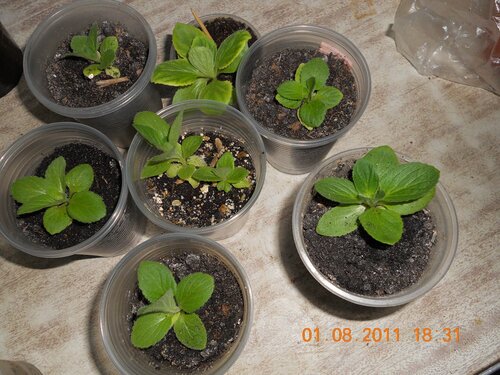
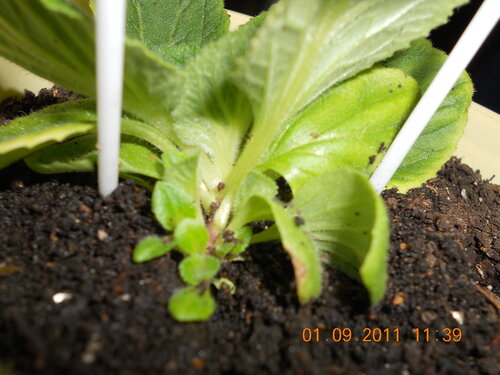
The seedlings looked like this. The date and time are in the photo. Then I transplanted them once. Then I transplanted them twice into 100g cups.
After some time I pricked out the seedlings - 4 leaves
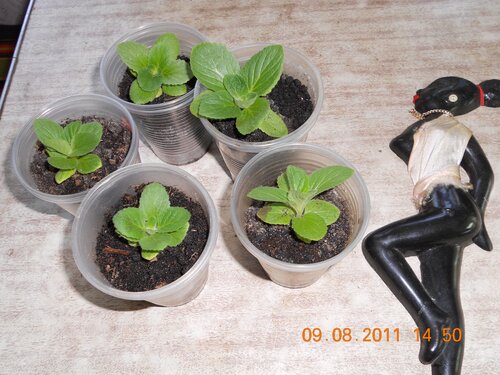
Here it is, August 9th. They will bloom by the New Year.
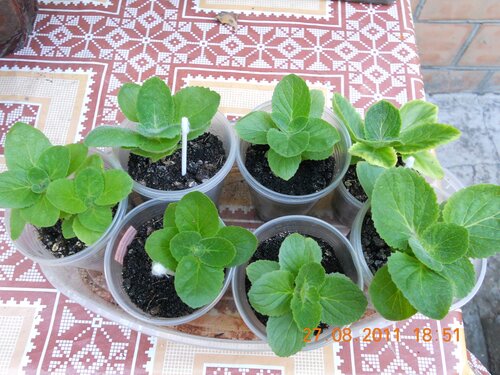
It's time to transplant them into 1 liter pots.
Are stepchildren normal? Do they bush out?
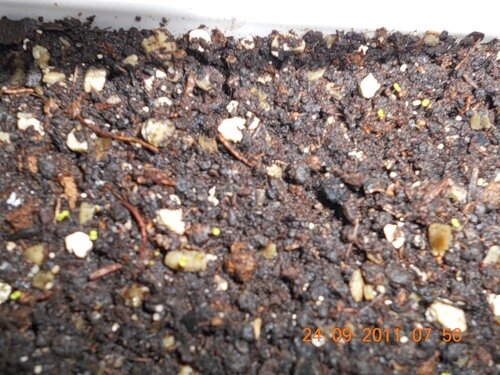
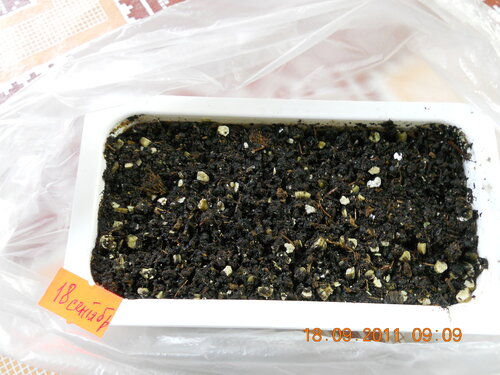
I sowed calceolaria on September 18th.
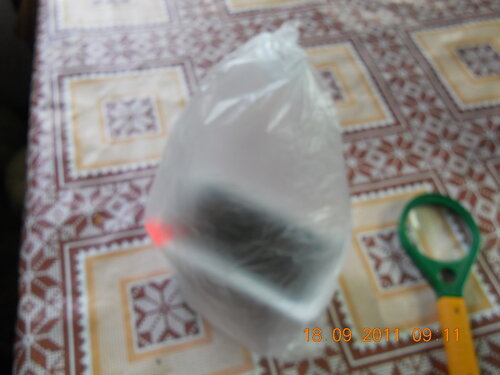
So I planted it under a bag.
It sprouted on September 23rd. Yeah, on September 25th, 2011 I counted more than 30 pieces.
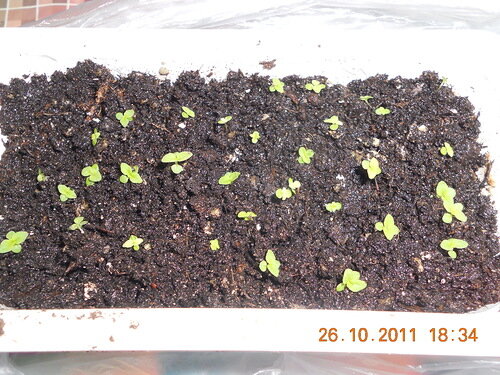
I transplanted them on October 26, 2011. It's crazy. There are no roots there, just hairs. Maybe I ruined them. Those first ones were in my greenhouse, and it was spring. I transplanted them when they were already big, I showed them somewhere. I don't remember. So, I transplanted them.
And these are the ones I planted on April 28th.
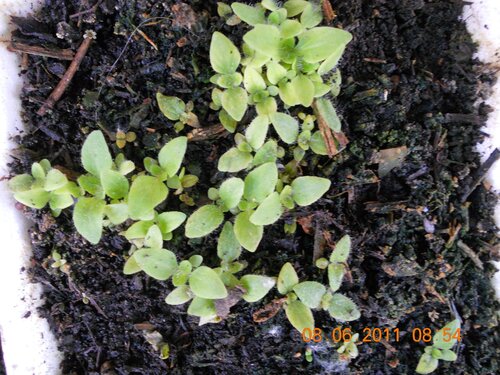
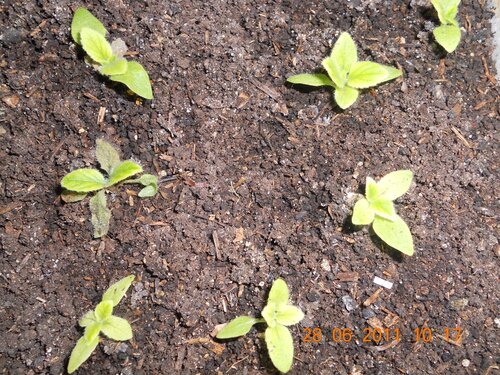
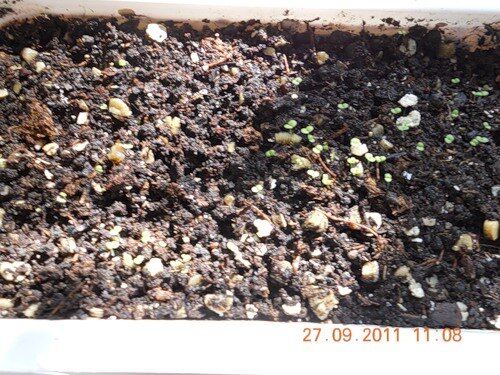
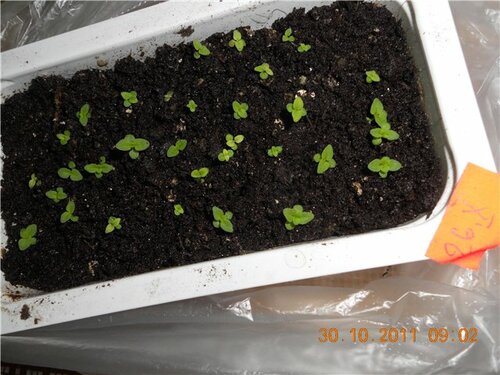
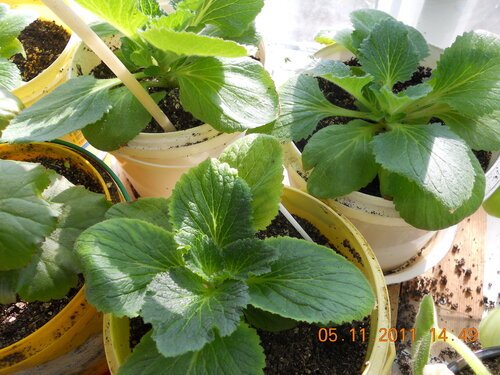
User astra309, Novosibirsk, November 5, 2011
A few words about my experience.
Now that I've grown my third batch of calceolaria, I've come to the conclusion that we all have the same variety, just different colors. I grew about 60 of them in the second batch. Among them are small, medium, and large calceolarias, although all were grown from seeds of the same plant. Approximately 30% are small (up to 10 cm), 30% medium (up to 15 cm), and 30% tall (over 20 cm). I wasn't able to get the dense rosette (more than 50 flowers) of the "daughter" flowers like the "mother" ones. The daughters, medium-sized (16 cm), produce up to 20 flowers in a rosette.
I've formed a strong opinion that some girls have small calceolarias, while I've grown tall ones when planting them from store-bought seeds. It's like playing roulette; it depends on your luck. I was luckier and got large calceolarias with a large rosette of flowers (more than 50). More than 150 calceolarias were grown from this batch of seeds.
Over the course of two and a half months, I transplanted the plants twice, based on the following principle: the ones with the largest growth and leaves survive. During the first transplant (1.5 weeks), I planted about 100 of the tallest plants with the largest leaves. During the second transplant (2 months), I also selected about 45 of the 100 plants, also the largest. It's best to plant the first transplant in a container with 3-4 cm of soil (peat) depth. Shallower soil depths produce weaker (small) plants.
In my opinion, calceolaria prefers a normal temperature of 20°C (68°F) rather than the 17°C (53°F) recommended in the instructions. I have calceolaria on my indoor windowsill and on my balcony. On the balcony, the temperature is lower than outside (hot during the day (25°C - 28°C) and cold at night (10°C), while on the windowsill, it's a constant 23°C (73°F). The ones indoors grow faster.
Of the three main components—soil, humidity, and temperature—the most important is humidity, the second is soil, and the third is temperature. All calceolaria grown under cover grow better (see photo). The soil is peat (possibly tablets)—peat is very fluffy and light. If I grew it in "heavy" conditions, it grows worse. Watering should be constant. The soil should be moist, but not wet. Once every other day is better than once a week.
Message from Alla Timofeevna
Are stepchildren normal? Do they bush out?
Personally, I removed some of the side shoots right away, but left the others. The ones I removed had more and larger flowers. The ones with side shoots had smaller flowers and fewer in number. So, I recommend removing them.
I wonder if there are seeds in the flower shop. What should I look for when buying seeds?
Well! You should go to stores and flower stalls and ask around. They'll tell you whether they have seeds or not. When buying, pay attention to the planting date. Preferably, it should be 2013 or 2014. They usually sell them in granules (5 or 7 pieces). I haven't bought them by seed. I don't know. They say they have those too.
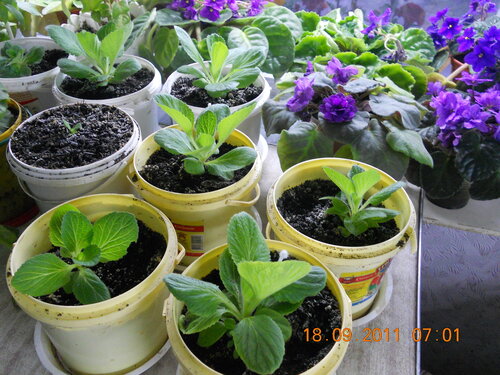
Here are mine, September 25th.
Some will die during the growing process. The best will remain.
On October 12th I did a transplant.
A week after germination, transplant the seedlings into 100-200g cups or other suitable containers (such as plastic containers). Keep in mind that after 1.5-2 months, you'll need to transplant them a second time, either into pots by transshipment or directly.
Before picking, you need to moisten the soil with water and carefully transfer the tiny sprouts into a new container or cups using the tip of a knife.
I did this a week ago. After 3-4 days, they started growing noticeably. I got about 50 sprouts in total, the rest are still in the container (it's a shame to throw away 200). If one of them dies, there's a replacement. That's it. Keep trying, and you'll succeed.
You don't have to wait for four leaves to appear; two is enough. Pricking out accelerates growth, and noticeably so. I have both unpricking out and pricking out plants, so I can compare them—the pricking out plants grow twice as fast.
I don't provide enough light. The light on the east-facing windowsill is all I get. There haven't been many sunny days this year; it's almost always cloudy.
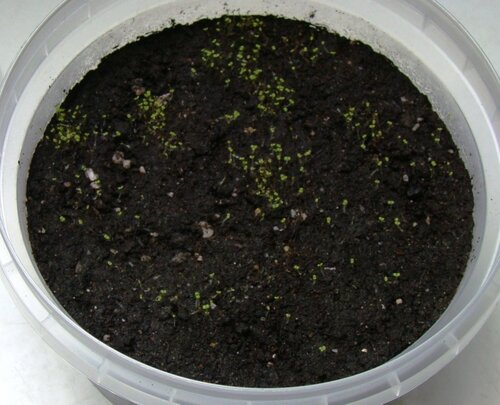
Real reviews from experienced gardeners about calceolaria and care tips
Hello! Has anyone grown calceolaria? Please share your experiences.
Let me tell you about my experience. I wanted to make my windowsill bloom constantly. I decided to try calceolaria. At the end of July 2010, I bought 14 granules.I was able to grow 10 pieces.
The first flowers appeared in February 2011.
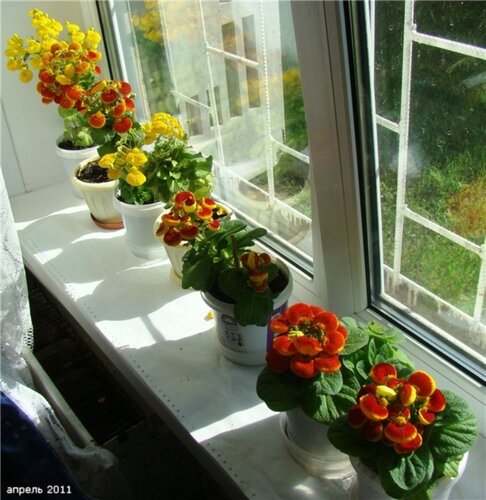
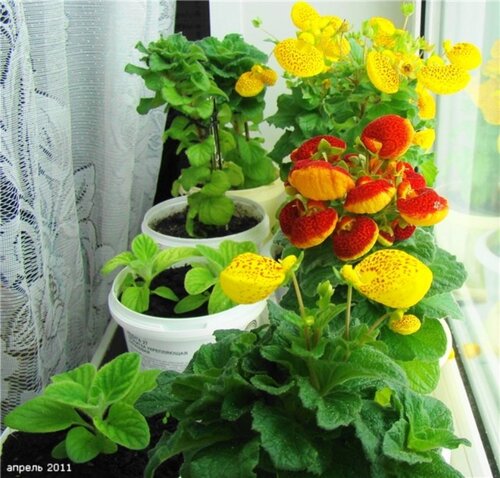
In April of this year there was already a windowsill like this.
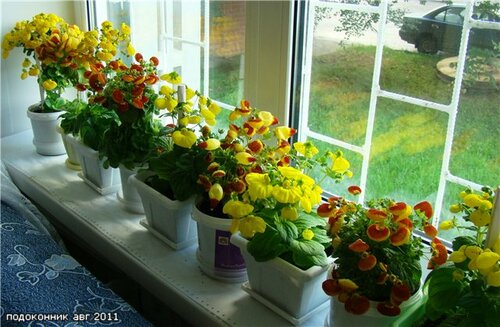
And this was already in August.
The April ones also bloomed in August. What I like about these flowers is their long blooming period (4-7 months). The winter ones, the ones that bloomed in February, were like this here in July (on the day of planting, my birthday).
Tell us about your experience. If anyone has other varieties, please let me know.
Here are my April photos. I took a few on an August morning, but yesterday was evening and I took them indoors. I think they look better in the sun. And this is my assistant, Dusya.
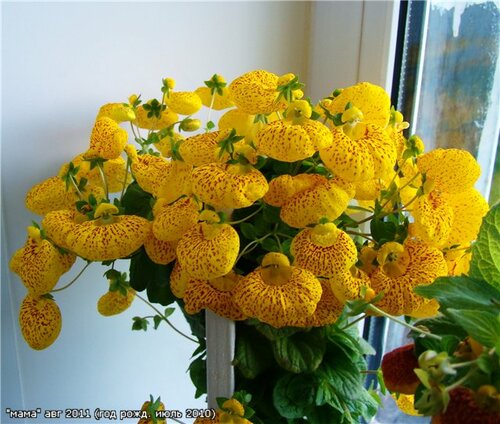
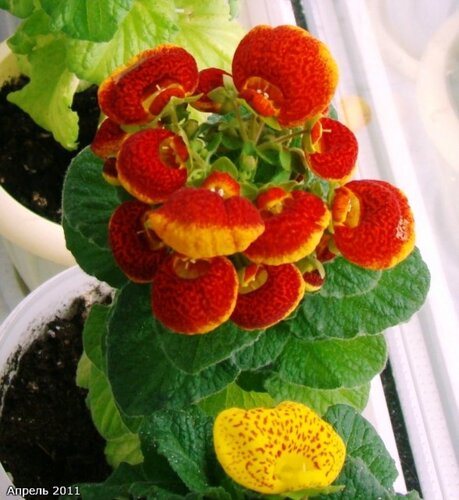
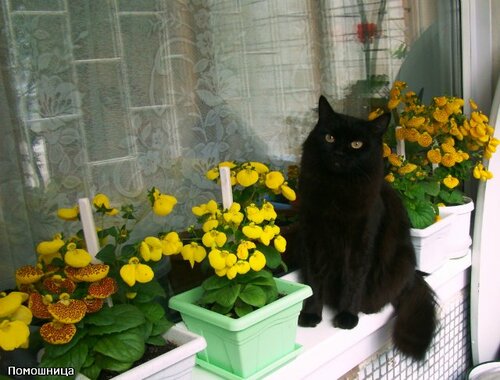
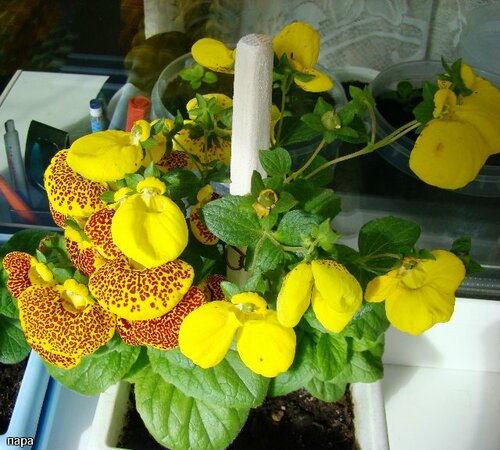
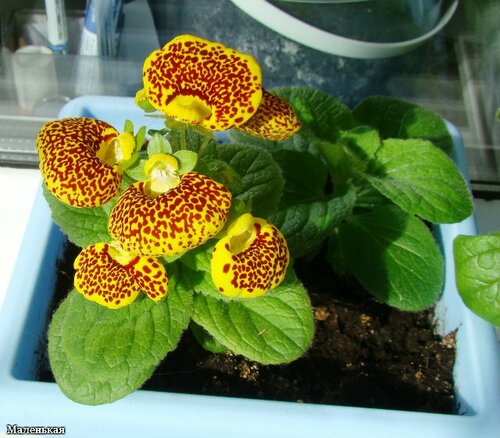
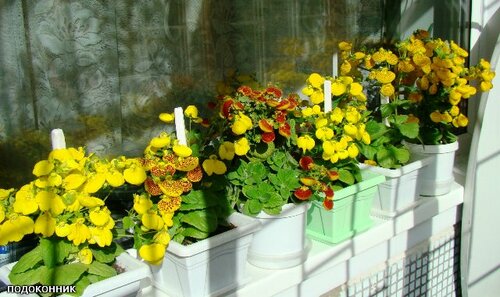
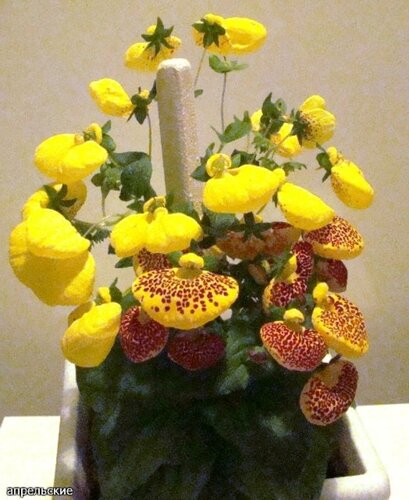
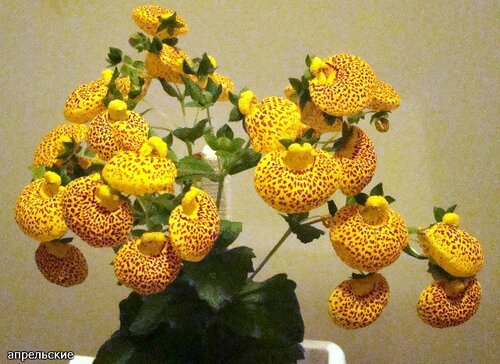
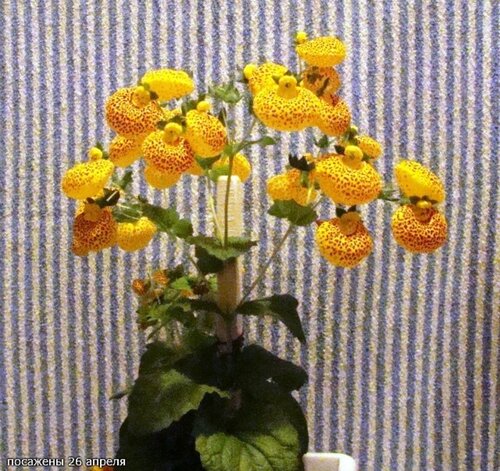
—And what are “normal pots”?
0.9 - 1 liter for one plant. For testing, I planted four plants in two-liter containers. It will probably be cramped for four.— Maybe this is April of last year for you?
I read on the Internet, in a botany book, that flowering occurs after 8-10 months?
No, these calceolarias from this year bloomed after four months, but their "mothers" actually bloomed seven months after planting. Now they're blooming alongside their "mothers."— Did I understand correctly that your calceolaria grows in natural light? Without supplemental lighting in winter?
Yes, I understood correctly. I grow them without lighting in the winter. The windowsill is on the east side.—How to water calceolaria?
Calceolaria should only be watered into the soil; never water the leaves. If water gets on the leaves, they will die within two days.— Are they annuals?
This is a biennial. After the first bloom, the leaves fall off. The plant is then placed in a cool room for the winter until the following spring. This is true in theory. After the first bloom, my leaves didn't fall off, and even more leaves and side shoots appeared. Experts say the second bloom is weaker and the flowers are small. Personally, I grow it as an annual. After the first bloom, I remove the plant and plant a new one in its place.November 6, 2011
September. Changing of the guard. The Reds have faded, the Yellows have taken up their watch. A new batch of Reds is growing up.
A small autumn photo session.
My Top 3 Top Models Fall 2011.It's the end of October. We've had our first snow, and the first calceolaria from the June planting has bloomed on my windowsill.
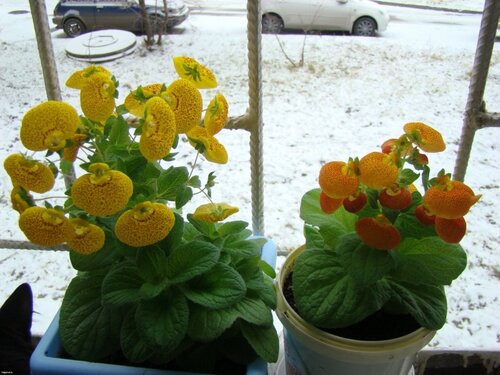
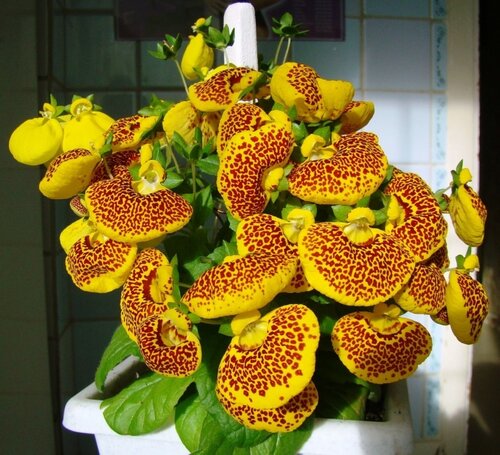
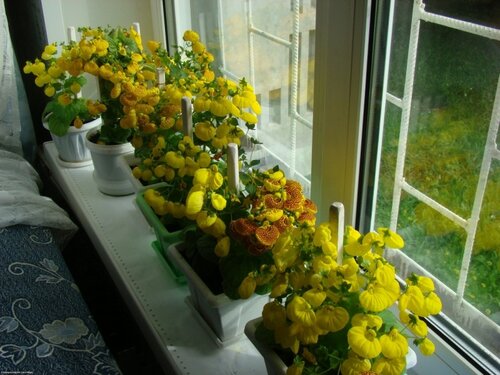
November 21, 2011
Message from Bagirka
astra309, what temperature do these beauties need to be kept?
Calceolaria prefers cool temperatures - +16 to +18, but also grows at temperatures above +20.
Message from Bagirka
astra309, how often should calceolaria be watered?
Depends on the situation. The bottom line is that the soil should be constantly moist, but not overwatered. If the soil is dry for a couple of days, the flower will wilt and... :msn005:
Message from A-Dav
astra309, I just can't! I dream of growing at least two of these! They look so pretty! And seed germination matters. I planted them twice last year, and they didn't sprout.
Store-bought seeds have a poor germination rate. It all depends on luck; they may or may not germinate. So it's best to get your own seeds. You can plant them any time of year.
To be on the safe side, buy a couple of bags—about 10–15. You'll grow at least 5 from that amount. Give it a try.
User Kim Kim, Nizhnevartovsk, August 31, 2014
People, my calceolaria has been blooming since spring and shows no signs of stopping. Part of the plant blooms, the neighboring one grows, the blooming one dies, the new one blooms, and it's all the time. I'm confused, do they always behave like this? Both of them are doing this, one on the south-facing balcony, the other on the north-facing window. I've already collected some seeds (I wish I could remember where I put them). I'm happy, of course, but I'd like to clarify.
Everything is blooming))
User Medinilla, Russia, Kostroma, October 7, 2017
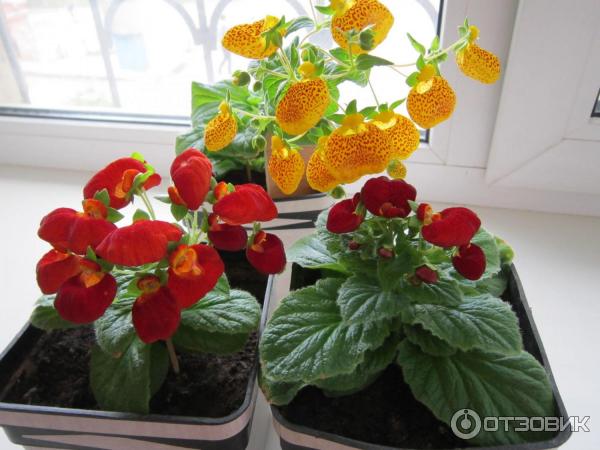
The first time I saw these flowers was when I was a child. Walking down the street past an unfamiliar house, I saw a multitude of pots on the first-floor windowsill, filled with yellow, red, and orange flowers, speckled and uniquely shaped. They resembled slippers. I've never seen such flowers in anyone's garden since.
It wasn't until 2013 that I saw these flowers again in a store, on a seed packet. That's when I learned the name of this flower and bought a packet of Dainty Mix seeds from the Poisk company.
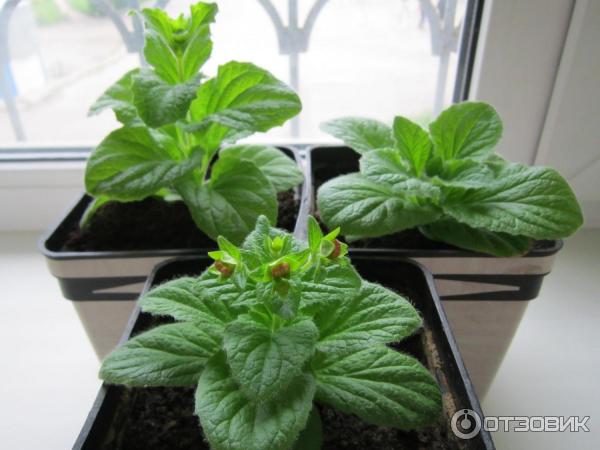
There were only five seeds. I started sowing them on February 10th. Since the seeds are very small, I sowed them superficially in peat tablets, one in each. Not all of the seeds sprouted, only three. I watered them very carefully to avoid overwatering. As the seedlings grew, I placed the peat tablets with the sprouts in small pots filled with fertile soil. To prevent the bushes from stretching and to encourage bushiness, I pinched the tops at a height of 4-5 cm. When flower buds appeared, the bushes began to develop rapidly and bloomed quickly.
April 27
May 27
June 10The blooming didn't last very long. I didn't want to part with such amazing and unusual beauty. I thought I could prolong the life of the bushes and force them to bloom in the second year. But it didn't work. After flowering, the bushes began to grow tall and gradually withered. I tried to get my own seeds, pollinating the flowers with a brush. The seeds didn't set; apparently, I did something wrong.
I tried growing calceolaria as a houseplant. It might be possible to grow it as a garden plant in some places, but in our harsh conditions, it's unlikely.
For those who are passionate about flowers and love to try and grow new ones, I recommend growing calceolaria. It's an amazing flower, unlike any other.
Source: https://otzovik.com/review_5465281.html
A very popular flowerbed plant in the 19th century, it has unfortunately fallen out of favor. It can be planted in pots, boxes, flowerbeds, or rockeries, and will delight you with its whimsical slipper-shaped flowers almost all summer long.
LOCATION AND SOIL. A well-lit, dry location with any type of soil.
VARIETIES. Calceolaria multiflora is a polymorphic species producing plants with multiple colors and large flowers, primarily used as a houseplant. Varieties of Calceolaria rugosa can be planted in the garden.
FEATURES: Blooms from late June to September, space plants 15–20 cm apart.
PROPAGATION. Growing Calceolaria from seed is quite laborious, so it's best to purchase ready-grown seedlings. Plants can be saved for next season by repotting them in the fall, either in a greenhouse or on a windowsill at home.