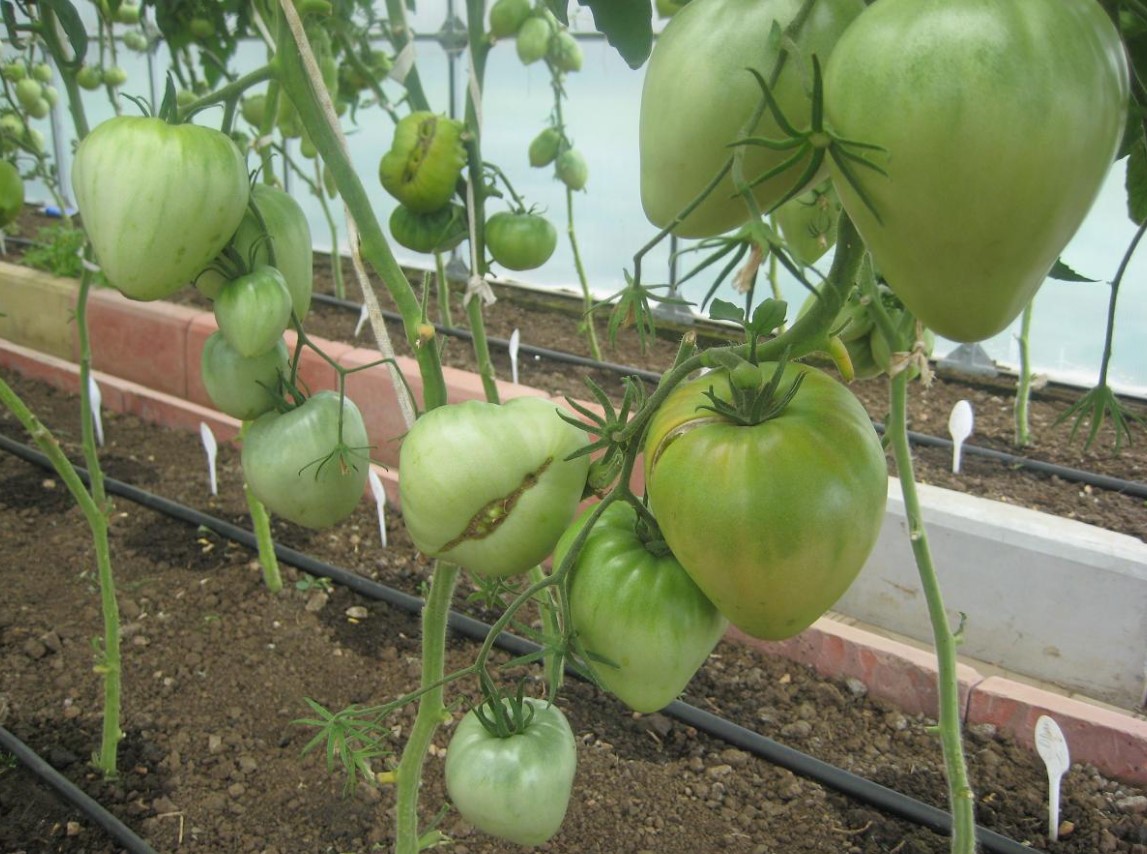
Velmozha (Budenovka) is one of the few tomato varieties that thrives in cold climates, such as the Urals, Siberia, and Altai. Despite the challenging growing conditions, the tomatoes are juicy and have excellent culinary qualities. Furthermore, the variety boasts consistently high yields, producing uniform, marketable fruits. This makes it highly sought after by Russian gardeners.
Content
- 1 Characteristics of the Velmozha tomato variety
- 2 History of creation
- 3 Detailed description
- 4 Advantages and disadvantages of the Velmozha tomato variety
- 5 Growing the Velmozha tomato variety
- 6 Preparing the soil and planting in the ground
- 7 Features of caring for the tomato variety Velmozha
- 8 Resistance of the Velmozha tomato variety and disease prevention
- 9 Comparison of the tomato variety Velmozha with other varieties in the table
- 10 Gardeners' reviews of the Velmozha tomato variety
Characteristics of the Velmozha tomato variety
Tomato Velmozha – characteristics and description in the table:
|
Characteristics |
Description |
|
Ripening period (number of days from full germination to maturity) |
103-117 days. |
|
Description |
A mid-season hybrid for garden plots, household plots and small farms for planting in unprotected areas. |
|
Fetus |
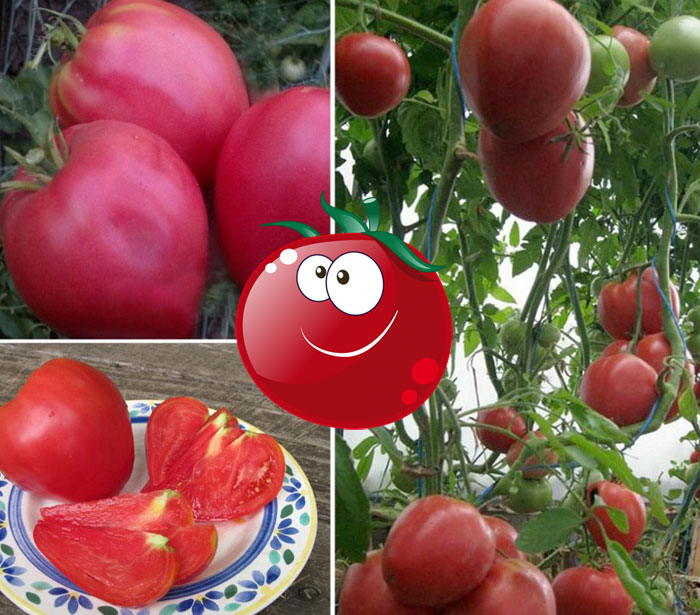
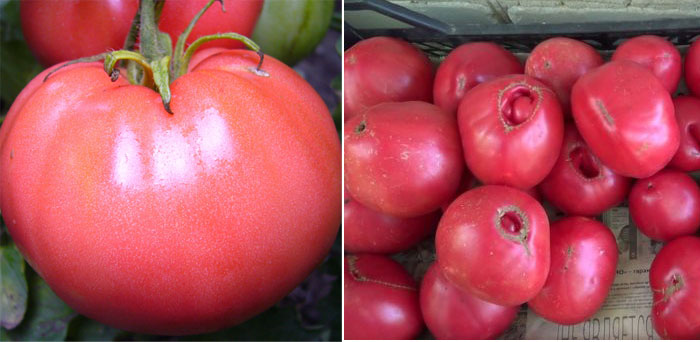
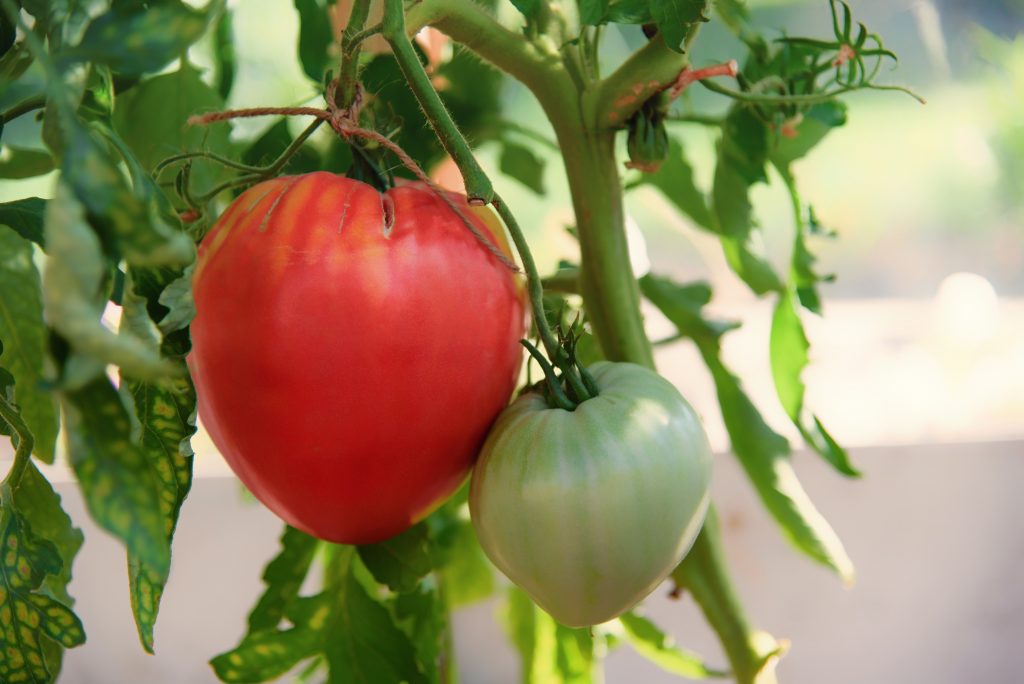
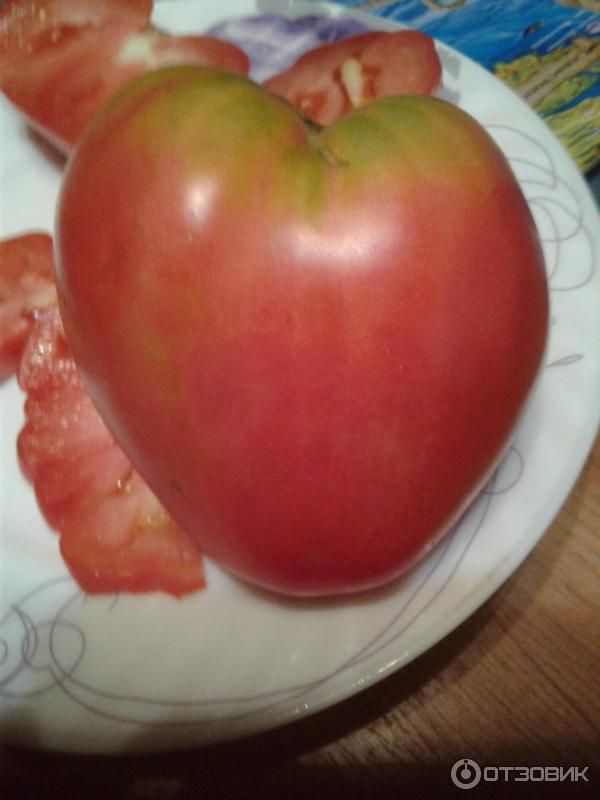
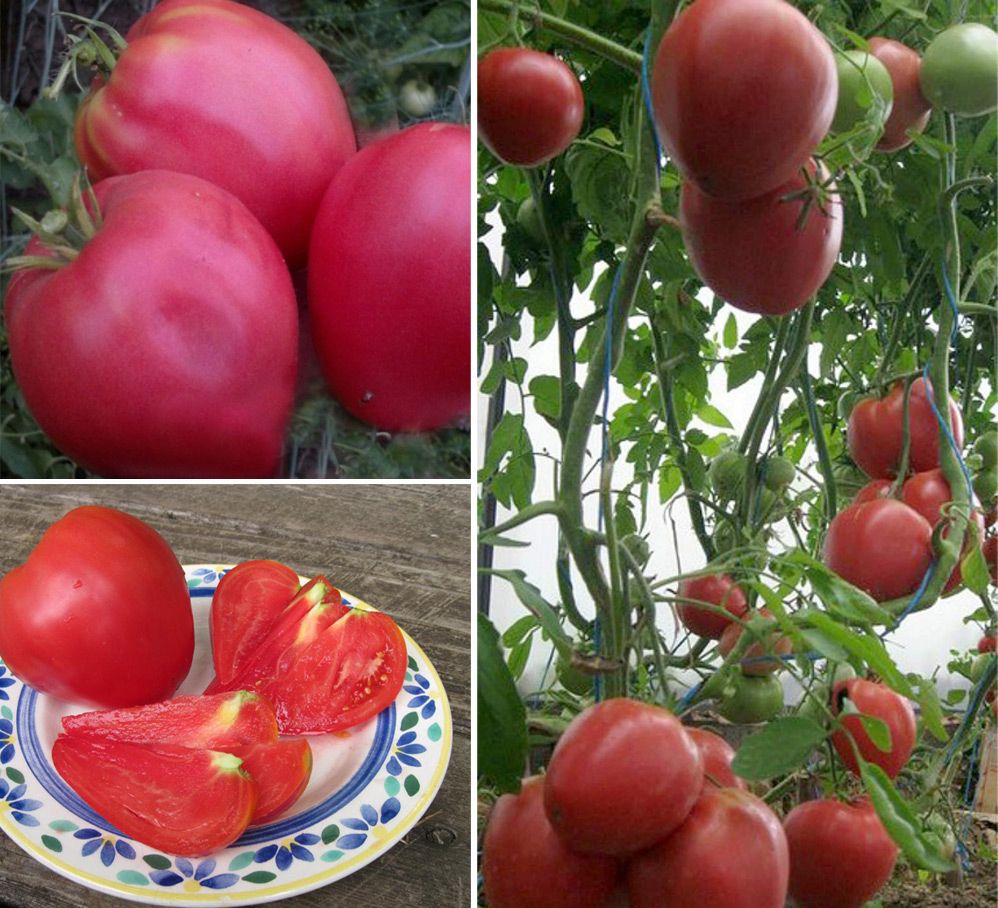
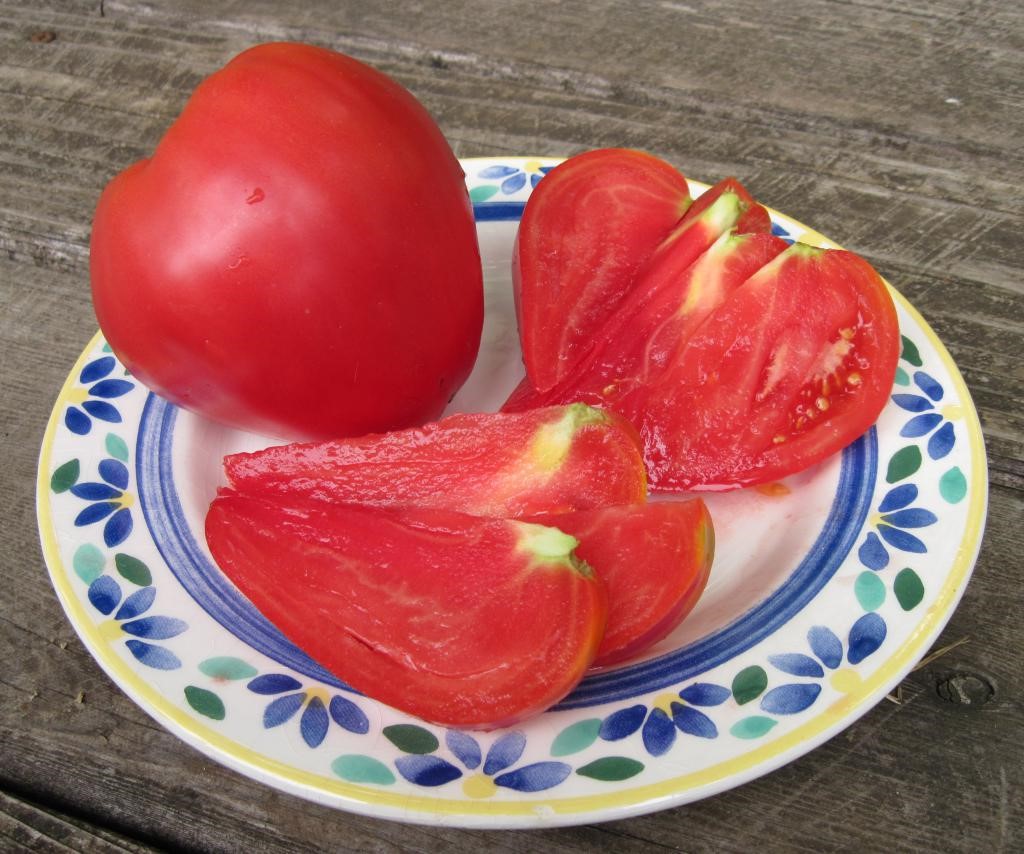
Heart-shaped, medium ribbed, raspberry. |
|
Weight |
131-250 g. |
|
Taste |
Good and excellent. |
|
Usage |
Salad variety. But it's also suitable for fresh consumption, pickling, canning, and tomato processing. |
|
Marketability |
95%. |
|
Shelf life |
Not tall. |
|
Productivity |
160-583 c/ha — Ural; 107-587 c/ha — Western Siberia; 780 c/ha is the maximum (Omsk region). |
|
Disease resistance |
Increased. |
|
Agricultural technology |
Planting pattern: 50 x 40 cm. No more than three bushes can be planted per square meter. This plant requires shaping and support. It is demanding in terms of fertilizer and soil quality. The soil should be light and fertile. |
|
Growing regions |
Urals, Western and Eastern Siberia, Far East. |
|
|
2005 |
|
Originator |
Federal State Budgetary Scientific Institution "Federal Research Center Institute of Cytology and Genetics of the Siberian Branch of the Russian Academy of Sciences". |
Photo gallery of the tomato variety Velmozha
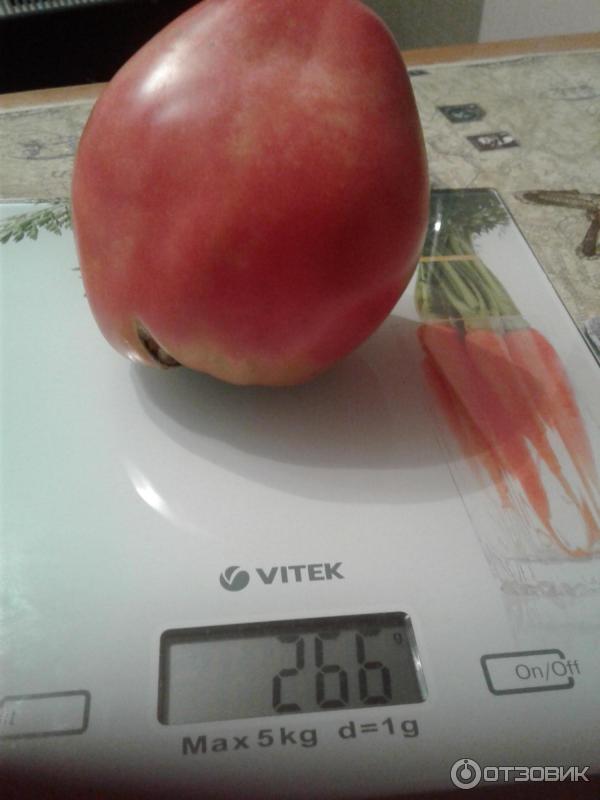
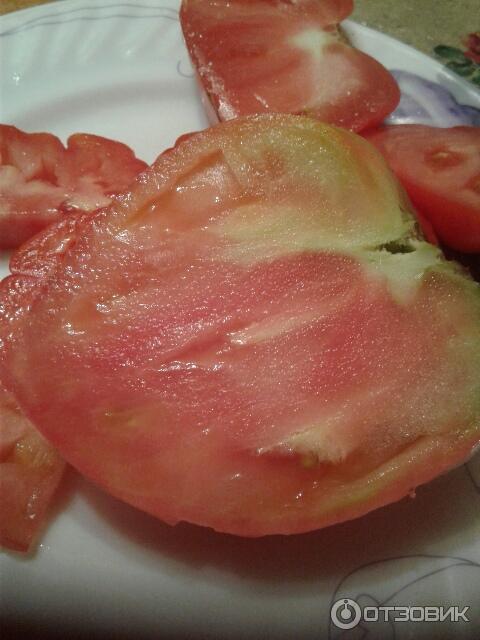
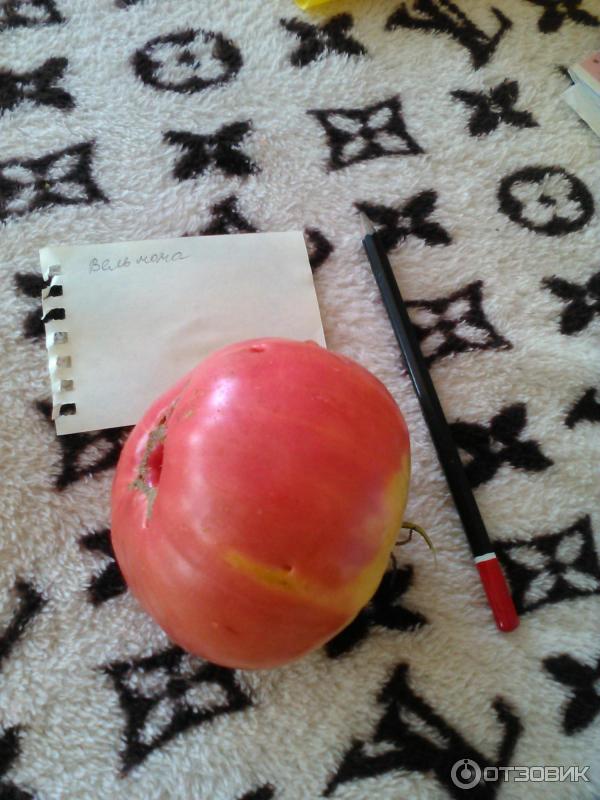
History of creation
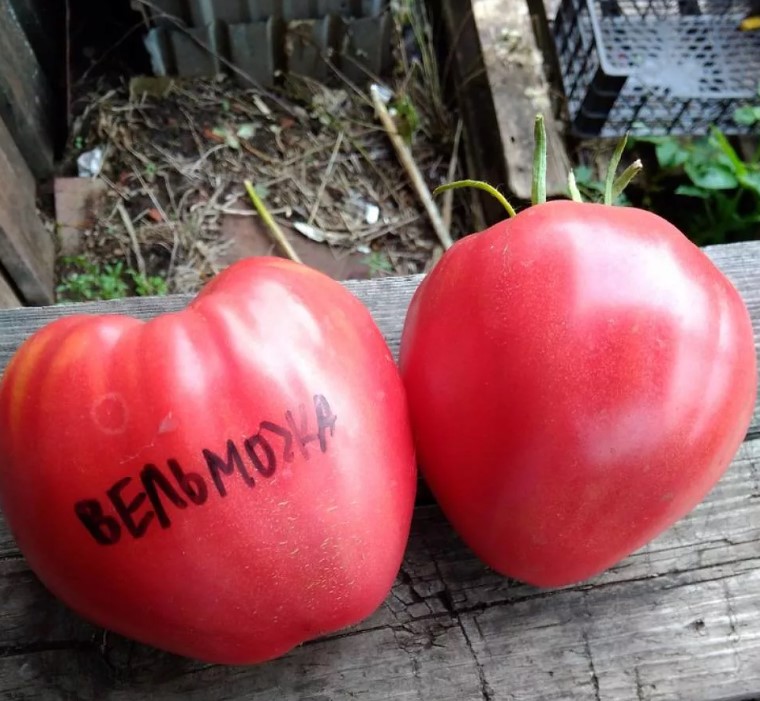
The Velmozha tomato variety was developed in 2004 at the Siberian Research Institute of Plant Growing and Breeding in Novosibirsk. In 2005, it was added to the Russian State Register. This variety is best suited for cultivation in cold climates. It has also proven successful in central Russia and the Volga region.
Detailed description
Let's look at the characteristics of the culture in more detail.
Characteristics of the bush
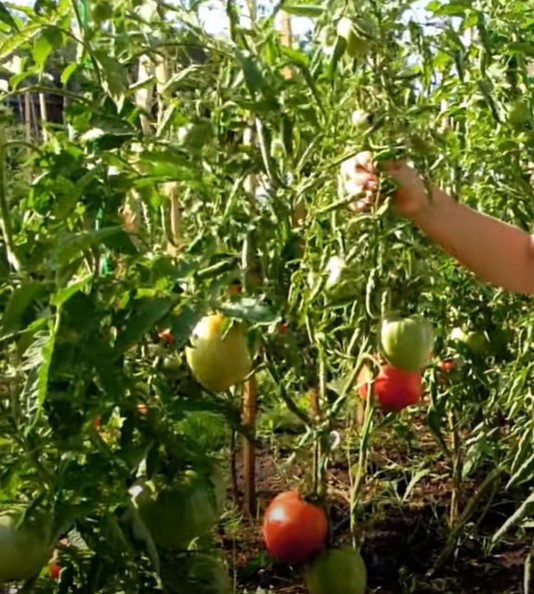
The Velmozha tomato grows into low, spreading bushes, 54-62 cm tall. The leaves are medium-sized and light green. The flowers are compound.
Fruit characteristics
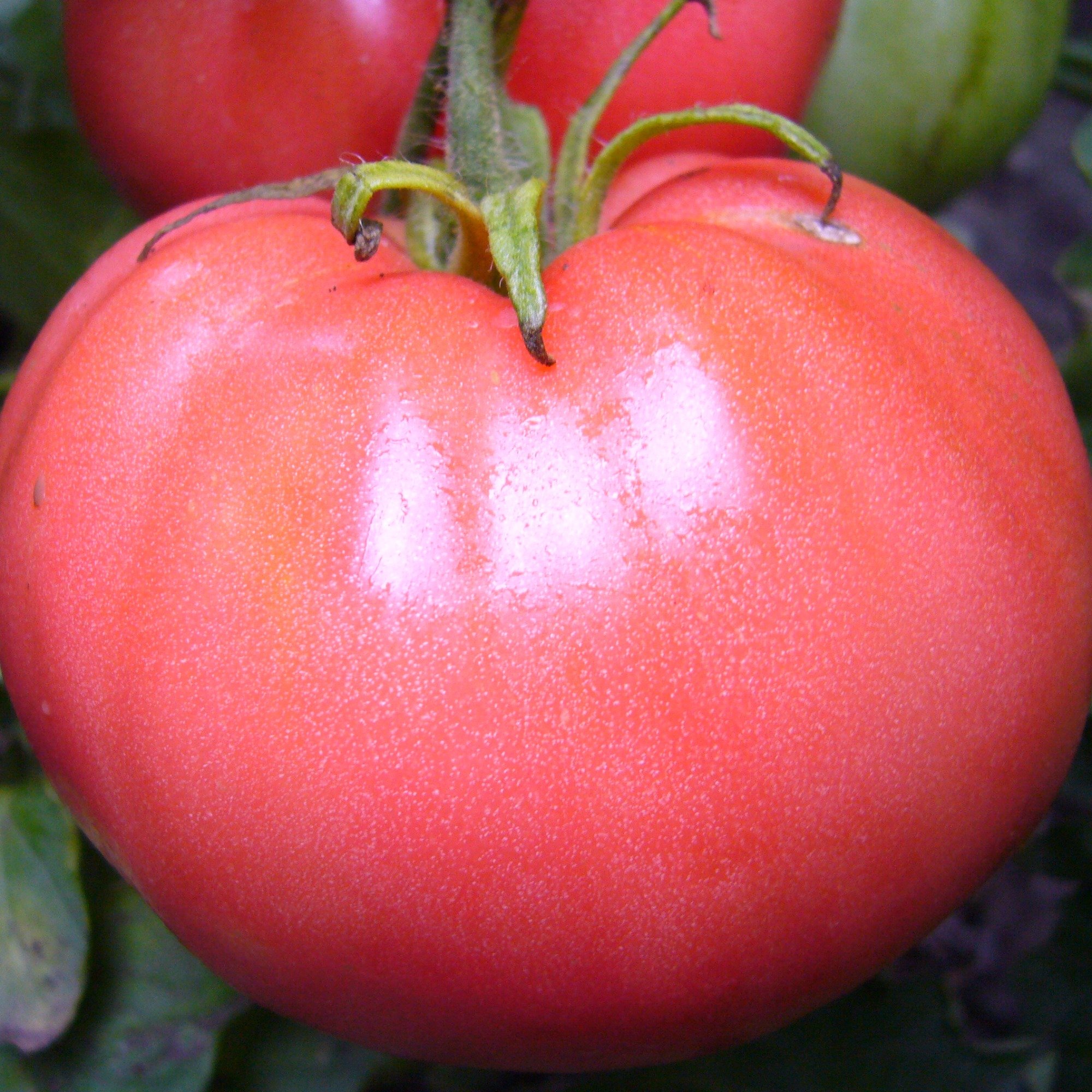
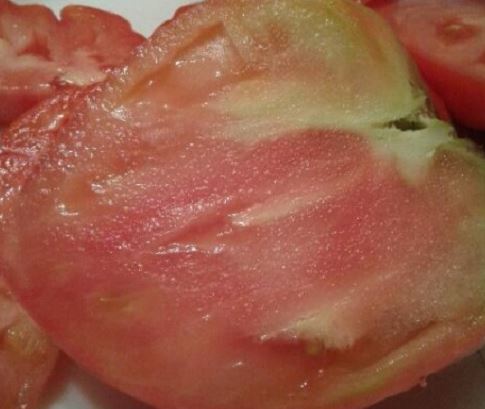
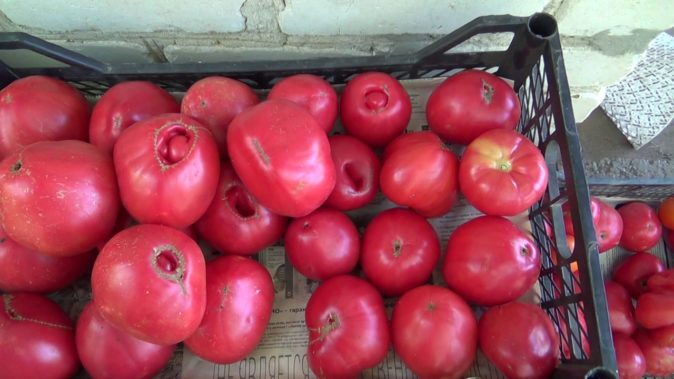
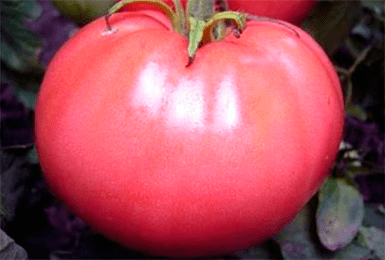
The fruits of the Velmozha variety are heart-shaped and large. The average weight of one fruit is 131-240 g. The skin is raspberry-colored. The flesh is fleshy and juicy. You can see the appearance of the fruits in the photo.
Ripening time and yield
Velmozha tomatoes are considered a mid-season variety. Ripening occurs in approximately 103-117 days. The variety has a high yield. In the Ural region, yields range from 160 to 583 centners per hectare, while in the West Siberian region, yields range from 106 to 587 centners per hectare. This is significantly higher than other cold-hardy varieties, such as Demidov, Kosolapov Mishka, Bogatyr, and others.
Advantages and disadvantages of the Velmozha tomato variety
The advantages of the variety outweigh the negative aspects:
|
Advantages |
Flaws |
|
Resistance to low temperatures, which allows planting the crop in any region. |
Not very resistant to transportation, short shelf life. |
| Increased resistance to most tomato diseases, including late blight, which actively develops at the end of summer with decreasing temperatures. |
Demanding in terms of nutrient application and soil composition. |
|
Large and attractive fruits. |
The need for formation, which takes additional time. |
|
Excellent gastronomic properties. |
|
|
Consistently high yield rate. |
Growing the Velmozha tomato variety
The Velmozha variety, like most tomatoes, is grown through seedlings.
Sowing seeds and growing seedlings
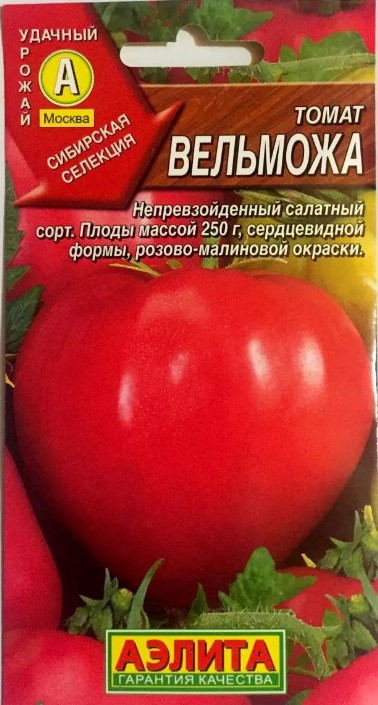
Please note that you should choose planting material responsibly. Purchase it only from reputable producers, such as the Aelita and Sibsad agrofirms.
The process of growing seedlings consists of several stages:
- Preparing the seed. Select the seeds and disinfect them. To do this, soak them in a strong potassium permanganate solution for 20-30 minutes. Then wrap them in a damp cloth and refrigerate for 2-3 days.
- Preparing the soil. You can purchase a ready-made substrate. If you mix it yourself, be sure to disinfect it by watering it with a solution of potassium permanganate. It needs to be air- and water-permeable. To achieve this, add peat, humus, or turf.
- Sow the seeds in a small box or tray. Cover with at least 5 cm of soil. Sow the seeds to a depth of about 2 cm, leaving a couple of centimeters between them.
- Monitor the temperature carefully. Until the seedlings emerge, the temperature can be room temperature, but once they do, it's important to lower it to 15–19°C for a few days. Then, raise it back to the previous temperature.
- Repotting. On the 10th to 12th day, transplant the plants into larger containers or peat pots.
- Water and fertilize regularly. The soil should not be dry. If the soil is fertile, fertilizer may not be necessary. If fertilizing is necessary, use azophoska.
- Hardening off. This should be done 7 days before planting the seedlings in the garden.
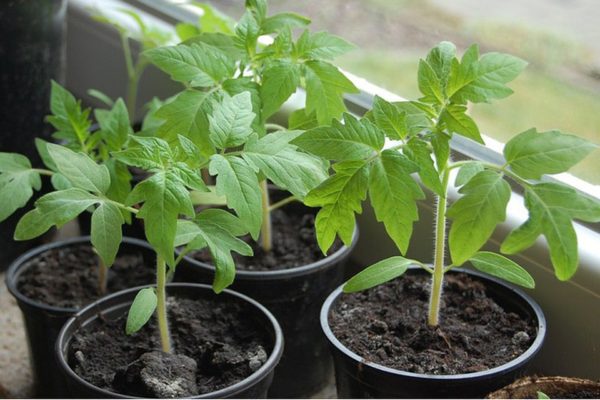
When the plants grow to 20-25 cm, you can transplant them to a permanent location.
Preparing the soil and planting in the ground
For a good harvest and proper plant development, the soil type used to grow tomatoes is crucial. Choose fertile, loose soil. If this is not available, prepare it first by adding fertilizer. Mature compost, rotted sawdust, ash, and superphosphate can be used. Afterward, water the bed with a hot copper sulfate solution and let it sit for 5 days. Loosen the soil once spring arrives and the snow melts, and prepare the planting holes immediately.

Planting diagram
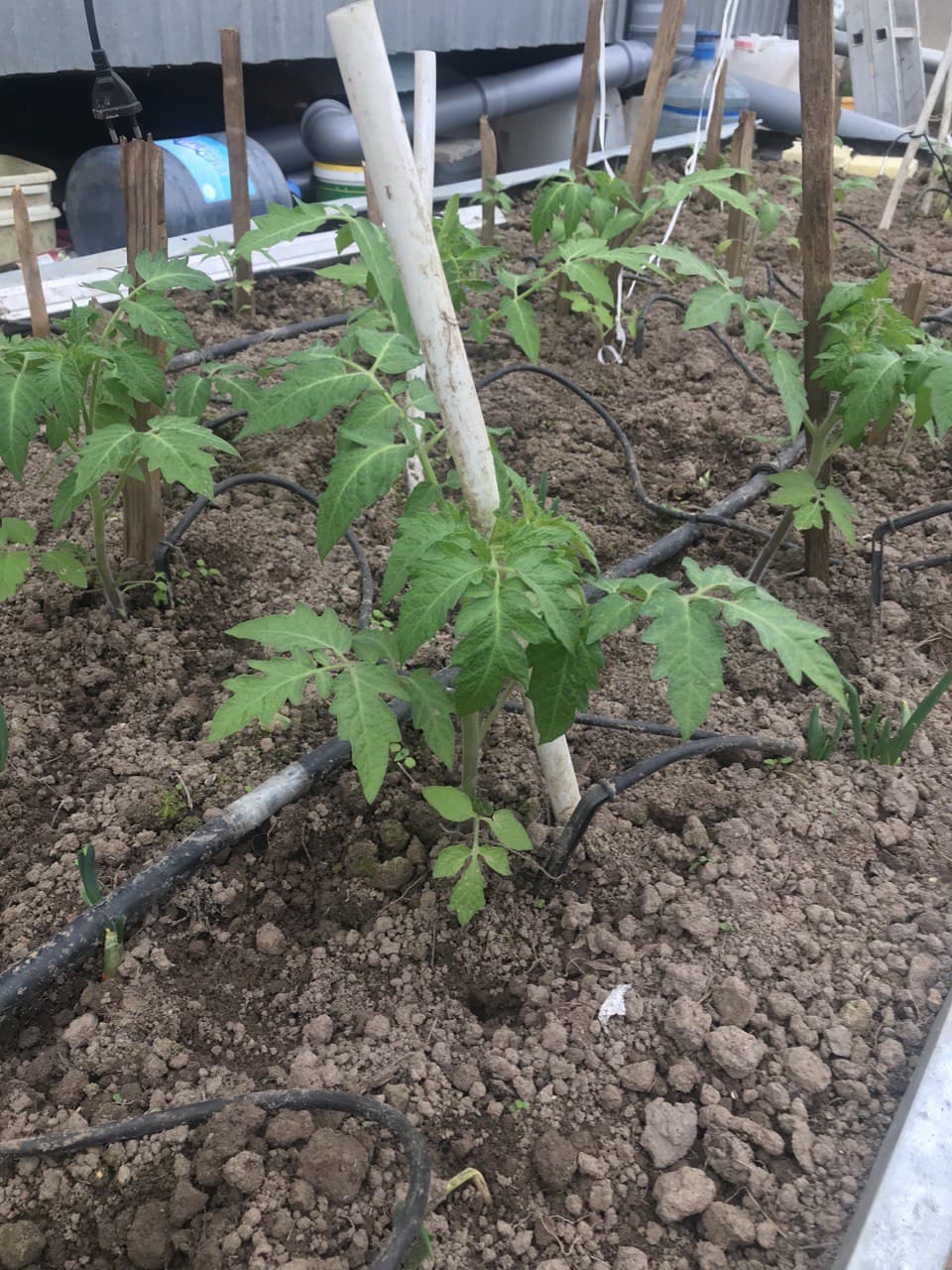
Planting the Velmozha tomato variety outdoors begins in late May or early June. If planting in a heated greenhouse, it can be done a few weeks earlier. It is recommended to plant no more than three plants per square meter. Plant the seedlings vertically, with the trunks 5-8 cm deep. Leave 40-50 cm of space between plants and 50-60 cm between rows. To prevent the shoots from breaking under the large fruits during planting, support them.
Features of caring for the tomato variety Velmozha
To reduce plant disease and to obtain a good yield, the variety must be properly and timely cared for.
Watering
Water the Velmozha tomato variety in the evening, after warming the water in the sun. During fruit growth, water the plants generously. Once the tomatoes turn red, reduce watering to prevent cracking.
Top dressing
The first feeding should be done 2-3 weeks after planting the seedlings. Subsequent feedings should be done at similar intervals. Initially, it's best to use a mullein infusion, and once the bushes are tied up, use a mixture of 25 g of superphosphate and 0.5 l of ash per 10 l of water.
Shaping and tying bushes
Velmozha bushes are pinched off into one or two side shoots, removing all shoots below the first flower cluster. In greenhouses, a two-shoot variety is more often chosen, while in open ground, a single-shoot variety is preferred. Any excess shoots that appear should be periodically removed.
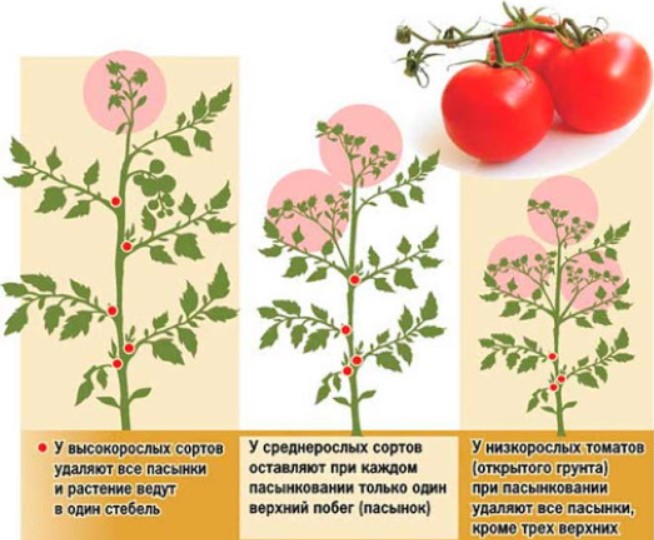
After the fruit sets, the stems must be securely tied to the stakes with soft twine. Once the fruit grows, the bush won't be able to stand firmly without support.
Resistance of the Velmozha tomato variety and disease prevention
This tomato variety has a strong immune system. If it does become infected, it's only when planted in greenhouses. Even then, the most serious disease is brown spot, which can be treated with folk remedies, such as spraying with garlic infusion. Infections are so rare in open ground that many gardeners don't even use preventative treatments.
Comparison of the tomato variety Velmozha with other varieties in the table
Please note! How can you easily convert centners/ha to kg/sq.m? Simply divide by 100! For example, the Abakansky Pink tomato yields 400 centners of marketable fruit per hectare. This equals 4 kg per square meter. It's that simple! Also, keep in mind that typically no more than 3-4 plants are planted per square meter. This way, you can calculate the yield per bush. In the case of the Abakansky Pink, it's about 1 kg.
| Variety | Ripening period (number of days from full germination to ripening)
Yield of commercial fruits |
Brief description | Fetus |
| nobleman | 103-117 days
107-587 c/ha, maximum 780 c/ha (Omsk region) |
A mid-season determinate variety for open ground. Suitable for salads. 95% marketability. | Heart-shaped, medium-ribbed, raspberry, 131-250 g. Good to excellent taste. |
| Bull's heart (red) | 120-125 days
300-400 c/ha Important! There are other colors besides red, see the article (hover over the variety name to jump). |
A late-to-mid-late determinate variety for open ground and greenhouses. Requires staking and shaping. Suitable for salads. | Heart-shaped, smooth, fleshy, red, 108-225 g. Excellent taste. |
| Ox heart | 105-120 days
630-690 c/ha |
A late-ripening indeterminate variety for open ground and greenhouses. Requires staking and shaping. Suitable for salads. Grows best in southern Russia. | Heart-shaped, medium-ribbed, pink-raspberry, 150-300 g. Good taste. |
| Heart-shaped Konigsberg | 115 days
460-2000 c/ha |
A mid-season indeterminate variety for open ground. Requires staking and training. Suitable for salads and processing into tomato products. Marketability: 56% (Novosibirsk Region). Tolerates harsh climates. | Heart-shaped, round, with a slightly pointed tip, red, 500-700 g. Excellent taste. |
| Mazarin
Biotechnics |
110-115 days depending on the region
780-790 c/ha (greenhouse and under film) |
A mid-season indeterminate variety for open ground and greenhouses. Requires staking and training. Drought-resistant. Suitable for salads and tomato production. | Heart-shaped, with slight ribbing at the stem, bright crimson, few seeds, and sweet. Tasty and aromatic. 300-400 g, up to 800 g. |
| Alsou | 105-110 days
700 c/ha |
An early-ripening, determinate variety for open ground and greenhouses. Requires staking and shaping. Suitable for salads. | Flat-round, slightly ribbed, medium density, red, 312 g. Good taste. |
| Abakan pink | 120 days or more
400 c/ha |
A late-ripening determinate variety for open ground and greenhouses. Requires staking and training. Suitable for salads and processing into tomato products. | Flat-round, slightly ribbed, medium density and pink in color, 200-500 g. Good taste. |
| Big Momma | 85-95 days (greenhouse), about 100 days (open ground)
700-900 c/ha |
A mid-early determinate variety for open ground and greenhouses (greenhouses only, according to the register). Suitable for salads, canning, pickling, and juice. | Round, large, slightly ribbed, medium density, red, 200-250 g. Excellent taste. |
| Kostroma | 105-110 days
1350-1500 c/ha |
A mid-season determinate variety for greenhouses. Requires staking and training. Suitable for salads, whole-fruit canning, and processing into tomato products. | Flat-round, slightly ribbed, glossy, red or orange, 80-150 g. Good taste, sweet and sour. |
| Siberian early ripening | 98-108 days
289-543 c/ha (open ground), 20-43% of the total yield ripens in 15 days of fruiting, 630-950 c/ha (greenhouse and under film), in the first month of fruiting 240-580 c/ha. |
An early-ripening, determinate, low-growing variety for open ground and greenhouses. Suitable for salads. | Round and flat-round, slightly ribbed, medium-sized and large, red, 62-114 g. The taste is satisfactory. |
| Siberian Shan'gi | 100-110 days
The yield of commercial fruits in open ground was 5.6 kg/sq.m. |
A mid-season determinate variety for open ground and greenhouses. Suitable for salads. | Flat-round, medium density, slightly ribbed, raspberry, 157 g. Excellent taste. |
| Siberian giant | 115-120 days
The commercial yield of fruits was 9.0-11.0 kg/sq.m. |
A mid-early indeterminate variety for greenhouses. Suitable for salads. | Flat-round, large, medium-ribbed, loose, red, 400-500 g. Excellent taste. |
Gardeners' reviews of the Velmozha tomato variety
The Velmozha tomato has received positive reviews from gardeners. They consider it a worthy variety for growing in the garden. It looks just like a picture. It grows well even in cold climates, without compromising the flavor. It also saves time on disease prevention and control, as it is extremely rarely affected. However, gardeners recommend keeping crop rotation in mind. Avoid planting tomatoes after other nightshades (peppers, etc.).
Good day!
I've only been growing the Velmozha tomato for one year now. I sowed it on March 5th, but for some reason, germination was poor. I live in Southern Yakutia, a region with a harsh climate and little summer. The tomatoes were grown in a store-bought greenhouse, which isn't very tall, so I had to prune them when growing the seedlings. The seedlings weren't very tall, but on May 5th, I pruned them, leaving the tops with five leaves, placed them in water, and within a week, they had grown excellent roots. I repotted them in pots filled with soil and planted them in the greenhouse on June 10th.Unfortunately, I didn’t save a photo of the process.
Care is standard: add humus and ash to the planting hole. I sprayed the flowers with a mixture of boric acid, potassium permanganate, and iodine to encourage flower set.
I got these tomatoes in the second half of August. I let them turn brown first on the vines. They finished ripening at home. They were delicious and beautiful. The largest ones were just over 300 grams.
It won't work for whole-fruit canning, but there are wonderful recipes for sliced tomatoes, and they are quite suitable for this purpose—they are fleshy.
A small minus is that ripe ones don’t last long.
I plan to plant it in the future, I really liked it.
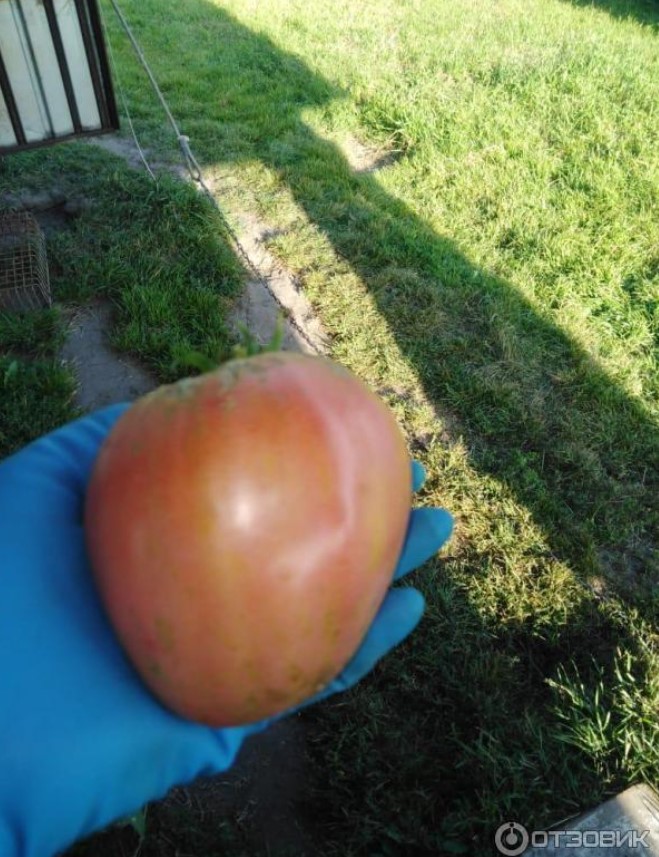
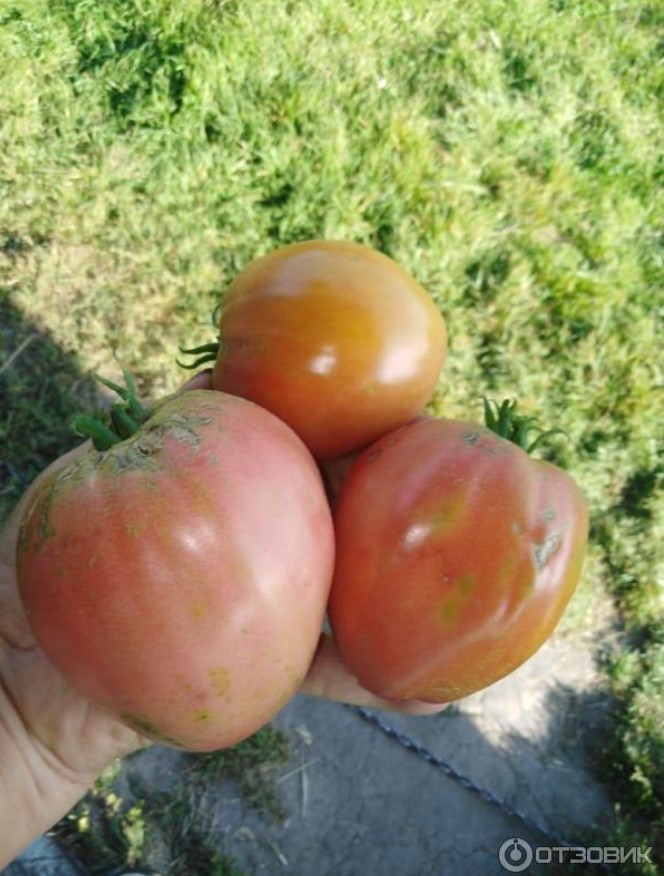
This is the second year I have been growing this particular variety.
Last year I grew several varieties of tomatoes from this company.
I liked the "Velmozha" variety the most. That's why I chose it this year.
The seeds sprouted together in the spring.
The seedlings grew strong. I planted them in the greenhouse at the end of May.
This tomato variety is tall and requires pinching and tying.
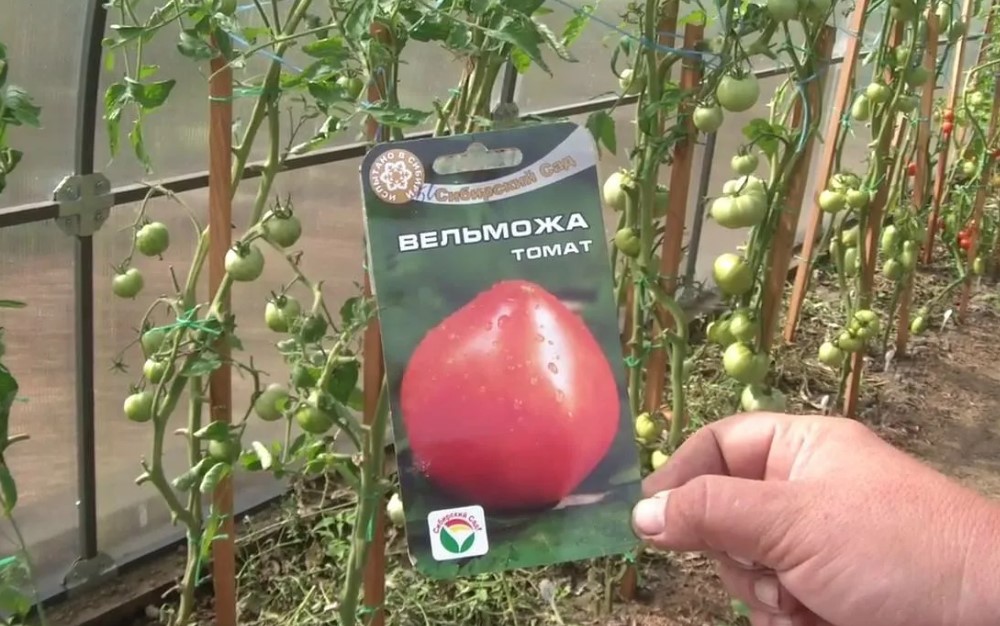
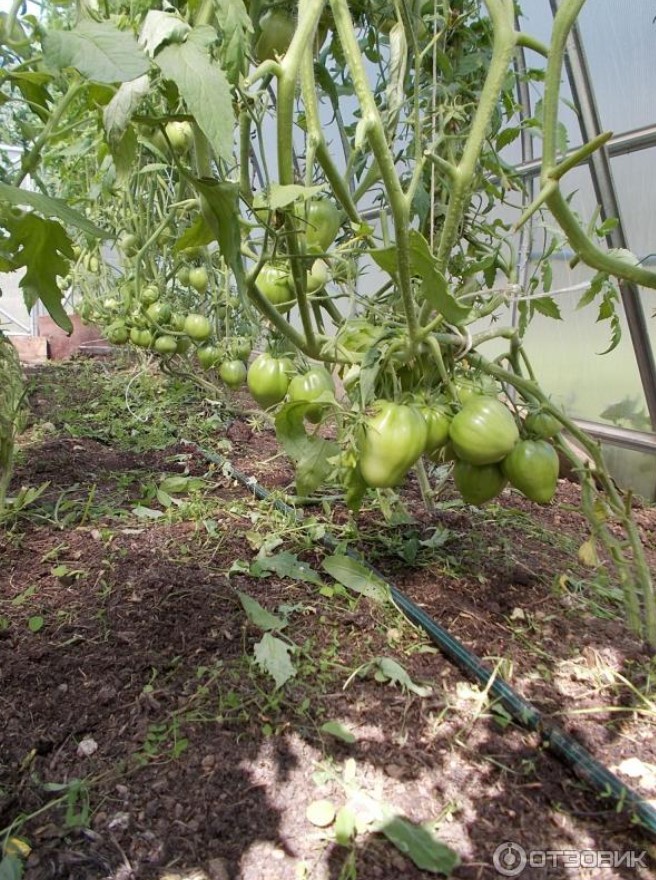
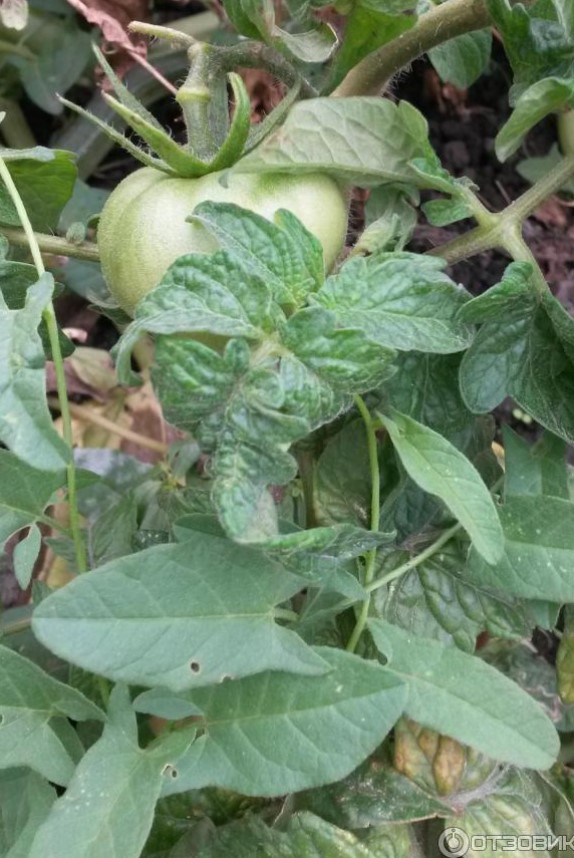
These are the tomatoes I've grown by midsummer. They're still green, but there are so many of them.
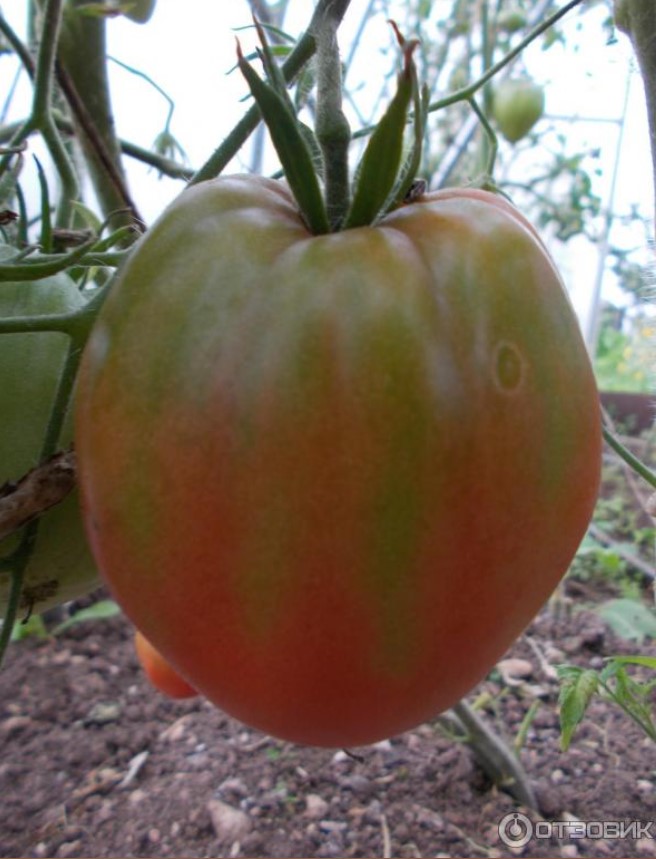
They turn red gradually.
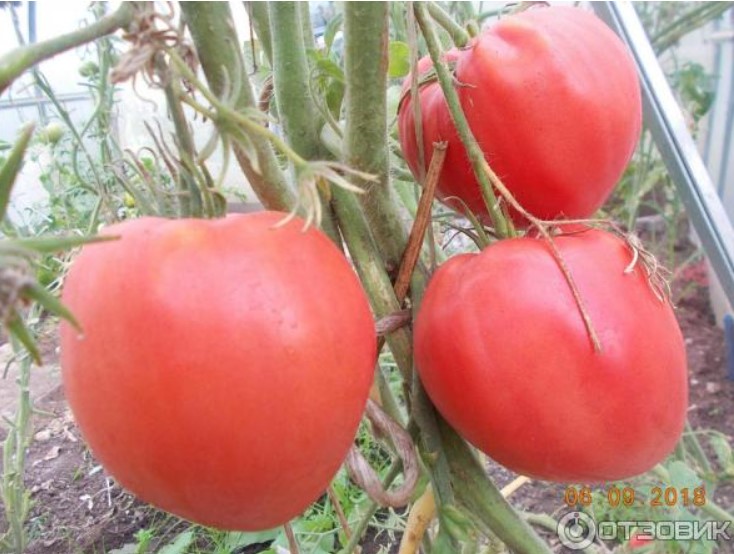
By the end of summer, large red fruits grow.
The variety is productive and has excellent taste.
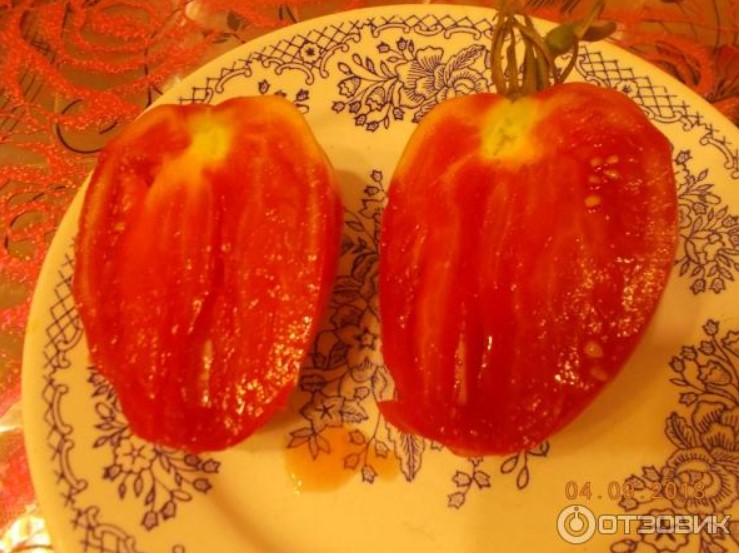
If you cut a tomato, you can clearly see what it’s like inside.
Fleshy, juicy, and sweet flesh. Very good in salads.
I recommend everyone who grows their own tomatoes to grow this variety.
I'm sure you'll like it too.
Good afternoon, dear friends! We've been planting Agronika's "Velmozha" tomatoes for many years now. Although this variety was bred in Siberia, it grows beautifully here in the South.
The seeds are easy to grow, have a good germination rate, and the plants are resistant to various diseases. They tolerate our hot, dry summers well, even when we can't always water them in time. They also tolerate temperature fluctuations well; we typically plant them outdoors in mid- to late March.
The fruits ripen early and bear fruit throughout the summer.This is one of the first tomatoes.
The fruits are quite large
Two of these tomatoes are enough for a salad for four people.
Tomatoes are very sweet, juicy, and fleshy. We don't use them for canning for the simple reason that many simply don't fit into a jar, but for salads, there's nothing better than tomatoes.
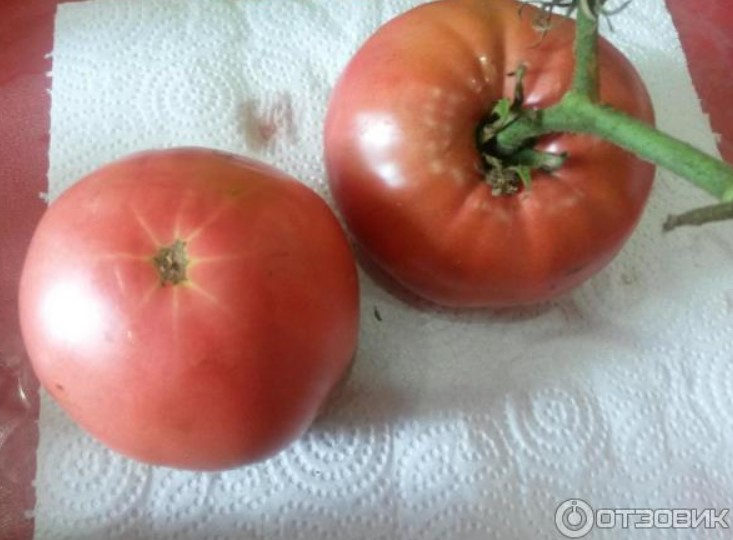
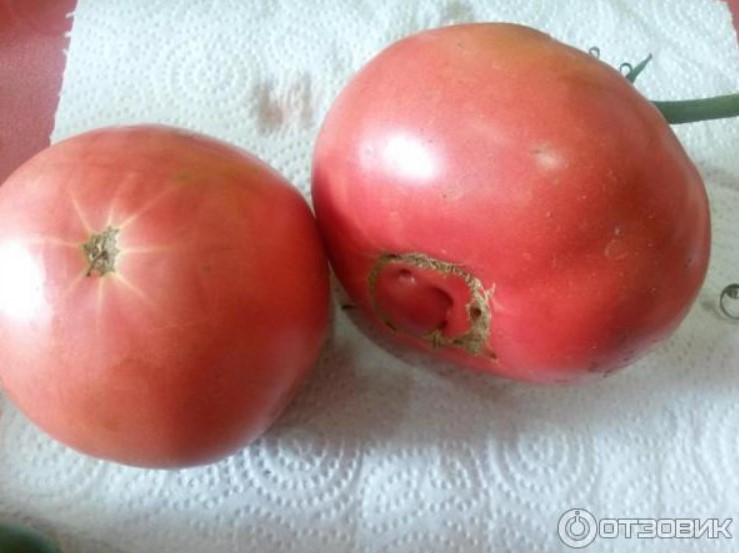
This year I have a Velmozha from SibSad, heart-shaped, fleshy, but not sweet.
I have a Velmozha and a Pink Honey next to it, both from Sibsad. Both are in the open garden next to each other, and in the greenhouse next to each other—they look like twins, just slightly different in shape: Velmozha is flat-heart-shaped, RM is round-heart-shaped. Velmozha is nothing special, while Pink Honey is incredibly sweet (my husband, a Volgograd resident who's picky about tomatoes, actually said he got a good sweet one—edible!)
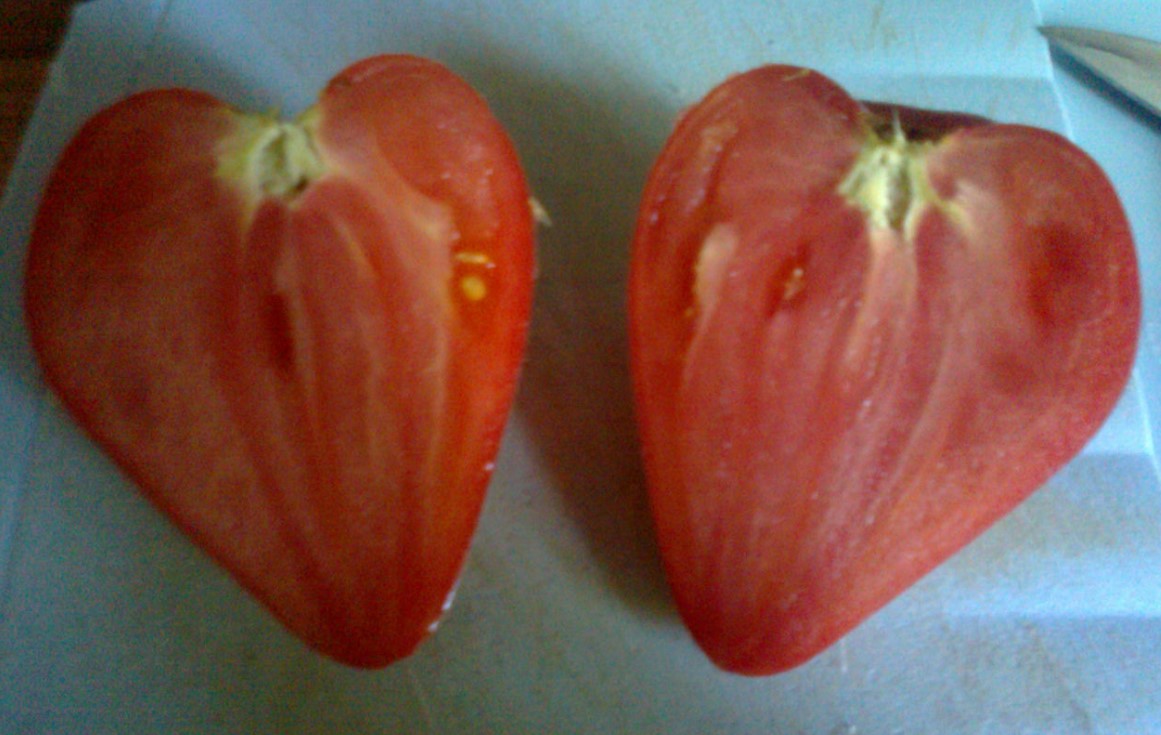
I got some very good tomatoes from Velmozha from SibSad. I'll repeat the photo (I posted "The Biggest Tomato")
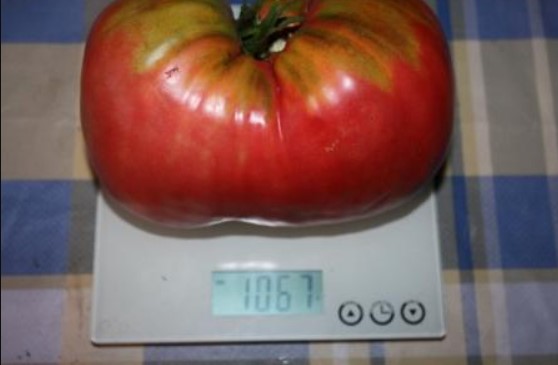
I grew it in a greenhouse; it was a single bush, and I trained it into two trunks. The bush is skinny, not very tall. The fruits are heart-sized, not very large, 300-400 grams. Delicious. Seeds by V. Redko.
I didn't take a photo of the ripe one.